Dolomite
What Is Dolomite?
Dolomite is a calcium magnesium carbonate mineral with the formula CaMg(CO3)2.
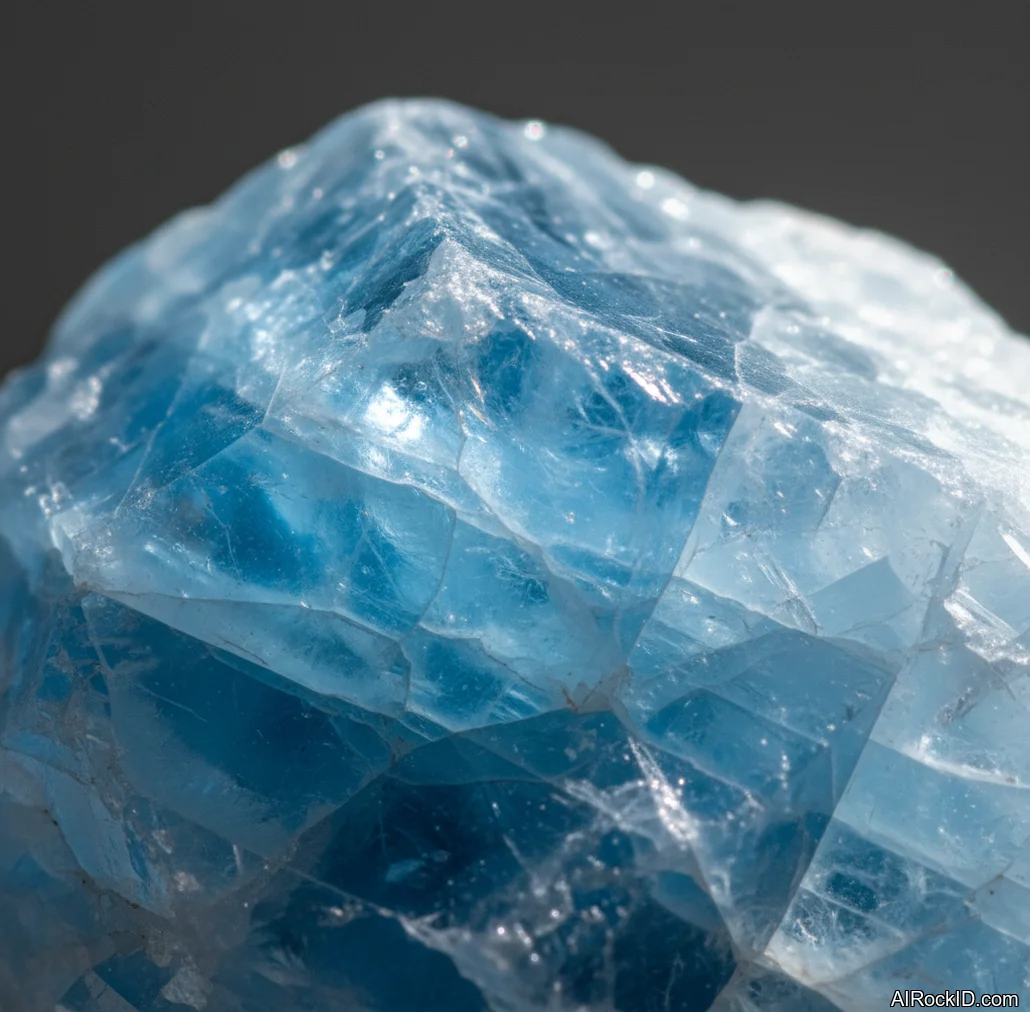
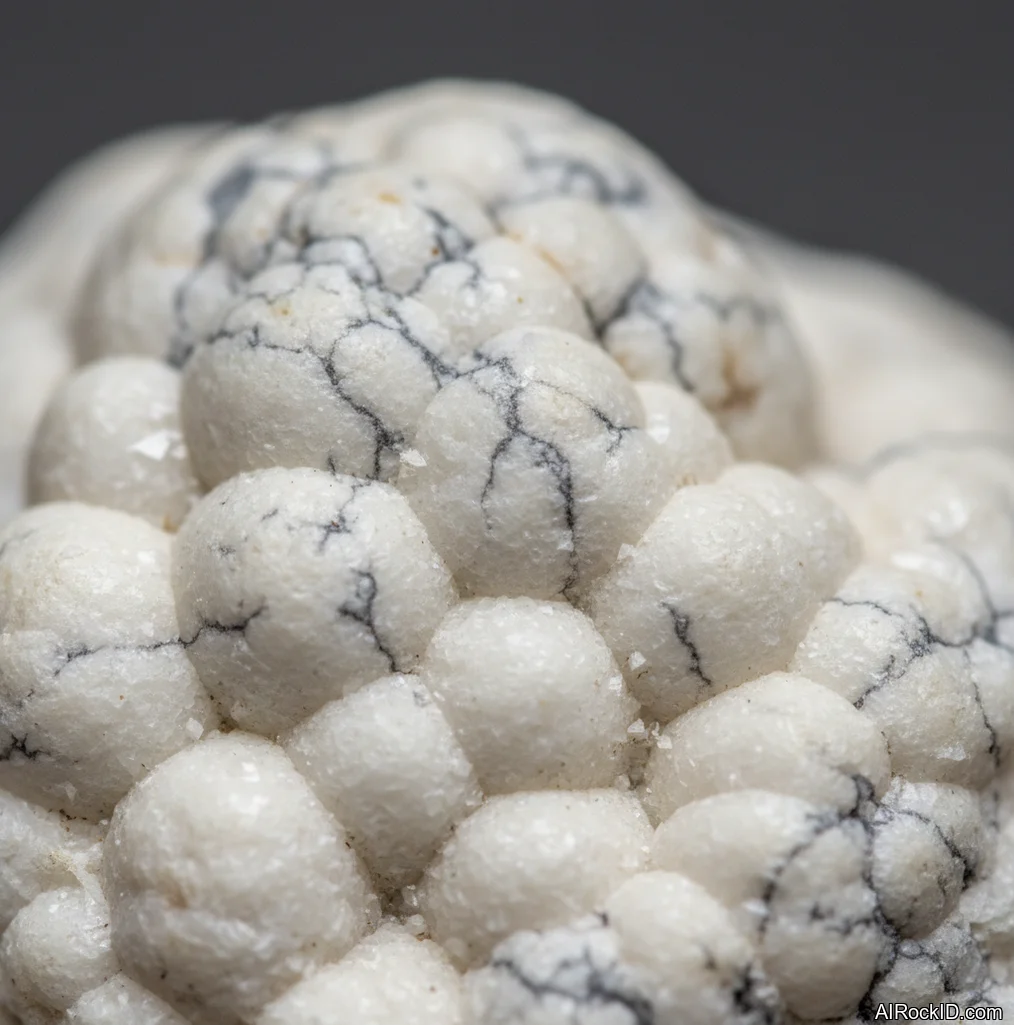
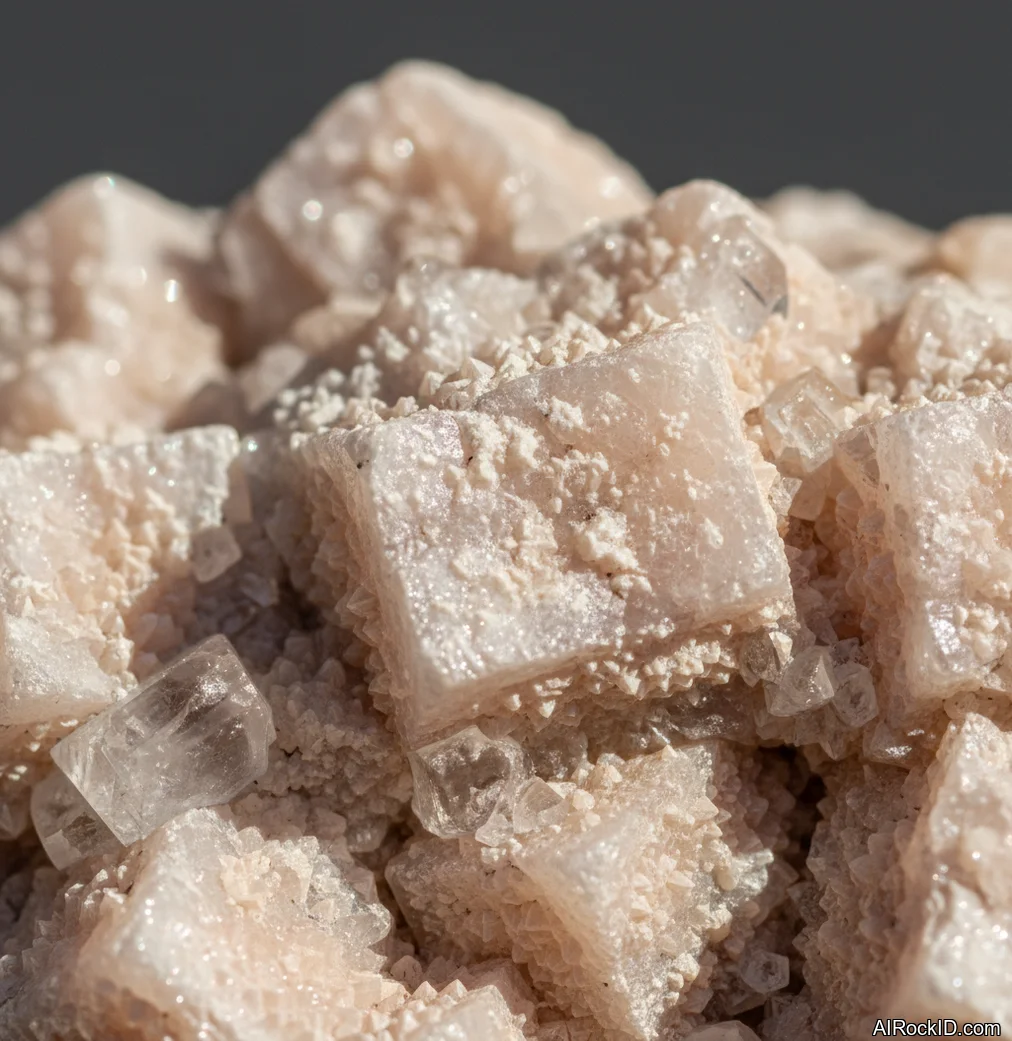
Hold a hand sample and it often feels lighter than you’d guess, especially if you’re used to dense metallic pieces like hematite that have that heavy, dead weight in your palm. Most of the stuff you’ll see for sale runs creamy white to tan, and sometimes it shows a soft pink blush; when the crystals are nice, the faces have that blocky, slightly tilted-box look that’s hard to unsee once you’ve noticed it. But when it’s more granular? It can photograph pretty dull. In person, though, you roll it under a lamp and you’ll catch tiny flashes off the cleavage (little winks of light) that don’t show up on a screen.
At a glance, dolomite gets mixed up with calcite all the time. I’ve seen people at shows dab it with acid, stare at it like, “Did I mess up?”, and then remember why the label matters. Cold, dilute acid barely fizzes on dolomite. And if you scratch a spot into powder or warm the acid, it finally wakes up and reacts.
Origin & History
Around 1791, the French mineralogist Déodat Gratet de Dolomieu looked at material from the Tyrolean Alps and realized it wasn’t just ordinary limestone or the usual calcite-heavy stuff. It behaved differently in the field. So he called it out as its own thing, and later on the mineral got named “dolomite” in his honor. The name stuck because it fixed a real, annoying problem: not every carbonate rock reacts the same way when you hit it with acid (you know that little fizz test everyone does).
Collectors trip over the term in two different ways. There’s dolomite the mineral. And then there’s dolomite, or dolostone, the rock that’s mostly made of that mineral. Dealers blur those labels constantly, which is why I always check what I’m actually buying: sharp, clean crystals sitting on a matrix, or a heavier, granular chunk of carbonate rock that’s mostly just compact grains.
Where Is Dolomite Found?
Dolomite shows up in carbonate settings worldwide, especially in dolostone and hydrothermal veins. Crystal pockets from classic Alpine localities and Brazilian mines are common on the collector market.
Formation
Most dolomite shows up in sedimentary settings, where magnesium-rich fluids move through limestone and slowly swap some calcium for magnesium, turning calcite into dolomite over time. That’s the main reason you get those huge dolostone units. It’s slow, kind of boring chemistry, honestly. And because the textures can be sneaky, you’ll run into everything from sugary, granular masses that feel a bit like fine grit under your fingers to beds that look almost exactly like limestone until you actually test them.
But the stuff collectors really drool over? That usually comes out of hydrothermal or metamorphic settings, where fluids have room to grow sharper crystals in open space. Look, if you’ve got a good cabinet specimen in your hand and you tilt it under a lamp, you can see the classic rhombohedra stacking up. Sometimes the faces are curved, or you get those little saddle shapes in higher-temperature material. “Saddle dolomite” can come in a warm tan color, and the luster reads pearly instead of glassy (it’s a subtle difference, but it’s there).
How to Identify Dolomite
Color: Common colors are white, cream, tan, gray, and pale pink; iron can push it toward brown. Some pieces look almost sugar-white until you tilt them and catch the sheen.
Luster: Luster is vitreous to pearly, especially on cleavage faces.
If you scratch it with a copper coin, dolomite usually resists more than calcite, but it still won’t feel “hard” like quartz. The real test is acid: cold dilute HCl gives weak to no fizz on a clean face, but a powdered scratch will effervesce more clearly. And if you’ve handled a lot of calcite, dolomite’s cleavage flashes look similar, but the crystals often feel a bit more blocky and subdued in shine.
Properties of Dolomite
Physical Properties
| Crystal System | Trigonal |
| Hardness (Mohs) | 3.5-4 (Soft (2-4)) |
| Density | 2.85-2.95 |
| Luster | Vitreous |
| Diaphaneity | Transparent to translucent |
| Fracture | Uneven |
| Streak | White |
| Magnetism | Non-magnetic |
| Colors | White, Cream, Tan, Gray, Pink, Brown |
Chemical Properties
| Classification | Carbonates |
| Formula | CaMg(CO3)2 |
| Elements | Ca, Mg, C, O |
| Common Impurities | Fe, Mn, Zn, Pb |
Optical Properties
| Refractive Index | 1.679-1.681 |
| Birefringence | 0.179 |
| Pleochroism | None |
| Optical Character | Uniaxial |
Dolomite Health & Safety
Handling dolomite is generally pretty safe. The real, everyday risk isn’t toxicity, it’s what happens if it meets acid: the surface can etch (you’ll sometimes see a dull spot where it used to look smoother). Normal washing is fine.
Safety Tips
If you’re cutting or grinding it, don’t breathe the dust. And for any lapidary work, put on eye protection (seriously, one tiny chip in your eye is all it takes).
Dolomite Value & Price
Price Range
Rough/Tumbled: $3 - $60 per specimen
Cut/Polished: $5 - $40 per carat
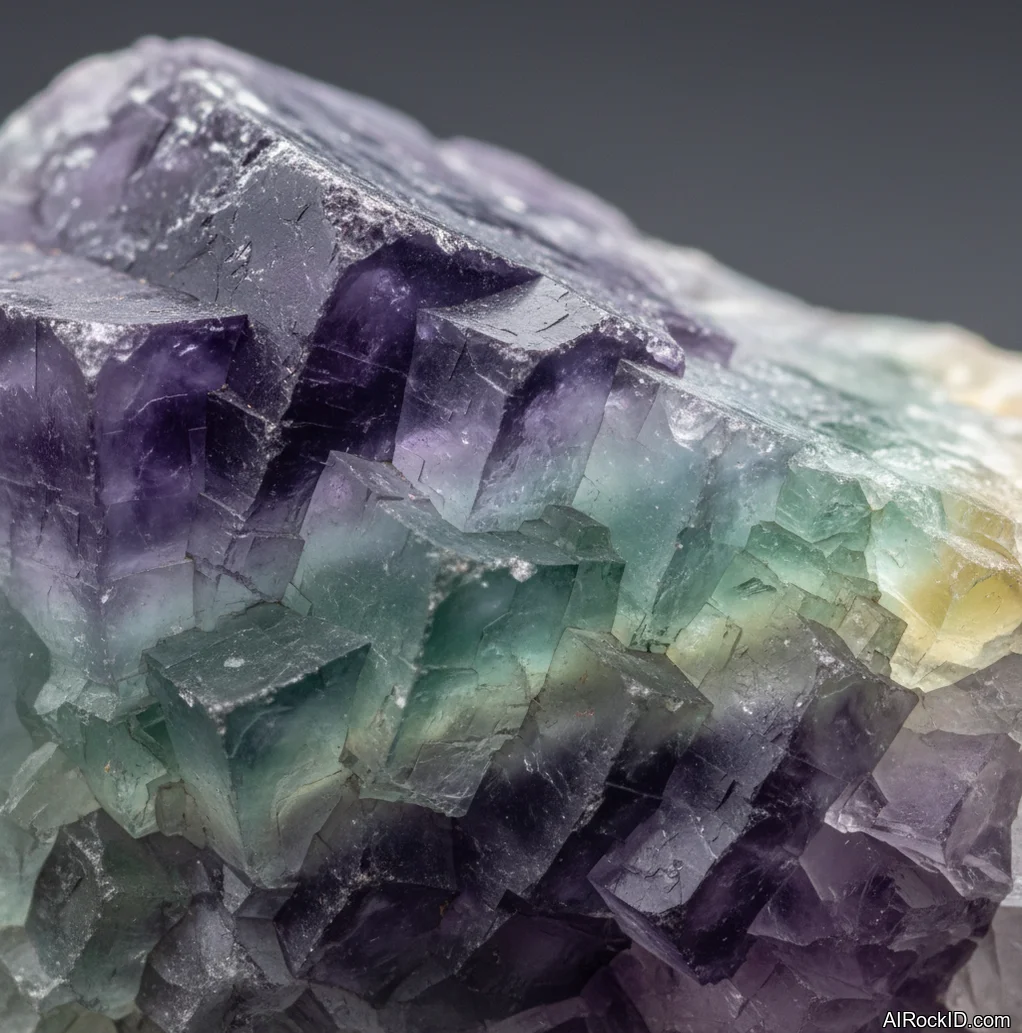
Price really depends on what the crystal actually looks like and where it came from. Sharp rhombohedra, those weird saddle-shaped pieces, or “combo” specimens stuck on other minerals (fluorite, sphalerite, etc.) usually cost more. Most tumbled dolomite is pretty cheap. But finding clean, damage-free cleavage faces is tougher than you’d think, especially once you’ve held a few and noticed how easily the edges get scuffed or chipped.
Durability
Nondurable — Scratch resistance: Fair, Toughness: Fair
Dolomite is stable in normal indoor conditions but can etch or dull if exposed to acids or acidic cleaners.
How to Care for Dolomite
Use & Storage
Store dolomite away from harder minerals like quartz that can scuff it in a shared box. I keep nicer crystal pieces wrapped because the cleavage edges chip if they rattle around.
Cleaning
1) Rinse with lukewarm water and a drop of mild dish soap. 2) Use a soft toothbrush to lift dirt from crevices, then rinse well. 3) Pat dry and let it air-dry fully before putting it back on a shelf.
Cleanse & Charge
If you do energetic cleansing, stick to gentle options like smoke, sound, or a quick pass under running water. Skip salt soaks if your piece has other attached minerals or fragile matrix.
Placement
A shelf is fine, but keep it out of kitchens and bathrooms if you use vinegar or acidic sprays nearby. If it’s a pale pink piece, I’d avoid harsh direct sun just to keep the color looking even.
Caution
Don’t use vinegar, CLR, or any acid-based cleaner on dolomite. It’ll etch the surface and it can lose that soft luster you see when you tilt it under a lamp. And skip ultrasonic or steam cleaners on crystal clusters. Thing is, the cleavage planes and those hairline fractures you might not even notice at first can open up fast once heat and vibration get into them. Why risk it?
Works Well With
Dolomite Meaning & Healing Properties
Next to the flashy stones, dolomite’s the quiet one. I keep a few pieces in my own stash, and I grab them when I need that “okay, get organized and stop spiraling” feeling, kind of like how a clean desk instantly makes your brain breathe a little easier. It’s a carbonate, and you can tell. It sits heavy and steady in your palm, and the pale pink pieces have this almost chalky-smooth feel along the worn edges, like they’ve been gently sanded by time (or a lot of handling).
Most dealers will sell it as calming and supportive, and honestly, that lines up with how people actually use it, like during meditation or as part of a bedtime routine. But let me say the boring part out loud: it’s not medicine. If anxiety or sleep issues are blowing up your week, crystals can be a comfort tool, sure, but they’re not a stand-in for real help.
Grab a dolomite cluster and run your thumb over a cleavage face. The flat spot has that slick, slightly grippy glide, and then you’ll hit a tiny catch where a micro-chip snags your skin for a second. That little bit of tactile feedback is exactly why I like it for grounding. It keeps you in your body. And if you put it next to something more “bright” like fluorite, dolomite ends up being the plain base note that keeps the whole set from feeling too buzzy.
Identify Any Crystal Instantly
Snap a photo and get properties, value, care instructions, and healing meanings in seconds.