Cancer Crystals
Cancer crystals guide: top stones like Moonstone, Pearl, Selenite, and Rose Quartz, with meanings, buying tips, and ways to use them daily.
Cancer season has a certain feel in crystal circles. You can spot it. People start reaching for stones that match a Moon vibe: soft luster, watery colors, gentle glow, textures that make you slow down when you hold them. In the shop, I see it every time. Someone says they’re a Cancer, or they’re buying for one, and their hand floats to Moonstone first. Then Pearl. Then the pale stuff like Selenite and Angelite. Not because some label told them to. Because those materials literally look and feel like “quiet.”
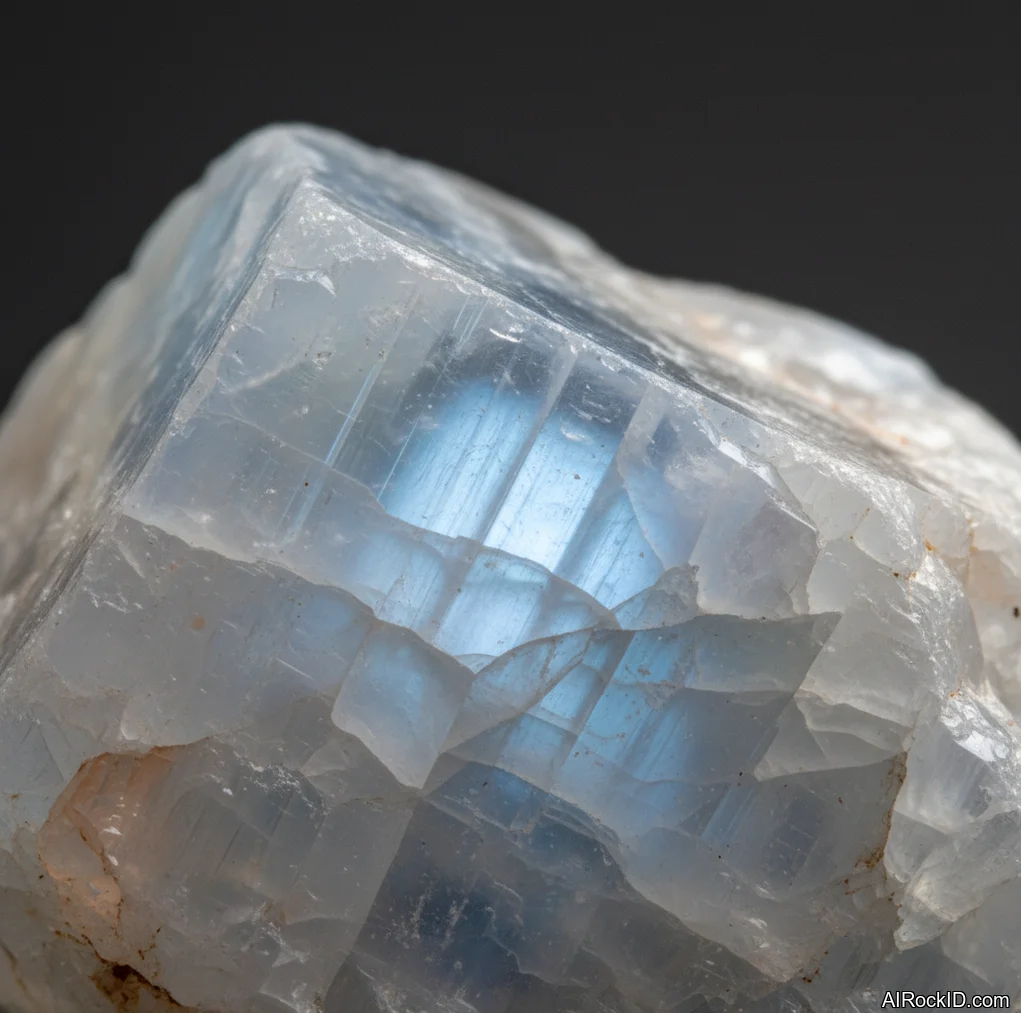
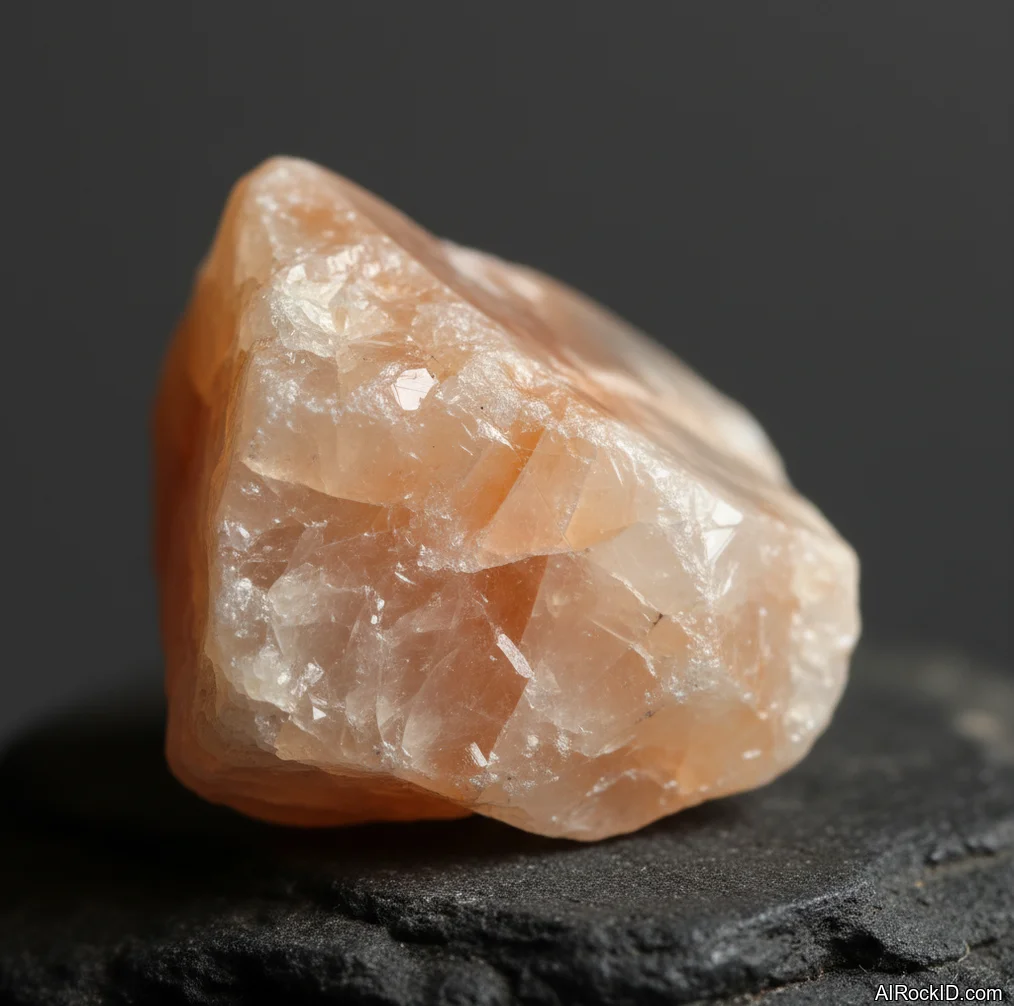
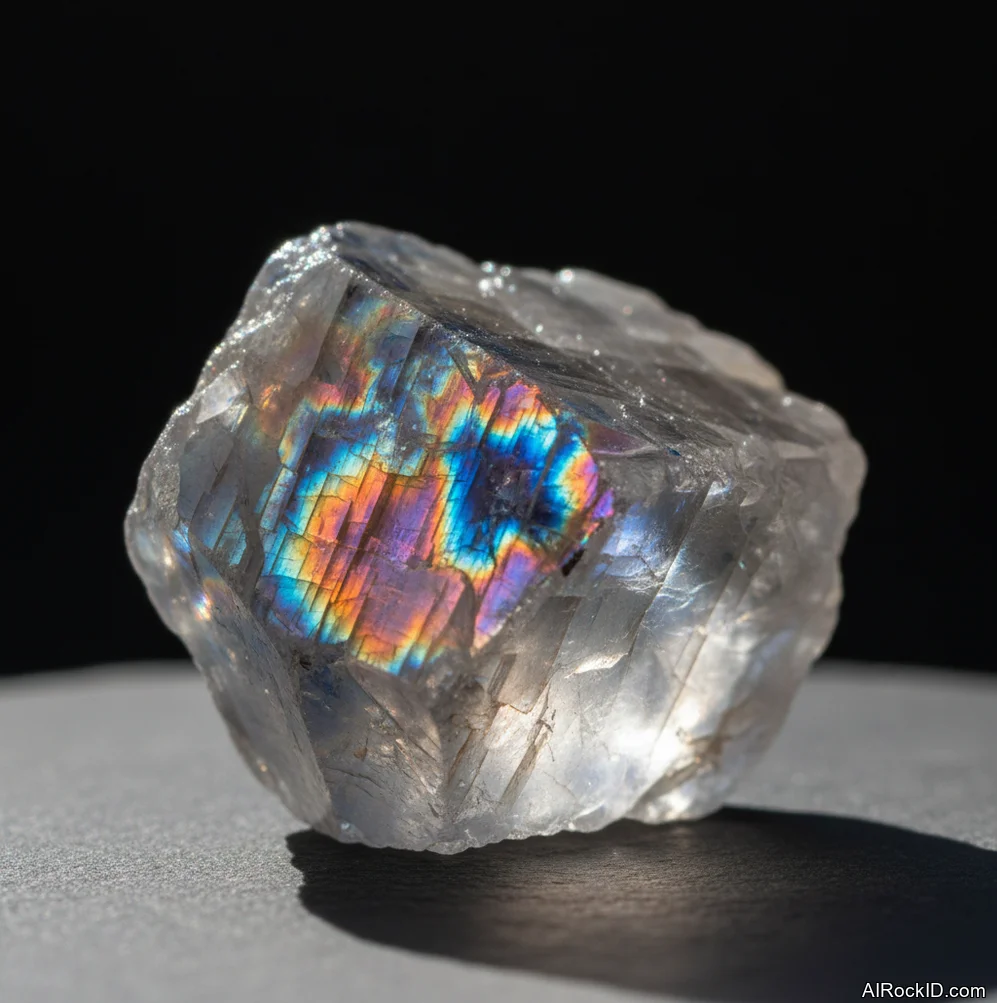
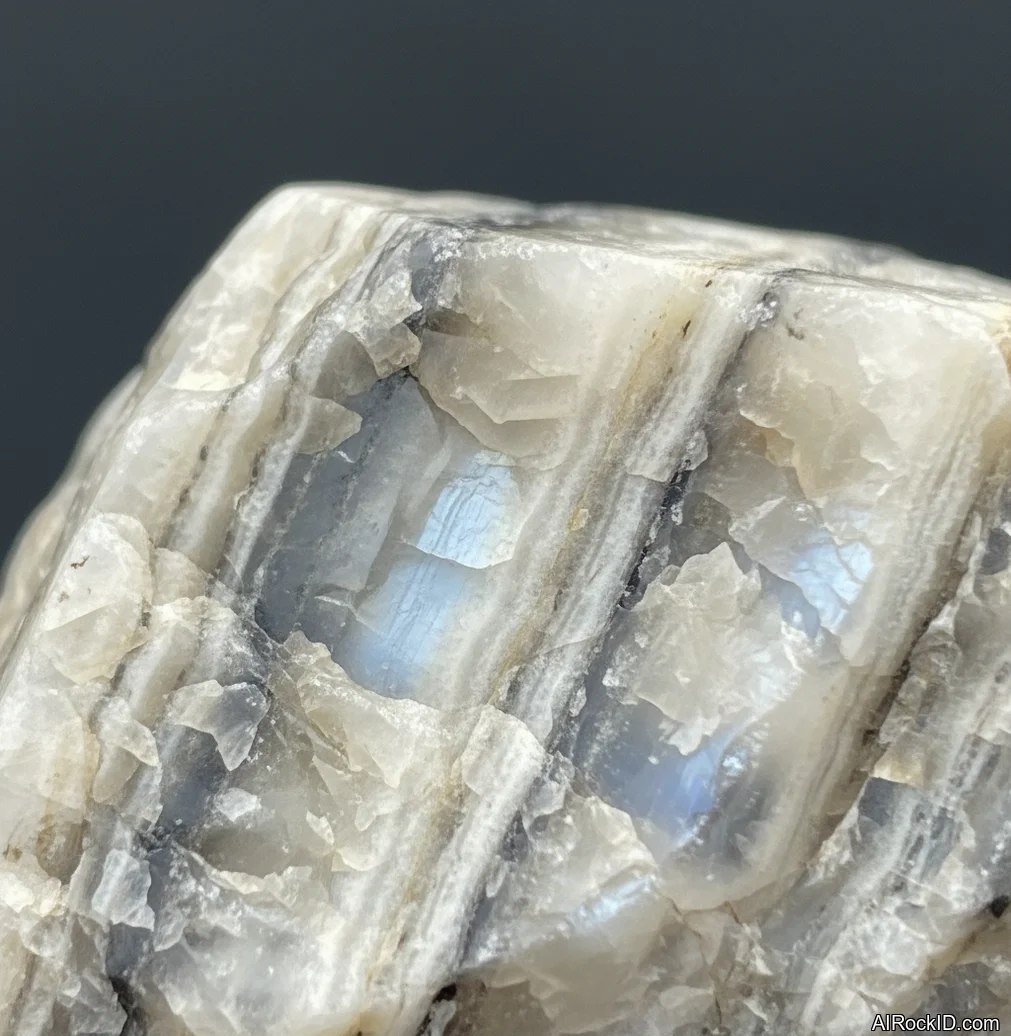
Pick up a good Moonstone cab and you’ll get why it always lands in the Cancer pile. It stays cool for a second, then warms up, and when you roll it under a ceiling light that blue sheen slides across like a moving patch of ice. The real test is adularescence that travels, not a flat, painted-on glow. I’ve handled cheap rainbow “moonstone” (usually labradorite or glass) that flashes too hard and too evenly. True moonstone is usually milkier, with that soft internal shimmer that shows up and disappears depending on the angle.
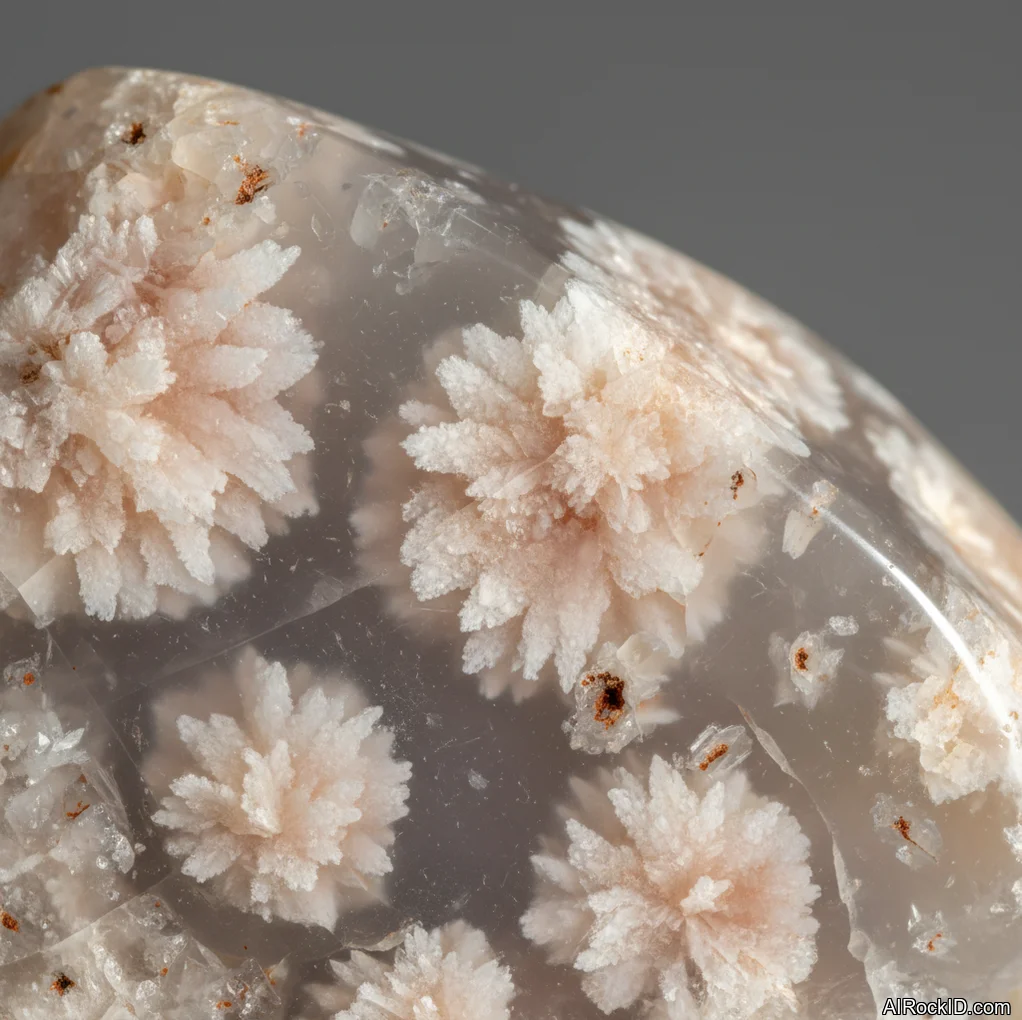
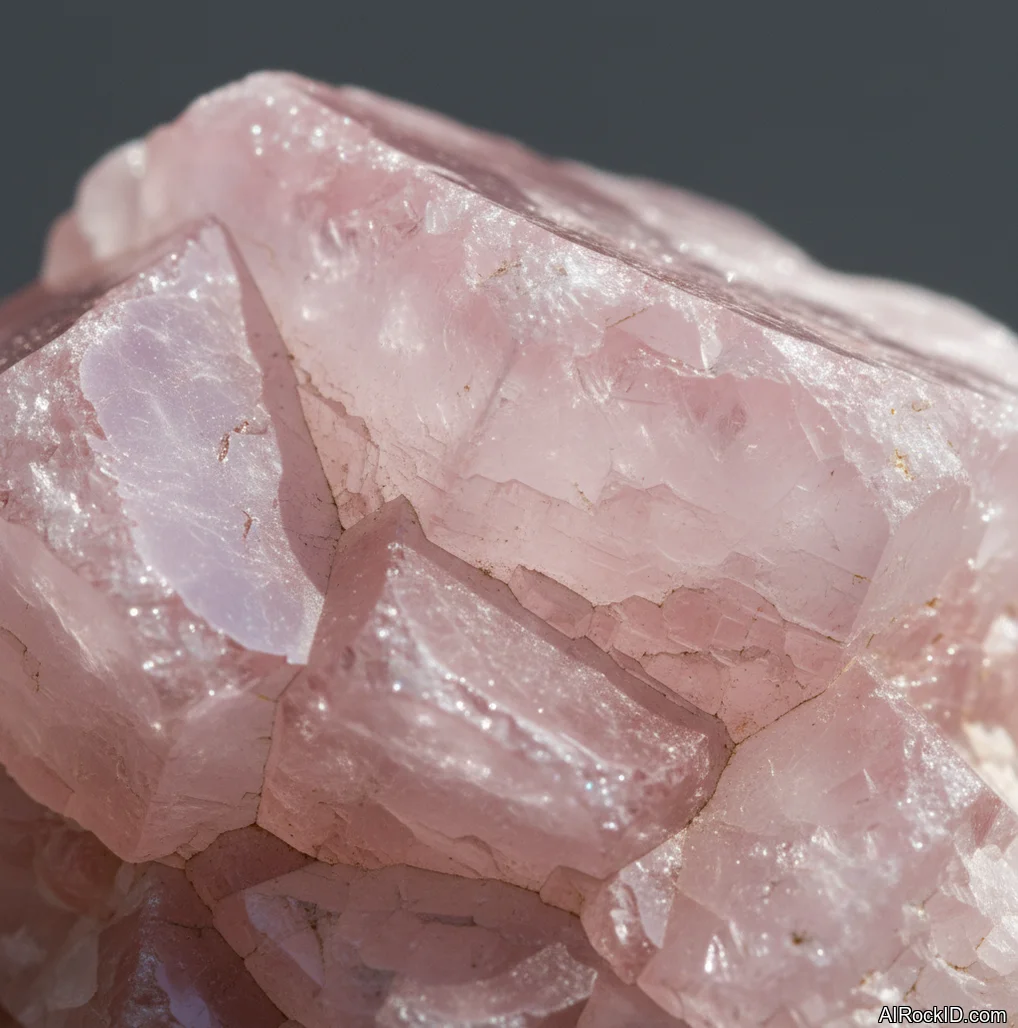
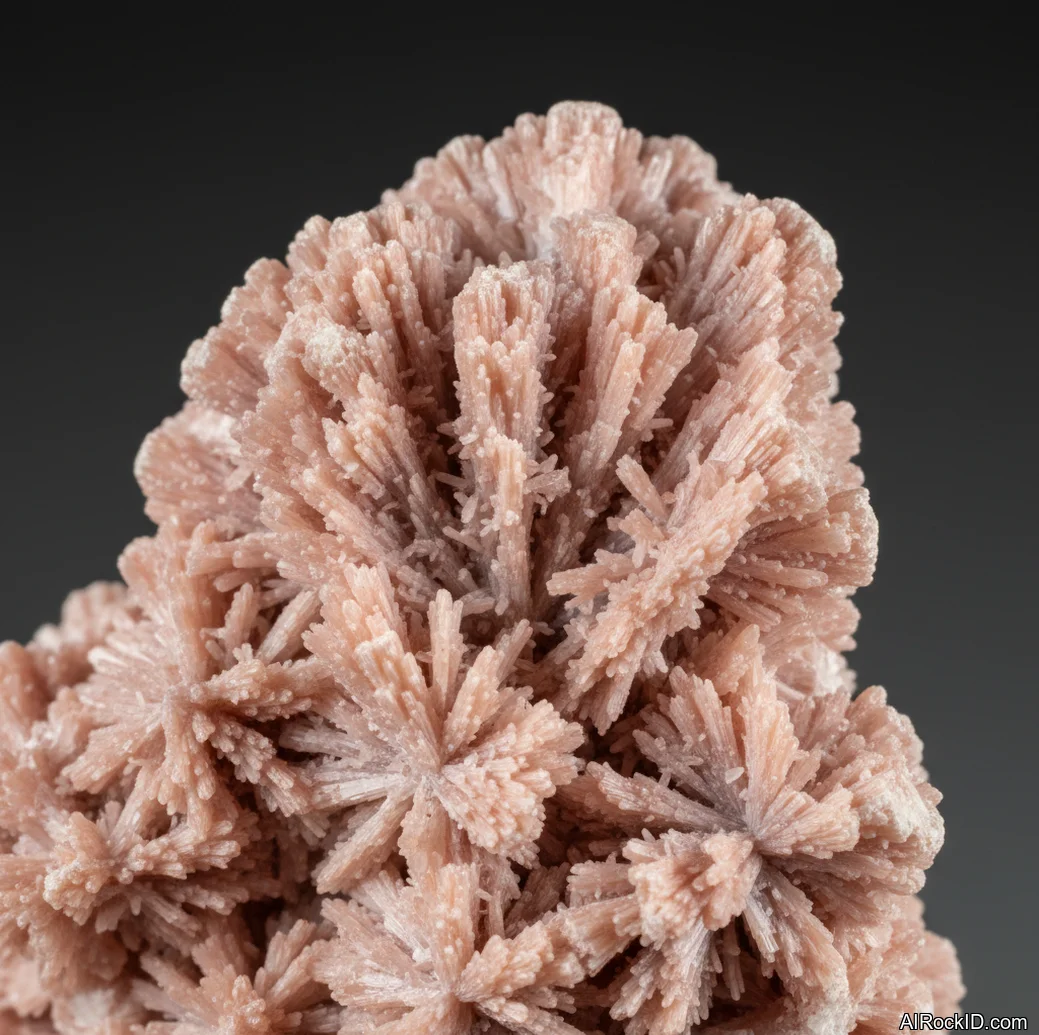
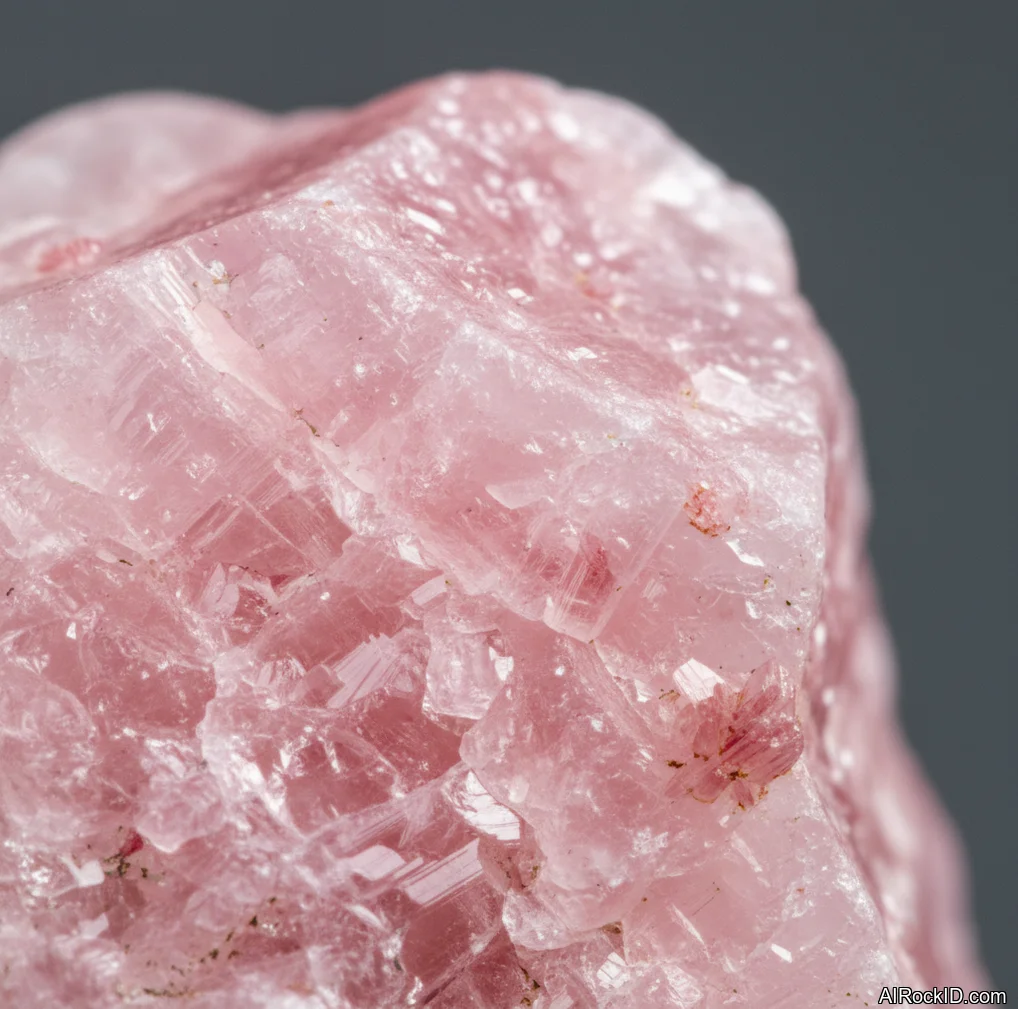
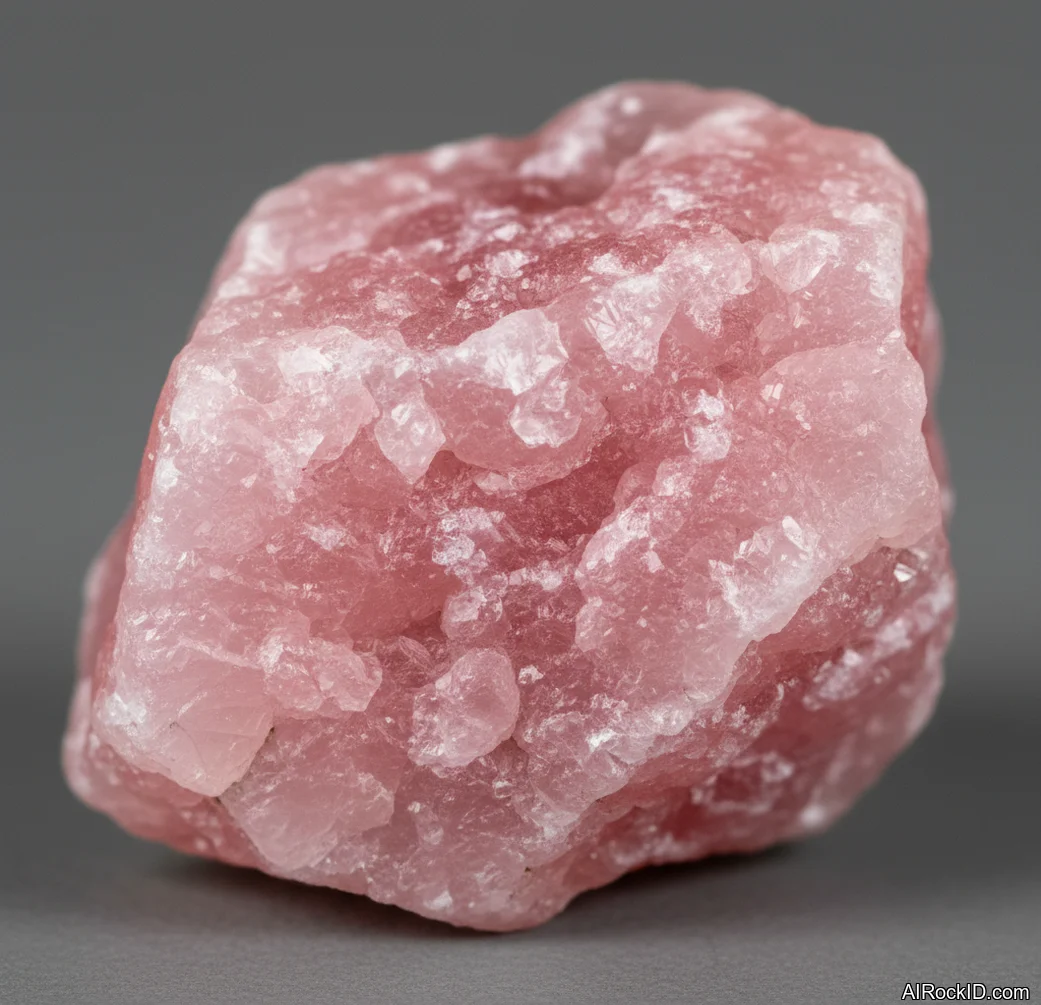
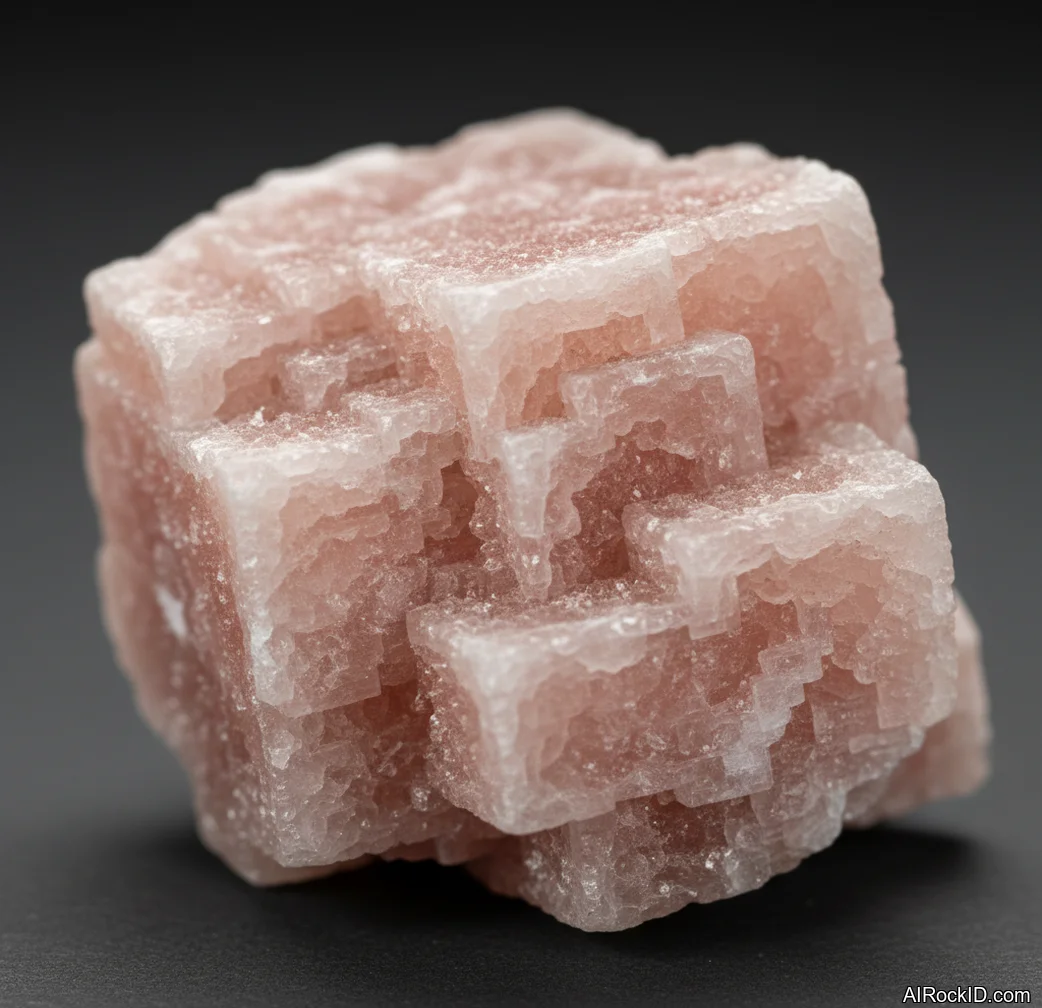
In crystal talk, Cancer usually points to the stuff people are trying to work on: emotional steadiness, home energy, family boundaries, sleep, and that “I need a safe corner” feeling. So Rose Quartz ends up next to Cancer a lot. It’s common, sure, but good pieces have a very specific look: cloudy pink with tiny internal veils, not neon bubblegum. If it’s hot pink and perfectly clear, it’s often dyed or glass. And compared to clear quartz, rose quartz can feel a little waxy in the hand when it’s well-polished, plus it bruises more easily around the edges.
Pearl comes up for Cancer too, and it’s one of the few “crystals” people buy without thinking about mineral structure at all. Pearls aren’t crystals in the classic sense. They’re nacre layers. You can still use them like a talisman, but you’ve got to treat them like pearl. Sweat, perfume, and hairspray will dull the luster fast. If you rub a real pearl gently against your tooth, it feels slightly gritty, like fine sandpaper. Glass and plastic feel slick. That gritty texture is a quick shop-floor test I’ve used a hundred times.
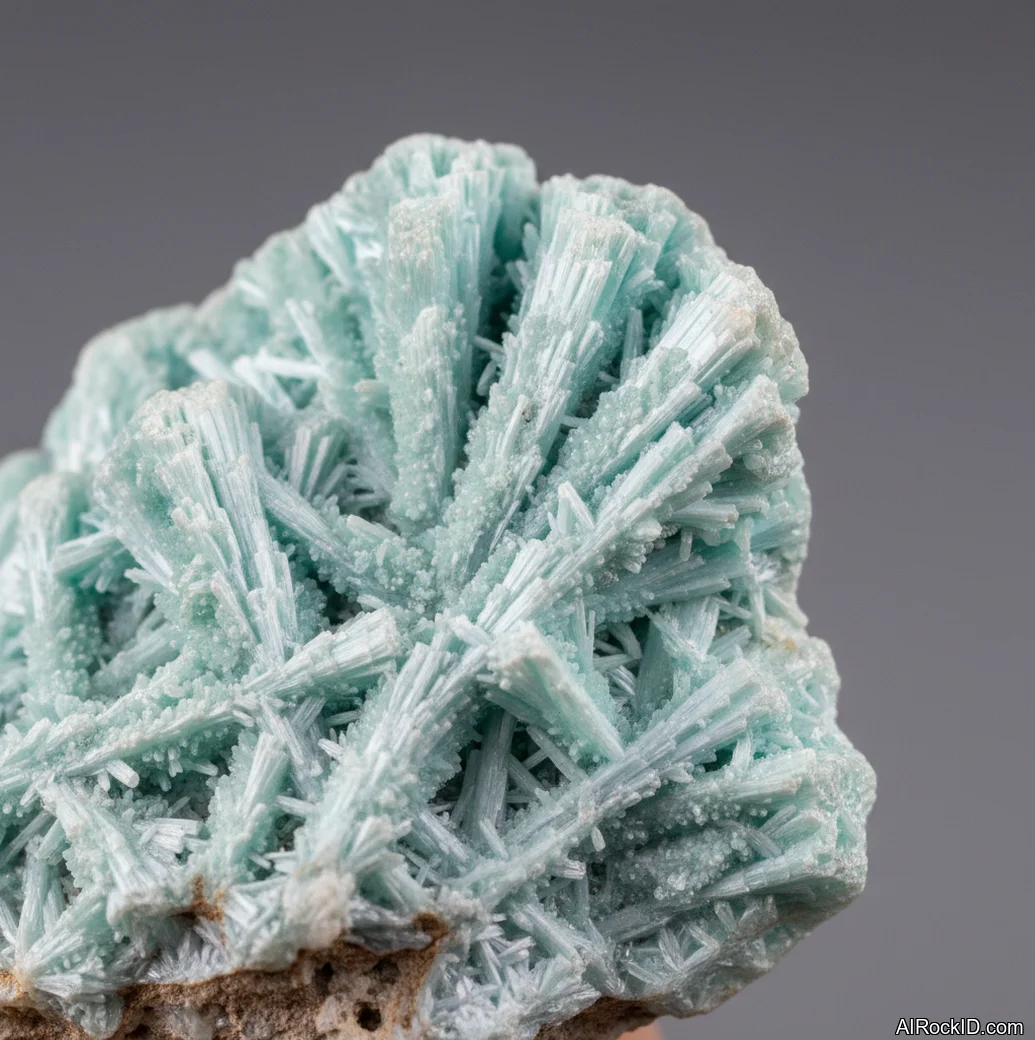
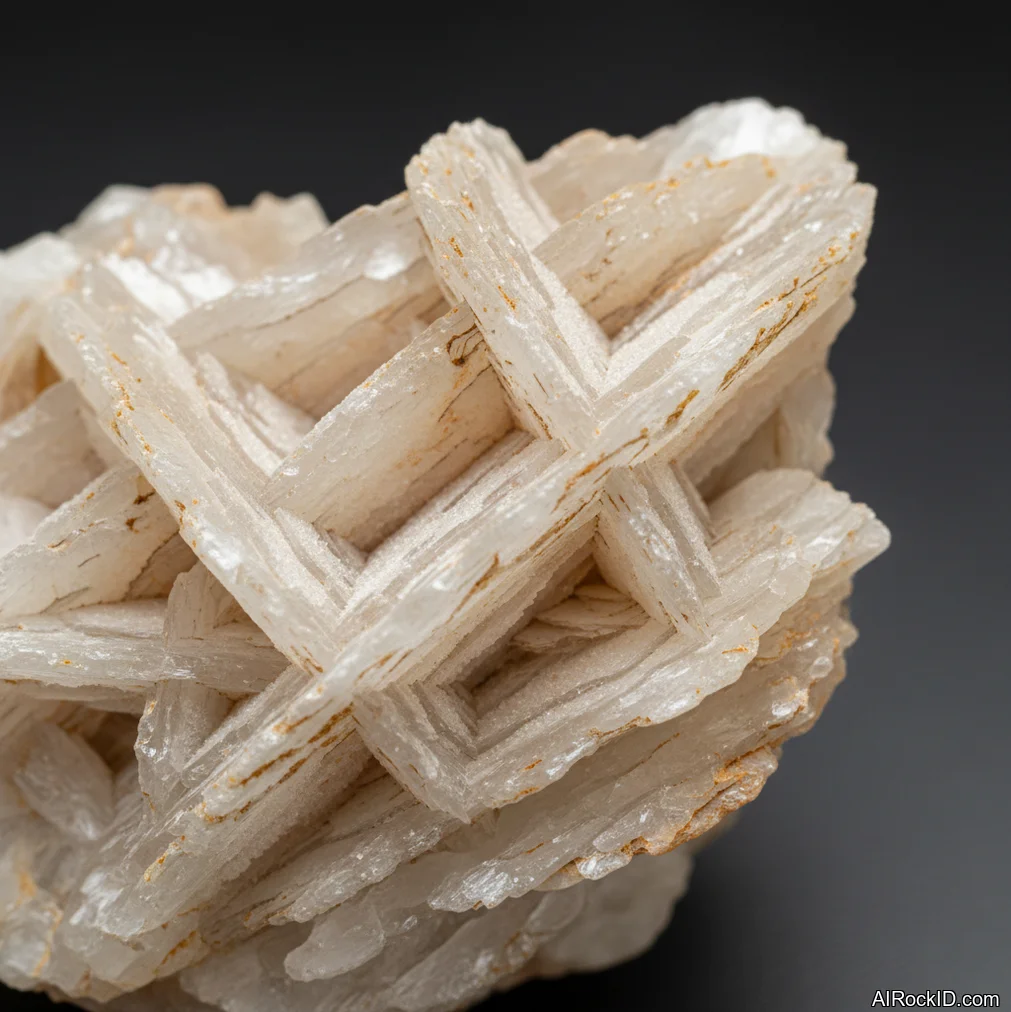
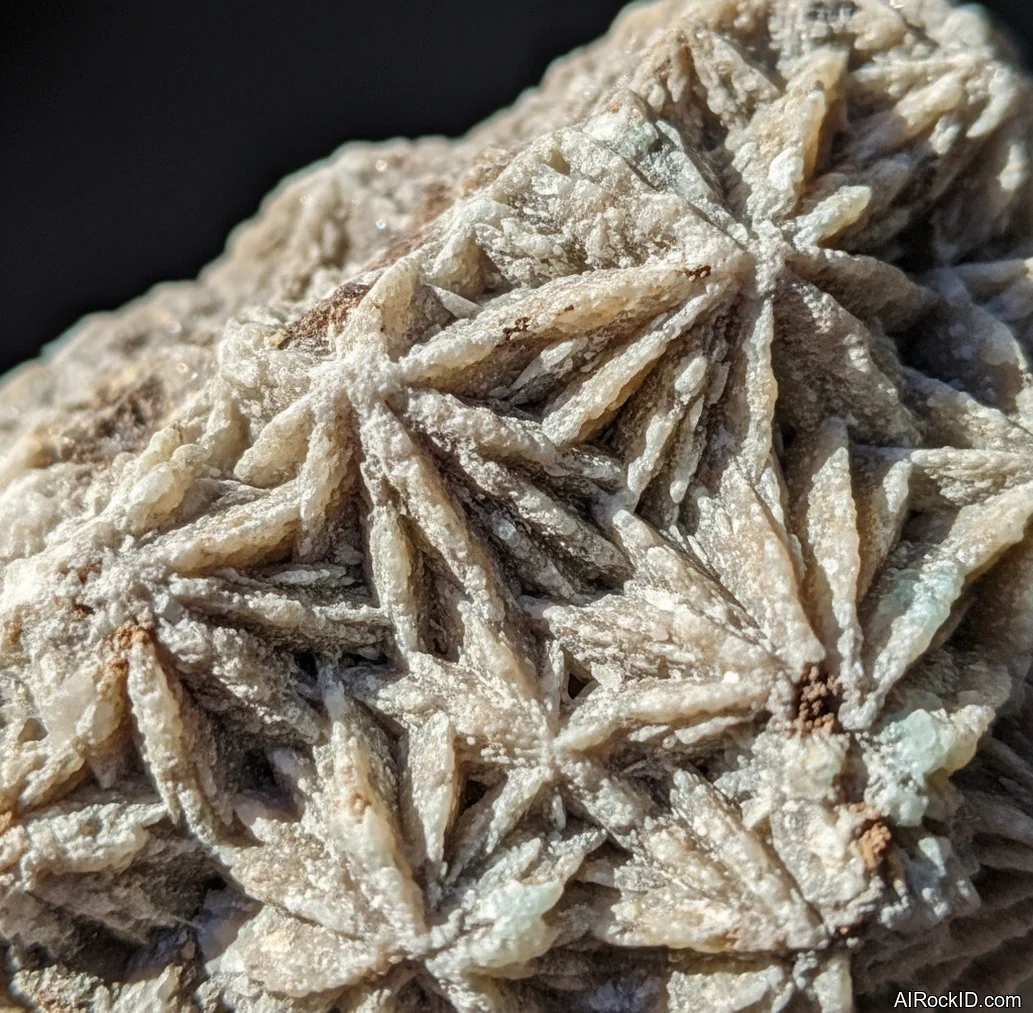
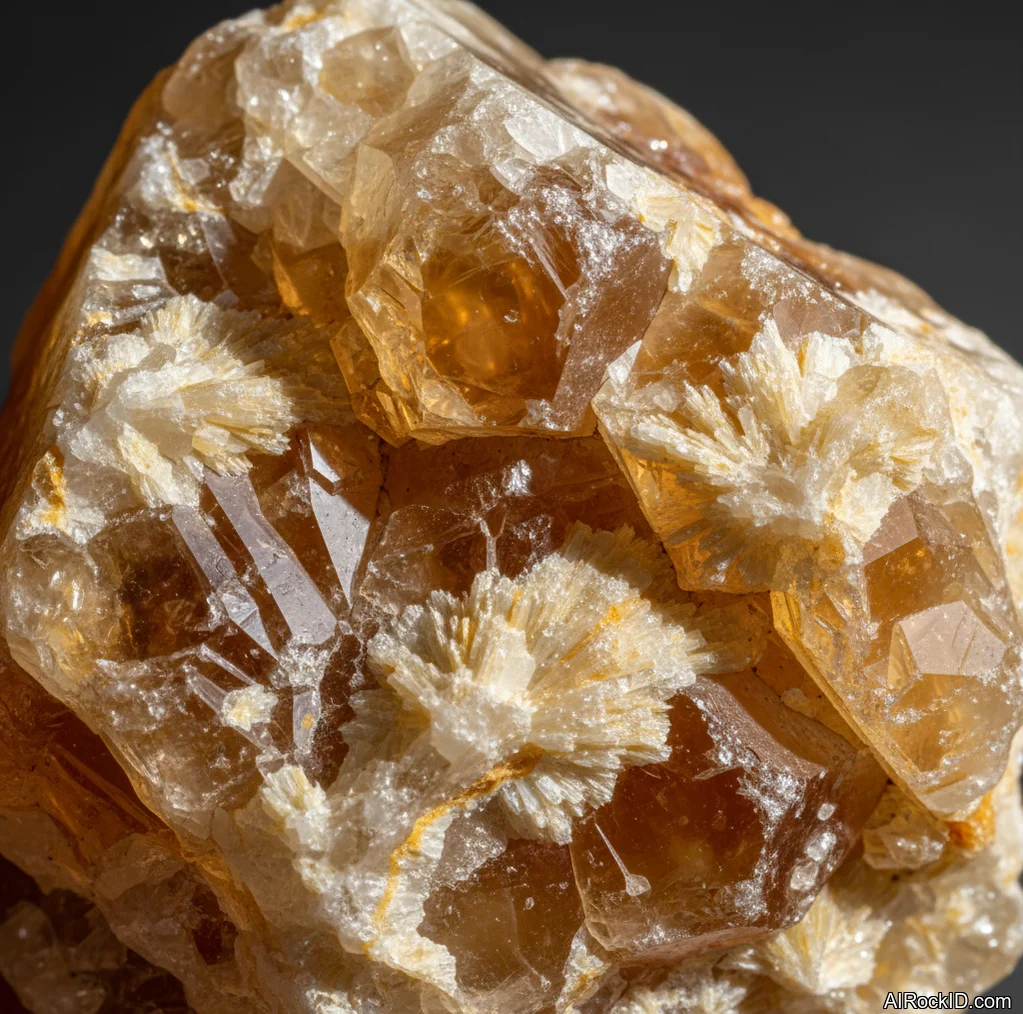
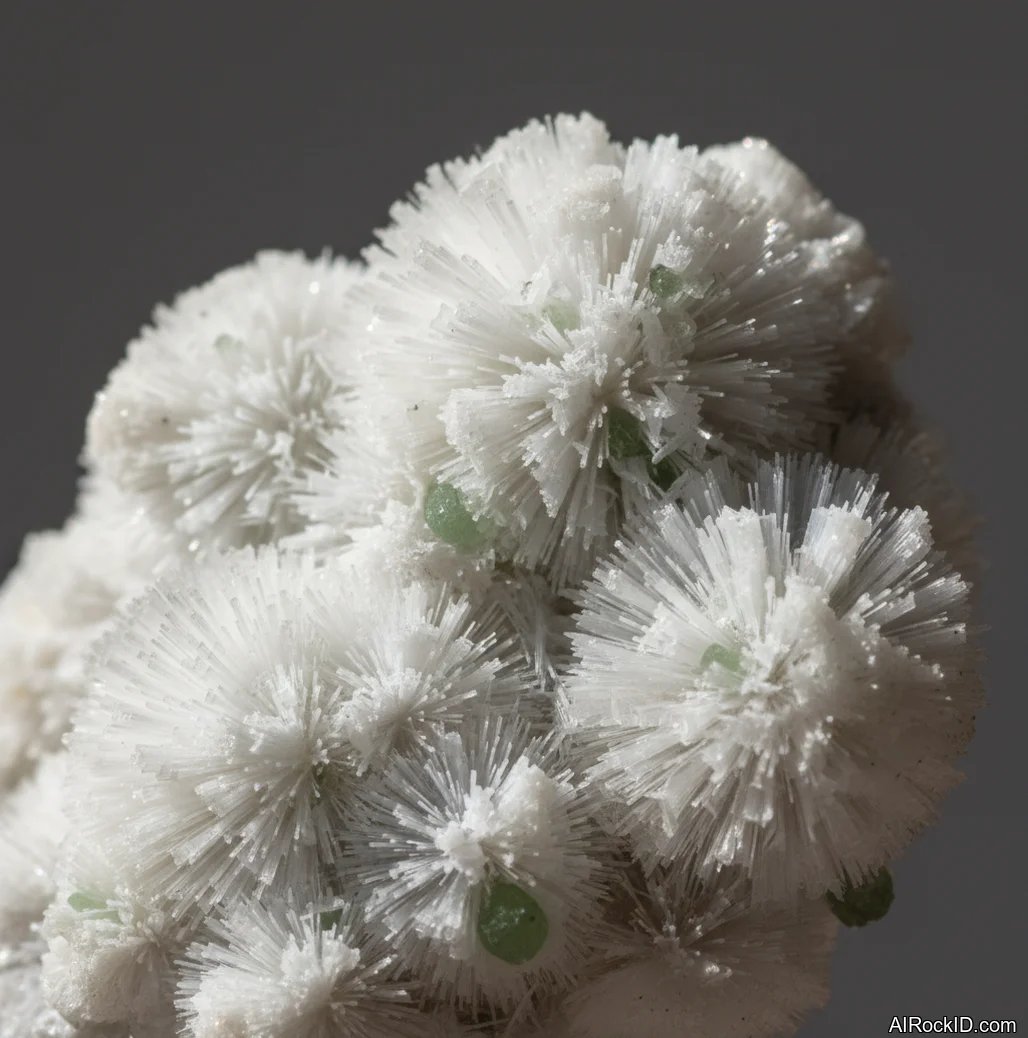
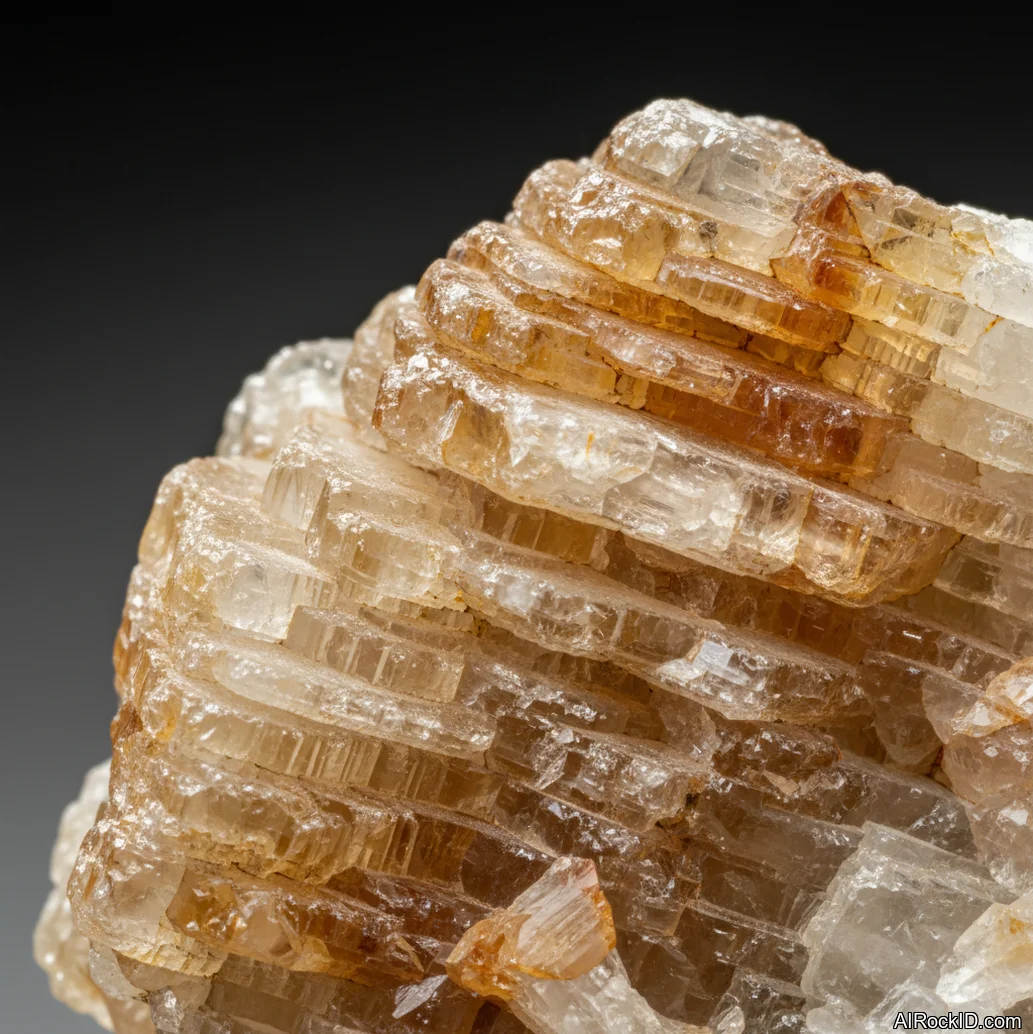
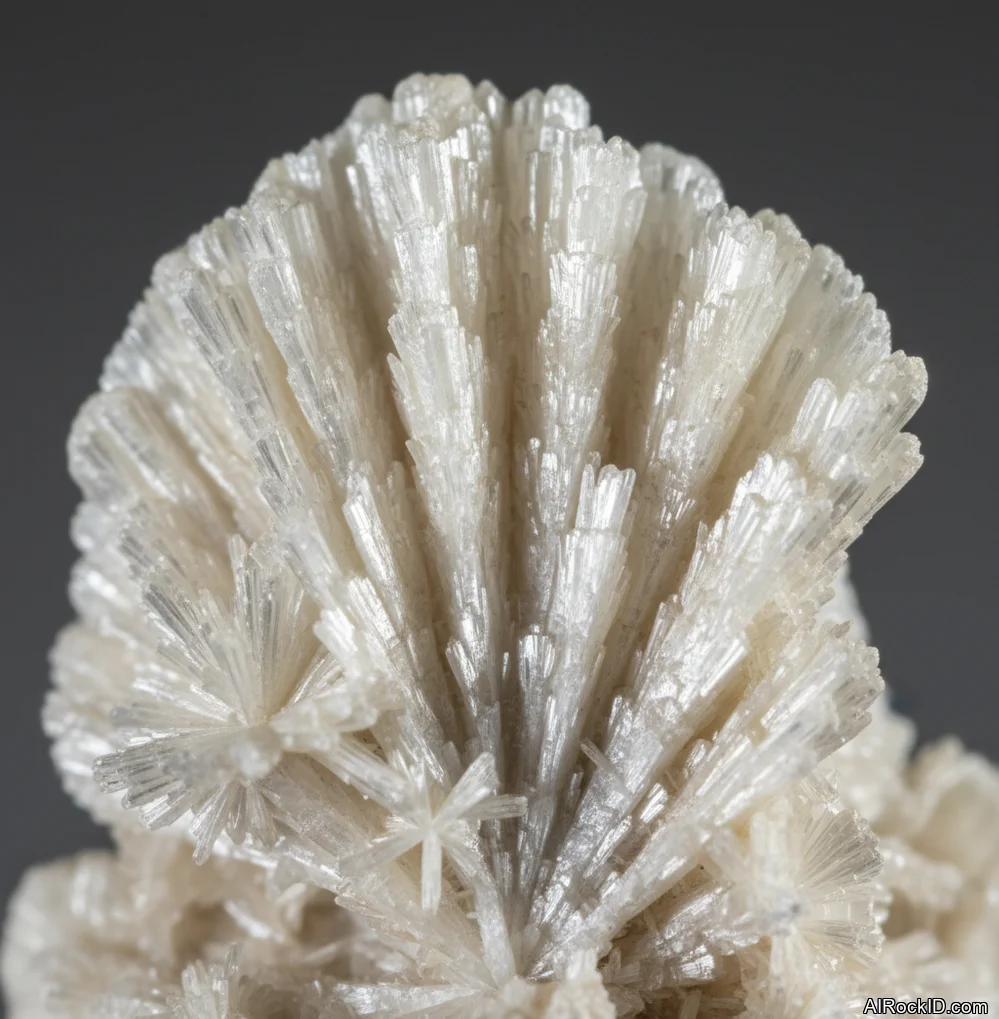
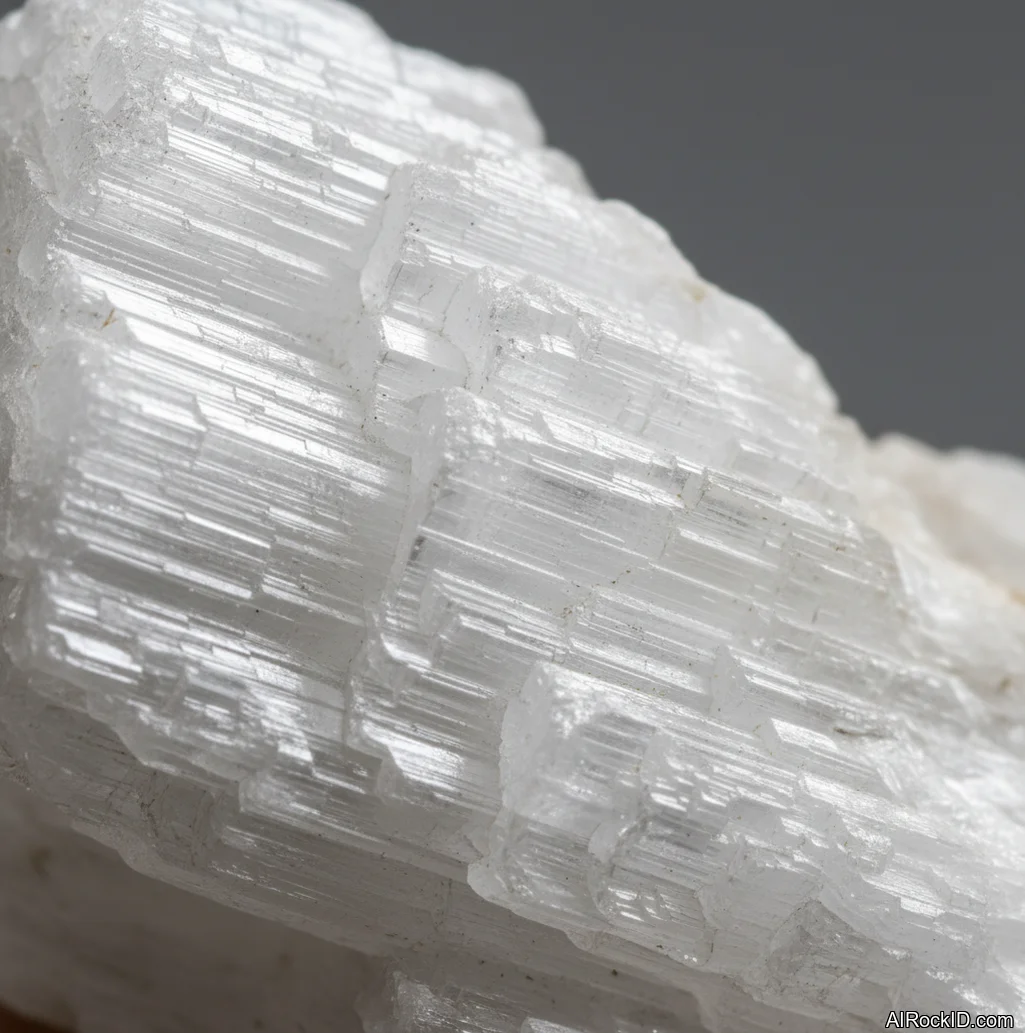
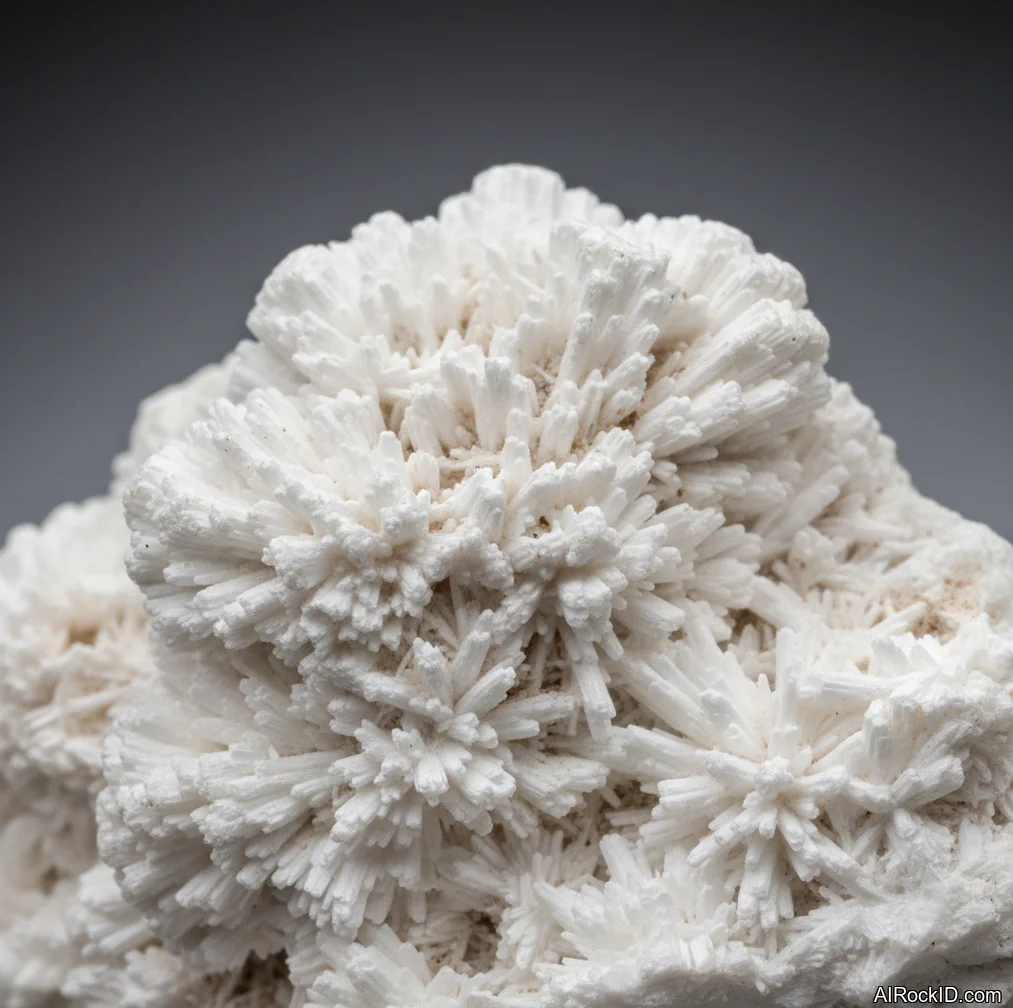
Selenite is another Cancer staple, mostly because people use it to reset a space. Look closely and you’ll see why it gets the “clearing” reputation: that fibrous satin sheen, like it’s holding light right on the surface. But it’s soft. Really soft. The problem is people treat selenite like quartz and then act shocked when it’s all scratched up. If you scratch it with a fingernail, you can leave a mark. Keep it dry, don’t rinse it, and don’t toss it into a bowl of harder tumbled stones unless you want a cloudy, scuffed wand.
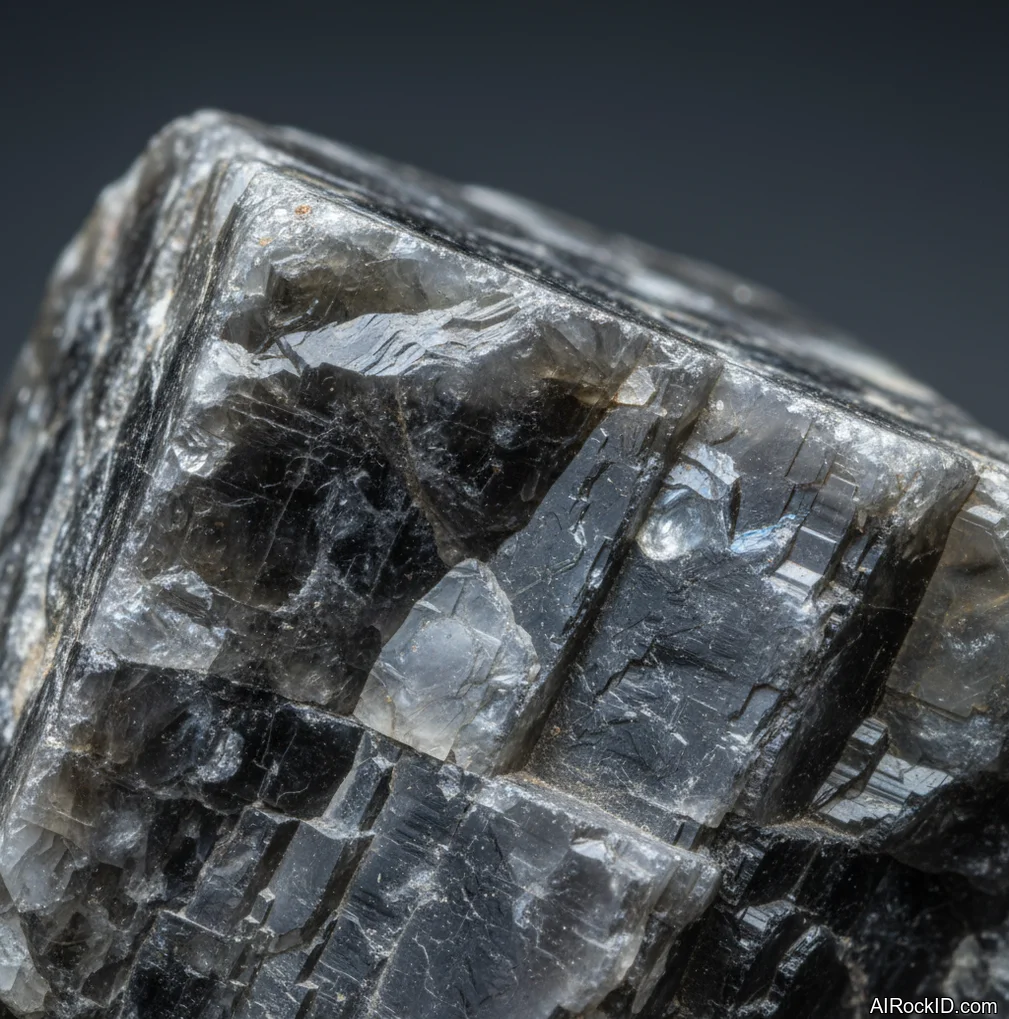
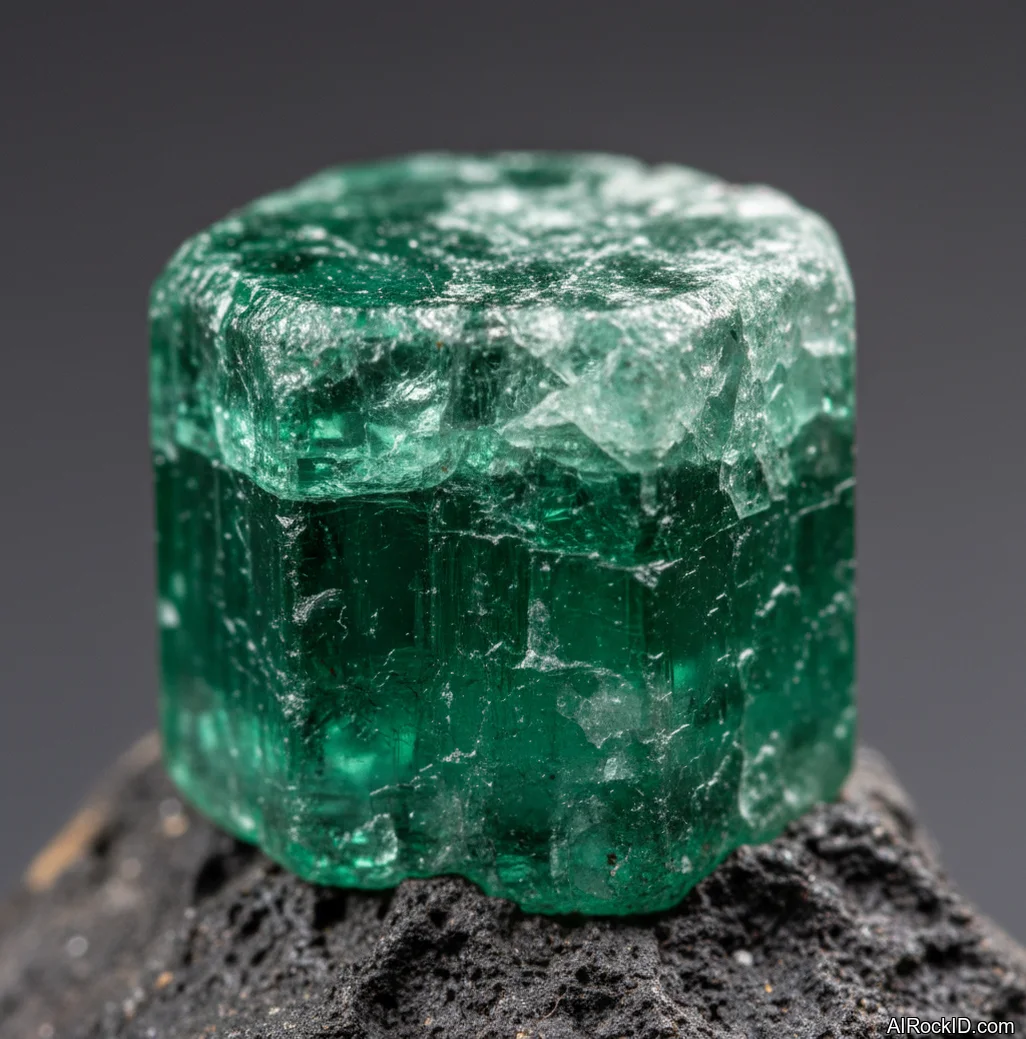
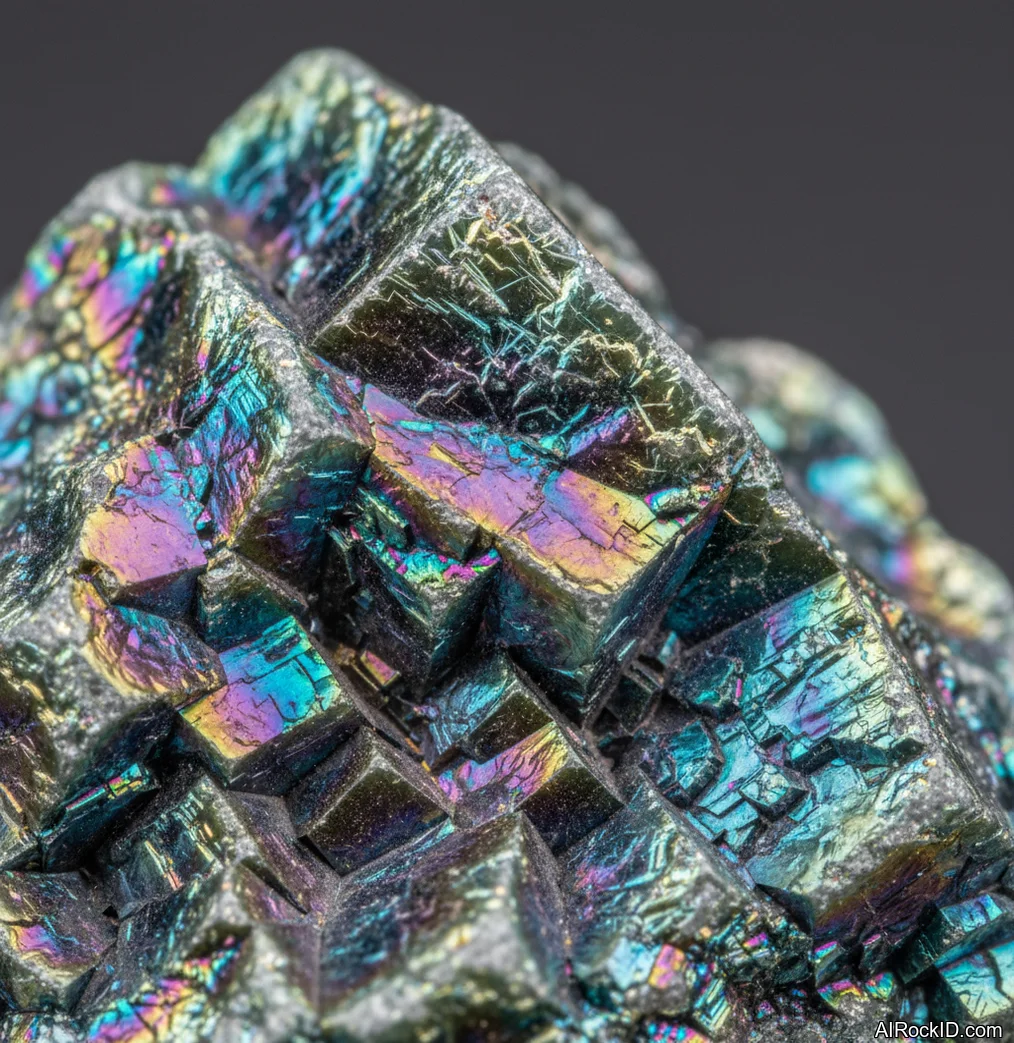
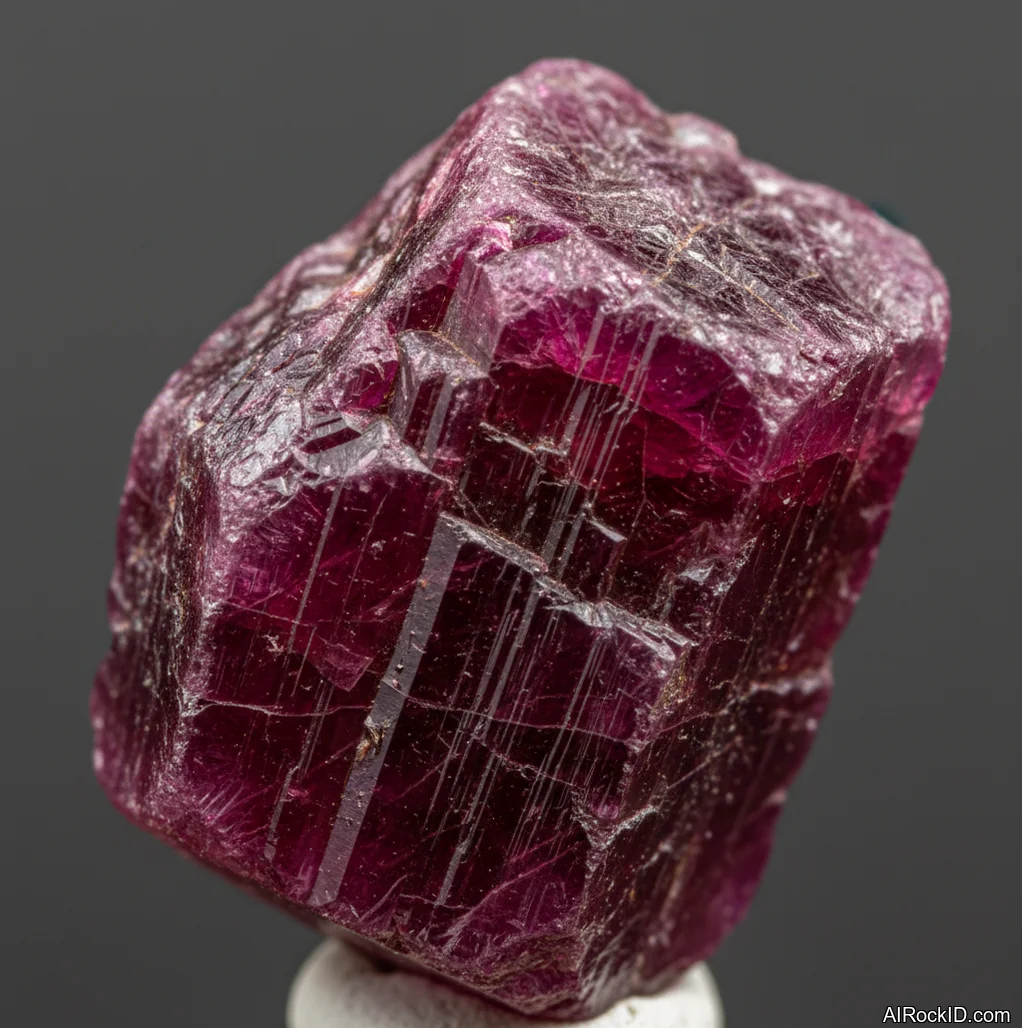
If you want something more protective for Cancer work, Black Tourmaline and Smoky Quartz get picked a lot. They’re practical stones. Tourmaline often has those long vertical striations you can feel with your thumbnail, and it tends to chip with sharp, splintery breaks. Smoky quartz is tougher for daily carry, but watch for material that’s been irradiated to look extra dark. Natural smoky usually has a brown-to-gray tone that looks honest in daylight, not a uniform near-black.
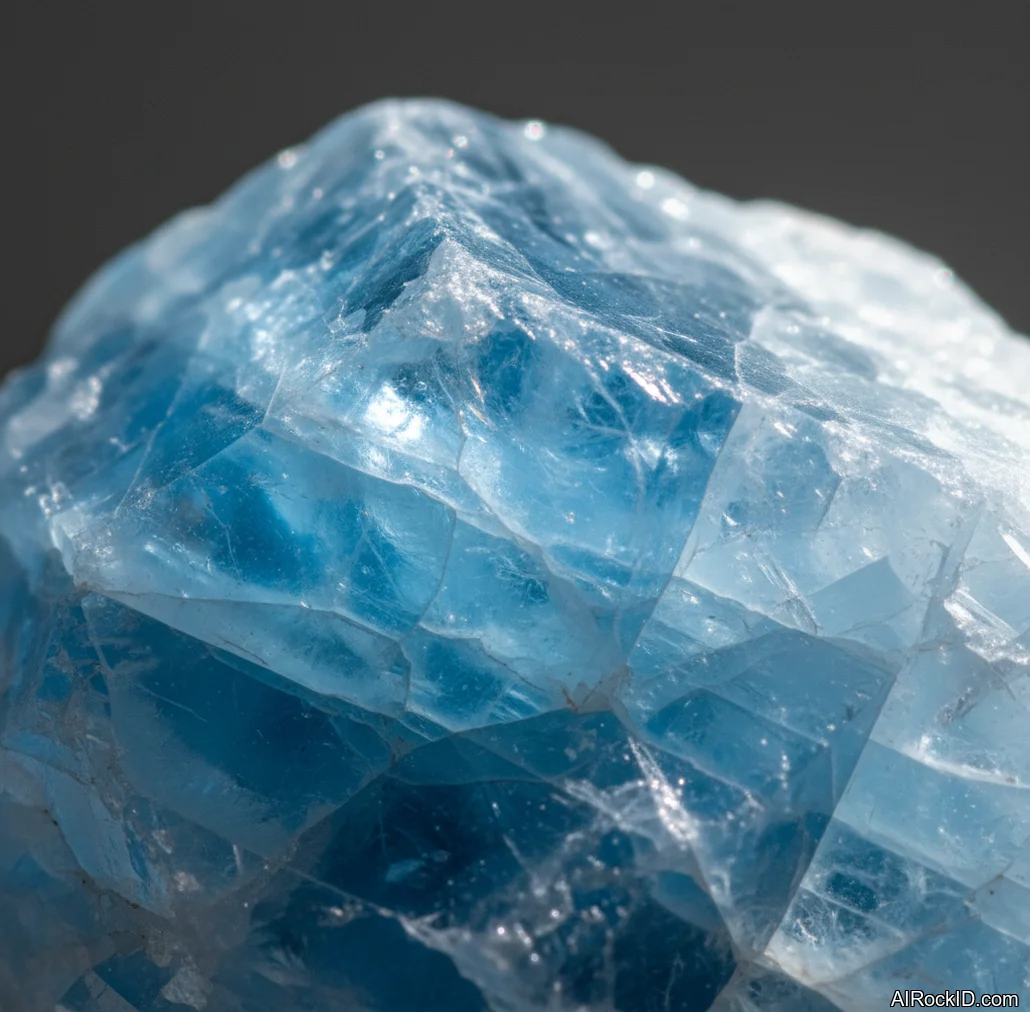
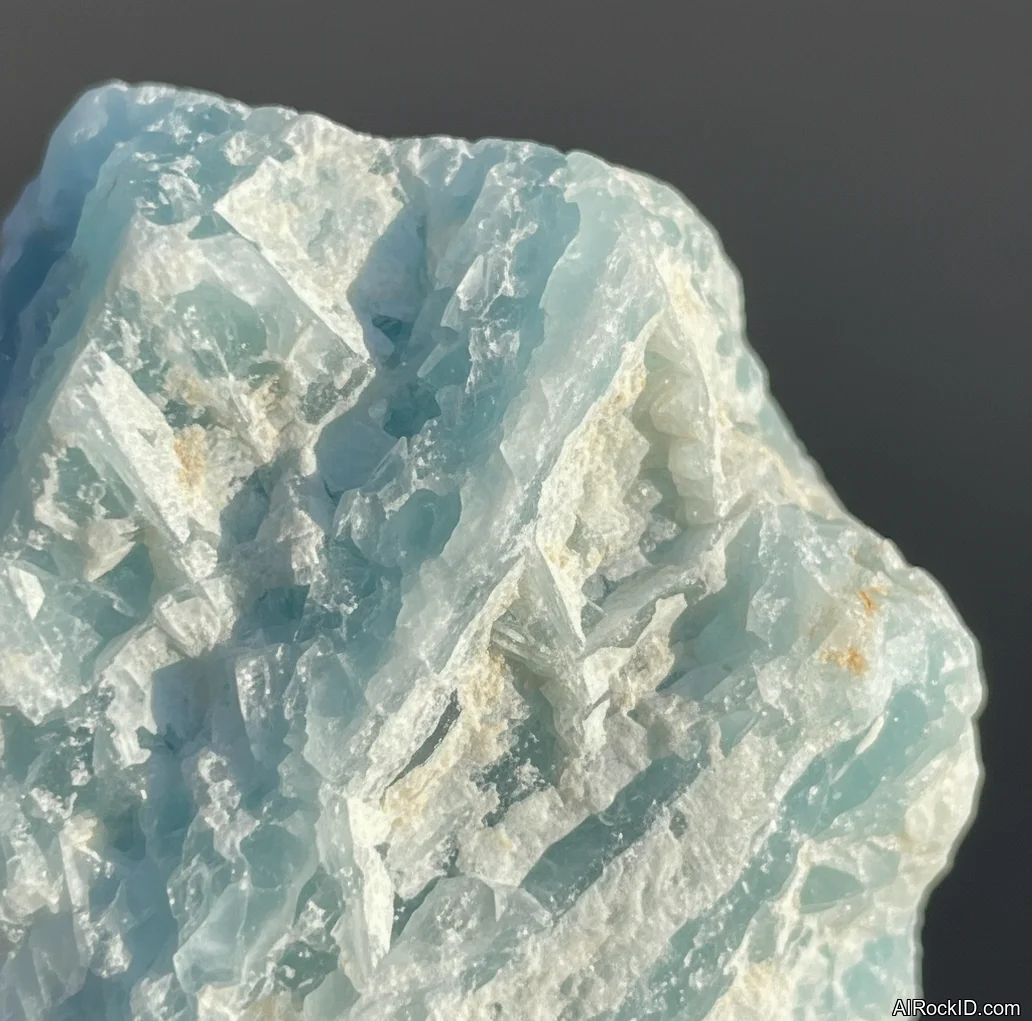
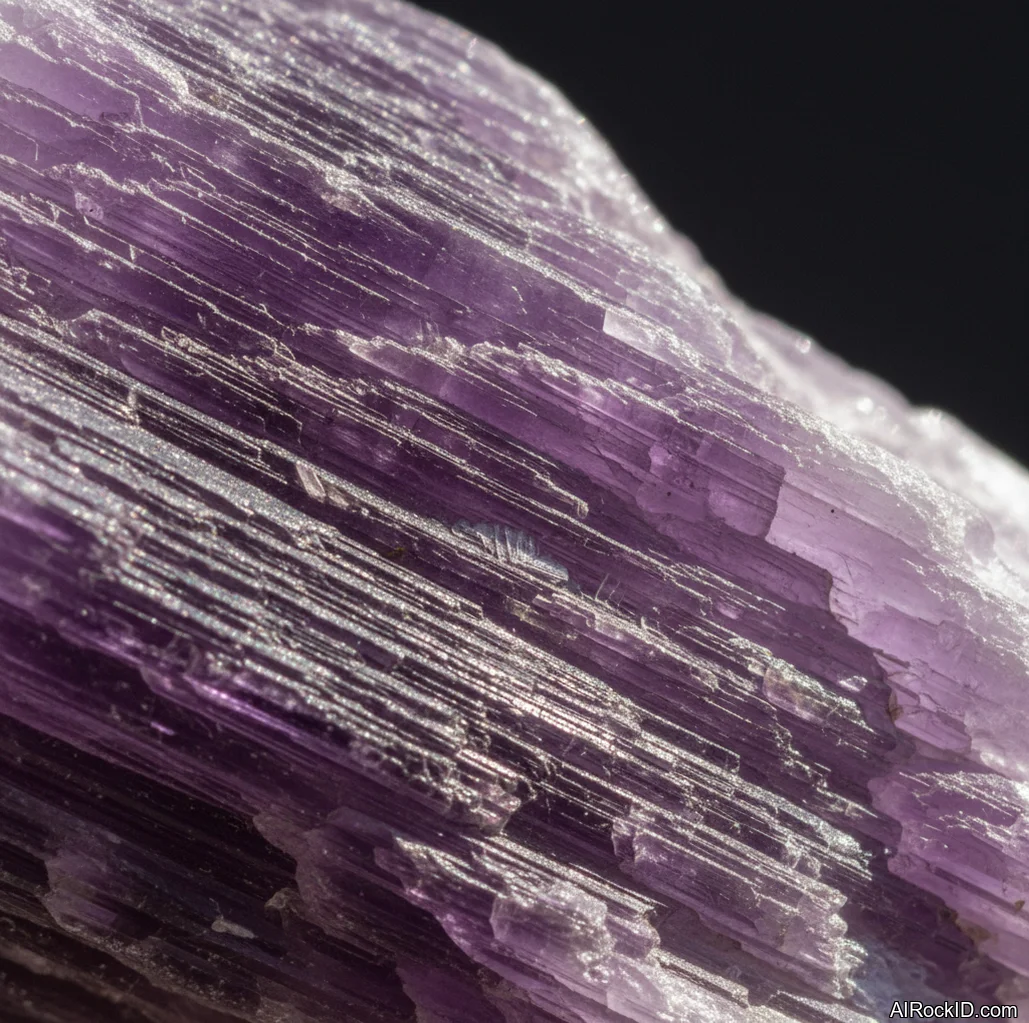
Thing is, how people actually work with Cancer crystals usually comes down to routines. Simple ones work. Keep Moonstone or Lepidolite on a nightstand if sleep is the goal. (Lepidolite can feel slightly greasy or soapy when it’s polished, and you’ll often see tiny mica sparkle on a broken edge.) For home energy, a chunk of Celestite or a Selenite slab near the entryway is common. Celestite is pretty. It’s also fragile. Raw clusters shed little grains, and the points snap if you knock them, so I keep mine on a stable shelf where it won’t get bumped.
For emotional grounding, I’ve seen people do well with a two-stone approach: one soft, one steady. Rose Quartz with Hematite. Moonstone with Smoky Quartz. Aquamarine with Black Tourmaline. Aquamarine is a fun one to shop for because quality shows fast. Good aquamarine has that watery blue-green tone with decent clarity, and it feels like glass when it’s polished. But beware the super-saturated “Swiss blue” look in some tumbled pieces. A lot of that is treated topaz being sold under loose names.
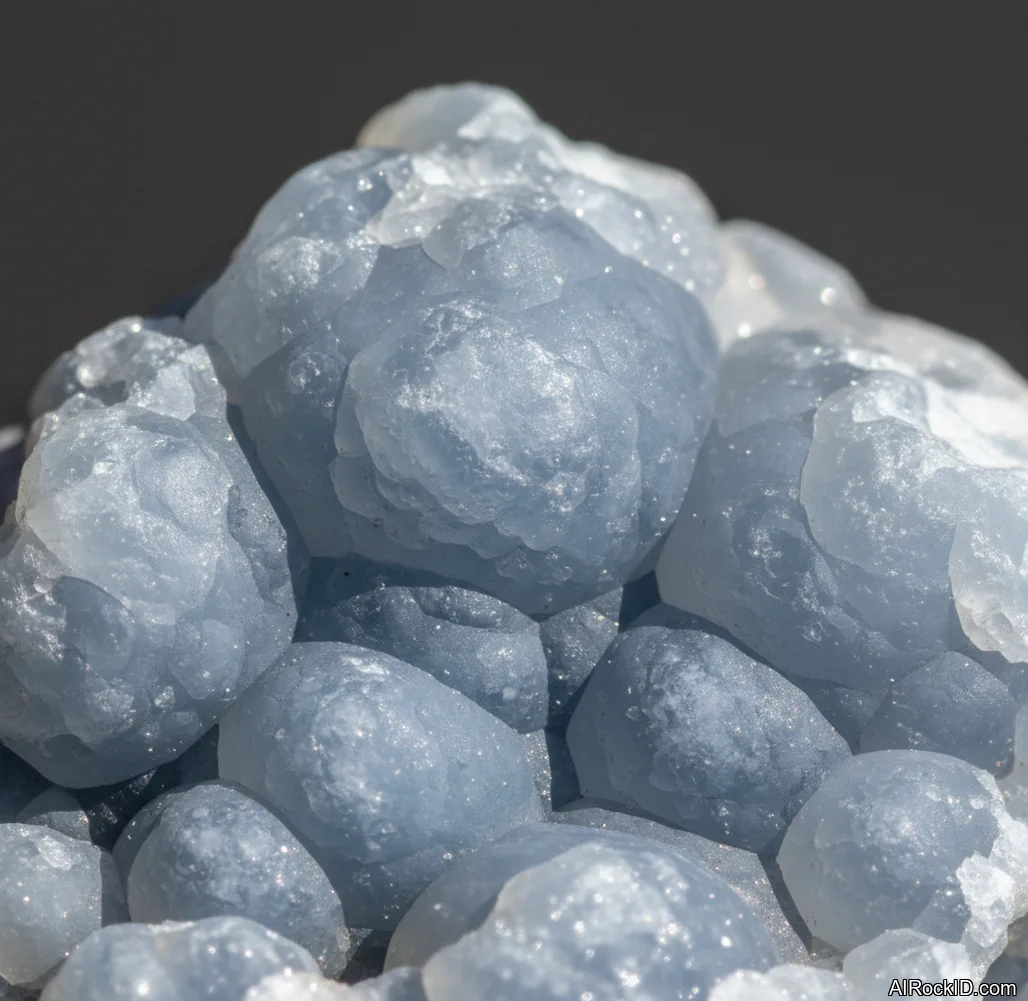
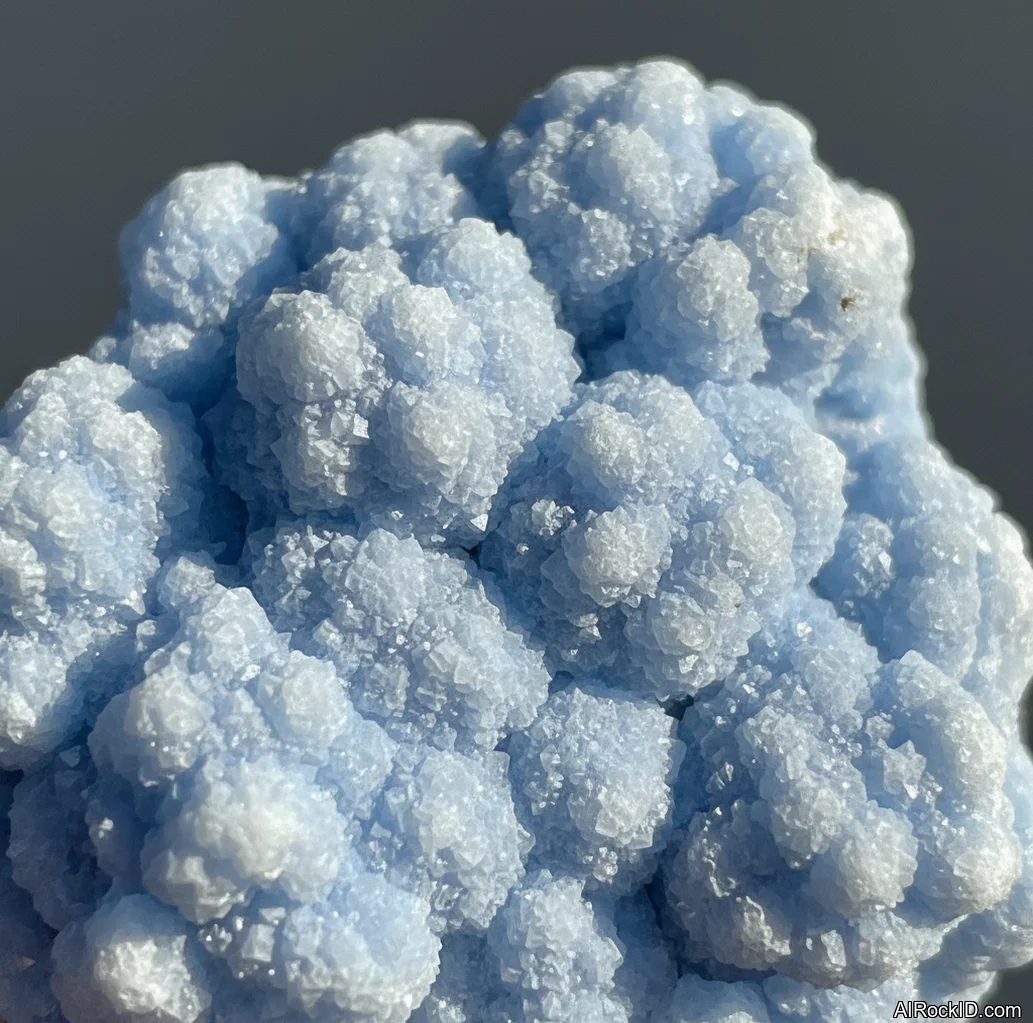
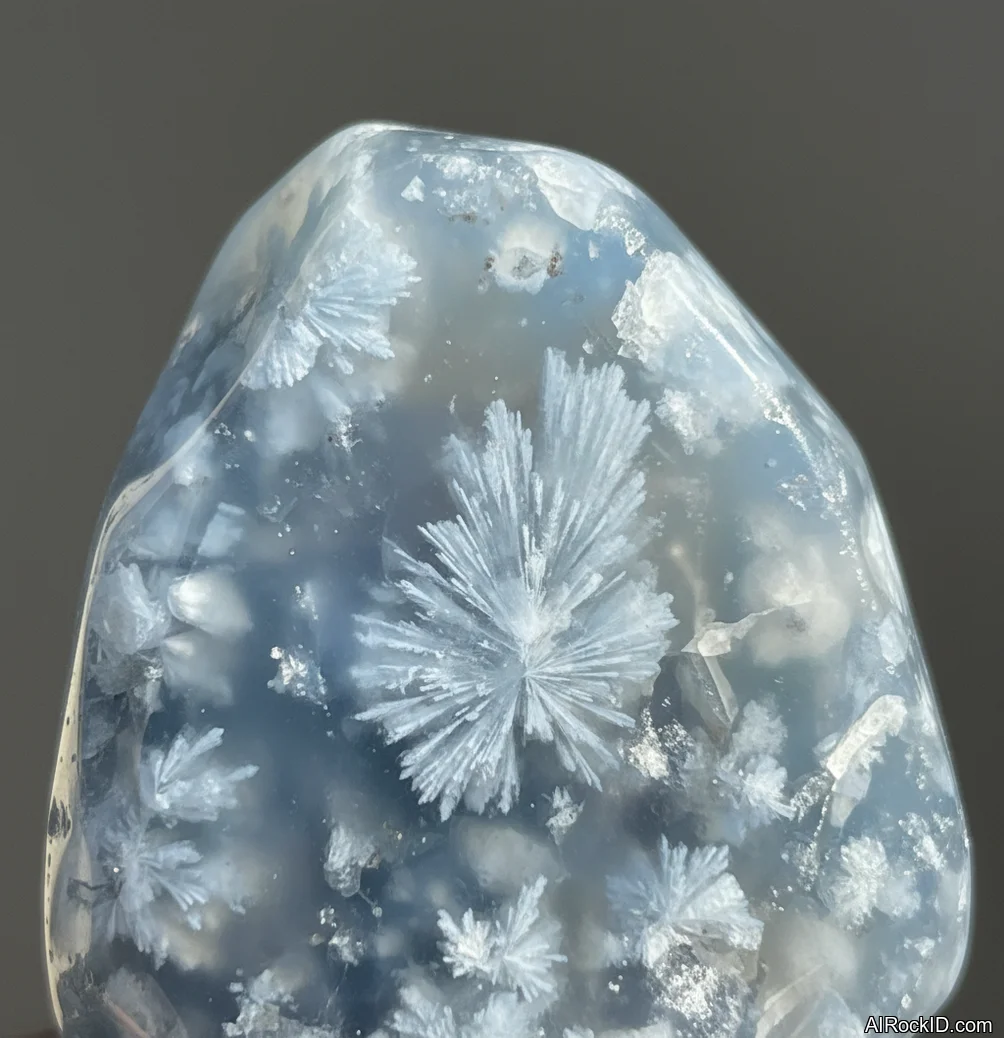
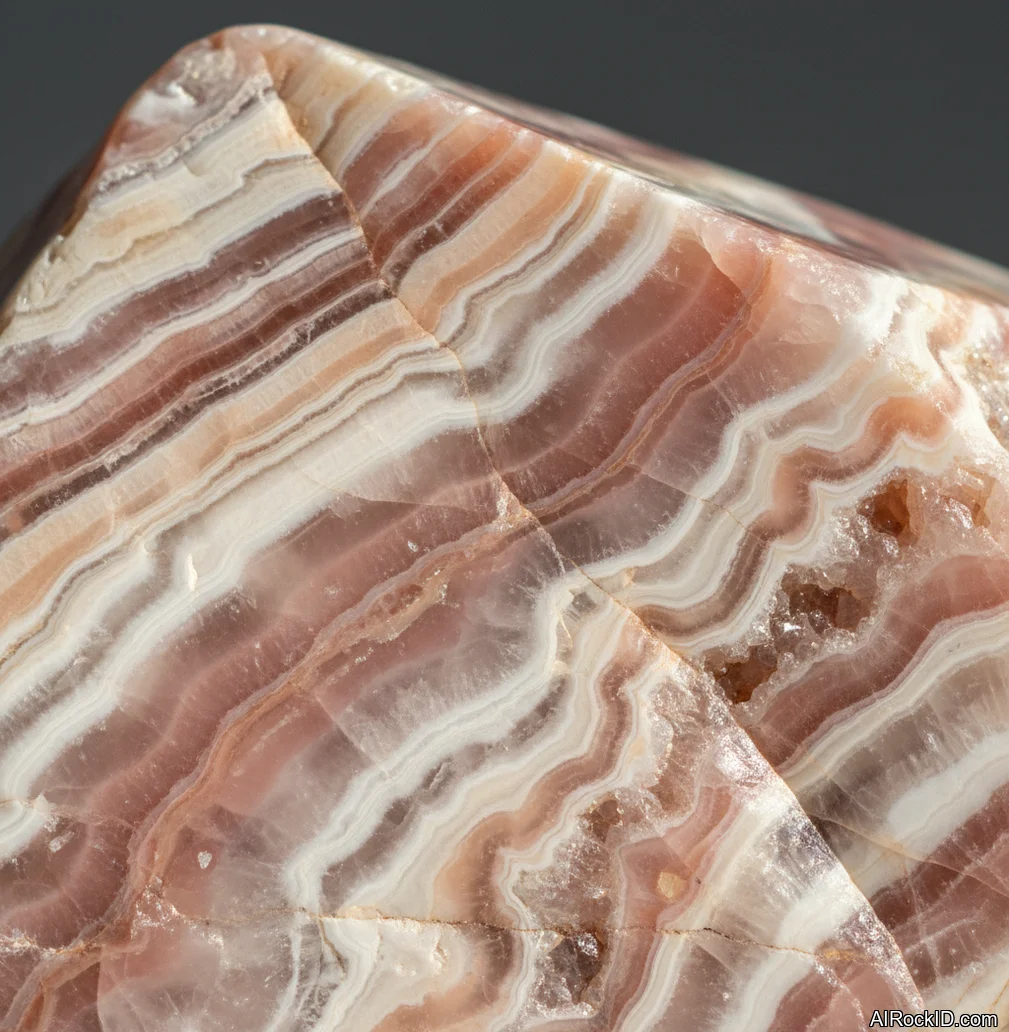
Buying tips matter with Cancer stones because the market’s full of look-alikes. Angelite is another common pick, and it’s basically a soft blue anhydrite that hates water. If a seller tells you to cleanse Angelite under running water, that’s a red flag. It can spot, pit, and turn chalky. Opal pops up on Cancer lists too, and opal has its own rules. It can craze if it dries out or gets heat shocked, and thin opal doublets and triplets are everywhere. Most dealers will tell you if you ask. But you have to ask.
And sure, a “Cancer crystal set” online looks convenient. But sets often come with low-grade tumble stones, heavy polish, and vague labeling (the usual). I’d rather buy fewer pieces with clear ID. Ask for the exact name, like “white labradorite” vs moonstone, or “dyed howlite” vs turquoise. Ask for photos in indirect daylight. Feel matters too. Real stones stay cool to the touch longer than resin or plastic, and weight gives things away fast. A palm stone of genuine fluorite or quartz has a heft that fakes rarely match.
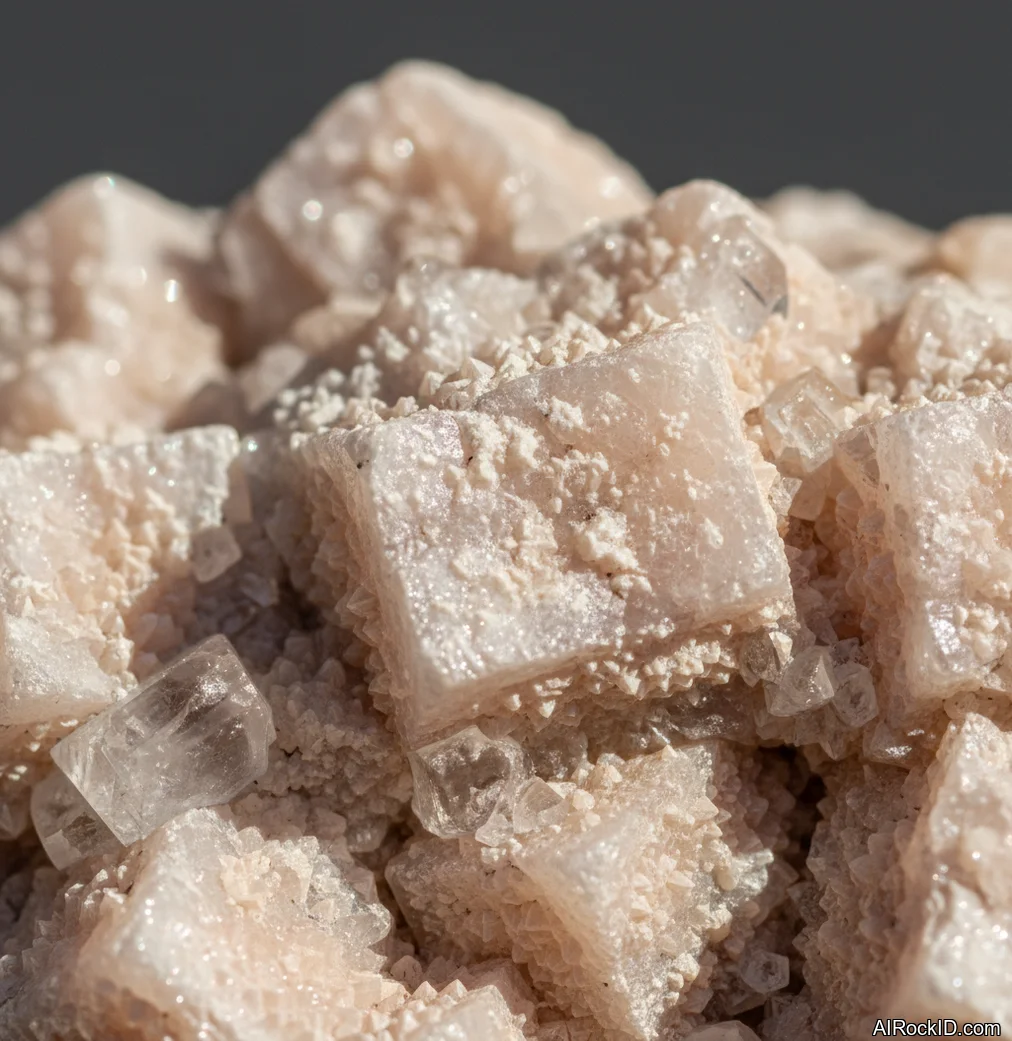
Practical tip that saves a lot of heartbreak: store softer Cancer-associated stones separately. Selenite, Angelite, Calcite, and Celestite will get chewed up if they rub against harder stuff like quartz or garnet. Wrap them. Or give them their own box. If you’re wearing jewelry, wipe Pearl after you wear it, and keep Moonstone away from hard knocks. Those little care habits are boring, honestly, but they’re what keep your “Cancer stones” looking good after a year of daily life.
All Cancer Crystals (57)