Geyserite
What Is Geyserite?
Geyserite is siliceous sinter. In plain terms, it’s a porous crust of hydrated silica that builds up around hot springs and geysers when silica-rich water cools down and lets gas out.
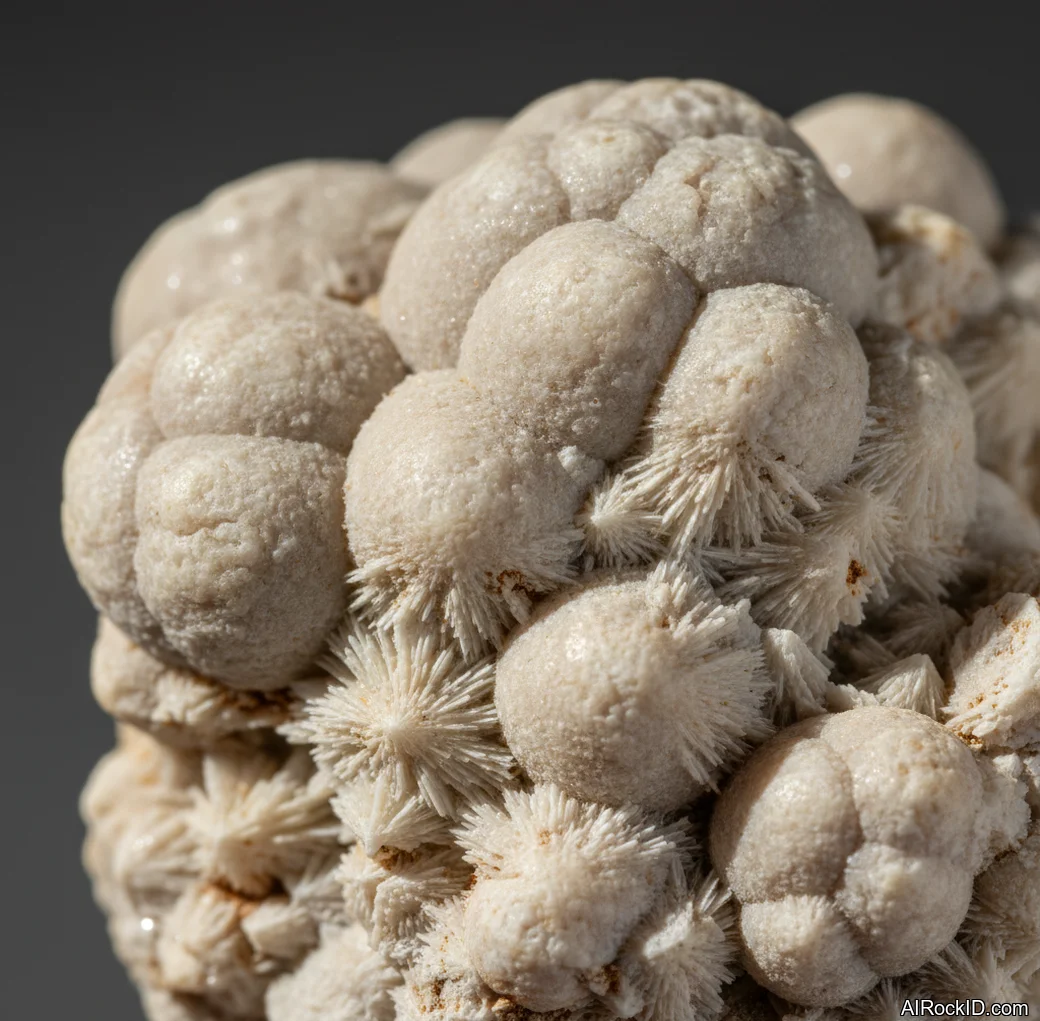
Hold a chunk in your hand and it’s weirdly light for something you’re told is “silica.” Some pieces honestly feel like a ceramic sponge, especially the super airy stuff that comes straight out of active thermal areas. If you tilt it under a lamp and really stare, you’ll get why collectors keep pocketing it: pinprick bubble holes, drippy-looking skins, and thin layers stacked up like tree rings, just sloppier (and more fun to look at). Ever seen that waxy crust that forms right at a steaming runoff edge? Kind of that.
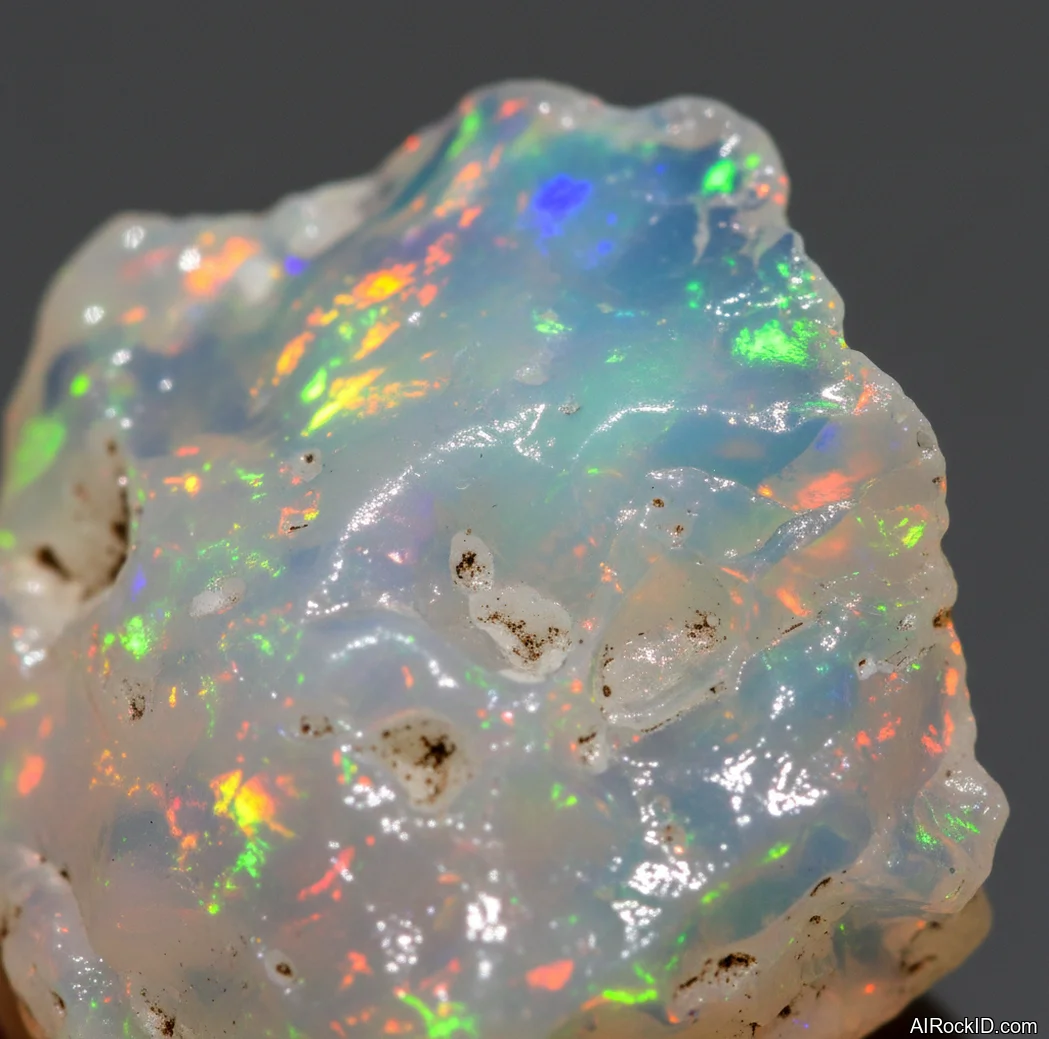
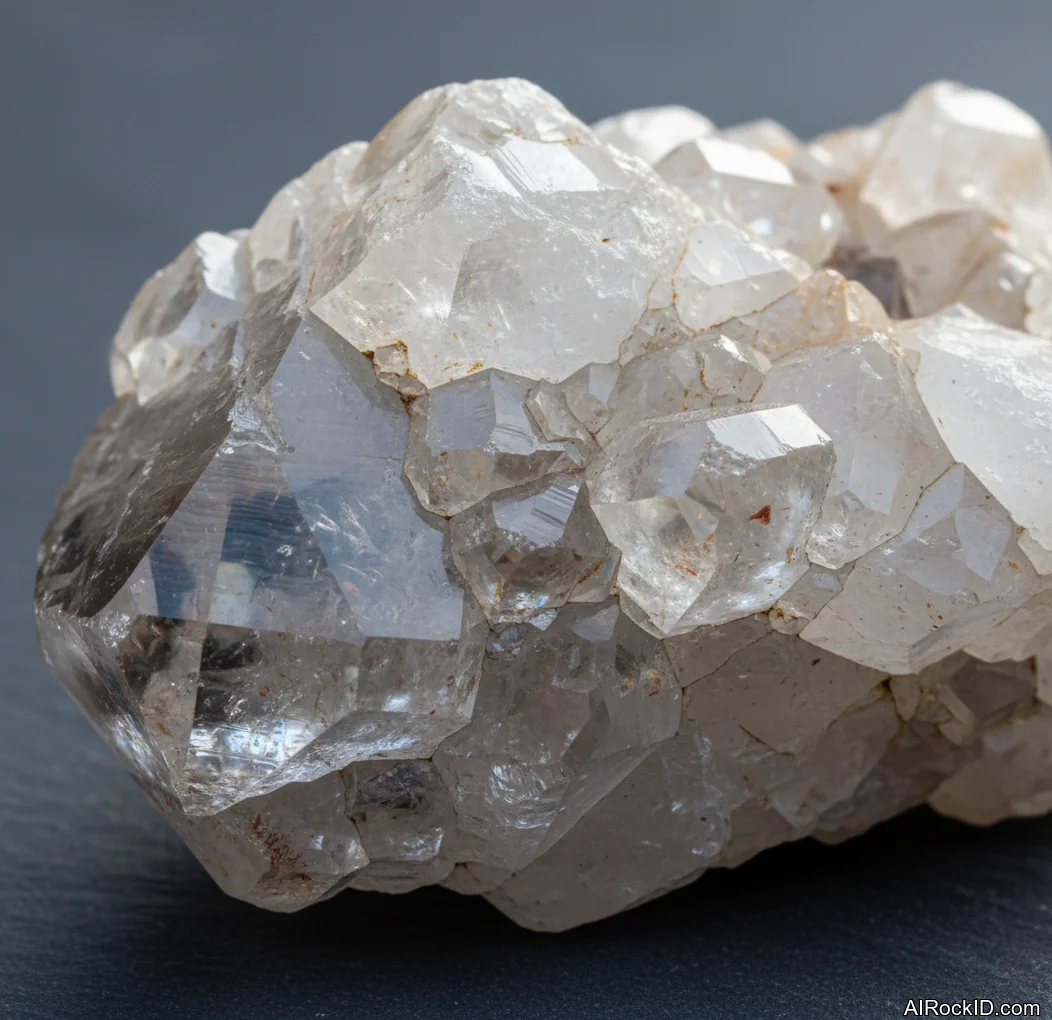
People will glance at it and say “white opal” or “hot spring opal,” and sure, it sits in the same amorphous silica family. But it usually doesn’t have that gemmy glow. Most of what you actually find is chalky white, tan, cream, or gray, and sometimes you’ll spot rusty staining where iron got involved. And no, it doesn’t do crystal habit. No points. No faces. Just texture.
Origin & History
“Geyserite” is built right into the word “geyser,” and geologists started using it in the 1800s when they needed a name for the silica crusts piling up around famous geyser fields. A lot of the early writing about the material points straight at old-school geothermal spots like Iceland and Yellowstone, where you can literally watch sinter form, then wander over to an older terrace and chip off a sample (it breaks with a sharp, glassy snap when it’s fresh, and it leaves that gritty silica dust on your fingers).
Collectors sometimes think it’s a single, officially named mineral with one tidy discovery tale. But it isn’t that kind of thing. It’s basically a field term that stuck because it’s handy. So if you’ve seen photos of hot spring terraces, those white and tan, crusty rims plus the knobby mounds are the same material, just sitting where it formed instead of lying in a flat of specimens.
Where Is Geyserite Found?
Geyserite forms in active and fossil geothermal fields worldwide where silica-rich hot water reaches the surface. Legal specimens usually come from old, inactive sinter deposits or from commercial material, not from protected park features.
Formation
Hot spring water can be loaded with dissolved silica. But down at the right temperature and pressure, it just stays dissolved and looks like plain water. Once that water breaks the surface, though, the whole situation flips fast. It cools off, CO2 blows off in little fizzing bursts, evaporation starts working on the edges, and the silica drops out as a slick gel (kind of like wet, cold jelly on your fingers). That gel smears over anything close by, then it dries out and hardens into porous sinter.
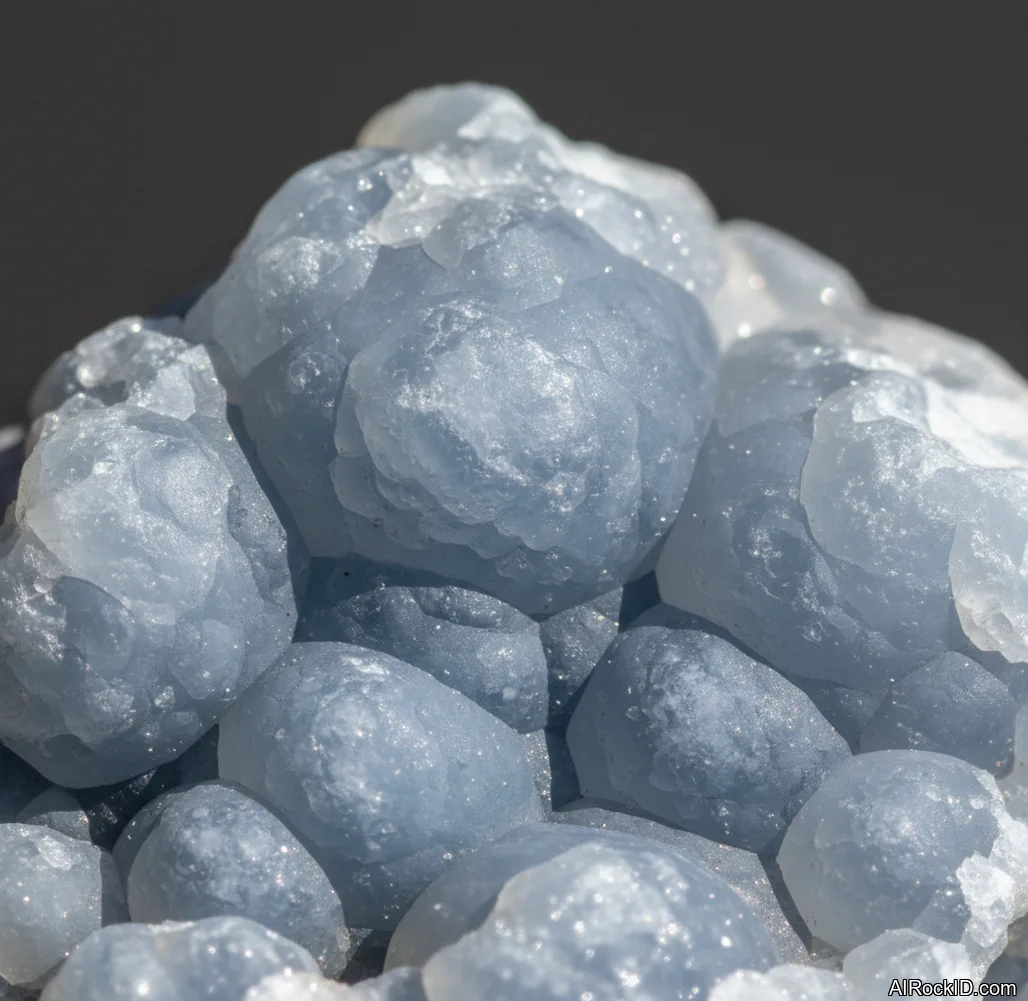
Compared to agate or quartz, this is a quick-and-dirty kind of deposit. You can spot splashy textures, paper-thin skins, botryoidal bumps, plus stacked laminae from getting wet, drying, then getting wet again. And microbes matter, too. In a lot of sinter terraces, biofilms trap silica, so some pieces end up with a subtle ropy or wrinkled surface that feels built, not grown. Ever run a thumb over one and feel those tiny ridges catch a bit? That’s the vibe.
How to Identify Geyserite
Color: Most geyserite is white, cream, tan, or light gray, often with brown or orange iron staining. Darker gray to nearly black pieces happen where organic material or manganese is present.
Luster: Dull to waxy, with a chalky look on dry, porous surfaces.
Pick up two pieces side by side, one geyserite and one quartz. The geyserite usually feels weirdly light and a bit “dry” in the hand. If you scratch it with a steel nail, many pieces will take a mark because porous opal-A sinter can be softer than you’d guess. The real test is the texture: tiny vent holes, drippy coatings, and thin layering like a crust that grew from water, not a rock that fractured.
Properties of Geyserite
Physical Properties
| Crystal System | Amorphous |
| Hardness (Mohs) | 5.0-6.0 (Medium (4-6)) |
| Density | 1.9-2.3 g/cm3 |
| Luster | Dull |
| Diaphaneity | Opaque |
| Fracture | Uneven |
| Streak | white |
| Magnetism | Non-magnetic |
| Colors | white, cream, tan, light gray, brown, orange |
Chemical Properties
| Classification | Oxides (hydrated silica) |
| Formula | SiO2·nH2O |
| Elements | Si, O, H |
| Common Impurities | Fe, Mn, Al, Ca |
Optical Properties
| Refractive Index | 1.44-1.46 |
| Birefringence | None |
| Pleochroism | None |
| Optical Character | Isotropic |
Geyserite Health & Safety
Geyserite is basically hydrated silica, and it’s generally safe to handle with bare hands. But if you grind it or saw it, don’t let it turn into a cloud of dust, because fine silica dust can irritate your lungs (and you’ll feel it in your throat pretty fast).
Safety Tips
If you need to cut it or sand it, keep it wet and wear a real respirator (not just a dust mask). But for everyday handling, you’re fine, just wash your hands afterward if the surface is crumbly or chalky.
Geyserite Value & Price
Price Range
Rough/Tumbled: $5 - $60 per specimen
Price usually follows texture and provenance. A dull, chalky lump goes for cheap, but pick up a layered, terrace-like piece and feel those little steps under your thumb, and if it’s backed by solid paperwork from a known geothermal field, the price climbs in a hurry.
Durability
Nondurable — Scratch resistance: Fair, Toughness: Fair
Porous pieces can shed grit and chip at edges, and repeated soaking and drying can weaken delicate crusts.
How to Care for Geyserite
Use & Storage
Store it in a box or on a stable shelf where it won’t get knocked over. The porous stuff dings easily, and corners love to crumble.
Cleaning
1) Blow off loose dust with a bulb blower or soft brush. 2) If it needs more, rinse quickly in clean water and gently brush with a soft toothbrush. 3) Pat dry and let it air dry fully before putting it back in a closed container.
Cleanse & Charge
If you do ritual cleansing, keep it simple: smoke, sound, or a short rinse and dry. Long salt soaks aren’t great for fragile, porous crusts.
Placement
I like it near photos, field notes, or other “place-based” specimens since it reads like a little chunk of a landscape. Keep it out of high-traffic spots because it chips like a biscuit.
Caution
Don’t reach for harsh acids or heavy-duty cleaners. They’ll chew up the surface, and they can wipe out the iron staining that makes the texture stand out when you catch it in the light. And if the piece is really porous, don’t let it sit in a bucket of water for hours. It’ll drink it up fast (you can almost see the dark patches spreading), and that’s when trouble starts.
Works Well With
Geyserite Meaning & Healing Properties
If you’re into the metaphysical side of things, geyserite feels less like “pretty rock” and more like a record of how something happens. It forms when hot water flashes into steam and leaves a thin mineral skin behind. When I pick up a knobby chunk, my thumb always catches on the little ridges, and I can almost feel the pattern in it: wet, dry, deposit, repeat. Over and over. Slow change, built from a ton of tiny moments.
Most dealers don’t even bother putting it in the healing-crystal section, and yeah, I get it. It’s not flashy. It can look kind of chalky. And it doesn’t polish into some glossy, show-off cab. But as a hand-sized specimen, that layered crust is weirdly gripping. Your eyes just keep roaming over the surface, following the crusty bands and pitted spots, and you don’t get bored. I’ve kept a piece on my desk for exactly that reason when I’m trying to stick to steady habits, not some heroic one-day burst that burns out by lunch.
None of this is medical advice. But if you use stones as part of a personal practice, I’d think of geyserite as a grounding, routine-friendly ally that sits nicely next to other silica family pieces. And honestly? The best “energy” in it is the story. You’re holding something that literally precipitated out of hot spring water. That’s hard to fake.
Identify Any Crystal Instantly
Snap a photo and get properties, value, care instructions, and healing meanings in seconds.