Morganite
What Is Morganite?
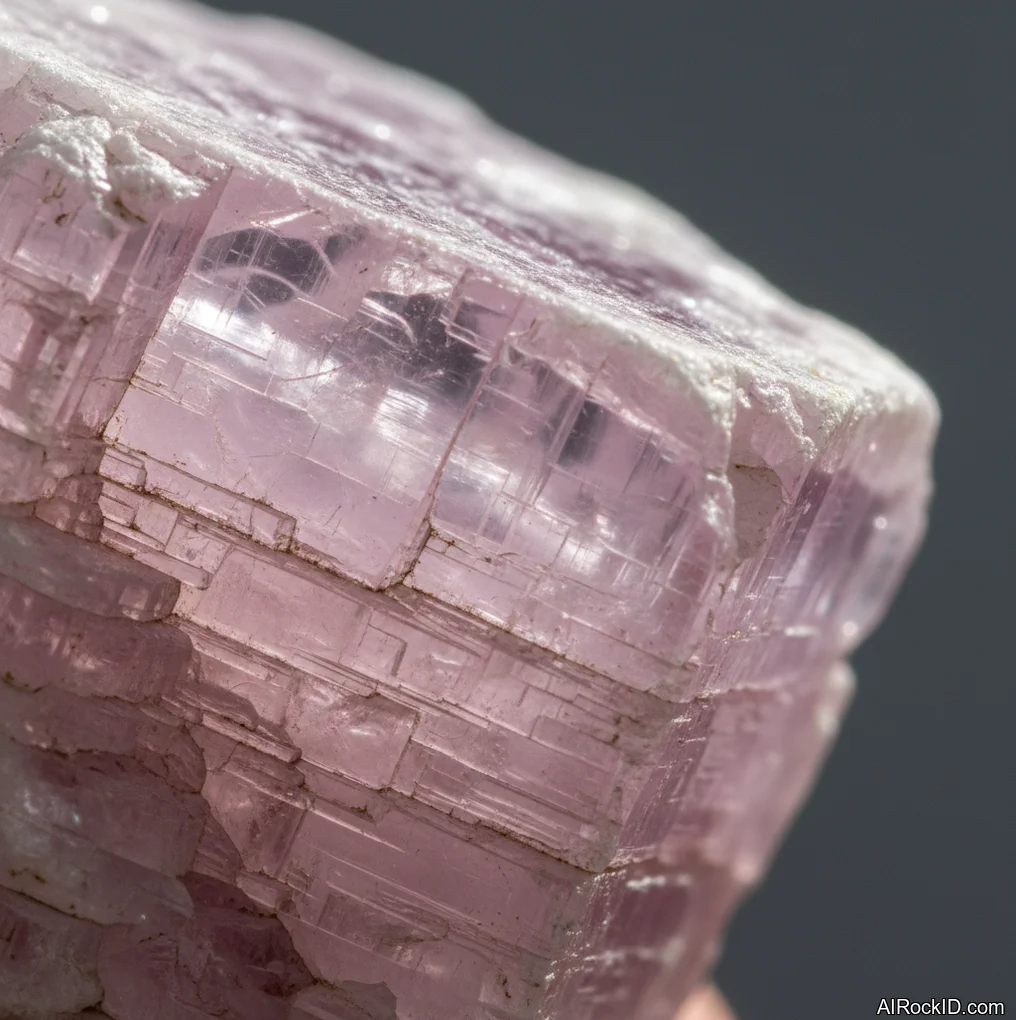
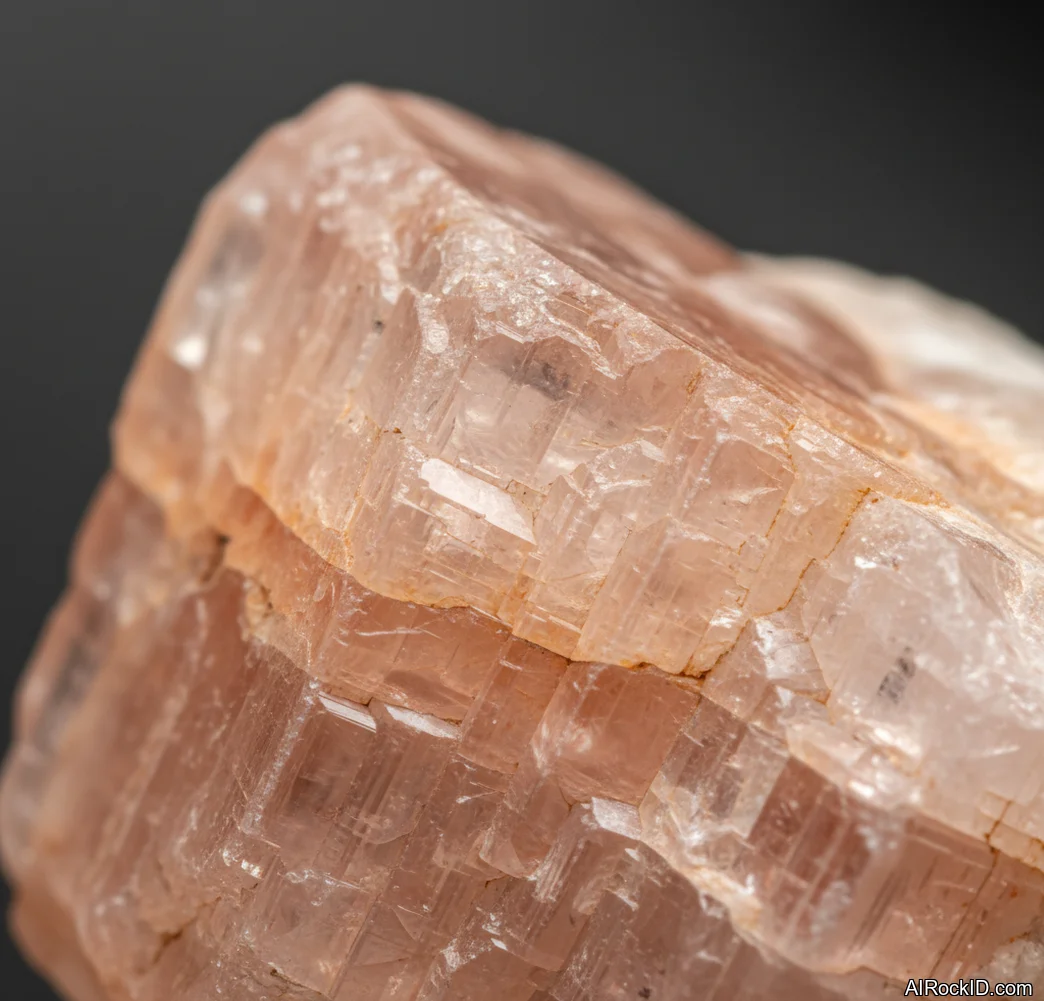
Morganite is the pink-to-peach variety of the mineral beryl. Most of what you’ll see for sale is pale, kind of blushy stuff, and yeah, from across the table it can pass for rose quartz. But once it’s in your hand, it’s not the same thing. Morganite looks cleaner. Crisper. And when it’s cut, it tosses sharper little flashes than quartz does.
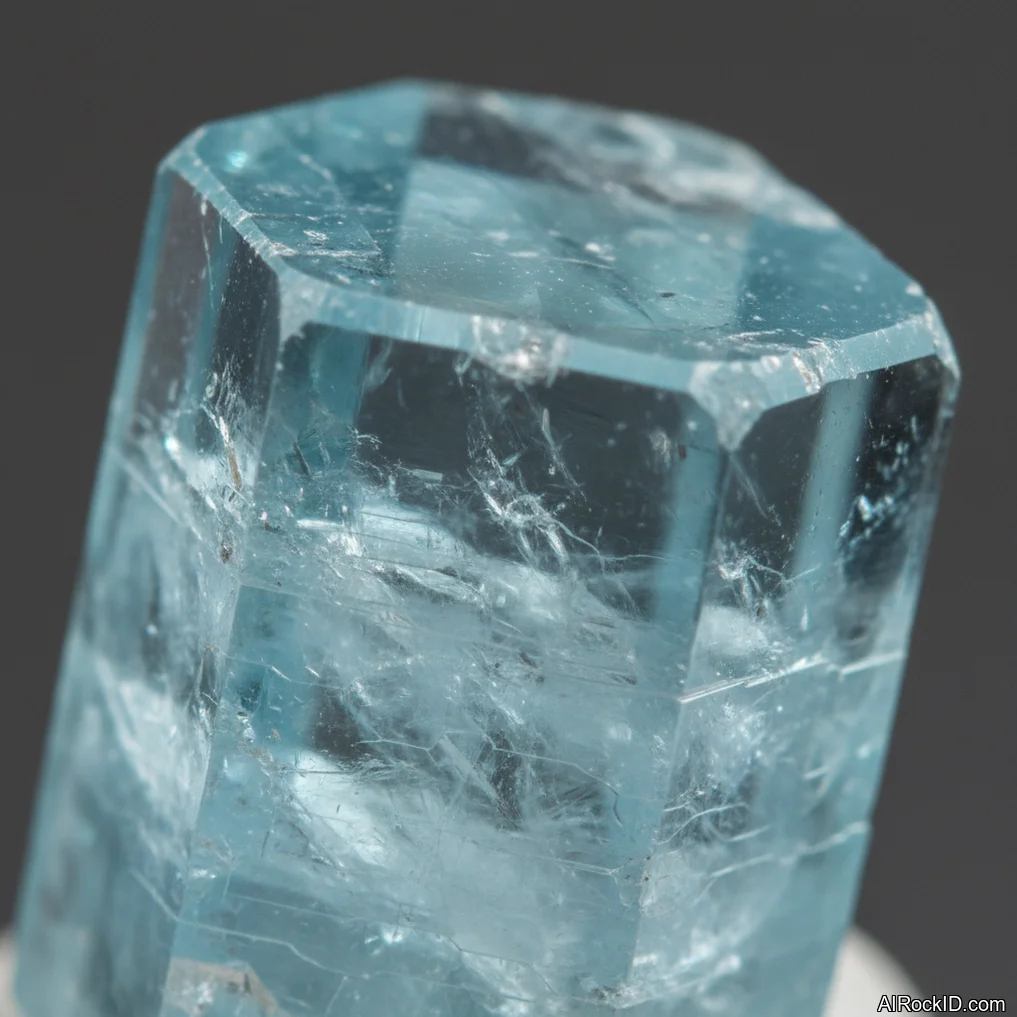
Grab a rough piece and the shape hits you first. Good morganite shows up as chunky hexagonal crystals or broken-off crystal sections, and the faces can feel slick, almost like someone rubbed a thin layer of wax on them, even when the color itself is gentle. I’ve had parcels where the stones looked almost beige under fluorescent shop lights, then I walked them over by a window and they popped peachy-pink immediately. So yeah, that kind of color shift is normal.
But here’s the rub. True, well-formed, display-worthy crystals with intact terminations aren’t what you see every day. A lot of morganite gets sold as tumbled stones or as pale faceted gems, and the really saturated pink material? It gets priced like it wants to go toe-to-toe with fancy sapphires. Why wouldn’t it, I guess.
Origin & History
1909 is when morganite officially got its own name in the mineral world. The French mineralogist Charles Victor Mauguin described it, and it was named for J.P. Morgan, the banker and serious gemstone collector who put money into museum collections and mineral research back then.
Thing is, if you flip through older books or talk to some old-school dealers, you’ll still see it called “pink beryl.” That’s not wrong. It’s just not as precise.
And in today’s trade you’ll also hear “peach beryl,” especially for those lighter champagne-peach shades you see in a lot of material from Brazil and Madagascar.
Where Is Morganite Found?
Morganite comes out of granitic pegmatites in places like Minas Gerais (Brazil), Madagascar, Mozambique, Afghanistan, Pakistan, and the Pala District of California. Clean crystals also show up with tourmaline and other beryl in classic pegmatite pockets.
Formation
Raw chunks from pegmatites can tell you a ton about how morganite ends up the way it does. Pegmatites are basically the last, slow-cooling leftovers of a granite melt, and they’re packed with water plus weird trace elements. That’s why the crystals get so big. Time. Space. Patience.
Morganite’s pink color is mainly tied to manganese sitting in the beryl structure. And in the same pocket you can find morganite right next to green beryl or aquamarine, no problem. Sometimes the color even zones inside a single crystal if the conditions shifted while it was growing. I’ve handled rough where one end was almost colorless, then the other end had this warm peach band, like someone literally dipped it in tea (you can spot it when you turn it under a light and that band just sits there).
How to Identify Morganite
Color: Colors run from very pale pink to peach, salmon, and light purplish pink. A lot of material looks pastel until it’s under good daylight.
Luster: Vitreous, with a glassy shine on fresh faces and a bright polish when cut.
Look closely at the crystal habit: beryl tends to show hexagonal outlines or flat prism faces, even in broken chunks. The real test is hardness: morganite at 7.5 to 8 will scratch window glass easily, while rose quartz won’t feel as crisp on an edge. And if you’ve got a loupe, watch for long, parallel growth features and tiny tube-like inclusions that are common in beryl.
Properties of Morganite
Physical Properties
| Crystal System | Hexagonal |
| Hardness (Mohs) | 7.5-8 (Very Hard (7.5-10)) |
| Density | 2.71-2.90 g/cm3 |
| Luster | Vitreous |
| Diaphaneity | Transparent to translucent |
| Fracture | Conchoidal |
| Streak | White |
| Magnetism | Non-magnetic |
| Colors | Pale pink, Peach, Salmon, Light purplish pink, Near-colorless |
Chemical Properties
| Classification | Silicates |
| Formula | Be3Al2Si6O18 |
| Elements | Be, Al, Si, O |
| Common Impurities | Mn, Cs, Li, Fe |
Optical Properties
| Refractive Index | 1.57-1.60 |
| Birefringence | 0.004-0.007 |
| Pleochroism | Weak |
| Optical Character | Uniaxial |
Morganite Health & Safety
Handling and rinsing morganite is pretty low risk for most people. But if you’re cutting or grinding any beryl, don’t breathe in the dust. Seriously.
Safety Tips
If you’re doing lapidary work on morganite, keep a steady drip of water on the stone, make sure you’ve got decent ventilation, and wear a proper respirator that’s actually rated for fine particulates (the kind that seals around your nose and cheeks). Dust gets everywhere. Why risk breathing it in?
Morganite Value & Price
Price Range
Rough/Tumbled: $10 - $150 per piece
Cut/Polished: $80 - $800 per carat
Prices bounce around depending on color saturation, clarity, and size, and truly fine material gets expensive in a hurry once you’re looking at clean stones over a few carats. But with rough, I’ve found the sharpness of the crystal form and a steady peach-pink hue count for more than just weight on a scale (especially when the piece feels dense in your palm and the edges are crisp instead of rounded).
Durability
Durable — Scratch resistance: Excellent, Toughness: Fair
Morganite is hard enough for daily wear in jewelry, but it can chip on sharp edges if it takes a hit, especially in rings.
How to Care for Morganite
Use & Storage
Store it in a pouch or a box slot so it doesn’t rub against softer stones and so harder gems don’t scuff the polish. If you’ve got a sharp crystal, keep it from clinking into other pieces or you’ll find tiny edge dings later.
Cleaning
1) Rinse with lukewarm water and a drop of mild soap. 2) Use a soft toothbrush to gently clean around edges and any pits. 3) Rinse well and pat dry with a microfiber cloth.
Cleanse & Charge
If you do energy-style cleansing, stick to simple stuff like rinsing, smoke, or leaving it in a dark spot overnight. I don’t leave morganite baking in a sunny window for days because pale pink stones can look washed out over time.
Placement
On a desk it looks best in indirect daylight where the peach tones show up. In a display case, aim a soft light from the side so crystal faces catch and release that glassy flash when you tilt it.
Caution
Skip harsh chemicals. And don’t toss it in an ultrasonic cleaner if it has any of the included stones, because those little internal features can take a beating. Also, try not to smack the corners on anything hard. If it’s set in a ring, take it off before lifting stuff, doing yard work, or messing around with concrete or metal tools. Trust me, a quick bump on a bucket edge or a tool handle is all it takes.
Works Well With
Morganite Meaning & Healing Properties
Compared to a lot of “love stones,” morganite just feels quieter when you actually use it. It’s the one I end up putting in someone’s hand when they want something heart-centered, but they’re not into that syrupy rose quartz vibe. And yeah, all the energy stuff is personal and subjective, but that’s the honest collector-and-shop reality of how people reach for these stones.
Pick up a faceted morganite and roll it between your fingers for a minute. It stays cool. The feeling is steady, not buzzy, and the edges on a well-cut one have that crisp little catch against your skin (you notice it right away). People who meditate with it usually call it calming, more like unclenching a tight jaw than hitting some magic switch. I’ve also seen folks gravitate to it during grief or big relationship resets, not because it “fixes” anything, but because it’s easy to sit with.
But keep your feet on the ground. Morganite isn’t medical care, and it doesn’t replace therapy or medication. If you’re using it as a reminder to be gentler with yourself, great. If you’re expecting it to wipe out anxiety overnight, you’ll be disappointed, and you’ll probably end up blaming a pretty rock for a human problem.
Identify Any Crystal Instantly
Snap a photo and get properties, value, care instructions, and healing meanings in seconds.