Mottramite
What Is Mottramite?
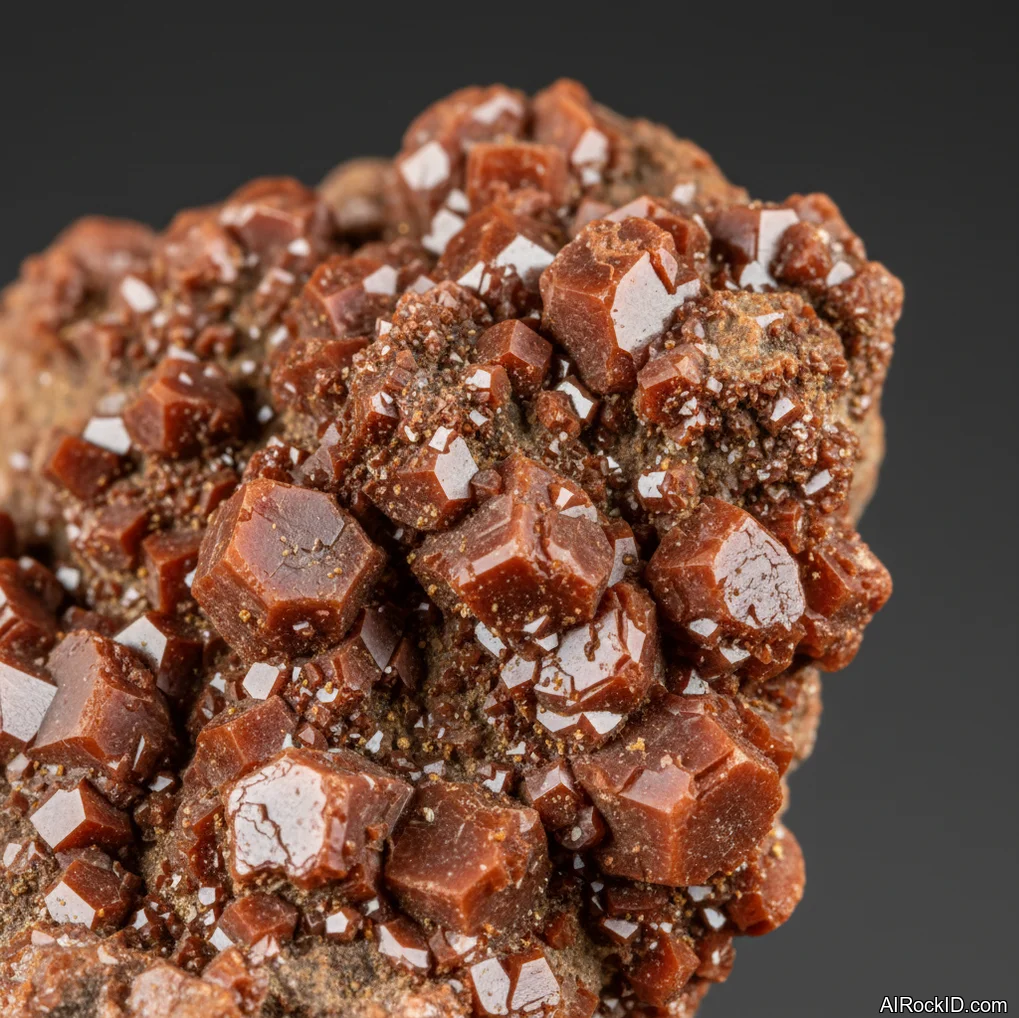
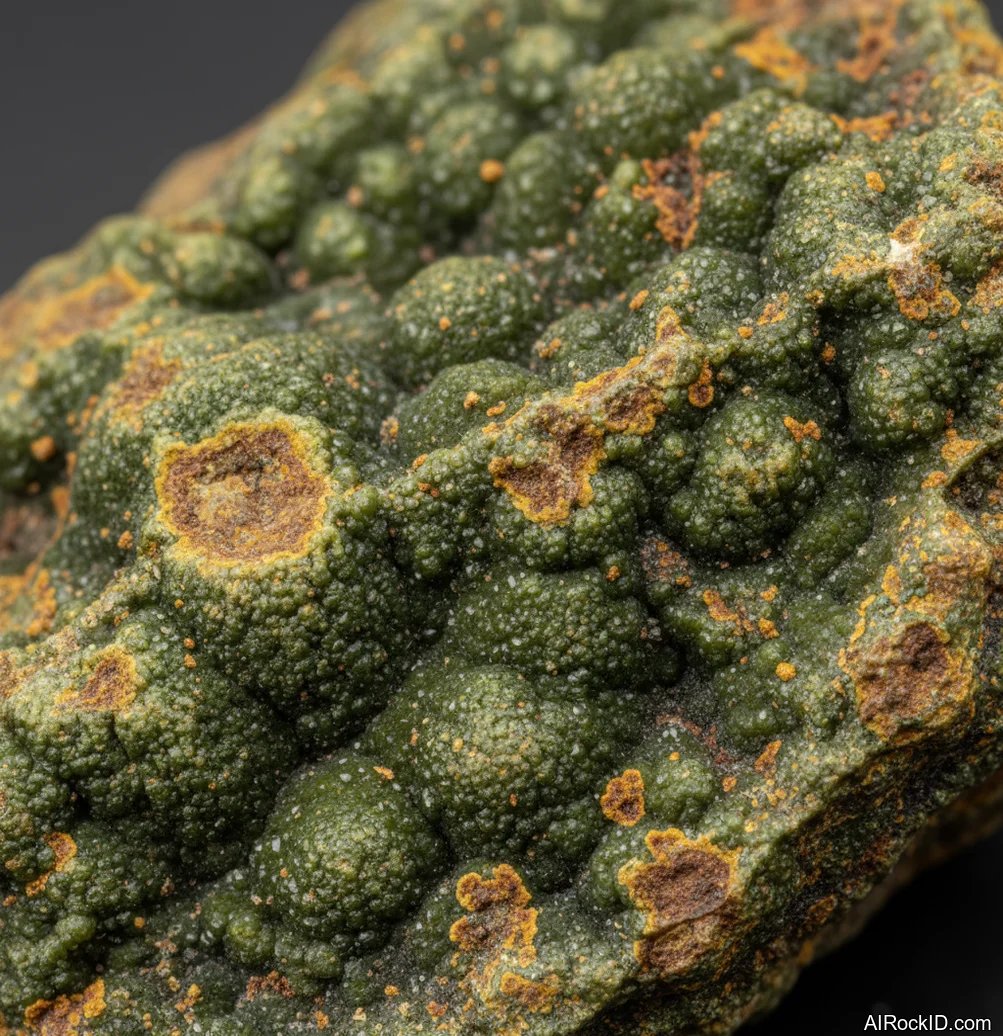
Mottramite is a lead copper vanadate mineral in the descloizite group. Most pieces you’ll see for sale run dark green to almost black, and they usually show up as botryoidal crusts, drusy coatings, or those chunky, glittery masses, not neat little standalone crystals.
Grab a decent specimen and the first thing that hits you is the heft. It just drops into your palm like it means business, especially if you’re used to lightweight quartz or calcite, and that’s the lead making itself known. From across the room the surface can look almost velvety. Up close, though, it’s more like a tight carpet of micro-crystals (the kind that can snag on a fingertip if you slide it the wrong way) and it’ll toss back tiny green flashes when you tilt it under a lamp.
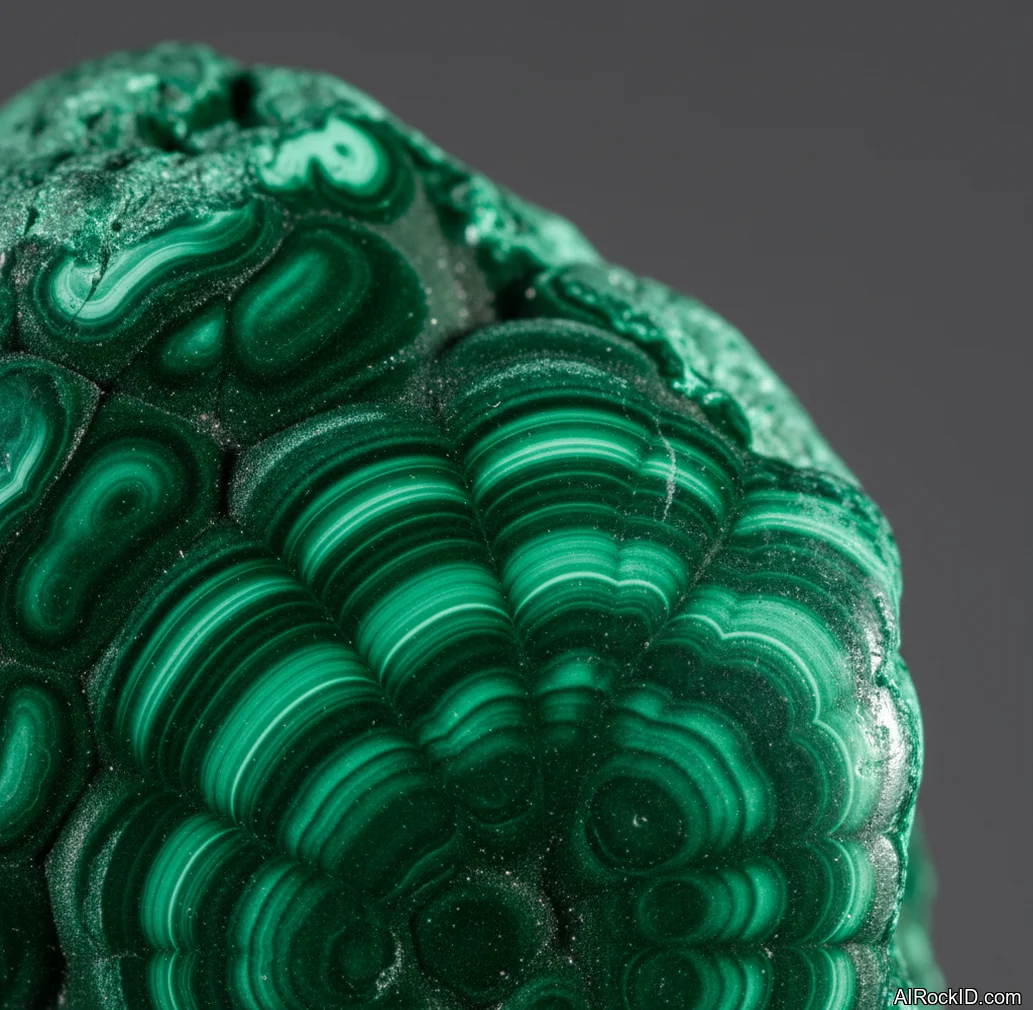
A lot of mottramite gets miscalled as other green, crusty minerals at first, especially malachite or conichalcite. But the color usually feels moodier. More olive to bottle-green. The shine leans waxy to resinous instead of the brighter, silkier look malachite can throw. And if it’s sitting on a porous limonite or gossan matrix, look, it just has that oxidized-lead-deposit vibe the old timers spot immediately.
Origin & History
In 1876, the German mineralogist Gustav Adolf Kenngott was the one who first described mottramite. He called it “mottramite” after Mottram St. Andrew, a village in Greater Manchester, England, because that’s where the mineral showed up in local lead workings.
People collecting it sometimes figure it must be some “old English” mineral that only comes out of the UK. But that’s not really how it is now. The English material still matters for the name and the backstory, sure, but the specimens that actually make you lean in and stare, the ones with that heavy, slightly waxy luster you notice the second you tilt them under a lamp, mostly come from classic oxidized zones in places like Namibia and Morocco.
Where Is Mottramite Found?
Mottramite forms in the oxidized zones of lead and copper deposits and is best known from places like Tsumeb (Namibia) and Touissit (Morocco), plus classic localities in Arizona.
Formation
Look at where mottramite turns up and you’re basically reading the “weathered” chapter of a deposit. Down deeper it’s primary sulfides. Then oxygen and groundwater start doing their slow, stubborn thing near the surface, and all of a sudden vanadium, copper, and lead can finally run into each other and freeze into those dense vanadate minerals.
Most specimens show up as thin coatings or botryoidal crusts on limonite, quartz, or other oxidized gossan material, the kind that leaves your fingers a little rusty if you handle it. But you’ll also find it tangled up with its close cousins in the descloizite group, and sometimes sitting right next to green copper arsenates and phosphates. Thing is, field IDs are a pain because the oxidized zone is basically mineral soup. Two inches apart can look like two totally different species. How are you supposed to be confident on that?
How to Identify Mottramite
Color: Usually dark green, olive green, brownish green, to nearly black; thin edges can show a clearer green in strong light. Some pieces have yellow-green highlights where the crystals are finer.
Luster: Resinous to waxy, sometimes slightly vitreous on fresh micro-crystal faces.
Pick up the specimen and judge the heft. Mottramite feels unusually dense for a green crust, and that weight cue is one of the best tells in hand. If you scratch it with a steel nail, it should scratch, but not like soft malachite that gouges easily; you’re in that mid hardness range. And a 10x loupe helps a lot, since mottramite often shows a fine sparkly druse that malachite’s fibrous texture doesn’t mimic.
Properties of Mottramite
Physical Properties
| Crystal System | Orthorhombic |
| Hardness (Mohs) | 3.0-4.0 (Soft (2-4)) |
| Density | 5.7-6.1 g/cm3 |
| Luster | Resinous |
| Diaphaneity | Opaque |
| Fracture | Uneven |
| Streak | yellow to brownish yellow |
| Magnetism | Non-magnetic |
| Colors | dark green, olive green, brownish green, black, yellow-green |
Chemical Properties
| Classification | Vanadates |
| Formula | PbCu(VO4)(OH) |
| Elements | Pb, Cu, V, O, H |
| Common Impurities | Zn, Fe, As, Ca |
Optical Properties
| Refractive Index | 2.15-2.35 |
| Birefringence | 0.02 |
| Pleochroism | Moderate |
| Optical Character | Biaxial |
Mottramite Health & Safety
You can handle it like a regular cabinet specimen, no big deal, but treat it like any lead-bearing mineral and keep it well away from food and drinks. Thing is, the real risk isn’t touching it, it’s the dust you can get if it’s damaged, chipped, or you start working the material.
Safety Tips
Wash your hands after you handle it. Keep it where kids and pets can’t get to it. And don’t kick up dust, because that fine, powdery stuff hangs in the air longer than you’d think (you can feel it on your fingertips). If you have to cut it or scrub it hard, do it wet and wear the right respiratory protection. Why risk breathing it in?
Mottramite Value & Price
Price Range
Rough/Tumbled: $25 - $400 per specimen
Prices swing all over the place depending on where it came from and how much it catches the light. A dull, dark crust? That’s usually cheap. But a bright green, drusy botryoidal piece sitting on a clean matrix from a known mine can jump in price fast, especially when you tilt it and the tiny crystals flash back at you.
Durability
Nondurable — Scratch resistance: Fair, Toughness: Poor
It’s stable on the shelf, but the crusty habit can chip and edge-wear easily if it rattles around in a box.
How to Care for Mottramite
Use & Storage
Store it in a perky box or a cabinet tray where it won’t rub against harder pieces. I wrap mine because the botryoidal skins can bruise on the high spots.
Cleaning
1) Use a soft, dry brush to remove loose dust. 2) If it needs more, use a slightly damp cotton swab and dab, don’t scrub. 3) Dry fully right away and avoid soaking.
Cleanse & Charge
Stick to smoke, sound, or a quick sit on a dry selenite plate, and keep it out of water. If you leave it in the sun, check it now and then since dark greens can look flatter over time.
Placement
A stable shelf spot is best, ideally with light that grazes the surface so the druse flashes. I like it near a lamp, not in a window.
Caution
This piece has lead and copper in it. So don’t use it in water, don’t make gem elixirs with it, and try not to create any dust (like from scraping, sanding, or grinding). Wash your hands after you handle it, and keep it away from kids and pets.
Works Well With
Mottramite Meaning & Healing Properties
Next to those sweet, glassy crystals people like to meditate with, mottramite comes off more like a “get it done” cabinet mineral. When I’m holding a dense botryoidal piece, it hits in a super physical way. Like a paperweight with real heft that sort of pins your hand in place. That’s the whole mood most people are after.
If you’re into crystals for metaphysical stuff, mottramite usually ends up in the grounding and focus pile. And honestly, I get it. I’ve found it fits best with plain, practical routines: journaling, budgeting, organizing your desk, cleaning out a drawer, that kind of thing. Anything where you want your attention to stay put for 20 minutes instead of ricocheting. But it’s not medical care. It’s not a stand-in for treatment. It’s just a tool some folks like sitting nearby while they work.
But here’s the caution that matters way more than any spiritual write-up: it’s a lead mineral. So I don’t recommend carrying it loose in your pocket, sleeping with it under your pillow, or sticking it in water bowls. Treat it like the serious collector piece it is, keep it clean (and wash your hands after you handle it), and let the “work” be mostly visual and tactile, not something you’re fussing with all day.
Identify Any Crystal Instantly
Snap a photo and get properties, value, care instructions, and healing meanings in seconds.