Specular Hematite
What Is Specular Hematite?
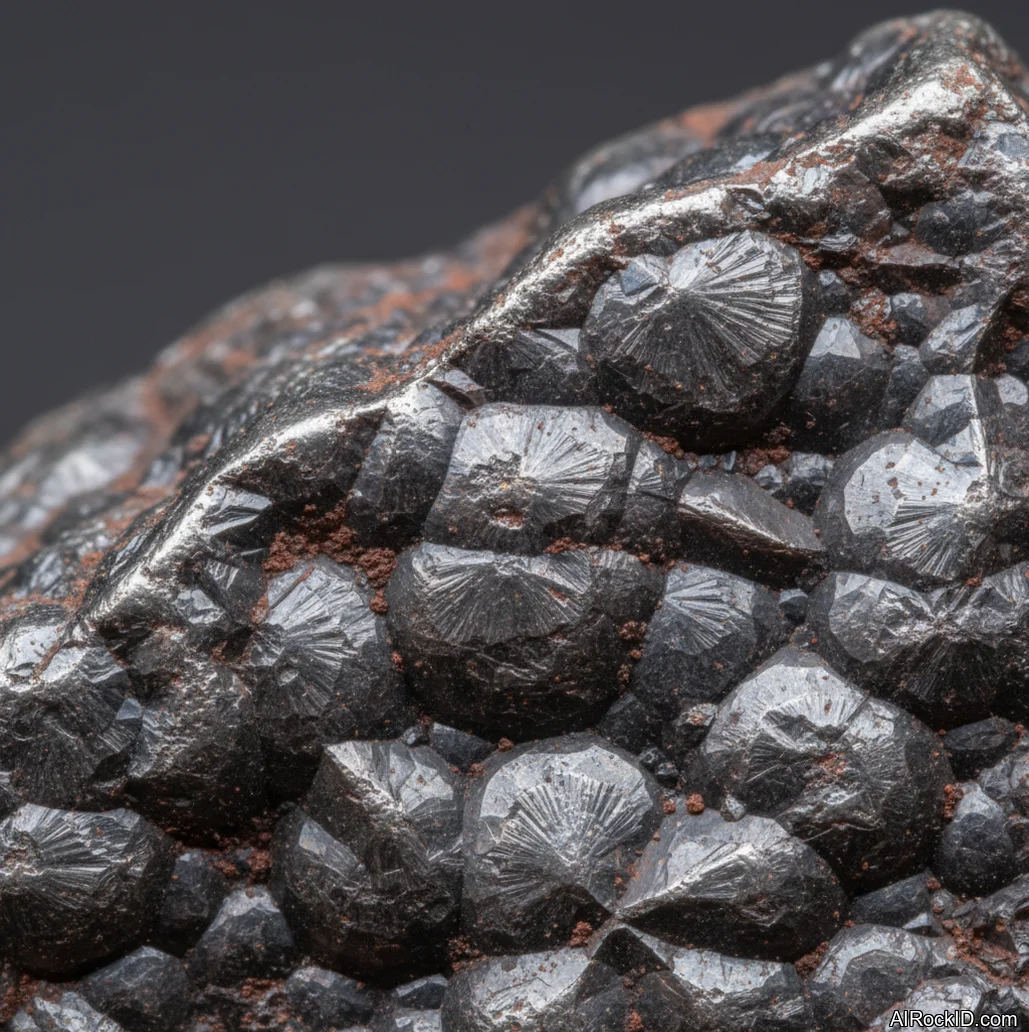
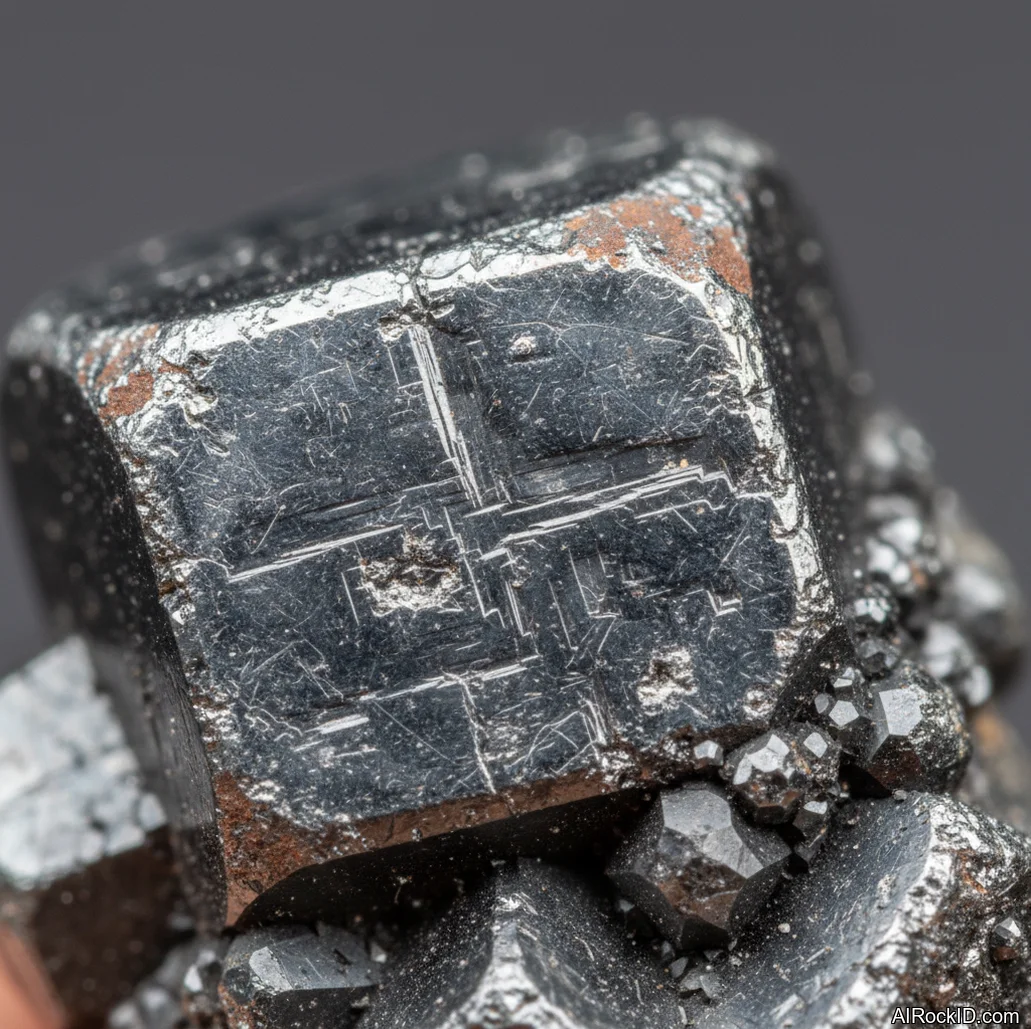
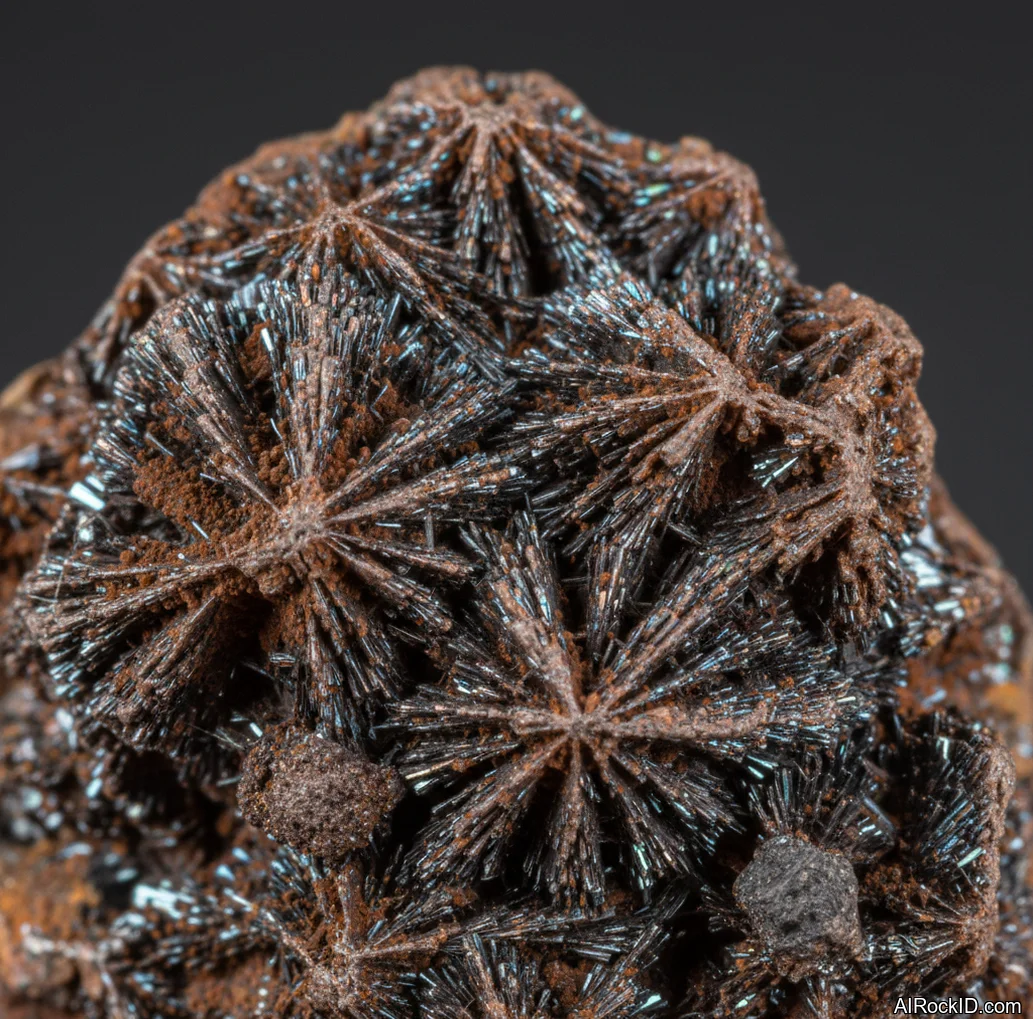
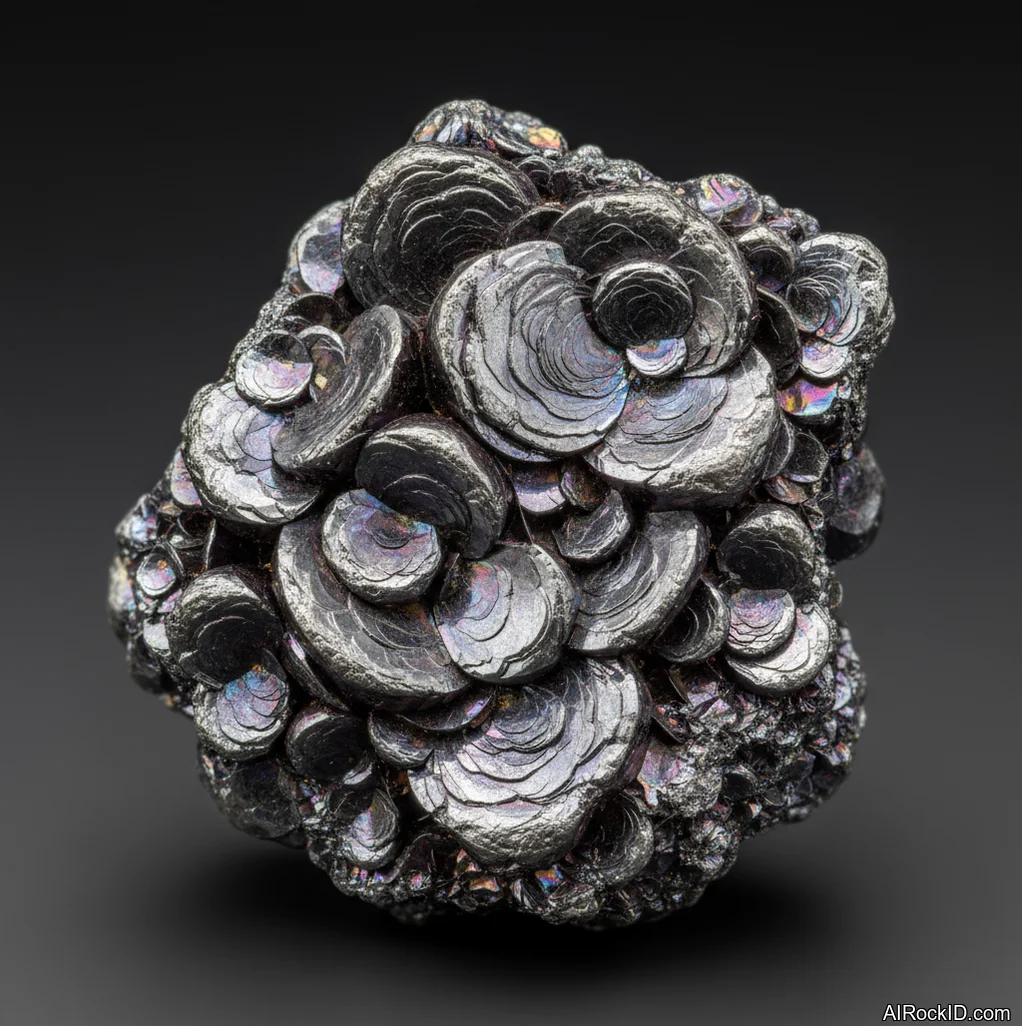
Specular hematite is the glittery, micaceous kind of hematite (Fe2O3), built from thin reflective flakes that pop like a bunch of tiny mirrors when the light hits.
Pick up a piece and, honestly, the weight is the first thing that registers. It feels weirdly heavy for its size, like it’s got more heft than your brain expects. And when you tip it under a desk lamp, the surface fires back these sharp silver flashes, almost like someone rubbed graphite dust or craft glitter into the rock. A lot of specimens show up as little “plates” made of stacked shiny scales, so the edges can feel slightly scaly and prone to flaking if you run a fingernail along them (that gritty catch is hard to miss).
People see the sparkle and call it “magnetic hematite” all the time. But real specular hematite usually won’t stick to a magnet. The mirror shimmer is the tell. It’s not that smooth, even shine you get from a polished tumbled stone, it’s more like countless tiny flat flakes grabbing light from different angles. Kind of hard to unsee once you know what you’re looking for, right?
Origin & History
Hematite as a species got its formal description in 1773, thanks to Jean-Baptiste Romé de l’Isle. The name traces back to the Greek *haima*, meaning “blood,” which makes sense the moment you drag a piece across a streak plate and it leaves that red line.
“Specular” and “specularite” are older trade and field terms miners and collectors used for the bright, mirrorlike kind of hematite that turns up as sparkling plates or micaceous masses in iron ore deposits. And if you’ve ever walked through an old mining district, you know the exact look: it’s the material that catches the light and flashes like somebody shook metallic confetti into the host rock (the sparkly stuff that makes you stop and squint, right?).
Where Is Specular Hematite Found?
It turns up in iron districts worldwide, especially where hematite forms in metamorphic or hydrothermal settings. Brazil and the Alpine region can produce very flashy, platey material.
Formation
Most specular hematite shows up when iron-rich fluids, or iron-bearing rocks, hit that just-right mix of heat, pressure, and oxygen. Then hematite doesn’t grow as chunky masses. It crystallizes as thin, tabular flakes instead.
You’ll run into it in veins, replacement zones, and in metamorphosed iron formations where everything got squeezed hard and recrystallized.
Raw pieces out of Alpine-style clefts can have those bright, razor-sharp plates tucked into little pockets, the kind you only notice once you tip the rock and a flash hits your eye. But some Brazilian material looks different. It tends to show broader, “sheety” patches that want to break down into glittery scales when you handle it (and yeah, they can get a bit messy).
And it’s still hematite at the end of the day. Just grown in a crystal habit that really likes to throw light back at you.
How to Identify Specular Hematite
Color: Body color is steel-gray to iron-black, sometimes with a bluish cast on fresh faces. Powder and streak are red to reddish-brown even when the outside looks nearly black.
Luster: Metallic, with strong mirrorlike sparkle from flat flakes.
If you scratch it with unglazed porcelain, the real test is the streak: it should come out red-brown, not gray. Look closely at the surface in raking light and you’ll see it’s made of tiny plates, not a single smooth reflective face. And if a seller says it’s magnetic, try a magnet yourself; most specular hematite won’t respond, while man-made “magnetic hematite” will snap right to it.
Properties of Specular Hematite
Physical Properties
| Crystal System | Trigonal |
| Hardness (Mohs) | 5.5-6.5 (Medium (4-6)) |
| Density | 5.1-5.3 g/cm3 |
| Luster | Metallic |
| Diaphaneity | Opaque |
| Fracture | Uneven |
| Streak | reddish-brown |
| Magnetism | Non-magnetic |
| Colors | steel-gray, iron-black, silver-gray, reddish-brown (streak) |
Chemical Properties
| Classification | Oxides |
| Formula | Fe2O3 |
| Elements | Fe, O |
| Common Impurities | Ti, Al, Mn, Si |
Optical Properties
| Refractive Index | 2.94-3.22 |
| Birefringence | 0.28 |
| Pleochroism | None |
| Optical Character | Uniaxial |
Specular Hematite Health & Safety
Yeah, it’s generally safe to handle, and it’s fine in water too. The only real day-to-day issue is that some surfaces shed little flakes that get everywhere (you’ll feel them on your fingertips), and the platey pieces can have surprisingly sharp edges that’ll nick you if you grab them the wrong way.
Safety Tips
If you’re going to trim or grind it, put on safety glasses and a dust mask, and do it wet so that fine iron oxide dust doesn’t get kicked up into the air.
Specular Hematite Value & Price
Price Range
Rough/Tumbled: $5 - $120 per specimen
Cut/Polished: $2 - $15 per carat
Big, clean, really flashy plates are what actually sell, especially when they look good sitting on matrix (the kind you can pick up and see the sparkle hit as you tilt it under a light). The dull, micaceous lumps go for cheap. And honestly, most of what gets sold as “magnetic hematite” isn’t this material at all.
Durability
Moderate — Scratch resistance: Fair, Toughness: Fair
It’s chemically stable for display, but the platy habit can shed flakes if it’s banged around.
How to Care for Specular Hematite
Use & Storage
Store it where it won’t get knocked around, especially if it’s the glittery platey kind that likes to shed at the corners. A small box with padding beats leaving it loose in a bowl of tumbles.
Cleaning
1) Rinse briefly in lukewarm water. 2) Use a soft brush or microfiber to lift dust from the flaky surfaces. 3) Pat dry and let it air-dry fully before putting it back on a shelf.
Cleanse & Charge
For a non-water method, smoke, sound, or a quick pass through running water works fine for most people. If you sun it, keep it short because the goal is just a reset, not baking it on a windowsill for weeks.
Placement
On a desk or shelf with side lighting it looks best, because that’s when the mirror flakes actually flash. If you put it under flat overhead light it can look boring and just dark gray.
Caution
Don’t use magnetism to ID it, okay? And don’t just drop it in a pocket or pouch with harder stones like quartz. You’ll end up with that dull, scuffed look on the surface, and the little flakes can chip right off.
Works Well With
Specular Hematite Meaning & Healing Properties
Compared to a lot of flashy “feel good” stones, specular hematite comes off more like a get-it-together piece. It’s heavy. Cool. Slightly stern in your hand, like it’s not here to be cute. When I’m sorting a tray at a show and my brain’s absolutely toasted, I’ll pick up a specular plate for a minute, feel that cold weight on my palm, and it helps me slow down and settle.
Most folks in the metaphysical crowd connect hematite with grounding, focus, and protection vibes. I file that under “personal practice,” not “medical claim.” If you like using stones during meditation, this one works nicely with simple breathing or body-scan stuff, mostly because the physical sensation is so obvious you can’t really ignore it.
But here’s the part people skip: specular hematite can be messy. Those micaceous flakes can leave dark smudges on your fingers (like you just handled a dirty pencil), and if you’re expecting a smooth, polished palm-stone feel, the surface can come off scratchy or even a little crumbly. For everyday carry, a tumbled hematite or a polished cab is usually way less annoying.
Identify Any Crystal Instantly
Snap a photo and get properties, value, care instructions, and healing meanings in seconds.