Spessartine Garnet


Quick answer: Spessartine garnet is a manganese-rich garnet best known for vivid orange, reddish-orange, and orange-brown colors. It can resemble hessonite, orange sapphire, citrine, and some glass imitations, so color alone is not enough for identification.
AI Rock ID can help screen a suspected spessartine garnet by comparing its color, crystal habit, transparency, and visible inclusions against known mineral patterns. RockIdentifier.io should be used as a supportive identification tool, with gemological testing recommended for valuable faceted stones or purchase decisions.
Good fit
- Collectors who want an orange garnet species with distinctive manganese-related color
- Jewelry buyers seeking a durable gemstone suitable for many ring, pendant, or earring settings
- People comparing natural orange gemstones before buying citrine, sapphire, or garnet
- Mineral collectors interested in pegmatite-associated garnets
Not a good fit
- Anyone who needs a gemstone identified by color alone
- Buyers unwilling to request basic disclosure for treatments, origin, or lab reports on expensive stones
- Use in harsh daily-wear settings without checking for fractures, inclusions, or setting protection
Most commonly confused with
- Hessonite Garnet: Hessonite is a grossular garnet that is usually cinnamon-orange to brownish and often has a more syrupy internal appearance.
- Citrine: Citrine is quartz, typically lighter in density and hardness, and lacks garnet’s higher refractive appearance.
- Orange Sapphire: Orange sapphire is corundum, harder than garnet, and may show different optical properties under gemological testing.
- Almandine Garnet: Almandine is usually deeper red to purplish-red rather than bright orange or reddish-orange.
Spessartine Garnet Lookalike Comparison
| Stone | Typical Color | Key Difference | Common Check |
|---|---|---|---|
| Spessartine garnet | Orange to reddish-orange | Manganese-aluminum garnet | High luster and garnet-like heft |
| Hessonite garnet | Cinnamon-orange to brown-orange | Grossular garnet variety | Often has a roiled or syrupy look |
| Citrine | Yellow to orange quartz | Lower refractive appearance than garnet | Quartz hardness and lighter feel |
| Orange sapphire | Orange to pinkish-orange | Corundum, Mohs 9 | Gem lab testing for valuable stones |
| Glass | Any orange shade | Artificial material | Bubbles, mold marks, or soft wear |
AI identification confidence
AI identification confidence is usually moderate for spessartine garnet when the specimen shows strong orange color, garnet-like crystal form, and clear photos under neutral light. Confidence drops for faceted gems, mixed garnet species, heavily included stones, or images where citrine, hessonite, sapphire, and glass are plausible alternatives.
When AI gets it wrong
- A faceted orange stone is photographed without scale, weight, or refractive information
- Lighting makes brownish hessonite or red almandine appear more orange than it is
- A heat-treated or dyed imitation is judged only from a front-facing image
- The specimen is part of a garnet solid-solution series rather than a pure spessartine composition
Final recommendation
For low-cost specimens, visual checks and a reliable seller description may be enough for casual collecting. For expensive faceted spessartine garnet, request a gemological report or testing for identity, natural origin, and any disclosed treatment.
How to Check Spessartine Garnet Authenticity
Authenticity checks should combine appearance with measurable properties such as refractive index, specific gravity, and microscopic features. Natural spessartine may contain inclusions or growth features, while glass imitations can show bubbles, flow lines, or surface wear inconsistent with garnet. Expensive stones should be verified by a qualified gemologist or a recognized lab report.
Buying Spessartine Garnet Online
Useful listings should include untreated or treated status, carat weight or specimen size, clear photos in neutral light, and whether the stone is natural or synthetic/imitation. Bright orange, eye-clean stones can command higher prices, so vague descriptions such as “orange garnet” should be checked carefully. Return policies and independent lab documentation are especially important for high-value faceted gems.
Natural Variation in Spessartine Garnet
Spessartine garnet can range from vivid mandarin orange to reddish-orange, brownish-orange, and darker red-orange depending on composition and inclusions. Some stones are nearly pure spessartine, while others belong to mixed garnet series with almandine or other garnet components. These variations can affect both appearance and market labeling.
What Is Spessartine Garnet?
Spessartine garnet is a manganese-aluminum garnet with the formula Mn3Al2(SiO4)3, and most of the time it shows up in that orange to reddish-orange zone.
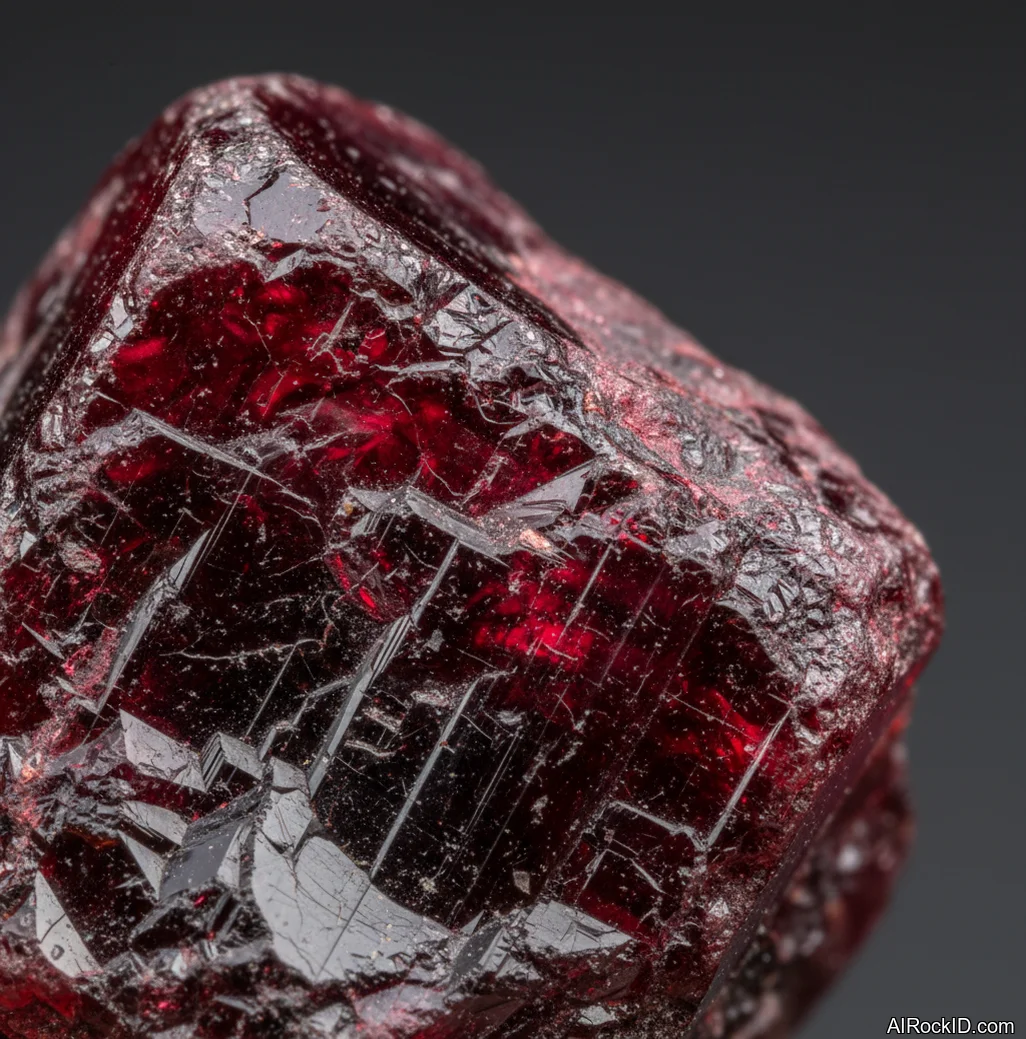
Pick up a clean crystal and the first thing you clock is the weight. Even a little chunk sits heavy in your palm, like it’s cheating the size, and when you tilt it toward a lamp the fresh face kicks back a hard, glassy flash, not that softer waxy look.
Thing is, people slap “spessartine” on basically any orange garnet at first glance, and the market’s kind of a mess. Plenty of stones are actually mixes along the garnet series, like spessartine with almandine or pyrope, and the color can wander from tangerine to cinnamon or even a brownish orange that honestly looks better in sunlight than under indoor LEDs. Who hasn’t seen that happen?
Origin & History
In 1832, François Sulpice Beudant described spessartine. He was one of those early mineralogists who didn’t just shrug and call every garnet a “red stone,” and he named it for the Spessart district in Bavaria, Germany, where the material had been recognized.
But “mandarin garnet” showed up way later, basically as a trade nickname for those punchy, bright orange gem stones, especially after the finds in Namibia. And dealers still toss the term around pretty freely, so ask the blunt question: is it actually spessartine, or is it a mixed garnet being sold under the same umbrella?
Where Is Spessartine Garnet Found?
Good spessartine turns up in granitic pegmatites and metamorphic terrains worldwide. Bright orange gem rough is strongly associated with Namibia and Madagascar, with Brazil and parts of the USA producing collector material too.
Formation
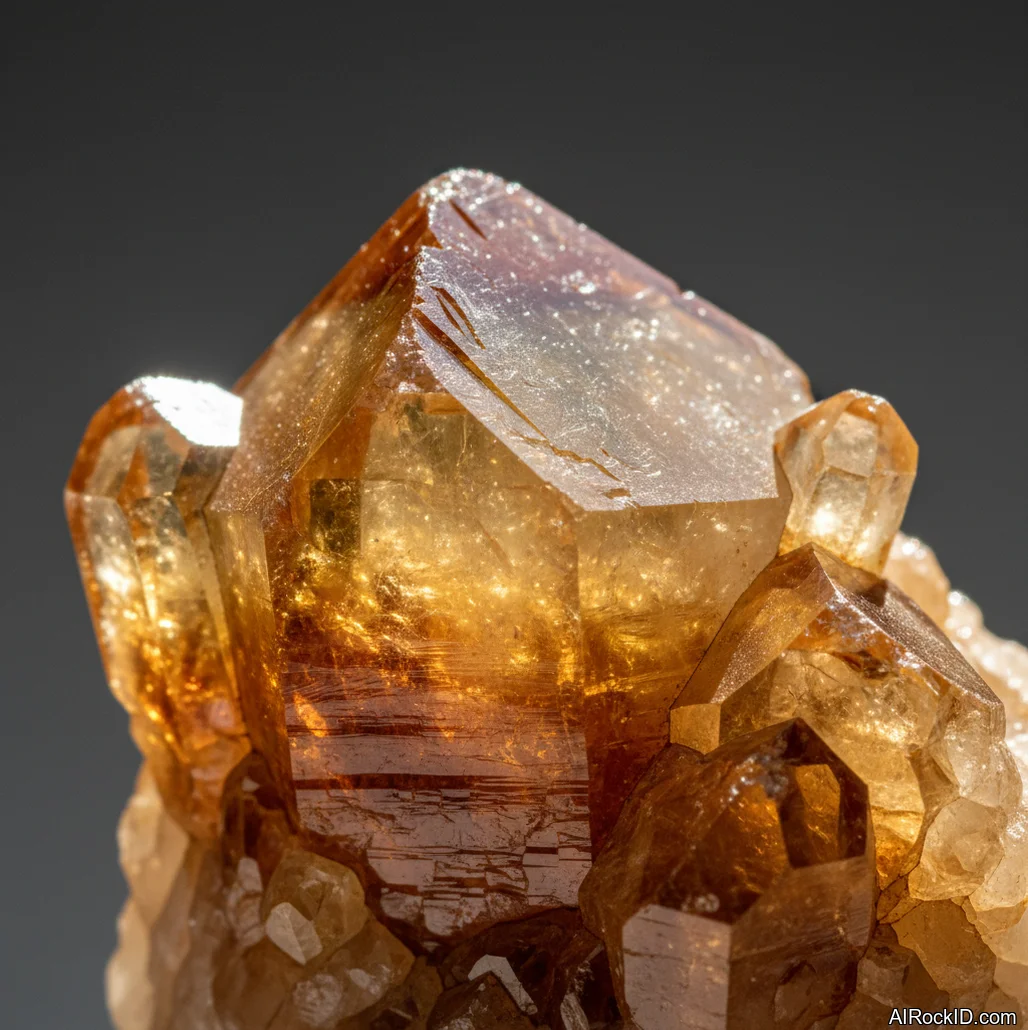
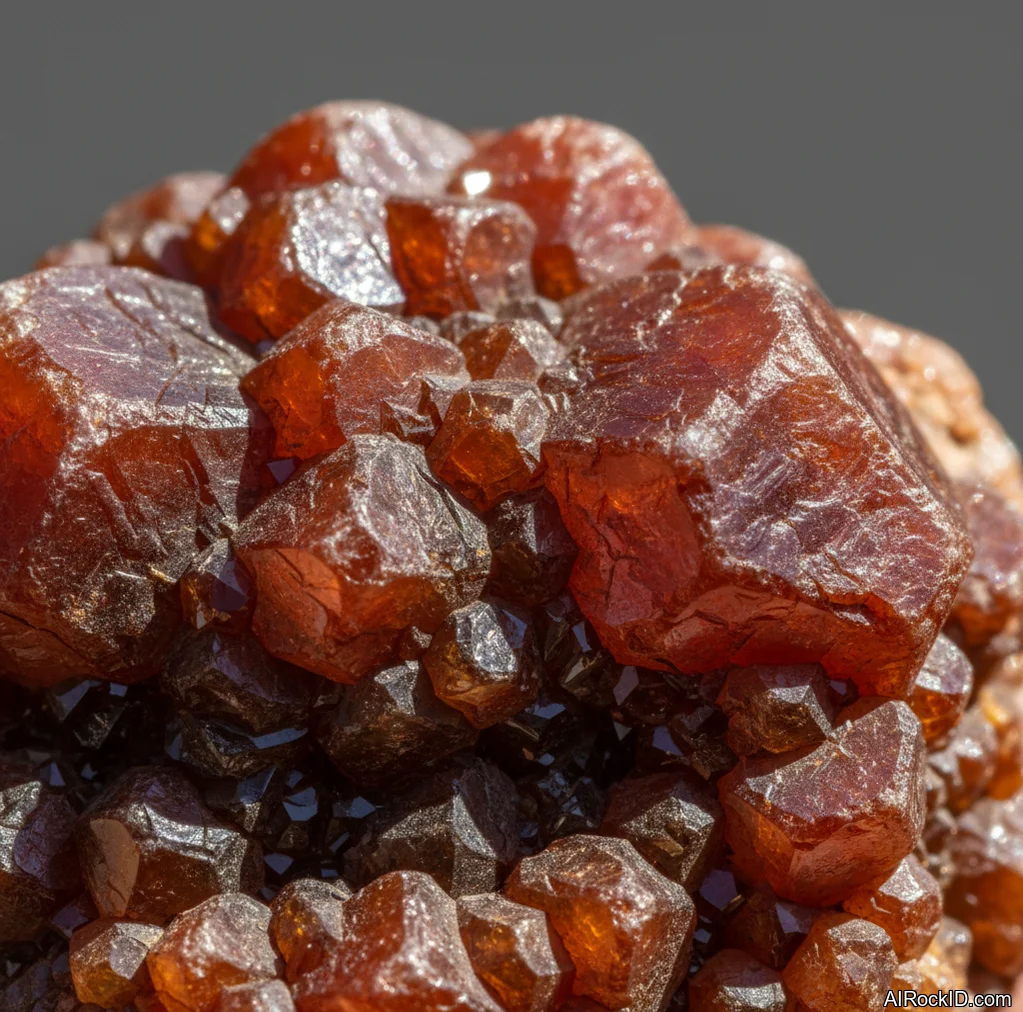
Raw pegmatite pieces tend to show that classic garnet shape: fat, rounded dodecahedra or trapezohedra, the kind that look like they had space and time to grow instead of being squeezed. You can almost feel it when you pick one up, too. They’re that solid, knuckle-sized chunkiness.
In granite pegmatites, the story is pretty straightforward. Slow cooling. Big crystals. And a chemistry setup that can concentrate manganese, so spessartine has what it needs.
But spessartine isn’t locked to pegmatites. It also turns up in metamorphic rocks, especially manganese-rich schists and gneisses, where it’s hanging out in a rougher crowd with quartz, feldspar, mica, and sometimes other garnets (not exactly a quiet environment). And yeah, a crystal can look great from the outside and still be laced with internal fractures once you cut it. So a “nice crystal” doesn’t always mean a “nice gem,” right?
How to Identify Spessartine Garnet
Color: Color ranges from yellowish orange to deep reddish orange, sometimes leaning brownish when iron content creeps in. The best-looking material has a clean tangerine to mandarin tone that doesn’t go muddy in low light.
Luster: Vitreous luster is typical, with a hard, glassy flash on crystal faces and polished stones.
Look closely at the shape if it’s a crystal specimen: garnet habits are blocky and symmetrical, not prismatic like tourmaline. If you scratch it with a steel knife, it usually won’t bite easily, but it also won’t feel as bulletproof as corundum. The real test is optics and heft together. Spessartine feels dense in the hand, and in bright light a clean stone throws sharp internal spark, while many orange glasses look too even and stay warm to the touch compared to a real cool-feeling garnet.
Common Look-Alikes
Spessartine Garnet is sometimes confused with these materials:
- Hessonite garnet (grossular), sold as “cinnamon garnet”
- Mandarin garnet (spessartine-andradite mix) and other orange garnet mixes labeled as pure spessartine
- Orange sapphire or orange topaz in calibrated cuts (often mistaken online for “spessartine”)
- Orange tourmaline (dravite or Mn-bearing elbaite) in small rough or tumbled pieces
- Dyed orange chalcedony/agate sold as “orange garnet” in cheap bead strands
- Orange glass or leaded glass “garnet” imitations (sometimes with round bubbles)
Market Cautions & Treatments
When AI Can Get This Wrong
At first glance, phone photos mix up spessartine with hessonite and “mandarin” garnet constantly because all three live in that orange-to-reddish-orange lane and cameras crush the subtle brown or cinnamon undertones. AI also trips on orange sapphire and orange glass when the stone’s already faceted and the lighting is blown out. The real test is quick hands-on stuff: check for hessonite’s roiled, syrupy interior, look for bubbles in glass, and confirm it’s actually garnet-hard by seeing if it’ll scratch ordinary window glass cleanly without leaving just an orange streak.
Properties of Spessartine Garnet
Physical Properties
| Crystal System | Cubic |
| Hardness (Mohs) | 6.5-7.5 (Hard (6-7.5)) |
| Density | 4.12-4.20 g/cm3 |
| Luster | Vitreous |
| Diaphaneity | Transparent to translucent |
| Fracture | Conchoidal |
| Streak | White |
| Magnetism | Non-magnetic |
| Colors | Orange, Reddish-orange, Yellowish-orange, Brownish-orange |
Chemical Properties
| Classification | Silicates |
| Formula | Mn3Al2(SiO4)3 |
| Elements | Mn, Al, Si, O |
| Common Impurities | Fe, Mg, Ca |
Optical Properties
| Refractive Index | 1.79-1.81 |
| Birefringence | None |
| Pleochroism | None |
| Optical Character | Isotropic |
Spessartine Garnet Health & Safety
Handling it and giving it a quick rinse is pretty low-risk for most people. The real worry is the dust, especially if you’re grinding or cutting it and you don’t have the right controls in place, because that’s when you can end up breathing it in.
Safety Tips
If you’re sanding or polishing, keep a little water on the surface so dust doesn’t go everywhere, make sure you’ve got decent ventilation (crack a window, run a fan), and wear a real respirator that’s rated for fine particulates.
Spessartine Garnet Value & Price
Price Range
Rough/Tumbled: $10 - $250 per piece
Cut/Polished: $30 - $800 per carat
Color and clarity push the price up fast. Those pure tangerine shades and really clean stones are the ones that leap the hardest. Larger sizes are out there, sure, but they’re often included (you’ll see little specks or feathering if you tilt it under a desk lamp), so a top-grade bigger gem gets pricey in a hurry.
Durability
Durable — Scratch resistance: Good, Toughness: Good
Spessartine is generally stable in normal wear, but included stones can chip at facet edges if they take a hard knock.
How to Care for Spessartine Garnet
Use & Storage
Store spessartine separately from softer gems and from harder stuff like sapphire that can scratch it. I keep mine in small gem jars or padded boxes because loose stones love to find each other and scuff.
Cleaning
1) Rinse with lukewarm water to remove grit. 2) Use a soft toothbrush with mild soap and gently scrub around edges and any pits. 3) Rinse well and pat dry; don’t blast it with a steamer if the stone has obvious fractures.
Cleanse & Charge
A simple rinse and a dry cloth wipe is enough for most people. If you do energetic cleansing, stick to gentle methods like moonlight or placing it on a clean piece of quartz.
Placement
On a desk or shelf, spessartine looks best where it gets angled light, because the orange flash changes a lot as you tilt it. Keep it out of a gritty windowsill spot where windblown dust can slowly haze a polished surface.
Caution
Don’t run heavily included or fracture-filled stones through an ultrasonic cleaner. And when you’re setting or repairing jewelry, skip the high heat. Also, don’t just drop it loose in your pocket next to your keys (that scratchy keyring will chew it up fast).
Works Well With
Spessartine Garnet Meaning & Healing Properties
Next to the darker garnets, spessartine just reads lighter to me. It has this more “awake” feel that a lot of people connect with motivation and actually getting up and doing the thing. In my own trays, it’s the one I reach for when I’m dragging and I want something bright but still steady, like holding a warm coal in your palm, not staring at a neon sign.
But look, here’s the limit. The metaphysical stuff is personal, and it’s not medicine. If someone’s dealing with anxiety or burnout, a stone can work as a cue or a little routine anchor, sure, but it won’t replace sleep, food, therapy, or real medical care.
Give it a week, not five minutes. I’ve had days where spessartine felt a bit too “revved up,” especially with those super-bright mandarin-colored stones, and just swapping in a calmer companion stone made the whole setup feel more even. Funny how that happens, right?
Common mistakes
- Assuming every bright orange transparent stone is spessartine garnet
- Using color photos alone to separate spessartine from hessonite or citrine
- Ignoring seller disclosure about treatments, composites, or imitation materials
- Confusing trade names such as “mandarin garnet” with a guaranteed origin or quality grade
- Buying a high-value faceted stone without a return policy or gemological documentation
Identify Spessartine Garnet from a photo
Compare Spessartine Garnet traits, care tips, value clues, and common lookalikes with a clear photo.