Sulfur Quartz


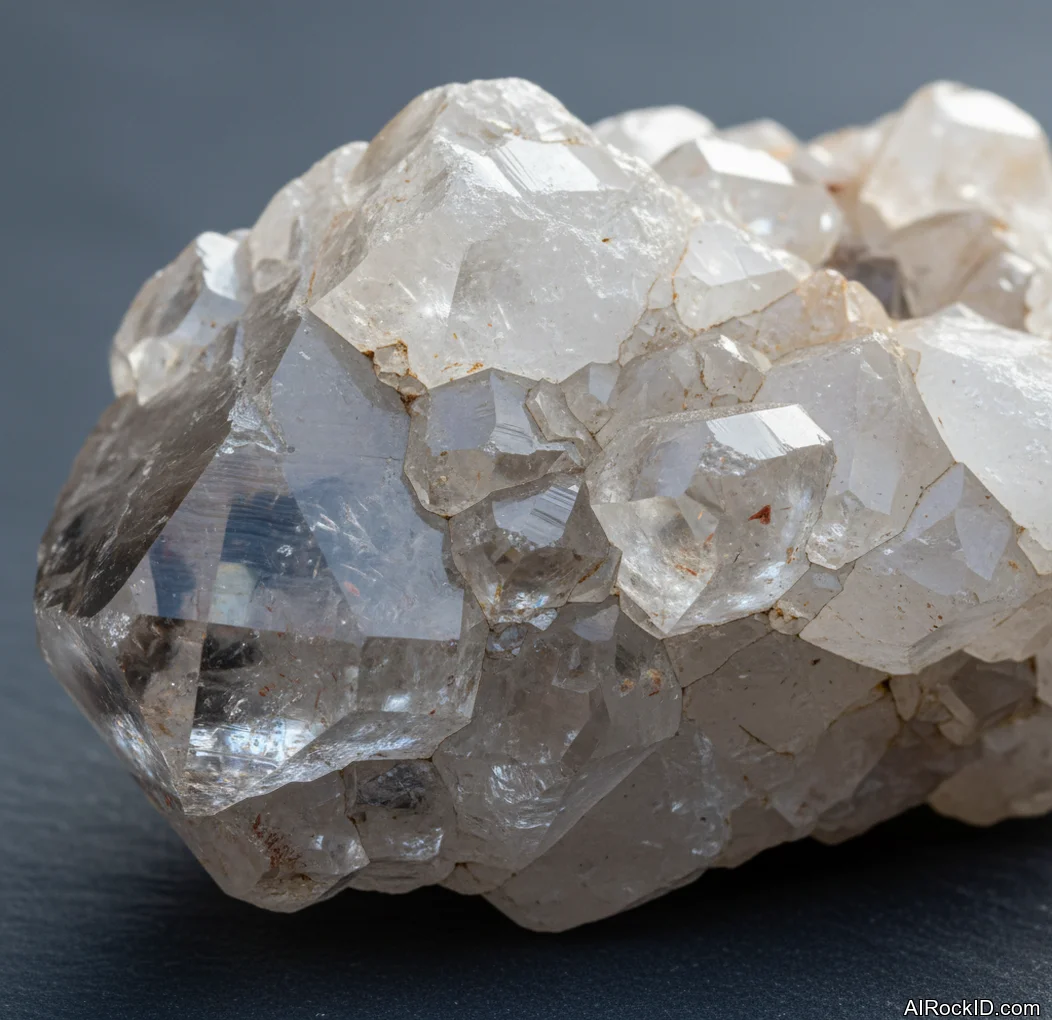
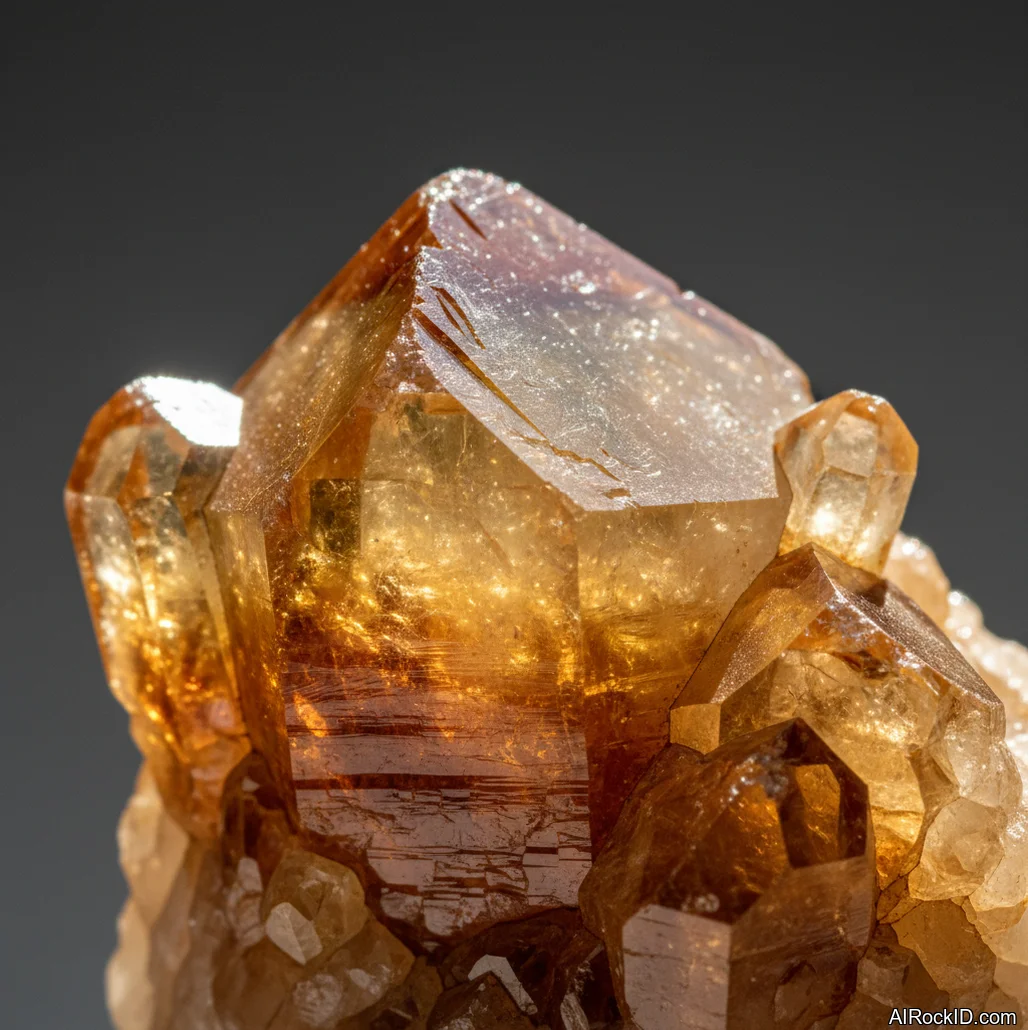
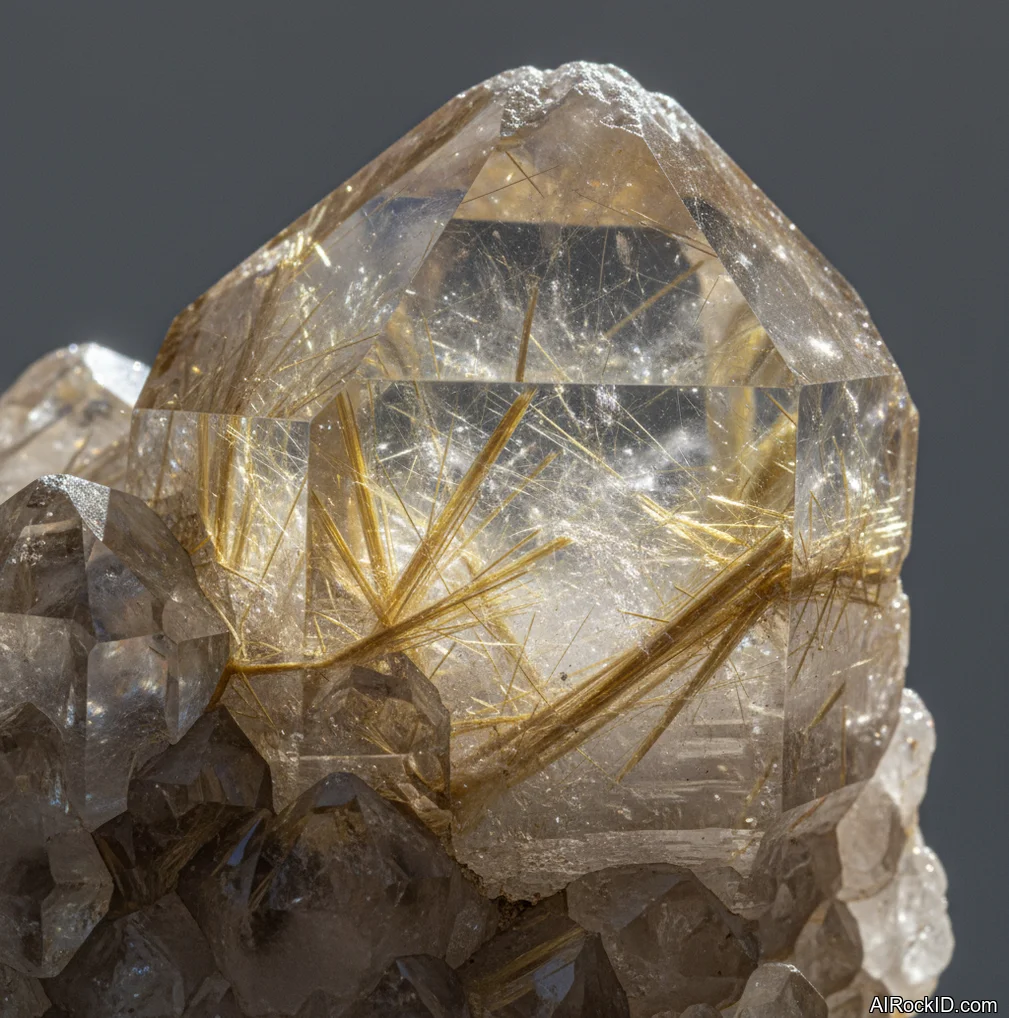
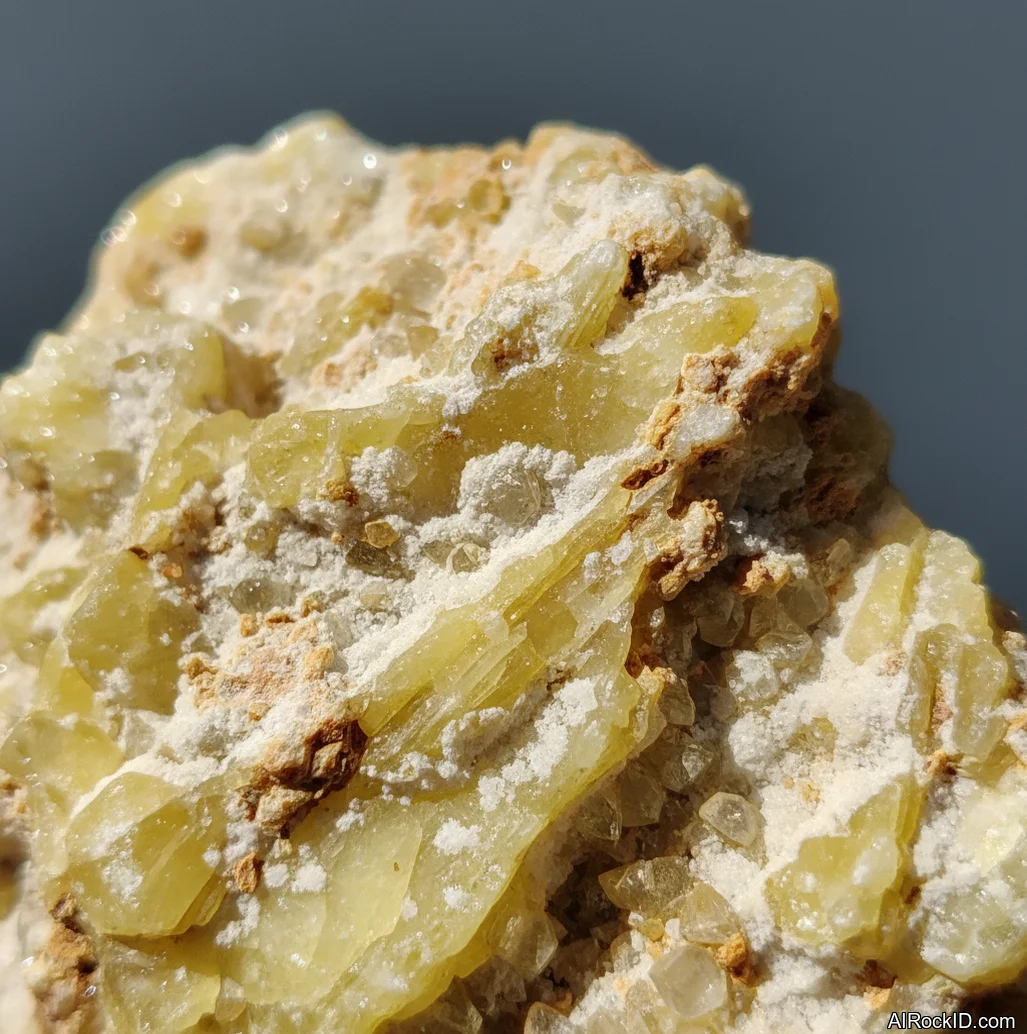
Quick answer: Sulfur Quartz is quartz that contains yellow native sulfur inclusions or surface-associated sulfur. It is typically identified by the contrast between clear to milky quartz and bright yellow sulfur, while quartz remains the harder host mineral.
AI Rock ID can help compare a suspected Sulfur Quartz specimen against lookalikes by analyzing color, crystal habit, luster, and visible inclusions from a photo. RockIdentifier.io provides crystal reference information that can support visual checks, but unusual specimens may still require expert or laboratory confirmation.
Good fit
- Collectors who want an inclusion-bearing quartz specimen with distinct yellow coloration
- Beginners learning how inclusions differ from dyed or coated quartz
- Display collections where bright contrast and crystal form are important
- Buyers who can verify that the yellow material is sulfur rather than dye, resin, or iron staining
Not a good fit
- Anyone needing a jewelry stone for daily wear, because sulfur inclusions and surface sulfur may be more delicate than the quartz host
- Collectors who prefer only untreated, laboratory-confirmed specimens unless documentation is available
- Situations involving heat, strong light, or chemical exposure that could affect sulfur-bearing material
Most commonly confused with
- Citrine: Citrine is yellow quartz colored by trace elements or heat treatment, not quartz with separate native sulfur inclusions.
- Golden Healer Quartz: Golden Healer Quartz usually shows yellow to orange iron oxide staining or inclusions rather than native sulfur.
- Lemon Quartz: Lemon Quartz is commonly treated quartz with an even yellow-green body color, while Sulfur Quartz often shows localized yellow inclusions or coatings.
- Sulfur: Native sulfur alone is much softer and more brittle than quartz and lacks the quartz host crystal structure.
Sulfur Quartz vs. Common Yellow Lookalikes
| Specimen | Yellow Cause | Key Difference | Hardness Clue |
|---|---|---|---|
| Sulfur Quartz | Native sulfur inclusions or associated sulfur | Yellow areas are separate from the quartz host | Quartz host is 7; sulfur is softer |
| Citrine | Natural or treated quartz coloration | Yellow color is usually within the quartz body | About 7 throughout |
| Golden Healer Quartz | Iron oxide staining or inclusions | Color often appears golden, orange, or rusty | About 7 for quartz areas |
| Lemon Quartz | Commonly treatment-induced color | Often has even yellow-green color | About 7 throughout |
| Native Sulfur | Elemental sulfur | No quartz host and scratches much more easily | About 1.5–2.5 |
AI identification confidence
AI identification confidence for Sulfur Quartz is usually moderate when photos clearly show quartz crystal habit and localized bright yellow inclusions. Confidence drops when the specimen is tumbled, coated, dyed, heavily iron-stained, or photographed under warm lighting.
When AI gets it wrong
- Even yellow body color may be classified as Citrine or Lemon Quartz instead of inclusion-bearing quartz.
- Iron oxide staining can look similar to sulfur in warm or low-resolution photos.
- Surface coatings, resin fills, or dyed fractures may be mistaken for natural inclusions.
- Photos without scale, multiple angles, or close-ups of the yellow areas can reduce identification accuracy.
Final recommendation
Choose Sulfur Quartz when the specimen shows convincing quartz structure with localized yellow sulfur material rather than uniform artificial-looking color. For higher-value purchases, request multiple photos, locality information, and any available documentation from the seller.
How to Check Authenticity Before Buying Sulfur Quartz
Authentic Sulfur Quartz should show quartz as the main host with yellow sulfur appearing as inclusions, pockets, or associated surface material rather than a uniform yellow coating. Ask for daylight photos, close-ups of the yellow areas, and the specimen locality when available. Be cautious of pieces with neon color, glossy resin-like surfaces, or dye concentrated in cracks.
Photo Tips for Identifying Sulfur Quartz
Photograph Sulfur Quartz in natural white light and include close-ups of both the quartz and the yellow material. Multiple angles help show whether the yellow color is inside the quartz, on the surface, or limited to fractures. A simple scale reference can also help distinguish quartz crystals from softer native sulfur clusters.
Natural Inclusions vs. Surface Coatings
Inclusions are enclosed or partly enclosed within the quartz and follow internal growth zones, fractures, or pockets. Surface coatings sit on the outside of the specimen and may appear uneven, powdery, glossy, or removable. This distinction matters because coatings, dyes, and resins can change both identification and collector value.
What Is Sulfur Quartz?
Sulfur Quartz is just quartz (SiO2) with natural inclusions of native sulfur inside it. You’ll usually see that sulfur as yellow clouds, tiny specks, or those wispy little patches that look like they’re floating in the crystal.
Pick up a piece and, honestly, it still feels like regular quartz. Cool on your palm. Same glassy heft. Then you shift it a hair and there it is, that yellow caught inside like someone shook pollen into a clear drink and it never settled. Some pieces have this lemony haze that looks frozen mid-swirl. Others? Barely anything. Just a couple pinpoints that only show up when you roll the crystal under a lamp and catch the light at the right angle.
But don’t go in expecting every specimen to be loud neon yellow. A lot of what’s sold as “sulfur quartz” is actually iron staining on the outside, or quartz with yellow clay smeared into fractures. The good stuff is when the yellow is inside the crystal, not sitting on the surface, and you can watch it slip in and out of view as you tilt it. Kind of the whole point, right?
Origin & History
Nobody ever “discovered” Sulfur Quartz as its own mineral, because it isn’t one. It’s just quartz with sulfur inside. Quartz has been described and named for centuries, and native sulfur has its own long history too, but this combo is basically a collector and dealer tag for a certain inclusion look.
The word quartz comes from the old German “Quarz,” and sulfur traces back to Latin “sulfur.” In the trade, that name started popping up a lot more once inclusion quartz got trendy, and sellers began sorting pieces by what you can see trapped inside (the little flecks and cloudy streaks you notice when you tilt one under a lamp): chlorite, rutile, petroleum, hematite, and yes, sulfur when it’s actually present.
Where Is Sulfur Quartz Found?
You see it from the same kinds of places that produce good inclusion quartz, especially alpine-type veins and hydrothermal quartz pockets. Brazil is the usual source in the retail market, with occasional material reported from alpine regions and volcanic or geothermal settings.
Formation
Most of the specimens I’ve had in my hands just look like regular hydrothermal quartz that formed in open space, then picked up “contamination” from whatever the pocket chemistry was doing at the time. Quartz is growing out of silica-rich fluids, and you get inclusions when tiny grains, droplets, or thin films get caught while the crystal faces keep stacking on (you can almost picture it sealing shut layer by layer).
For sulfur to show up as sulfur, the conditions have to let elemental sulfur form, then stick around long enough for the quartz to trap it. That tends to happen around volcanic and geothermal systems where sulfur-bearing gases and fluids are moving through, or in little pockets where the chemistry flips back and forth between oxidizing and reducing. And once the quartz grows closed around it, that bit of sulfur is basically a tiny time capsule.
How to Identify Sulfur Quartz
Color: Color ranges from pale buttery yellow to deeper mustard tones, usually appearing as internal clouds, specks, or streaky patches rather than a uniform body color. The host quartz is clear to milky and may show internal veils and healed fractures.
Luster: Vitreous luster on the quartz faces, with the inclusions looking matte or slightly waxy inside.
Look closely with a penlight from the side and make sure the yellow is inside the crystal, not just surface stain sitting in scratches. The real test is rotation: true inclusions will shift in parallax and seem to sit at different depths. If you can wipe the yellow off with a damp cloth or it’s only in surface pits, it’s not sulfur-included quartz, it’s just dirt or iron gunk.
Common Look-Alikes
Sulfur Quartz is sometimes confused with these materials:
- Citrine (natural or heat-treated amethyst sold as citrine) inside clear quartz points
- Golden Healer / limonite-stained quartz (iron oxide film or internal staining that reads yellow in photos)
- Quartz with yellow calcite inclusions (calcite blobs or seams inside quartz, sometimes sold as “sulfur quartz”)
- Quartz with yellow fluorite inclusions (rare, but it photographs like sulfur clouds)
- Dyed crackle quartz (artificially fractured quartz with yellow dye soaking into the cracks)
- Yellow glass or resin “inclusion” pieces (fake internal clouds or glitter suspended in a clear body)
Market Cautions & Treatments
When AI Can Get This Wrong
In photos, AI mixes sulfur inclusions up with Golden Healer staining and heat-treated citrine because all three read as “yellow inside quartz,” especially under warm lighting. The real test is in-hand: sulfur looks like soft, powdery clouds or specks trapped at different depths, while dye hugs cracks and iron staining often coats surfaces and internal veils in broad sheets. A quick loupe check for fracture-outlining color, plus the “glass feels warm and shows bubbles” tell, clears up a lot of bad IDs.
Properties of Sulfur Quartz
Physical Properties
| Crystal System | Trigonal |
| Hardness (Mohs) | 7 (Hard (6-7.5)) |
| Density | 2.65 g/cm3 |
| Luster | Vitreous |
| Diaphaneity | Transparent to translucent |
| Fracture | Conchoidal |
| Streak | white |
| Magnetism | Non-magnetic |
| Colors | colorless, white, yellow, golden yellow, pale yellow |
Chemical Properties
| Classification | Silicates |
| Formula | SiO2 (quartz) with S inclusions |
| Elements | Si, O, S |
| Common Impurities | Fe, Al, Ti |
Optical Properties
| Refractive Index | 1.544–1.553 |
| Birefringence | 0.009 |
| Pleochroism | None |
| Optical Character | Uniaxial |
Sulfur Quartz Health & Safety
It’s pretty safe to handle, and it’s fine with a quick splash of water, same as most quartz. But if you start cutting it or sanding it, that’s when the real issue shows up: silica dust in the air (and you can feel that gritty film it leaves on your hands).
Safety Tips
If you’re cutting or shaping it, keep the blade wet and wear a proper respirator that’s actually rated for silica. And when you’re done, mop up the slurry while it’s still wet, because once that gray film dries out it turns into dust that gets everywhere.
Sulfur Quartz Value & Price
Price Range
Rough/Tumbled: $15 - $250 per specimen
Cut/Polished: $3 - $25 per carat
Prices jump when the quartz is clean and you can tell the sulfur inclusion is actually inside the stone, spread out in a way that looks intentional instead of accidental. But if it’s full of ugly fractures, has that muddy yellow stain smeared through it, or it’s the kind of piece where you’re squinting like, “is that even sulfur?”, that’s the cheap stuff.
Durability
Durable — Scratch resistance: Excellent, Toughness: Fair
Quartz holds up well day to day, but sharp knocks can chip edges and bruises show as white marks under the surface.
How to Care for Sulfur Quartz
Use & Storage
Store it like any pointy quartz: wrapped or separated so terminations don’t ping each other. I keep mine in little perky boxes because one clack in a drawer can leave a chip you’ll stare at forever.
Cleaning
1) Rinse with lukewarm water and a drop of mild soap. 2) Use a soft toothbrush to get into creases and around the base. 3) Rinse well and pat dry, then air dry fully before putting it back in a box.
Cleanse & Charge
If you do energy work, smoke cleansing or sound is the low-drama route for included quartz. Skip harsh salt soaks if the piece has open fractures where residue can crust up.
Placement
A windowsill looks great, but I don’t leave included quartz in strong sun for long. Some yellow inclusion looks a little duller over time if it’s baked in bright light day after day.
Caution
Don’t use acidic cleaners, and don’t try blasting it with heat to “brighten” that yellow. That stuff can bite you. And if a seller says the yellow is sulfur but can’t actually prove it’s internal (not just sitting on the surface), treat it like staining until they can show otherwise.
Works Well With
Sulfur Quartz Meaning & Healing Properties
In metaphysical circles, Sulfur Quartz gets treated like clear quartz clarity with a sharp, sunny “sulfur” kick on top. And honestly, in real life I mostly see people grab it when they want something energizing that isn’t all sugary-sweet. It feels less like a hug and more like: move.
On a long day, if you pick up a piece, it can feel kind of mentally loud in a way plain clear quartz sometimes doesn’t. Especially when that yellow inclusion is obvious and sits right in the middle, like a little yolk frozen inside the stone. I’ve had customers tell me it’s motivating, like it slices through procrastination. But if you’re already wired or anxious? Thing is, it can be too much. That’s the part nobody says out loud at the booth.
This isn’t medical advice, and it doesn’t replace sleep, therapy, or actual treatment. So think of it more like a physical reminder sitting on your desk. You catch the yellow in the quartz, and it clicks, what was I supposed to do next?
Common mistakes
- Assuming every yellow quartz specimen is Sulfur Quartz
- Confusing iron staining with native sulfur inclusions
- Using quartz hardness alone to confirm the yellow material
- Buying from a single photo without close-ups of the inclusions
- Ignoring signs of dye, resin, or artificial surface coating
- Expecting sulfur-bearing material to be as durable as the quartz host
Identify Sulfur Quartz from a photo
Compare Sulfur Quartz traits, care tips, value clues, and common lookalikes with a clear photo.