Sphalerite
What Is Sphalerite?
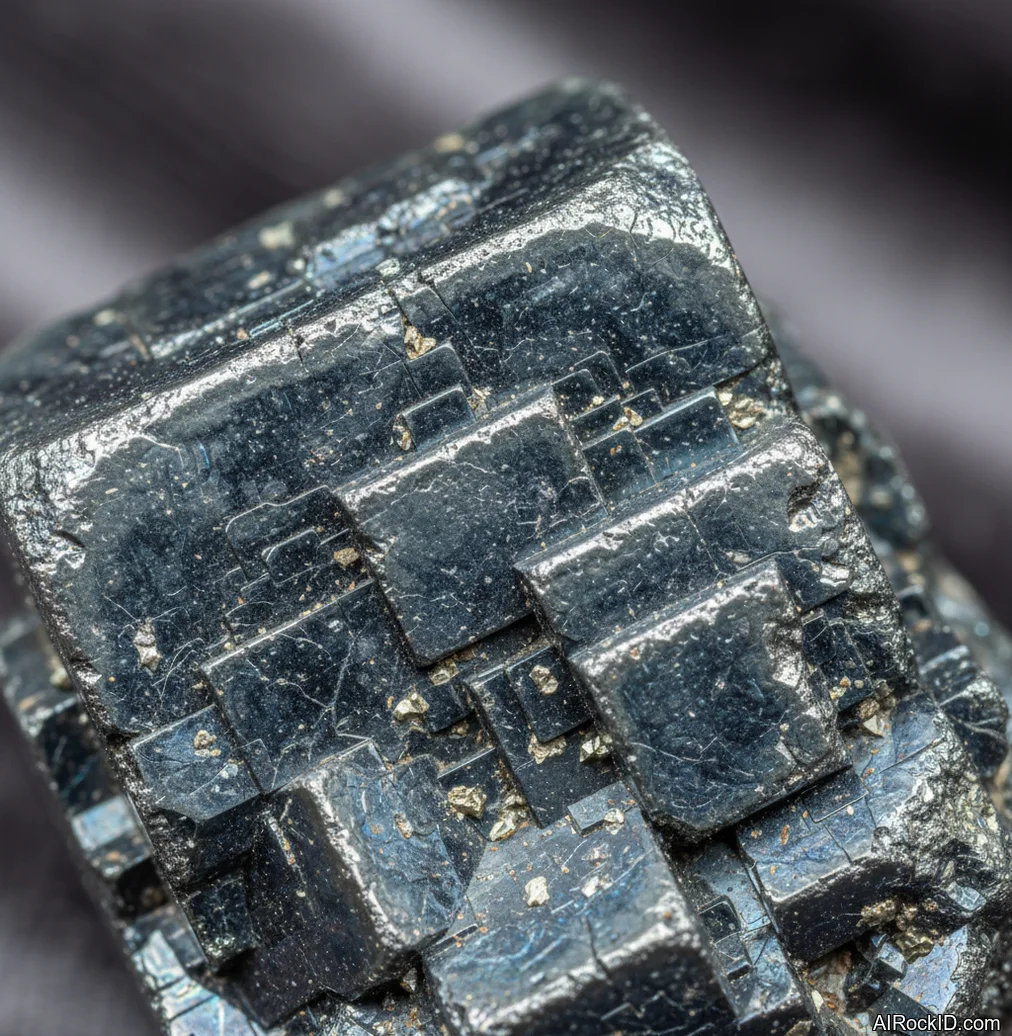
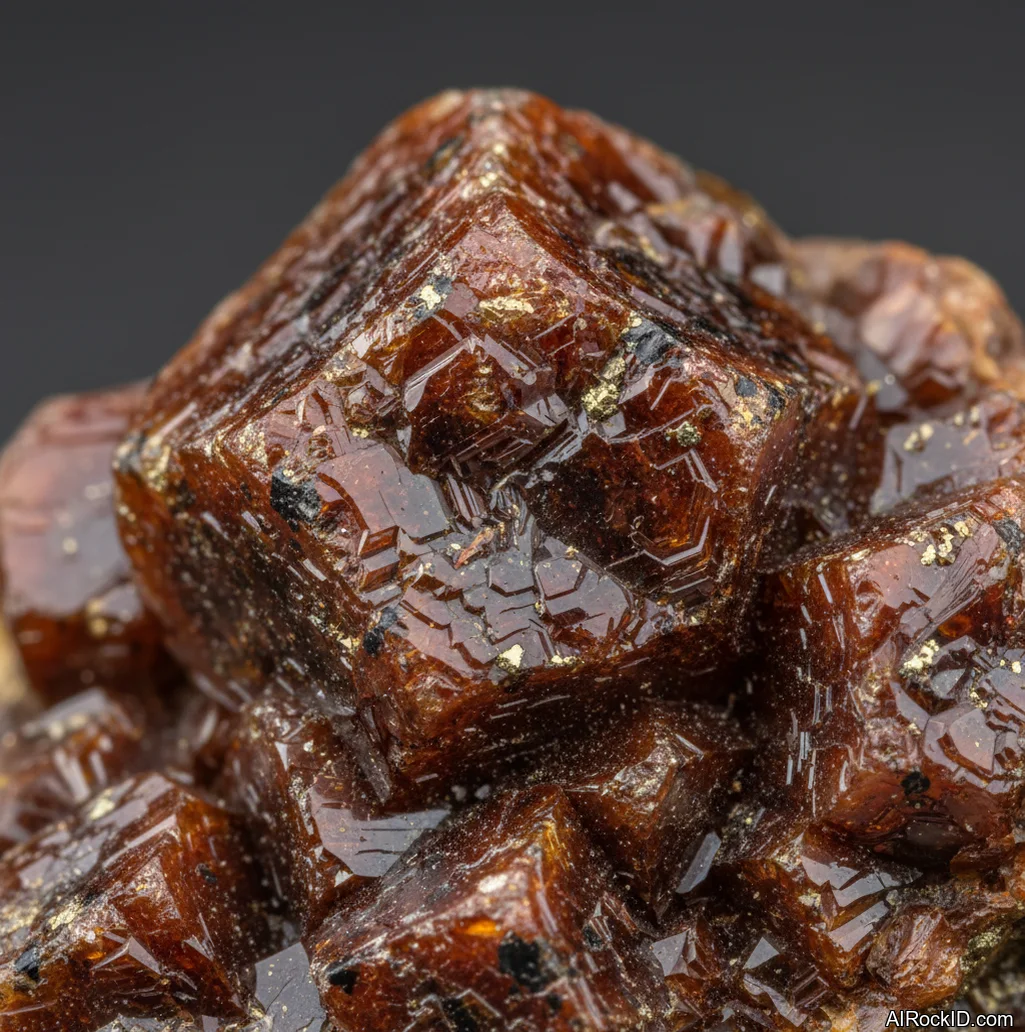
Sphalerite is zinc sulfide (ZnS), and it’s the main ore of zinc. In your hand it can mess with your eyes a bit, because it’ll look like glassy brown candy in one angle, then go near-black the second you tilt it under the light. Grab a chunky piece and the first thing you notice is the heft. It feels heavy in your palm for how big it is.
A lot of the sphalerite you see on dealer tables is dark and sort of boring at first, especially the iron-rich stuff. But when you get a nicer piece, it has this resin-like sheen, and you’ll catch those little “step” flashes from cleavage, like someone nicked it with a tiny chisel (or it got bumped in a flat). And if you’ve ever handled Spanish gem sphalerite, you’ll understand why cutters keep bringing it up. It throws fire like crazy, but it’s also soft, and it cleaves if you so much as look at it wrong.
Origin & History
Most books pin the first formal description on Ernst Friedrich Glocker in 1847, and the name comes from the German “Sphalerit,” which basically means a treacherous or deceptive ore. That checks out. Early miners kept yanking it out of lead and silver veins, sure they’d struck something worthwhile, and then it hit them when it just wouldn’t smelt the way they thought it should.
Older writing calls it “blende” because it fooled people by blending in with other dark, metallic-looking minerals. And yeah, you still hear old-timer collectors say “zinc blende” at shows, especially when they’re talking about ore-grade stuff instead of the clean, flashy crystals.
Where Is Sphalerite Found?
Sphalerite shows up in zinc-lead deposits worldwide, with collector favorites from Spain (bright, high-dispersion gems), Tennessee (sharp crystals), and classic Mississippi Valley-type districts in the USA.
Formation
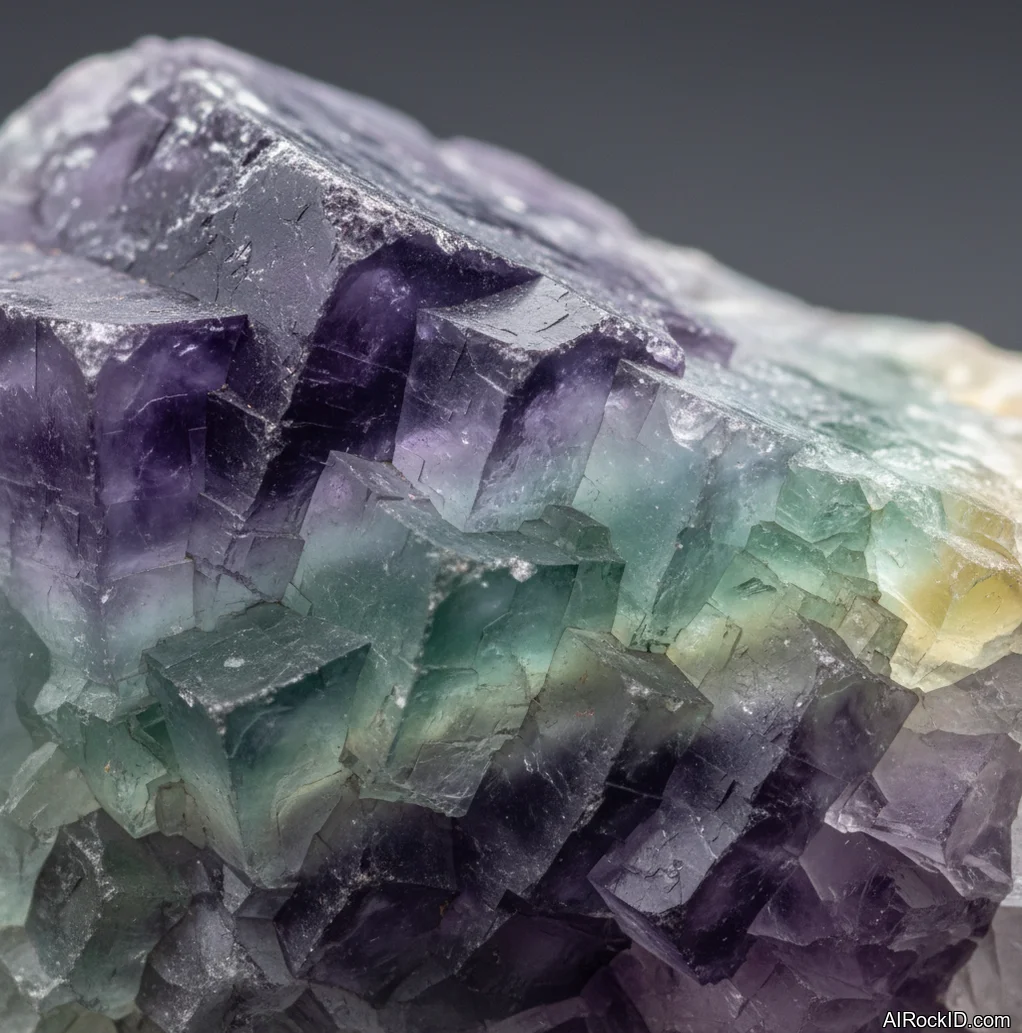
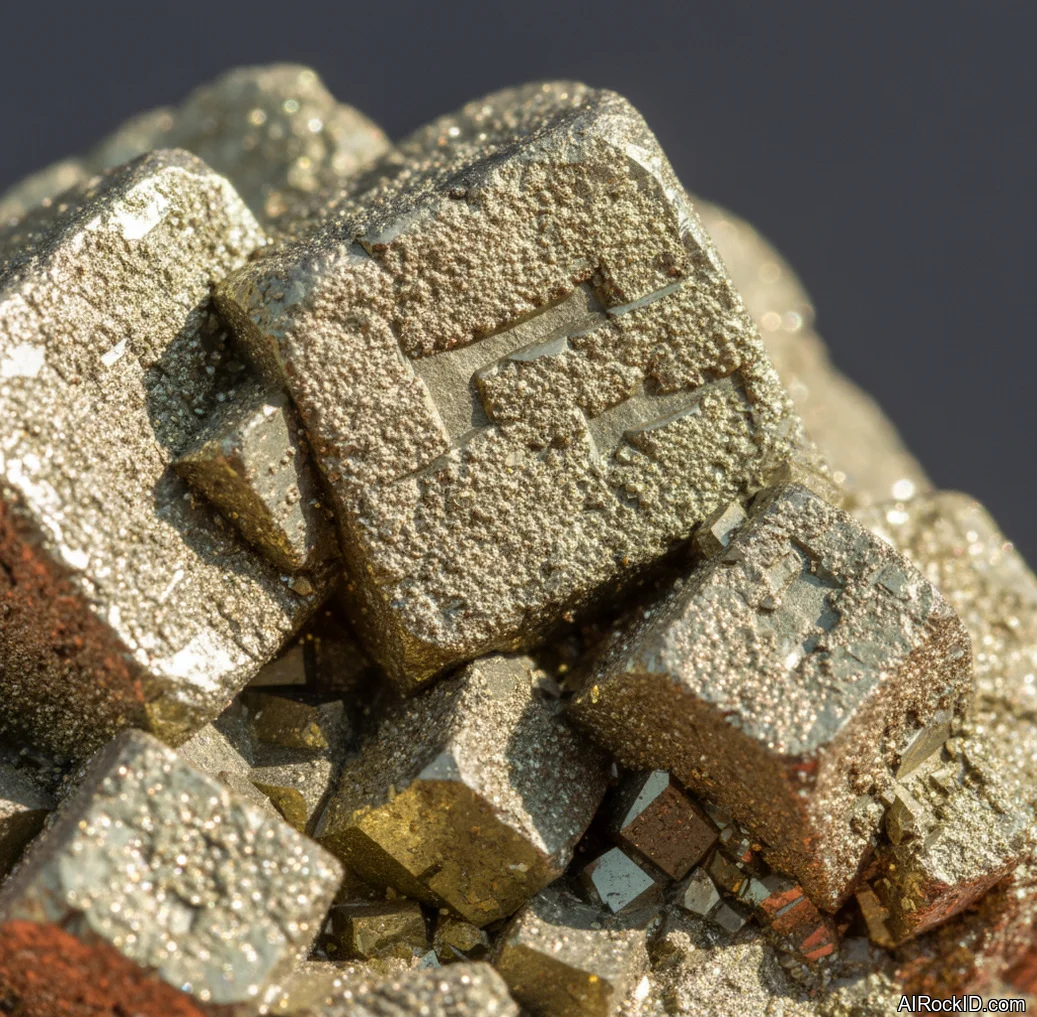
Look at where sphalerite actually shows up and there’s a pretty clear pattern. It likes hydrothermal systems and sediment-hosted ore deposits, basically the spots where sulfur and zinc meet in just the right temperature and chemistry window. It’s usually hanging out with galena, pyrite, marcasite, chalcopyrite, calcite, dolomite, and fluorite. And the flashy crystals people end up buying? Those tend to come from open pockets in veins or vugs, where there was literal empty space for the crystals to grow sharp, clean faces instead of getting mashed up against everything.
Compared to quartz, sphalerite just reads “ore deposit” the second you handle it. Not a random rock shop mineral. You’ll run into it in Mississippi Valley-type (MVT) deposits, where metal-rich brines moved through limestone and dolostone, and you’ll see it in skarns and volcanic-hosted massive sulfide settings too. Thing is, the iron content really changes the vibe. More iron pushes the color toward dark brown to black and shifts some optical behavior, so two samples can act like totally different minerals even though, yep, they’re both sphalerite. Weird, right?
How to Identify Sphalerite
Color: Colors run from honey-yellow and amber through red-brown, deep brown, and nearly black, sometimes with subtle greenish or reddish internal tones in thin edges. Fresh breaks can look lighter than weathered surfaces.
Luster: Usually resinous to adamantine on clean faces, with a greasy-looking shine on some pieces.
Pick up a specimen and tilt it under a single overhead light. Those bright cleavage flashes come and go fast, and you’ll often see little stair-step planes rather than curved conchoidal chips. If you scratch it with a steel nail, it’ll mark more easily than you expect, and it won’t reliably scratch glass. The real test is cleavage: tap a corner and it tends to split along smooth planes instead of just chipping randomly.
Properties of Sphalerite
Physical Properties
| Crystal System | Cubic |
| Hardness (Mohs) | 3.5-4 (Soft (2-4)) |
| Density | 3.9-4.1 g/cm3 |
| Luster | Resinous |
| Diaphaneity | Transparent to translucent |
| Fracture | Uneven |
| Streak | light brown to yellow |
| Magnetism | Non-magnetic |
| Colors | yellow, honey-brown, amber, red-brown, brown, black, greenish-brown |
Chemical Properties
| Classification | Sulfides |
| Formula | ZnS |
| Elements | Zn, S |
| Common Impurities | Fe, Cd, Mn, Ga, Ge, In |
Optical Properties
| Refractive Index | 2.37-2.40 |
| Birefringence | None |
| Pleochroism | None |
| Optical Character | Isotropic |
Sphalerite Health & Safety
Handling it is generally safe. But if you’re cutting, grinding, or sanding it, don’t breathe in the dust, because that fine powder hangs in the air longer than you’d think. And wash your hands after handling ore-grade material, especially if it leaves that dark residue on your fingers (the kind that smudges like a dirty pencil mark).
Safety Tips
If you’re doing any lapidary work, keep it wet and wear proper respiratory protection. That fine dust gets everywhere, and you really don’t want to be breathing it in. But if it’s just a display piece you’ve been handling, plain handwashing is enough.
Sphalerite Value & Price
Price Range
Rough/Tumbled: $10 - $300 per specimen
Cut/Polished: $20 - $150 per carat
Clean crystal faces, a bright resin shine, and that lighter, gemmy color make the price jump fast. Cheap pieces? They’re usually dark, full of cleavage, or just plain bruised and battered (you can see the scuffed spots when you turn them under a lamp). Spanish gem rough that’s actually transparent costs a lot more than ore-grade chunks.
Durability
Fragile — Scratch resistance: Poor, Toughness: Poor
Sphalerite is stable in normal indoor conditions, but its perfect cleavage and low hardness mean it dings and scratches easily during handling.
How to Care for Sphalerite
Use & Storage
Store it in its own box or wrapped pouch so harder minerals don’t rub it up. And don’t stack it under quartz points, because quartz will scratch it just from vibration in a drawer.
Cleaning
1) Rinse quickly in lukewarm water if needed and avoid long soaks. 2) Use a very soft brush or microfiber cloth to lift dust from cleavage steps. 3) Pat dry and let it air-dry fully before putting it back in a box.
Cleanse & Charge
For non-contact methods, use smoke, sound, or a brief pass in moonlight. If you use other stones, set it near selenite rather than burying it in salt.
Placement
Pick a low-traffic shelf where it won’t get bumped. A little museum putty under the base helps a lot with heavier pieces that want to skate on smooth glass.
Caution
Skip ultrasonic cleaners, steam cleaners, and any rough tumbling. Just don’t. And don’t toss it in your pocket with keys or loose change either. You’ll pull it out later with those annoying little scuffs, maybe even a chipped edge.
Works Well With
Sphalerite Meaning & Healing Properties
Next to a lot of softer sulfides, sphalerite feels weirdly “awake” in your hand, especially if you’ve got a fresh, lustrous piece. It’s one of those minerals I end up rolling between my fingers without meaning to, tilting it a few degrees at a time just to catch those little flashes off the cleavage. People who do intention work usually link sphalerite with grounding and mental sharpness, like getting your feet planted and then actually following through on the plan.
But look, I’m not the person who hands it to someone asking for something calm and cuddly. A lot of sphalerite looks busy. Sparkly, almost restless. And that can come off as stimulating, not soothing. If you’re sensitive to that kind of energy, keep it short and pay attention to how you feel after a few minutes. And none of this is medical care. If you’re dealing with anxiety, sleep stuff, or anything serious, crystals can sit next to real support, not replace it.
In my own routine, I treat sphalerite more like a “desk stone” than a “pillow stone.” I’ll set a chunk near my notebook, pick it up for a minute, then put it down before I start. The weight helps. So does the way it grabs a lamp and throws back a quick glint, like a little tap on the shoulder saying, hey, stay with what you’re doing right now.
Identify Any Crystal Instantly
Snap a photo and get properties, value, care instructions, and healing meanings in seconds.