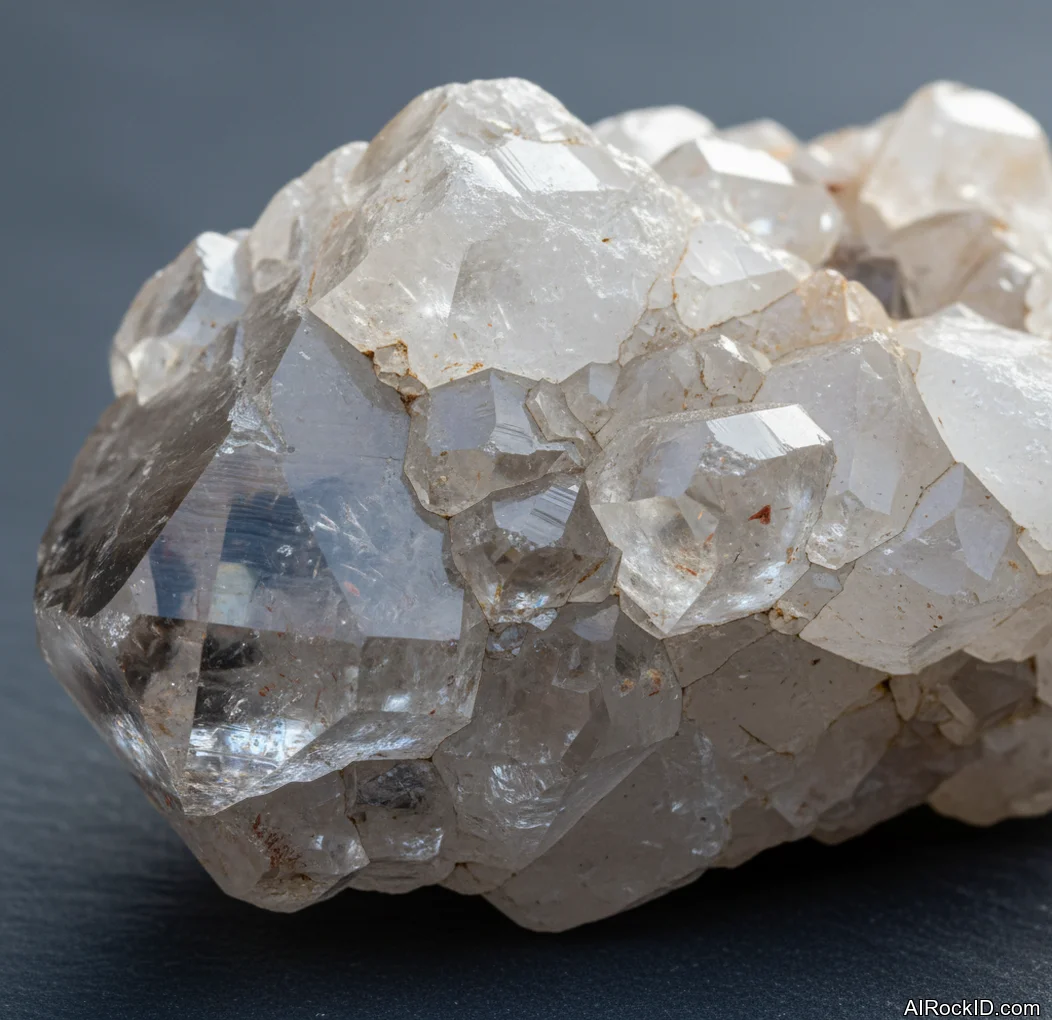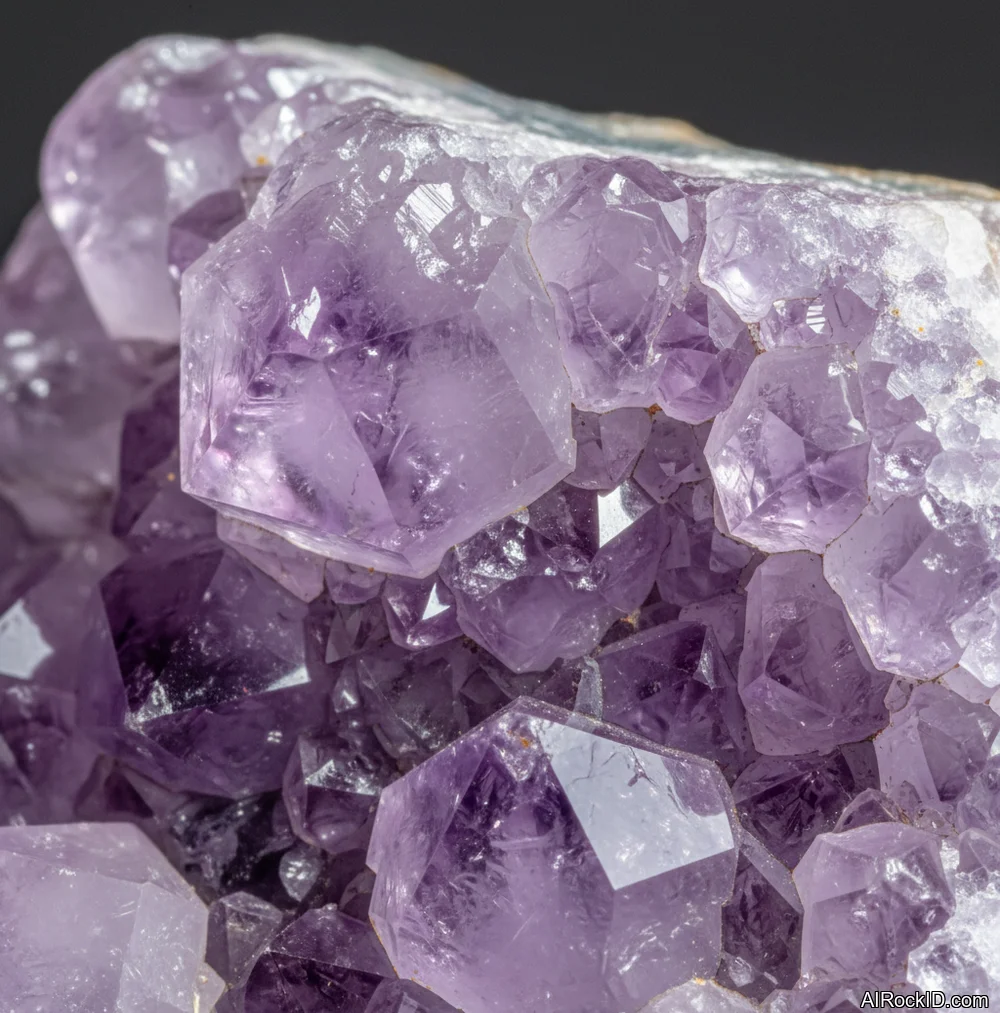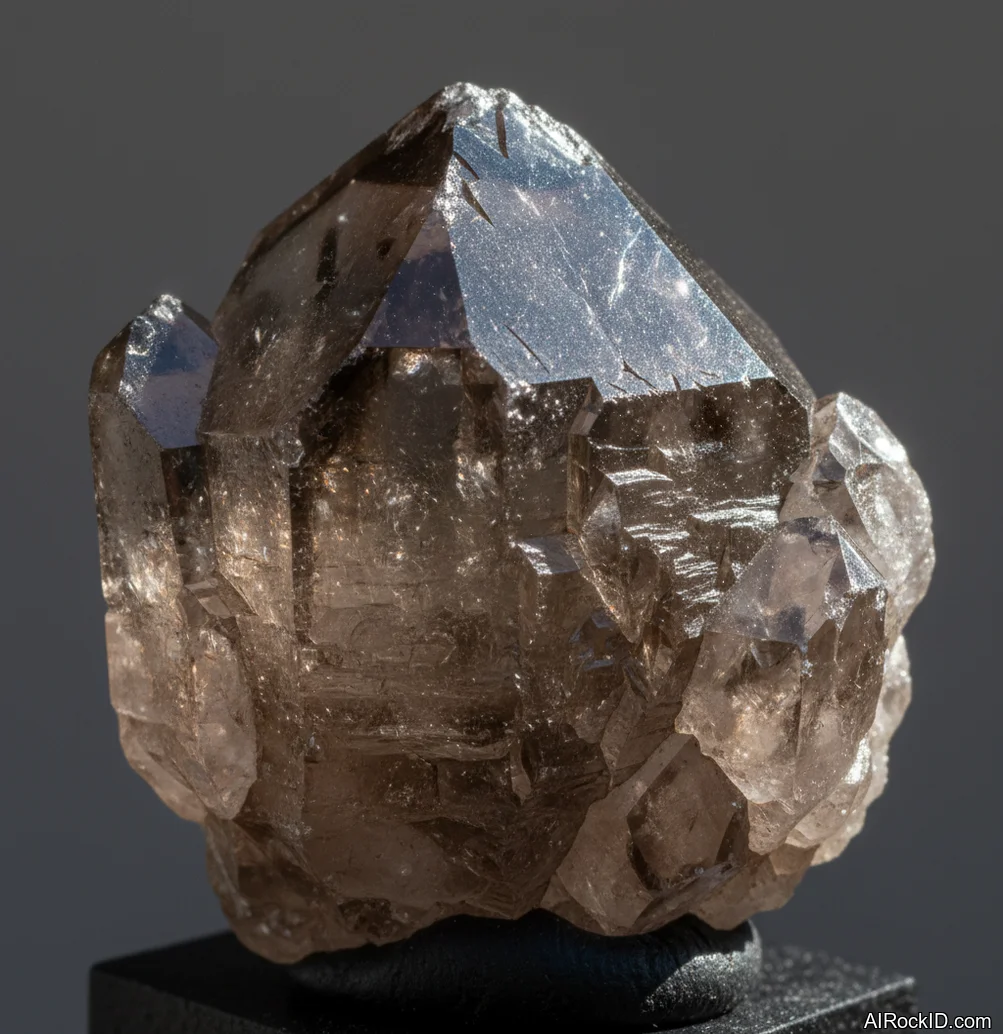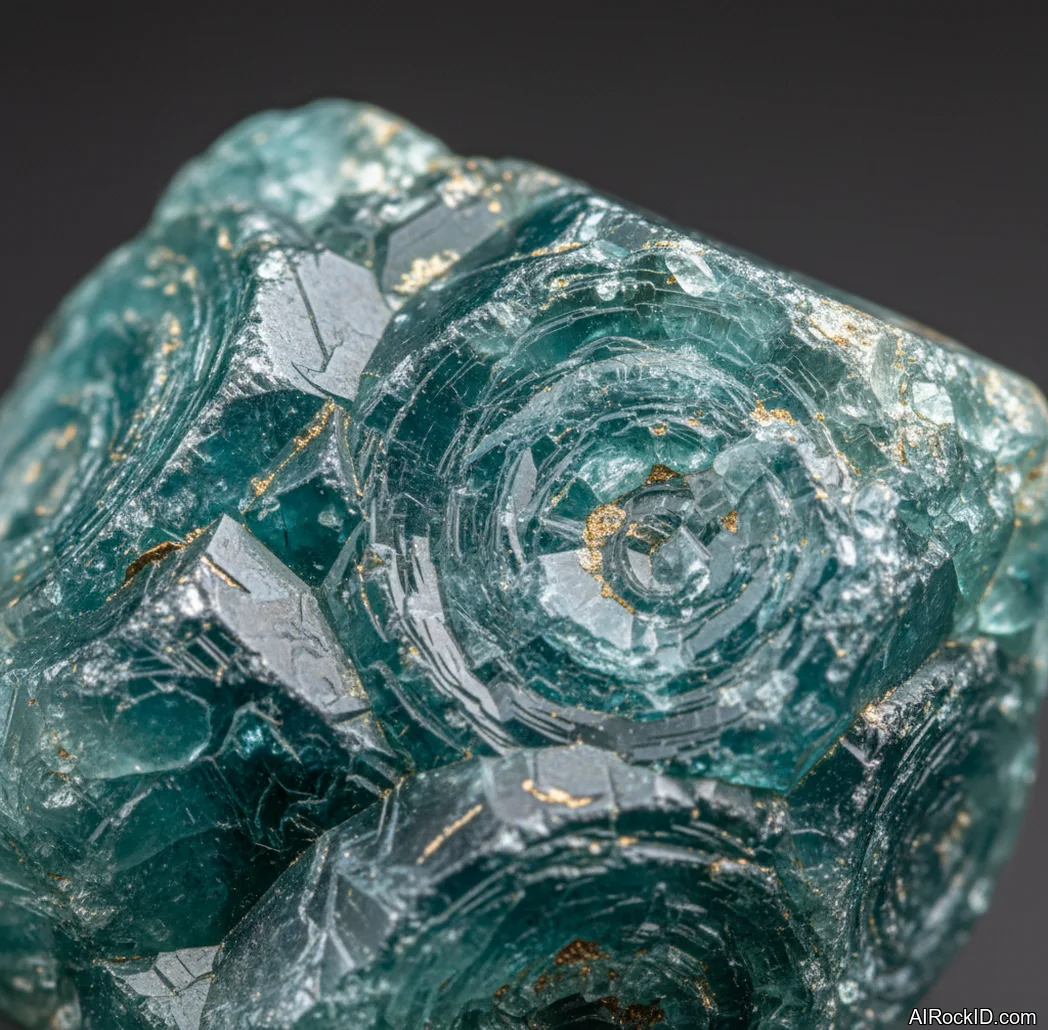
Infinite


Quick answer: Infinite is a trade name most often applied to transparent, colorless clear quartz. It is best identified by quartz traits such as glassy luster, hexagonal crystal habit when present, hardness of 7, and lack of strong cleavage.
AI Rock ID can help compare a suspected Infinite specimen with common lookalikes by checking color, transparency, crystal form, and visible inclusions. RockIdentifier.io provides crystal identification support, but trade names like Infinite should be confirmed with basic quartz tests and seller disclosure when value matters.
Good fit
- Collectors who want a clear quartz specimen sold under a modern trade name
- Beginners learning to identify quartz by hardness, luster, and crystal habit
- Buyers who prefer neutral, colorless crystals for display or jewelry
- Anyone comparing clear quartz with glass, topaz, selenite, or optical calcite
Not a good fit
- Buyers expecting a separate mineral species rather than a trade name
- Situations requiring laboratory-grade material identification
- Collectors seeking rare locality-specific quartz without verified provenance
- Jewelry uses where undisclosed coatings, dyes, or glass substitutes are a concern
Why people search for this
People often search for Infinite because the name sounds like a distinct crystal variety, while it is usually clear quartz sold under a trade label. Searches also focus on whether it is natural, valuable, or different from ordinary clear quartz.
Most commonly confused with
- Clear Quartz: Infinite is generally a trade name for clear quartz rather than a separate mineral.
- Glass: Glass may show bubbles, swirls, mold marks, and lower hardness than quartz.
- Topaz: Colorless topaz has stronger cleavage and higher hardness than quartz.
- Selenite: Selenite is much softer and can be scratched with a fingernail.
Infinite vs. Common Clear Lookalikes
| Material | Hardness | Key Difference |
|---|---|---|
| Infinite / clear quartz | 7 | Glassy, no cleavage, often hexagonal crystal form |
| Glass | About 5-6 | May contain round bubbles or molded surfaces |
| Colorless topaz | 8 | Has perfect cleavage and is harder than quartz |
| Selenite | 2 | Very soft and easily scratched |
| Optical calcite | 3 | Cleaves easily and may show double images |
AI identification confidence
AI identification confidence is usually moderate to high for clear quartz when the specimen shows a natural crystal habit, glassy luster, and good lighting. Confidence drops for polished stones, faceted gems, or very clear pieces because glass, topaz, and other colorless materials can look similar in photos.
When AI gets it wrong
- The image shows only a polished bead, cabochon, or tumbled stone with no crystal structure.
- The specimen is photographed under colored lighting or on a reflective background.
- The stone is very transparent and lacks inclusions, making quartz and glass harder to separate visually.
- A seller uses the name Infinite for a coated, treated, or unrelated clear material.
Final recommendation
Treat Infinite as clear quartz unless a seller provides evidence that the name refers to a specific locality, treatment, or branded product. For buying decisions, prioritize accurate mineral labeling, visible natural features, and clear disclosure over the trade name alone.
How to Check Infinite Before Buying
Ask whether the specimen is natural quartz, treated quartz, glass, or a branded trade product. Clear photos from several angles should show surface texture, inclusions, termination shape if present, and any chips or repairs. A basic hardness check can help separate quartz from softer lookalikes, but it should be done only on an inconspicuous area or on loose material.
Authenticity Clues for Infinite
Natural clear quartz commonly has tiny veils, fractures, growth lines, or internal inclusions. Perfectly clear, bubble-filled, or overly uniform pieces may be glass or highly processed material. The name Infinite by itself does not prove rarity, origin, or special mineral status.
Photo Tips for Identifying Infinite
Photograph the stone in daylight or neutral white light on a plain background. Include close-up images of terminations, broken edges, internal inclusions, and any surface bubbles or mold lines. A scale reference such as a ruler helps distinguish natural crystal points from manufactured shapes.
What Is Infinite?
Infinite is a trade name for clear quartz, also called rock crystal, which is the mineral silicon dioxide (SiO2).
Pick up a decent piece and two things hit you fast. One, it stays cool in your palm longer than glass ever does. Two, the weight feels about right for something that looks that clear, like it isn’t trying to fake you out. Most “Infinite” I run into at shows is polished points or tumbled pebbles (the kind that clack together in a tray), but the nicer pieces still have those natural internal veils and the tiny rainbow fractures that flash when you tilt it under a booth light.
At a glance it’s just “clear.” But quartz-clear isn’t empty. Turn it slowly and you’ll spot wispy feathers, little needles, or a foggy patch that only shows up at one angle. And once you’ve handled enough of it, you start noticing the small tells, the sharp edges on a point, the way the faces catch and bounce light, and that slight drag you feel when your fingertip passes over a micro-chipped termination. Who’d think something “clear” could have that much going on?
Origin & History
“Infinite” isn’t an official mineral name. It’s just a market label. I first started noticing it on little paper tags in the 2010s, usually hanging off clear quartz points that were being sold more like a spiritual tool than a locality specimen.
Quartz was written about ages before modern mineralogy, but the actual word comes from the German “Quarz.” In older books it’s basically the default crystal, the one every beginner learns to ID by feel and hardness (that slick-cold glassy feel in your hand, and how it shrugs off a steel blade). The “Infinite” part is really just branding clear quartz as an all-purpose stone. Not some newly discovered species.
Where Is Infinite Found?
Clear quartz is found worldwide, with a lot of commercial material coming out of Brazil and smaller batches coming from alpine pockets, Arkansas, and parts of Russia.
Formation
Most clear quartz shows up when silica-heavy fluids seep through an open crack or pocket and then cool off slowly. That might be a hydrothermal vein, a hollow spot inside an igneous rock, or one of those classic alpine clefts where the crystals have room to grow loose in a little pocket (the kind lined with tiny points that’ll snag a fingertip if you brush them).
Next to something like calcite, quartz is just stubborn. It takes a lot of geologic punishment and still comes out looking clean, so it turns up all over the place. But when you see crystals that are truly water-clear, that usually points to steady growth conditions: not many impurities, not many stop-and-start moments, and enough time for the faces to build out without getting smashed up.
How to Identify Infinite
Color: Color is typically colorless to very faint smoky or milky zones, with internal veils or fractures that can throw rainbow flashes in bright light.
Luster: Luster is vitreous, like clean window glass but colder and a bit sharper on the edges.
If you scratch it with a steel nail, the nail won’t bite, but the quartz can scratch the nail a little and it’ll scratch glass easily. Pick up a piece and compare it to a glass imitation: real quartz usually feels cooler and the edges on a point are crisper, not rounded like molded glass. The real test is a loupe: bubbles point to glass, while quartz shows angular fractures, veils, and sometimes tiny negative crystals instead.
Common Look-Alikes
Infinite is sometimes confused with these materials:
- Clear glass (especially leaded or 'crystal' glass)
- Dyed clear quartz (sometimes sold as 'aura' or colored Infinite)
- Synthetic quartz (lab-grown, sometimes with unnatural clarity)
- Calcite (colorless or milky, but softer and reacts to acid)
- Rock crystal quartz (identical except for trade name, but often confused at shows)
Market Cautions & Treatments
When AI Can Get This Wrong
AI photo tools often confuse Infinite with plain quartz, glass, or even clear calcite, since they all look similar in pictures. Photos can't tell you about temperature or weight, which are dead giveaways in person. The real test is scratching glass (Infinite will do it) or checking for bubbles inside (glass fakes usually have them).
Properties of Infinite
Physical Properties
| Crystal System | Trigonal |
| Hardness (Mohs) | 7 (Hard (6-7.5)) |
| Density | 2.65 g/cm3 |
| Luster | Vitreous |
| Diaphaneity | Transparent to translucent |
| Fracture | Conchoidal |
| Streak | white |
| Magnetism | Non-magnetic |
| Colors | colorless, white, very pale smoky, milky |
Chemical Properties
| Classification | Silicates |
| Formula | SiO2 |
| Elements | Si, O |
| Common Impurities | Al, Fe, Li, Na, K, Ti |
Optical Properties
| Refractive Index | 1.544-1.553 |
| Birefringence | 0.009 |
| Pleochroism | None |
| Optical Character | Uniaxial |
Infinite Health & Safety
Clear quartz is usually fine to pick up, and it won’t freak out if you get it wet or leave it sitting in water. The only real issue is the physical stuff: a tiny chip can leave a nasty sharp edge, and if you’ve ever fumbled a pointy piece, you know it lands tip-first (and yeah, your toe will notice).
Safety Tips
If you’re grinding or drilling quartz, put on safety glasses and a real silica-rated respirator, because that dust gets everywhere (you can taste it in the back of your throat). But for normal handling, you’re fine.
Infinite Value & Price
Price Range
Rough/Tumbled: $5 - $80 per piece
Cut/Polished: $1 - $10 per carat
Price jumps around depending on clarity, size, and the finish. A clean, natural termination with a sharp polish (and none of that cloudy “burn” haze you sometimes see near the tip) will run higher than the usual tumbled clear quartz.
Durability
Durable — Scratch resistance: Excellent, Toughness: Good
Quartz is stable in normal room conditions, but sharp points can chip if you toss them in a bowl with other stones.
How to Care for Infinite
Use & Storage
Store points so the tips don’t knock into harder stones or metal. I wrap mine in a scrap of cloth or keep them in compartment boxes.
Cleaning
1) Rinse with lukewarm water and a drop of mild soap. 2) Use a soft toothbrush to get dirt out of crevices or between growth lines. 3) Rinse well and pat dry, then air-dry fully before putting it away.
Cleanse & Charge
If you do energy-style cleansing, running water, smoke, or leaving it on a shelf overnight are all gentle options. Avoid leaving it in harsh midday sun for long stretches if it has coatings or dye, because that stuff can fade or peel.
Placement
Set it where it won’t get knocked over, especially if it’s a tall polished point. On a desk, I like a small stand or a ring of museum putty under the base.
Caution
Keep an eye out for coated “aura” finishes being sold as plain clear quartz, because that coating can scratch up fast and it really doesn’t get along with abrasives (even a little gritty cloth can leave marks). And don’t assume every flawless, dead-straight point is natural either. Some are lab-grown, or they’ve been re-shaped to look cleaner.
Works Well With
Infinite Meaning & Healing Properties
Most people who buy “Infinite” are basically buying clear quartz for that all-purpose, doesn’t-pick-a-side vibe. In a shop, it turns into the go-to stone the second someone says they want something clear, clean, and not too weird-looking. I get it. A clear point on a nightstand just feels calm.
But here’s the honest part: quartz acts like a magnifier, kind of like a clean mirror does. If your space is already loud, a big clear point can feel a little too “on,” like flipping on a harsh overhead light at midnight. Some people love that razor clarity. Others do better pairing it with something grounding so it doesn’t feel like mental caffeine.
None of this is medical, and it’s not a replacement for real care. It’s just the way collectors and crystal people talk after handling piles of the stuff, fingertips dusty from moving point after point. And once you’ve held a warm glass fake, then picked up a cool, crisp quartz point right after (that little shock of cold on your palm), you get why people build stories around the real material.
Common mistakes
- Assuming Infinite is a separate mineral species instead of a trade name for clear quartz.
- Paying a premium for the name without verifying size, clarity, treatment, and condition.
- Confusing polished glass with quartz because both can be colorless and shiny.
- Using color alone for identification when many clear minerals appear similar.
- Testing hardness on a finished jewelry surface where scratches may reduce value.
Identify Infinite from a photo
Compare Infinite traits, care tips, value clues, and common lookalikes with a clear photo.