Loellingite
What Is Loellingite?
Loellingite is an iron arsenide mineral with the formula FeAs2.
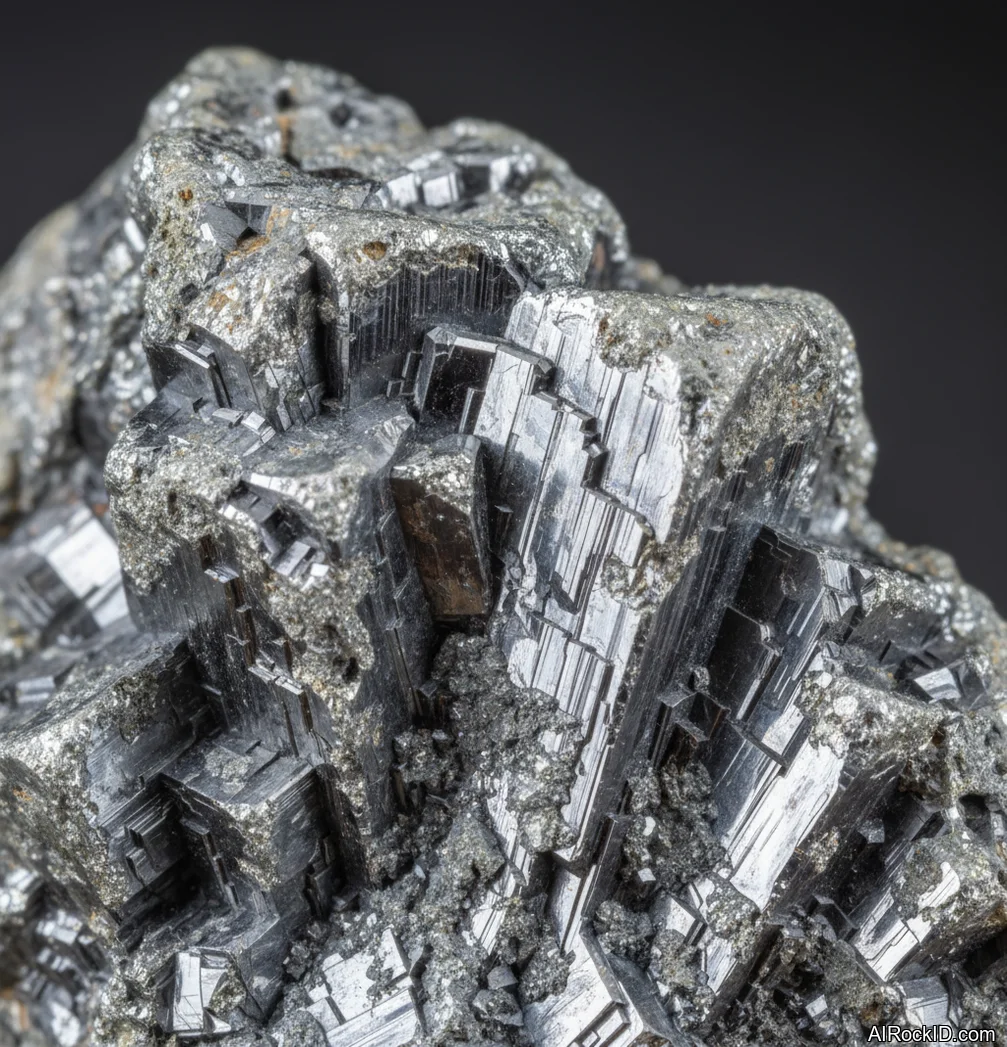
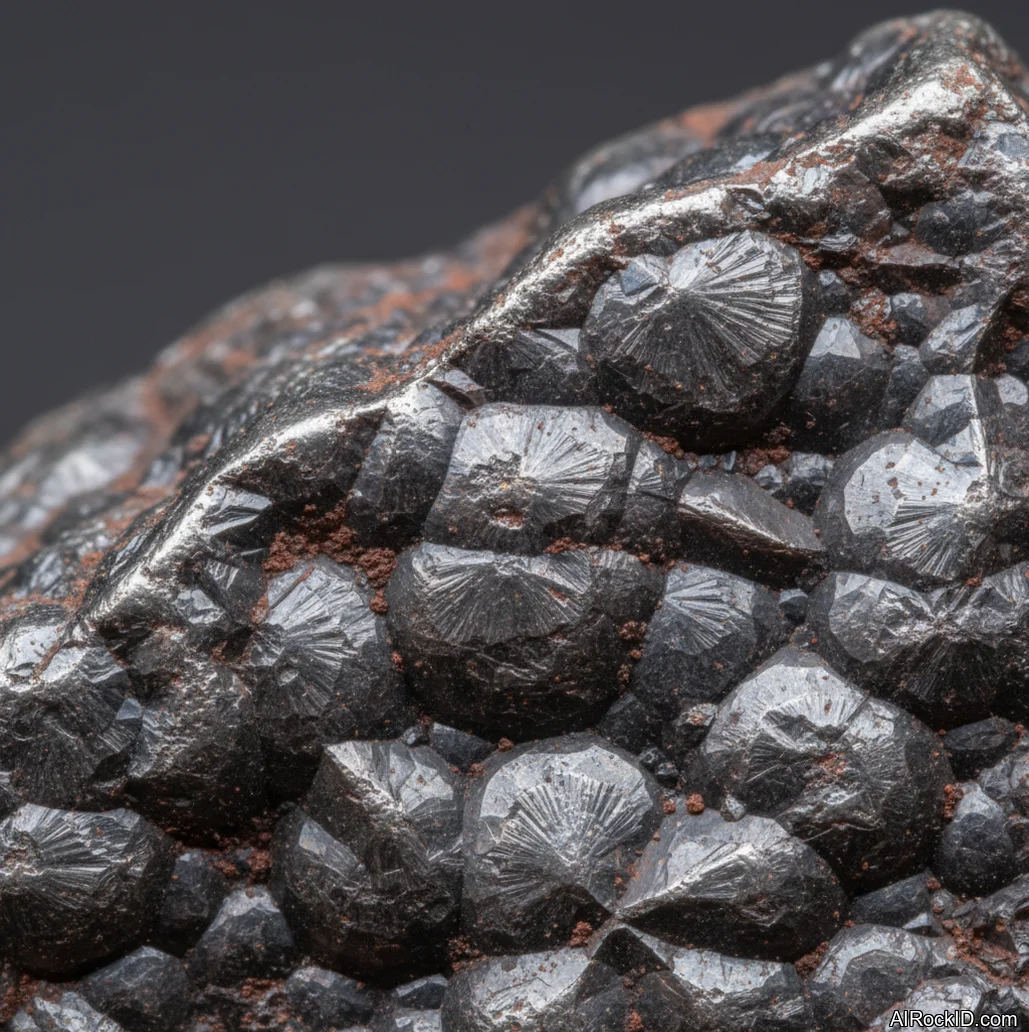
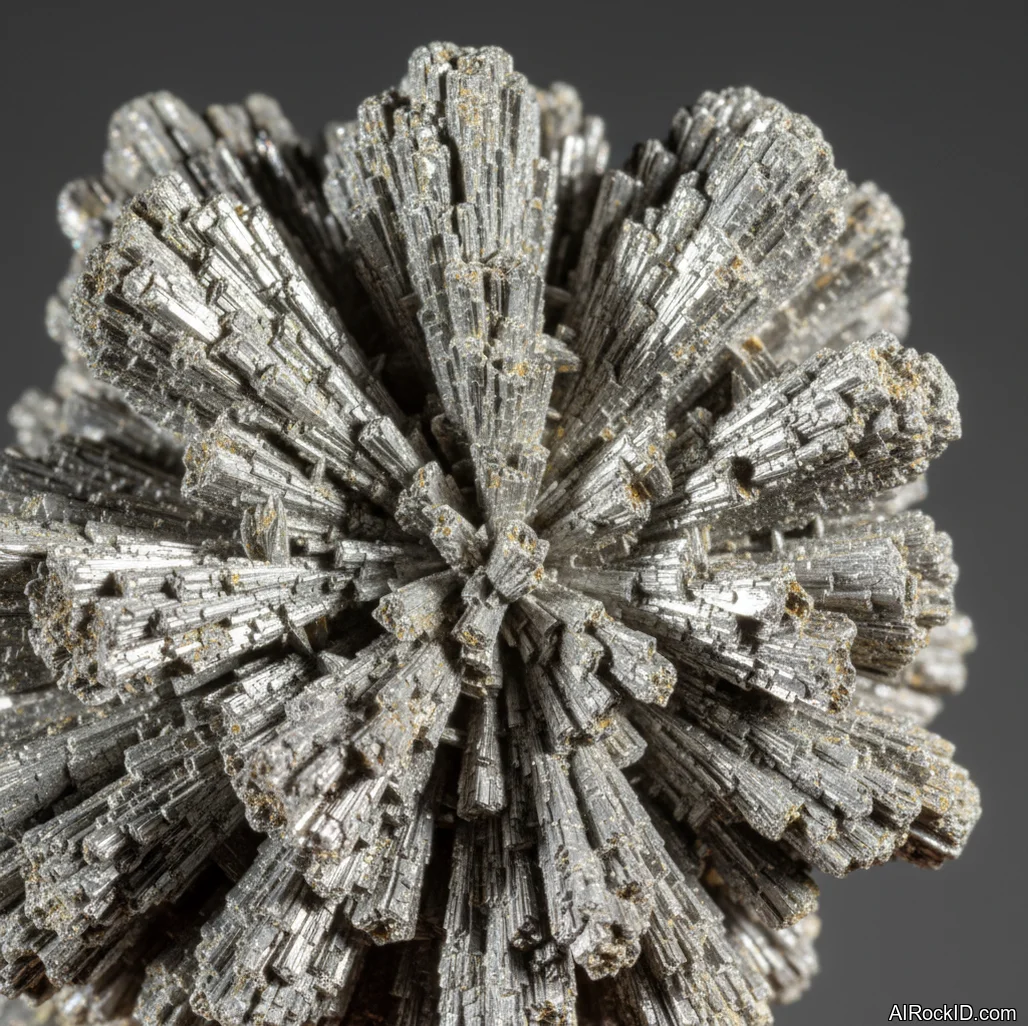
The first thing you notice when you pick up a chunk is the heft. It just sits there, heavy in your palm, and if you’re used to quartz or calcite it’s honestly a little shocking. Most pieces I’ve handled come out silver-gray to steel-gray, with that metallic shine that looks like freshly filed metal when you catch a clean face under a show light.
At a quick glance it’s easy to toss it in the “random shiny ore” pile. But loellingite feels like its own thing. It’s usually opaque, often massive, and when it breaks it tends to go jagged and hackly, the kind of fracture that makes you think “broken metal,” not broken glass.
Origin & History
Austria’s really the backstory here. The species was described in 1845 by Wilhelm Karl von Haidinger, and he named it after Lölling in Carinthia, a place bound up with the old arsenic and iron mining districts (the kind of area where the rocks still show rusty streaks and that sharp, metallic smell if you crack fresh material).
And if you’ve flipped through older books or handled old dealer labels, you’ll probably run into the name “leucopyrite.” That older name tripped people up because it got used loosely for a few pale metallic arsenic minerals, so modern labels usually stick with loellingite to keep things clean.
Where Is Loellingite Found?
It shows up in hydrothermal veins and ore districts in a bunch of countries, especially across central Europe and parts of Russia, China, and North America.
Formation
Most loellingite turns up in hydrothermal veins, the kind you see cutting through rock where iron and arsenic rich fluids push along fractures, then cool off and drop minerals out. It tends to sit right alongside other ore minerals. And it usually shows up in spots that are reducing enough that the arsenic ends up as an arsenide, not an arsenate.
Look, if you actually read the paragenesis on a good label, the same cast keeps popping up: arsenopyrite, pyrite, native arsenic, and sometimes cobalt and nickel arsenides too. The vein gangue is typically quartz or carbonates, the stuff that fills the rest of the crack around the shiny bits (that dull, sugary quartz look is hard to miss once you’ve seen it in hand).
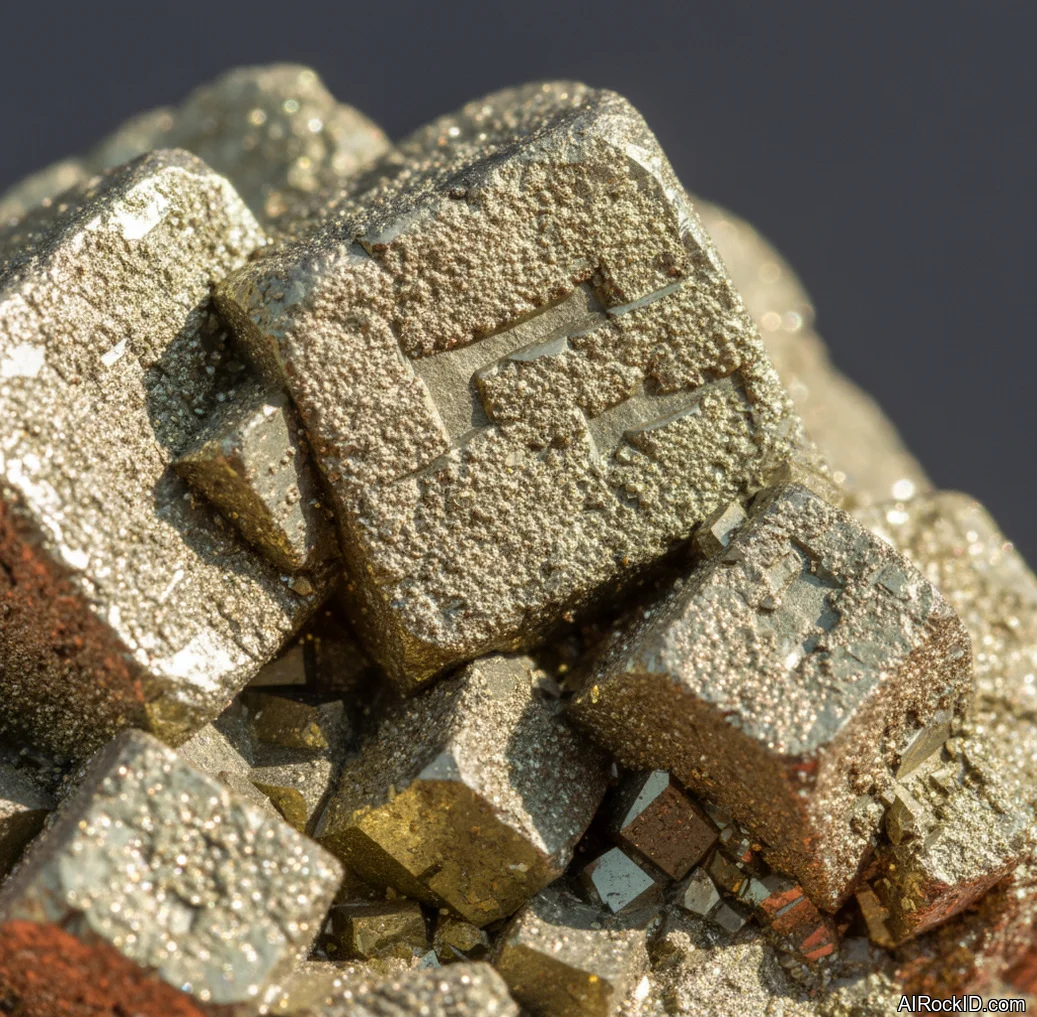
But if you’ve ever had loellingite and arsenopyrite sitting side by side in a flat dealer tray under those harsh overhead lights, you already know the headache. Depending on the angle, they can look weirdly alike until you stop guessing and start checking hardness and crystal habit. Seriously, who hasn’t been fooled for a second?
How to Identify Loellingite
Color: Silver-gray to steel-gray, sometimes with a faint tin-white look on fresh surfaces. Tarnish can dull it toward darker gray.
Luster: Metallic luster, especially bright on fresh break surfaces.
Pick up two similar-sized pieces and compare weight. Loellingite usually feels heavier than you expect, and it has that cold, metal-like feel that doesn’t warm up fast in your hand. If you scratch it with a steel blade, it’s not a soft pushover like galena, but it also won’t laugh off a file the way corundum would. The problem with photos is they hide the texture, so in person I always tilt it under a single point light and watch for sharp, mirror-like flashes off clean faces.
Properties of Loellingite
Physical Properties
| Crystal System | Orthorhombic |
| Hardness (Mohs) | 5.5-6 (Hard (6-7.5)) |
| Density | 7.0-7.3 |
| Luster | Metallic |
| Diaphaneity | Opaque |
| Fracture | Hackly |
| Streak | gray to black |
| Magnetism | Non-magnetic |
| Colors | silver-gray, steel-gray, tin-white, dark gray |
Chemical Properties
| Classification | Arsenides |
| Formula | FeAs2 |
| Elements | Fe, As |
| Common Impurities | Co, Ni, S |
Optical Properties
| Refractive Index | None |
| Birefringence | None |
| Pleochroism | None |
| Optical Character | Isotropic |
Loellingite Health & Safety
It’s okay to handle it for a moment, but treat it like any other arsenic mineral: keep the dust down, and don’t put it in elixirs or water bowls. I always wash up right after I’ve been holding it (the gritty film it leaves on your fingertips is hard to miss), and I don’t snack while I’m sorting ore minerals.
Safety Tips
Don’t cut, grind, or sand this stuff unless you’ve got proper ventilation and a respirator that’s actually rated for fine particulates. Dust gets everywhere. Seriously. If it drops little crumbs, keep it bagged up or in a closed box (a cheap plastic tote with a lid works), and don’t leave it where kids or pets can get into it.
Loellingite Value & Price
Price Range
Rough/Tumbled: $15 - $250 per specimen
Prices swing all over the place depending on crystallization and how it’s labeled. A big, dull, massive chunk usually goes for cheap. But put a few sharp, glassy crystals on a contrasting matrix, the kind that catches the light when you tilt it under the show lamps, and the price climbs fast, because you just don’t see that many truly eye-catching pieces sitting on dealers’ tables.
Durability
Moderate — Scratch resistance: Good, Toughness: Fair
It’s generally stable on a shelf, but fresh metallic faces can dull over time if you handle it a lot or store it in humid conditions.
How to Care for Loellingite
Use & Storage
Keep it in a specimen box or a closed display case, especially if you’ve got crumbly bits. I like small perky boxes because loellingite can scuff other softer minerals in a drawer.
Cleaning
1) Wear gloves and work over a tray. 2) Use a soft dry brush or compressed air to remove dust. 3) If needed, wipe lightly with a barely damp cloth, then dry immediately; do not soak.
Cleanse & Charge
If you do energetic cleansing, stick to smoke, sound, or placing it near other stones, not water or salt. I usually just give it a quick smoke cleanse and call it done.
Placement
A shelf spot with low humidity and no direct sun is easiest. And keep it away from places where it’ll get handled constantly, like a coffee table bowl.
Caution
Contains arsenic. So don’t soak it in water. Don’t breathe in any dust if it sheds, either (that fine, gritty stuff that clings to your fingers). And wash your hands after you handle it. Also, don’t use it for crystal water or for any display where it might touch food.
Works Well With
Loellingite Meaning & Healing Properties
Next to flashy quartz points, loellingite feels like a straight-up workbench mineral. It’s heavy in the hand. No sparkle show, no “look at me” energy, just this grounded, sober presence that I reach for when I’m trying to get honest with myself and slice through the mental static.
Thing is, a dense arsenide like this kind of makes you slow down. You pick it up and you notice the weight immediately, like your wrist adjusts without you thinking about it. It’s not a cuddly stone. Good. I’ve had it sitting on my desk during long study sessions when I needed focus and cleaner decision-making, and it did what I wanted in that context. But when I’m done, I put it away in a closed box, because I don’t want to absentmindedly handle an arsenic mineral (why tempt fate?).
And just to be crystal clear, none of this is medical advice. This is personal practice and tradition-level stuff, that’s it. If you’re dealing with anxiety or anything health-related, get real support from real professionals, and treat the mineral as a symbolic tool, not a fix.
Identify Any Crystal Instantly
Snap a photo and get properties, value, care instructions, and healing meanings in seconds.