Pistachio Calcite
What Is Pistachio Calcite?
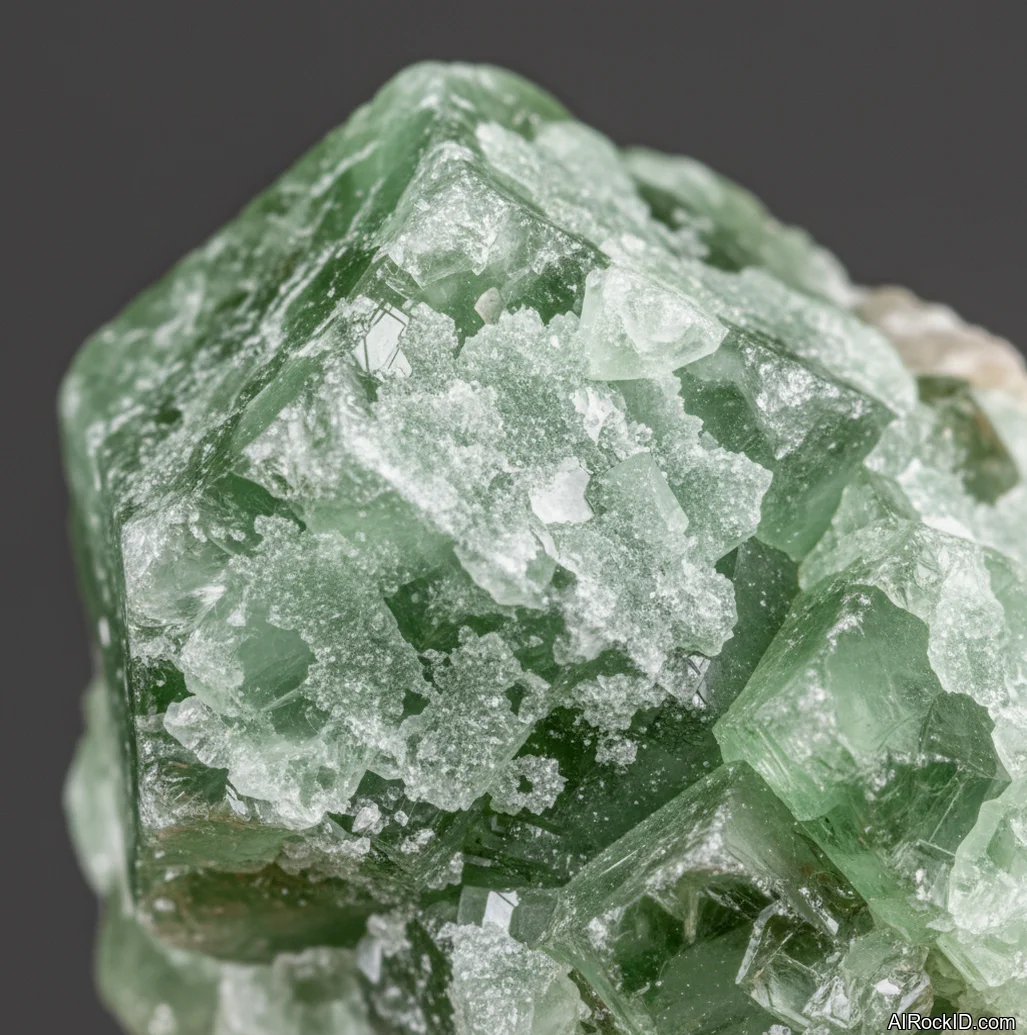
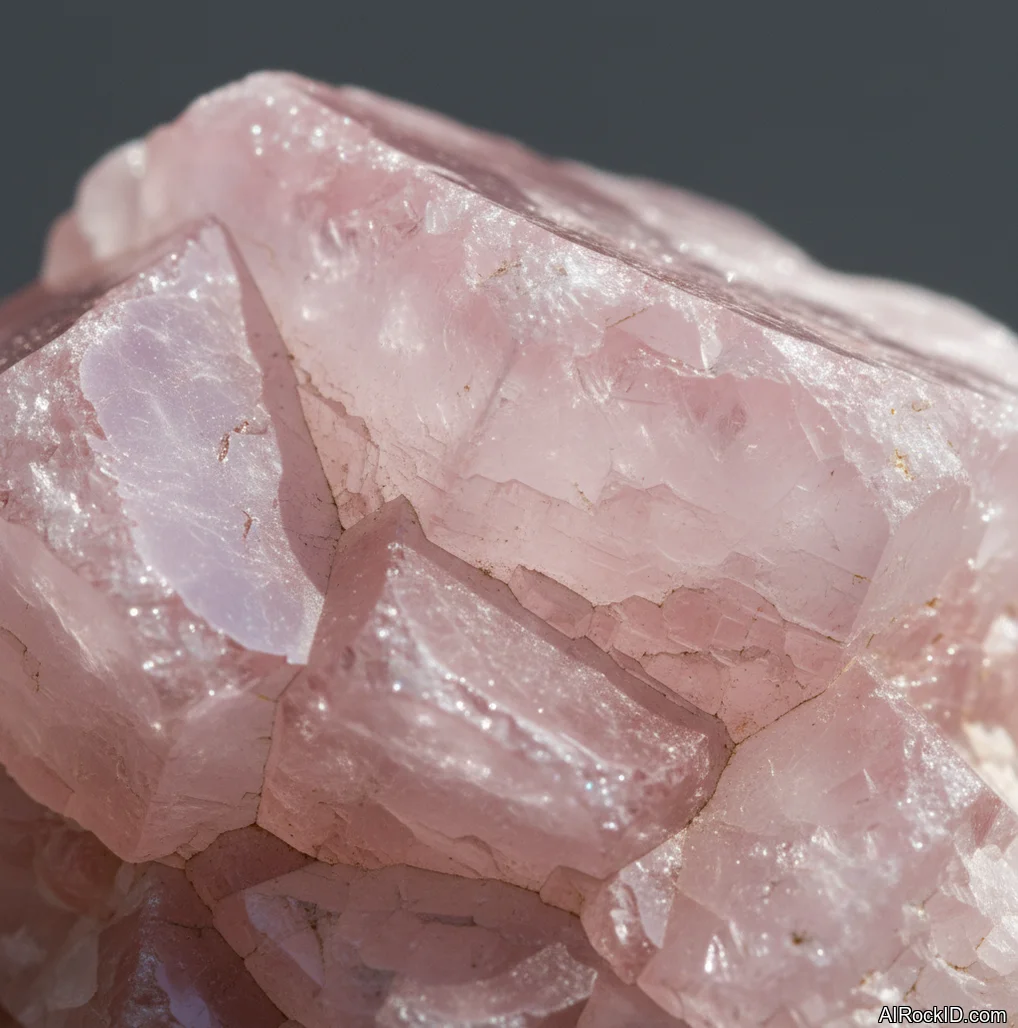
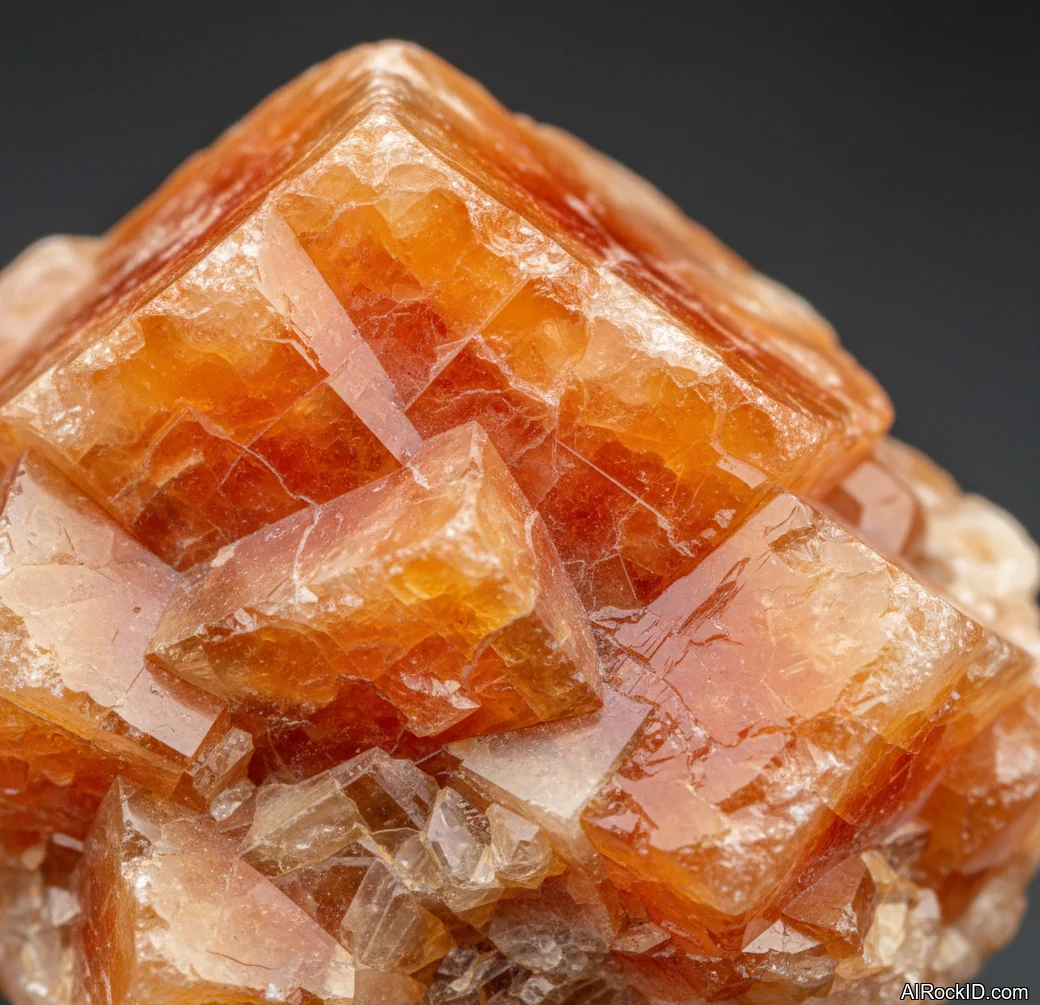
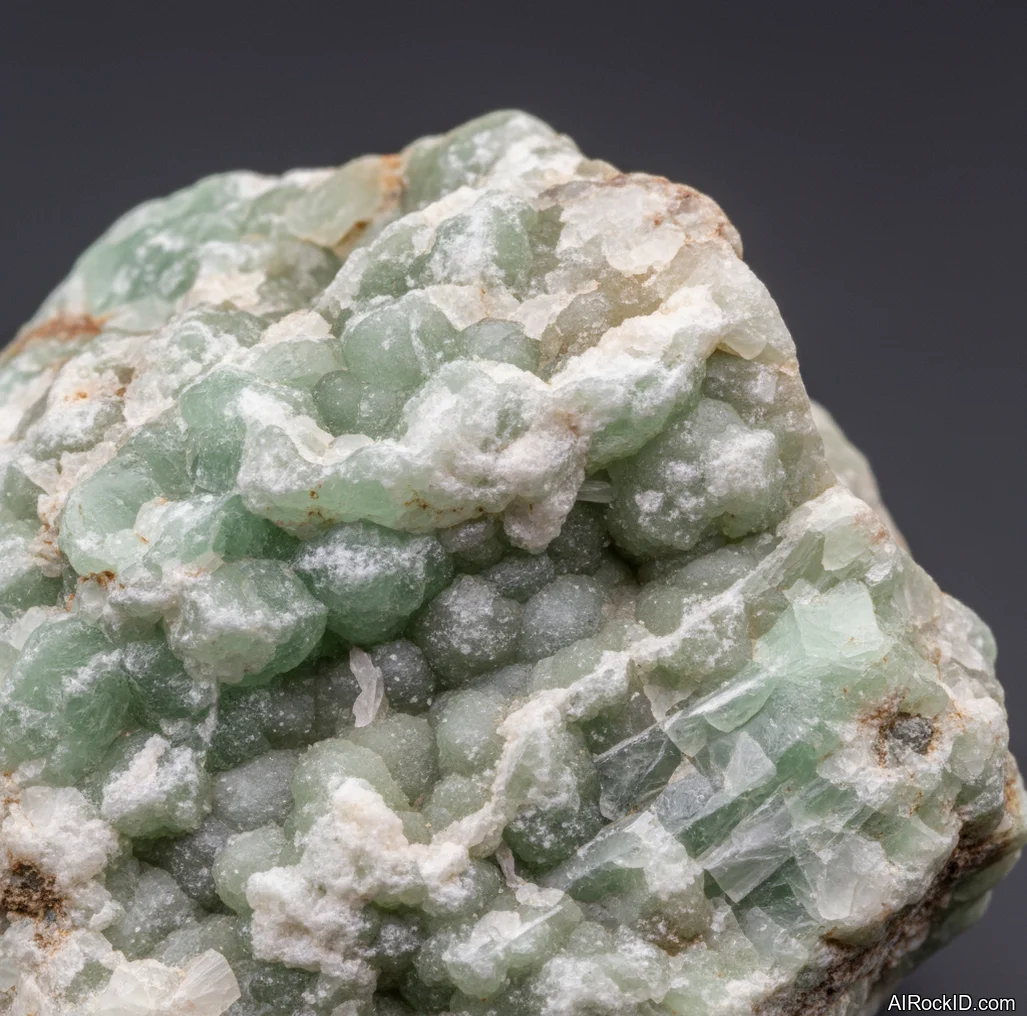
Pistachio Calcite is just calcite (calcium carbonate, CaCO3) that comes in a pale pistachio-green color. Most of the pieces you’ll see for sale aren’t sharp crystal points at all. They’re chunky and cleavagey, with that creamy banding or cloudy zoning, and they usually show up as palm stones, freeforms, or rough blocks.
Grab one in your hand and the first thing you notice is how “buttery” it feels. Not oily. More like smooth with a tiny bit of drag, the way a polished bar of soap feels after it’s been sitting on the sink for a while. And under a bright shop light, if you tilt it just right, those flat cleavage faces will flash hard for a moment, then go dead again the second your angle changes. Weirdly satisfying.
Thing is, it’s pretty, but it’s not tough. Let two pieces clack together in a box and you can end up with a dinged edge. And a lot of the brighter green material has little white calcite seams that your fingernail can catch on (yep, even on “nice” pieces). That’s normal for this kind of look.
Origin & History
“Pistachio calcite” isn’t an official mineral species name. It’s a trade nickname sellers came up with for calcite that falls into a soft, pale green color range (the kind that really does look like the inside of a pistachio).
Calcite itself has been recognized as a species since the early days of modern mineralogy. And before the modern name settled in, people described it as “calcareous spar” for a long time.
The word “calcite” traces back to the Latin “calx,” meaning lime. That’s basically the whole point of the mineral, honestly: it’s the main building block of limestone and marble, the stuff you can literally see as dusty white grit when you rub a rough piece between your fingers.
The “pistachio” part is just color marketing. But it’s handy, because it separates that lighter green material from the darker “green calcite” chunks that can read more minty or even kind of jade-like, depending on the piece.
Where Is Pistachio Calcite Found?
Most pistachio-green calcite on the market is reported from Mexico and South America, with smaller amounts from the USA and Pakistan. It commonly comes out of carbonate veins and cavities associated with limestone or skarn zones.
Formation
Look, calcite is one of those minerals that shows up pretty much everywhere. You find it in sedimentary beds, hydrothermal veins, caves, metamorphic marbles, and even as a late-stage fill in fractures. That pistachio-green stuff is usually just calcite that grabbed tiny trace impurities while it was growing, most often iron, or a bit of chlorite, or other green-staining minerals sitting close by.
Out in the field, the green calcite I’ve actually handled is usually pretty vein-y. Bands everywhere. Healed cracks, too. And you’ll see spots where the color slides from pale green into milky white like someone stirred cream into it. Break a piece and sometimes the fresh surface looks sugary (that gritty sparkle you can feel under your thumb), but the nicer display chunks tend to pop off in big, flat planes because calcite cleavage is that strong.
How to Identify Pistachio Calcite
Color: Color runs from pale pistachio to soft mint green, often with milky white banding or cloudy patches. The green is usually gentle rather than saturated.
Luster: Luster is vitreous on fresh cleavage faces and waxy to vitreous when polished.
If you scratch it with a copper coin or a steel nail, it’ll mark pretty easily because calcite is only Mohs 3. Look closely for those flat, step-like cleavage planes that reflect light in sheets. The real test is a tiny drop of dilute acid: calcite fizzes, but don’t do that on a polished piece you care about.
Properties of Pistachio Calcite
Physical Properties
| Crystal System | Trigonal |
| Hardness (Mohs) | 3 (Soft (2-4)) |
| Density | 2.71 g/cm3 |
| Luster | Vitreous |
| Diaphaneity | Transparent to translucent |
| Fracture | Uneven |
| Streak | White |
| Magnetism | Non-magnetic |
| Colors | Pistachio green, Pale green, Mint green, White |
Chemical Properties
| Classification | Carbonates |
| Formula | CaCO3 |
| Elements | Ca, C, O |
| Common Impurities | Fe, Mn, Mg |
Optical Properties
| Refractive Index | 1.486-1.658 |
| Birefringence | 0.172 |
| Pleochroism | None |
| Optical Character | Uniaxial |
Pistachio Calcite Health & Safety
Pistachio Calcite is safe to handle and it’s non-toxic. Just don’t breathe in the dust if you’re grinding or carving it, same as any other stone (that fine powder gets everywhere and sticks to your hands).
Safety Tips
If you’re cutting or sanding it, put on a mask and use water suppression to keep the dust down. Don’t hit it with harsh cleaners. And keep it away from vinegar or citric acid, too (those will mess with it).
Pistachio Calcite Value & Price
Price Range
Rough/Tumbled: $5 - $60 per piece
Prices jump when the polish is cleaner, the green is stronger, and the piece is bigger without a web of little fractures you can spot the second you tilt it under a light. And honestly, most dealers tag it the way they would a decorative calcite, not like a collector crystal species.
Durability
Nondurable — Scratch resistance: Poor, Toughness: Fair
It’s stable in normal indoor conditions, but it scratches easily and can etch if exposed to acids or acidic cleaners.
How to Care for Pistachio Calcite
Use & Storage
Keep it in a soft pouch or wrapped cloth so it doesn’t get scuffed by harder stones. If you toss it in a bowl with quartz, it’ll come out with little scratches.
Cleaning
1) Rinse quickly in lukewarm water. 2) Wipe with a soft microfiber cloth and a drop of mild soap if needed. 3) Dry right away and don’t soak it in acidic solutions or use ultrasonic cleaners.
Cleanse & Charge
If you do energy-style cleansing, stick to smoke, sound, or a quick pass under cool running water. Long salt soaks are overkill for calcite and can rough up the surface.
Placement
I like it on a desk or nightstand where you’ll actually touch it, but keep it away from kitchen splashes and bathroom cleaners. Indirect light is fine, and it won’t mind a normal room.
Caution
This is a pretty soft mineral, around Mohs 3, so it’ll scratch easily and it can even chip if you catch it on a cleavage line. And don’t clean it with vinegar or lemon juice, or any acid-based cleaner.
Works Well With
Pistachio Calcite Meaning & Healing Properties
At first glance, pistachio calcite just looks like a gentle green. That’s the whole appeal for a lot of folks who keep it in their spiritual kit. When I’m handling it at a show, it’s got that calm, cool weight in your palm that makes you slow down without even noticing you’re doing it. It’s the kind of stone you keep next to your notebook while you journal, because it feels good in your hand, not because it’s trying to show off.
But here’s the part people gloss over. It’s calcite, it’s soft, and it’s full of cleavage planes, so it really doesn’t like getting banged up. Toss it in a pocket with keys and you’ll regret it fast. I’ve literally watched a polished piece pick up a web of tiny scuffs from nothing more dramatic than rubbing against a zipper pull (that little metal tab is brutal).
In metaphysical circles, green calcite gets linked to an emotional reset, easing stress, and that spring-cleaning feeling for the heart space. That’s a personal and traditional lens, not medical care. So if you’re using it as a support habit, I’d treat it like a physical cue: hold it for a minute, let your breathing slow down, then set it back somewhere safe so it stays looking good. Why wreck a stone you actually like holding?
Identify Any Crystal Instantly
Snap a photo and get properties, value, care instructions, and healing meanings in seconds.