Green Calcite
What Is Green Calcite?
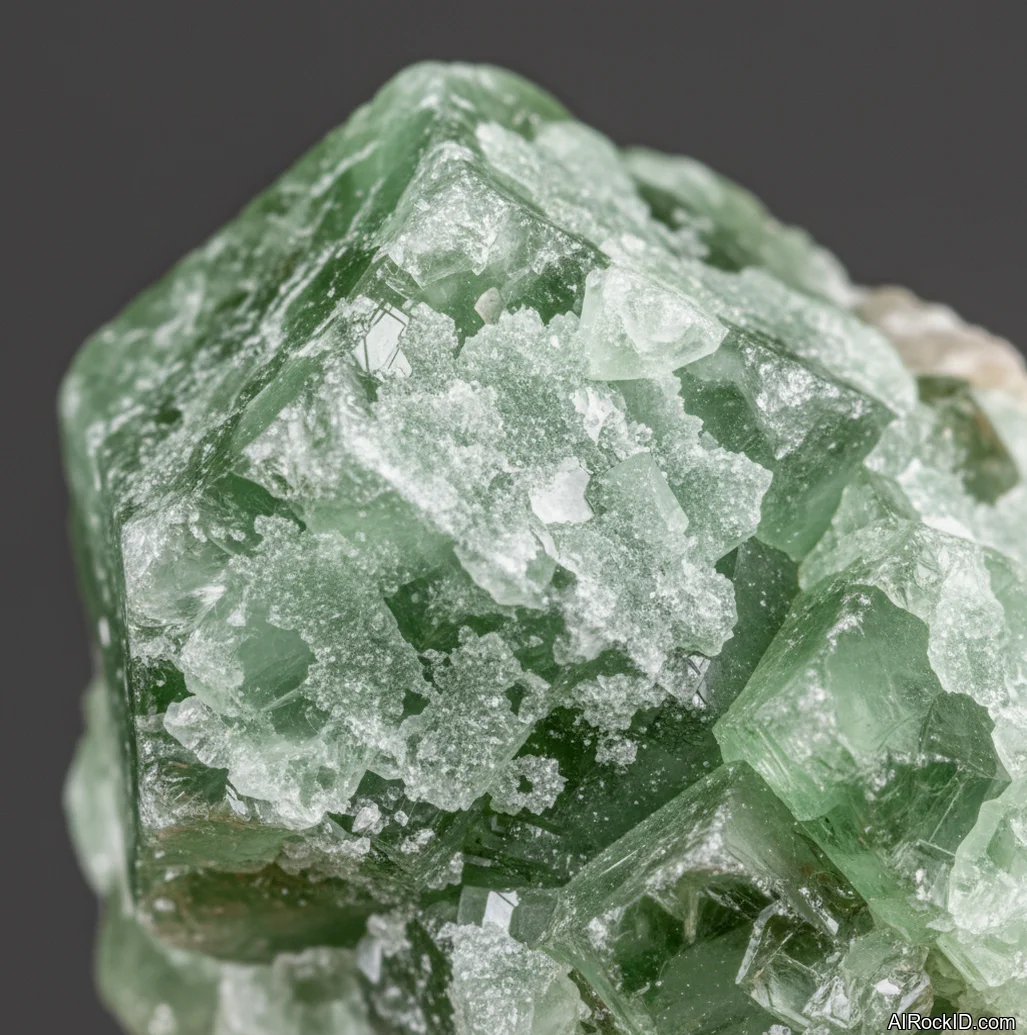
Green Calcite is just calcite that happens to be green. Chemically it’s calcium carbonate (CaCO3), it breaks with perfect rhombohedral cleavage, and it sits at a Mohs hardness of 3.
Thing is, the feel gives it away fast. Pick up a chunk and it has that weird “buttery” slickness calcite gets. It’s cool when you first touch it, then it warms up in your palm way quicker than you’d expect, and the corners nick and ding if it’s been clacking around in a bin at a show (you can usually spot those little bruises right away). The green isn’t usually neon. It’s more cloudy or milky, and if you hit it with a flashlight you’ll catch wisps and veils inside that look like smoke that got stuck mid-swirling.
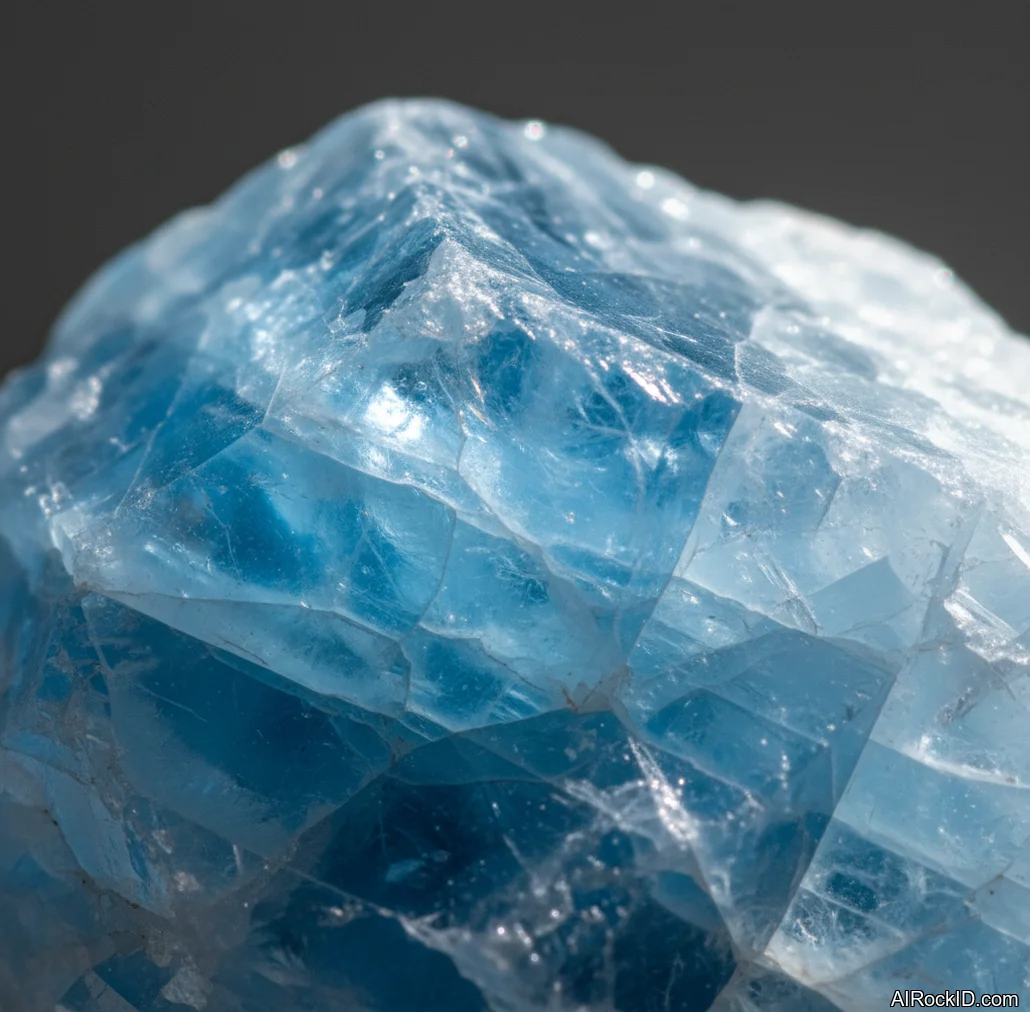
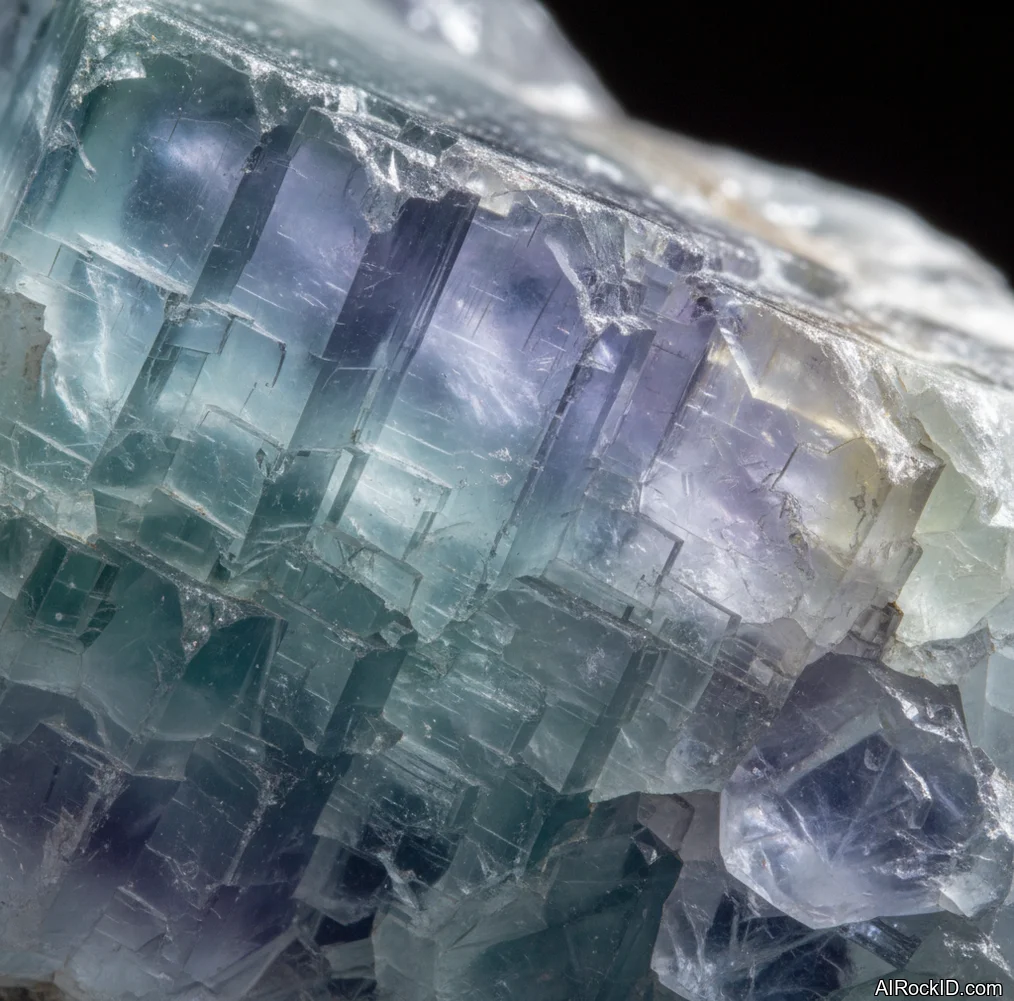
Look, check a fresh broken face. That stepped, slanted cleavage is the dead giveaway. Tilt it under a shop light and you’ll get a quick flash off one flat plane, then it goes dull again the moment you change the angle a few degrees. And if you’ve handled green fluorite before, you’ll notice this stuff feels softer and kind of “chalky” along a sharp edge, even when the surface is polished.
Origin & History
Calcite has been on mineralogists’ radar since the early days of the field. But the actual word “calcite” didn’t show up until 1836, when Wilhelm von Haidinger coined it from the Latin *calx*, meaning lime.
Green Calcite isn’t some separate mineral hiding in the catalog. It’s just calcite with tiny trace impurities that nudge the color over into green (the same stuff that still snaps along that classic rhombohedral cleavage if you tap it wrong and it flakes into little slanted chips).
Collectors didn’t really treat “green calcite” like an official category until the modern specimen market and the metaphysical crowd started sorting calcite by color. So dealers label it by hue, the way they do blue calcite or orange calcite, even though underneath it’s the exact same mineral every time. Same cleavage, same headache.
Where Is Green Calcite Found?
Green calcite turns up anywhere calcite forms, but a lot of the clean, chunky green material in shops is sourced from Mexico, with other deposits across the Americas and parts of Europe and Asia.
Formation
Most green calcite forms the same basic way calcite always does. Carbonate-rich fluids snake through cracks and little cavities, then calcite drops out when the conditions shift. That can happen in limestone caverns, hydrothermal veins, or open pockets in ore districts (the kind where you can stick a finger into a vug and feel that gritty dust).
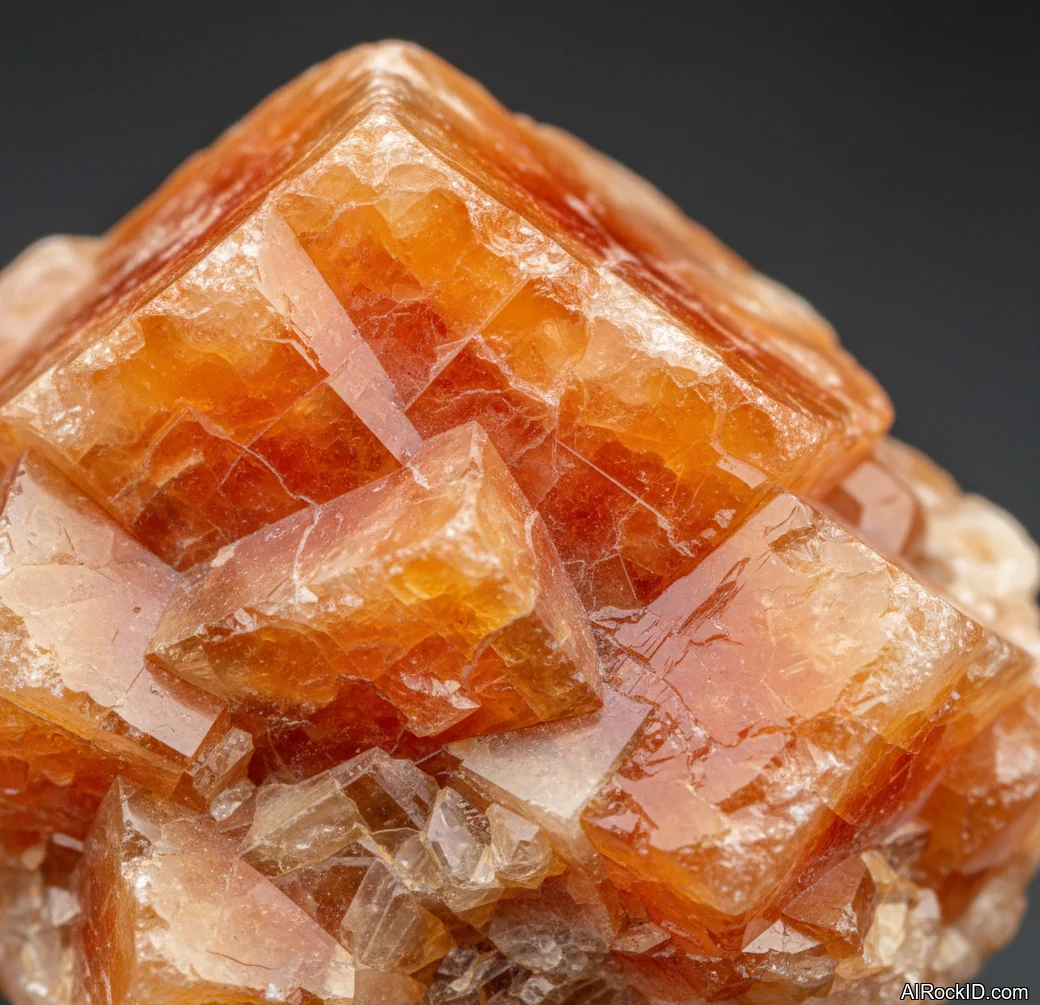
Sometimes it grows as chunky masses. Sometimes you’ll get clean rhombohedra, and other times it throws scalenohedra, but the cleavage stays the same no matter what shape it picked.
Compared to quartz, calcite’s a fast, reactive builder. It’s the stuff you find coating other minerals, plugging up vugs, or piling into thick, sugary-looking aggregates that almost seem to sparkle like granulated sugar under a flashlight. The green color usually comes from trace elements or inclusions. And in hand specimens, it often looks like the color is inside the stone instead of painted on the surface, especially on polished pieces where the translucency gives it that “depth” you can sort of see into. How’s that not a little weird the first time you notice it?
How to Identify Green Calcite
Color: Usually pale mint to medium leaf green, often with milky clouding or faint banding rather than a uniform glassy green. Some pieces drift toward yellow-green or gray-green depending on impurities.
Luster: Vitreous to pearly, with bright flashes on cleavage faces and a softer glow on tumbled surfaces.
If you scratch it with a copper coin, it’ll mark, and a steel nail will bite in easily since it’s only about Mohs 3. The real test is a drop of dilute acid on a hidden spot: calcite fizzes readily. And in your hand, you can feel those cleavage planes because corners tend to chip into little stair steps instead of splintering.
Properties of Green Calcite
Physical Properties
| Crystal System | Trigonal |
| Hardness (Mohs) | 3 (Soft (2-4)) |
| Density | 2.71 g/cm3 |
| Luster | Vitreous |
| Diaphaneity | Transparent to translucent |
| Fracture | Uneven |
| Streak | White |
| Magnetism | Non-magnetic |
| Colors | Mint green, Pale green, Apple green, Yellow-green, Gray-green |
Chemical Properties
| Classification | Carbonates |
| Formula | CaCO3 |
| Elements | Ca, C, O |
| Common Impurities | Fe, Mn, Mg, Ni |
Optical Properties
| Refractive Index | 1.486-1.658 |
| Birefringence | 0.172 |
| Pleochroism | None |
| Optical Character | Uniaxial |
Green Calcite Health & Safety
Green calcite is safe to pick up and handle, and it isn’t toxic. Thing is, the only real “risk” is just day-to-day wear. It’s softer than quartz, so if you knock it against a countertop edge or toss it in a pocket with keys, you’ll end up with little dents, scratches, or chips.
Safety Tips
If you’re going to cut it or sand it, treat it like any other lapidary job: keep it wet, keep the dust down (a little water drip goes a long way), and then wash your hands once you’re done messing with the grit.
Green Calcite Value & Price
Price Range
Rough/Tumbled: $5 - $80 per piece
Price mostly comes down to size, how translucent it is, and whether the polish looks clean or kind of smeared up close. Big, chunky pieces with even color and fewer fractures usually cost more. But if it’s chalky and full of heavy cleaves, it stays cheap.
Durability
Nondurable — Scratch resistance: Poor, Toughness: Poor
It’s stable on a shelf, but it scratches easily and chips fast because of perfect cleavage.
How to Care for Green Calcite
Use & Storage
Store it in a soft pouch or a separate compartment so it doesn’t get rubbed by harder stones. I don’t toss calcite loose in a bowl, because it comes out looking tired fast.
Cleaning
1) Rinse briefly with lukewarm water if needed. 2) Wipe with a soft microfiber cloth and a tiny bit of mild soap. 3) Dry right away and skip soaking if the piece has fractures or is glued to a matrix.
Cleanse & Charge
If you do energetic cleansing, stick to smoke, sound, or setting it on a dry plate overnight. Water is fine for quick rinses, but long soaks aren’t worth it for a soft, cleavy mineral.
Placement
Keep it out of high-traffic spots where it’ll get knocked over. A stable shelf or a display stand is the move, especially for rhombohedral pieces that like to slide.
Caution
Skip acids or anything acidic, because calcite will react and you’ll end up with etching (that dull, frosted-looking bite you can actually feel if you run a fingernail over it). And don’t toss it in an ultrasonic or steam cleaner either. Store it so it’s not rubbing up against quartz, topaz, corundum, or really any stone that’s harder. Why risk a bunch of tiny scratches?
Works Well With
Green Calcite Meaning & Healing Properties
Most people grab green calcite when they want something gentle, not a stone that hits like a shot of espresso. In my own little pile, it’s the one I reach for when my brain gets loud. The color just reads “soft,” and you don’t really get what I mean until you’ve carried it in your pocket all day and kept brushing your thumb over that cool, slick surface. It’s calming, yeah, but it doesn’t knock you out the way some stones can.
But look, there’s a trade-off. Calcite is fragile. If you’re a fidgeter, green calcite is going to show it fast. I’ve watched a nicely polished palm stone pick up those chalky white scratches from nothing more than hanging out in a bag with keys for a week. It stings a little when you see it. So treat it like a comfort object you respect, not a worry stone you grind into dust.
On the metaphysical side, green stones usually get tied to the heart area and that “reset” feeling after stress. That’s tradition and personal practice, not medicine. And if you’re into rituals, green calcite goes great with the slow, boring stuff that actually helps: journaling, stretching, drinking water, going to bed at a sane hour. Not magic. Just a reminder you can hold (and honestly, sometimes that’s enough).
Identify Any Crystal Instantly
Snap a photo and get properties, value, care instructions, and healing meanings in seconds.