Leo Crystals
Leo crystals guide with meanings, properties, and buying tips. Learn how Sun-ruled Leo pairs with Citrine, Sunstone, Tiger’s Eye, and more.
Leo in a crystal context usually means Sun-ruled energy: warmth, confidence, visibility, and the urge to create something you can actually point to. People reach for “Leo stones” when they want that bright, steady push to show up, speak up, and stop shrinking. It’s less about being loud 24/7 and more about having a clean signal. And when your signal’s messy, you’ll see it in the second-guessing, the procrastinating, or that annoying swing between huge plans and zero follow-through.
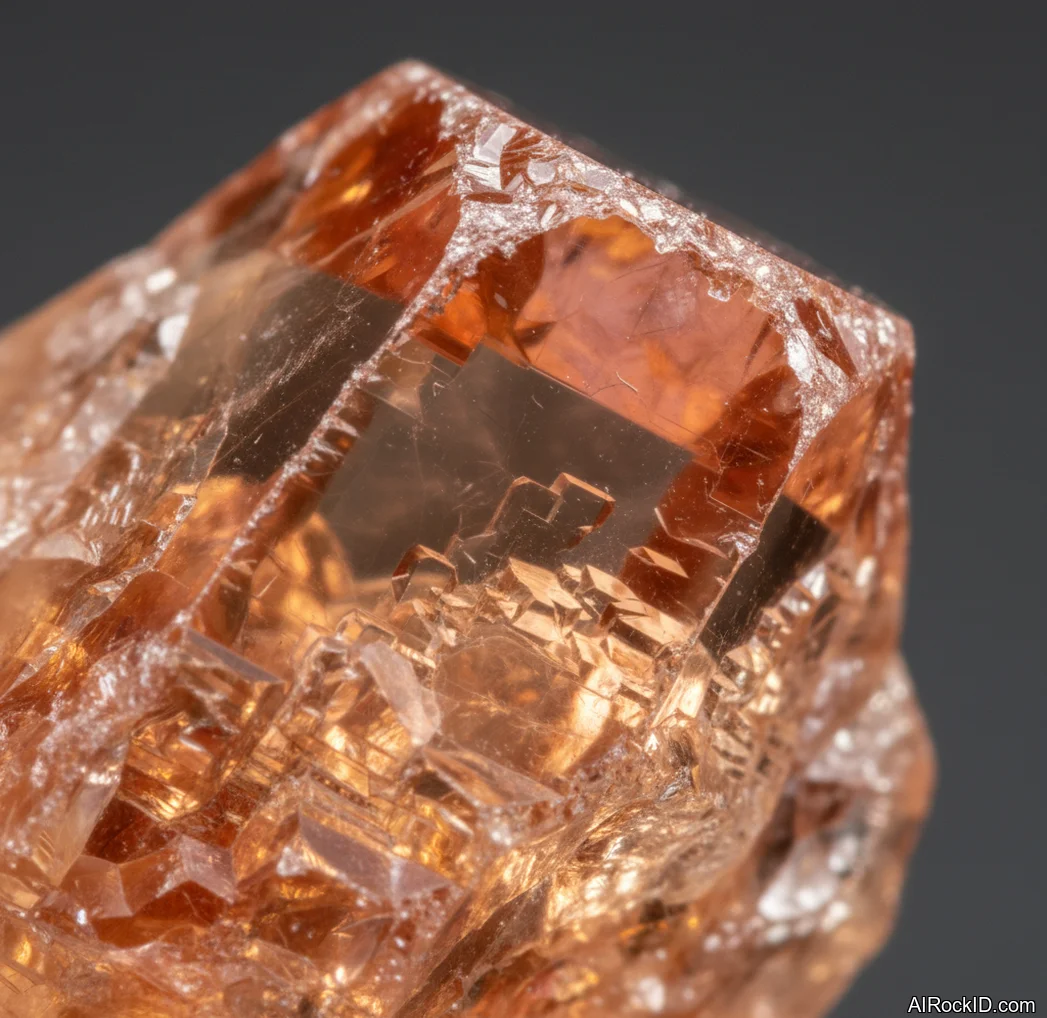
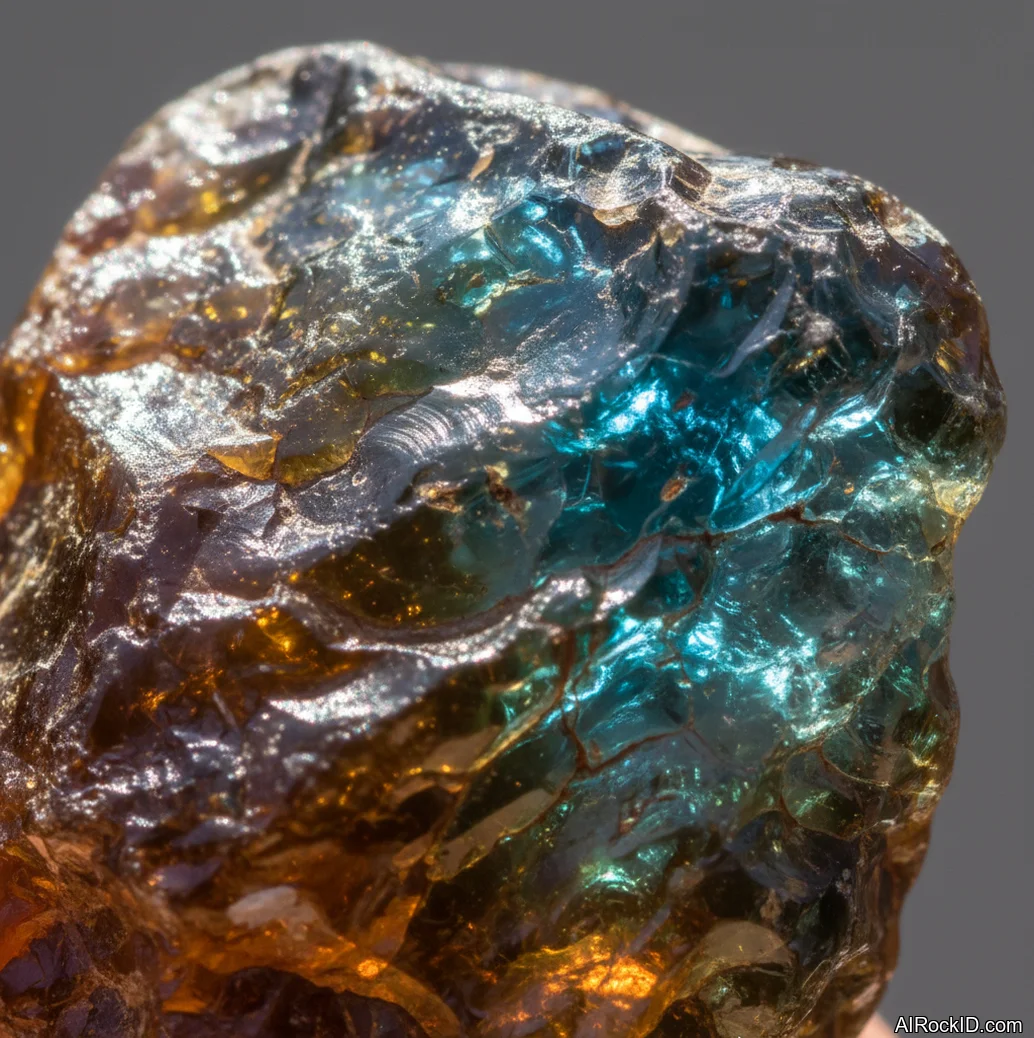
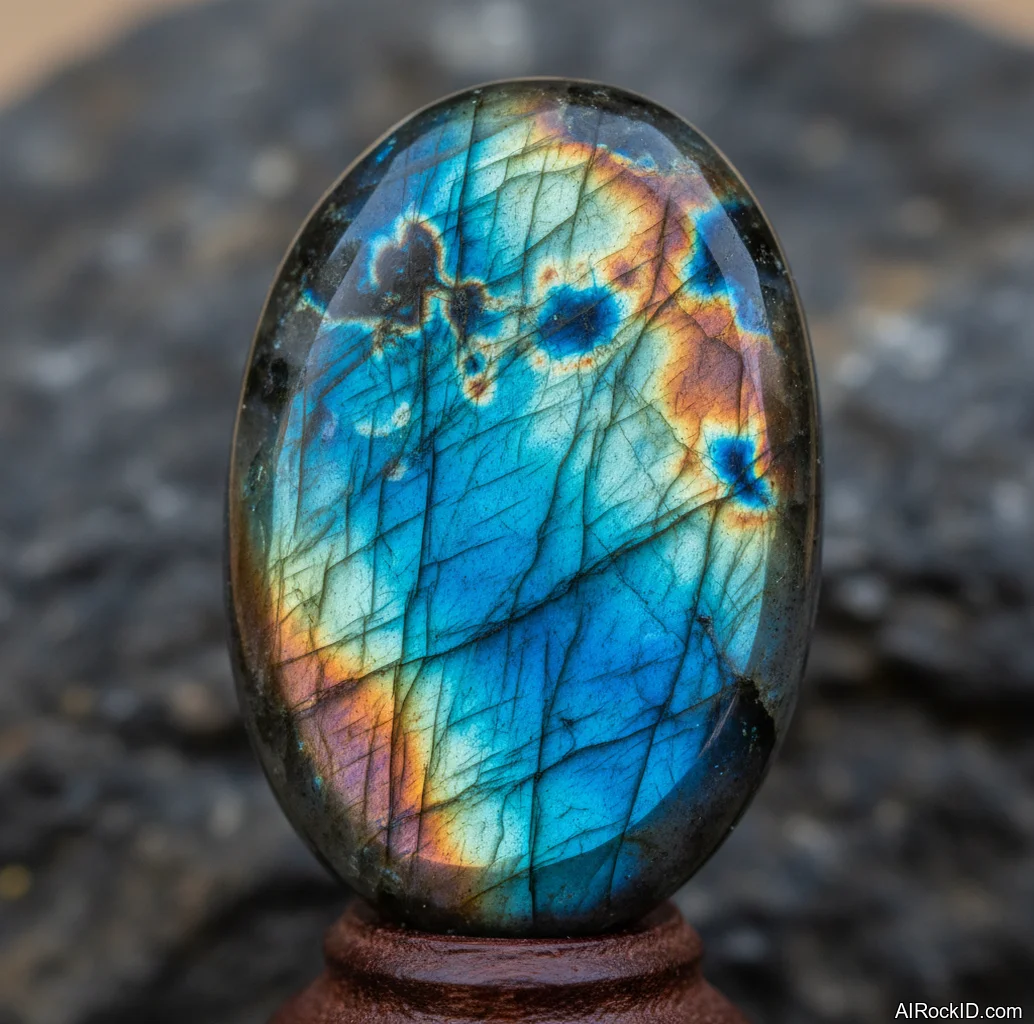
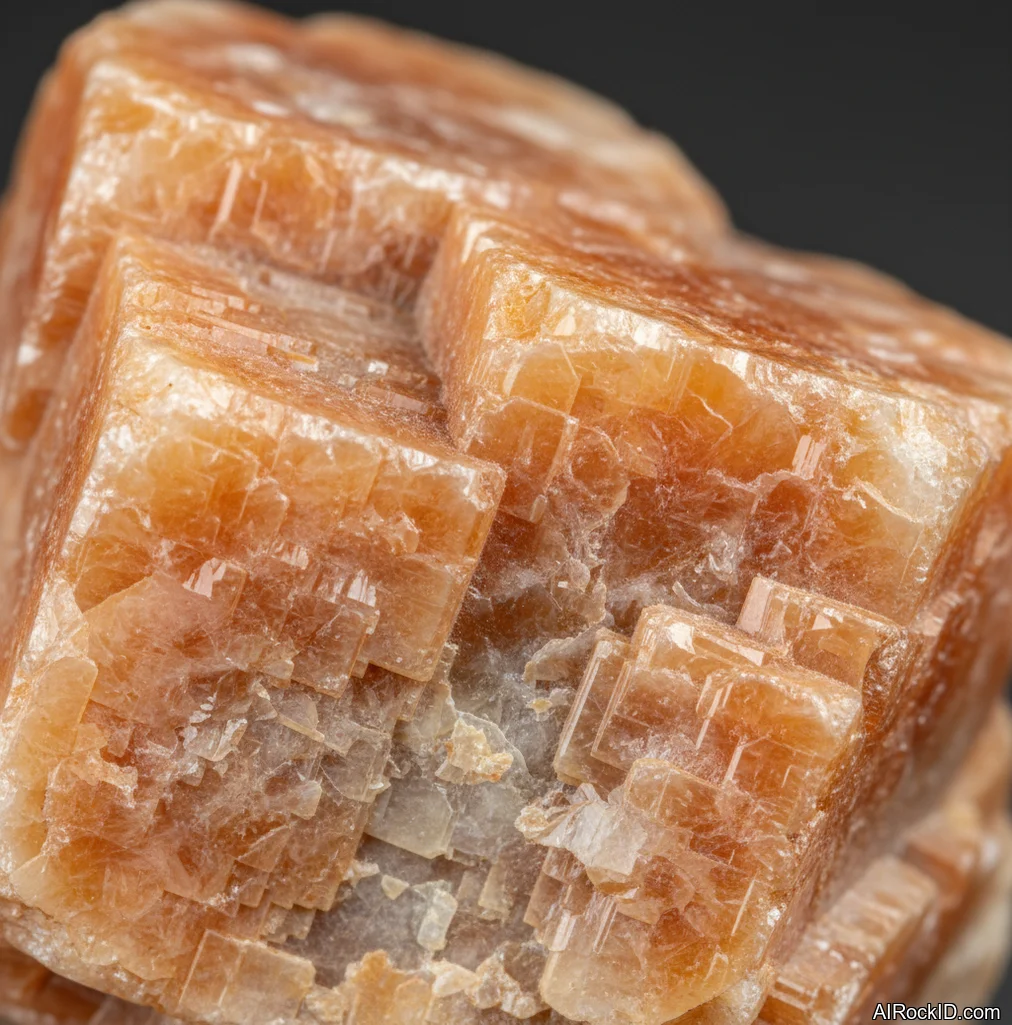
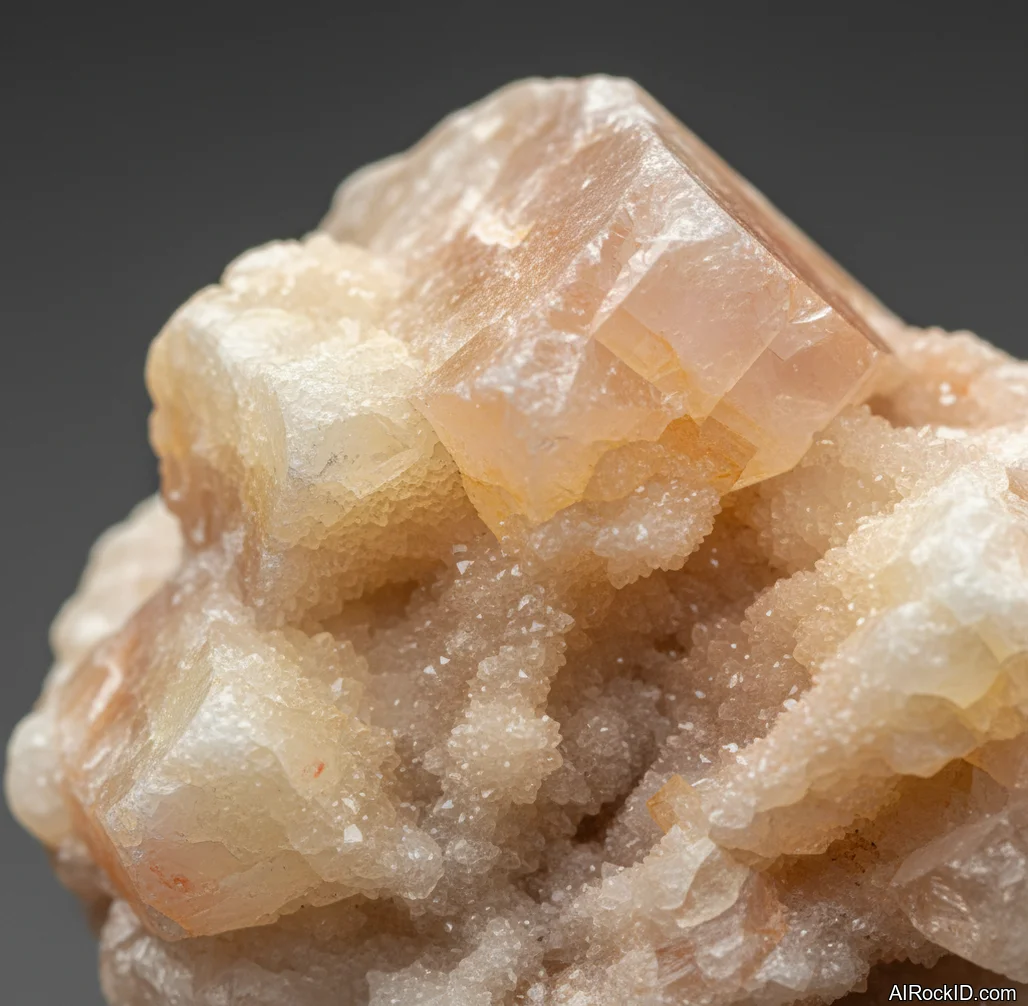
Pick up a good Sunstone and you’ll get why it lands on so many Leo lists. Real material looks like it’s lit from the inside when you tilt it under a shop light. That coppery schiller flashes, then disappears the second you change the angle. I always check it in harsh lighting (seriously) because soft light can make mediocre pieces look better than they are. Sunstone is a practical Leo pick because it’s visually solar, but it’s also one of those stones that’s easy to live with: pocket piece, palm stone, bead bracelet, whatever fits your routine.
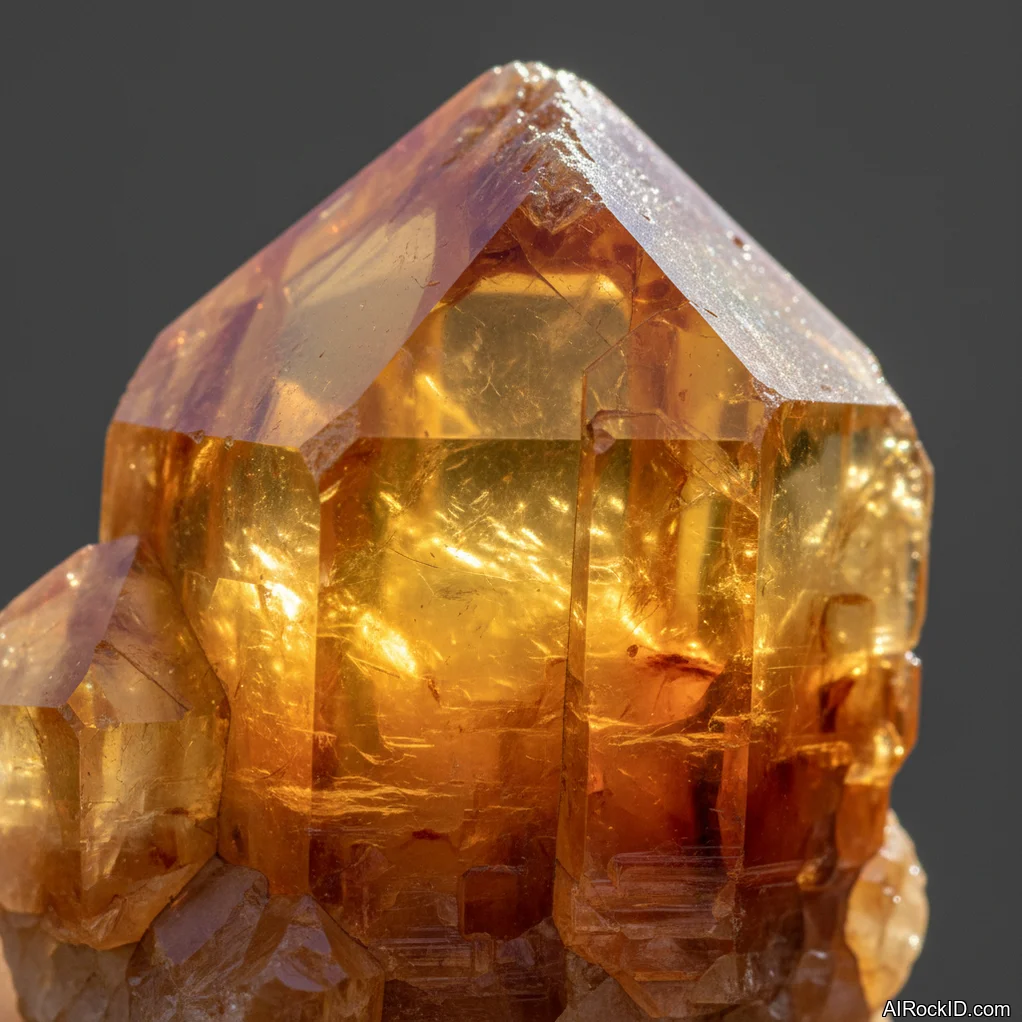
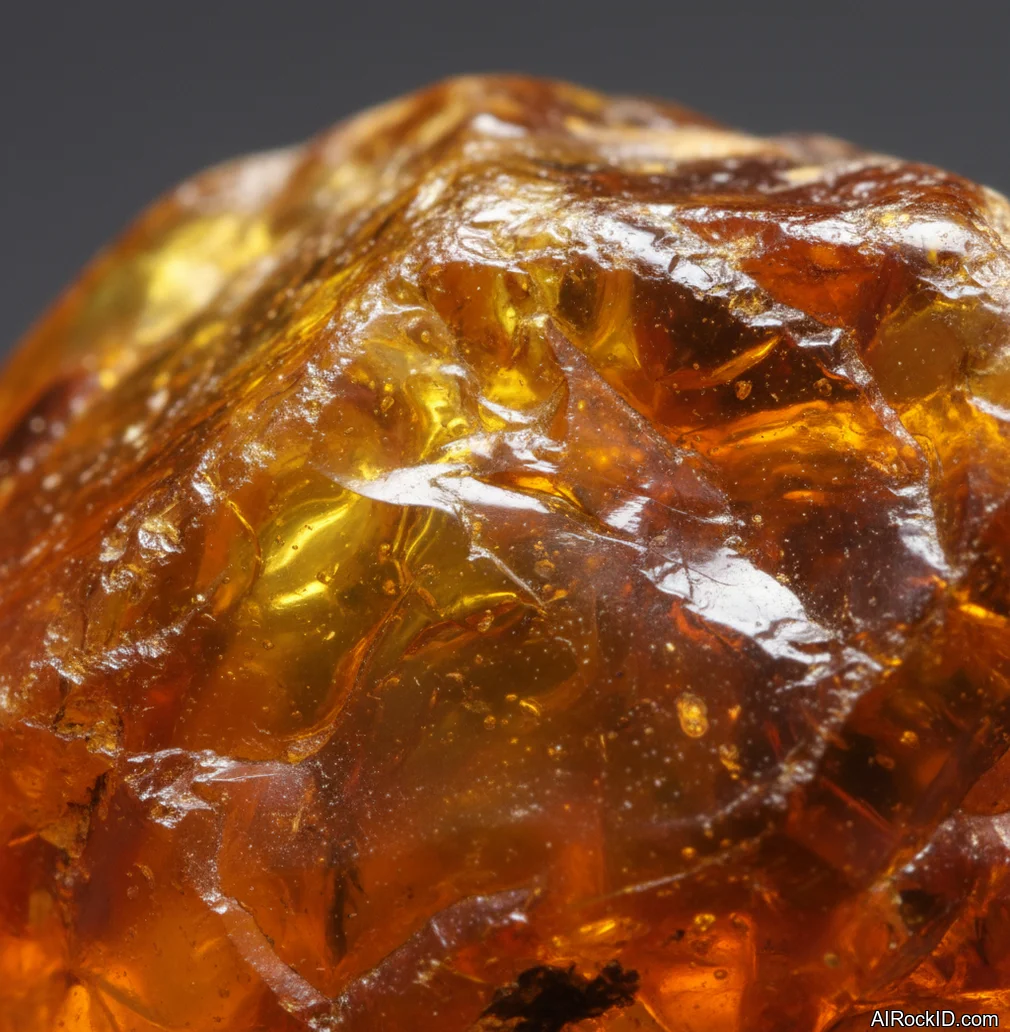
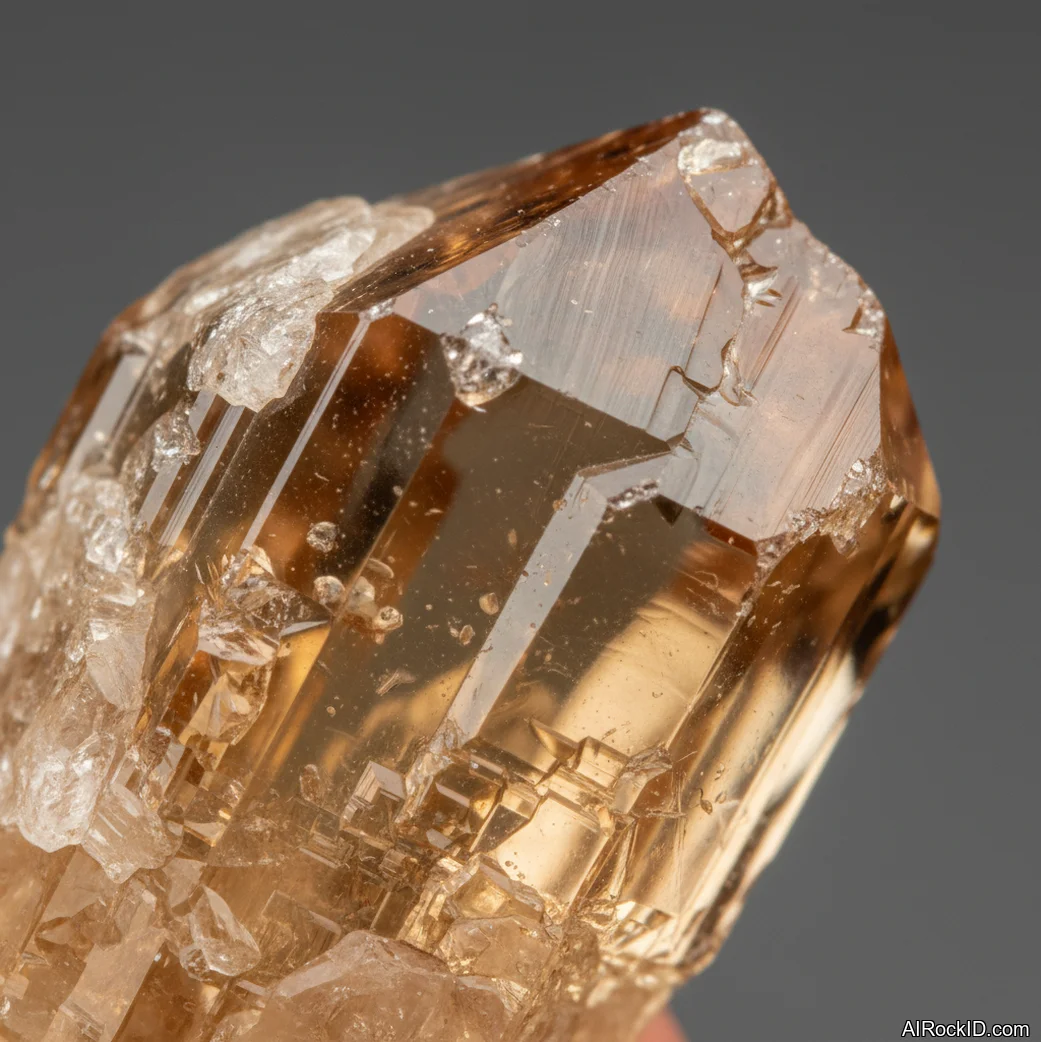
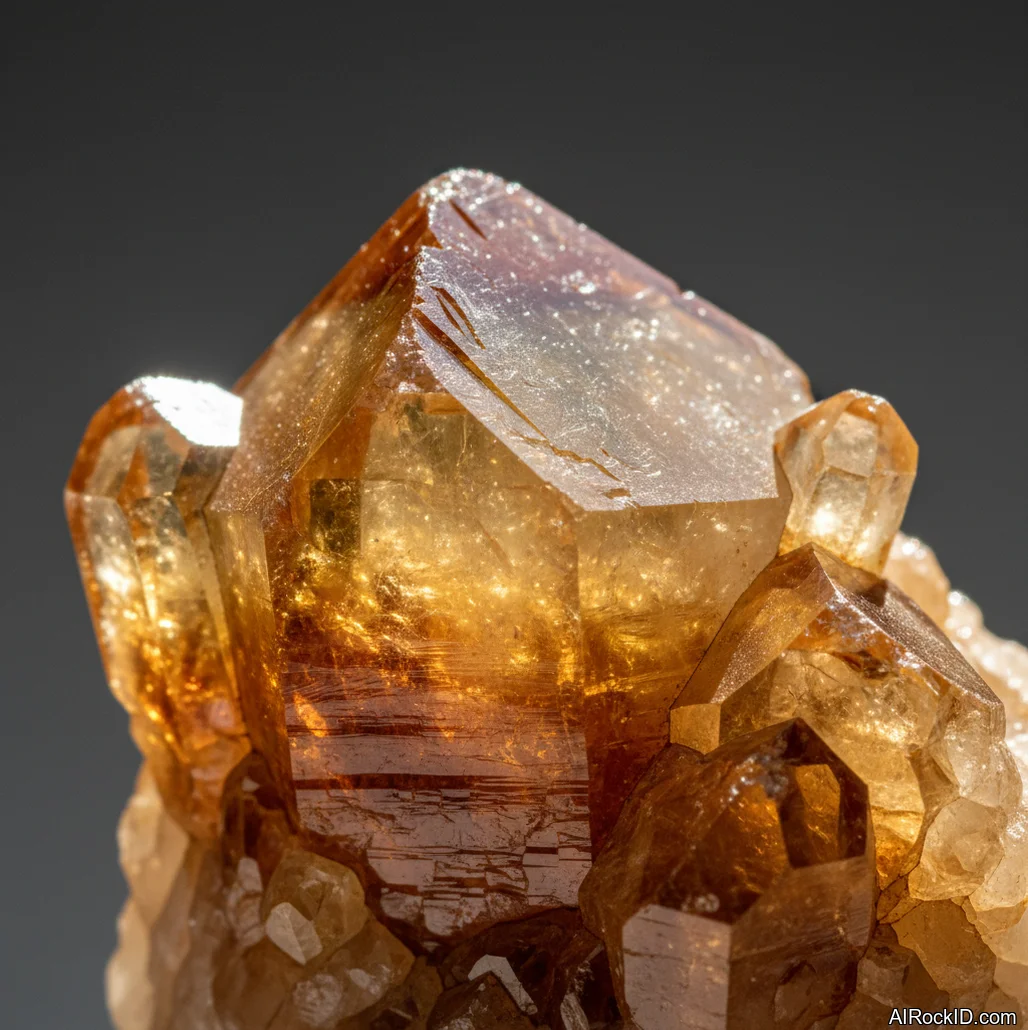
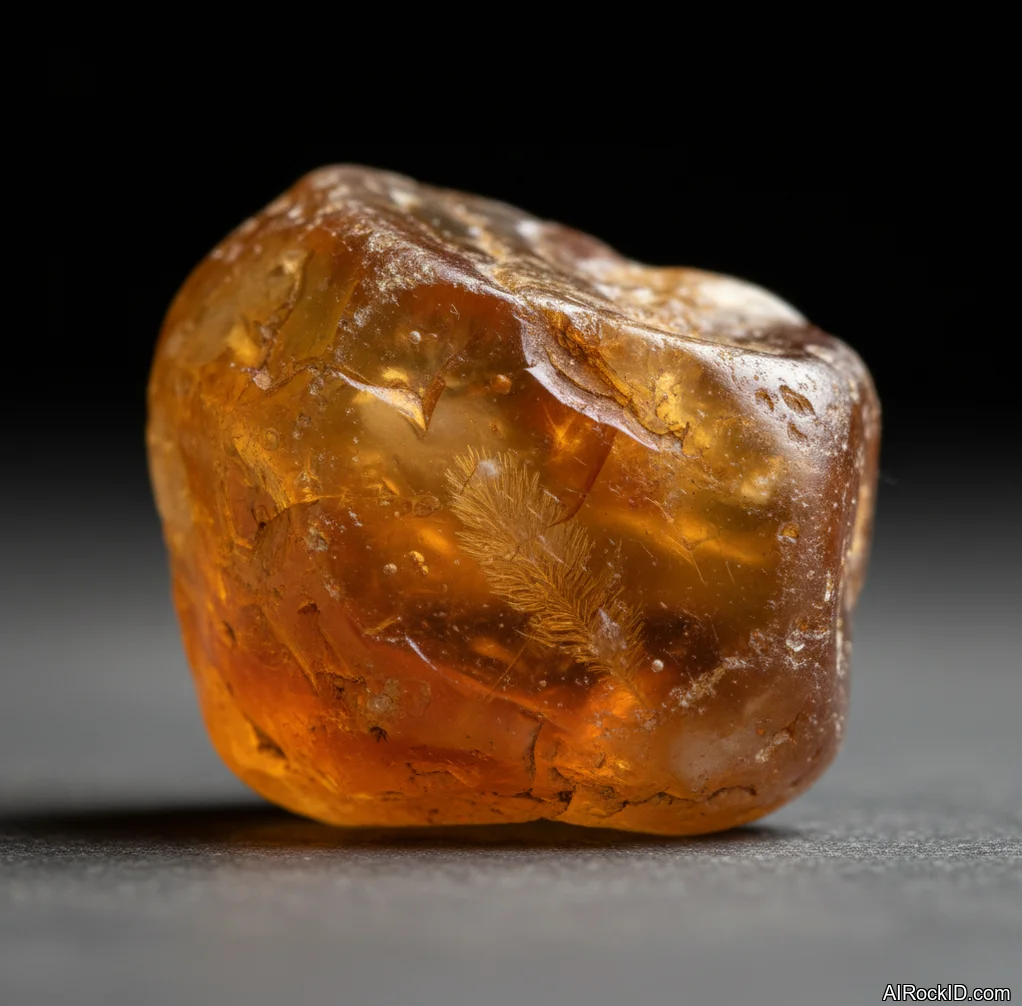
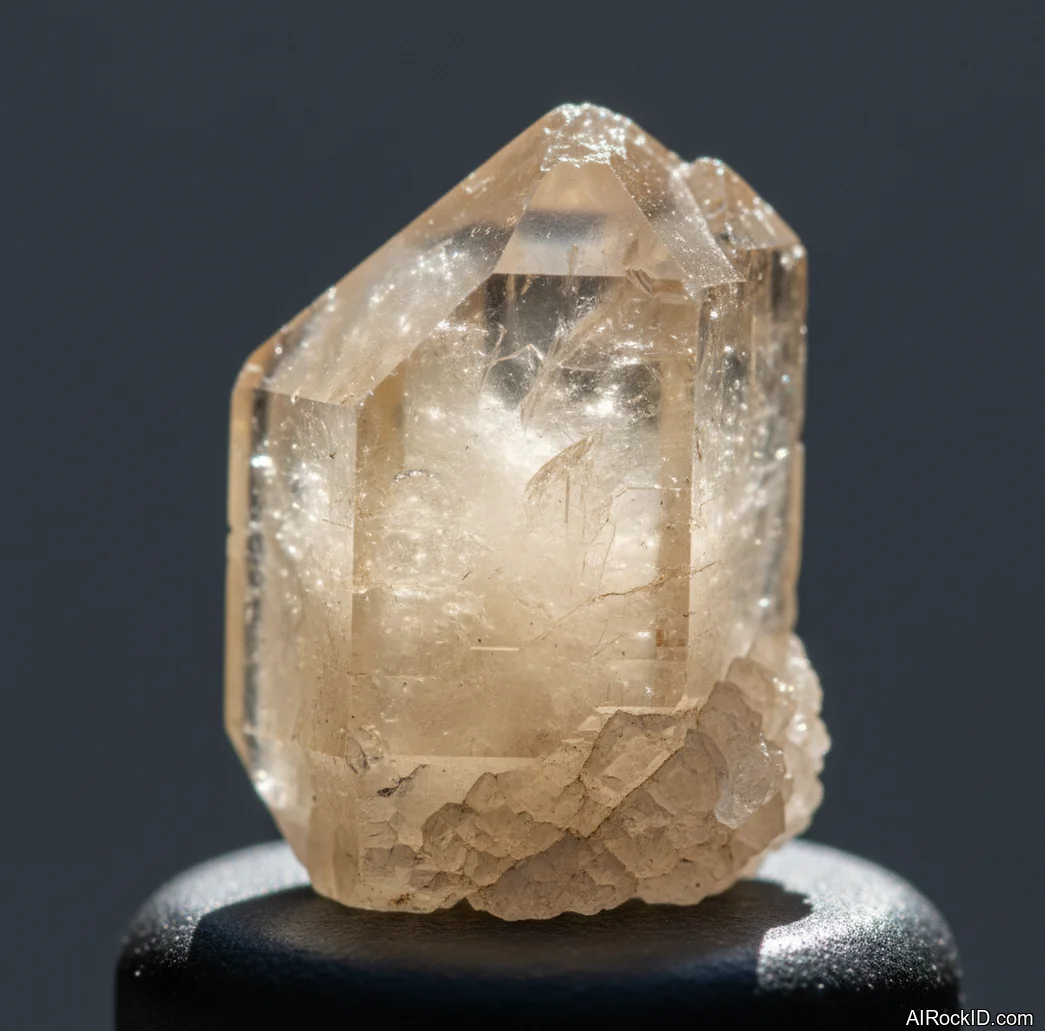
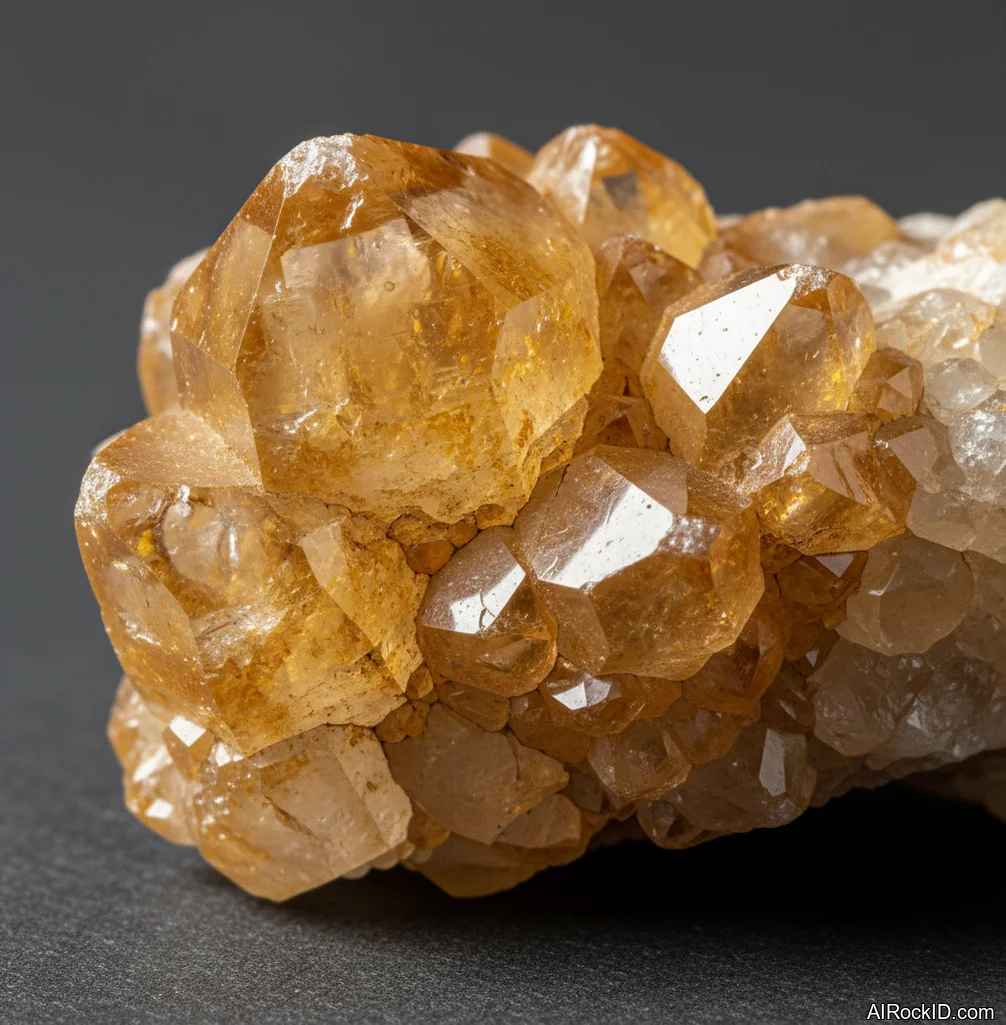
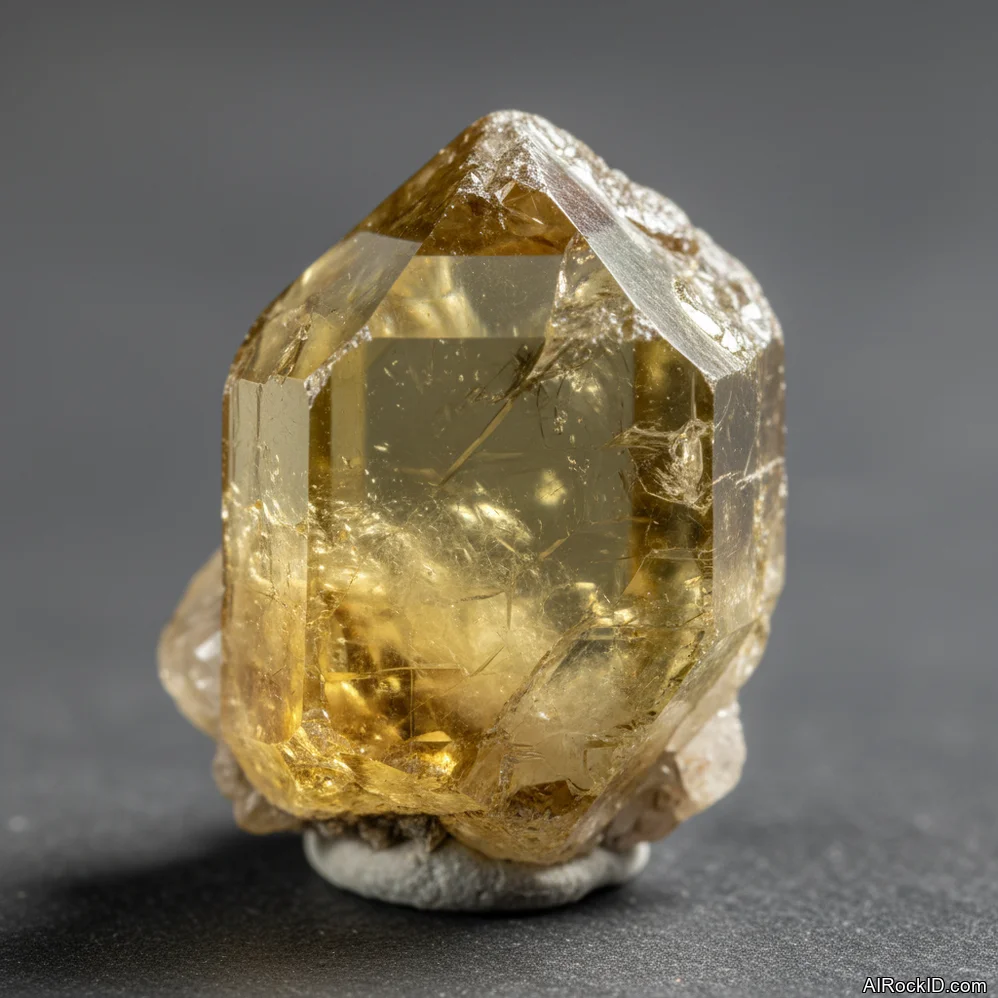
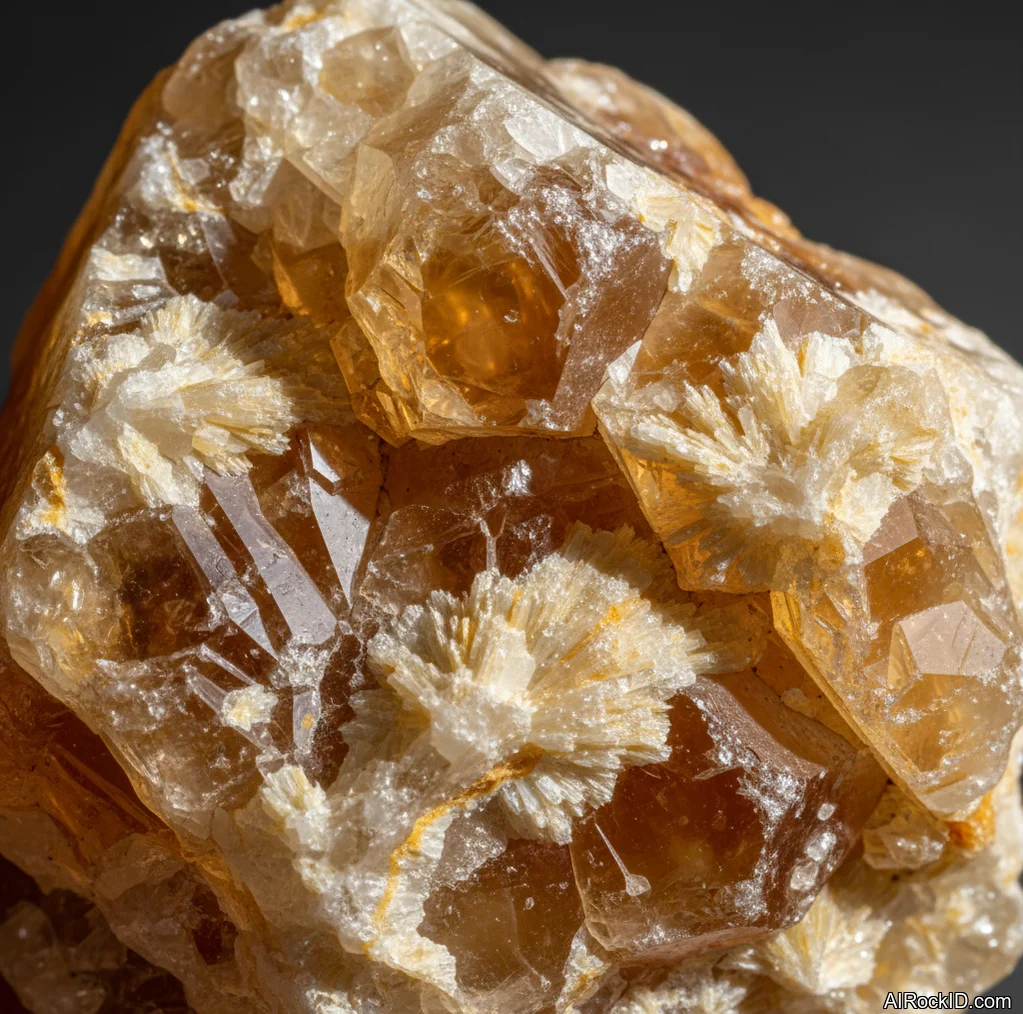
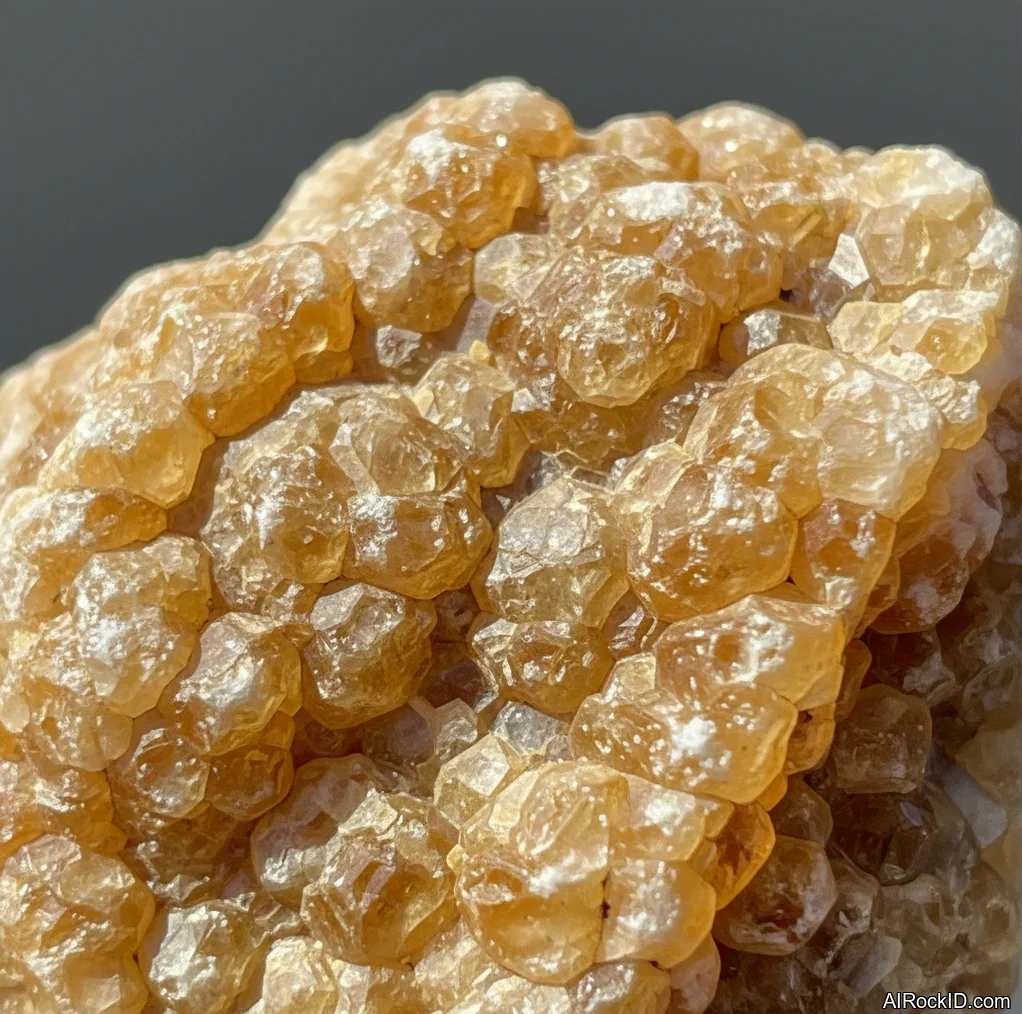
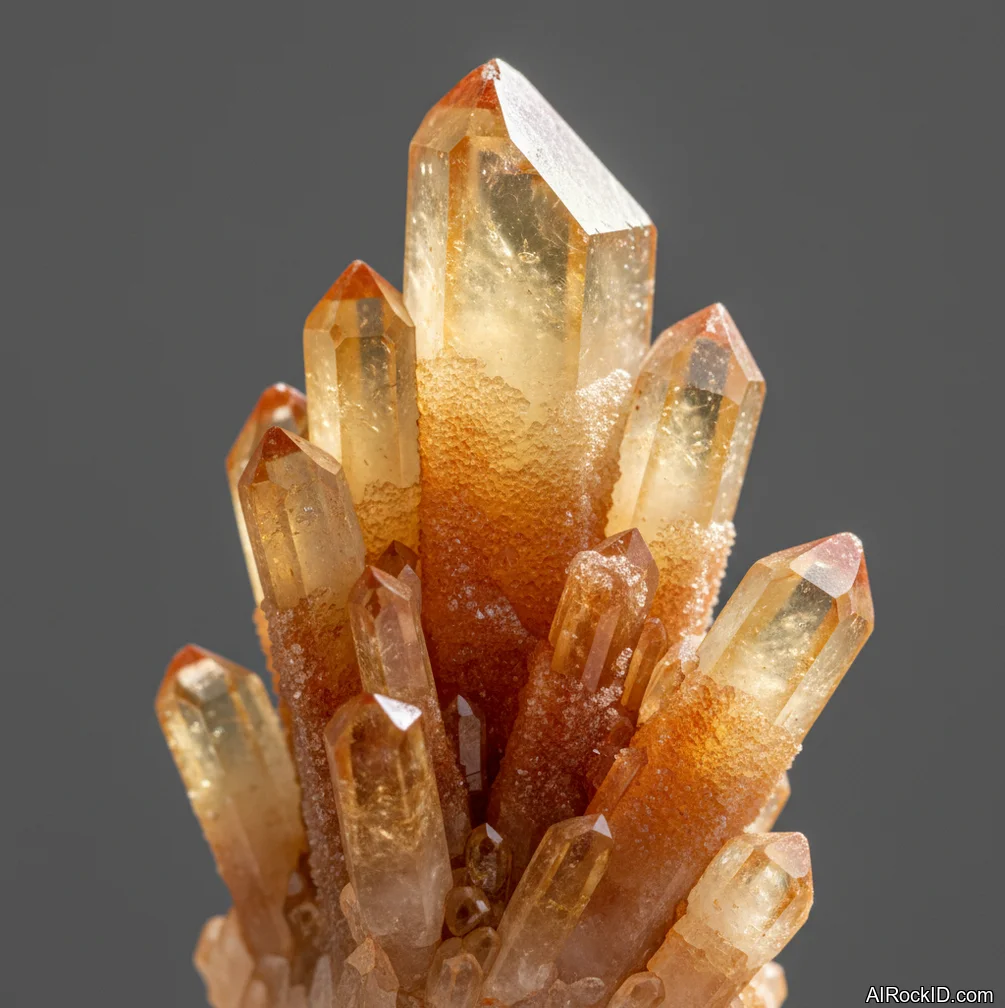
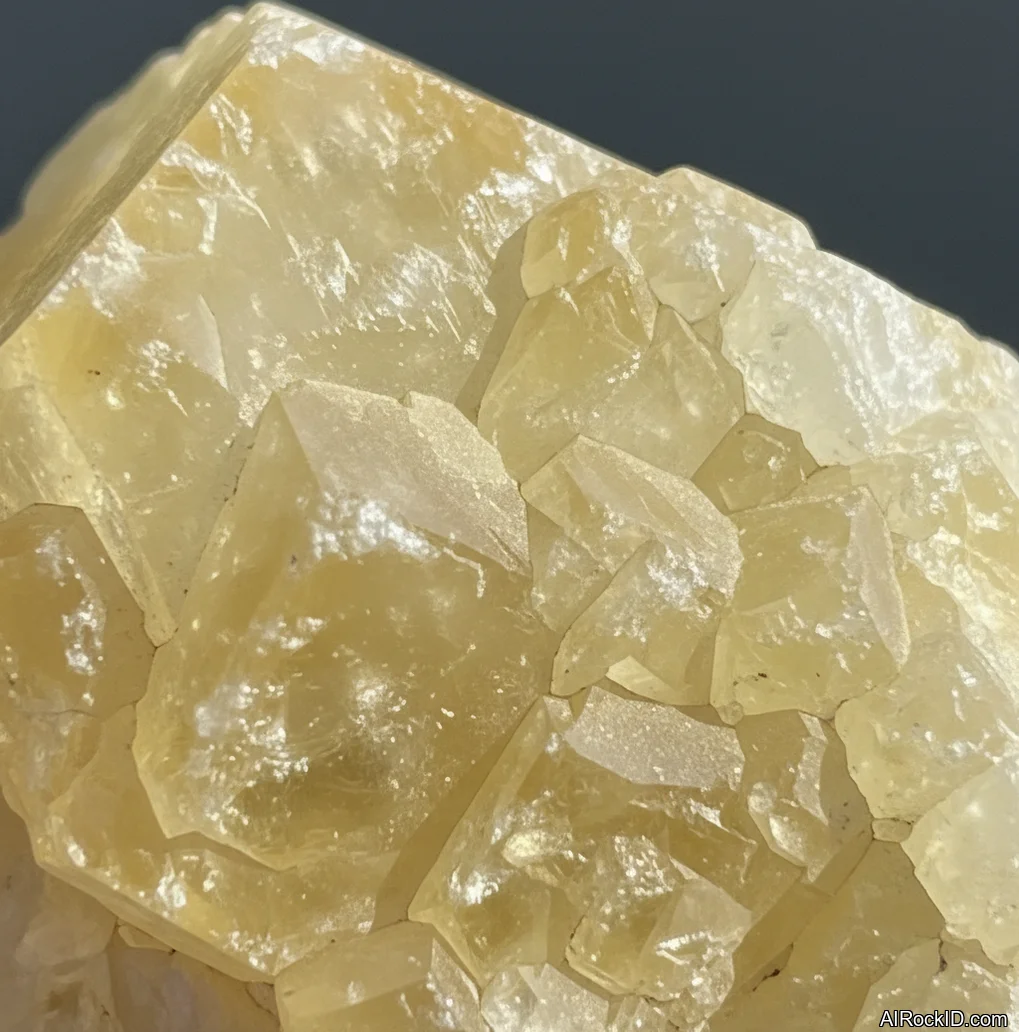
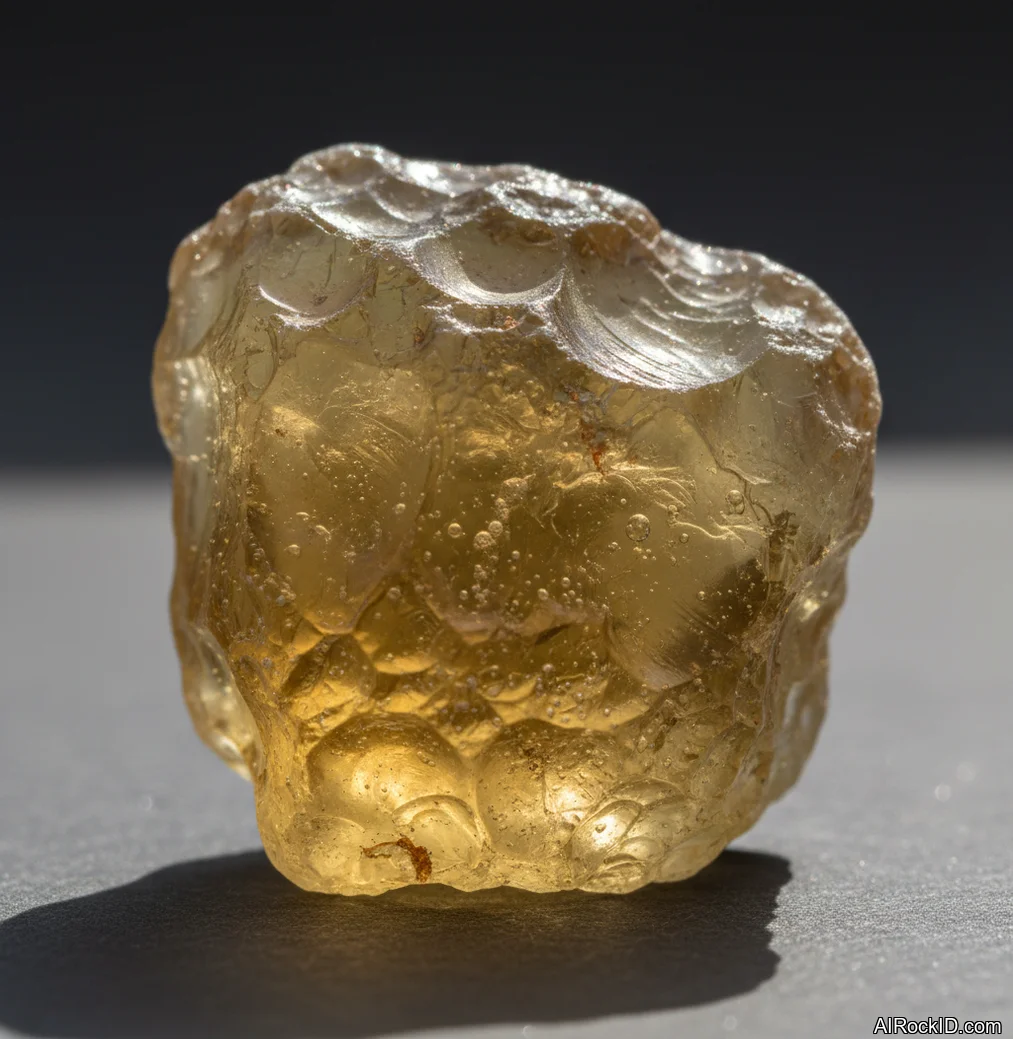
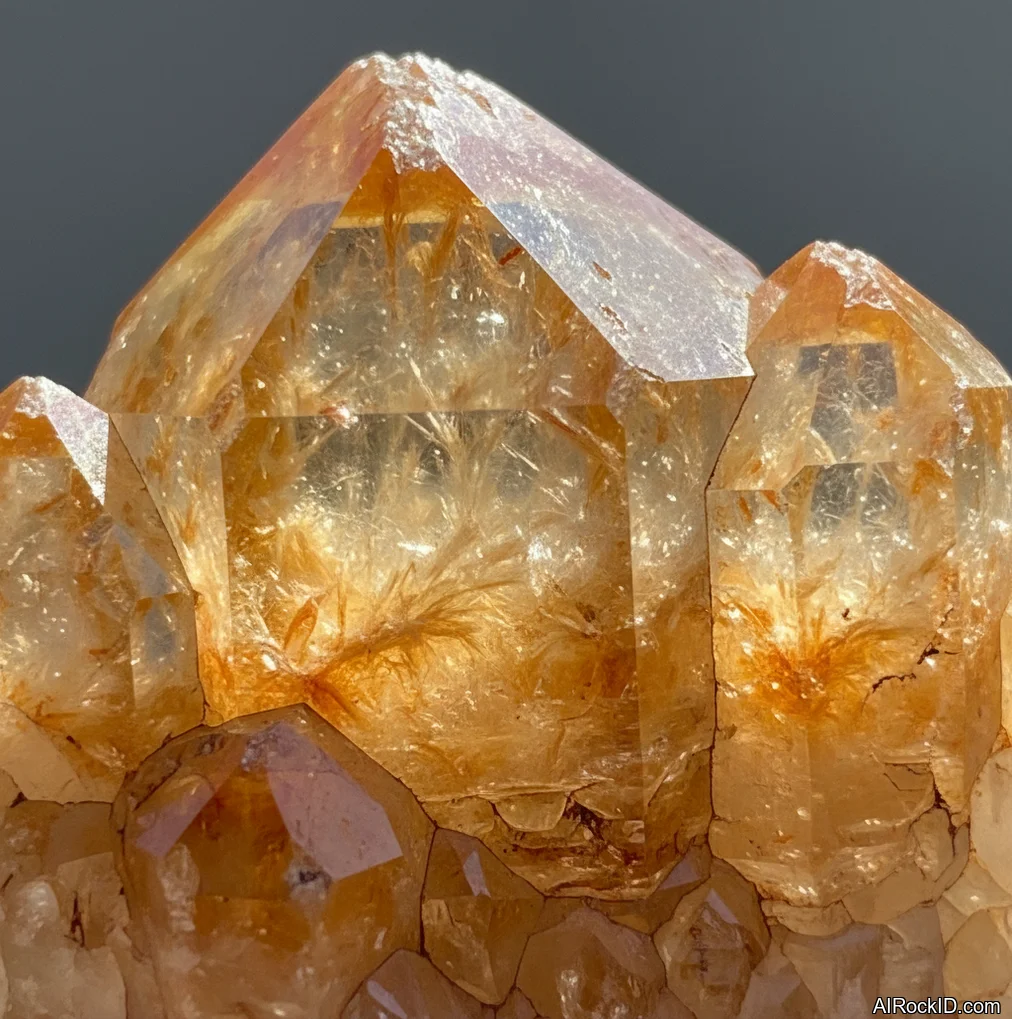
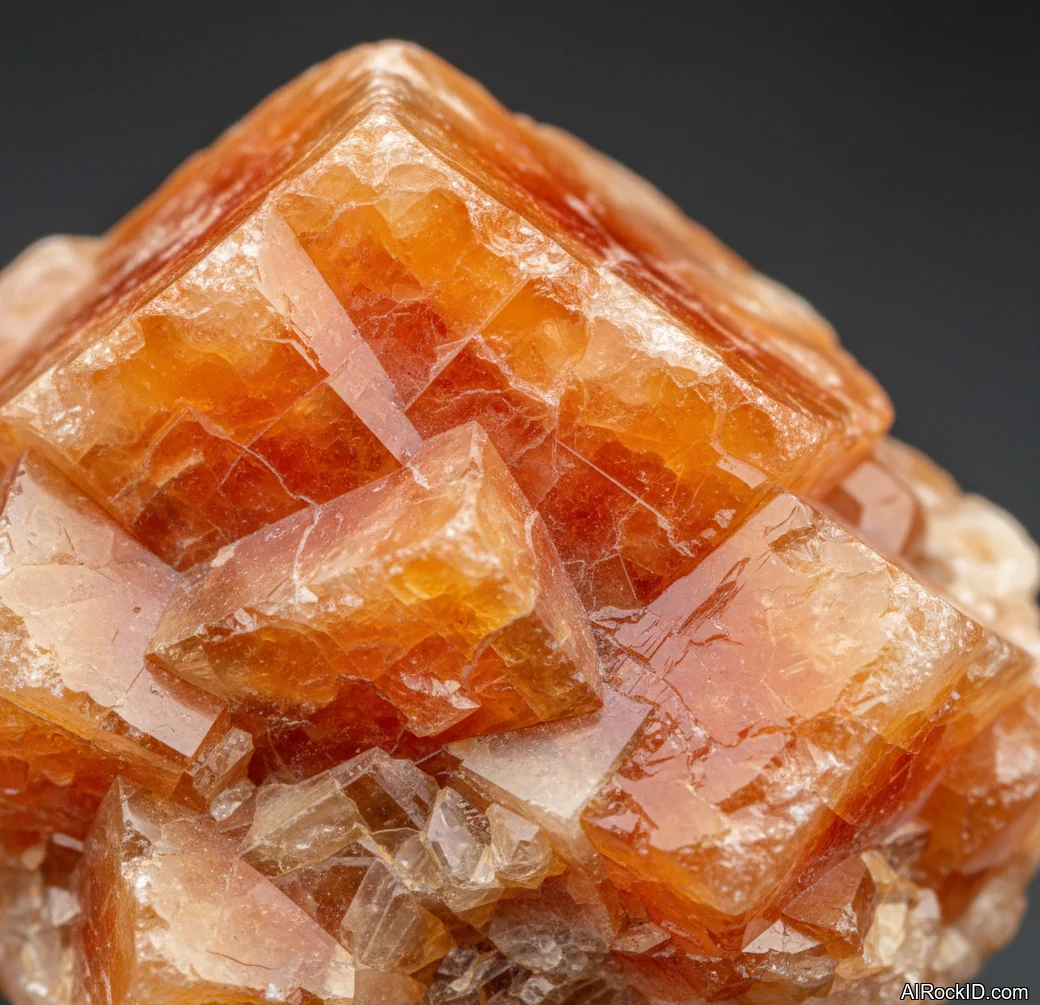
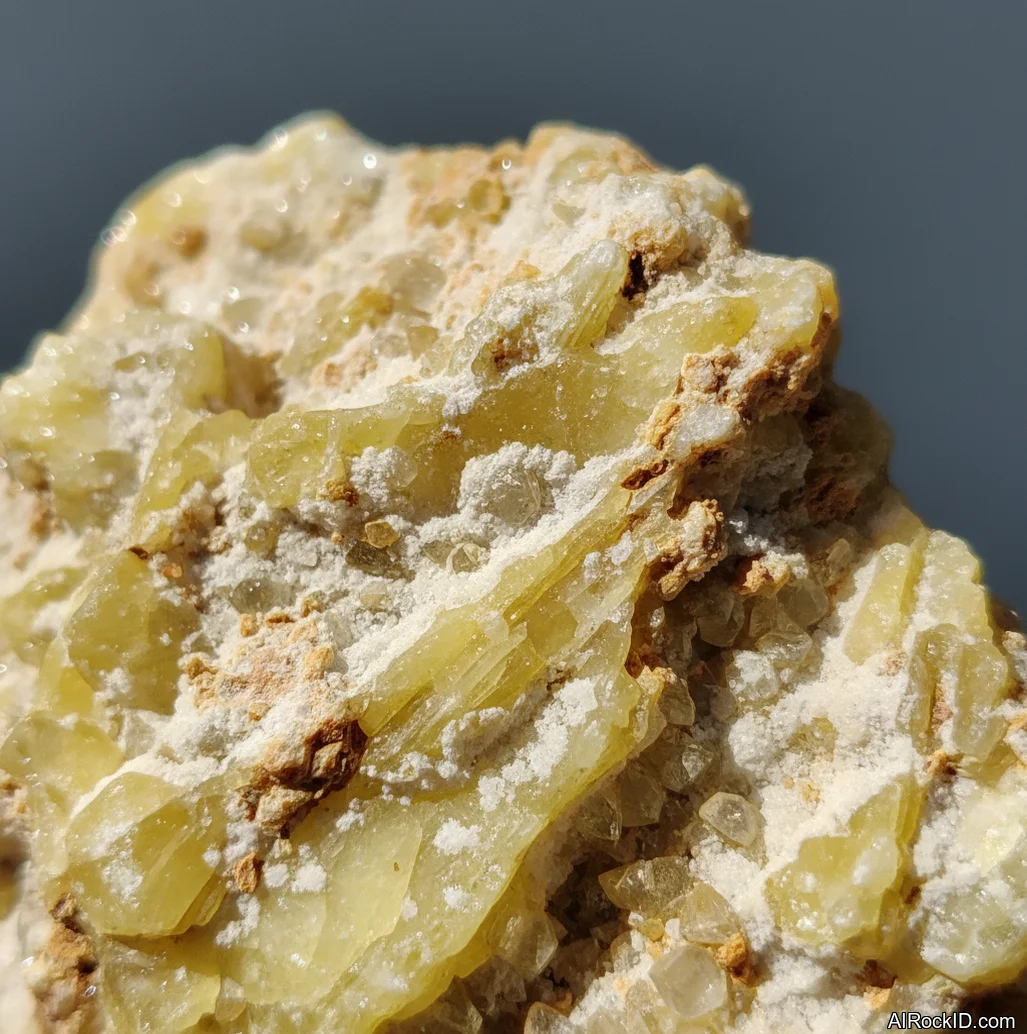
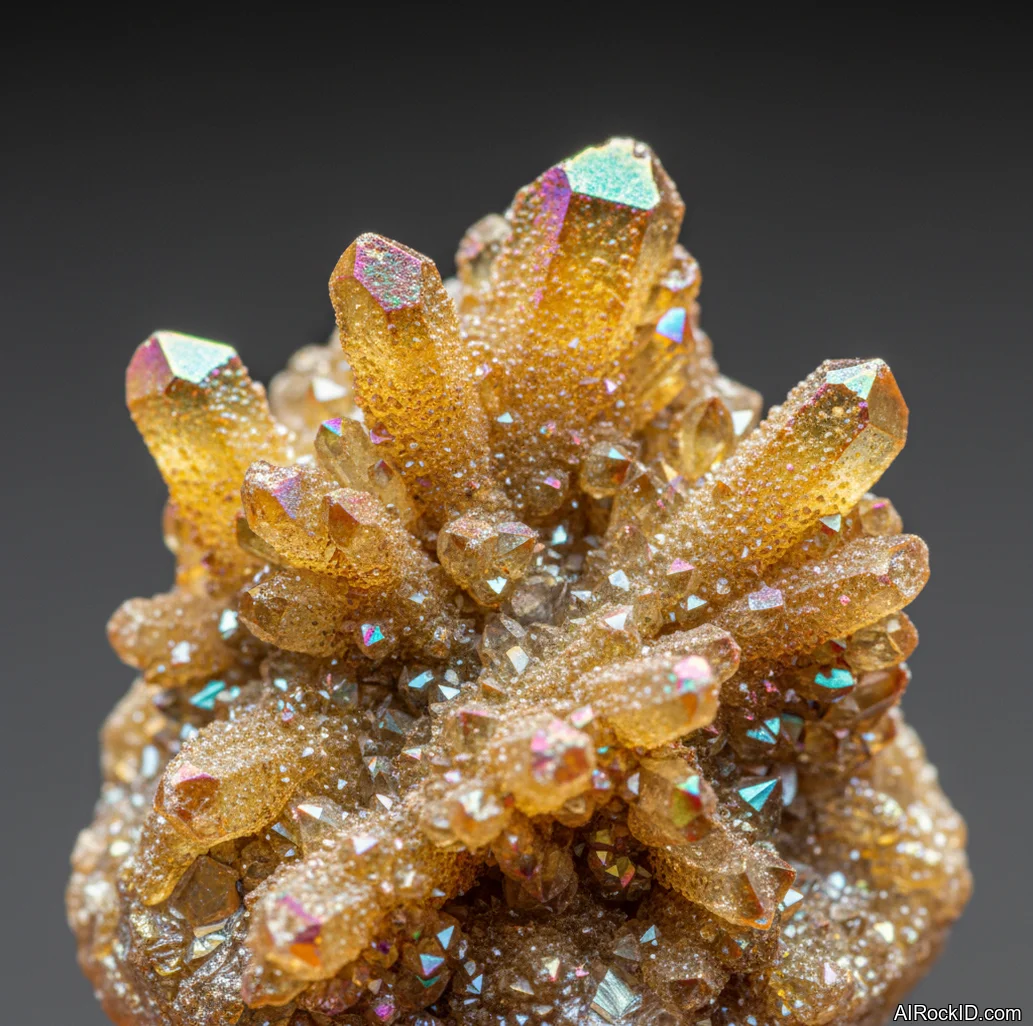
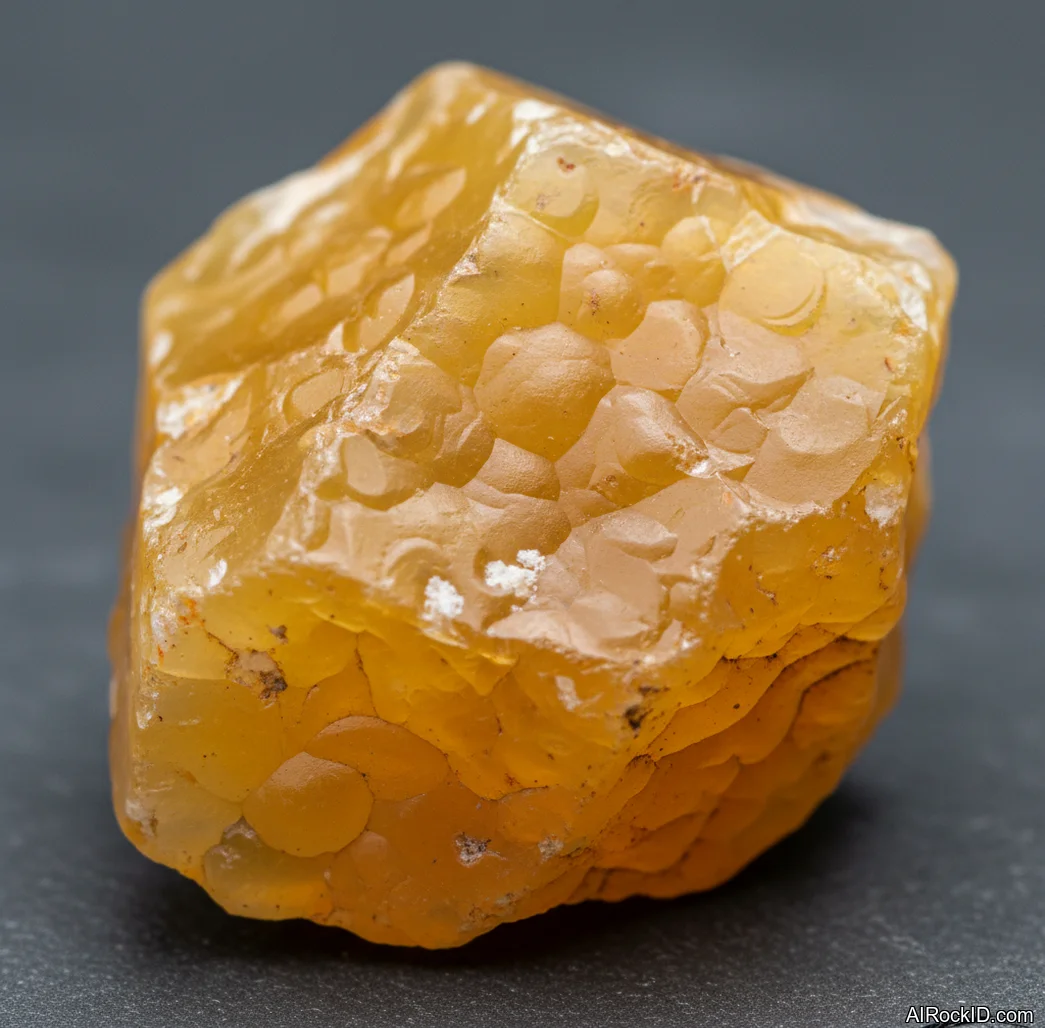
Citrine sits right next to it in the Leo world, but you’ve got to shop with your eyes open. Thing is, a huge chunk of what’s sold as citrine is heat-treated amethyst. The tell is color that looks too uniform and too saturated, sometimes with a burnt orange tip and a clear base, like it got toasted from one end. Natural citrine is usually lighter, often smoky-yellow, and it doesn’t have that “baked” vibe. If you want a Leo crystal you’ll actually use daily, a small natural citrine point or a well-cut faceted citrine works great, but expect to pay more for the real thing.
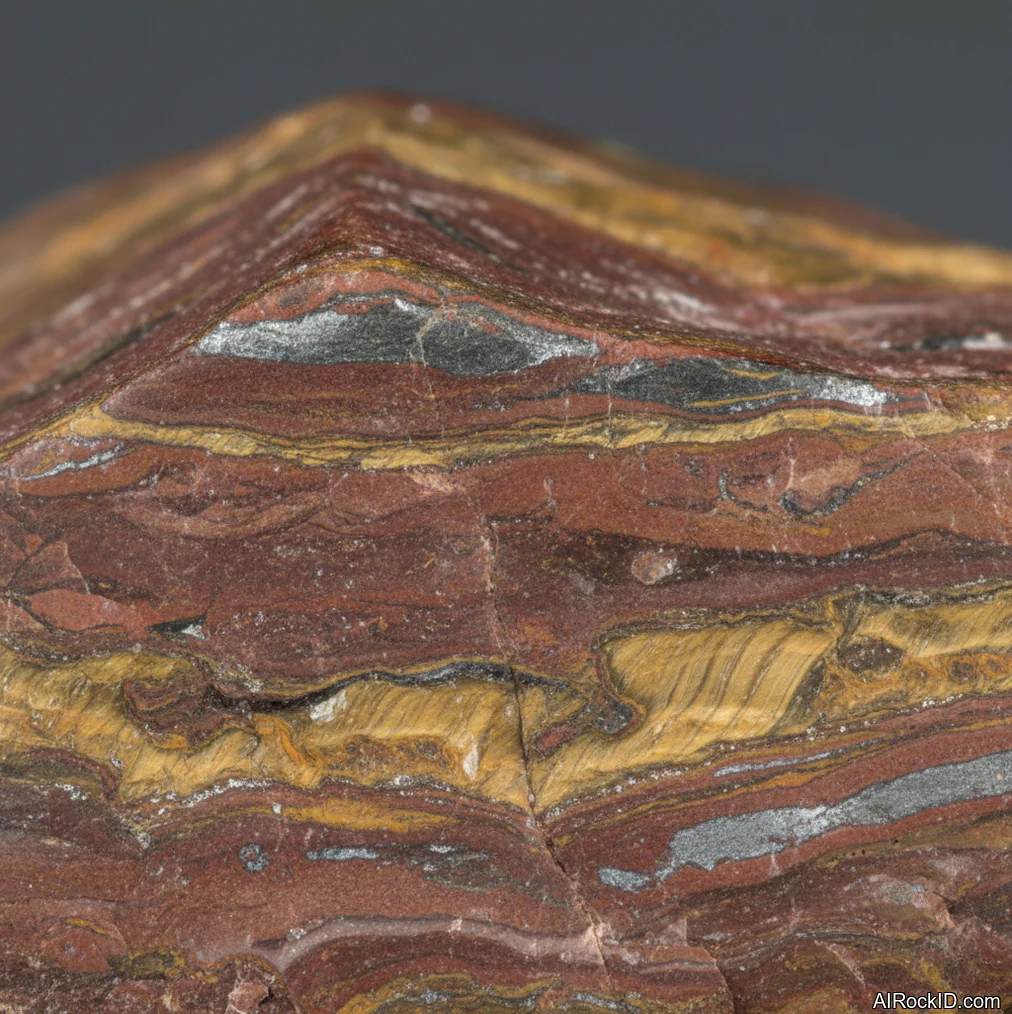
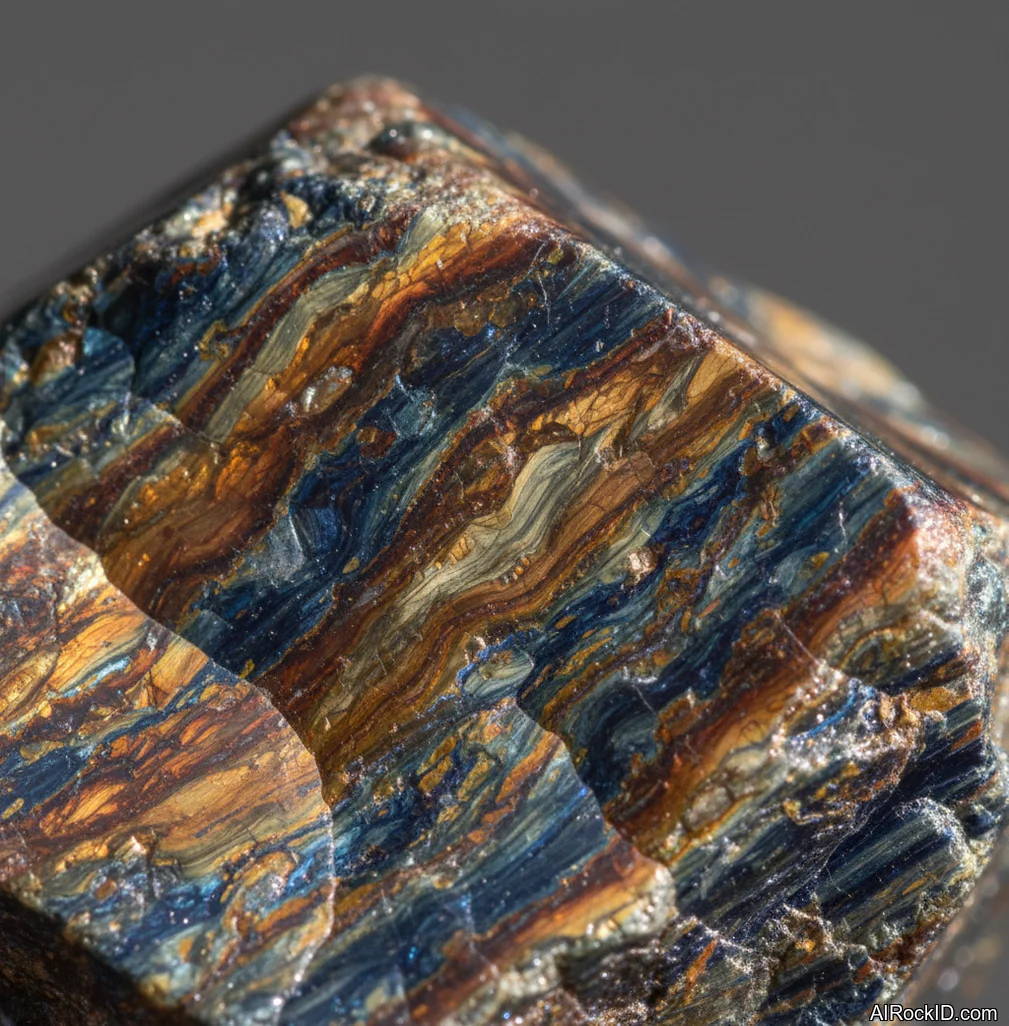
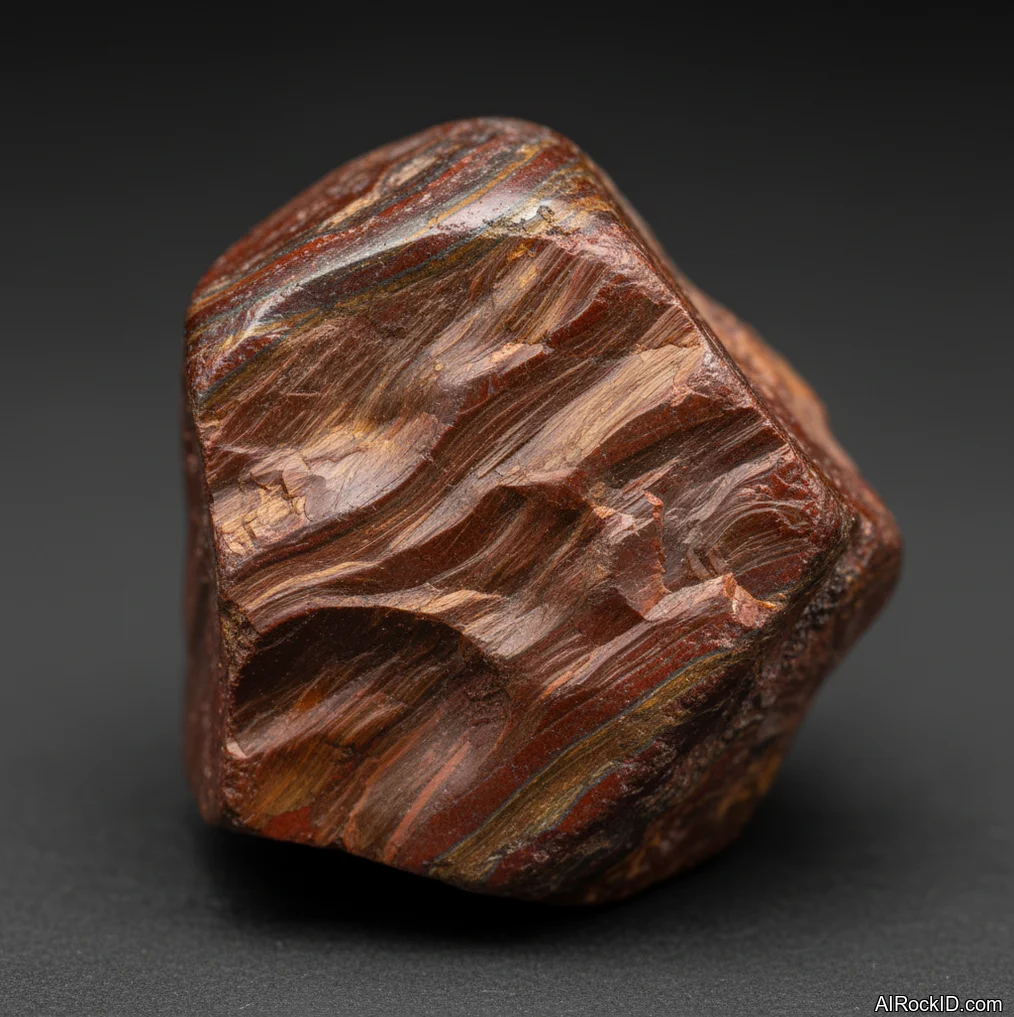
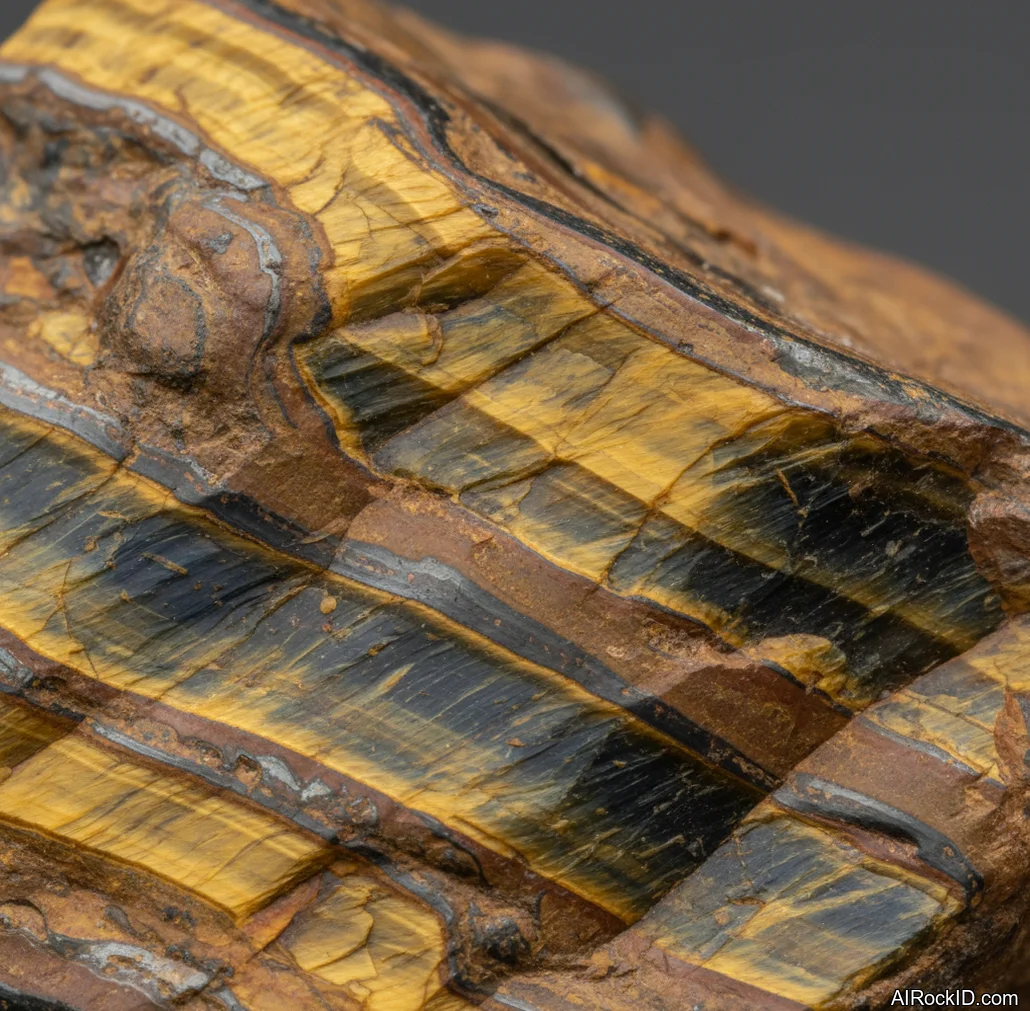
Tiger’s Eye is another classic for Leo, and I recommend it when someone wants confidence without the spin-out. At first glance it’s just brown and gold полосы, but look closely and you’ll see that silky chatoyancy roll like a cat’s pupil as you rotate it. Most pieces are slabs or tumbled stones, and that’s totally fine because the effect is strongest on a polished surface. But if the “eye” looks dead and flat, it’s either cut wrong or it’s low-grade material. A good Tiger’s Eye has crisp bands and a clean flash line that tracks across the stone.
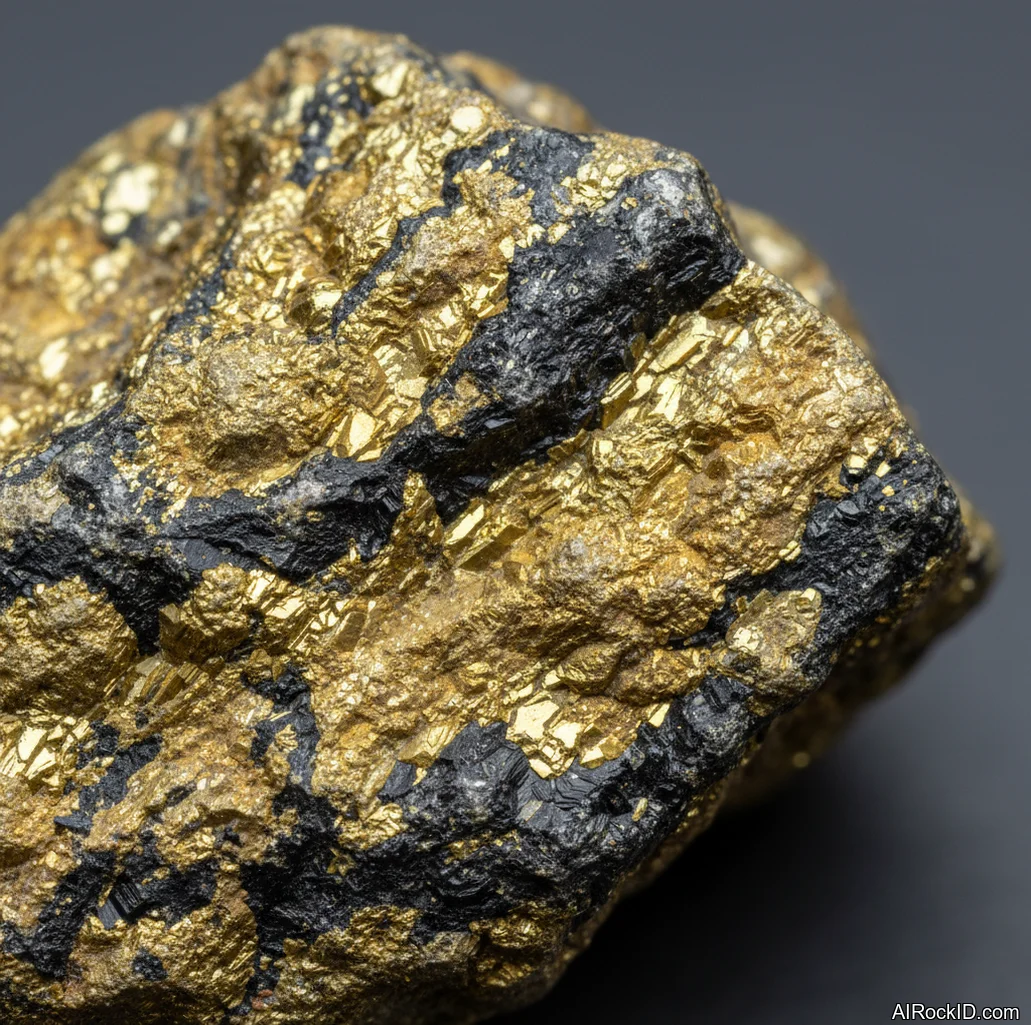
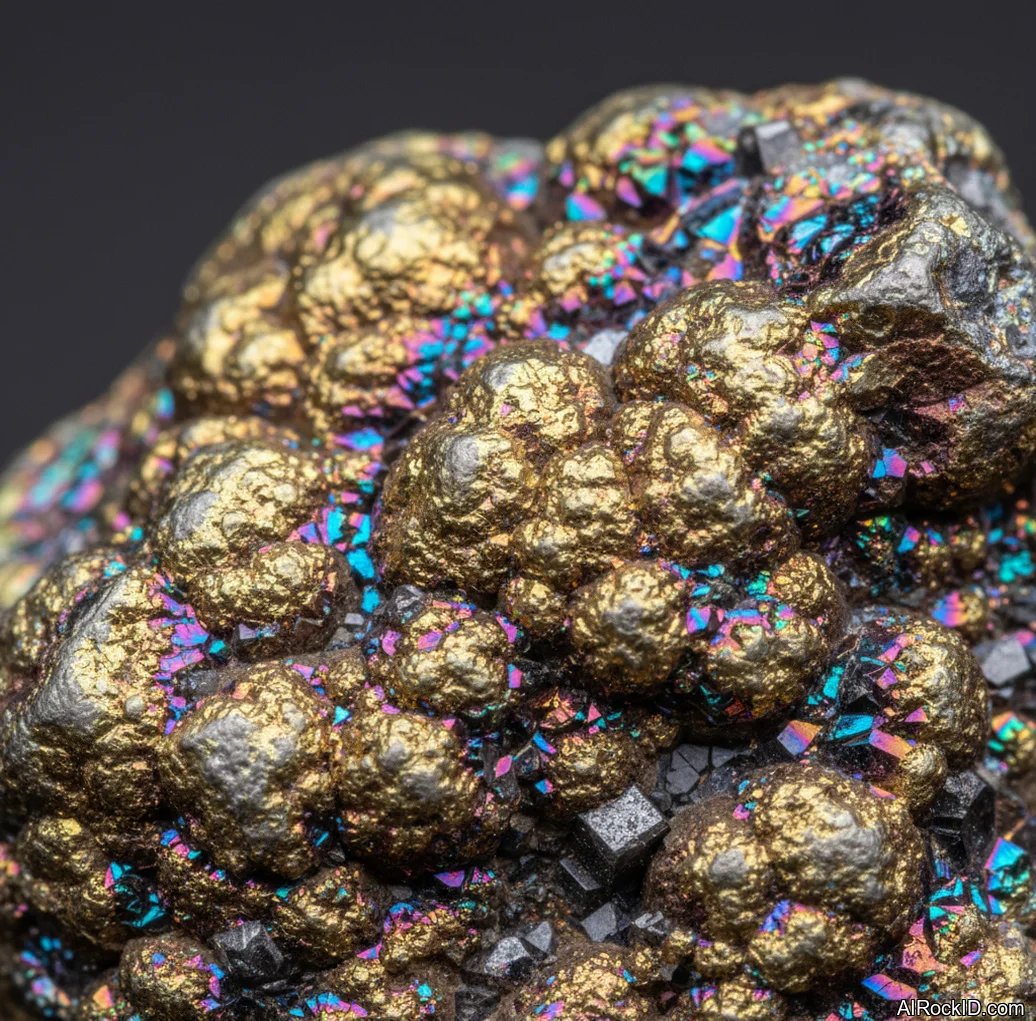
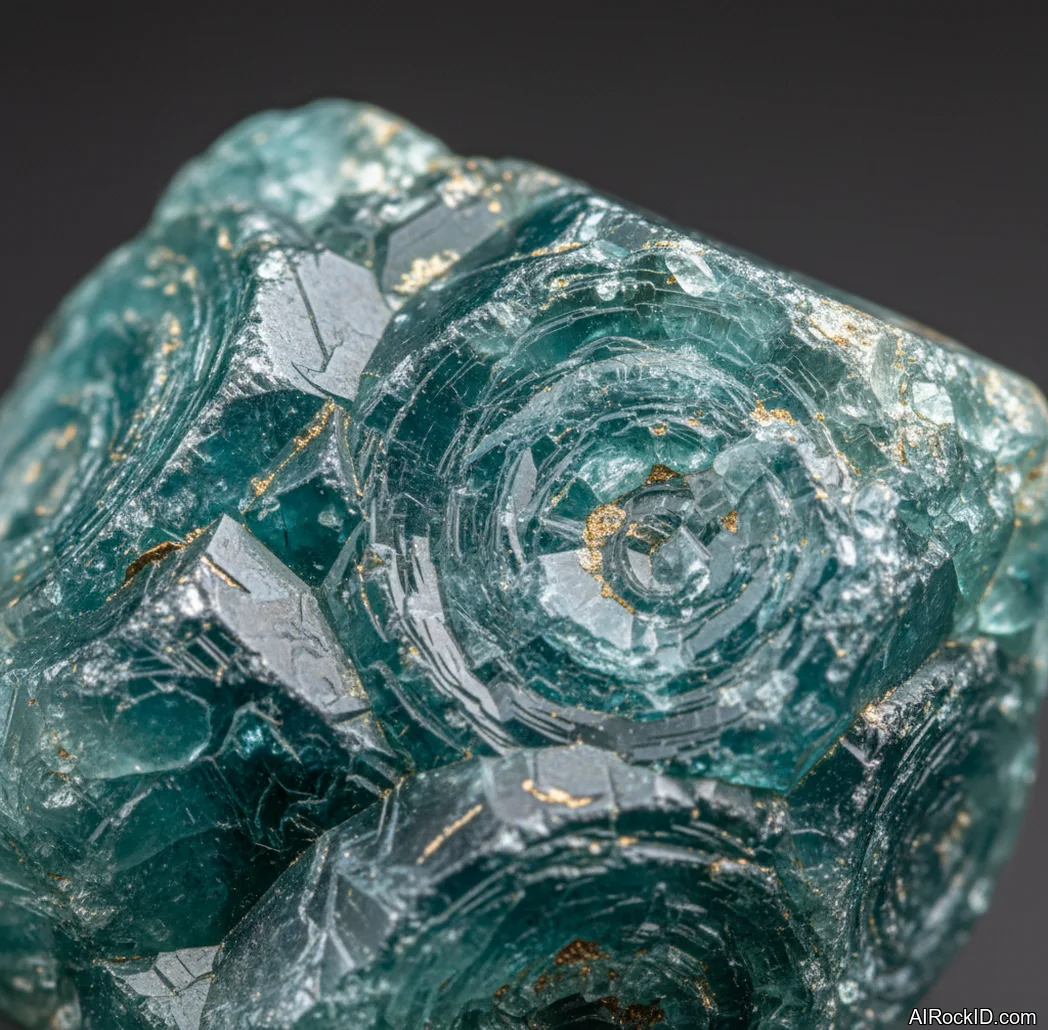
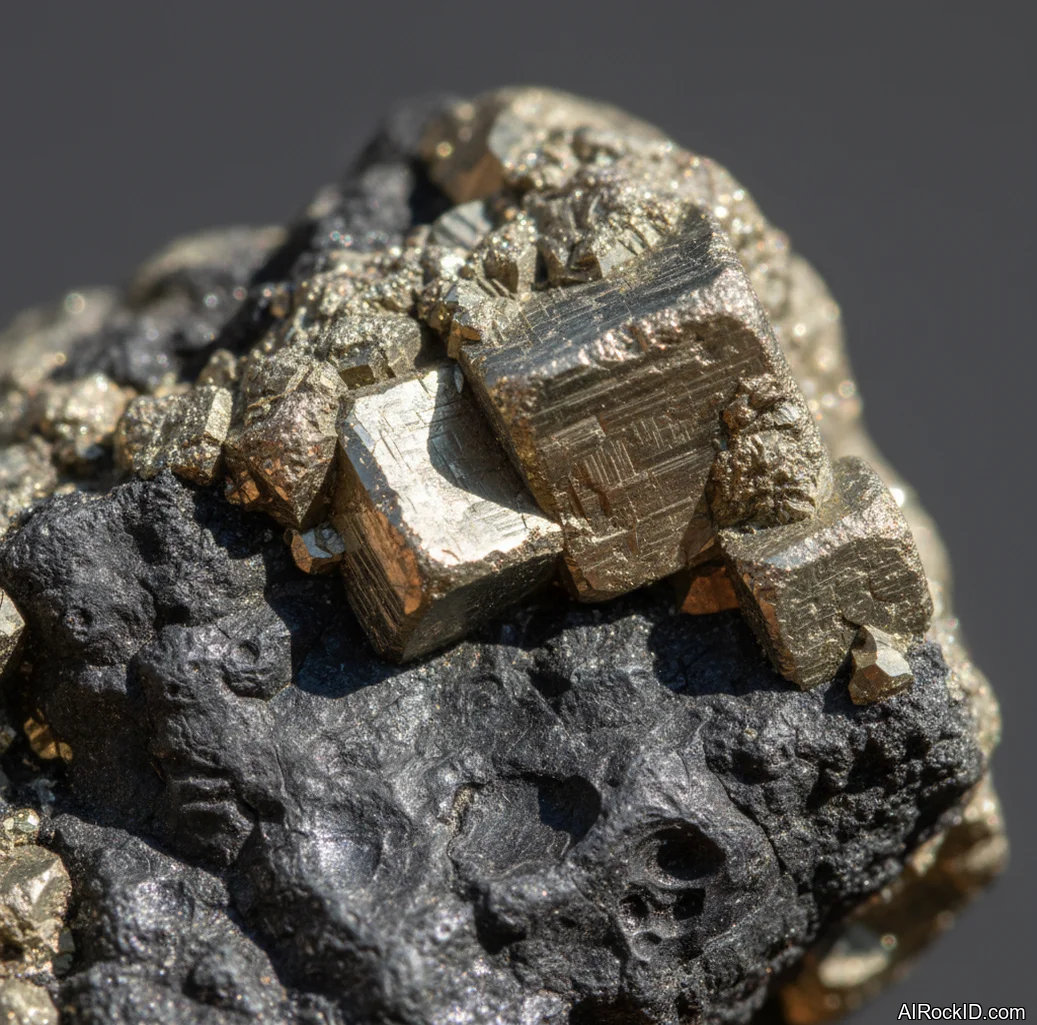
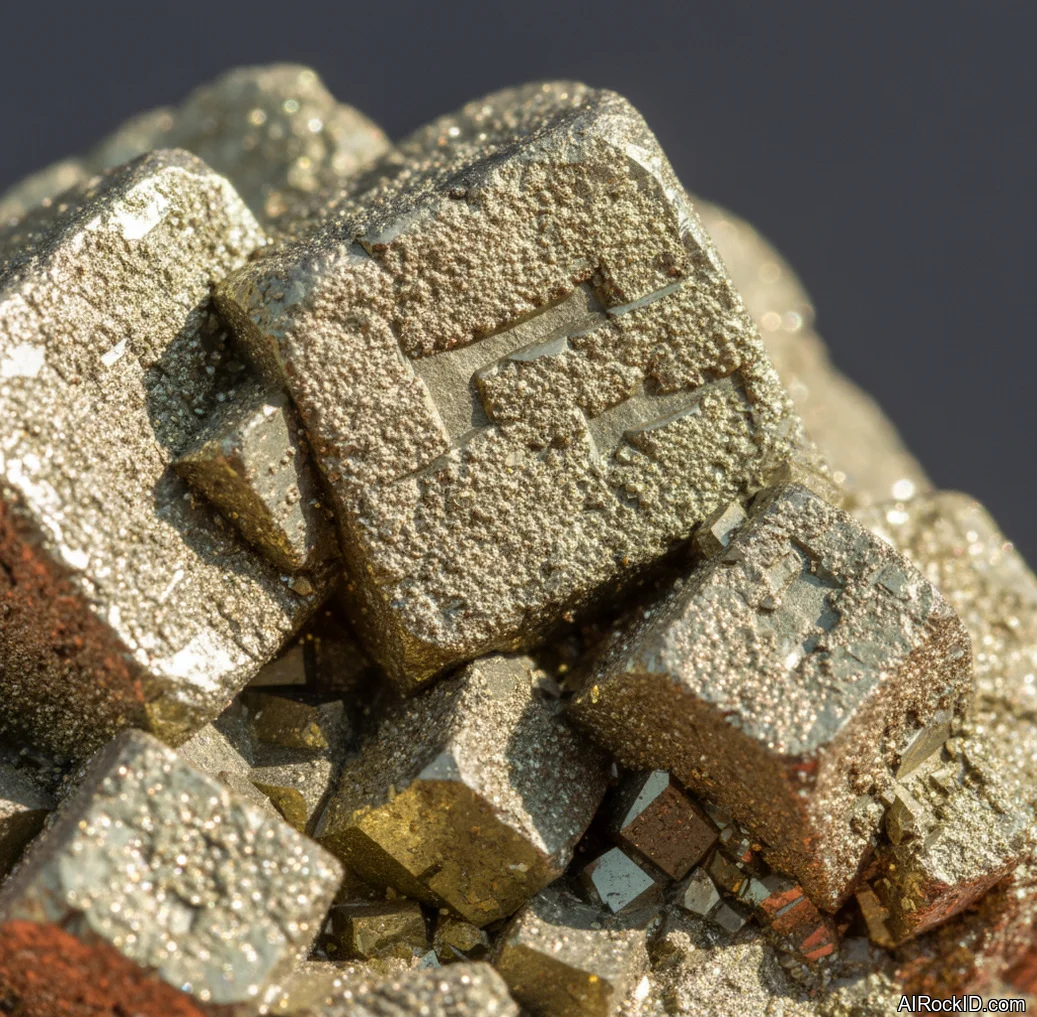
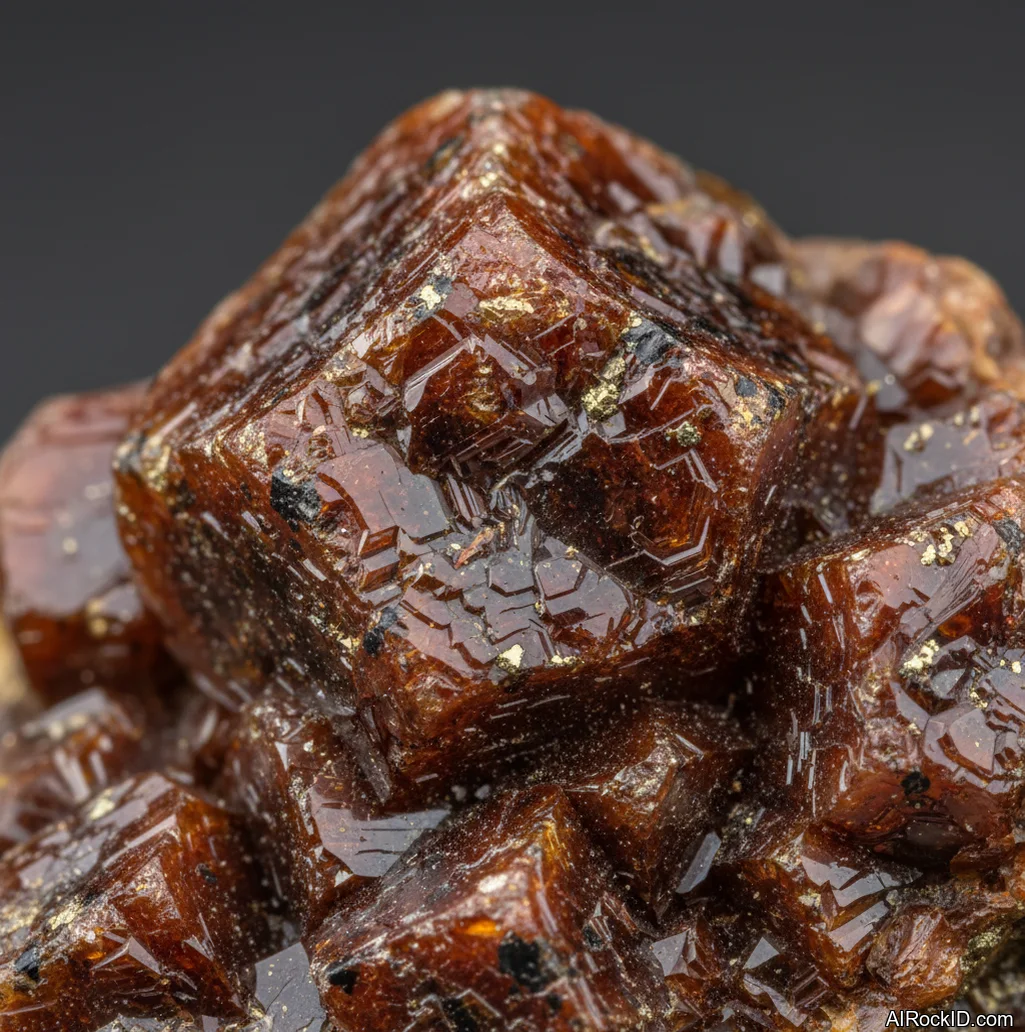
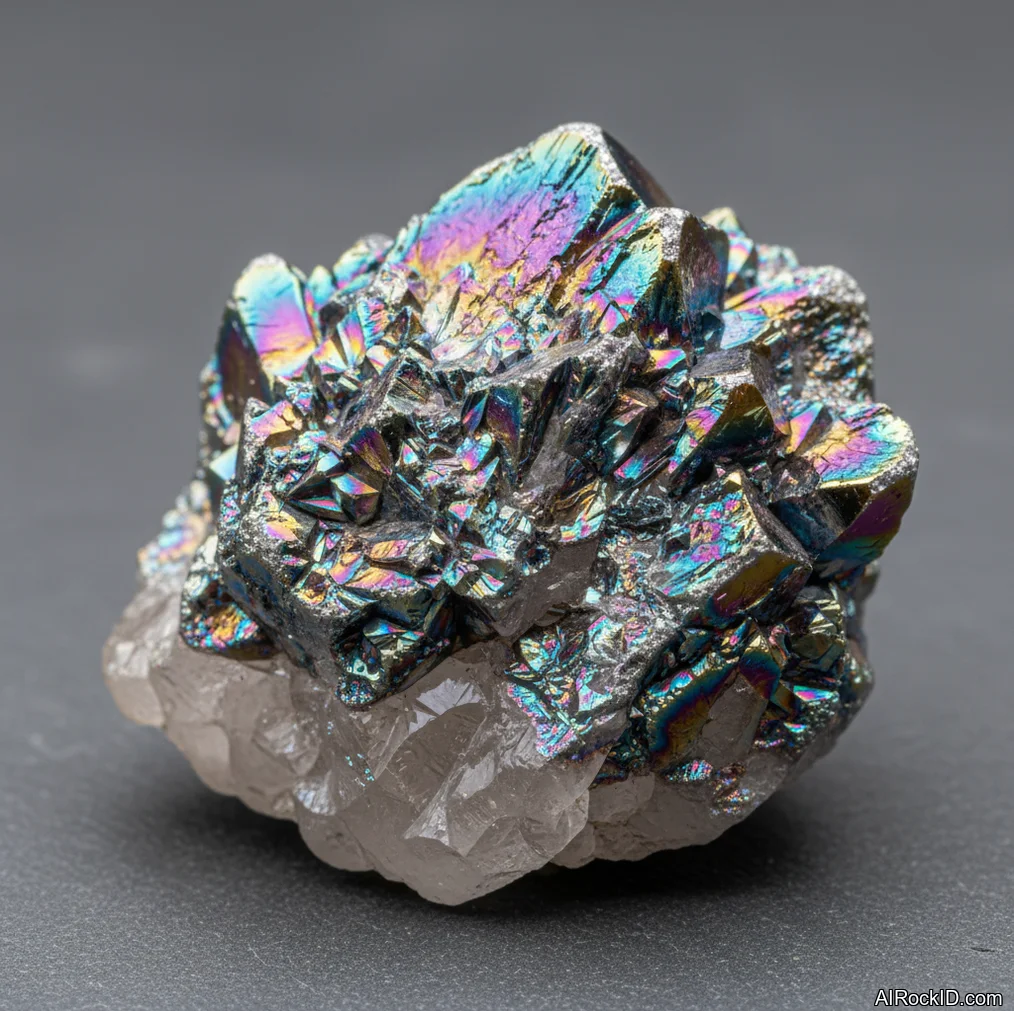
If you want something that feels regal, Pyrite scratches that itch. It’s heavy for its size, and you notice that weight first when you drop a cube into your palm. The edges can be surprisingly crisp. But it’s brittle, so don’t toss it loose in a pocket with keys. Pyrite also tarnishes in humid conditions, and some pieces can shed a sulfur smell if they’re damp. Store it dry. A little silica packet in a specimen box isn’t overkill.
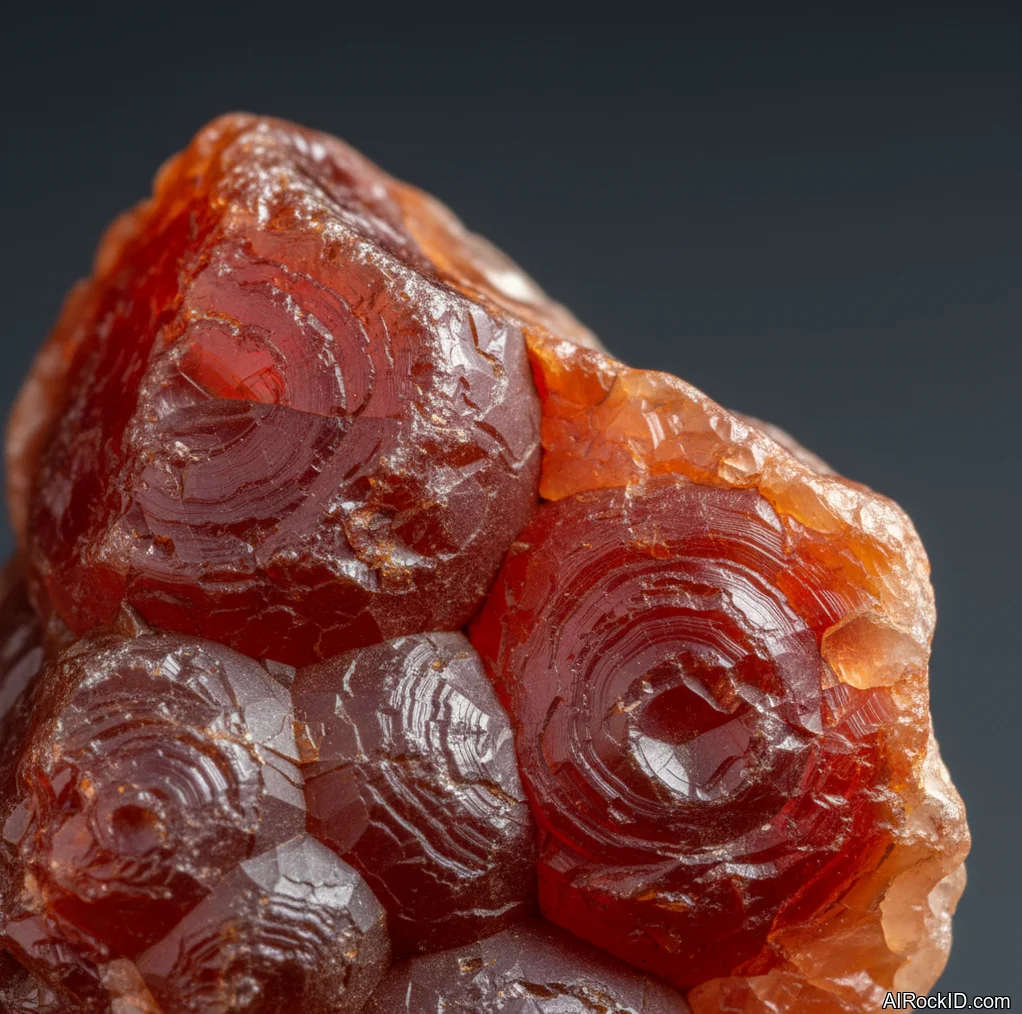
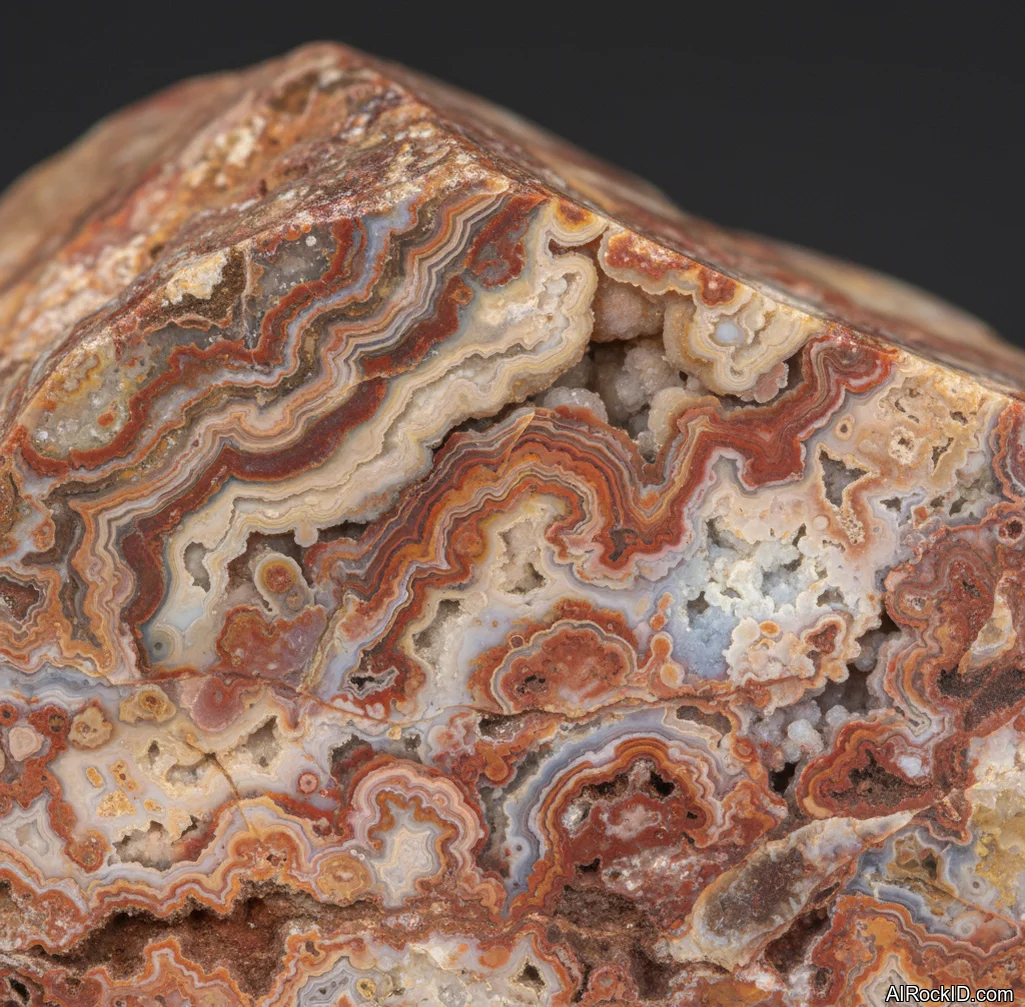
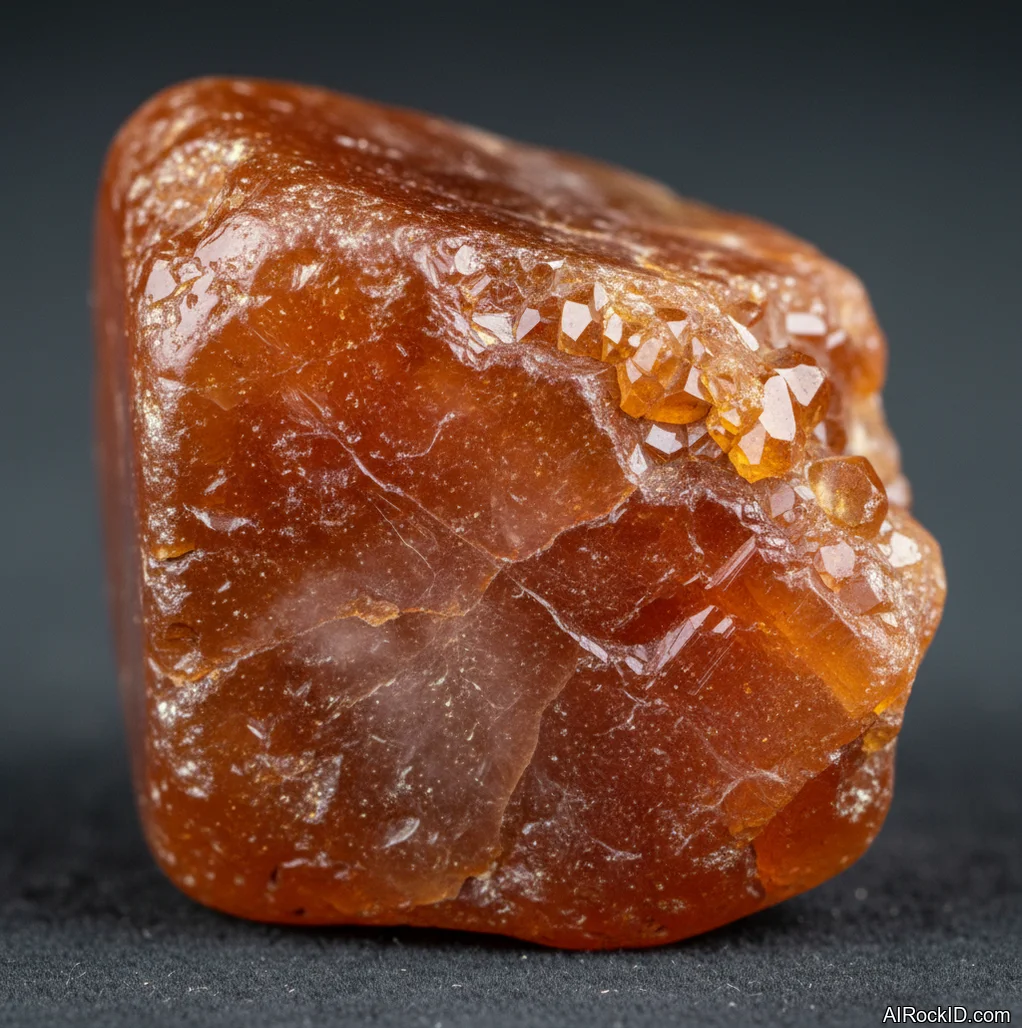
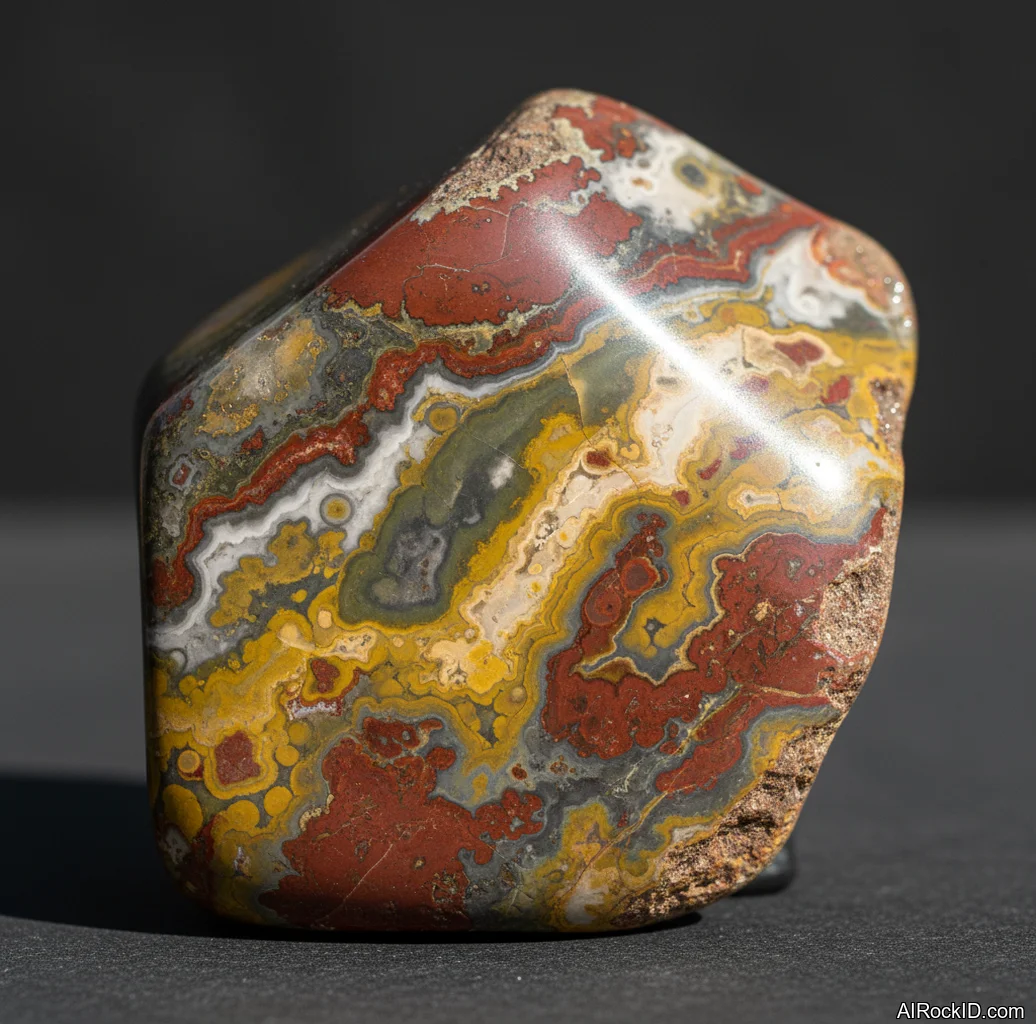
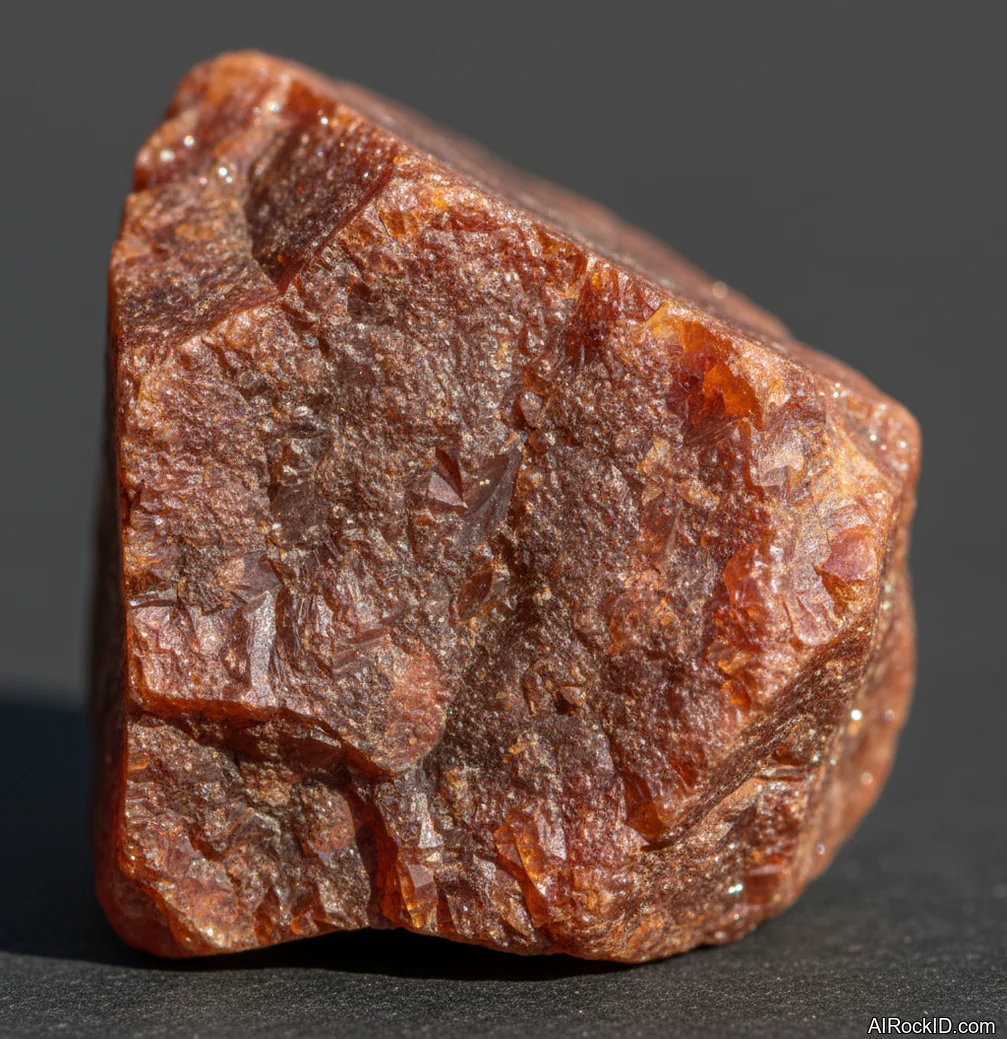
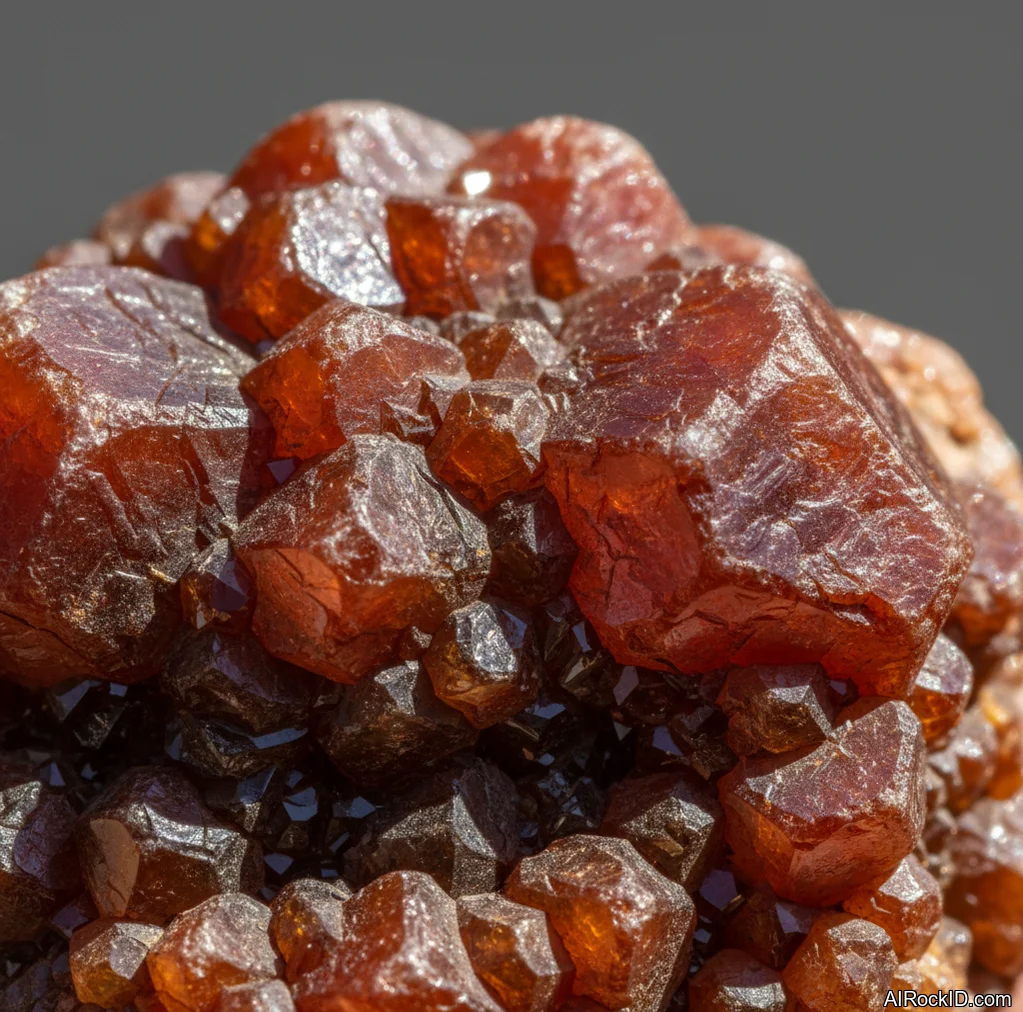
Carnelian gets picked for Leo a lot because it’s about output. Not theory. Output. The best carnelian has a juicy orange-red body color and a slightly waxy luster when polished. Cheap versions can look chalky or too pink, and dyed agate is everywhere (unfortunately). Hold it up to a phone flashlight: if you see obvious dye pooling in cracks or a weird neon rim, pass. For daily use, I like a simple carnelian worry stone because it warms quickly in the hand and it’s hard enough to take abuse.
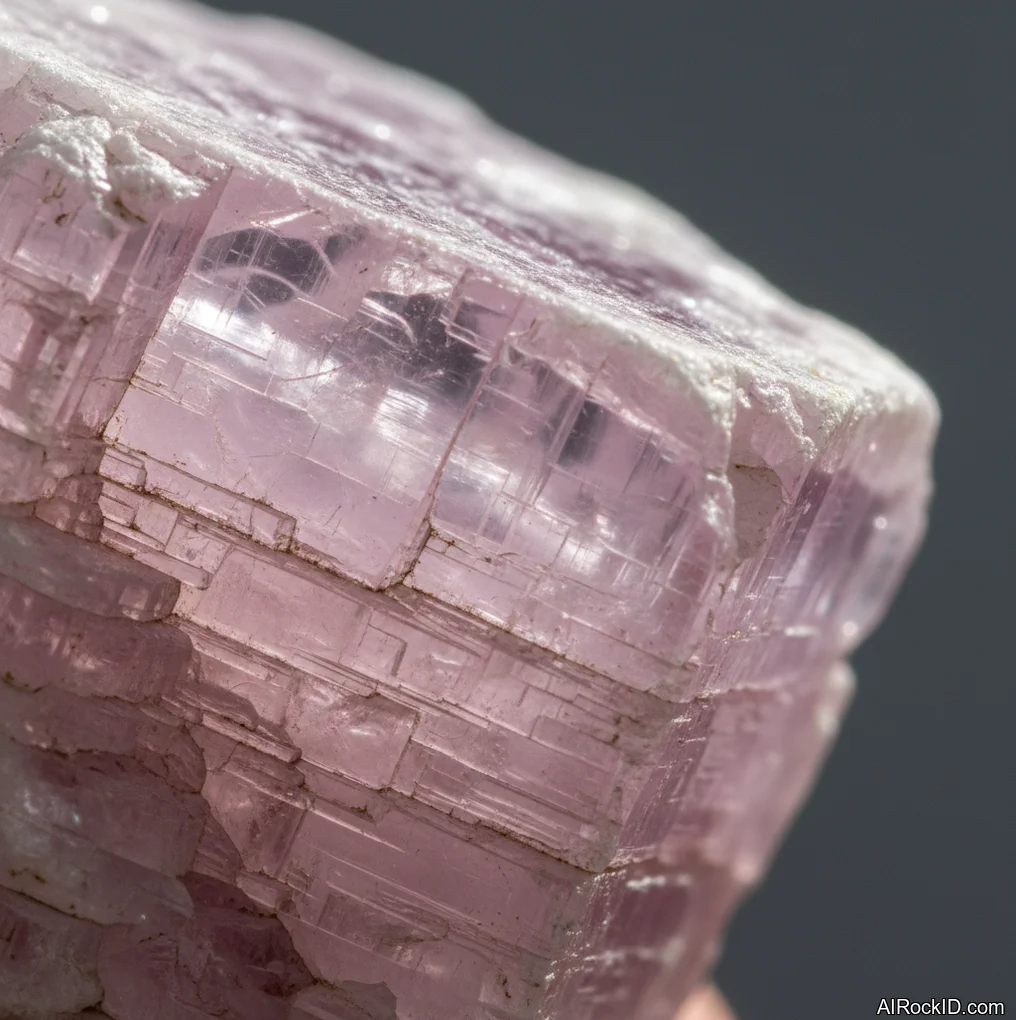
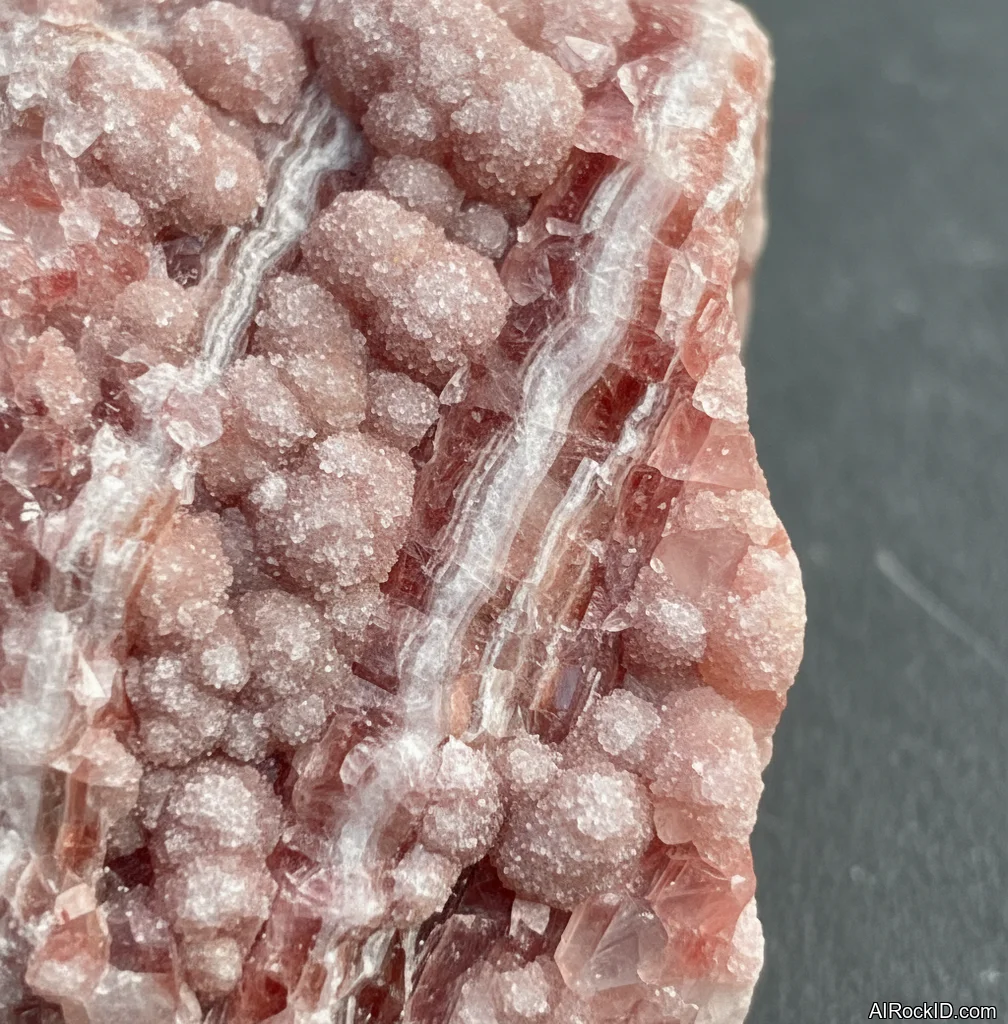
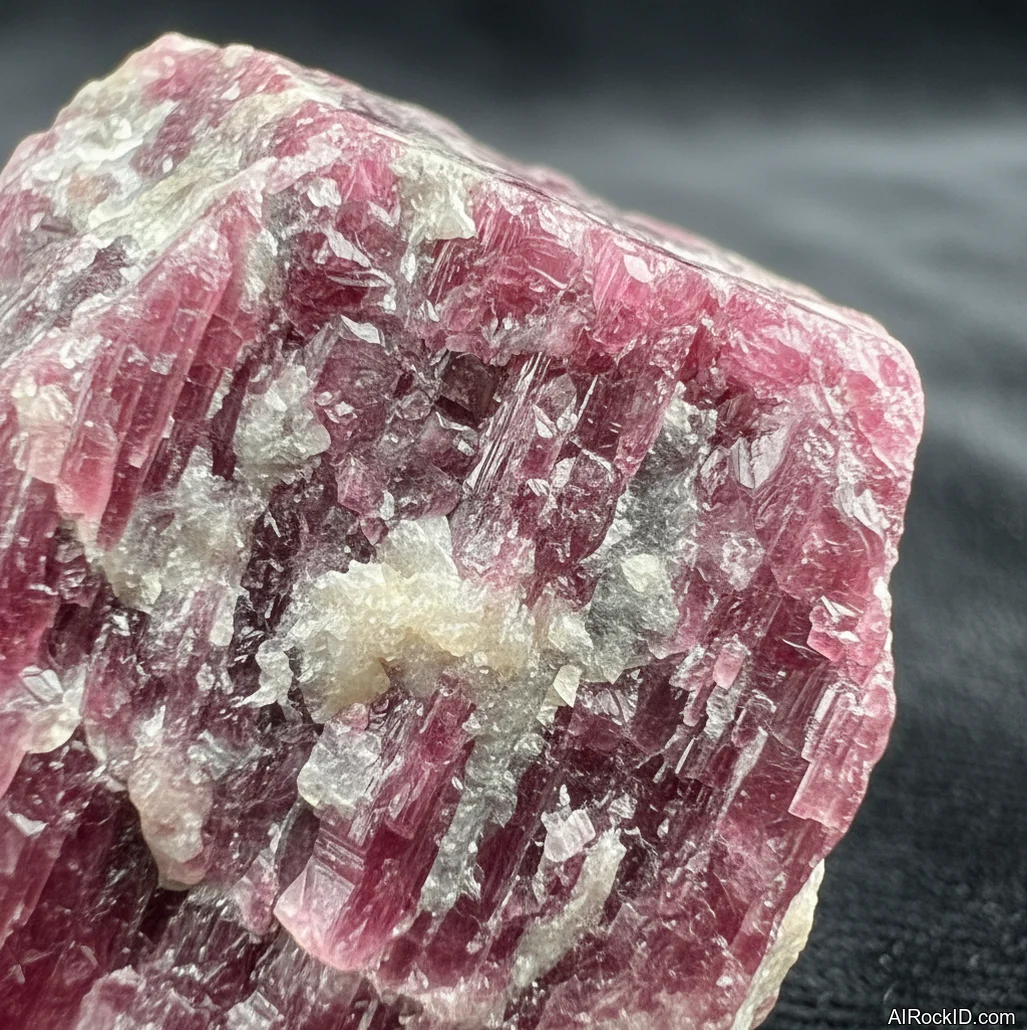
There’s also a softer side to Leo crystals that people forget. Rose Quartz shows up when the “lion” energy turns into defensiveness or pride. It’s not flashy, but a good chunk from Madagascar has that gentle, cloudy translucence and a cool, soapy feel. And if you ever see star rose quartz, tilt it under a single point light and you’ll catch the asterism. Subtle, but real. Pairing Rose Quartz with something solar like Sunstone is a nice balance when you want confidence without armor.
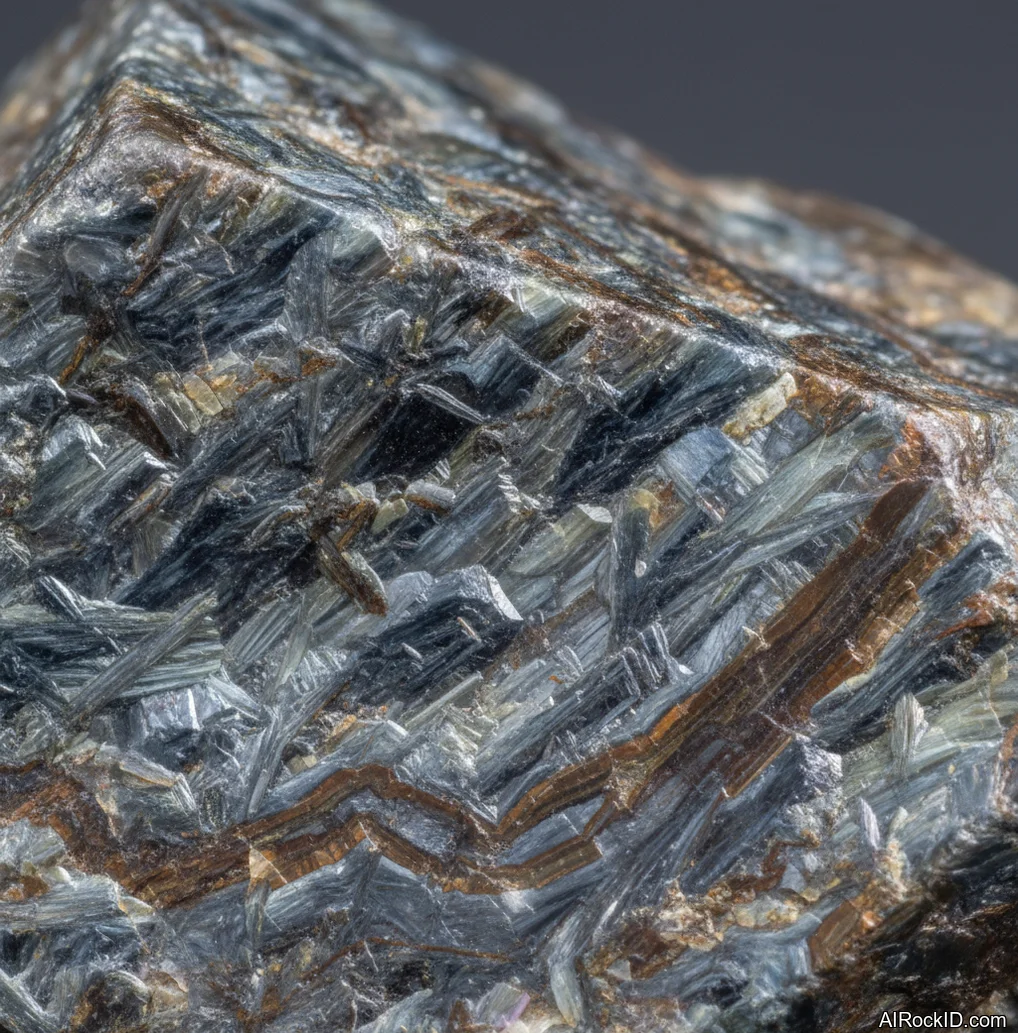
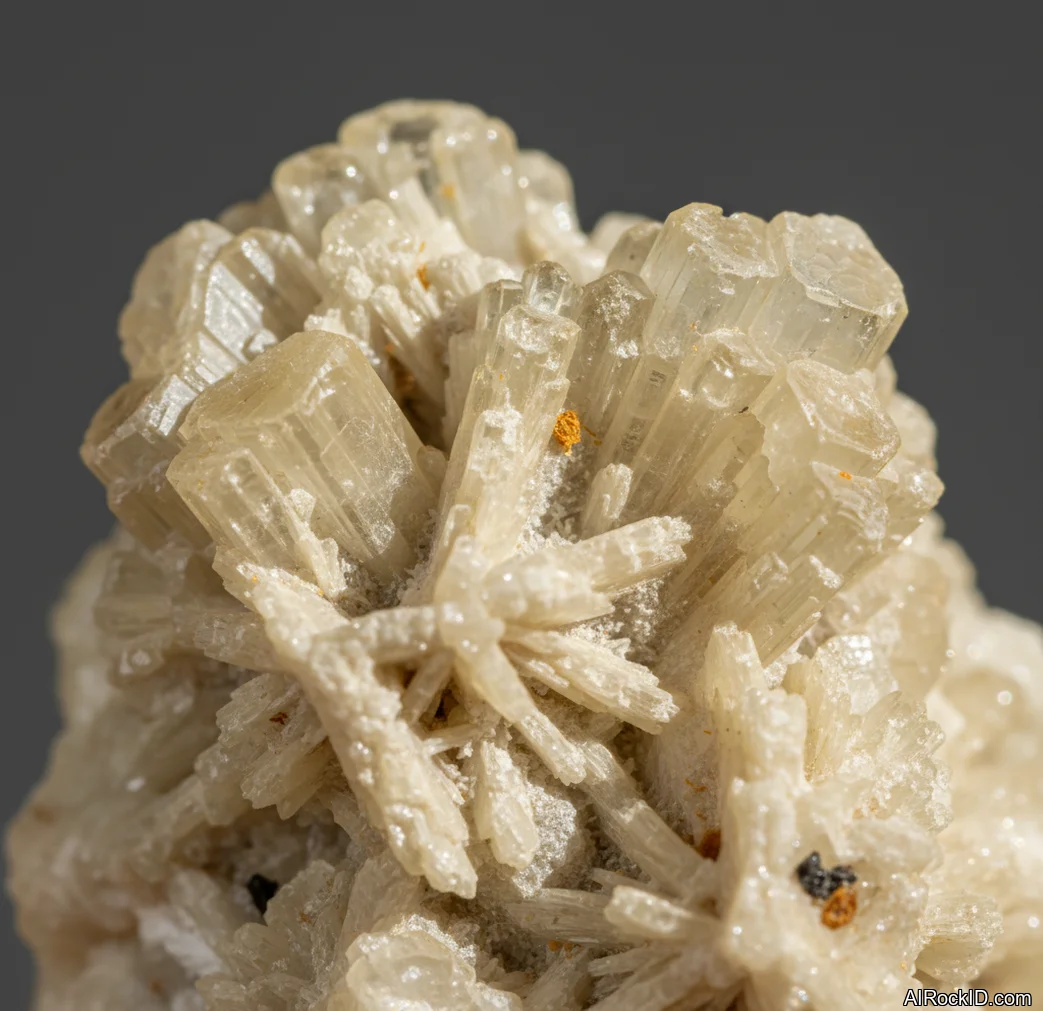
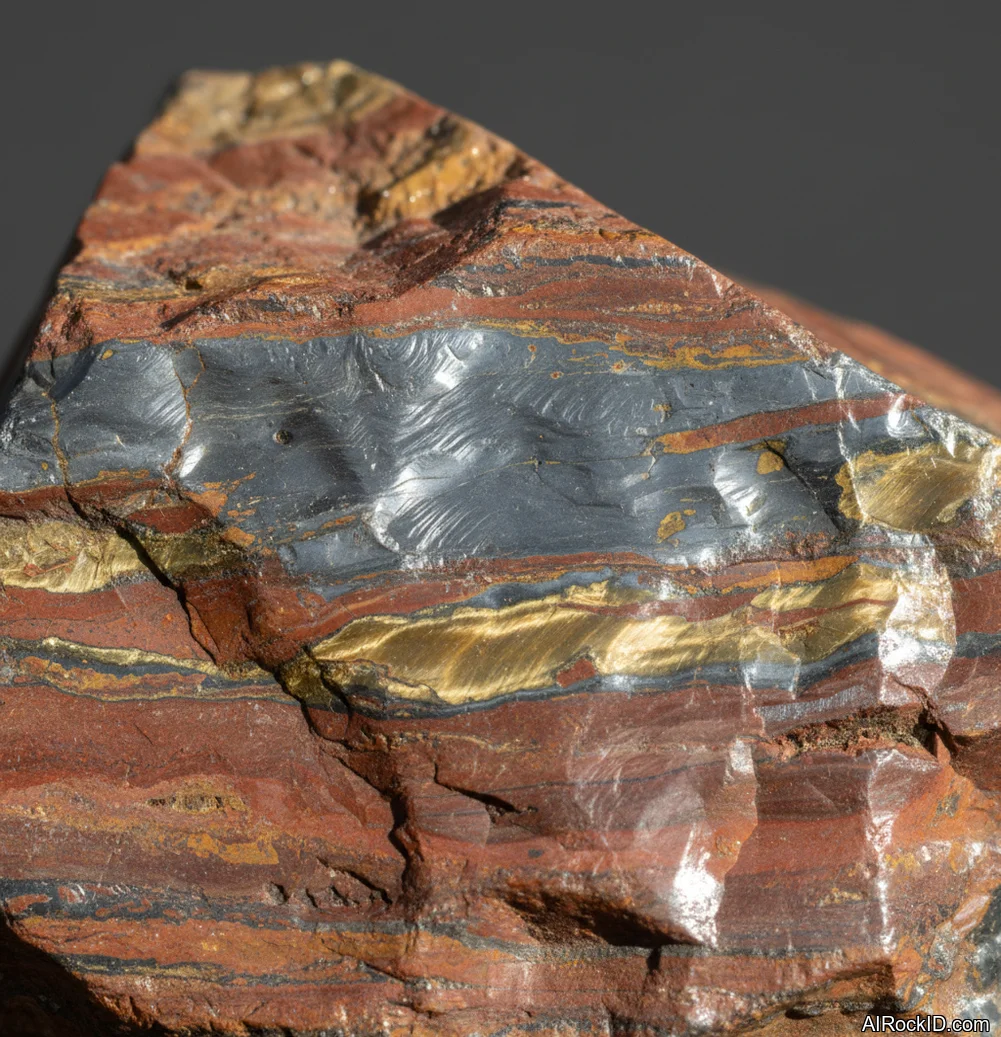
So how do you work with Leo crystals without turning it into a shelf-decoration situation? Keep it simple. Pick one stone for visibility and one for steadiness. Sunstone or Citrine for that “I’m here” vibe, then Tiger’s Eye or Hematite for staying grounded when attention shows up. If you’re doing a desk setup, put the brighter stone where light hits it. You’ll mess with it more. For carry stones, go smaller than you think. A 20 to 30 mm tumbled piece disappears in a pocket, and you’ll actually keep it on you.
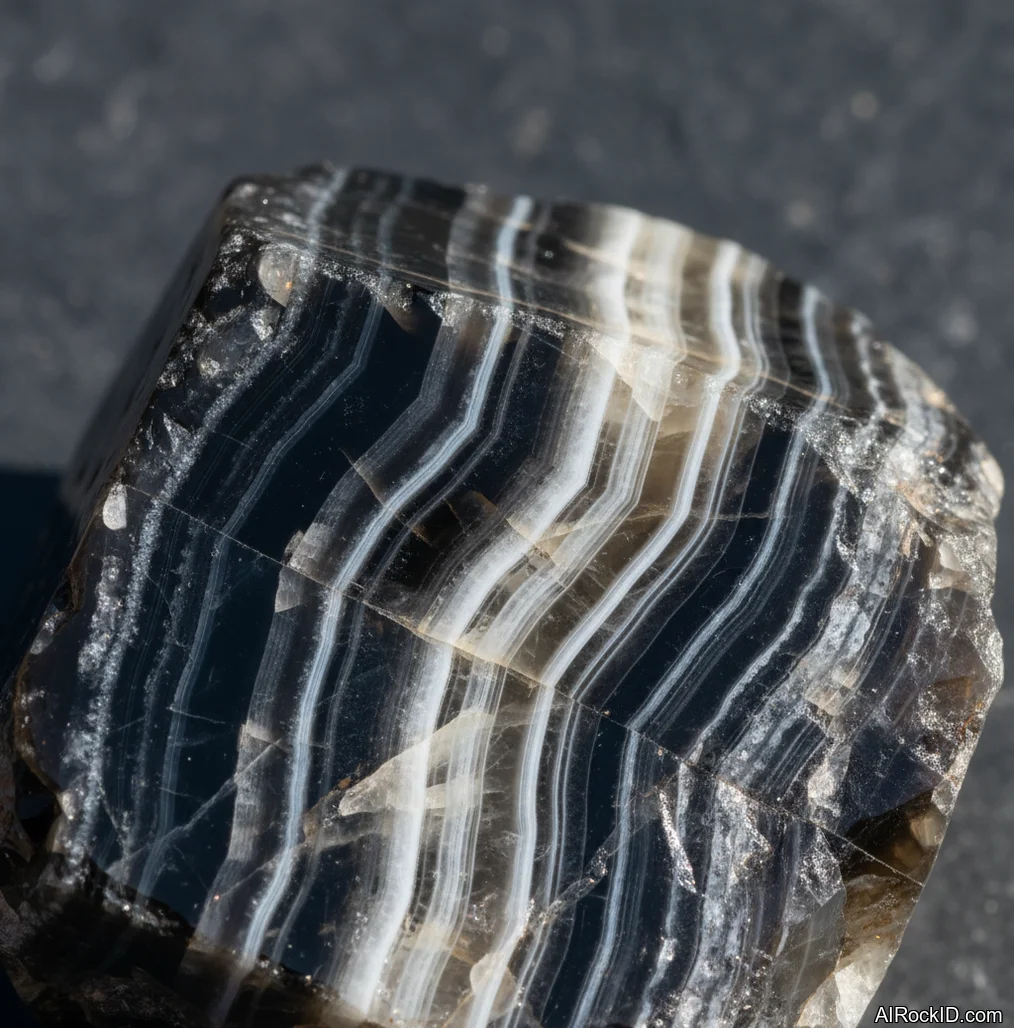
Compared to water-sensitive stones, most Leo favorites are pretty forgiving, but there are still gotchas. Pyrite and Hematite don’t love moisture. Selenite will scratch and dent if you breathe on it wrong. Polished Calcite can get cloudy if you clean it with the wrong thing. Use a dry microfiber cloth first, then a barely damp wipe if you have to, and dry it right away. And if you’re into sun-charging, remember that some colors fade on a windowsill. Amethyst and some dyed stones are the usual victims, but even warm-toned pieces can wash out over time.
Buying tips matter because “Leo crystal” gets slapped on anything golden. The real test is surface and structure. For Tiger’s Eye, you want that moving eye. For Sunstone, you want directional flash, not glitter that looks like craft sparkle. For Citrine, you want believable color and clean growth patterns, not that roasted look. Ask where it’s from. A seller who knows their material can usually tell you if the Sunstone is Oregon, India, or Tanzania, or whether the citrine is natural or treated. If they get vague fast, that’s information.
If you’re building a Leo kit from scratch, start with one you love visually. You’re going to pick it up more often. Then add one “workhorse” stone that can take daily handling. I’ve carried Tiger’s Eye that’s been knocked against coins for months and it still looks good, while a softer stone like selenite would’ve been chewed up in a week. Look, Leo energy is about consistency as much as shine, and your stones should match that.
All Leo Crystals (101)