Abundance Crystals
Learn what Abundance means in crystal work and explore the best Abundance crystals, how to choose real stones, and simple ways to use them daily.
Abundance sounds like money talk, but in crystal circles it usually means something bigger: enough. Enough cash to breathe, sure. But also enough opportunities, enough energy to finish what you start, enough support around you, and enough self-worth to actually take in good things when they show up.
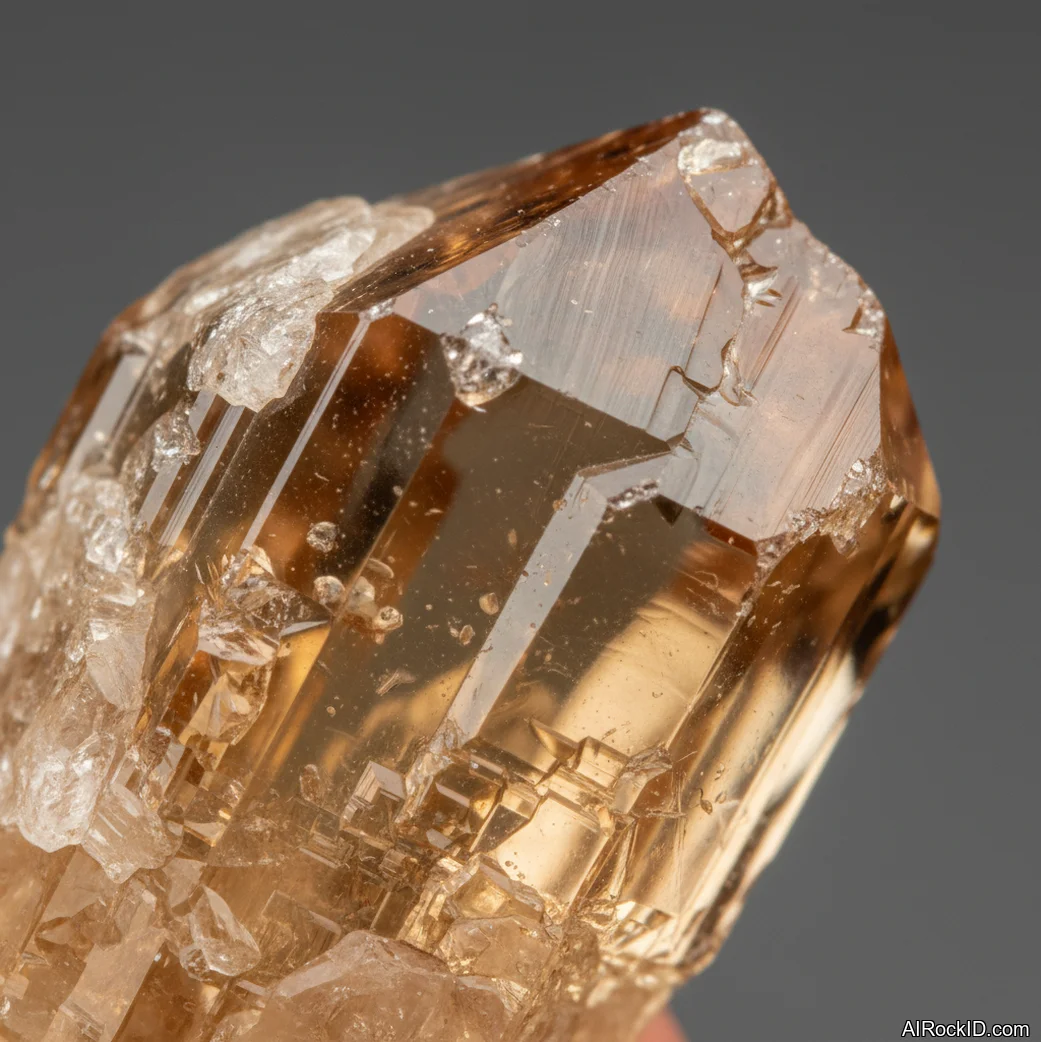
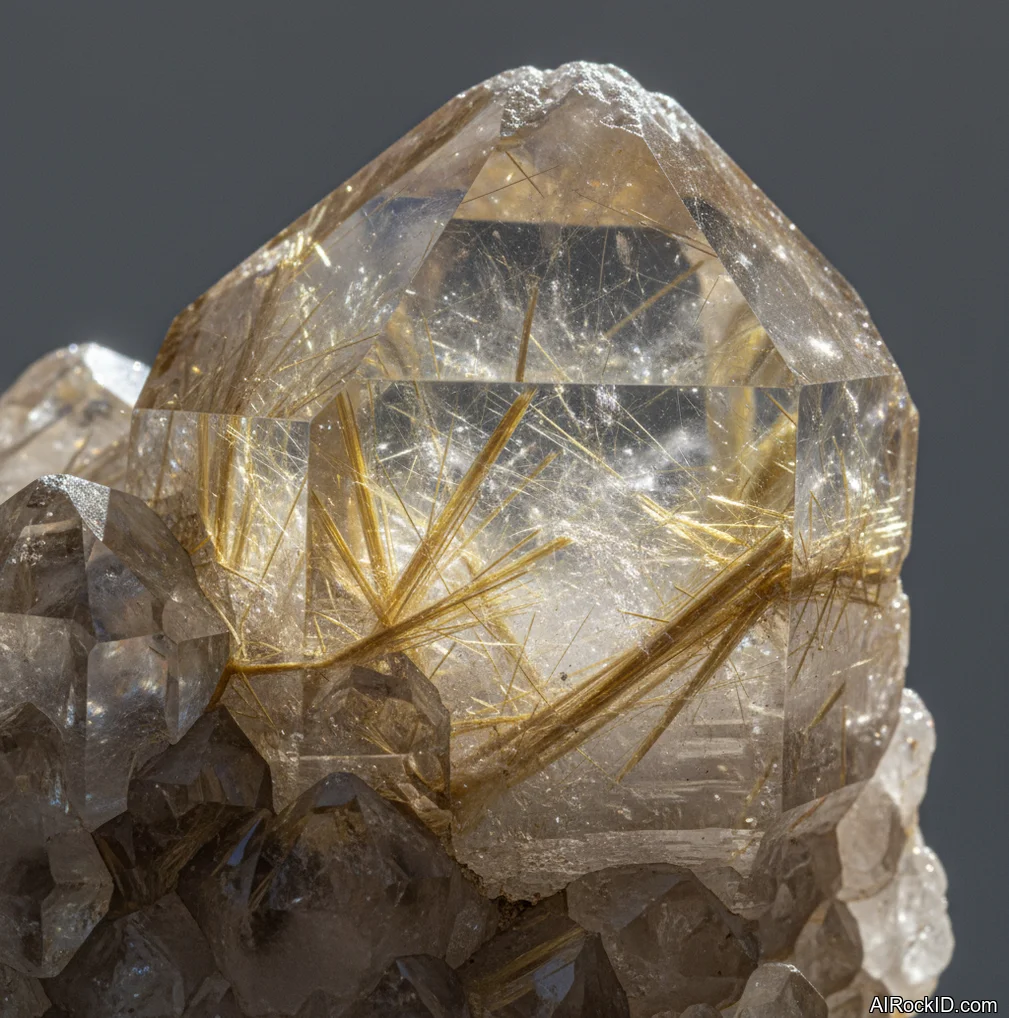
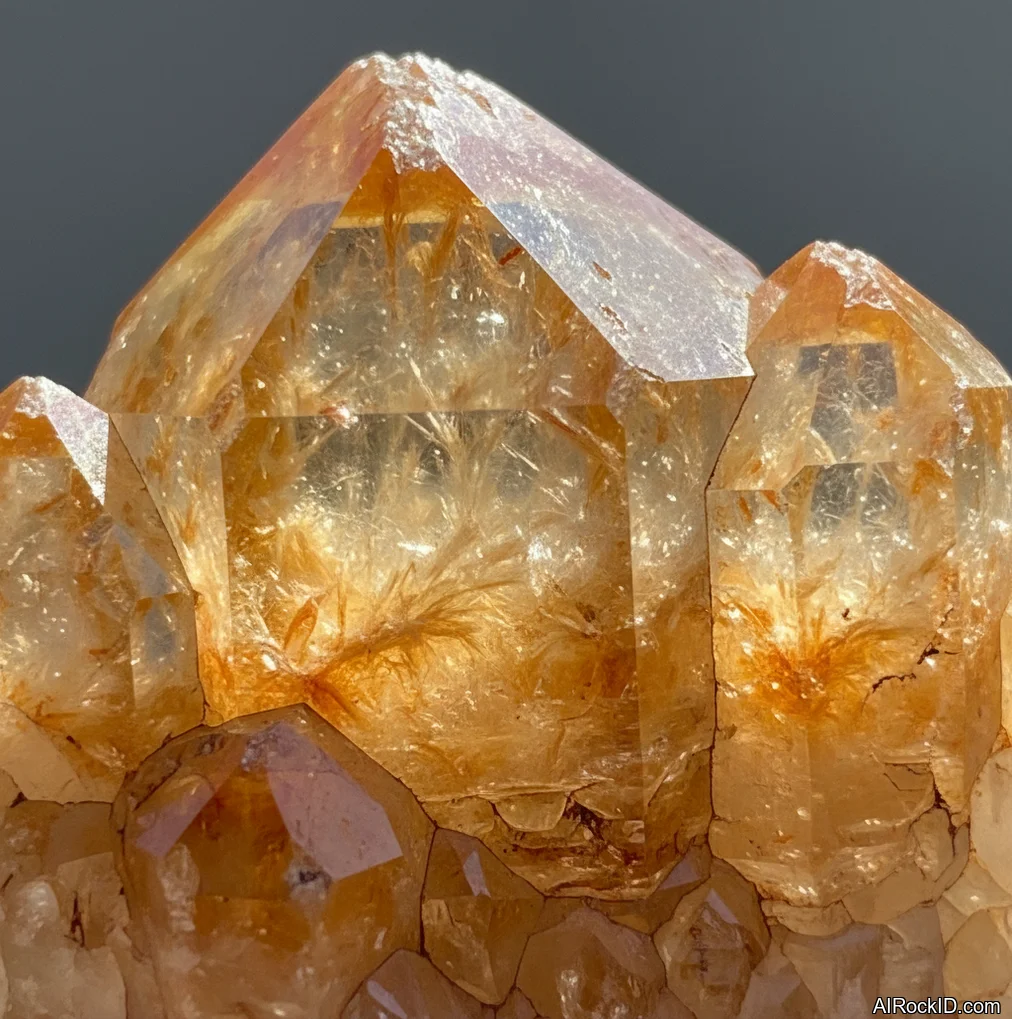
Grab a stone people label “abundance” and you’ll catch the vibe pretty quickly. It’s not the sleepy, inward feel of something like lepidolite. Abundance stones tend to feel bright, weighty, or just plain motivating in the hand. Citrine is the obvious one. Real citrine (not baked amethyst) has a softer, smoky honey tone, and it stays cool to the touch like quartz does. I’ve carried a small tumbled piece in a pocket for so long the edges went satin-smooth, and it’s the kind of stone that makes you want to do the boring stuff: send the invoice, apply for the job, clean the desk.
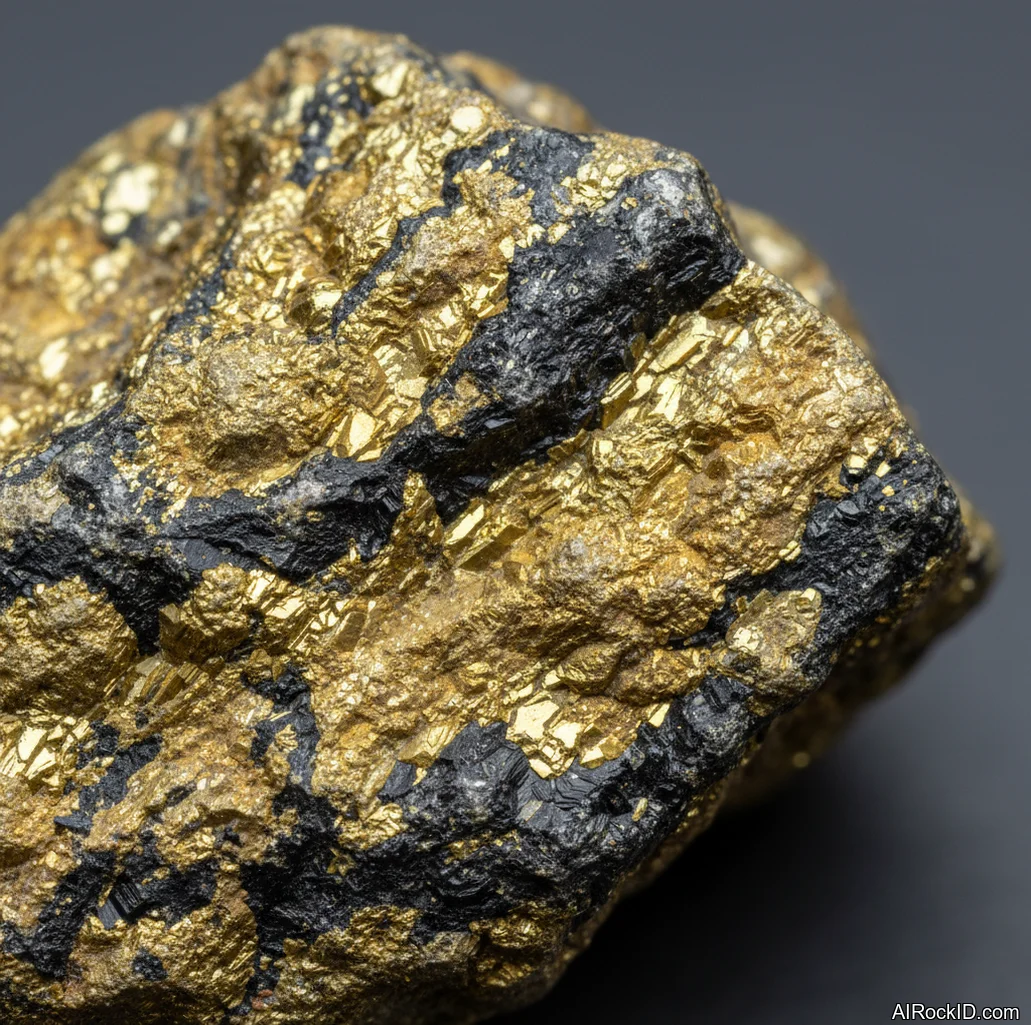
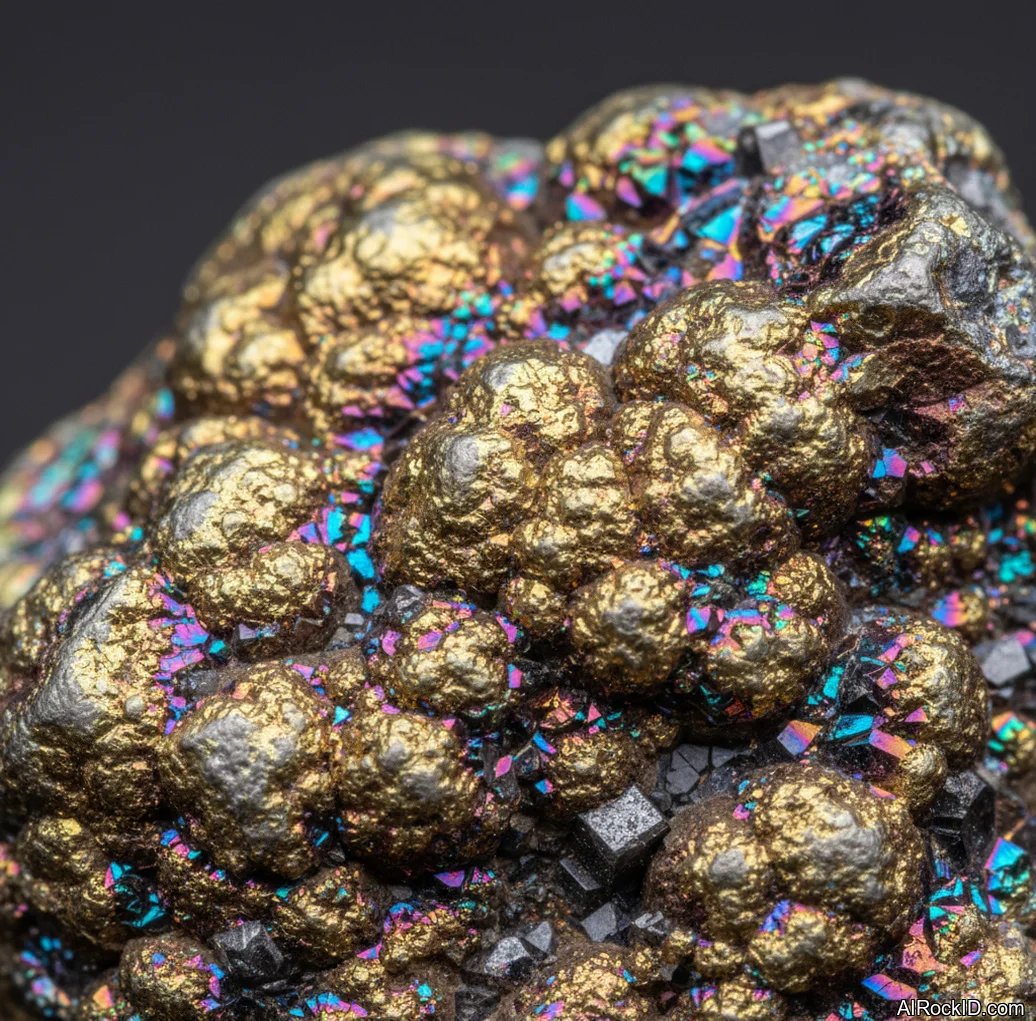
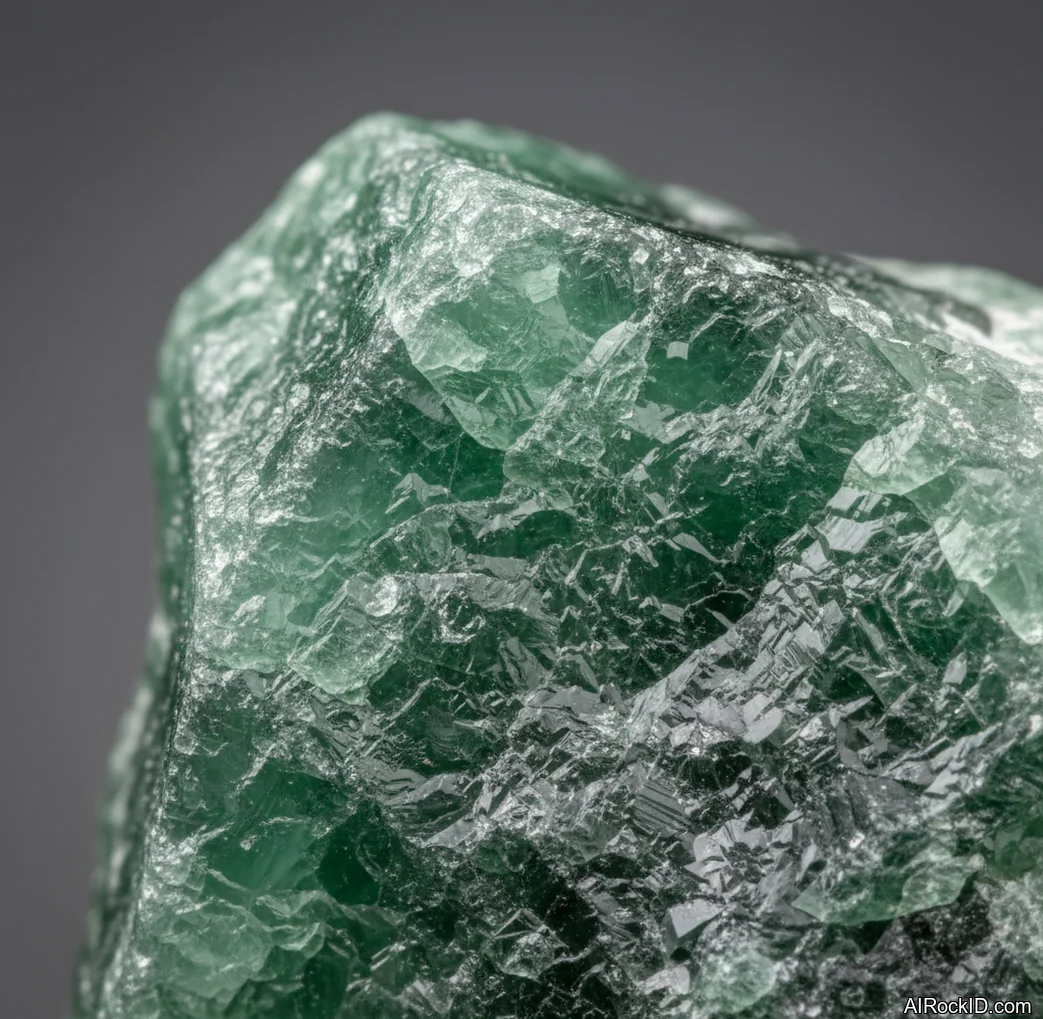
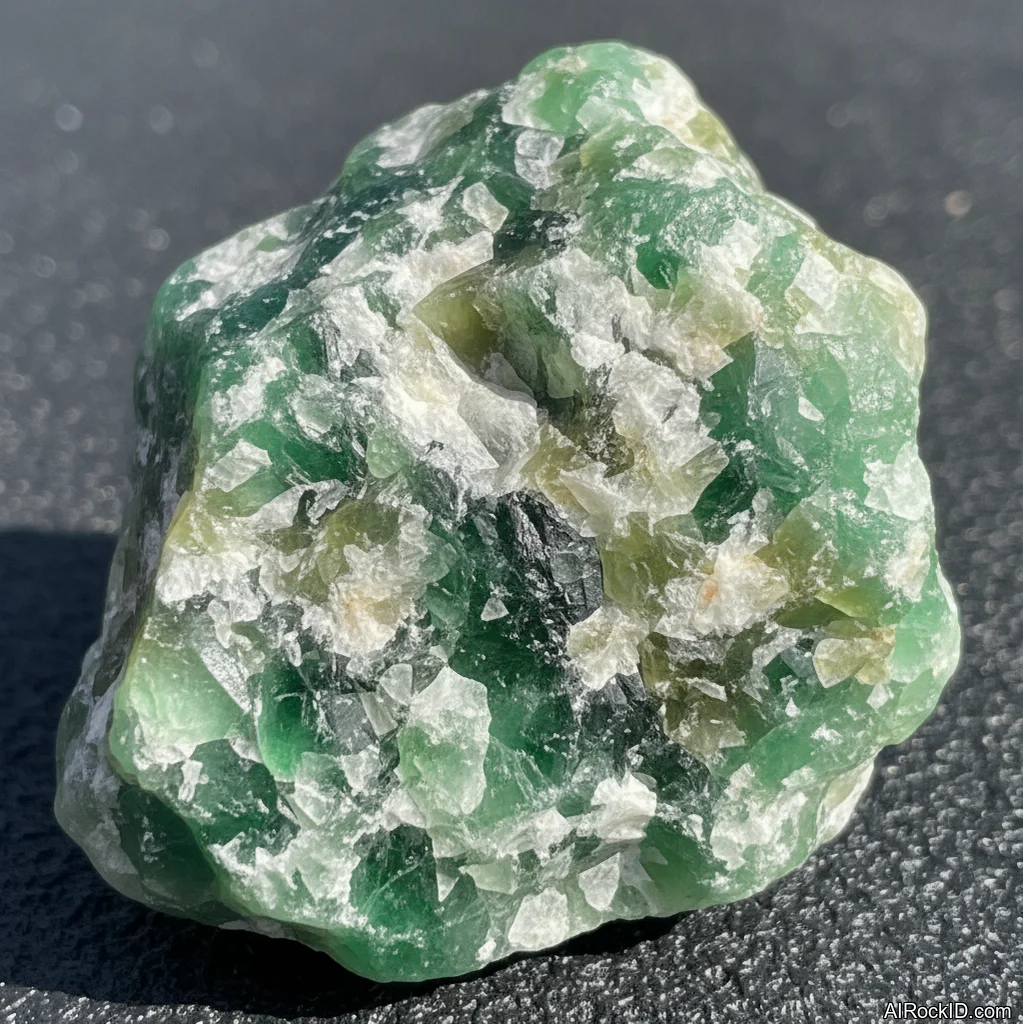
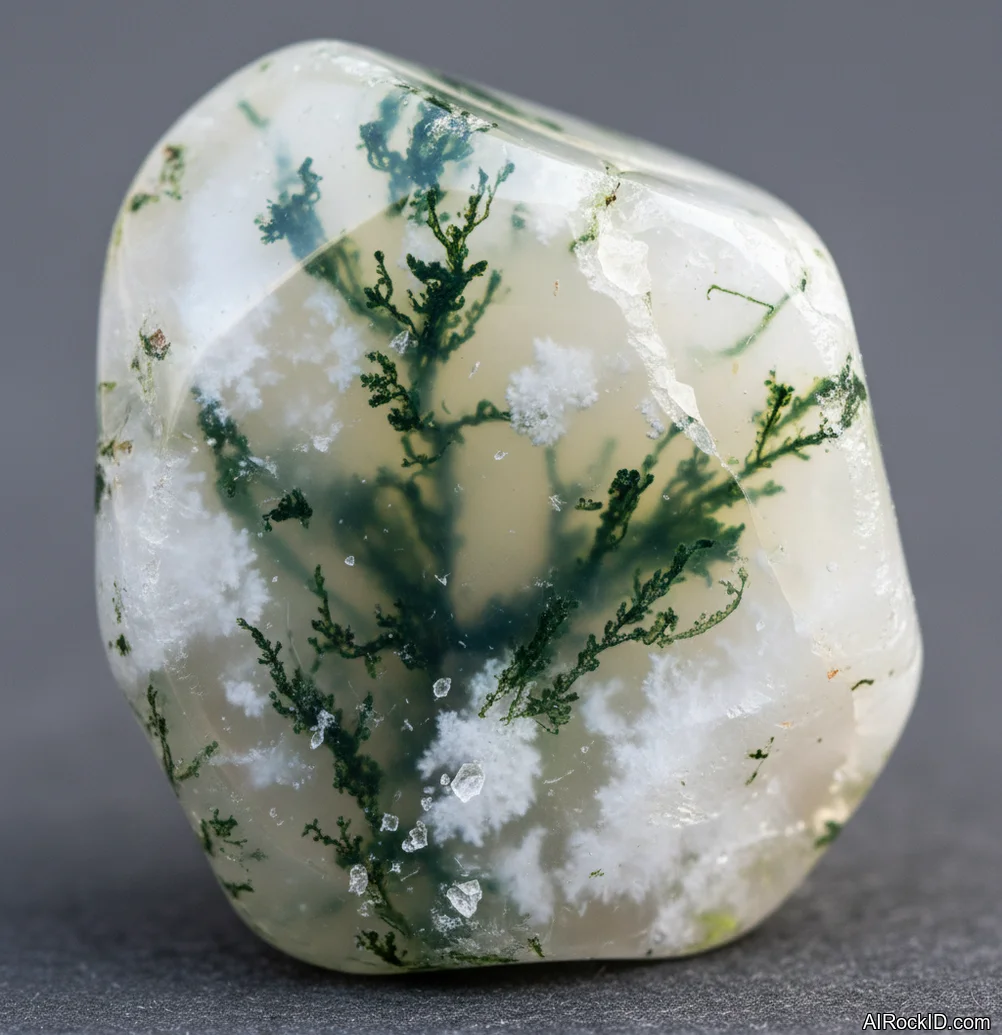
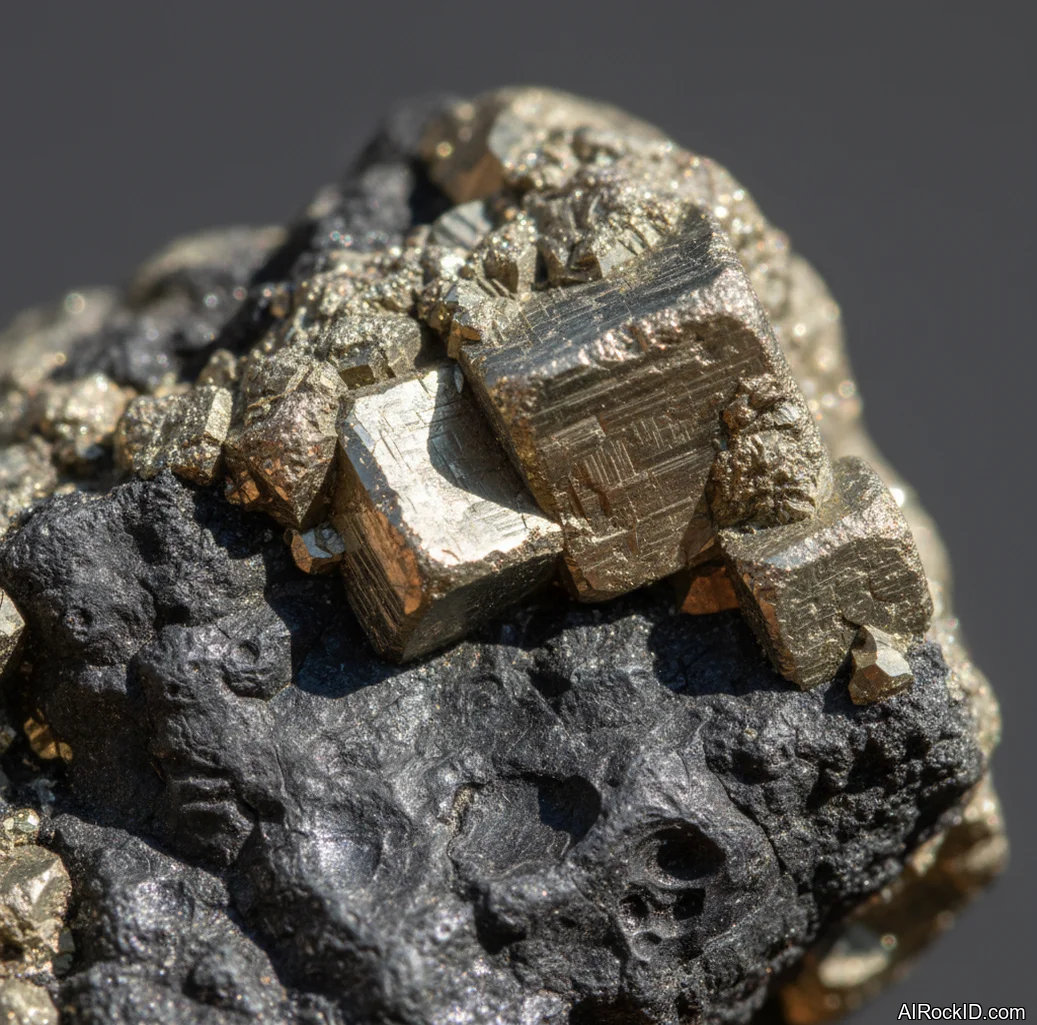
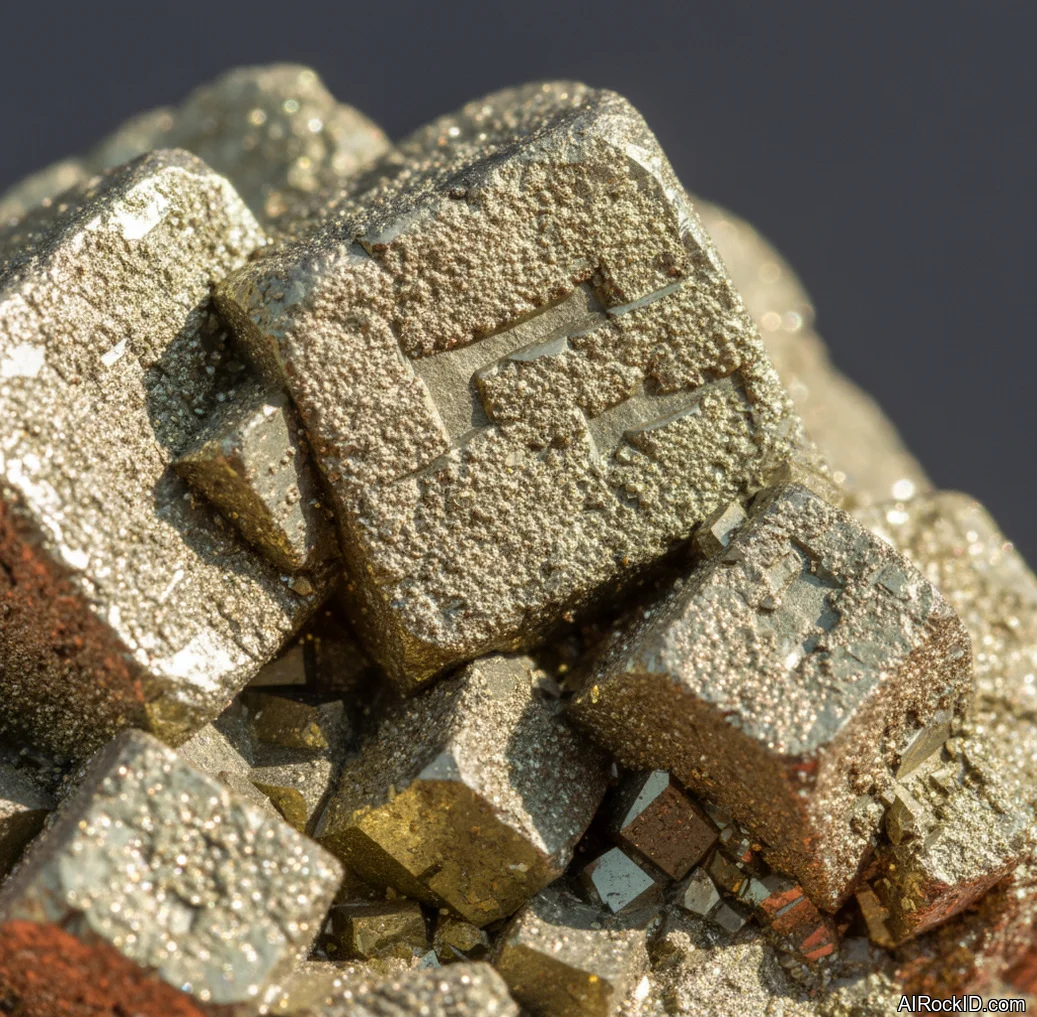
A lot of people go looking for abundance crystals when they’re trying to break a “stuck” loop. New work. Better clients. A change in spending habits. Starting a side project. And sometimes it’s not even about cash. Green aventurine gets picked for growth because it’s gentle and steady. It’s usually a soft green quartz with tiny mica flecks that shimmer when you tilt it under a lamp. It’s easy to live with, and that’s why folks keep it on a nightstand or in a wallet. Then there’s pyrite, which is a whole different mood. Good pyrite feels dense for its size, with crisp cube faces or striations that catch light like little mirrors. It’s a classic “get it done” stone. But it can be crumbly if the piece has fractures or was stored damp, so don’t toss a rough chunk in a wet plant pot and expect it to stay pretty.
Abundance work with crystals usually comes down to two things: focus and repetition. You pick a stone that matches the kind of abundance you want, then you keep it where decisions actually happen. Desk. Cash box. Phone stand. The kitchen counter where you do budgeting. I like pairing stones with a physical action so it doesn’t turn into wishful thinking (because that’s a trap, right?). For example: keep citrine by your laptop and touch it before you send proposals. Put pyrite near your planner and tap it when you finish the task you’ve been avoiding. Use jade or green aventurine when you’re trying to build consistency, because those stones don’t feel “spiky” the way pyrite can.
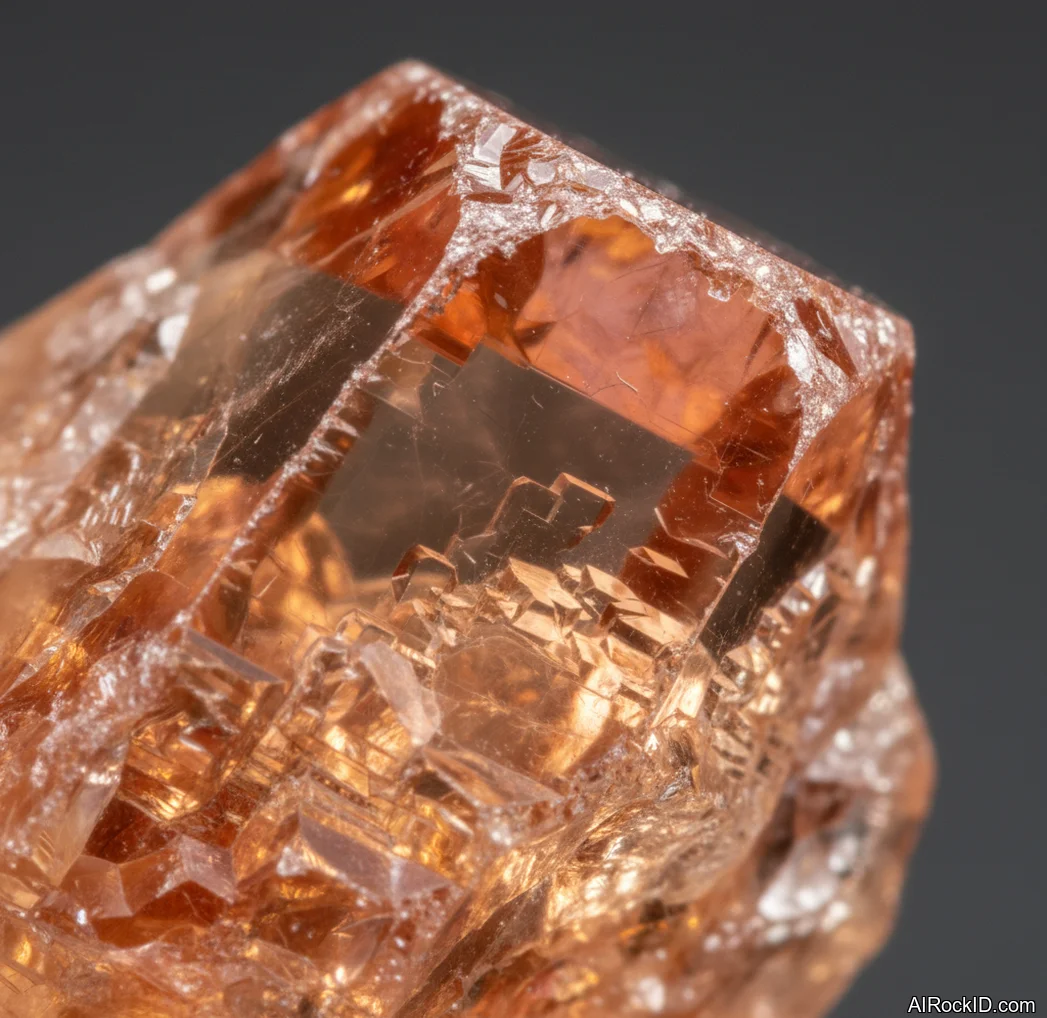
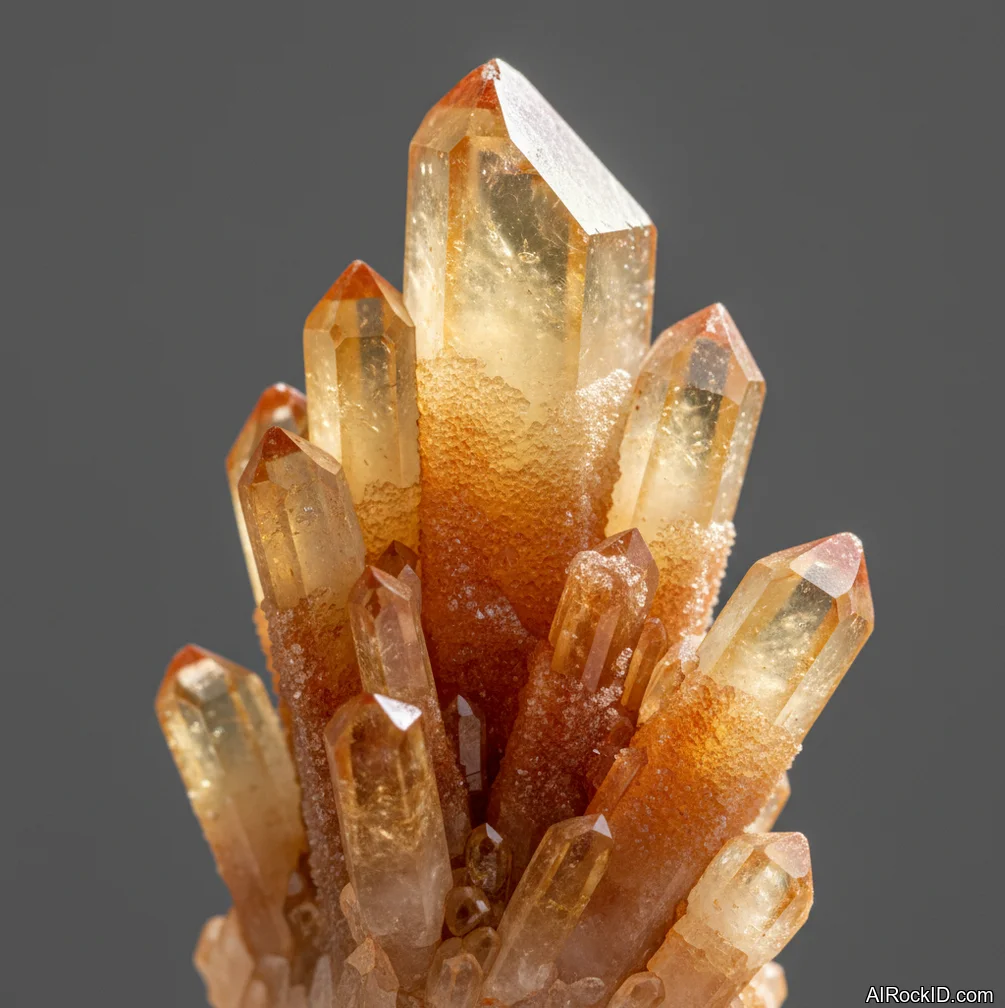
Thing is, you’ve gotta watch the buying side of abundance stones, because this category is packed with market tricks. The big one is citrine. A lot of what’s sold as citrine is heat-treated amethyst or smoky quartz, and the giveaway is color that looks too saturated and too even, especially the bright orange tips on a quartz cluster. Natural citrine is commonly paler, sometimes with a smoky undertone, and you don’t usually see that cartoonish burnt-orange look on clean terminations. Another common one is “green goldstone” or other glitter glass being passed off as aventurine. Real aventurine has a softer, mineral sparkle from inclusions, not a uniform disco glitter that looks the same from every angle.
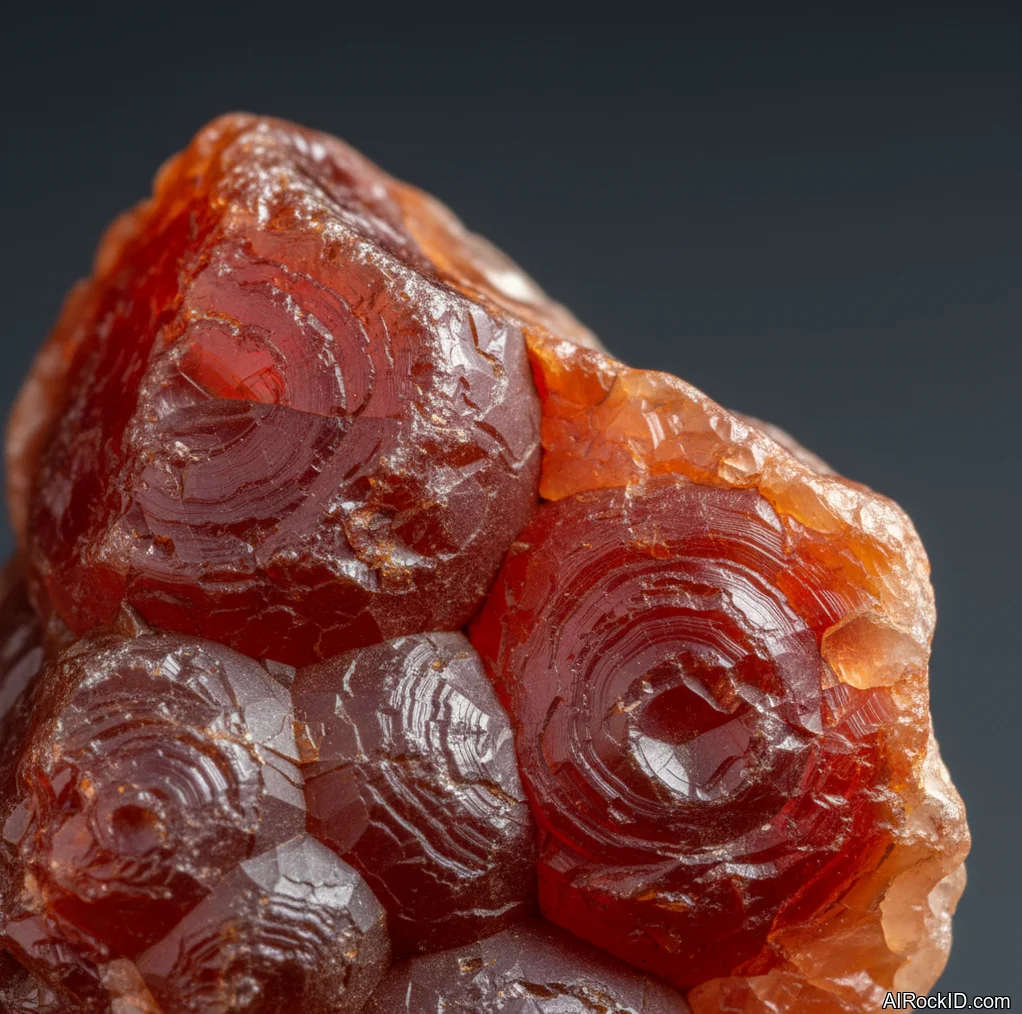
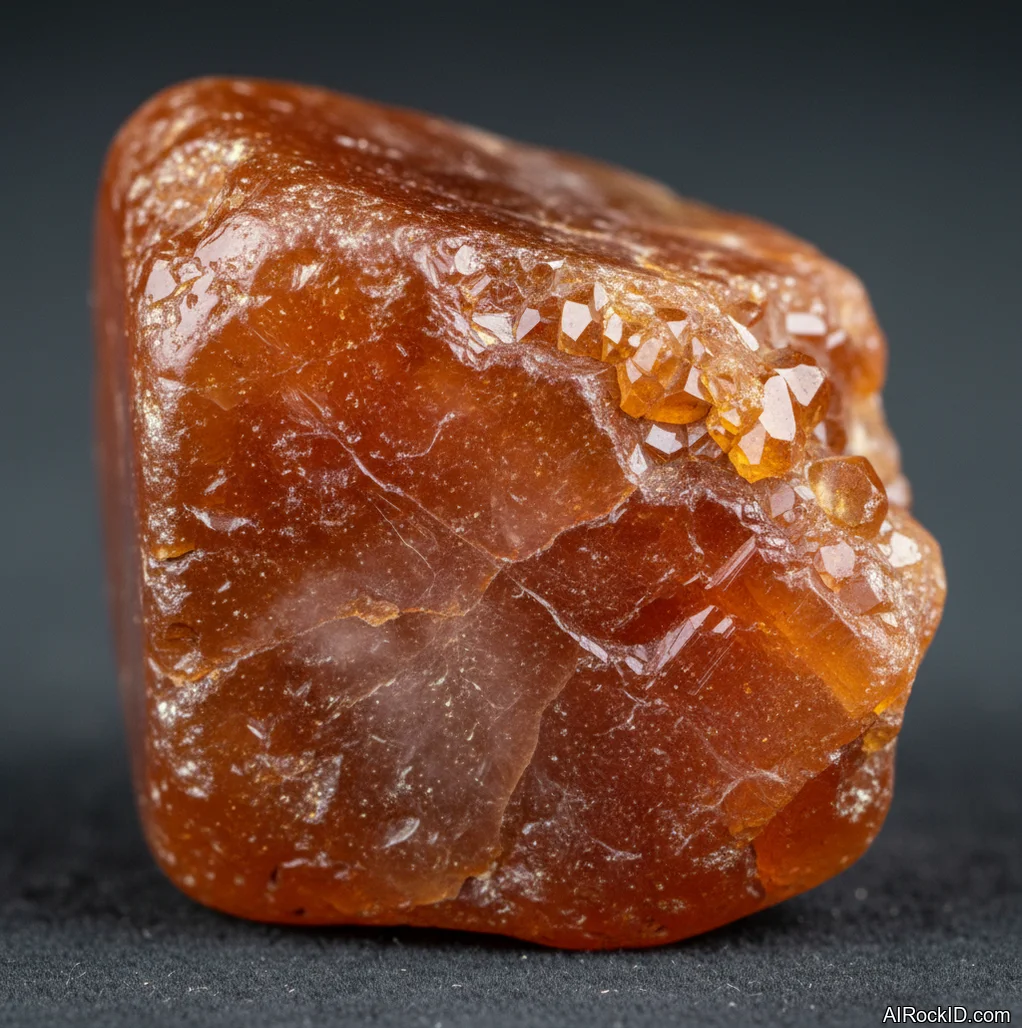
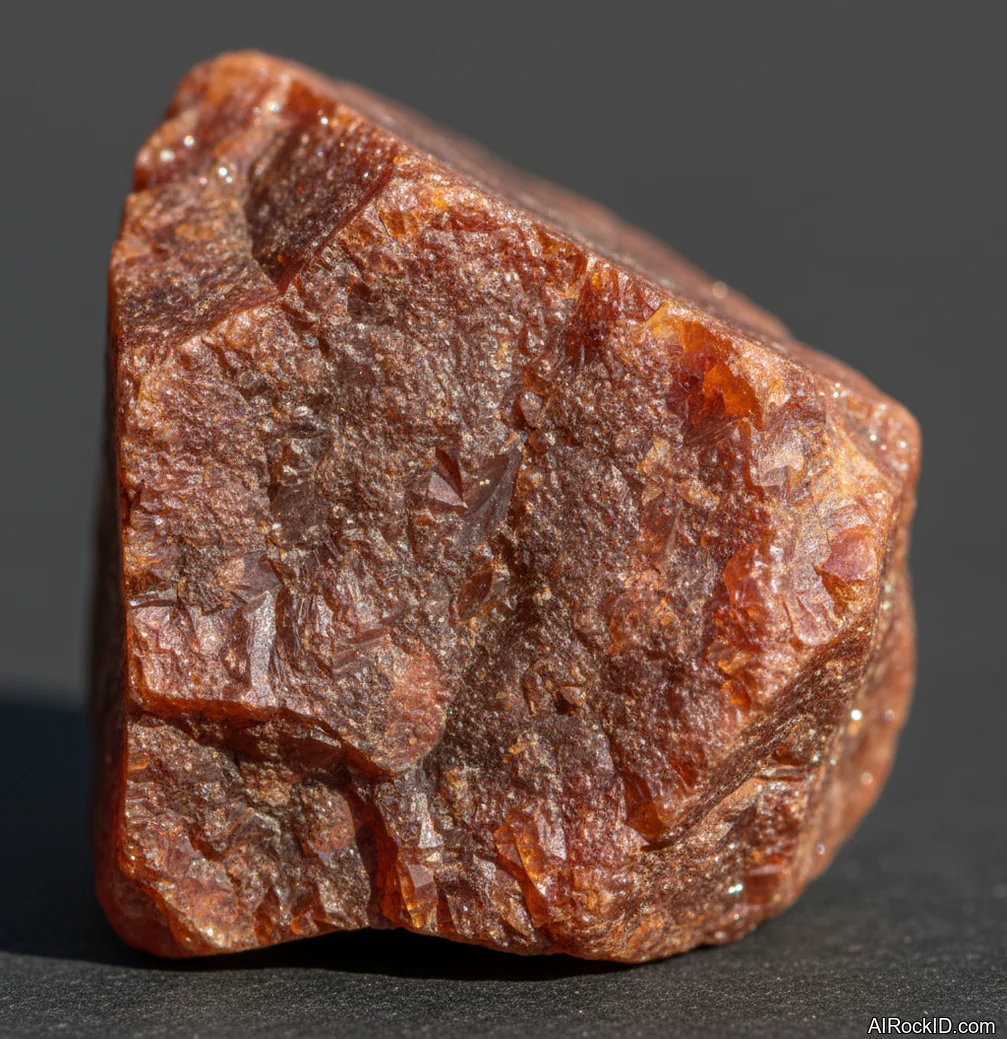
Carnelian shows up on abundance lists too, and I get why. It’s not “money” energy so much as momentum. Good carnelian is translucent at the edges with a warm orange to rusty red body color, and it glows when you hold it up to a phone flashlight. If you see a piece that’s neon orange and totally uniform, it may be dyed agate. That doesn’t mean it’s worthless as a tool. But if you’re paying carnelian prices, you should get actual carnelian.
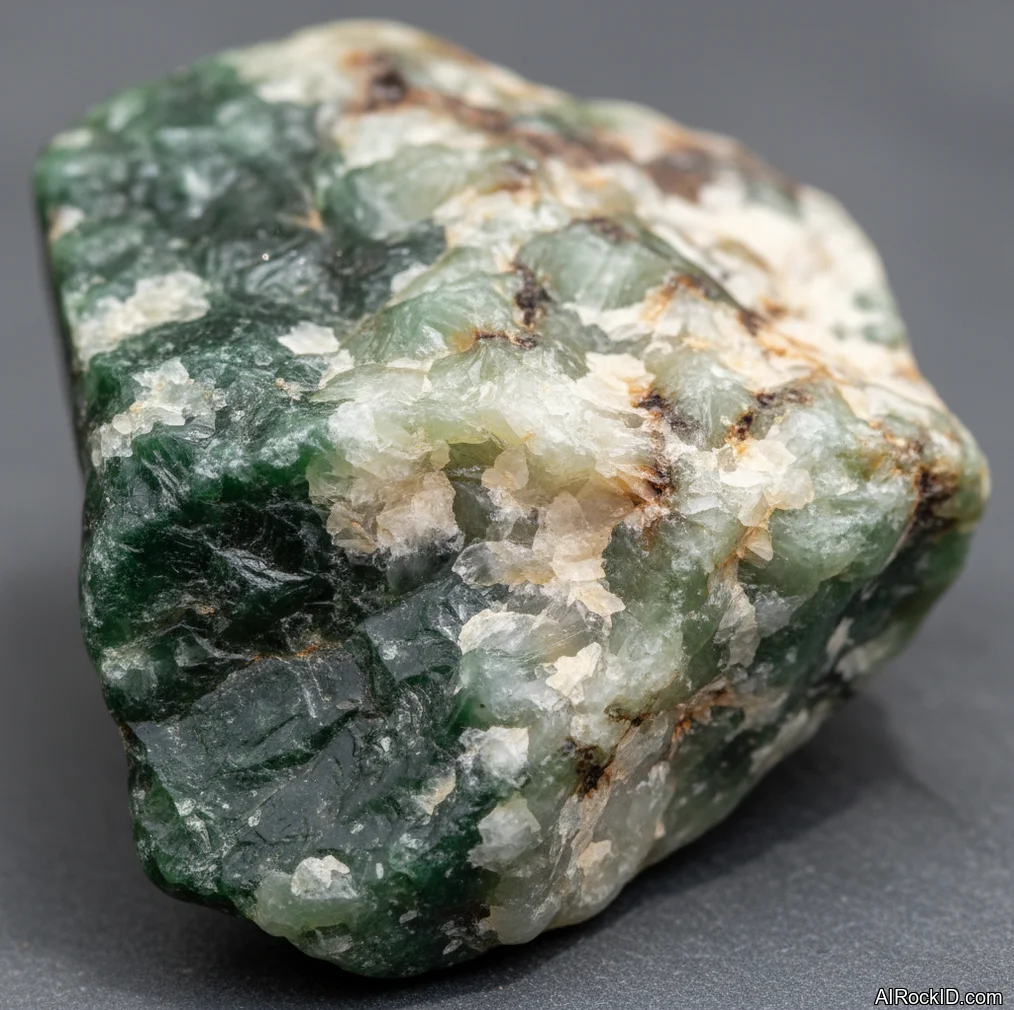
Most dealers also stock abundance stones as tumbled pieces because they’re cheap and easy to carry. That’s fine. But raw material can feel different in practice, mostly because you’re touching natural faces and texture instead of a high polish. A rough pyrite cube has edges that can snag fabric. A raw chunk of green calcite feels waxy and can scratch easily. A polished jade cabochon has that slick, soapy feel and a quiet luster that’s hard to fake. If you’re buying online, ask for a quick video in indirect light. You want to see how the surface behaves when it moves, not just a perfectly lit photo.
Look, here’s a practical way to work with abundance crystals that doesn’t get too mystical: pick one stone for “income,” one for “growth,” and one for “boundaries.” Citrine or pyrite can cover income. Green aventurine or jade works for growth and steady expansion. For boundaries, I like something grounding like smoky quartz or black tourmaline, because abundance leaks fast when you can’t say no. Keep the trio where you handle money decisions, and once a week wipe them down with a dry microfiber cloth. Sounds silly. But it keeps the stones from getting that oily, handled look, and it also locks in a routine.
The problem with abundance crystals is expecting them to do the job for you. They don’t replace a budget, a raise conversation, or a plan. What they can do is keep your attention pointed in the right direction, especially if you tie the stone to a repeatable habit. And if you’re a collector like me, there’s a bonus: the best abundance pieces tend to be satisfying minerals on their own. A sharp pyrite cube from Peru. A clean honey quartz point sold honestly as citrine. A smooth green aventurine palm stone with that subtle shimmer. They’re nice to hold. They look good on a desk. And they keep the idea of “enough” right in front of you when you need it.
All Abundance Crystals (33)