Creativity Crystals
Explore Creativity crystals, what they’re associated with, how to use them in daily practice, and tips for choosing real stones with good color and cut.
Creativity, in a crystal context, isn’t just “making art.” It’s that little snap when your brain stops wearing the same mental rut and suddenly hands you a new angle. New color combos. A better sentence. A fix you flat-out didn’t see yesterday. People reach for Creativity stones when they feel blocked, fried, or stuck doing the safe, boring repeats. It’s less about forcing inspiration and more about getting your head and hands back into playful, curious mode.
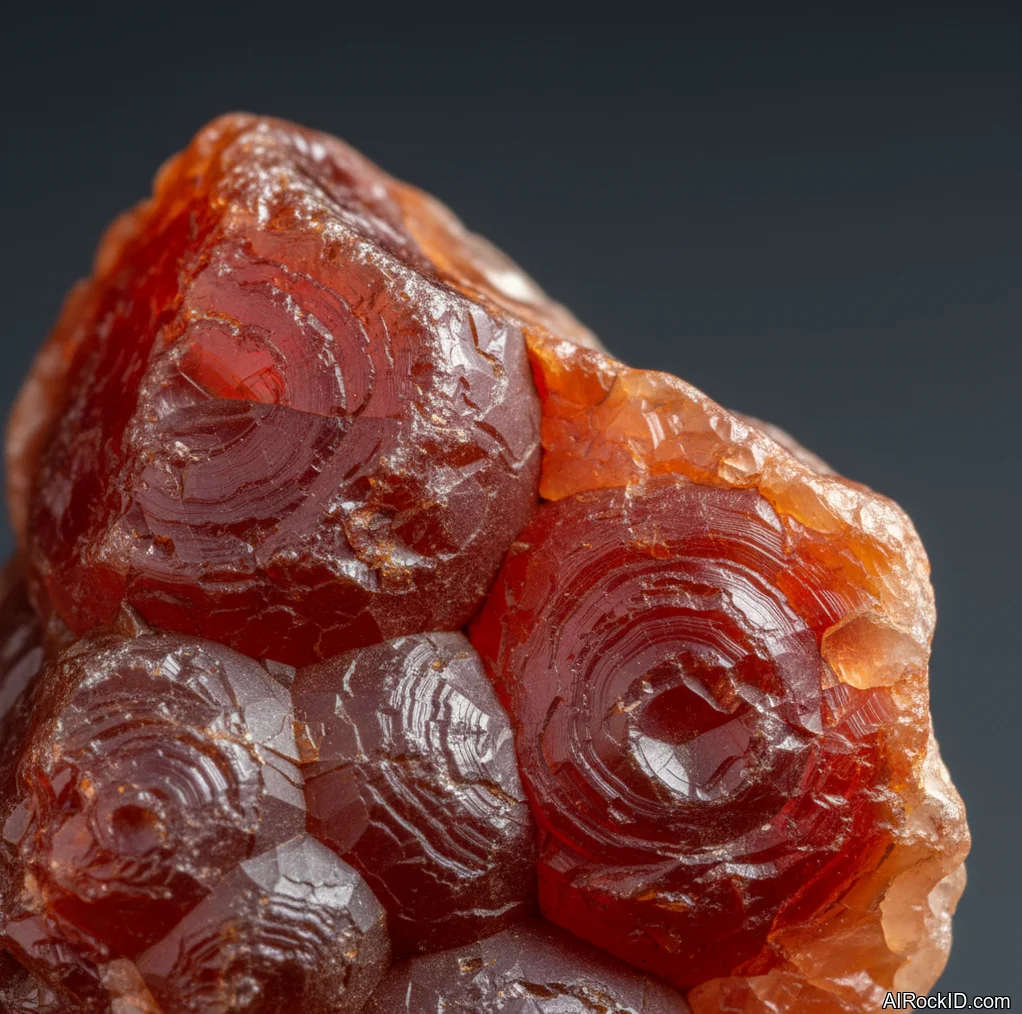
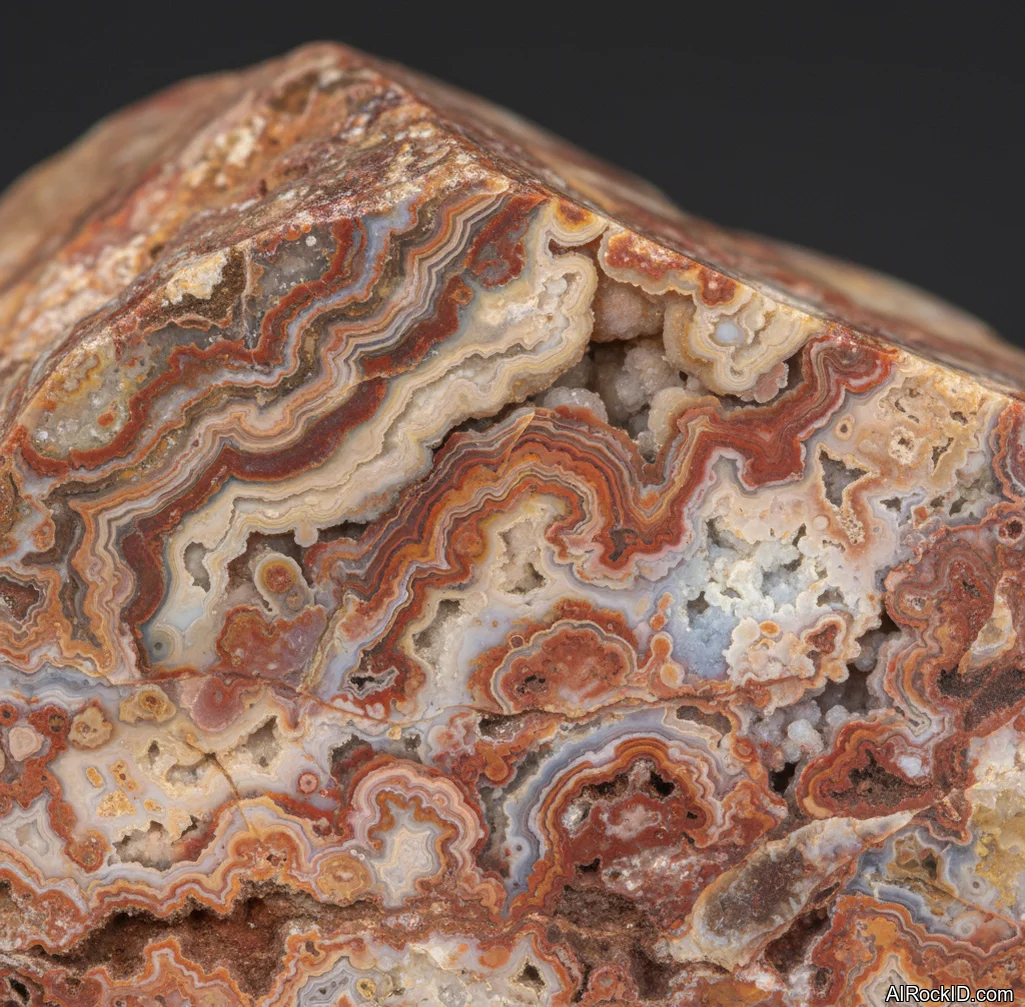
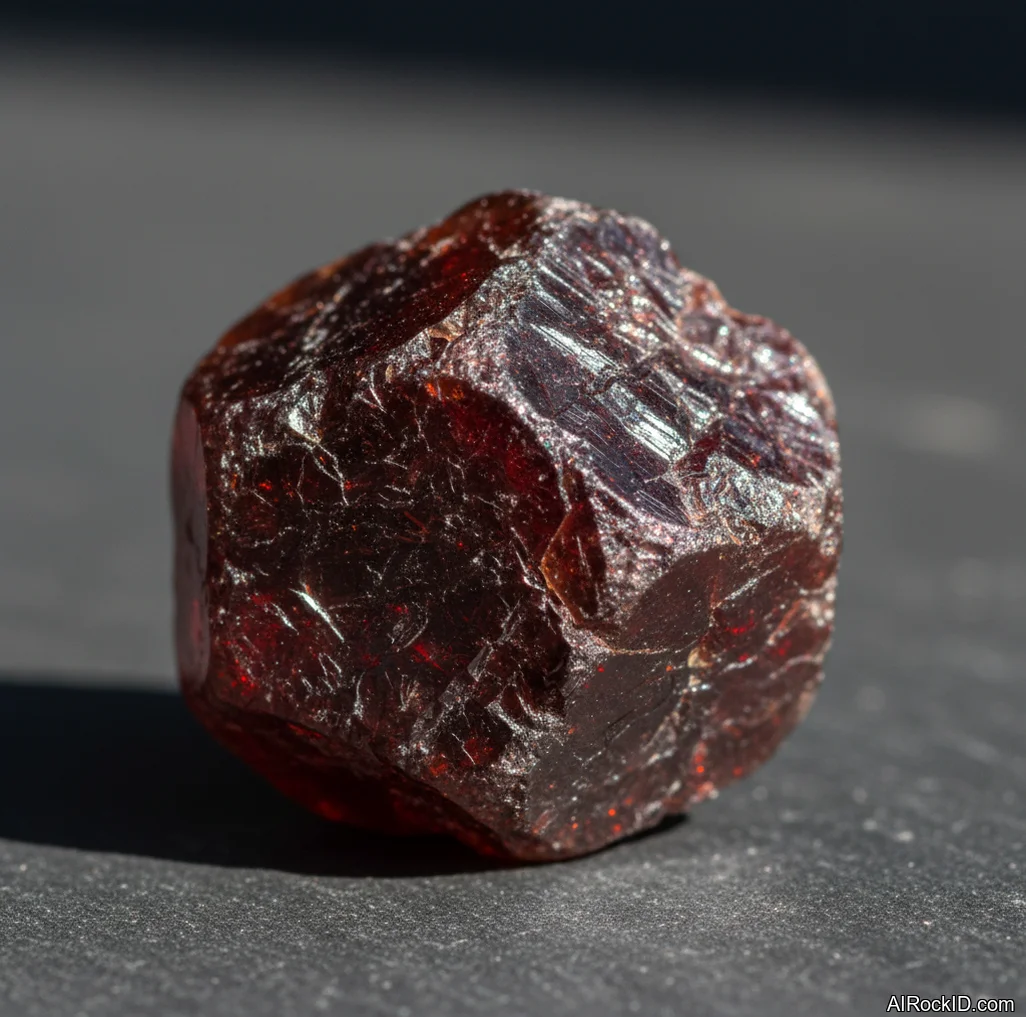
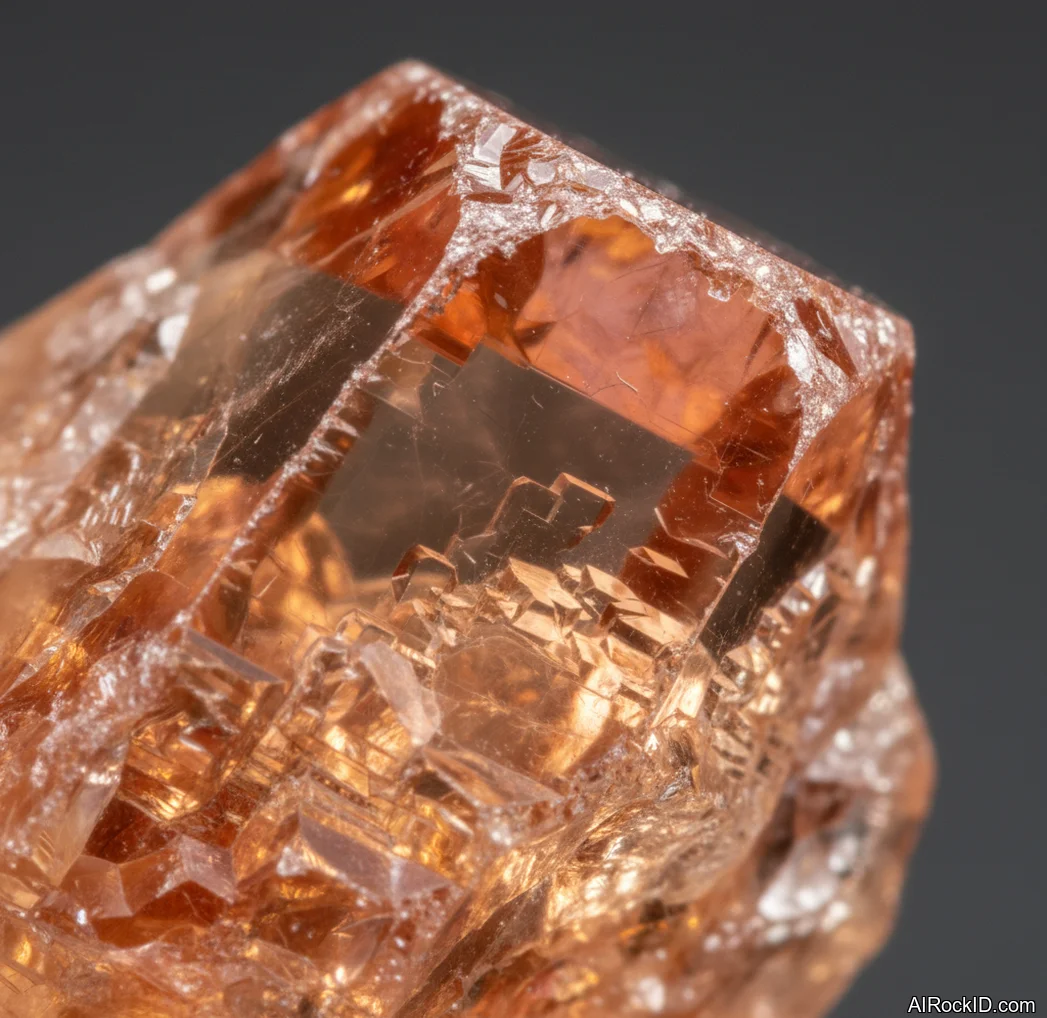
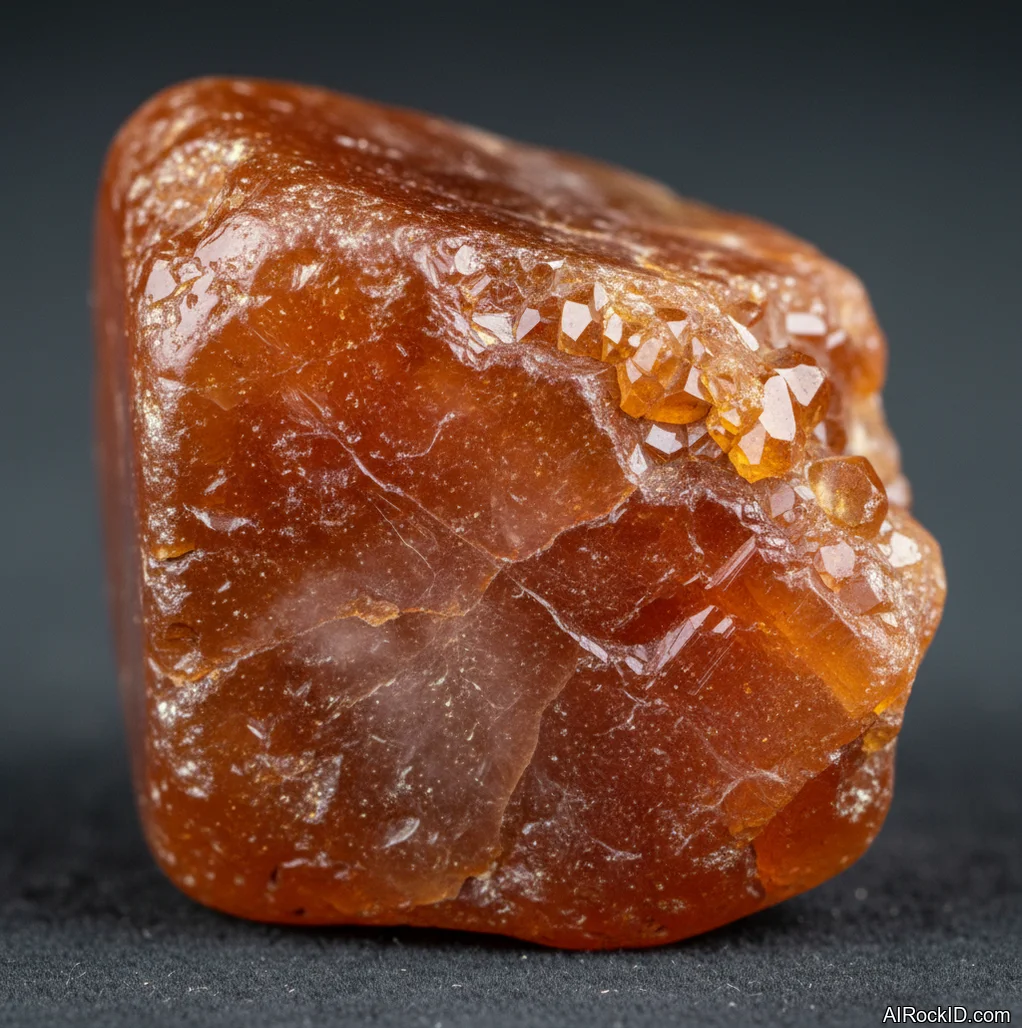
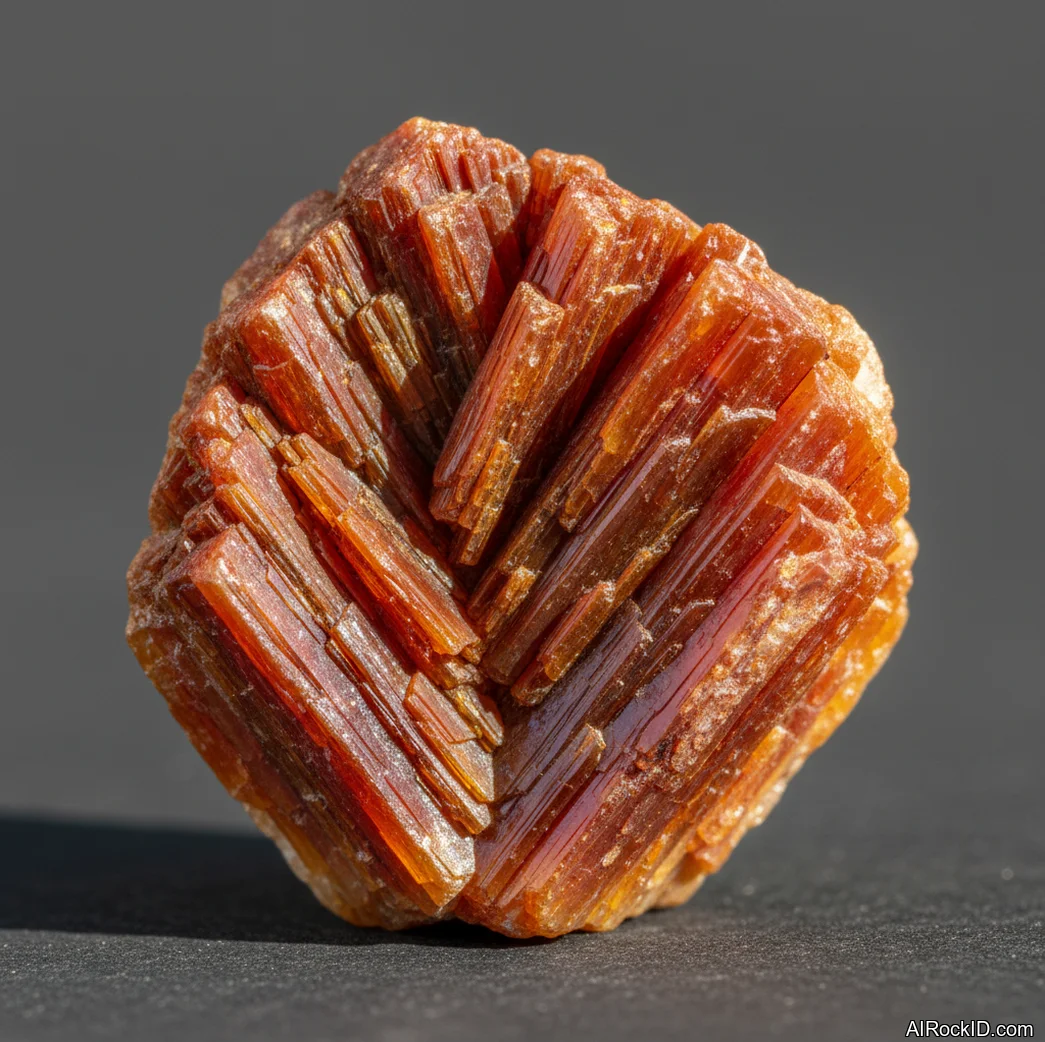
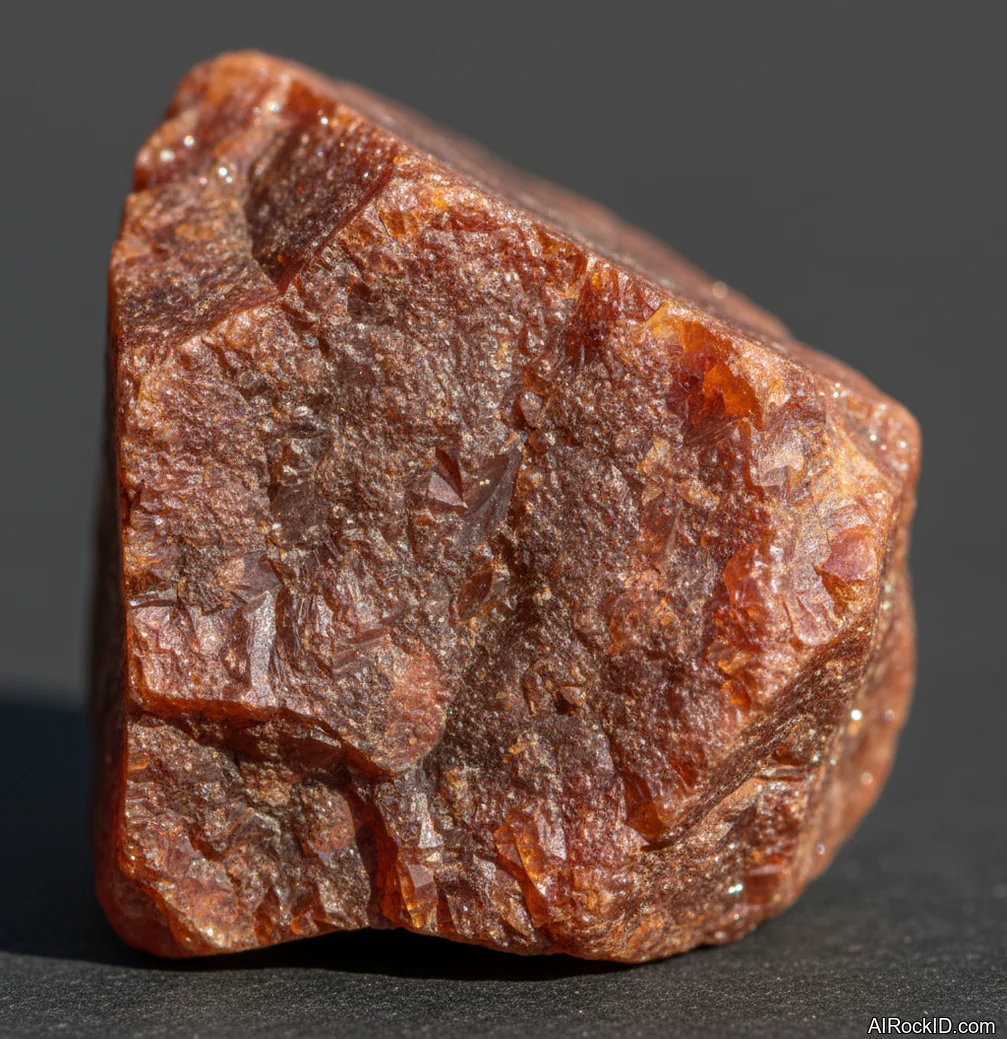
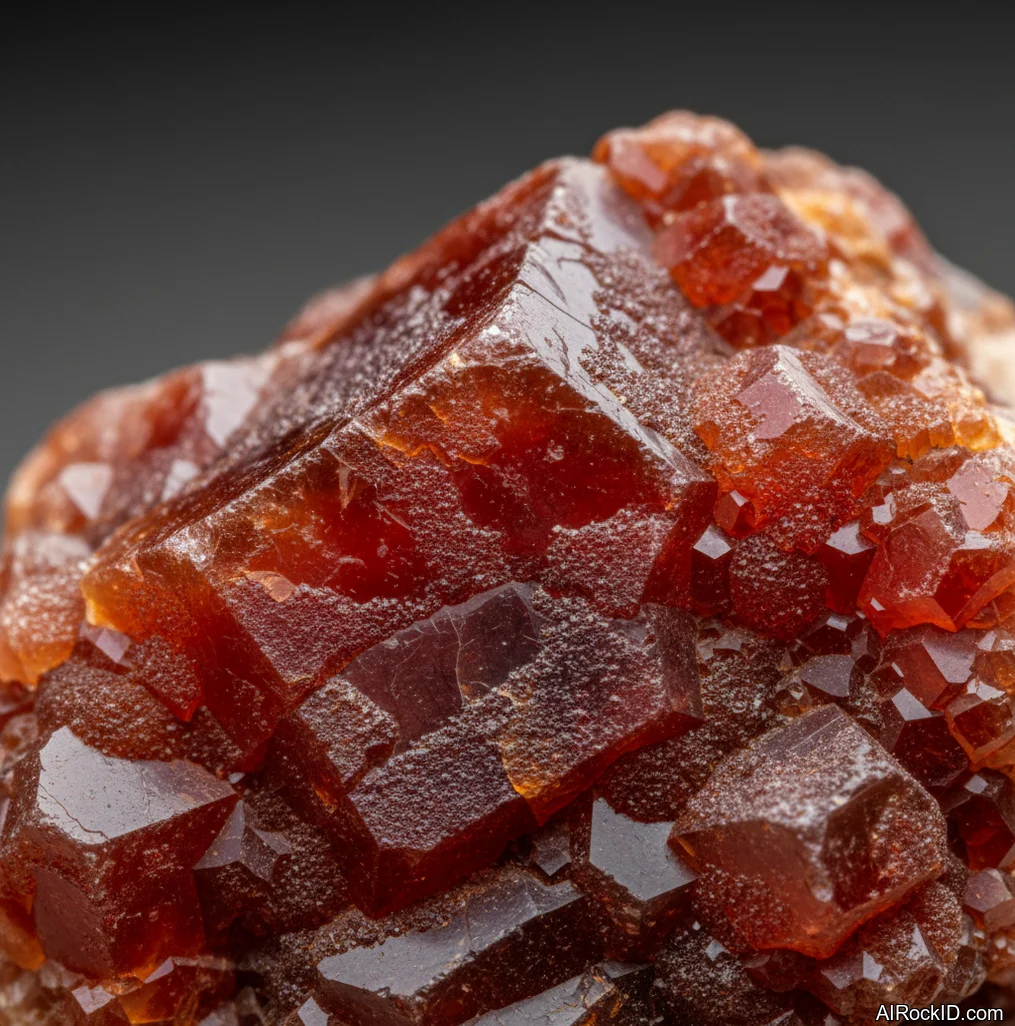
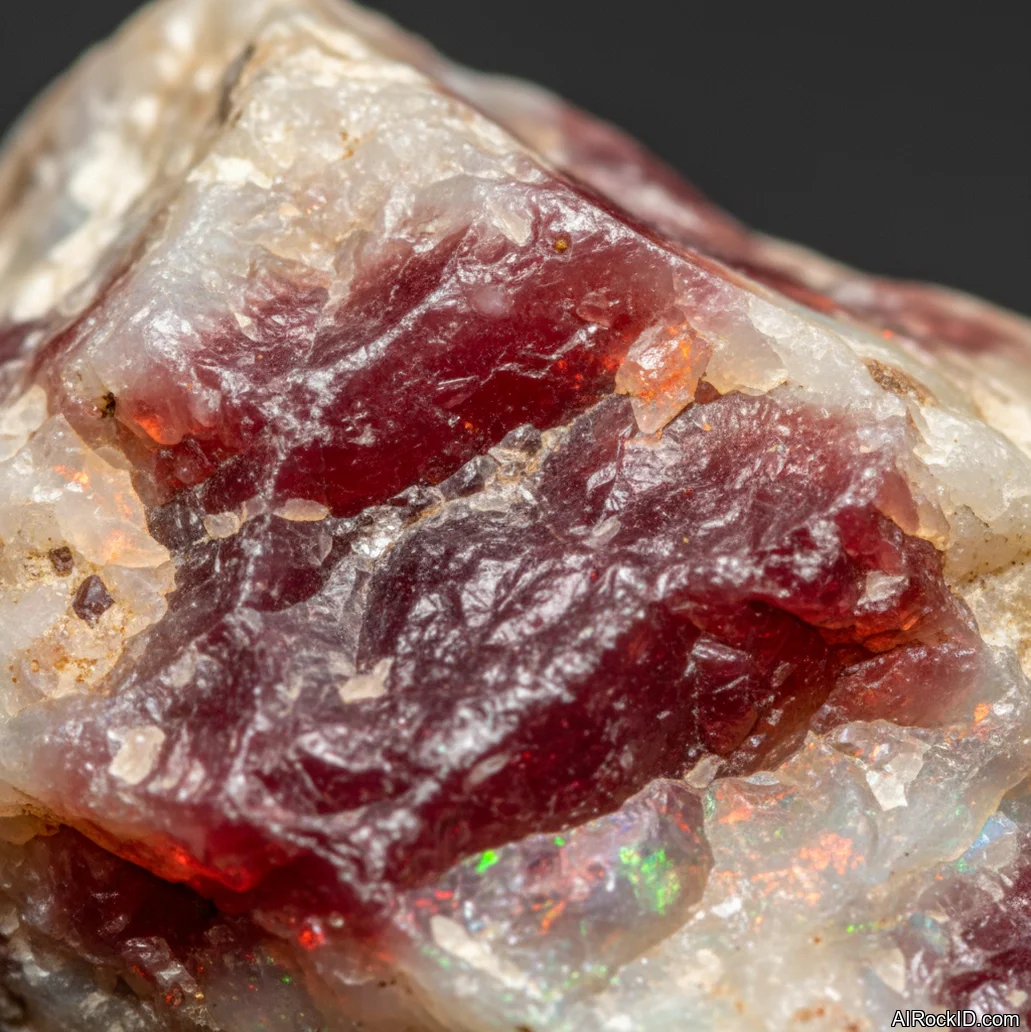
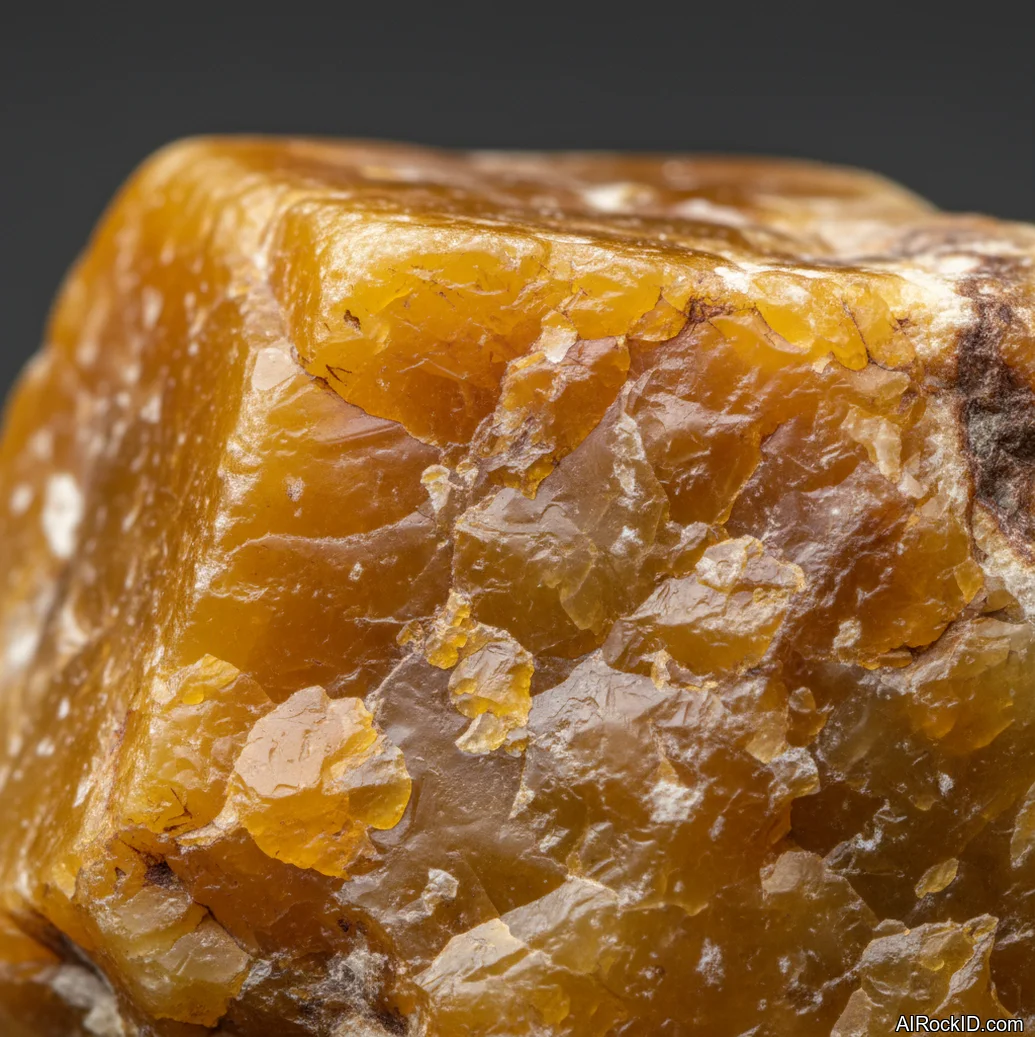
Pick up a good piece of Carnelian and you’ll get what I mean. Real carnelian has that waxy, slightly translucent look at the edges when you hold it up to a lamp, and it stays cool in your palm for a while before it warms. The orange can run from peach to rusty red, and the best pieces have depth, not that flat, paint-like color. When someone tells me they want “creative energy,” carnelian is usually the first stone I hand them because it’s direct. And it’s easy to live with. Toss it in a pocket, keep it on a desk, don’t baby it.
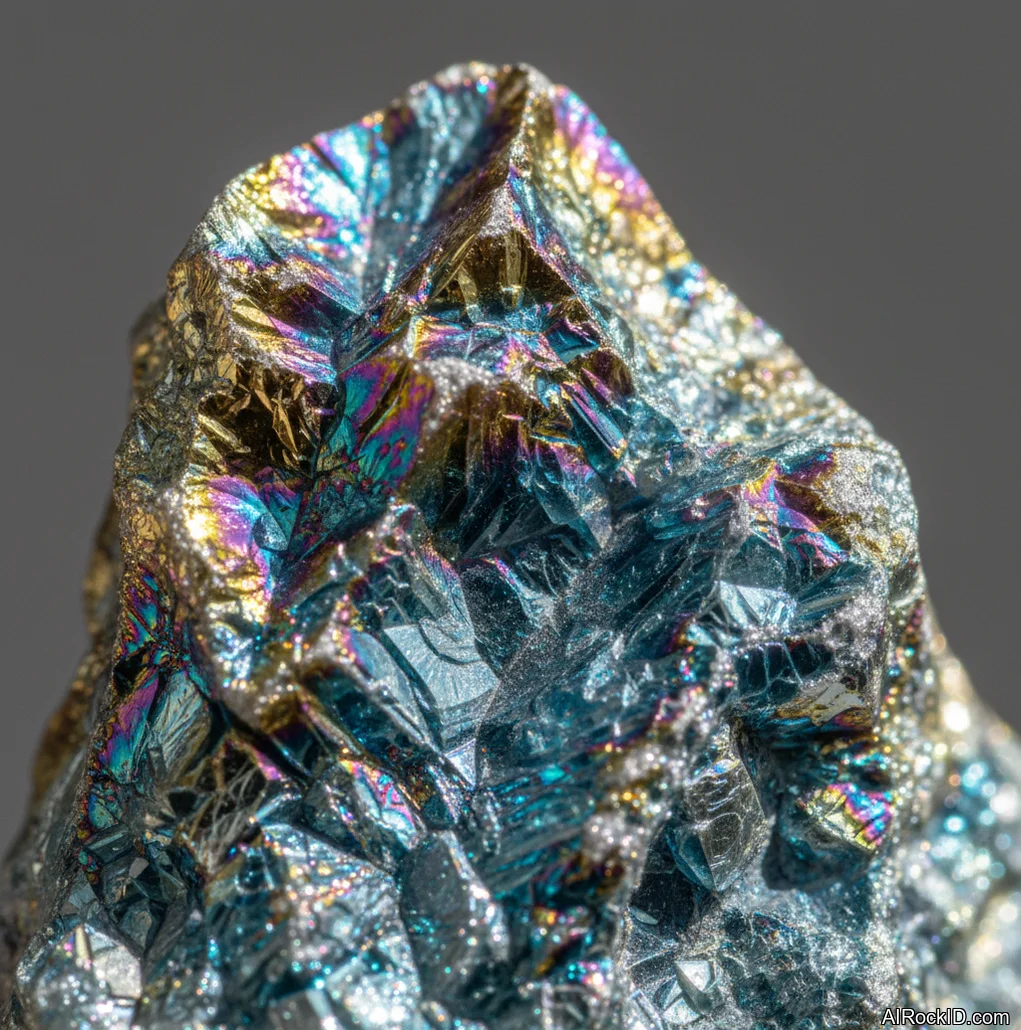
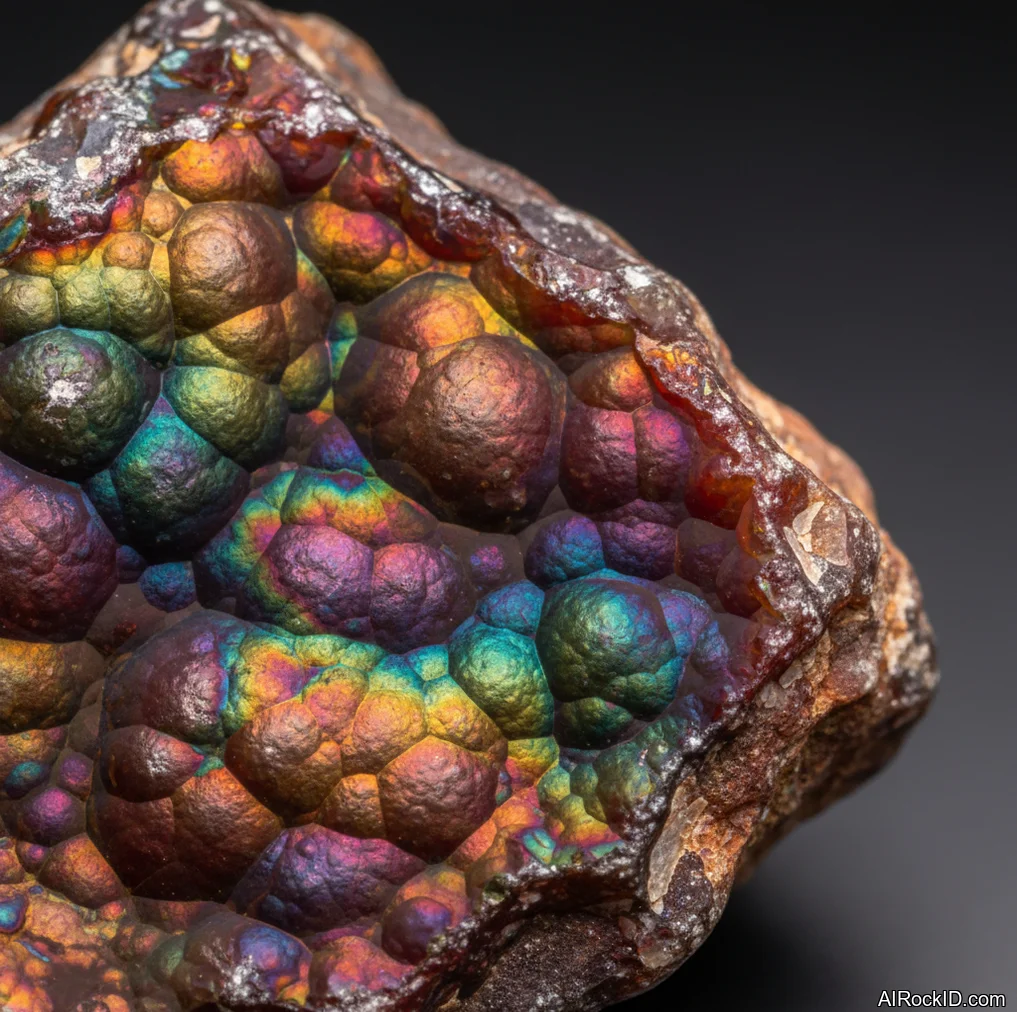
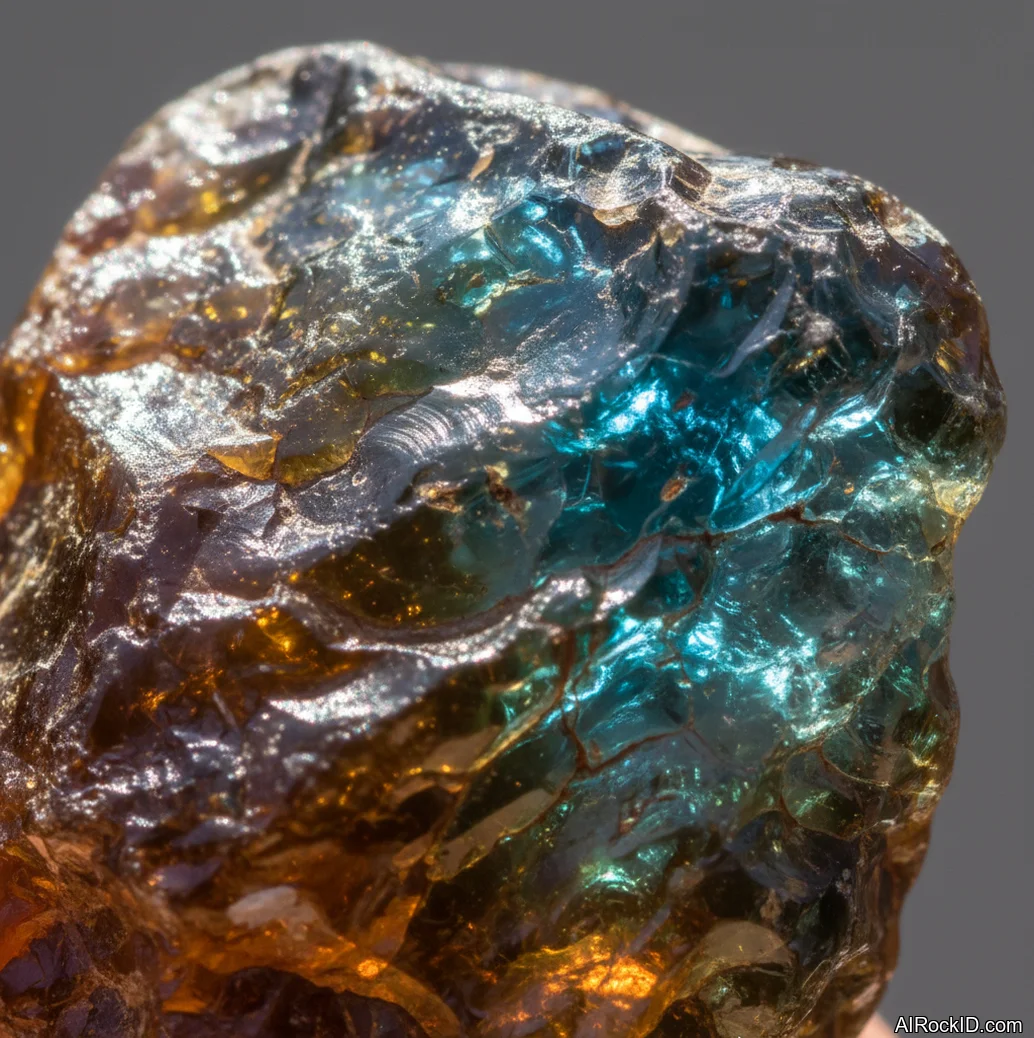
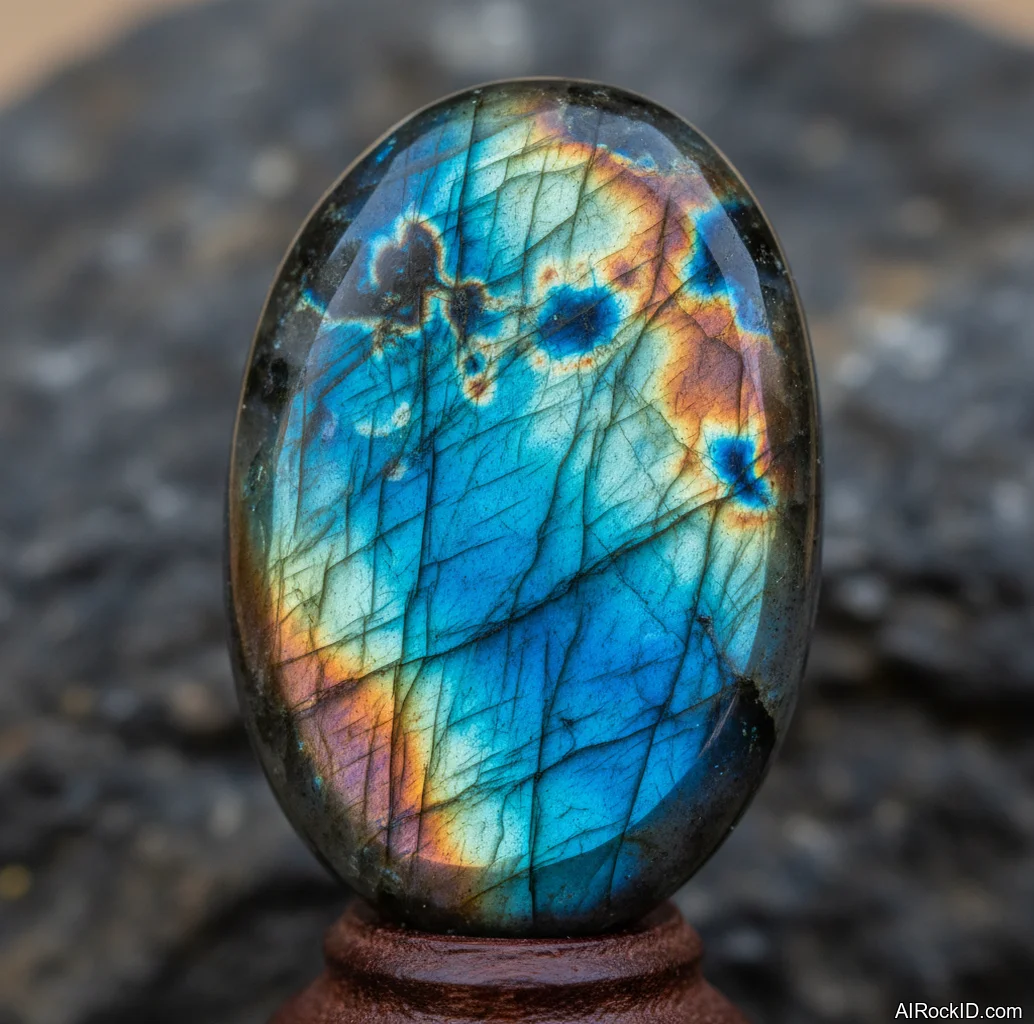
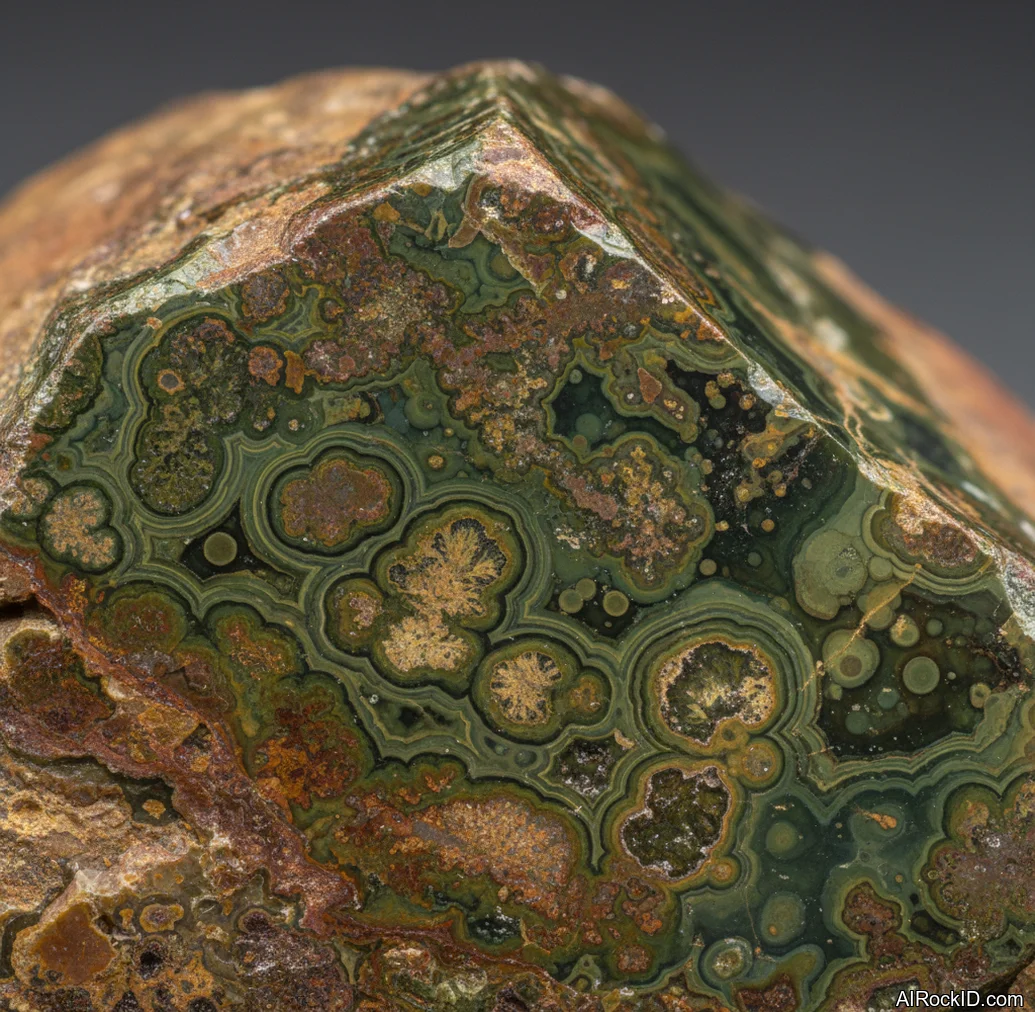
But for a different flavor of creativity, I like Labradorite. It’s the stone that rewards attention. At first glance it can look like a dull gray chunk, then you tilt it under overhead light and there’s that flash, blue, green, sometimes gold. The real test is movement. A slab that only flashes at one narrow angle feels dead fast, while a better piece lights up across the surface as you roll it in your fingers. That “shift” is why people pair it with brainstorming, story work, design, and anything where you need to see more than one option.
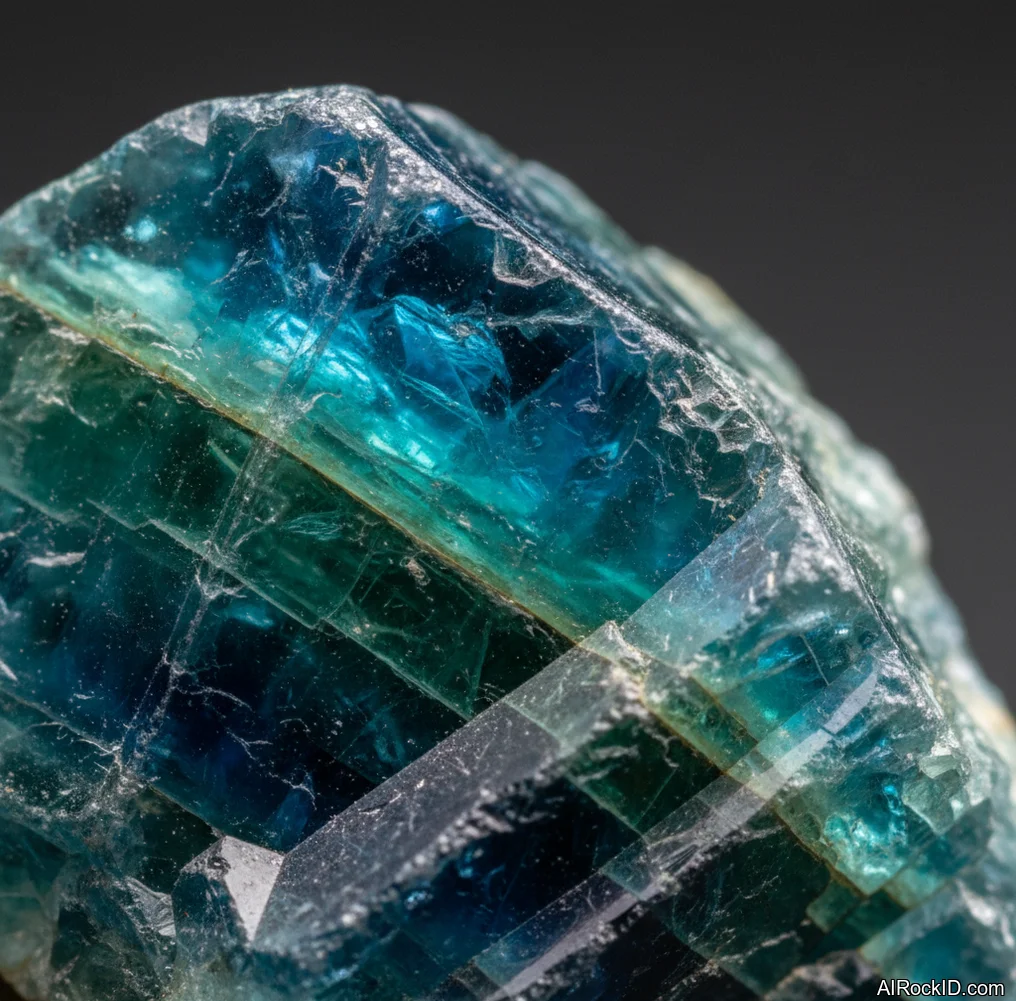
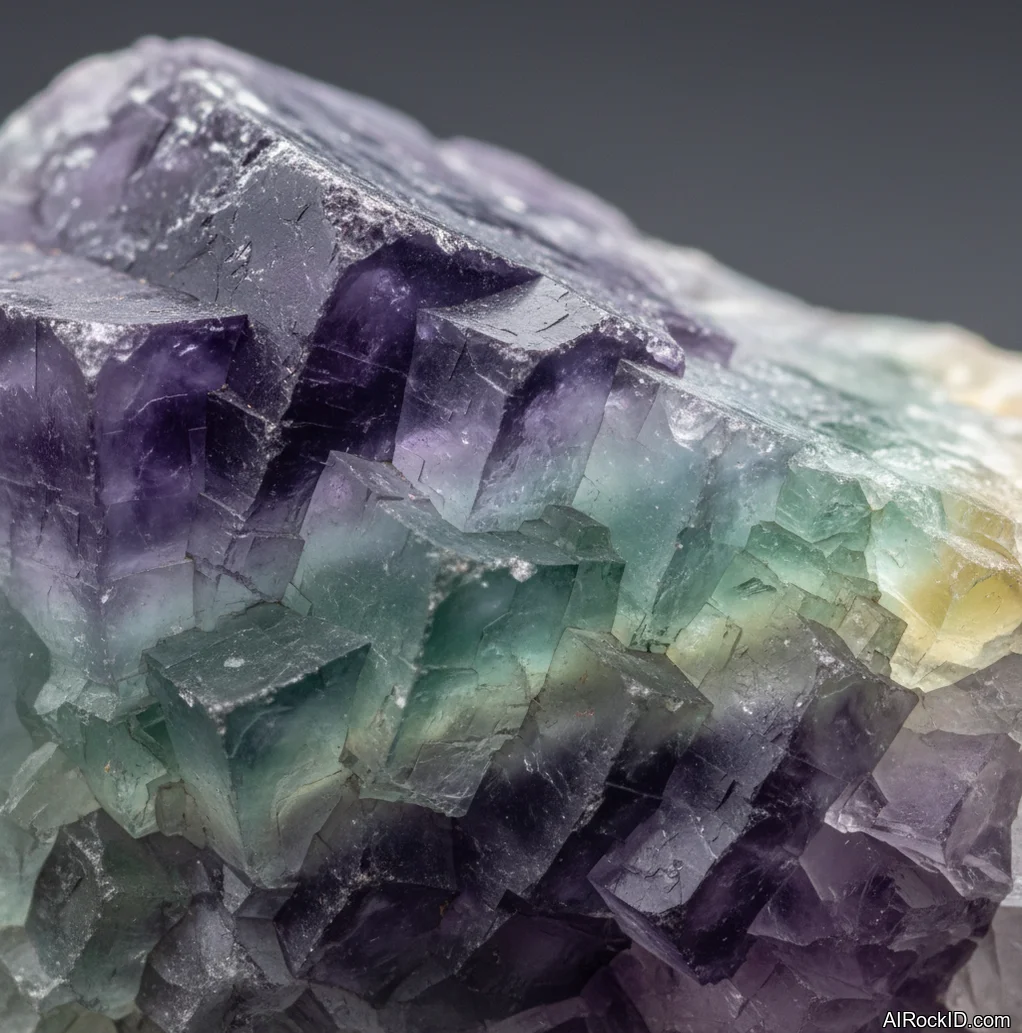
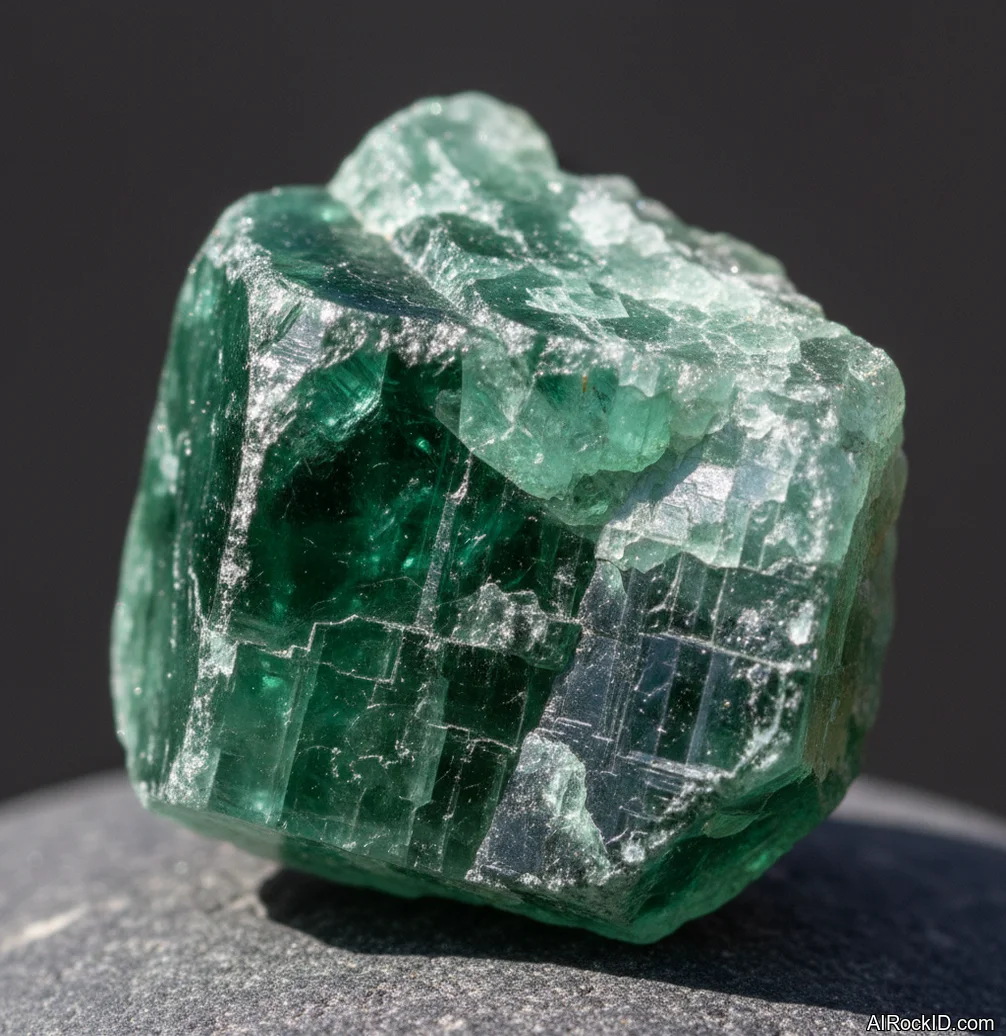
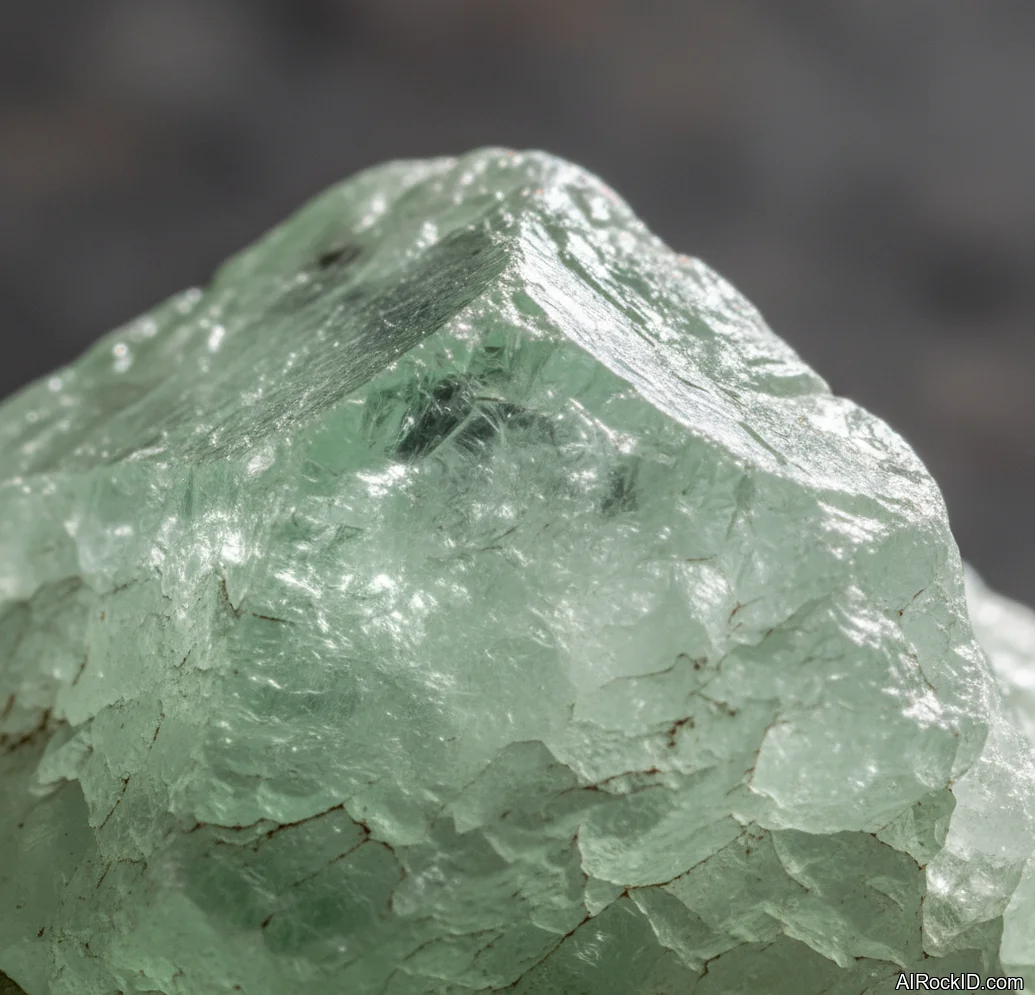
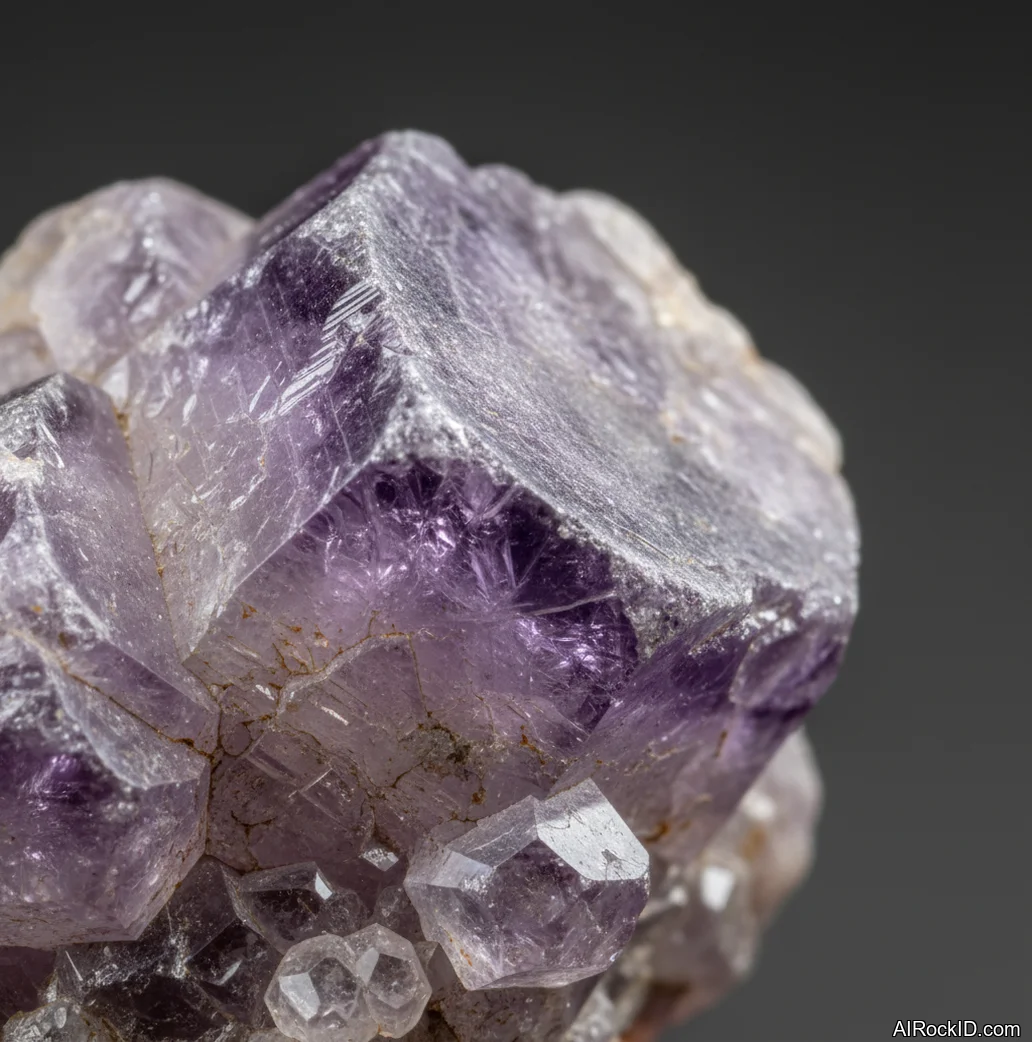
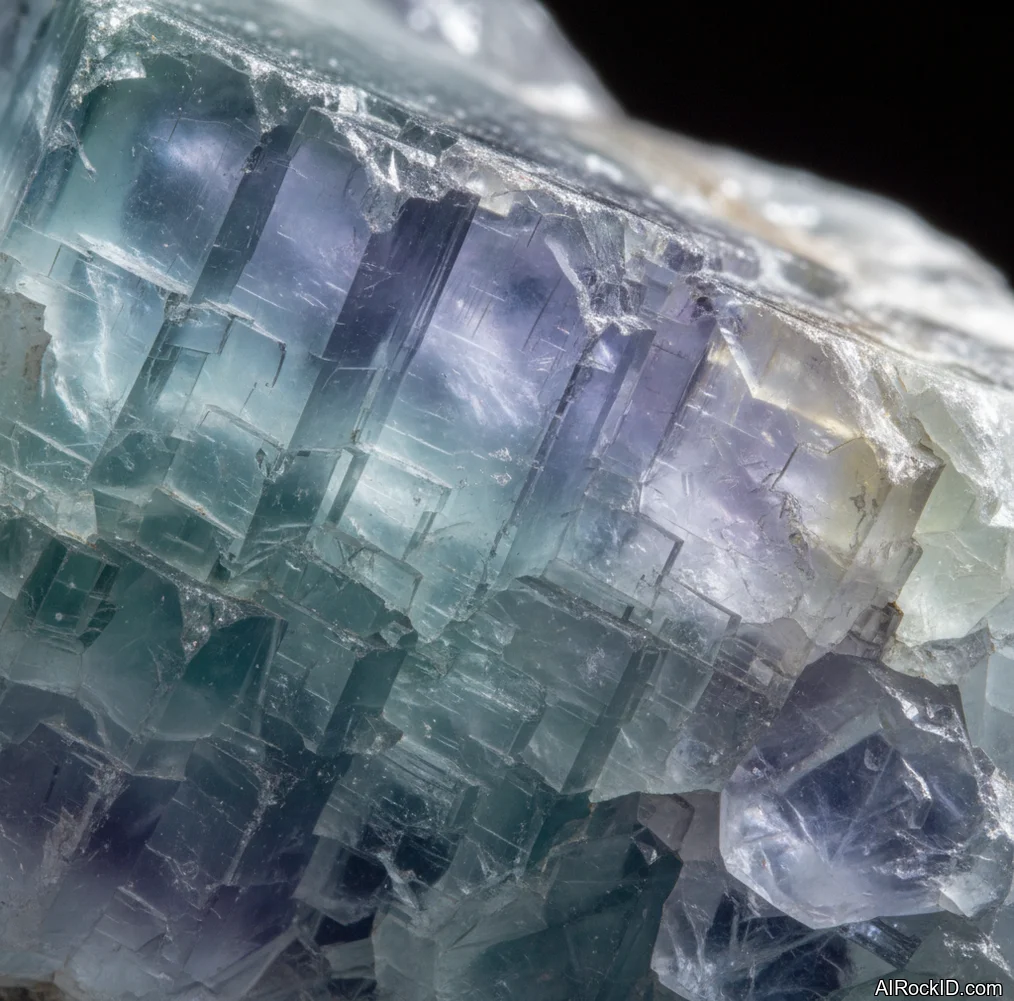
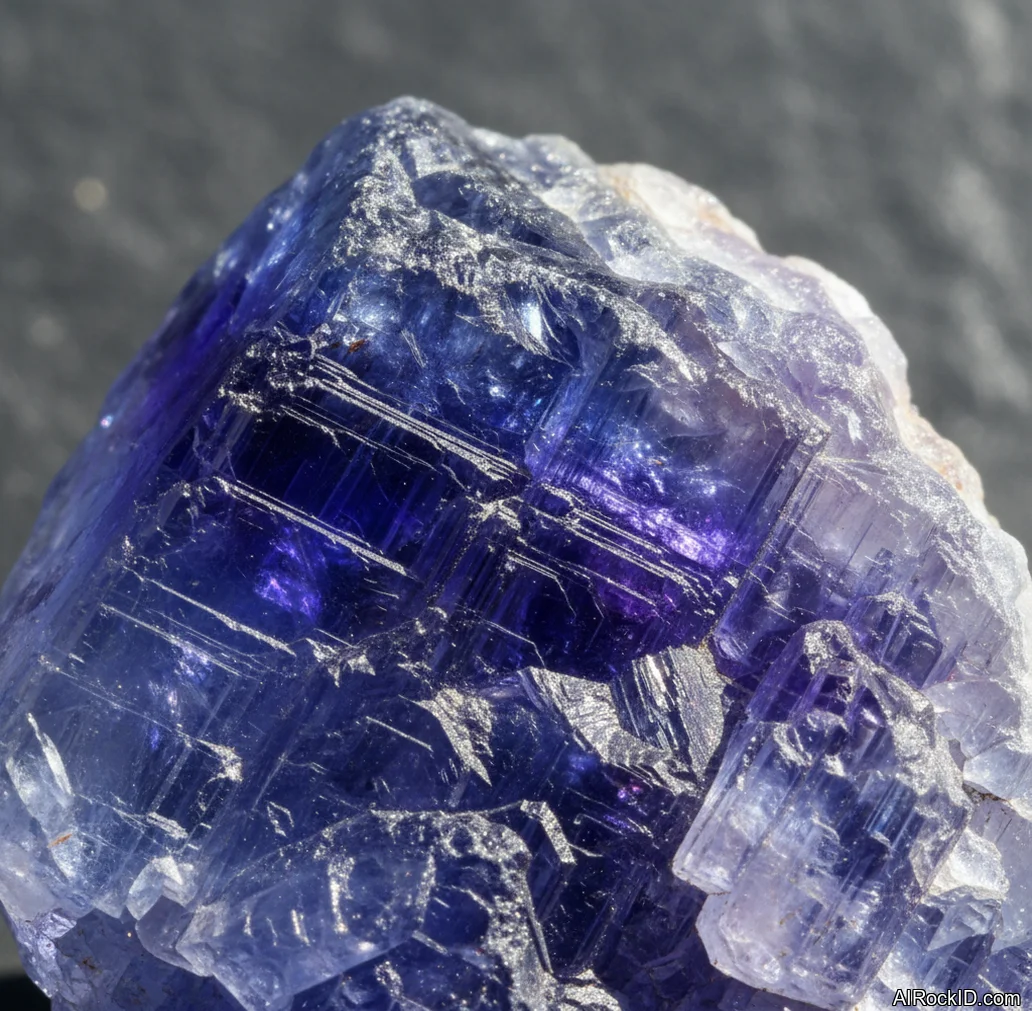
Some folks want creativity that’s clean and organized, not chaotic. So that’s where Fluorite comes in for me, especially the banded purple-and-green stuff. Fluorite is softer than most people realize, so you’ll see tiny edge chips on towers and points from normal handling. If you’re buying it, check the corners and the polish. A crisp piece with sharp banding costs more for a reason. On a work table, fluorite can feel like a reset button when you’re juggling too many ideas at once and need to sort them into something usable.
Then there’s the sparkly side of the aisle. Sunstone is the one I grab when the goal is playful output and confidence, not perfection. Look closely and you’ll see aventurescence, those tiny coppery flashes from little plate-like inclusions. Rotate it and the glitter comes and goes. If the shimmer looks like a uniform spray of glitter across the whole stone, be cautious. Natural sunstone usually has zones where it’s stronger and zones where it’s quiet (kind of like motivation, honestly).
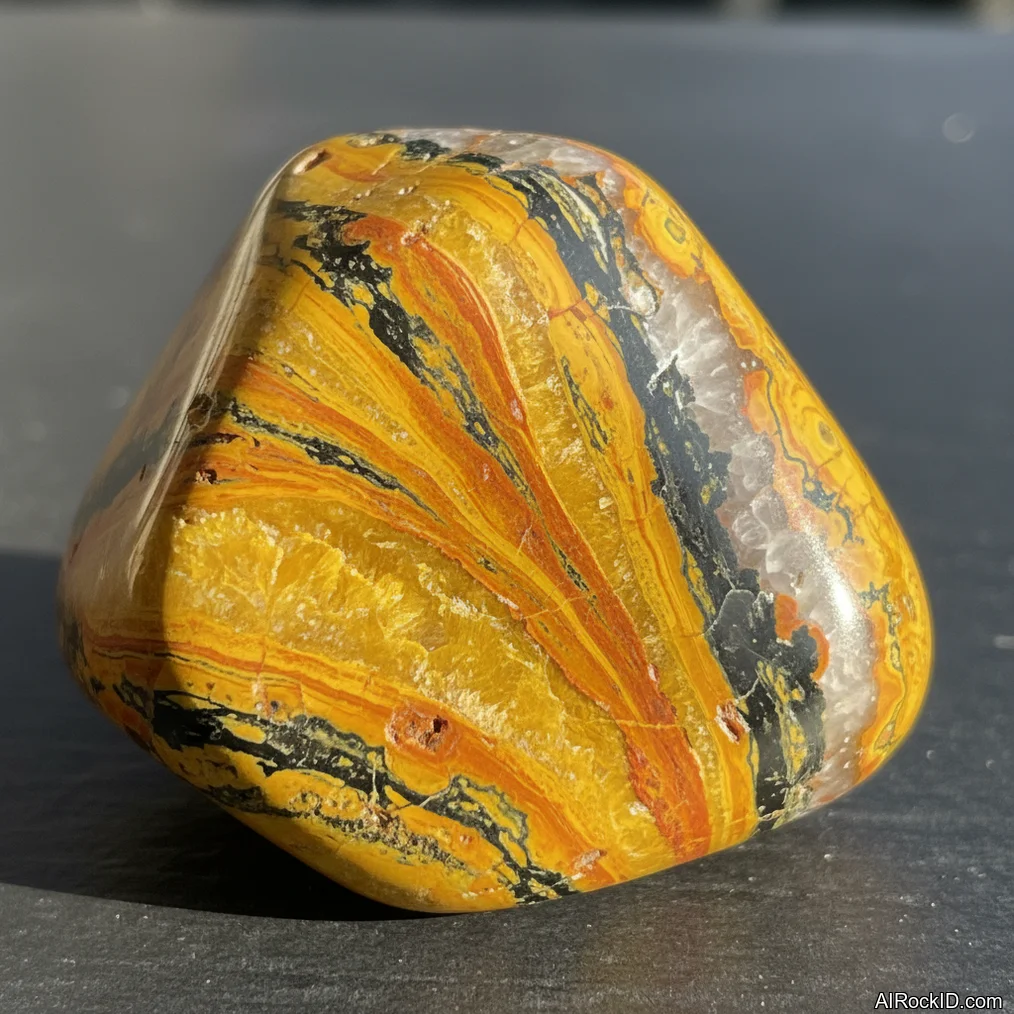
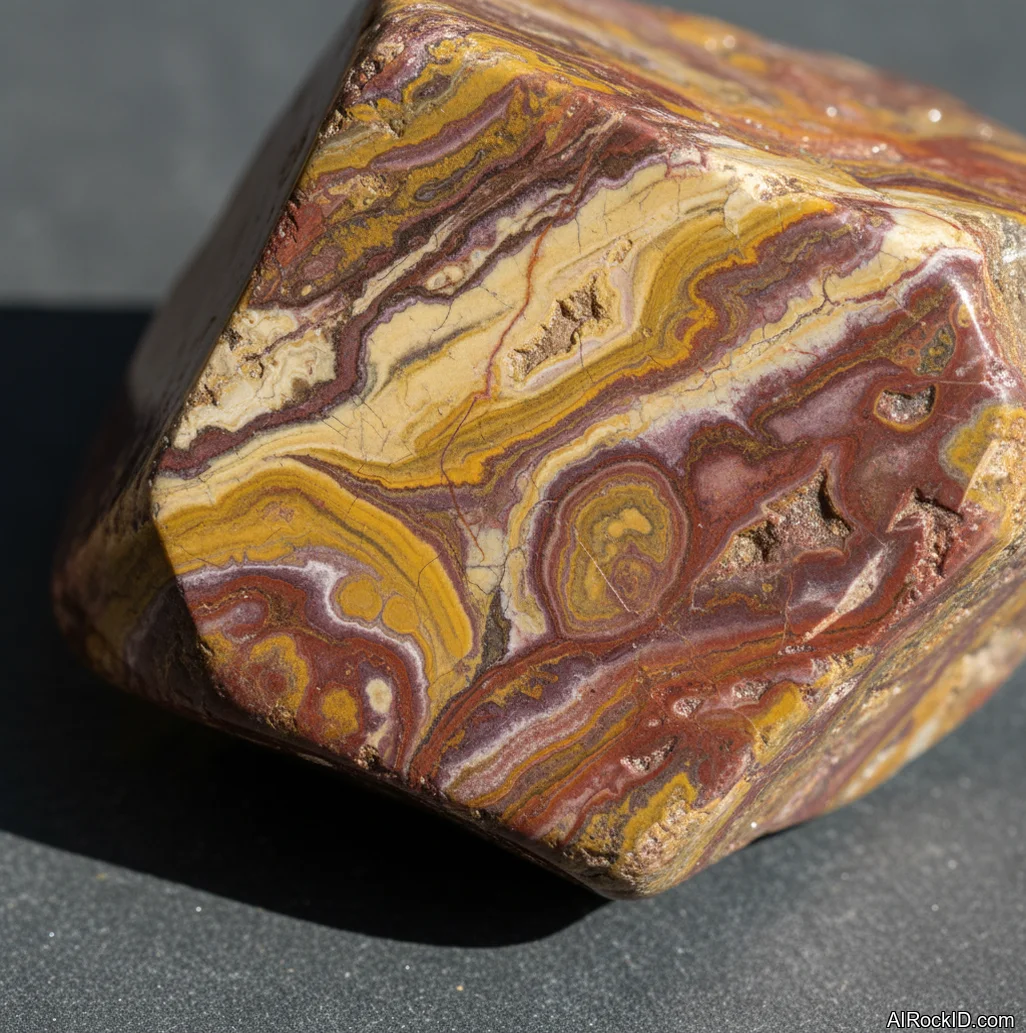
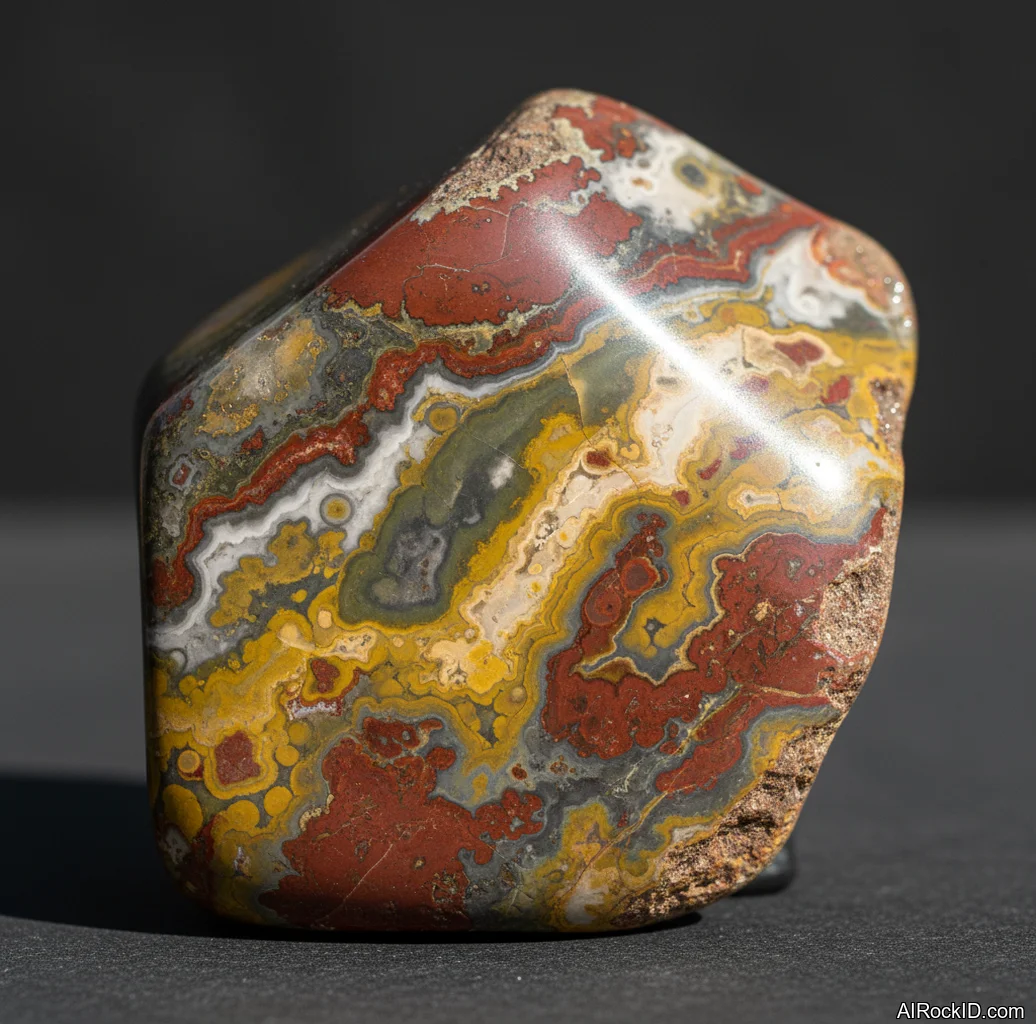
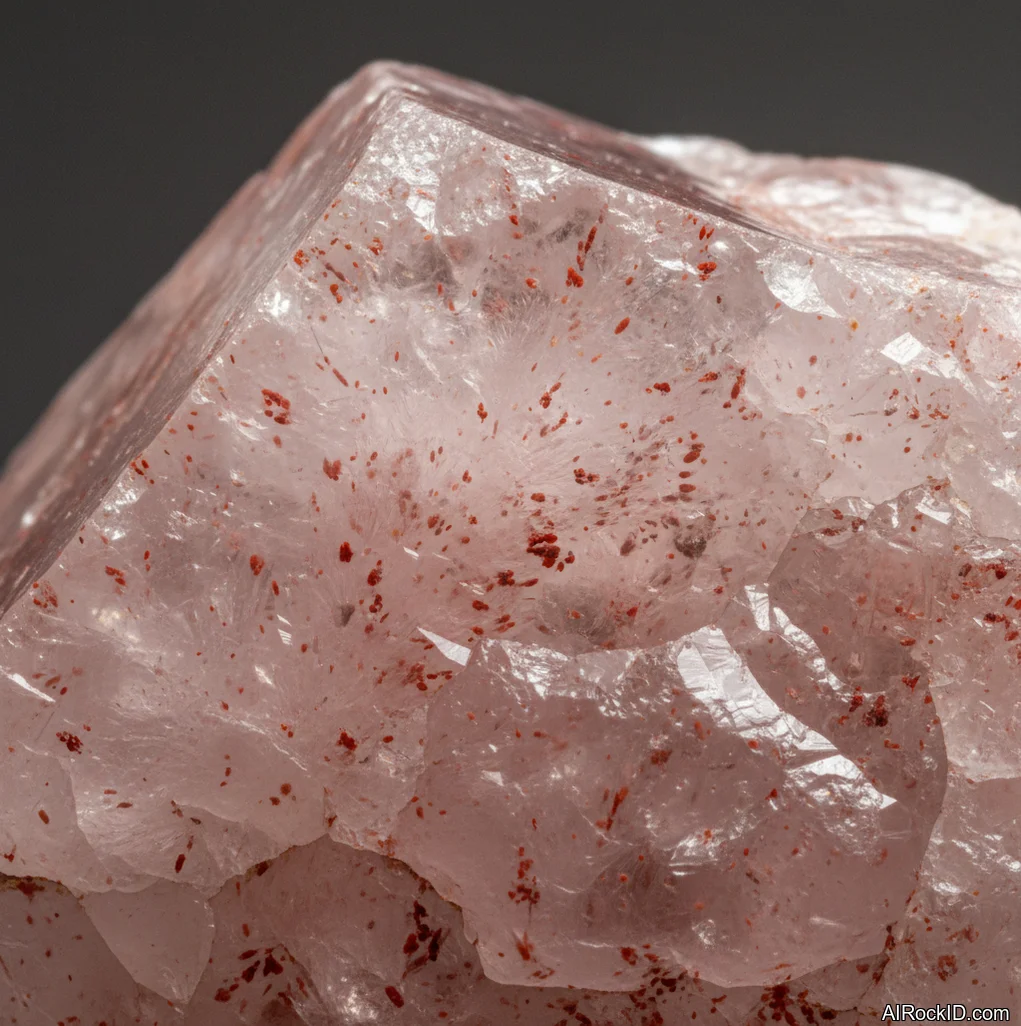
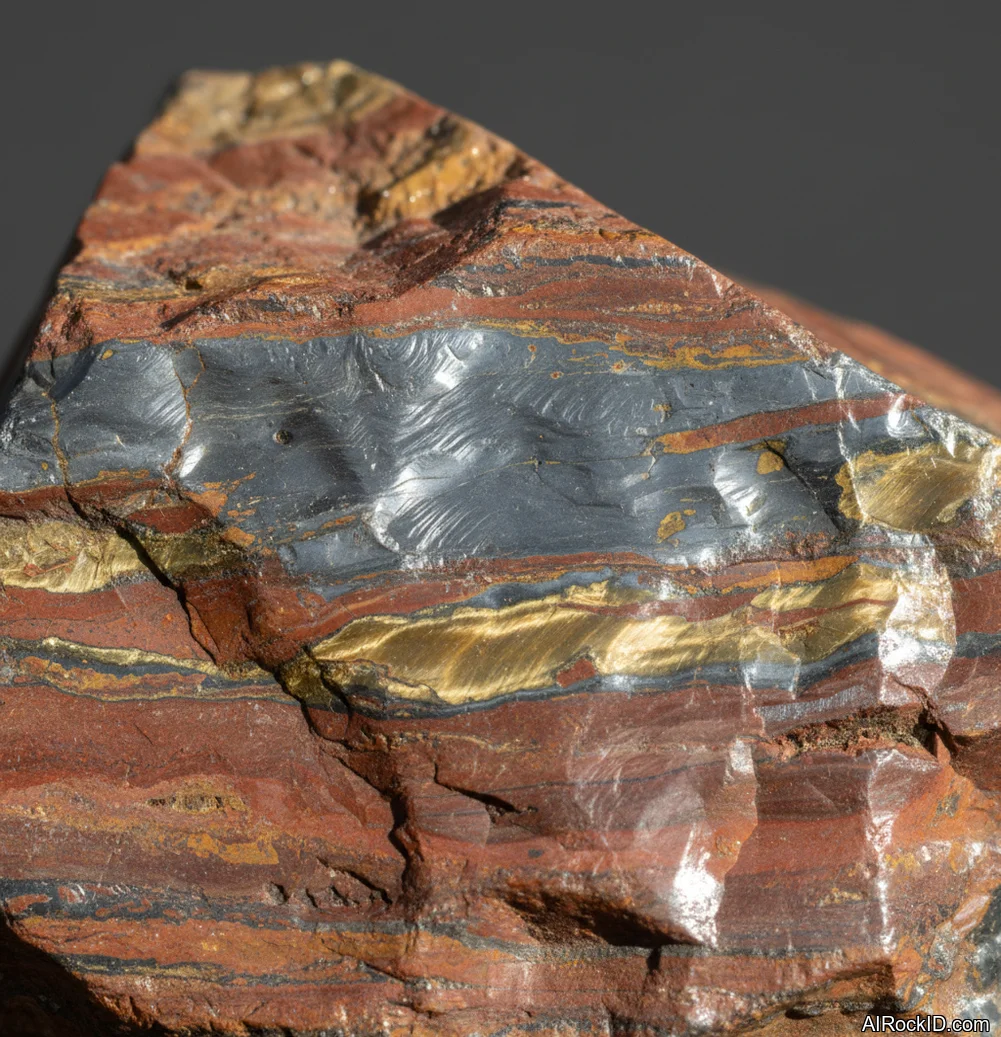
How people work with Creativity crystals is pretty practical. Put one where the work happens. A palm stone at your keyboard. A small labradorite freeform near your sketchbook. A fluorite cube by your planner. If you actually use paint, clay, or ink, don’t keep soft stones right in the mess. Fluorite and calcite hate rough treatment, and a single drop can turn a pretty piece into a pile of cleavage chips. And if you want something you can fidget with while thinking, Jasper, Tiger’s Eye, and Carnelian handle pockets and nervous hands better than the fragile stuff.
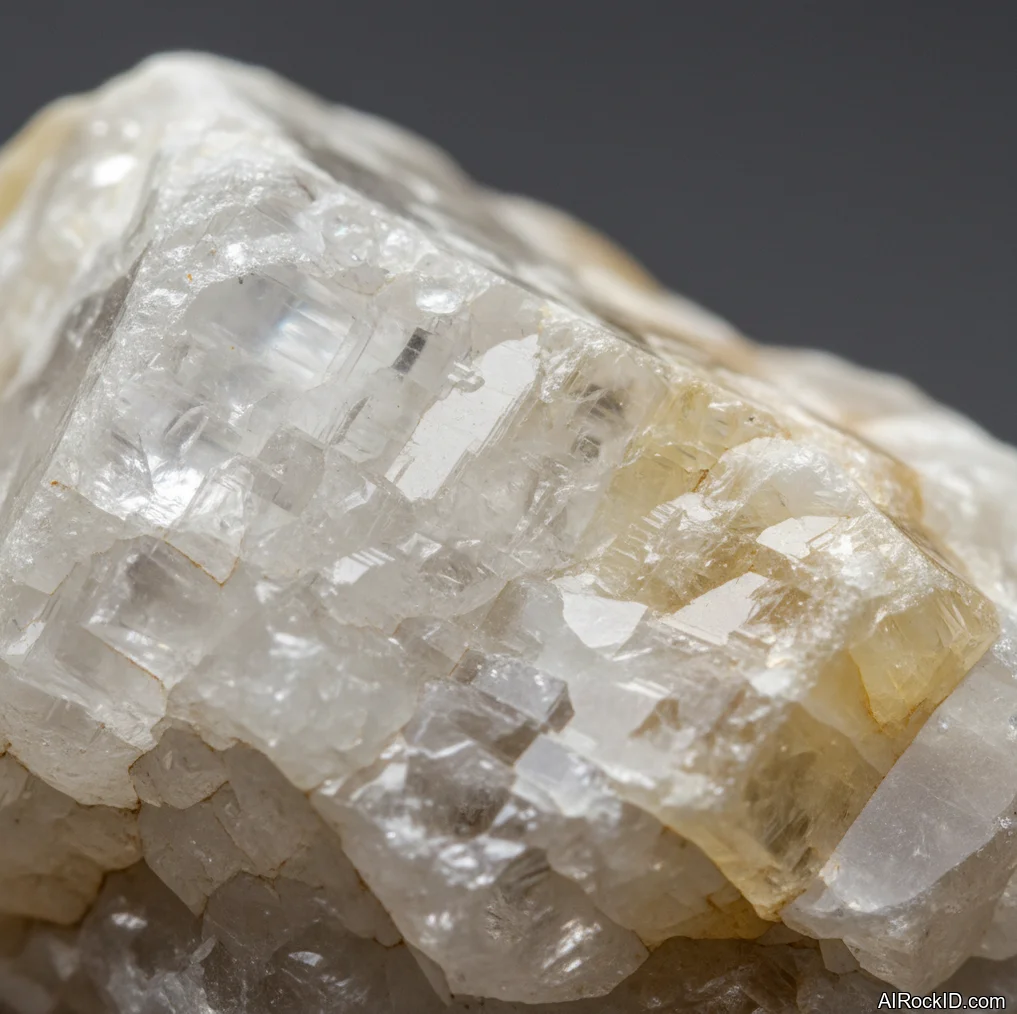
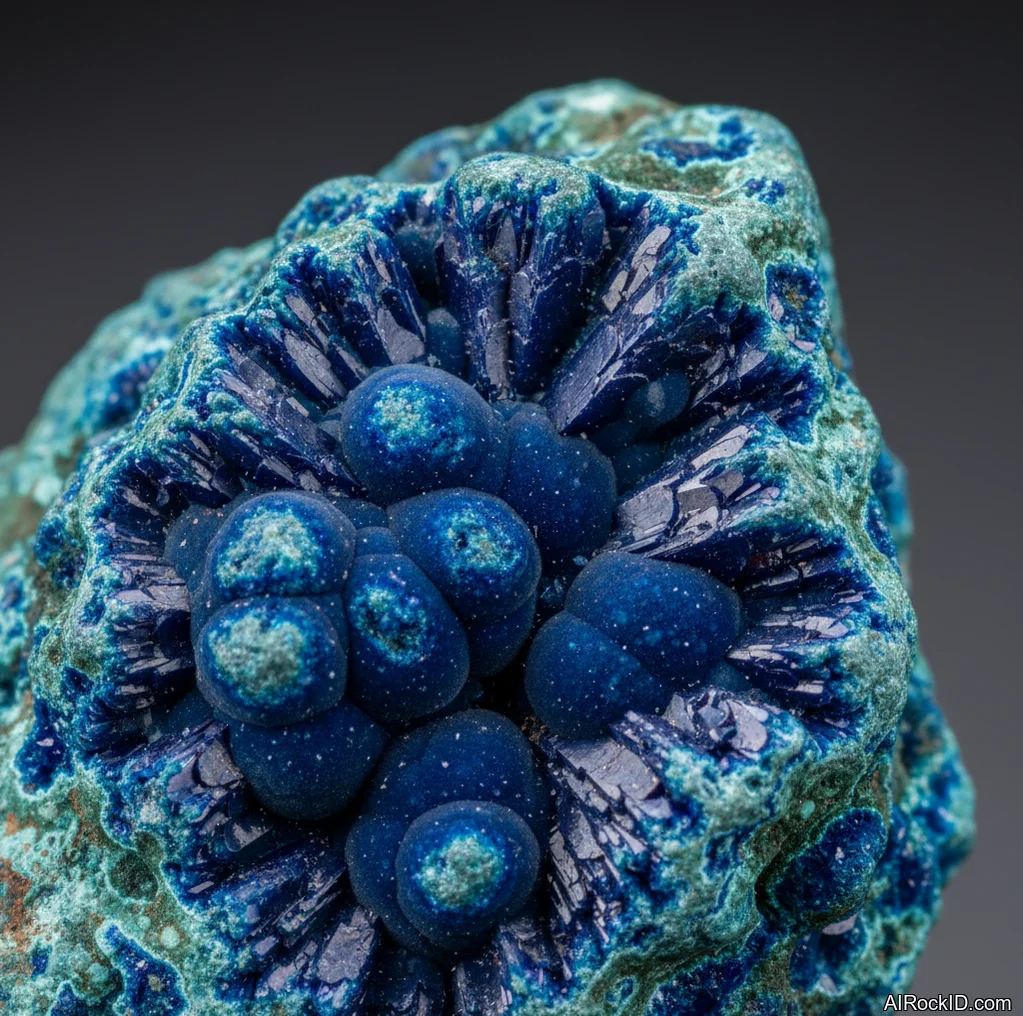
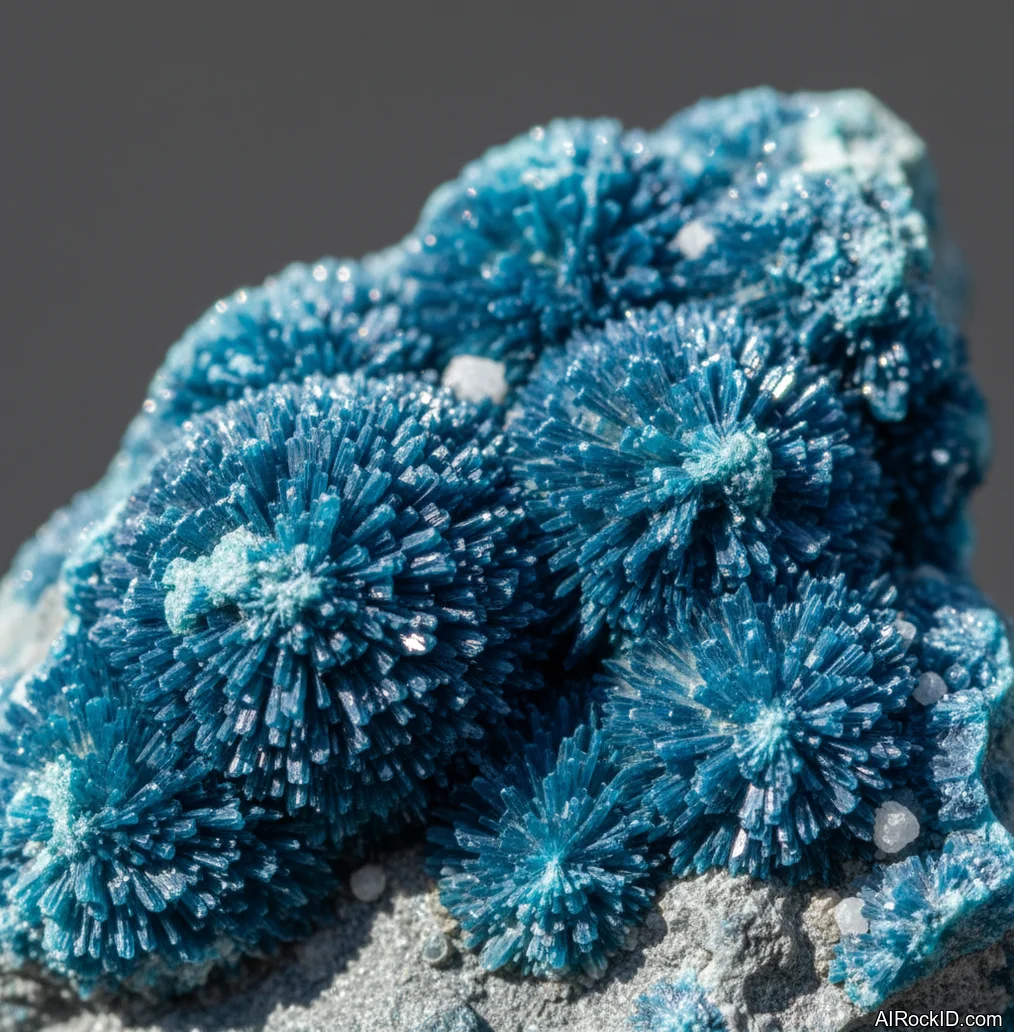
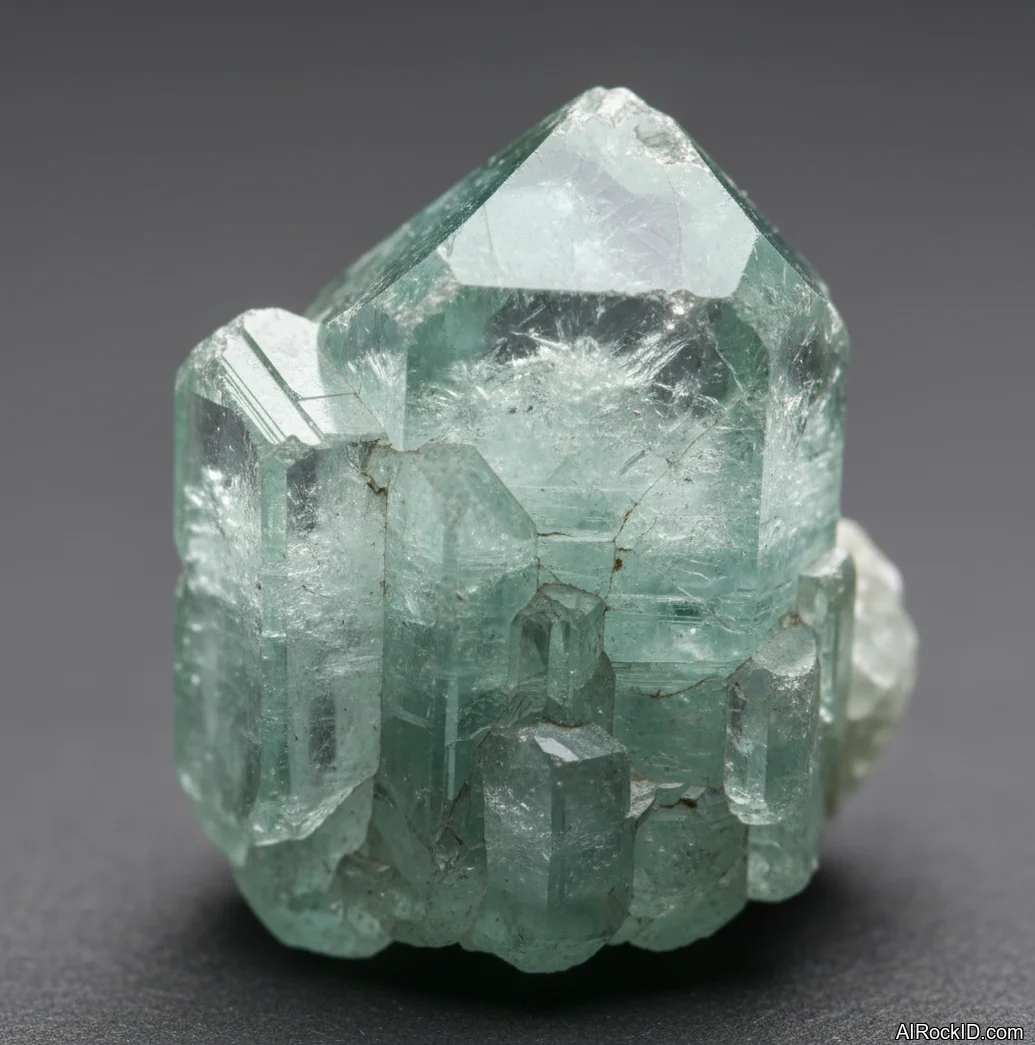
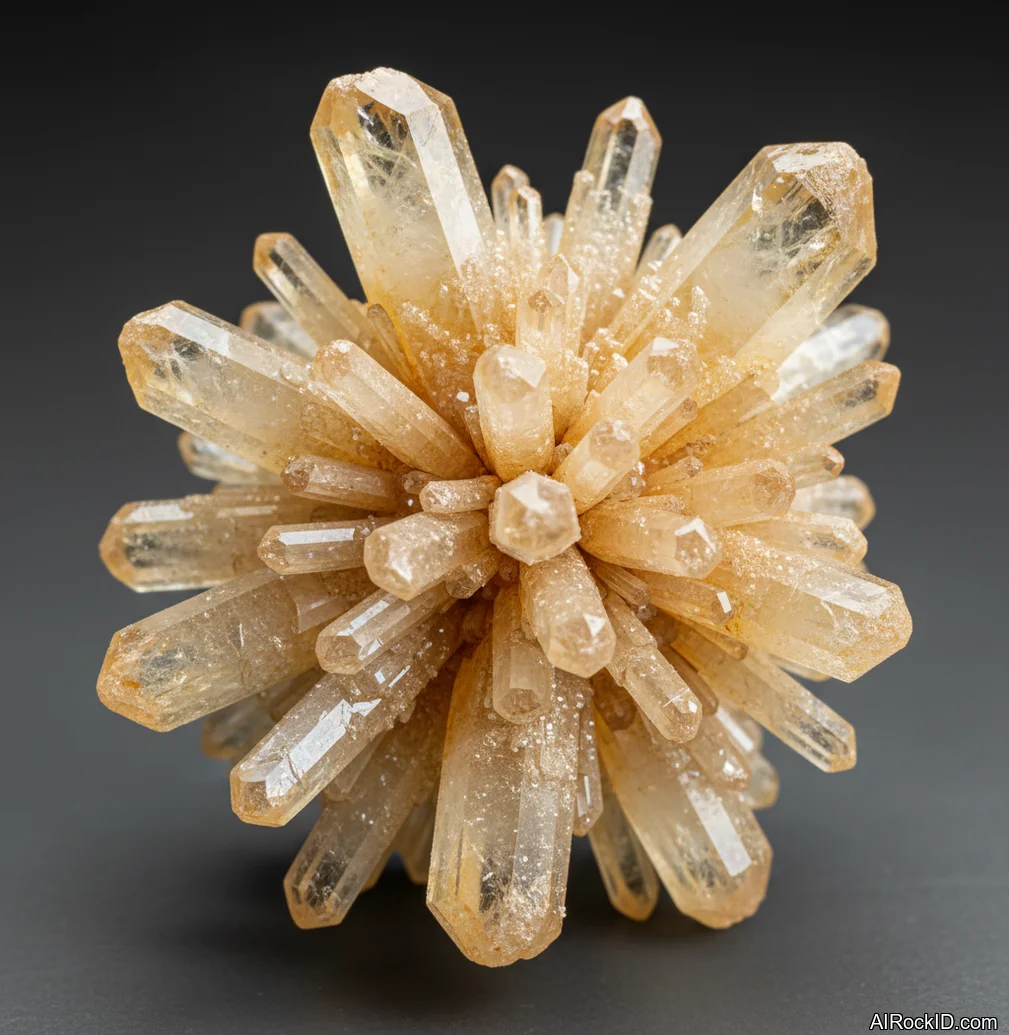
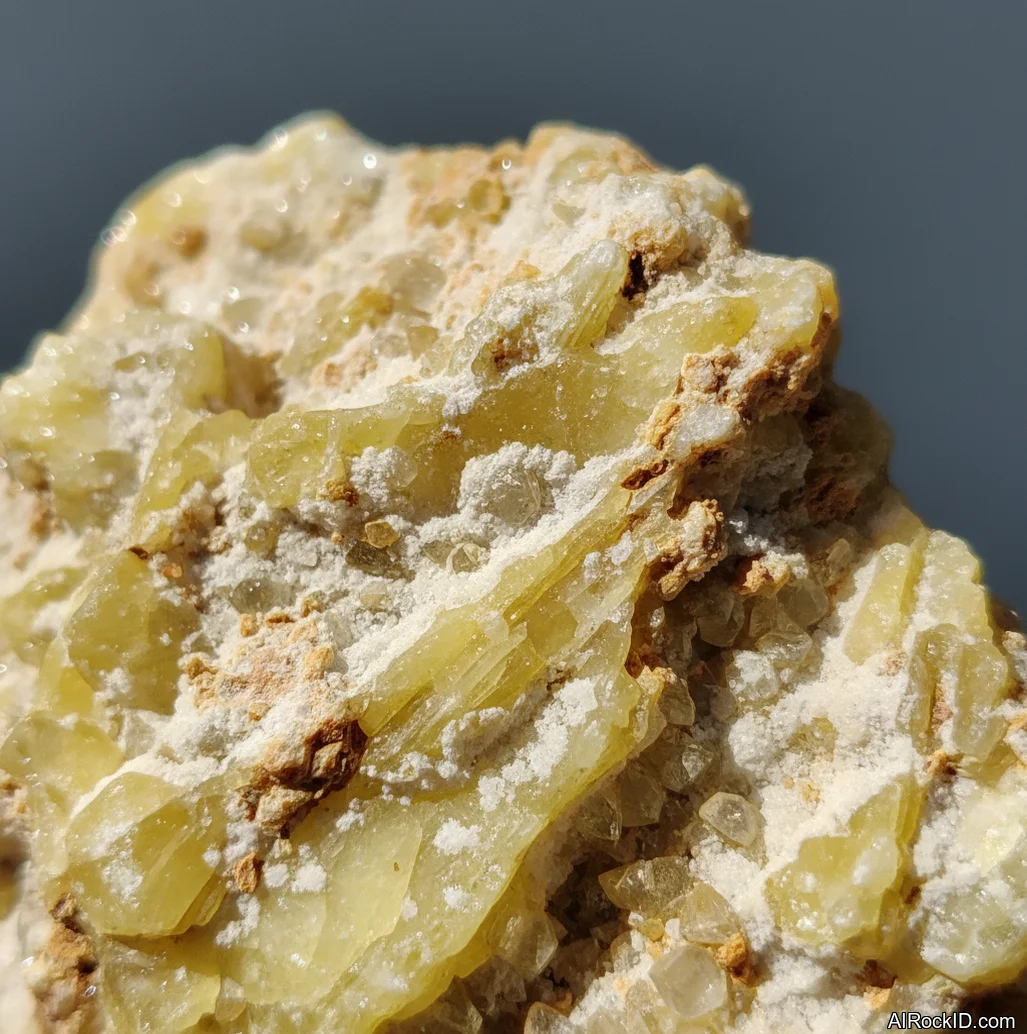
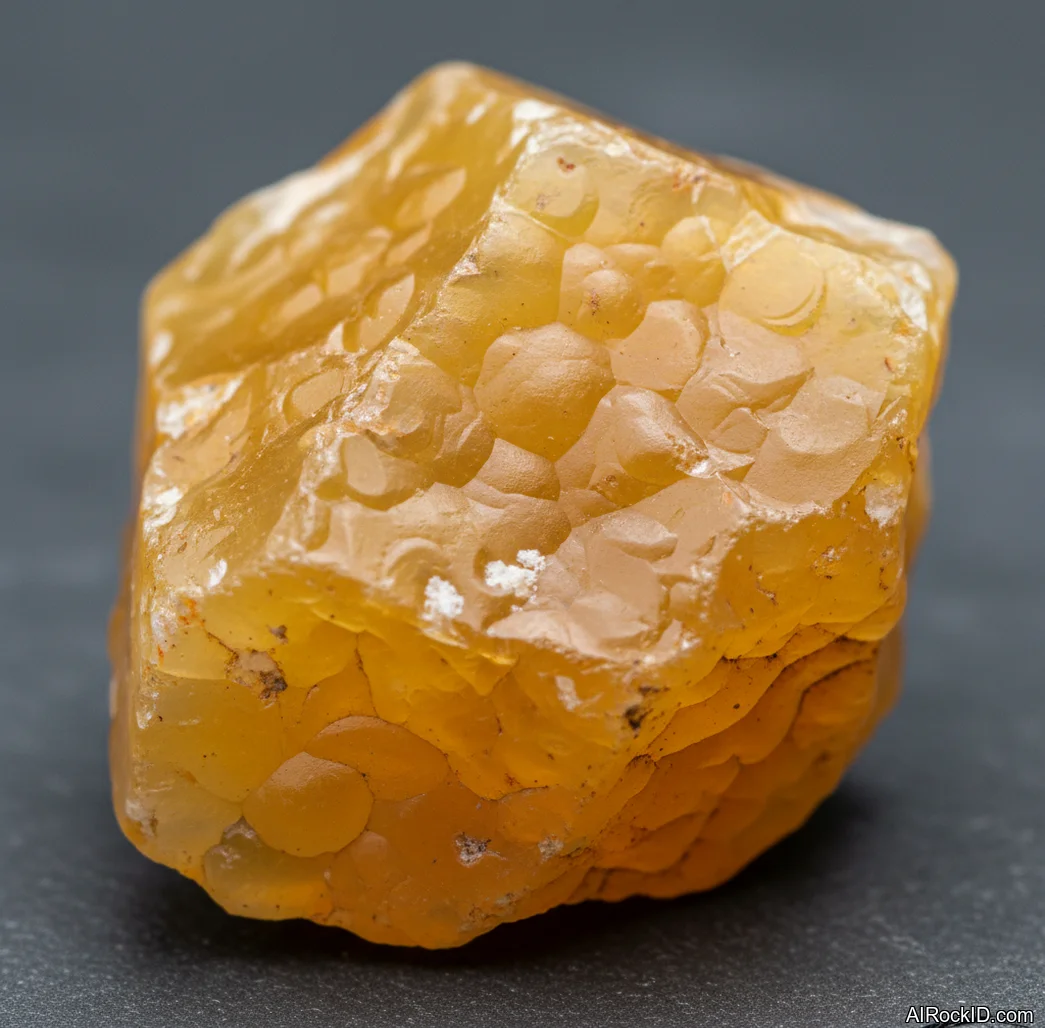
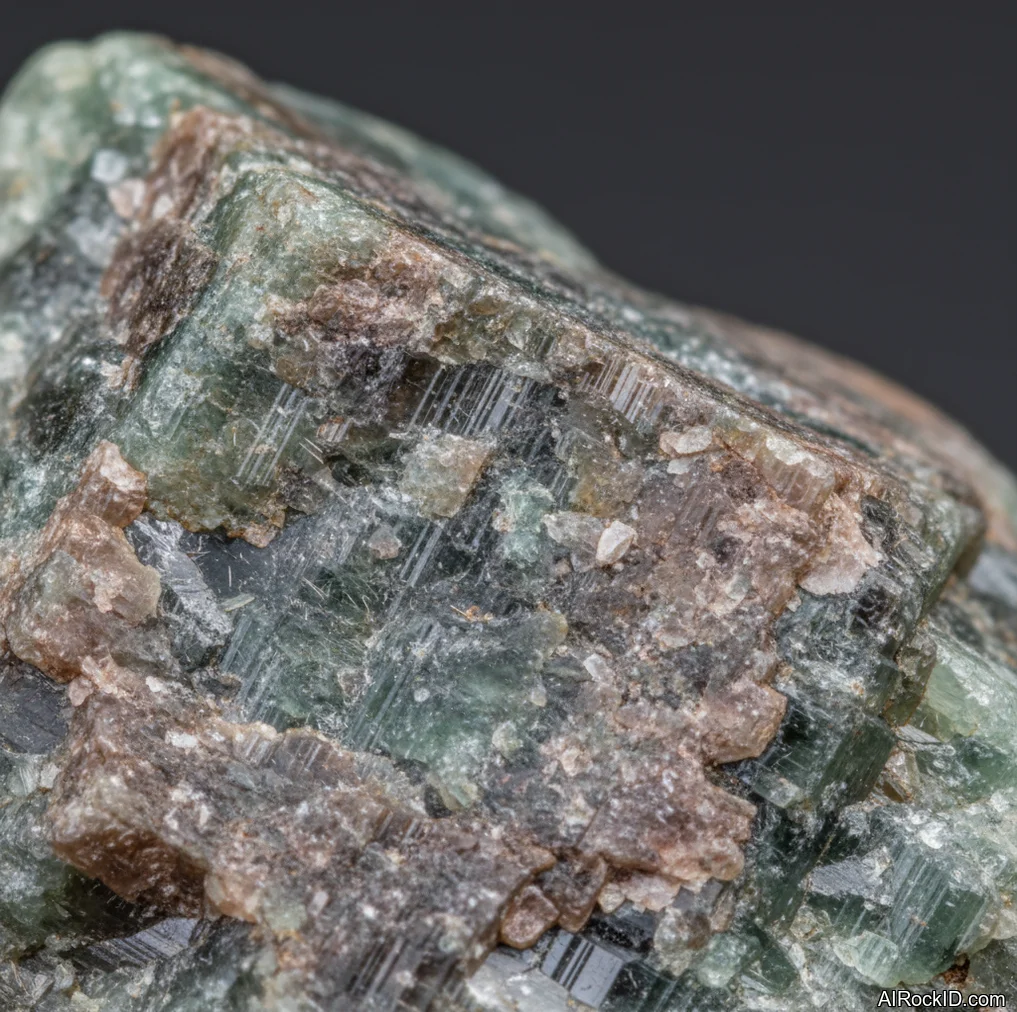
Thing is, routines don’t have to be complicated. Pick one stone for starting and one for finishing. I’ve seen people do well with Citrine or Yellow Calcite to kick off a session, then switch to Blue Apatite or Amazonite when it’s time to refine and edit. The point is the cue. Your brain learns that the stone on the desk means “we’re working now,” the same way a certain playlist does. You can also try a short “touch and look” break: hold the stone, rotate it, focus on one physical detail like banding, flash, or sparkle for 30 seconds, then go back to the page.
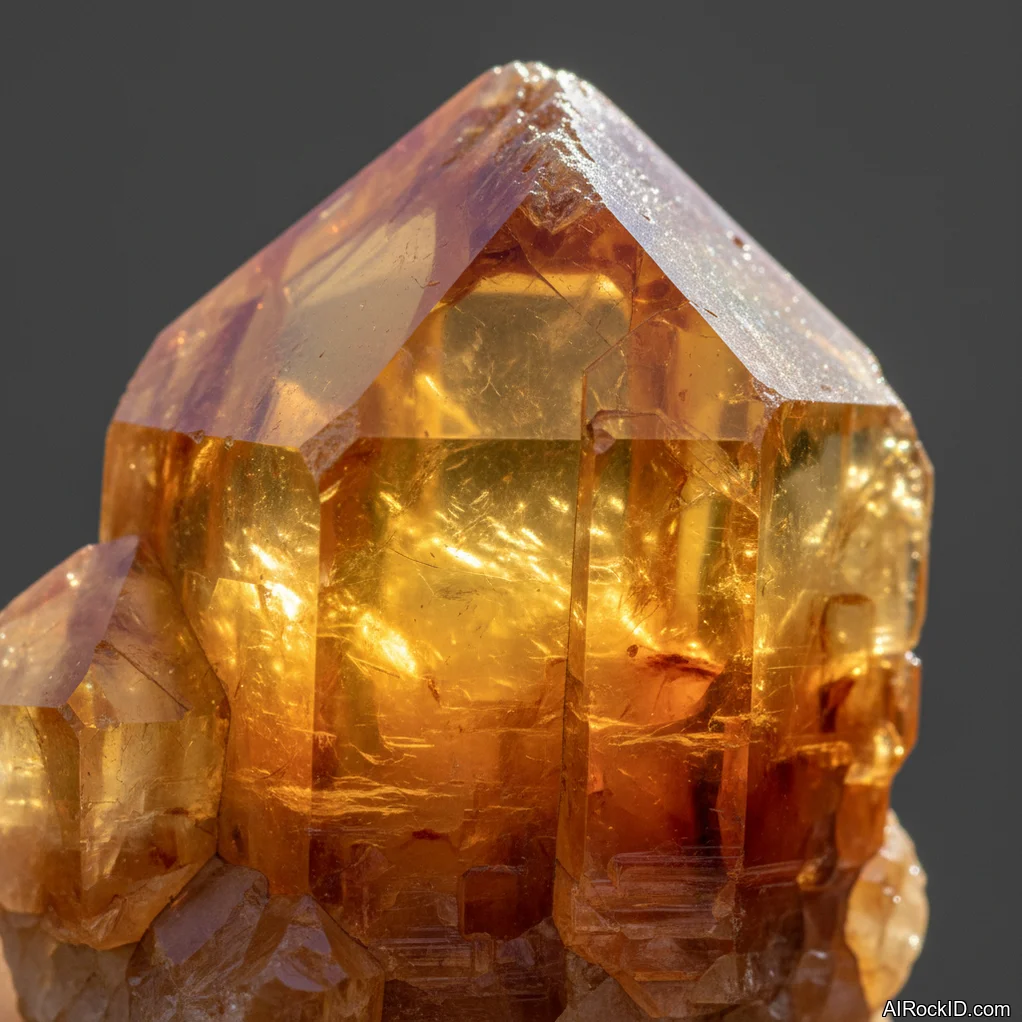
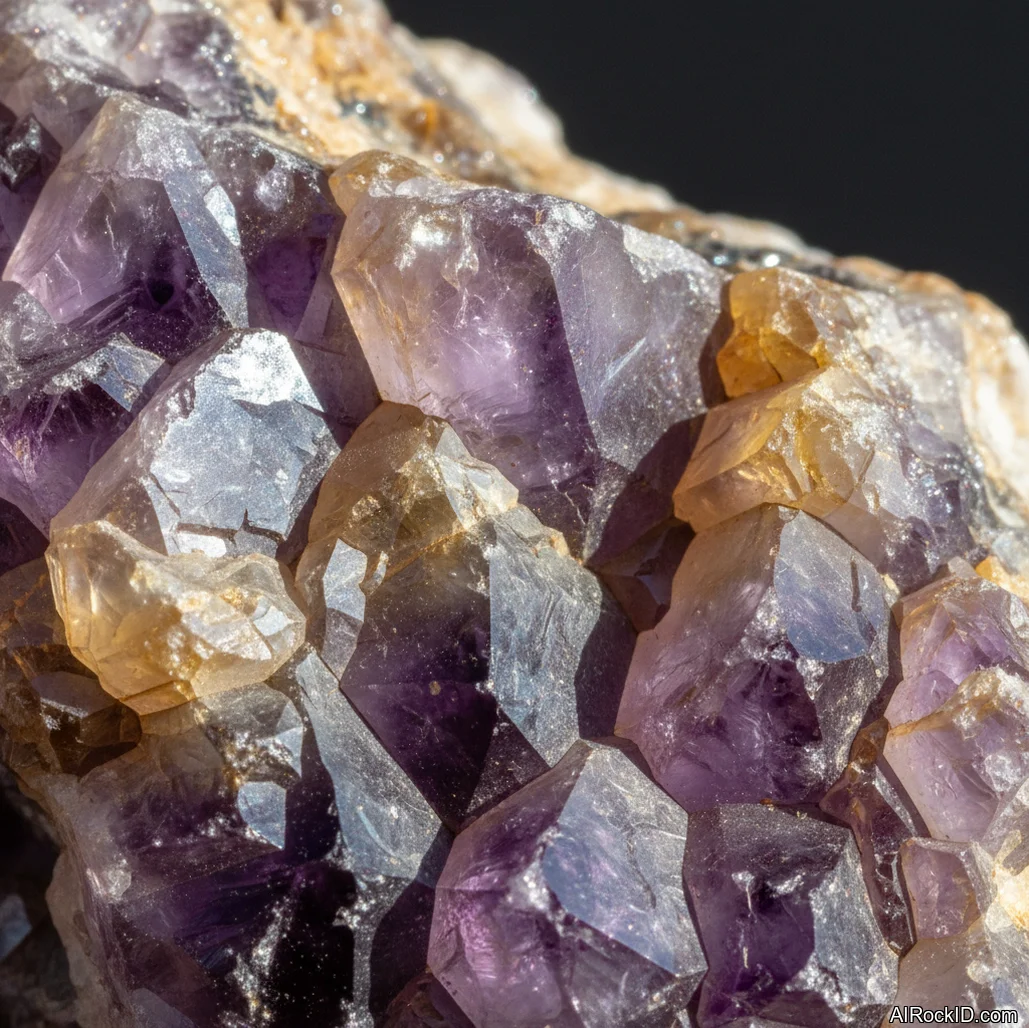
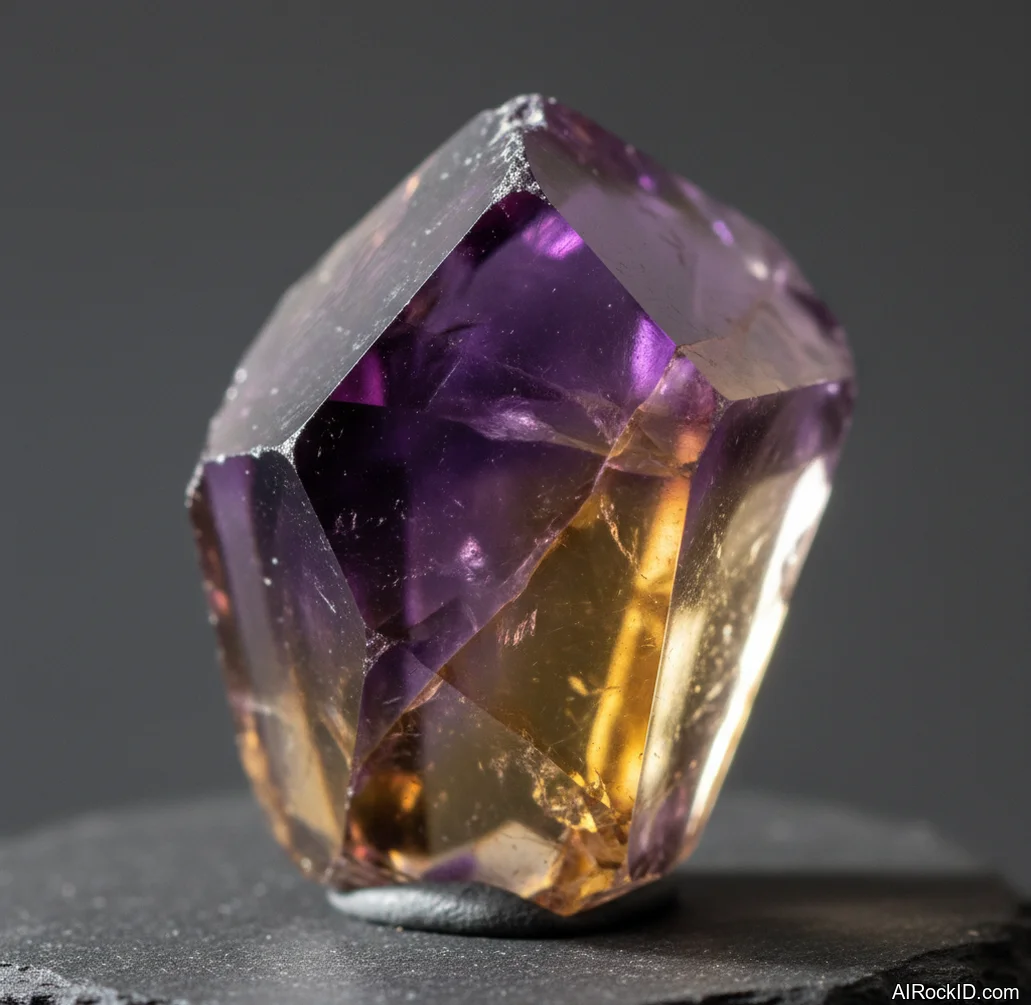
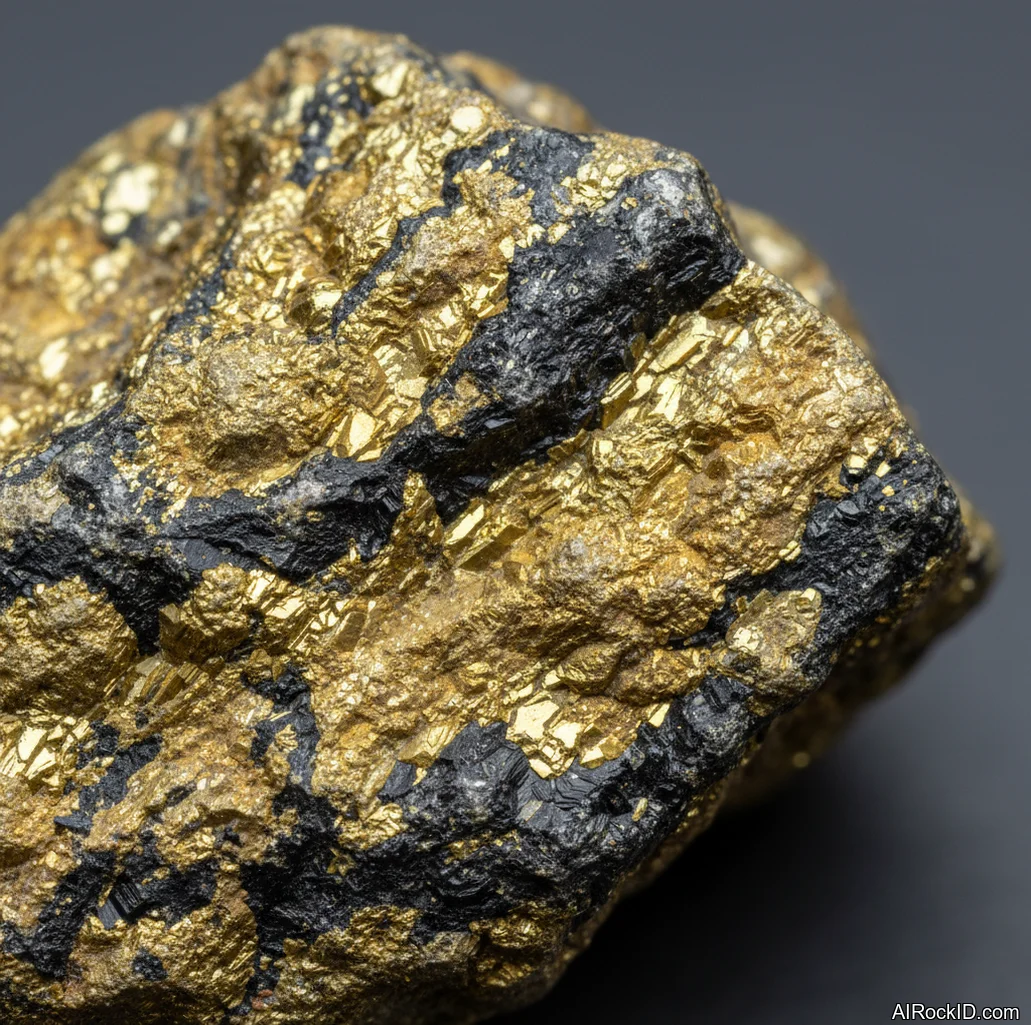
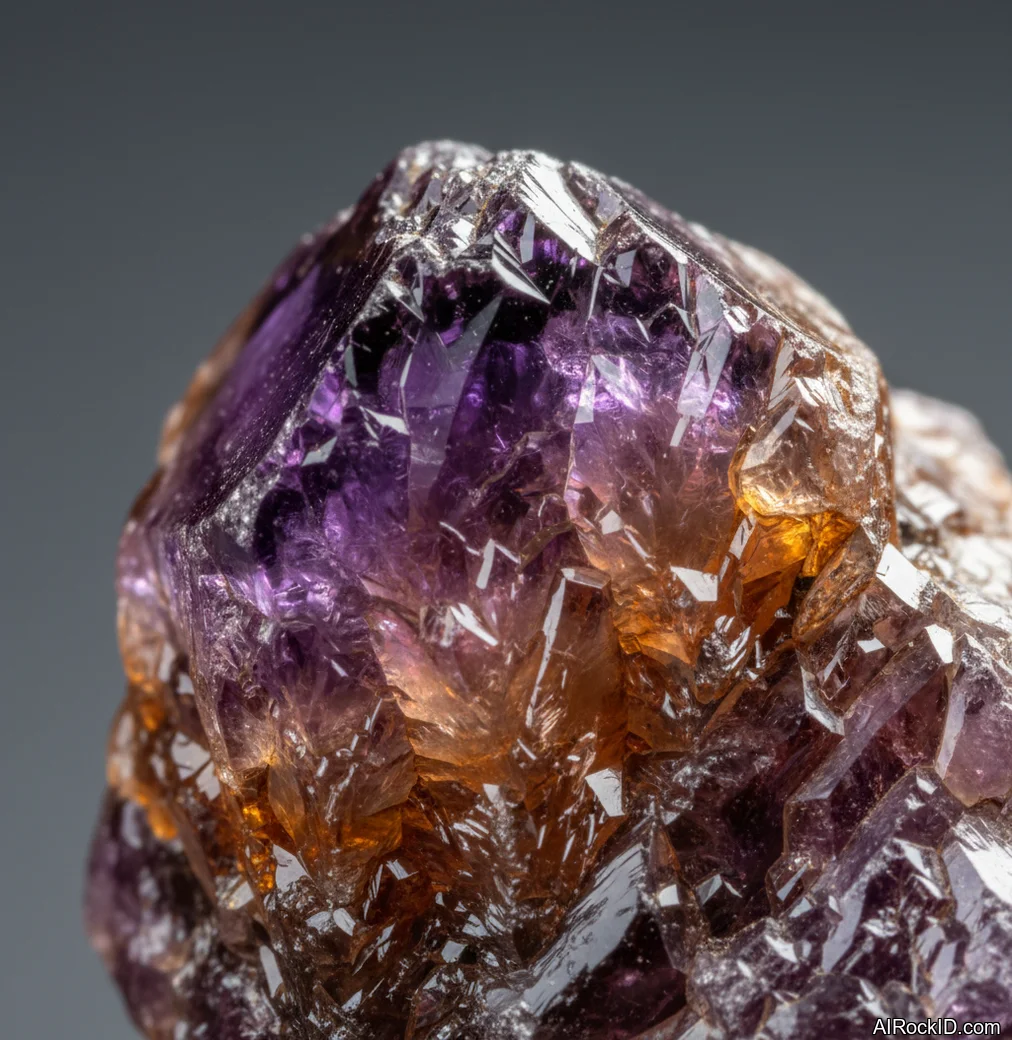
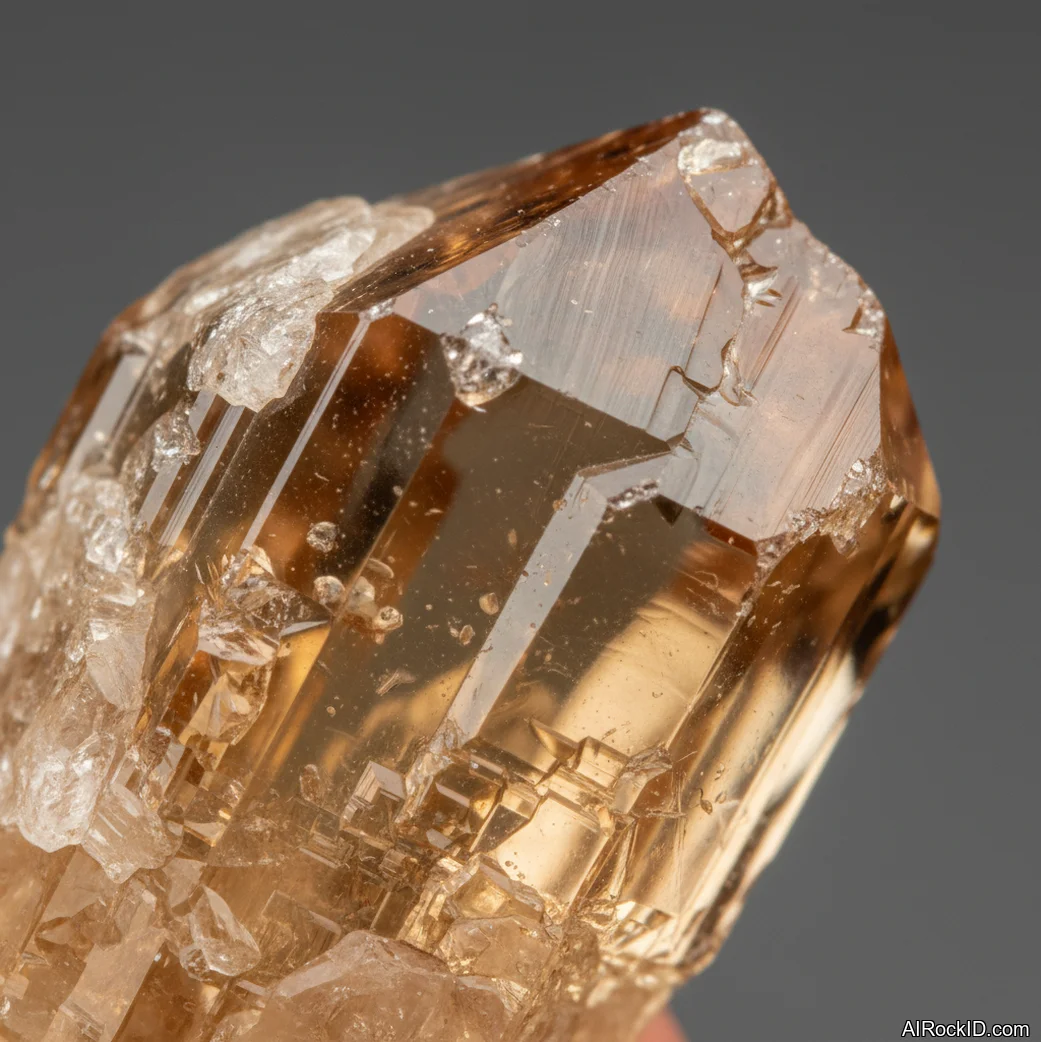
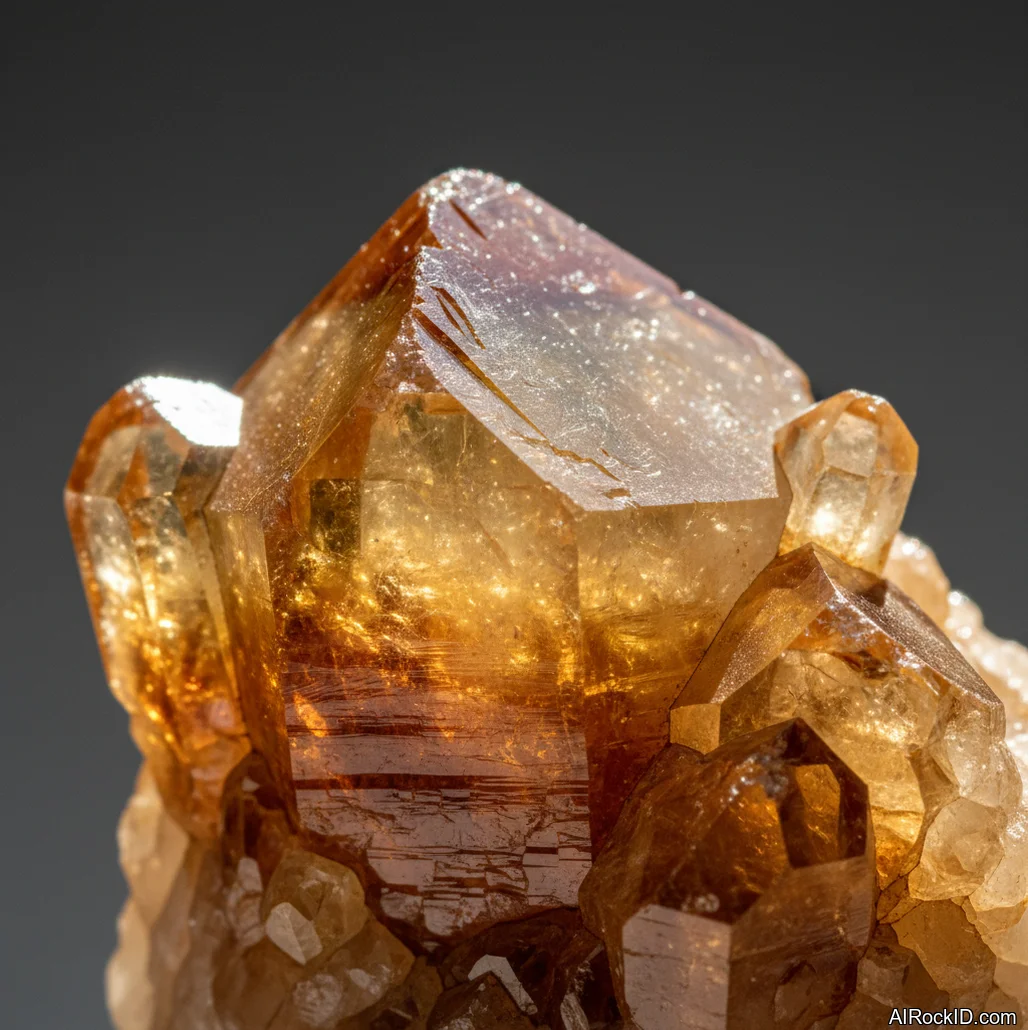
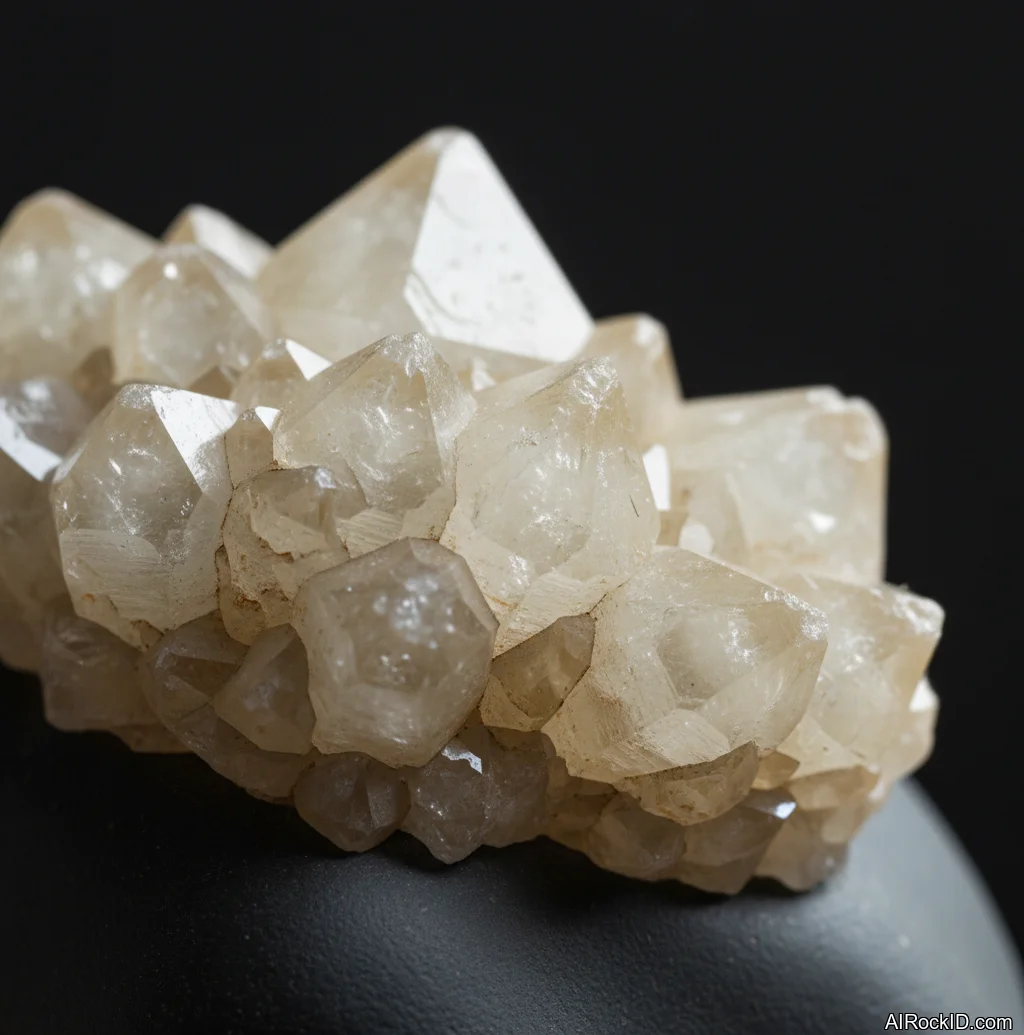
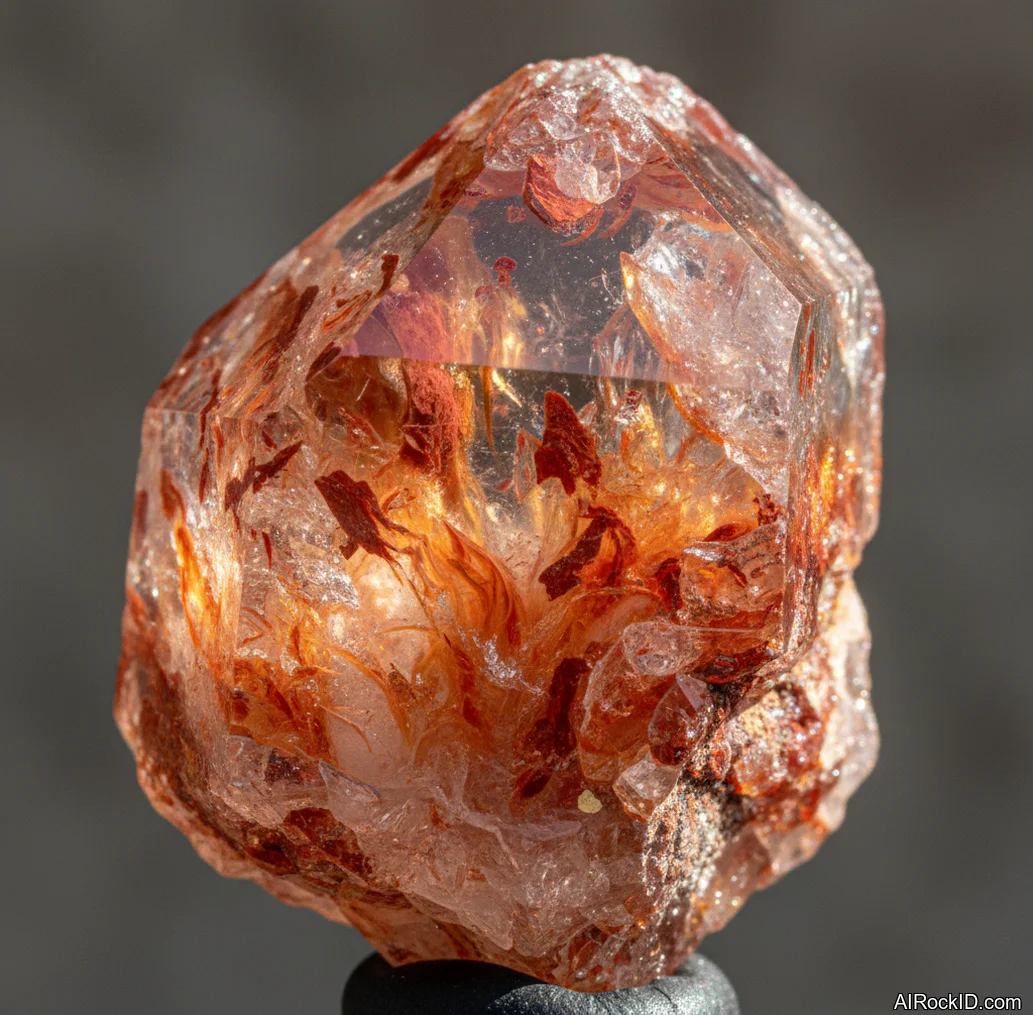
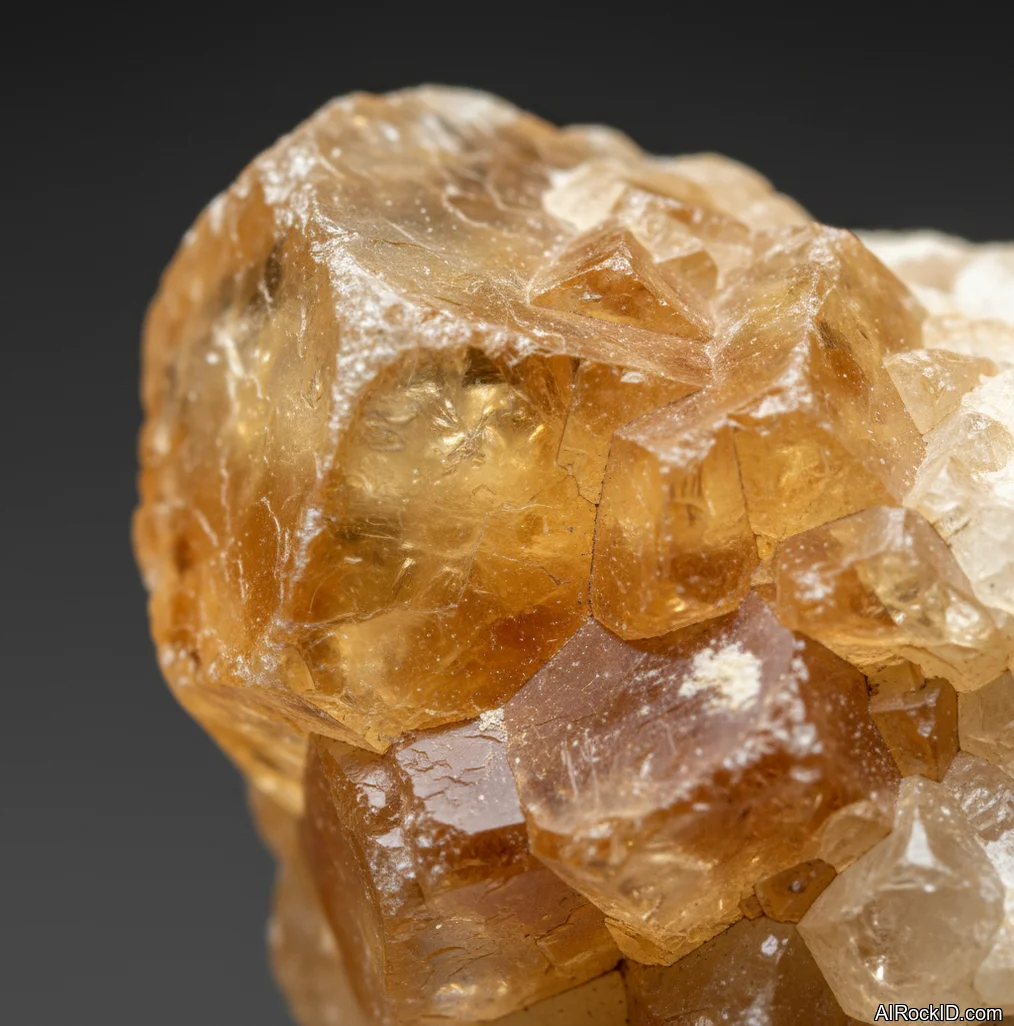
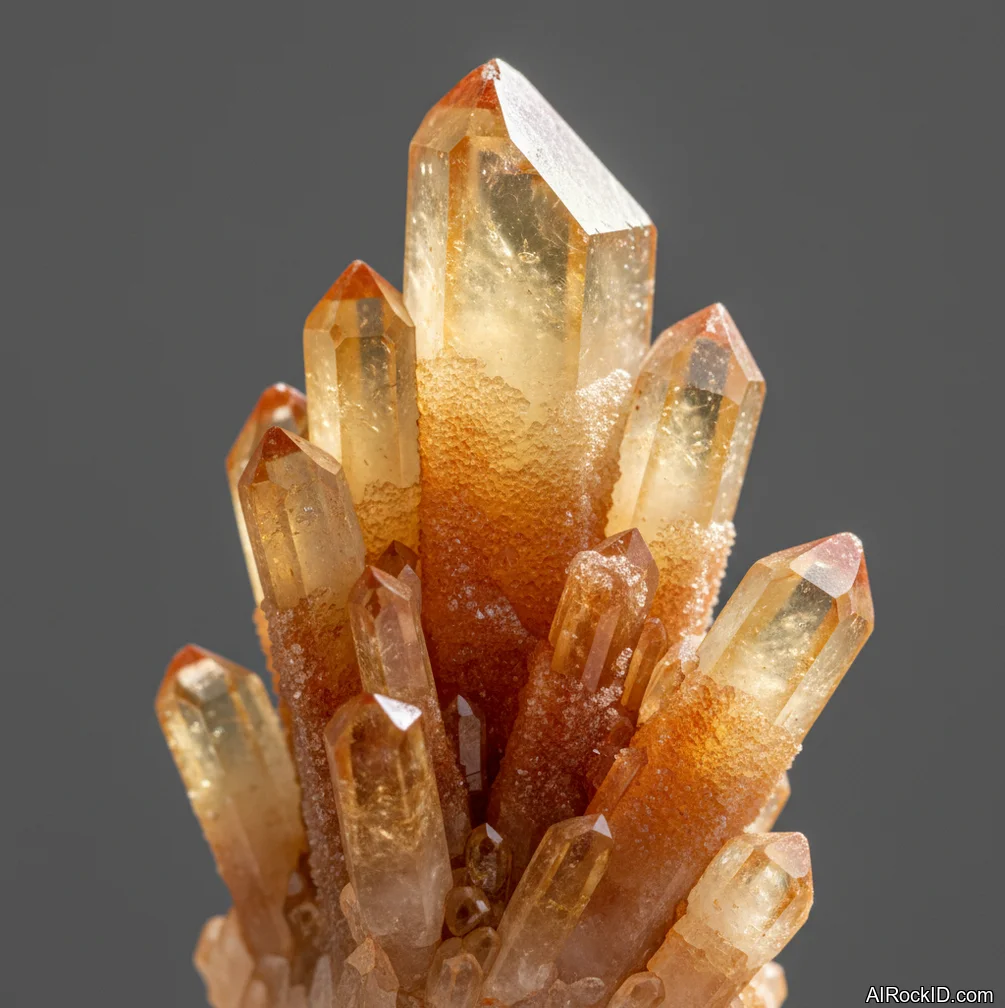
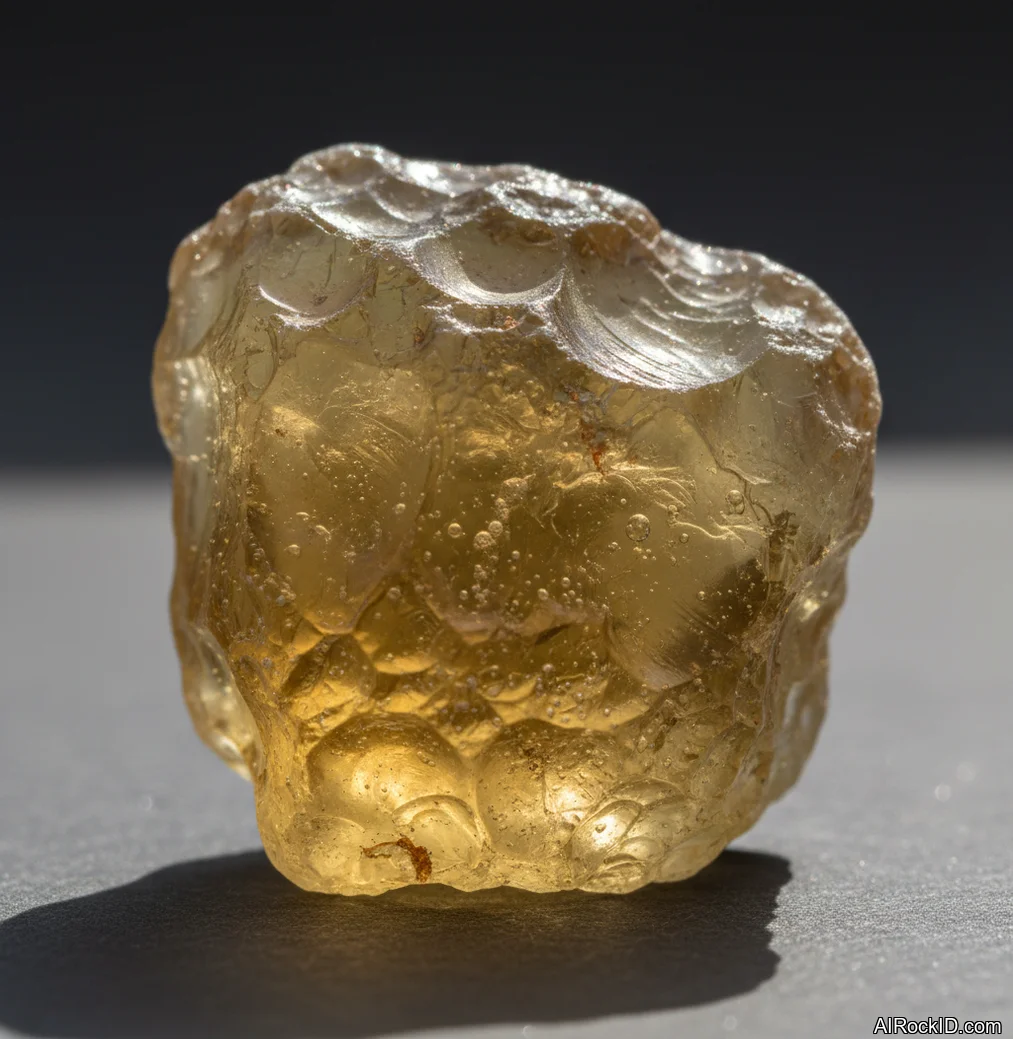
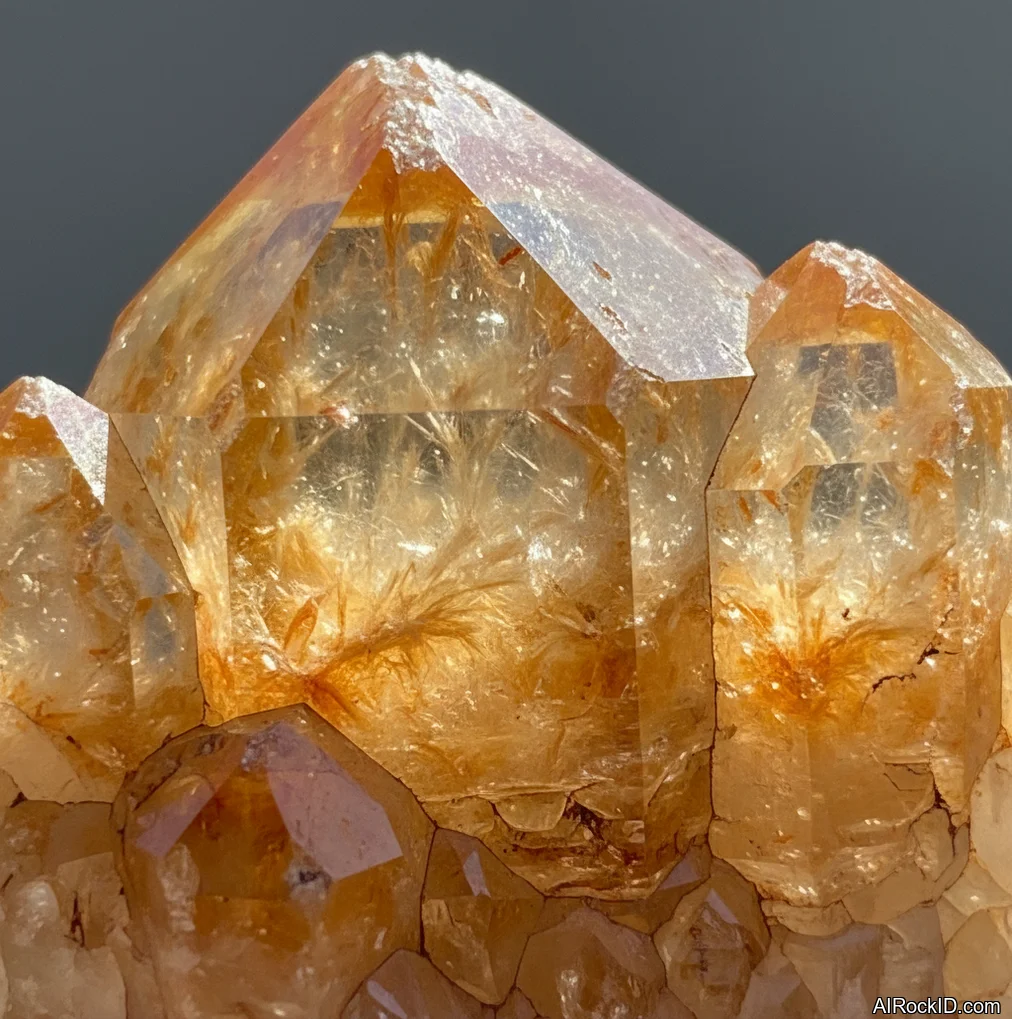
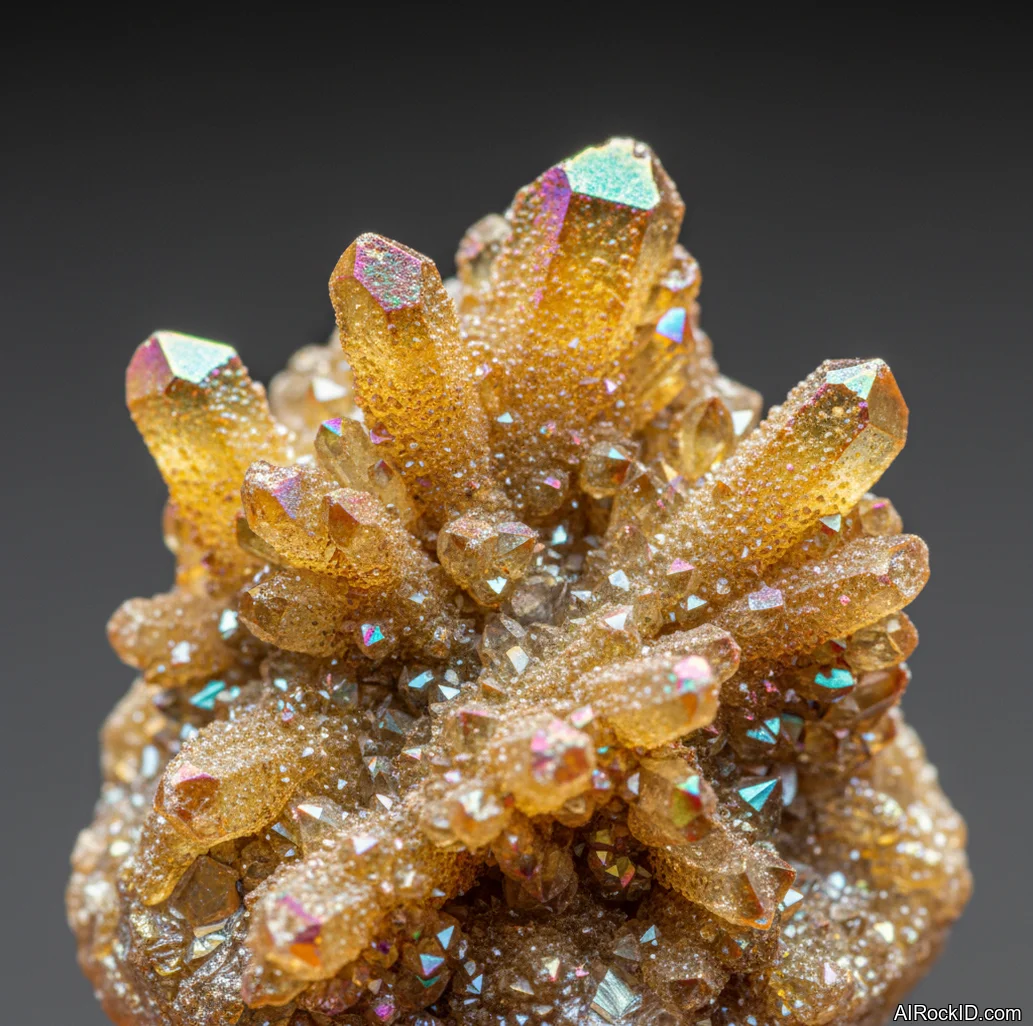
Buying Creativity crystals is where a little collector skepticism saves you money. The problem with “citrine” is that a lot of it is heat-treated amethyst. The giveaway is color that’s too uniform and too burnt orange, especially in clusters with white bases. Natural citrine is usually paler and more smoky, and clean natural clusters aren’t cheap. With carnelian, dyed agate can sneak in. If the orange is neon and the stone has bright color pooled in cracks or around drill holes, it’s probably dyed.
Look for workmanship, too. A lot of Creativity stones get sold as towers and hearts because they sit nicely on a desk, but bad polishing can make them feel sticky or plastic-like. Most dealers won’t mention it, but a good polish on labradorite should feel like glass, and the flash should be crisp, not cloudy under the surface. Ask for a quick video under a single light source. That tells you more than five perfectly edited photos (seriously, it does).
Last tip from the shop counter. Buy the piece you’ll actually touch. A museum-grade labradorite slab is cool, but if you’re afraid to move it, it won’t help you when you’re stuck. A palm stone with a small chip on the back, one you can rub while you think, tends to do more real-world work. Creativity is a habit. Crystals are just one way people anchor that habit to something you can hold.
All Creativity Crystals (168)