Crown Chakra Crystals
Learn about Crown Chakra crystals, how to choose them, and practical ways to use stones like amethyst, selenite, clear quartz, and lepidolite.
Crown Chakra work, in crystal terms, is the head stuff. Clarity. Quiet. That spaced-out feeling after a long meditation when your thoughts finally stop grabbing at you. People link it to the top of the head, sure, but in a shop it gets said way simpler: stones that feel airy, bright, and mentally cooling usually get filed under Crown. And that’s why you keep seeing clear quartz, amethyst, selenite (satin spar gypsum), danburite, and lepidolite grouped together.
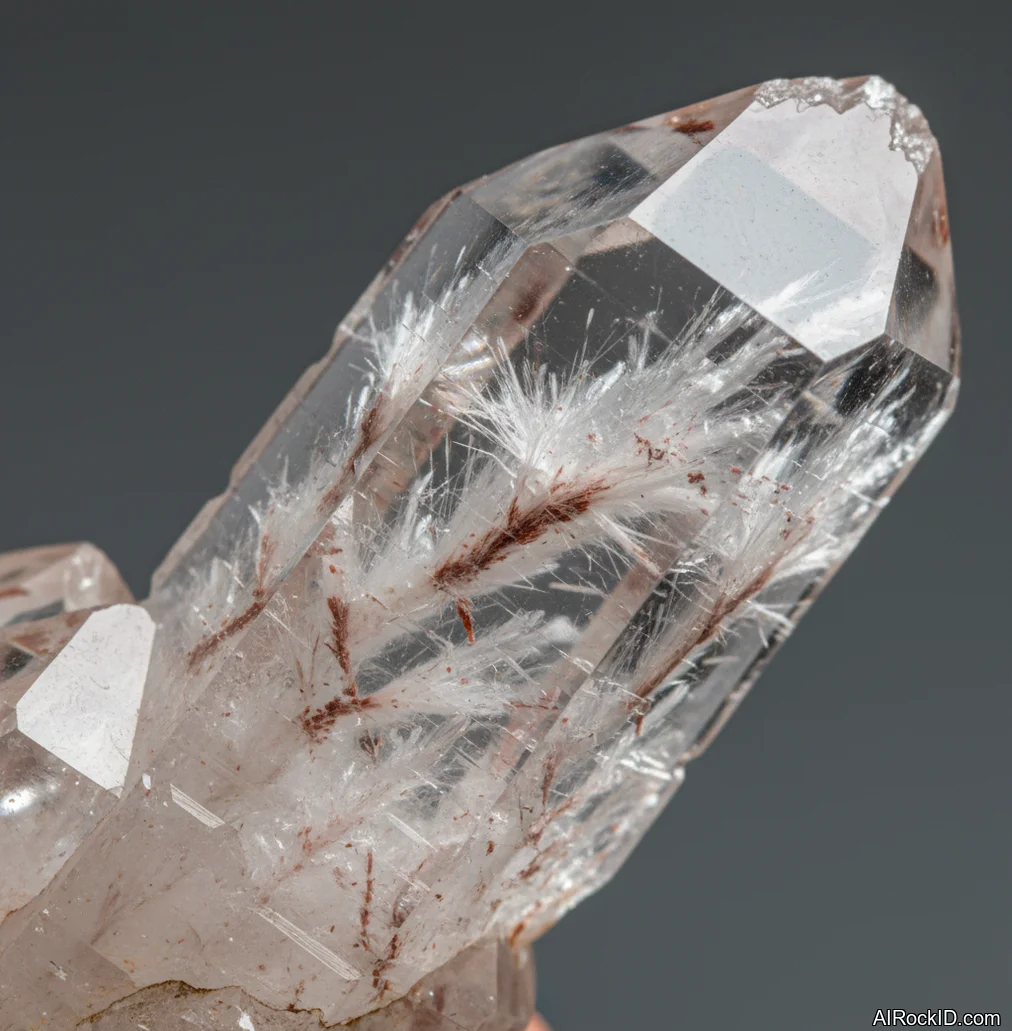
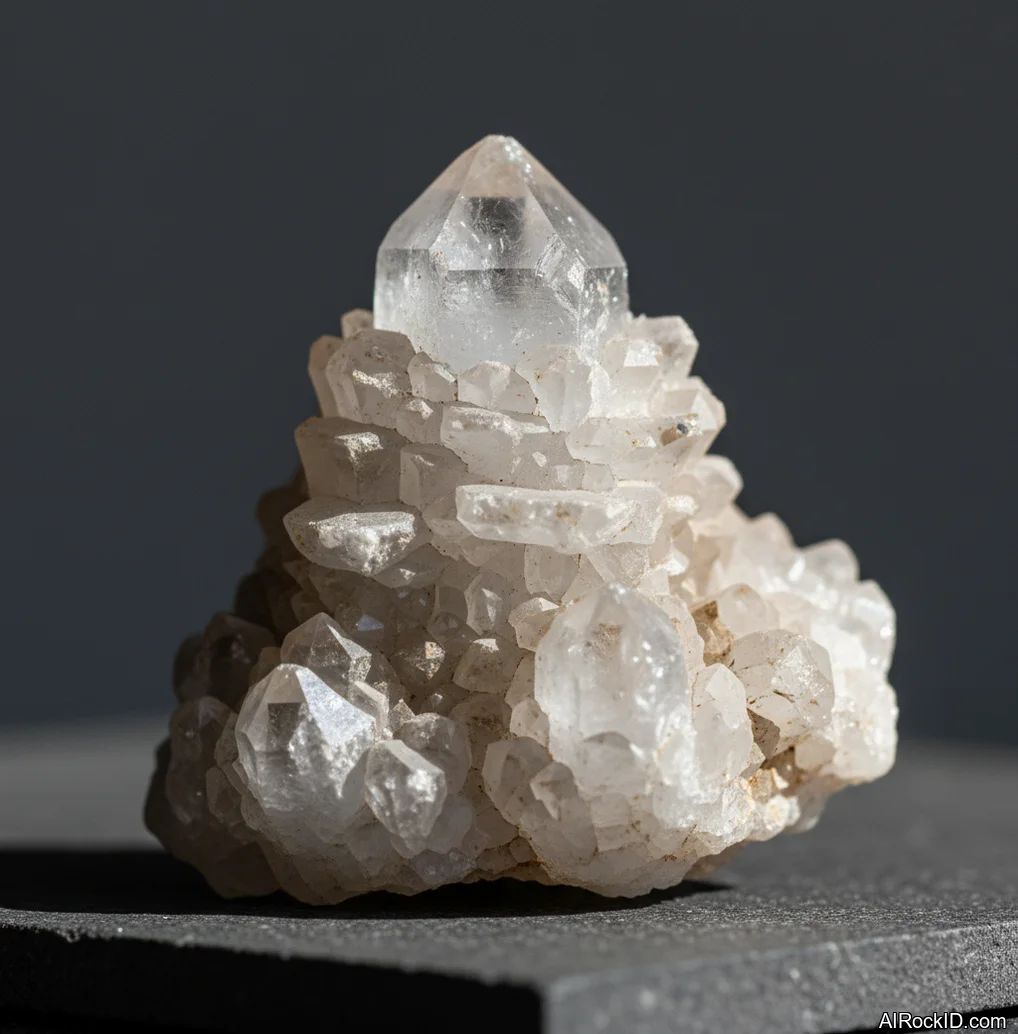
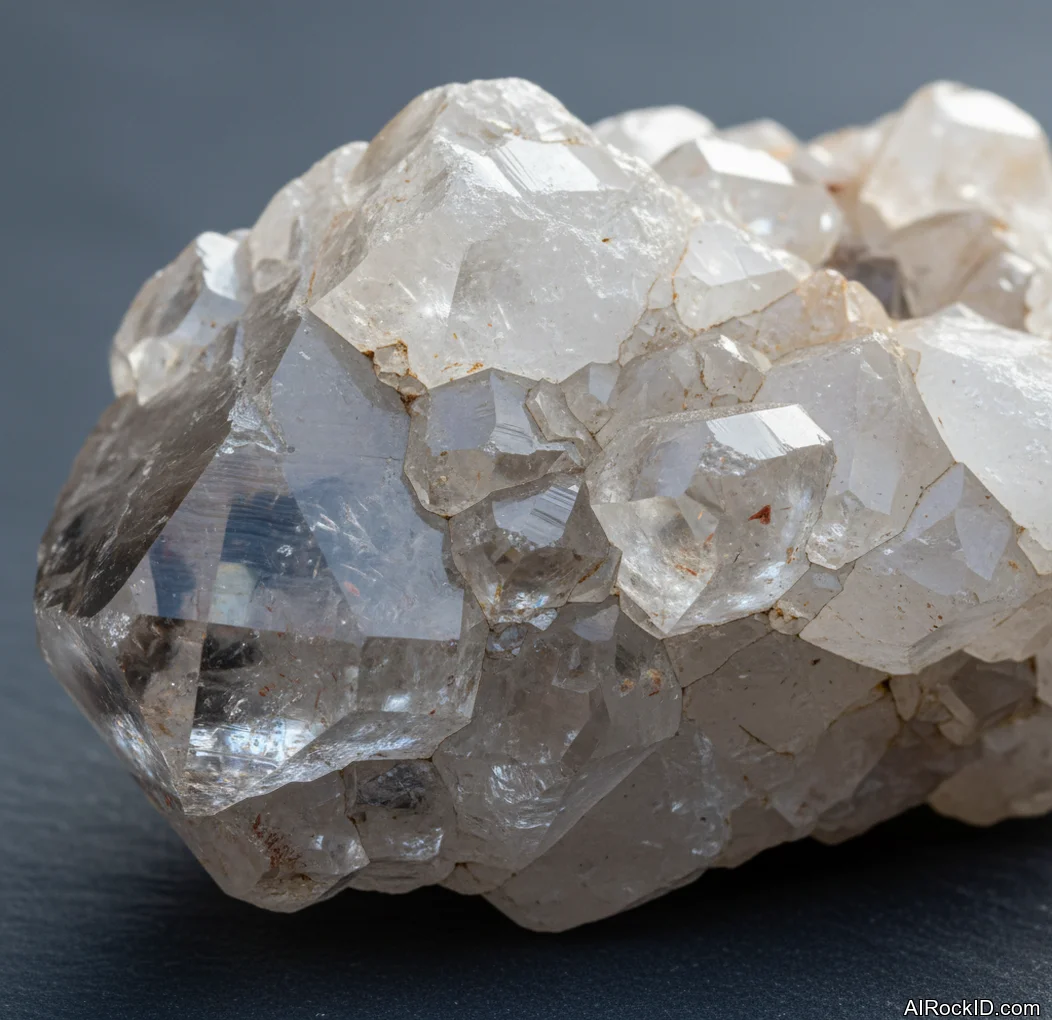
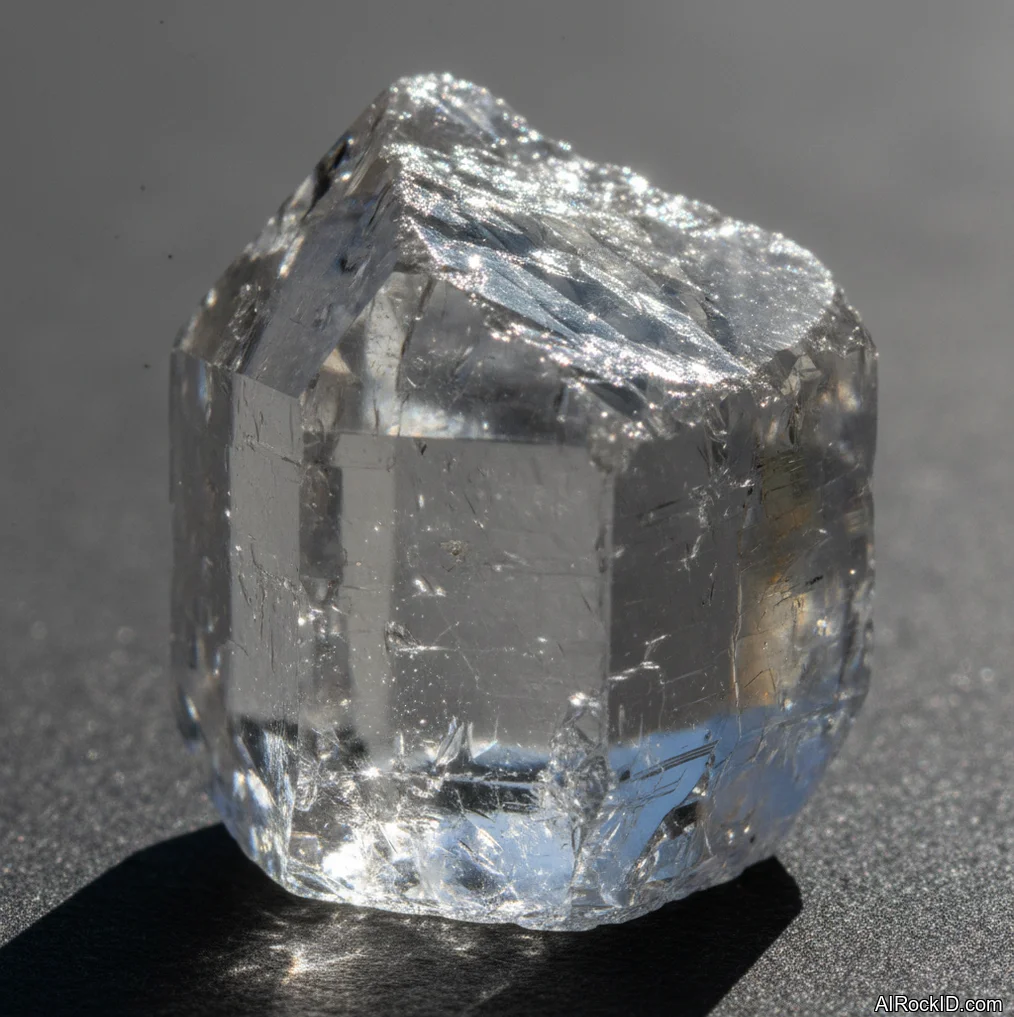
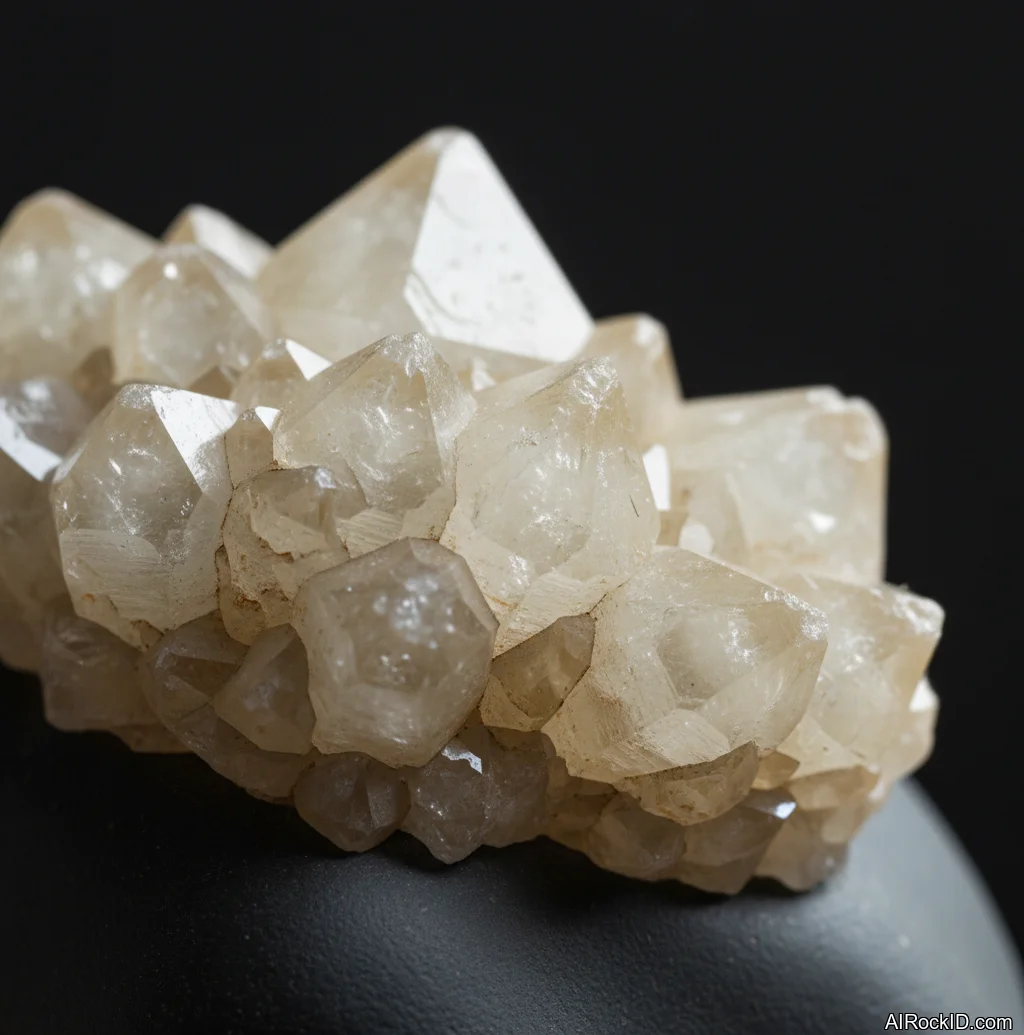
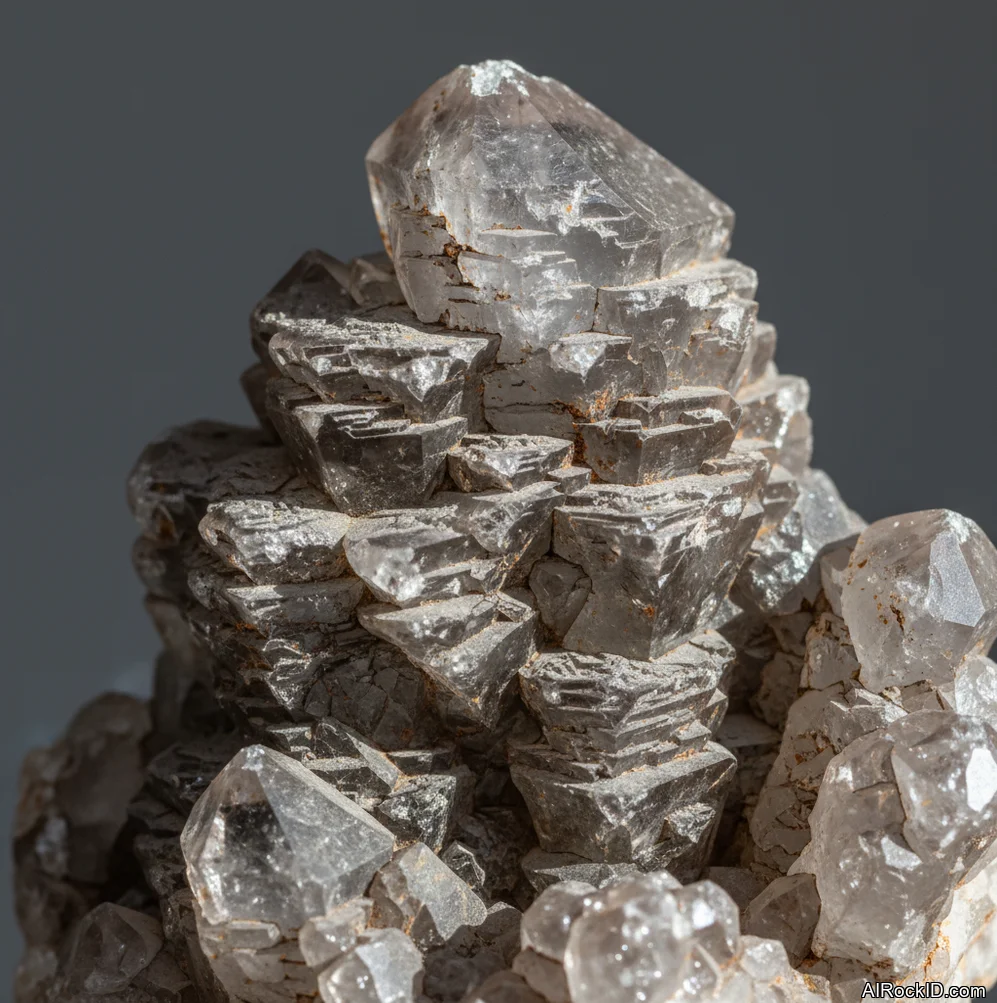
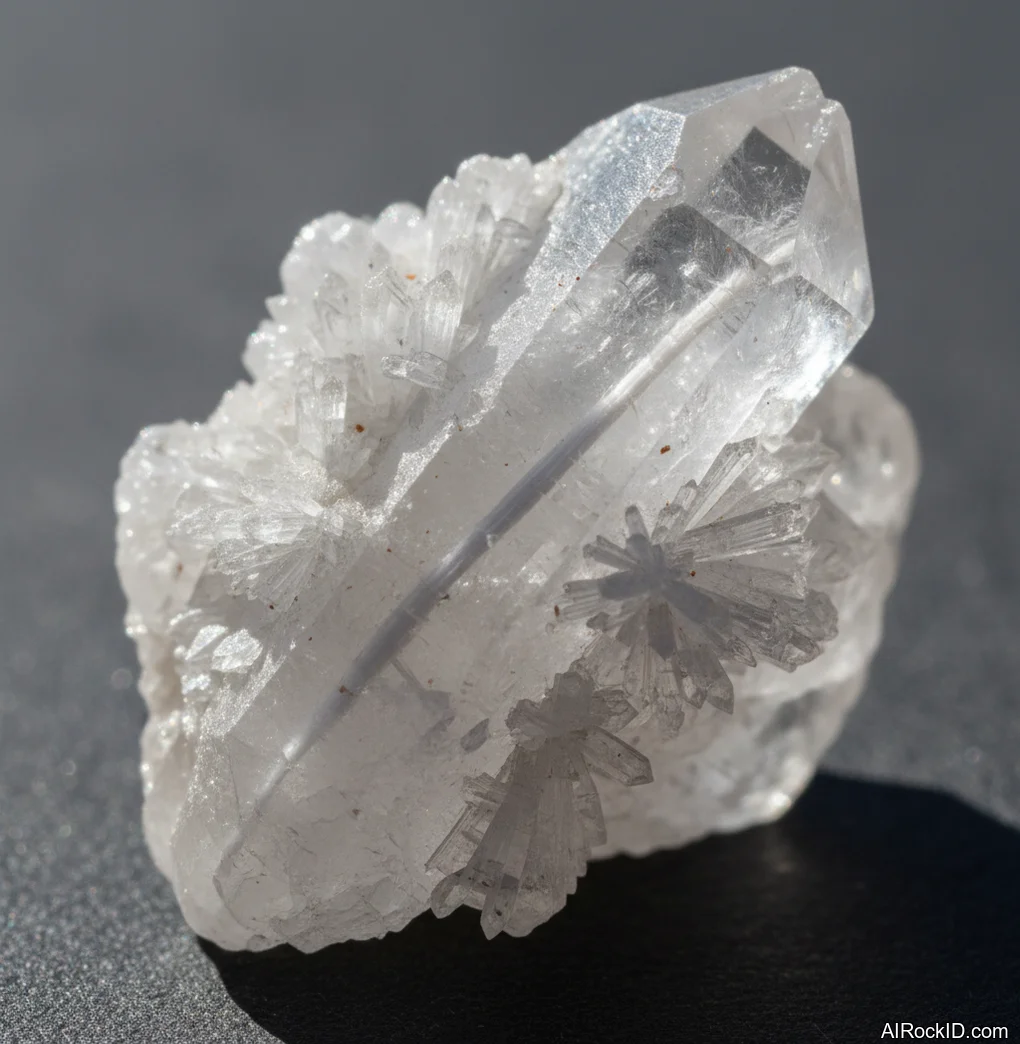
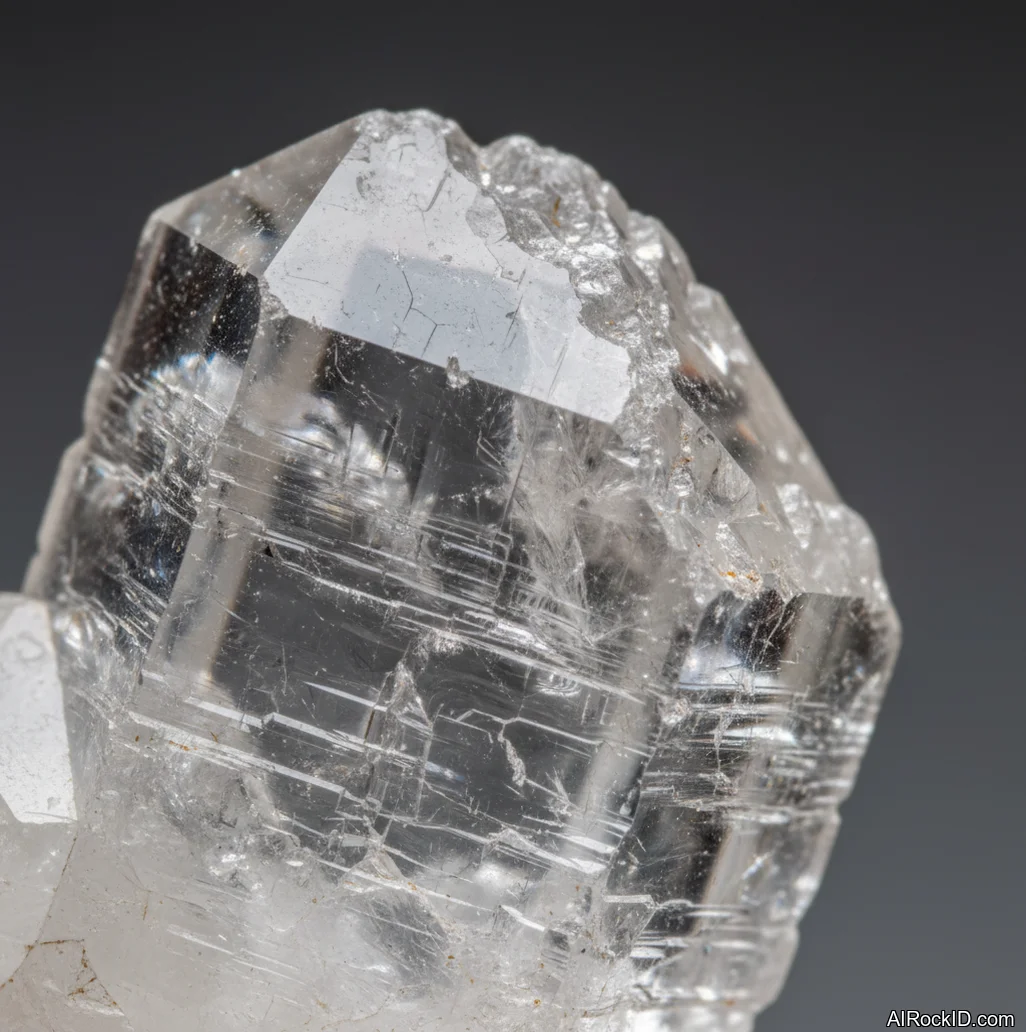
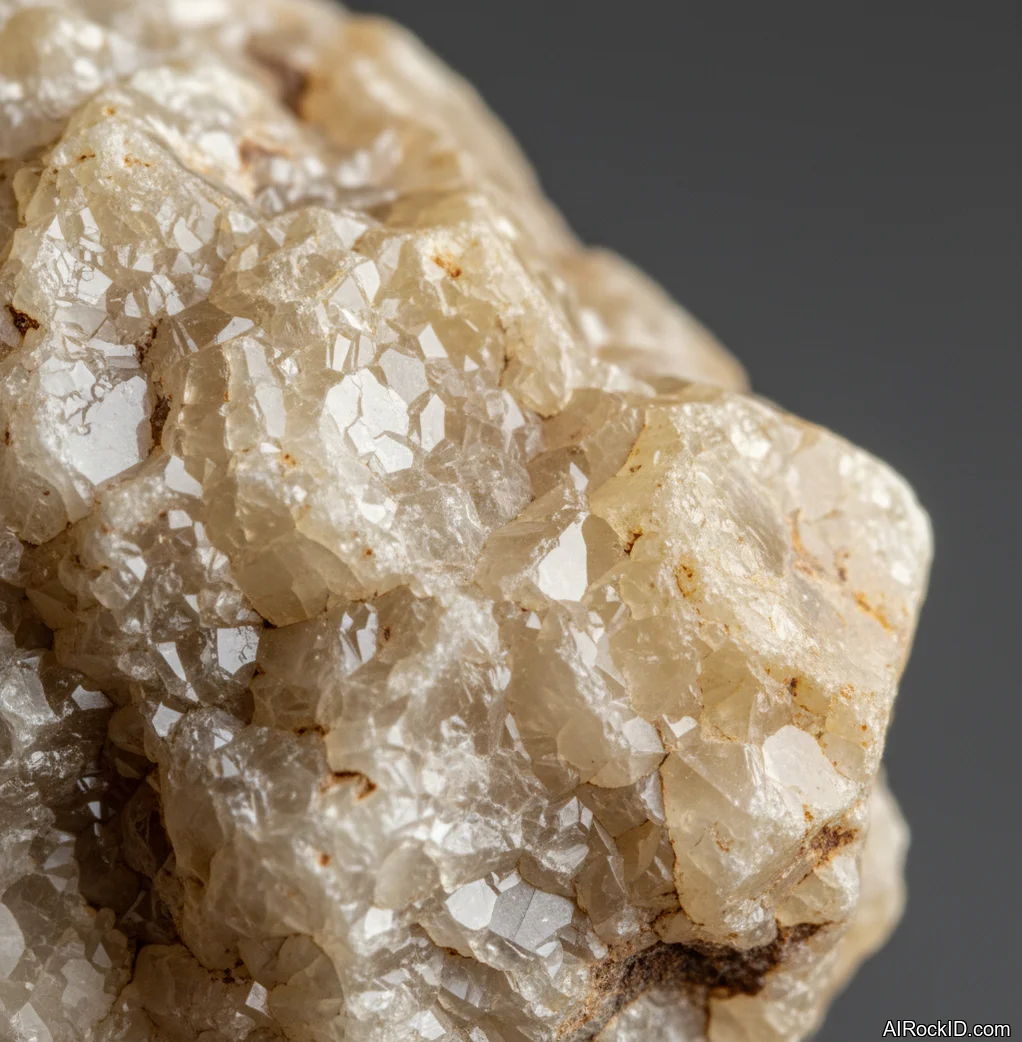
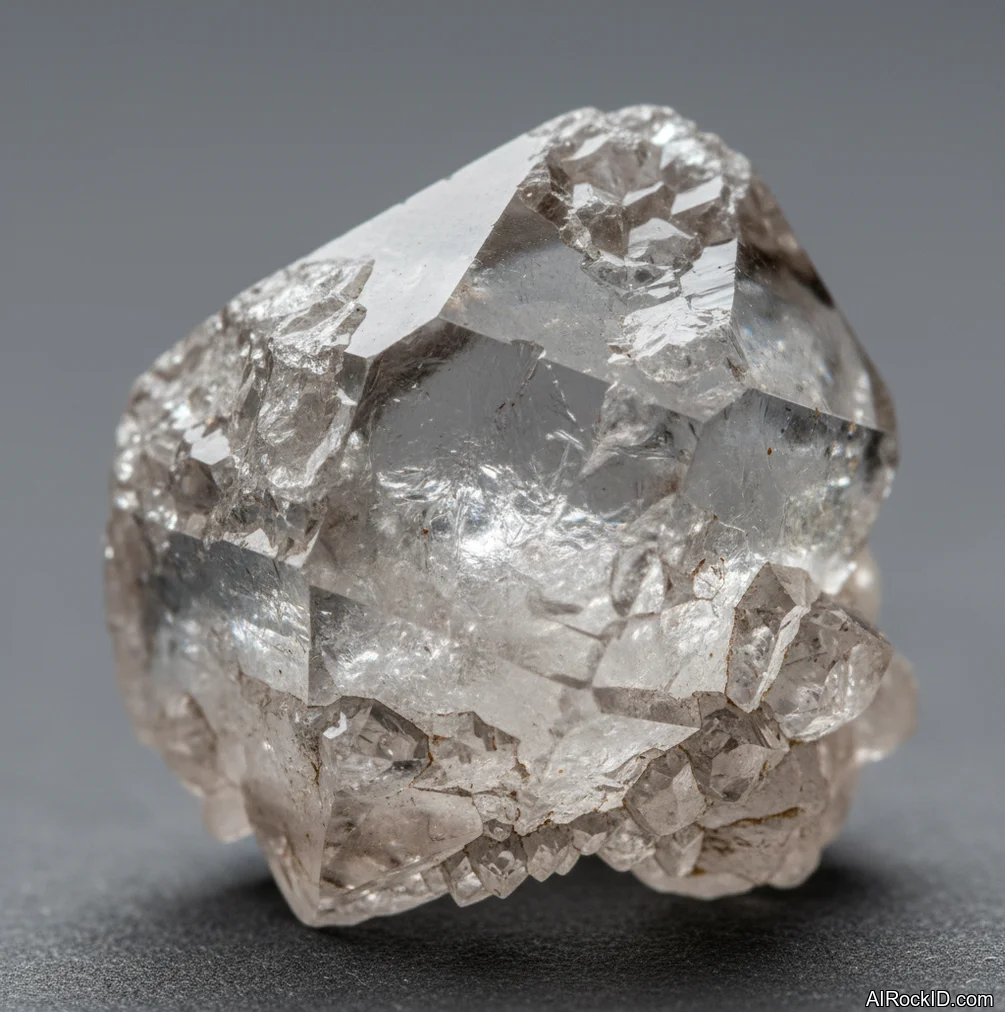
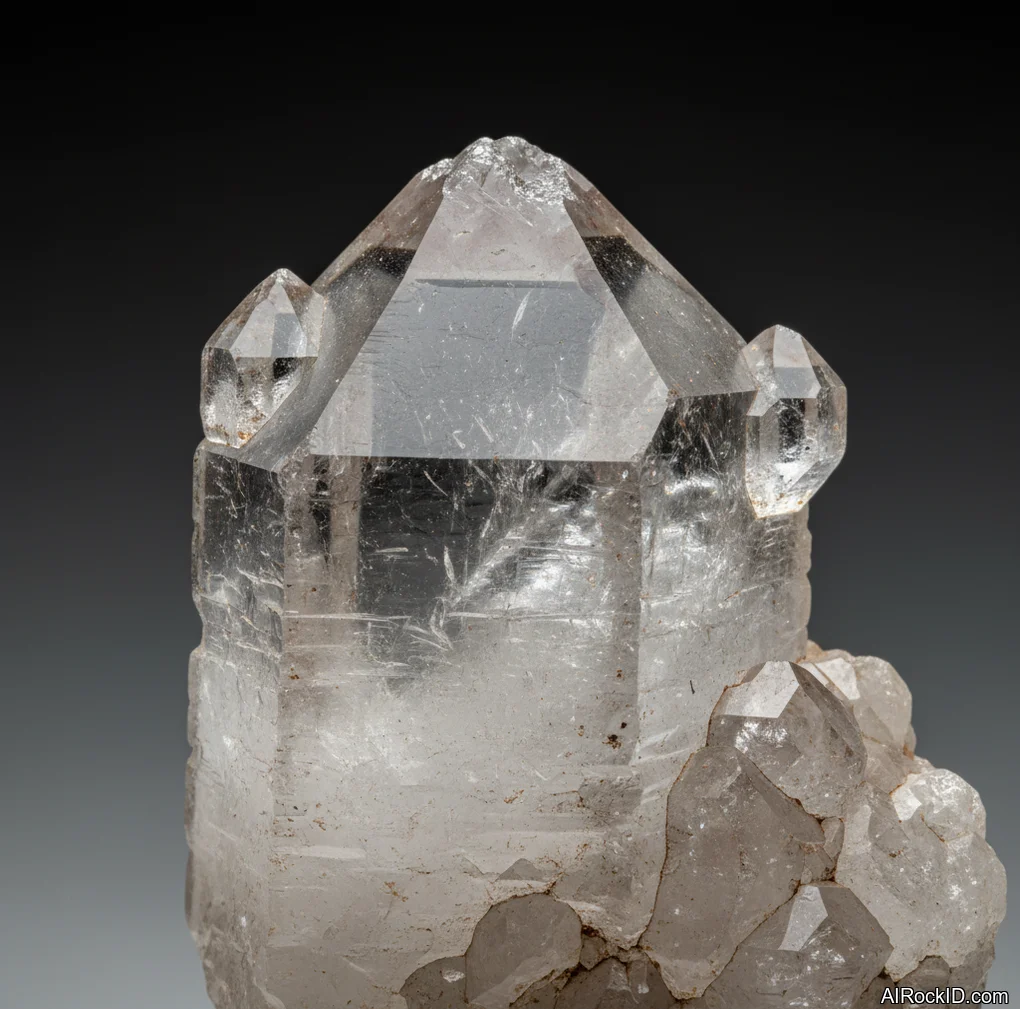
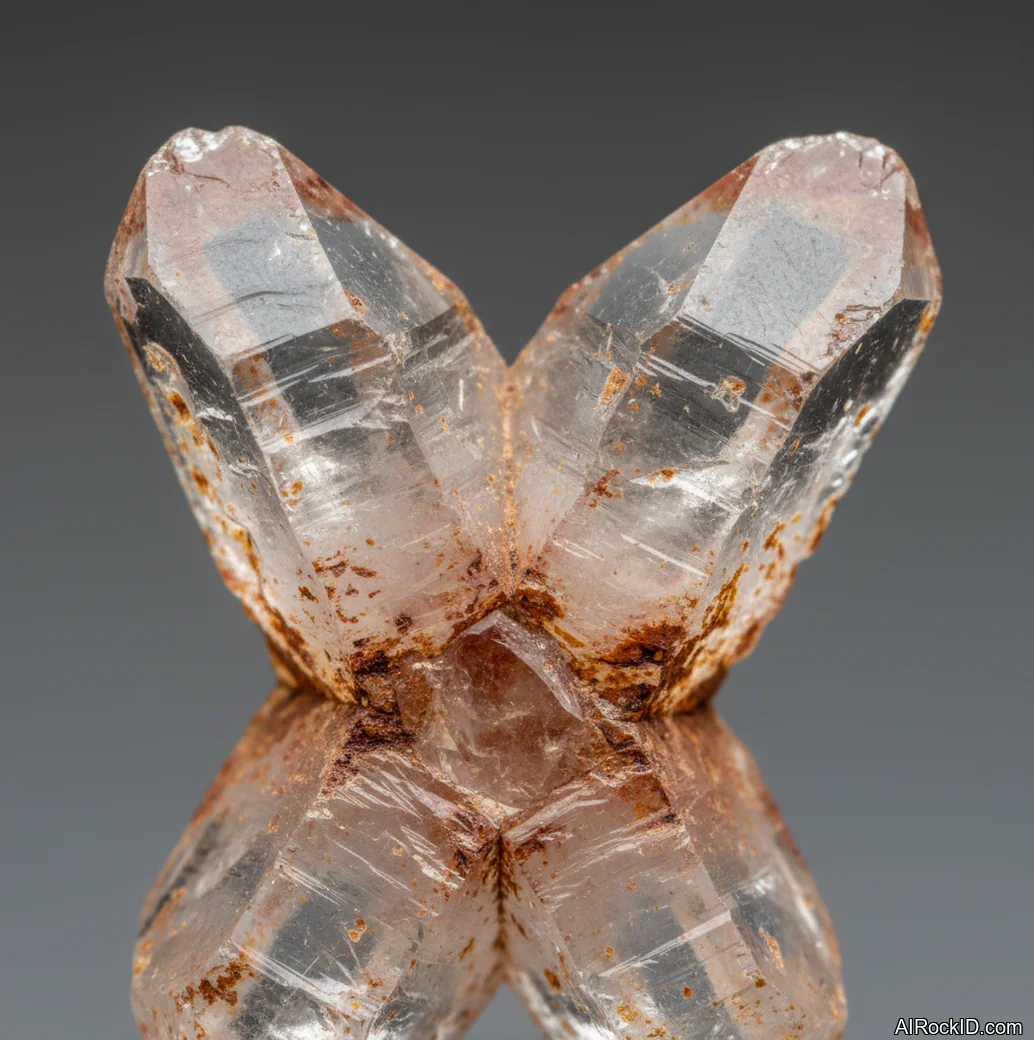
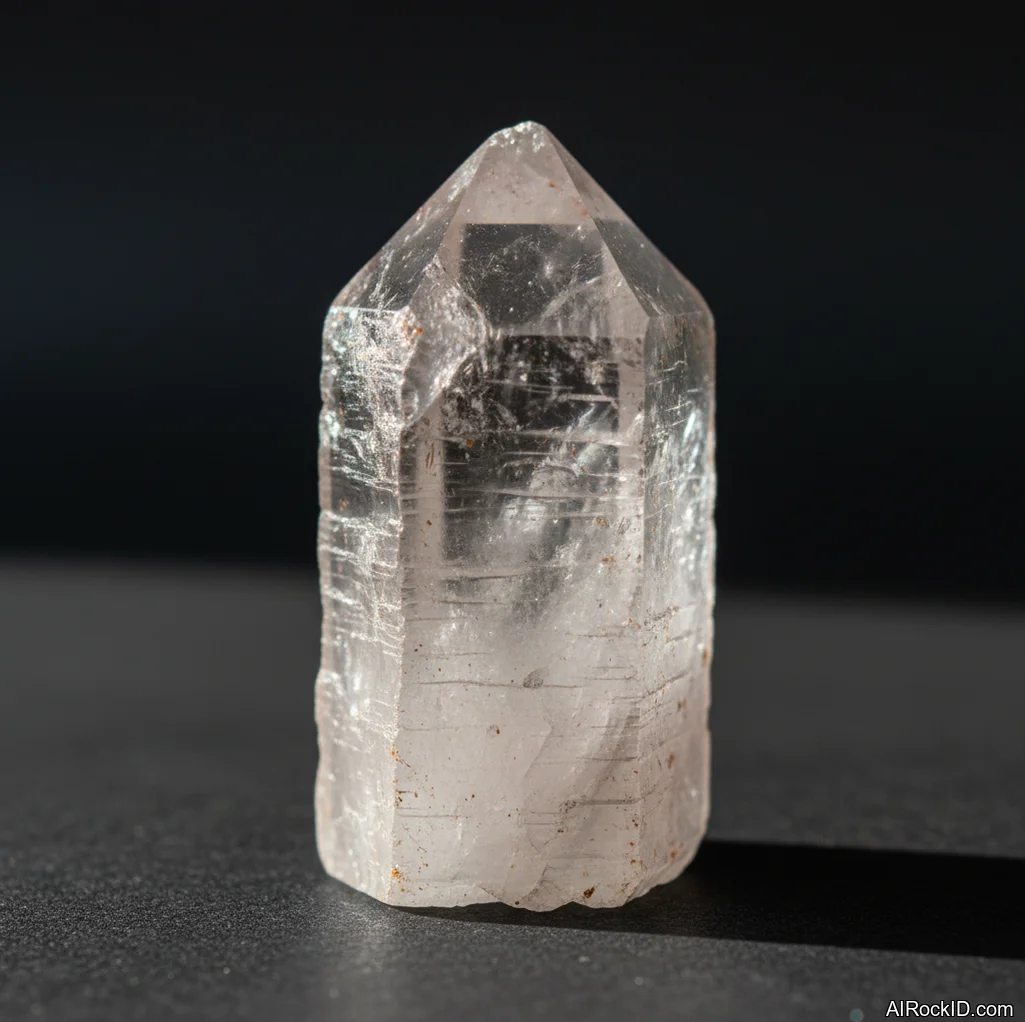
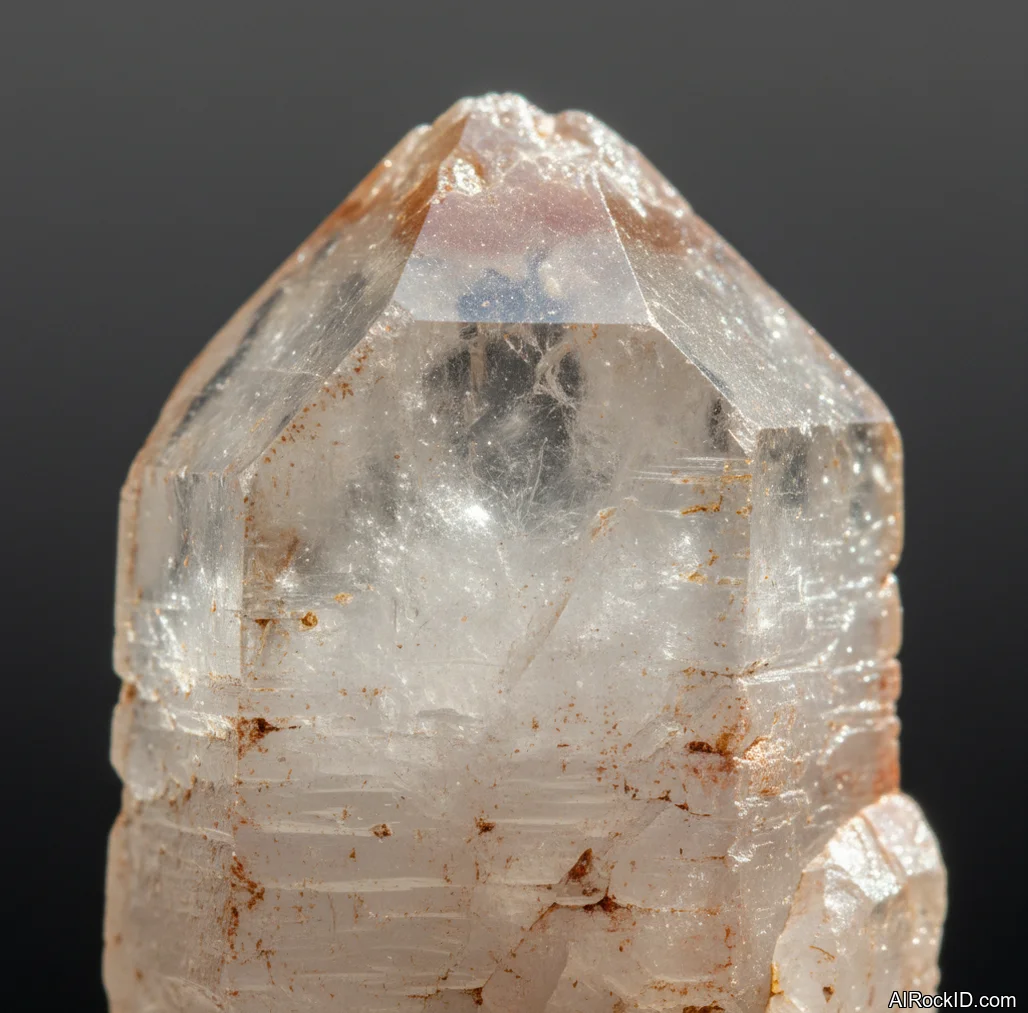
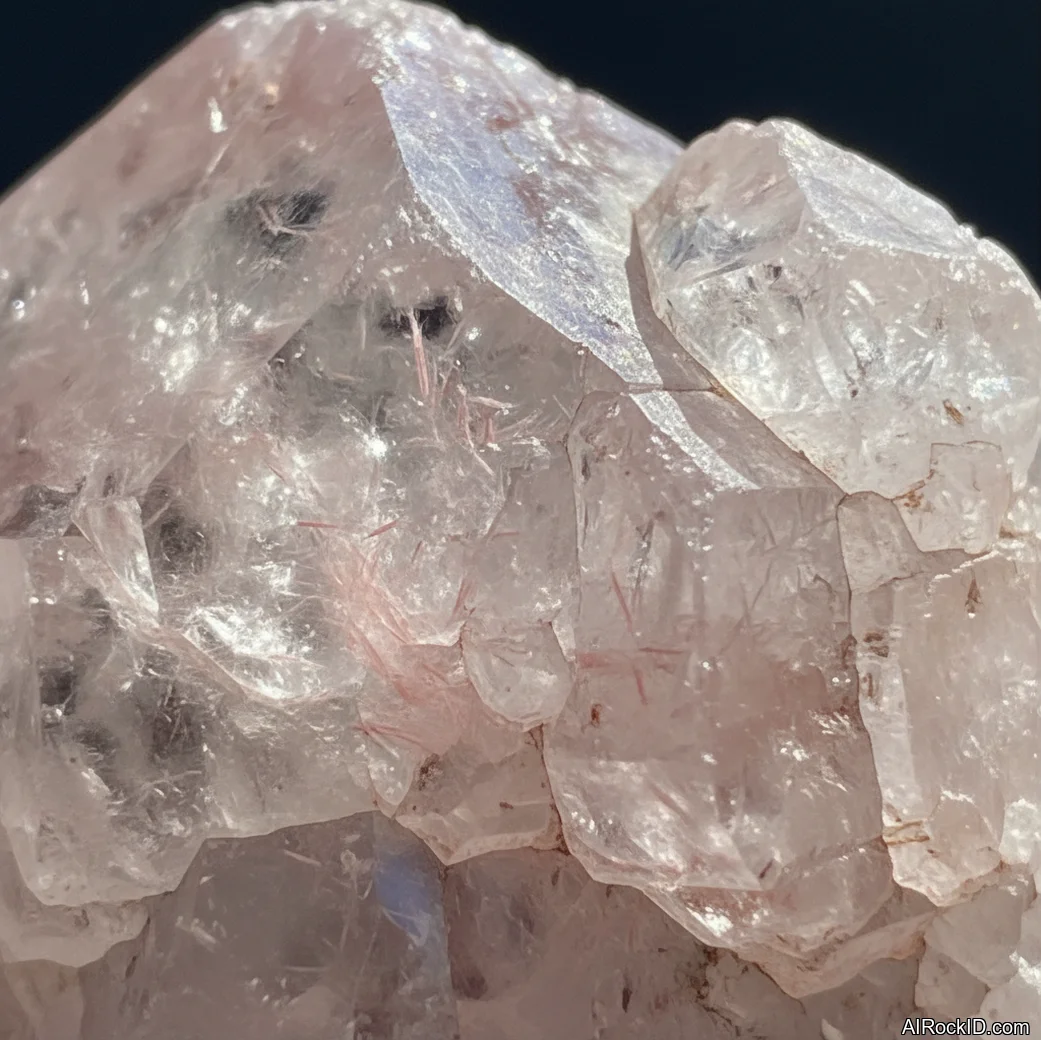
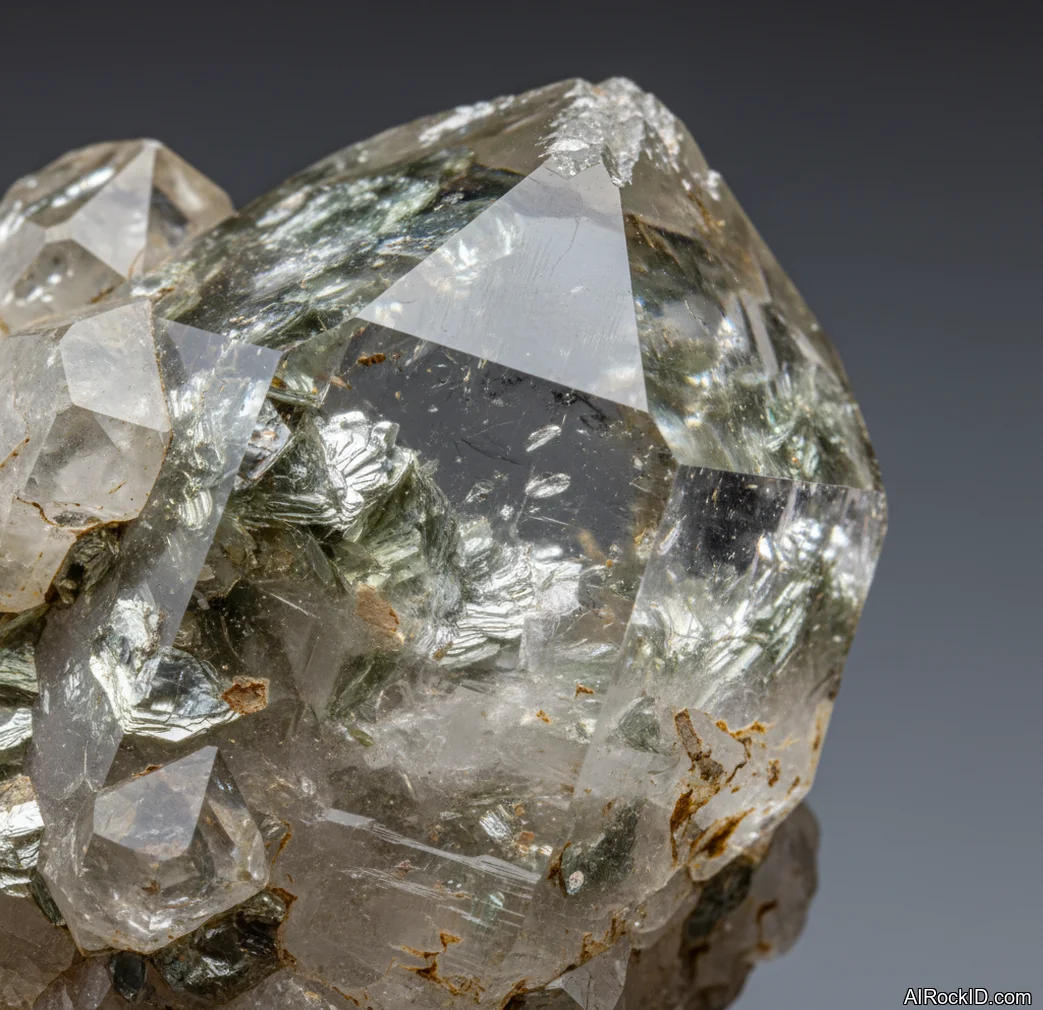
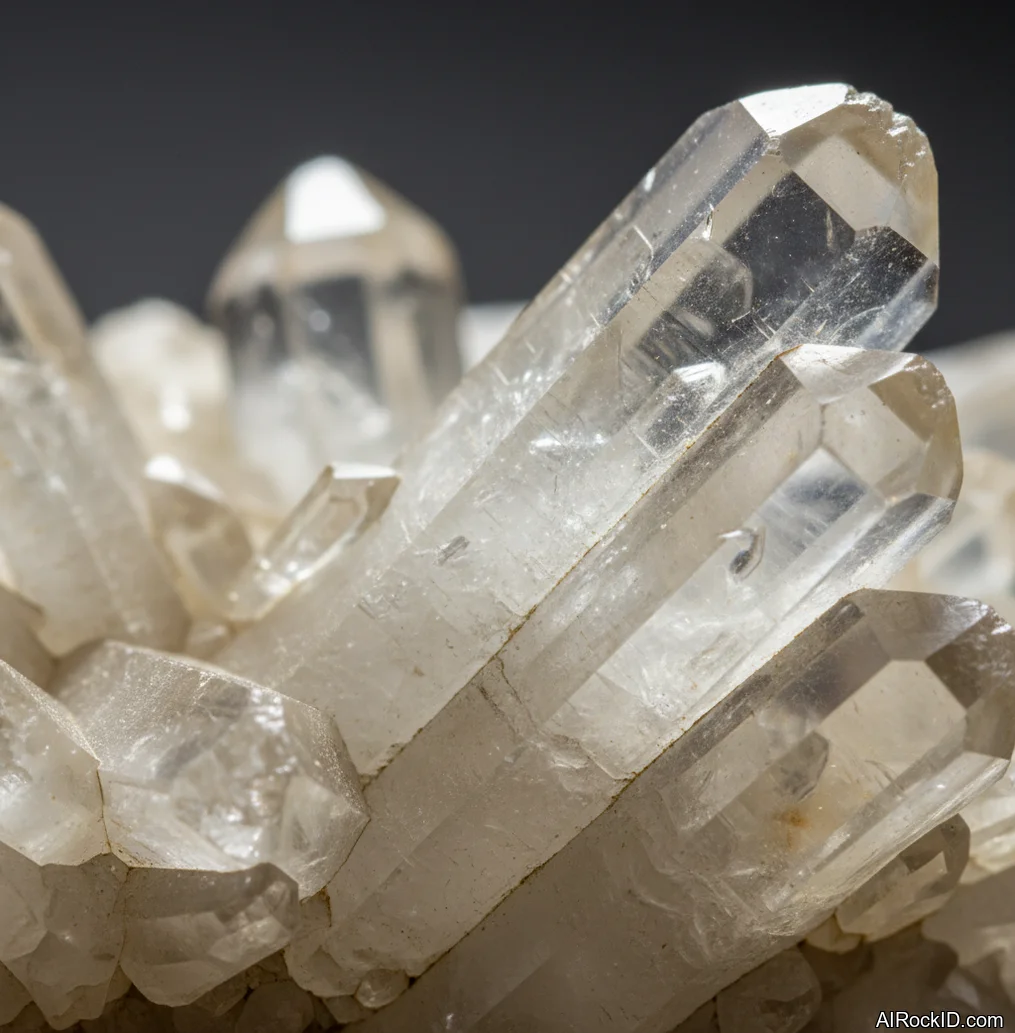
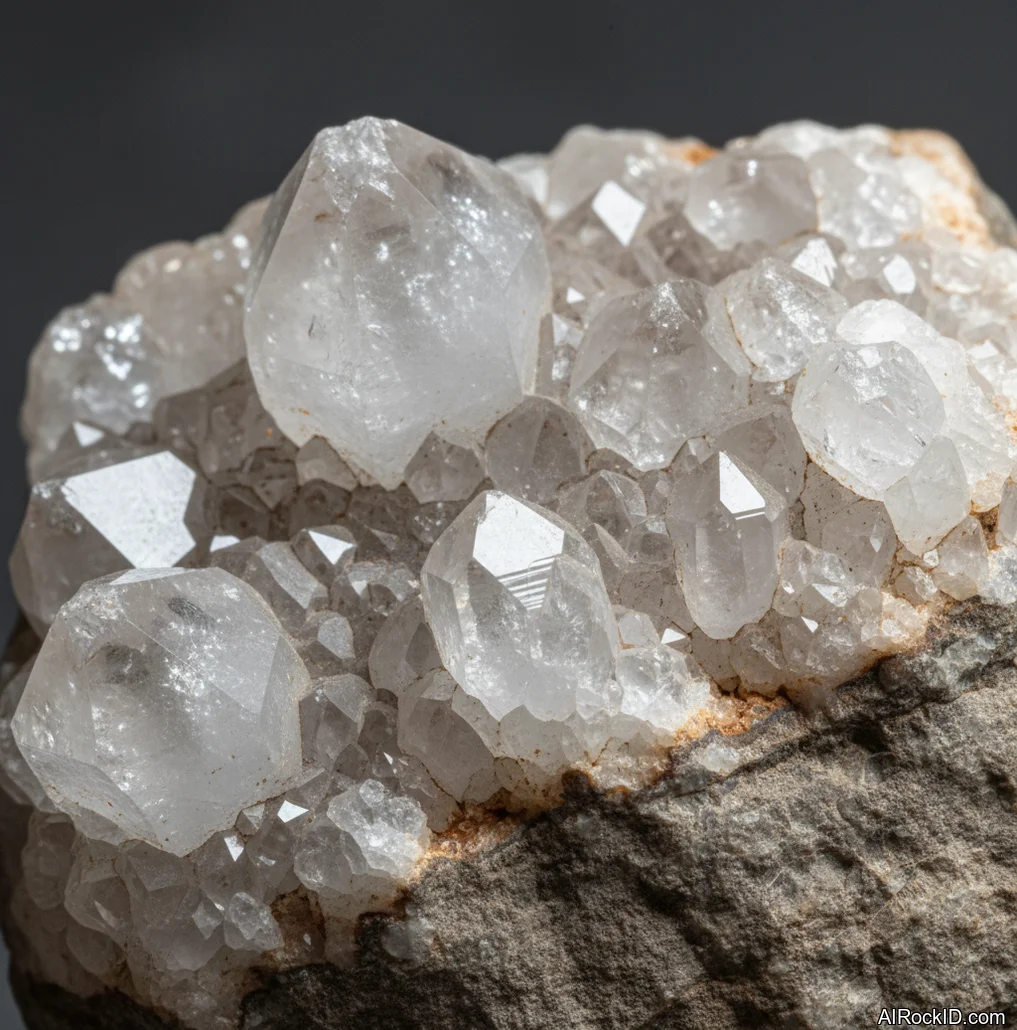
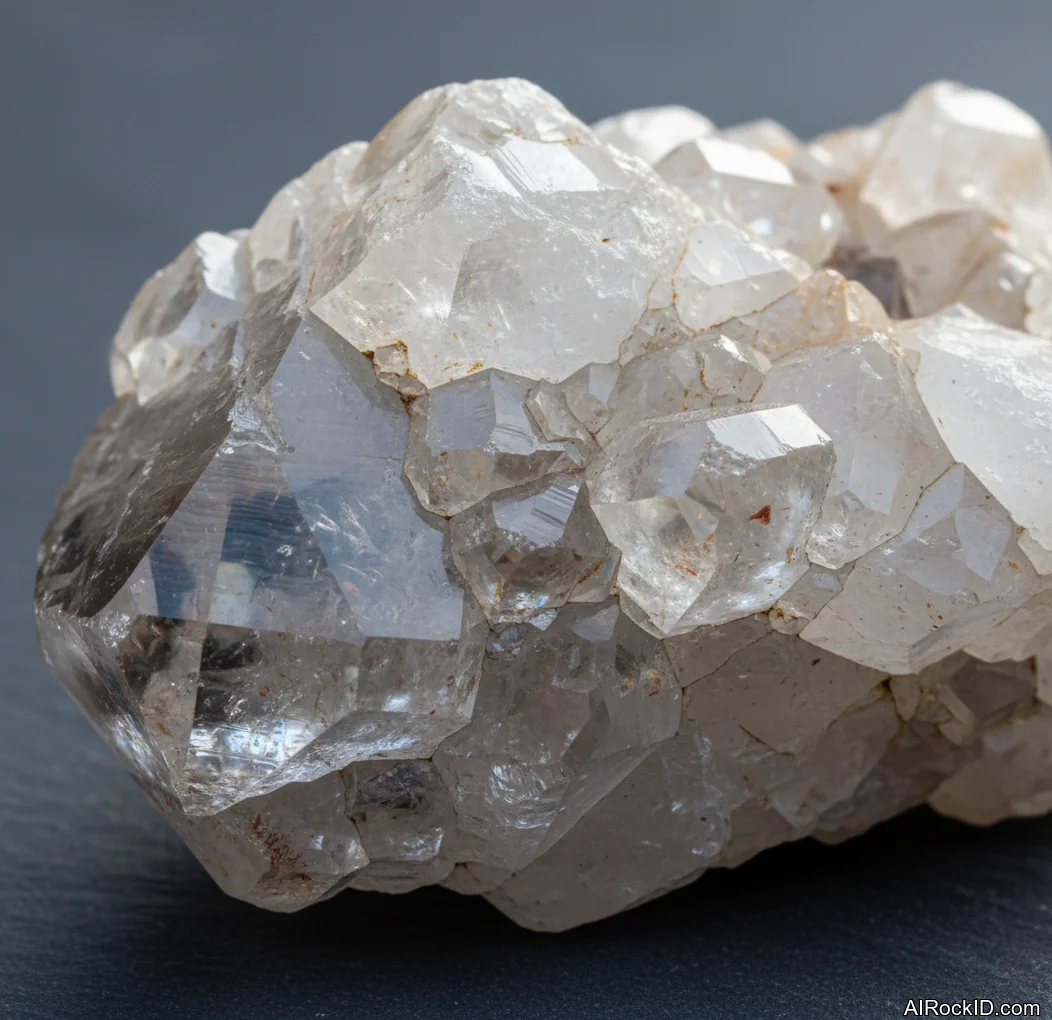
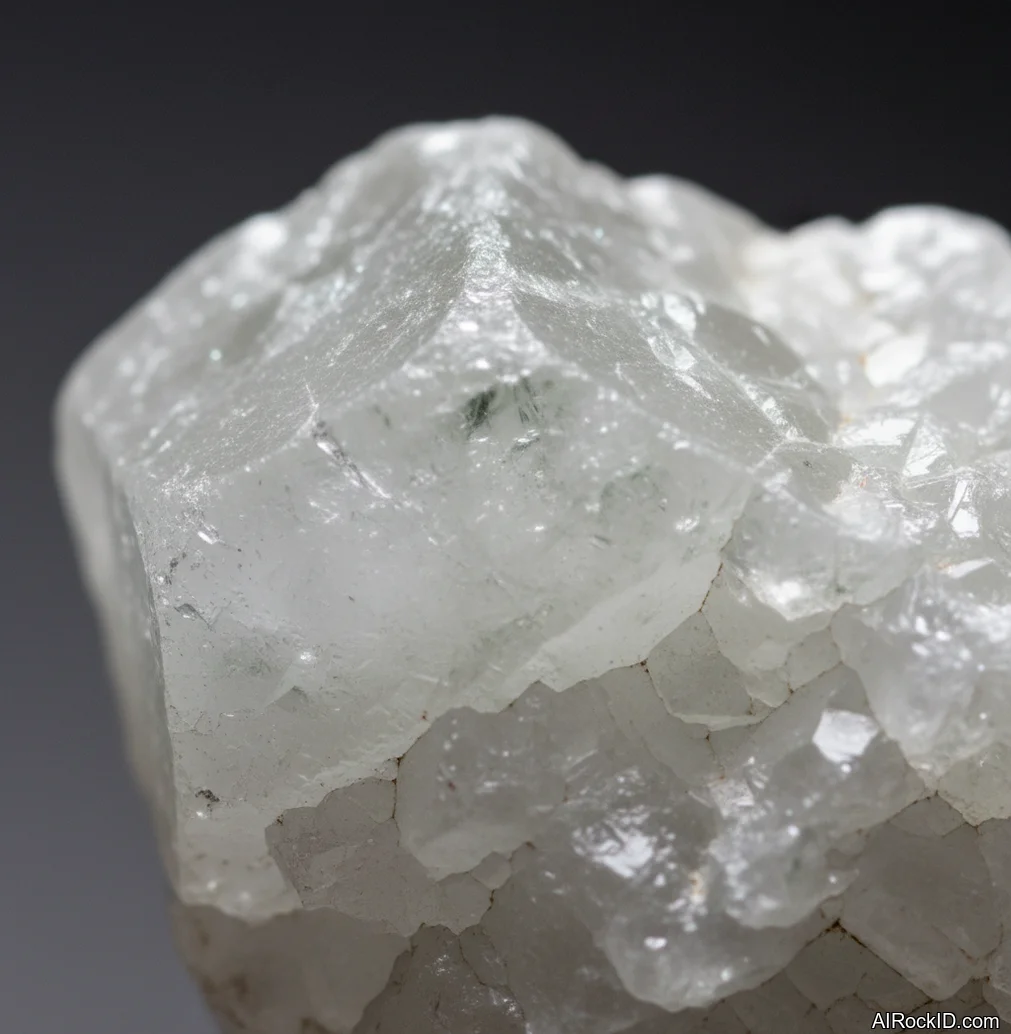
Pick up a good clear quartz point and you’ll notice the temperature first. It stays cool even after a minute in your palm. And it has that hard, glassy feel that makes softer “lookalikes” feel kind of waxy by comparison. Quartz is the workhorse for Crown Chakra sets because it’s neutral and easy to pair, and because it takes a clean polish without looking plastic. When people say they want “connection” or “higher mind,” they usually mean they want their head less noisy. Quartz is the baseline.
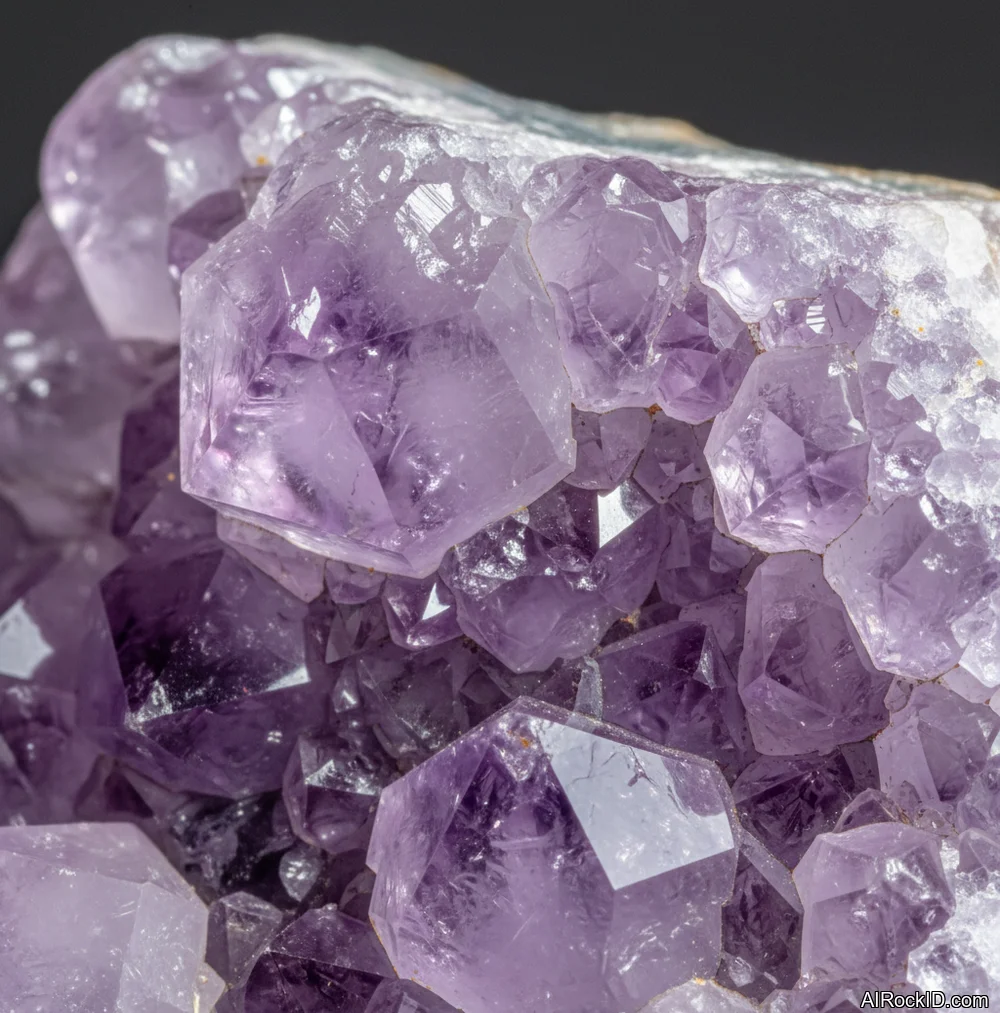
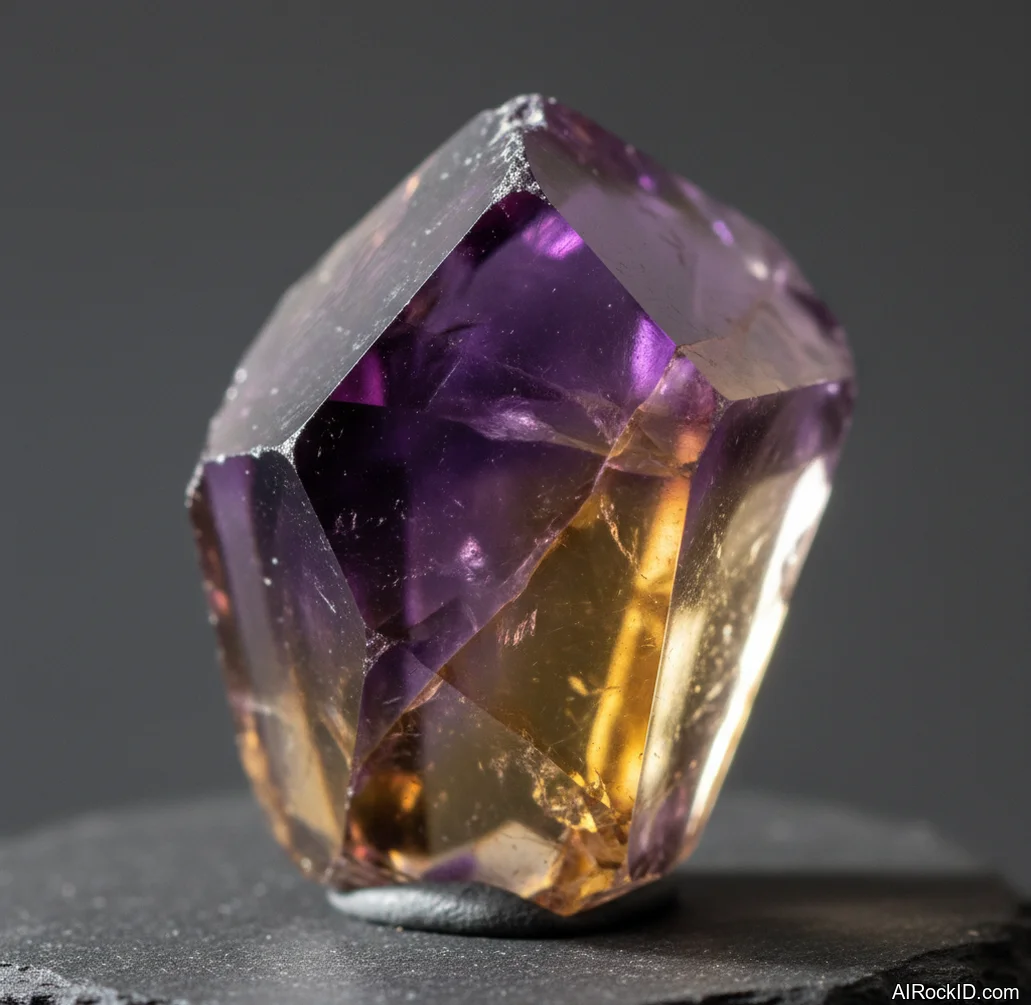
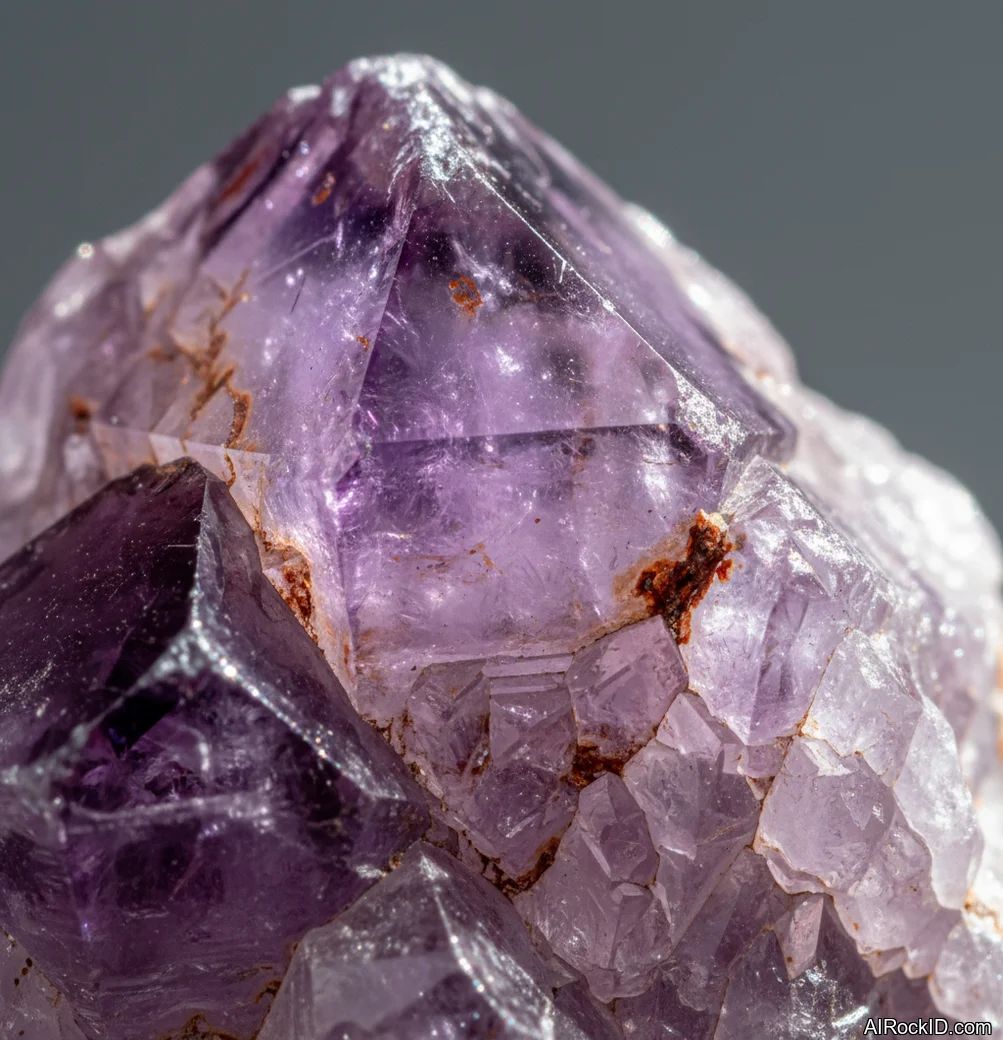
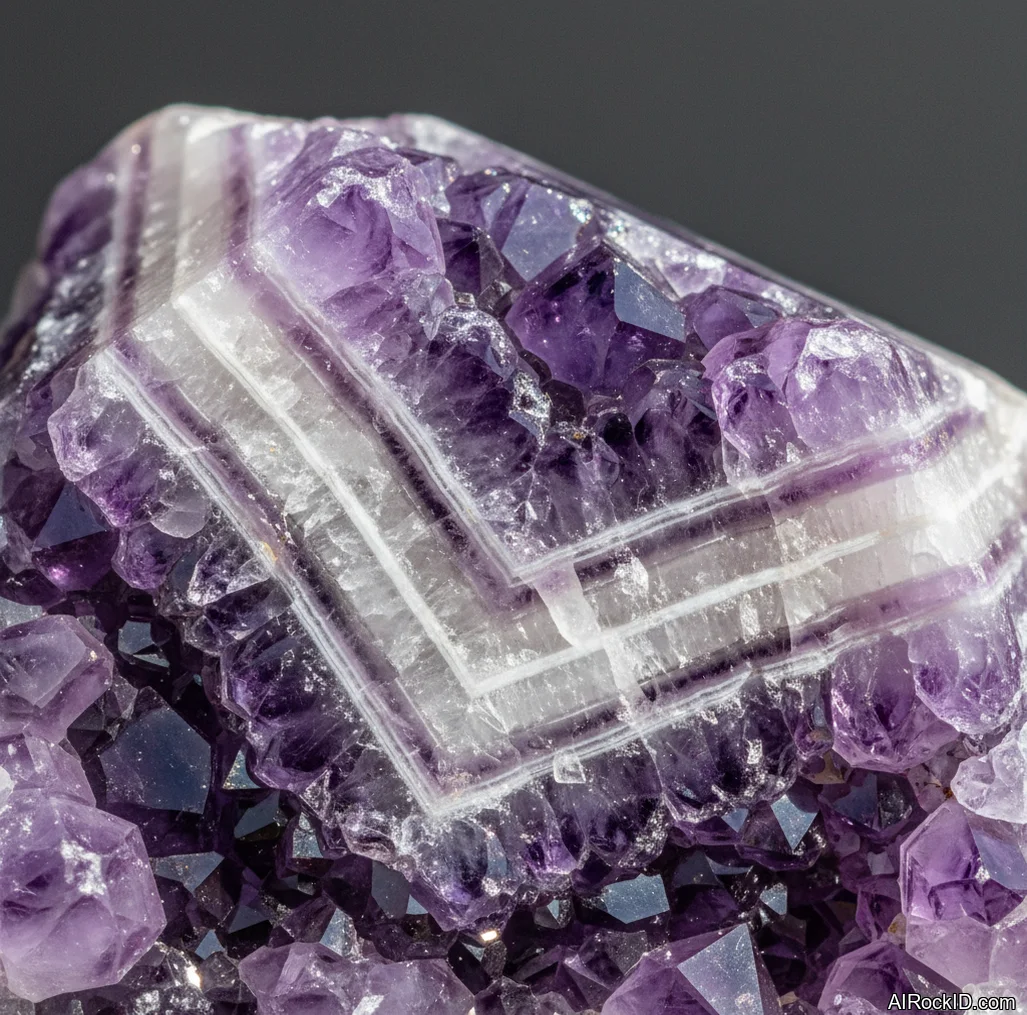
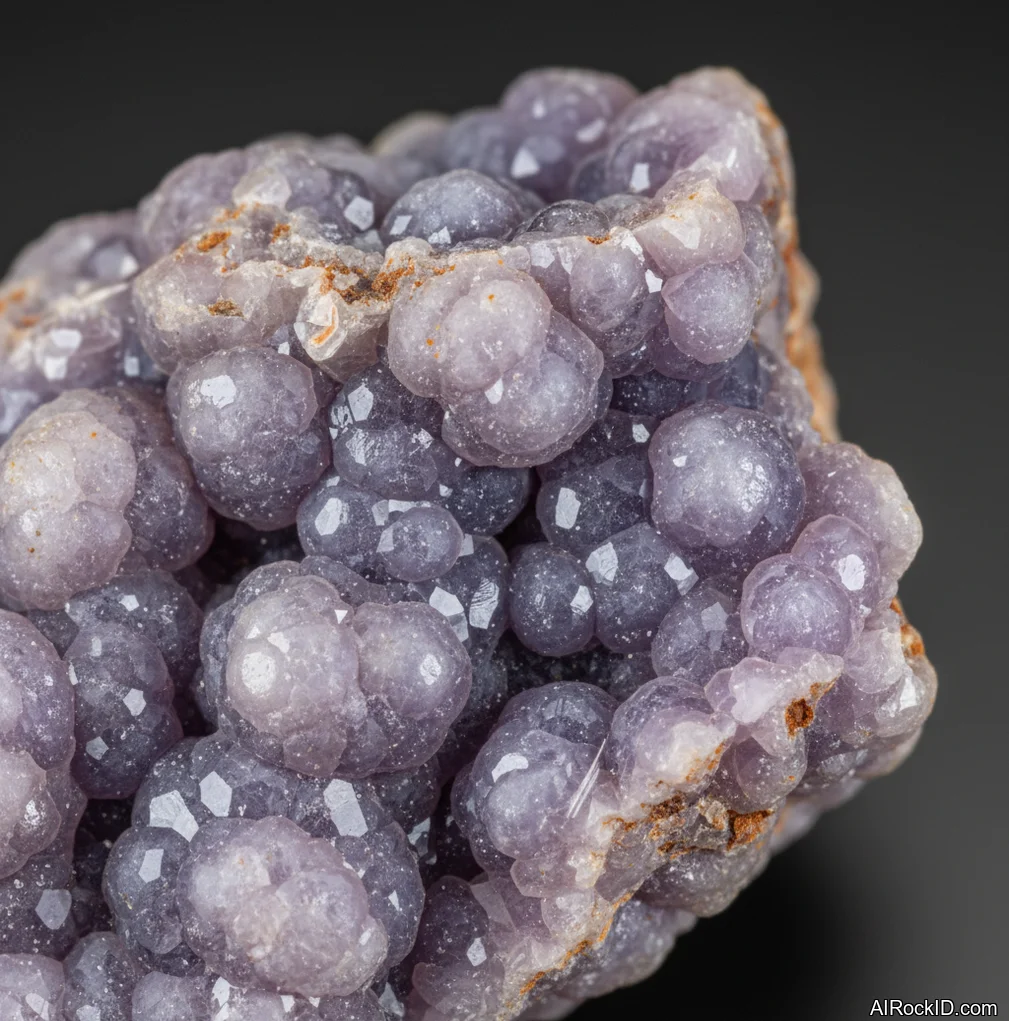
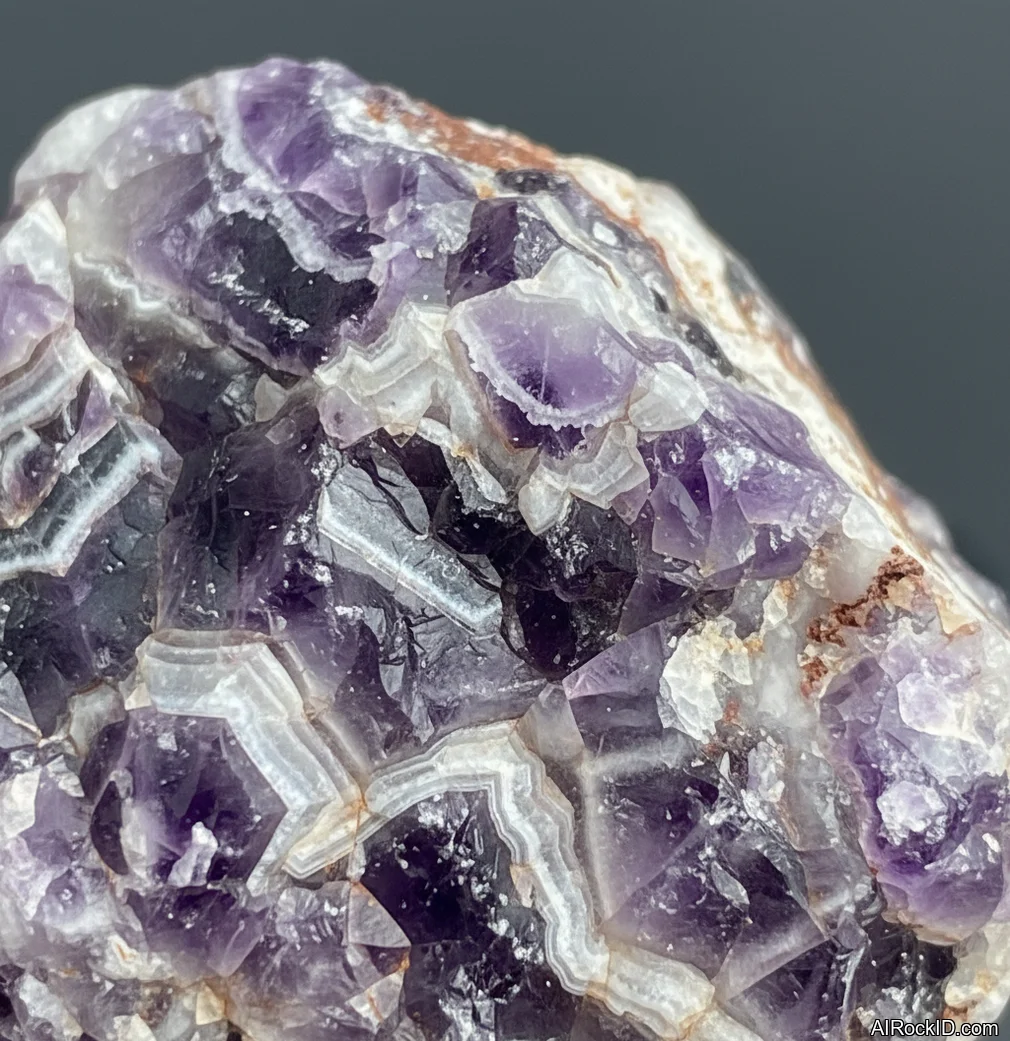
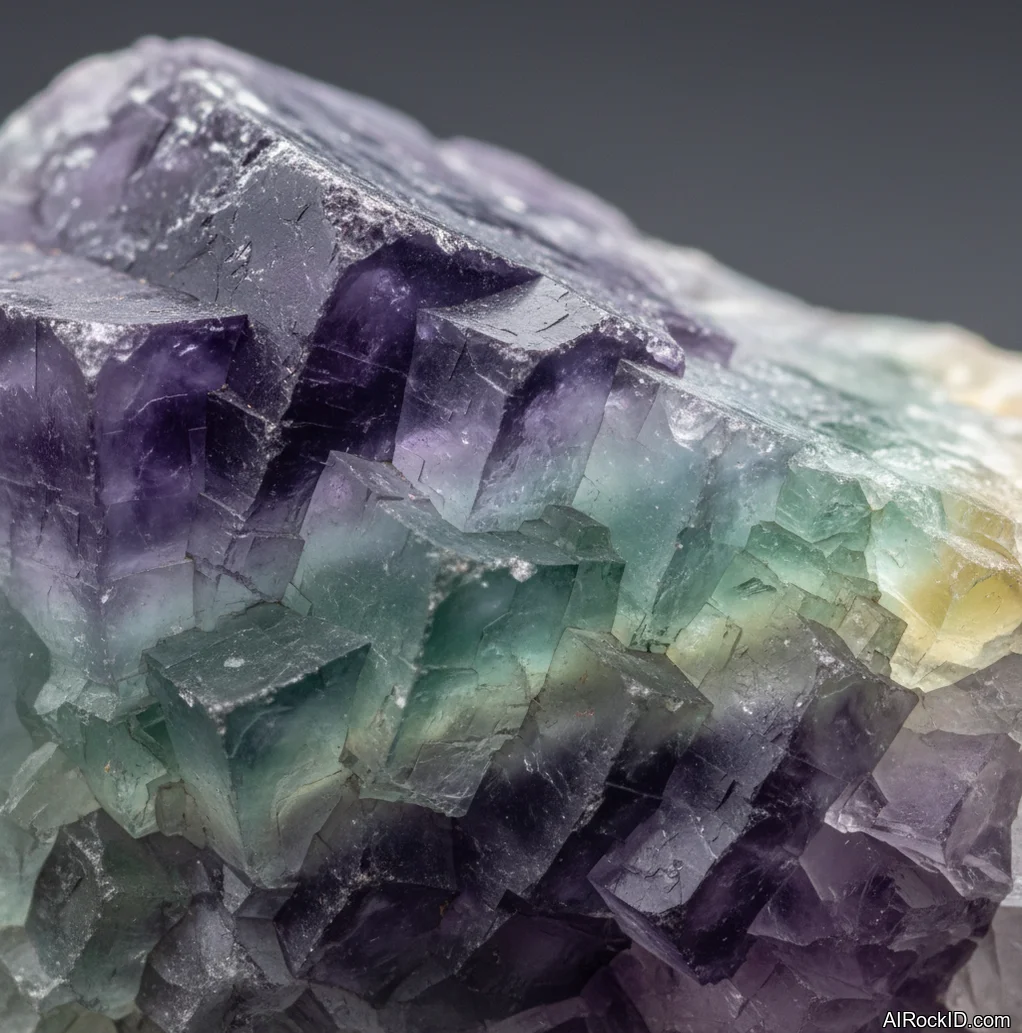
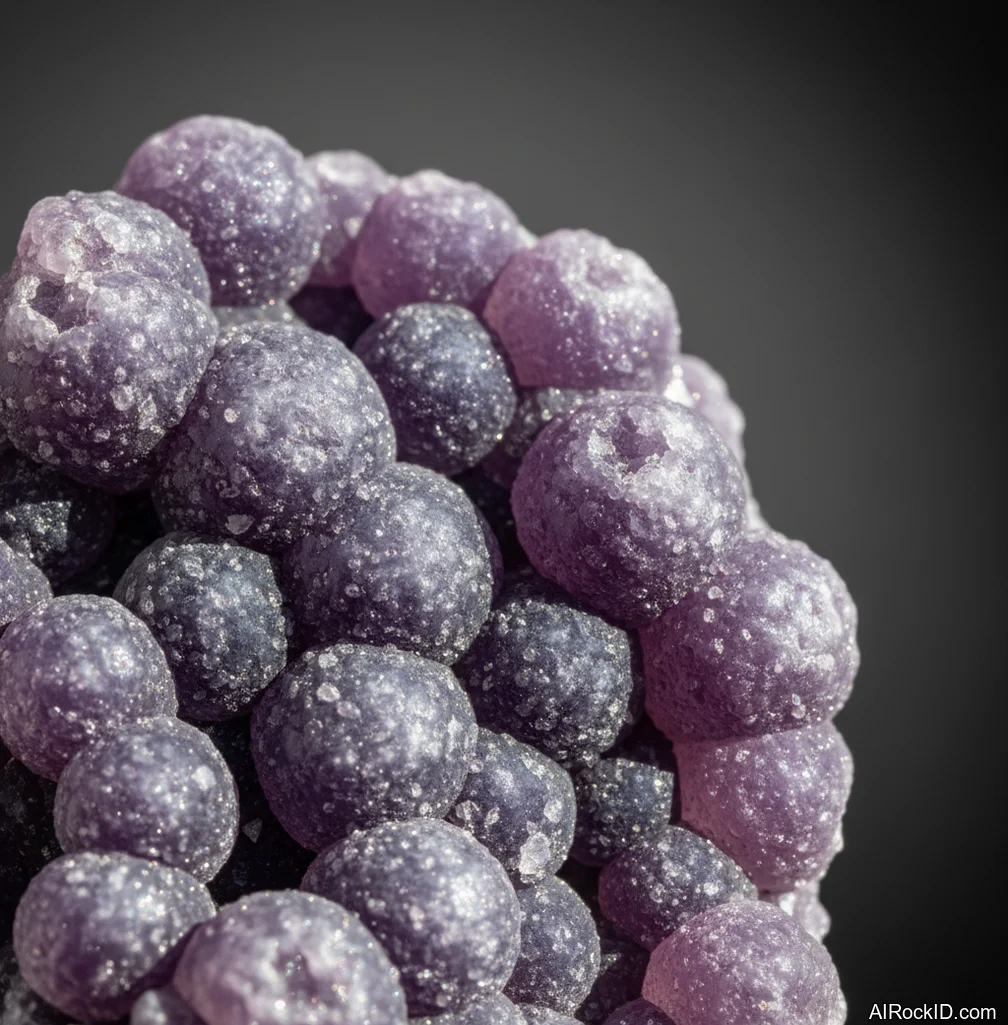
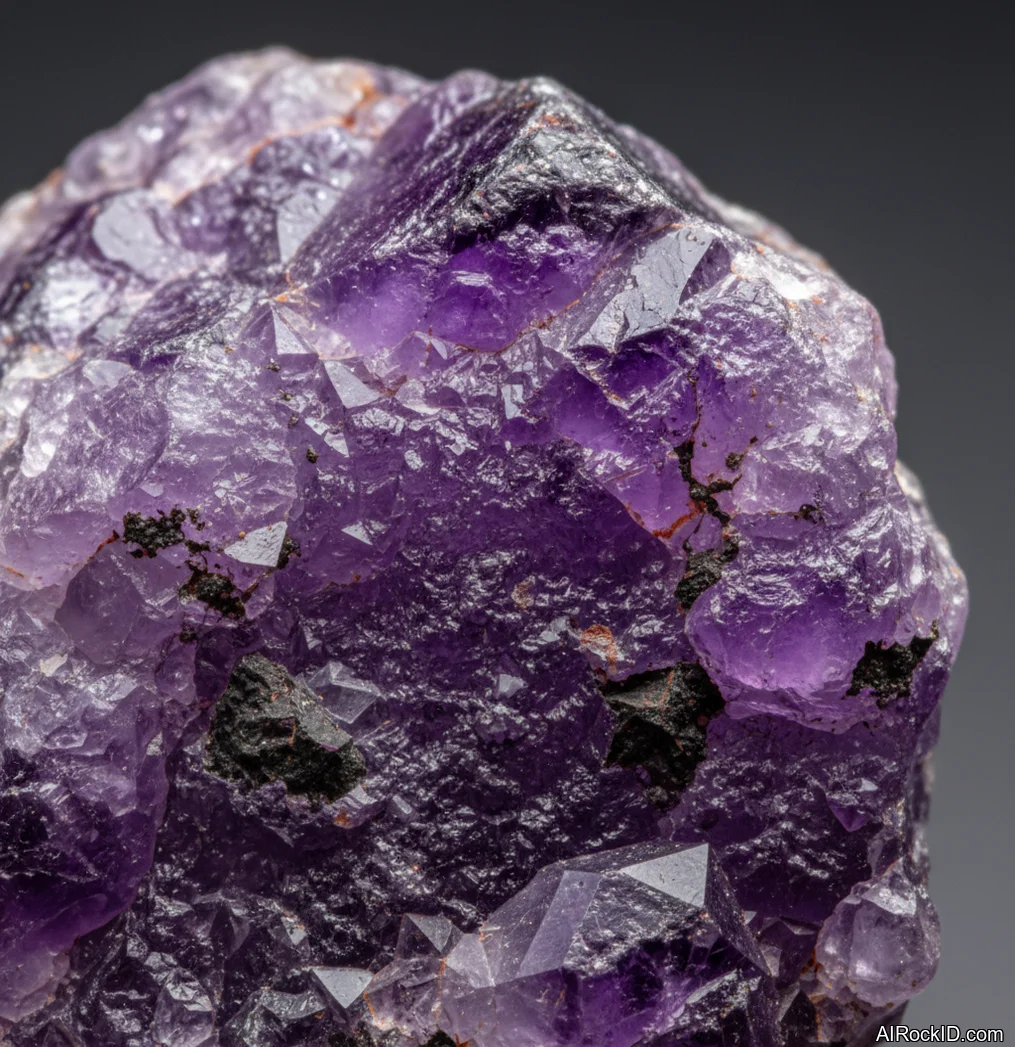
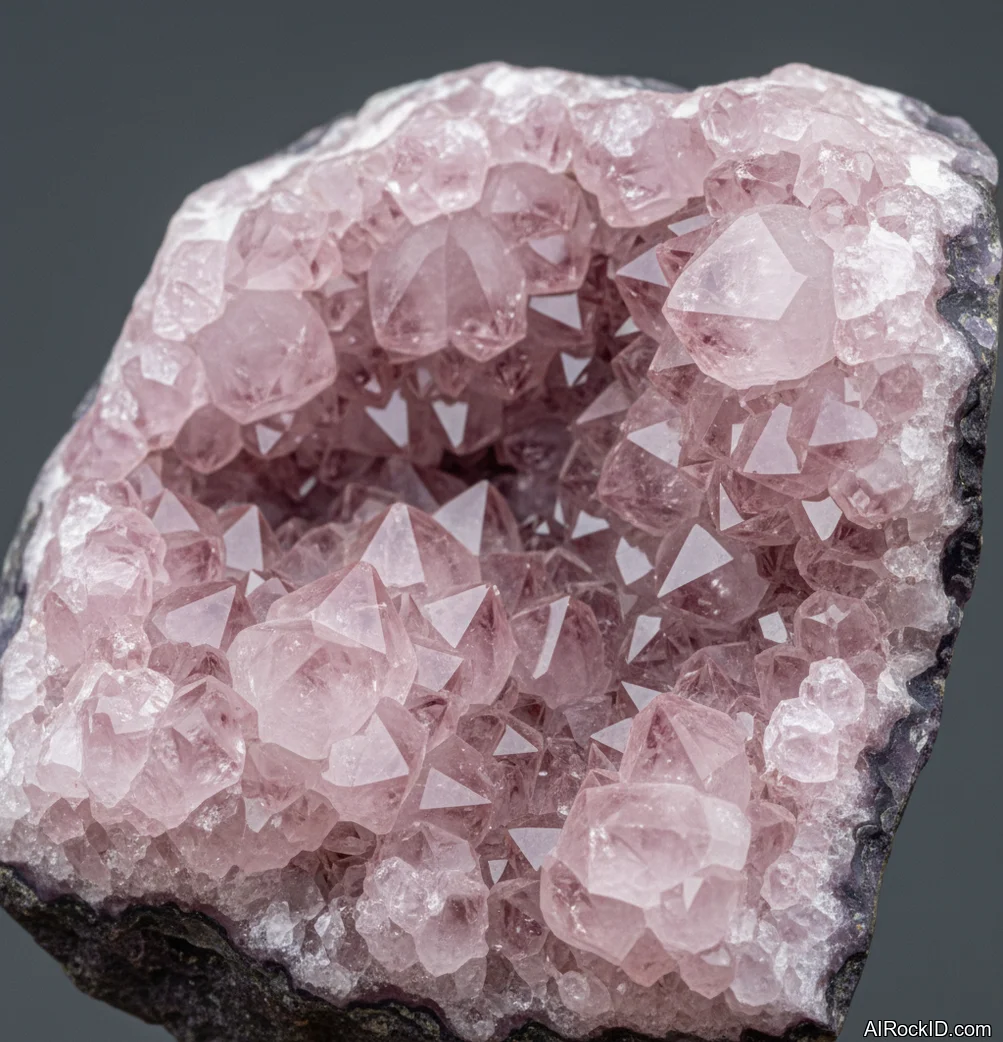
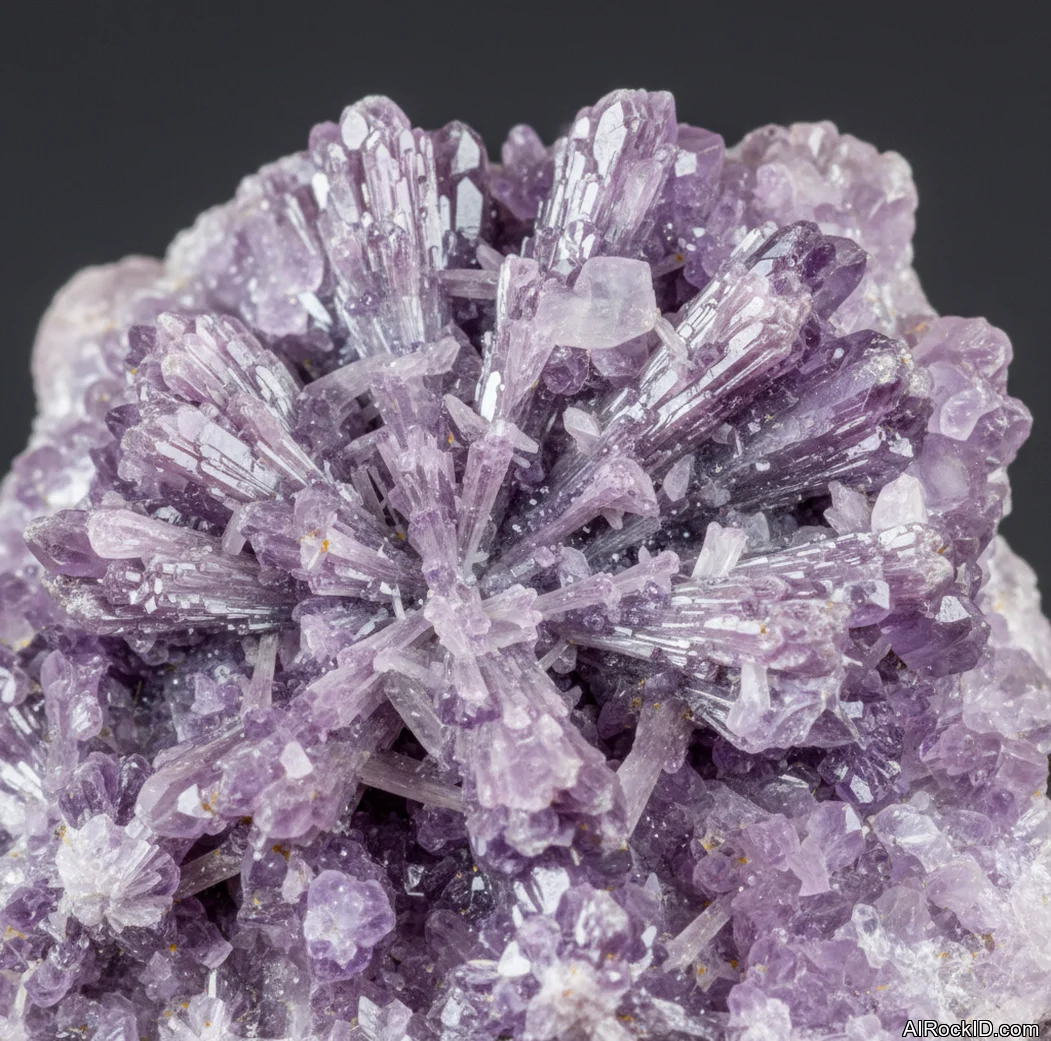
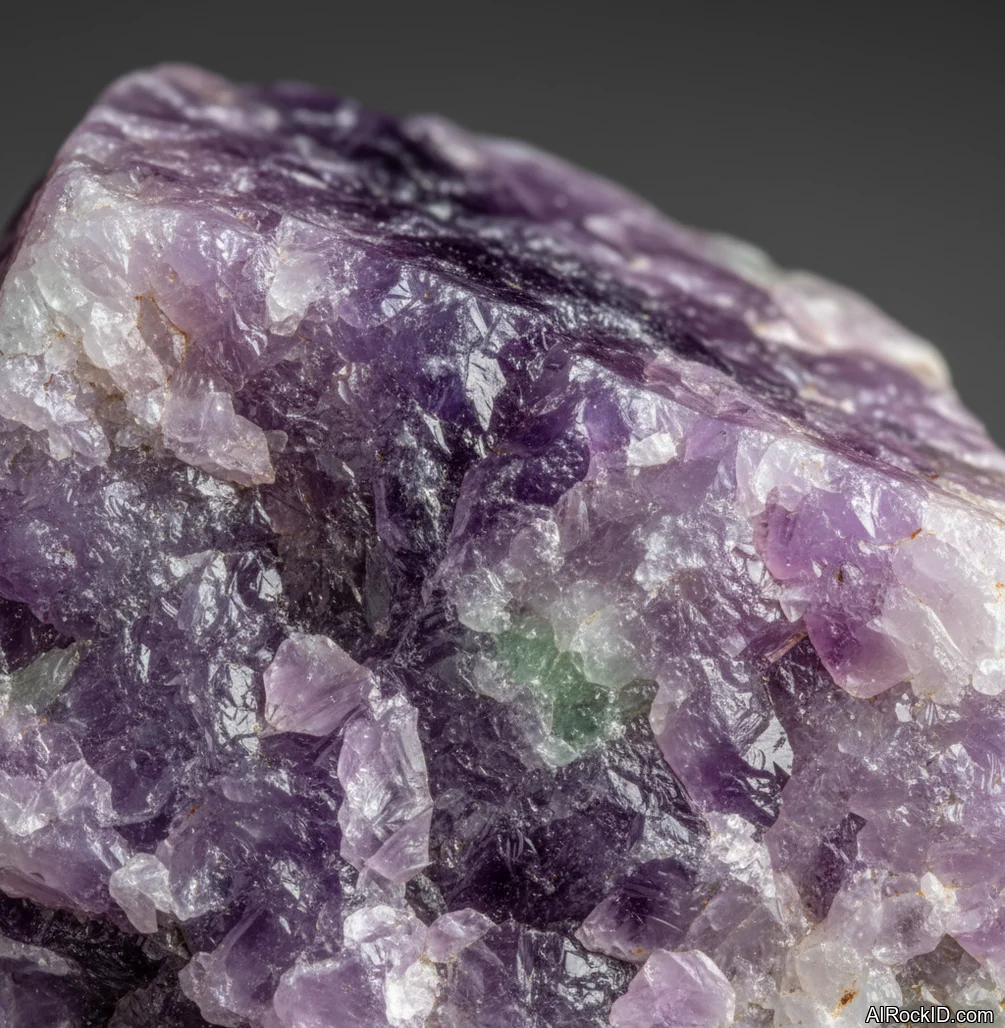
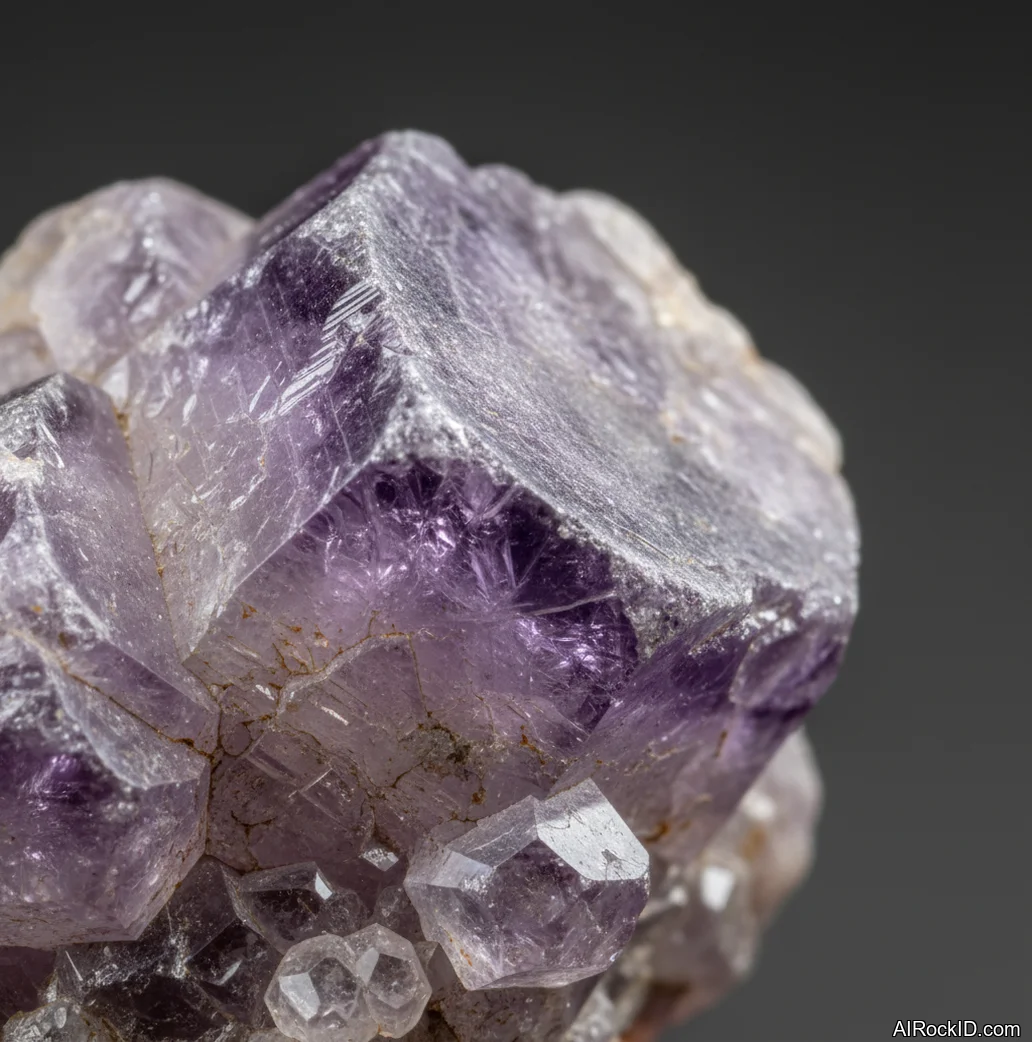
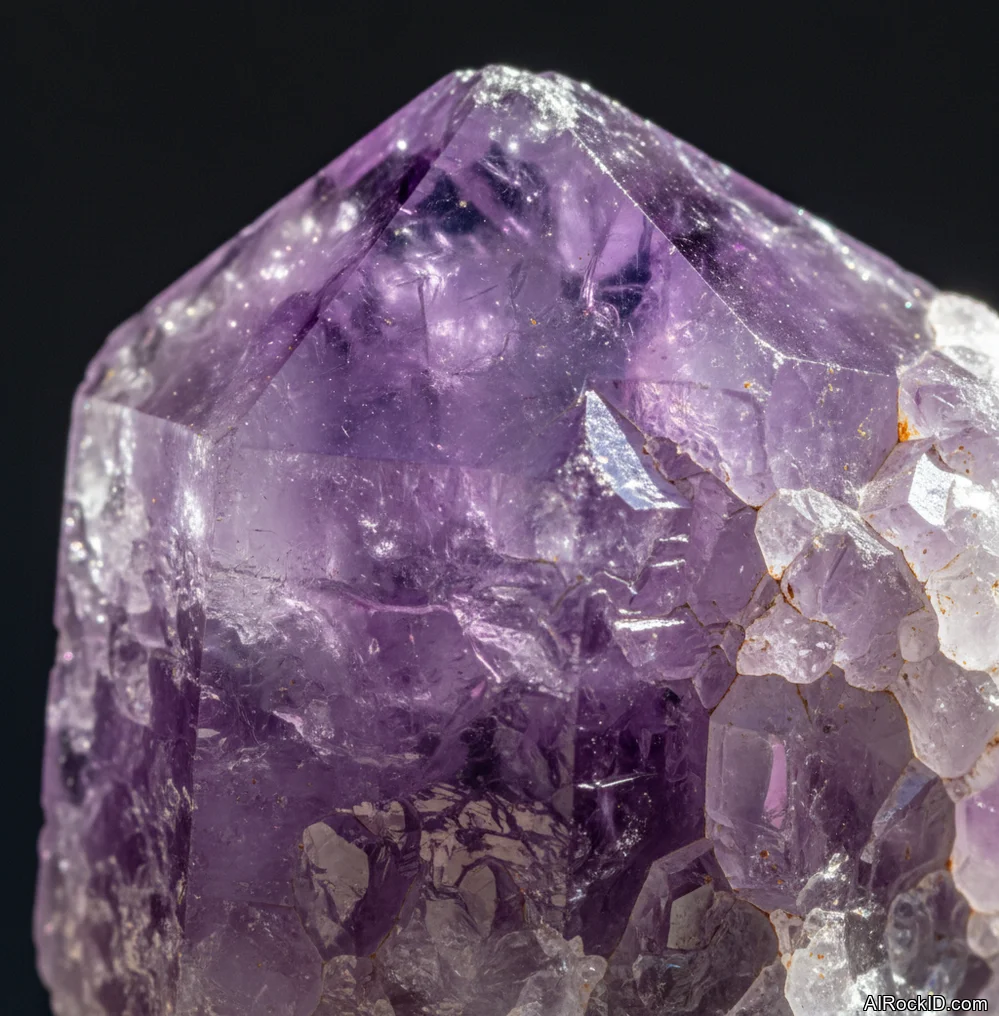
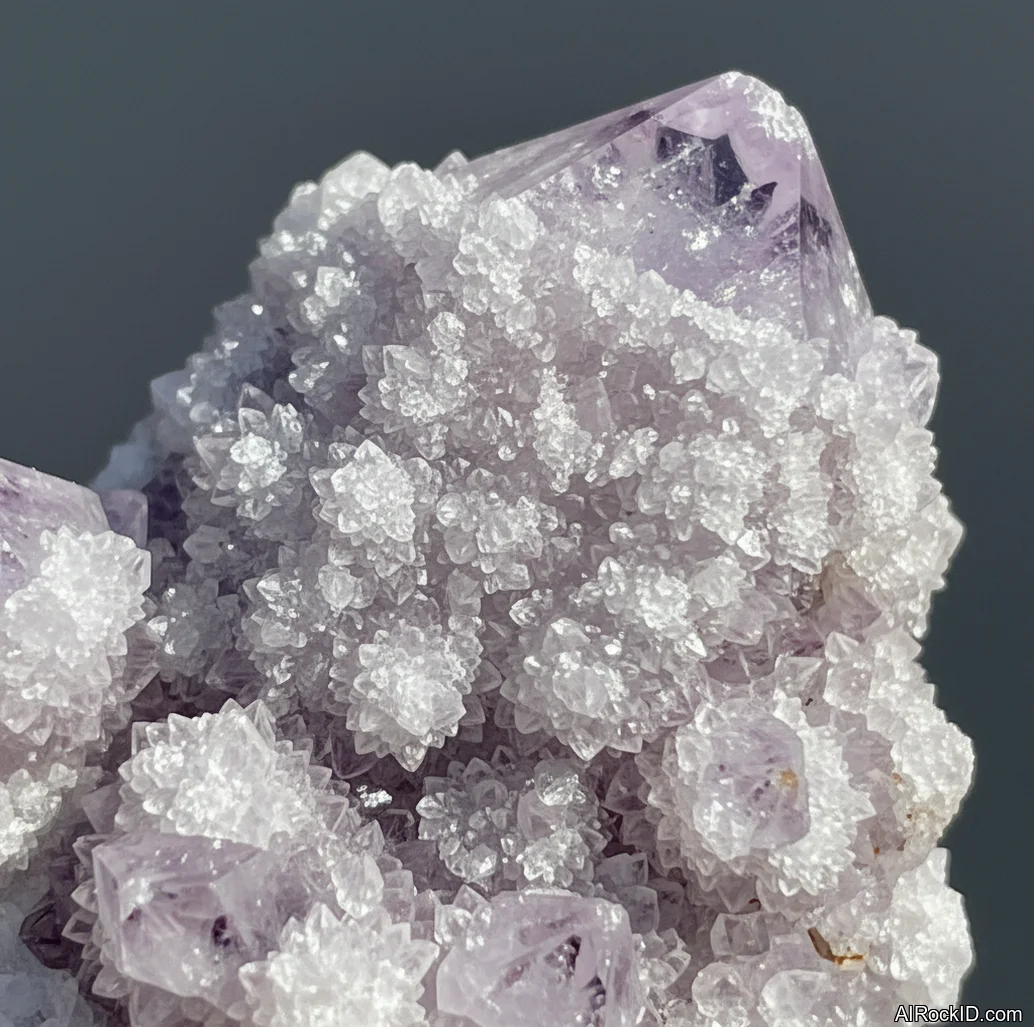
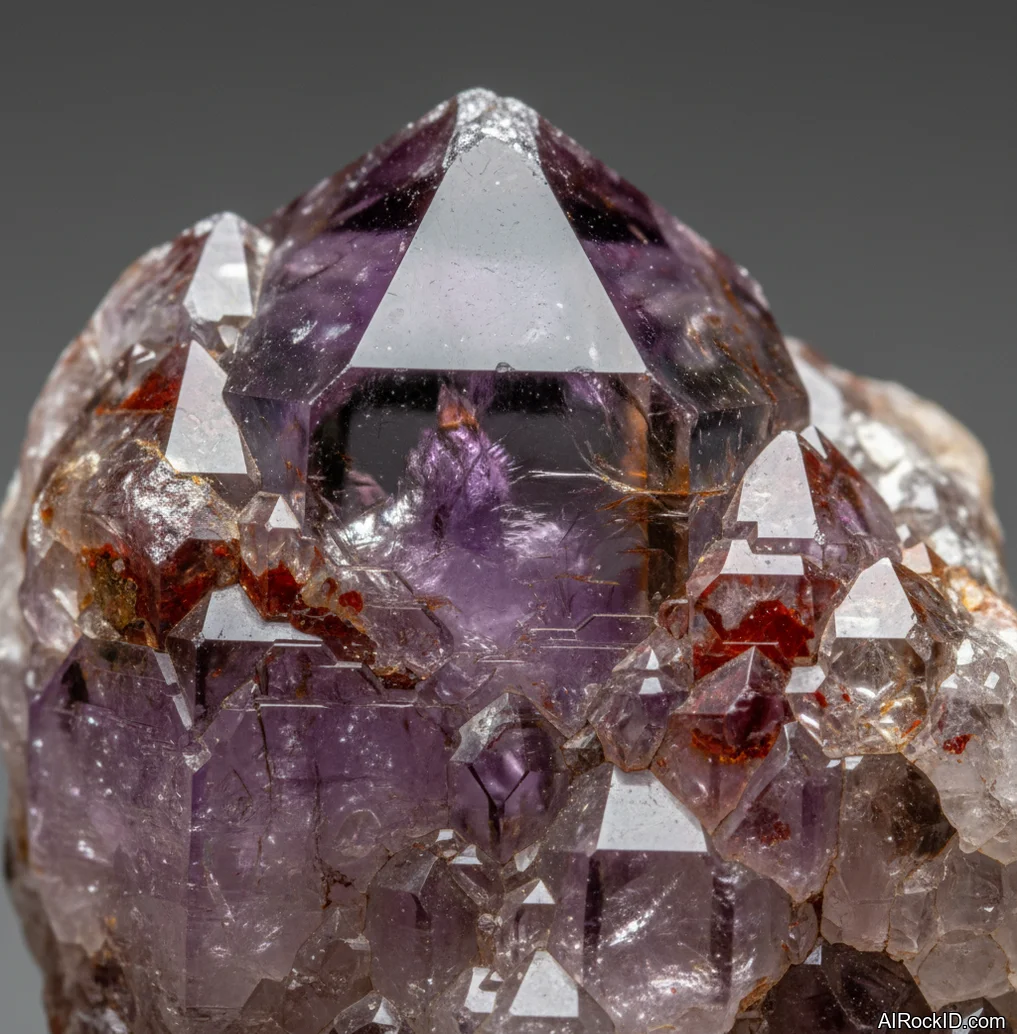
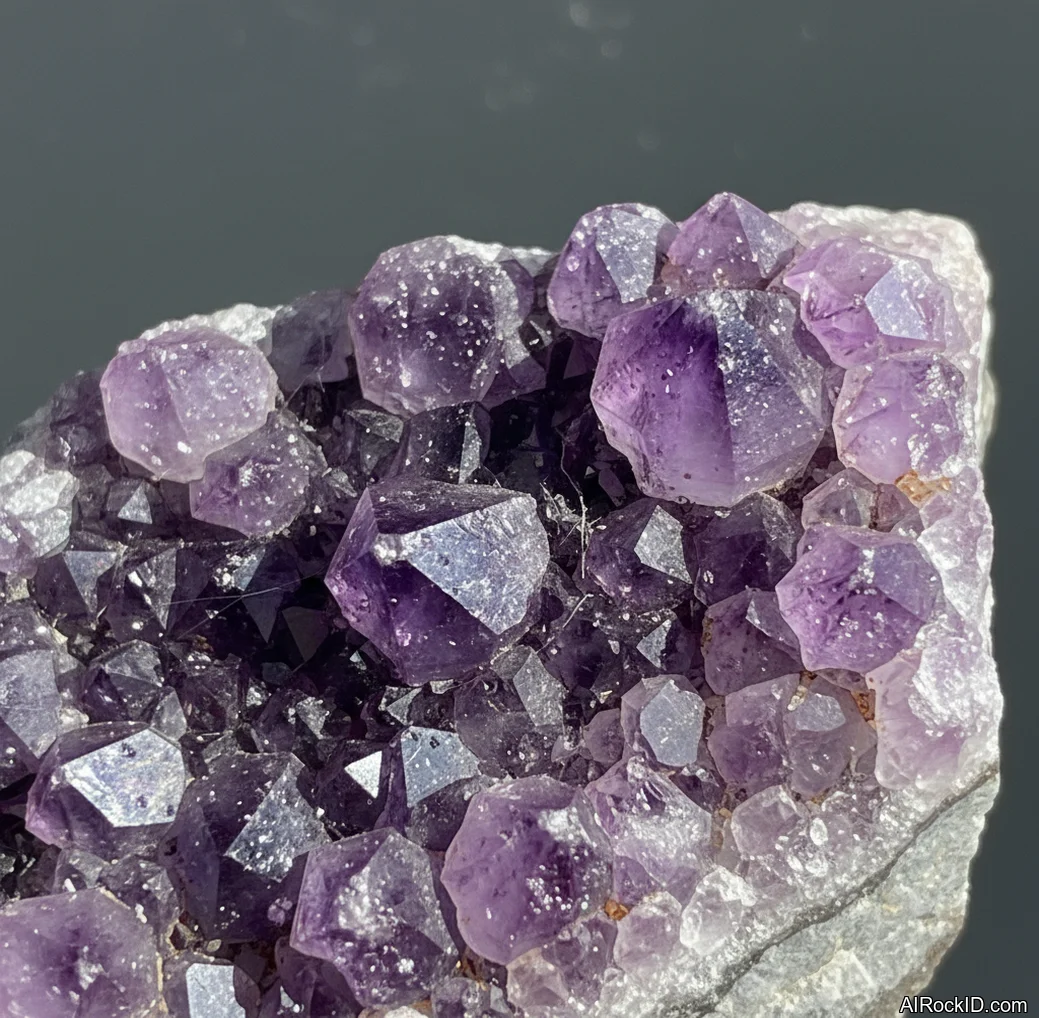
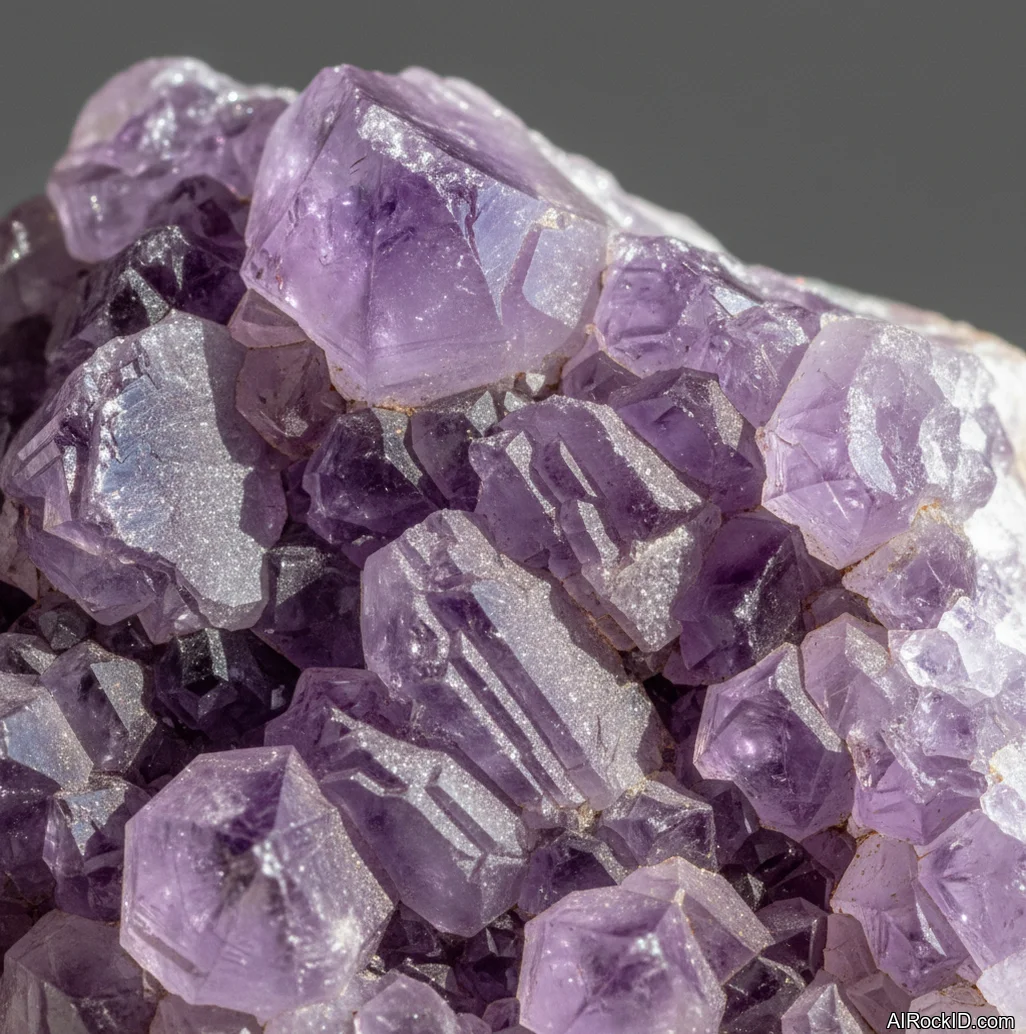
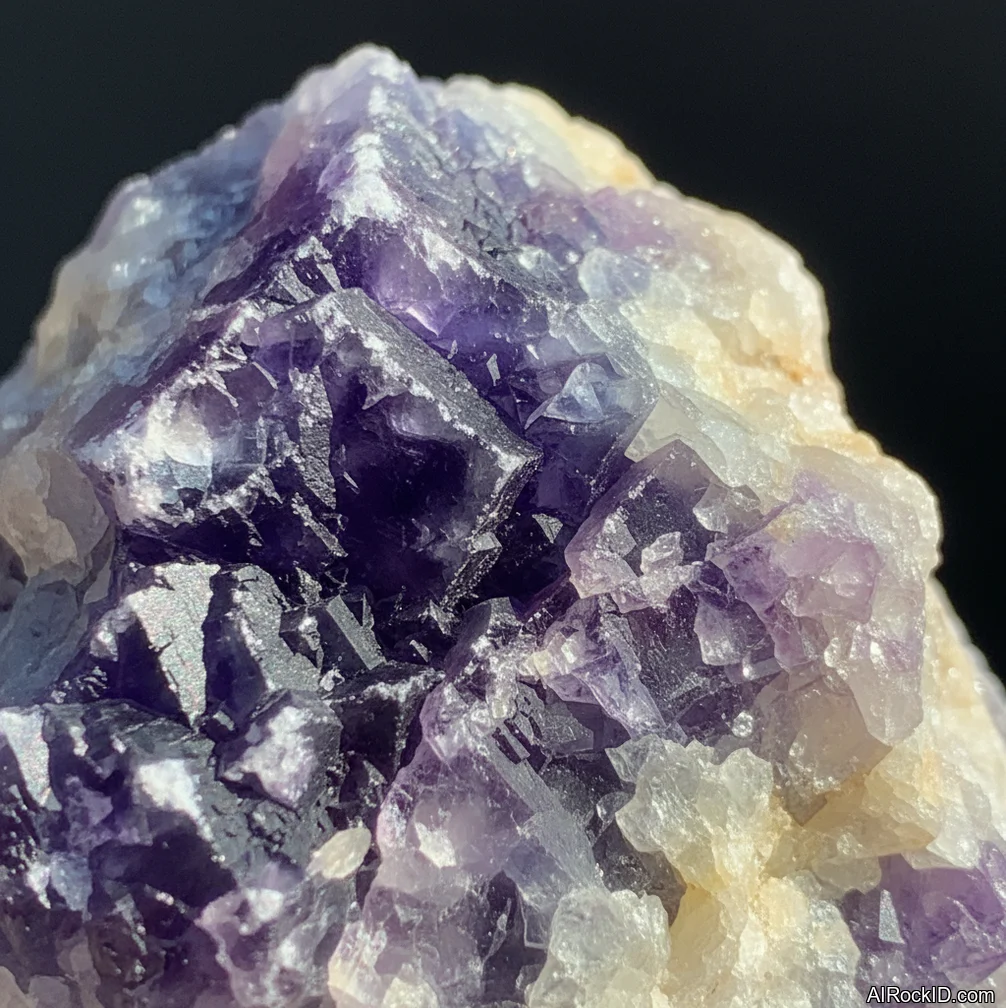
Amethyst is the other big one. But not all amethyst reads the same in person. Uruguayan material tends to show that inky, grape-jelly purple with tight little crystal points in a druse, while a lot of Brazilian amethyst runs lighter lavender with bigger points that can look a bit gray in low light. If you’re choosing for Crown Chakra work, color depth isn’t the whole story. I’ve held pale amethyst that felt calmer than the dark stuff. Look for clean terminations, decent luster, and minimal iron staining if you want that “clear head” vibe without visual noise.
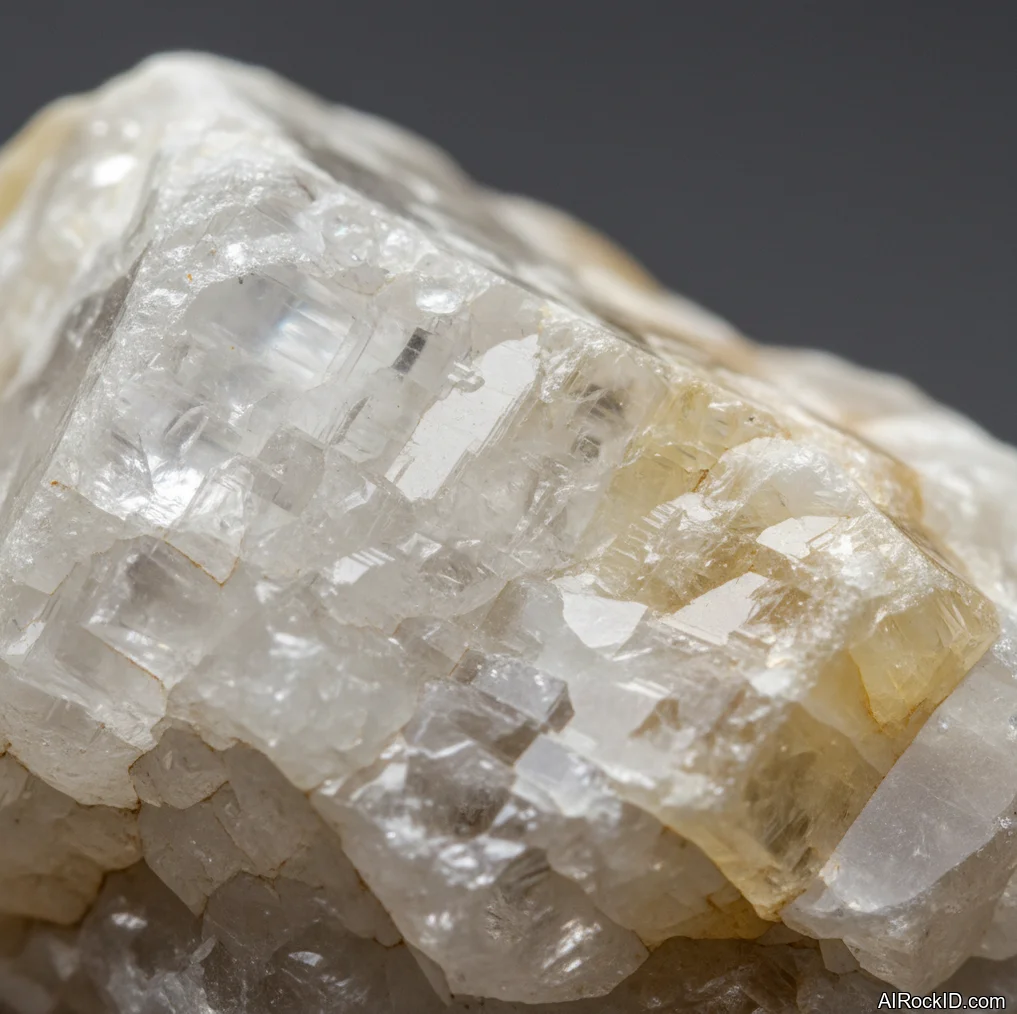
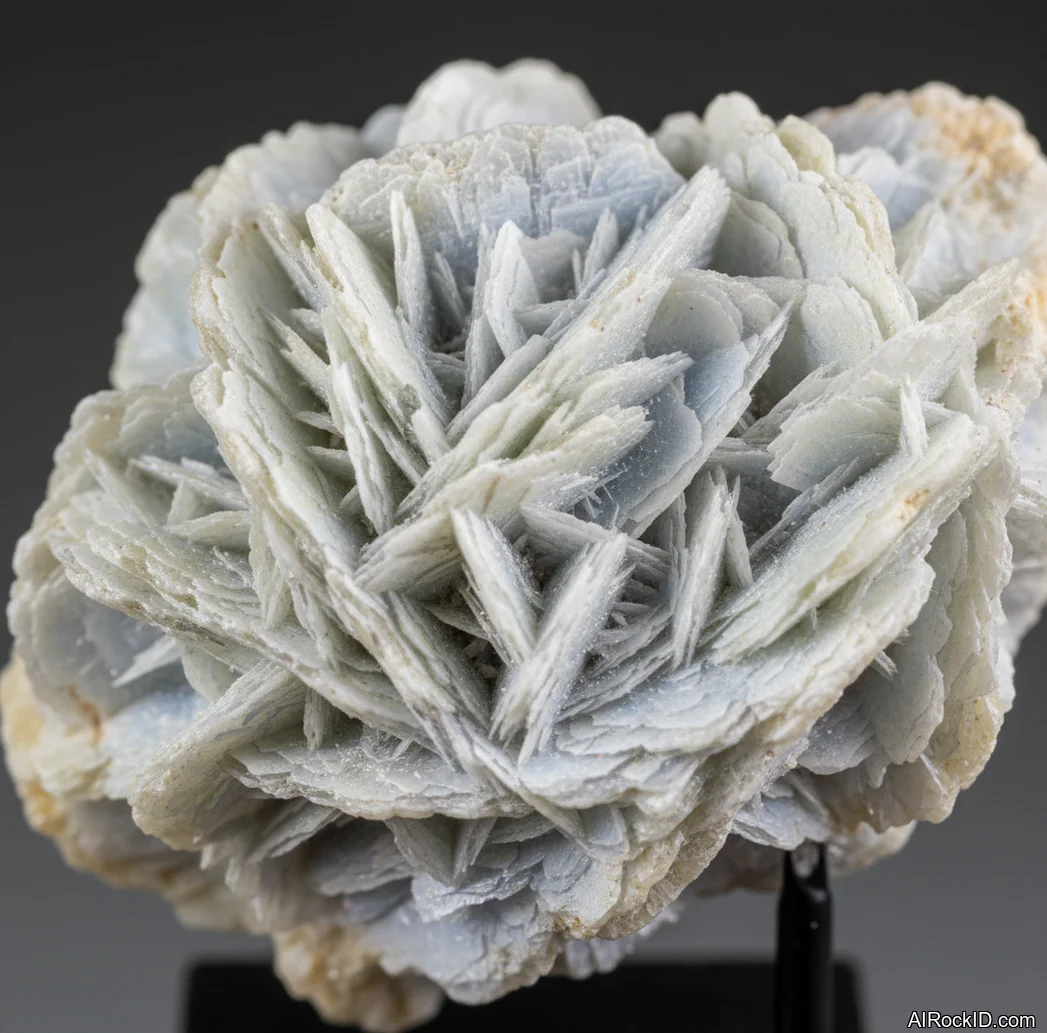
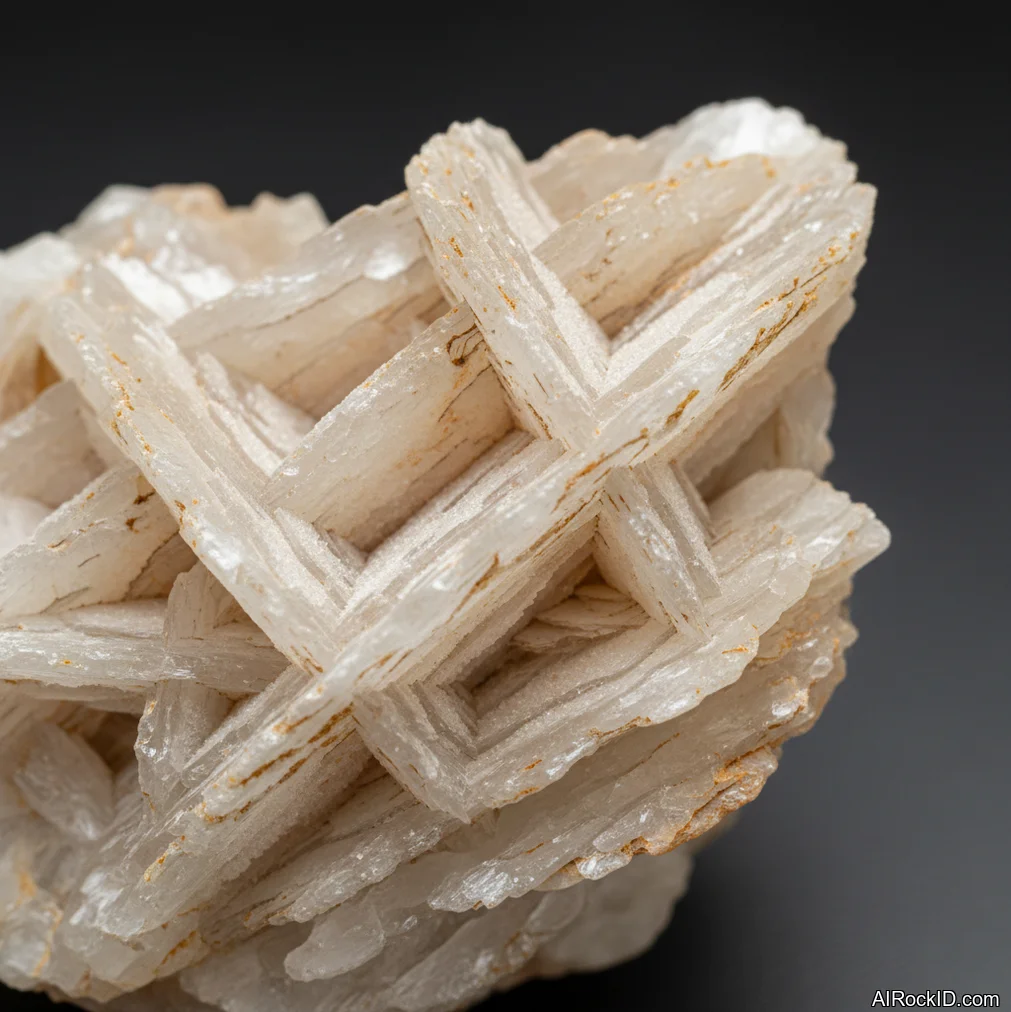
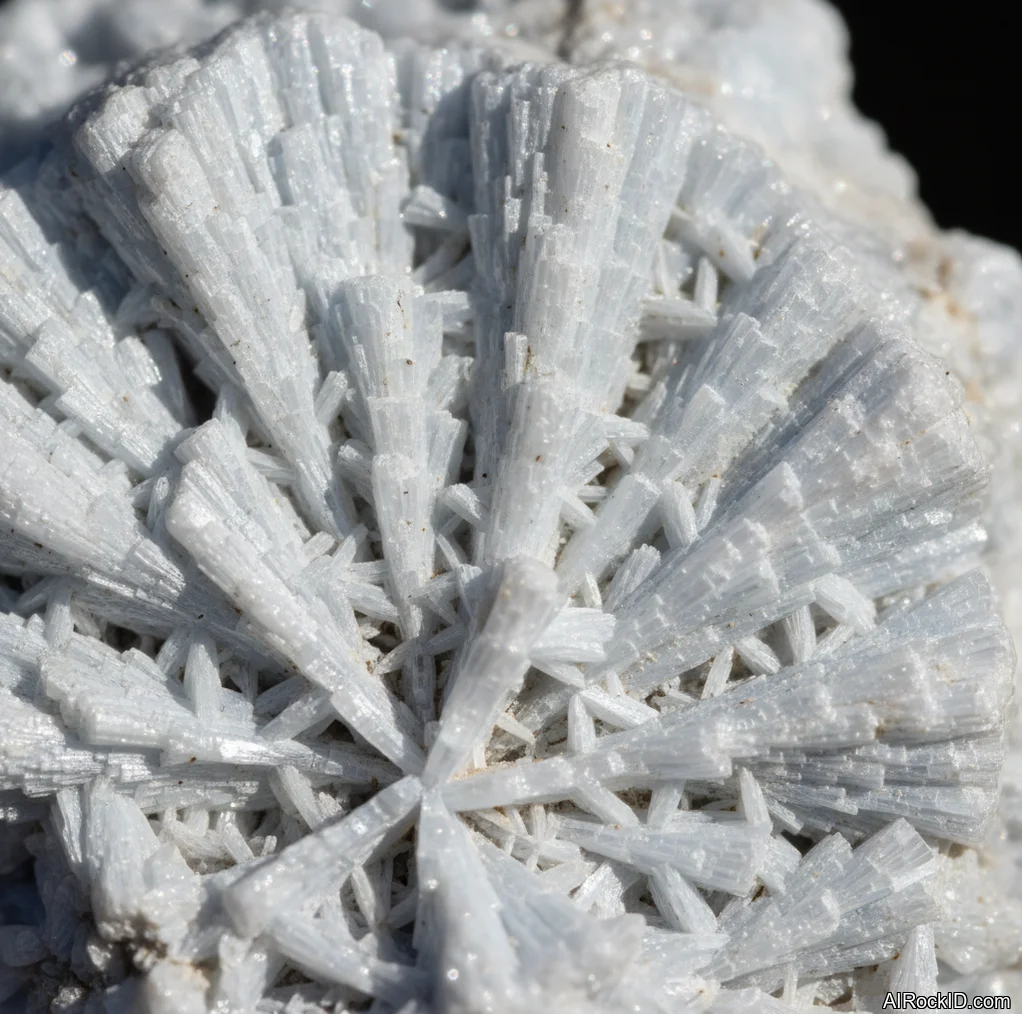
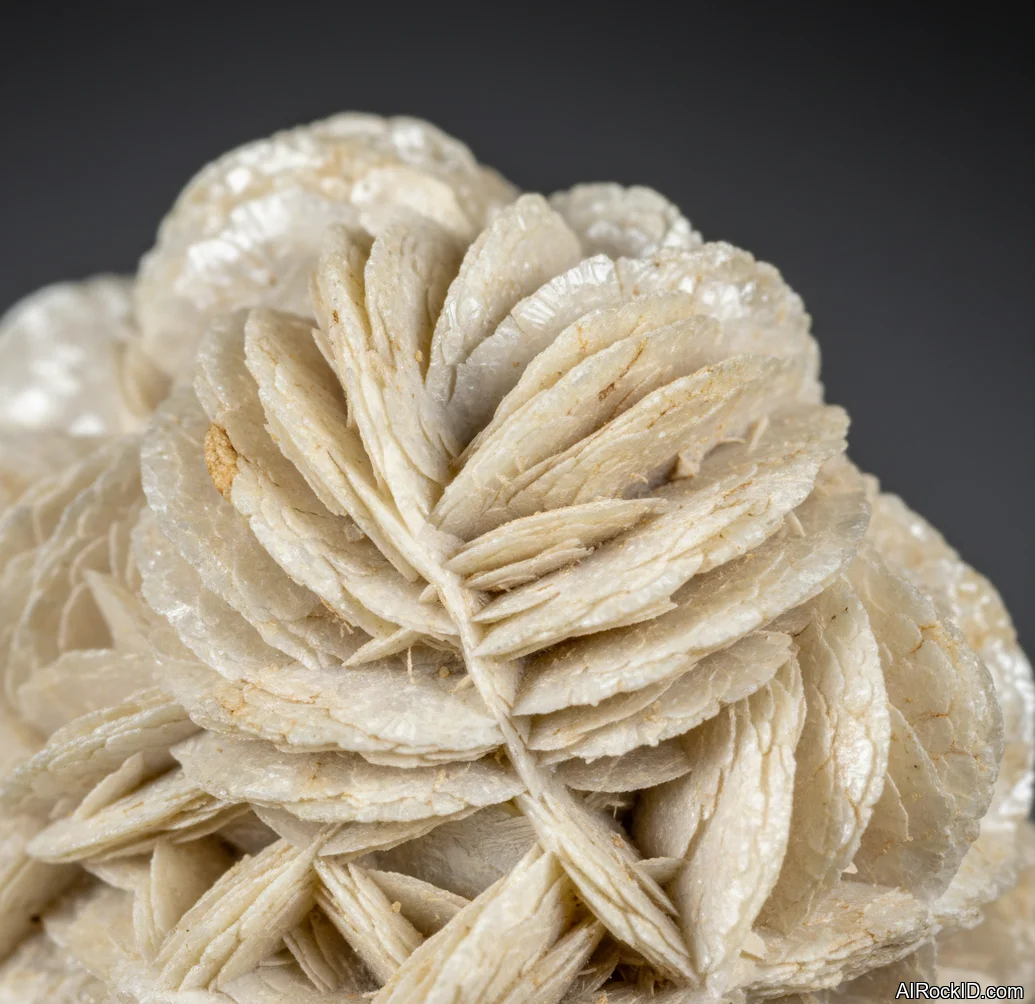
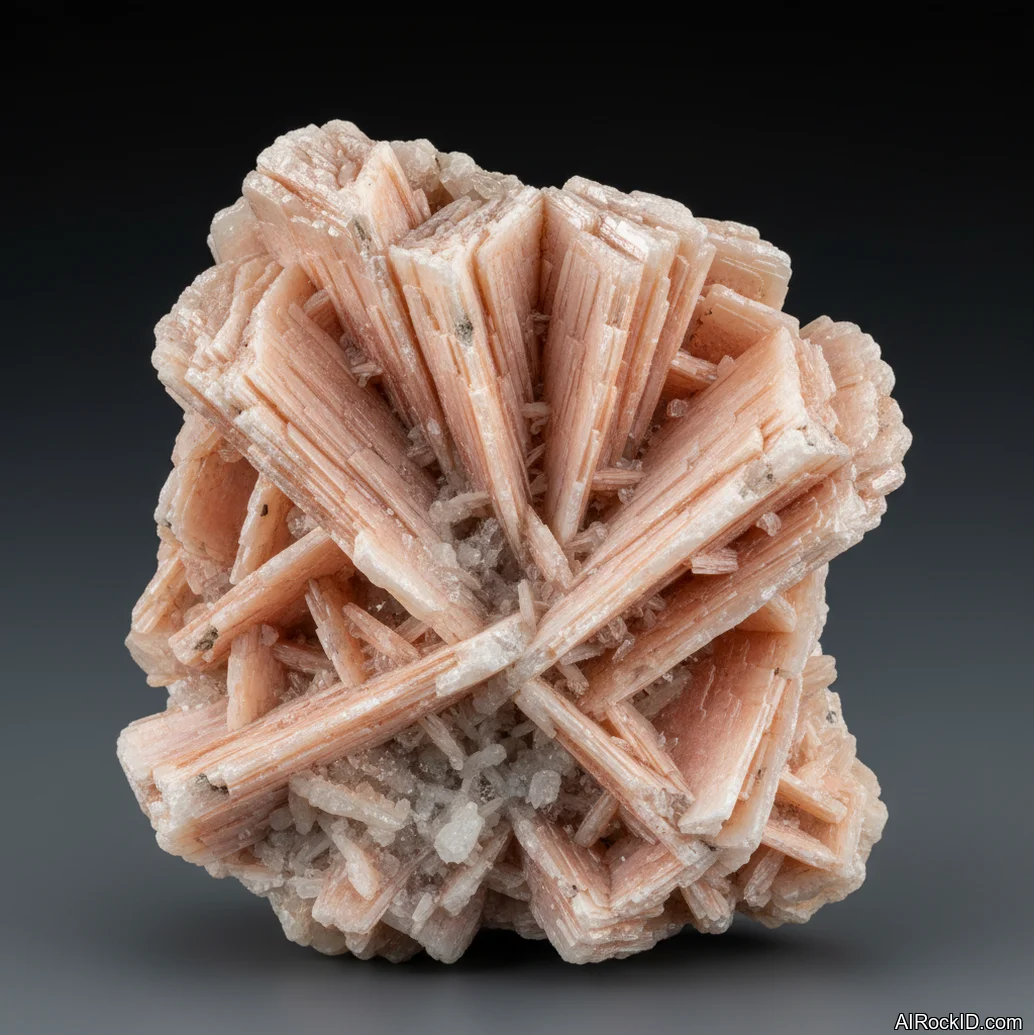
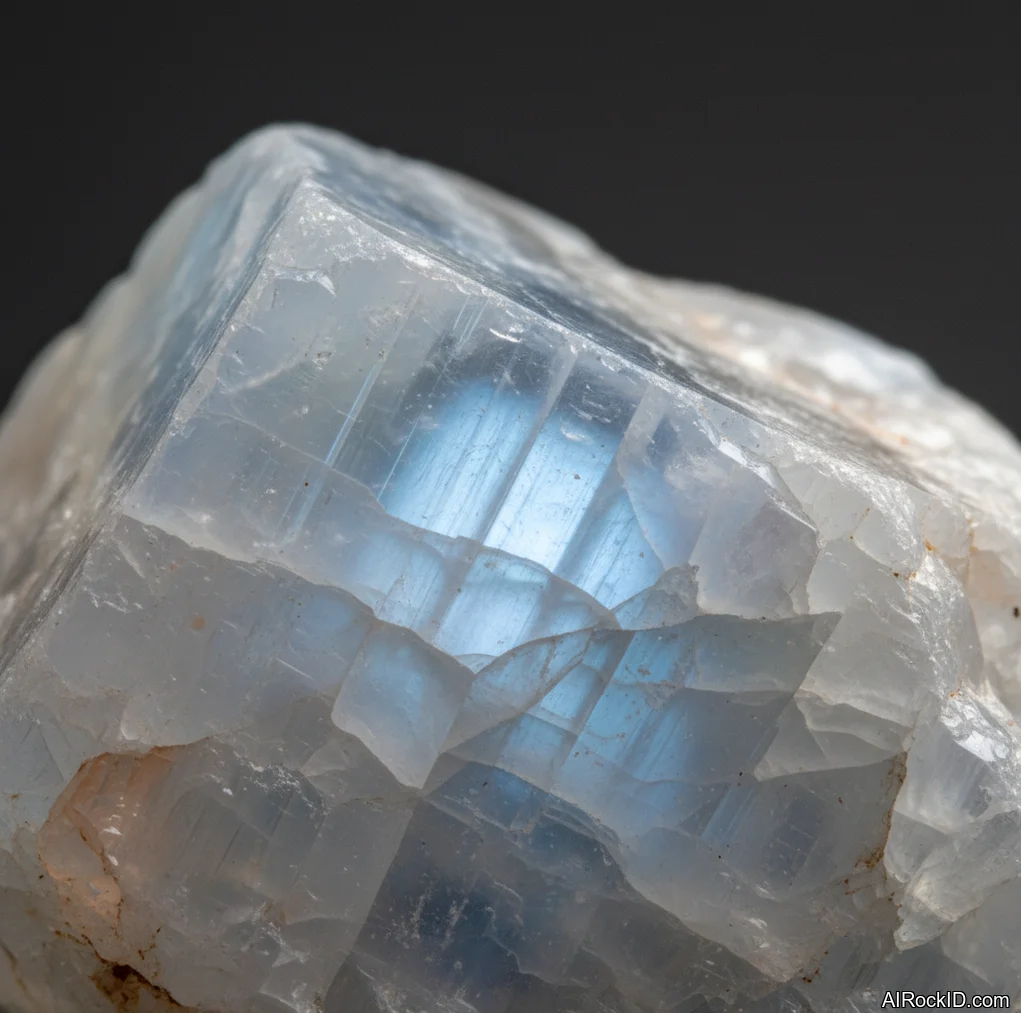
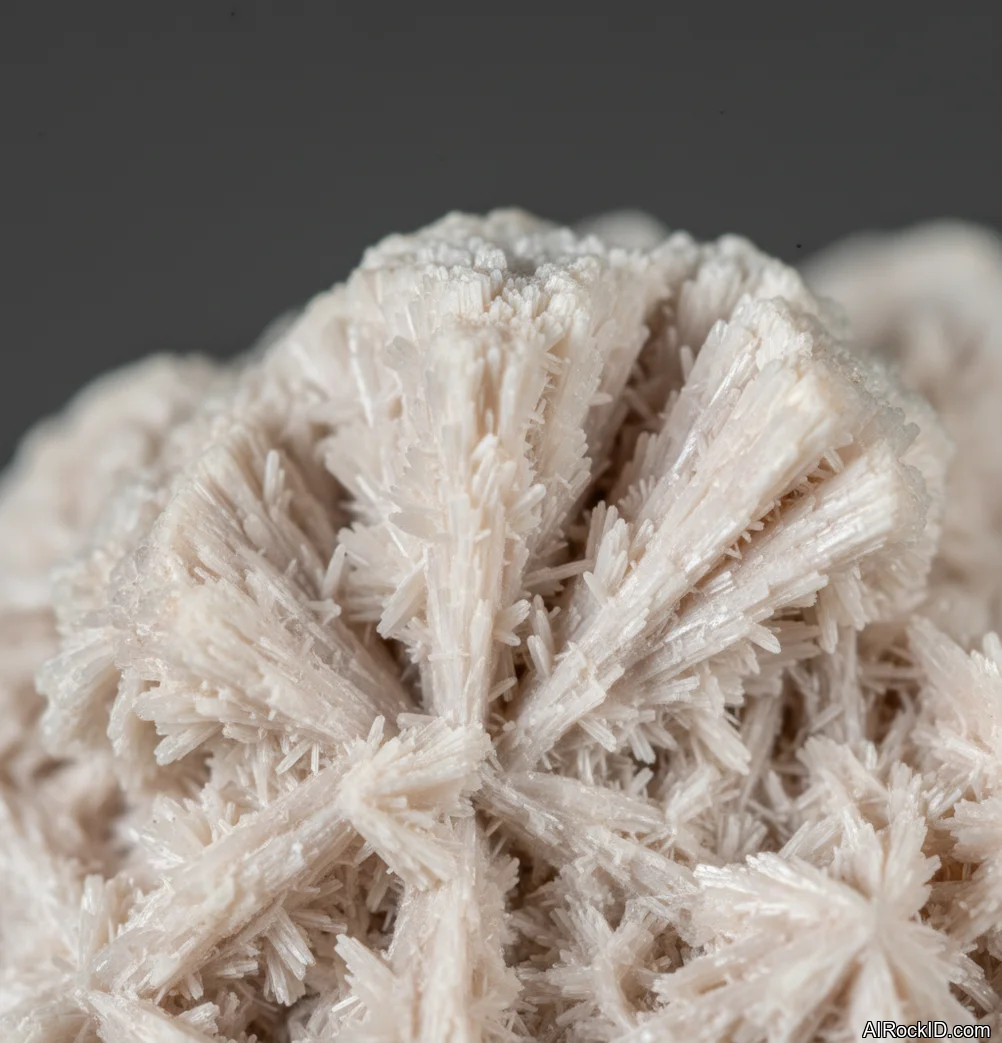
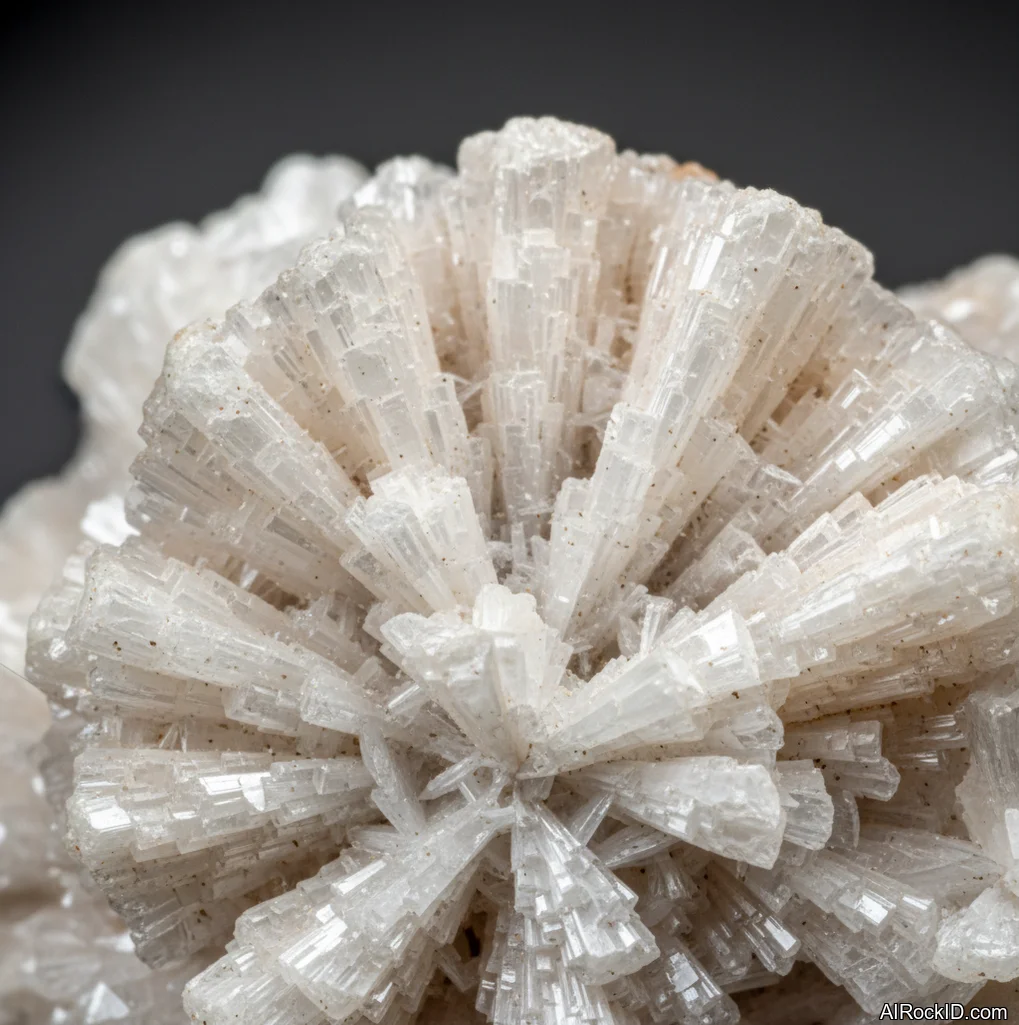
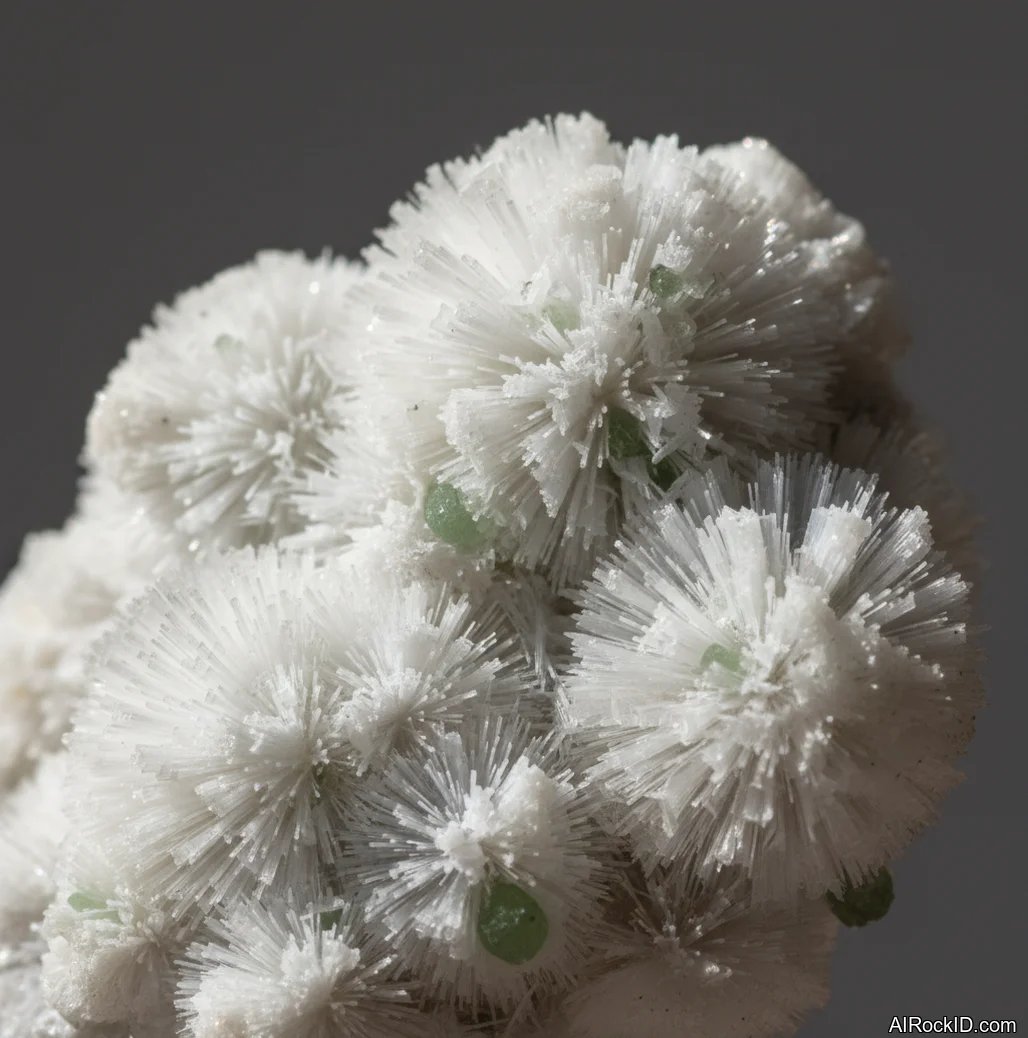
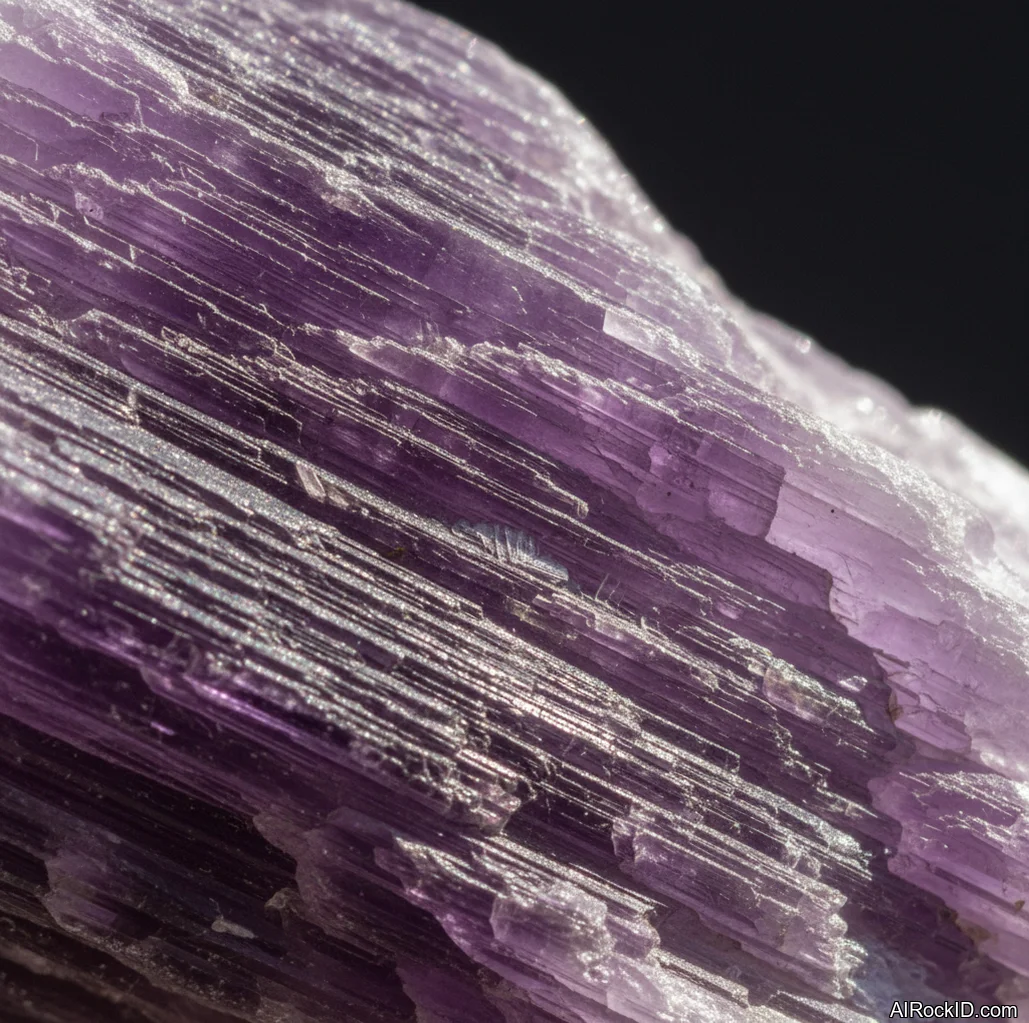
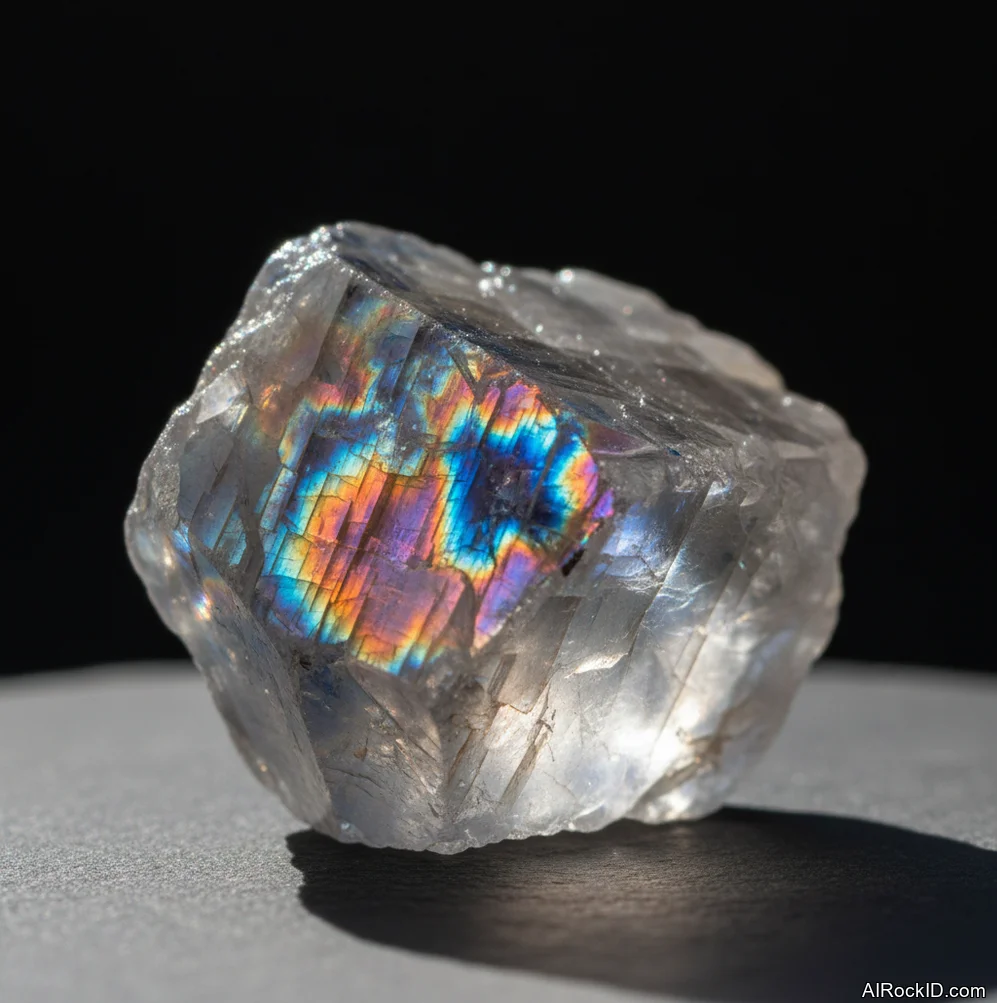
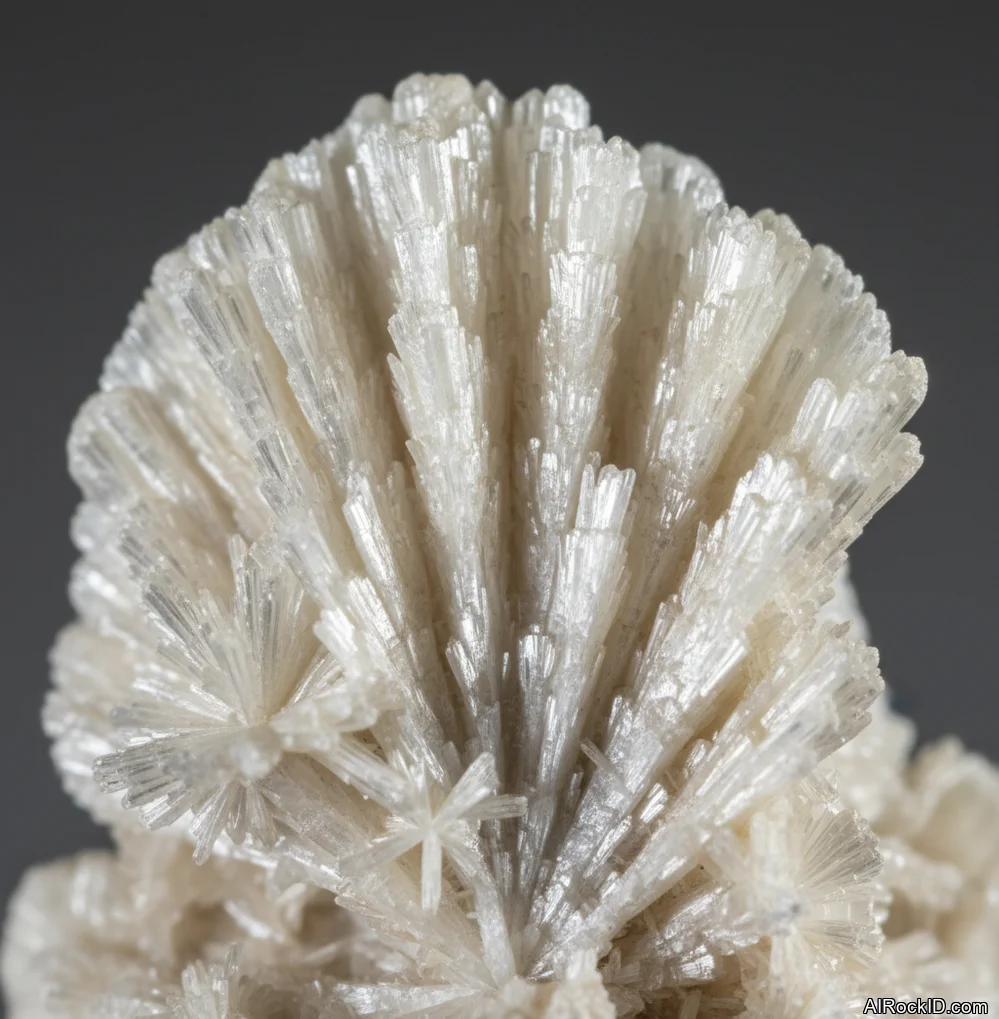
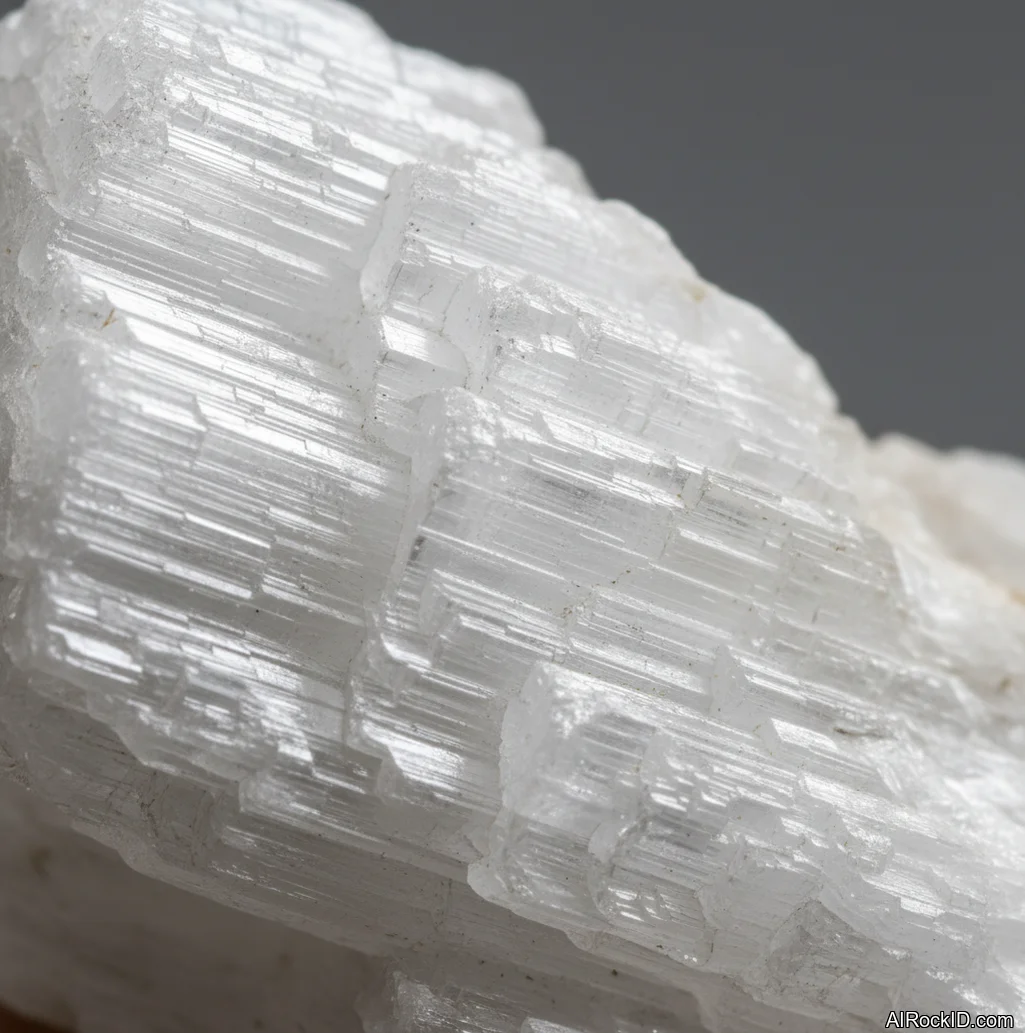
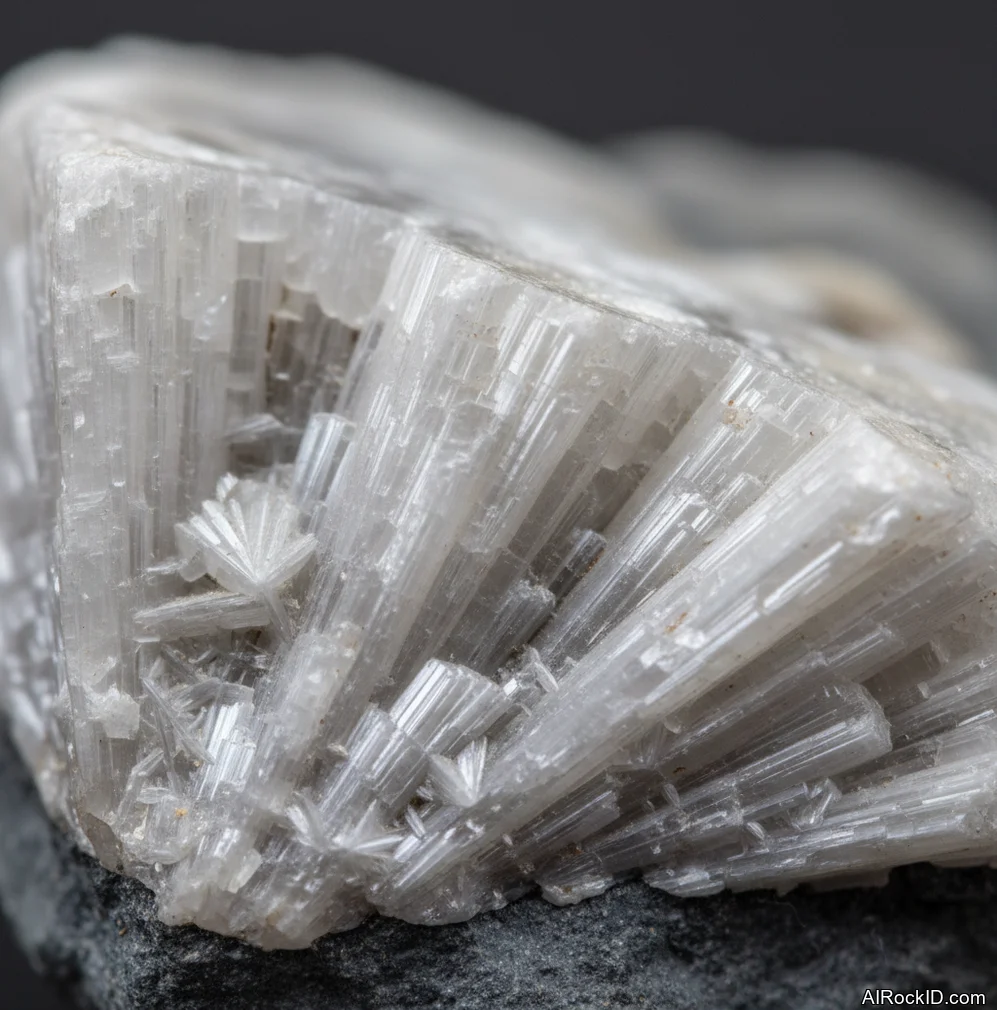
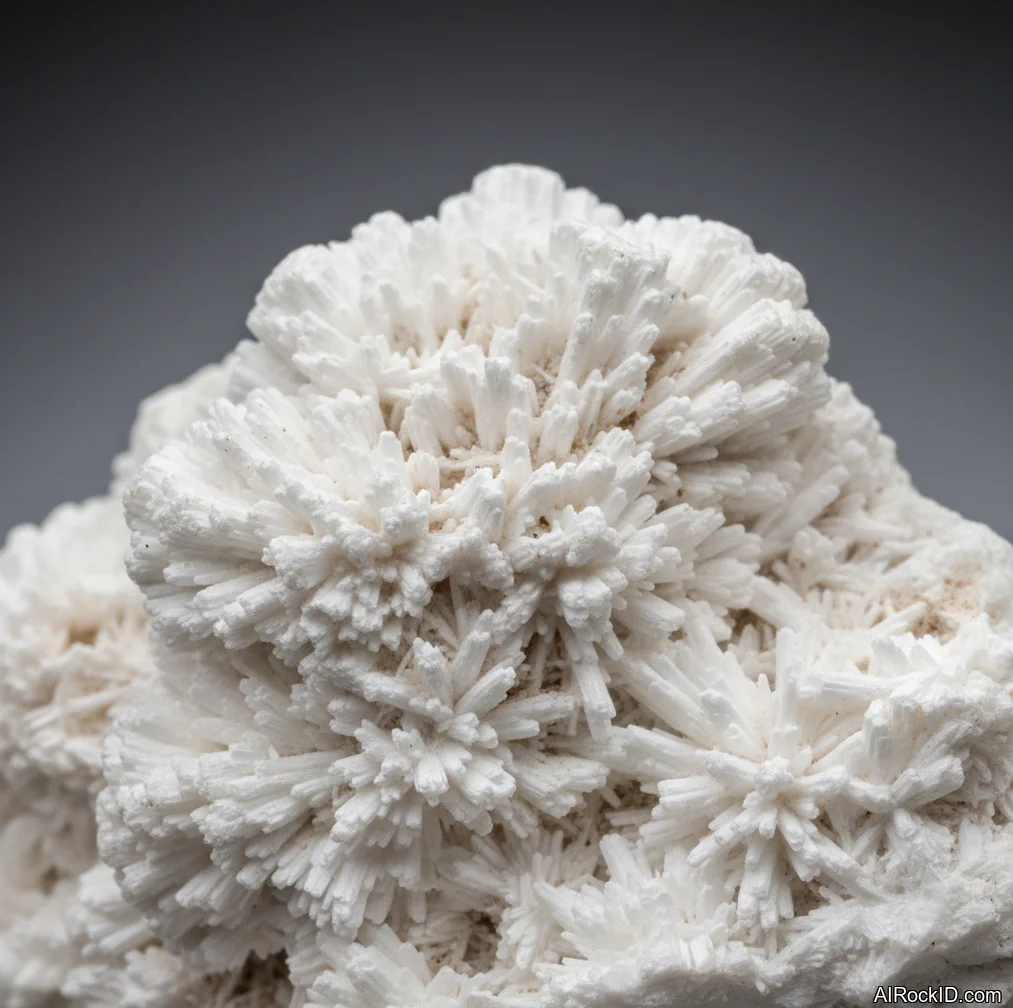
Selenite is everywhere for Crown Chakra, and it’s great. And it’s also the stone people destroy the fastest. The real test is water. Gypsum hates it. Leave a selenite wand in a damp bathroom and it’ll fuzz up, flake, or get soft along the edges. In-hand, it’s lighter than it looks, and it has that fibrous, silky chatoyance that slides when you tilt it under a lamp. If you want something with the same bright, white presence but less fragility, a lot of collectors swap in milky quartz or even white calcite (though calcite scratches easily).
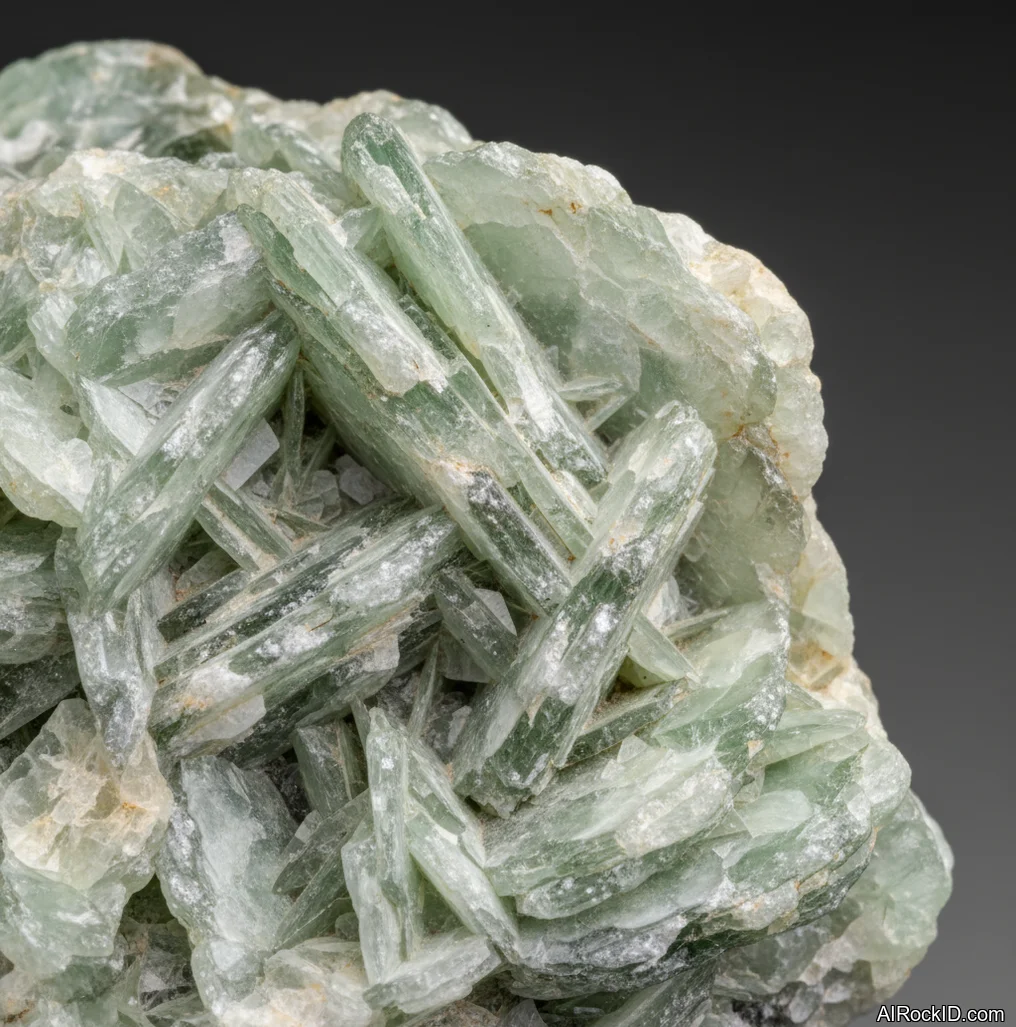
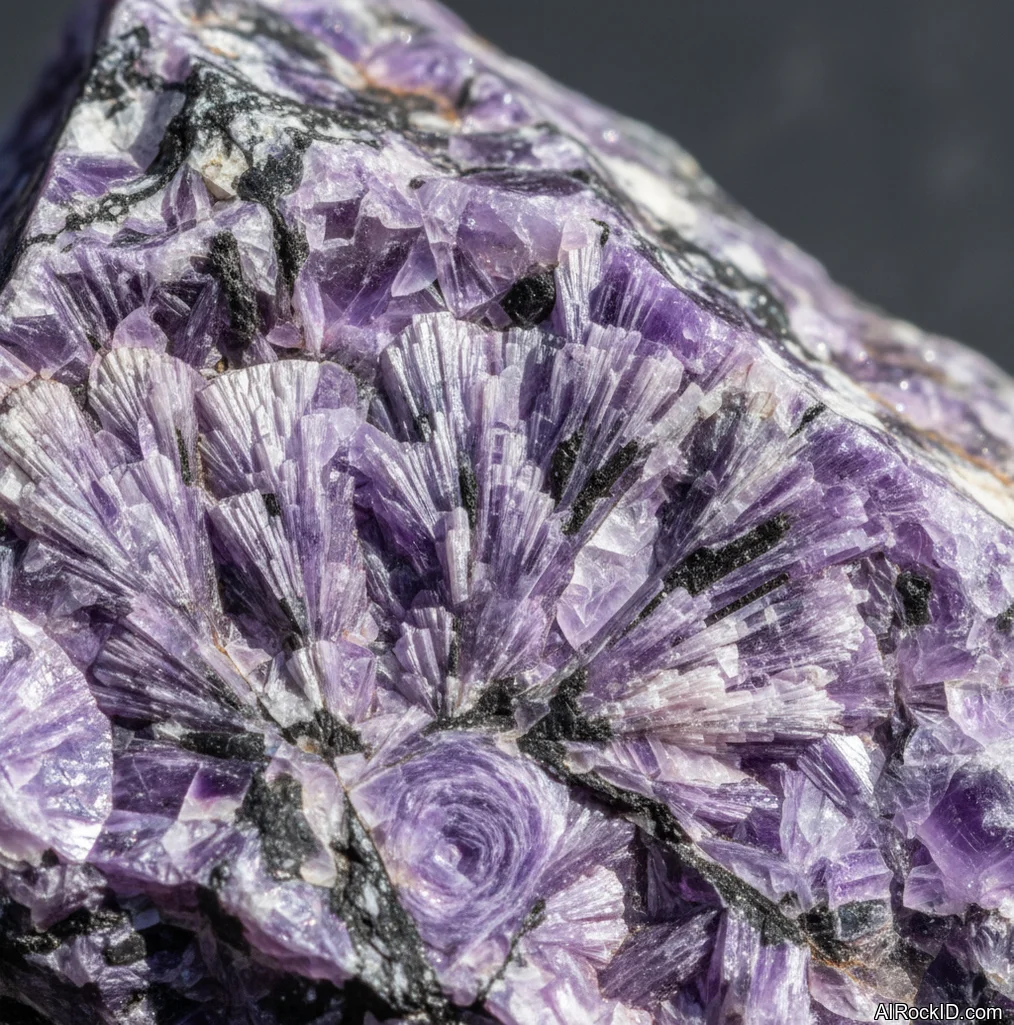
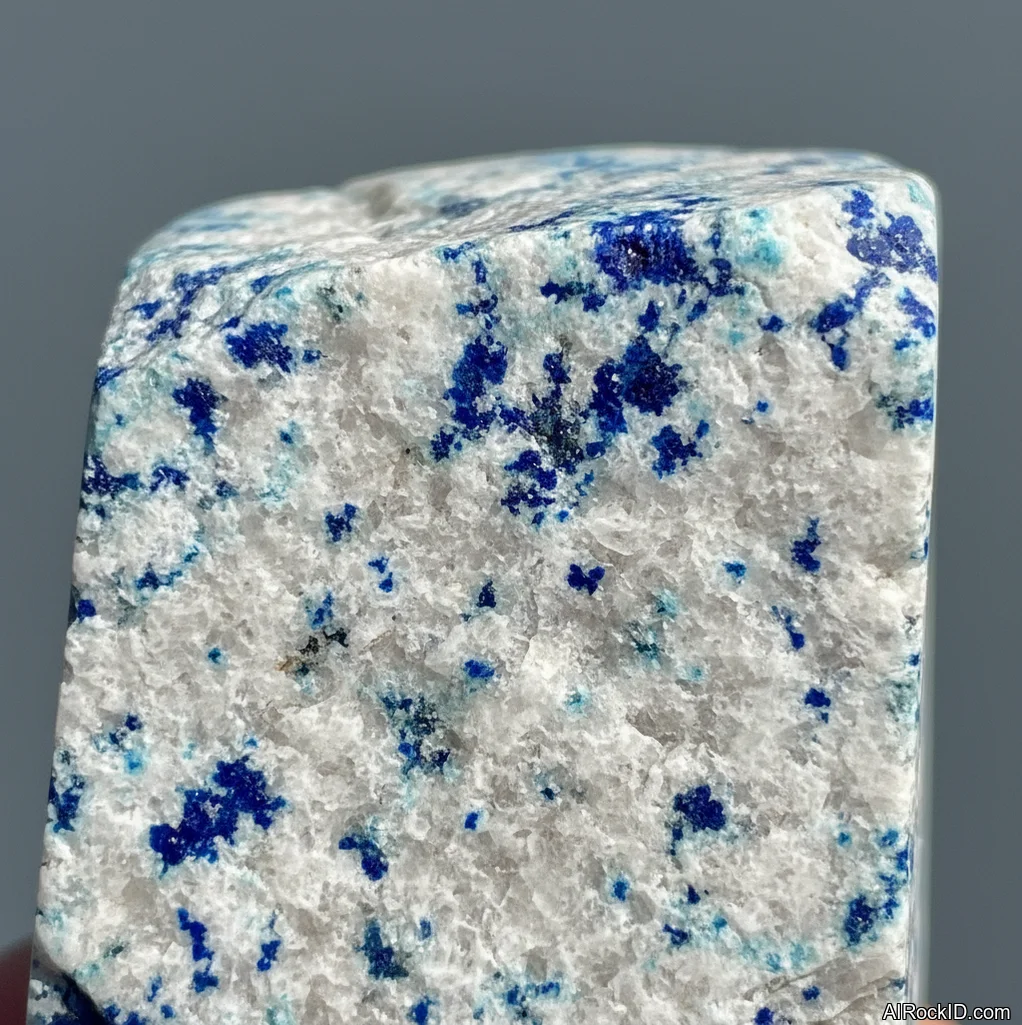
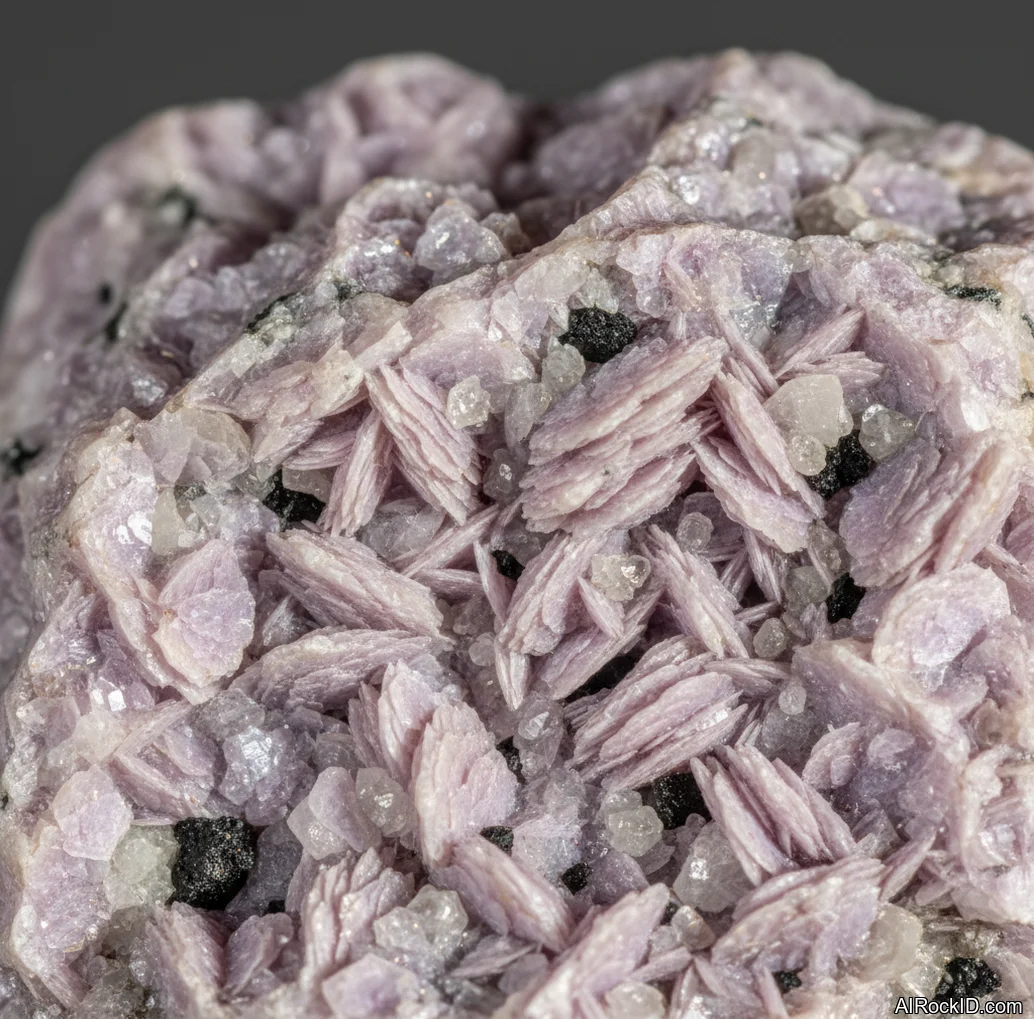
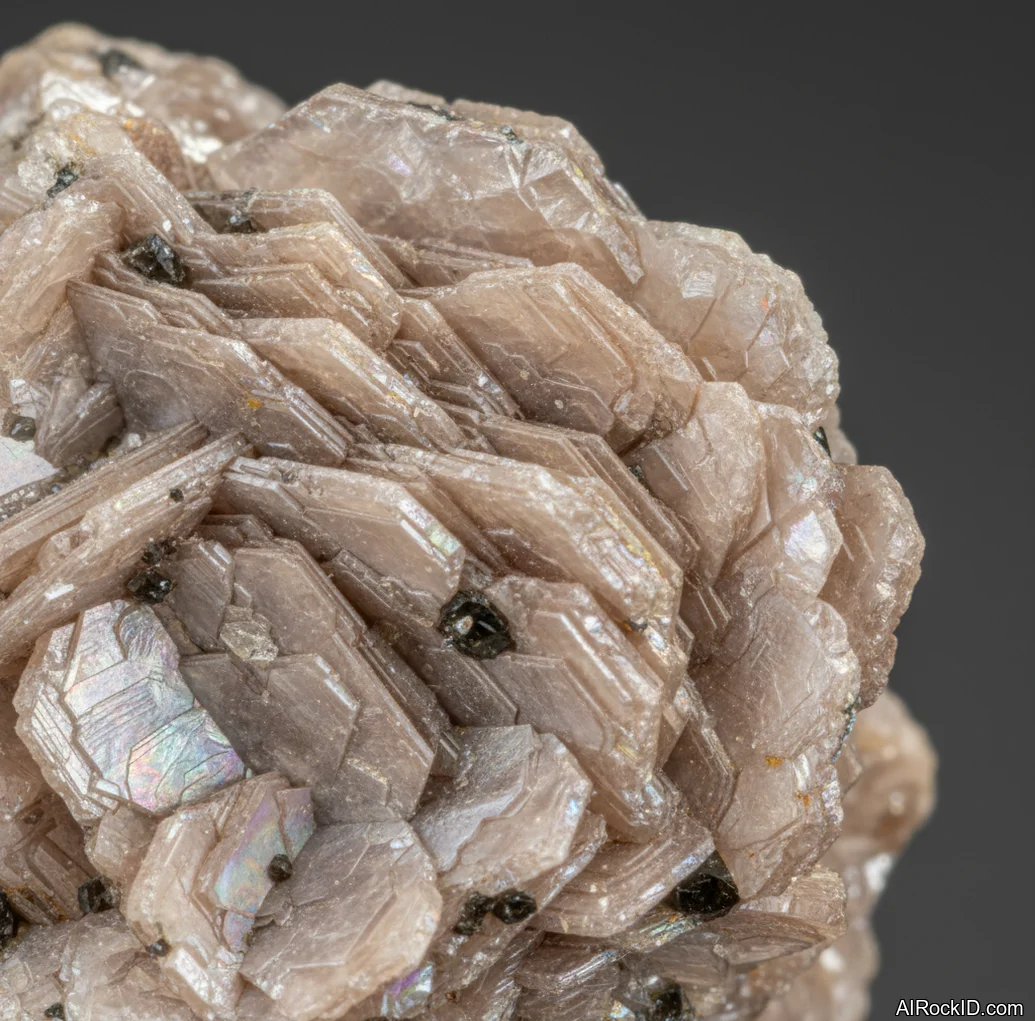
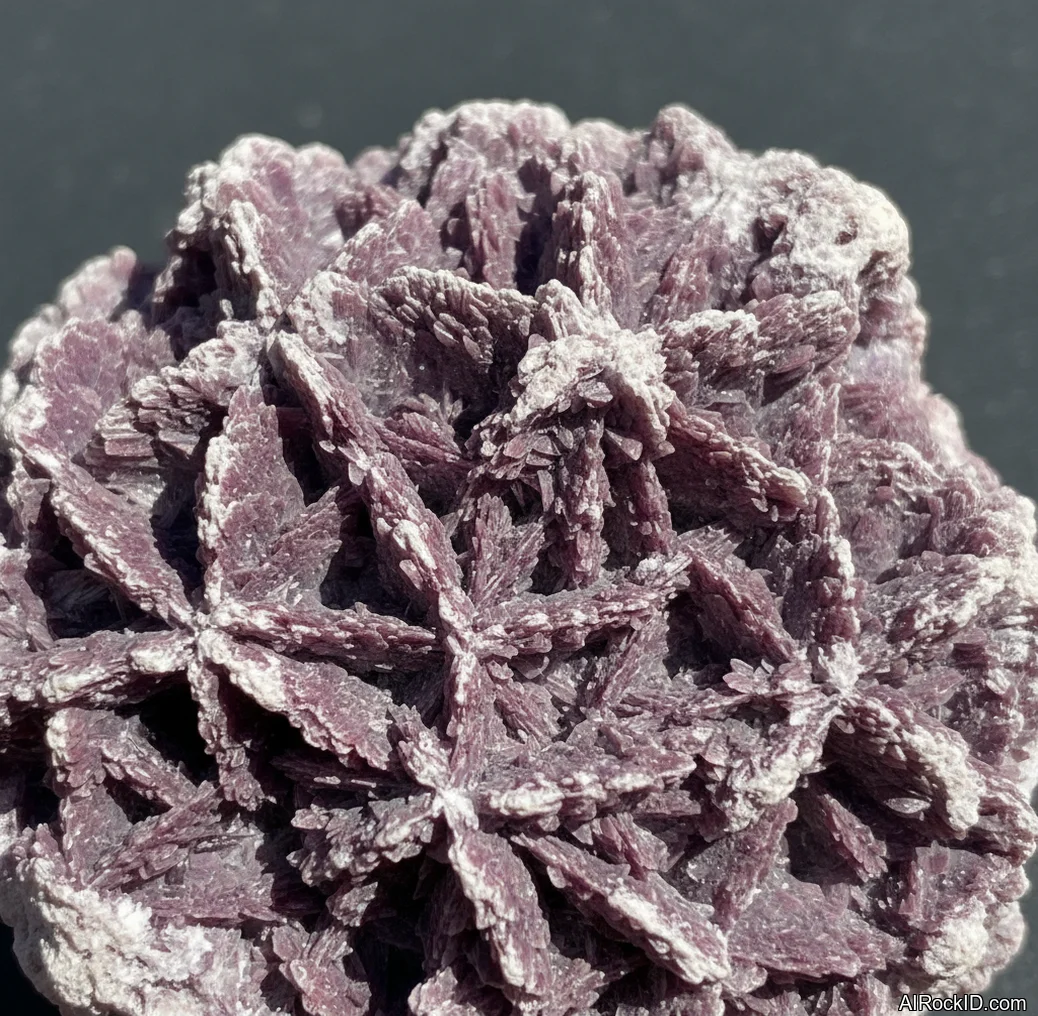
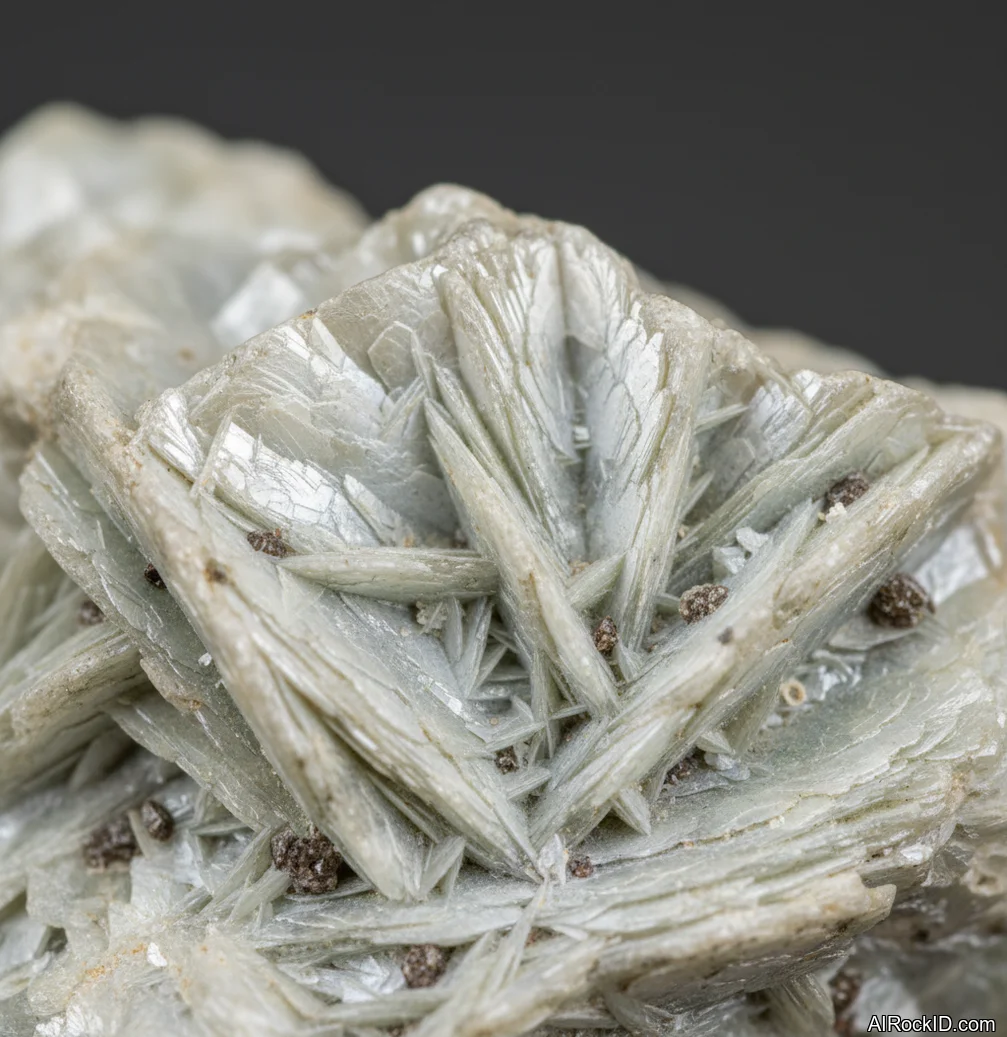
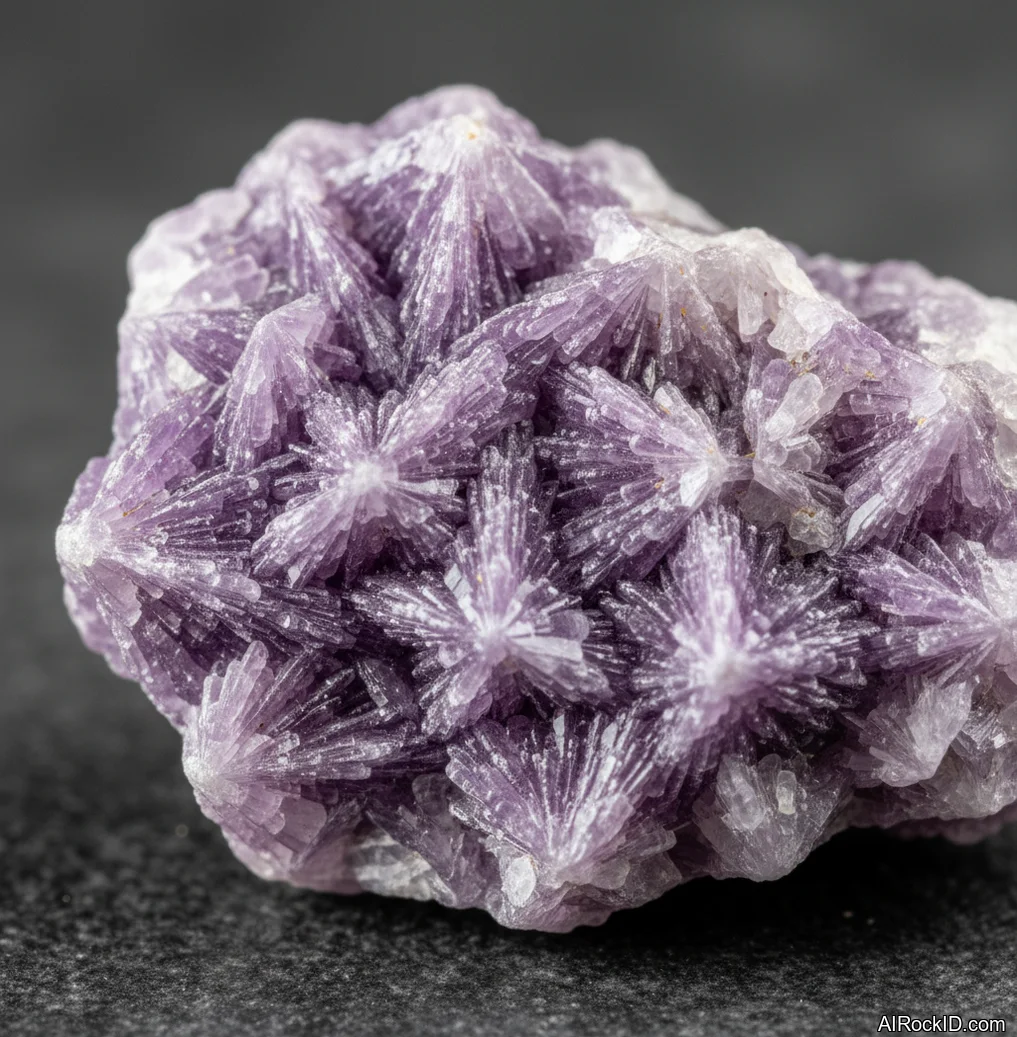
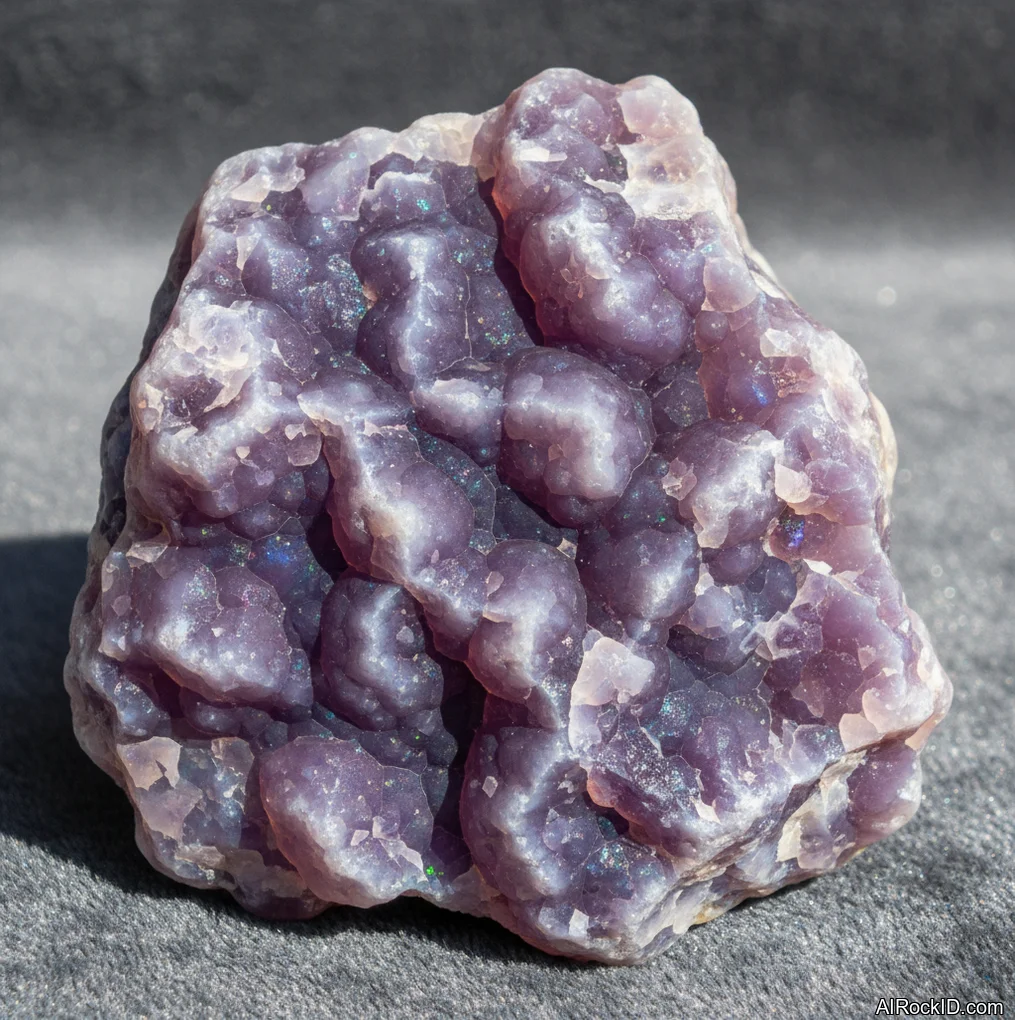
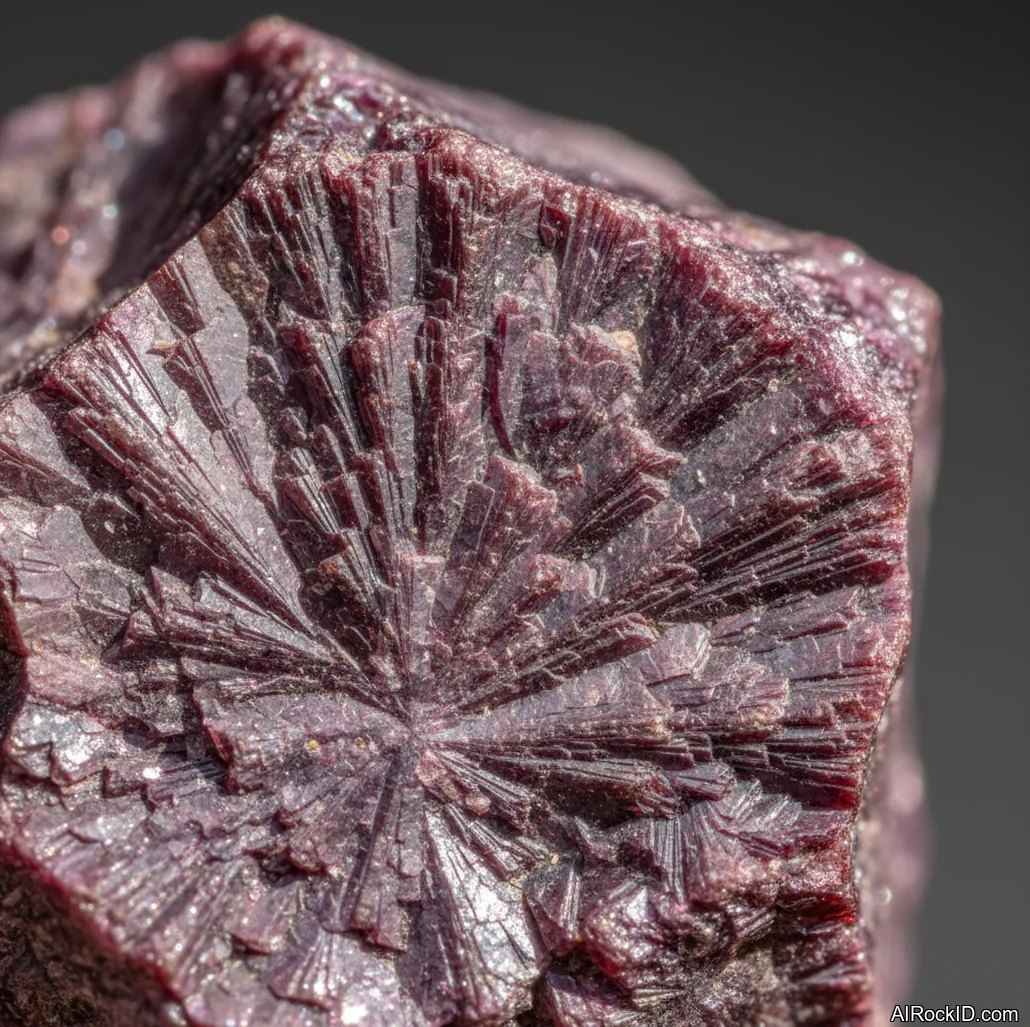
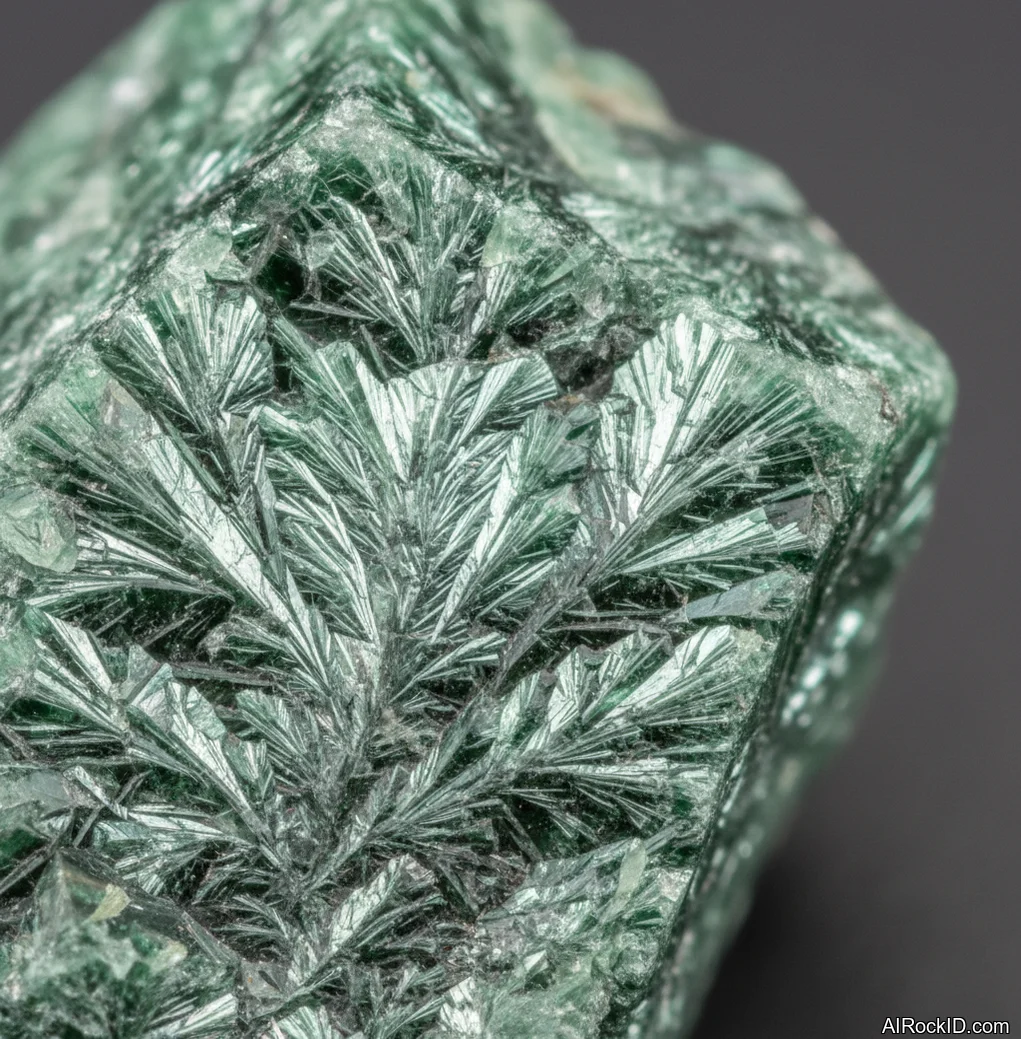
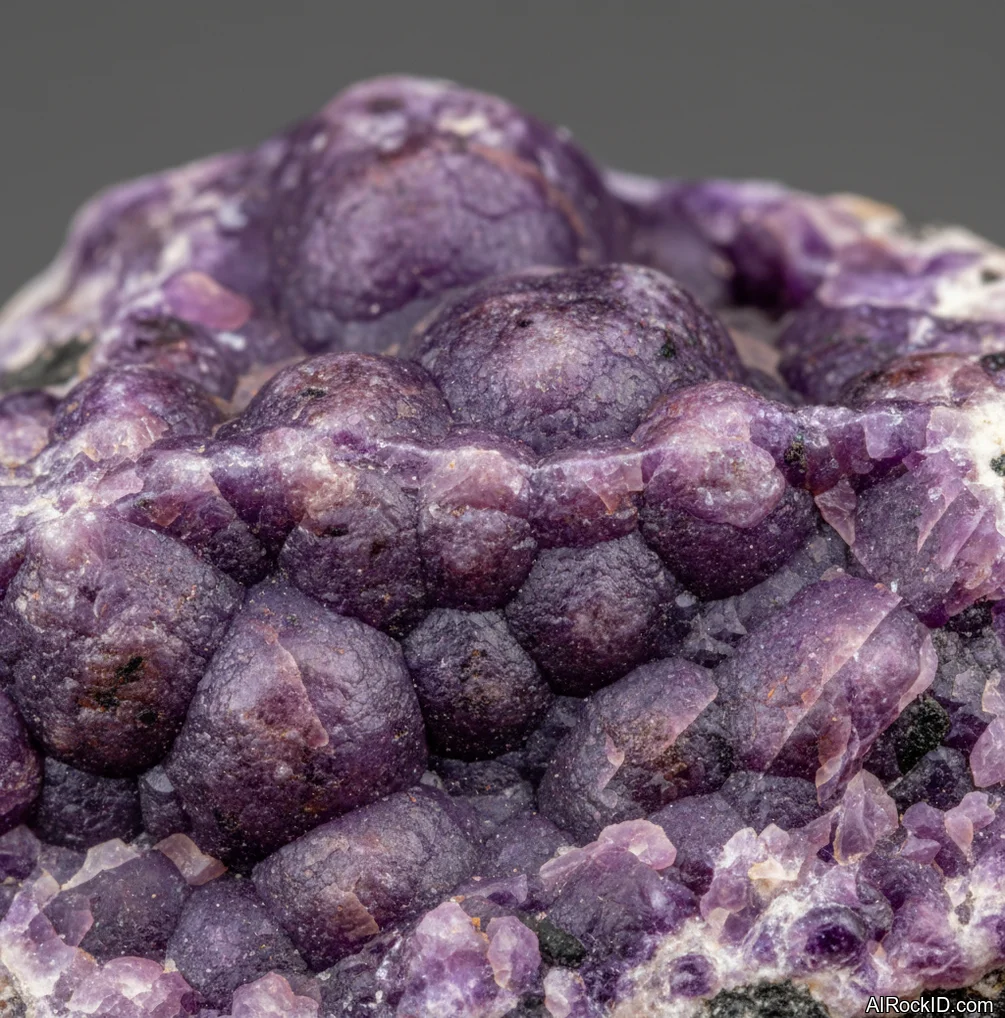
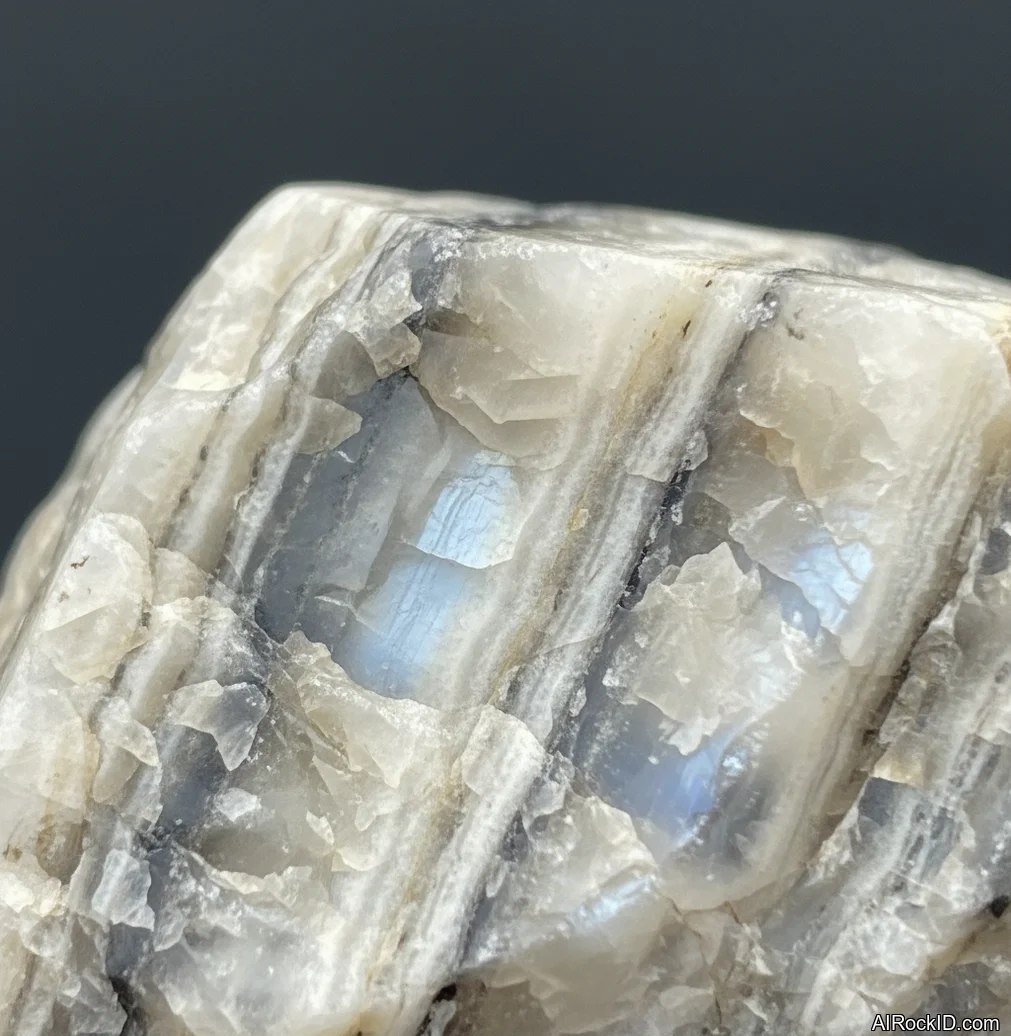
Compared to the white-and-clear crowd, lepidolite brings a different Crown Chakra angle. It’s mica-heavy, so raw pieces often show glittery plates and a scaly texture, like tiny pages stacked together. Tumbled lepidolite can look dusty or cloudy because the mica scatters light, and that’s normal. It’s associated with mental calm, and honestly the physical feel matches. It’s soft-ish. It warms quickly in the hand. And it doesn’t have the sharp, crisp bite of quartz. Just don’t expect it to hold up like a quartz worry stone. It’ll bruise.
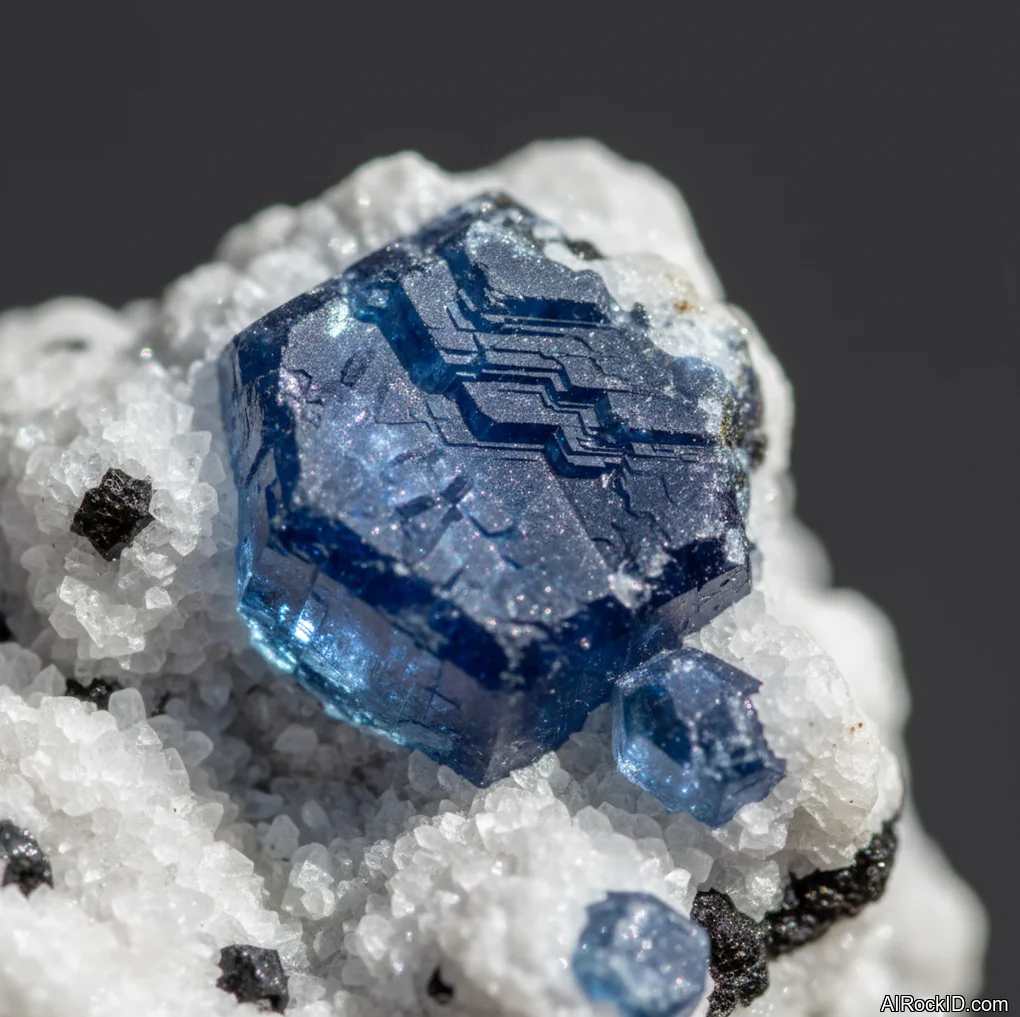
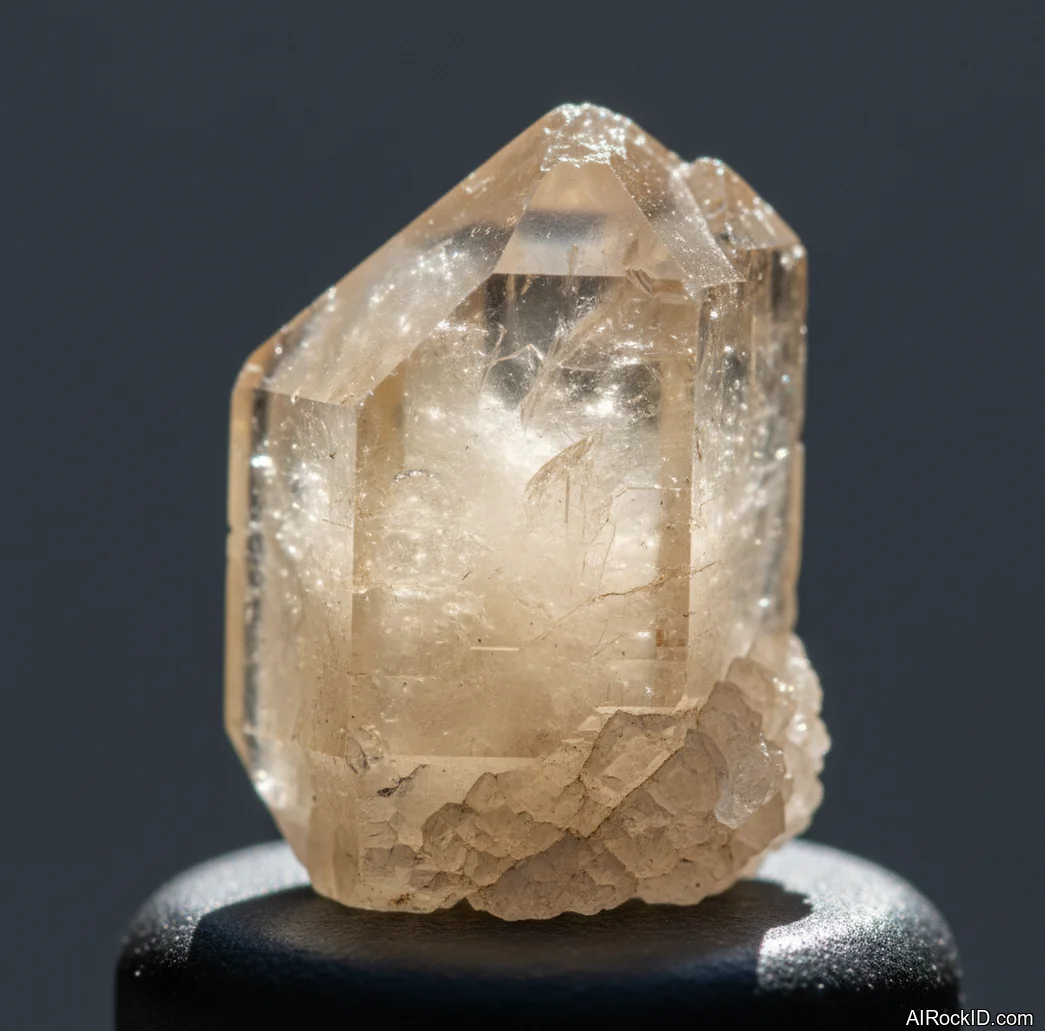
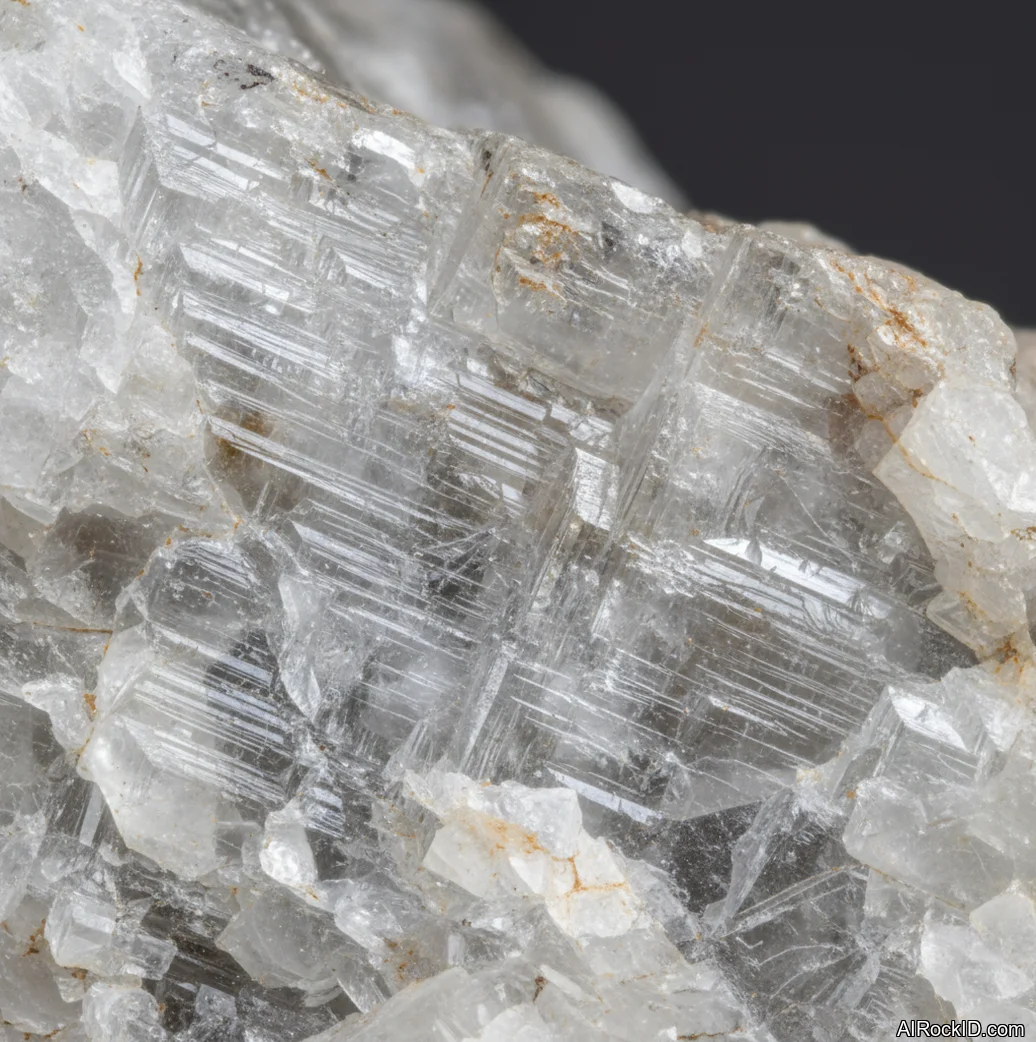
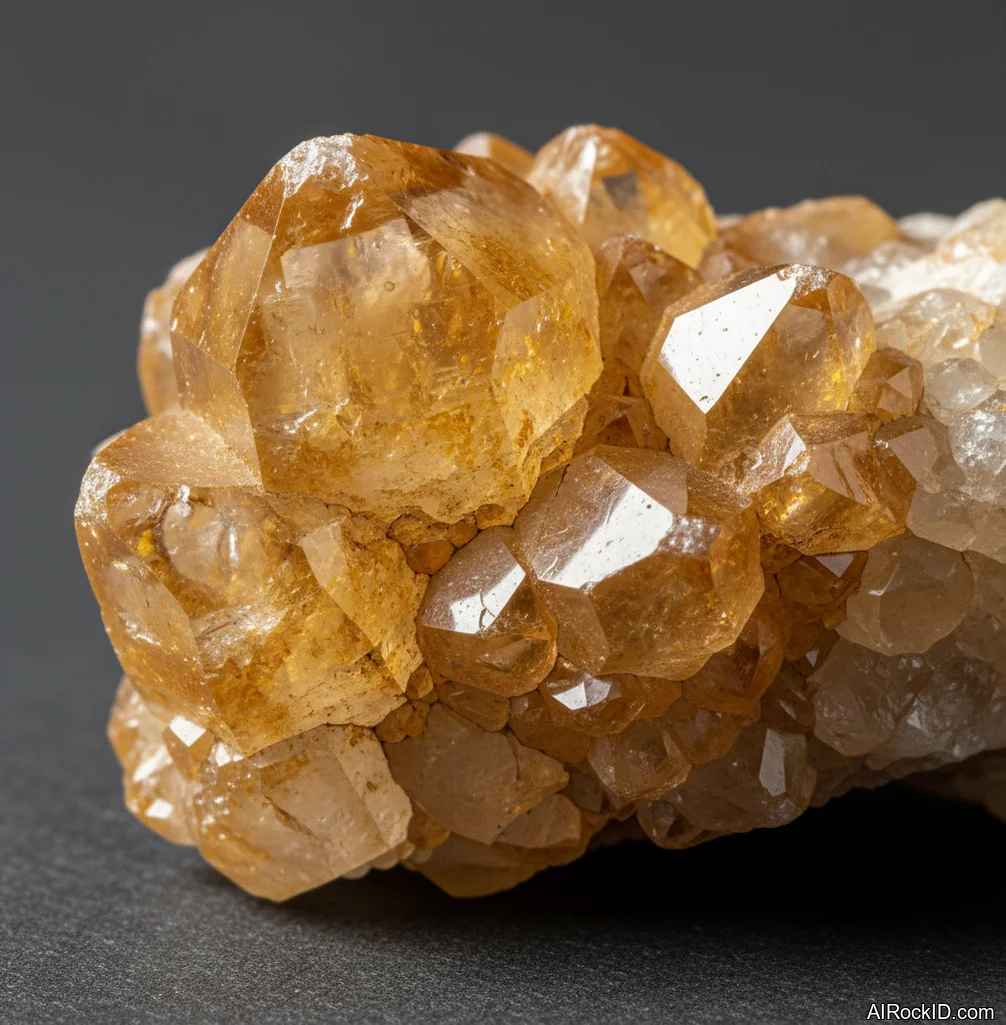
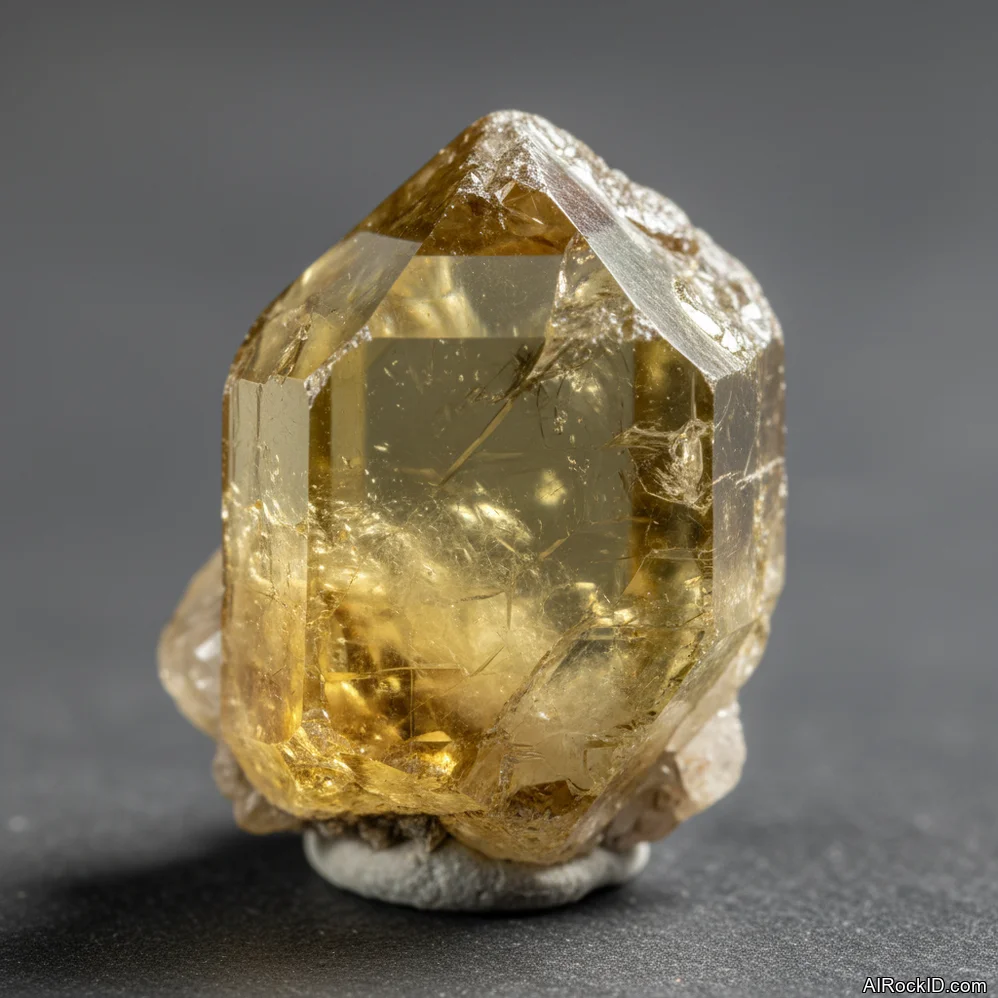
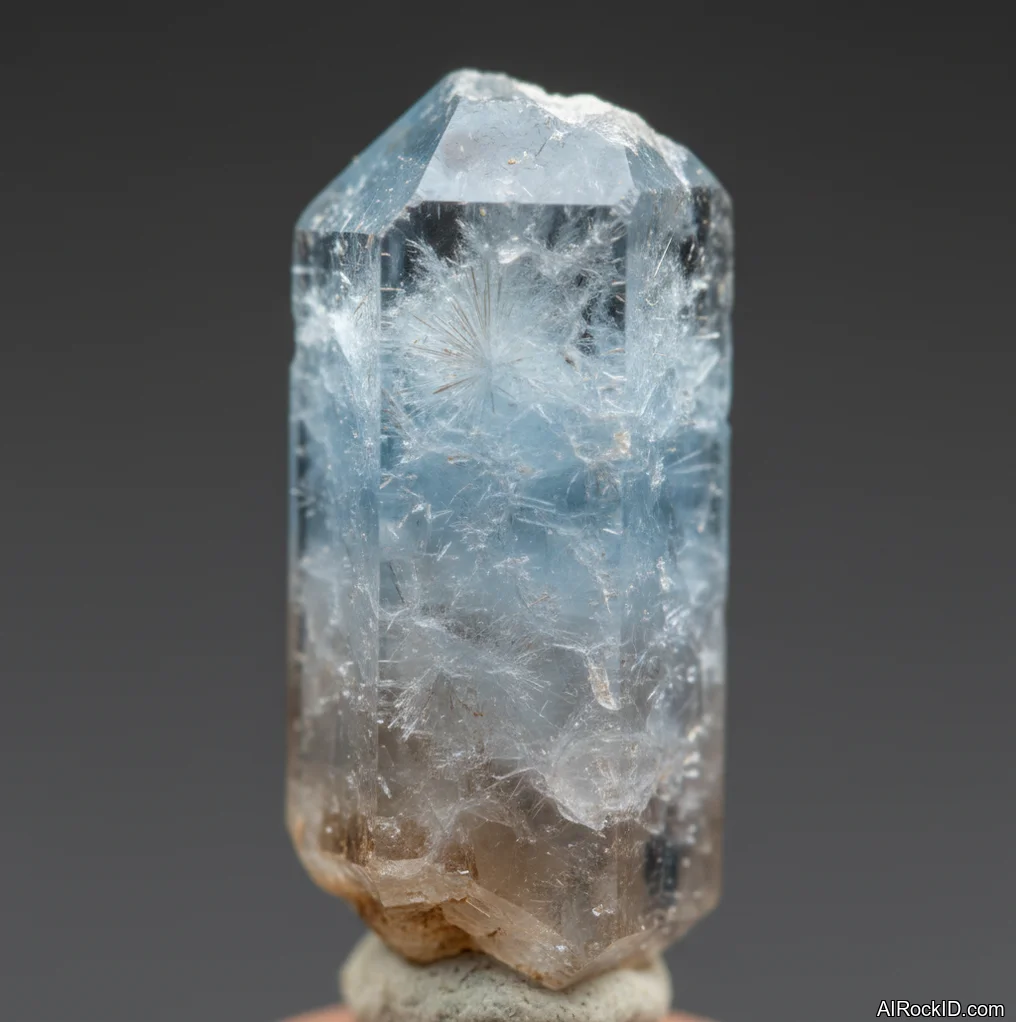
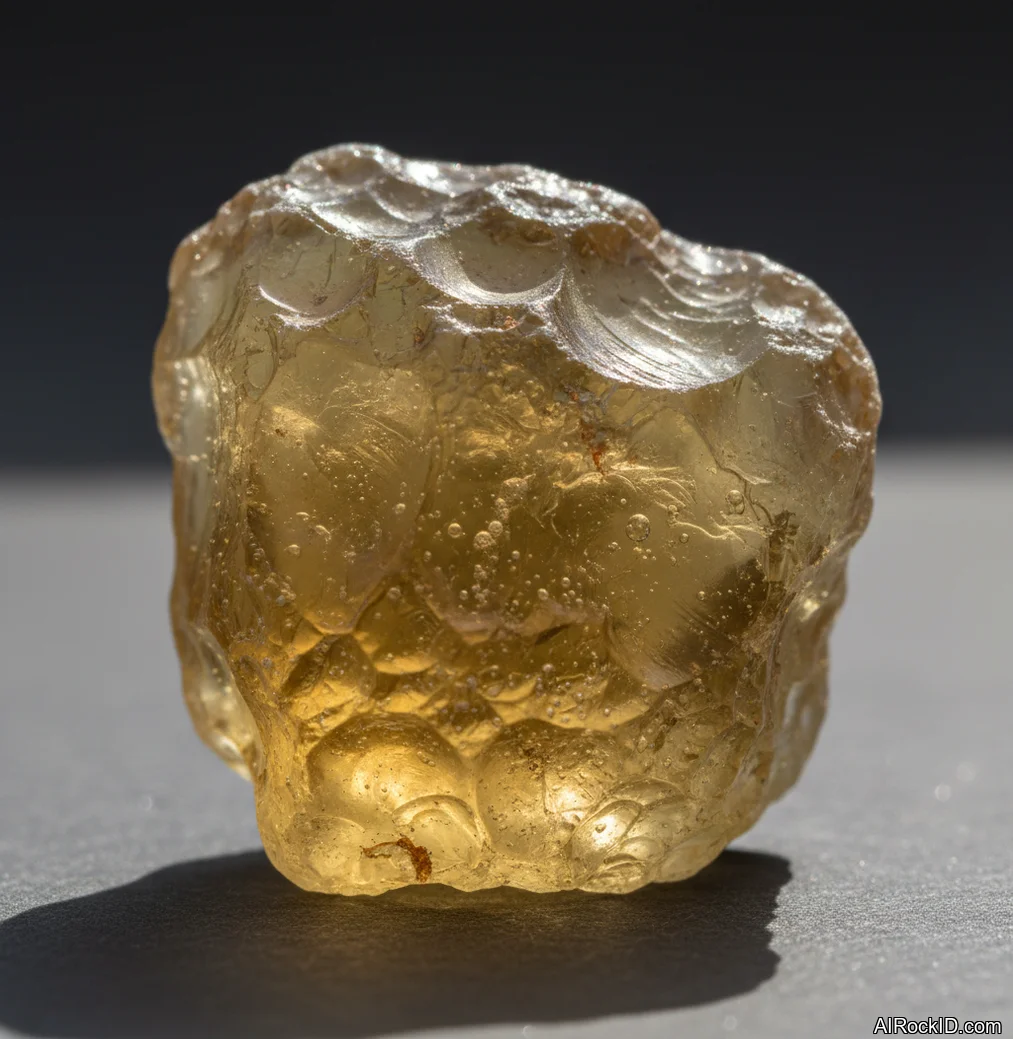
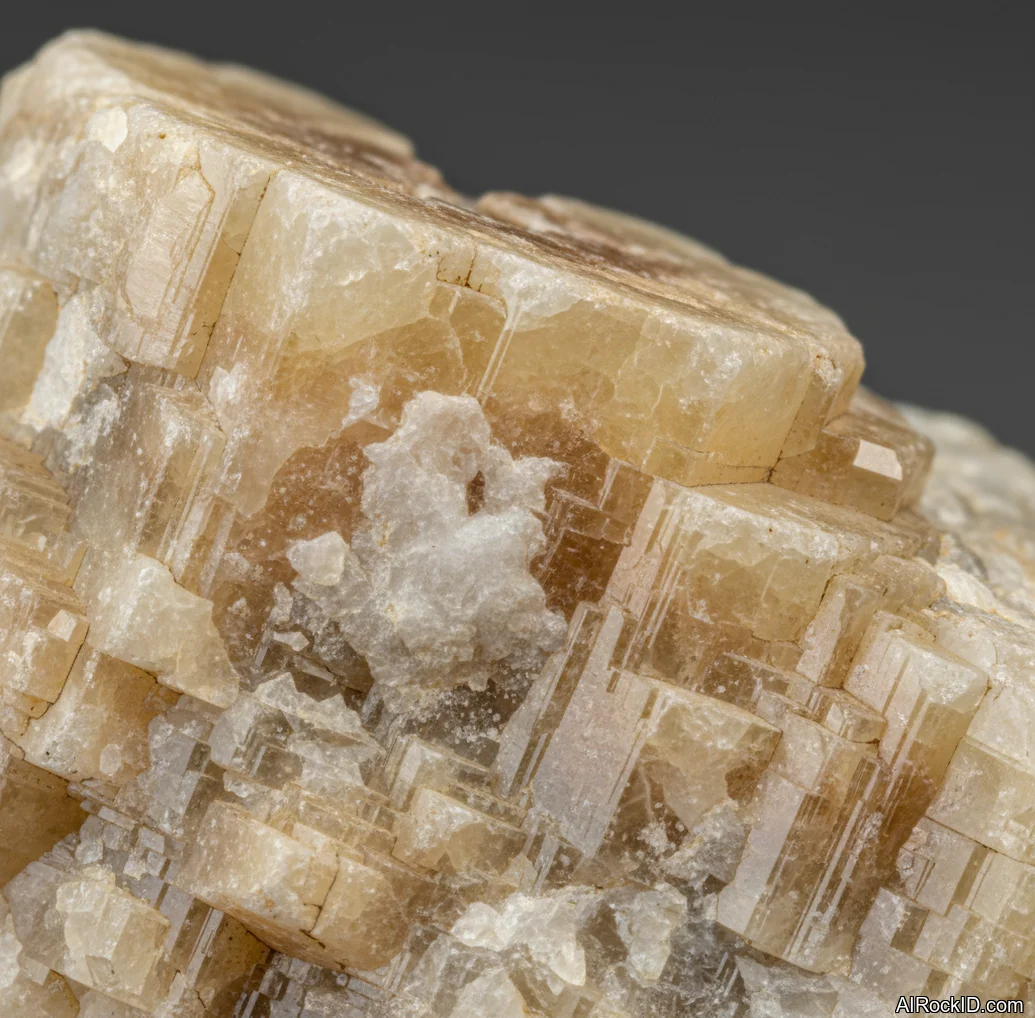
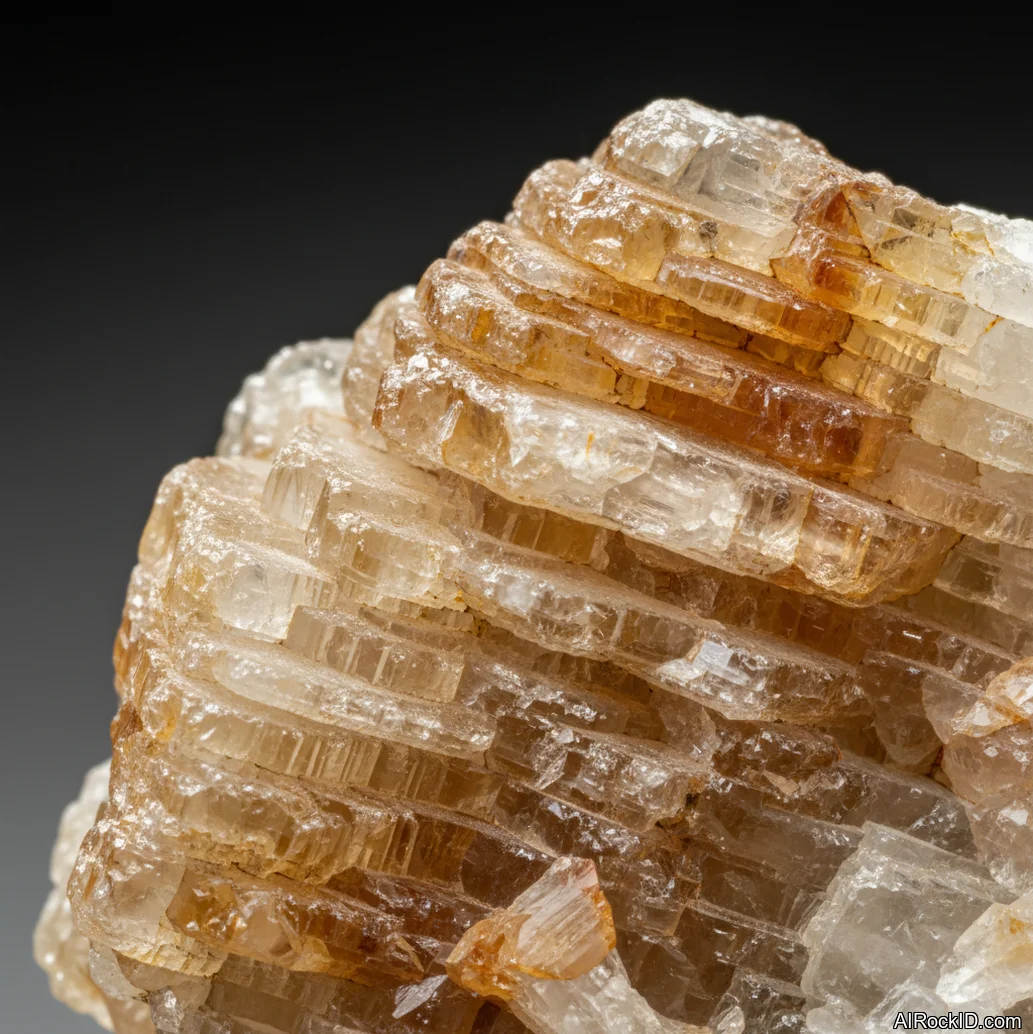
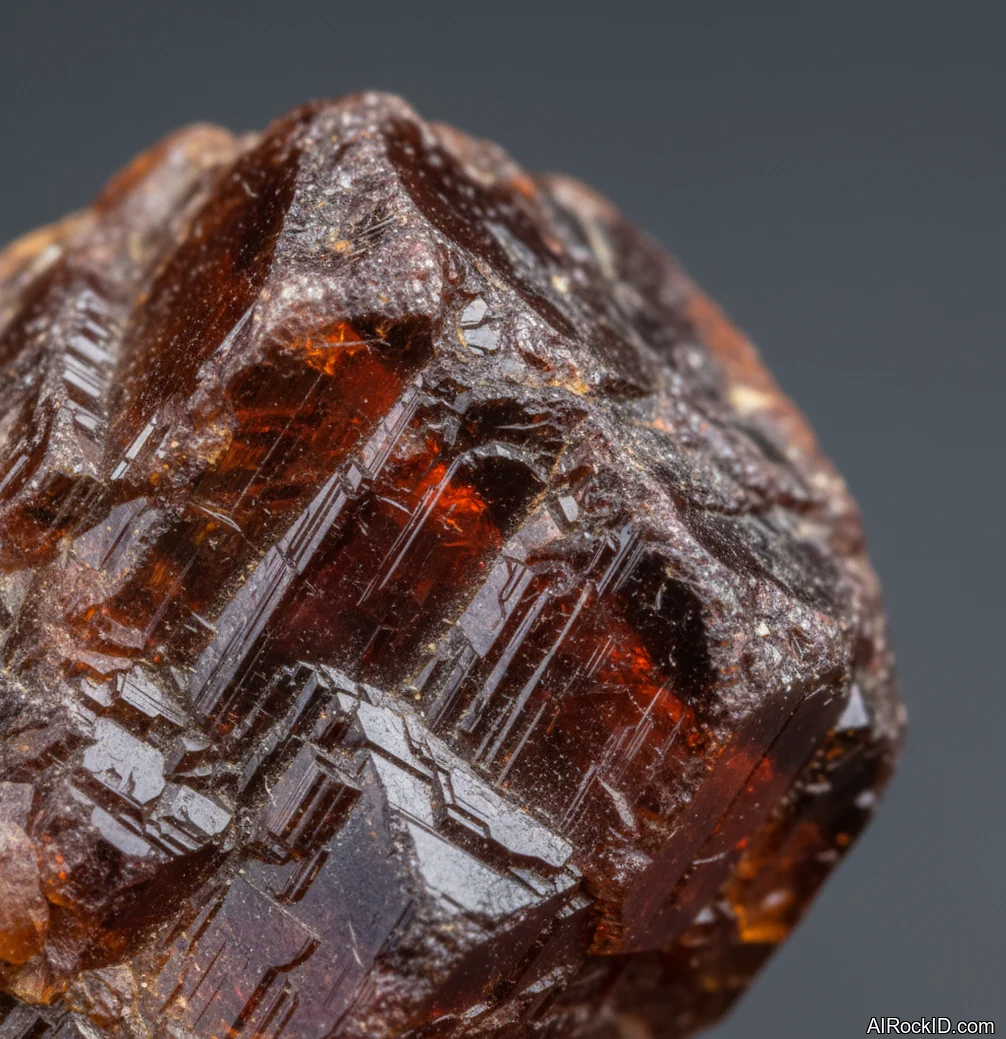
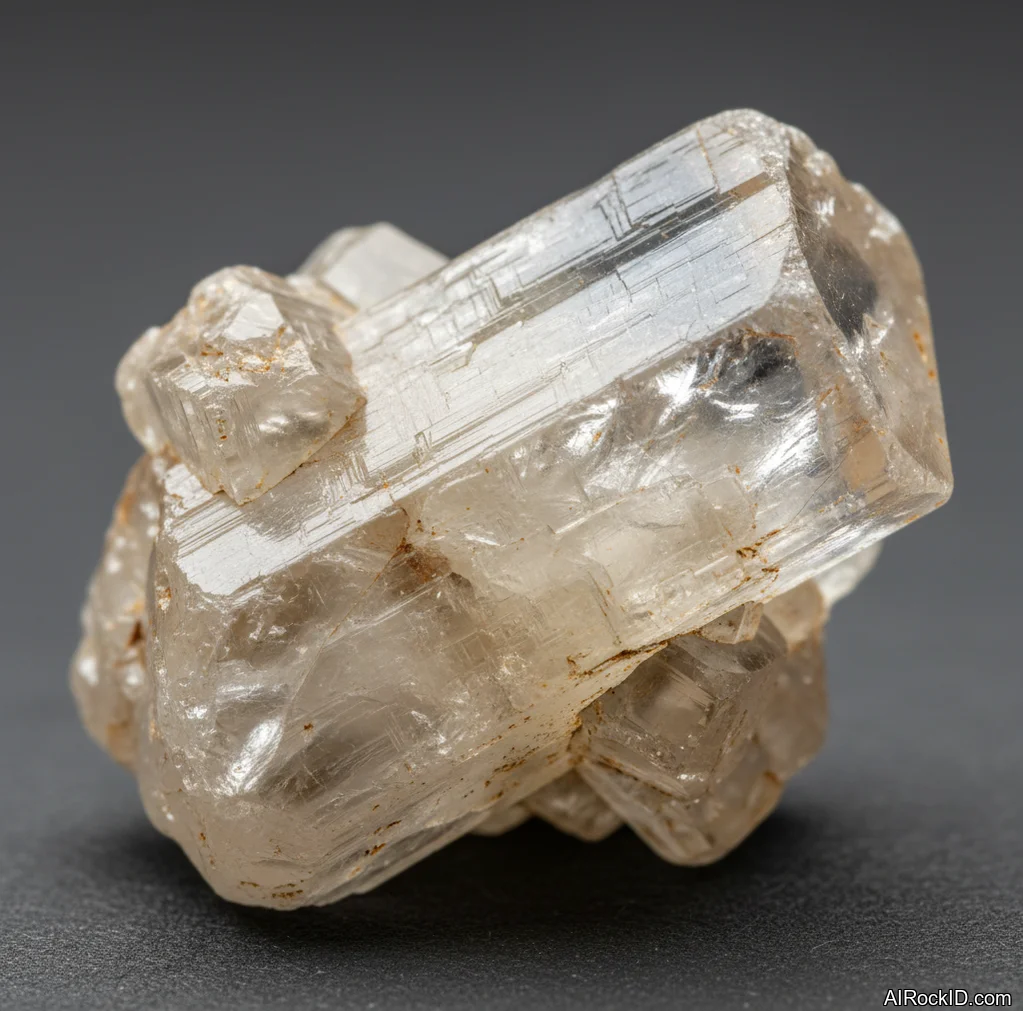
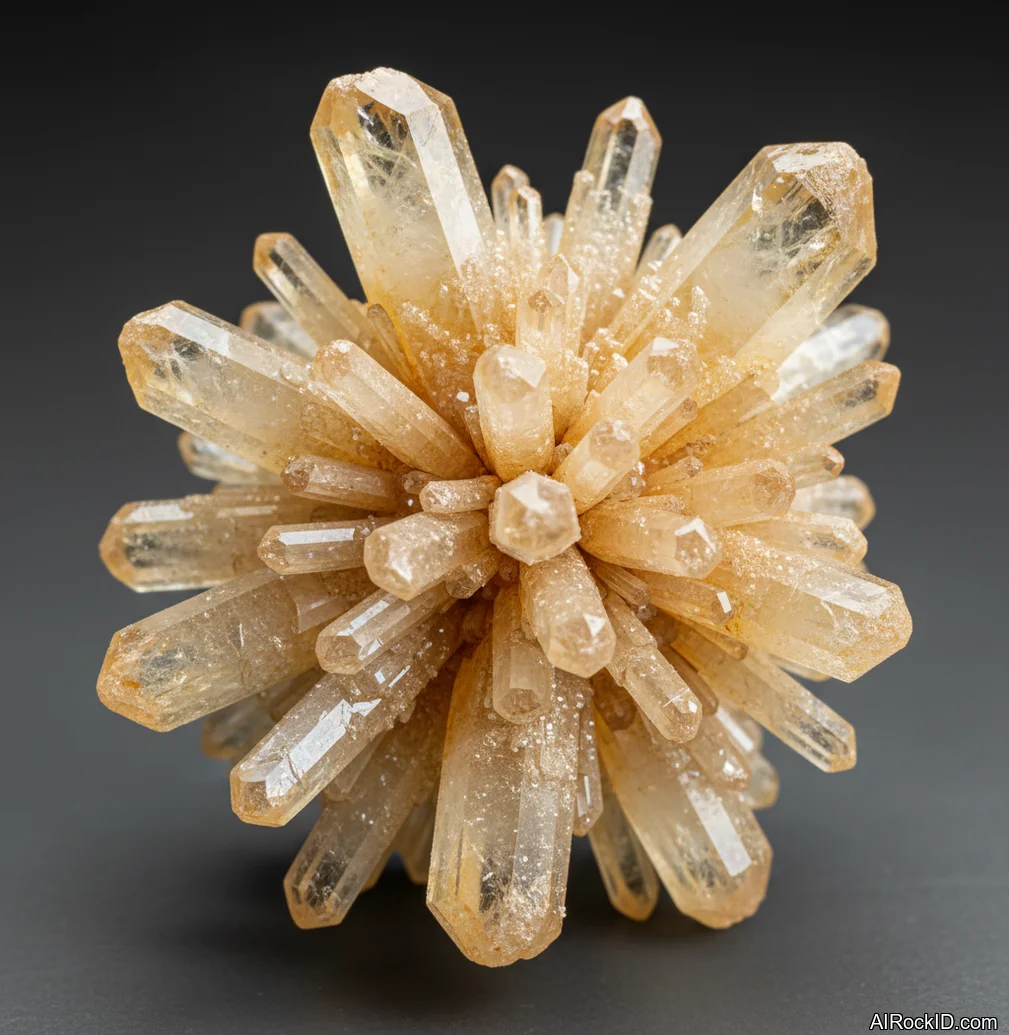
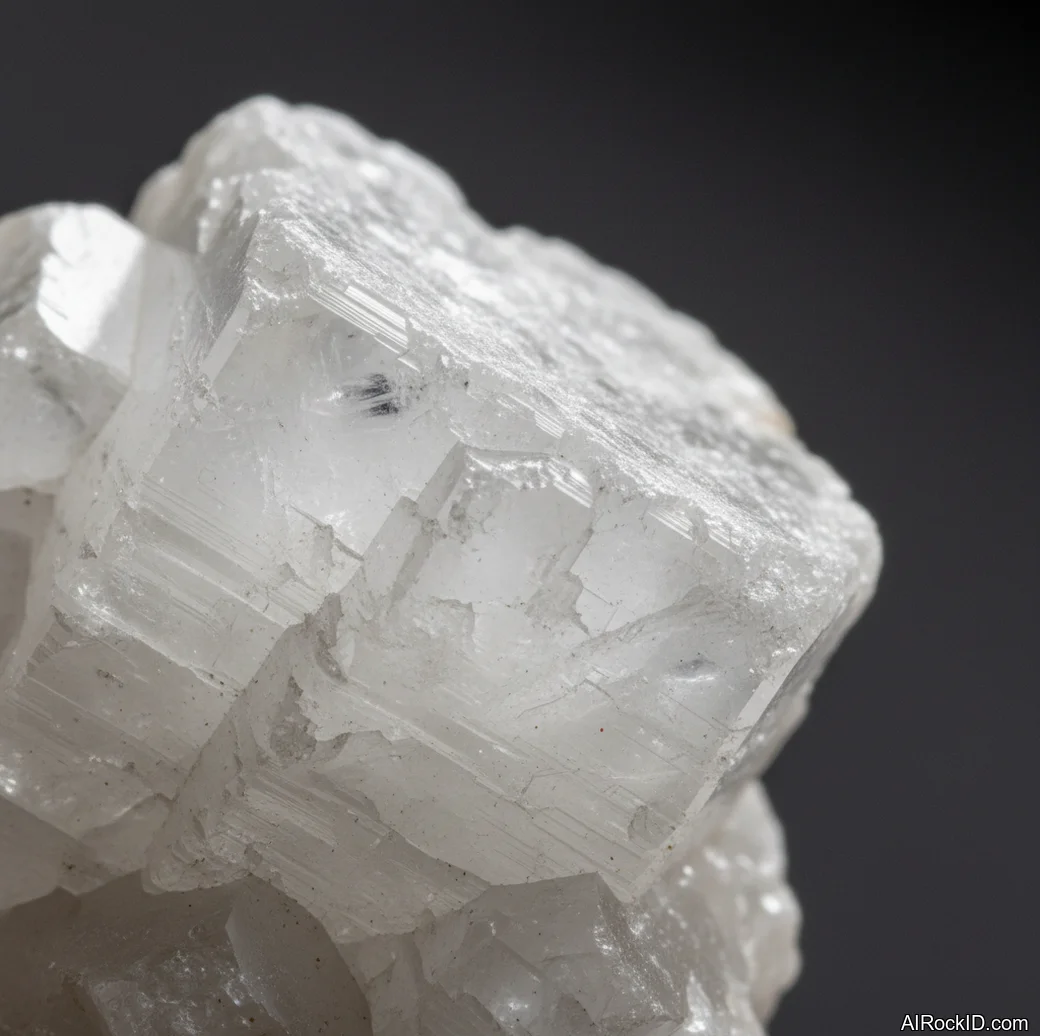
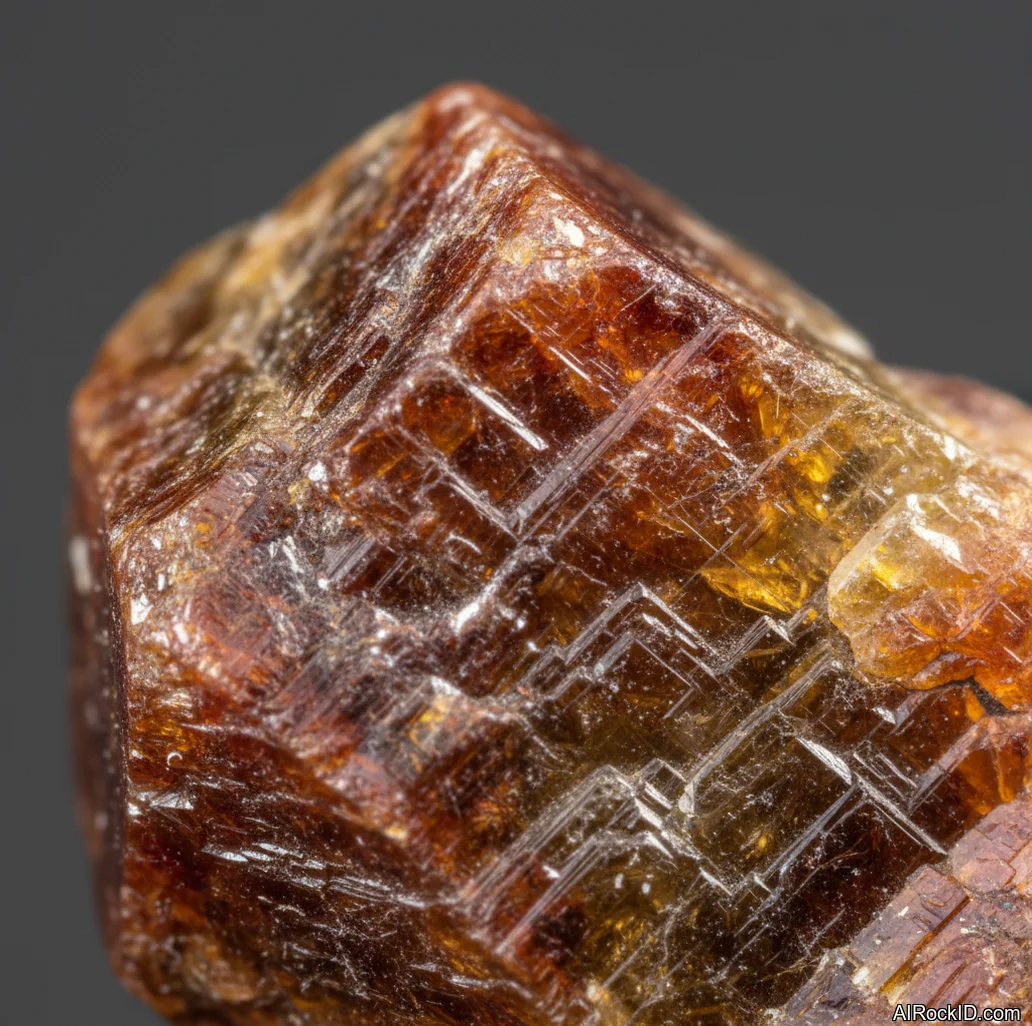
If you want the “high frequency” look that gets people talking, check out danburite and phenakite. Danburite often shows up as clear to champagne crystals with a bright, clean sparkle, and it’s usually lighter in color than people expect when they hear the name. Phenakite is a whole other thing. Tiny, hard, and frequently expensive for the size. A legit phenakite feels like a little piece of stubborn glass, and the edges on a crystal can be sharper than you’d guess. But there’s a market problem: sellers sometimes label clear topaz, quartz, or even glass as phenakite. If the price looks too friendly, assume it’s not phenakite until proven otherwise.
How people actually work with Crown Chakra crystals is usually pretty simple. A small piece on the nightstand. A palm stone during meditation. A point on a desk aimed away from you if you don’t want that busy-brain feeling. With clusters, placement matters. Put an amethyst cluster behind your headboard and it’ll catch dust, hair, and lint like a magnet, but it also looks great and stays out of the way. If you’re doing a body layout, keep it light. A heavy quartz cluster on the top of the head isn’t relaxing, it’s just heavy.
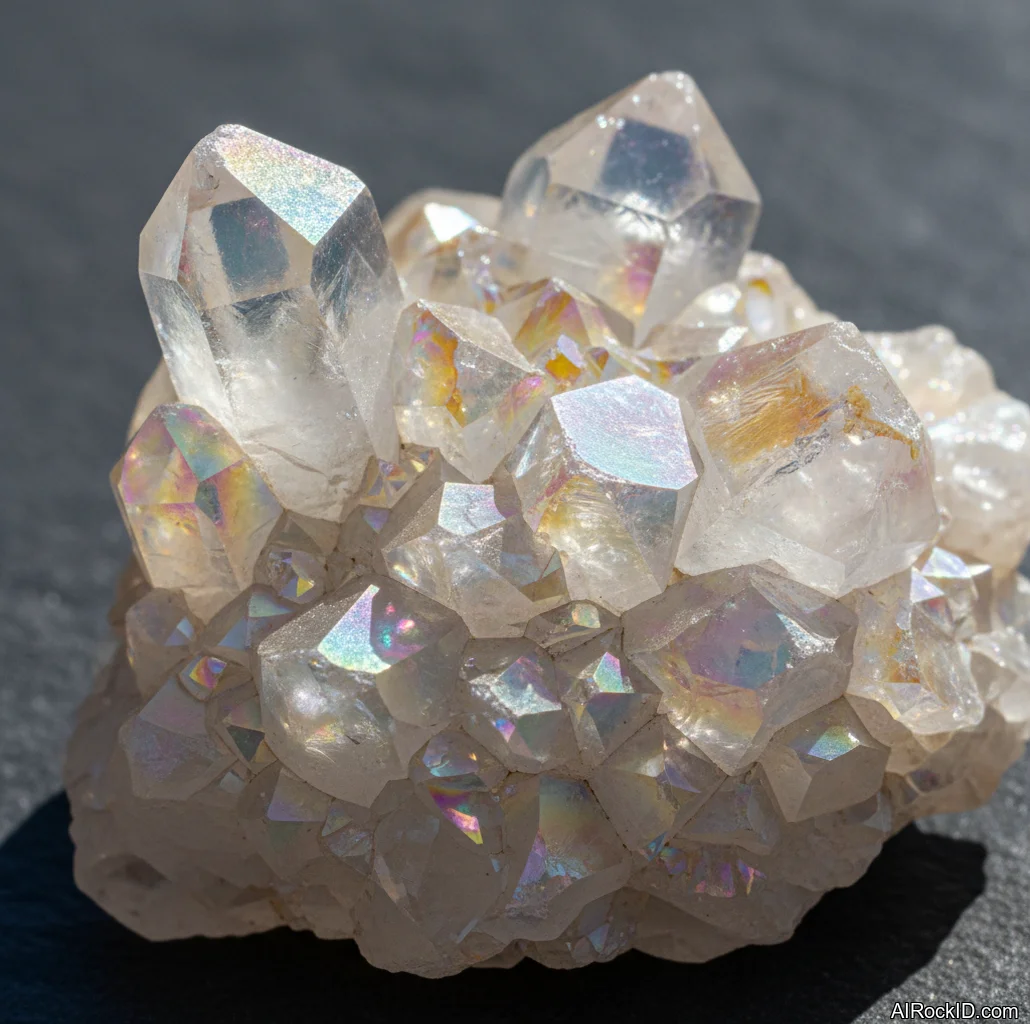
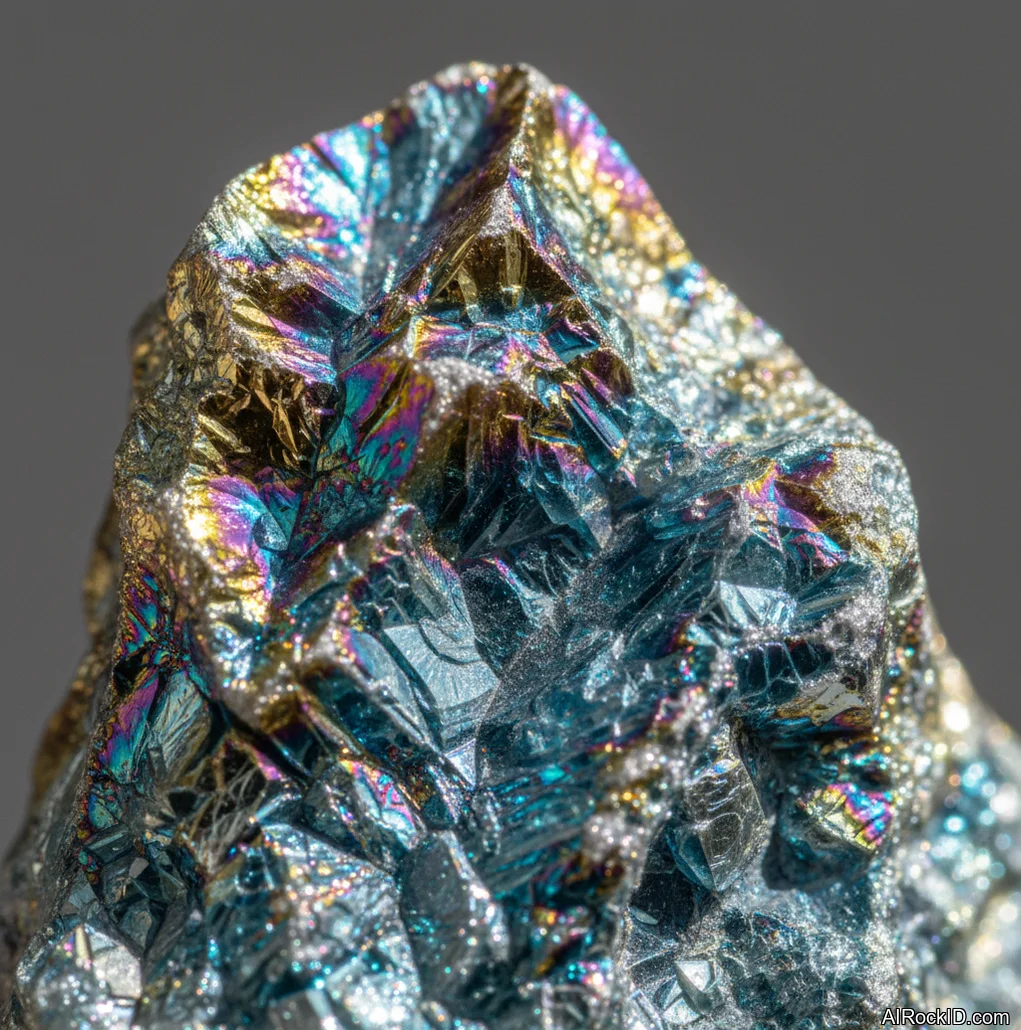
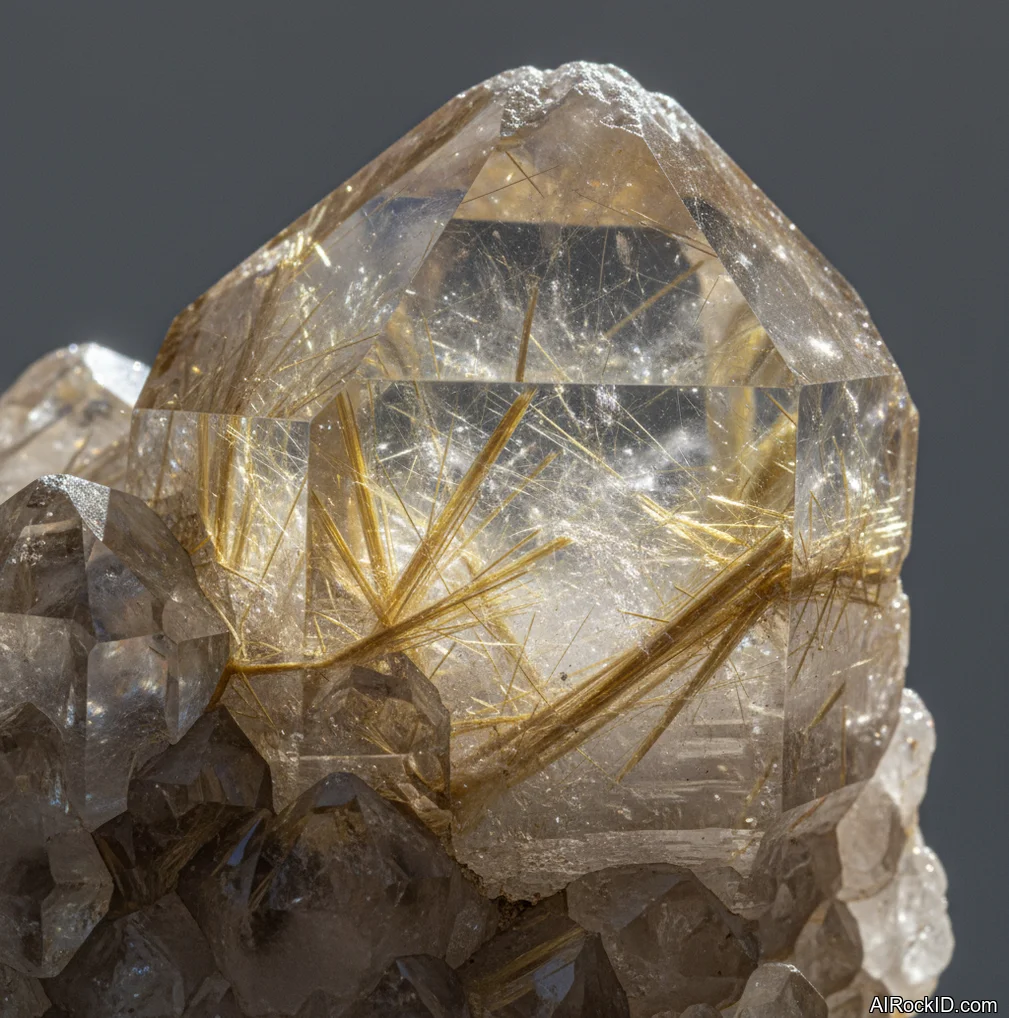
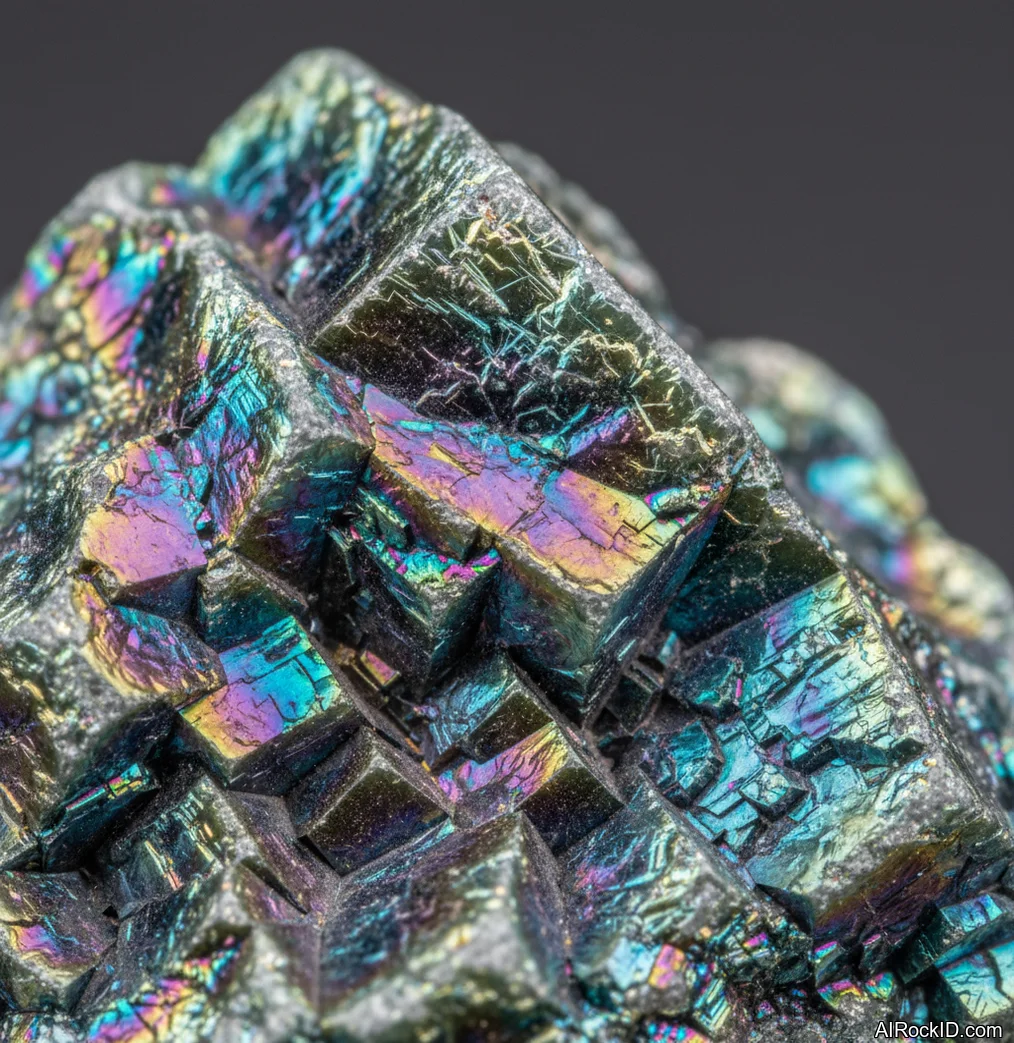
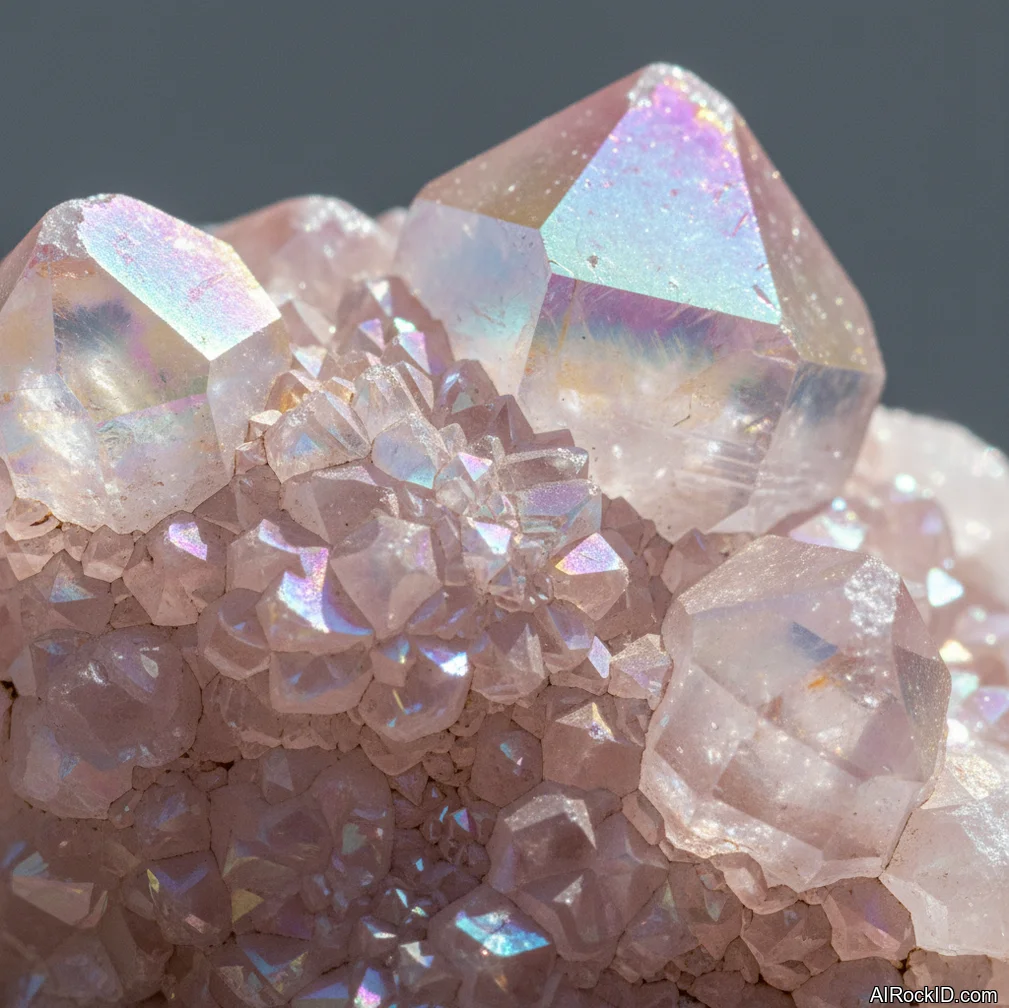
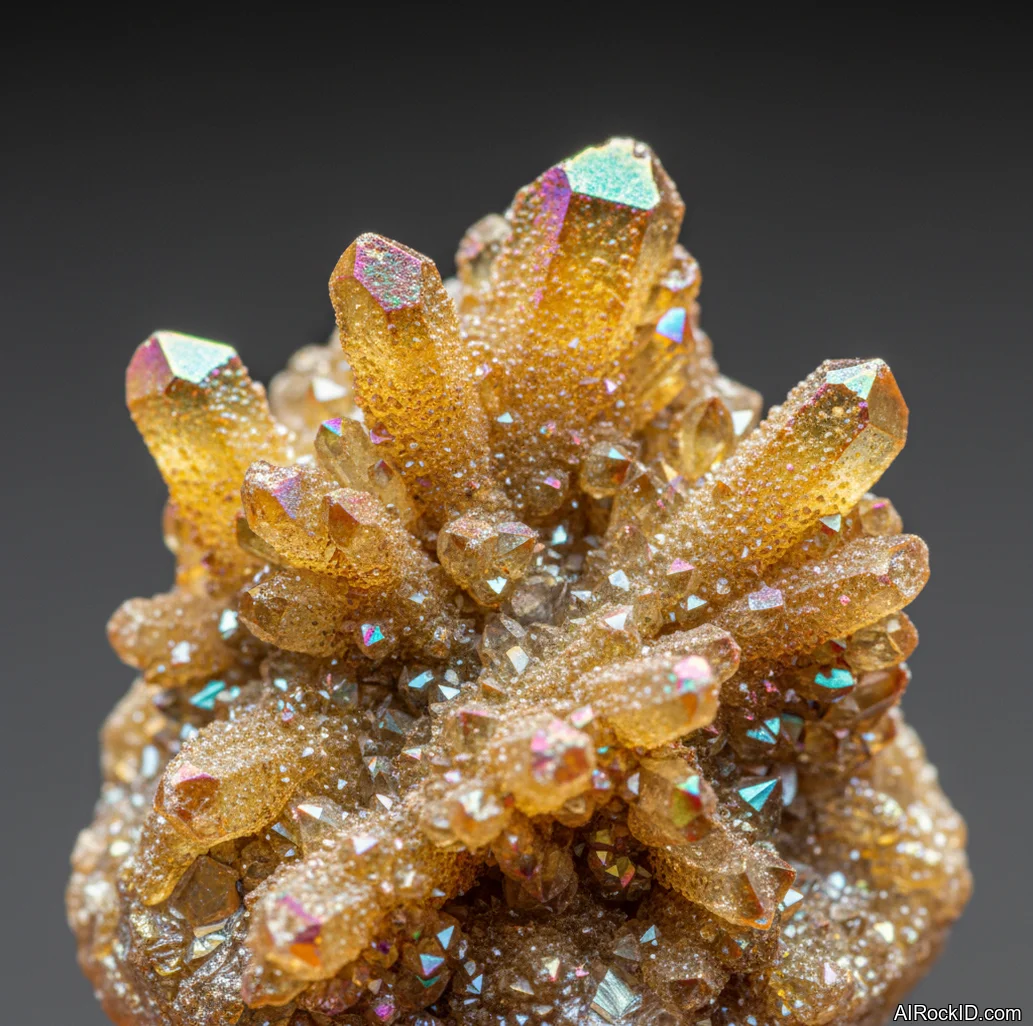
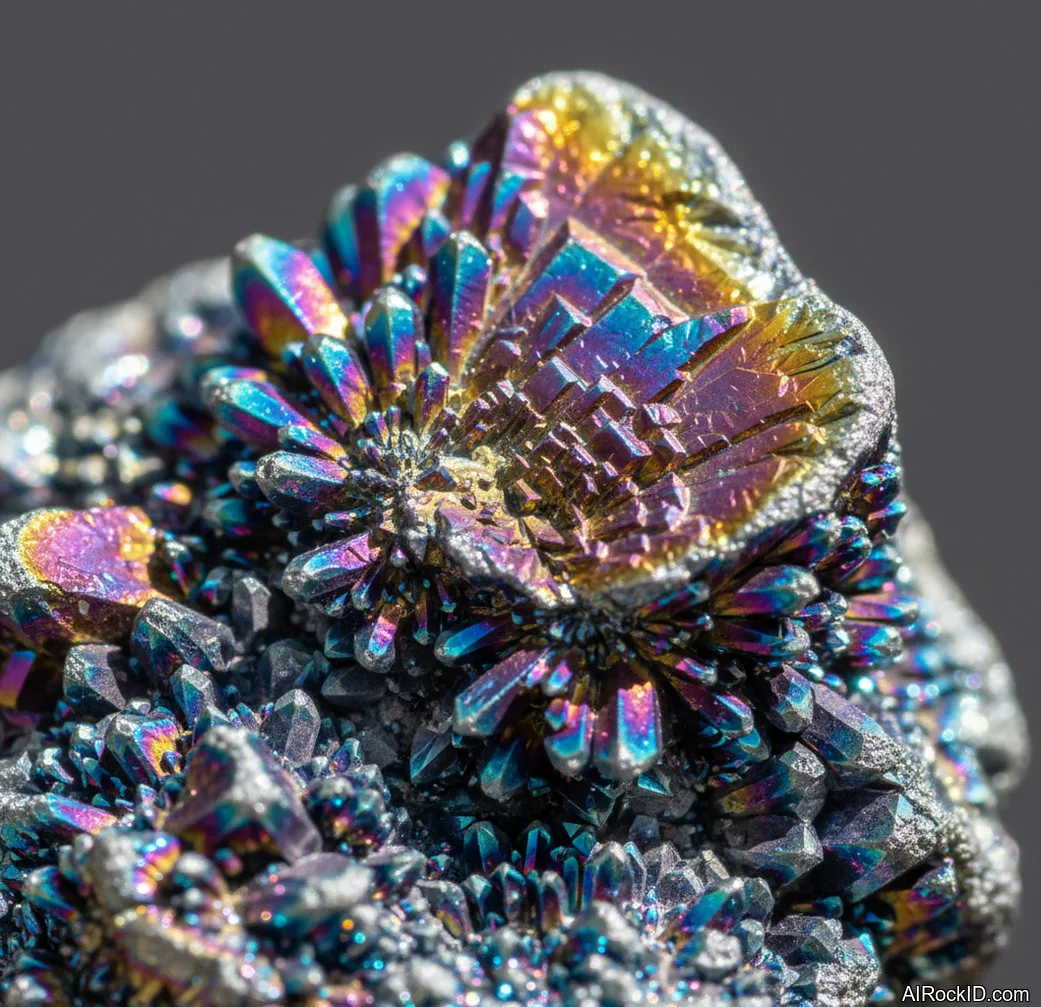
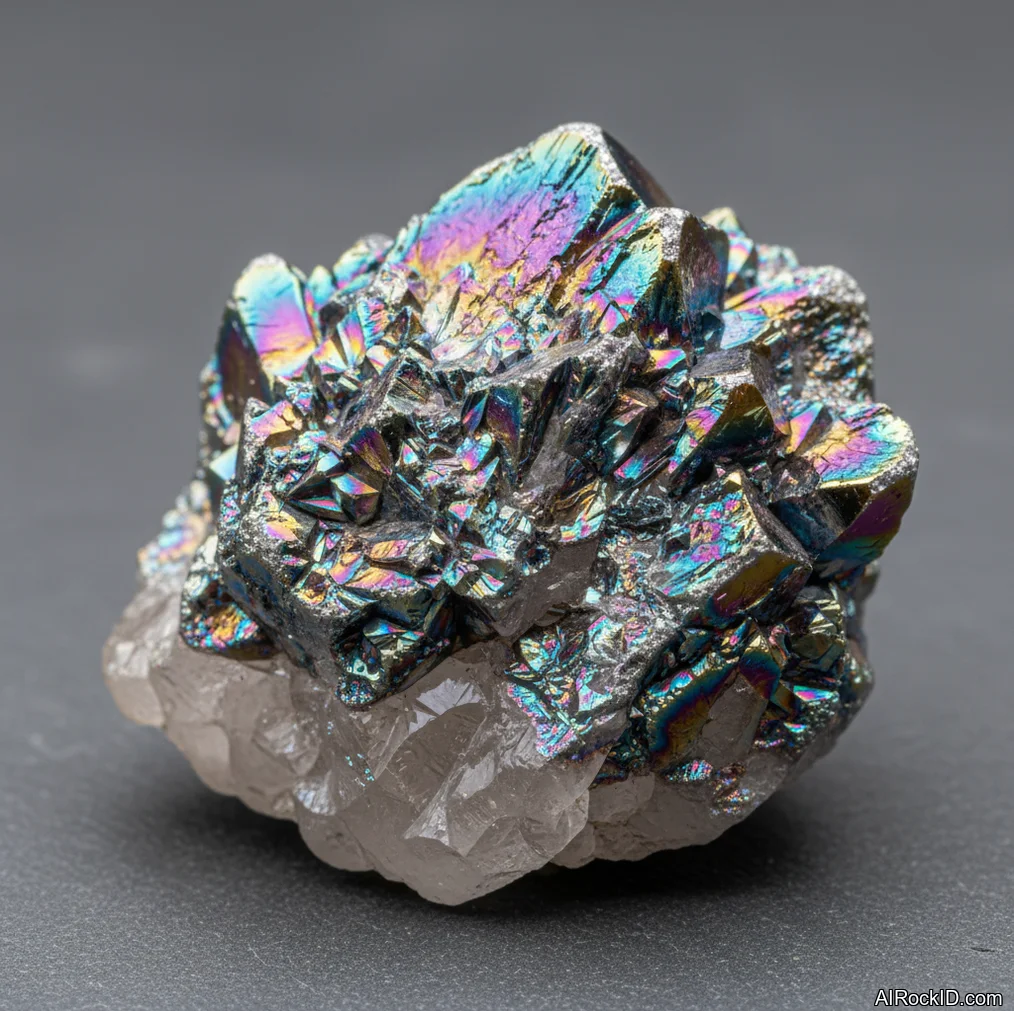
Look, check closely when you’re buying, because Crown Chakra stones are some of the most faked and misrepresented. “Selenite” gets used for satin spar, and that’s fine if it’s labeled honestly, but don’t pay collector prices for a mass-cut wand. “Auralite” and “super seven” labels get thrown around like confetti, even when it’s ordinary amethyst with goethite sprays. And clear quartz gets coated. If you see a rainbow sheen sitting on the surface like oil on water, that’s often an aura treatment. Pretty, yes. But not the same thing as natural rainbow inclusions.
If you scratch it with a steel nail, a real quartz piece won’t take the scratch. Gypsum will. Calcite will too. That one quick test saves a lot of regret. Weight helps as well. Glass tends to feel a bit warmer and sometimes lighter than you expect. Natural quartz has a certain cold density to it, and broken quartz edges are sharp enough to remind you.
Practical stuff that keeps your Crown Chakra crystals looking good: store selenite and lepidolite away from water and high humidity, and don’t toss them in a pocket with keys (seriously). Keep amethyst out of direct sun if you care about color. I’ve seen purple fade to a washed-out gray-lilac after a summer on a windowsill. If you’re building a Crown set from scratch, start with one clear quartz point, one amethyst (cluster or palm stone), and one white stone you can live with, like selenite or milky quartz. Then branch into the spendy stuff like danburite or phenakite once you know what you actually reach for.
Crown Chakra crystals aren’t about chasing some perfect, floaty feeling all day. Most people are just trying to get a little more quiet upstairs. Thing is, when the stone feels cool, clean, and not visually chaotic, that’s usually the right direction.
All Crown Chakra Crystals (127)