Air Crystals
Learn what Air means in crystal work, which crystals match Air energy, and how to choose, use, and care for Air crystals in daily practice.
Air, in crystal terms, is the element of movement. Not the “wind on a beach” kind of movement. The mental kind: ideas jumping tracks, words coming easier, attention getting unstuck. When people ask for an Air stone, they’re usually not asking for something heavy and grounding. They want clarity, lightness, and space.
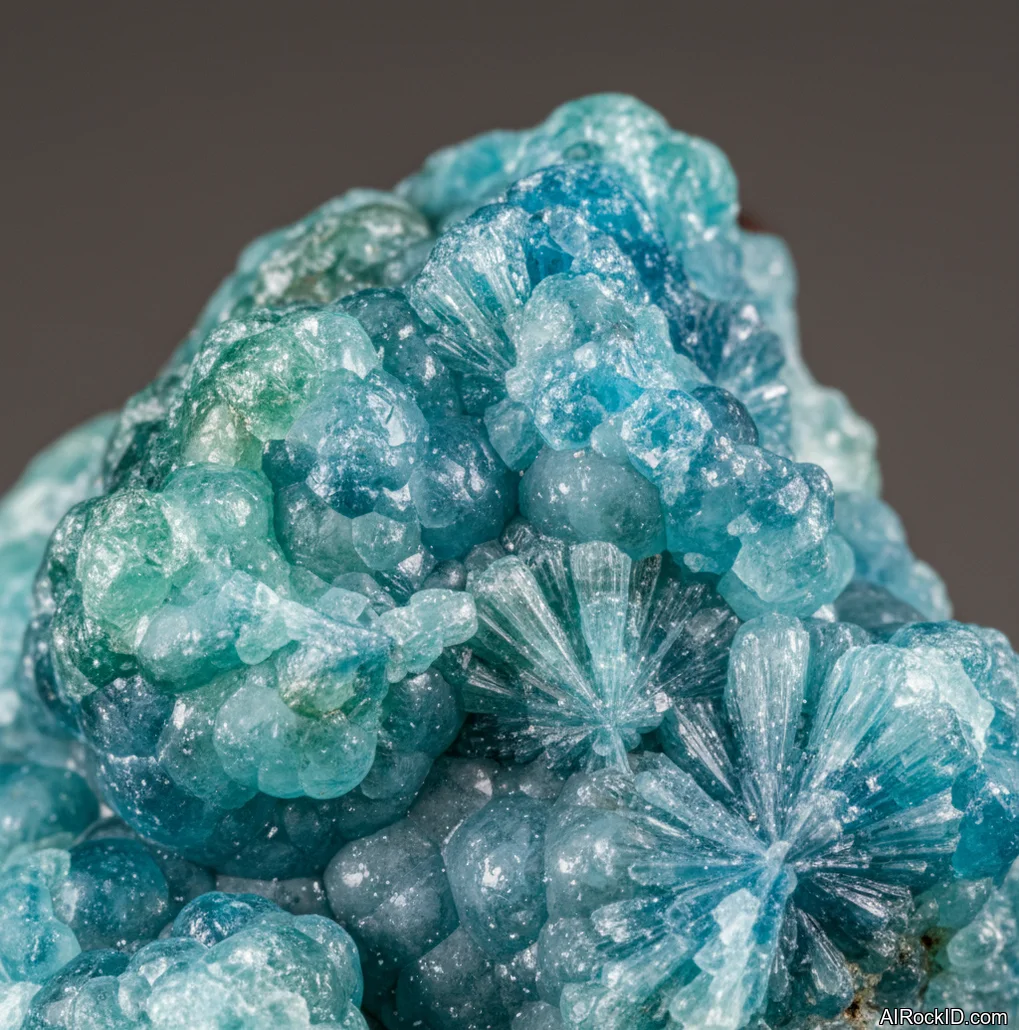
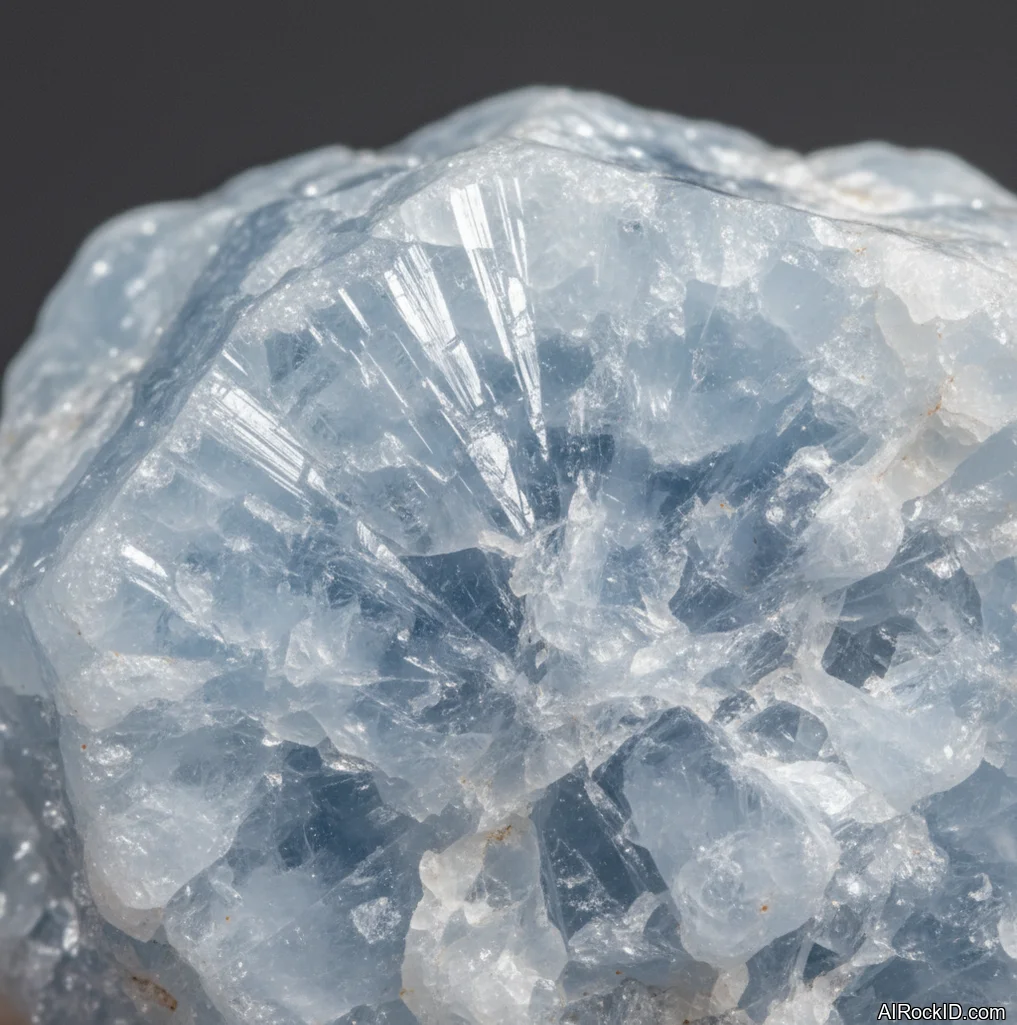
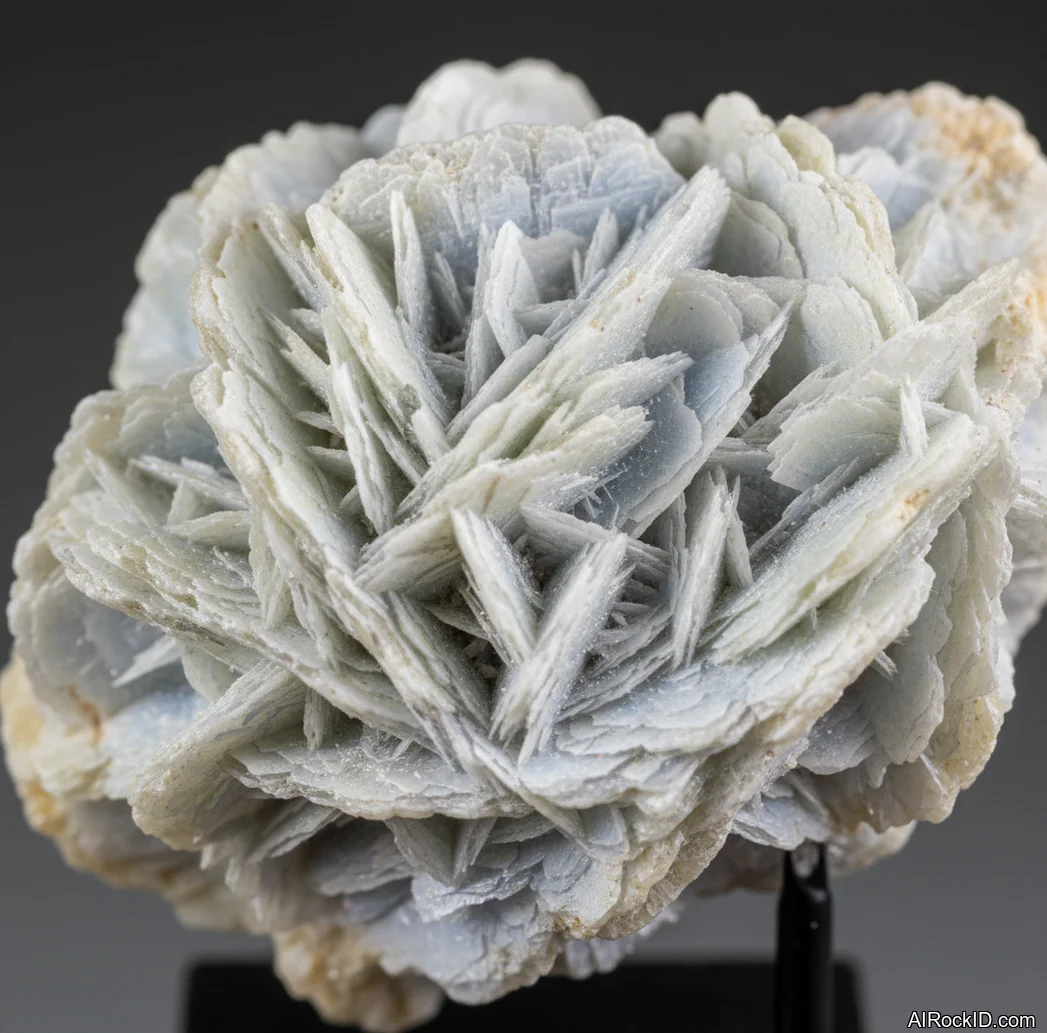
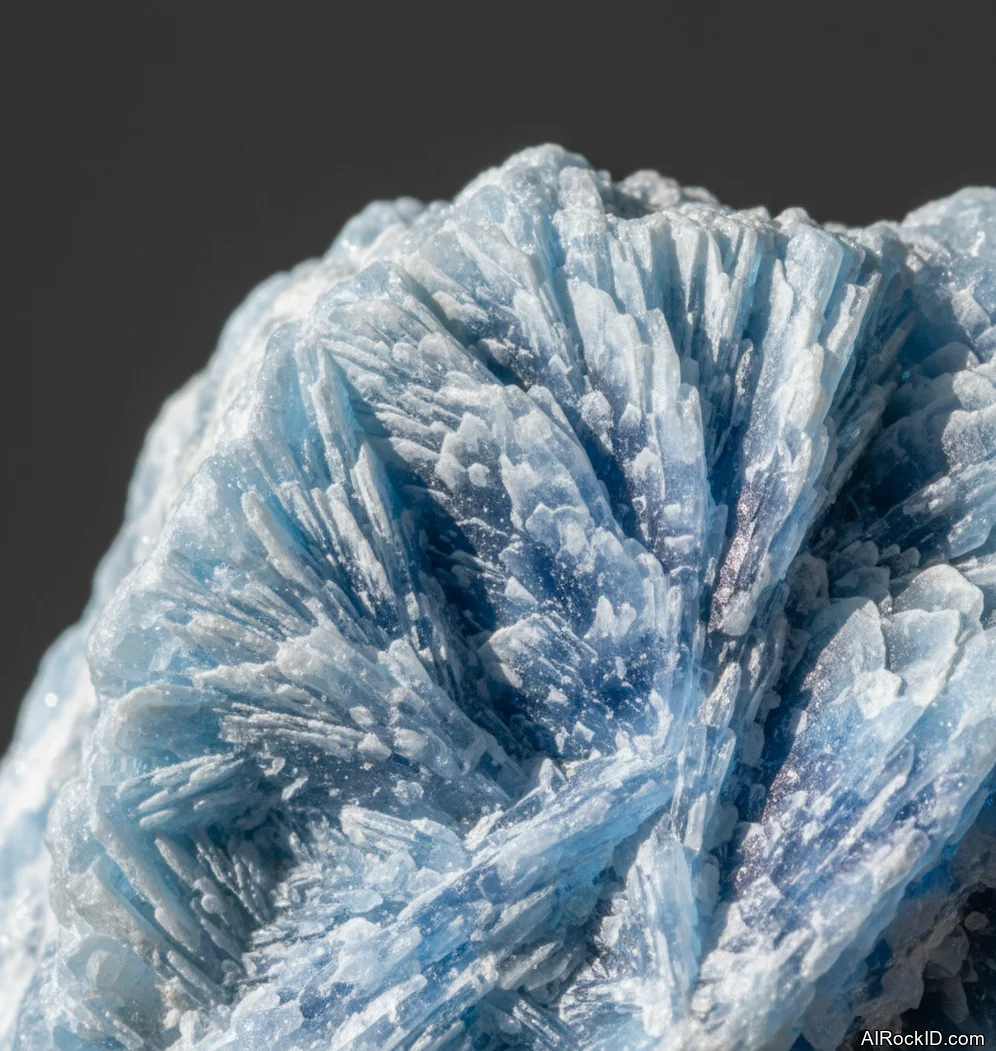
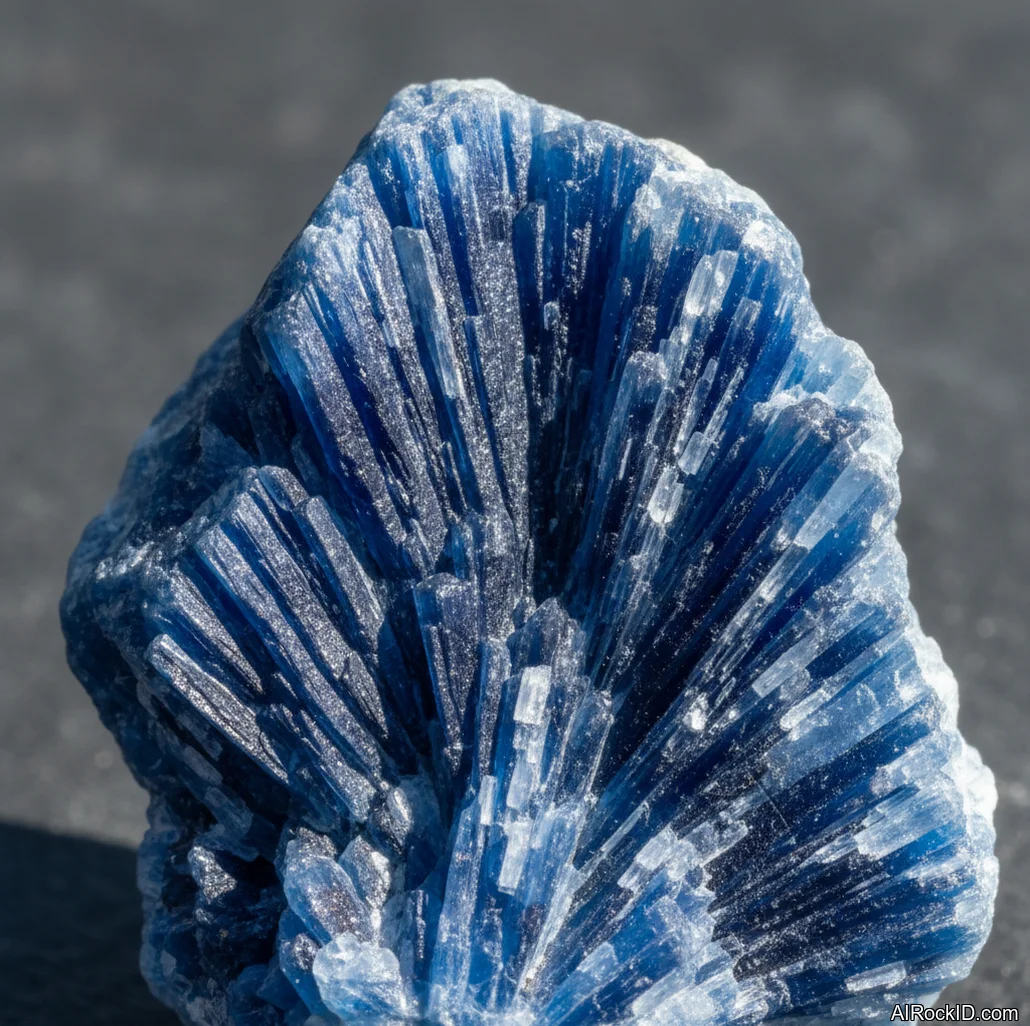
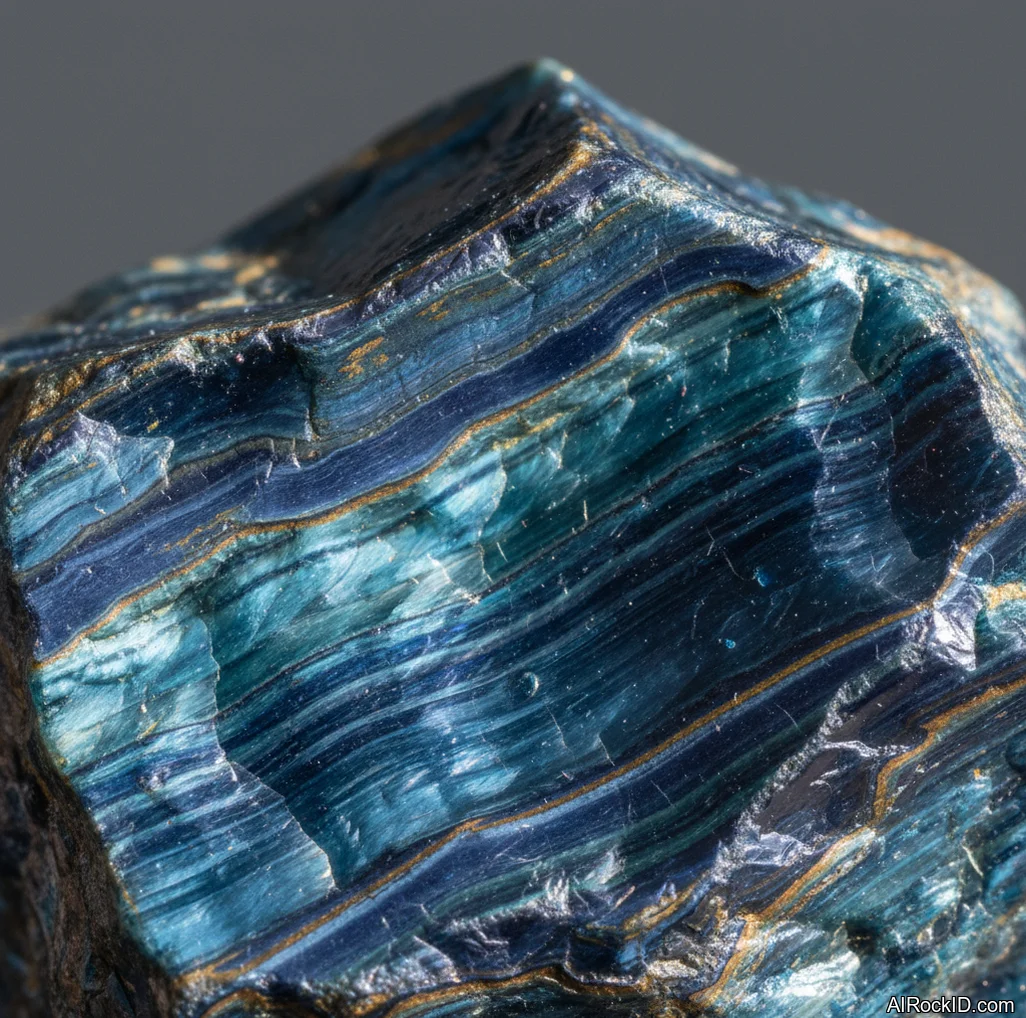
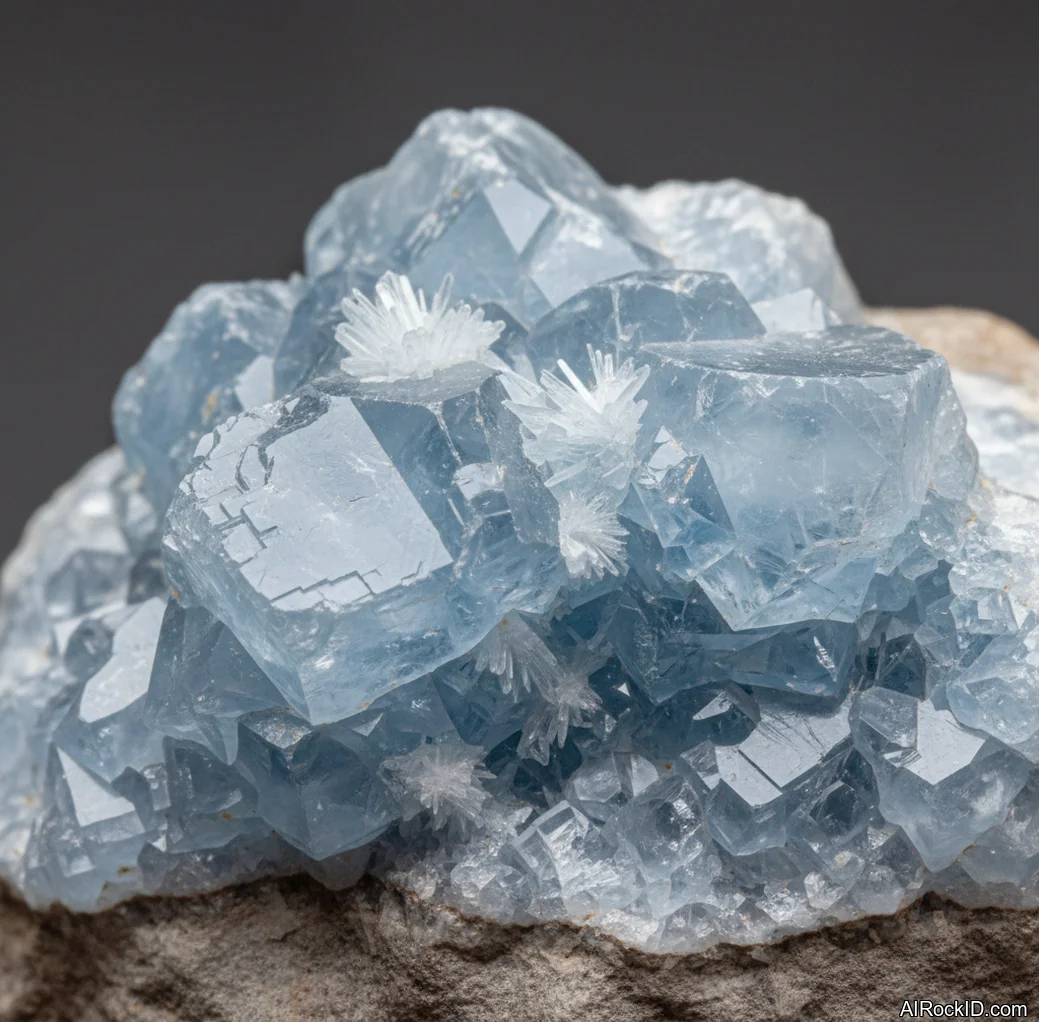
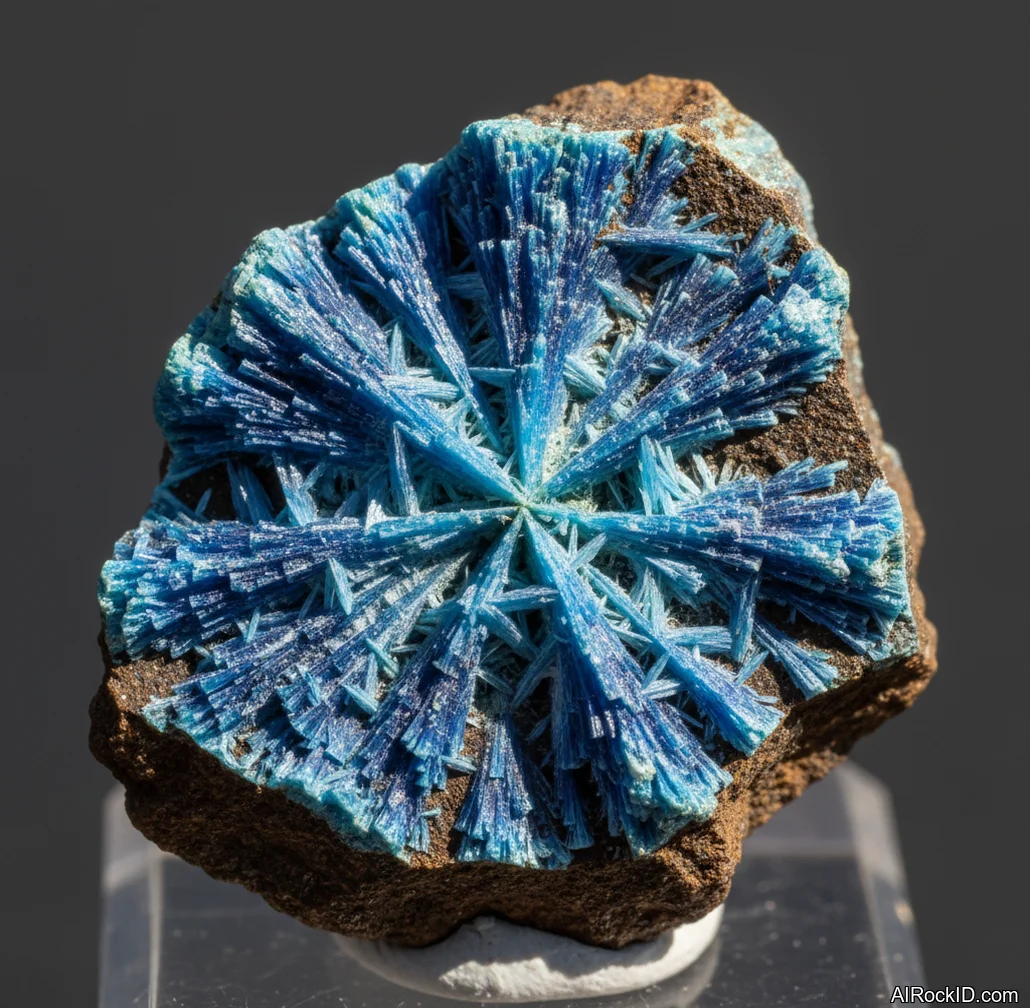
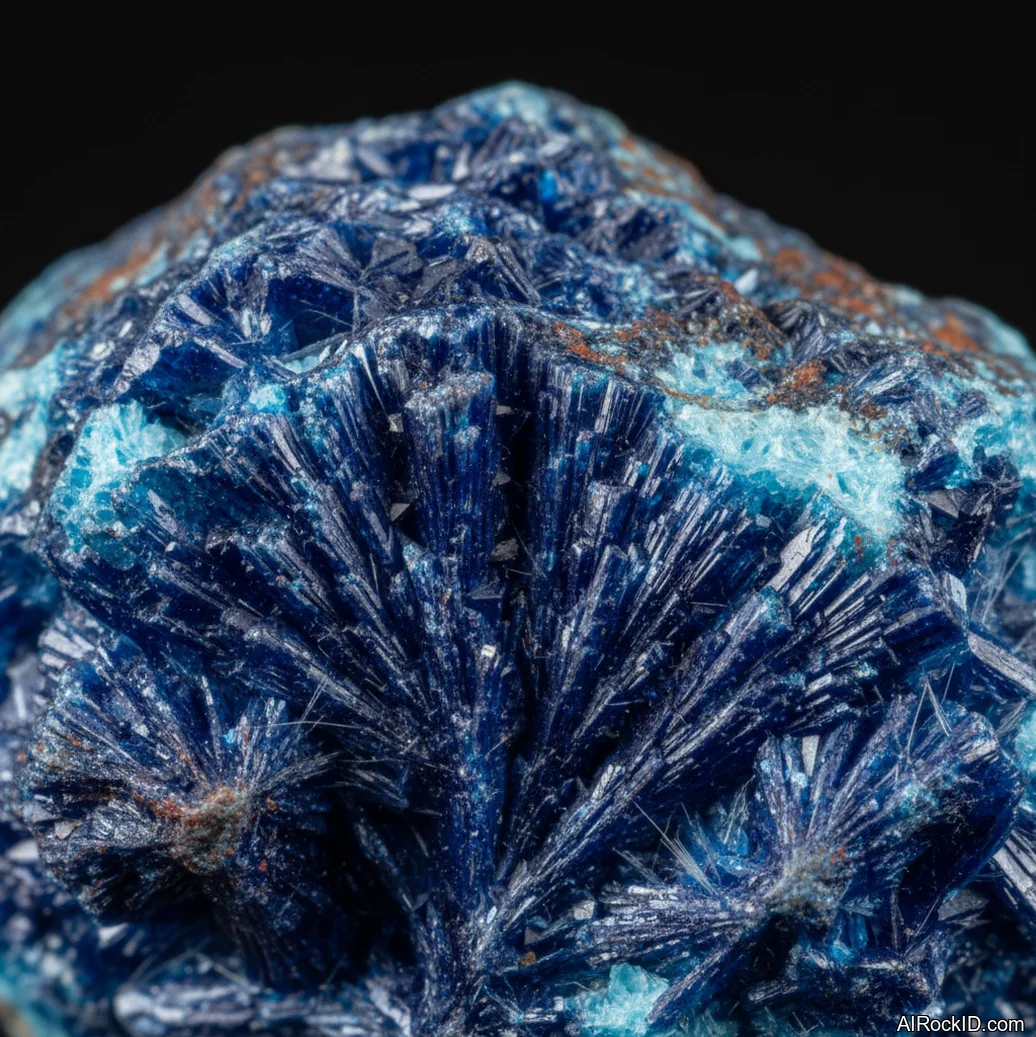
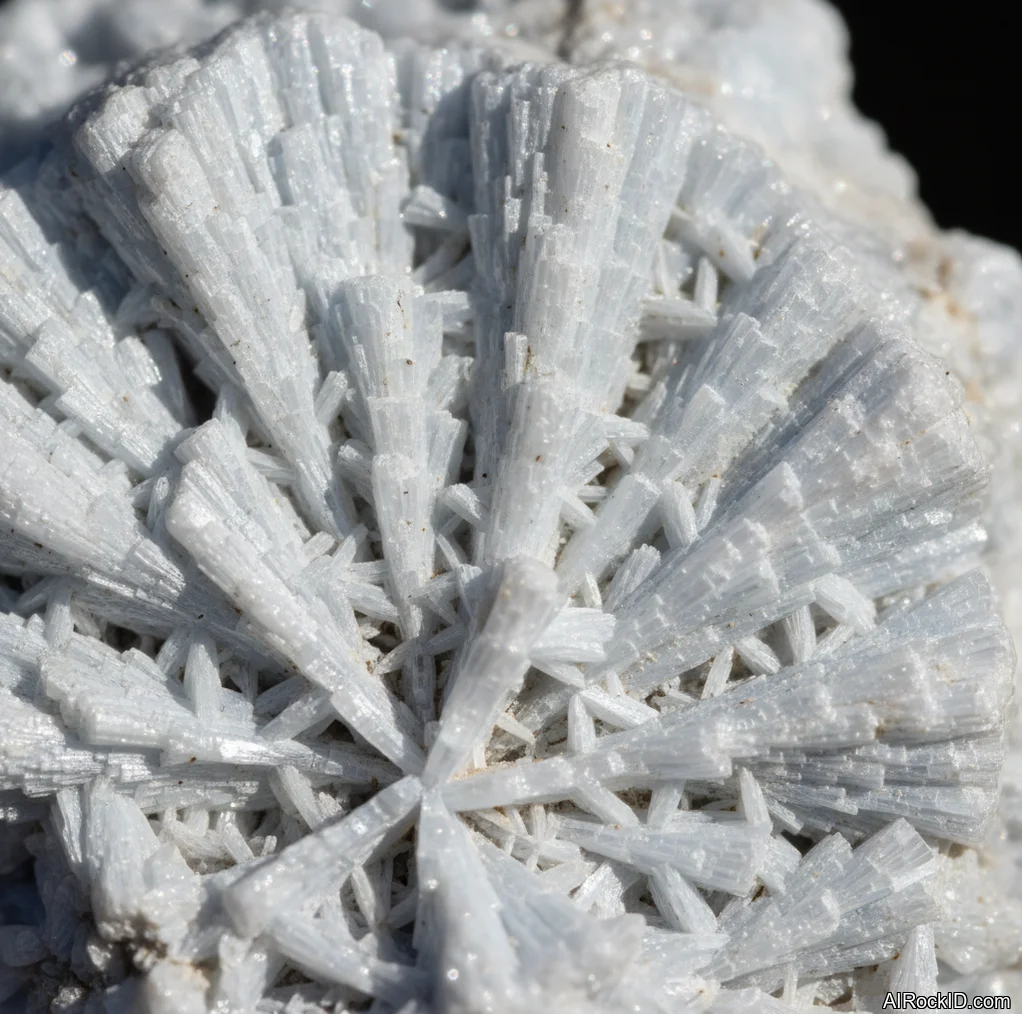
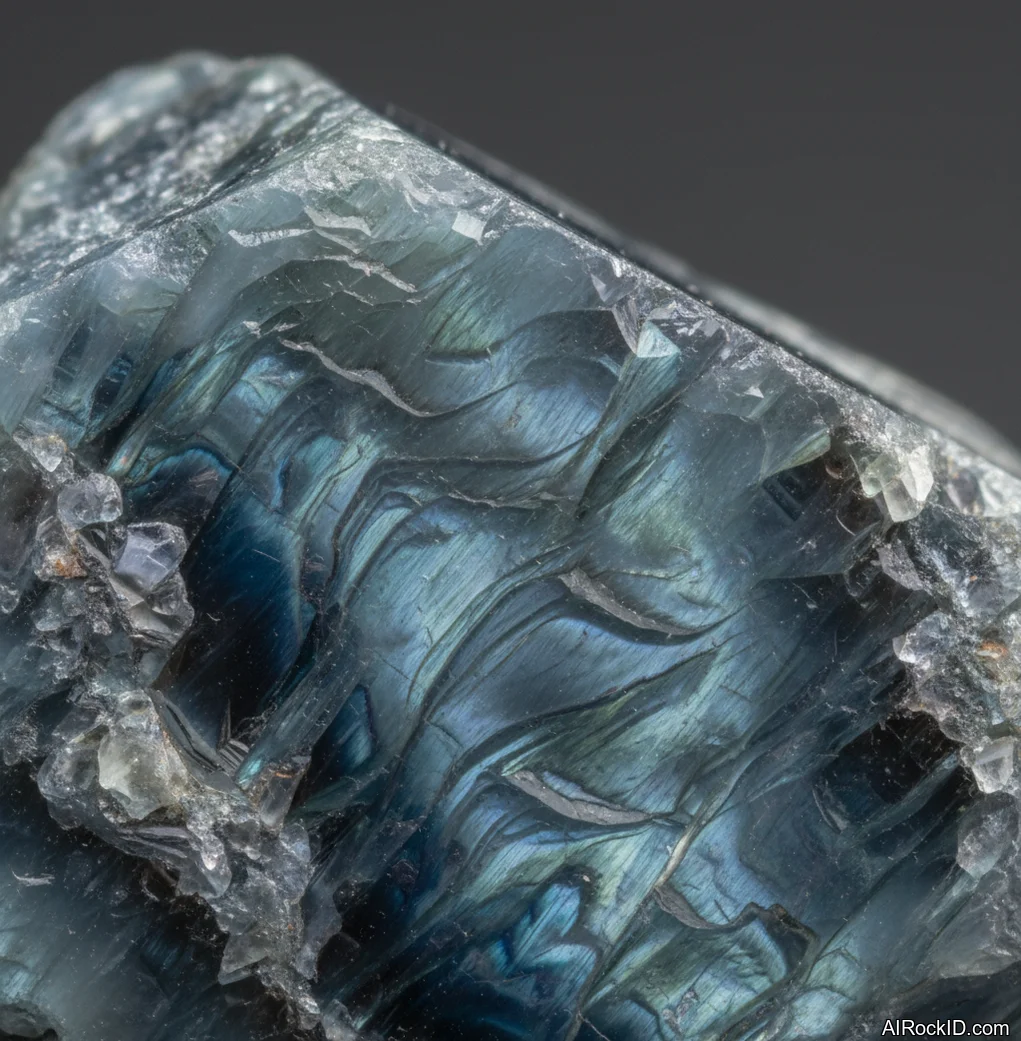
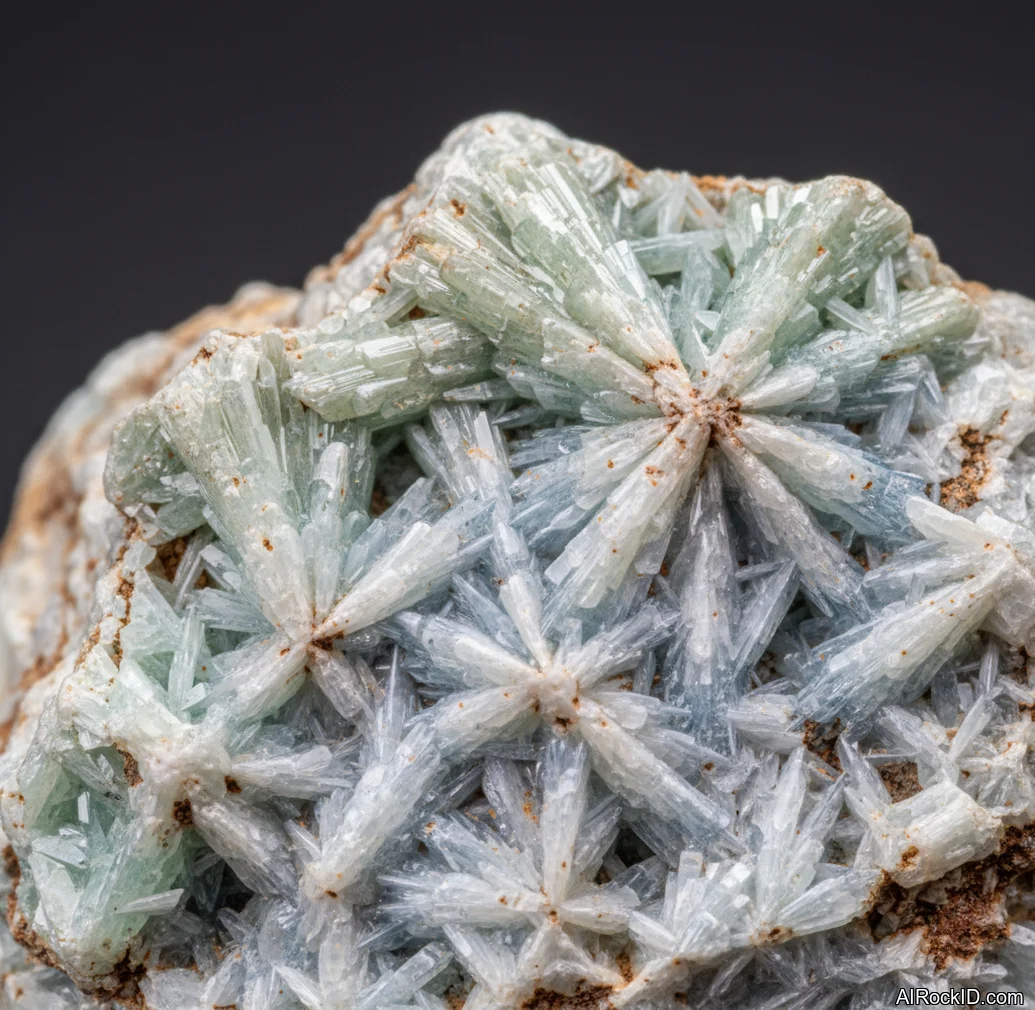
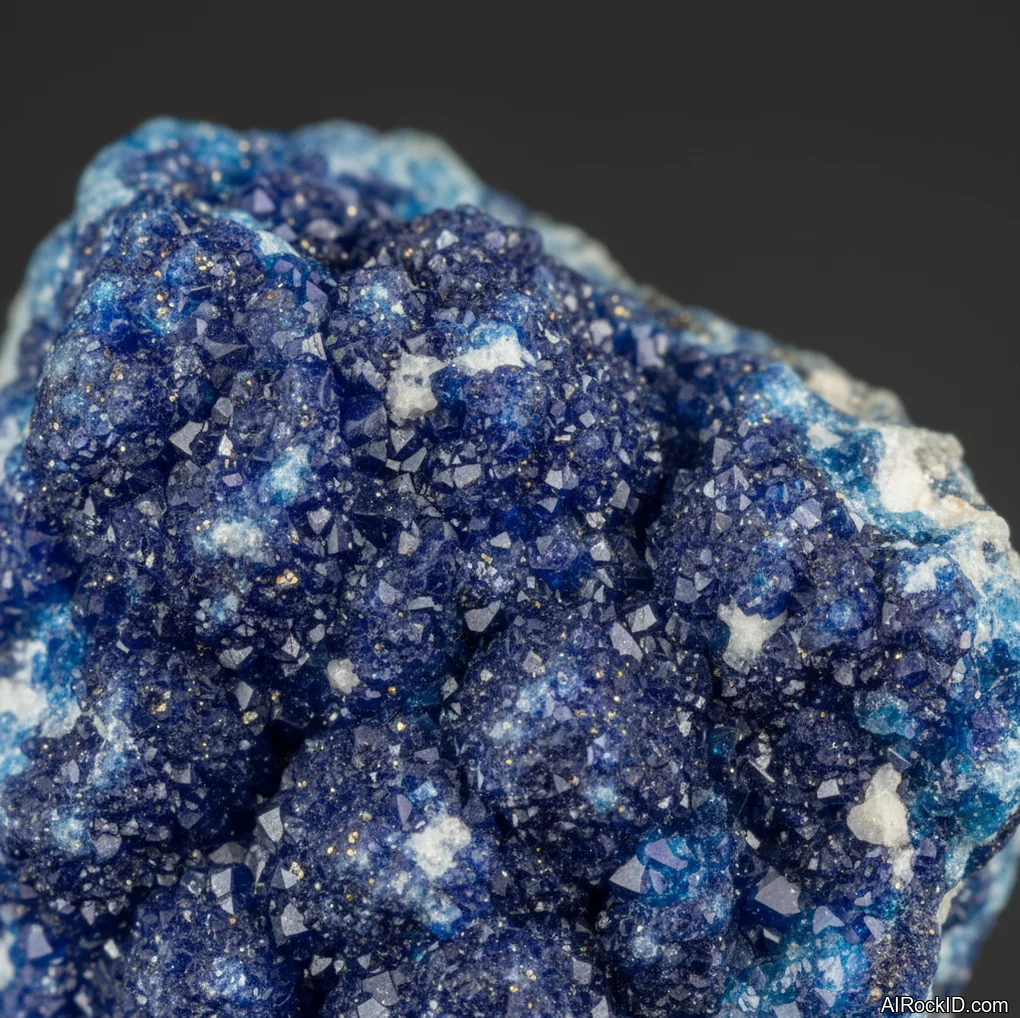
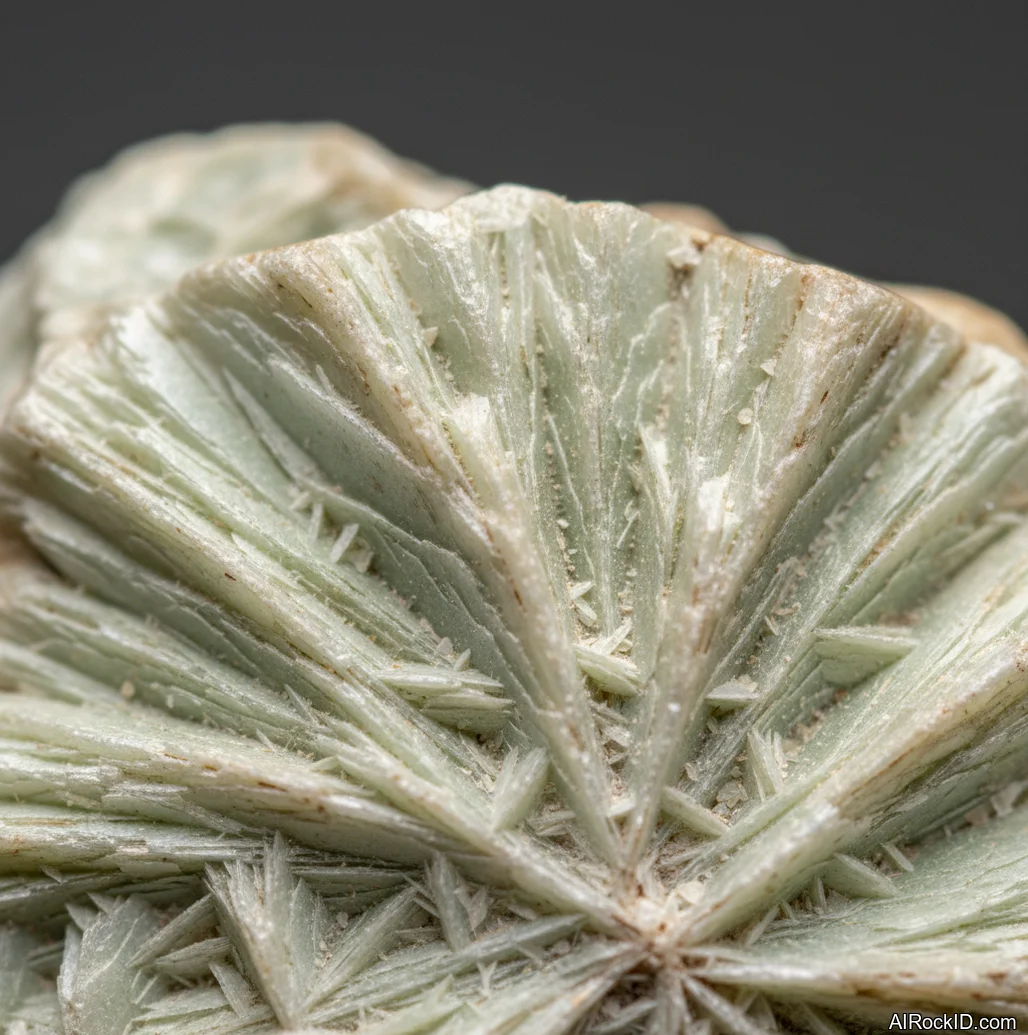
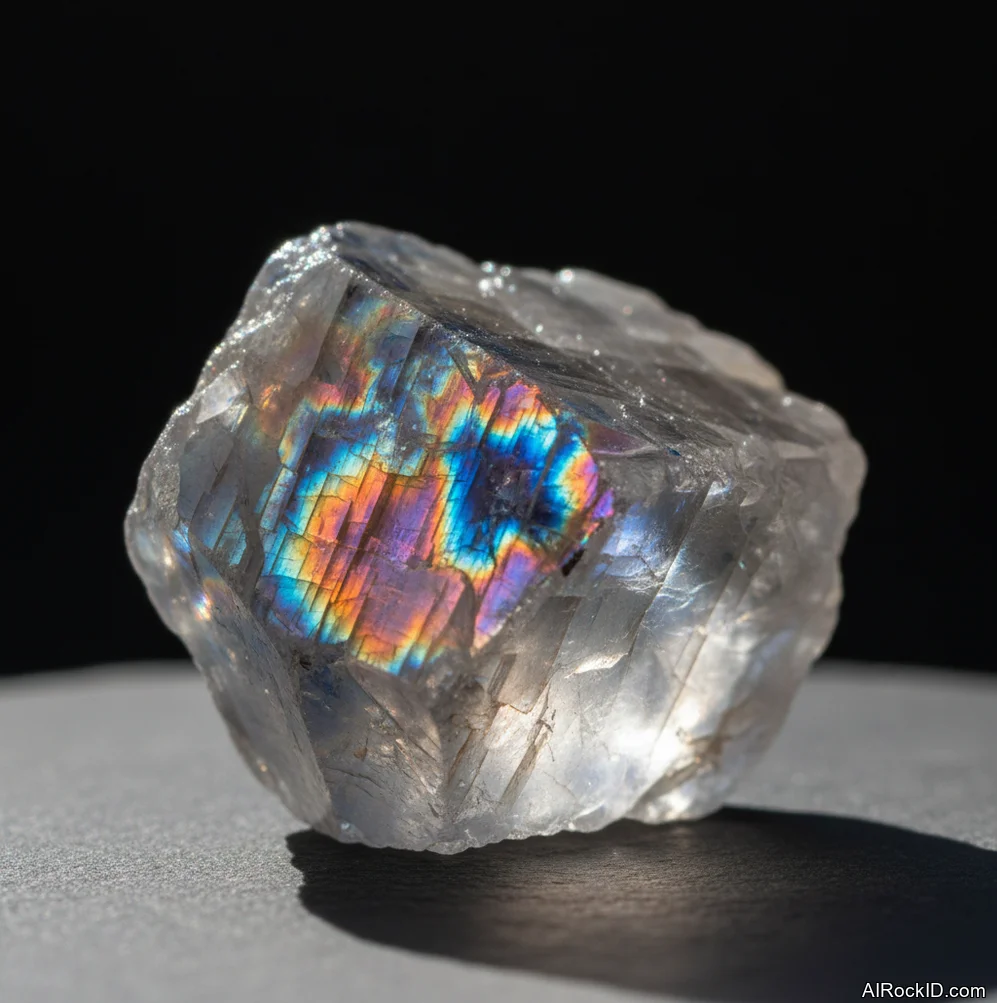
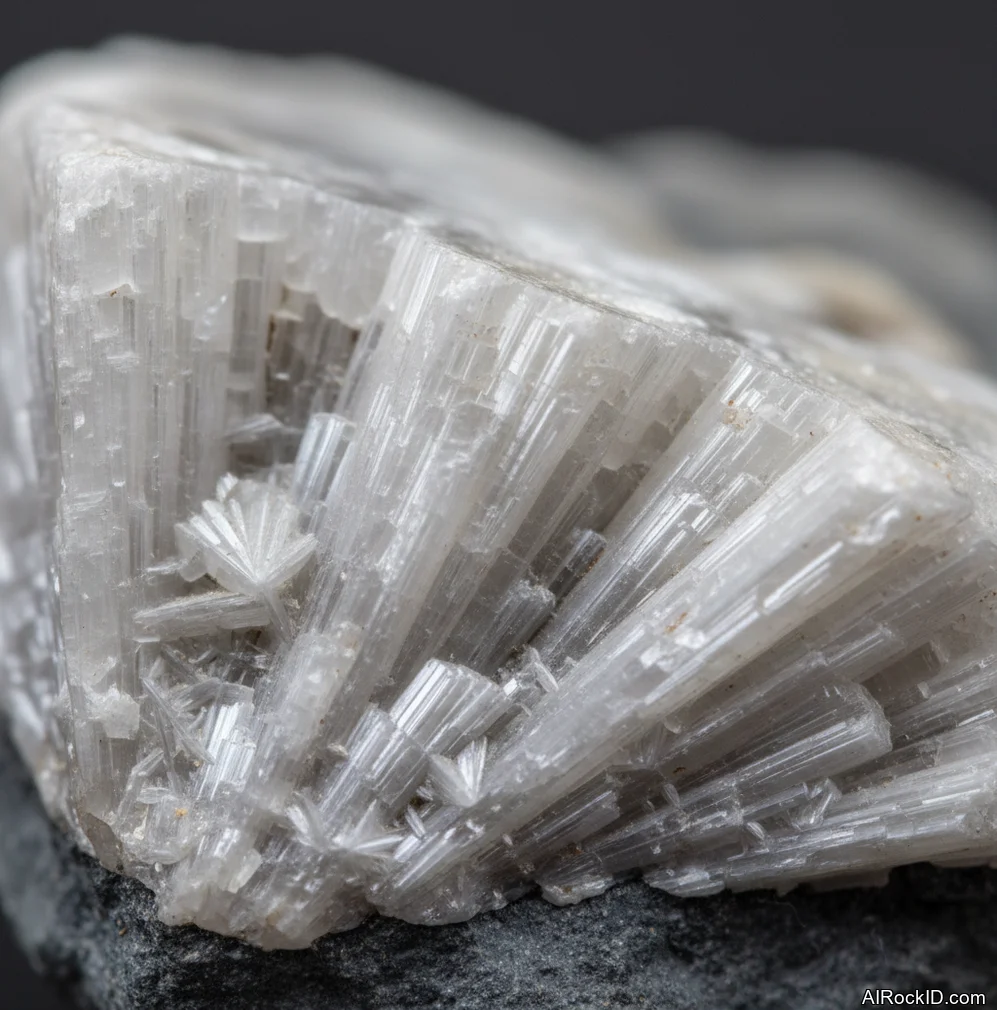
Pick up a good piece of Celestite and you’ll get what I mean. It’s cool to the touch and lighter than it looks, with soft sky-blue blades that catch light on the cleave. Tap it gently and it feels brittle, like it wants to flake. That fragility is part of the Air vibe. Air crystals often look airy too: transparent, pale, lacy, feathery, or full of internal “weather” like veils and wisps.
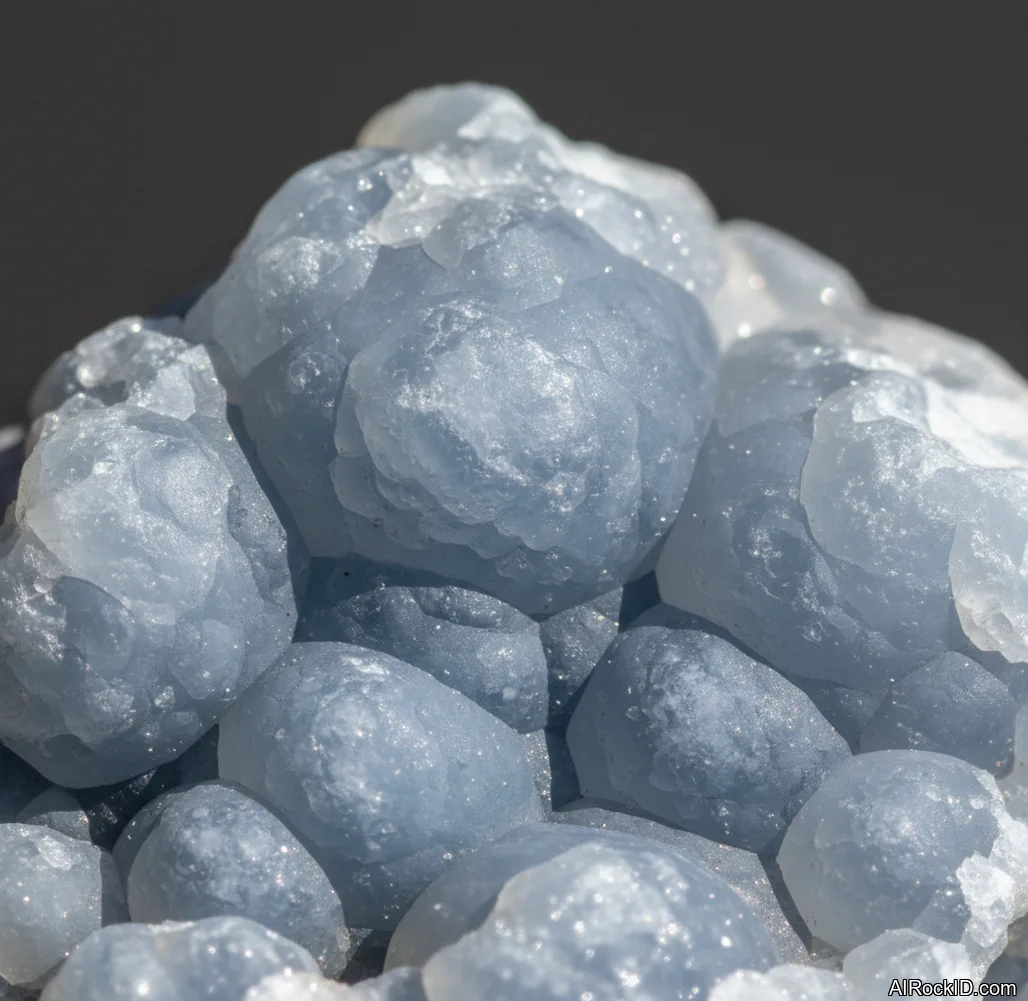
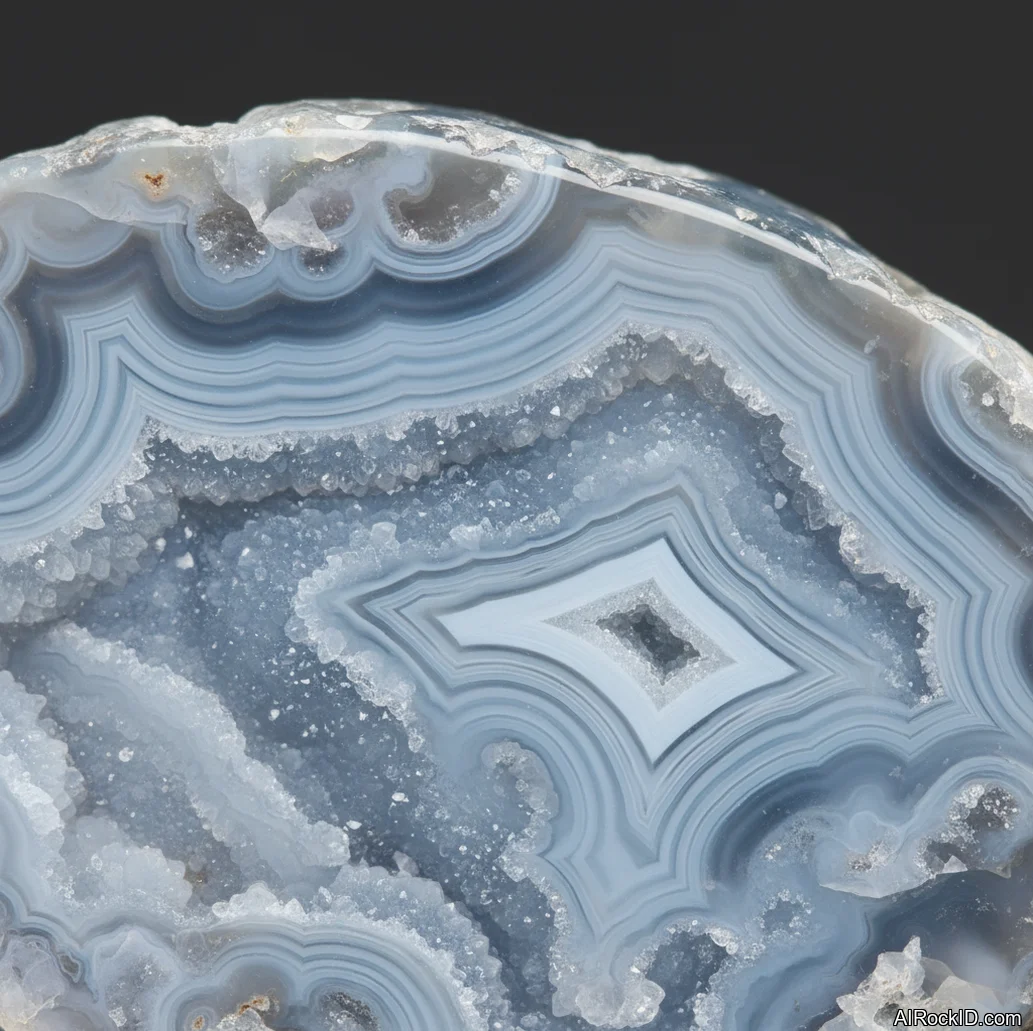
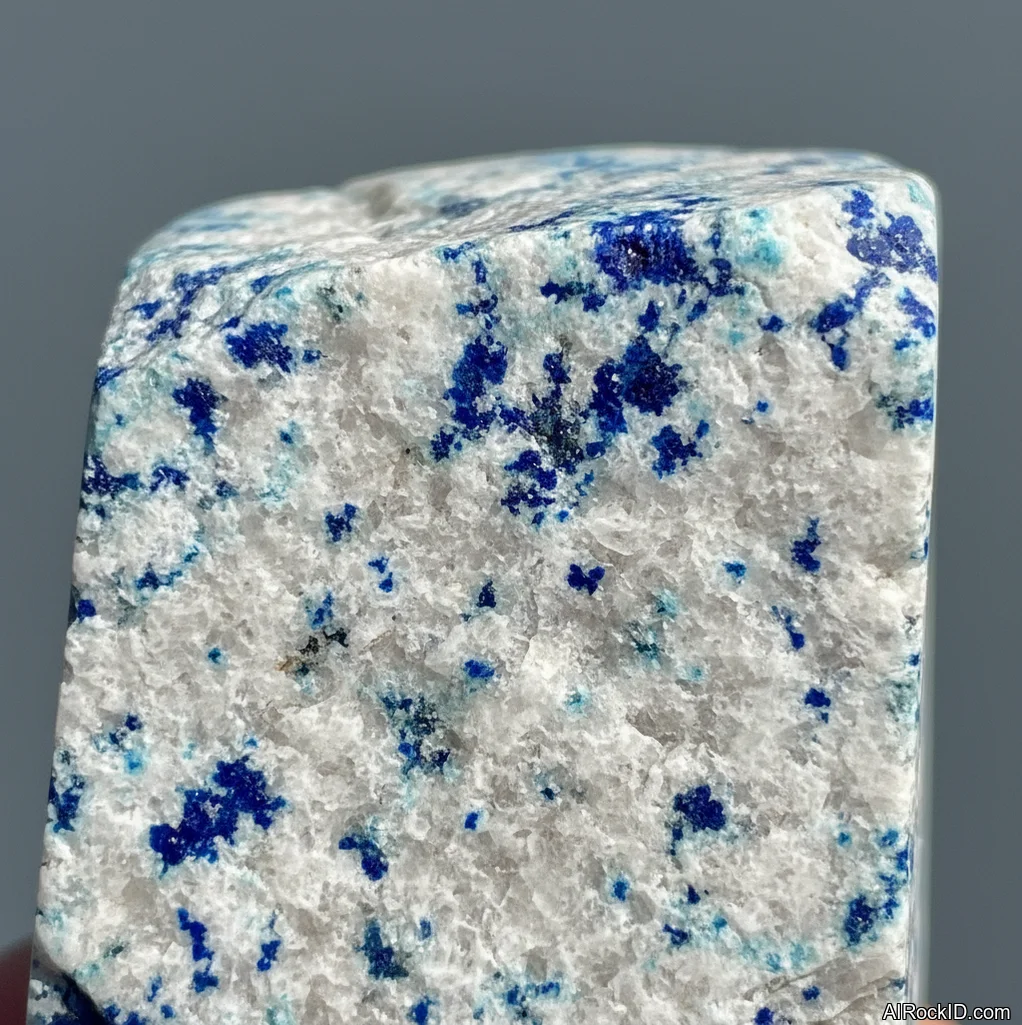
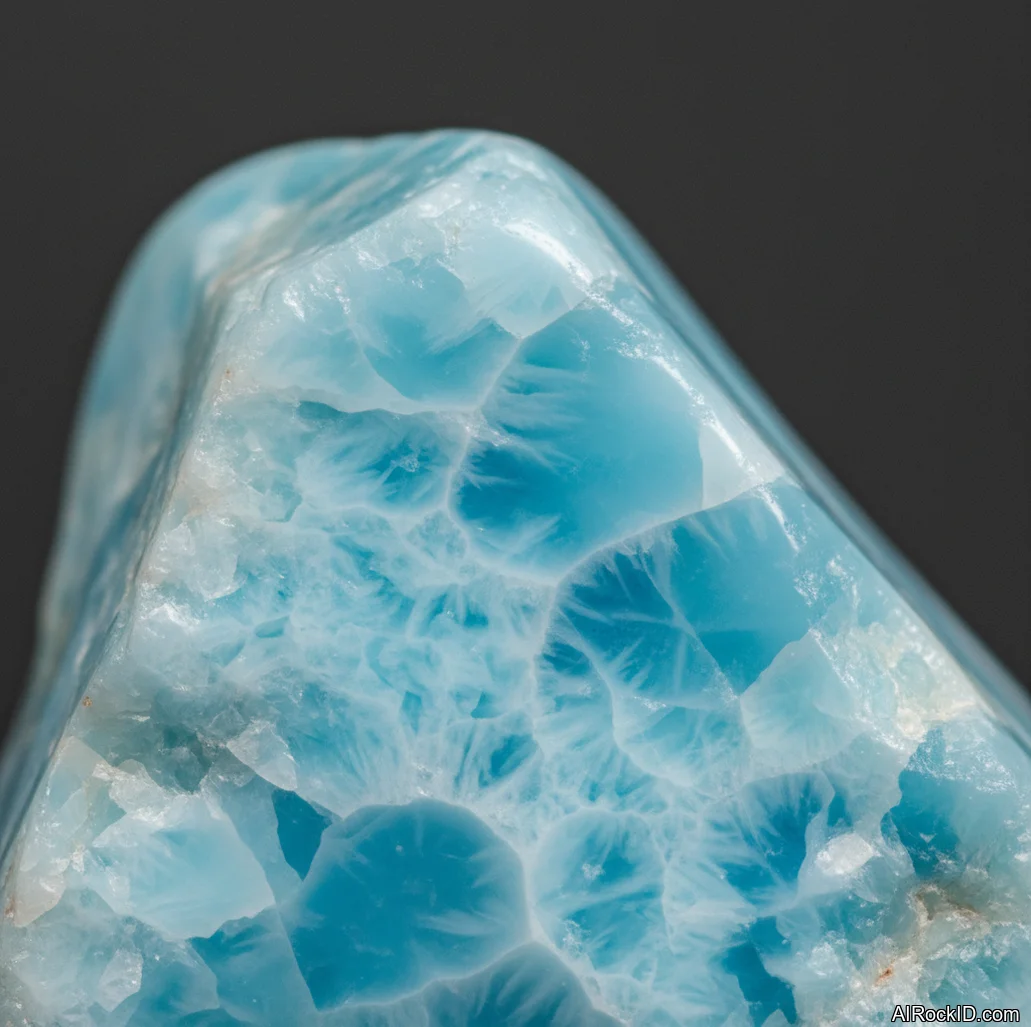
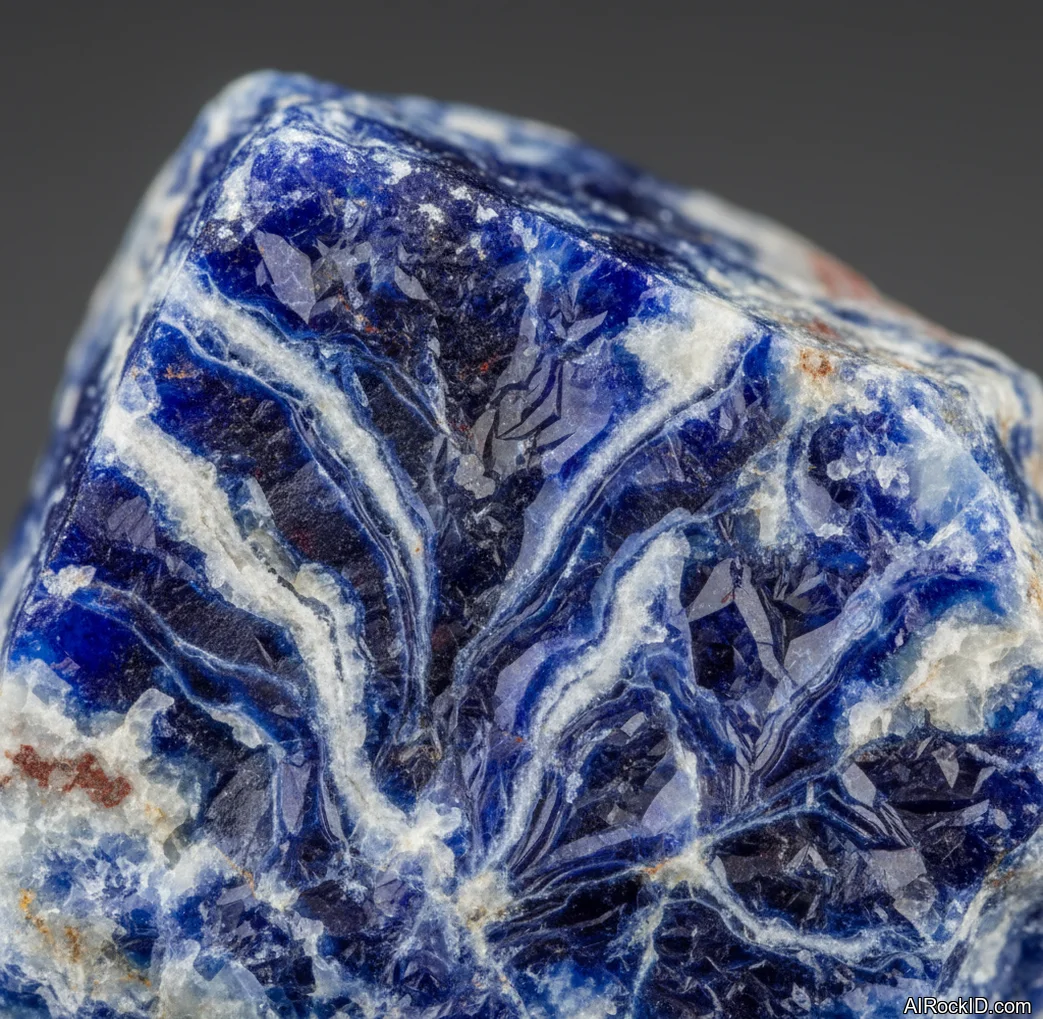
People go looking for Air crystals when their head feels crowded. Too much doom-scrolling. Too many tabs open, literally and mentally. And you’ll also see Air stones used for communication work: writing, interviews, teaching, tough conversations, public speaking. Blue Lace Agate is a classic here. When it’s real, the banding is soft and natural, like watercolor lines, not harsh stripes. It’s also one of those stones that feels friendly in the pocket because it’s usually cut smooth and slightly waxy.
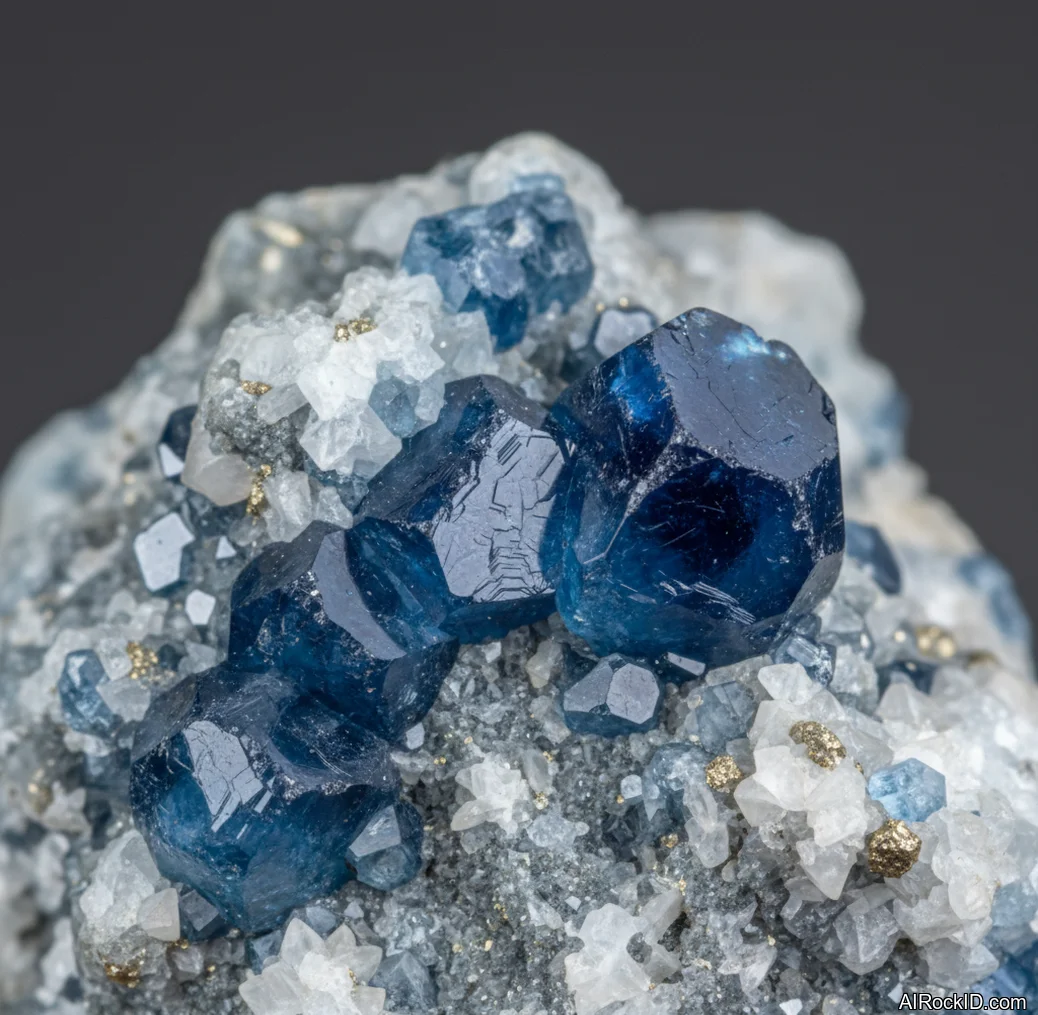
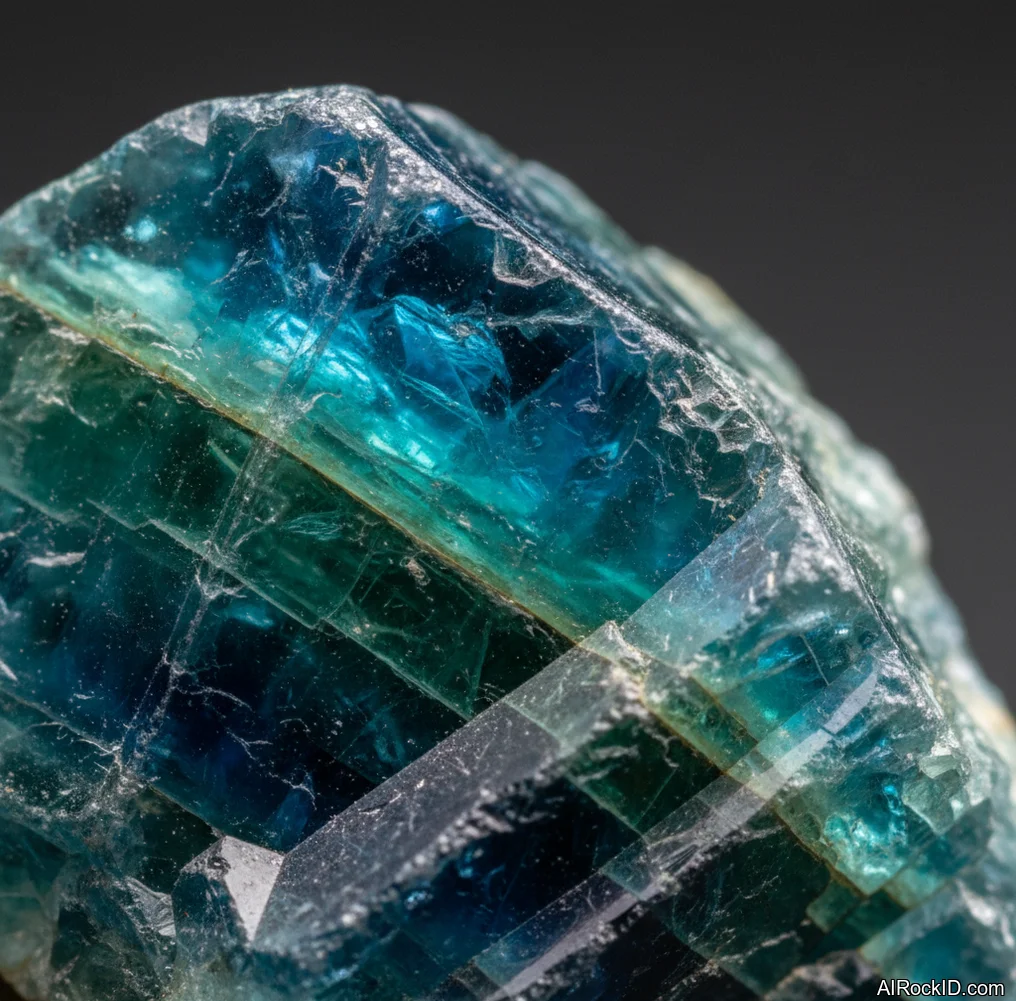
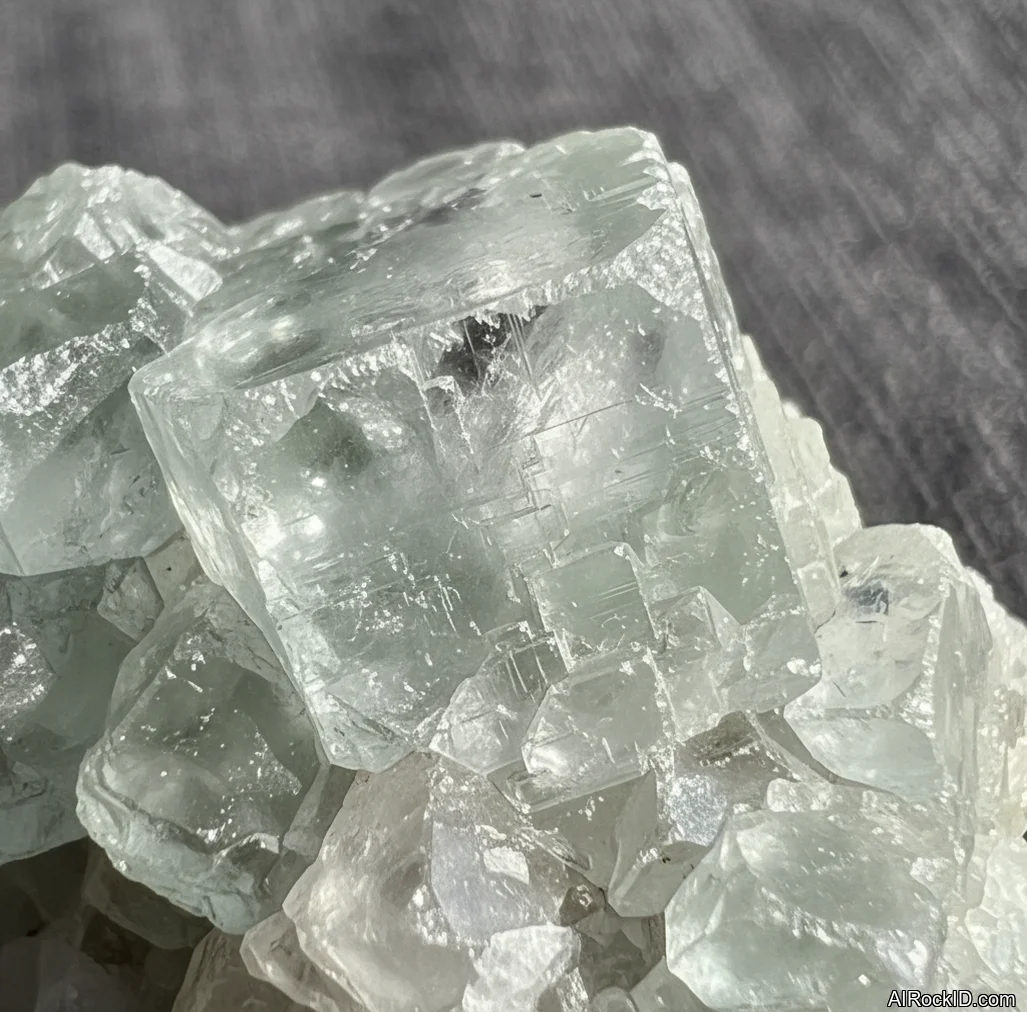
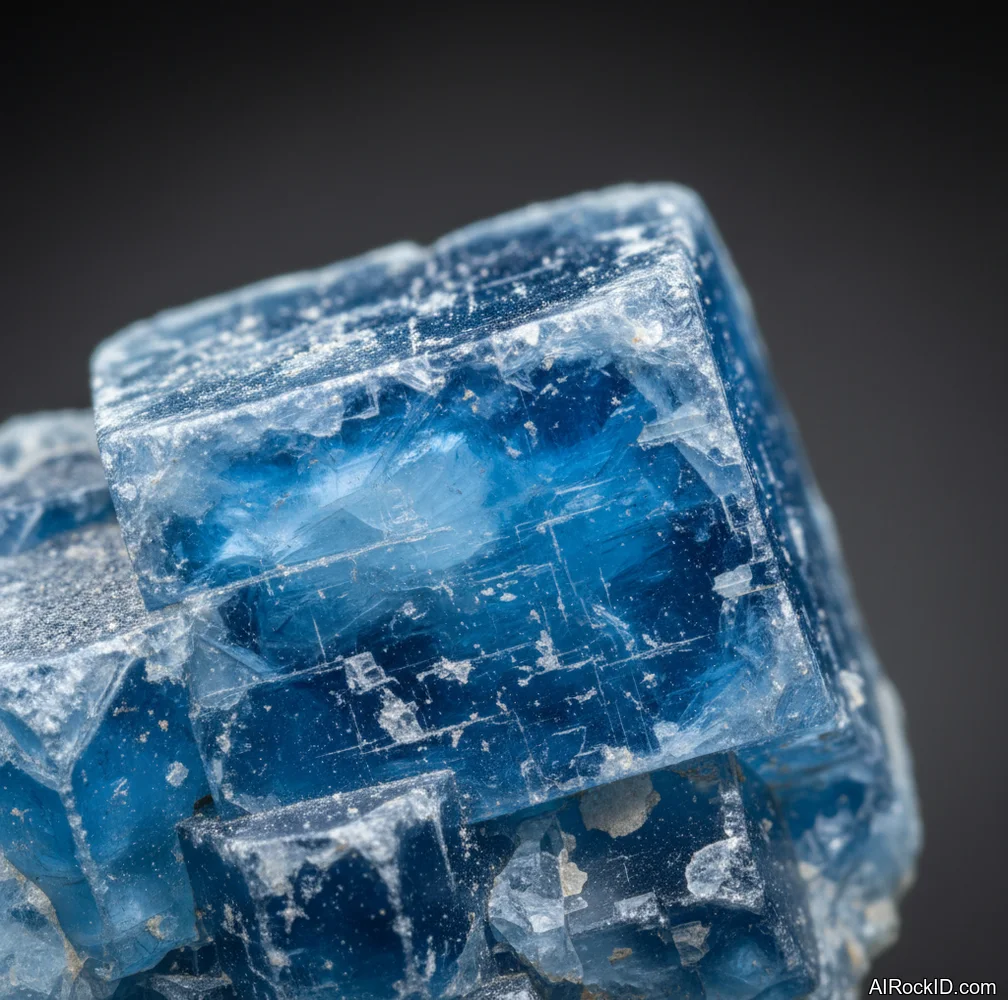
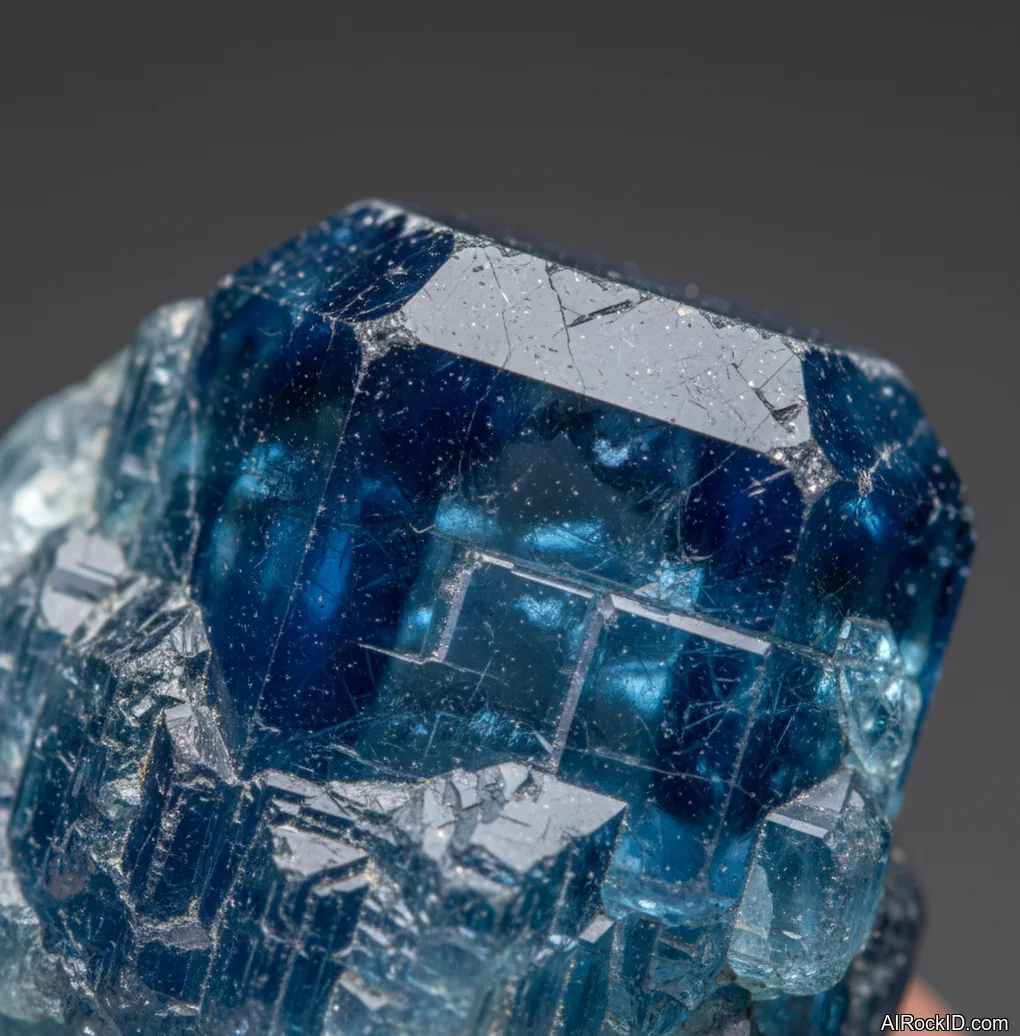
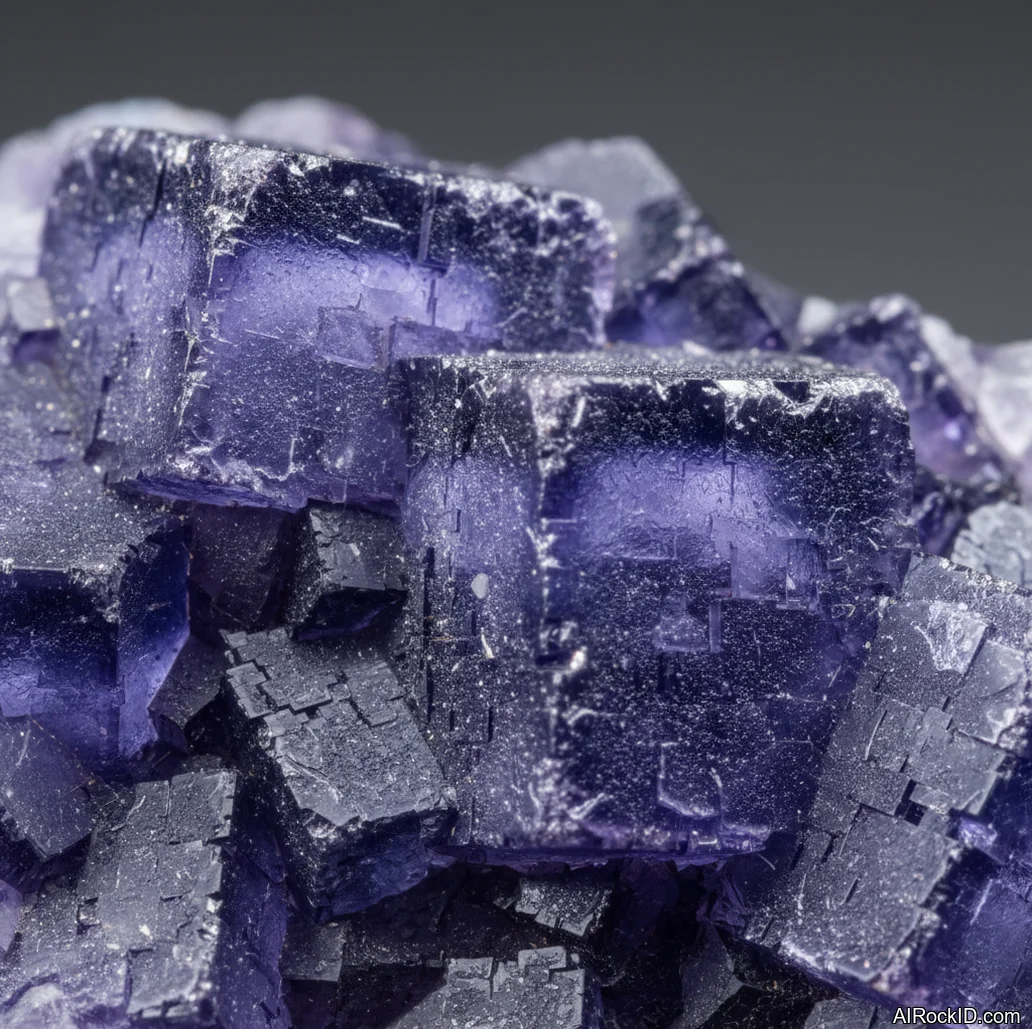
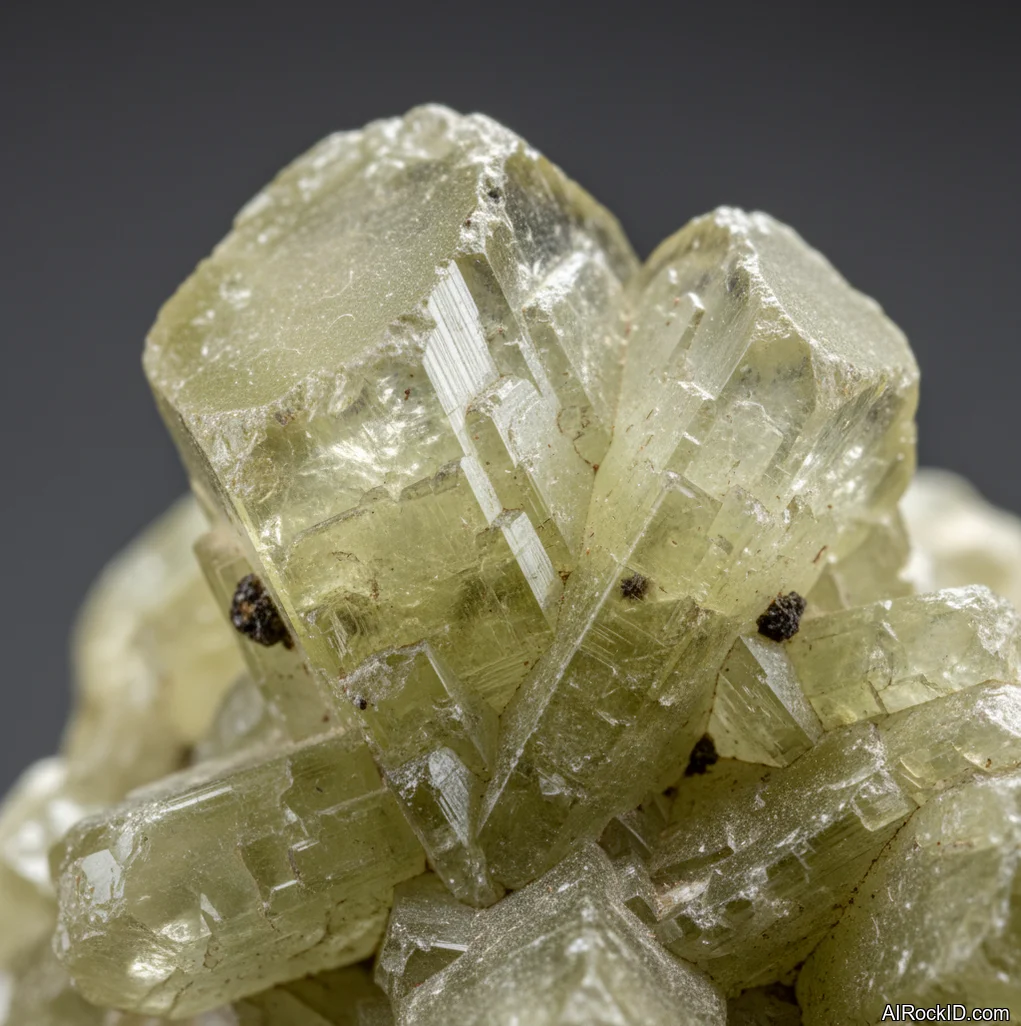
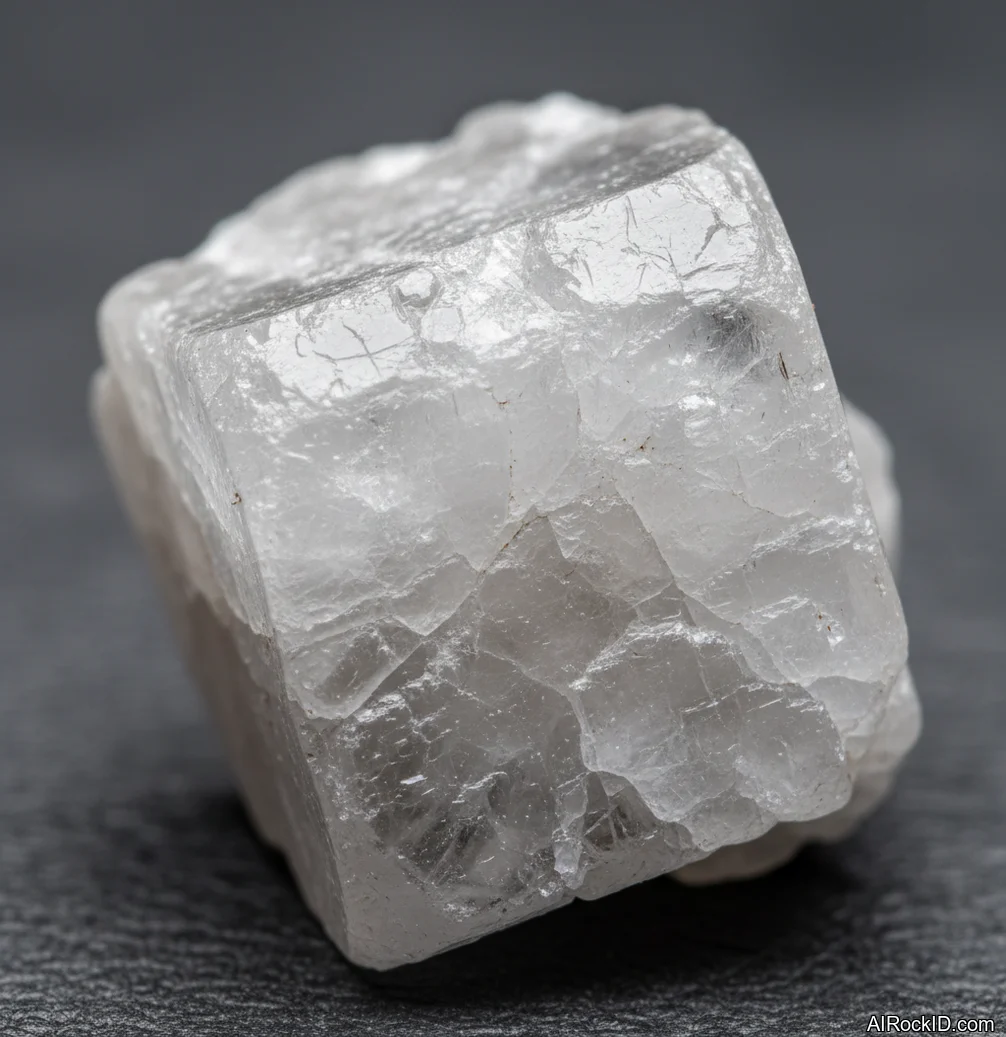
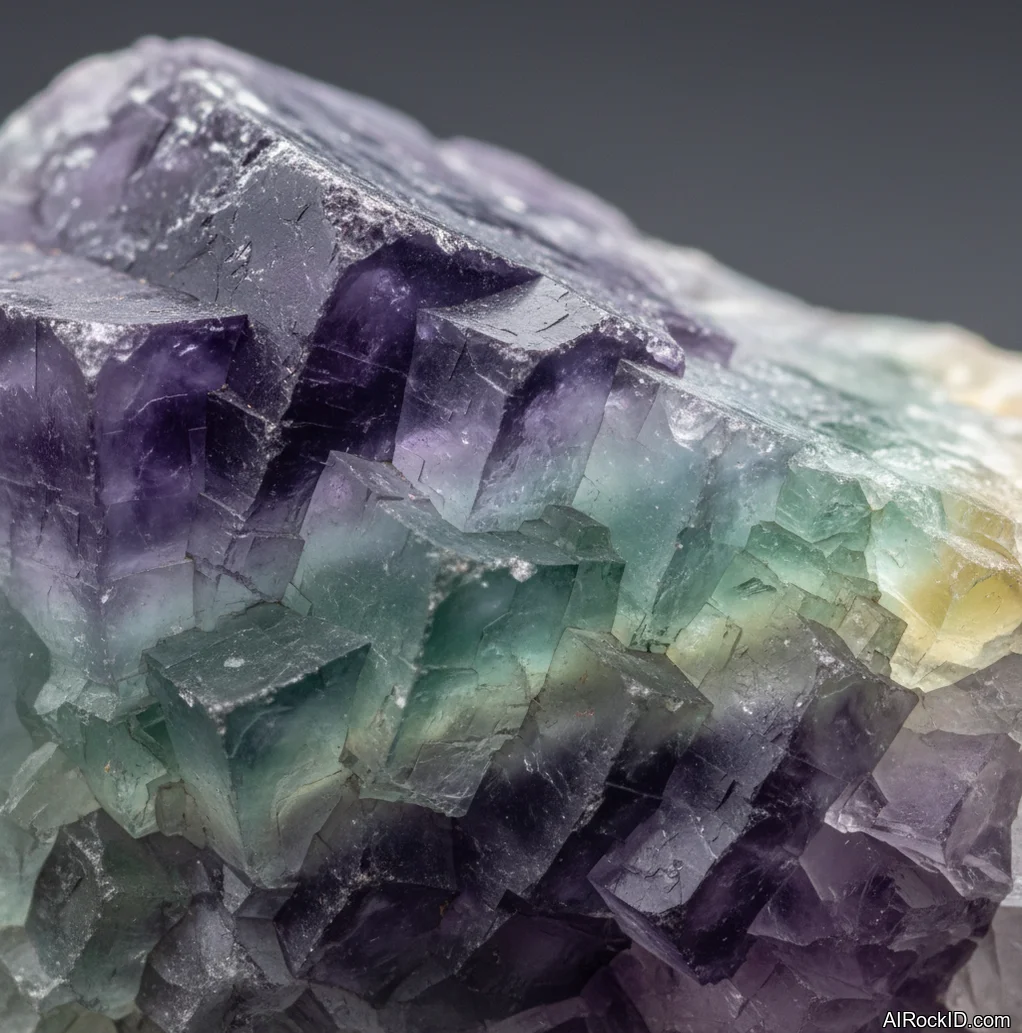
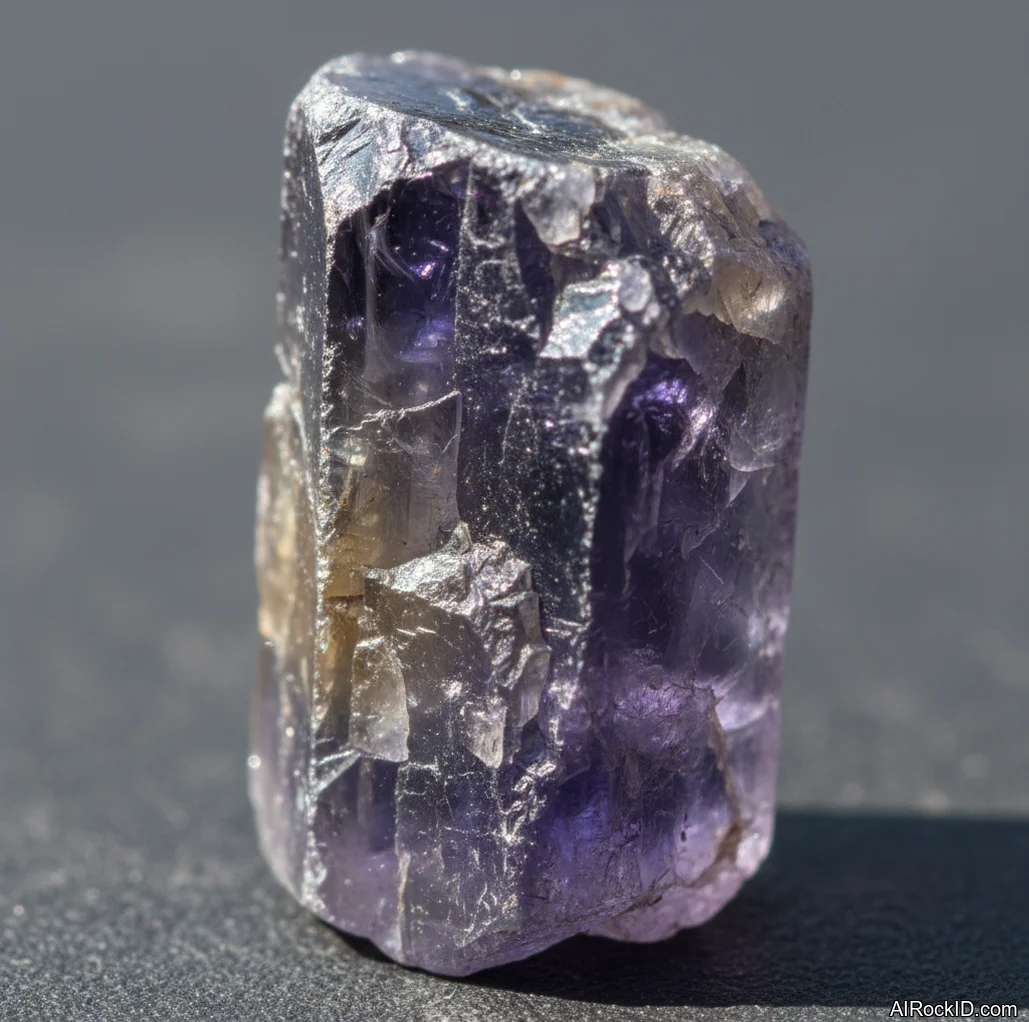
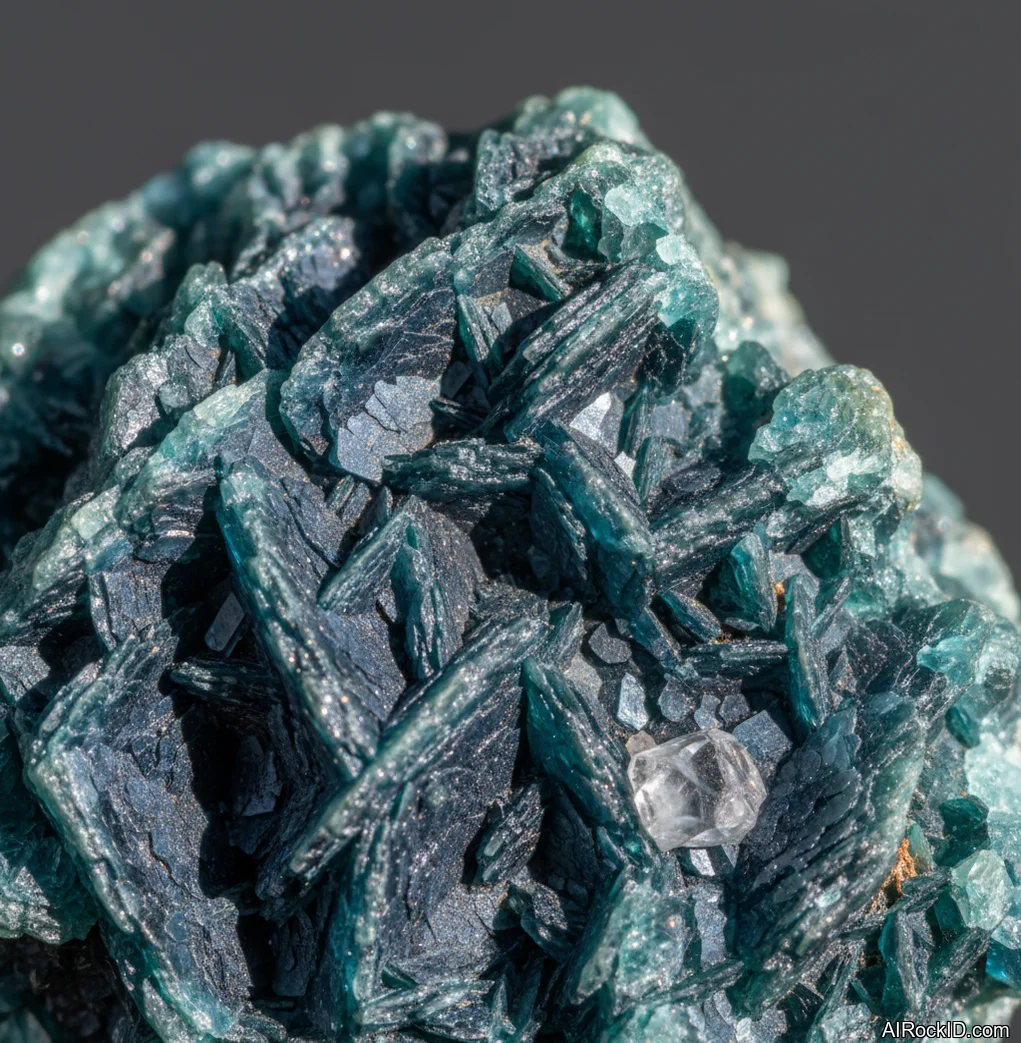
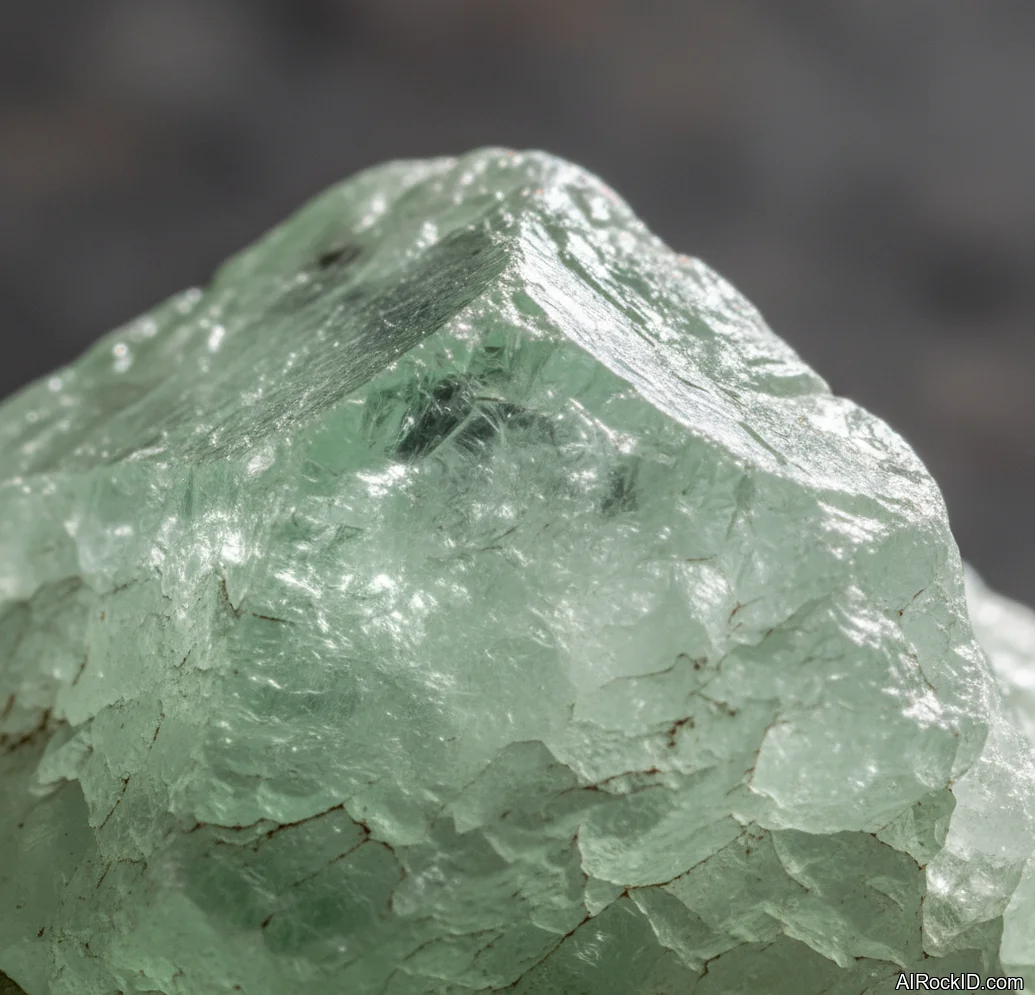
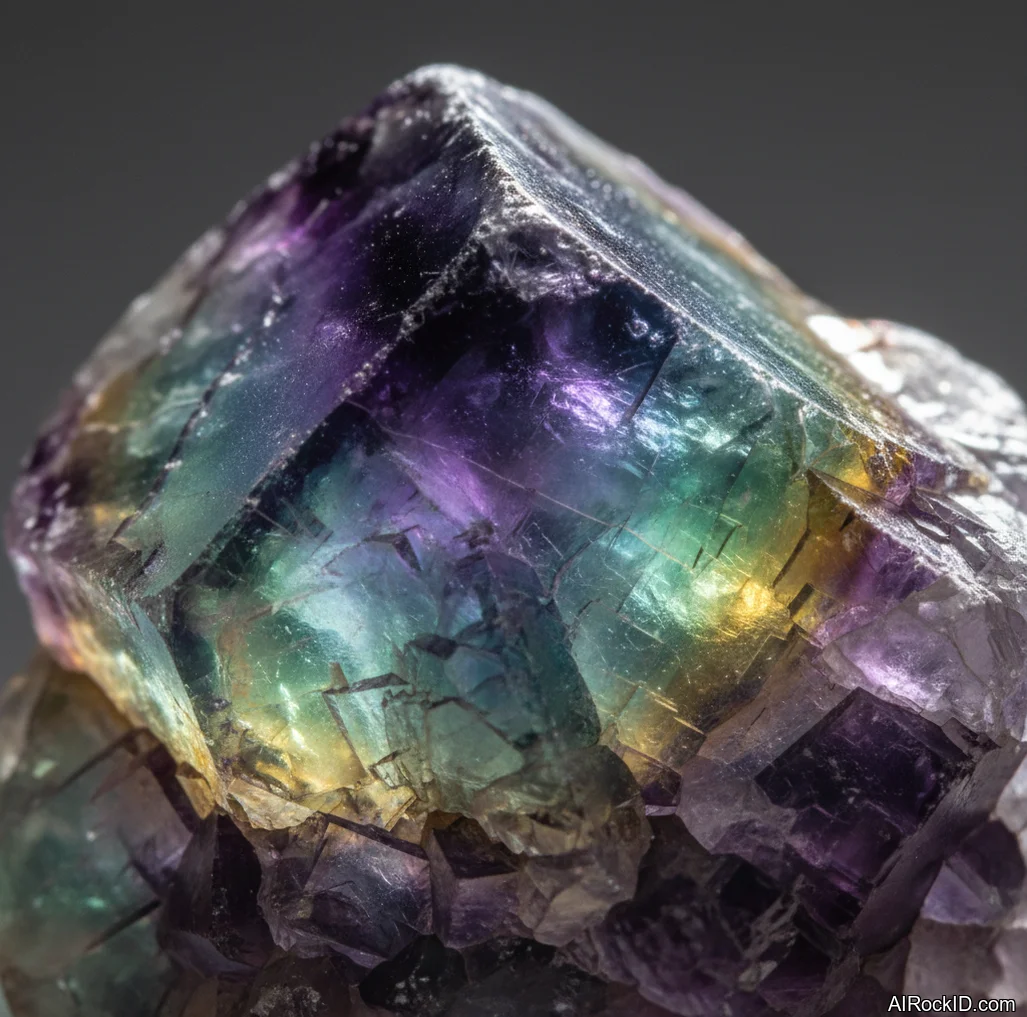
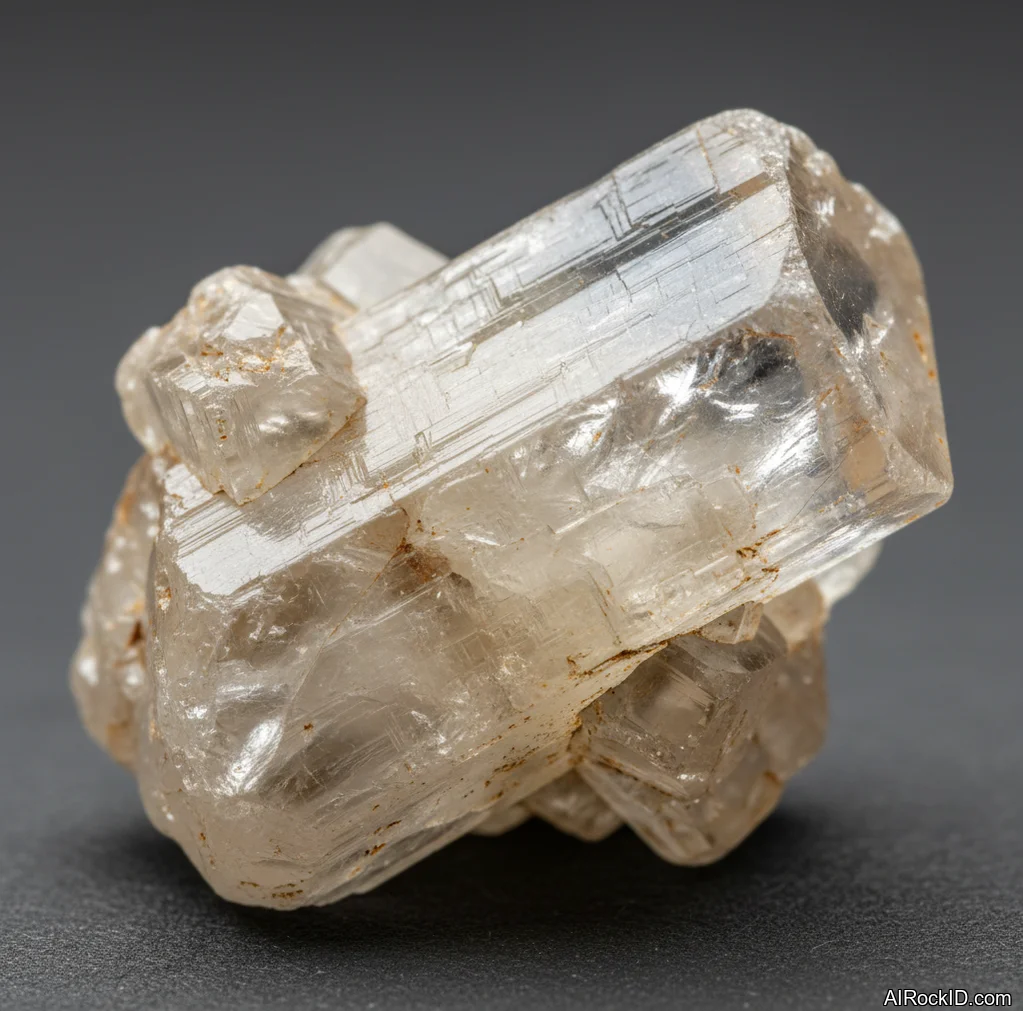
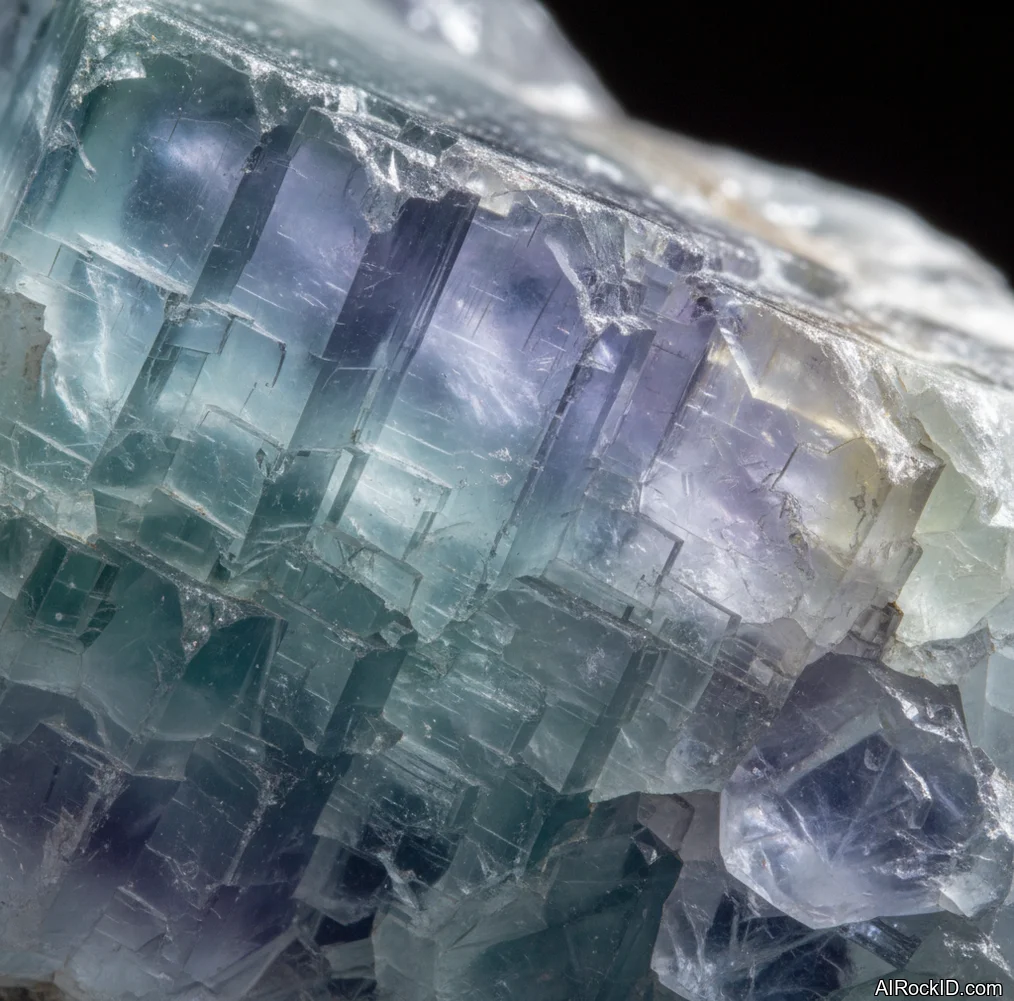
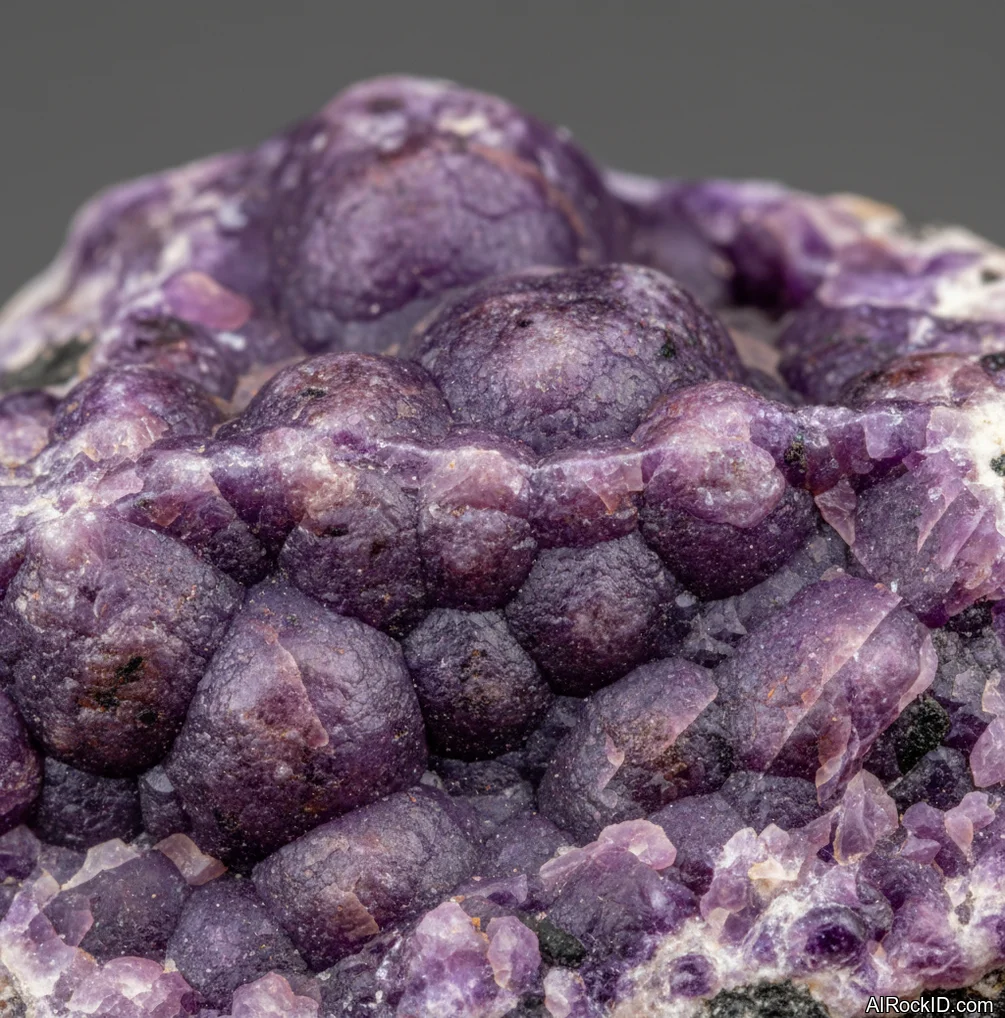
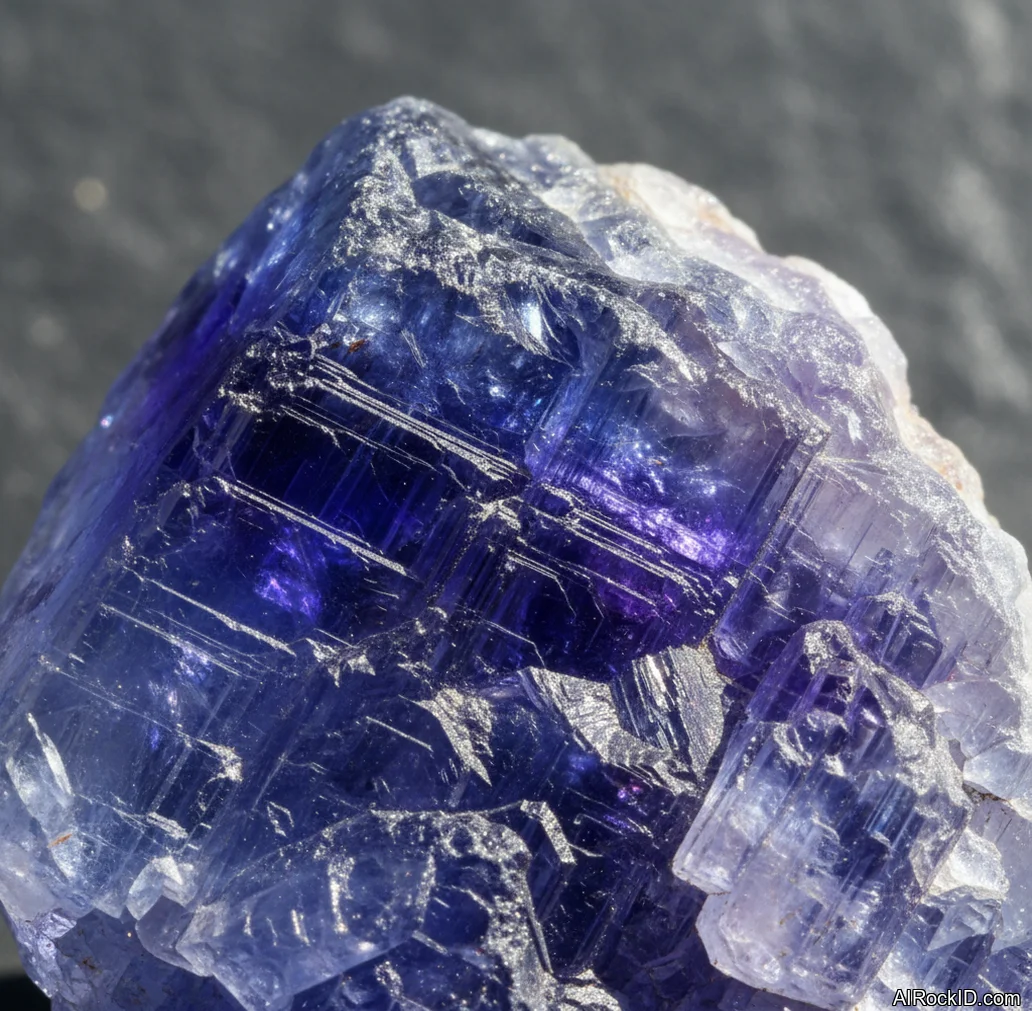
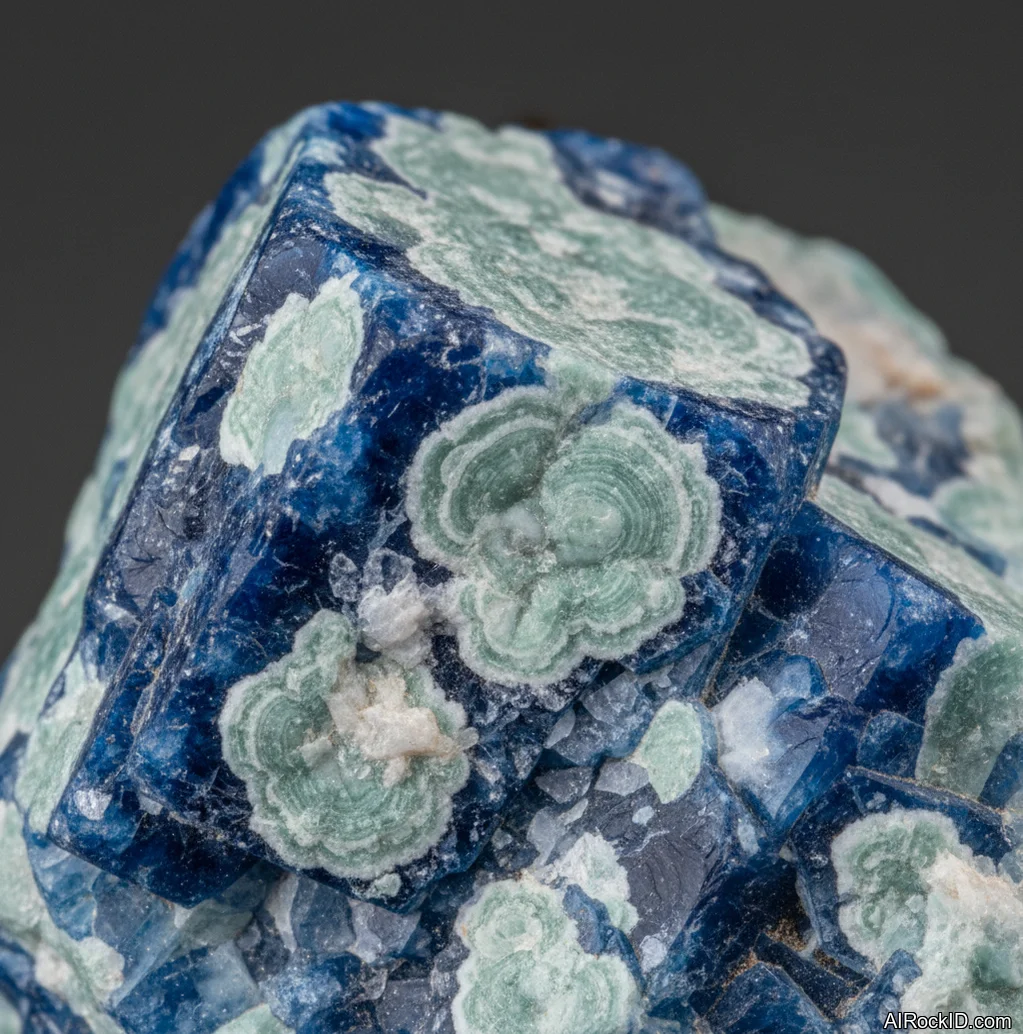
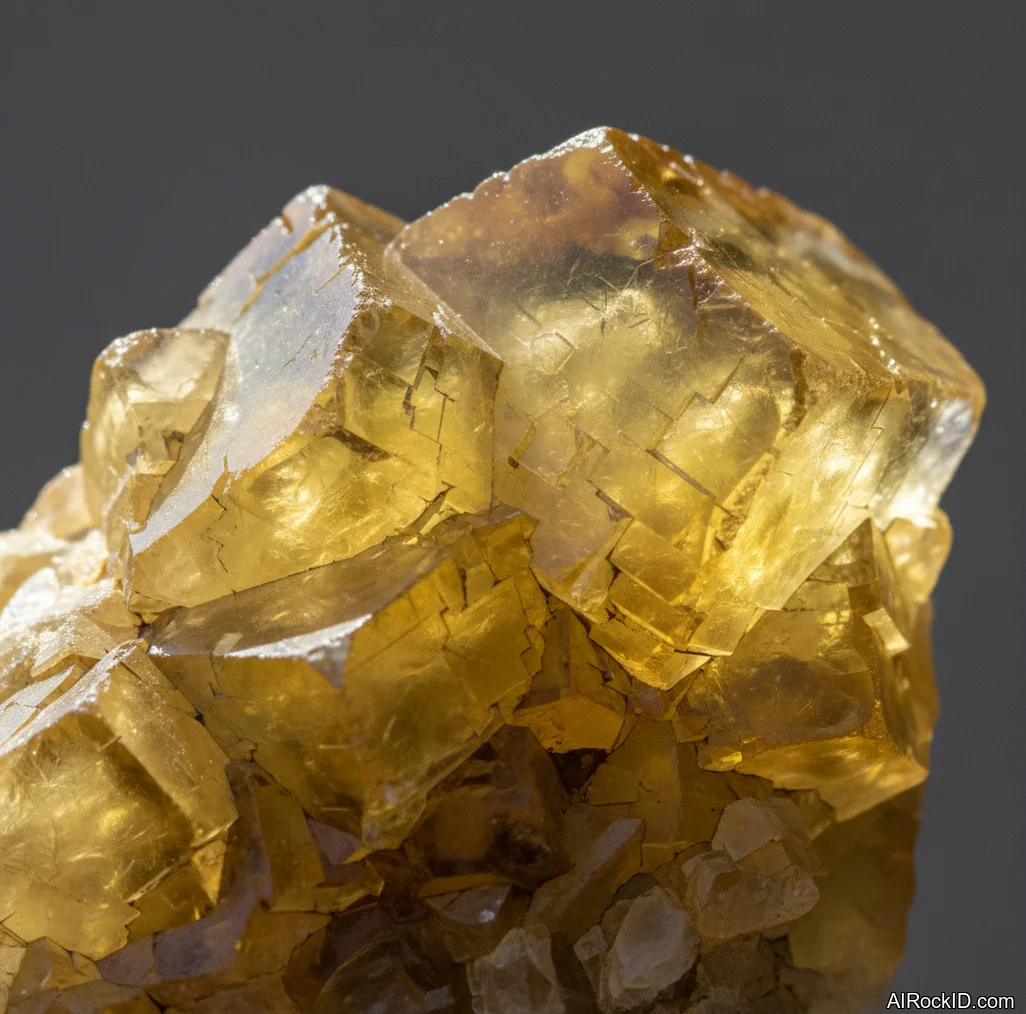
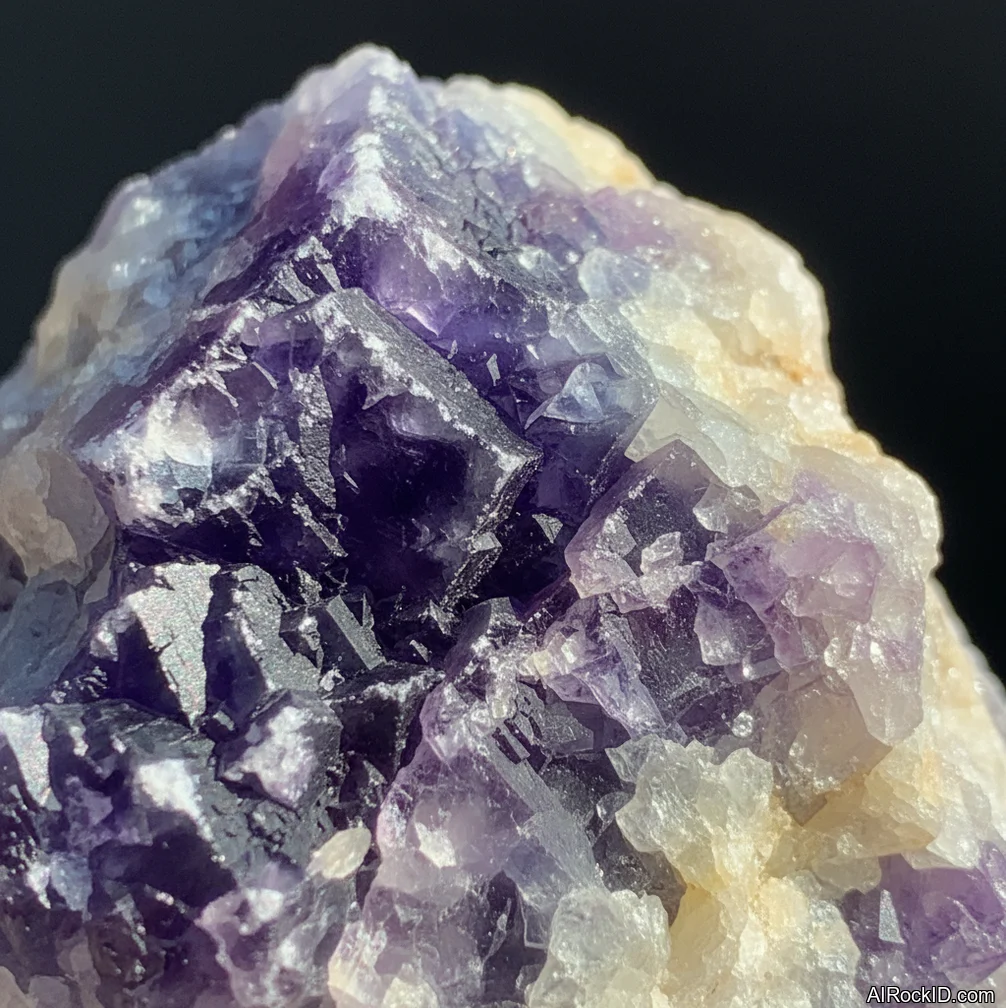
But Air isn’t just “calm.” It can be sharp. Fluorite is my go-to example. A clean Fluorite cube looks like a tiny glass building, and under bright light you can see zoning like smoke frozen in place. The real collector clue is the cleavage. Drop it once and it doesn’t chip like Quartz, it can split along flat planes and you’ll lose that perfect edge. That breakability is why I don’t recommend Fluorite as a keychain stone, even if sellers try to push it that way.
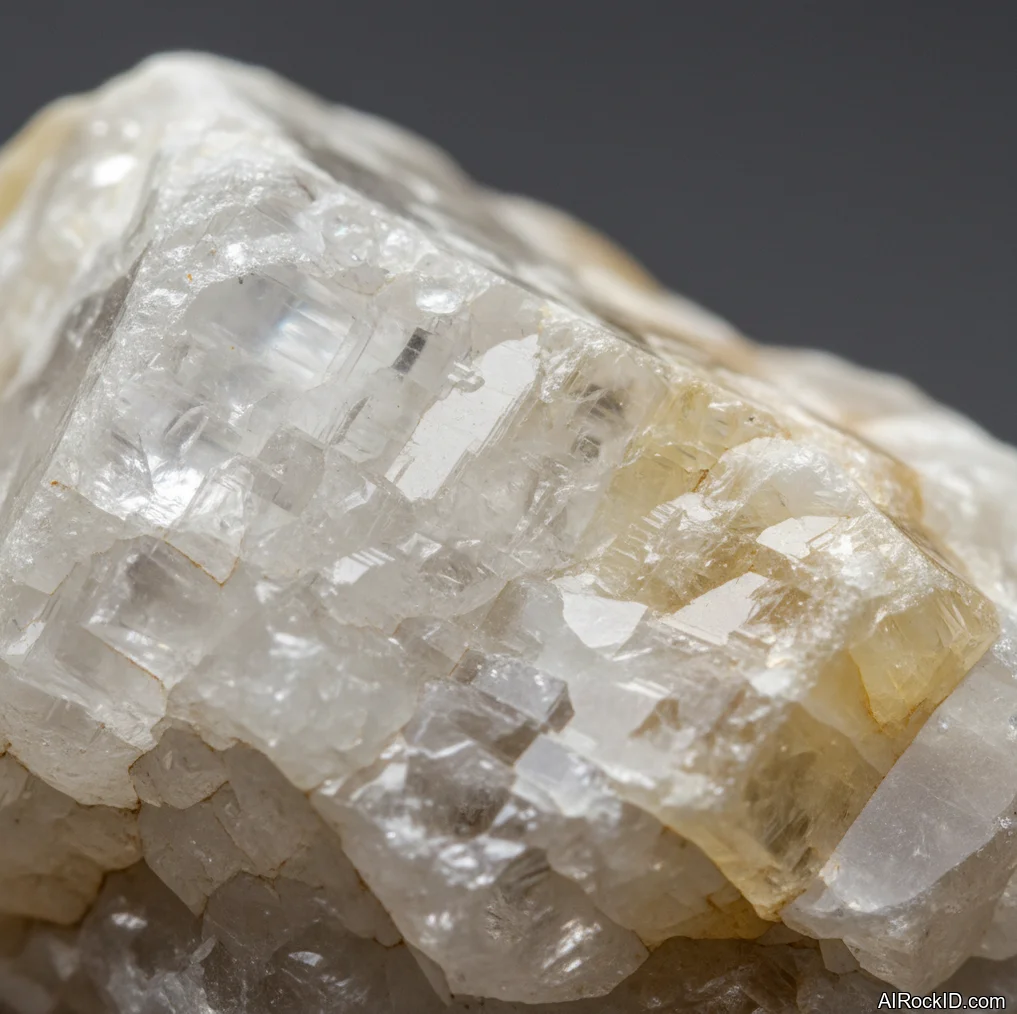
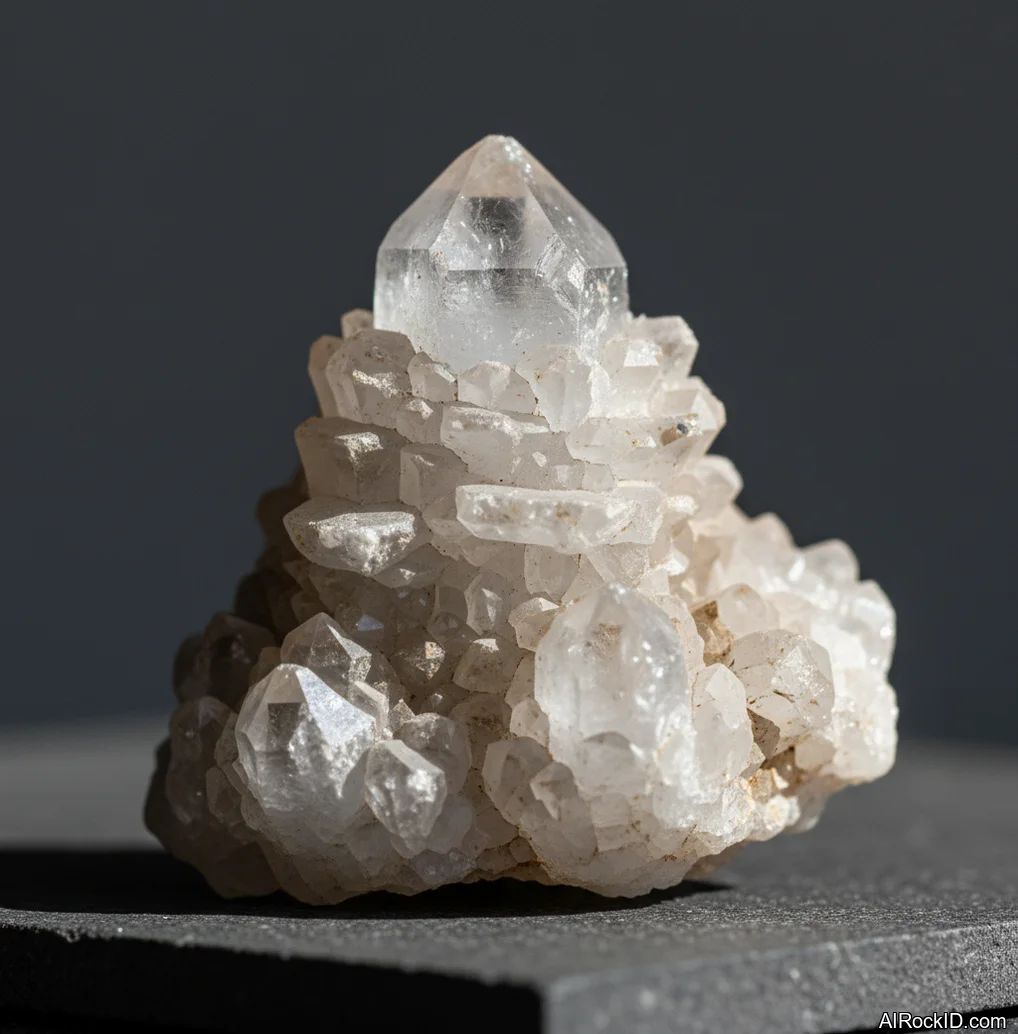
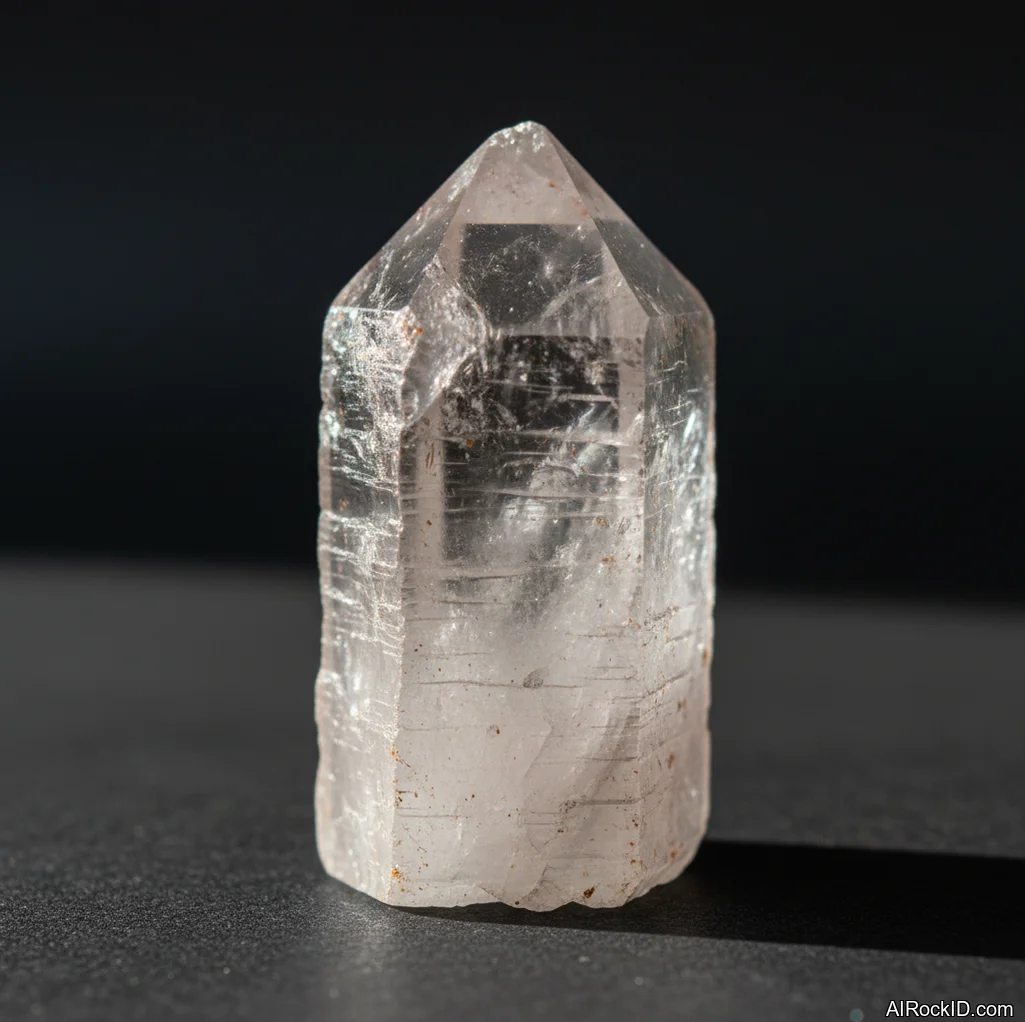
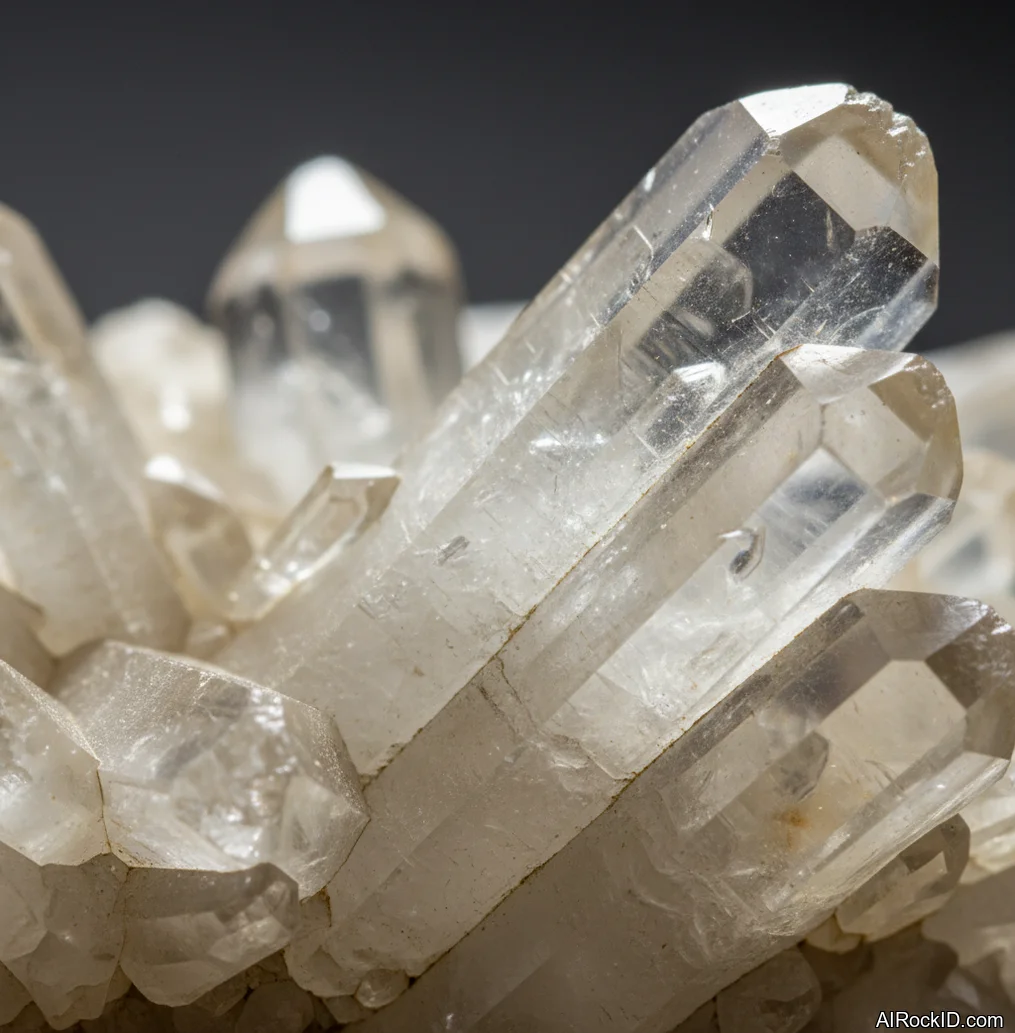
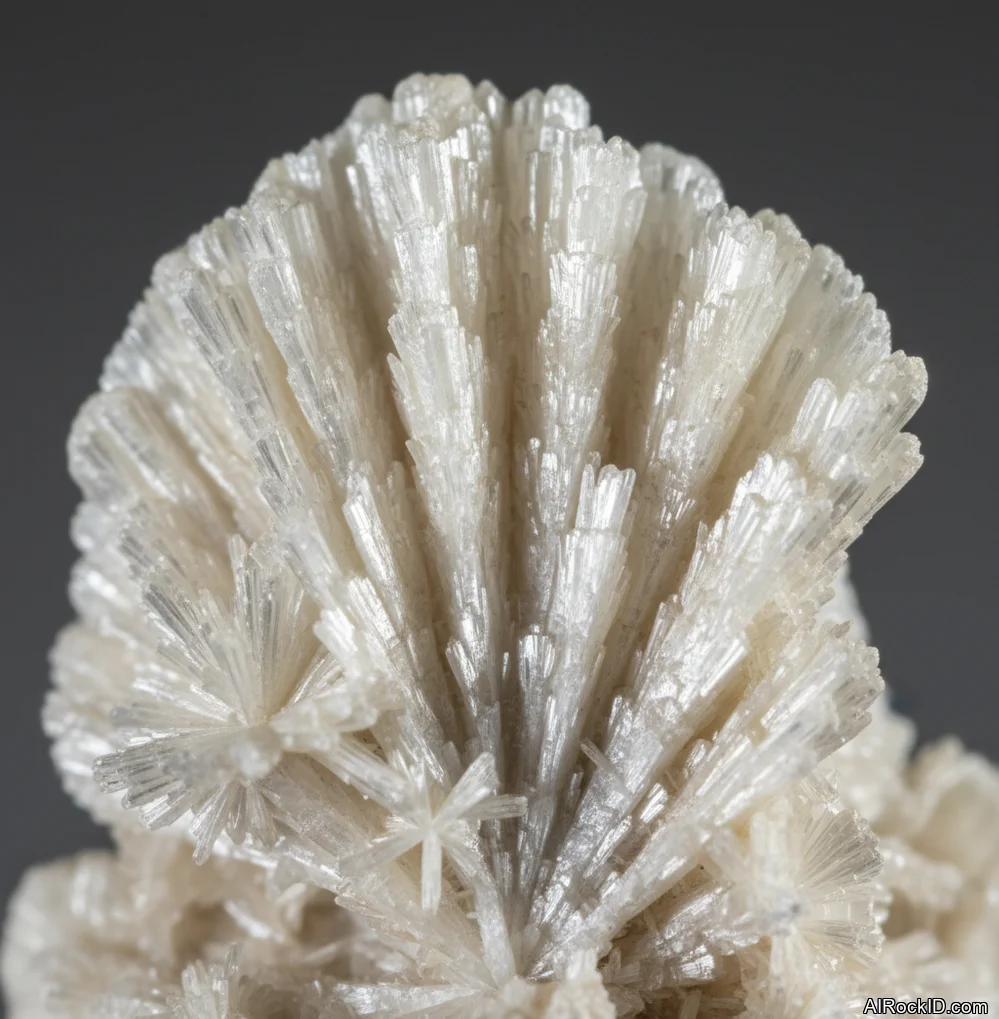
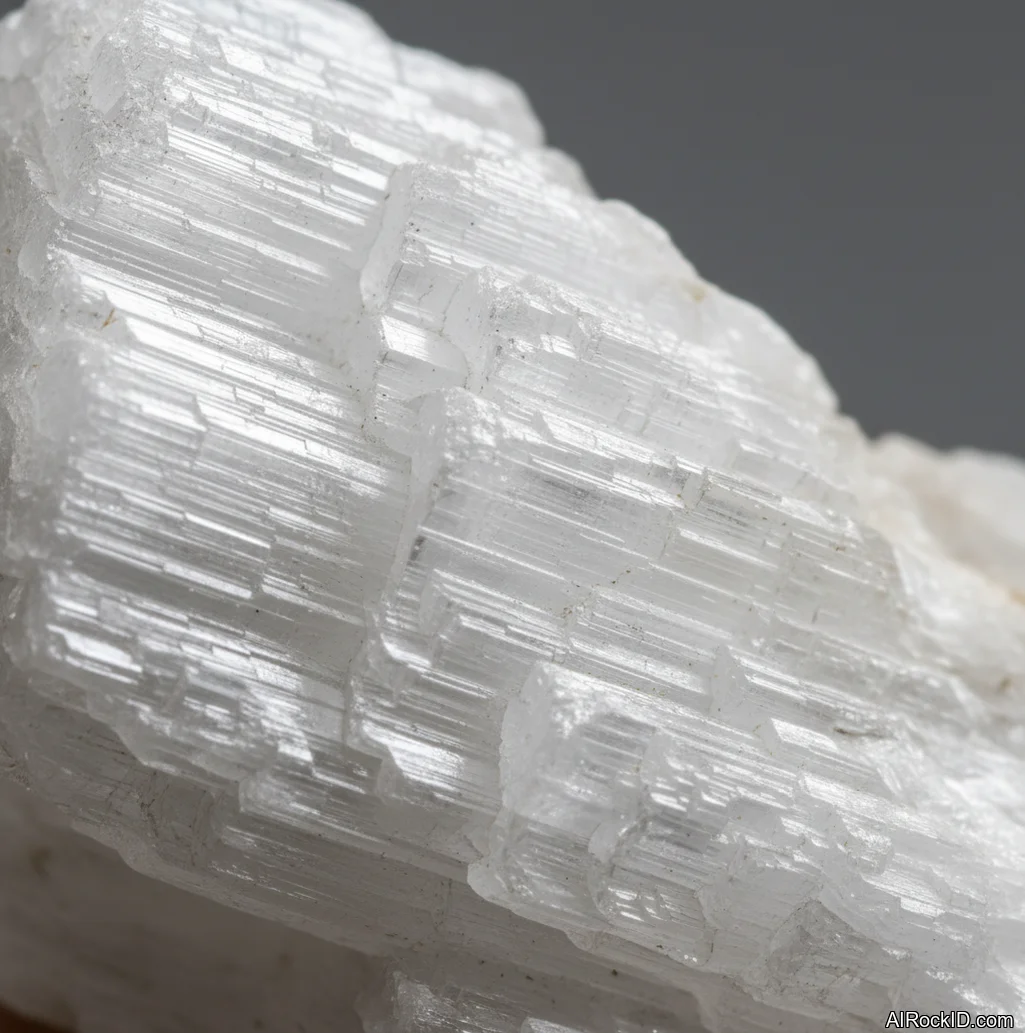
Working with Air crystals is mostly about placement and timing. I keep my Air pieces above eye level or on my desk, not down by my feet. A small cluster of Clear Quartz points aimed toward where you sit can feel like “airflow” in a room. Selenite is another desk staple, but treat it like the soft gypsum it is. Run a fingernail along it and you can leave a mark. If it’s carved into a wand, you’ll see fuzzy fiber texture on the ends when it gets dinged. Keep it dry, keep it off windowsills, and don’t toss it in a bowl with harder stones. (Seriously, it’ll get chewed up.)
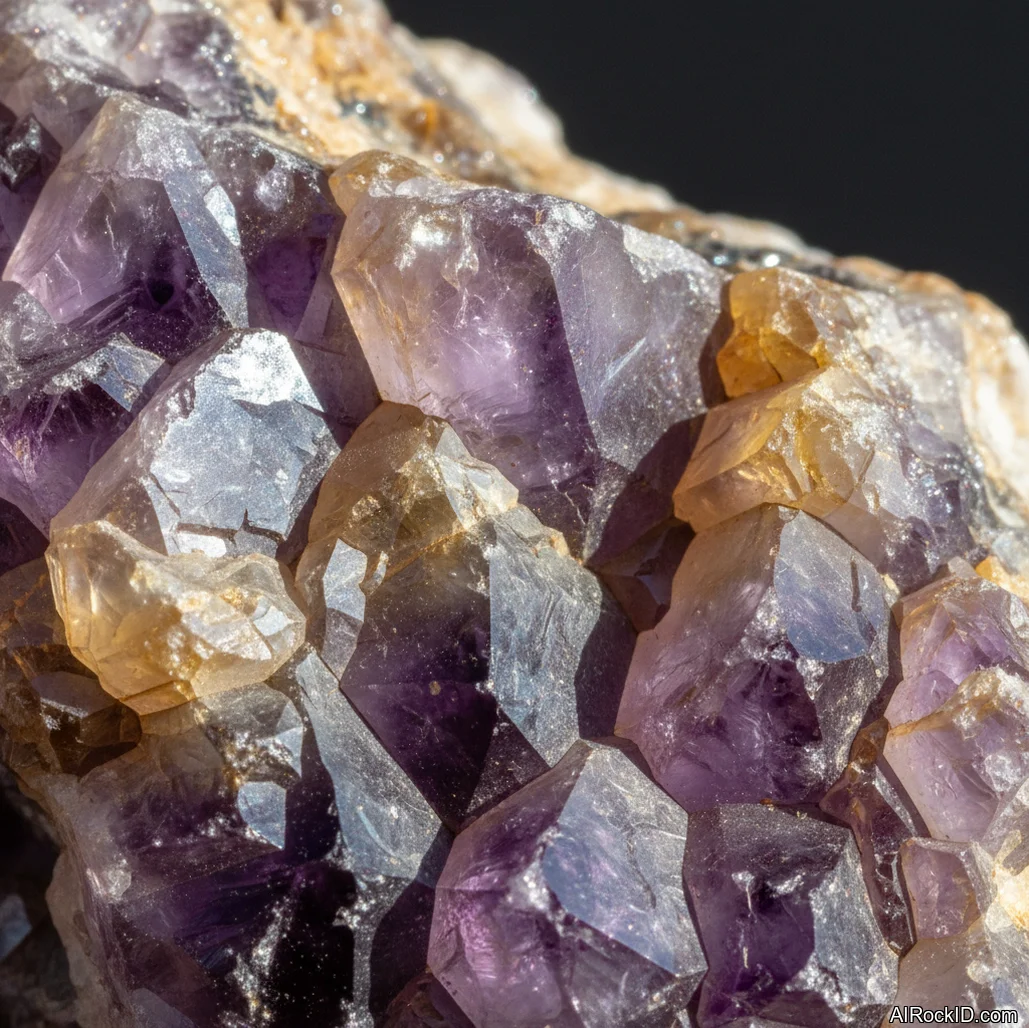
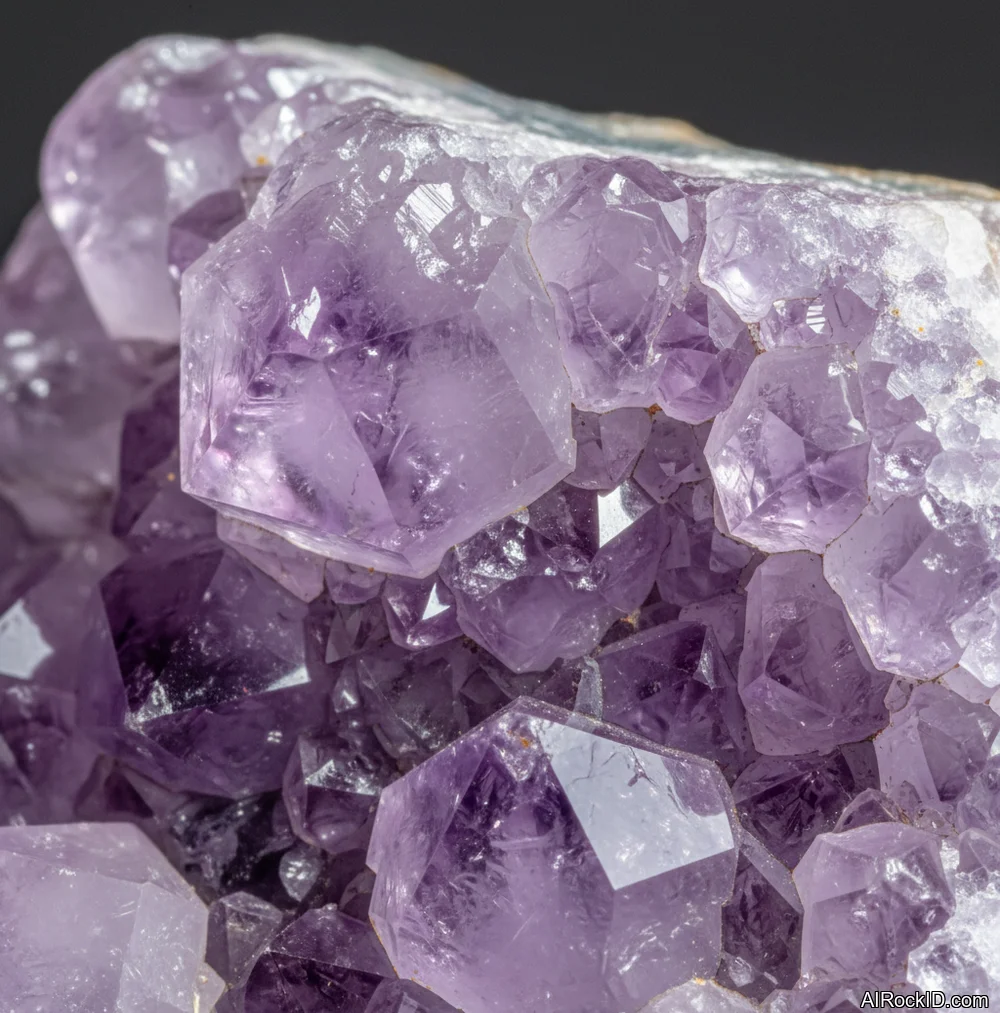
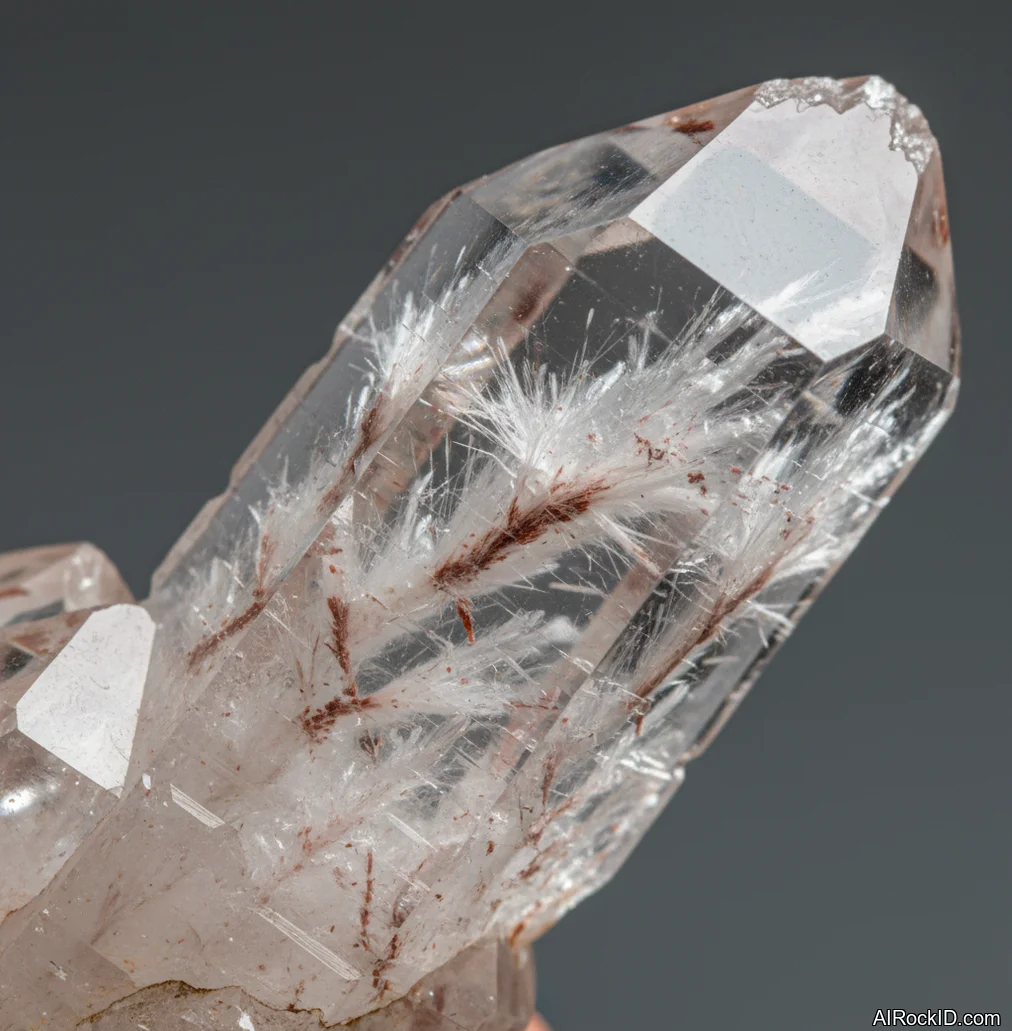
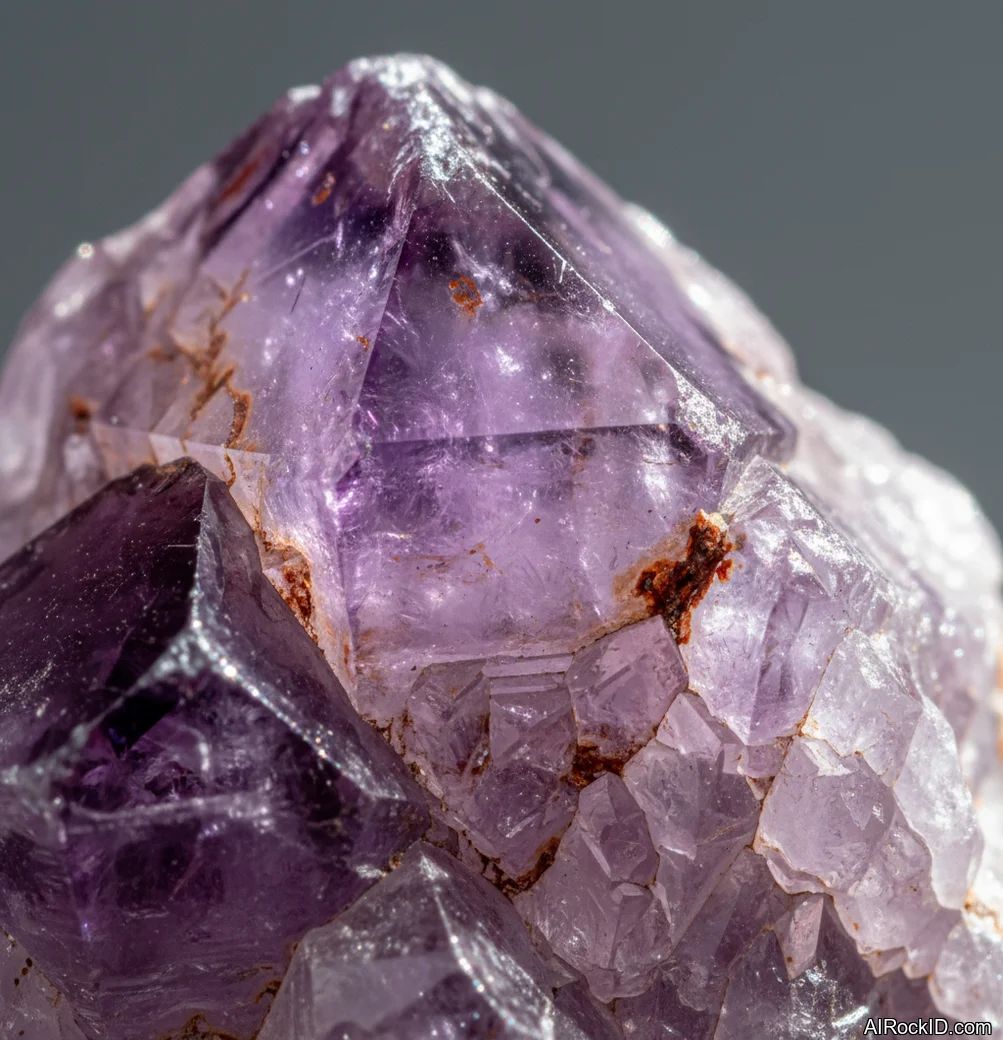
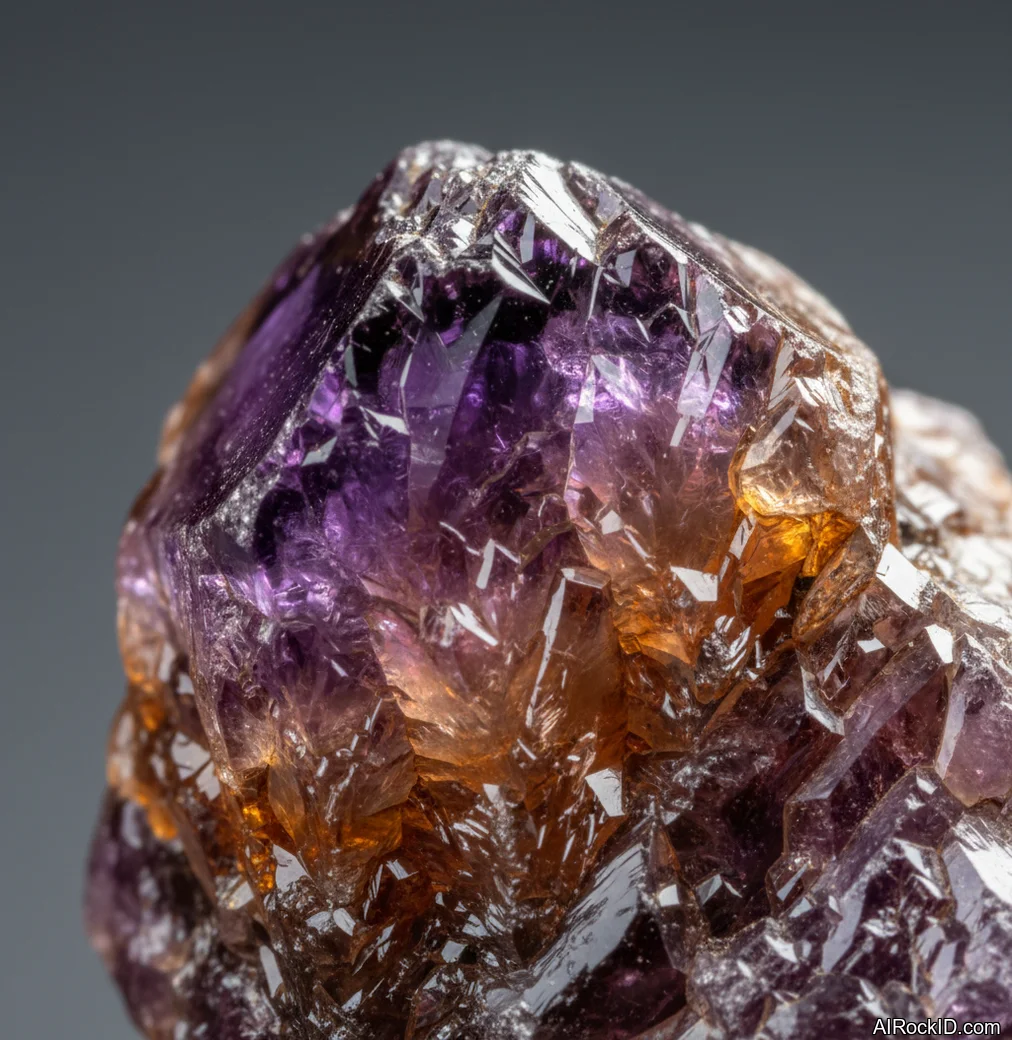
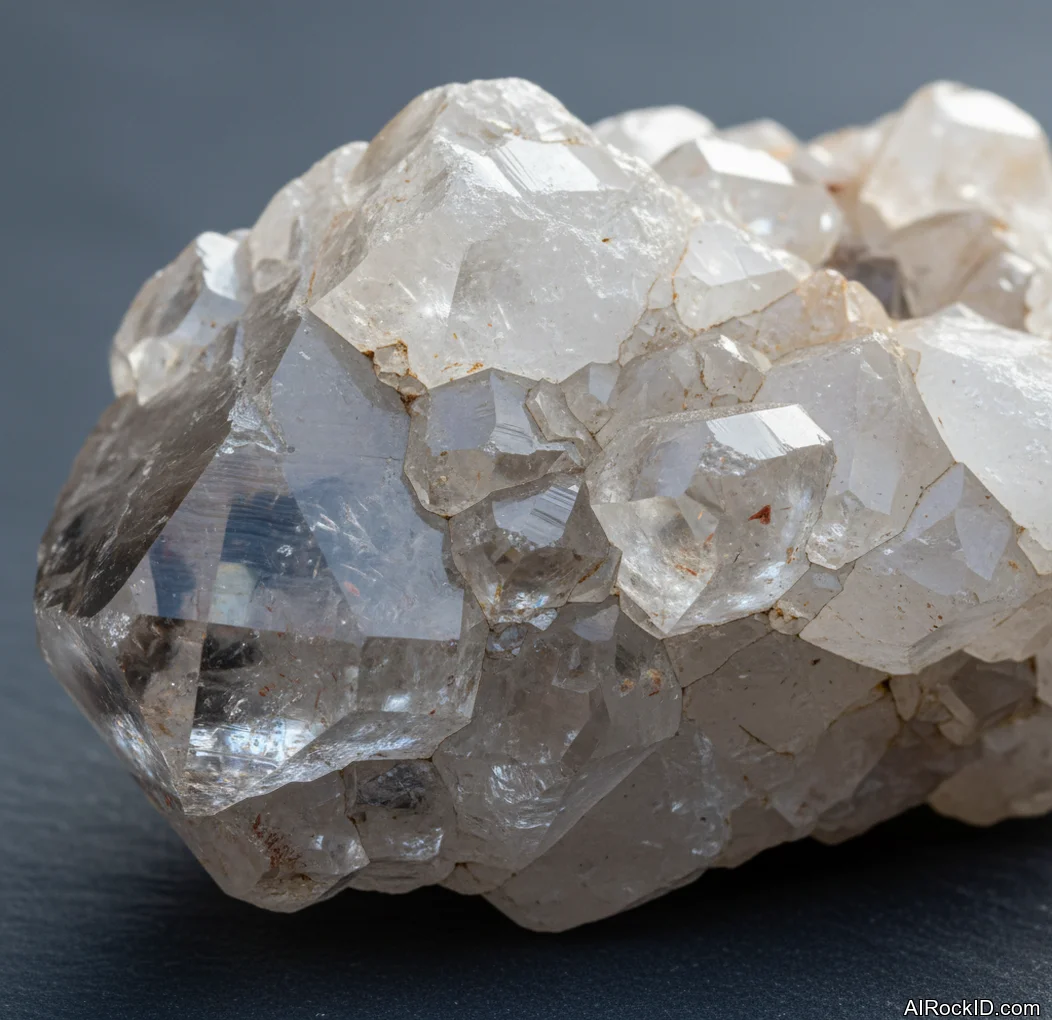
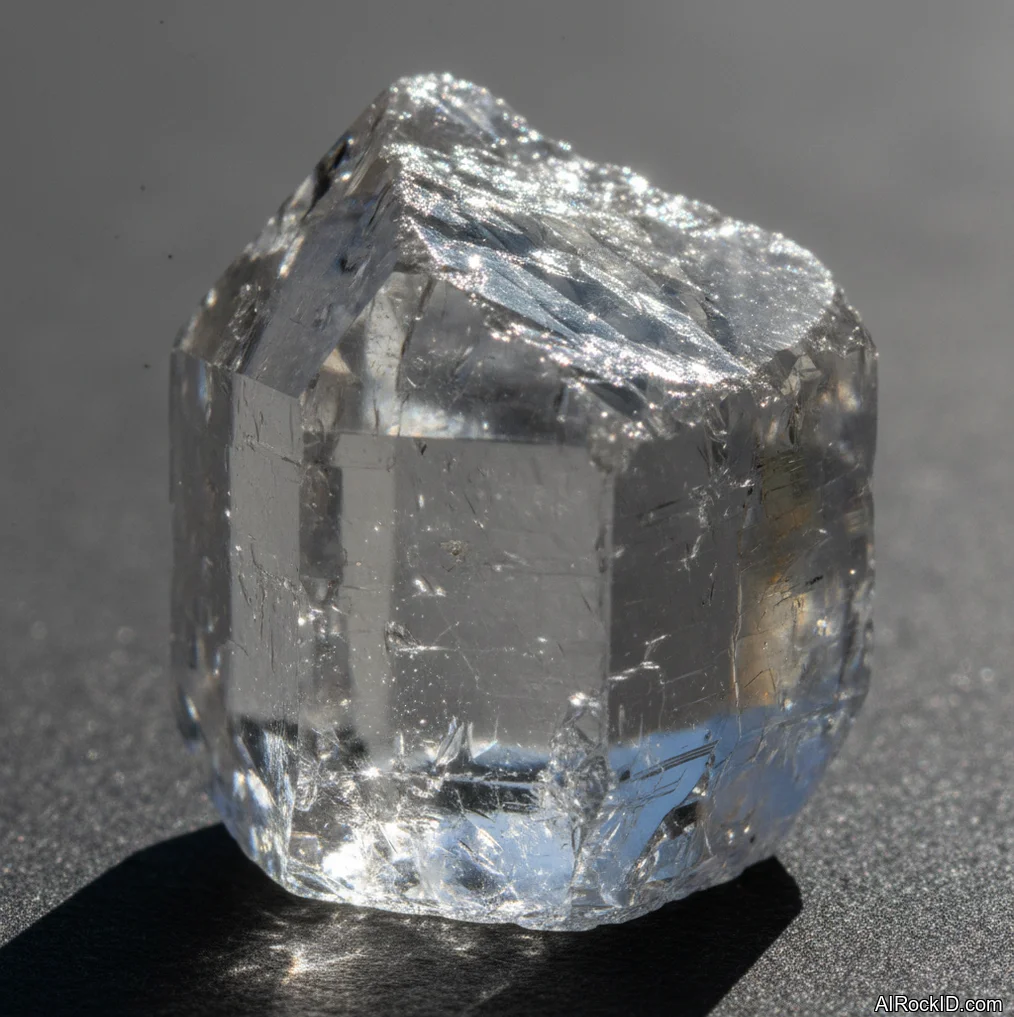
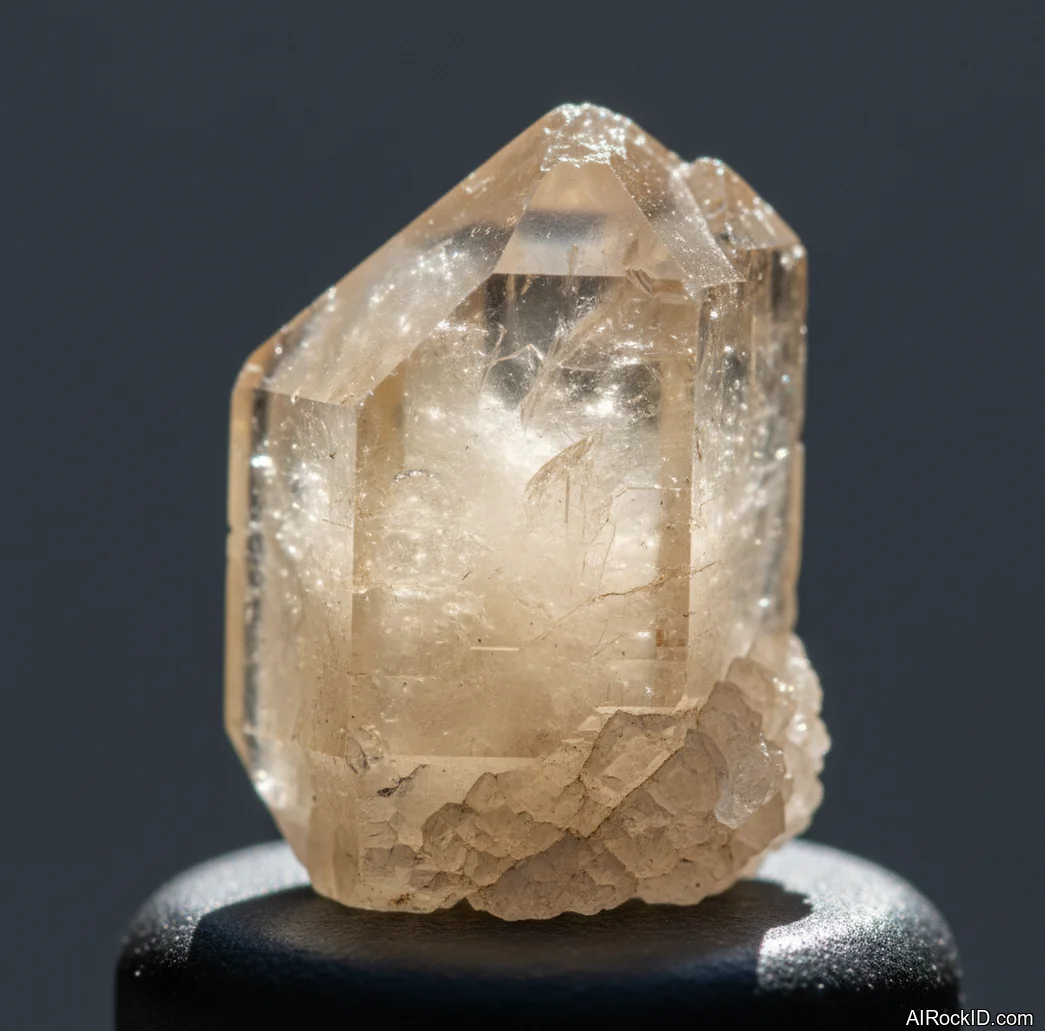
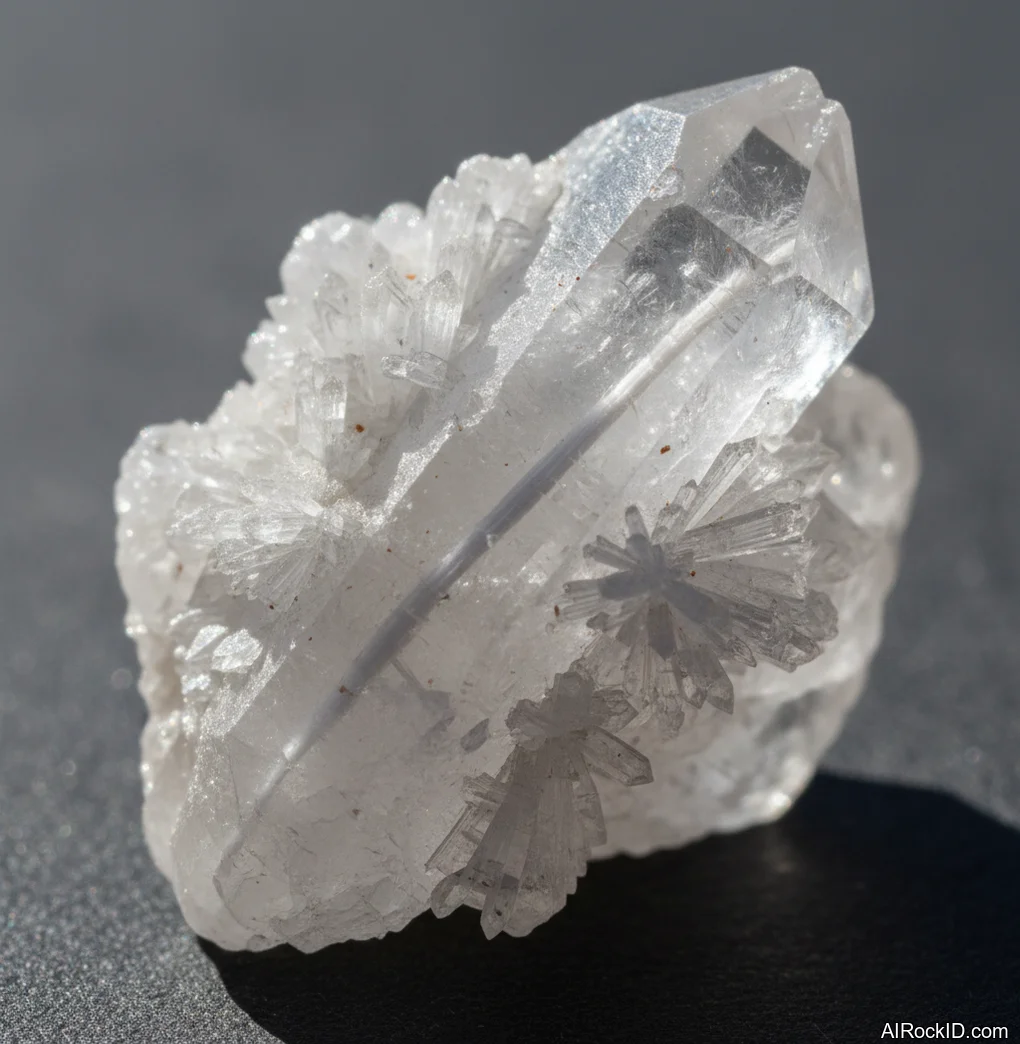
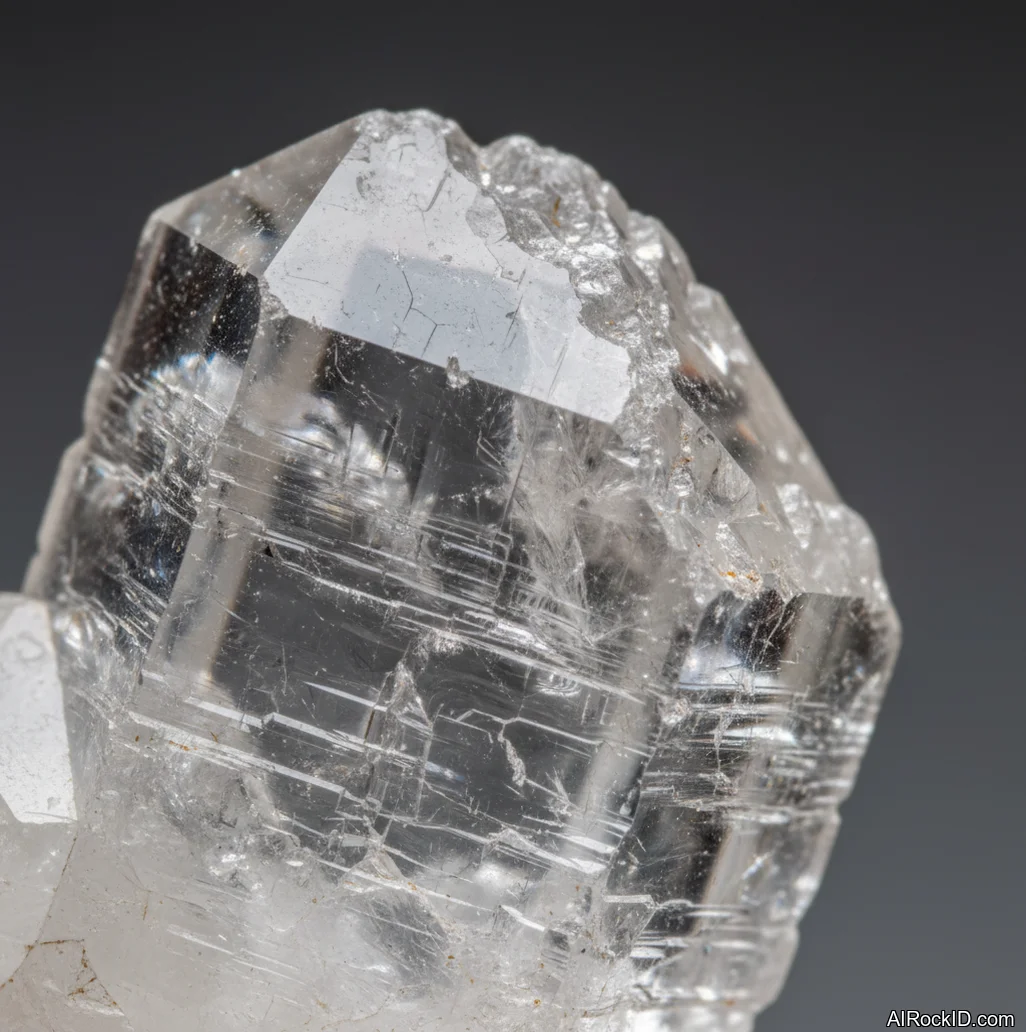
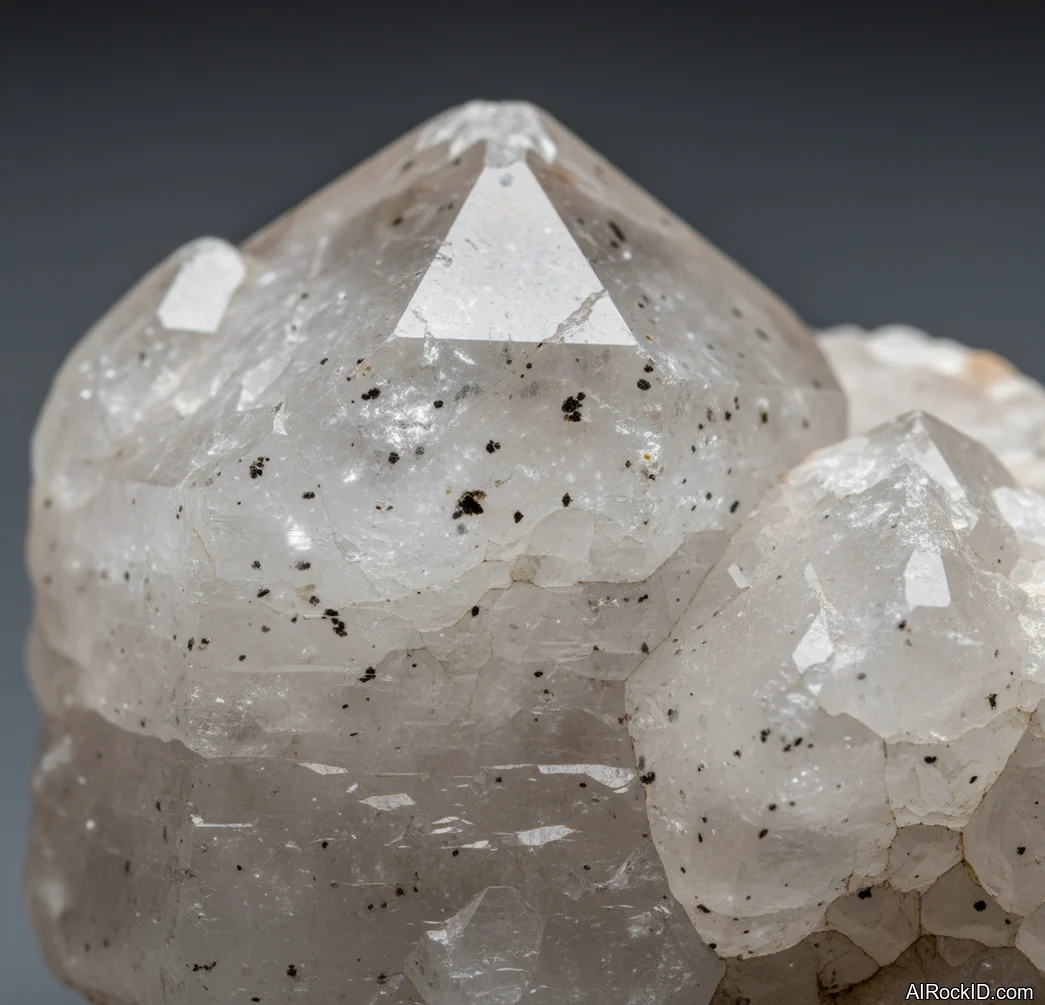
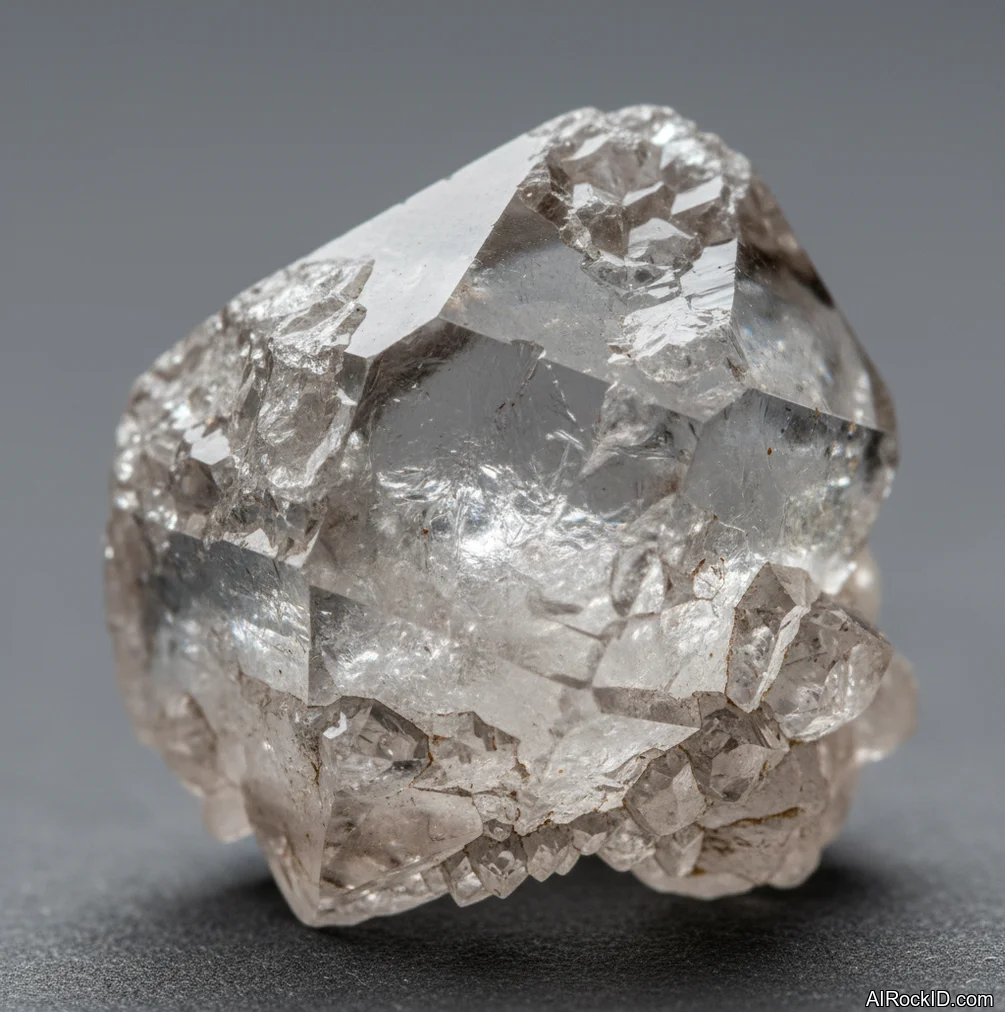
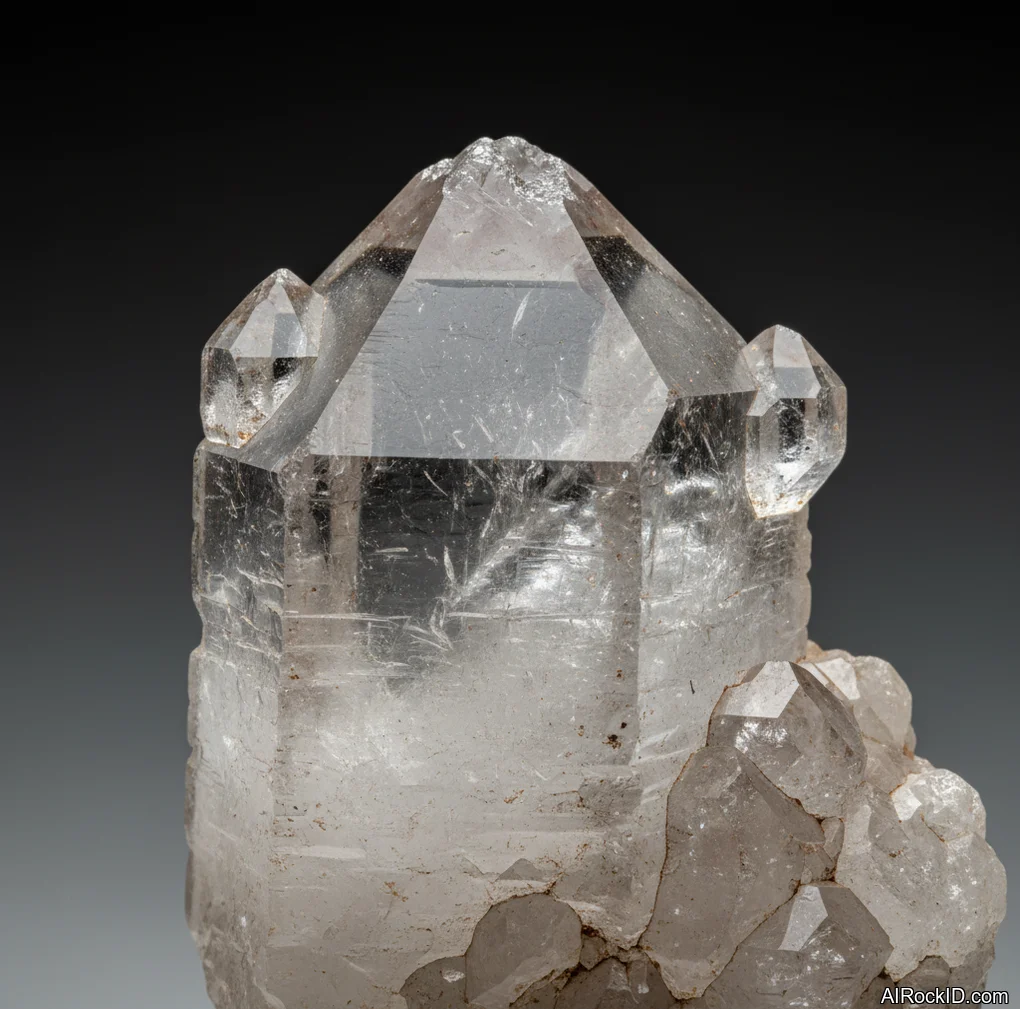
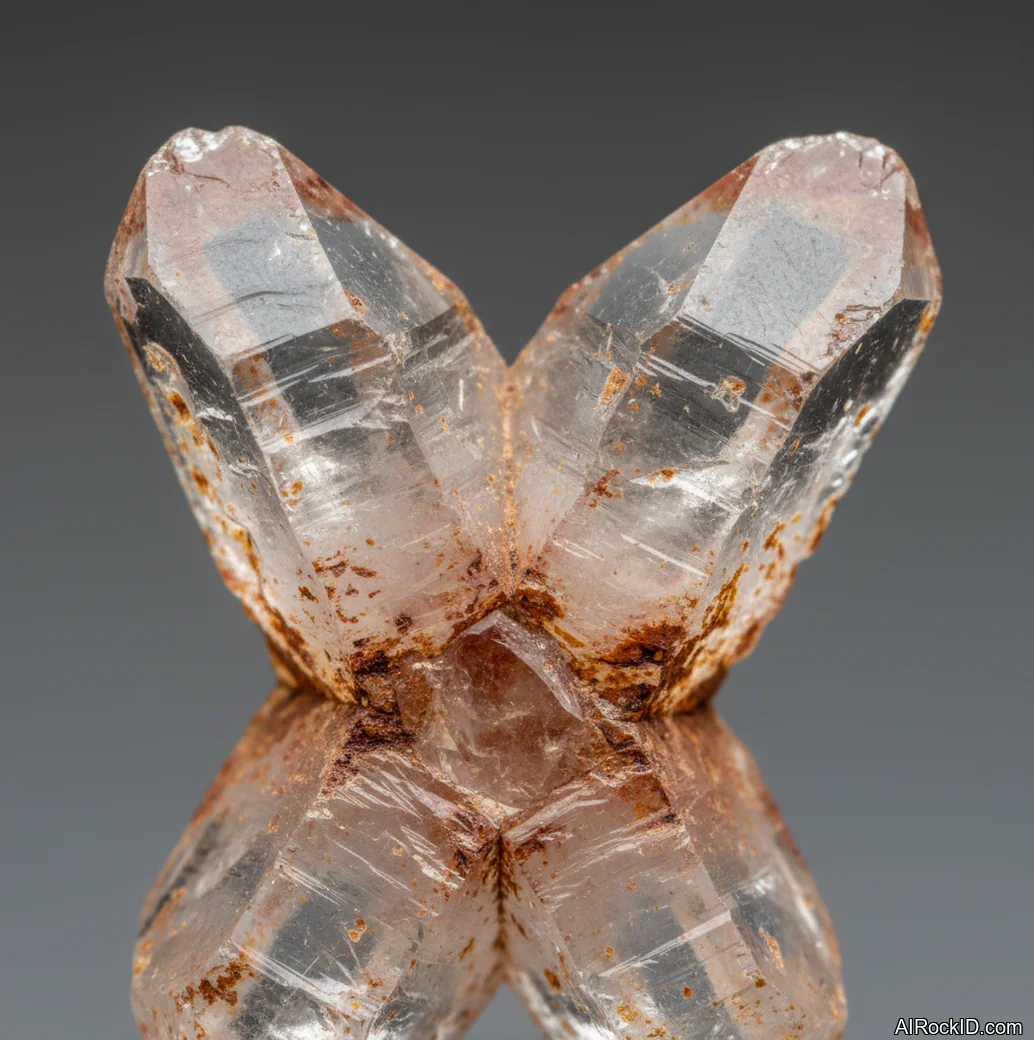
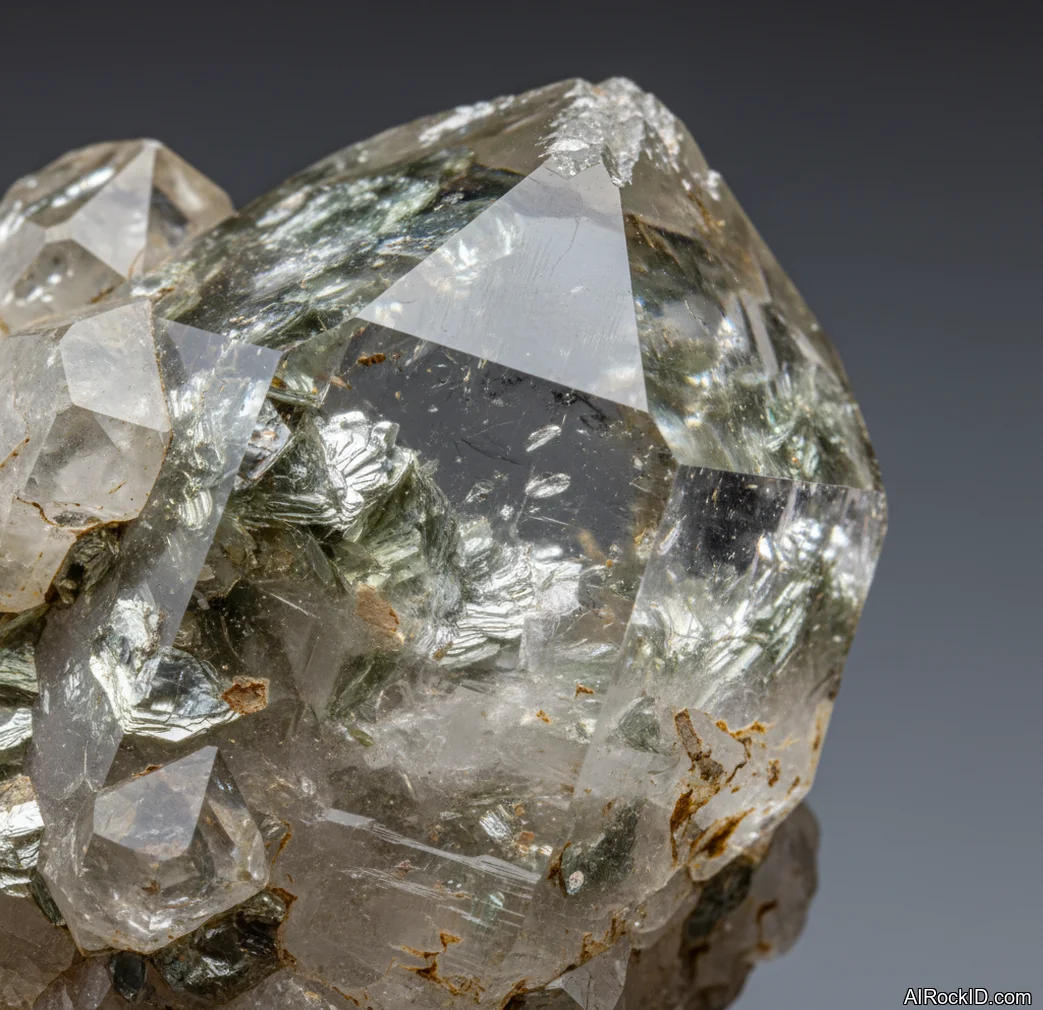
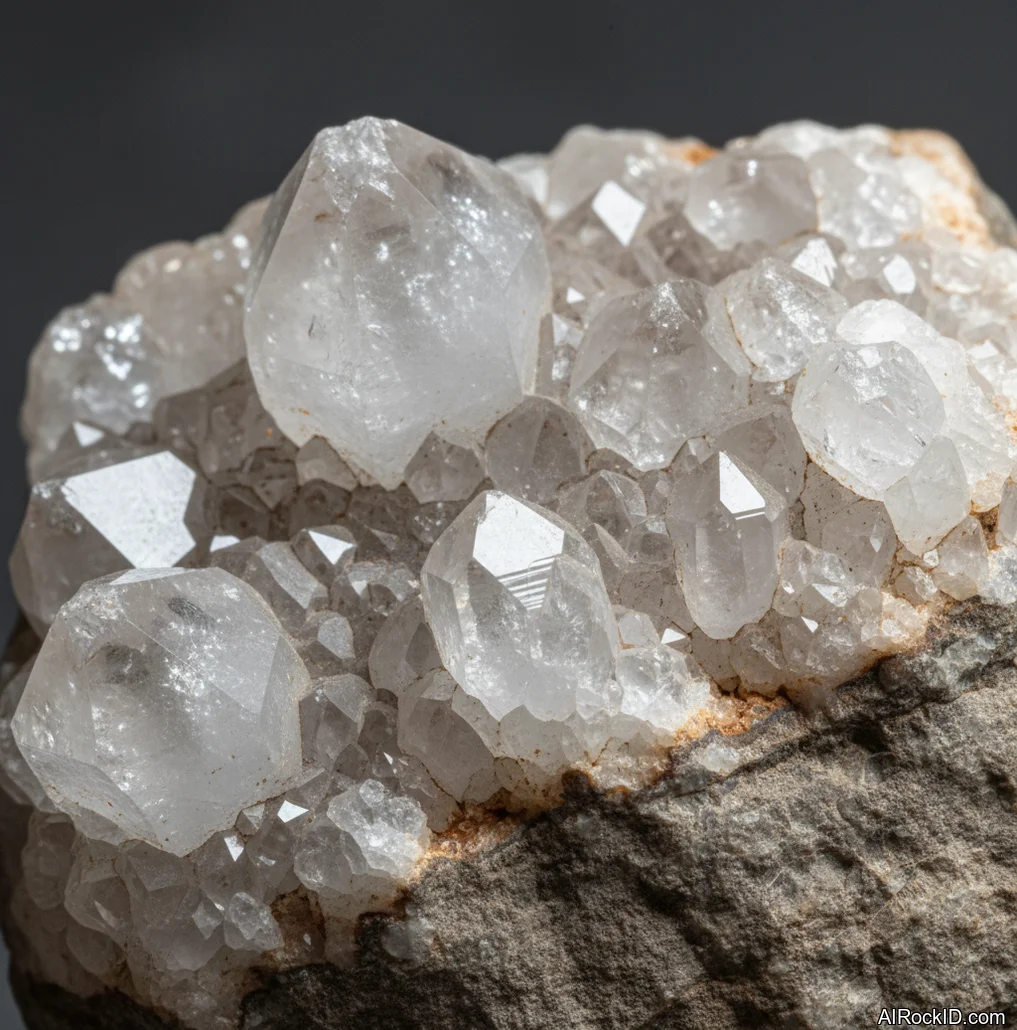
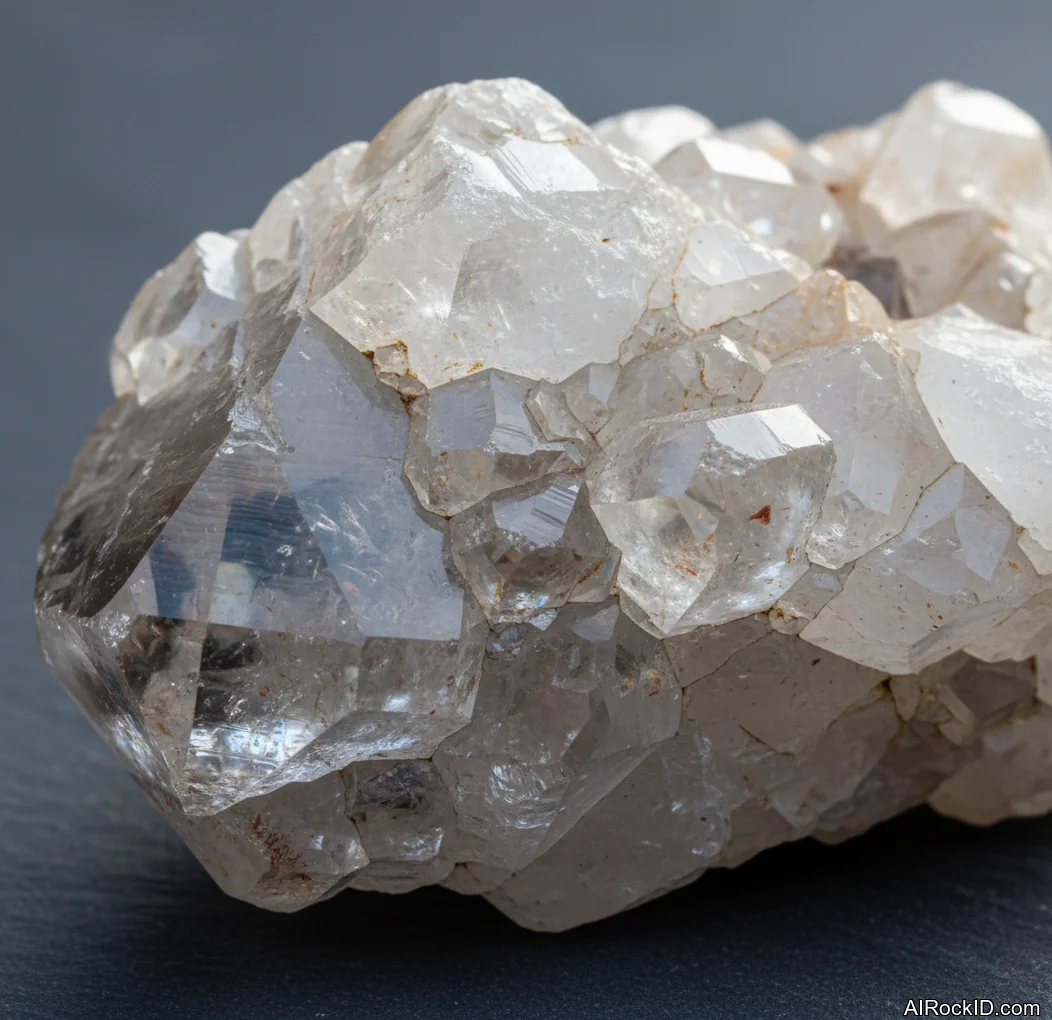
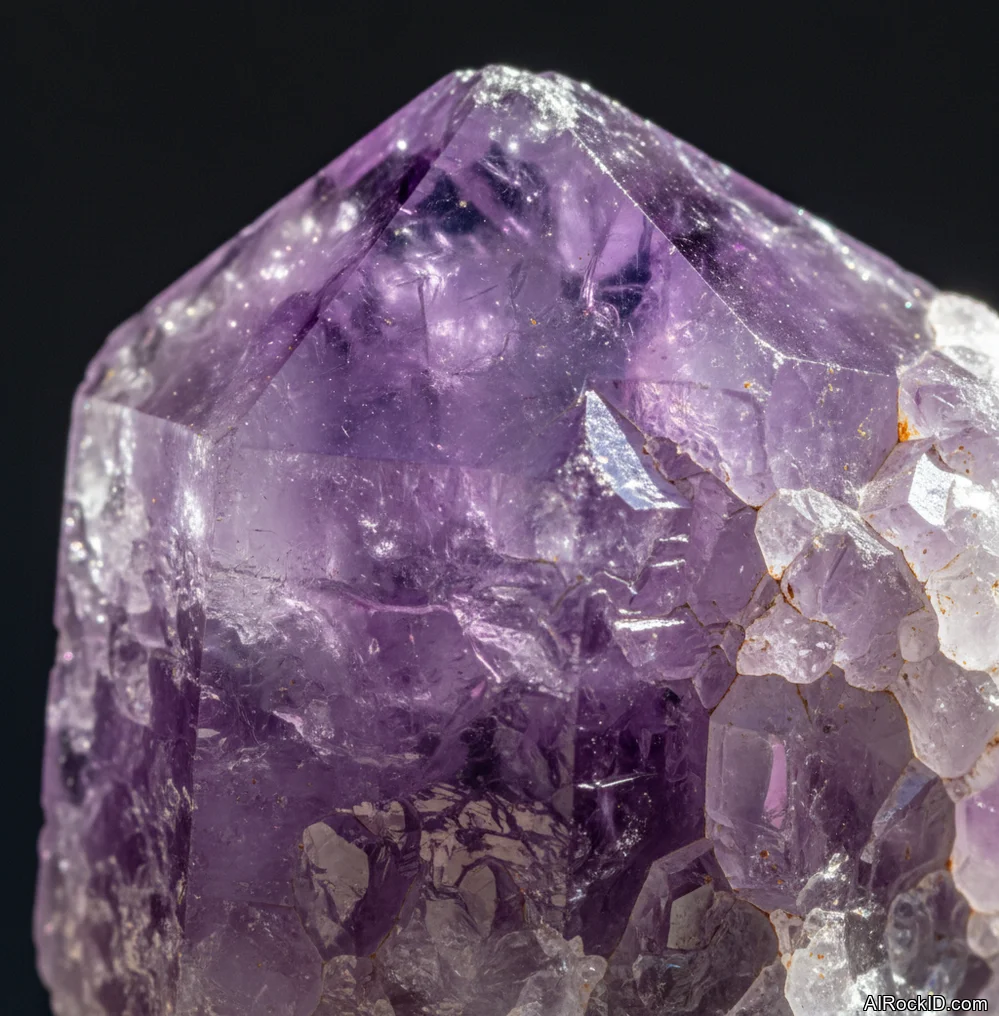
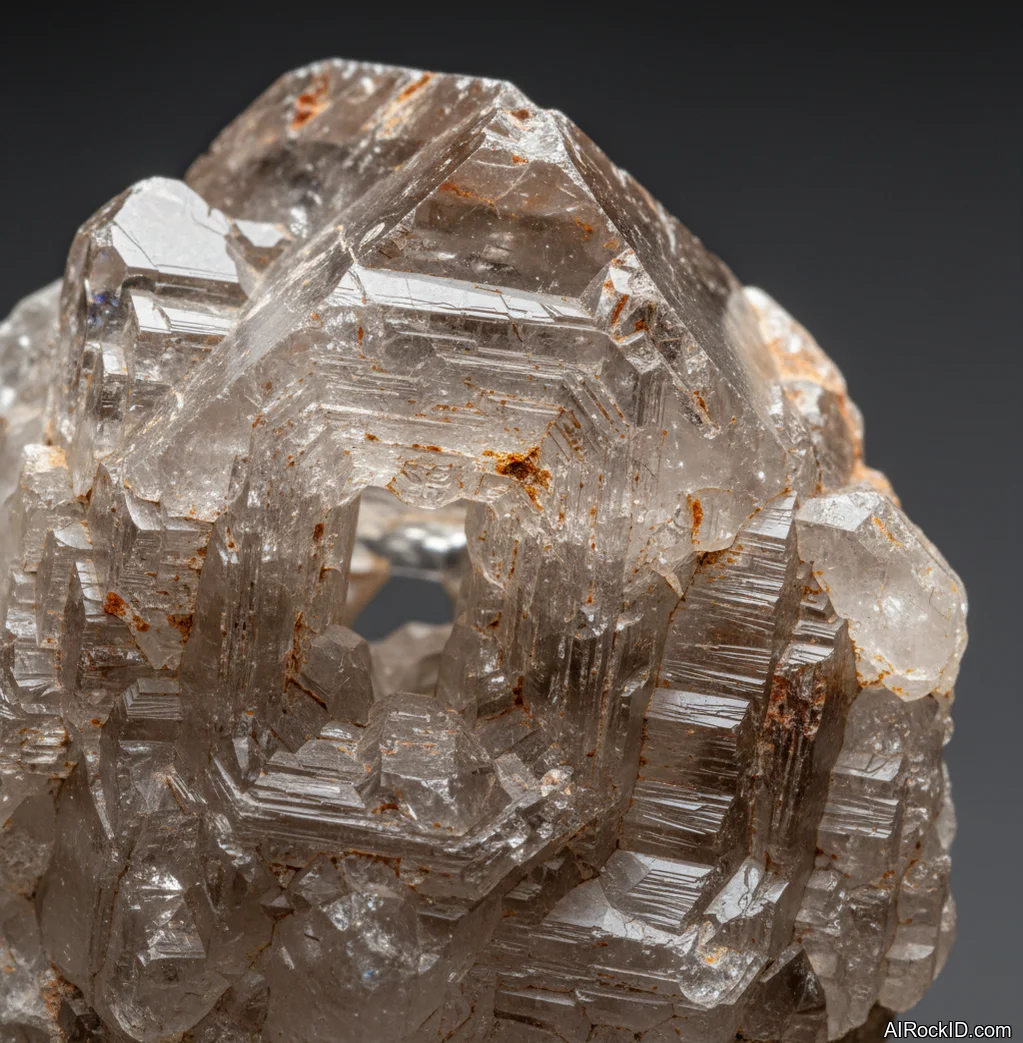
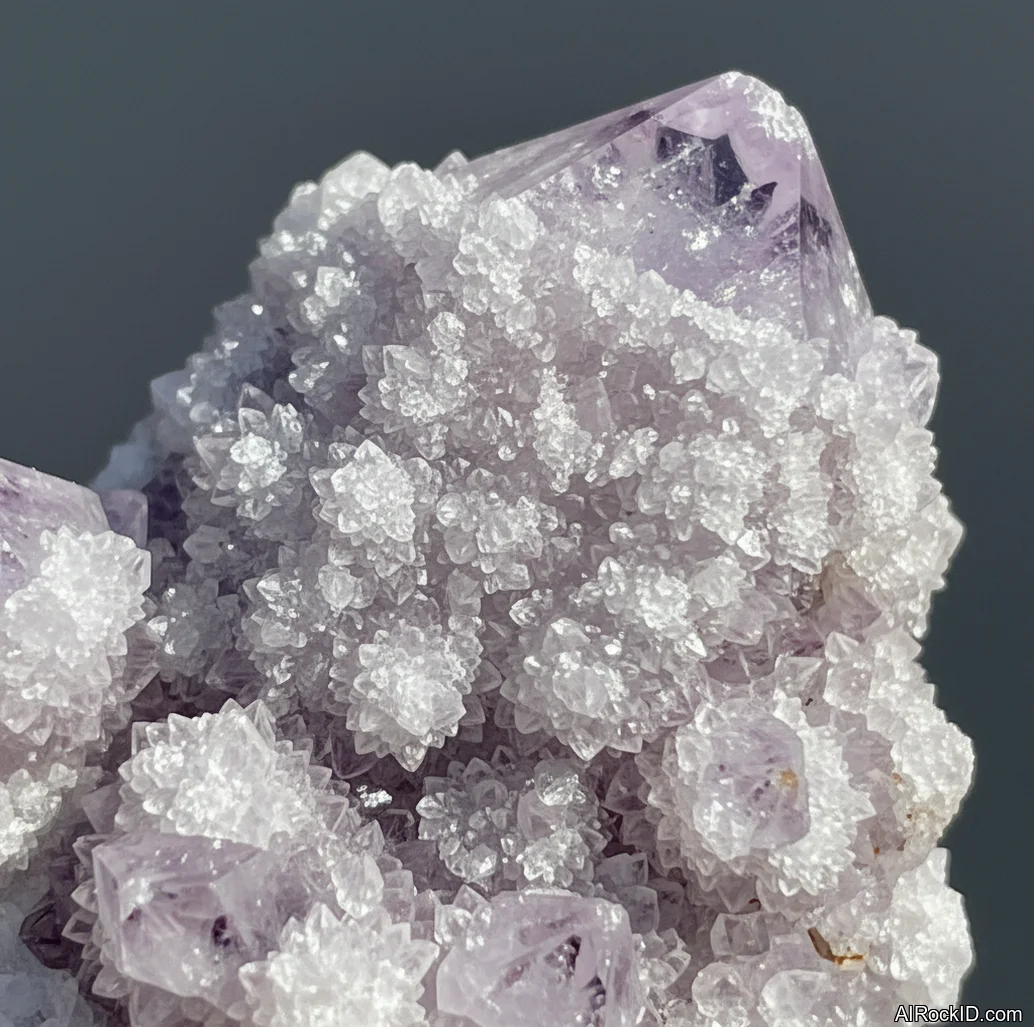
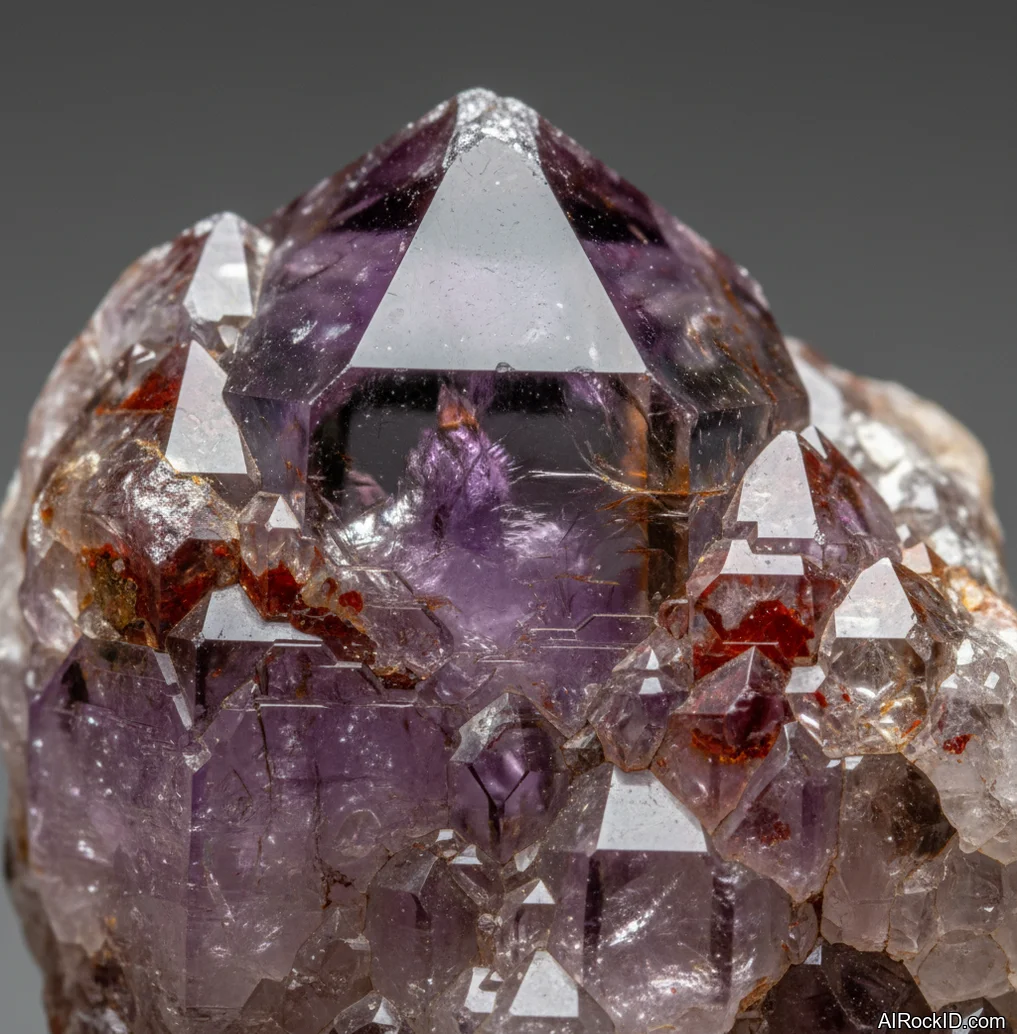
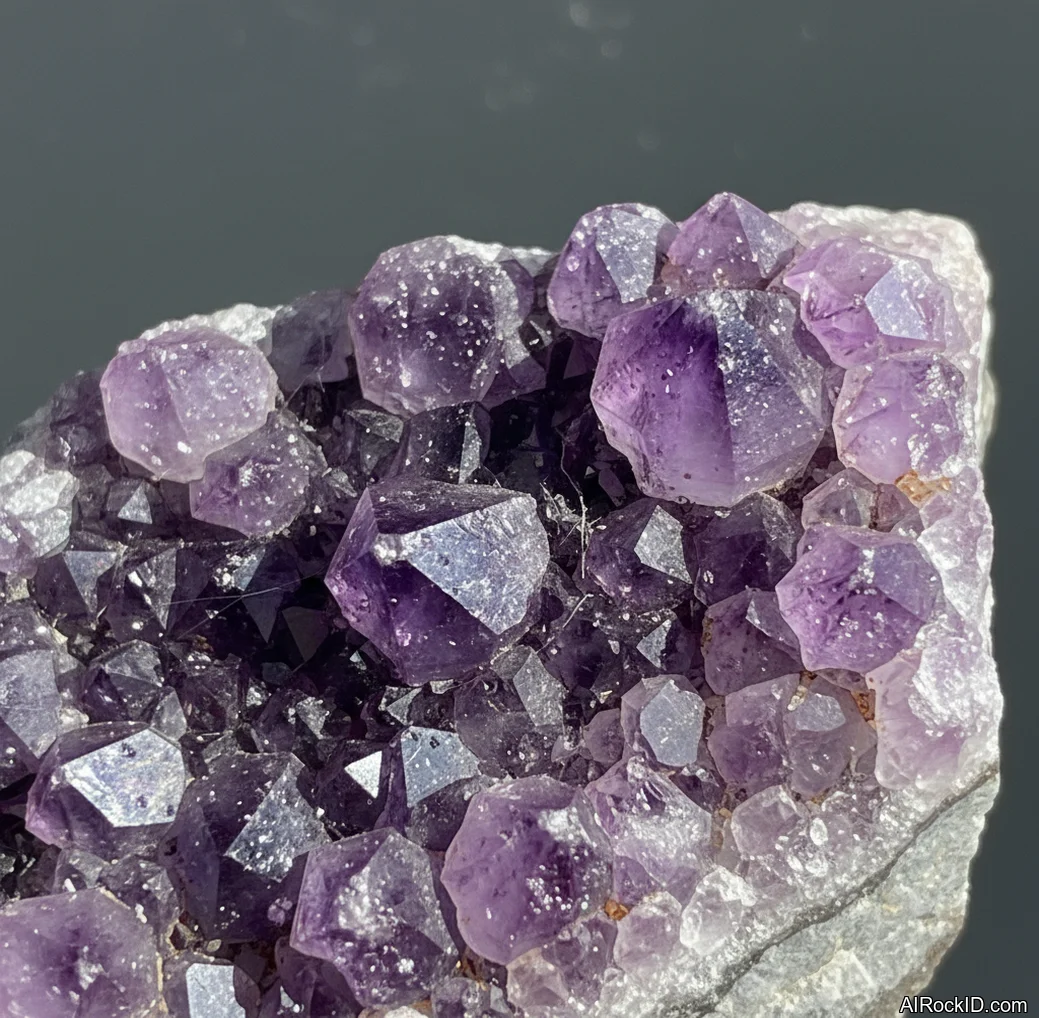
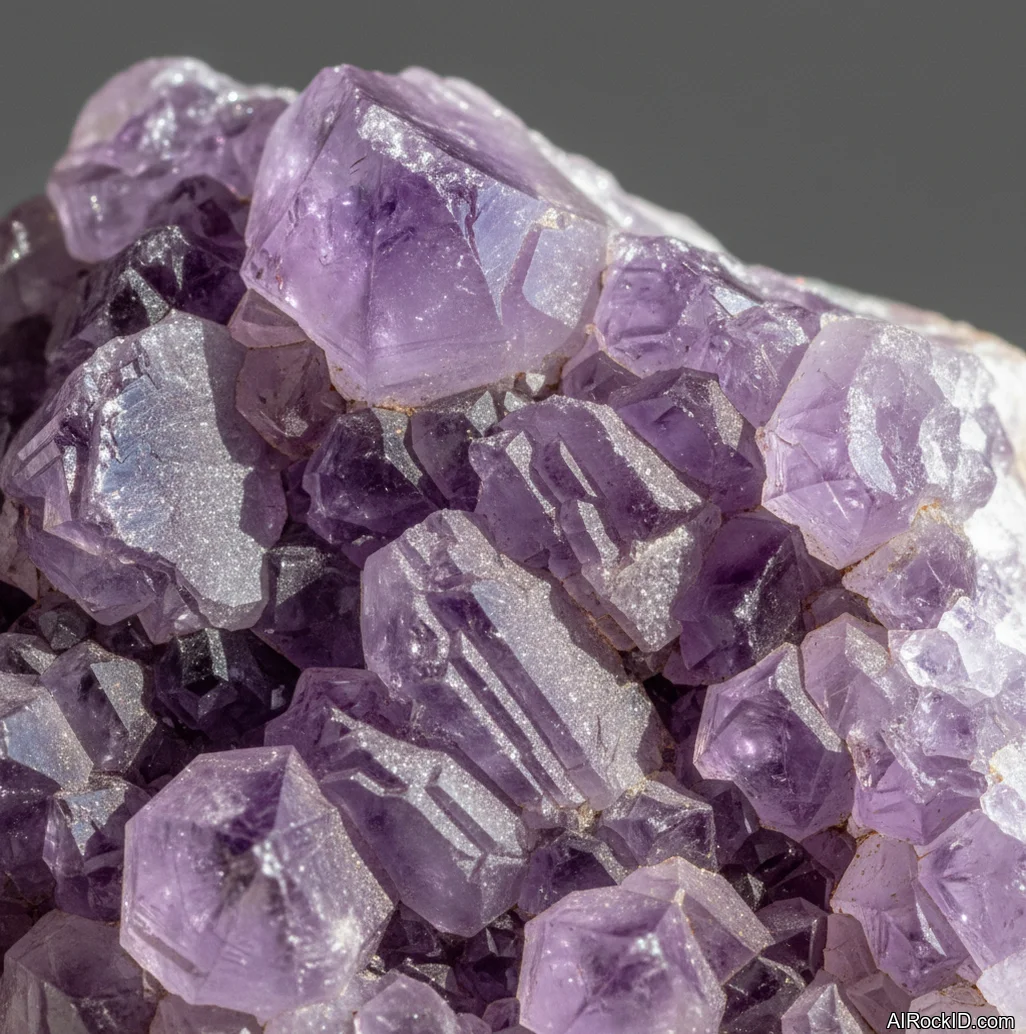
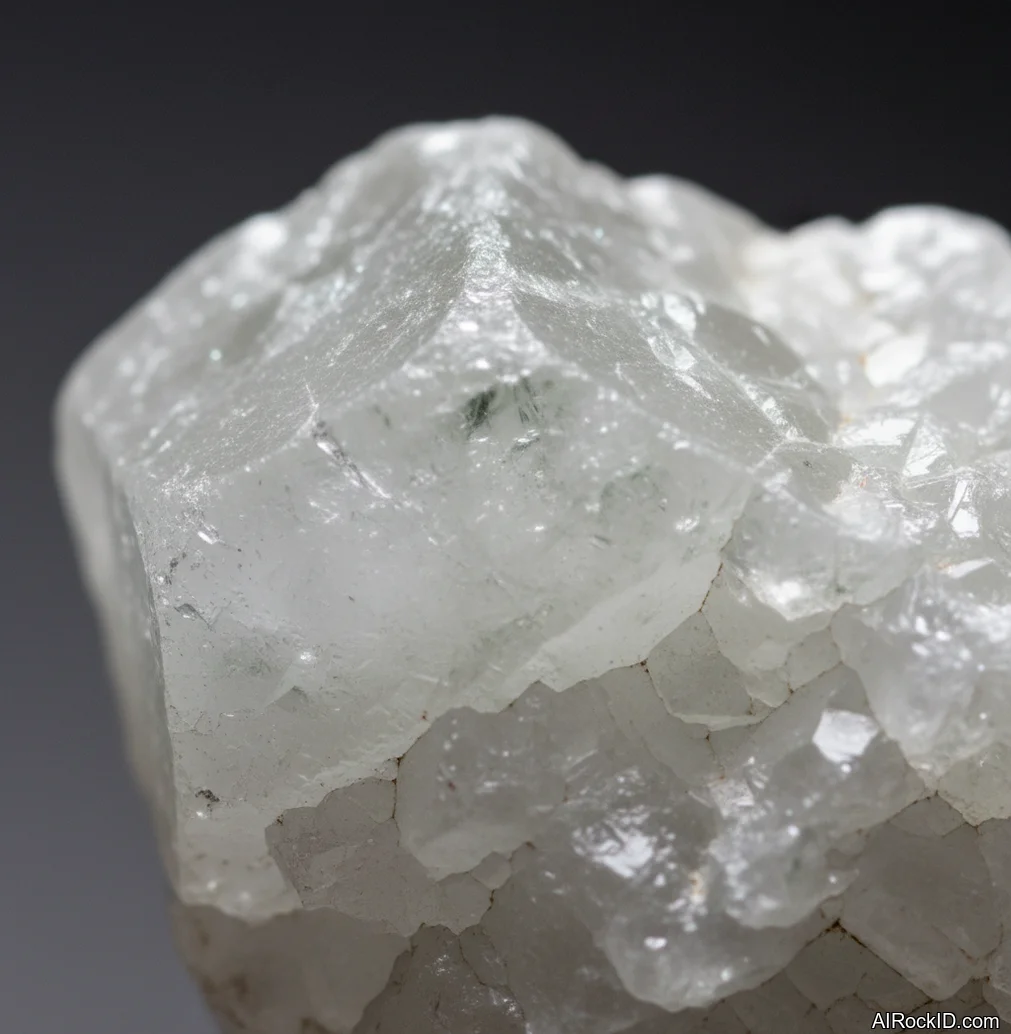
At first glance, it seems weird that Quartz ends up in the Air bucket so often because it’s common and it’s tough. Thing is, the way it transmits light, the way it grows as points, and how it works with intention and direction is why it’s everywhere. Look closely at a natural Clear Quartz point and you’ll see growth lines and maybe a little chlorite phantom or a rainbow fracture. Those internal features matter if you’re using it as a “clarity” stone. Dead-clear, glassy points exist, but most real pieces have some life inside.
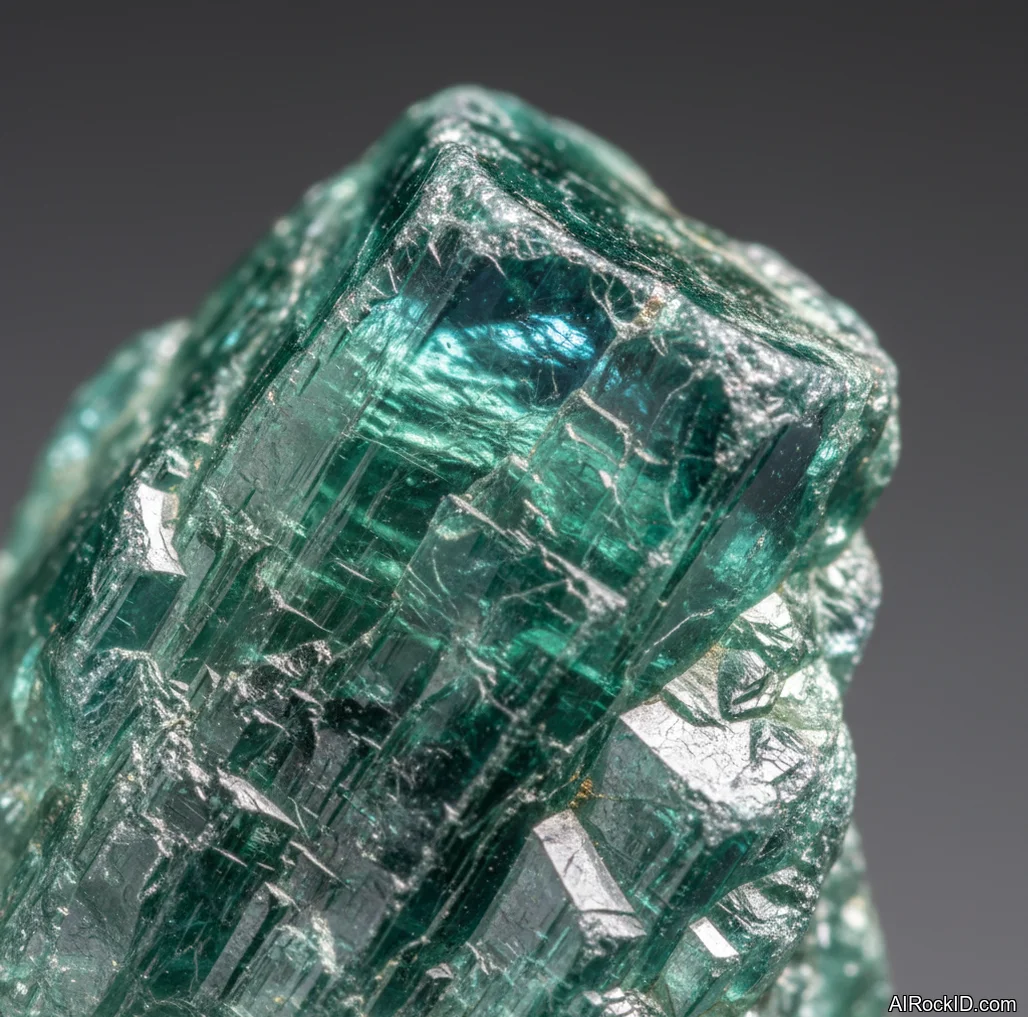
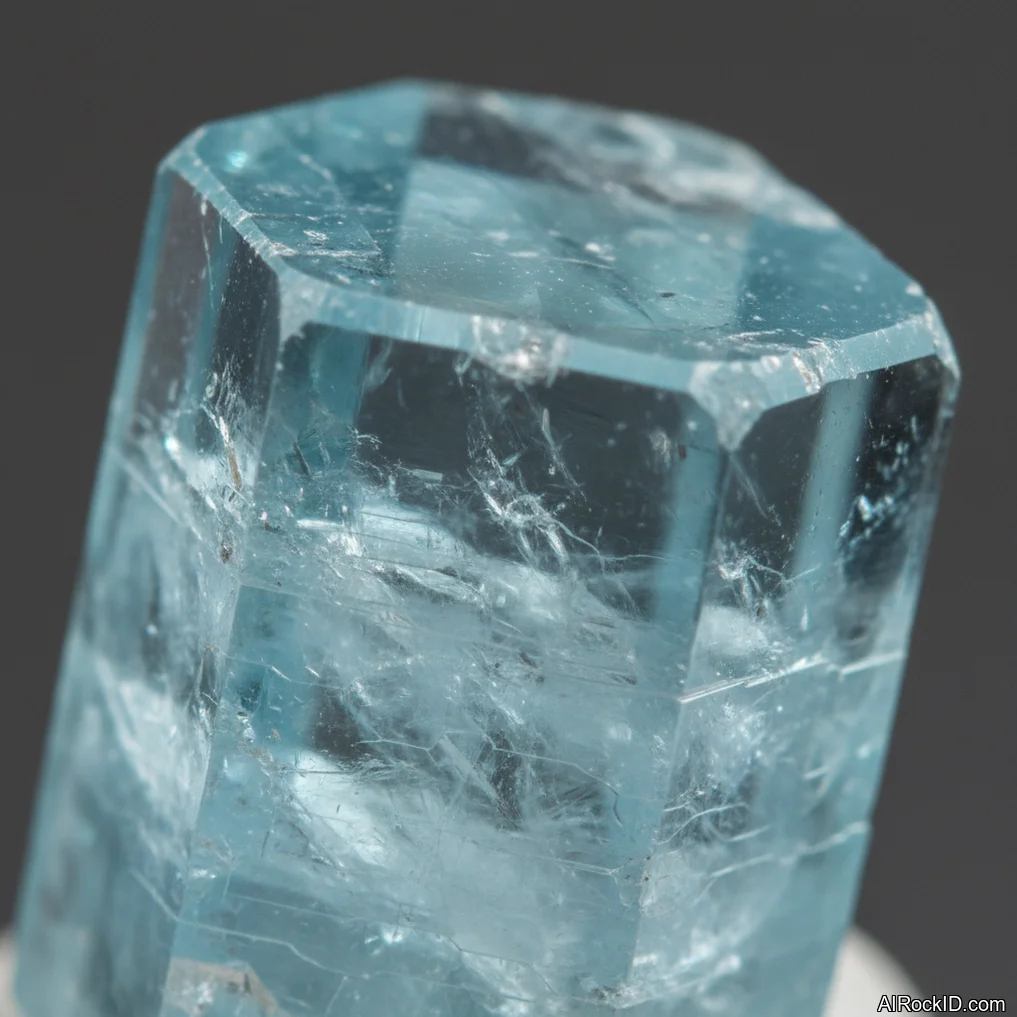
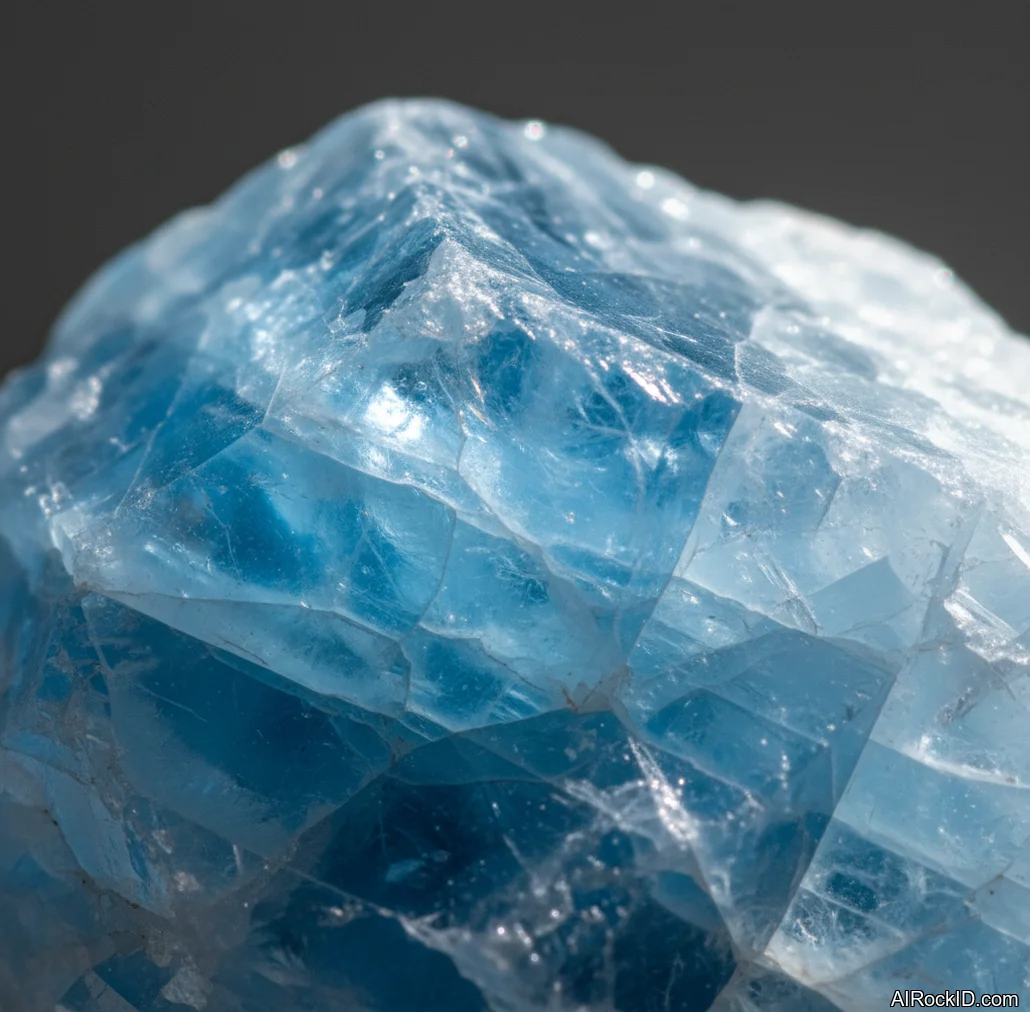
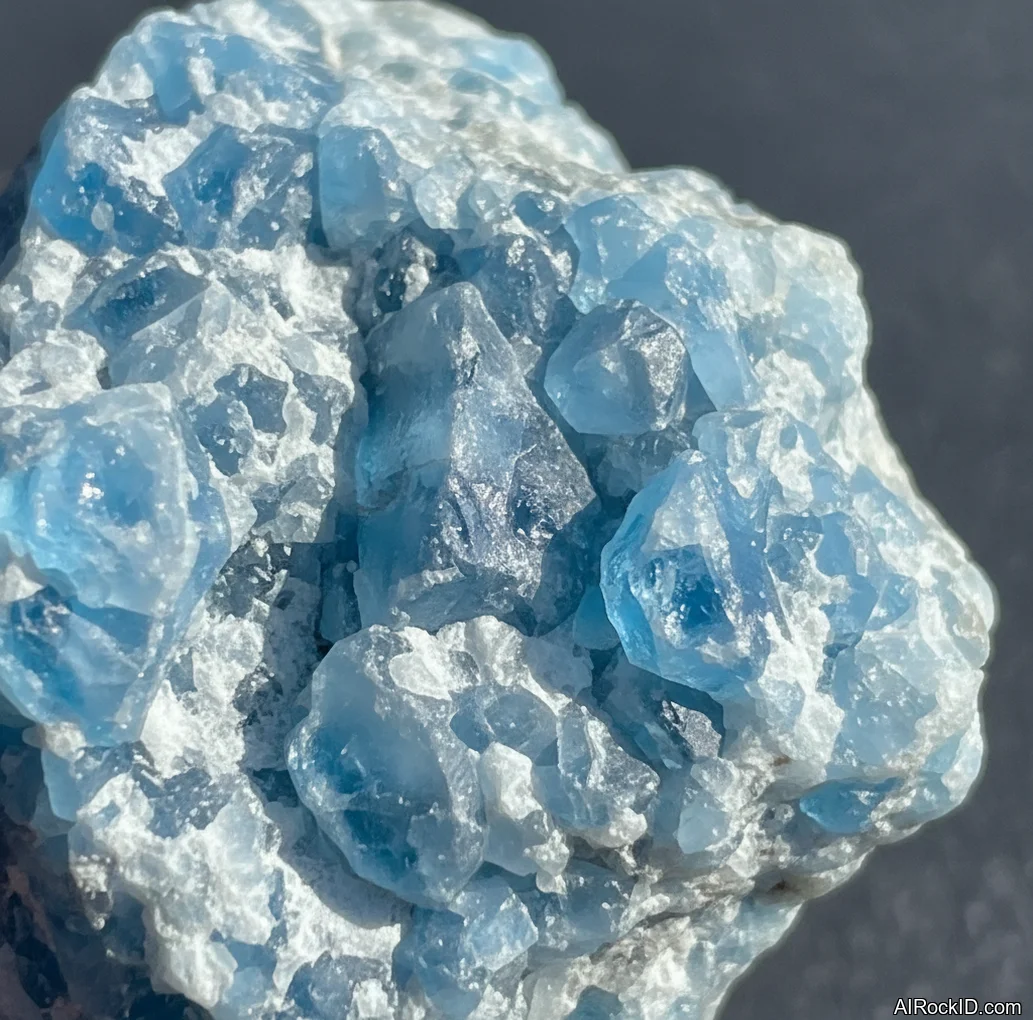
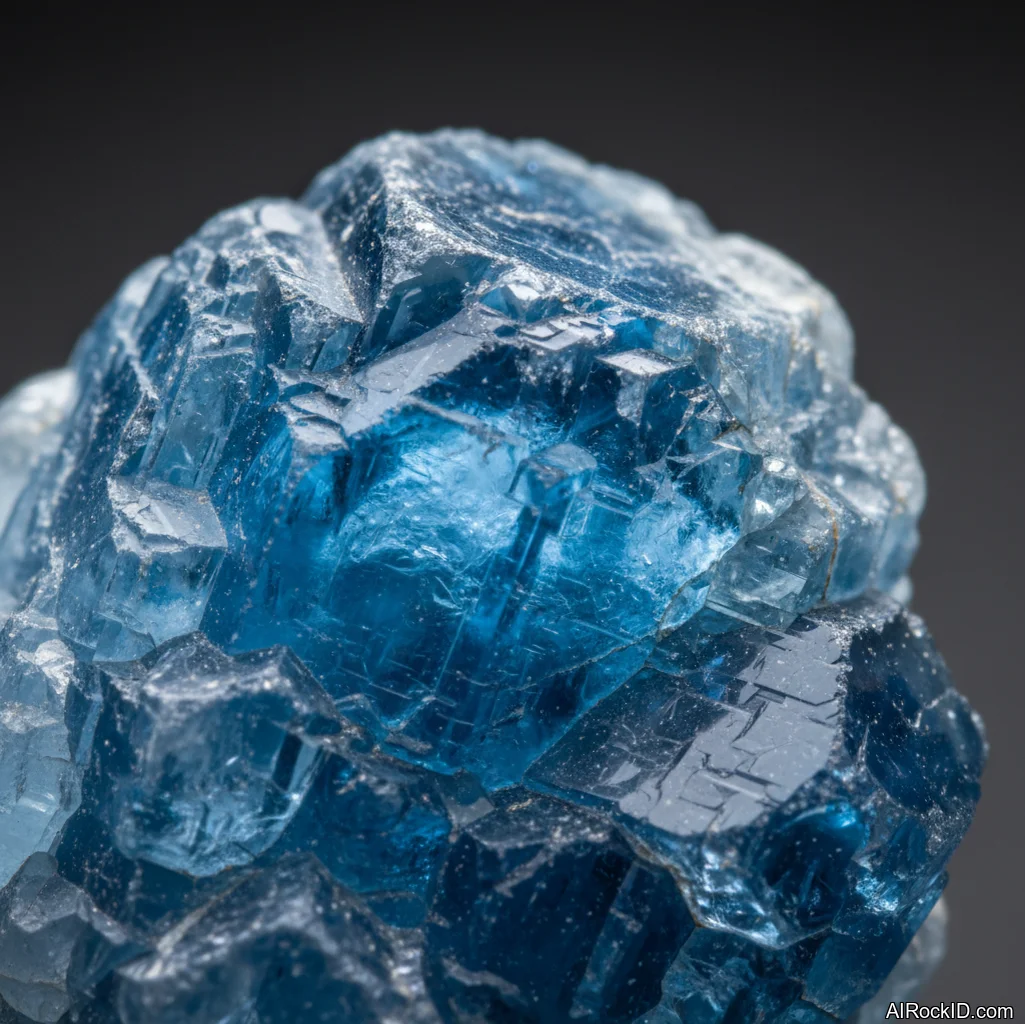
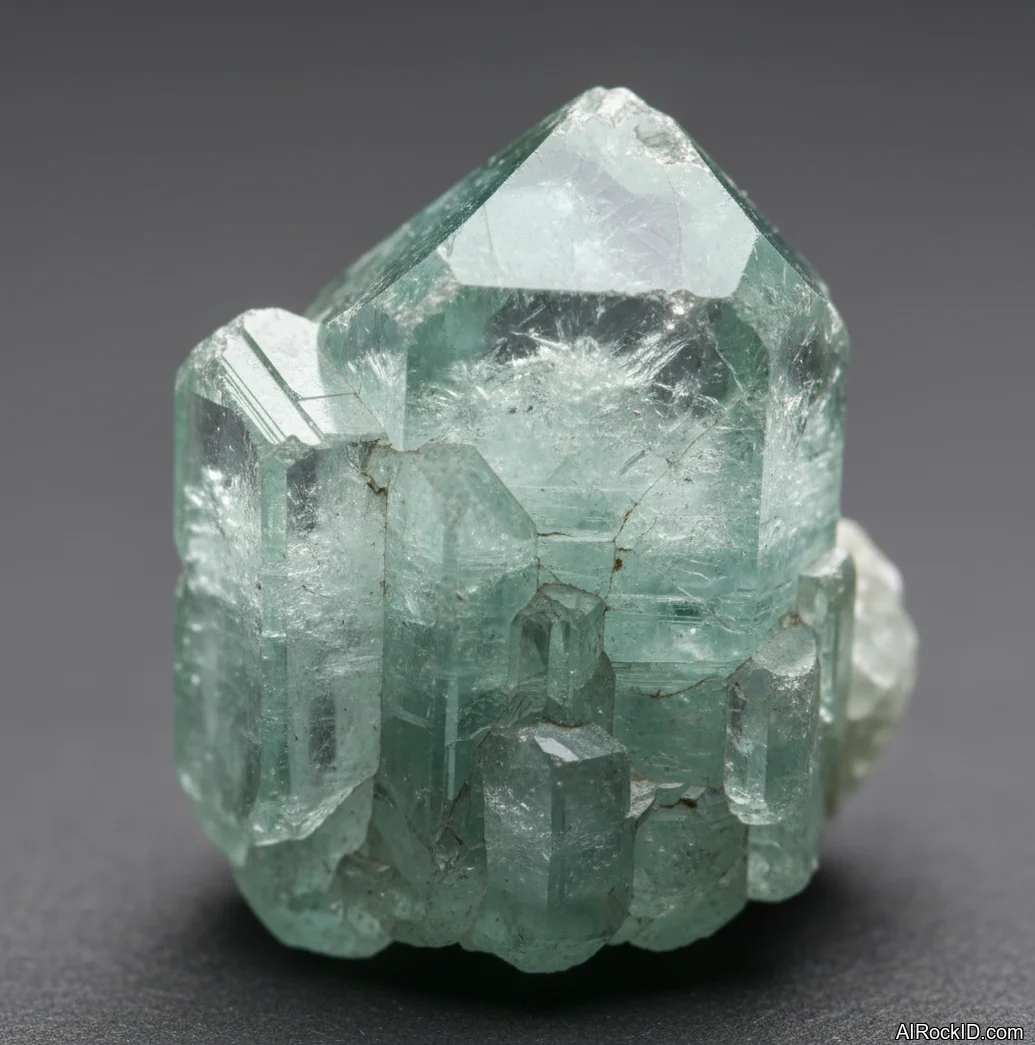
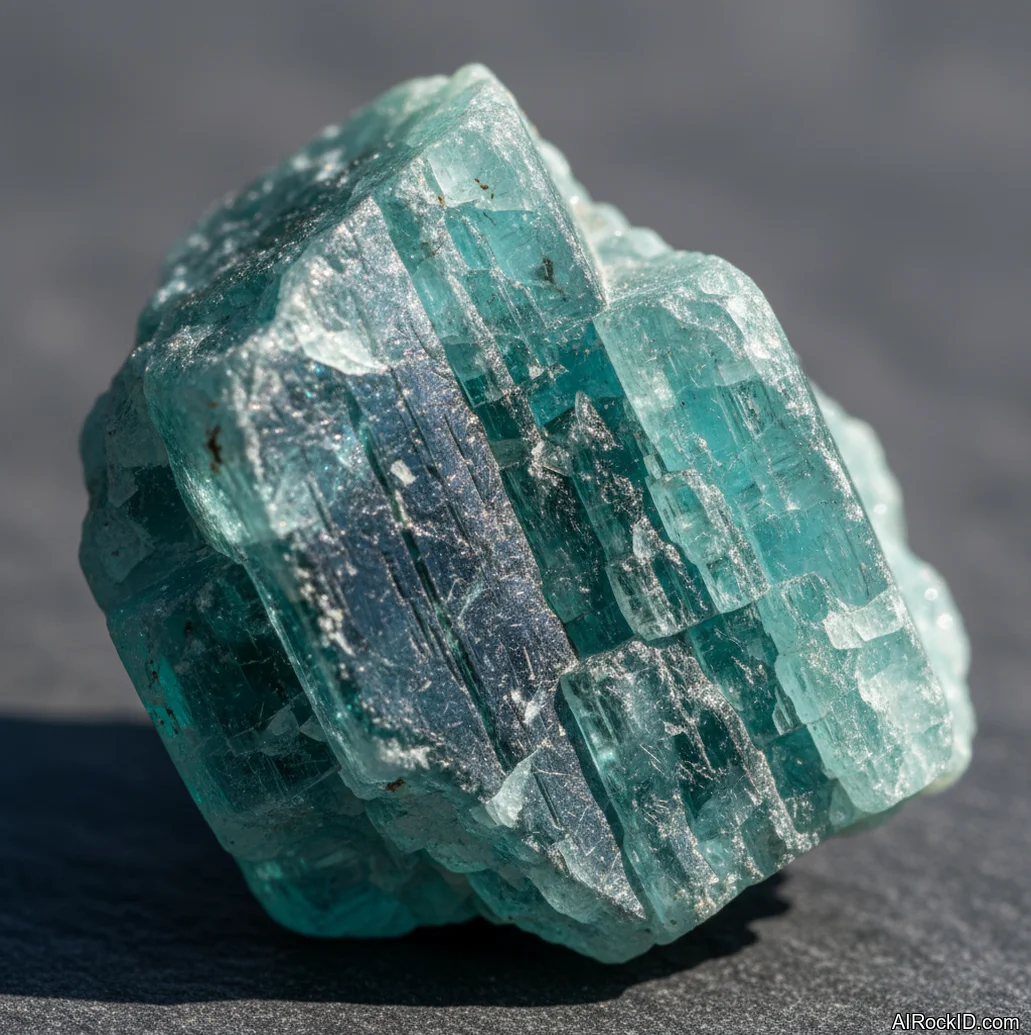
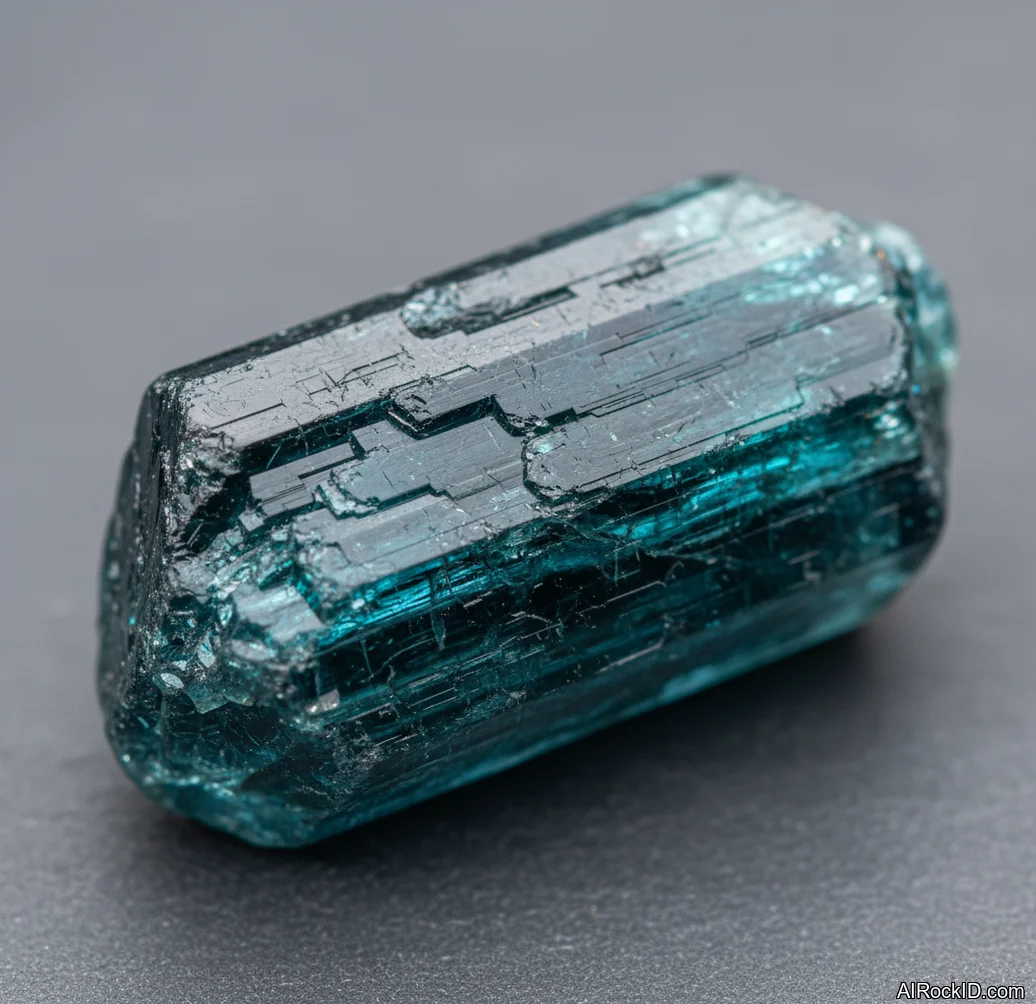
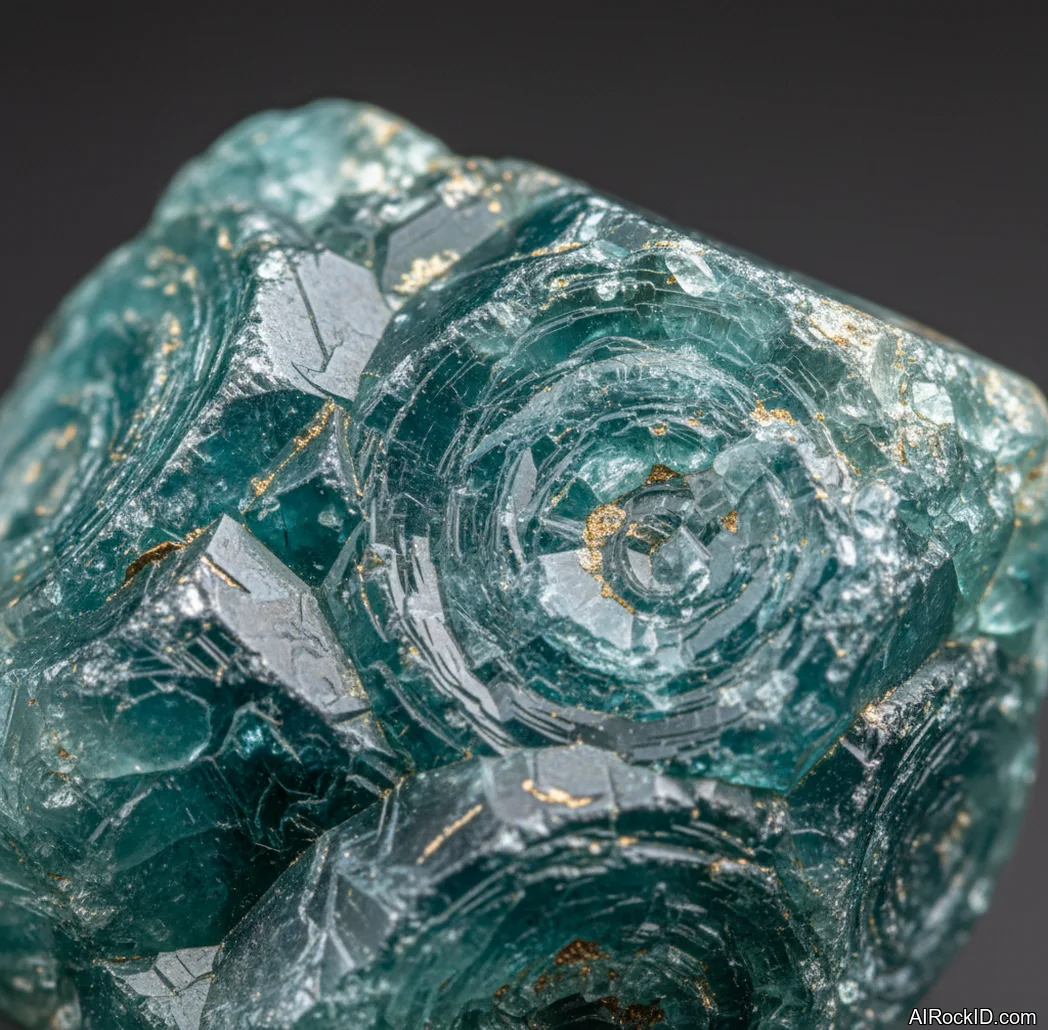
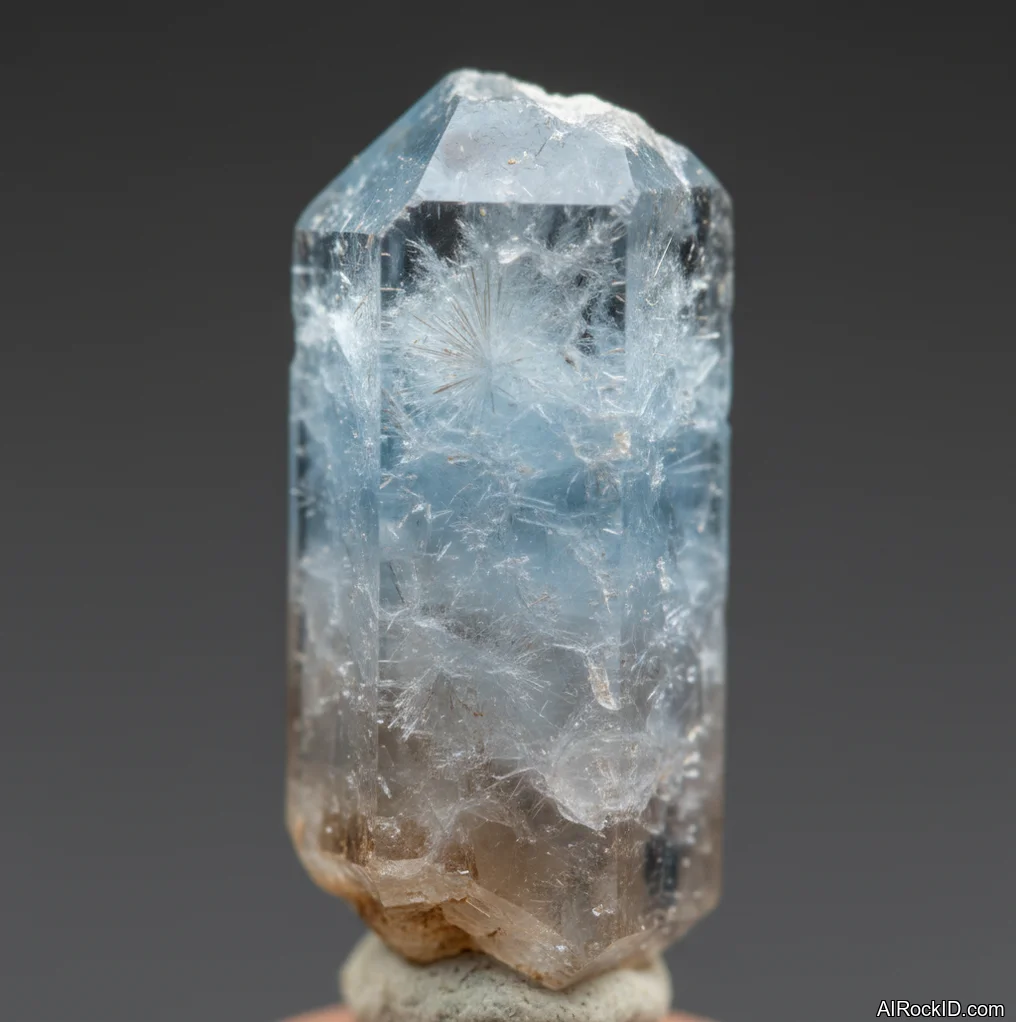
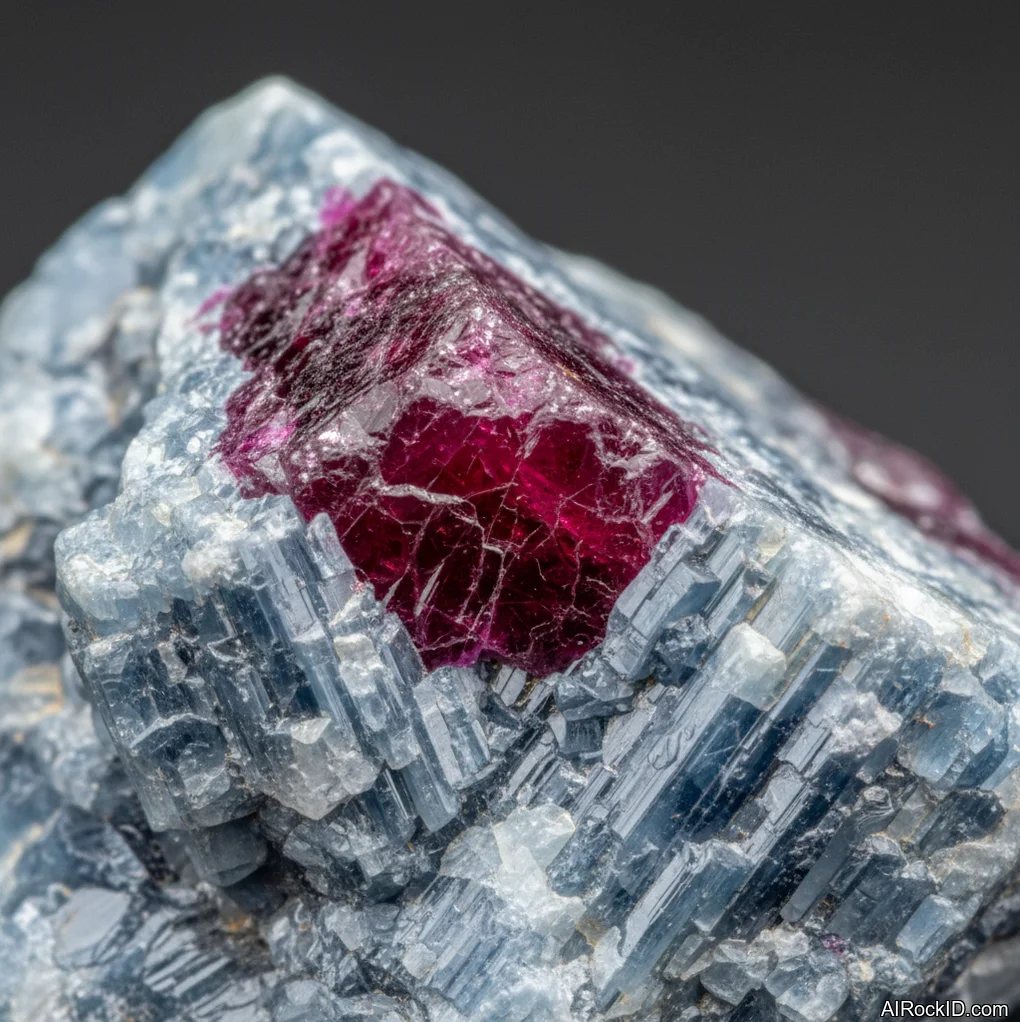
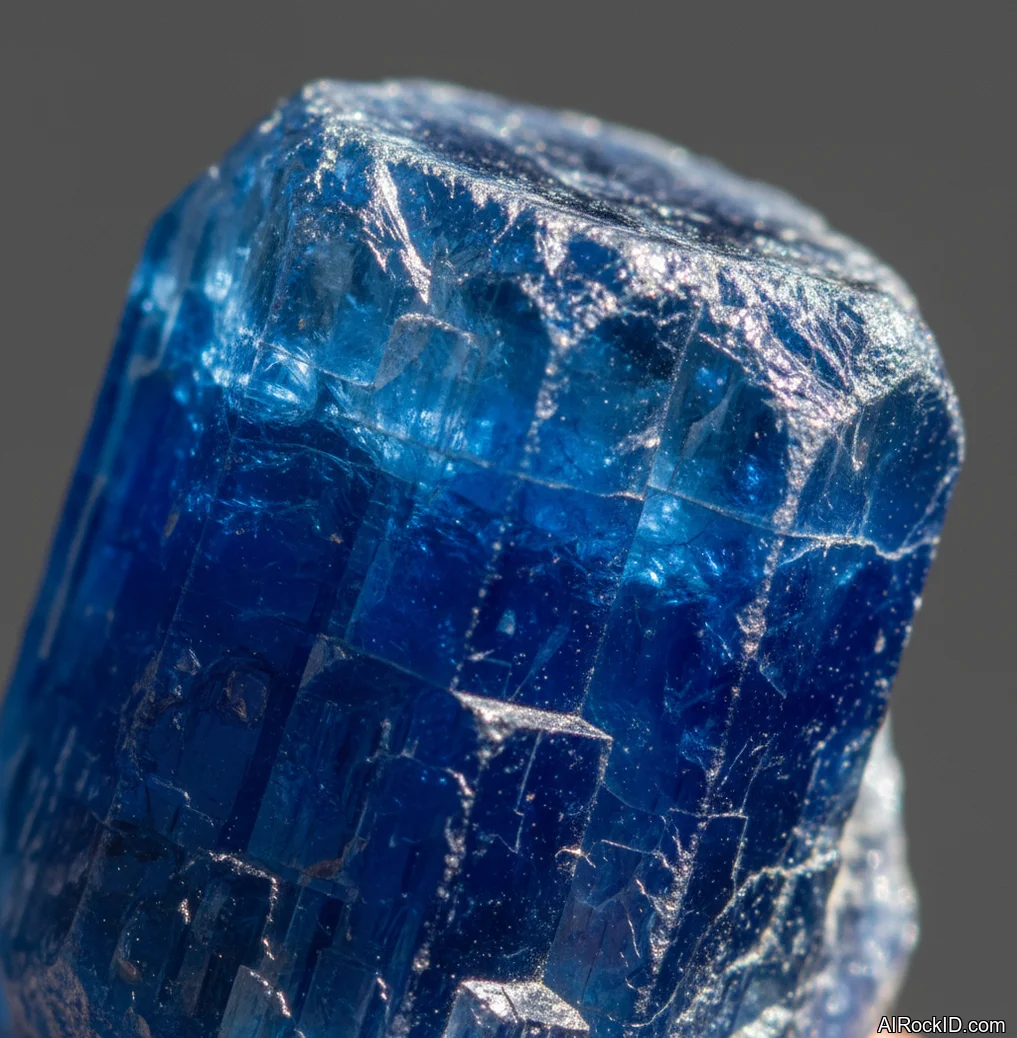
If you want Air energy that feels gentler and more emotional, reach for Aquamarine. Good Aquamarine has that seawater blue-green and a glassy luster, but it’s not always transparent. Lots of rough is frosty and comes in hexagonal chunks with lengthwise striations. Spinel and Topaz get mislabeled as Aquamarine sometimes, so check the habit. Aquamarine usually shows beryl’s classic prism shape, and it doesn’t feel as heavy as people expect.
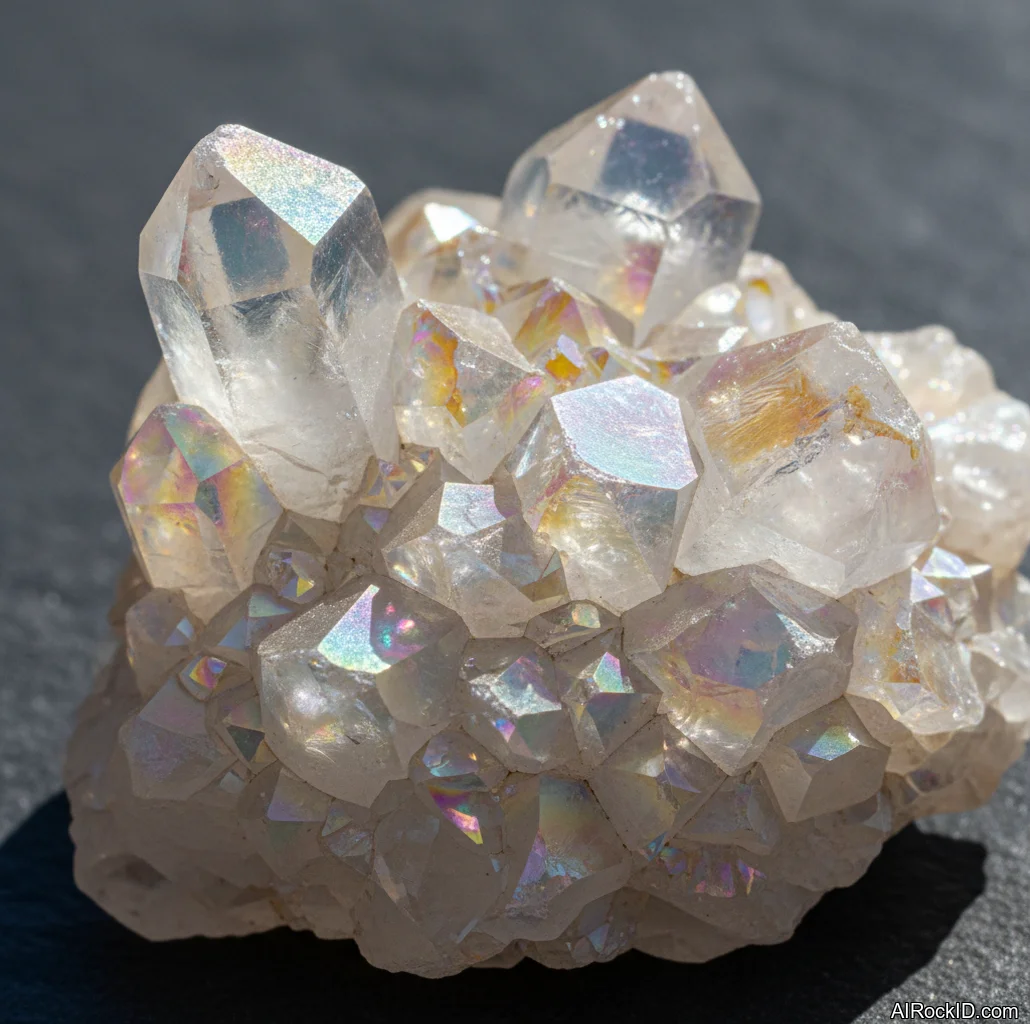
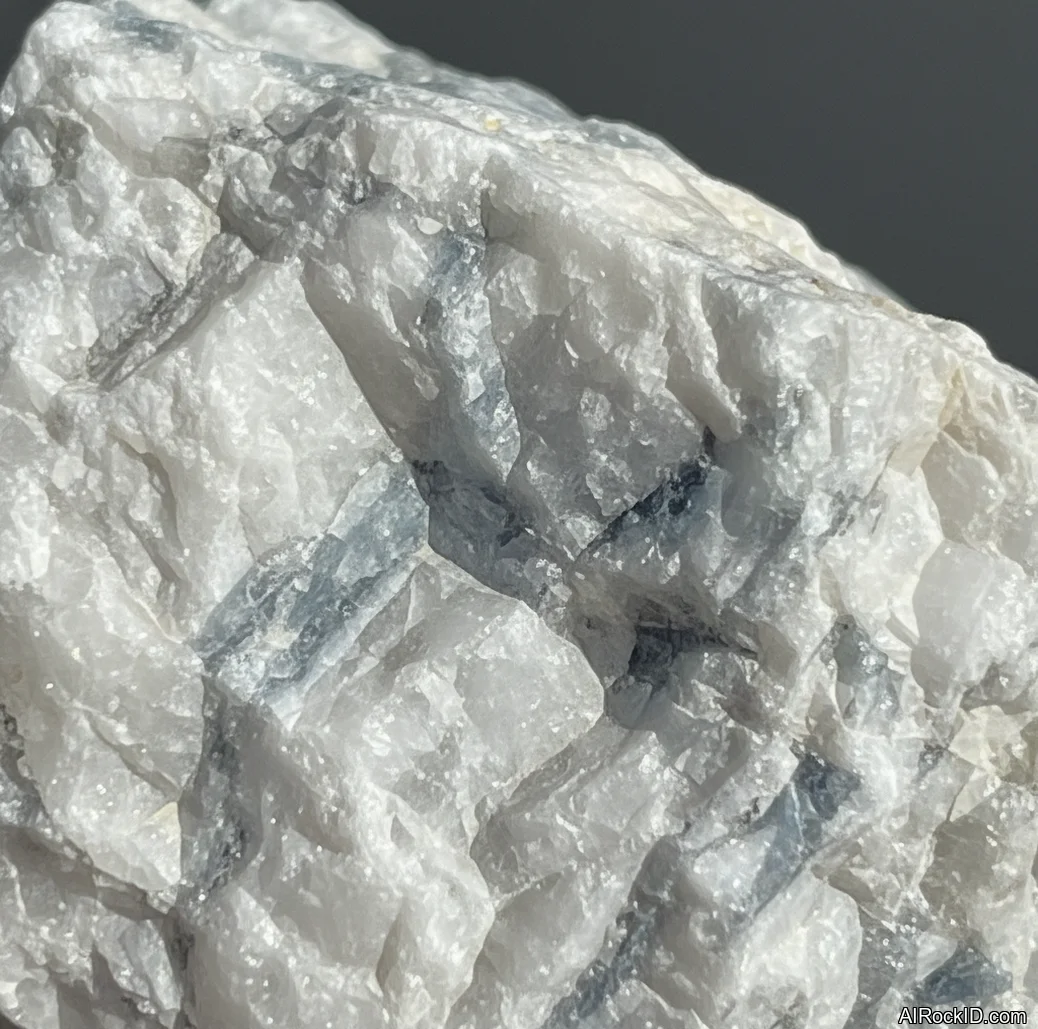
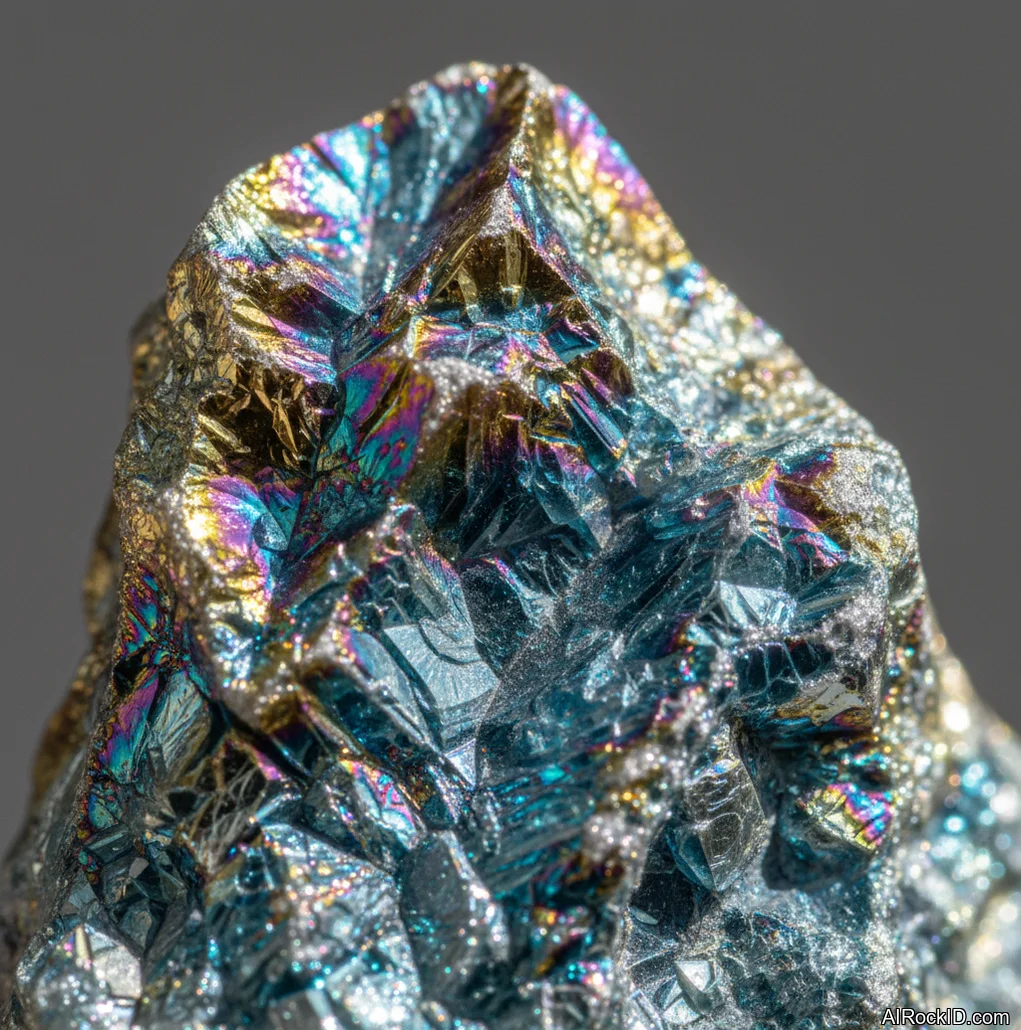
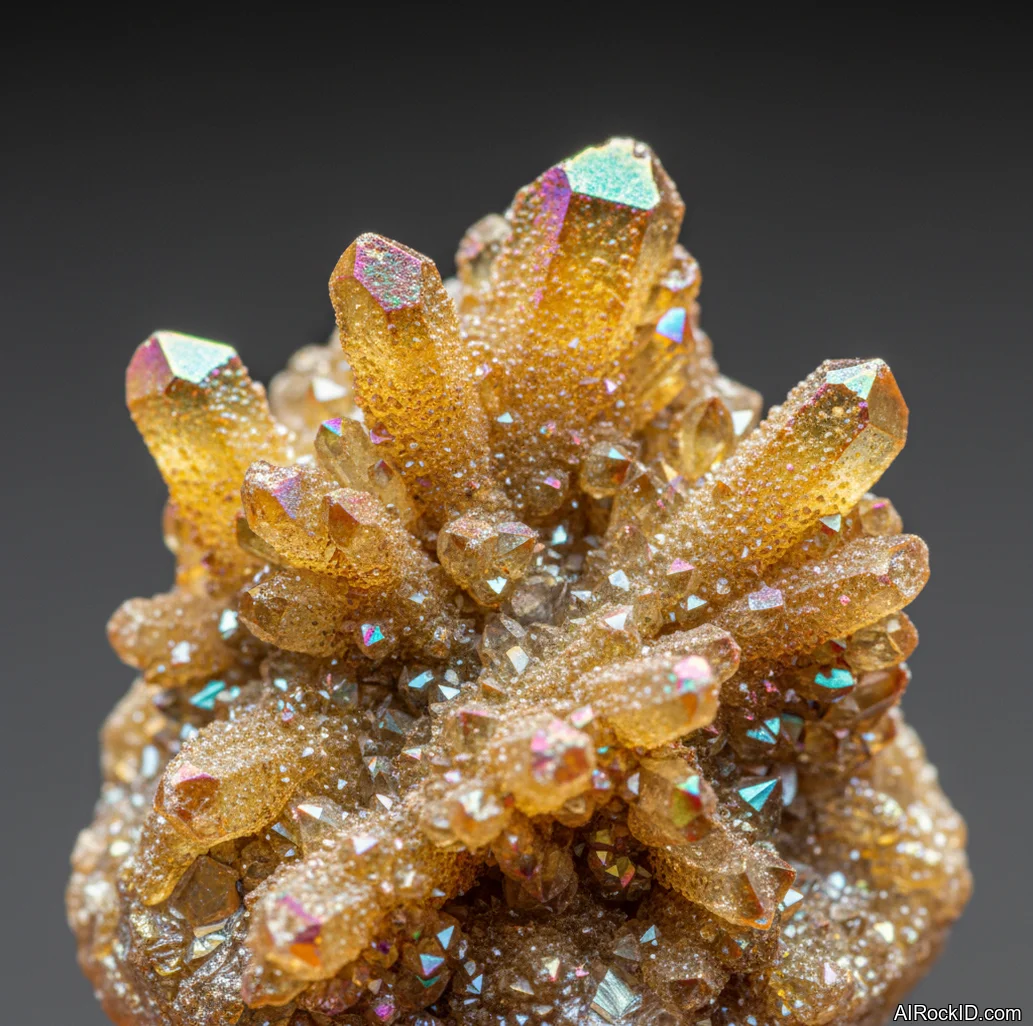
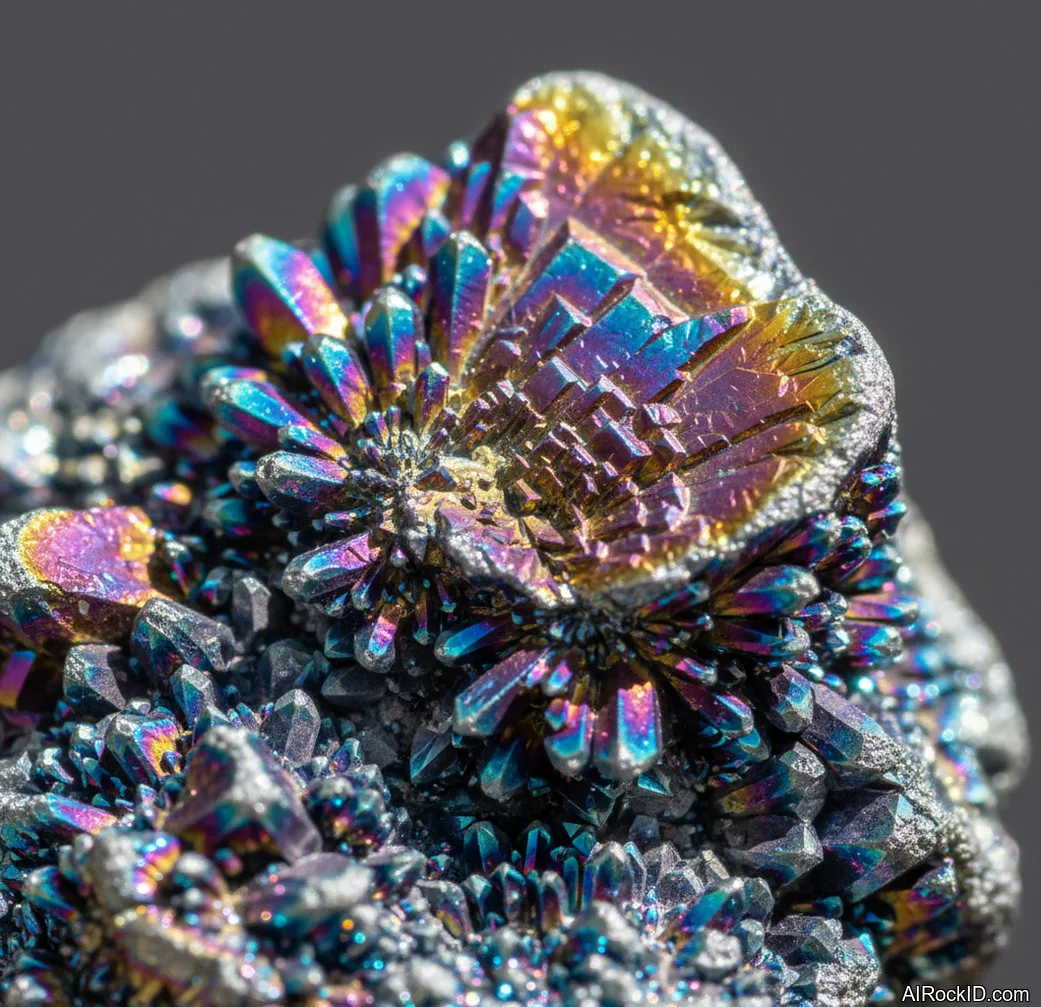
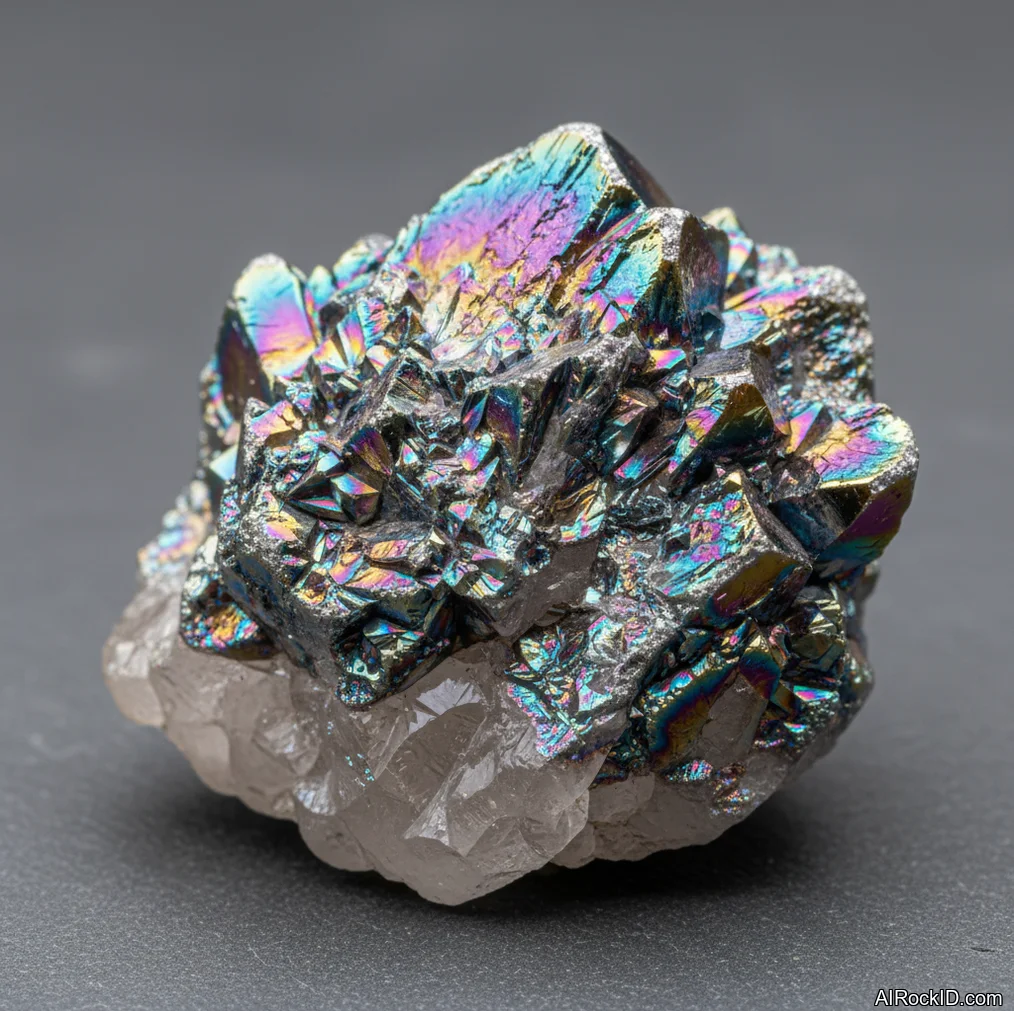
Buying Air crystals is where things get messy. The market loves pale blue and clear stones, which means fakes and treatments are common. “Aqua Aura Quartz” is real Quartz with a vapor-deposited metal coating. It’s pretty, but it’s not natural, and the surface can look like an oily rainbow that sits on top of the crystal instead of coming from inside it. Dyed Howlite is another one. It’s often sold as “Turquenite” with bright, even blue that pools in the pits. Real blue stones like Blue Lace Agate or Angelite have softer, uneven tones and don’t bleed dye onto a damp cloth.
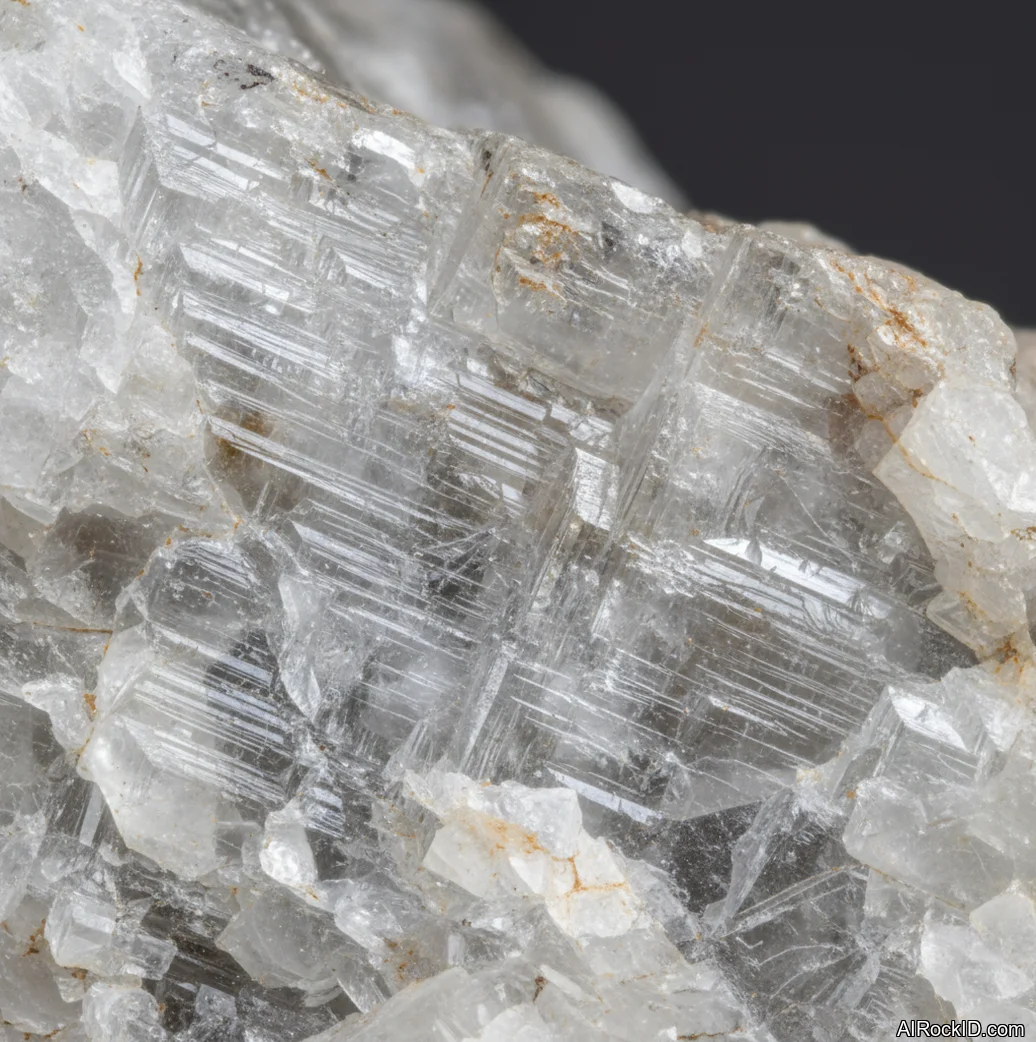
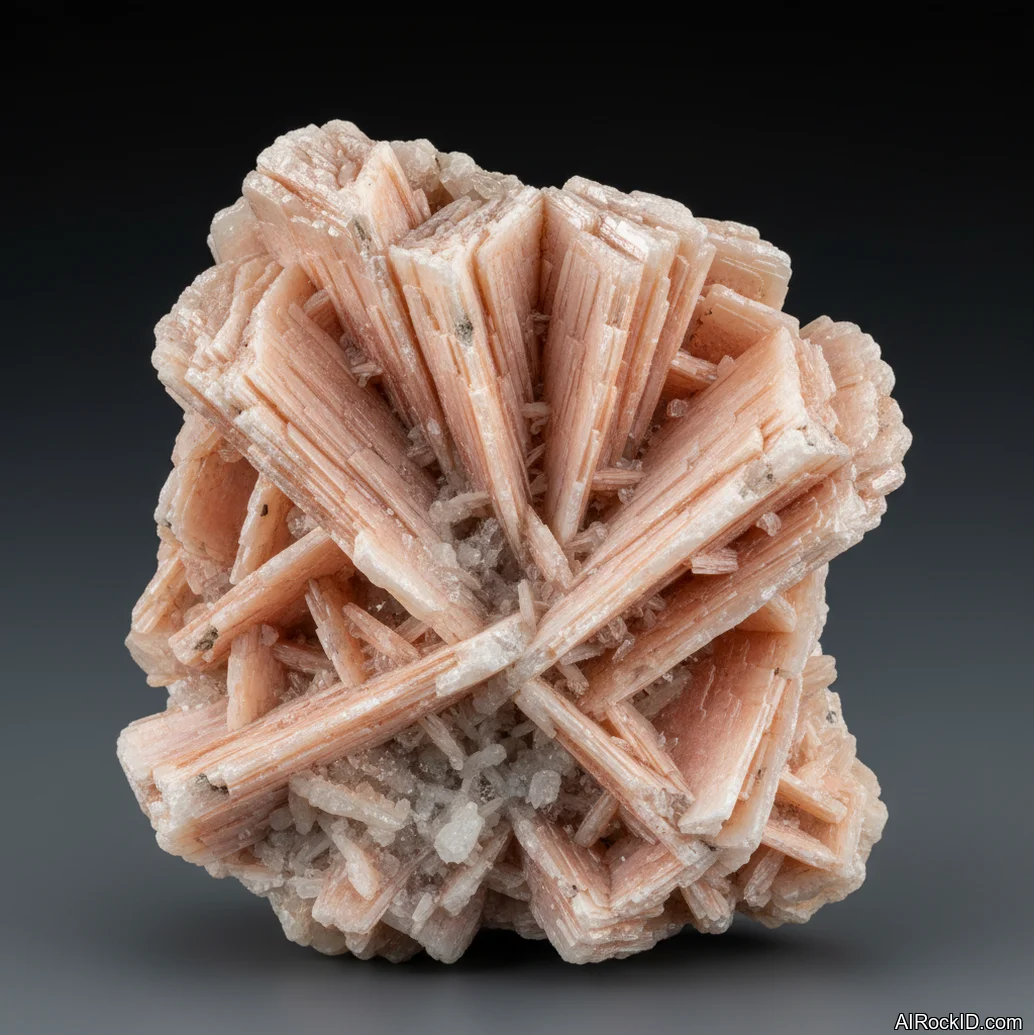
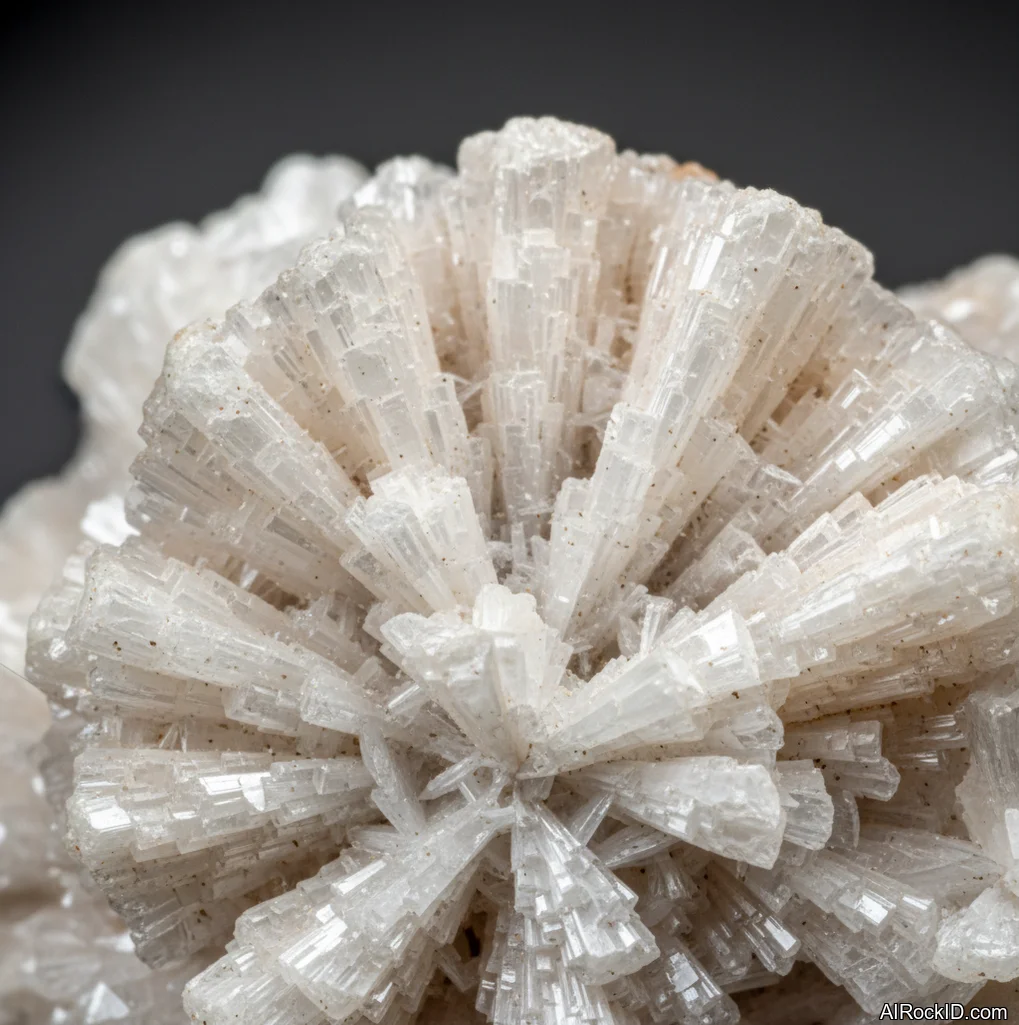
Most dealers will polish Air stones because it sells, but raw pieces can be more telling. With Celestite, raw clusters show the natural blade structure and the tiny chips along the edges from packing and shipping. With Selenite, raw satin spar has a cat’s-eye sheen that slides when you tilt it under a lamp. Those physical cues are hard to fake, and they help you avoid resin casts and glass.
So here’s the practical tip: match the Air crystal to the job. For study and focus, Fluorite or Clear Quartz points work well on a desk, but keep Fluorite away from places it can get knocked. For speaking and steady communication, Blue Lace Agate and Aquamarine are reliable picks. For a “fresh air in the room” feel, a Celestite cluster placed up high does more than a tiny tumble in a jar. And if you’re sensitive to dust or you live in a humid place, skip fragile gypsum pieces in open bowls. Air crystals look light, but they still need real-world care.
Air is the element that changes fastest. That’s the upside and the downside. You’ll feel the shift, but you also have to keep your setup simple, clean, and intentional, or it turns into clutter with pretty names.
All Air Crystals (131)