Shaman Stone
What Is Shaman Stone?
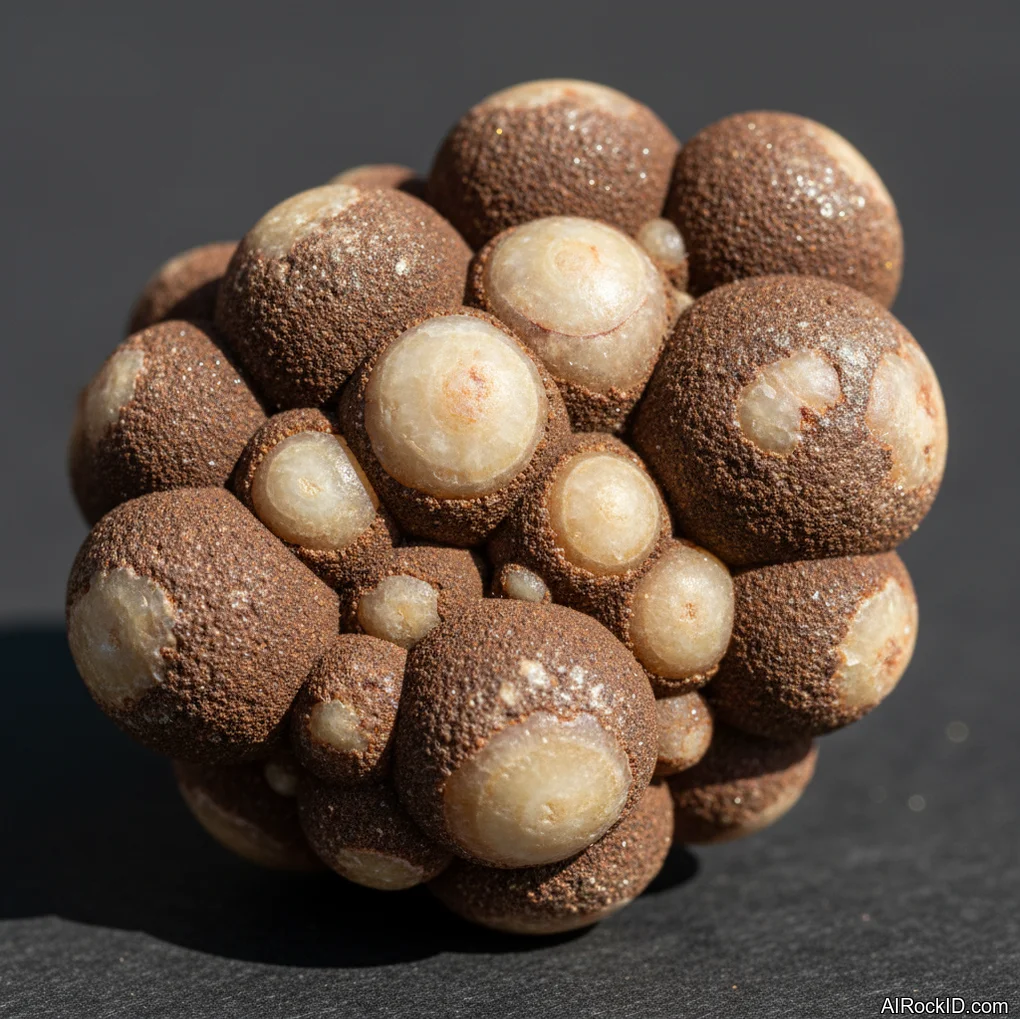
Shaman Stone is a rounded iron-oxide concretion, usually hematite and goethite cemented around a sandstone core, and the best-known specimens come out of southern Utah.
Grab two of them and the first thing that hits you is the heft. Seriously. For something that size, they feel oddly dense, like there’s a little chunk of metal hiding in there, and the skin of the stone is mostly smooth but you’ll run into tiny dimples and a few gritty spots that catch on your fingertips.
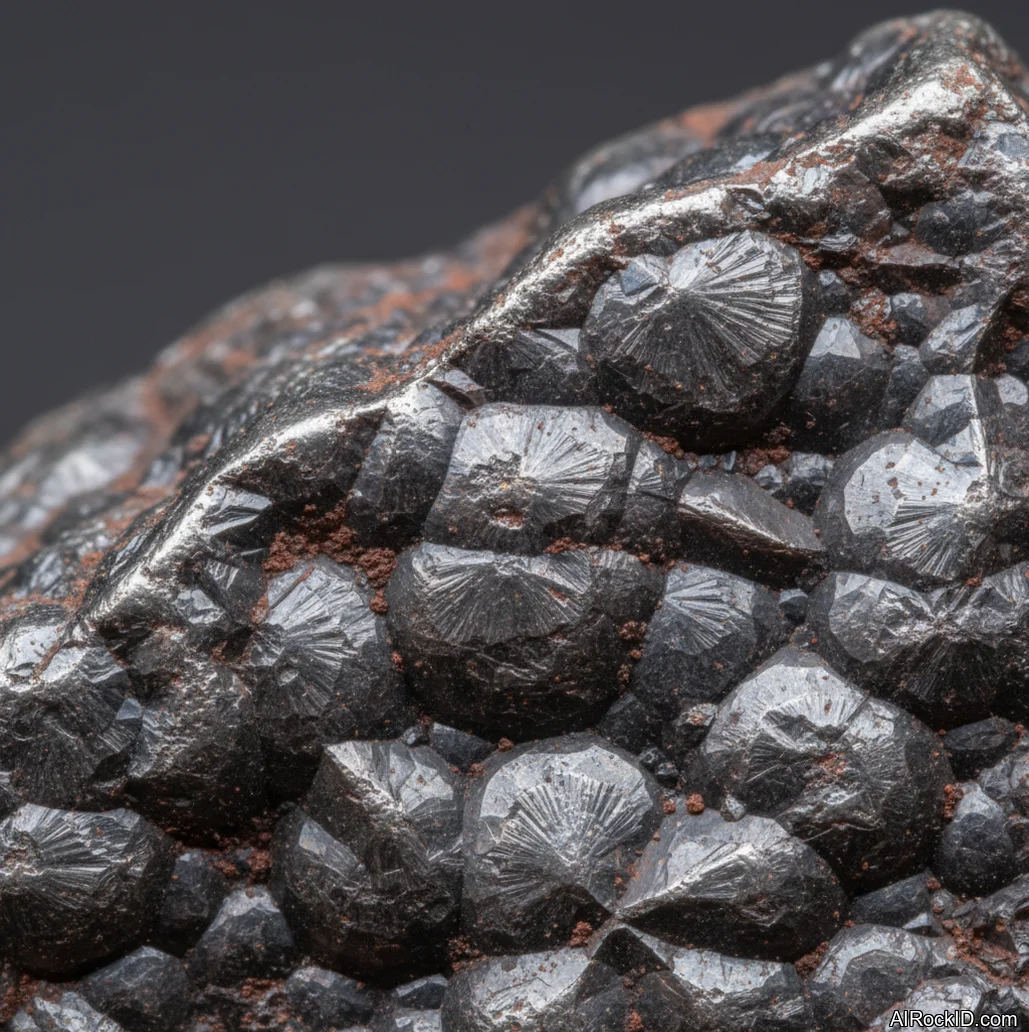
People look at photos and expect jet-black, mirror-shiny stones like polished hematite. But the real ones are typically more earthy, anywhere from brown to dark chocolate, with that dry, dusty look. And if you really grind one into your thumb (why do we all do that?), you can feel that fine “desert grit,” especially on unpolished pieces that still have sand in the little pits.
Origin & History
“Moqui marble” gets its name from “Moqui,” an older term that was historically used for the Hopi people, and rock and mineral dealers have been using it for decades to label these Utah concretions. “Shaman Stone” showed up later as the metaphysical shop name, and it’s mostly about selling them in matched pairs, like a two-stone set.
On the geology side, concretions like these weren’t “discovered” the way a brand-new mineral species is, because they aren’t one mineral with some new chemistry. People who collect rocks (and plain old rockhounds) have been scooping them up around Navajo Sandstone exposures for a long time, and you’ll spot them in roadside rock shops all over the Southwest. Kind of hard to miss, honestly.
Where Is Shaman Stone Found?
Most material sold as Shaman Stone comes from southern Utah, weathered out of Navajo Sandstone and collected from sandy slopes and washes.
Formation
Look closely and you can basically read the whole story off the shell. These form when iron carried by groundwater precipitates out and cements sand grains, building a hard rind of iron oxides around a softer sandstone center.
But they don’t grow like crystals with tidy faces. They’re more like geology’s slow-motion snowballs. Iron oxides (commonly goethite and hematite) build up around a nucleus over long time spans, and then erosion frees them from the host sandstone, and they roll around until they get even smoother. I’ve cracked a couple “sacrificial” ones just to see what was going on, and yeah, the inside is usually pale sandstone, sometimes with this really sharp boundary where the iron-rich rind stops. Ever notice how the rind feels a bit heavier and almost slick under your thumb compared to the chalkier core?
How to Identify Shaman Stone
Color: Most Shaman Stones range from tan-brown to deep brown, sometimes almost black in shade, with lighter sandy patches where the rind is thinner.
Luster: Luster is usually dull to earthy, sometimes weakly waxy on well-worn surfaces.
If you scratch it with a steel nail, the nail usually skates on the iron-oxide rind but may bite into softer sandy spots. The real test is the streak: rub it on unglazed porcelain and you’ll get a rusty red-brown to yellow-brown streak from the iron oxides. And in-hand, a genuine one tends to feel cool and heavier than a plain sandstone pebble the same size.
Properties of Shaman Stone
Physical Properties
| Crystal System | Orthorhombic |
| Hardness (Mohs) | 5.0-6.5 (Hard (6-7.5)) |
| Density | 3.3-4.3 g/cm3 |
| Luster | Earthy |
| Diaphaneity | Opaque |
| Fracture | Uneven |
| Streak | reddish brown to yellowish brown |
| Magnetism | Weakly Magnetic |
| Colors | brown, dark brown, tan, blackish brown |
Chemical Properties
| Classification | Oxides and hydroxides (iron oxides) |
| Formula | Fe2O3 + FeO(OH) (mixture; concretion) |
| Elements | Fe, O, H, Si |
| Common Impurities | Al, Mn, Ca |
Optical Properties
| Refractive Index | 2.26-2.39 |
| Birefringence | None |
| Pleochroism | None |
| Optical Character | Isotropic |
Shaman Stone Health & Safety
Shaman Stone is pretty safe to pick up and keep on a shelf. But use basic rockhound common sense if you’re cutting or grinding it, since that fine stone dust gets everywhere (on your hands, in the air) and it’ll irritate your lungs.
Safety Tips
If you’re drilling or shaping it, keep a little water running on the spot and wear a real dust mask or a respirator, not just a flimsy paper one. And once you’re done handling that gritty, iron-stained stuff (the kind that leaves a rusty smear on your fingers), go wash your hands.
Shaman Stone Value & Price
Price Range
Rough/Tumbled: $5 - $40 per stone (typical palm-size)
Price mostly comes down to size, how round it is, how intact that outer skin (the rind) is, and whether someone’s selling it as a matched “male/female” pair. Big pieces with that naturally smooth, unscarred surface cost more. But honestly, most of what you’ll run into are small to medium ones, and they’re usually pretty affordable.
Durability
Moderate — Scratch resistance: Good, Toughness: Fair
It’s stable in normal conditions, but the sandstone core can chip if the rind is thin or already cracked.
How to Care for Shaman Stone
Use & Storage
Keep it in a small tray or pouch if you don’t want iron-oxide dust rubbing off on softer stones. If you’ve got a pair, store them together so you don’t mix sets.
Cleaning
1) Rinse briefly with lukewarm water. 2) Scrub gently with a soft toothbrush to lift sand from pits. 3) Pat dry and let it air-dry fully before putting it back on a shelf.
Cleanse & Charge
A quick rinse, smoke cleansing, or leaving it on dry soil or a windowsill for a short time are common approaches. Don’t soak it for days if it has a cracked rind, because water can work into the sandstone core and make it crumbly over time.
Placement
On a desk or near the front door is where I see people keep them, mostly because they’re tough enough for daily handling. They also look good in a bowl with other desert finds like petrified wood.
Caution
Skip acid cleaners and vinegar. They can bite into iron-oxide surfaces, leaving that dull, blotchy look you can’t really buff back out (you’ll see it as a chalky haze when the light hits). And don’t assume every perfectly round “Shaman Stone” is natural, either. Some have been artificially tumbled smooth, and a few are even cast, so that too-perfect shape should make you pause, right?
Works Well With
Shaman Stone Meaning & Healing Properties
Most shops sell Shaman Stones as “grounding” stones, and yeah, I see the appeal. They’ve got that satisfying heft, a dry earthy vibe, and that desert-worn skin that makes you pause and actually notice what you’re holding.
If you’re using them for metaphysical stuff, keep it simple. Lots of people use a pair during meditation or breathwork, one in each hand, just as a left-right balance cue. I’ve done that on long drives when I needed to stay calm at rest stops, and honestly the sensation is the whole deal: cool stone against your palm, solid weight, nothing fancy.
But look, here’s the snag people run into. These aren’t rare talismans, and they’re not magic medical tools. They’re concretions, and a big chunk of what you’re paying for is the story plus someone sorting through a pile to pick nicer ones.
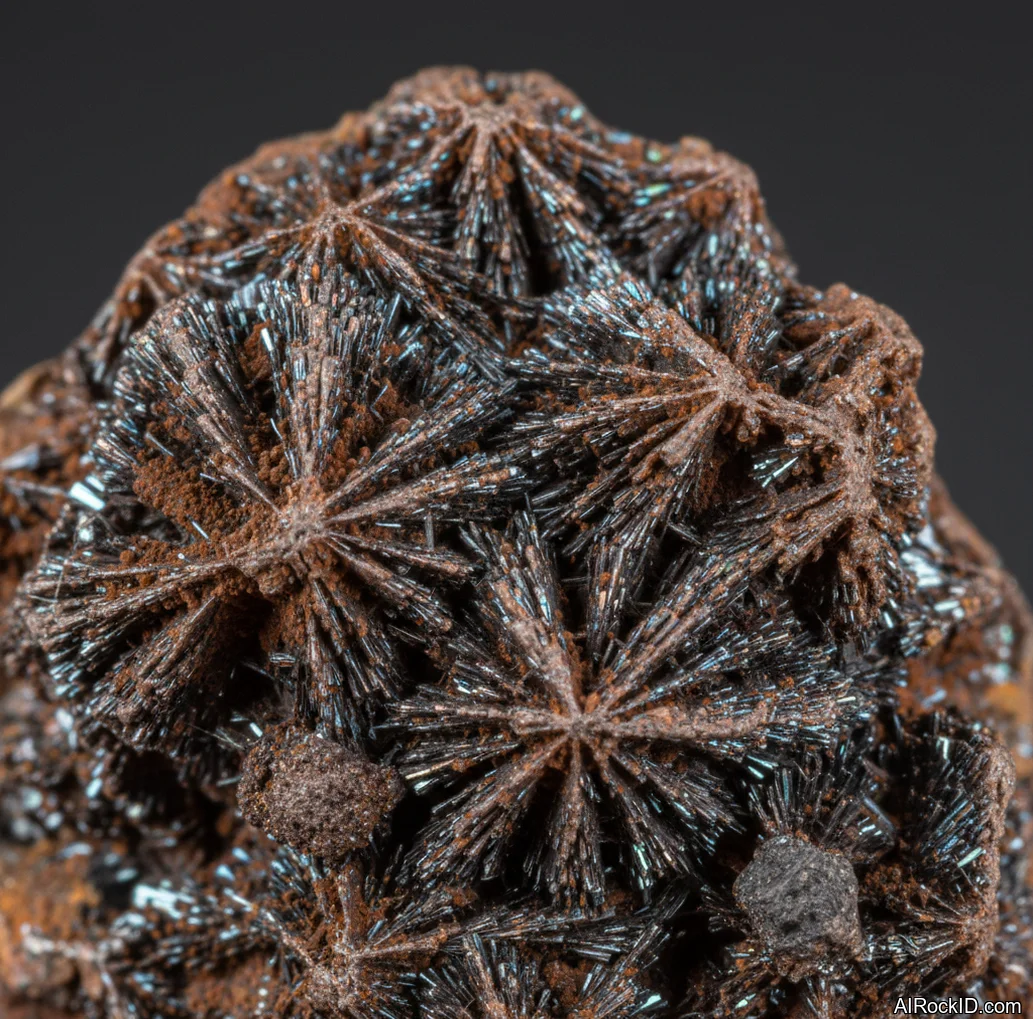
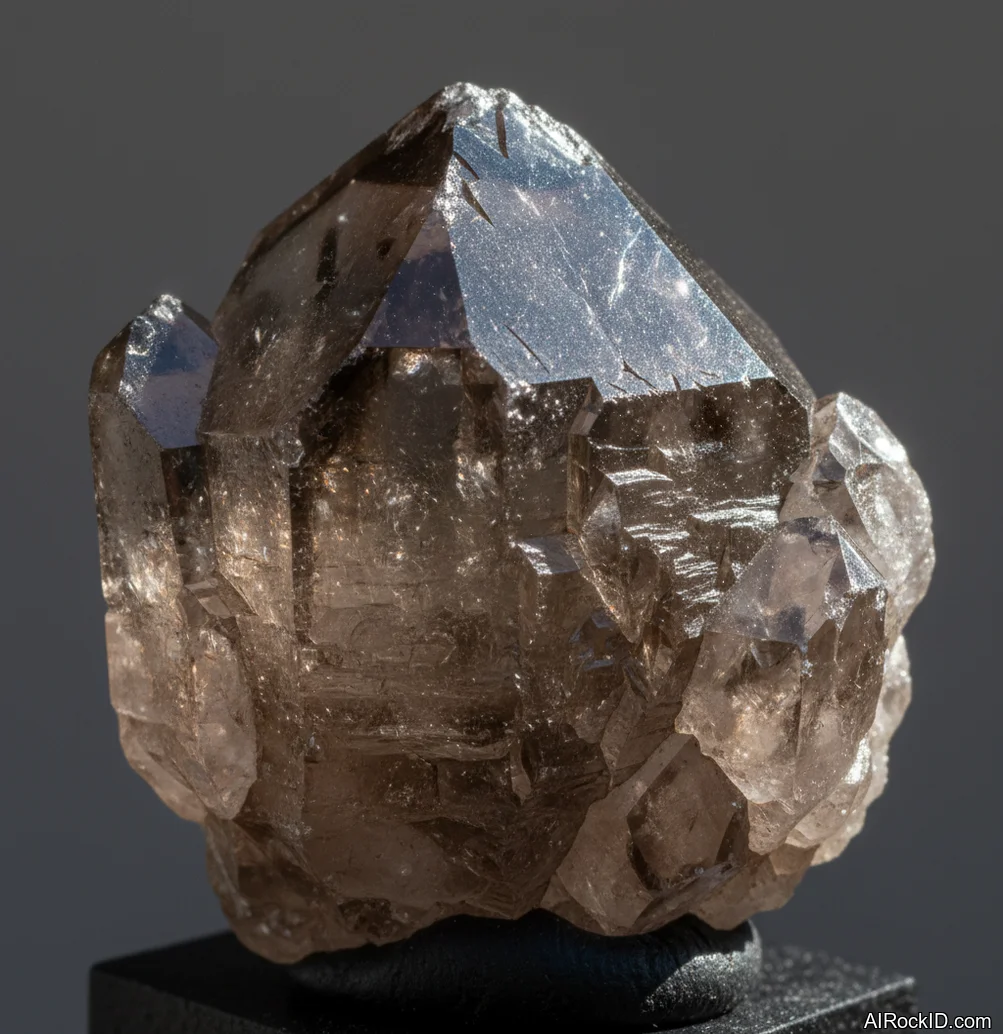
So if you like the ritual and the feel, great. If what you really want is a specimen that screams “mineral display,” you might be happier spending the same money on a sharp hematite crystal or a good smoky quartz point.
Identify Any Crystal Instantly
Snap a photo and get properties, value, care instructions, and healing meanings in seconds.