Throat Chakra Crystals
Explore Throat Chakra crystals like blue lace agate, lapis, and aquamarine, with meanings, buying tips, and practical ways to use them daily.
Throat Chakra work, in crystal terms, is about that exact spot where breath turns into sound. The “say it out loud” center. People shopping for Throat Chakra stones usually aren’t hunting for mystery. They want clearer communication, cleaner boundaries, and less of that tight-neck, swallowed-words feeling that shows up right before a hard conversation.
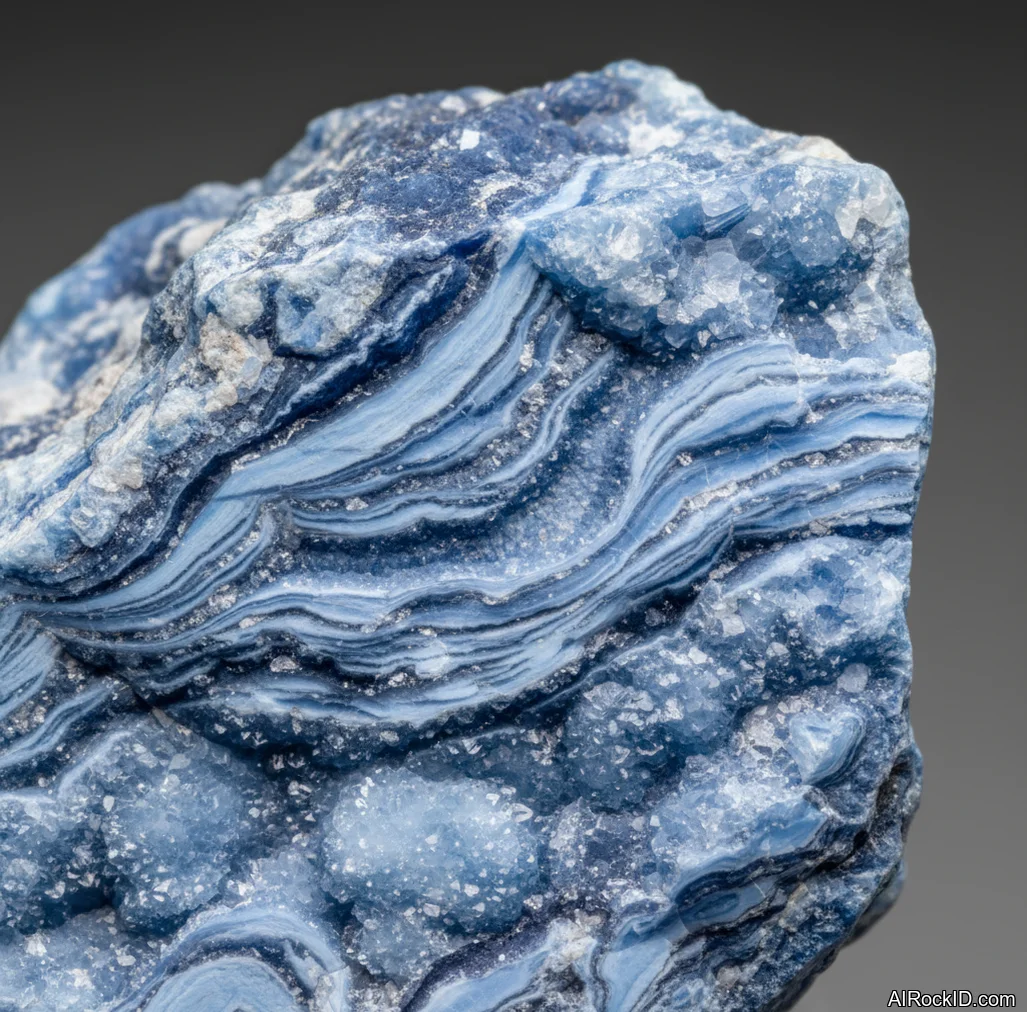
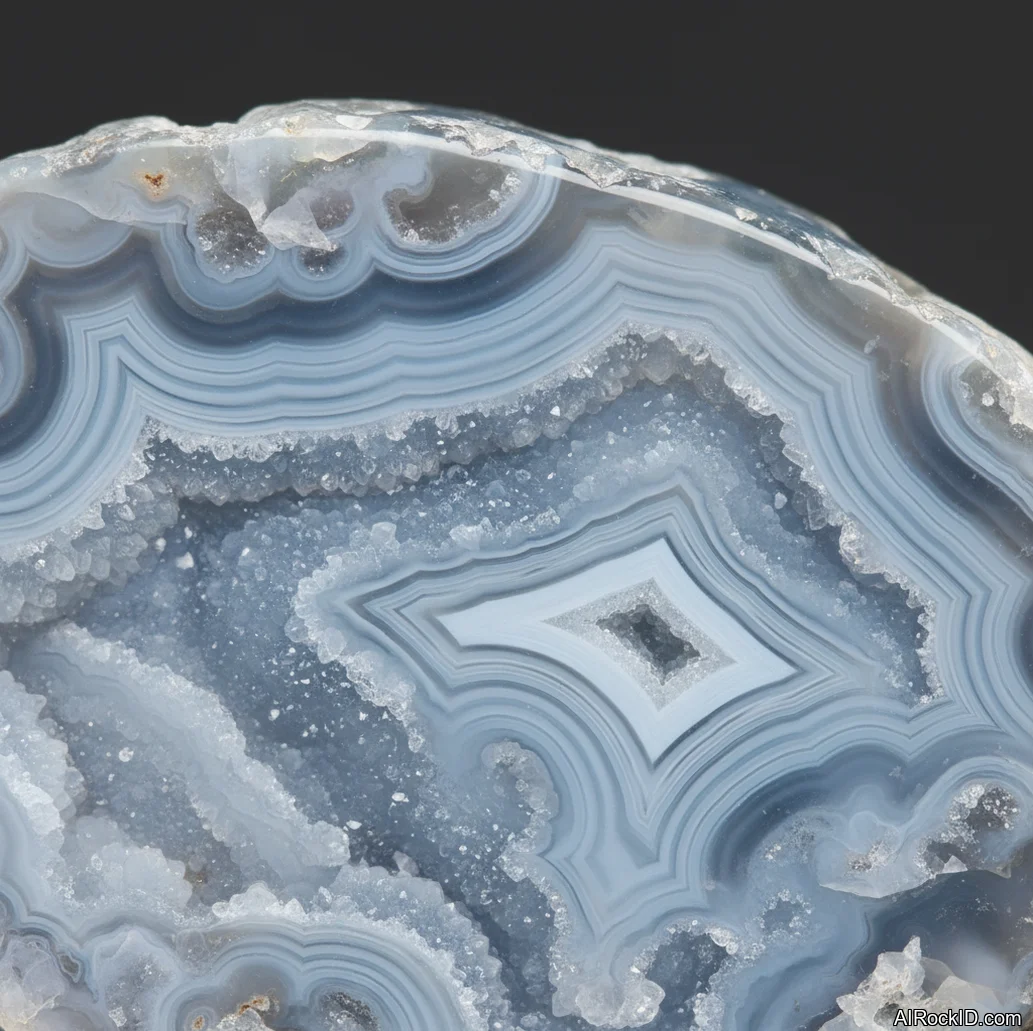
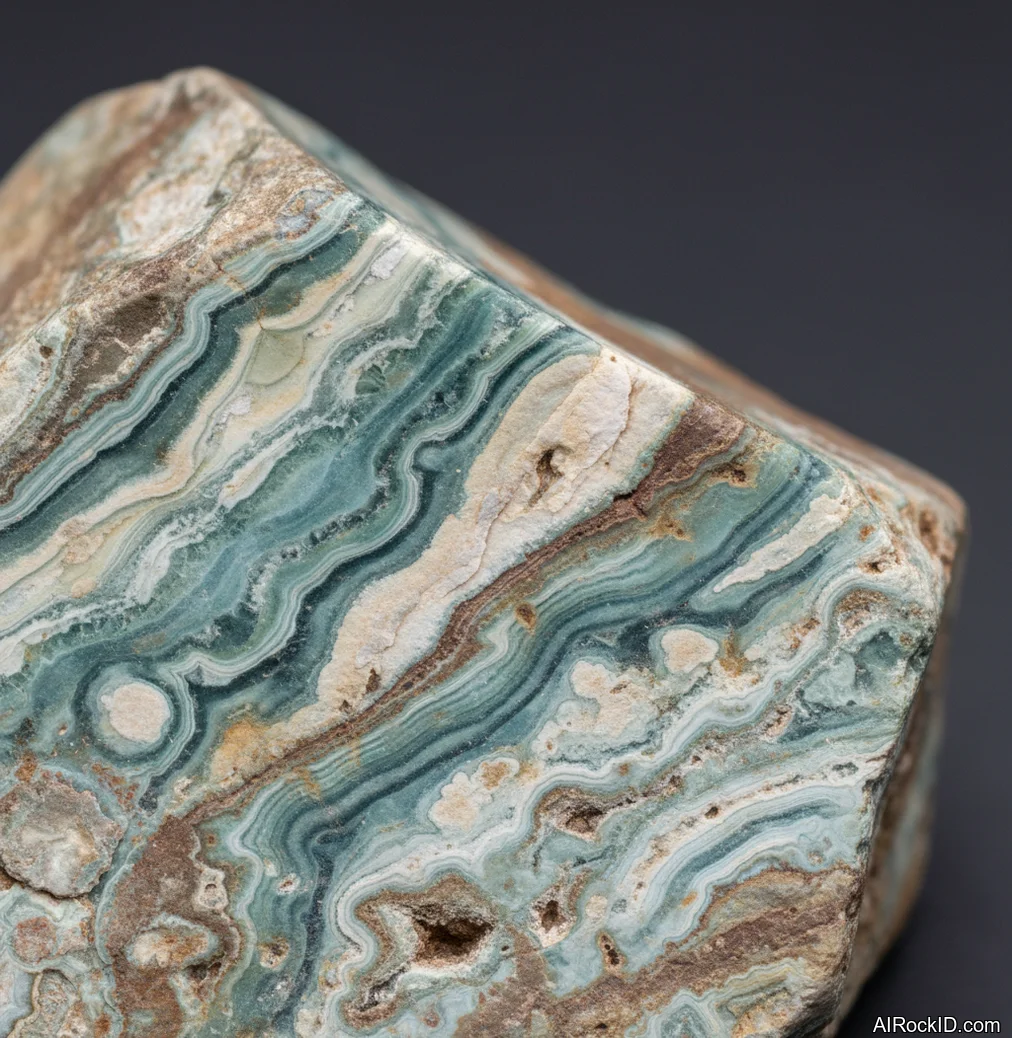
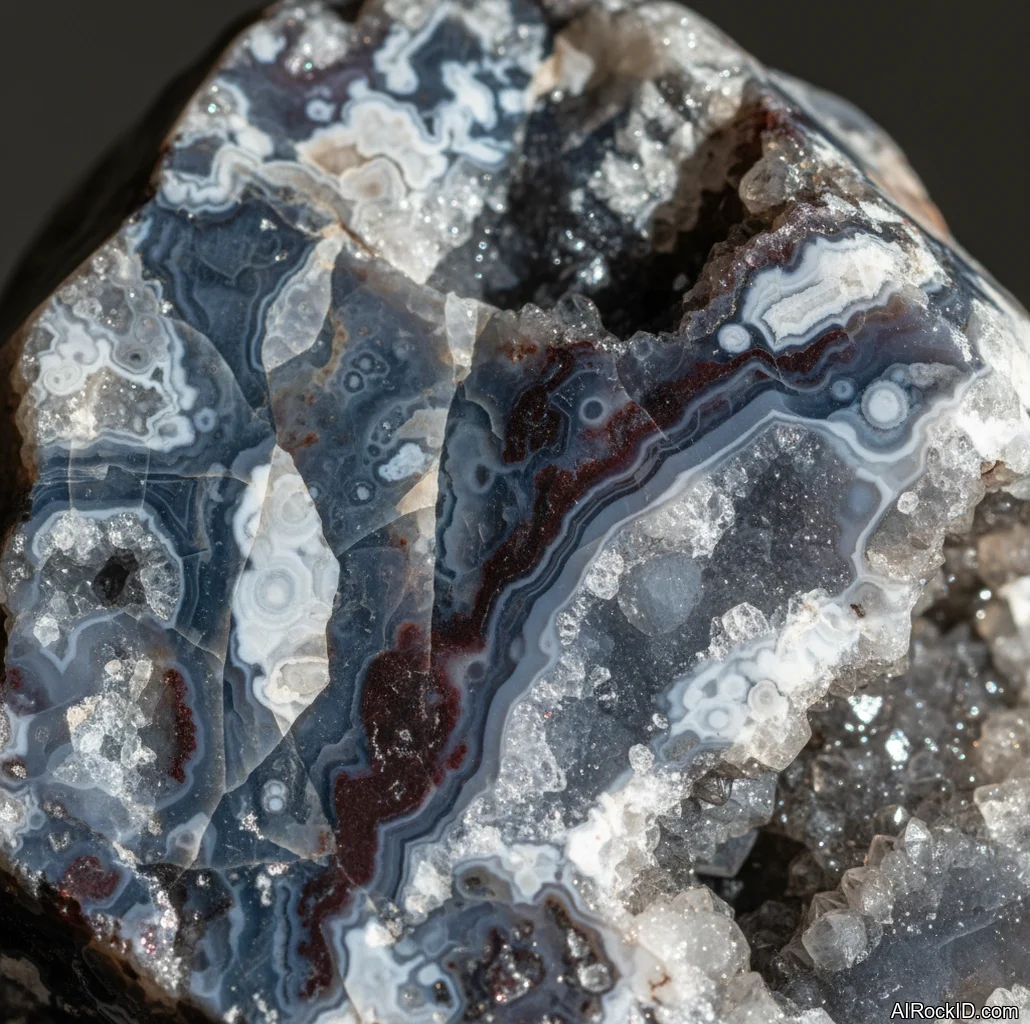
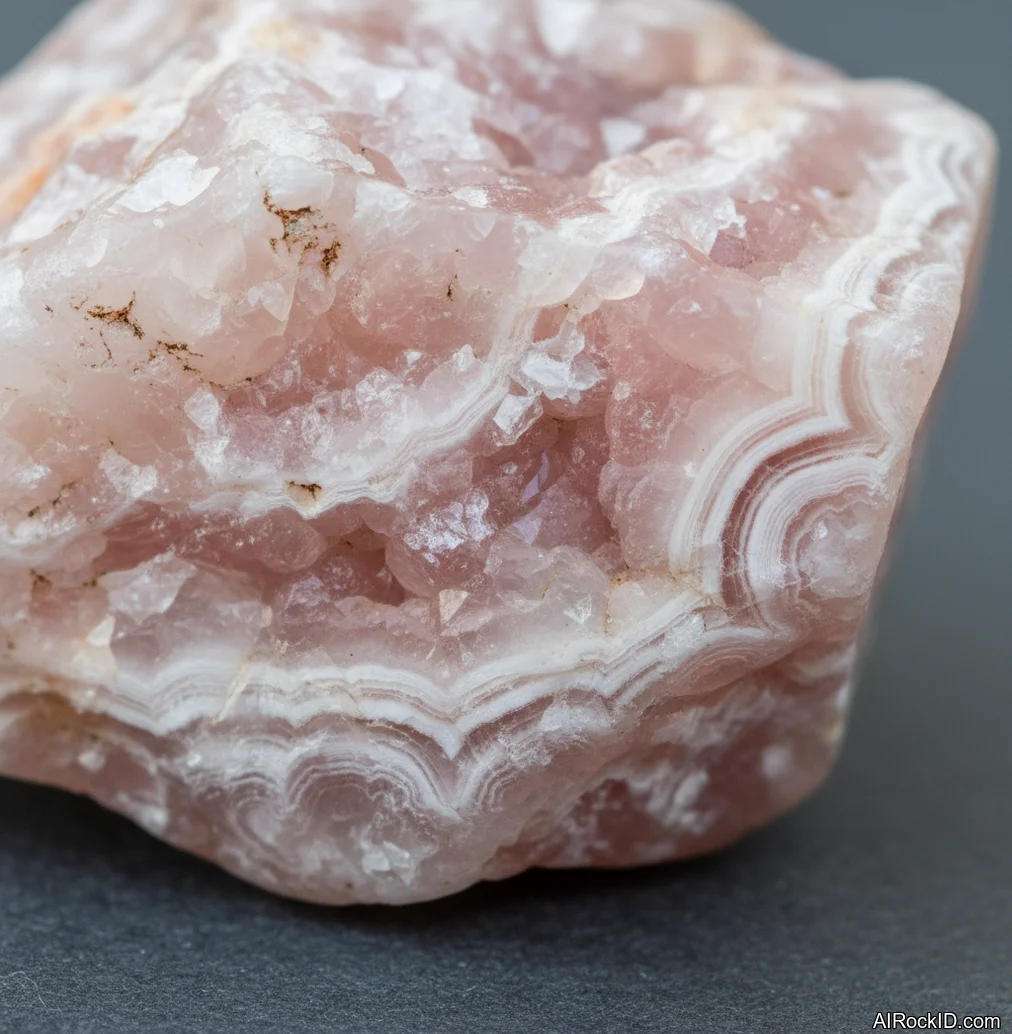
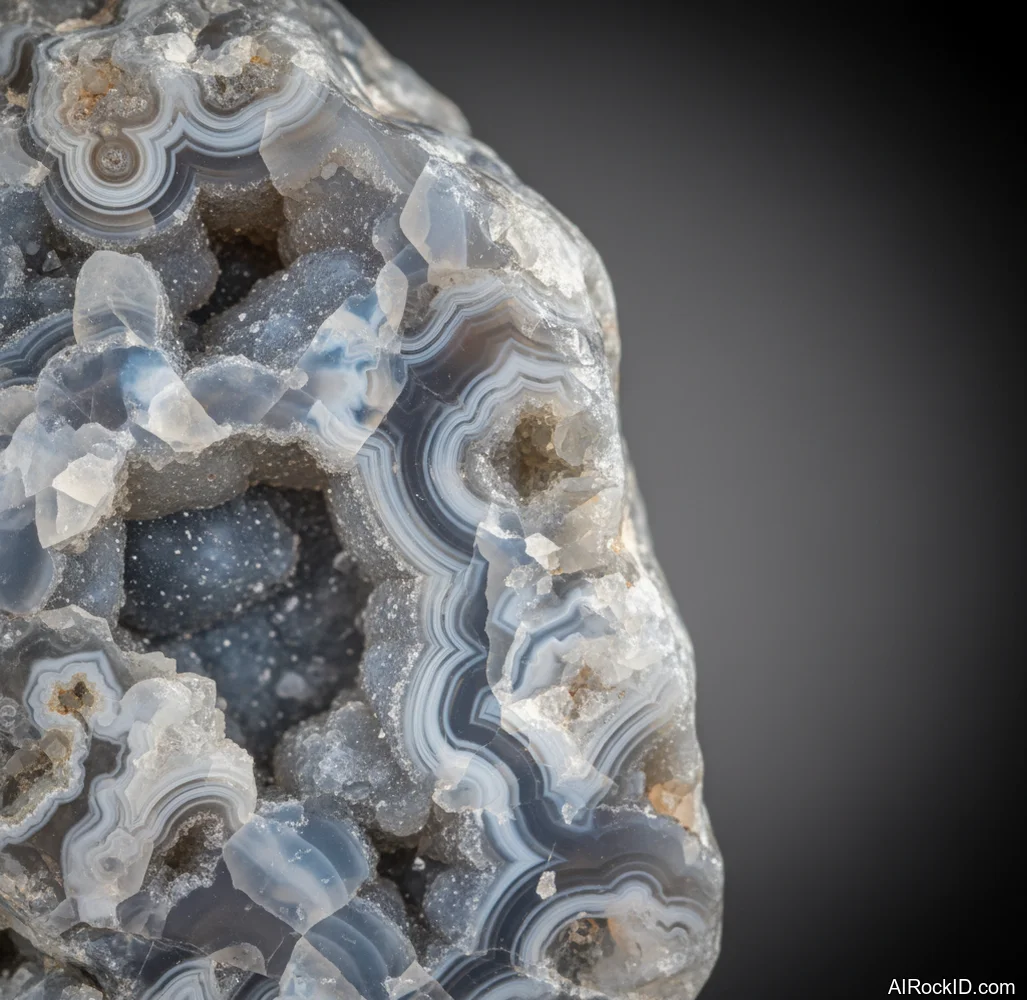
Pick up a good piece of Blue Lace Agate and you’ll see why it ends up on so many Throat Chakra lists. It’s light in the hand. Almost waxy when it’s polished. And the banding looks like thin clouds wrapped around the stone. I’ve handled plenty where the pale blue is legit, but the white bands look muddy because the polish was rushed (you can spot it fast). When it’s done right, the surface feels slick, and the bands have crisp edges that don’t blur together under a desk lamp.
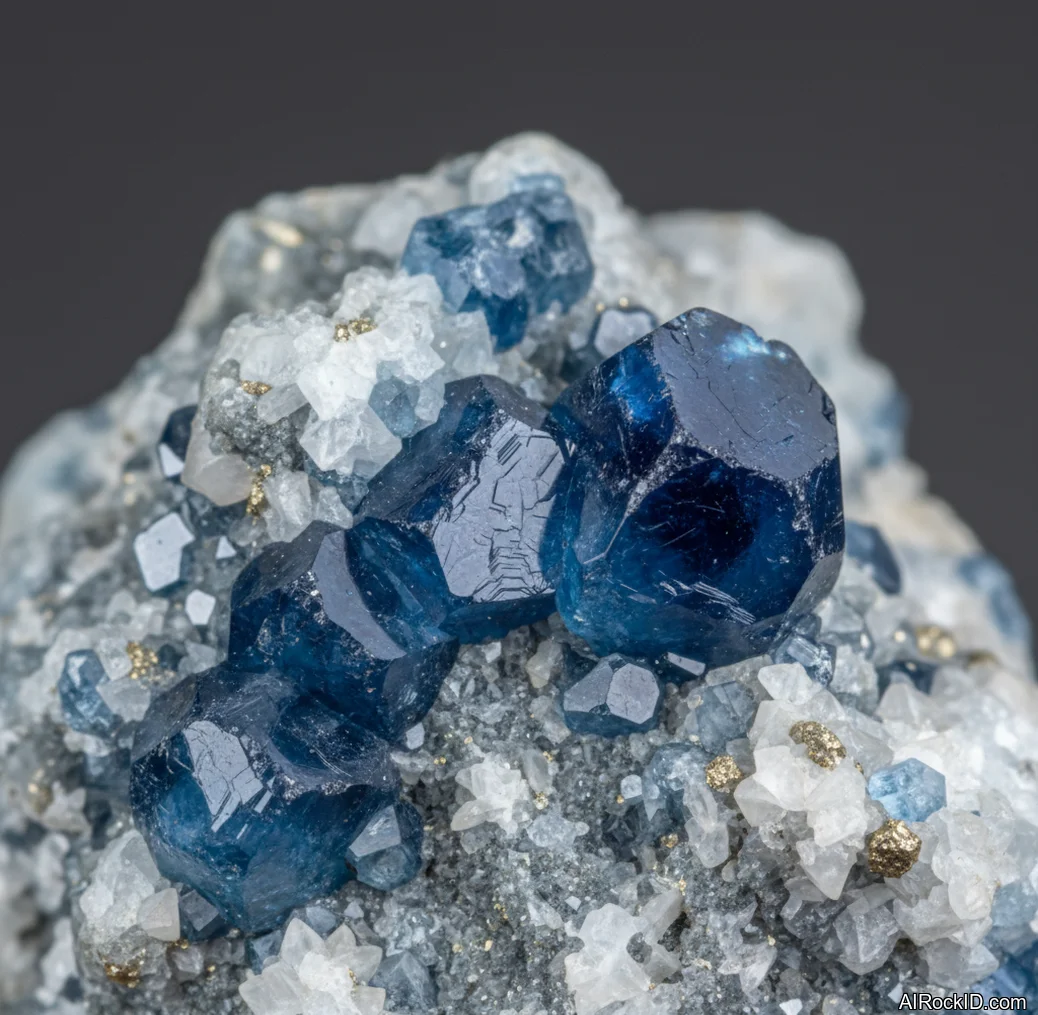
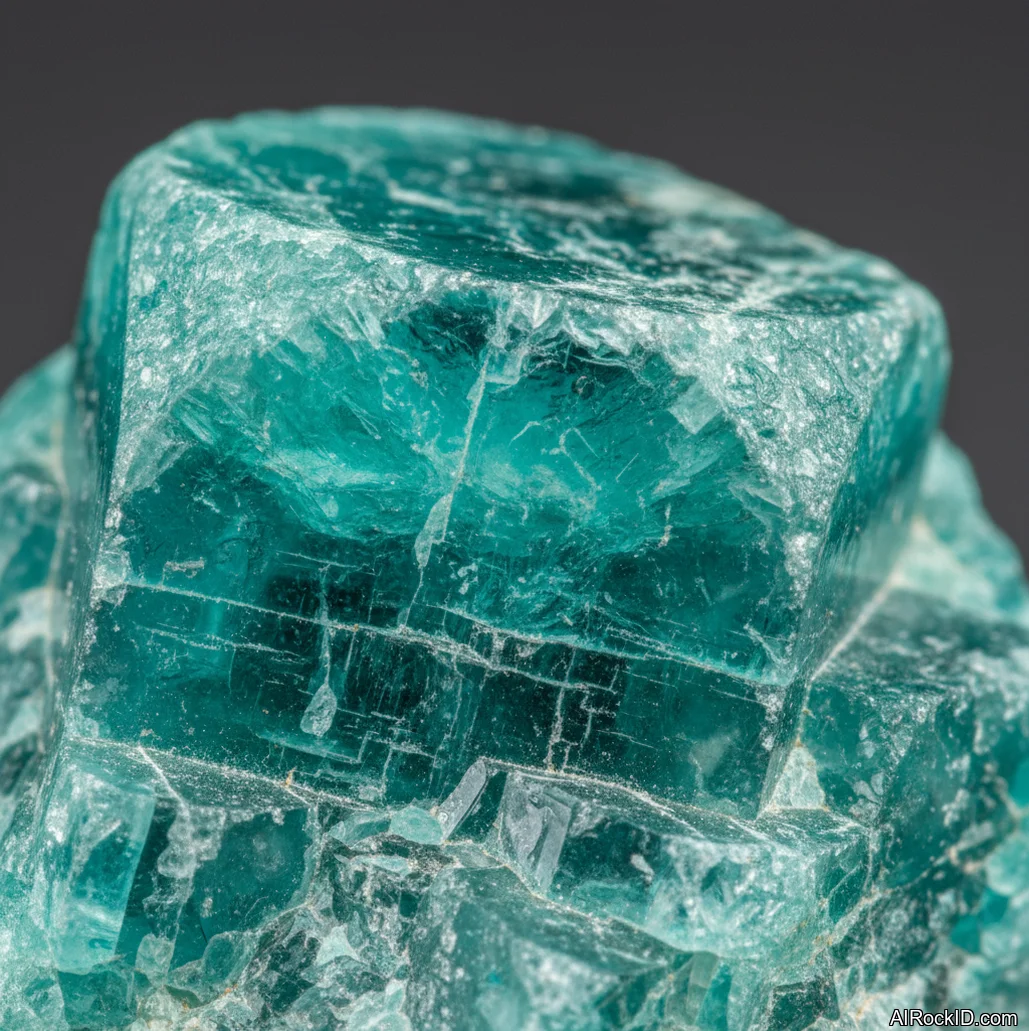
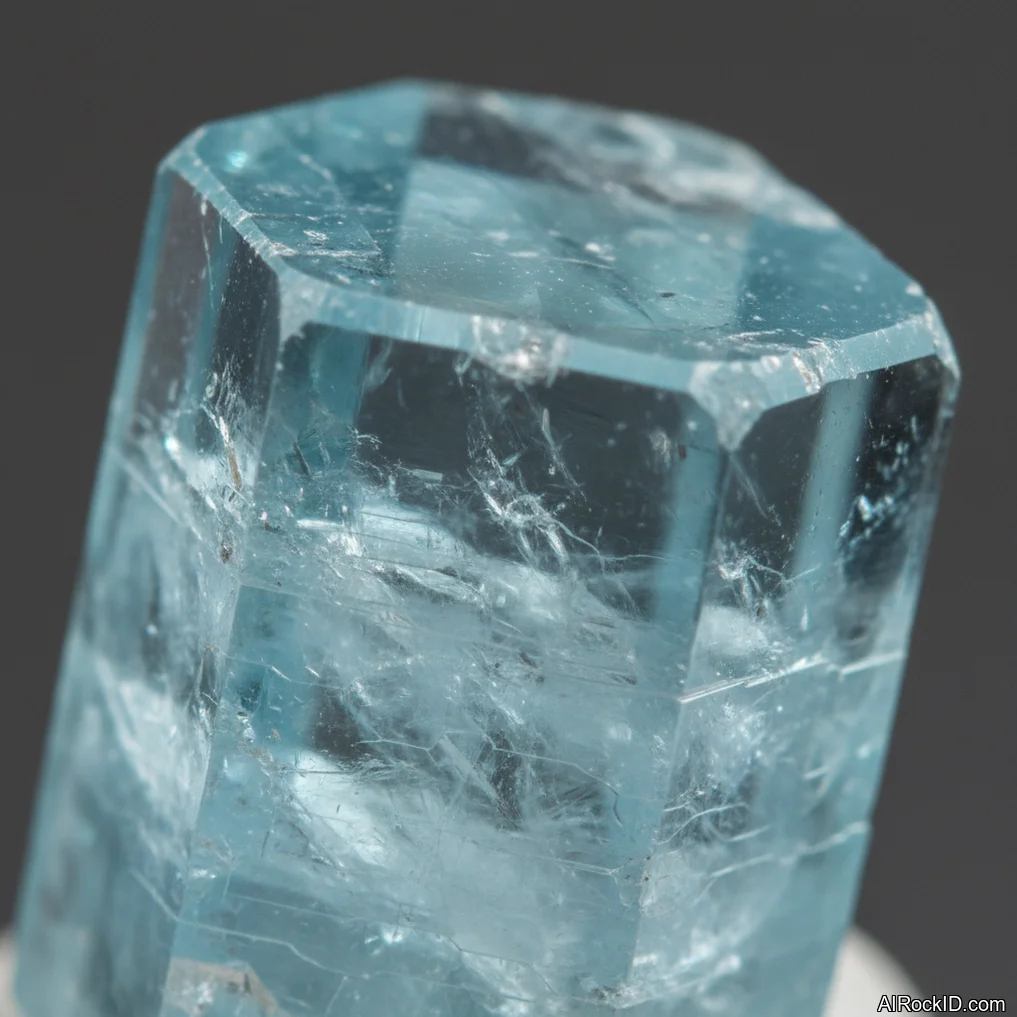
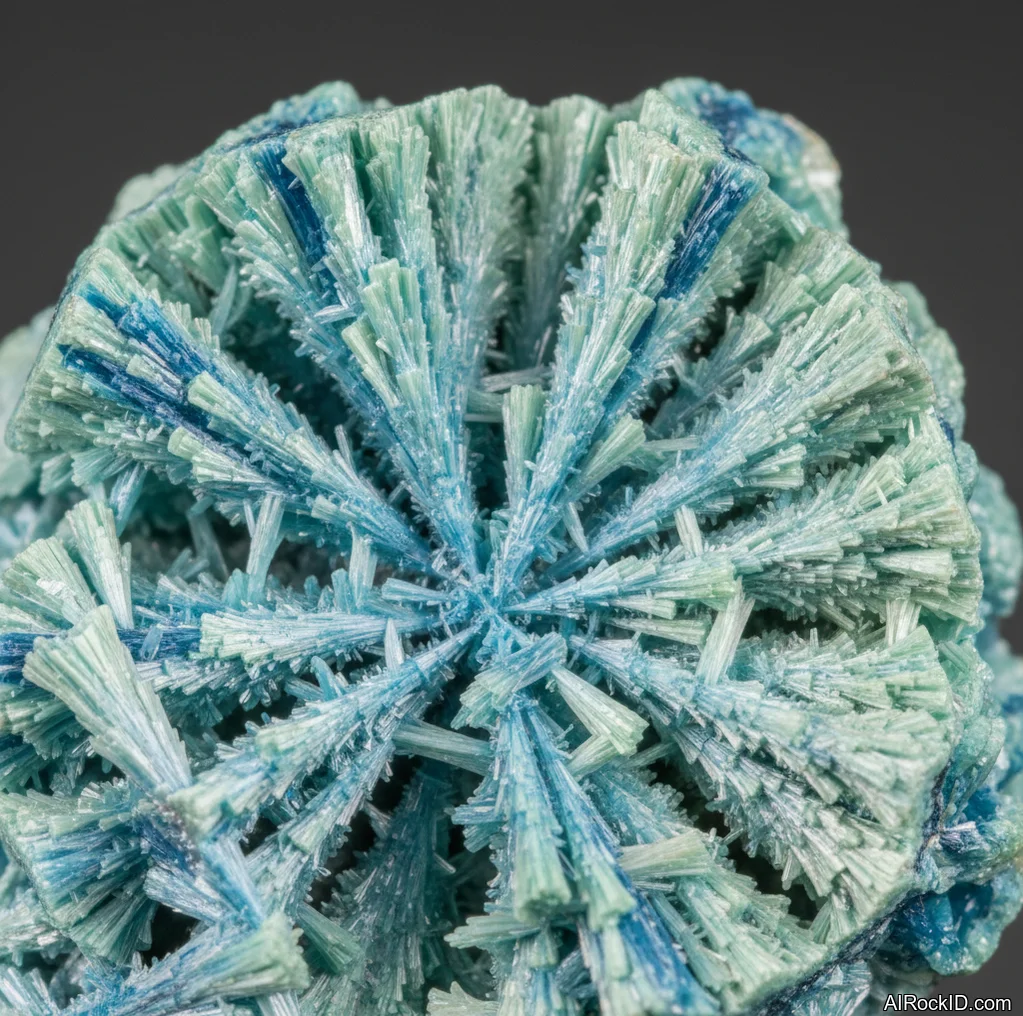
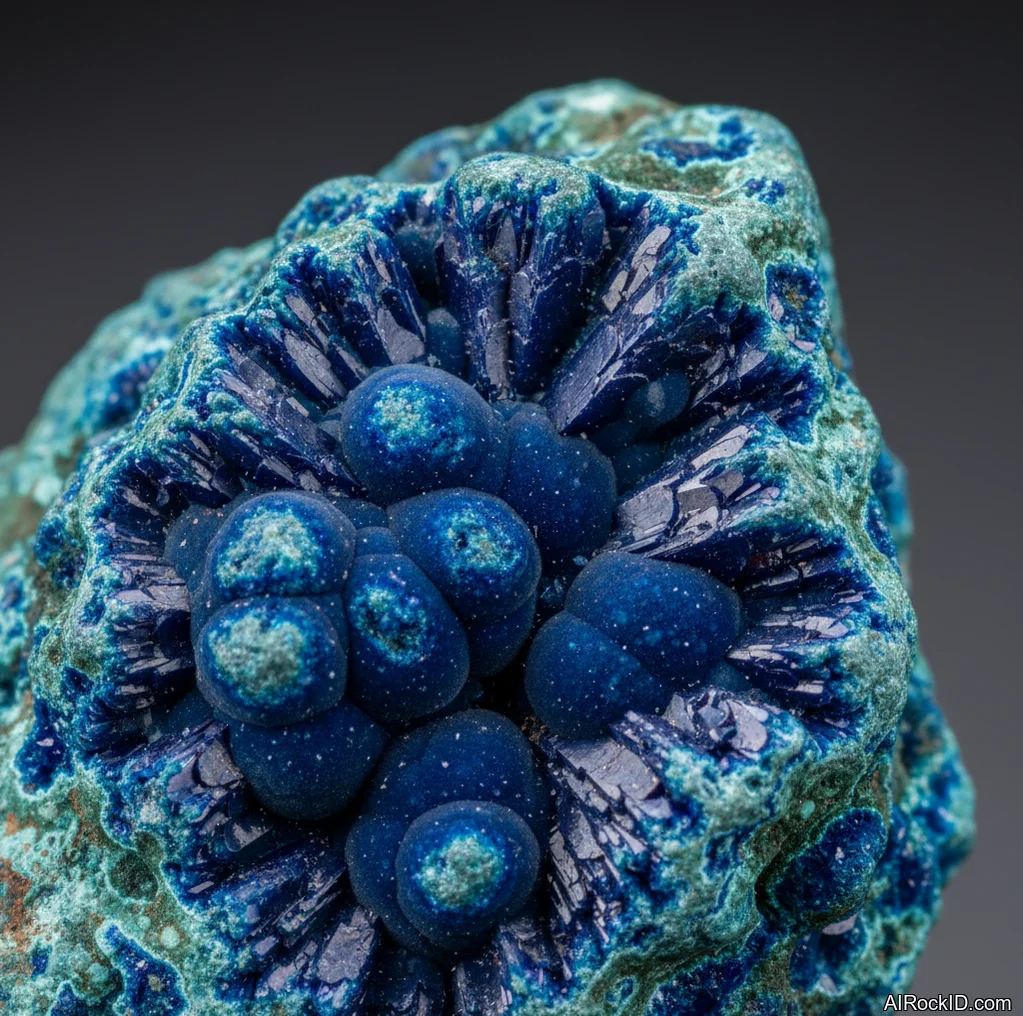
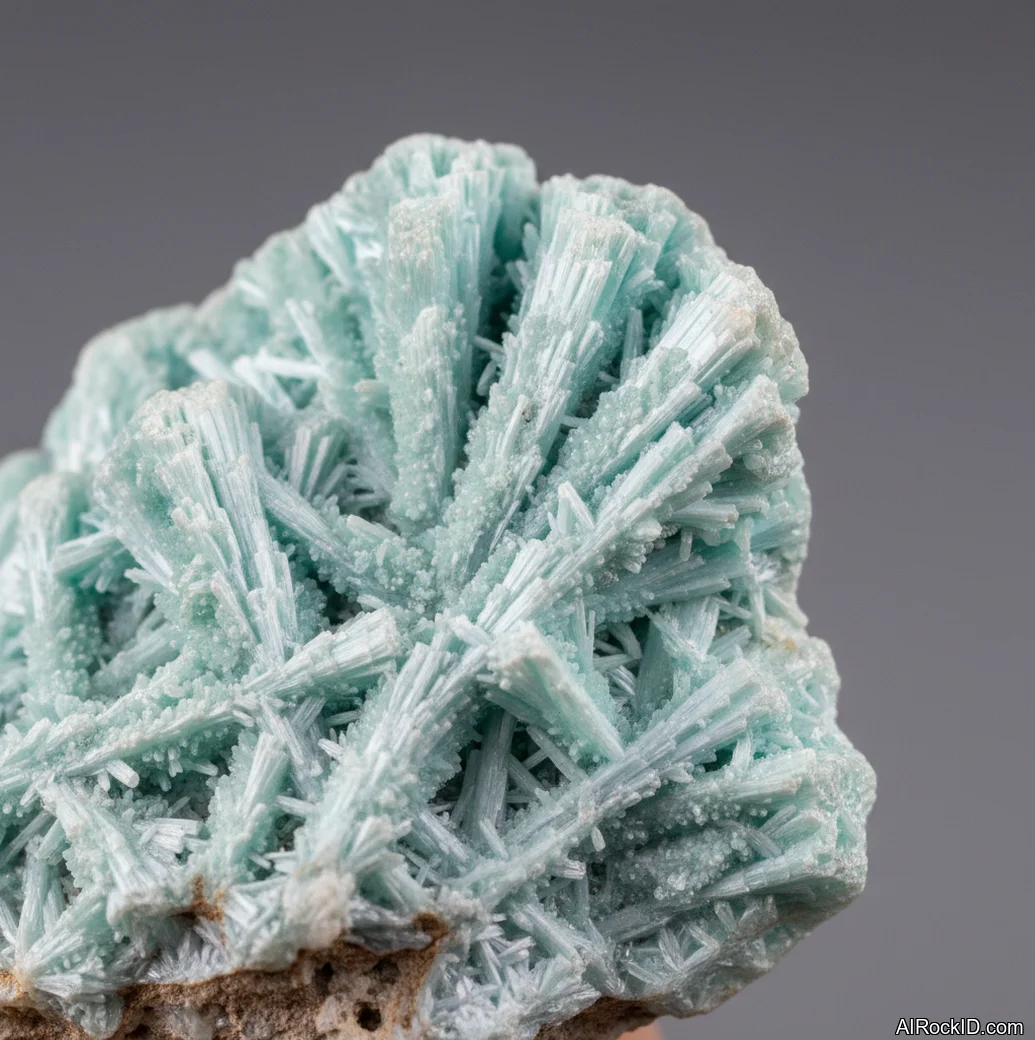
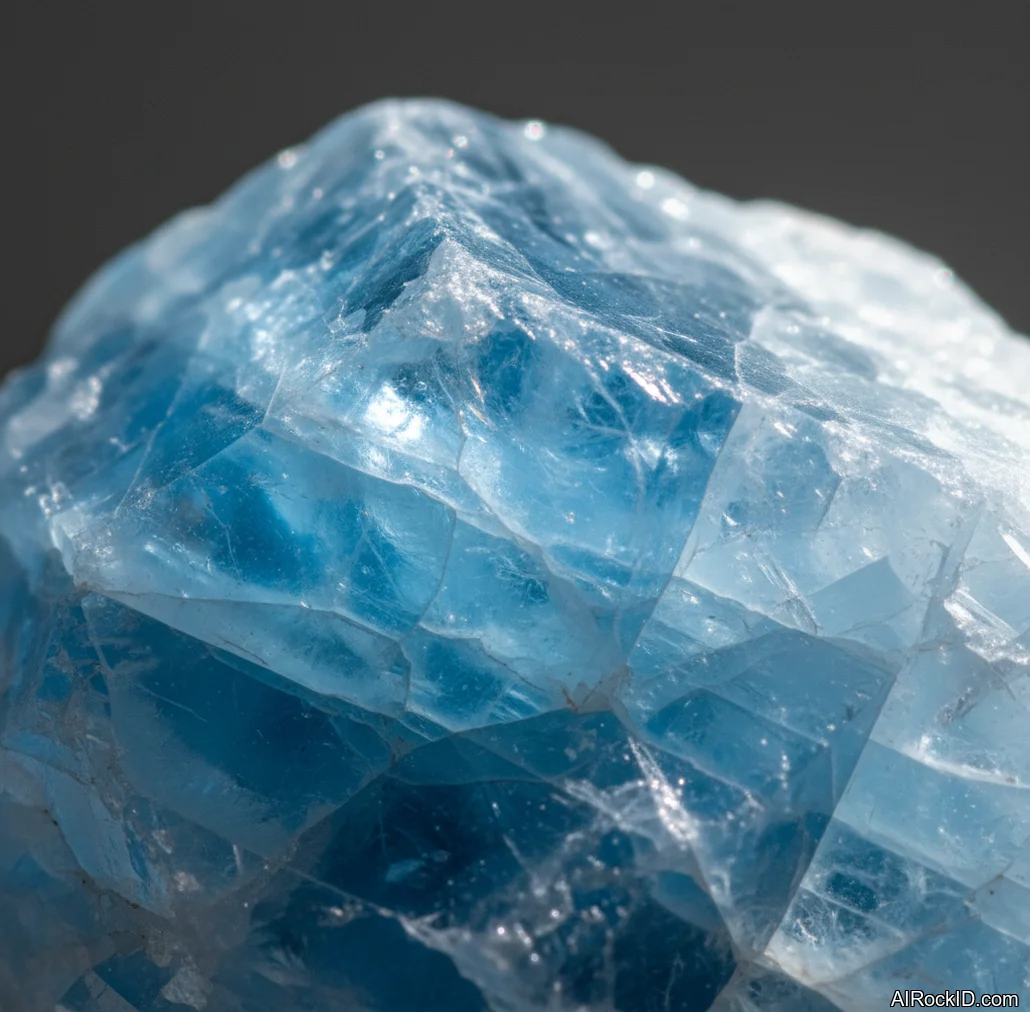
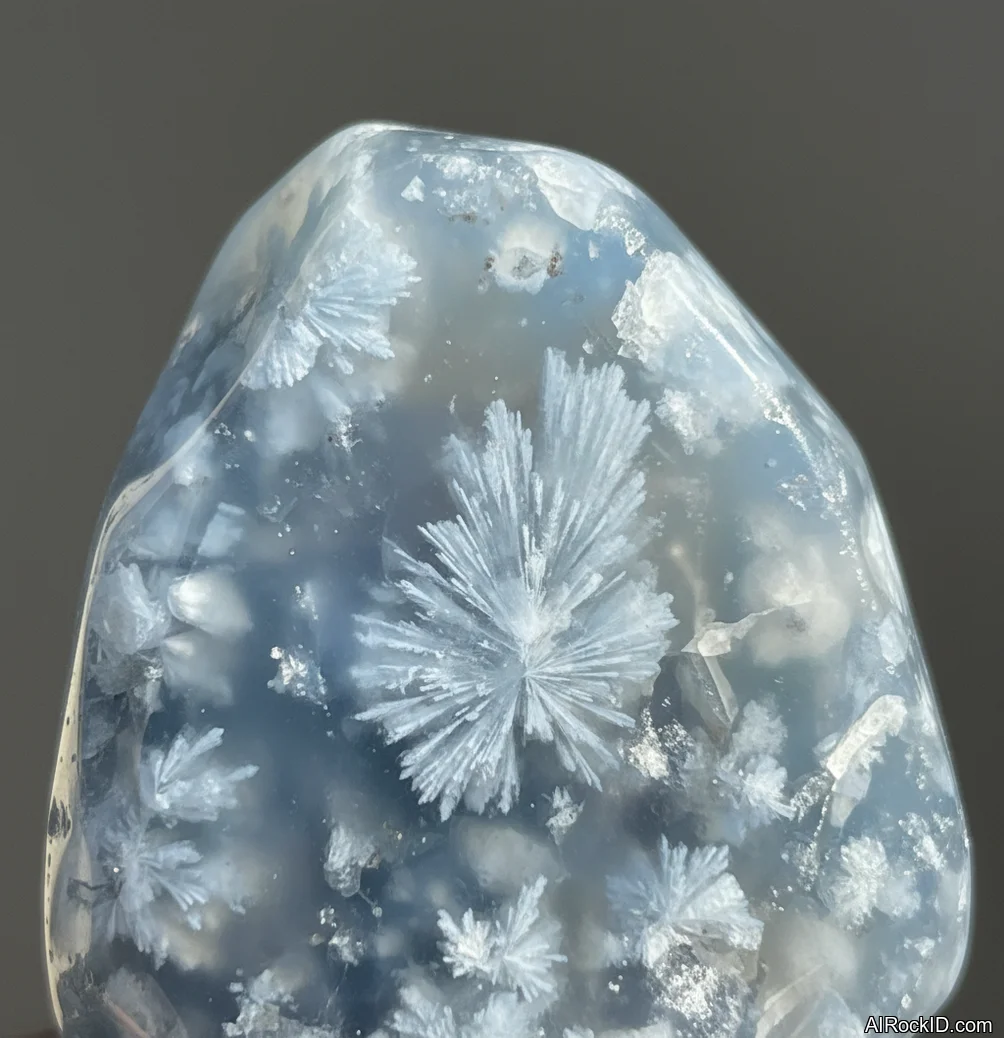
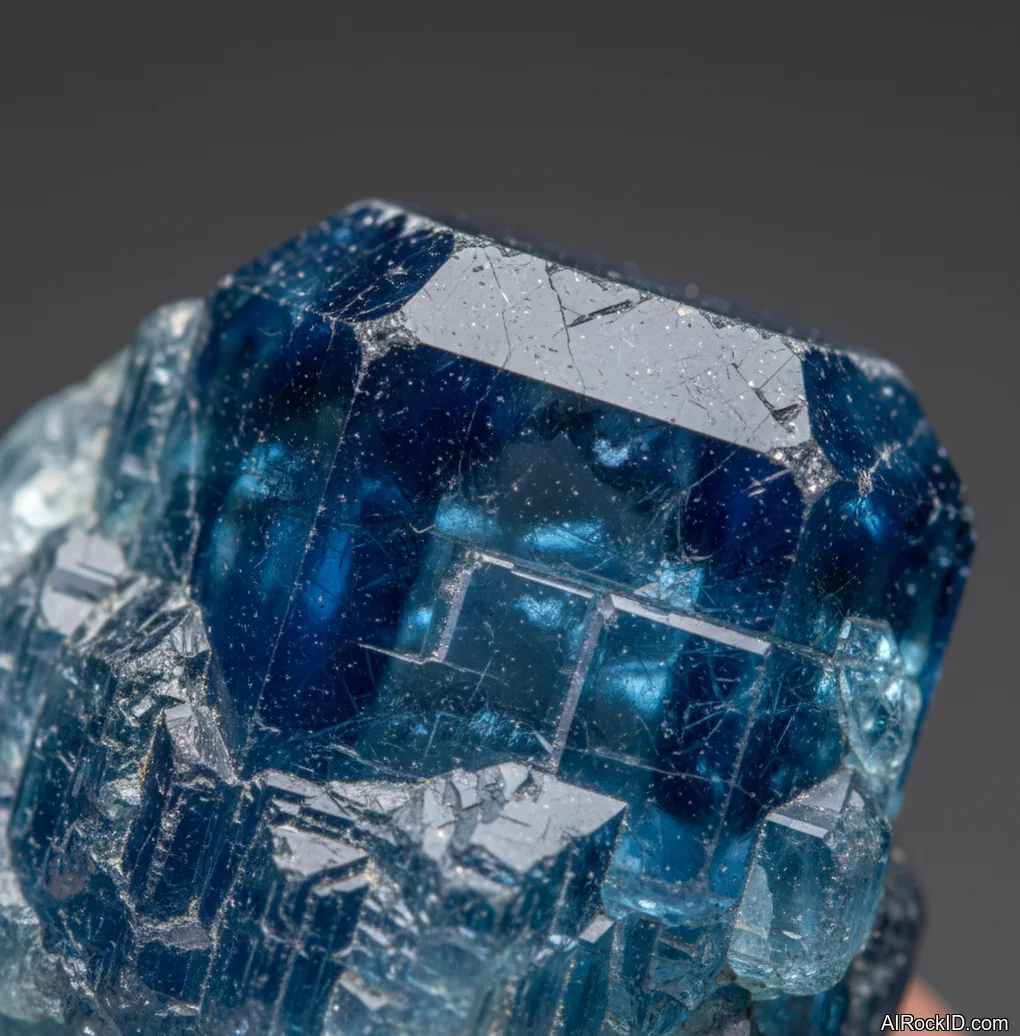
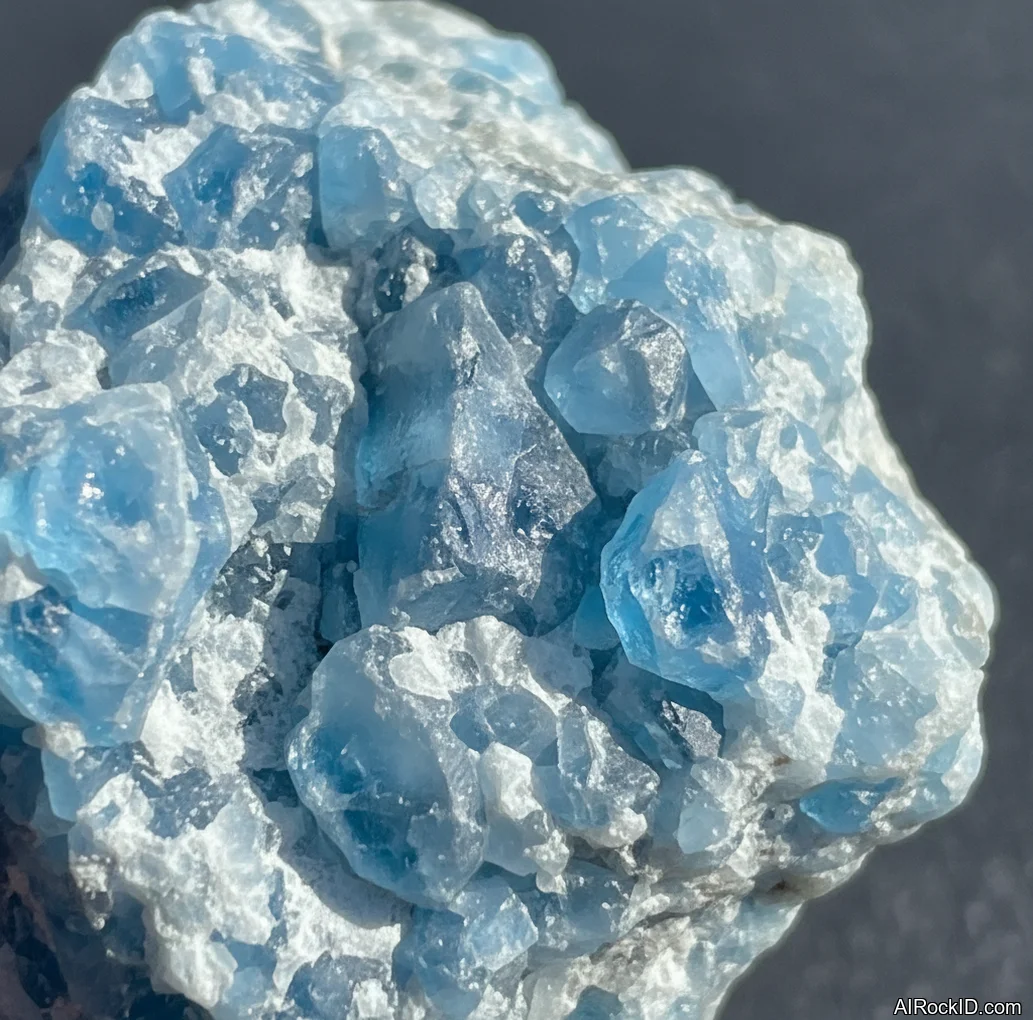
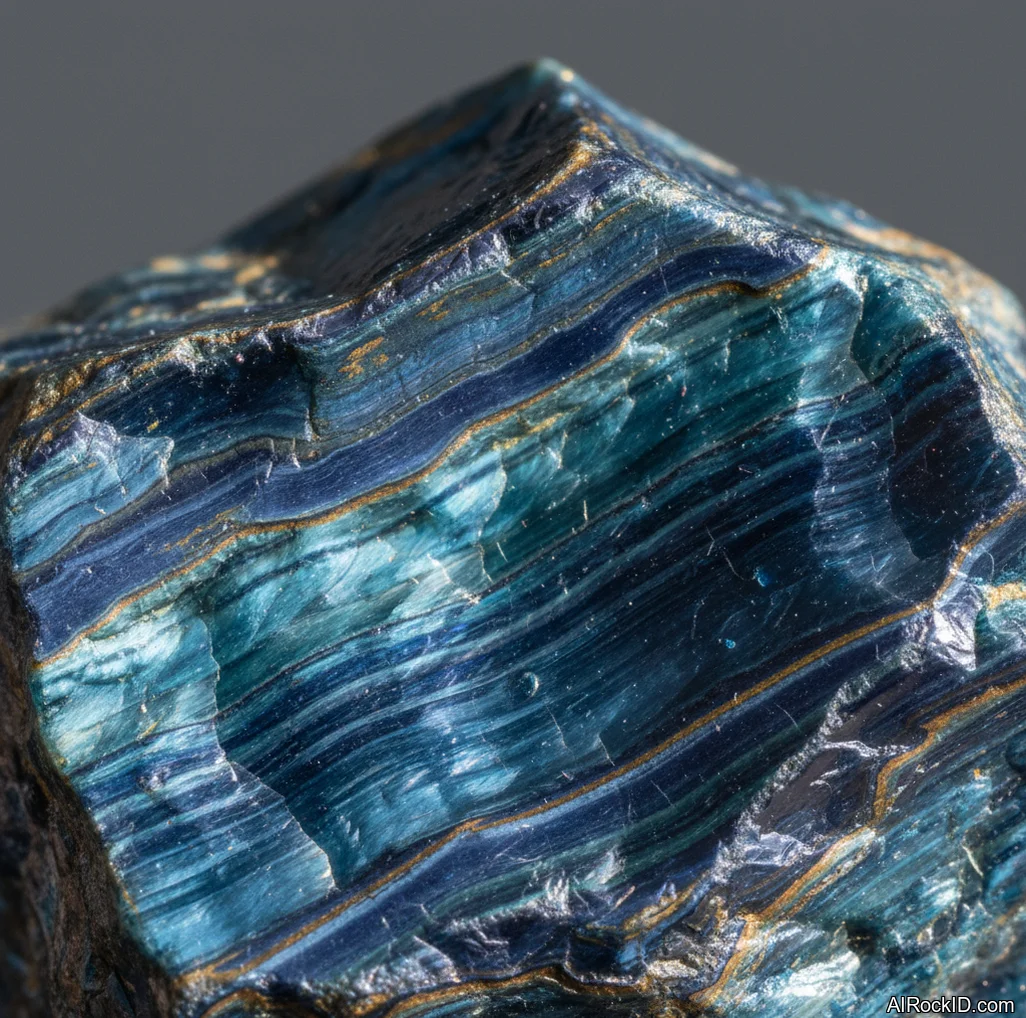
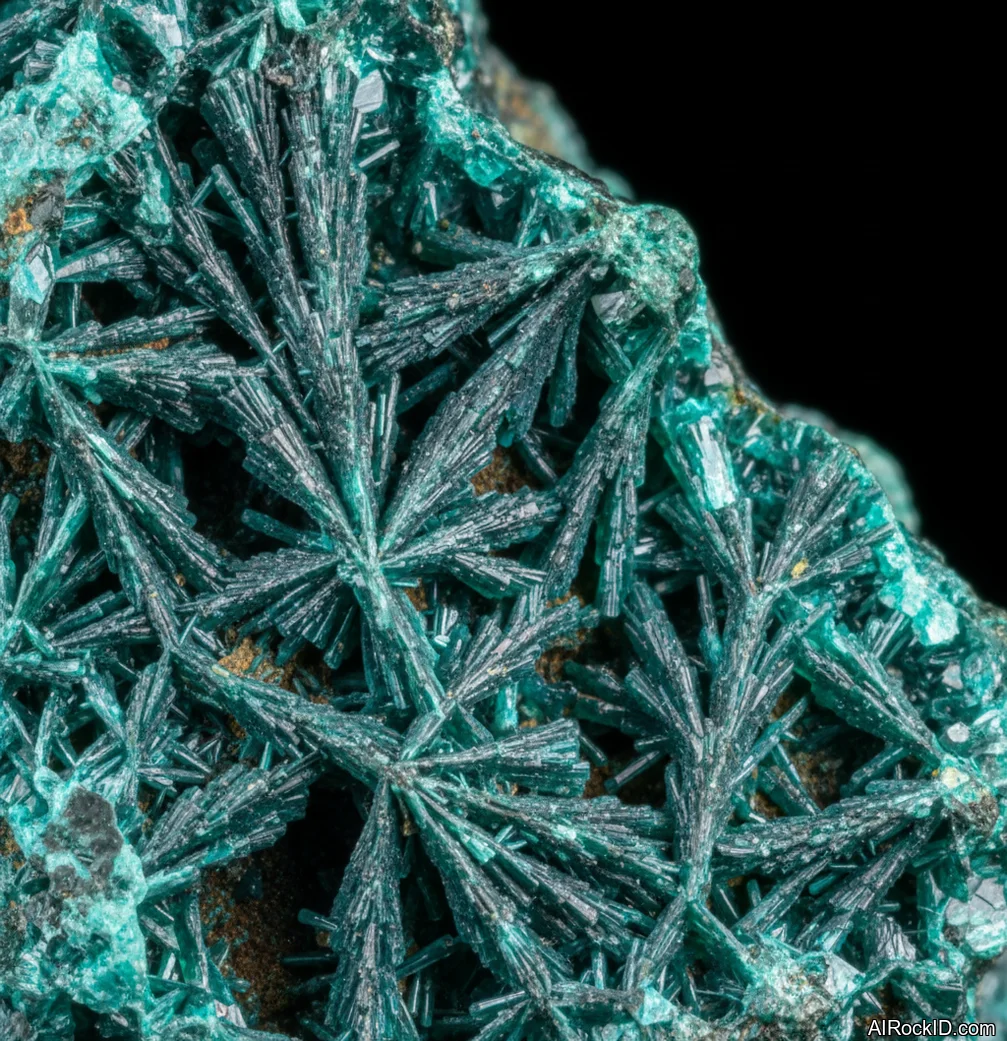
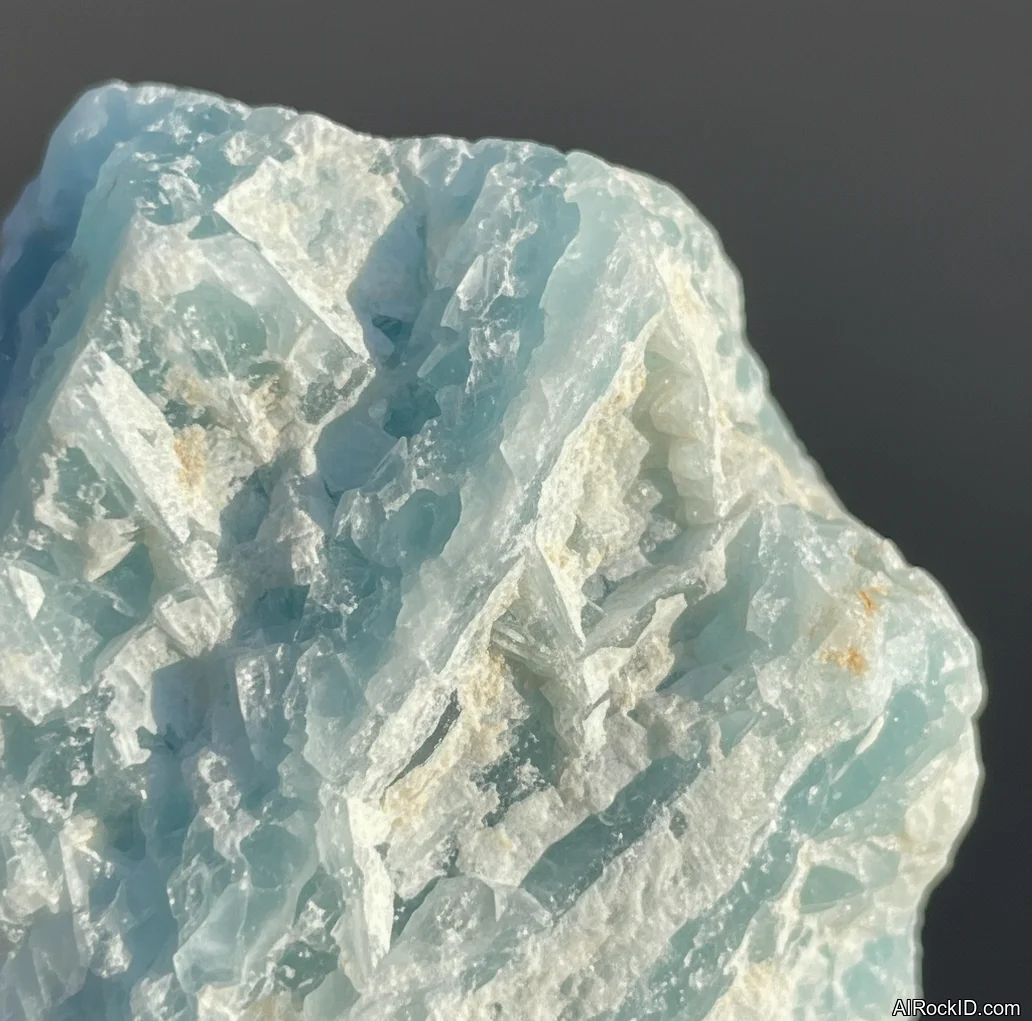
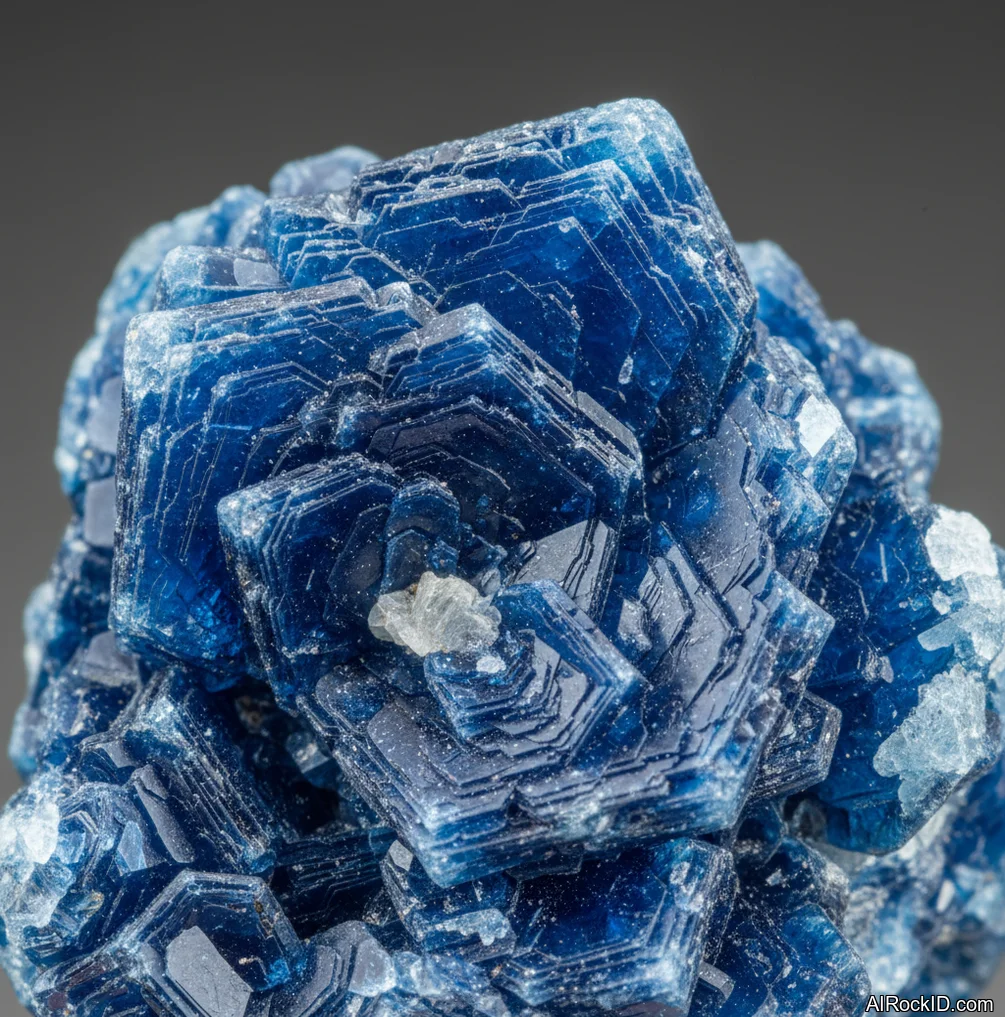
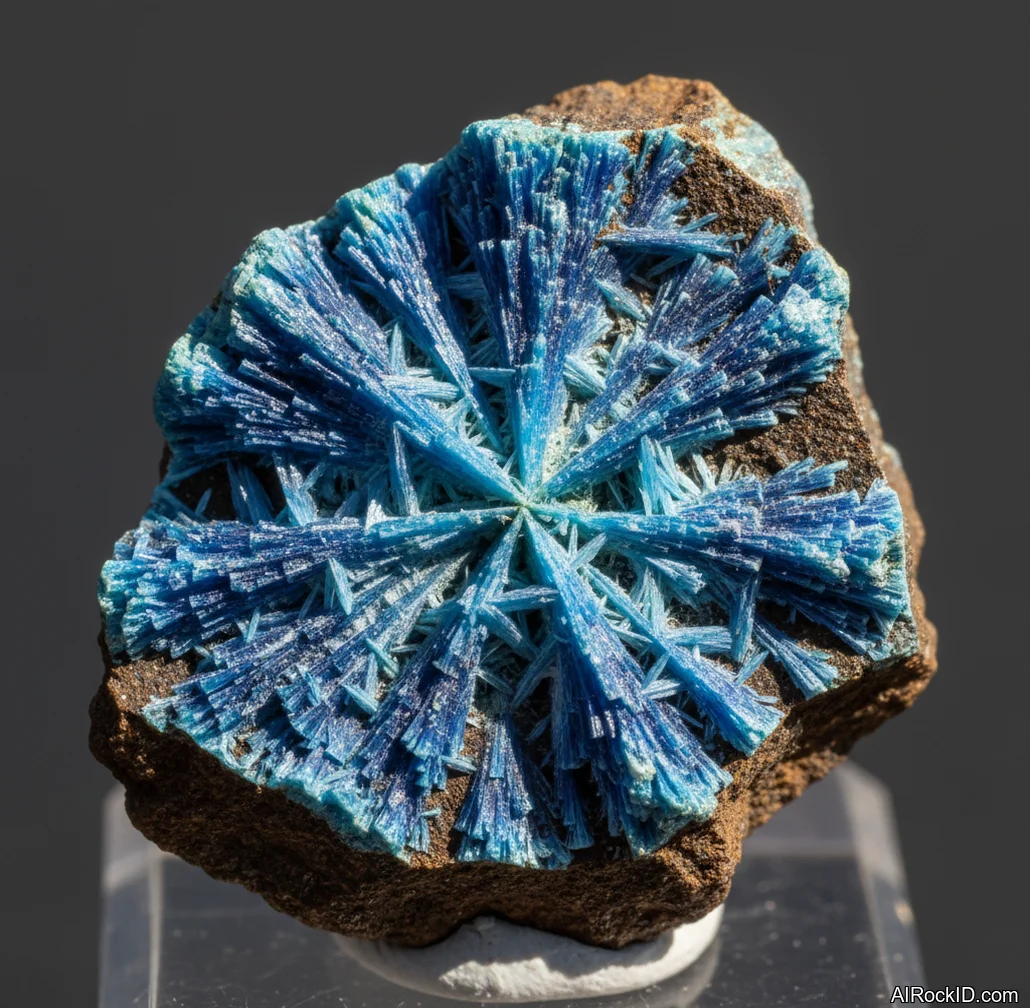
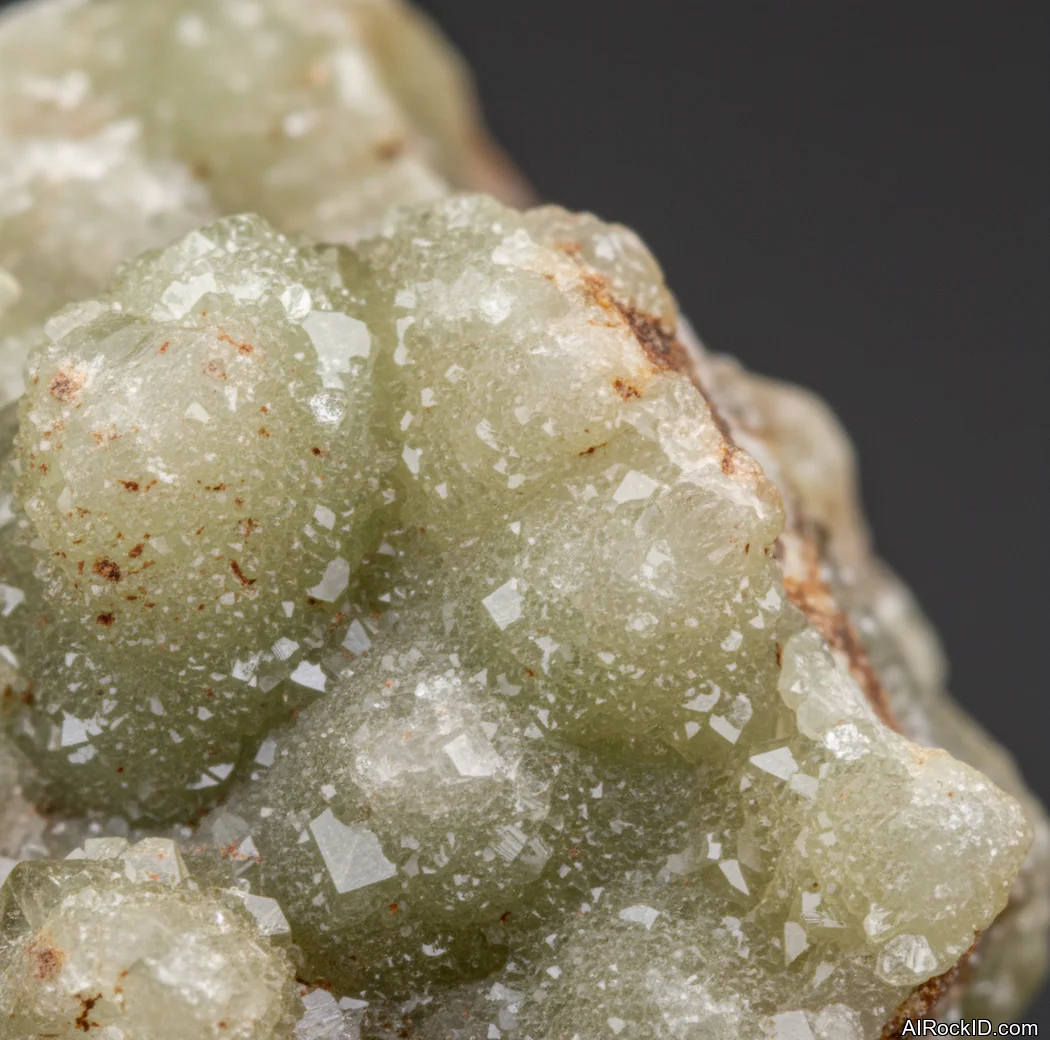
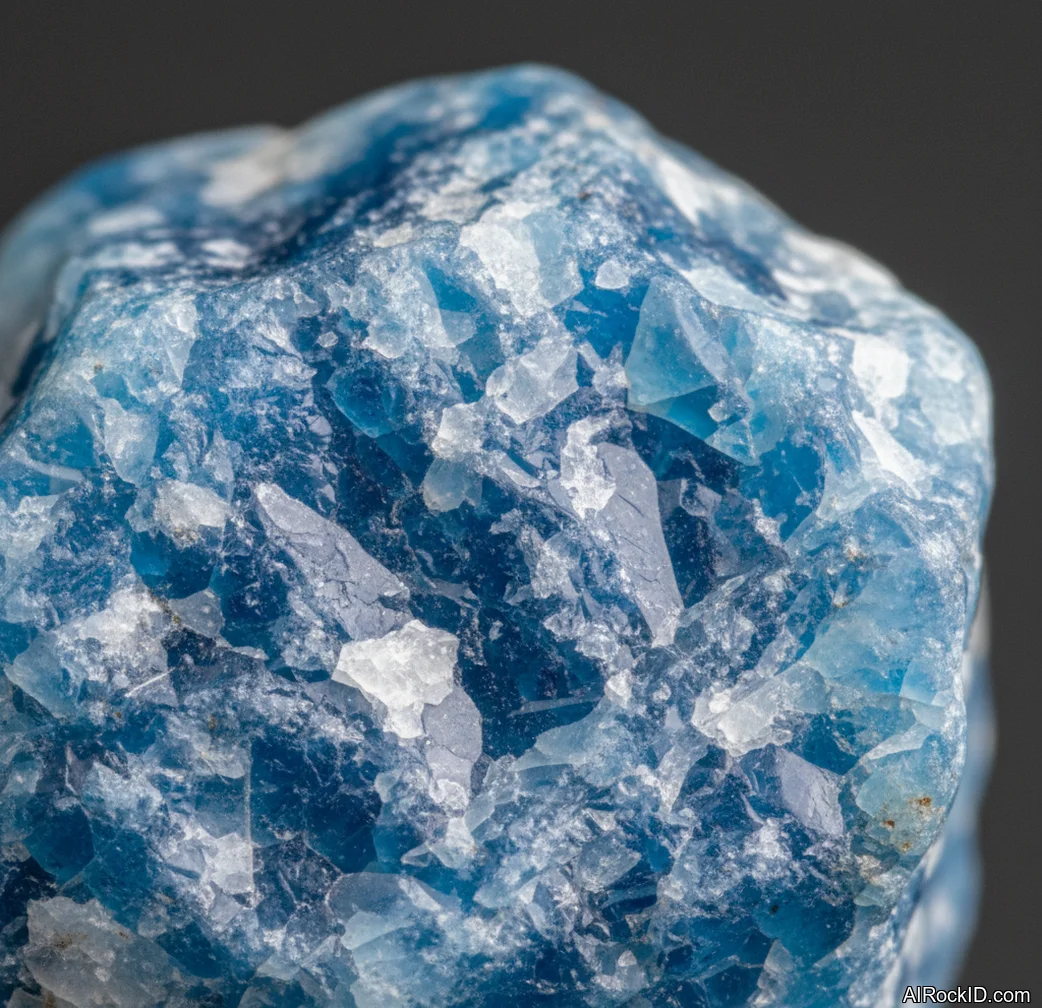
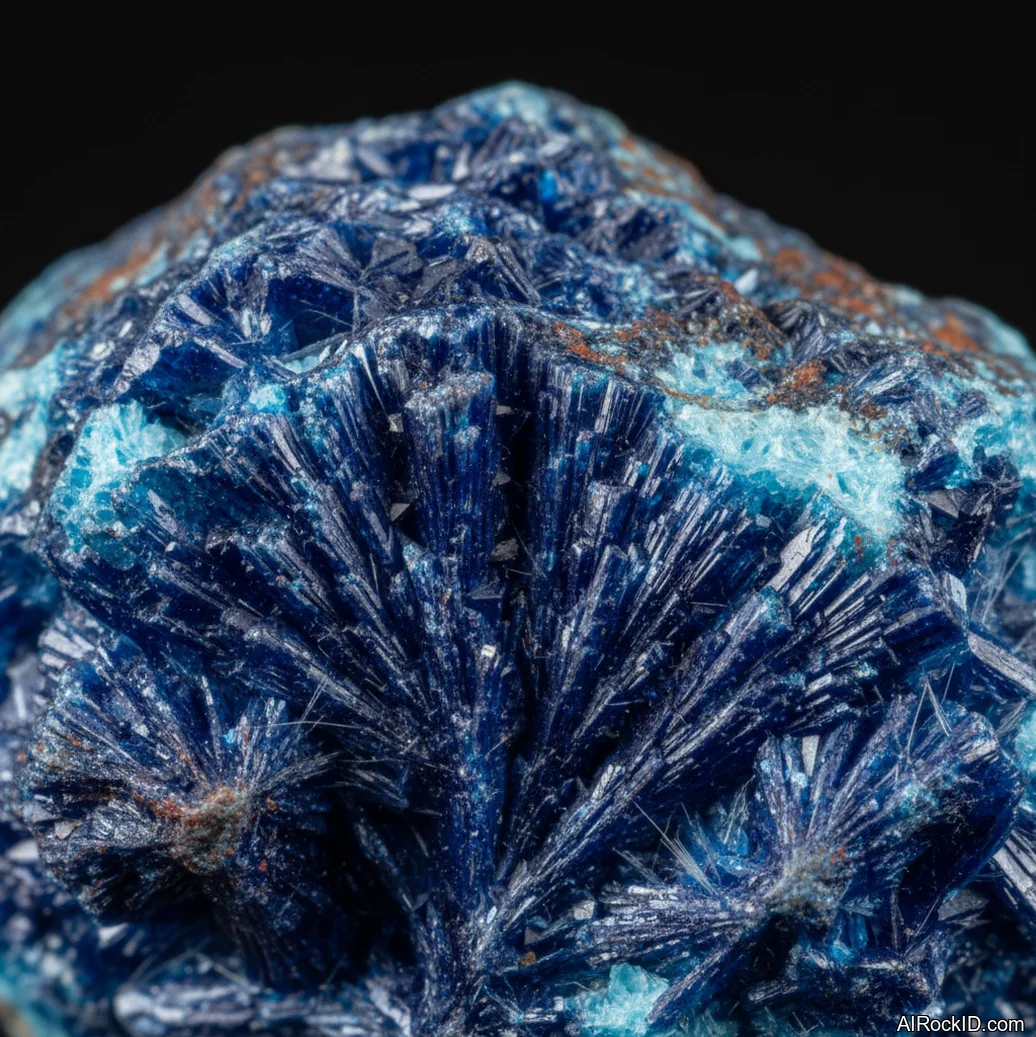
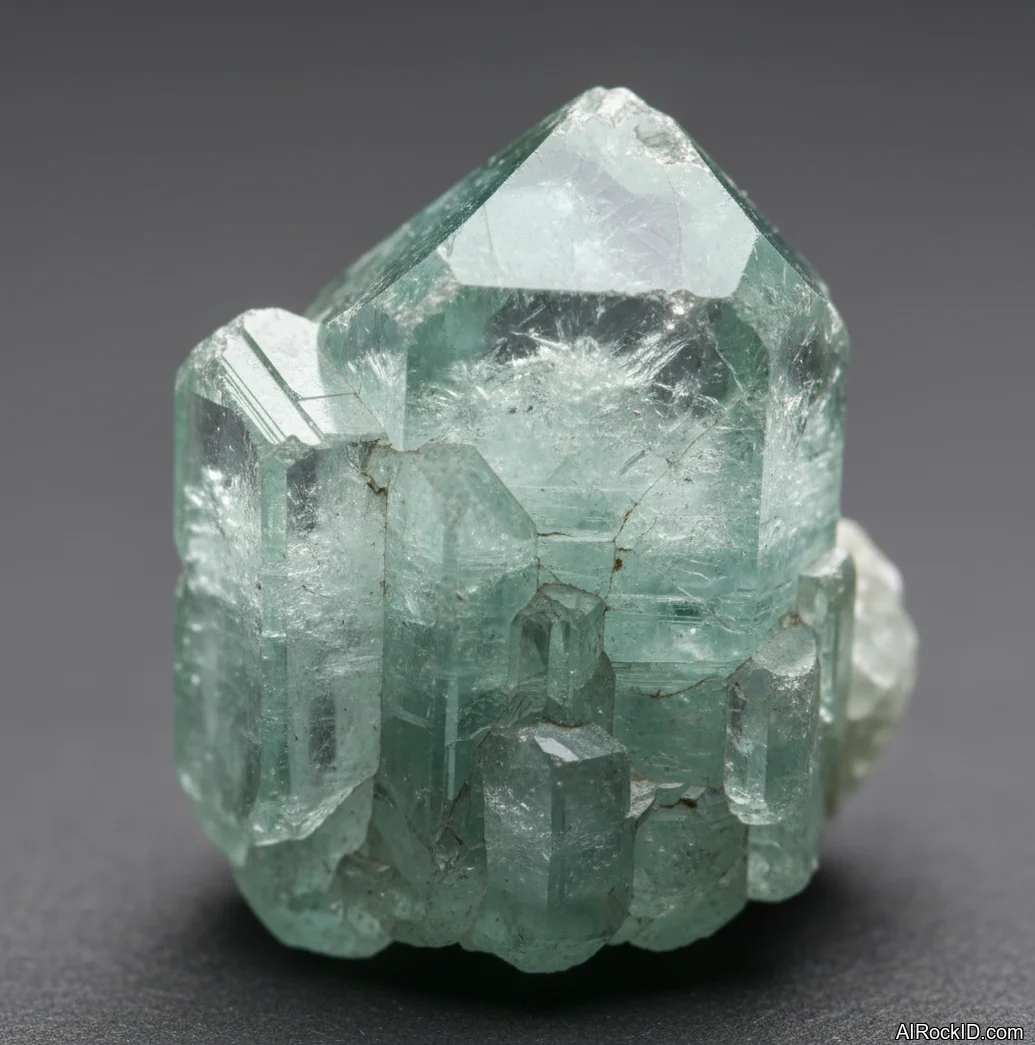
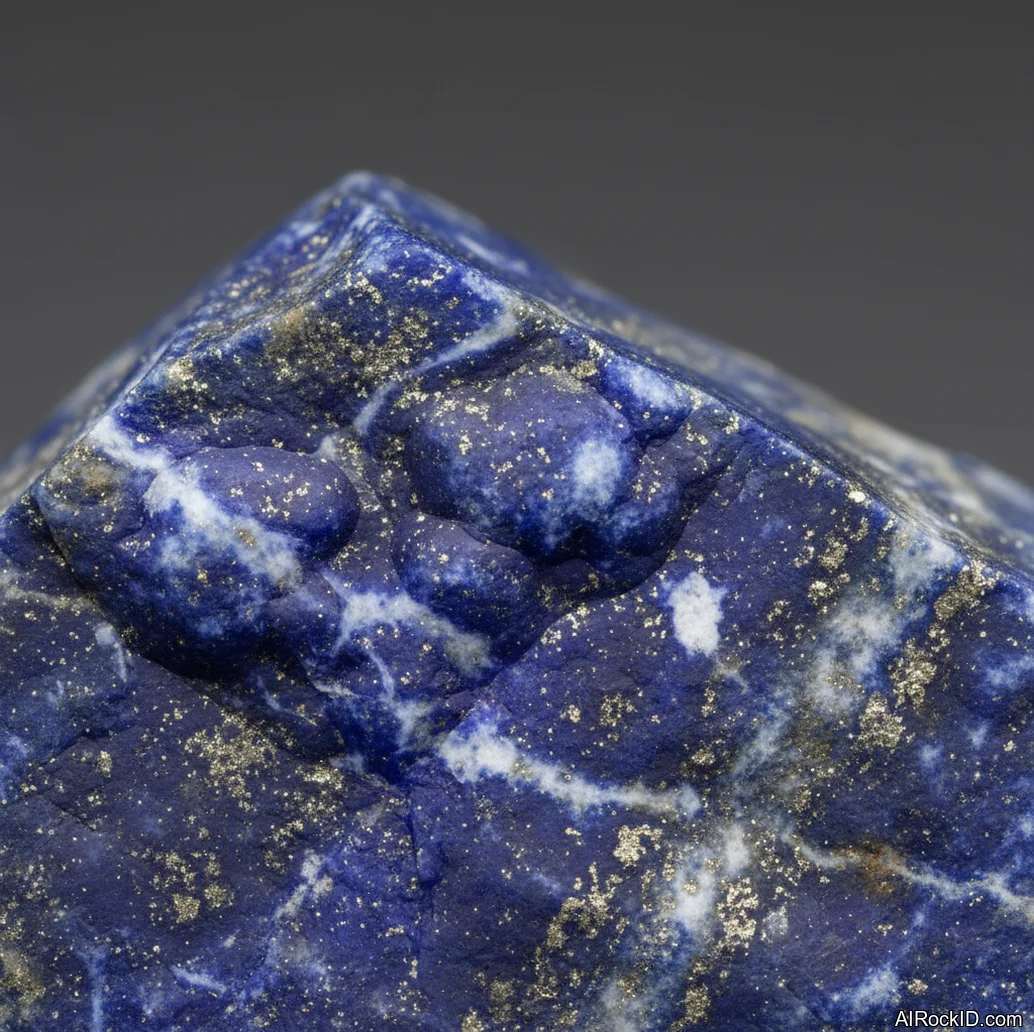
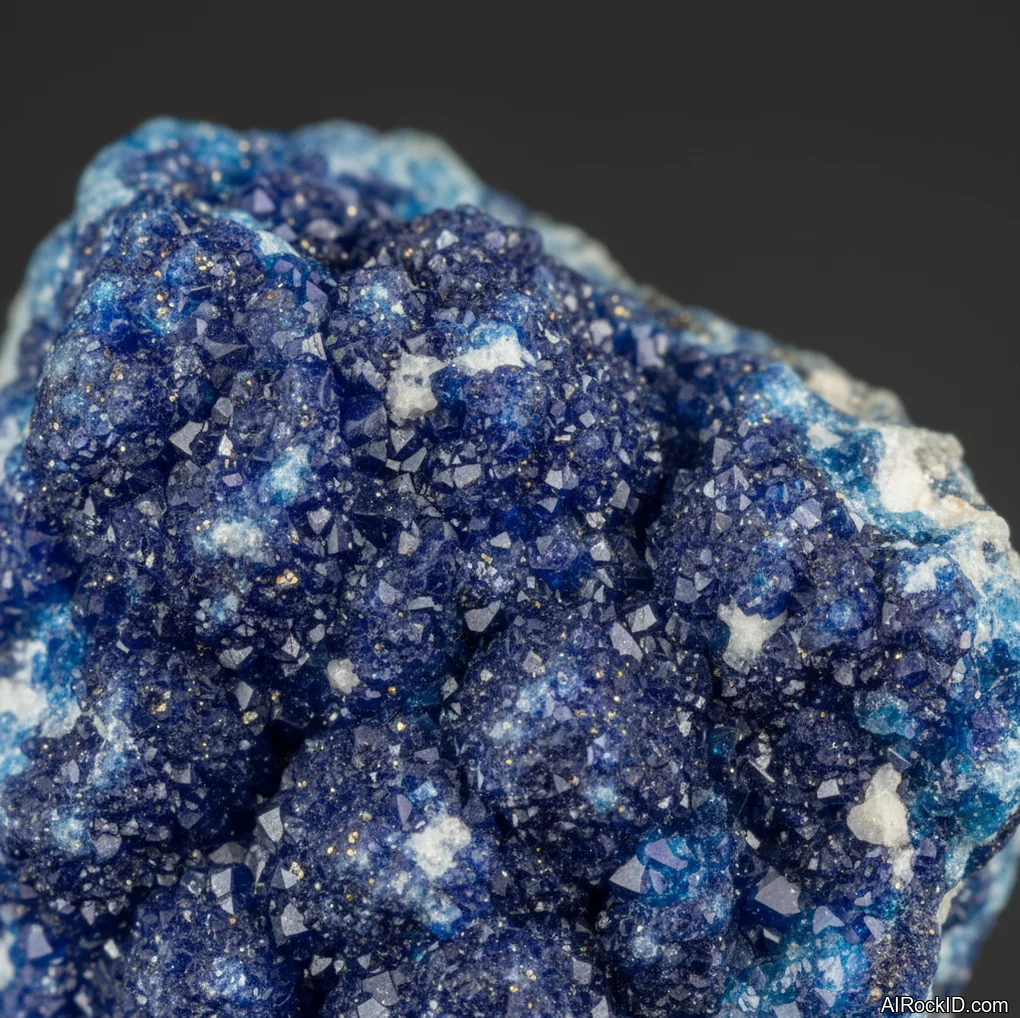
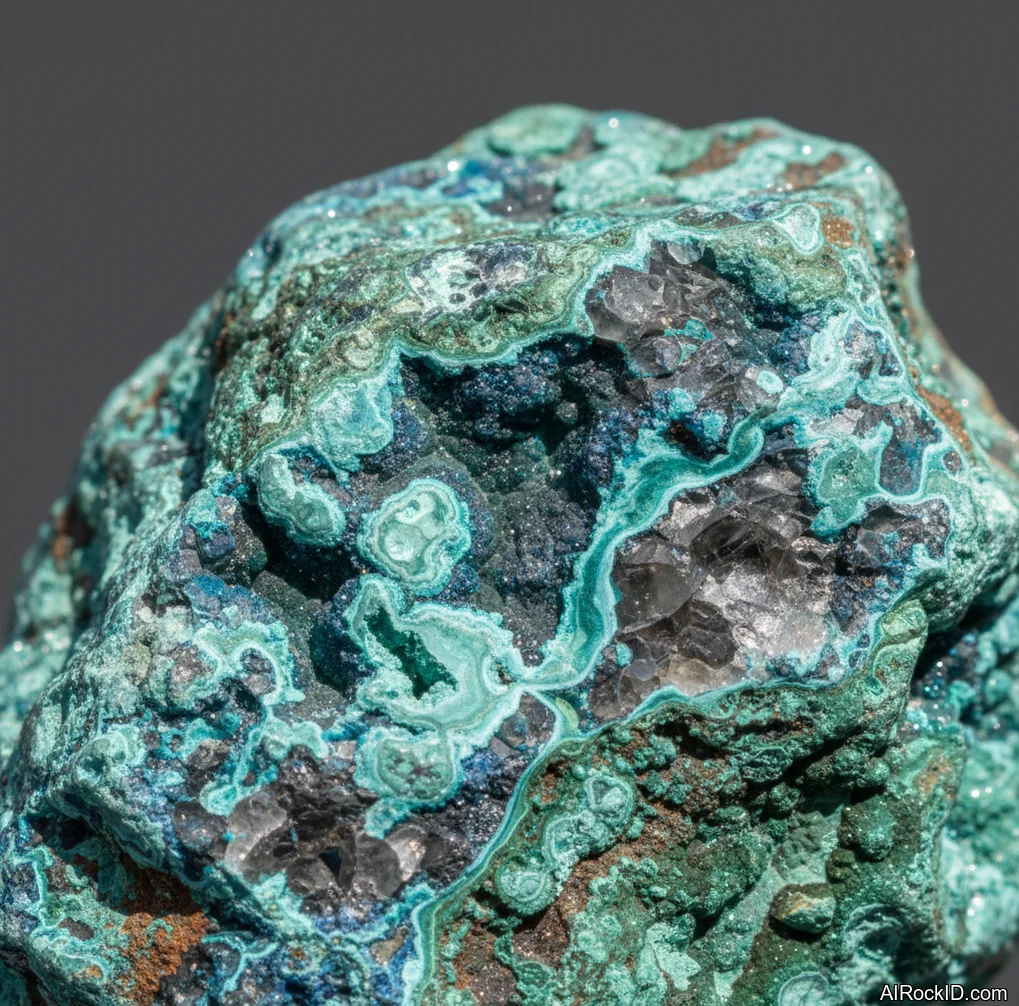
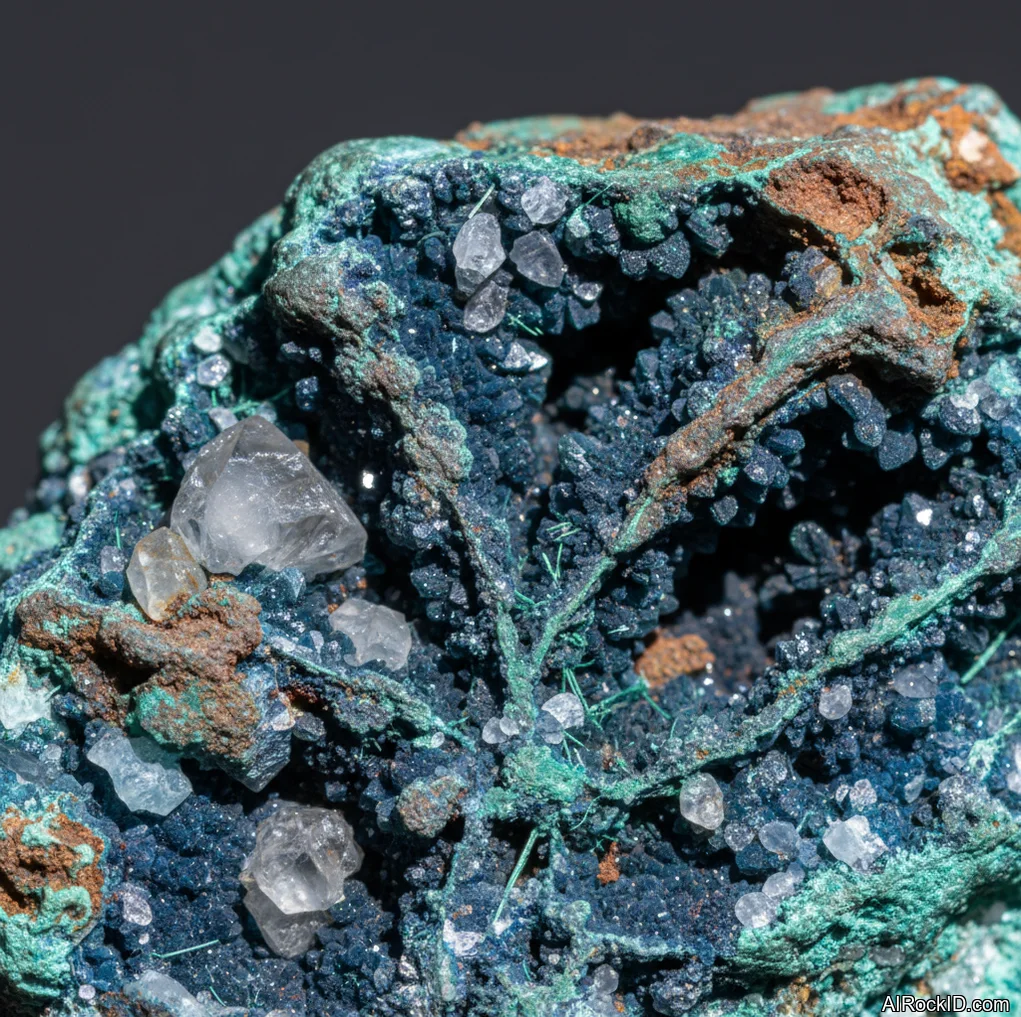
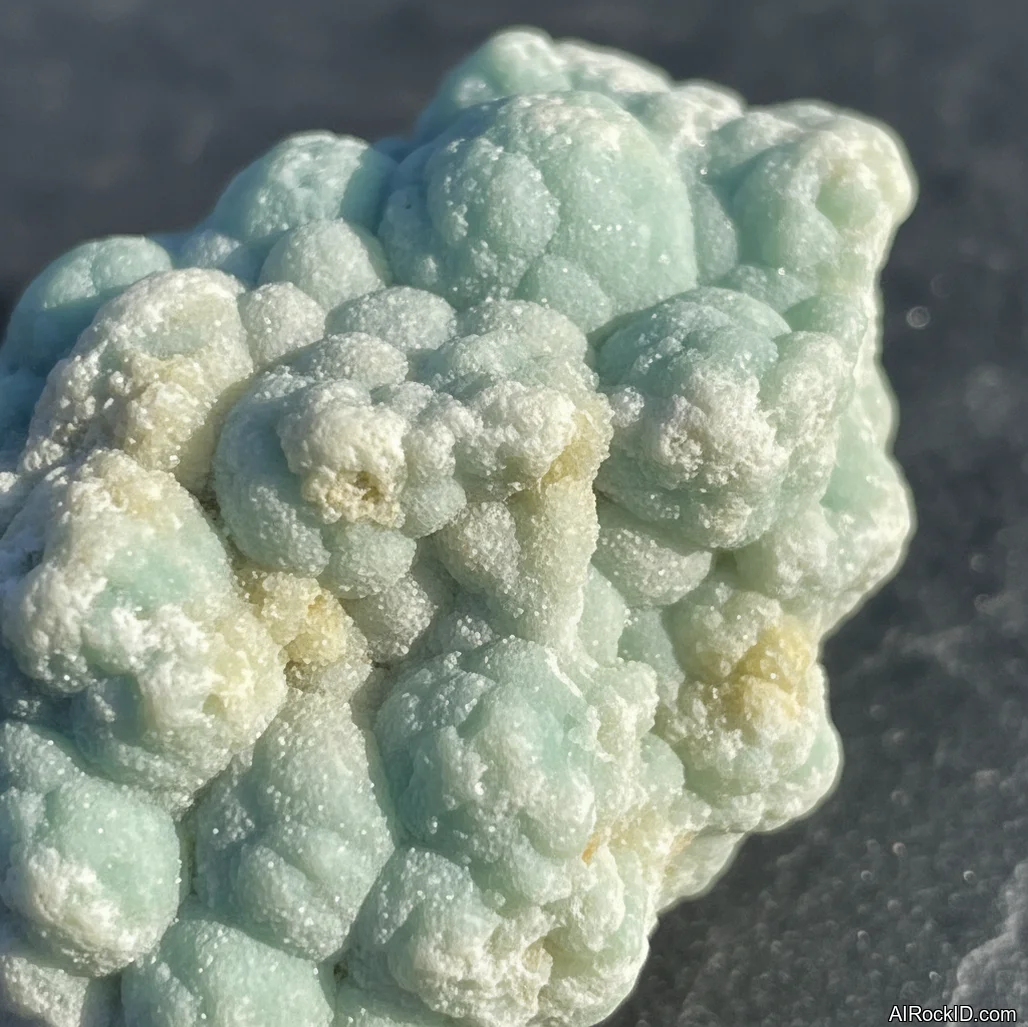
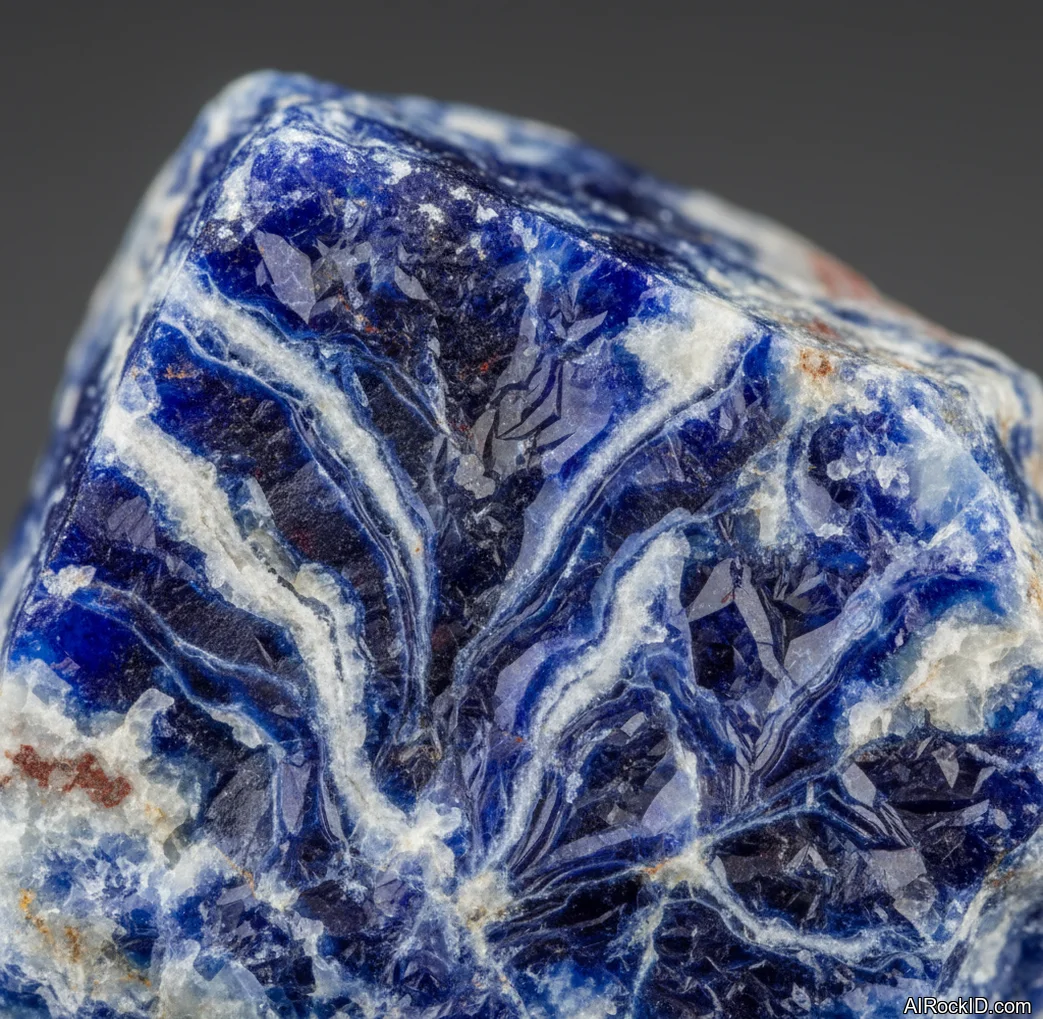
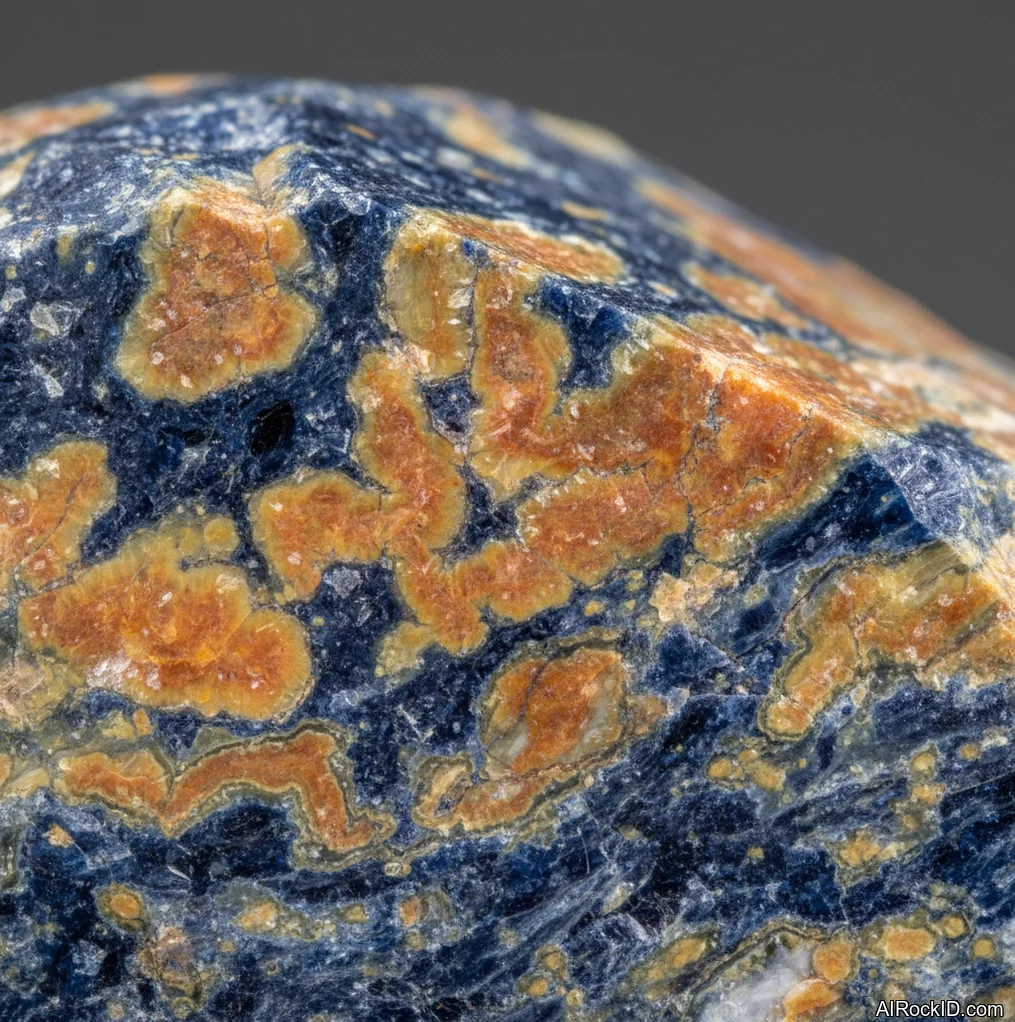
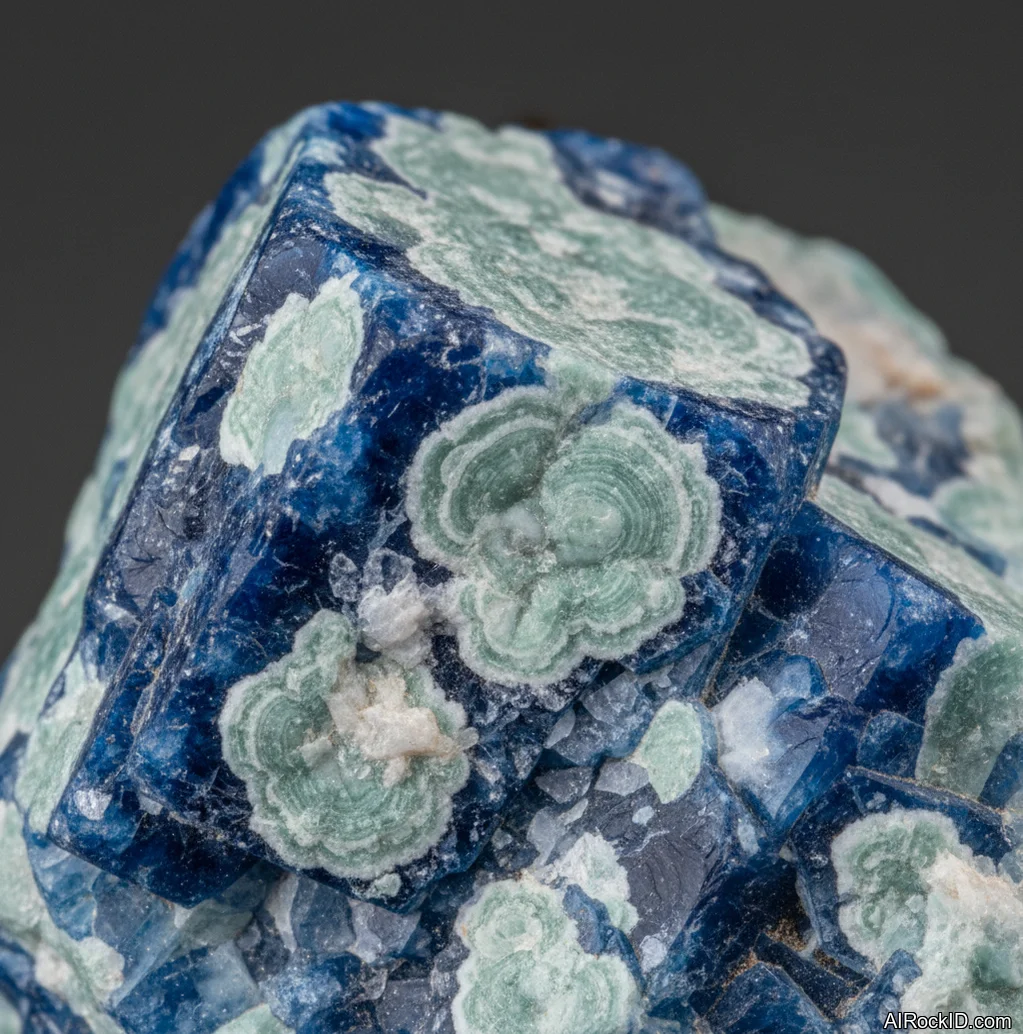
There’s a color story here that’s hard to miss. Blues and blue-greens keep showing up: Aquamarine, Amazonite, Celestite, Sodalite, Lapis Lazuli, and even some Blue Apatite. But it’s not as simple as “blue equals throat.” Different stones land in different moods. Aquamarine has that clean, watery look, especially when you catch a piece with internal growth lines like faint threads. Sodalite’s more matte and inky, with white veining that can look like chalky lightning. Lapis is the heavyweight of the group, literally and visually, and the gold pyrite flecks can be tiny pinpoints or big brassy patches that flash when you tilt it.
People tend to reach for Throat Chakra crystals when they’re stuck between thinking and speaking. Maybe they ramble. Maybe they freeze. Maybe they’ve got the words but can’t get them past their teeth. In a shop, the pattern repeats: folks touch their neck without noticing, or they keep picking up and putting down stones like they’re waiting for one to “click.” Look, if you want a practical, non-mystical way to frame it, treat these stones like a cue. A physical reminder to slow your breath, pick one sentence, and say the true part first.
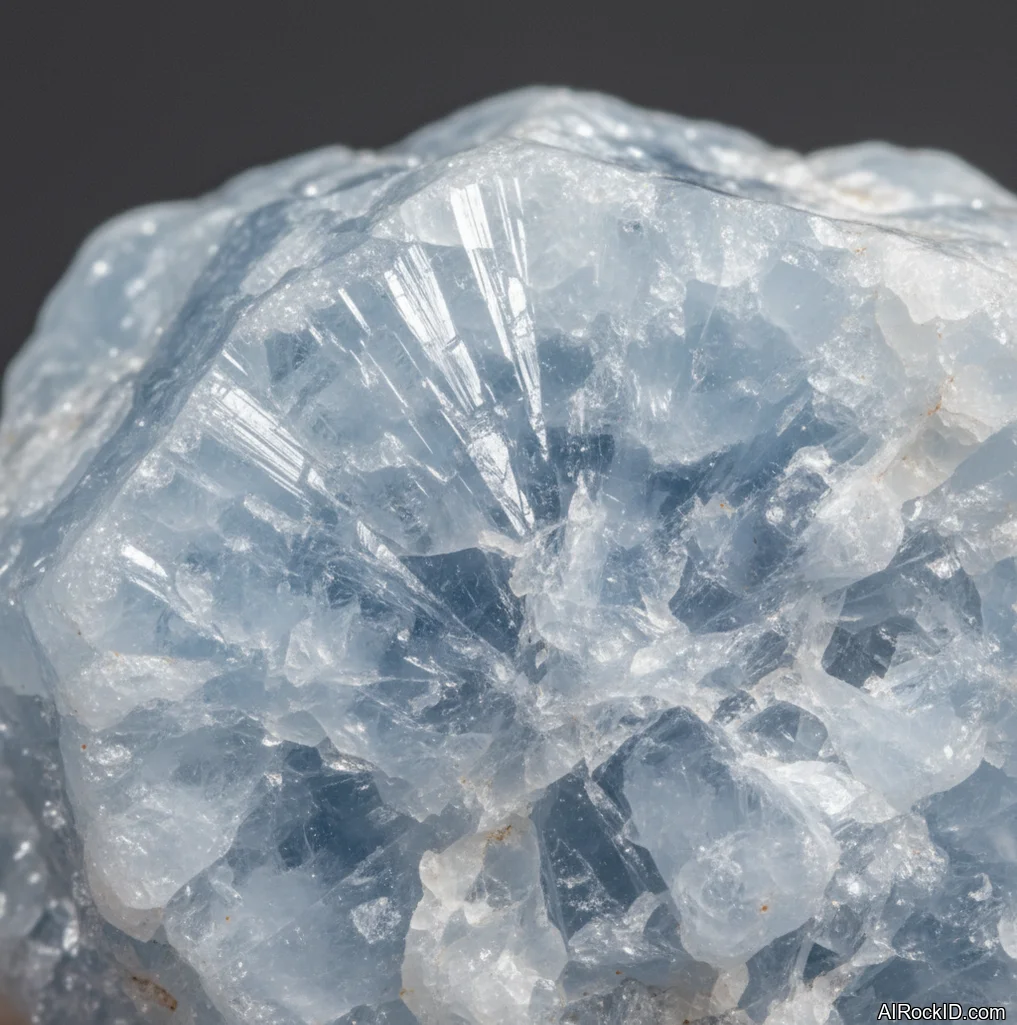
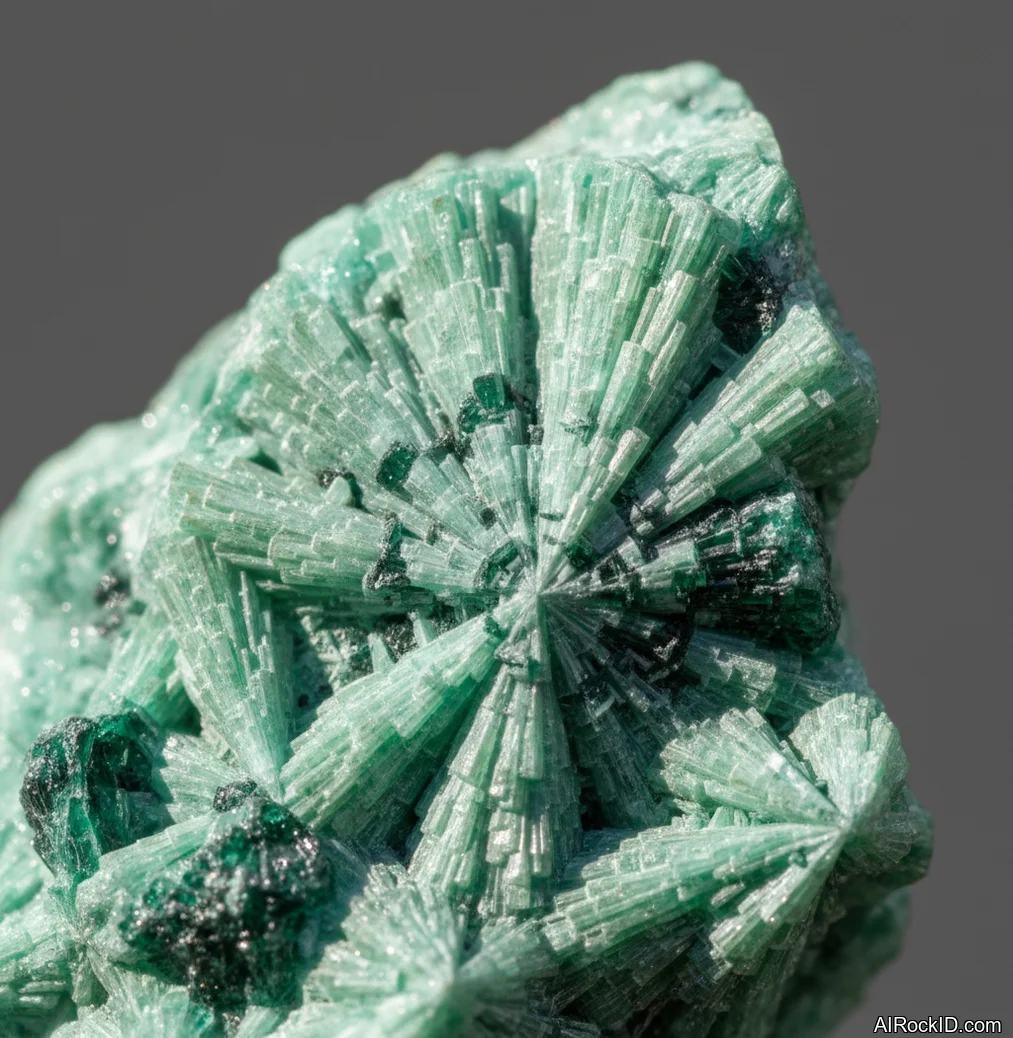
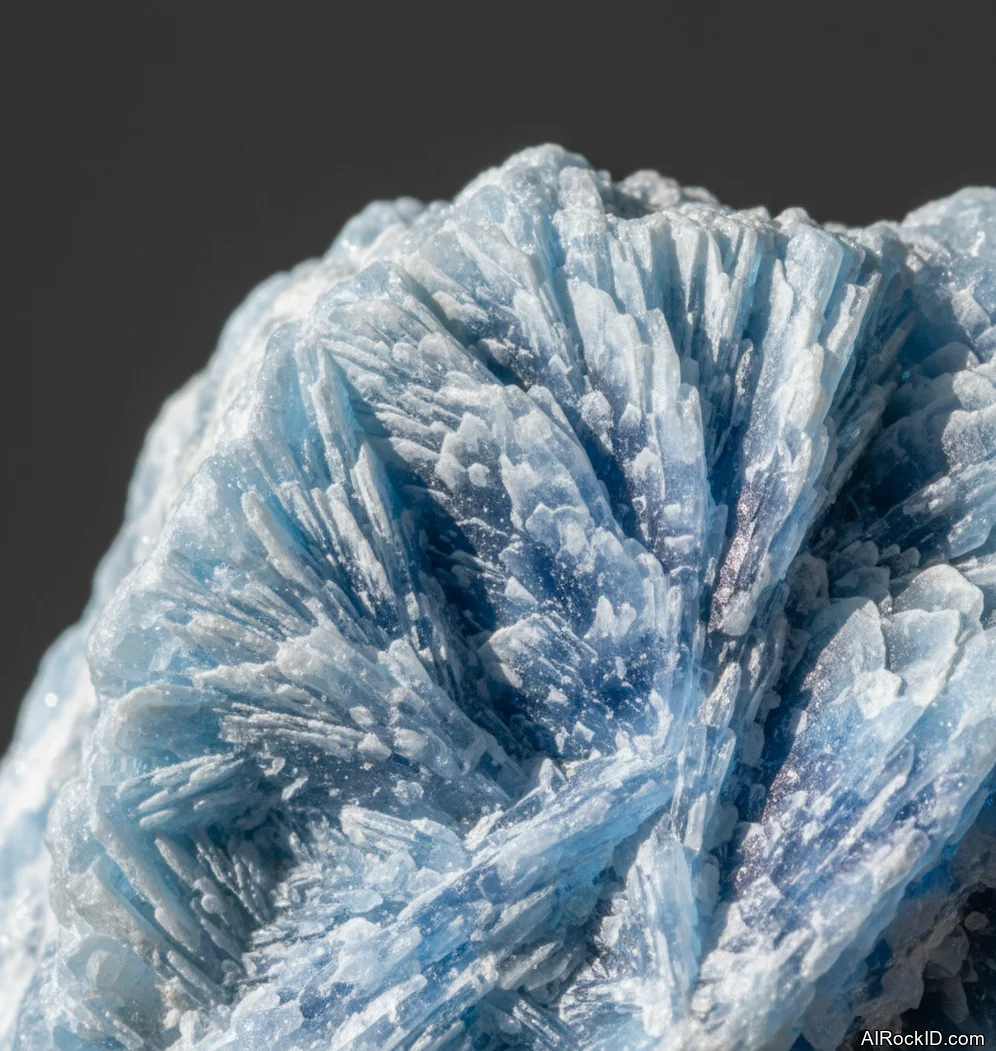
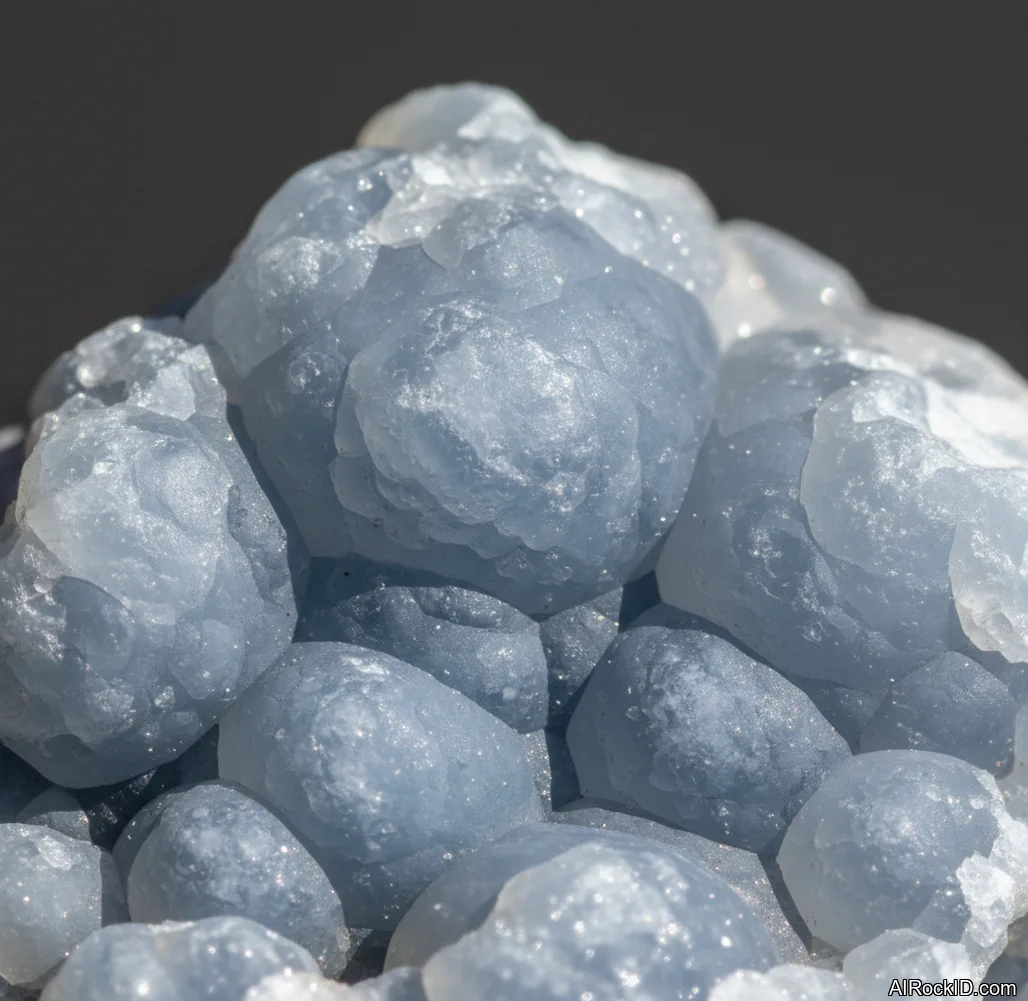
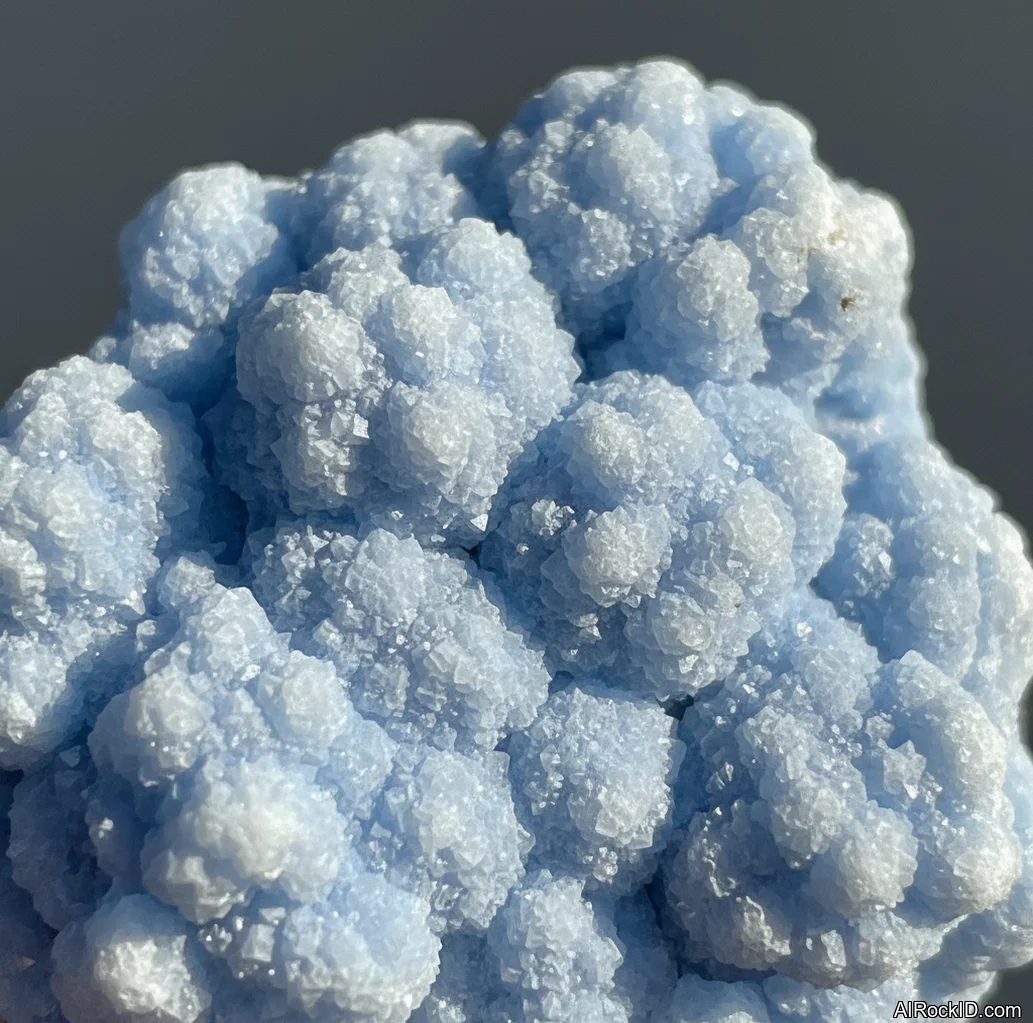
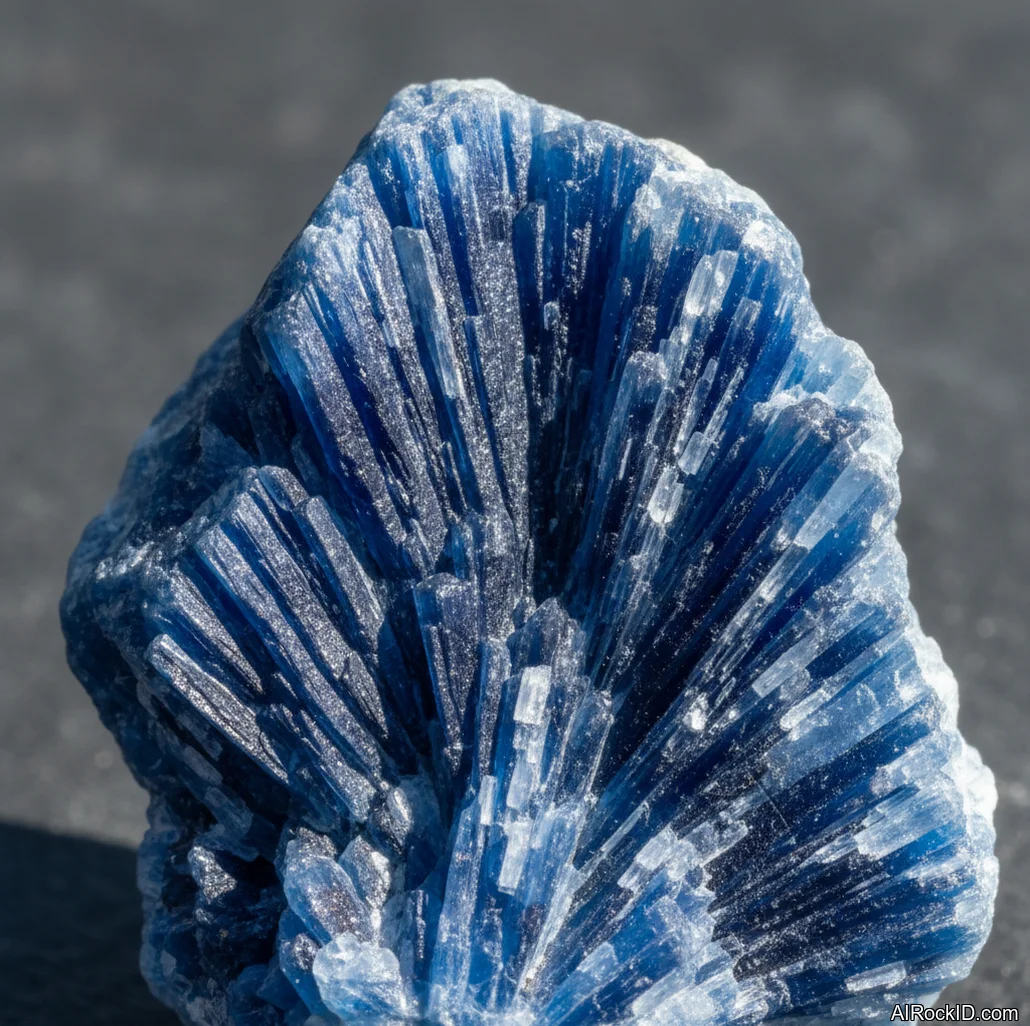
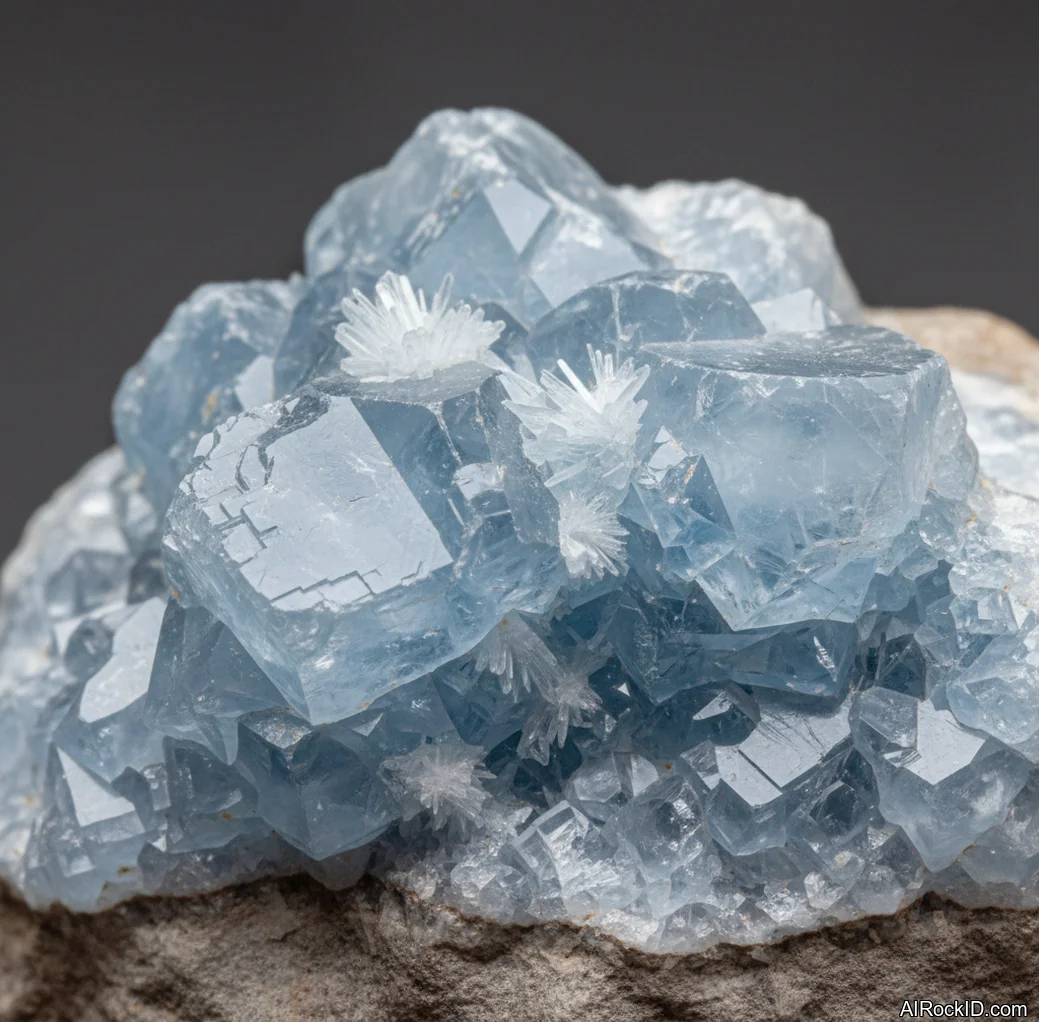
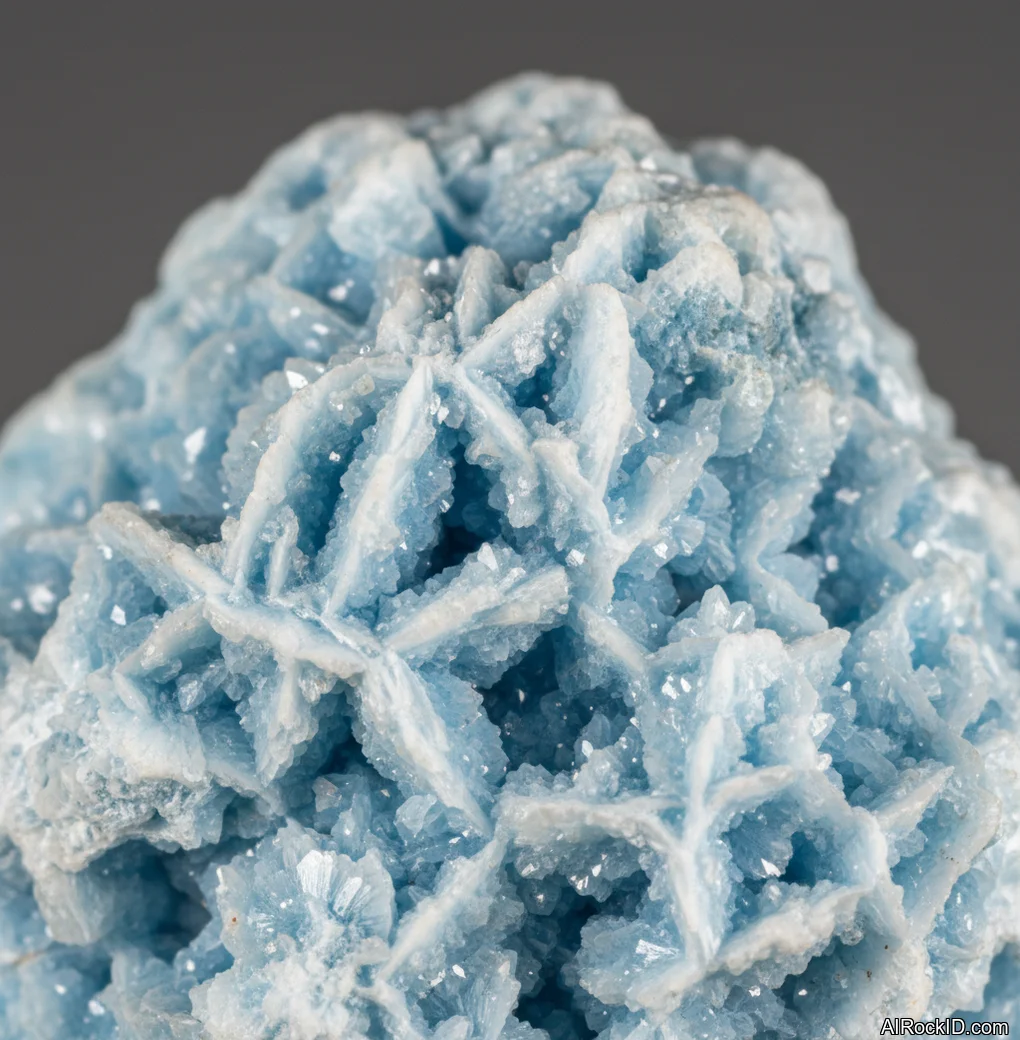
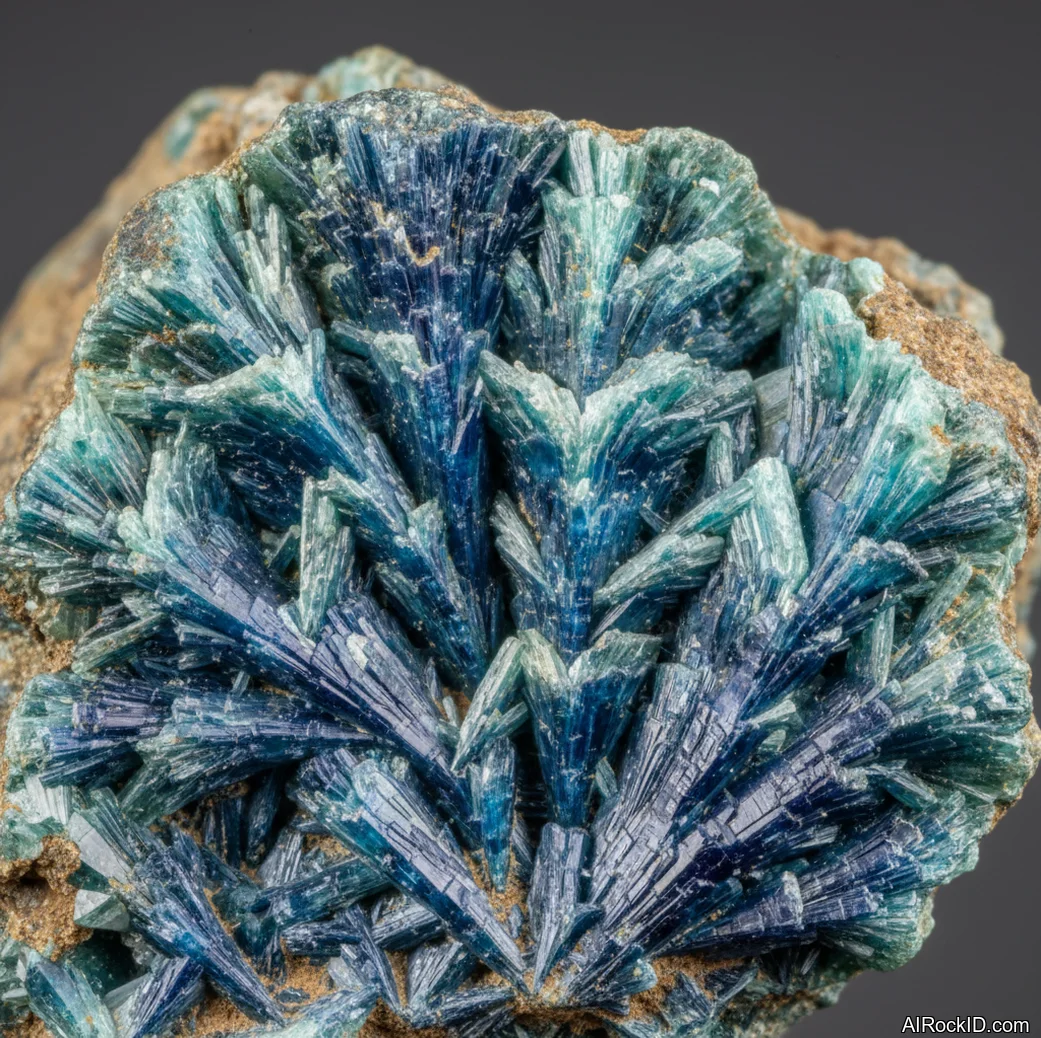
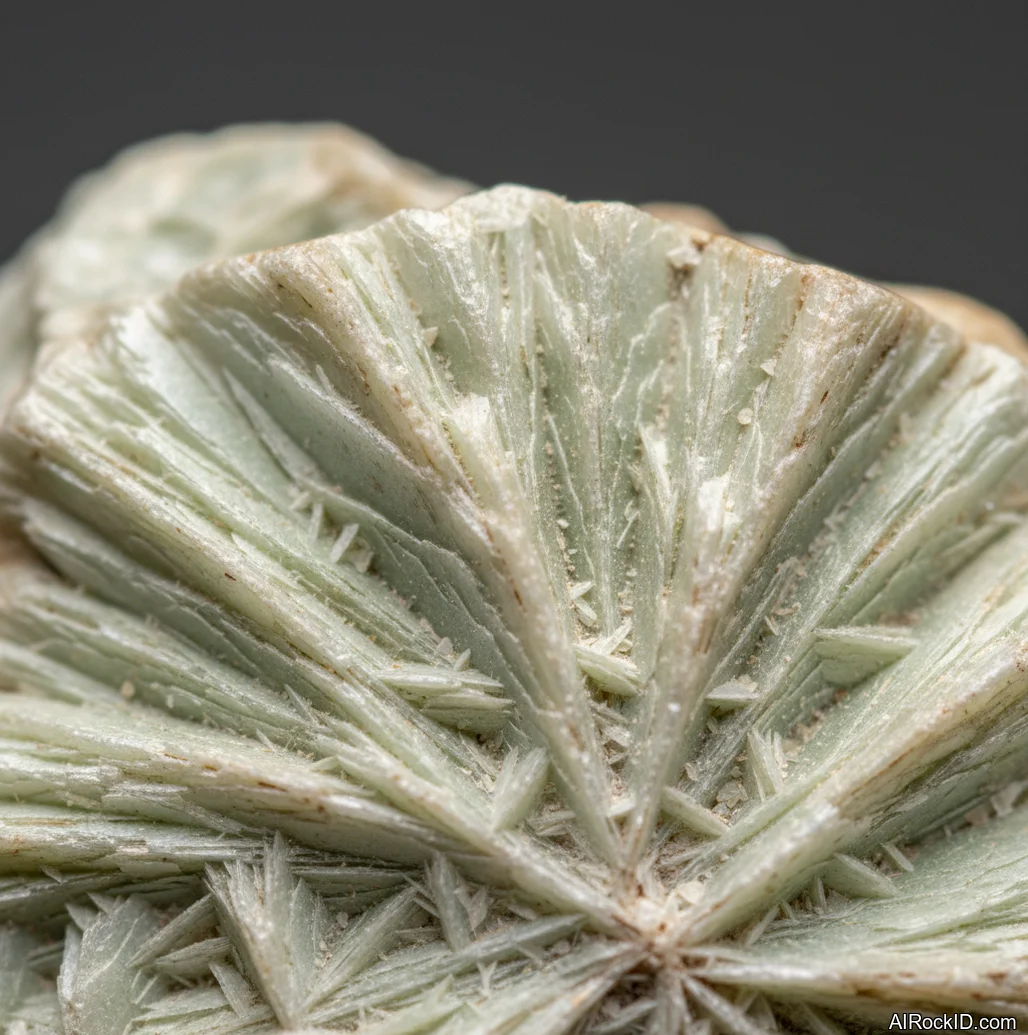
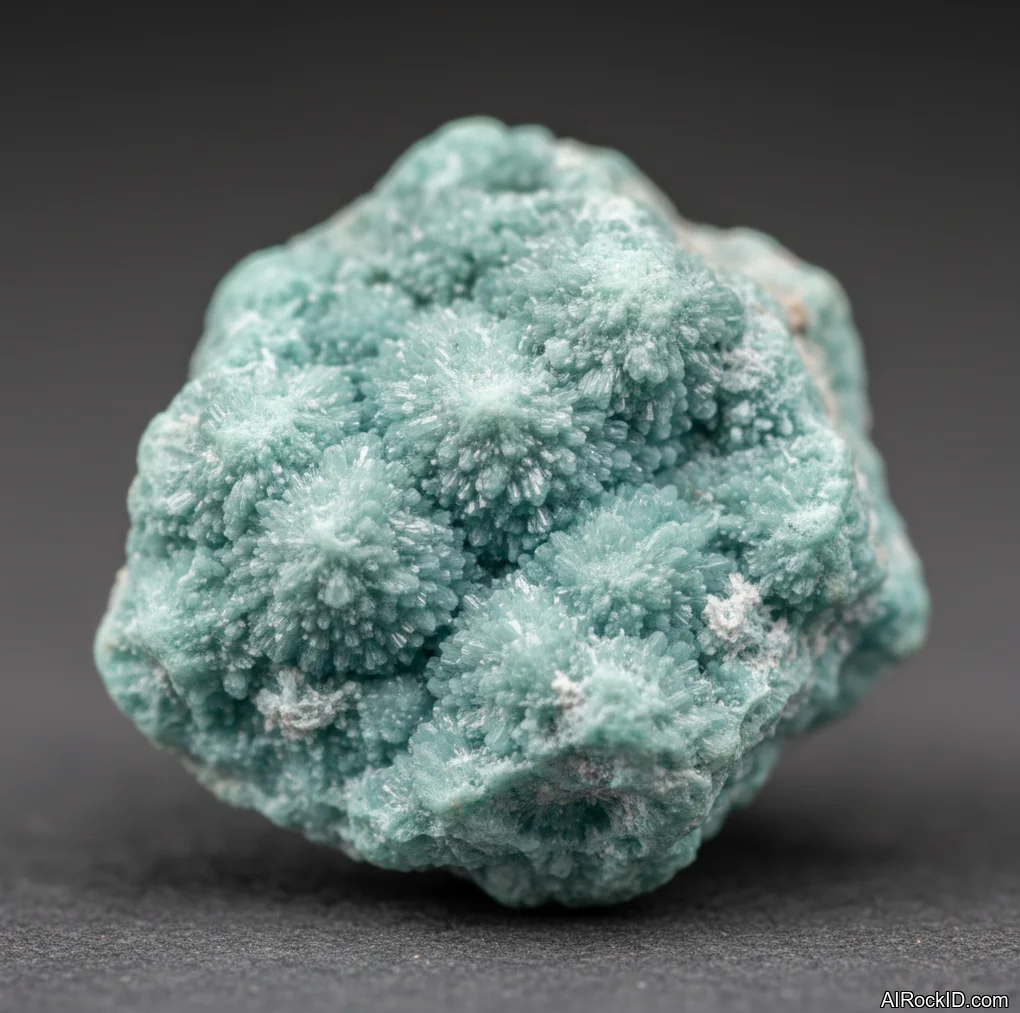
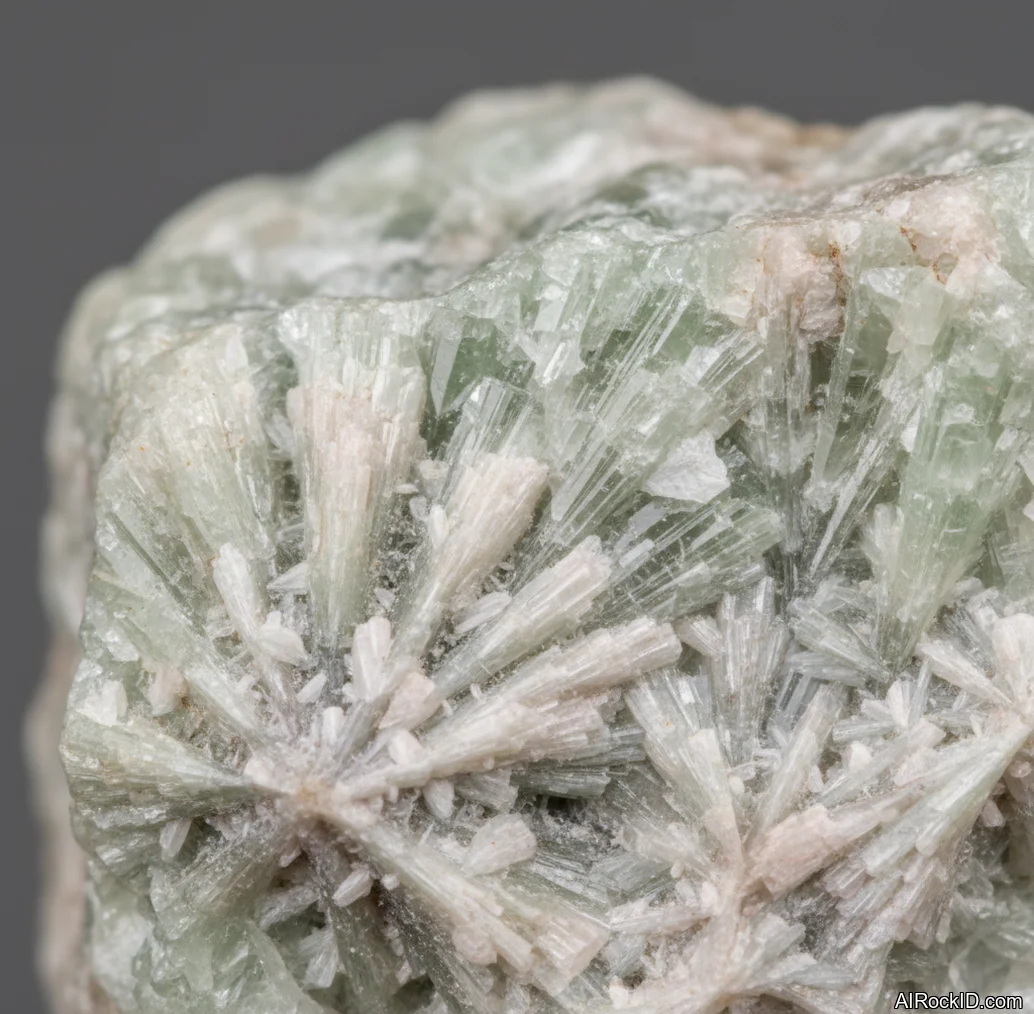
How you work with them matters more than the perfect stone list. The simplest method is placement. Lay back and set a smooth tumble at the base of your throat for 5 to 10 minutes, then take it off and actually do the thing you’ve been avoiding. Thing is, if you’re using Celestite, be careful. It’s pretty, but it’s soft and crumbly. I’ve seen clusters shed little grains if you handle them a lot, and the points can snap if you toss it in a bag with keys. So keep Celestite on a shelf near where you journal or take calls, and use a sturdier stone like Amazonite or Sodalite for daily carry.
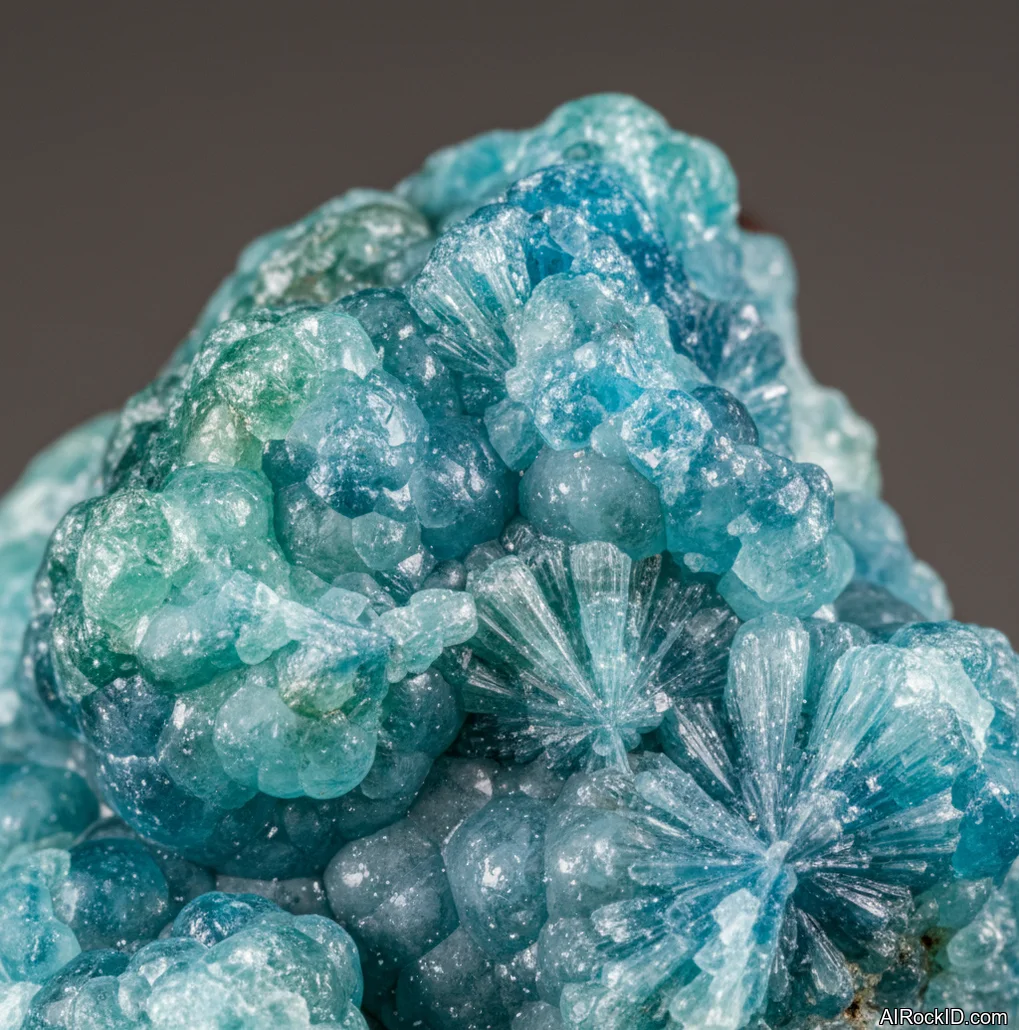
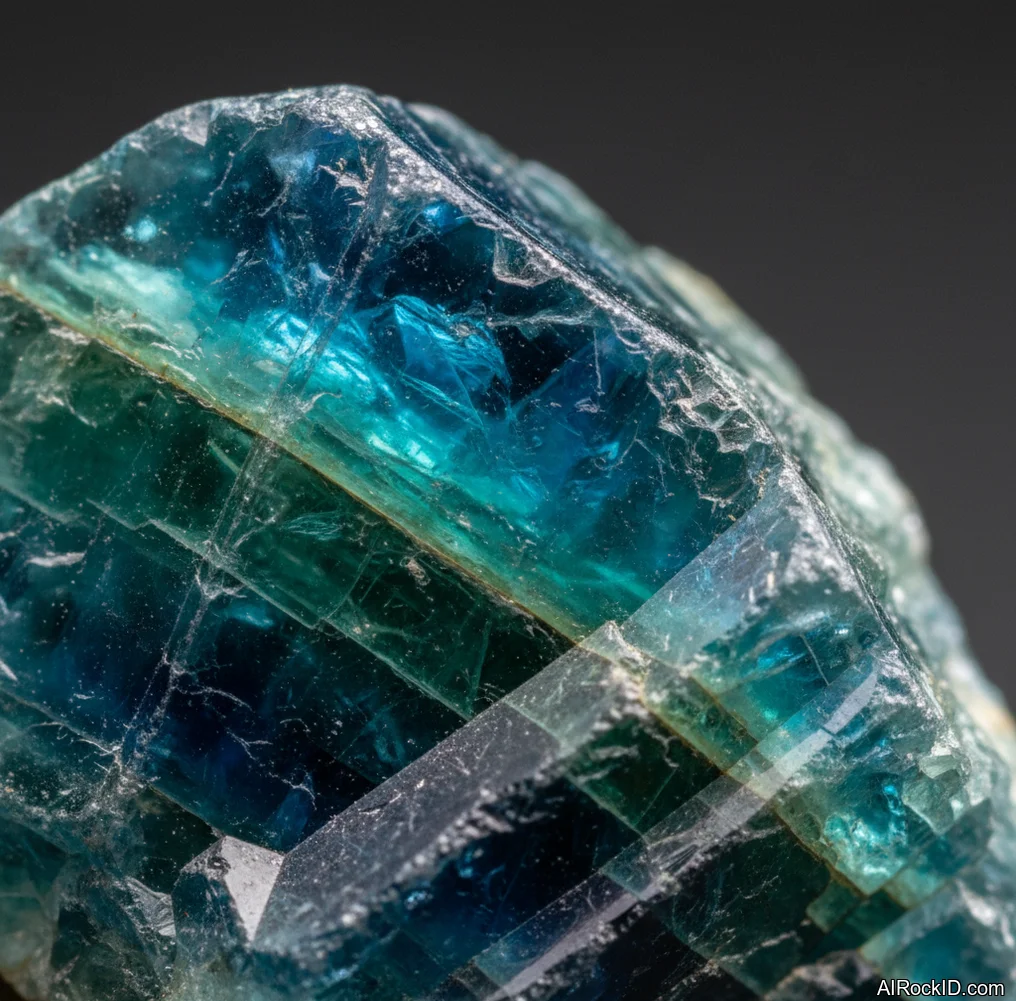
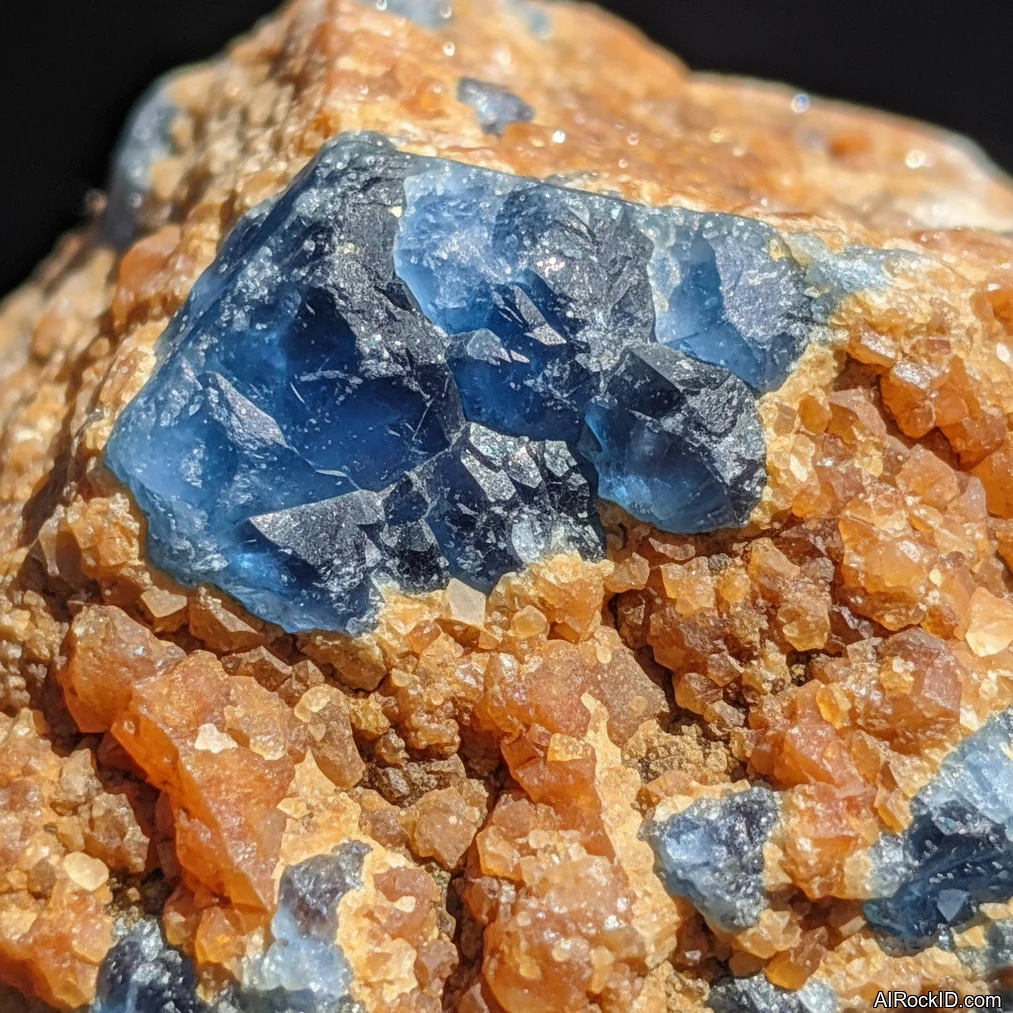
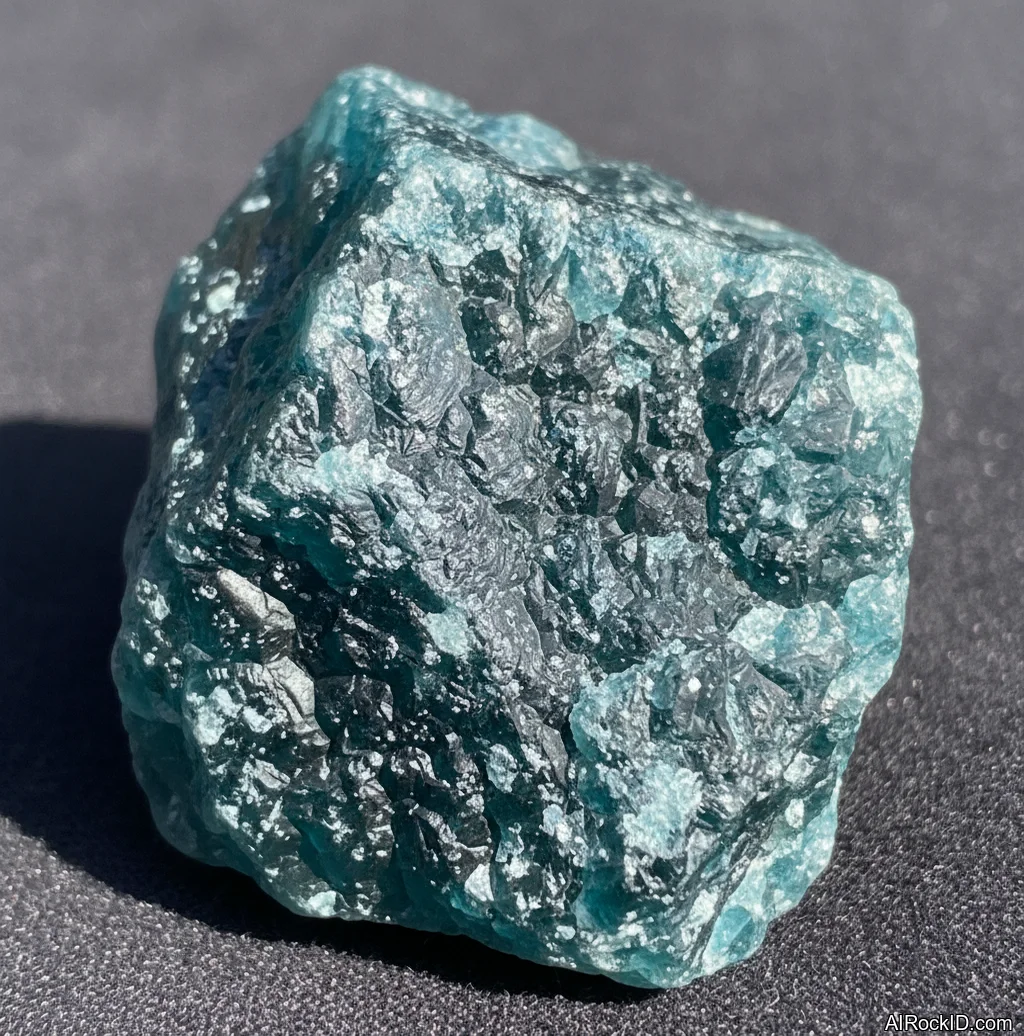
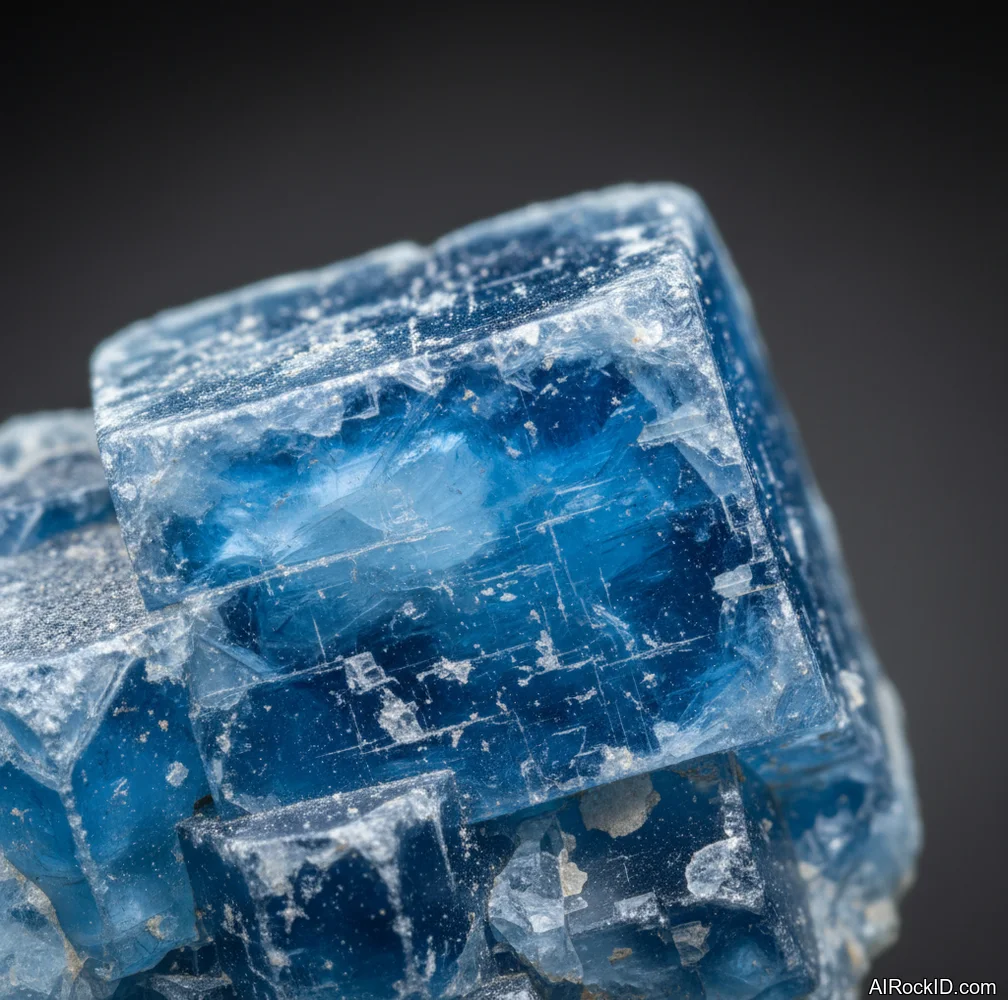
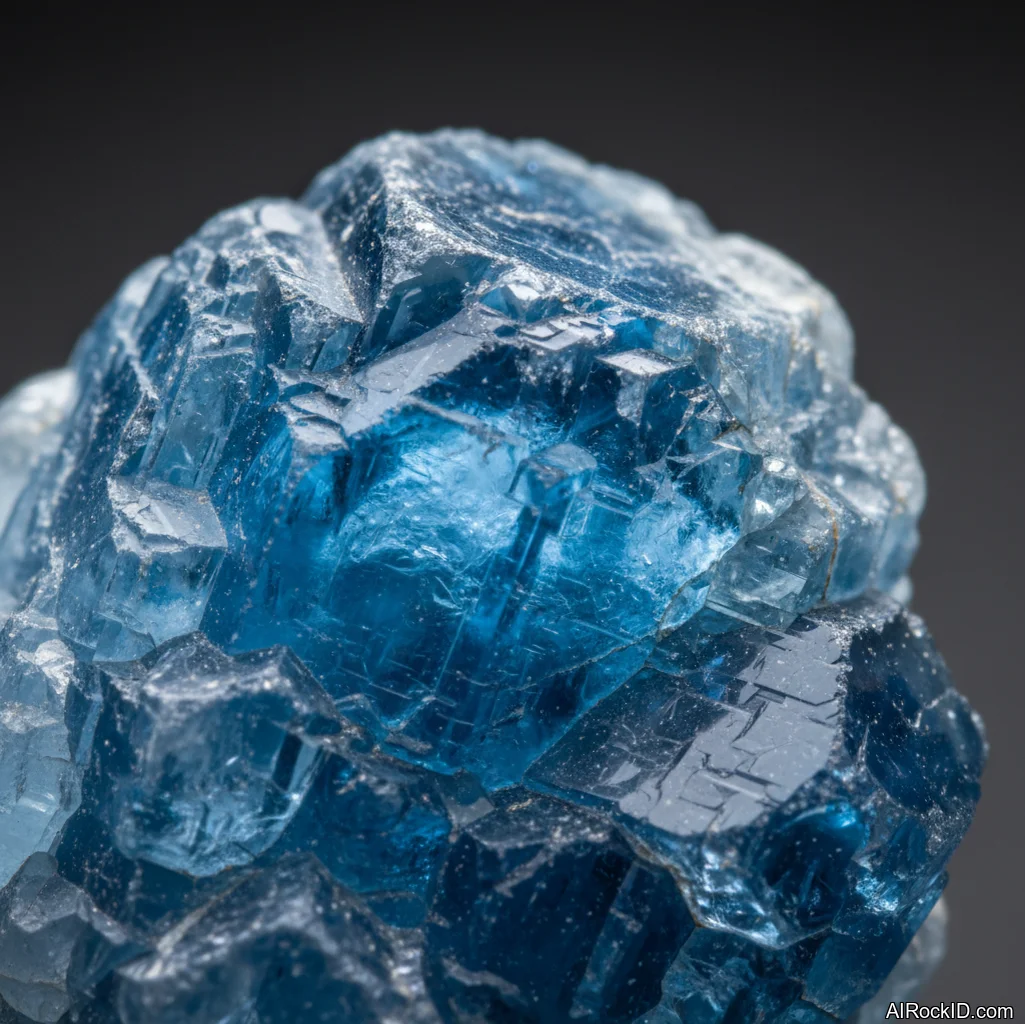
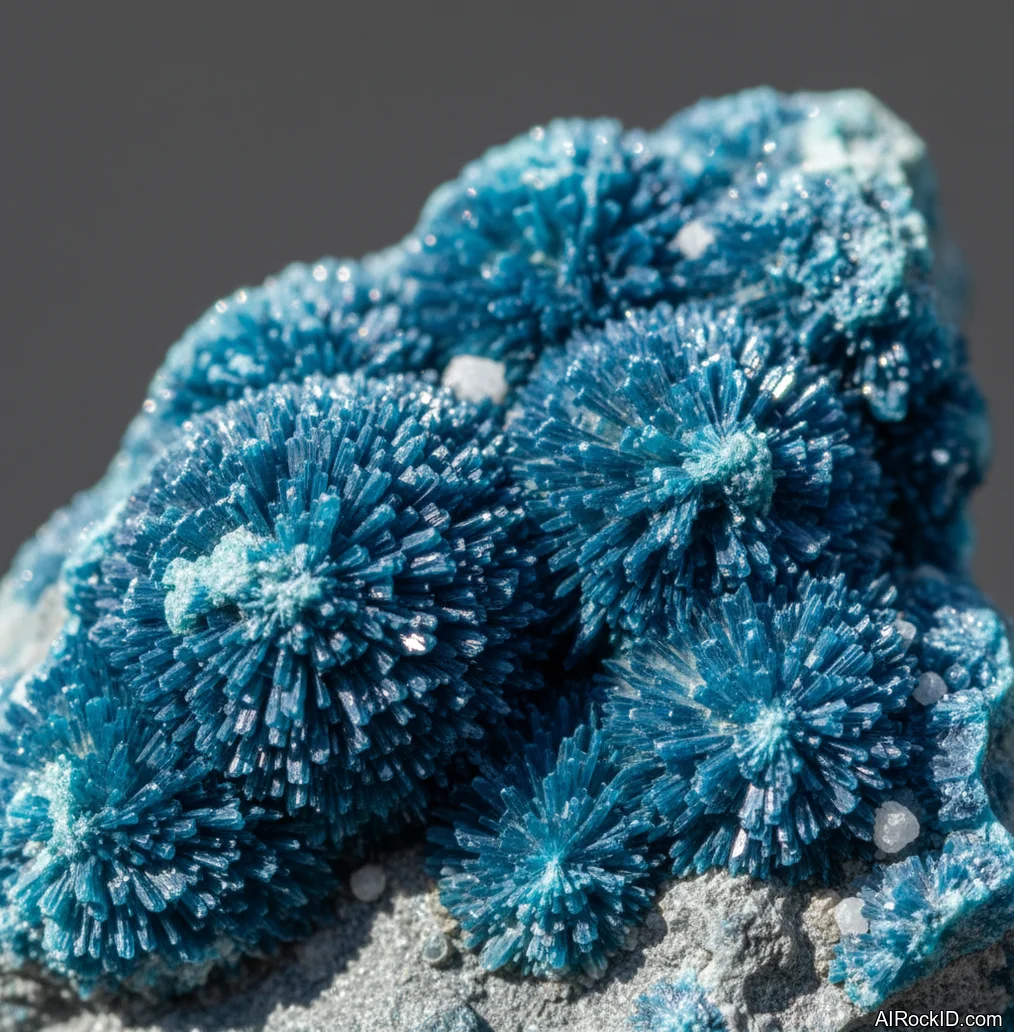
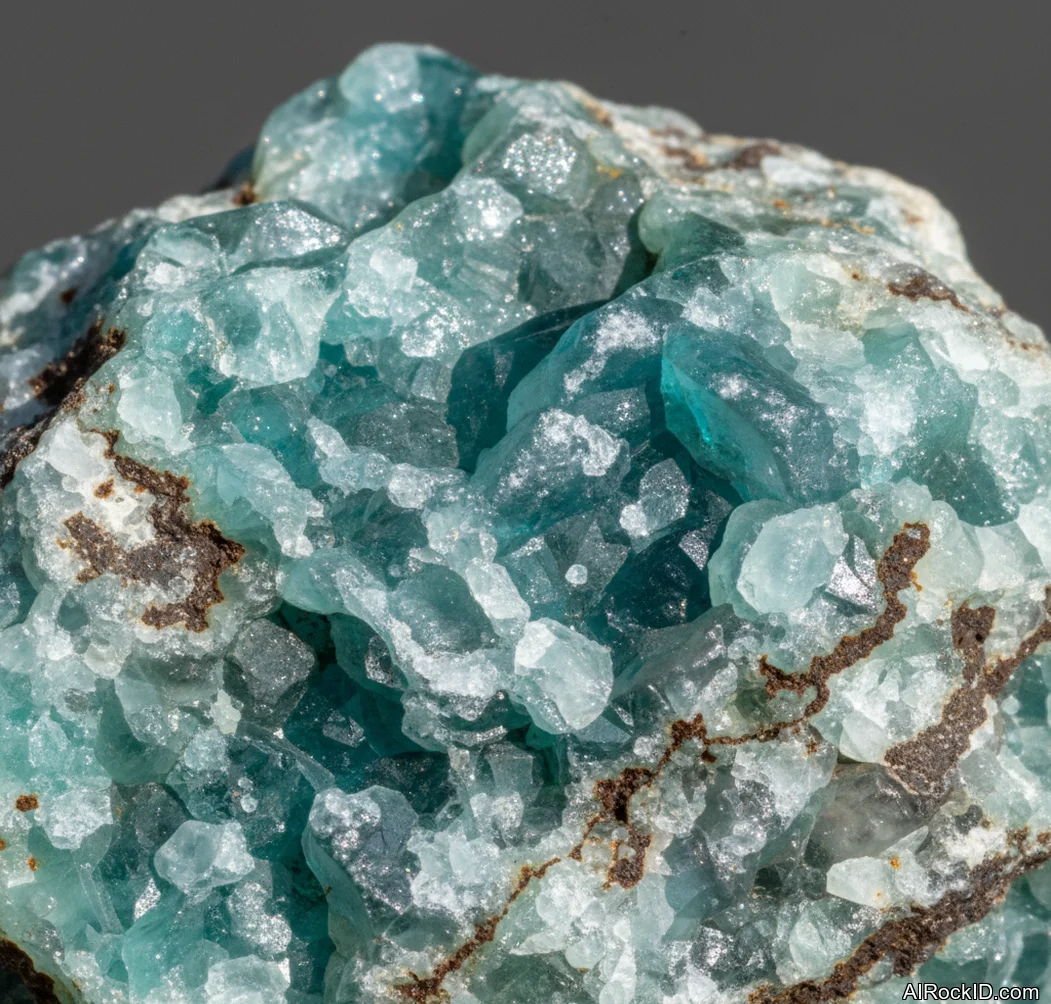
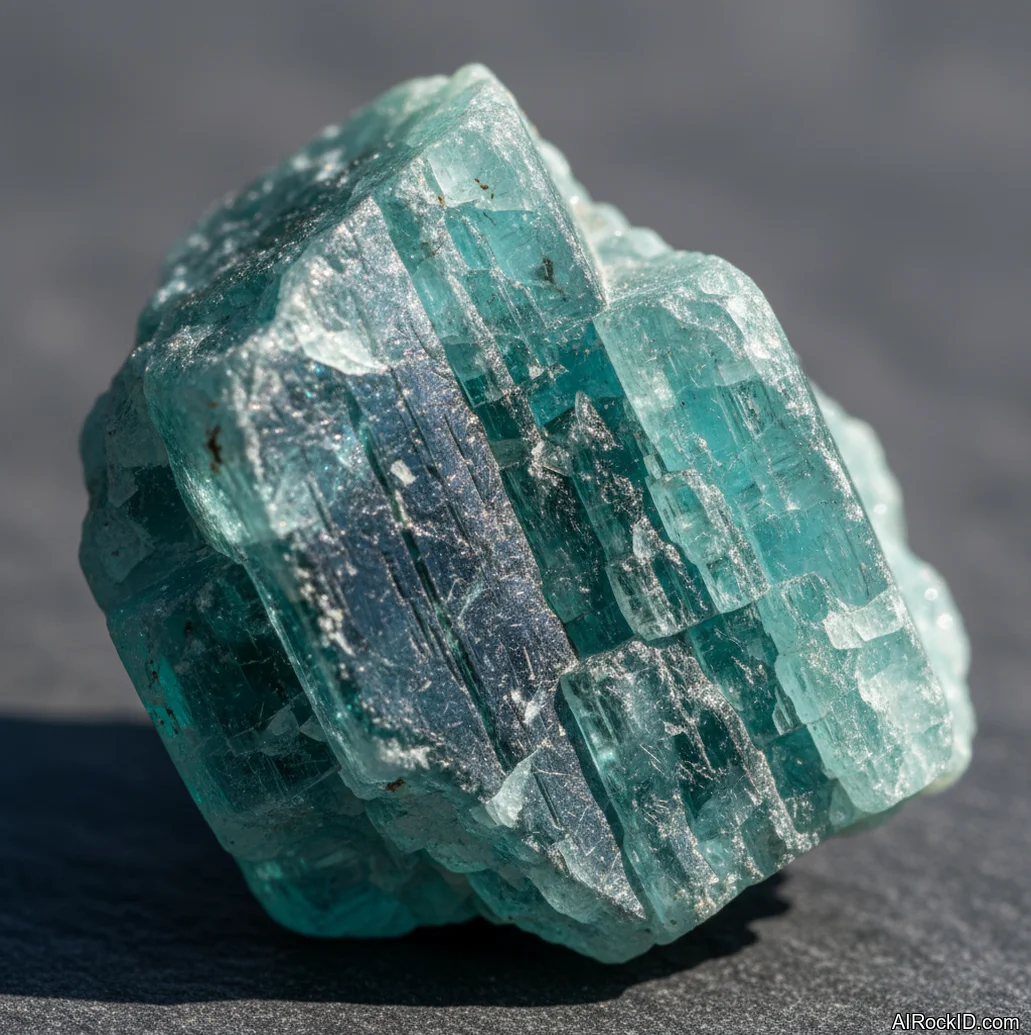
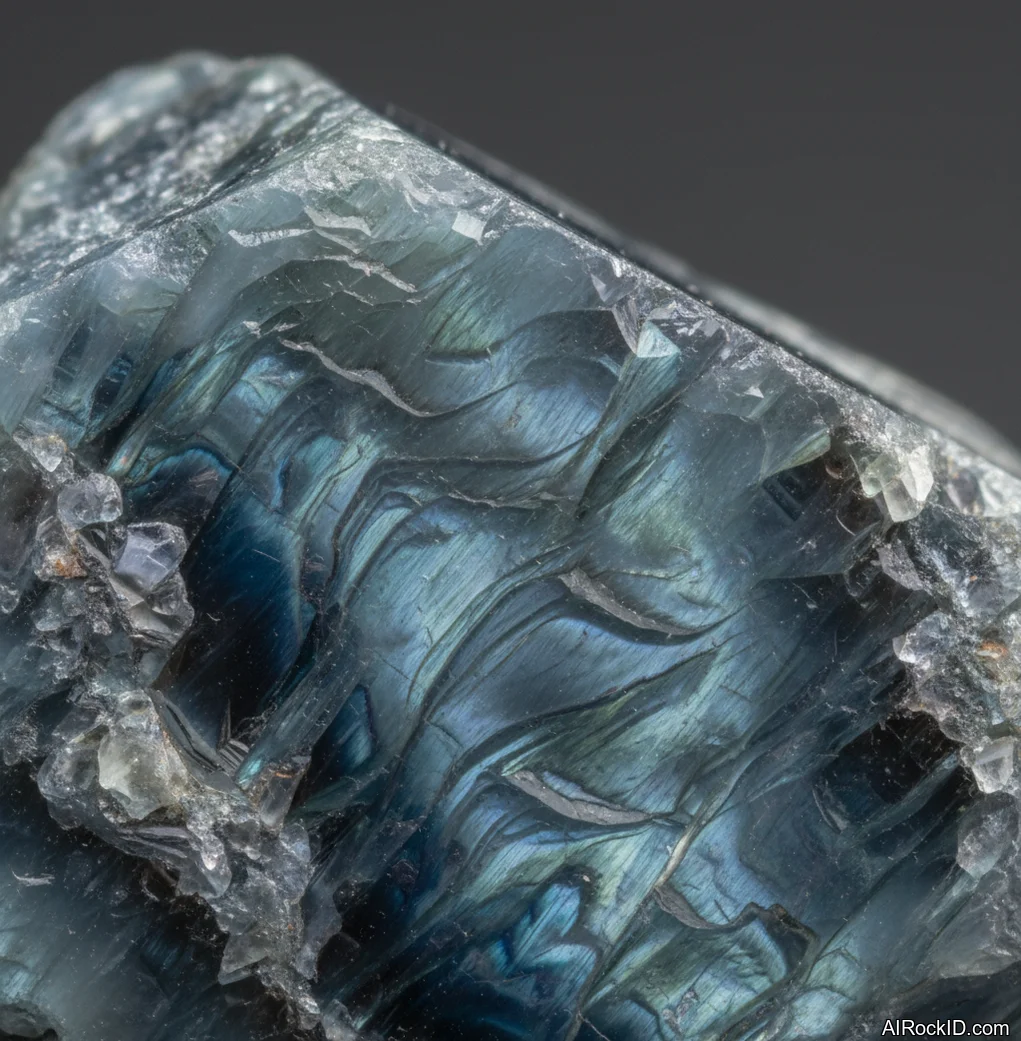
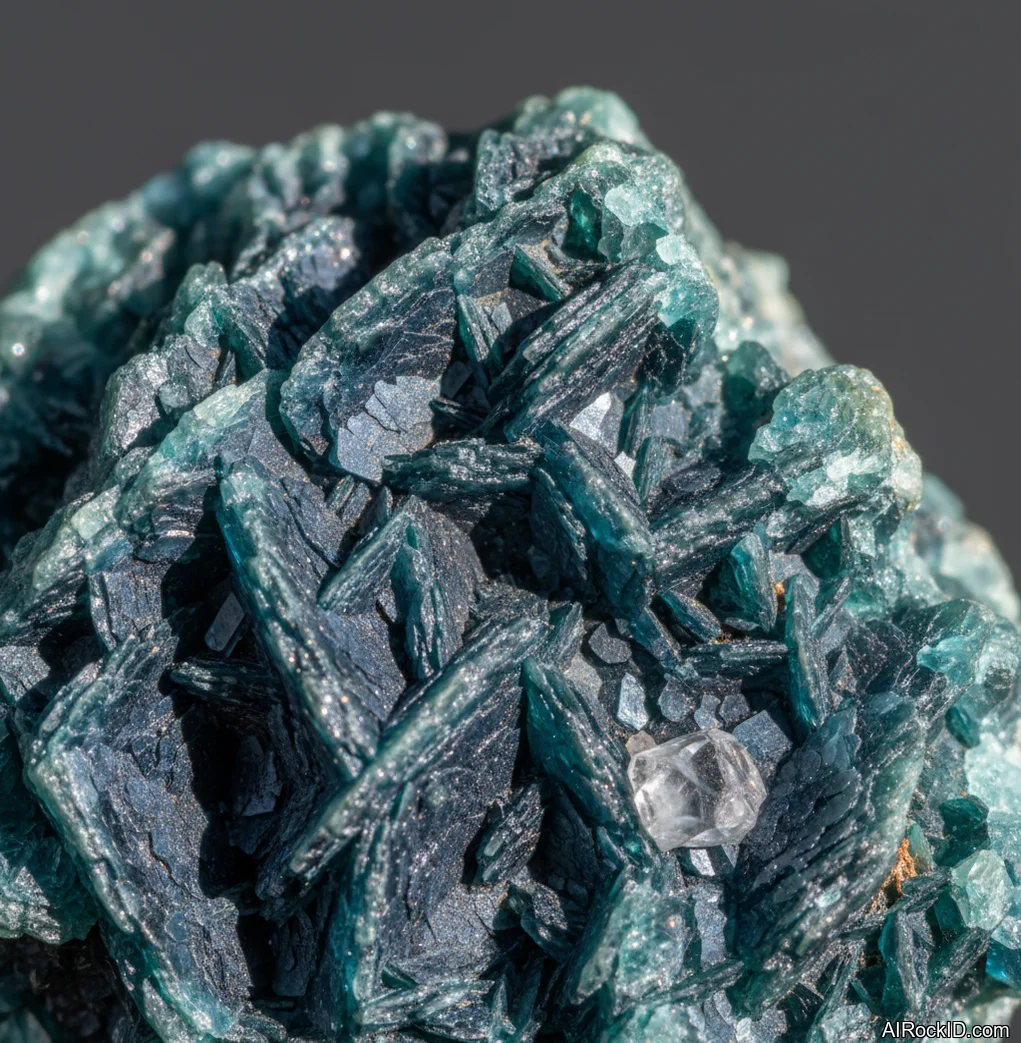
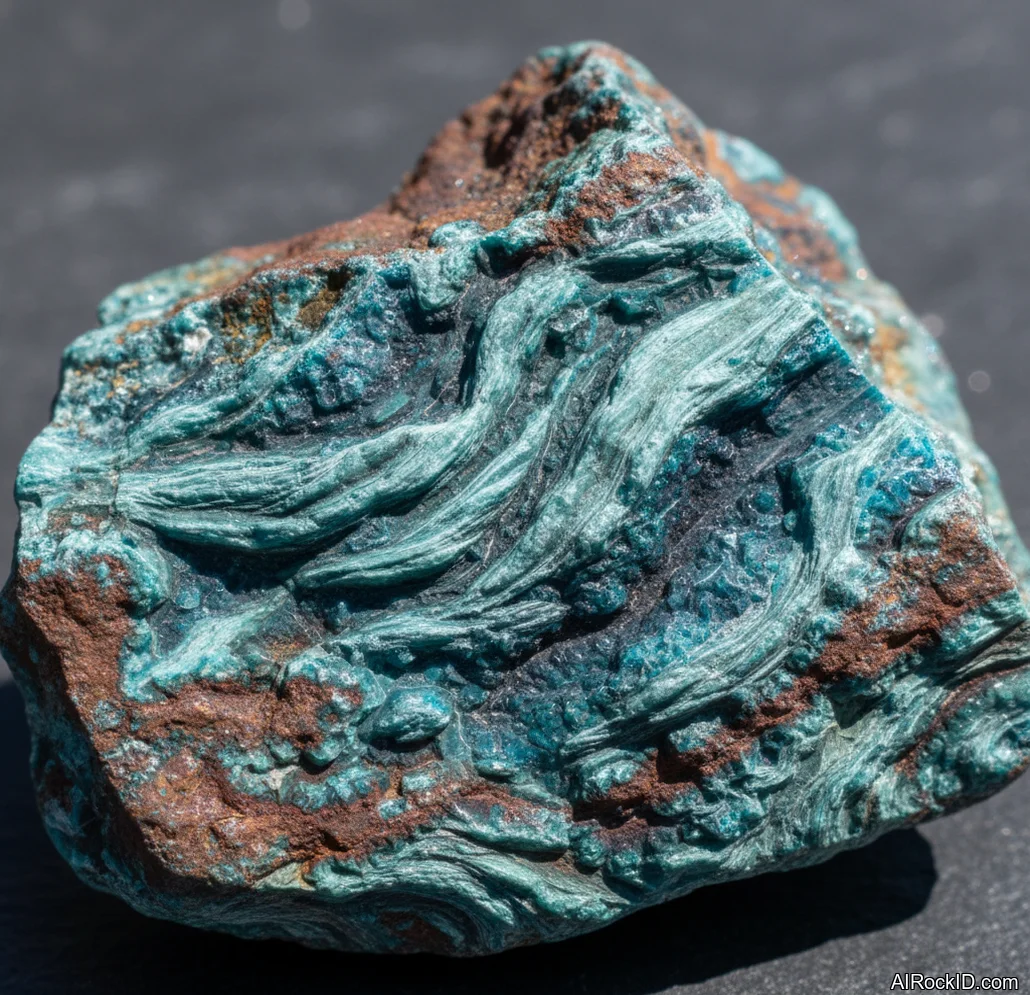
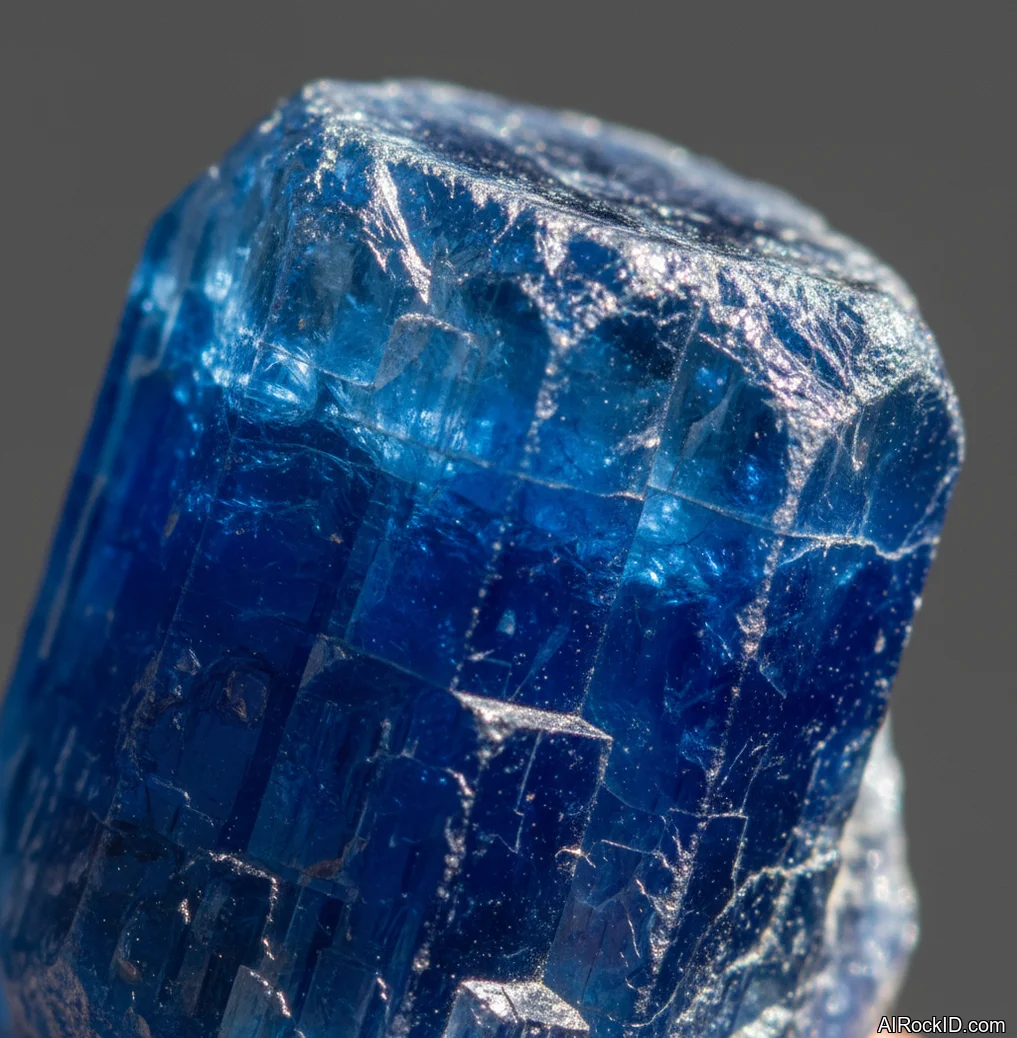
Wearing them is the other big one. A pendant sits right where you want it, but not every Throat Chakra stone can handle sweat, knocks, and sunlight. Blue Apatite can be brittle. It chips on sharp corners, and I’ve seen polished pieces get little crescent dings from one drop onto tile. Amazonite takes wear better, but watch the finish. Cheap versions get a thick, plastic-looking polish that hides pits and fractures. Real Amazonite often looks a little patchy, with white streaks or a grid-like pattern from microcline structure, and it stays cool to the touch when you first pick it up.
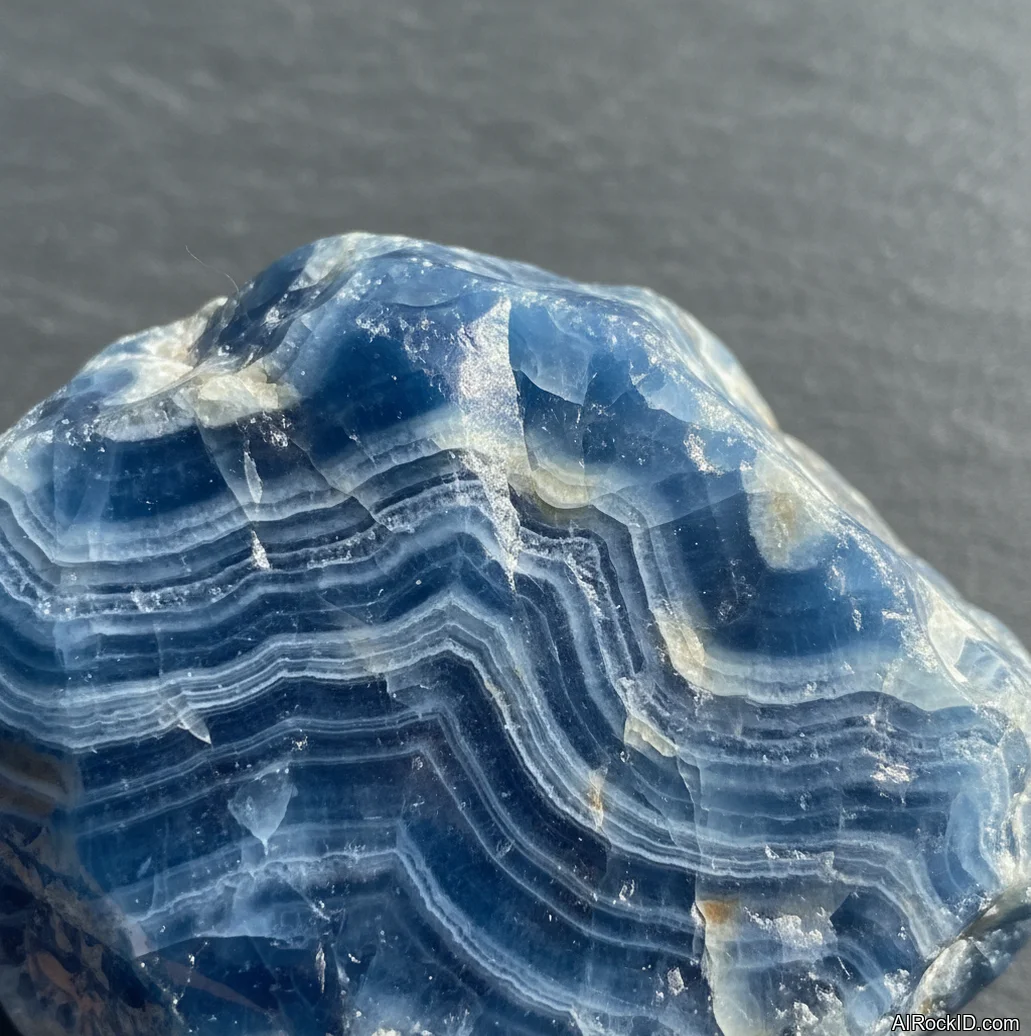
Buying tips are where people get burned. Lapis Lazuli is the classic example. A lot of low-grade lapis on the market is basically dyed rock with a fancy label, and it’ll bleed color if you wipe it with alcohol or even a damp cloth. Check the pyrite up close. In natural lapis, pyrite tends to show up as sharp little metallic grains, not smeared glitter. Also check the blue. If it’s too uniform, like a solid paint chip, be skeptical. Good lapis has depth, with slightly different blues and occasional calcite that shows up as white patches. And yeah, some people hate the calcite, but it’s not automatically a flaw.
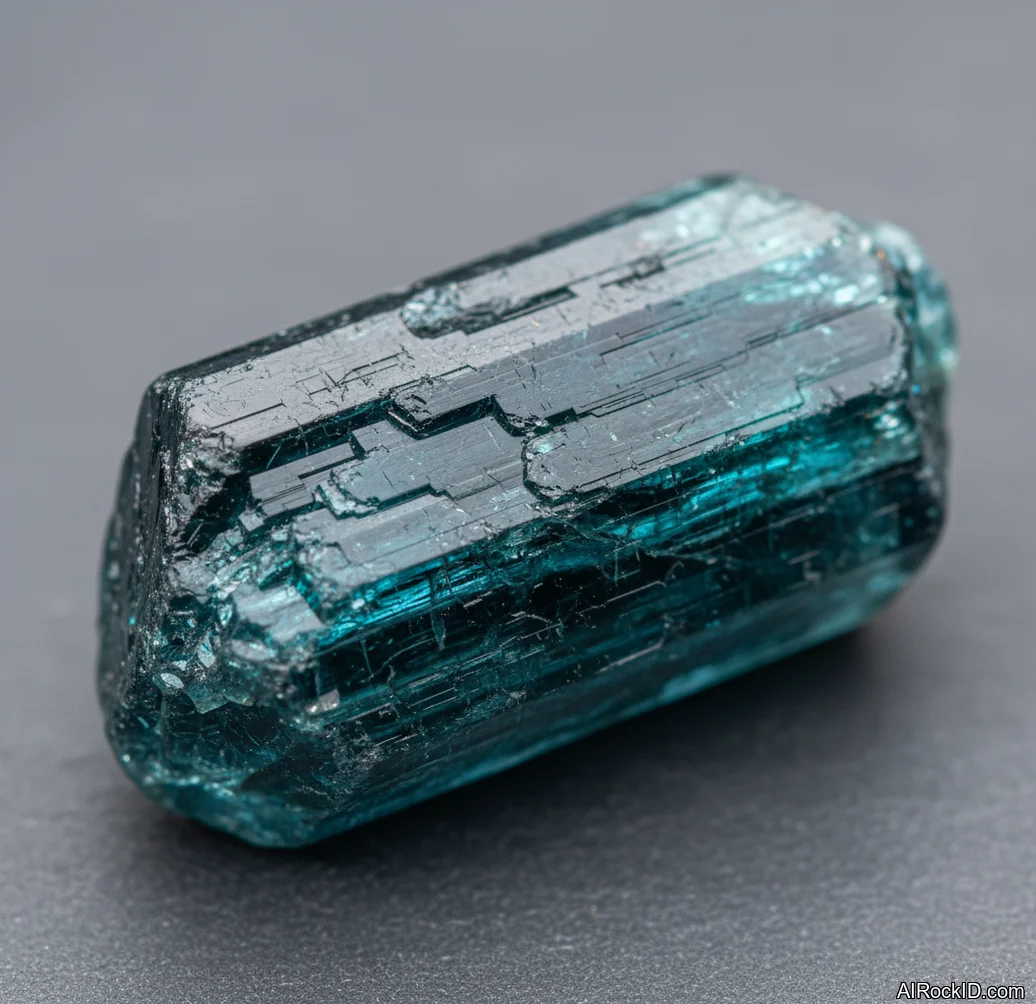
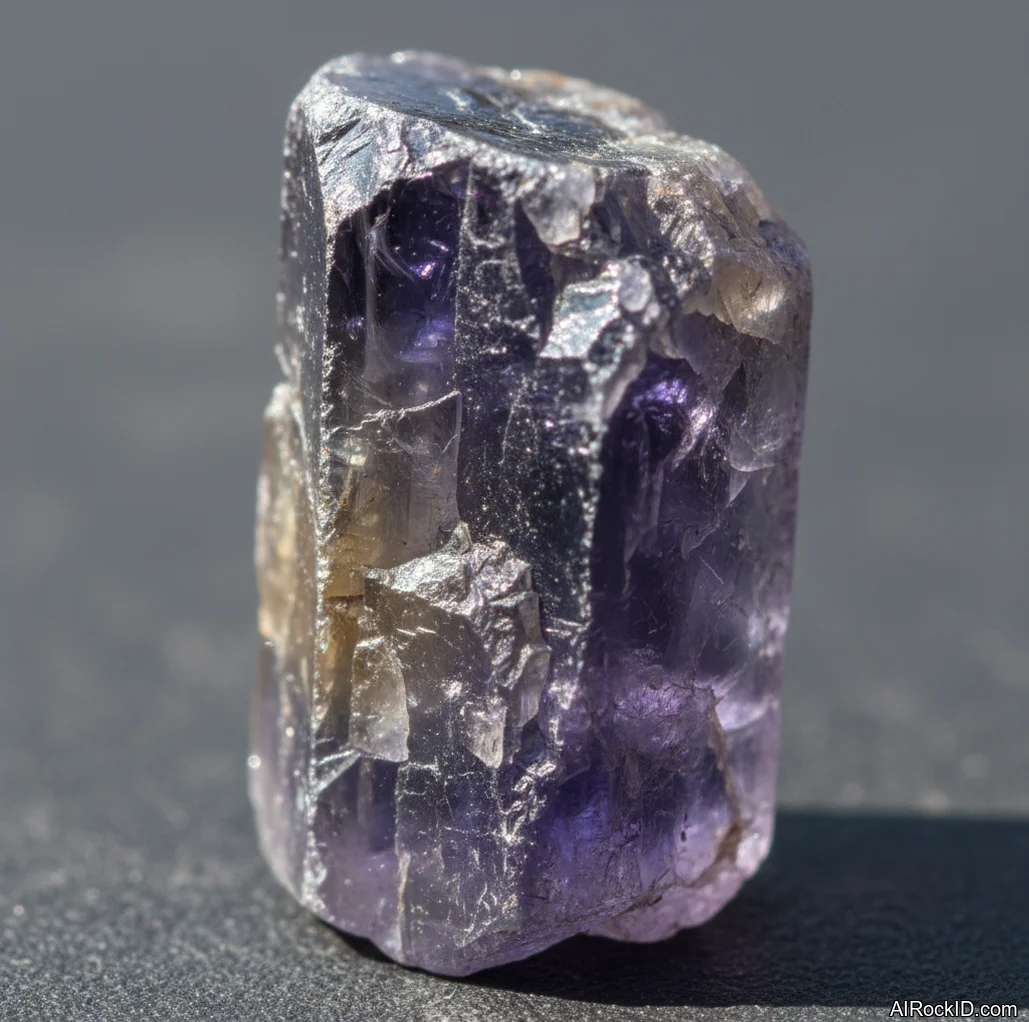
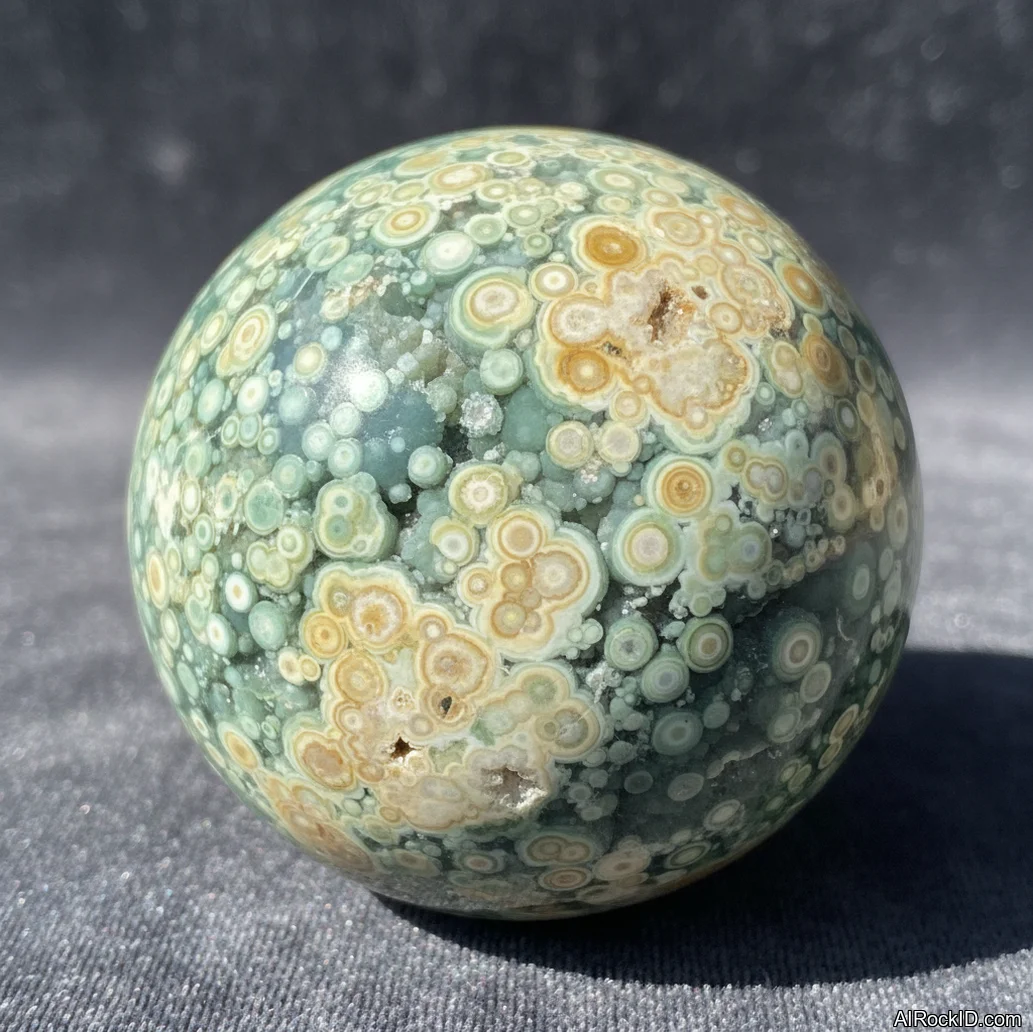
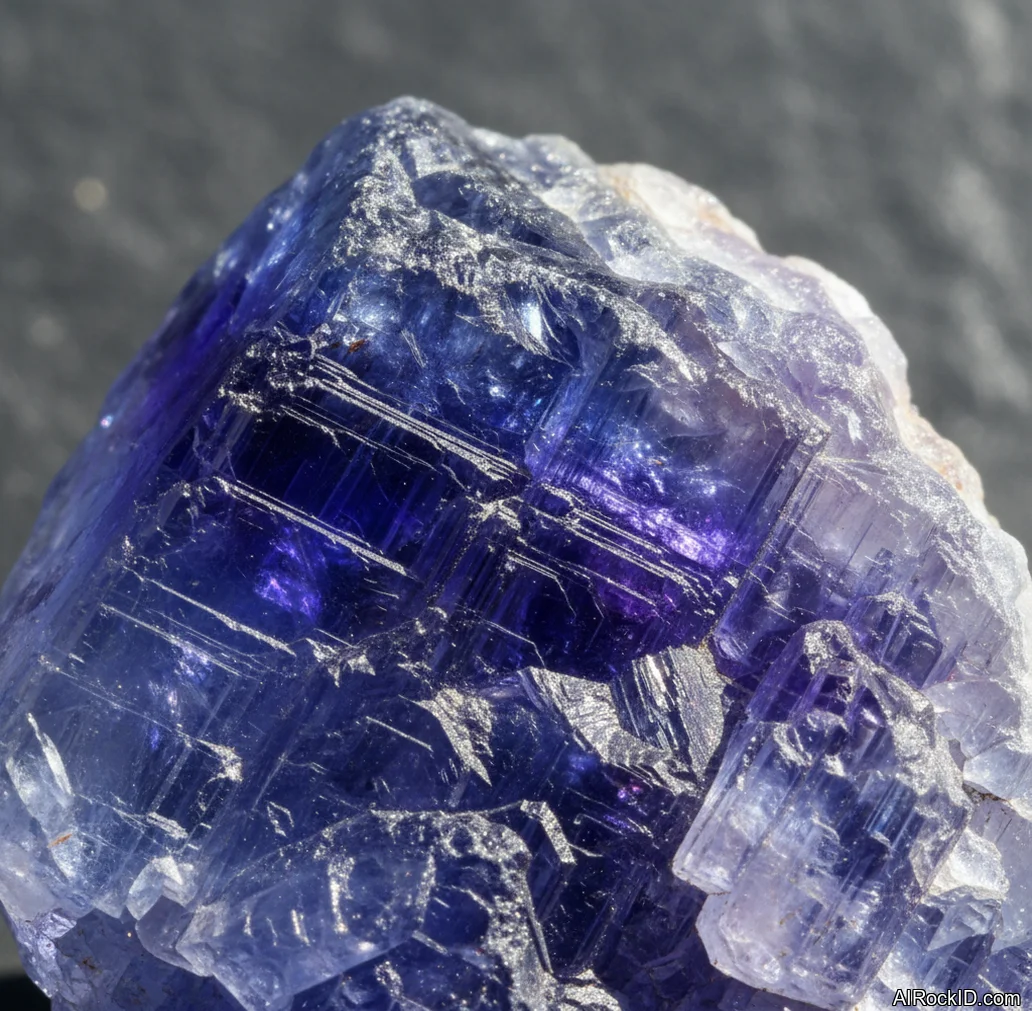
Aquamarine has its own trap, too. Lots of pieces sold as aquamarine are pale beryl that’s technically correct but visually kind of… meh. If you want that sea-glass blue, expect to pay more, especially for clean crystals with decent termination. Raw aquamarine can have etched faces or frosty patches, and that’s fine. Just don’t let someone talk you into calling every light blue pebble “high grade.” The real test is the clarity and the way the color holds across the stone instead of pooling in one corner.
If you like more of a “room energy” approach, set up a small Throat Chakra cluster grouping: a Celestite cluster for softness, a chunk of Sodalite for steadiness, and one statement piece of Lapis or Aquamarine as the anchor. Keep it where you speak. By your desk. Near your mic. Next to the spot where you argue with your email drafts (we all do it). And clean them in a way that won’t wreck the material. Celestite and selenite-like minerals don’t belong in water. Lapis can handle a quick rinse, but don’t soak it. A dry microfiber cloth and a little common sense goes a long way.
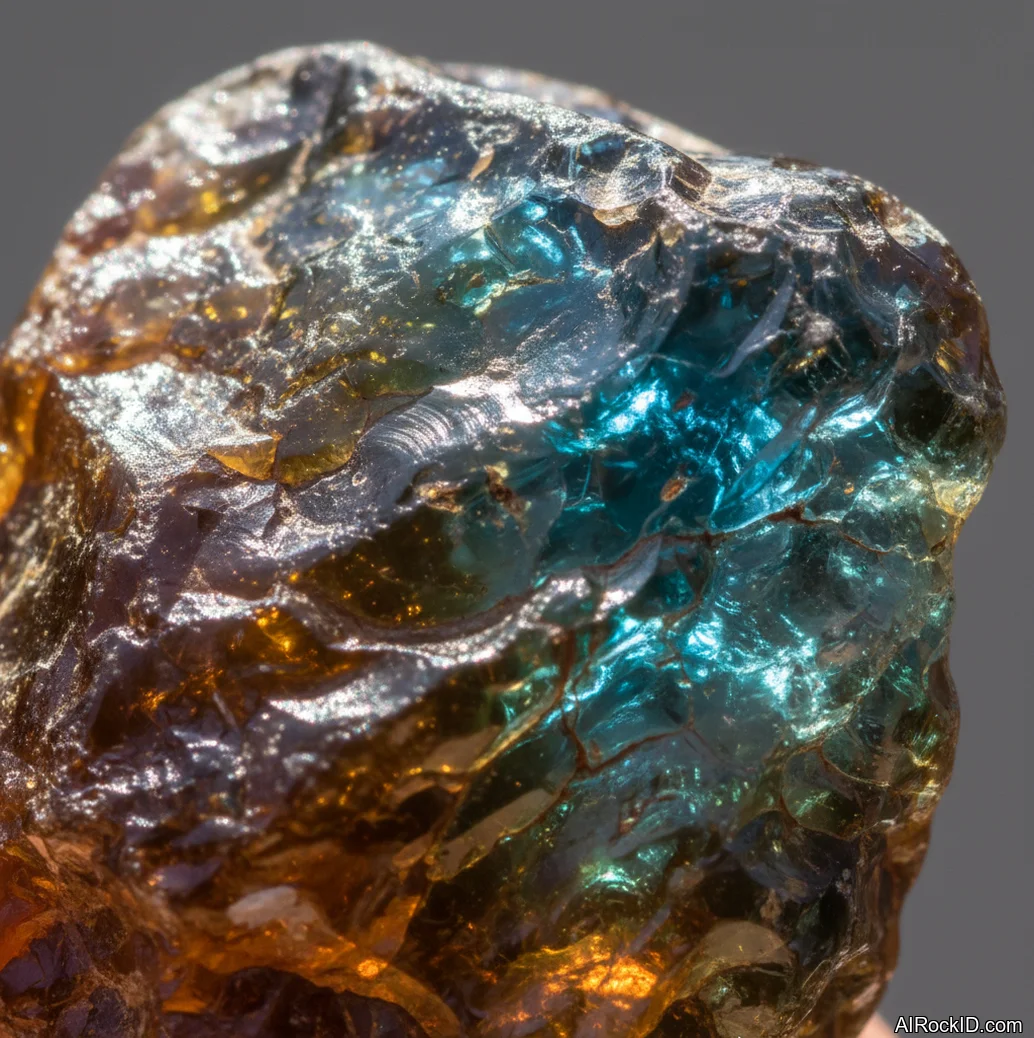
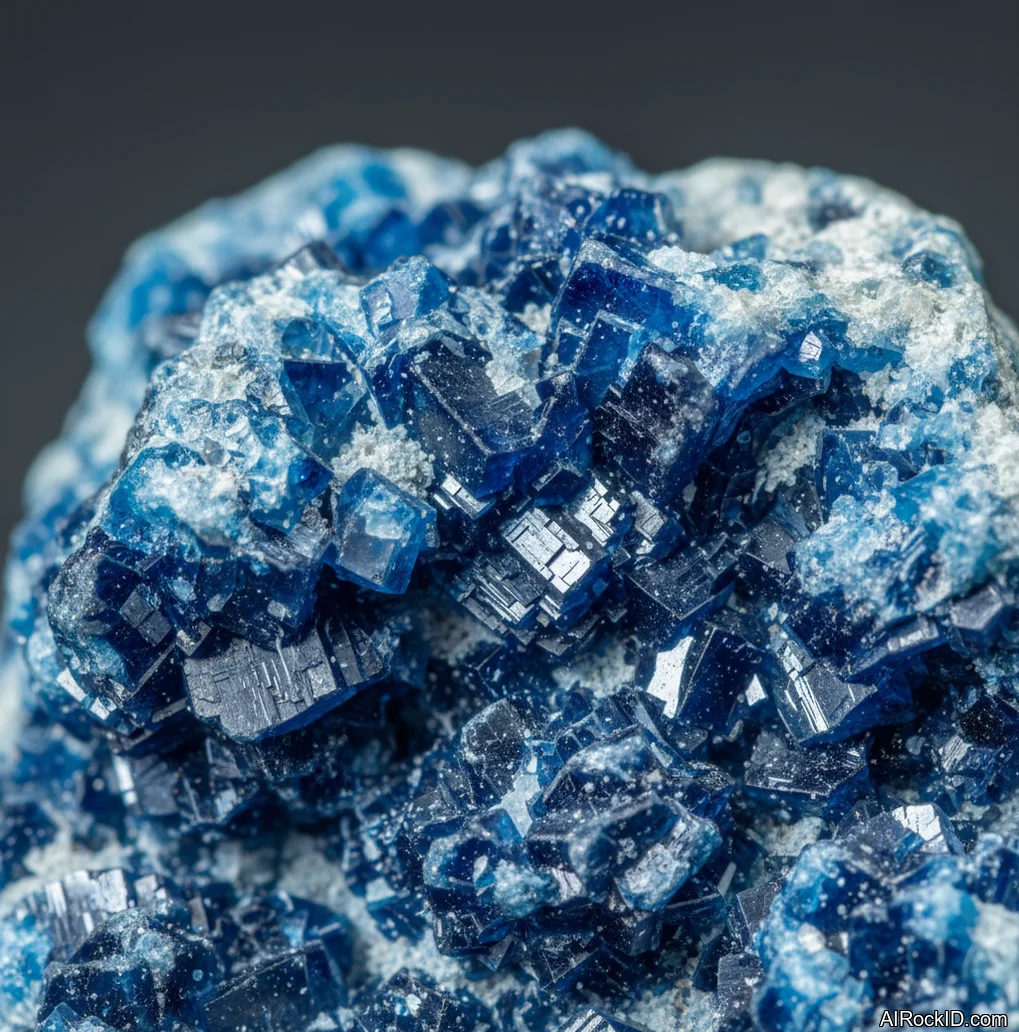
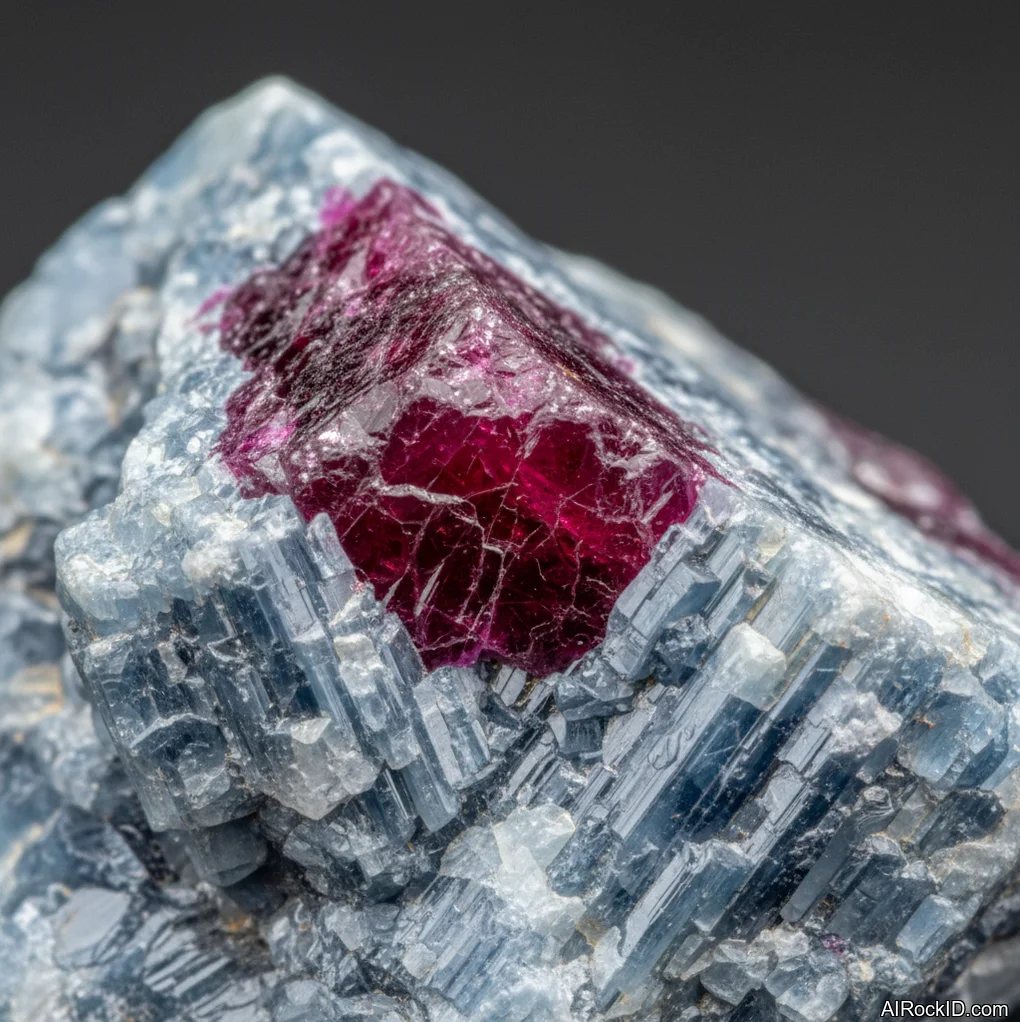
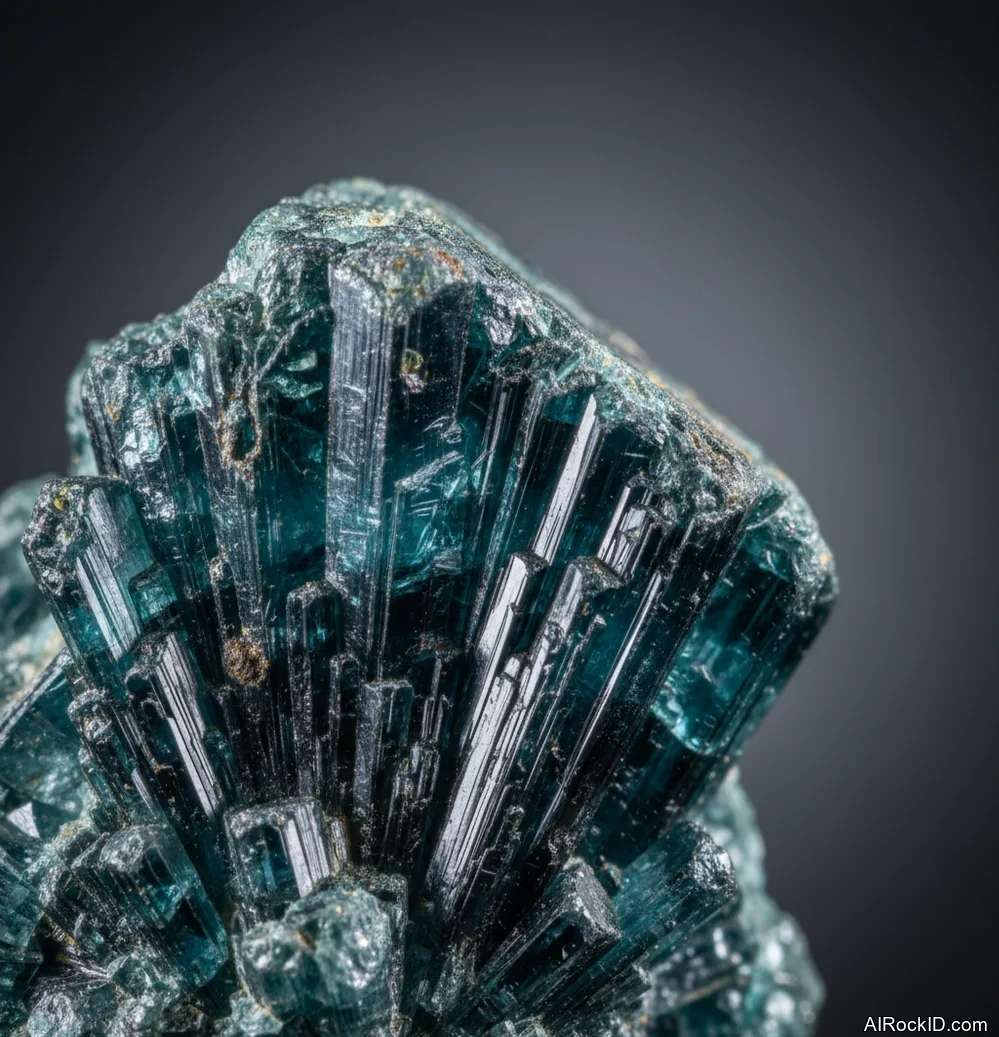
One last collector tip: don’t ignore texture. A lot of Throat Chakra stones get sold as glassy, high-polish tumbles, but raw pieces can change how you interact with them. A rough Blue Apatite chunk feels grippy and uneven, so you fidget with it differently than a slick agate. That matters if you’re using the stone as a habit trigger. And if you’re buying online, ask for one photo in natural light and one under indoor lighting. Blues can swing wildly between daylight and warm bulbs, and sellers don’t always realize how much the camera lies.
All Throat Chakra Crystals (85)