Strawberry Opal
What Is Strawberry Opal?
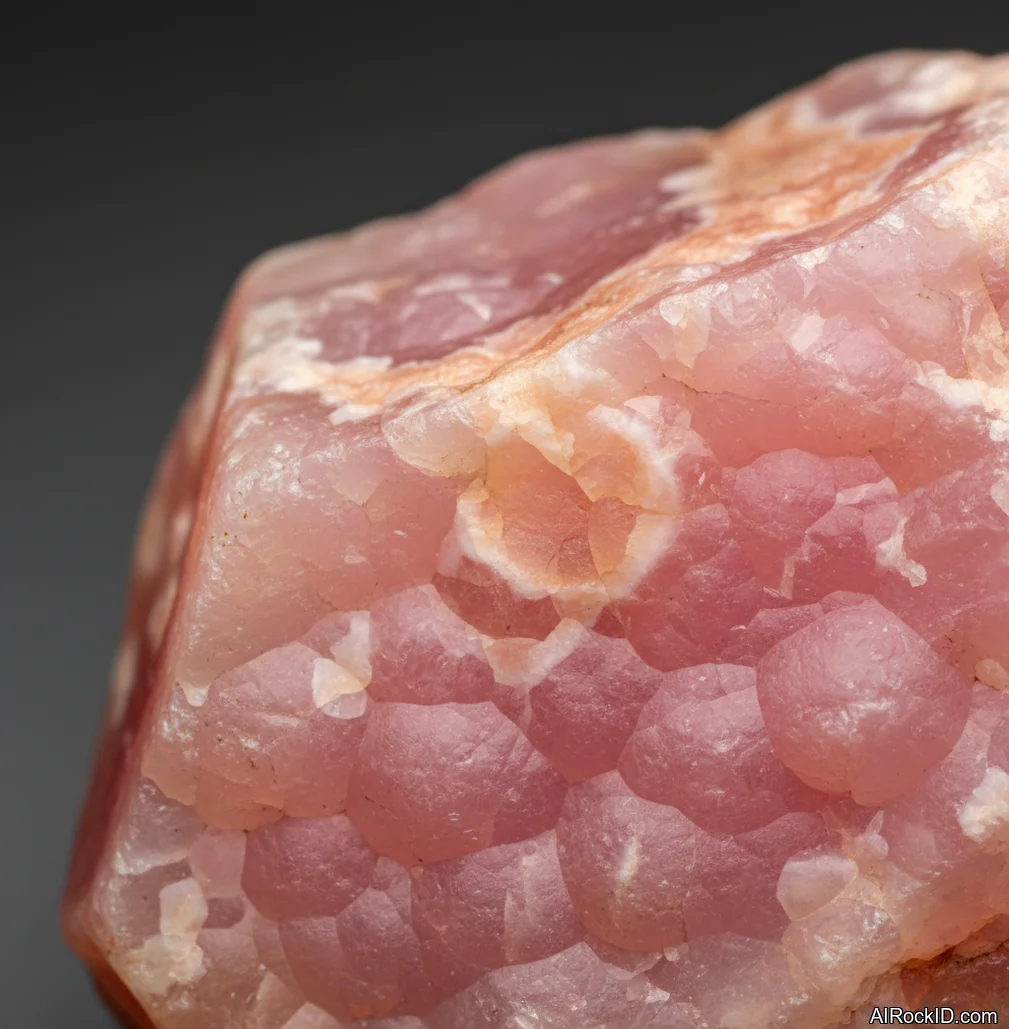
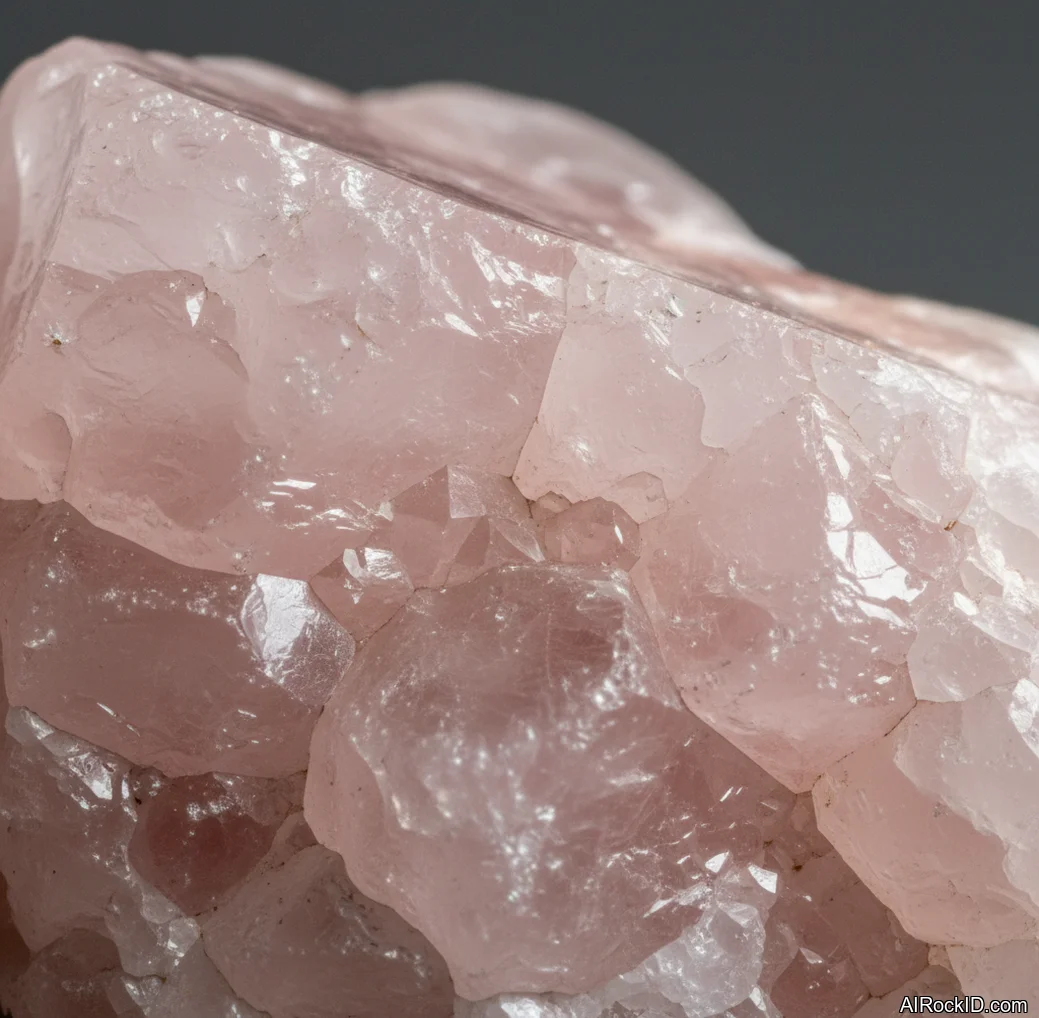
Strawberry Opal is basically a pink kind of common opal (hydrated silica), and a lot of it has those red-to-brown specks from iron oxides.
Thing is, the second you pick up a piece, you feel it. It’s got that opal “buttery” skin to it, not that hard glassy quartz vibe, and it usually feels a little cooler than resin or dyed glass when it first hits your palm. The nicer pieces read like strawberry-milk pink, with peppery freckles that seem trapped inside the stone instead of sitting on top like someone dabbed them on.
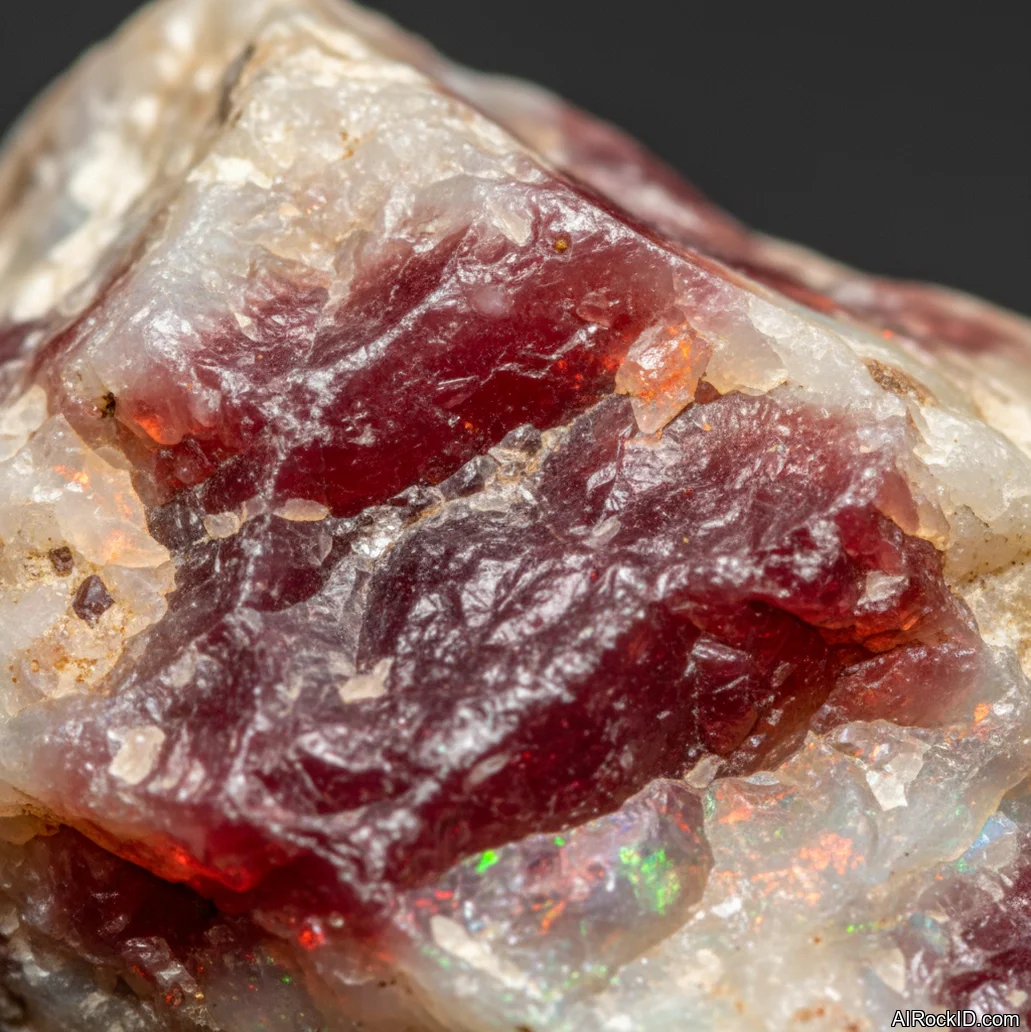
So yeah, people see “opal” and expect rainbow play-of-color. Most strawberry opal you’ll see for sale just doesn’t do that. It’s really about the body color and that slightly velvety texture. Under bright shop lights, a good polish can look almost creamy, and if you roll it slow between your fingers you might catch tiny little glints from micro-roughness or iron grains, but it’s not true “fire.”
Origin & History
Opal’s been known since antiquity. “Strawberry opal,” though, is a newer trade label that showed up because the gem market loves quick, easy color names you can spot at a glance. And the “strawberry” part really is just that: a pink base with tiny red freckles, like little seeds scattered through it.
Thing is, because it’s a trade term, it gets messy fast. Some sellers use it for pink opal from Peru with iron staining. Others mean Mexican pink opal with inclusions (you can sometimes catch them as little peppery specks when you tilt the stone under a light). And yes, a few people even stick the name on strawberry quartz. It’s not a formal species description, so the safest move is to judge the material you’re actually holding and ask for locality if the dealer truly knows it (and sometimes they don’t).
Where Is Strawberry Opal Found?
Most strawberry opal in the trade is sourced from Peru and Mexico, with smaller amounts reported from other opal-bearing regions. Dealers often sell it without a verified mine name, so locality claims can be shaky.
Formation
Opal shows up after silica-loaded water snakes through rock and then drops that silica out as a kind of jelly in cracks, little pockets, or spongy porous spots. Give it time and that gel firms up into opal, and it still hangs onto water inside its structure. That’s why opal can get touchy with heat or really dry air. Leave it near a sunny window too long and you’ll see what I mean.
That soft pink you see in common opal usually comes from tiny inclusions plus trace elements, and the “strawberry seed” freckles are typically iron oxides like hematite or goethite scattered through the stone. Under a loupe, those dots usually look a bit fuzzy around the edges and they don’t all sit on the same plane, some are deeper, some are closer to the surface (you can kind of feel it when you rock the stone under the light). But if every speck is the exact same size and they line up like someone misted it with spray paint, yeah, I get suspicious. Why wouldn’t you?
How to Identify Strawberry Opal
Color: Soft pink to rosy pink body color, often with scattered red-brown to brick-red specks or clouds from iron oxides. Color is usually even and pastel rather than neon.
Luster: Waxy to sub-vitreous luster, especially on a good polish.
Pick up a tumbled piece and rub it with your thumb. Real opal often feels slightly “draggy” compared to quartz, which feels slicker and glassy. The real test is a loupe: iron specks in natural material sit at different depths and don’t look like surface dye. And if you scratch it with a steel knife, it’ll usually mark easier than quartz would, because opal’s hardness is lower.
Properties of Strawberry Opal
Physical Properties
| Crystal System | Amorphous |
| Hardness (Mohs) | 5.5-6.5 (Medium (4-6)) |
| Density | 1.98-2.25 g/cm3 |
| Luster | Waxy |
| Diaphaneity | Opaque to Translucent |
| Fracture | Conchoidal |
| Streak | White |
| Magnetism | Non-magnetic |
| Colors | pink, rose, salmon, red-brown speckled, white-pink |
Chemical Properties
| Classification | Silicates |
| Formula | SiO2·nH2O |
| Elements | Si, O, H |
| Common Impurities | Fe, Al, Ca, Mg |
Optical Properties
| Refractive Index | 1.37-1.47 |
| Birefringence | None |
| Pleochroism | None |
| Optical Character | Isotropic |
Strawberry Opal Health & Safety
Strawberry opal is generally safe to handle, and it isn’t considered toxic. So for most people, basic stone-handling hygiene is plenty, like washing your hands after you’ve been rubbing it between your fingers and you’ve got that faint, chalky grit on your fingertips.
Safety Tips
If you’re going to cut or sand it, put on a dust mask. And keep a little water on it while you work so the silica dust doesn’t kick up everywhere.
Strawberry Opal Value & Price
Price Range
Rough/Tumbled: $5 - $60 per piece
Cut/Polished: $10 - $80 per carat
Price jumps around depending on how saturated the color is, how clean the polish looks when you tilt it under a light, and whether the speckling reads natural (or kind of fake and blotchy). And if the locality is actually verified and the cabochon’s cut well, the value climbs fast. But honestly, most of this material ends up getting sold as tumbled stones.
Durability
Moderate — Scratch resistance: Fair, Toughness: Fair
Opal can craze or crack with rapid drying, heat, or sudden temperature changes, especially in thin cabochons.
How to Care for Strawberry Opal
Use & Storage
Store it away from harder stones like quartz and topaz, because opal picks up scratches pretty easily. I keep mine in a small fabric pouch inside a box so it doesn’t rattle around.
Cleaning
1) Rinse quickly in lukewarm water with a tiny drop of mild soap. 2) Wipe with a soft cloth or a baby toothbrush with almost no pressure. 3) Pat dry and let it air dry fully before putting it back in a closed container.
Cleanse & Charge
For a gentle reset, I use smoke, sound, or a quick moonlight session instead of baking it in sun. Heat and long sun exposure are where opal starts giving you problems.
Placement
A shelf spot out of direct sunlight works well, especially if the room swings hot to cold. If you wear it, a pendant is usually safer than a ring.
Caution
Skip ultrasonic cleaners, steam cleaning, and those long hot-water soaks. They’re rough on it. And don’t park it on a windowsill or leave it in a car, because the constant heating and cooling can set off crazing.
Works Well With
Strawberry Opal Meaning & Healing Properties
Strawberry opal’s one of those stones you look at for two seconds and go, yeah, I get it. It has this gentle feel to it. Not knocked-out sleepy, just soft around the edges. In my own little pile, it’s the one I’ll pass over to someone who tells me they’re totally wrung out and they don’t want some “big energy” thing sitting on their desk.
Grab a tumbled piece and the calming part is honestly pretty physical. It’s smooth, almost waxy, and after you’ve held it for a minute it goes warm-ish in your palm like any polished stone does. Easy to fidget with too (thumb just finds the same spot over and over). That’s a big chunk of the appeal, and it doesn’t have to be mystical. If you use stones in a personal practice, I treat strawberry opal like a heart-and-mood stone: compassion, easing up on your own self-talk, helping you settle back to baseline after a messy emotional day.
But look, opal is fragile compared to the tougher stuff people chuck in their pockets all day. If you want a daily-carry stone, strawberry opal can scuff up and start looking kind of sad pretty fast. I like it better as a “home stone,” or something you handle on purpose for a few minutes, then set back somewhere safe. And just to be clear, none of this replaces medical care if you’re dealing with real anxiety or depression.
Identify Any Crystal Instantly
Snap a photo and get properties, value, care instructions, and healing meanings in seconds.