Unicorn Jasper
What Is Unicorn Jasper?
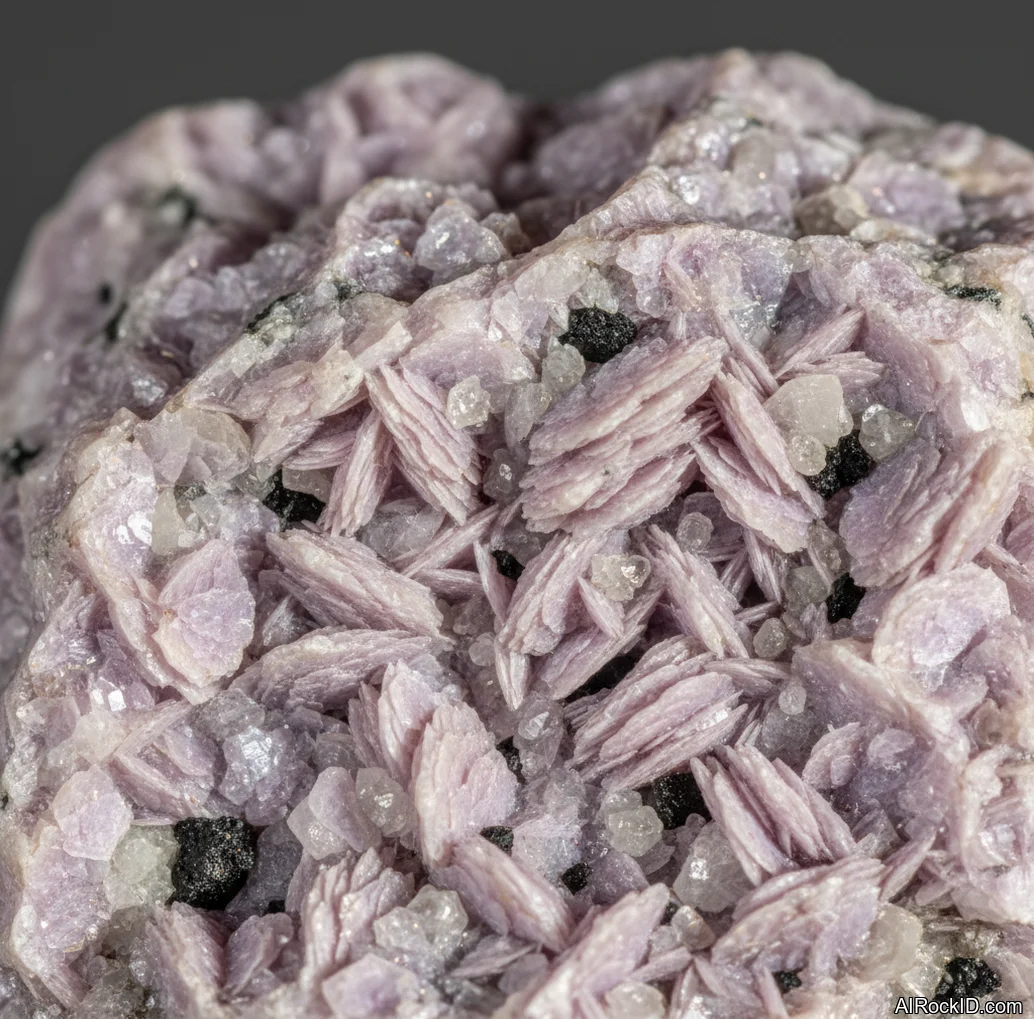
Unicorn Jasper is basically a trade name for a pastel pegmatite rock. It’s made of intergrown quartz, feldspar, and mica, and you’ll often see lepidolite in there too, plus little bits of tourmaline.
Pick up a palm stone and you can tell right away it’s not “jasper-y” in the classic sense. Classic jasper feels like a dense, tight chunk of microcrystalline quartz, almost like a little brick. Unicorn Jasper usually feels a bit lighter in the hand and slightly more grippy even when it’s polished, because those different minerals don’t wear down at the same speed (you can feel it if you rub your thumb across it).
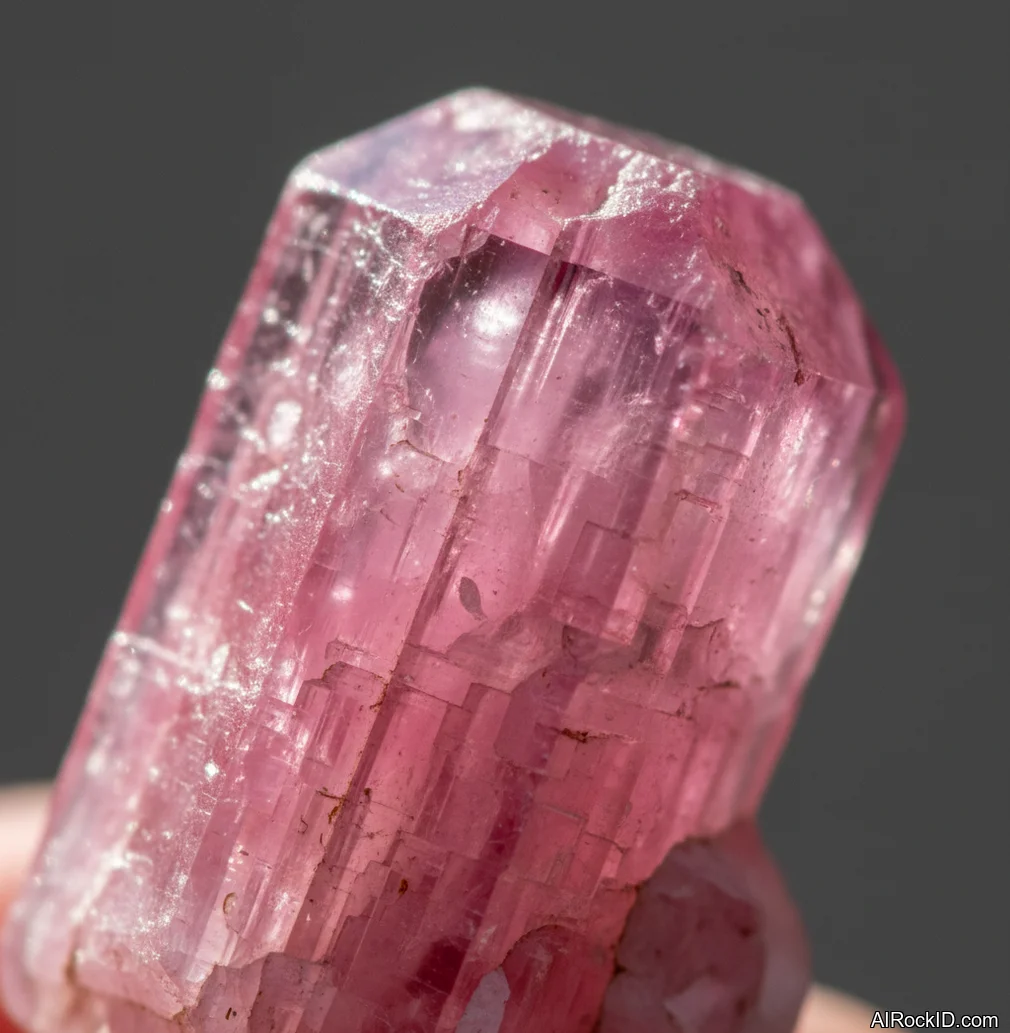
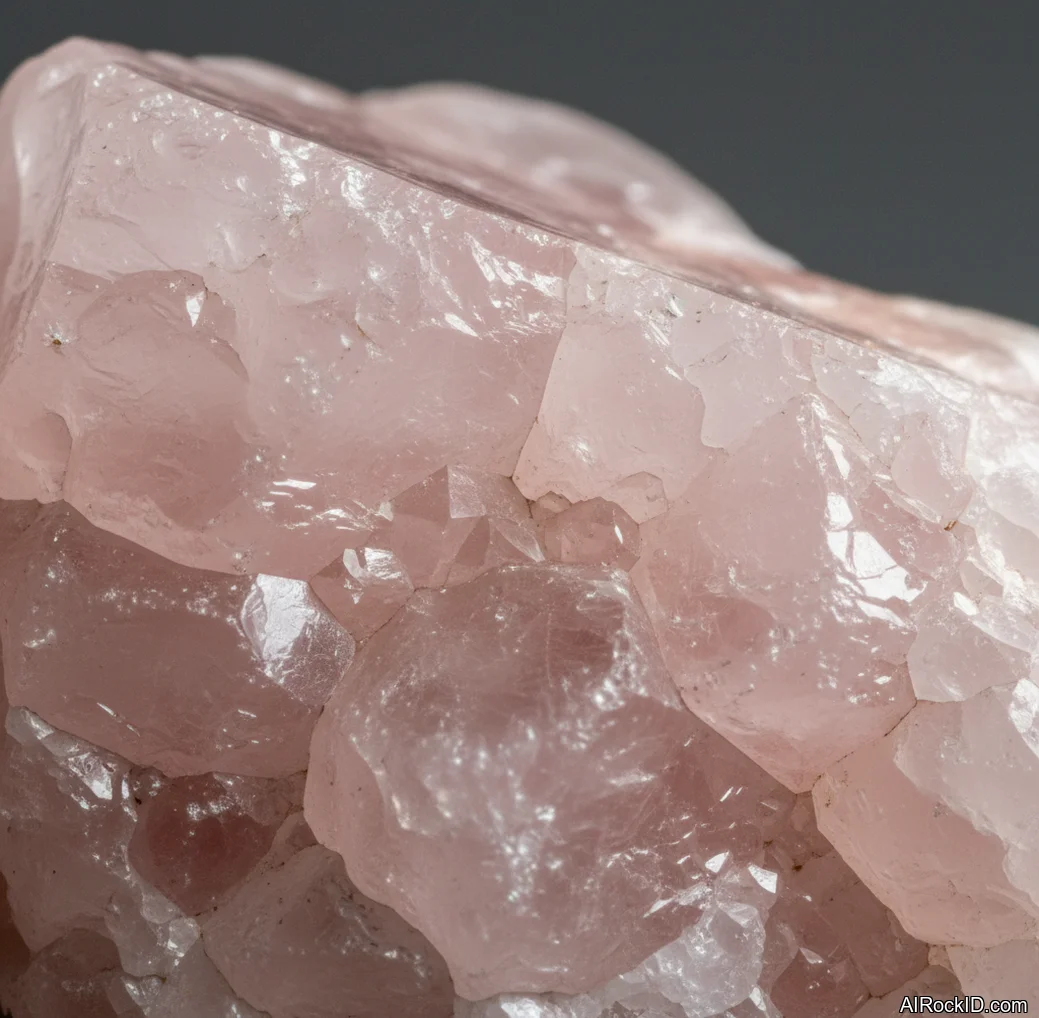
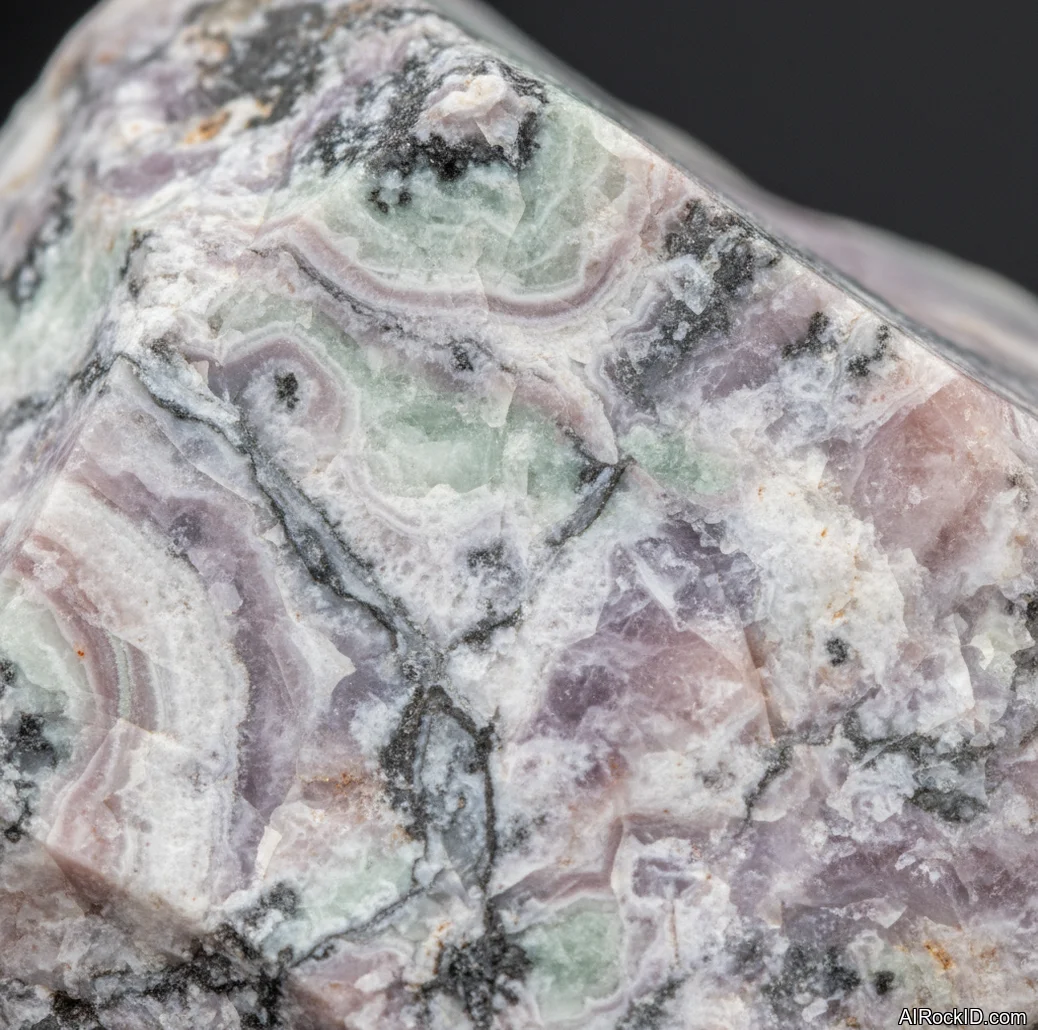
At first glance it’s all cotton-candy pink and lilac. But stare at it for a second and the mix starts to show: creamy feldspar patches, glassier gray quartz, then those tiny peppery black dots or needle-like bits that are usually tourmaline. And some pieces will throw a quick mica sparkle when they catch the shop lights, then it disappears the second you tilt it.
Origin & History
Most dealers only started calling it “Unicorn Jasper” sometime in the last decade, and it’s mostly slapped on tumbled stones, towers, and little slabs coming out of Madagascar. It’s marketing. That’s it. You won’t find an old textbook listing “Unicorn Jasper” as an official rock name.
Thing is, the “jasper” part is where it gets squishy. Jasper is usually an opaque variety of chalcedony (microcrystalline quartz). What’s getting sold under this name is typically a pegmatite mix, and it’s closer to what you’ll see labeled “unicorn stone” or “lepidolite with pink tourmaline” (it really depends how much mica and tourmaline are actually in that specific piece). And yeah, gem show labels are all over the place from table to table. I’ve literally seen two vendors bicker about the name while both of them were holding the same tower.
Where Is Unicorn Jasper Found?
Most material on the retail market is reported from Madagascar pegmatites; similar-looking pegmatite mixes also come from Brazil and a few U.S. pegmatite districts.
Formation
Pick up a rough chunk from a pegmatite and you can usually tell what you’re dealing with fast. Pegmatites come from late-stage igneous melt, and they cool slow enough that the crystals have time to get huge, especially feldspar and quartz. If lithium and boron are in the mix too, you’ll sometimes find lepidolite (a lithium mica) and tourmaline growing right alongside them in the same pockety zones.
A true jasper nodule is a different animal. Jasper forms when silica-rich fluids move through rock, filling spaces and replacing material, so it ends up more uniform. Pegmatite material is chunkier and more mixed, and the mineral borders can be razor-sharp. And once it’s polished, the mica-heavy spots can undercut just a touch, so even when it looks glossy, your thumb can catch a faint “orange peel” texture (you can feel it more than you can see it).
How to Identify Unicorn Jasper
Color: Usually pastel pink, lavender, cream, and light gray, often with scattered black specks or needles from tourmaline. Color tends to be patchy and blocky rather than banded like agate.
Luster: Mostly waxy to vitreous on polish, with occasional sparkly flashes where mica is exposed.
Look closely for mixed grains: glassy quartz patches next to creamy feldspar and flaky mica. The real test is feel. Run a fingertip across it and you’ll often notice tiny texture changes between minerals even on a “high polish.” But don’t expect a clean “one hardness” scratch test, because you’re testing a rock mix, not a single mineral.
Properties of Unicorn Jasper
Physical Properties
| Crystal System | Amorphous |
| Hardness (Mohs) | 6-7 (Hard (6-7.5)) |
| Density | 2.60-2.75 g/cm3 |
| Luster | Waxy |
| Diaphaneity | Opaque |
| Fracture | Uneven |
| Streak | white |
| Magnetism | Non-magnetic |
| Colors | pink, lavender, cream, white, light gray, black |
Chemical Properties
| Classification | Silicates |
| Formula | Mixture (commonly SiO2 + feldspars + mica); no single formula |
| Elements | Si, O, Al, K, Na, Ca, Li, F, B |
| Common Impurities | Fe, Mn, Ti |
Optical Properties
| Refractive Index | 1.54-1.55 |
| Birefringence | None |
| Pleochroism | None |
| Optical Character | Isotropic |
Unicorn Jasper Health & Safety
Normal handling is pretty low-risk. But it’s still a stone, so don’t cut or grind it in a way that kicks up dust unless you’ve got the right protection on (mask/respirator, eye protection, the whole deal).
Safety Tips
If you’re going to lapidary it, do it wet. Keep water running, make sure you’ve got decent ventilation (you should be able to feel the air moving), and wear a respirator rated for fine particulates.
Unicorn Jasper Value & Price
Price Range
Rough/Tumbled: $5 - $60 per piece
Price swings mostly come down to the finish, the size, and how cute the color blend looks in real life. And then there’s the stuff you only notice when you tilt it under a lamp: visible tourmaline needles threading through, or that little hit of sparkly mica.
Durability
Durable — Scratch resistance: Good, Toughness: Good
It holds up well for daily handling, but mica-rich zones can bruise or pit a bit if you knock it against harder stones.
How to Care for Unicorn Jasper
Use & Storage
Keep it in a pouch or a divided box if you store it with harder quartz points, because mixed-grain surfaces can pick up little dings. I don’t leave mine rolling around in a drawer with hematite.
Cleaning
1) Rinse with lukewarm water and a drop of mild soap. 2) Use a soft toothbrush to get into tiny pits around mica or tourmaline specks. 3) Rinse well and pat dry; don’t bake it in direct sun on a windowsill.
Cleanse & Charge
For metaphysical routines, simple smoke cleansing or a quick rinse works fine. If you use salt bowls, keep the stone out of wet salt since it can creep into micro-pits and leave a crust.
Placement
It looks best where you get side light, like a shelf near a lamp, because the mica flashes show up for a split second. For a desk stone, pick a rounded palm shape so it doesn’t feel scratchy on your wrist.
Caution
Skip harsh acids and go easy on ultrasonic cleaners. They can bite into the softer spots, and you’ll see it right away, like the shine just kind of goes flat and looks worn out. And don’t treat every piece like it’s “jasper tough.” Those mica and feldspar patches will scuff and wear down quicker than the quartz does, even if the surface felt solid in your hand.
Works Well With
Unicorn Jasper Meaning & Healing Properties
Most dealers pitch Unicorn Jasper as a gentle, calming “comfort stone,” and honestly, I see it. In your hand, it feels soothing in a very no-nonsense way. The colors stay on the soft side, the polish usually comes out rounded (no sharp edges digging into your palm), and it has that steady coolness that makes you toss it in a pocket and keep reaching for it.
But look, the name is doing a ton of work. People hear “Unicorn Jasper” and expect some rare, magical jasper, then they get thrown when their piece flashes mica sparkle or has a couple little pits like it didn’t take a perfect polish. That’s normal. If you’re into stones for mood and routine, I’d describe it like this: it’s a mixed rock that pairs the grounded feel of feldspar and quartz with the “settling” vibe people associate with lepidolite. Vibe, not medicine. (Worth saying out loud.)
When I’m stressed at a show, I’ll snag a palm stone and just rub my thumb over it without thinking. You can feel the tiny shifts where quartz meets feldspar, that slight change in slickness and grip. It’s tactile. And that little sensory anchor is the whole point for me. If you want the metaphysical story, keep it simple: calming, steadying, good for taking the edge off a busy day. Want therapy or treatment? Different lane. Different tool.
Identify Any Crystal Instantly
Snap a photo and get properties, value, care instructions, and healing meanings in seconds.