White Aventurine
What Is White Aventurine?
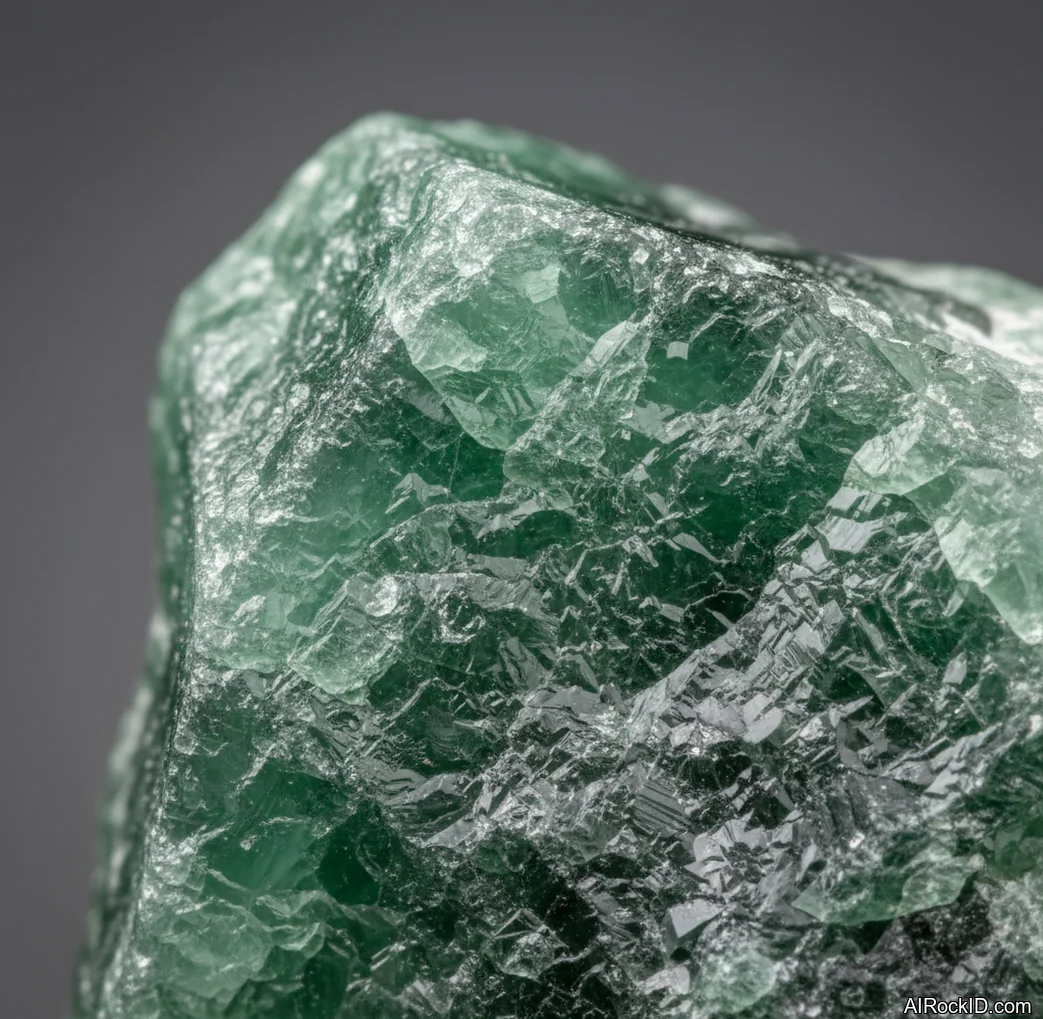
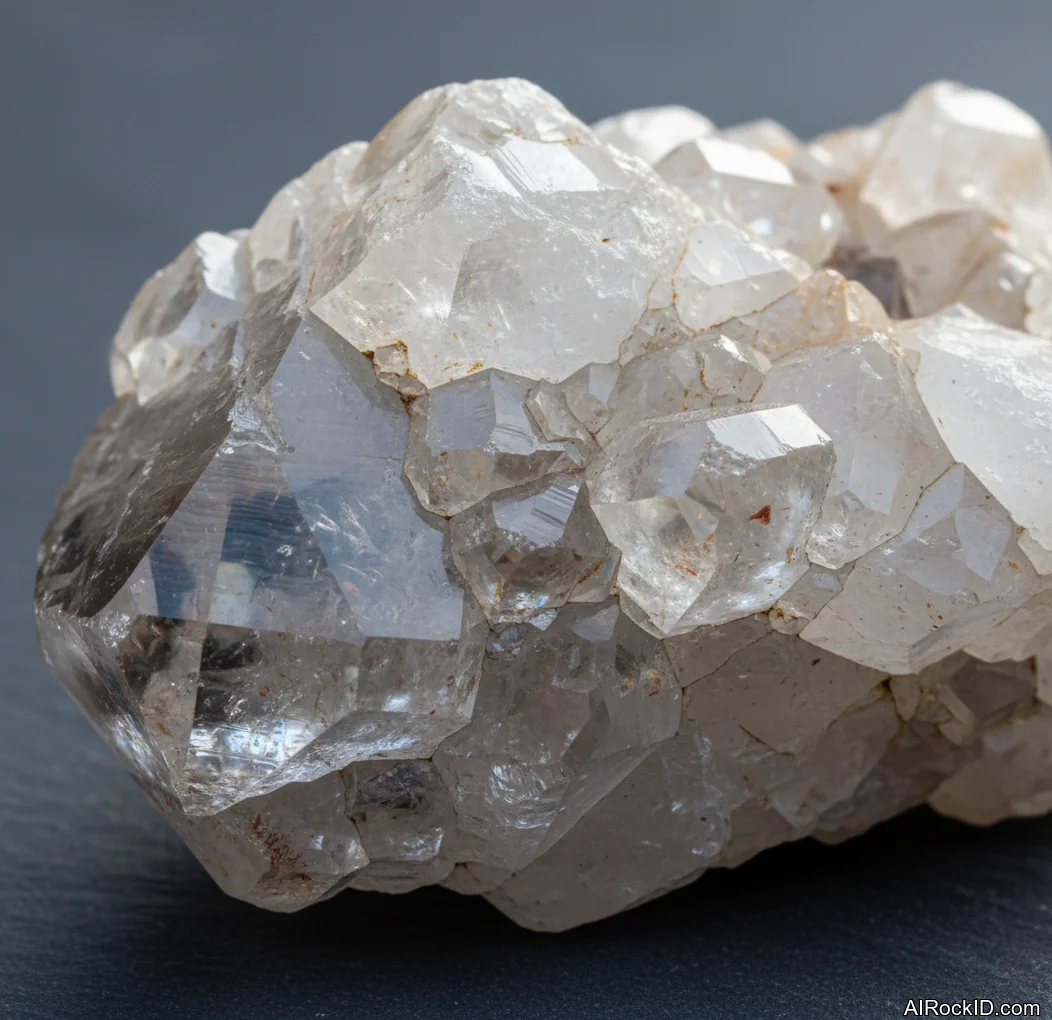
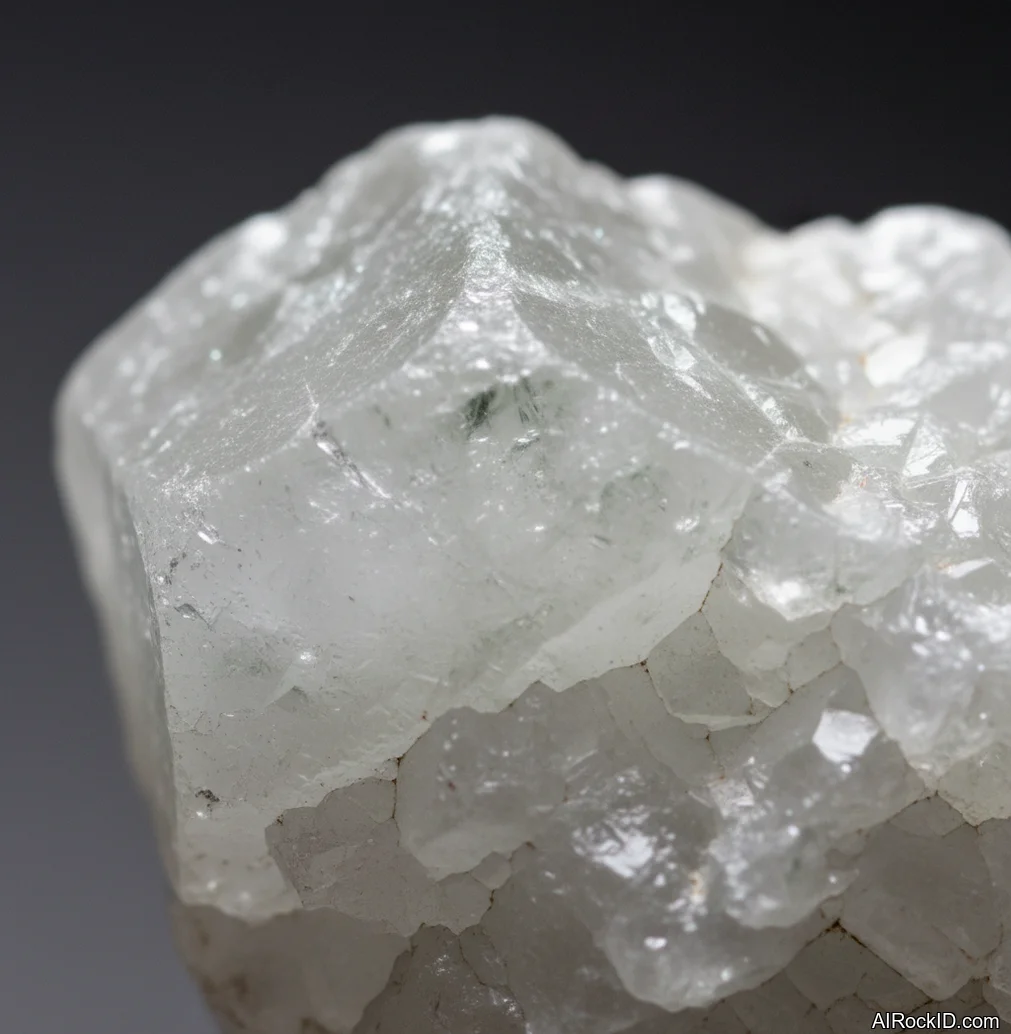
White Aventurine is basically quartz that runs white to milky, and it has that soft, glittery shimmer (aventurescence) from tiny reflective mineral inclusions.
Pick up a chunk and you get that familiar quartz weight right away. But the polish doesn’t always feel glass-slick like clear quartz. It’s more of a slightly “sugary” feel under your thumb, like there’s a fine grain to it even when it’s shiny. In flat lighting, it can pass for plain milky quartz. Thing is, tip it under a lamp and there it is: little pinprick flashes, like the faintest mica dust got trapped inside (did someone shake a glitter jar in there?).
Most of what’s sold is tumbled or carved since it’s tough and it will take a nice shine. But don’t count on big sparkle every time. Some lots are basically just white quartz being sold as aventurine, and the shimmer’s so faint you only catch it at one specific angle.
Origin & History
“Aventurine” traces back to the Italian *a ventura*, or “by chance.” That’s a wink at how aventurine glass (goldstone) was supposedly discovered in the 17th century, when copper filings accidentally dropped into molten glass and gave it that sparkly, spangled look. The natural stone picked up the same name later, since it can flash a similar glittery effect when you turn it in the light.
White aventurine isn’t its own standalone mineral with one clear “discovered by” story. It’s just a trade label for pale aventurine quartz, tied to the same long, well-worn history of quartz being cut, carved, and carried basically anywhere people have been doing lapidary work (which is pretty much everywhere).
Where Is White Aventurine Found?
White aventurine is sold from the same big quartz-producing regions that feed the market with green and peach aventurine, with lots of material coming out of Brazil and India.
Formation
Aventurine is quartz that either grew that way or recrystallized later with tiny, flat, plate-like inclusions sprinkled through it. Those little plates are the whole reason it sparkles, since they’re what bounce the light back at you. In green aventurine, those plates are often fuchsite mica. In white stuff, it’s usually pale mica, tiny feldspar, or other light-colored inclusions that don’t really shift the body color much.
A clean, textbook quartz crystal that grew in open space has room to form those crisp faces and terminations. But aventurine? It tends to come out of more crowded situations, like metamorphosed quartz-rich rocks (think quartzite) or quartz veins that got mixed up with other minerals while the rock was being deformed. So it’s commonly massive, not terminated. I’ve split rough that looked dead white and kind of chalky on the outside, and the fresh break had this faint silvery peppering in it (almost like dust in the stone) that didn’t show until I tipped it under a flashlight. Pretty sneaky, honestly.
How to Identify White Aventurine
Color: White aventurine ranges from bright white to creamy, milky, or slightly grayish white, sometimes with faint translucent edges on thinner pieces. The shimmer is usually silvery or pearly rather than colorful.
Luster: It has a vitreous to slightly waxy luster, especially once tumbled.
Look closely under a single strong light and rotate the stone slowly; real aventurescence shows as tiny, directional sparkles, not a uniform glitter coat. The real test is a quick hardness check: quartz at Mohs 7 will scratch window glass, while many lookalikes won’t. And if it’s “sparkling” like craft glitter and the flashes are the same size everywhere, that’s usually a coating or resin, not inclusions.
Properties of White Aventurine
Physical Properties
| Crystal System | Trigonal |
| Hardness (Mohs) | 7 (Hard (6-7.5)) |
| Density | 2.65 g/cm3 |
| Luster | Vitreous |
| Diaphaneity | Translucent to opaque |
| Fracture | Conchoidal |
| Streak | White |
| Magnetism | Non-magnetic |
| Colors | White, Milky white, Cream, Grayish white |
Chemical Properties
| Classification | Silicates |
| Formula | SiO2 |
| Elements | Si, O |
| Common Impurities | Al, Fe, K, Mg, Ti |
Optical Properties
| Refractive Index | 1.544-1.553 |
| Birefringence | 0.009 |
| Pleochroism | None |
| Optical Character | Uniaxial |
White Aventurine Health & Safety
White aventurine is a type of quartz, so it’s safe to hold and keep out on a shelf. The only real concern, same as with any quartz, is the fine dust you can kick up if you’re cutting it or sanding it (that powdery grit gets everywhere), because you don’t want to breathe that in.
Safety Tips
If you’re going to grind or drill it, keep a little water running on the spot, wear a real respirator (not just a dusty paper mask), and wipe up the wet slurry while it’s still damp instead of letting it dry out and sweeping it into the air.
White Aventurine Value & Price
Price Range
Rough/Tumbled: $3 - $25 per piece
Cut/Polished: $1 - $8 per carat
Prices jump when the aventurescence is easy to see and spreads evenly, or when the rough is clean enough to cut cabs without those annoying gray patches. And plain white quartz gets passed off as “white aventurine” all the time, which is why the cheap end stays packed.
Durability
Durable — Scratch resistance: Excellent, Toughness: Good
It’s stable in normal conditions and doesn’t mind handling, but polished surfaces can pick up tiny scuffs if you toss it in a pocket with harder grit.
How to Care for White Aventurine
Use & Storage
Store it in a soft pouch or a compartmented box if you care about the polish. Quartz is hard, but it’ll still get that “used” look if it rubs against other stones.
Cleaning
1) Rinse with lukewarm water. 2) Wash with a drop of mild soap and your fingers or a soft toothbrush. 3) Rinse well and pat dry; avoid gritty towels that can haze the shine.
Cleanse & Charge
For non-physical use, a quick rinse and a dry wipe works fine, or leave it on a windowsill for gentle light. But if you’re in a super sunny spot, don’t bake it for days just to be safe with any surface treatments.
Placement
On a desk, it reads calm and bright without stealing attention from louder specimens. I like it near a lamp because that’s when the tiny flashes actually show up.
Caution
Don’t use harsh cleaners, and skip the ultrasonic cleaner too, if the piece has any fractures or it’s got a dyed coating from a questionable source. Why risk making it worse?
Works Well With
White Aventurine Meaning & Healing Properties
Compared to green aventurine, white aventurine tends to get used in a quieter, more low-key way. People grab it when they want that “clean quartz” vibe, just softer, like it isn’t trying to show off. And in my own pile, it’s the one I pass to someone who tells me loud colors or busy patterns make them lose focus.
Pick up a palm stone and you’ll notice it right away. It stays cool and steady in your hand, and those tiny sparkles give your eyes something to land on (you know that little point you keep coming back to). So yeah, it ends up in meditation kits and as worry stones. But it’s still just quartz with inclusions, so I keep the talk practical: it’s a tool for focus and mood, not a stand-in for sleep, therapy, or medication.
Thing is, the big headache with white aventurine in the metaphysical market is sloppy labeling. Some sellers call any milky quartz “white aventurine,” and then buyers are waiting for shimmer that never shows up. If you’re buying it specifically for the sparkle as part of your practice, ask for a quick video under a single light so you can see if it actually flashes.
Identify Any Crystal Instantly
Snap a photo and get properties, value, care instructions, and healing meanings in seconds.