Gemini Crystals
Explore Gemini crystals and how to use them. Learn the best stones for Gemini traits, what to buy, and practical tips for daily crystal work.
Gemini in crystal talk usually comes down to one thing: motion. Fast thoughts. Fast conversations. Fast shifts in interest. And people shopping for “Gemini crystals” aren’t always trying to calm down, either. A lot of them want a stone that can keep up, sharpen focus, and help them land the plane when their brain’s running three tabs ahead.
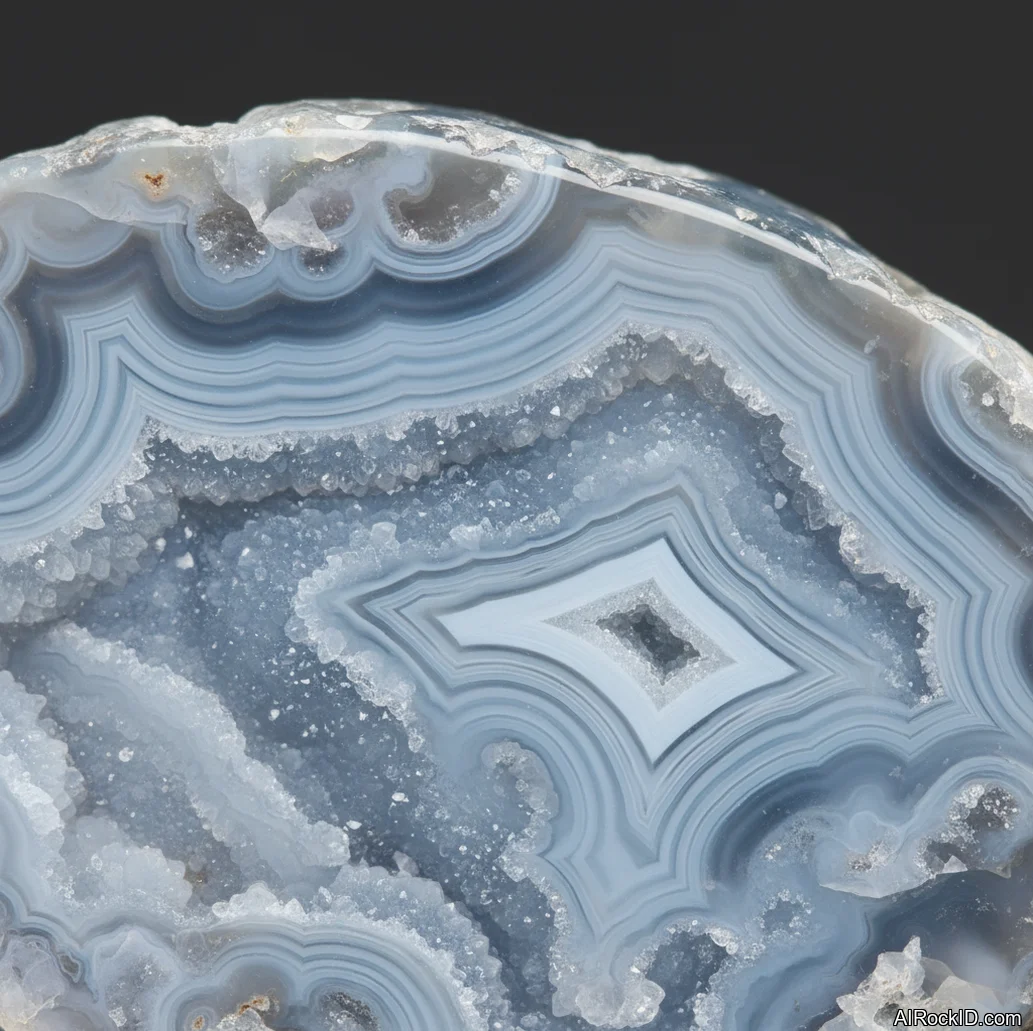
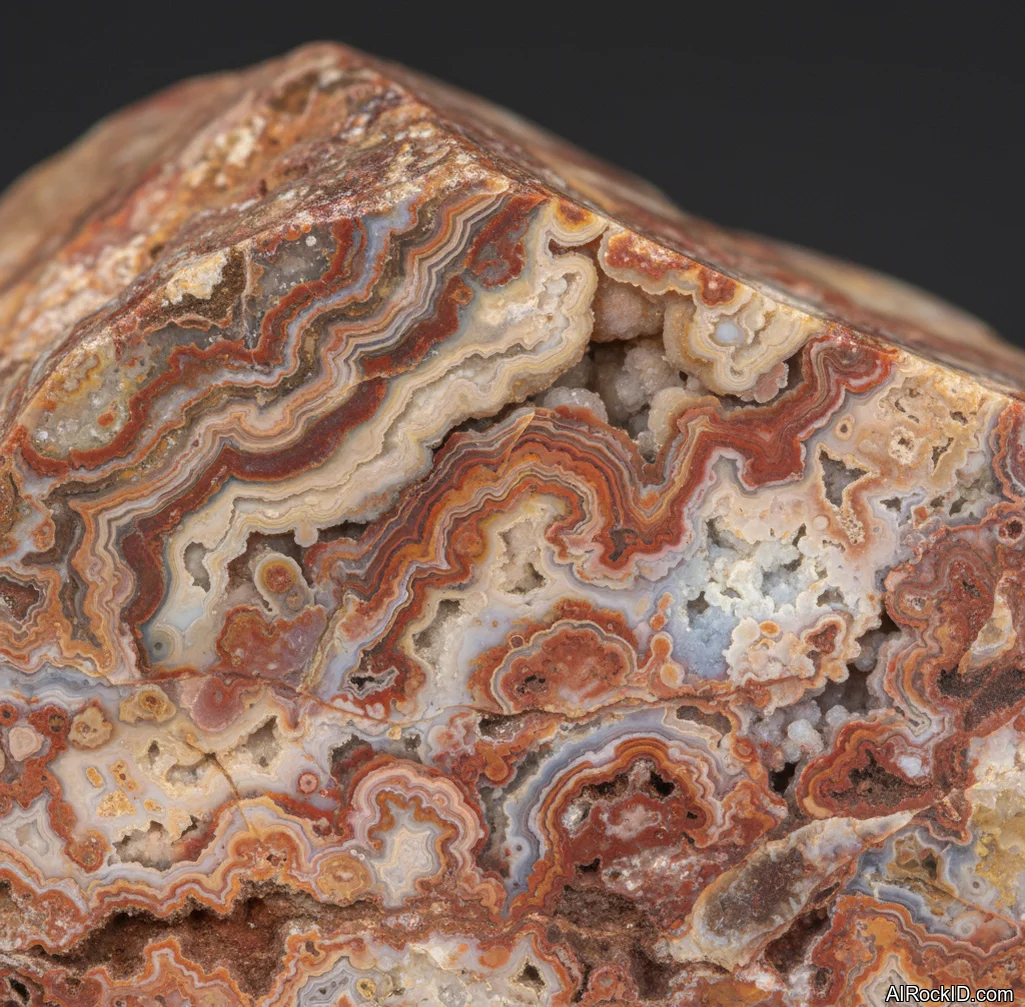
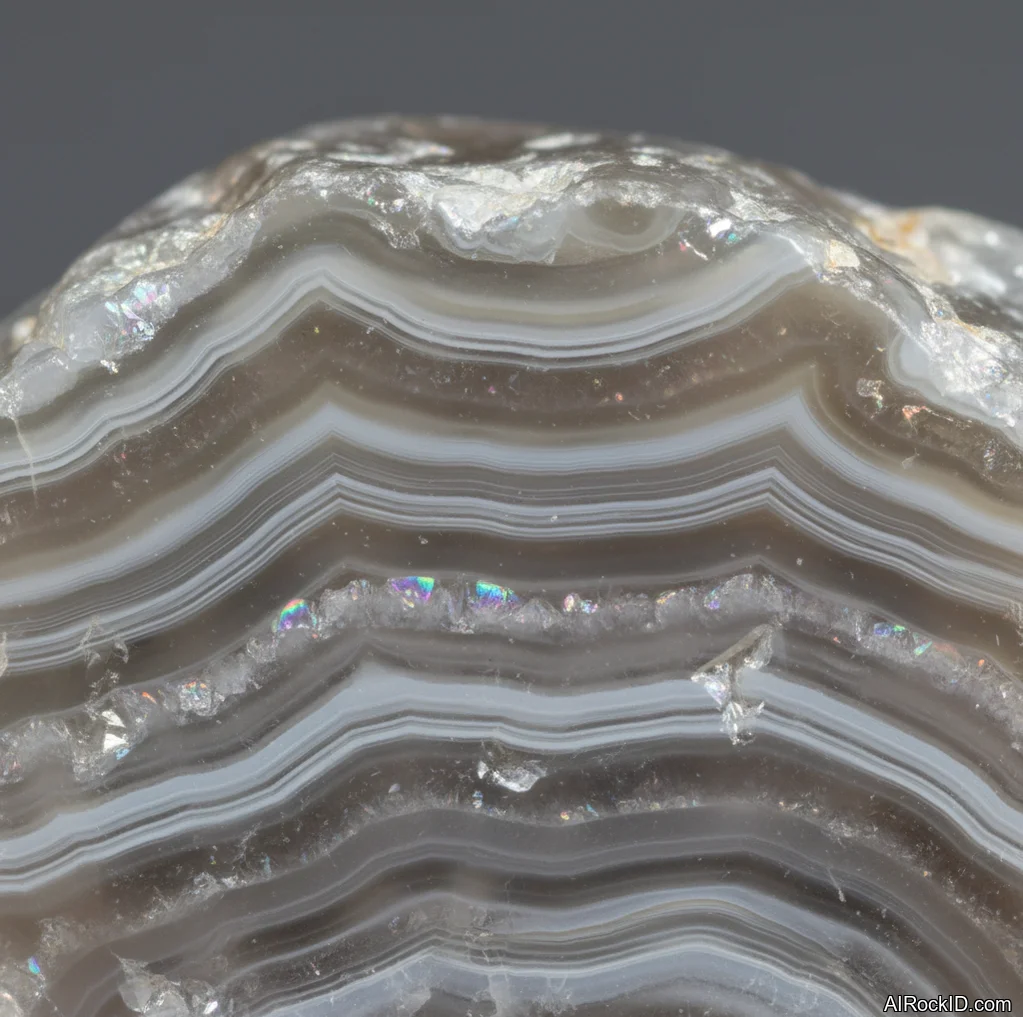
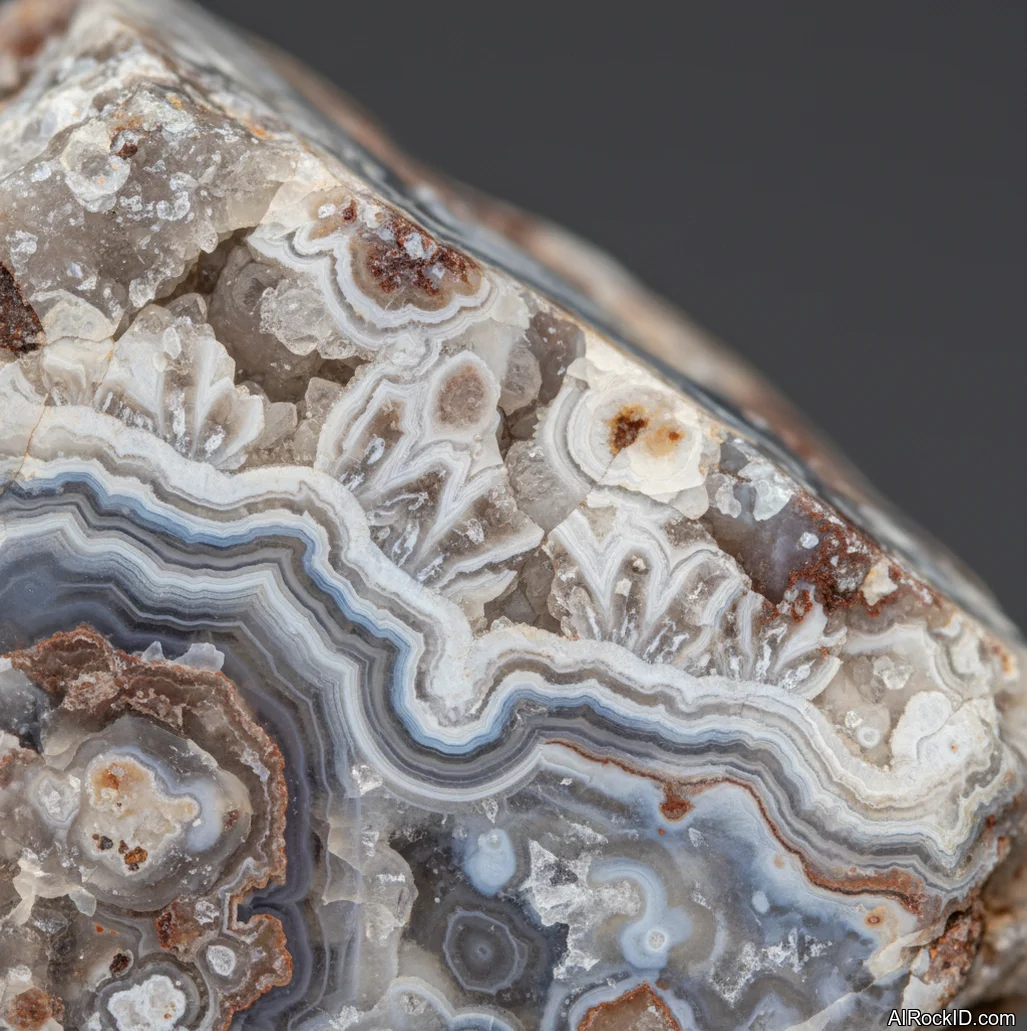
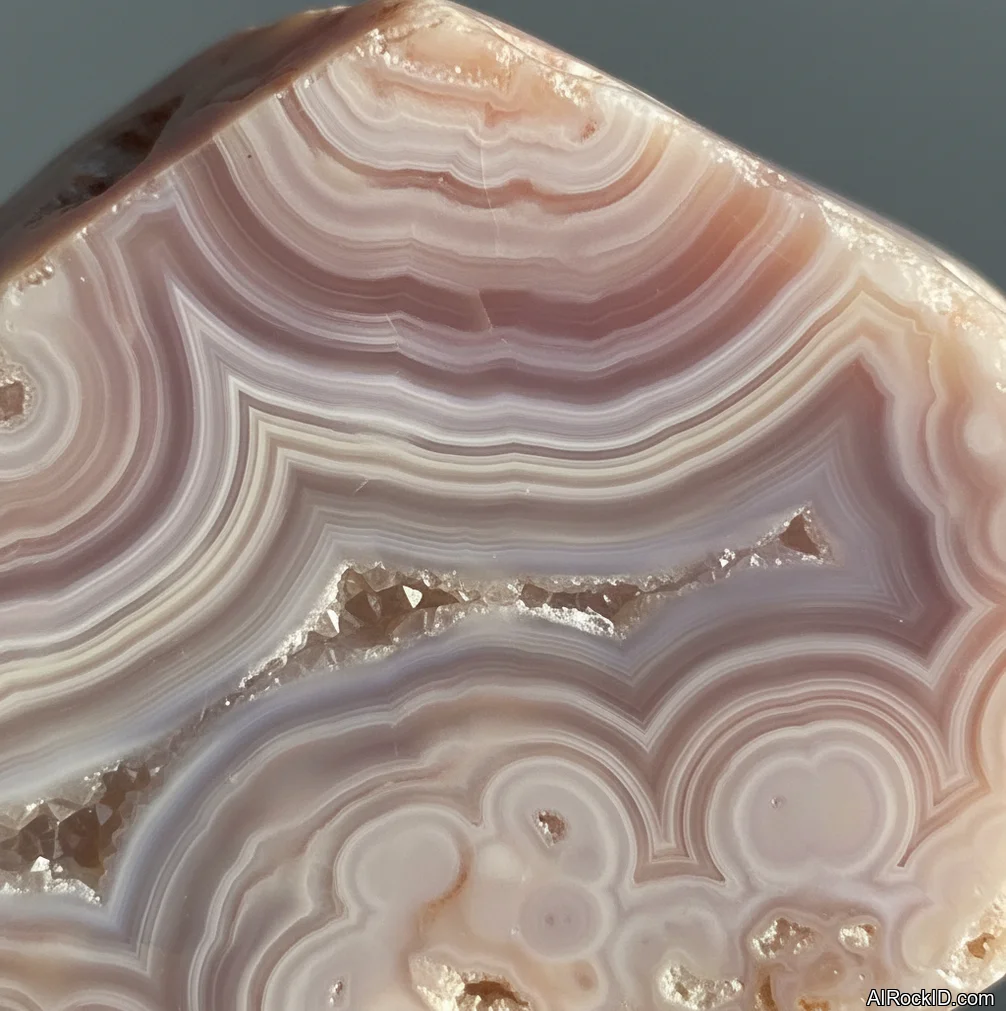
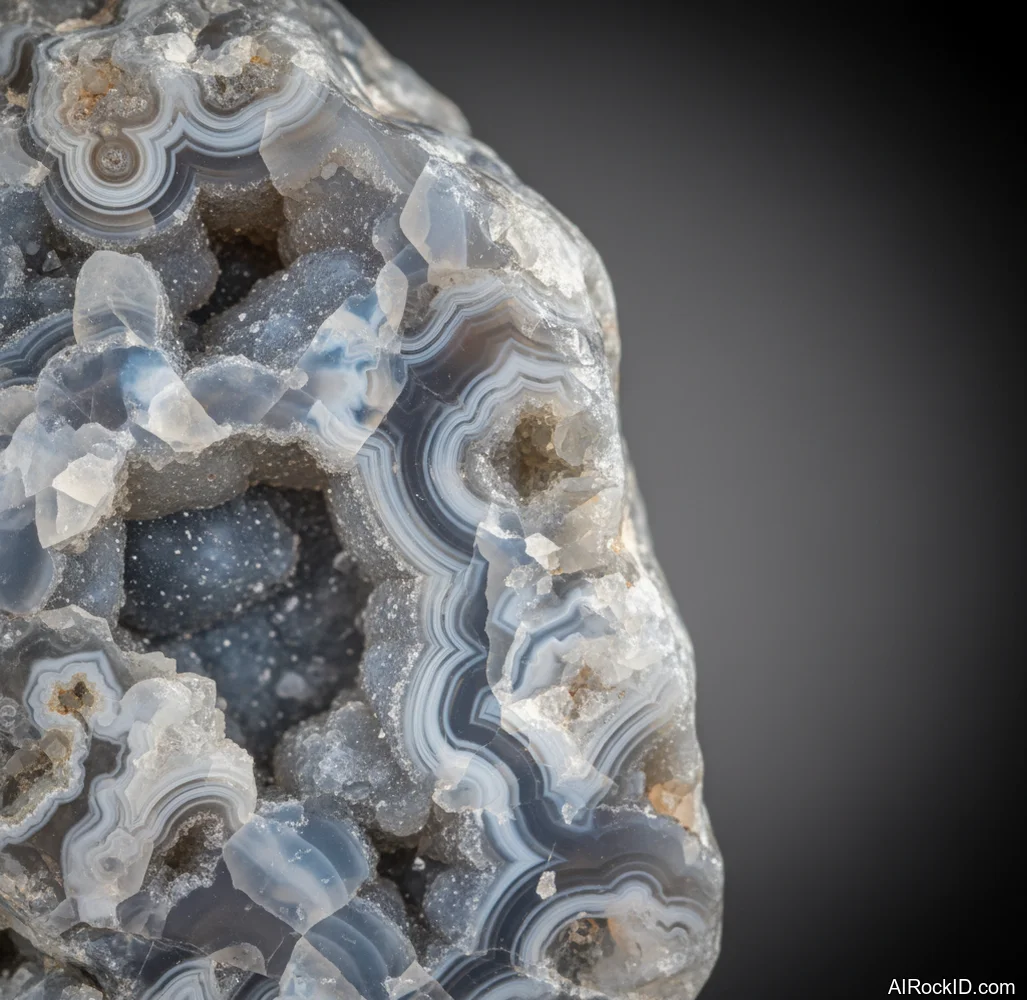
Pick up a clean piece of Blue Lace Agate and you’ll get why it shows up on so many Gemini lists. It’s light in the hand, waxy-smooth when it’s polished, and the banding looks like thin clouds stacked on each other. In a shop, I’ll tilt it under overhead LEDs and watch those bands slide from powder blue to almost gray. That soft look is exactly what people reach for when they’re dealing with Gemini-style overstimulation: too many inputs, too much talking, not enough breath.
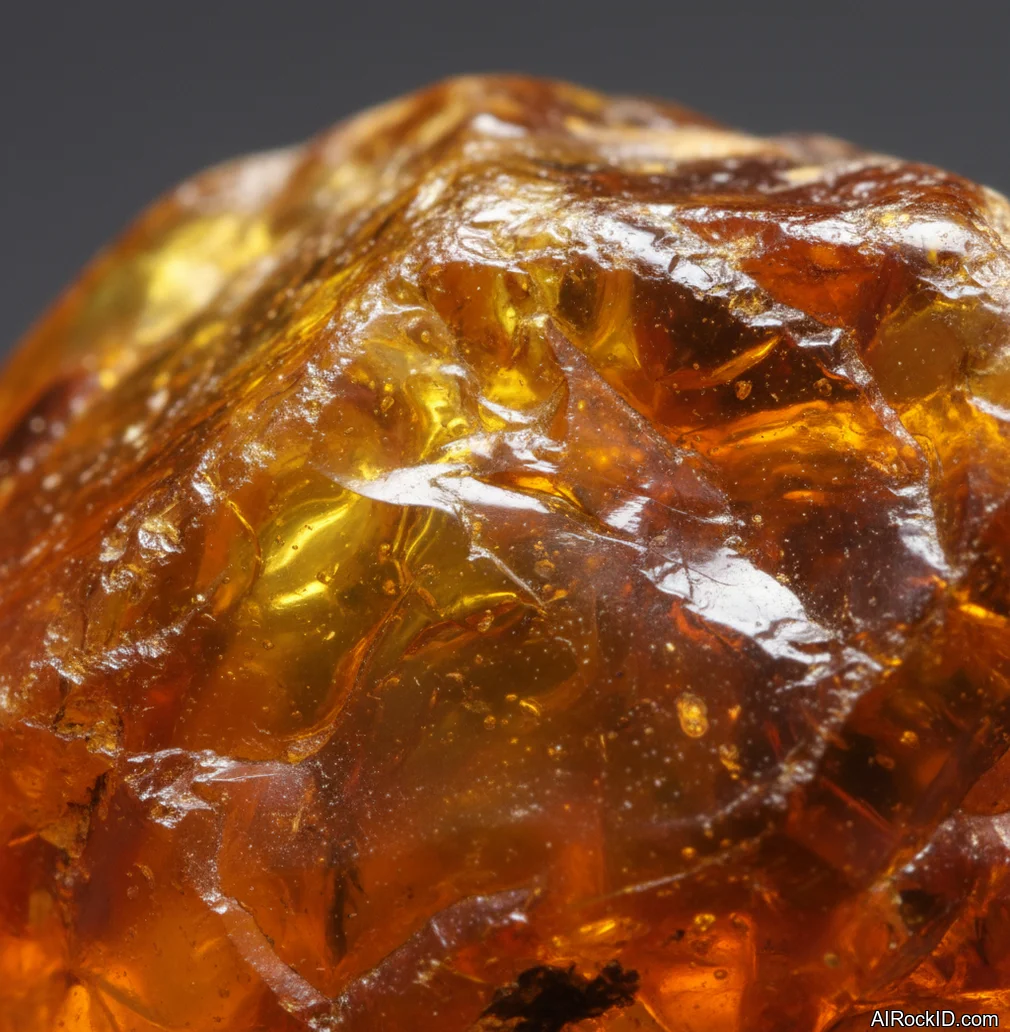
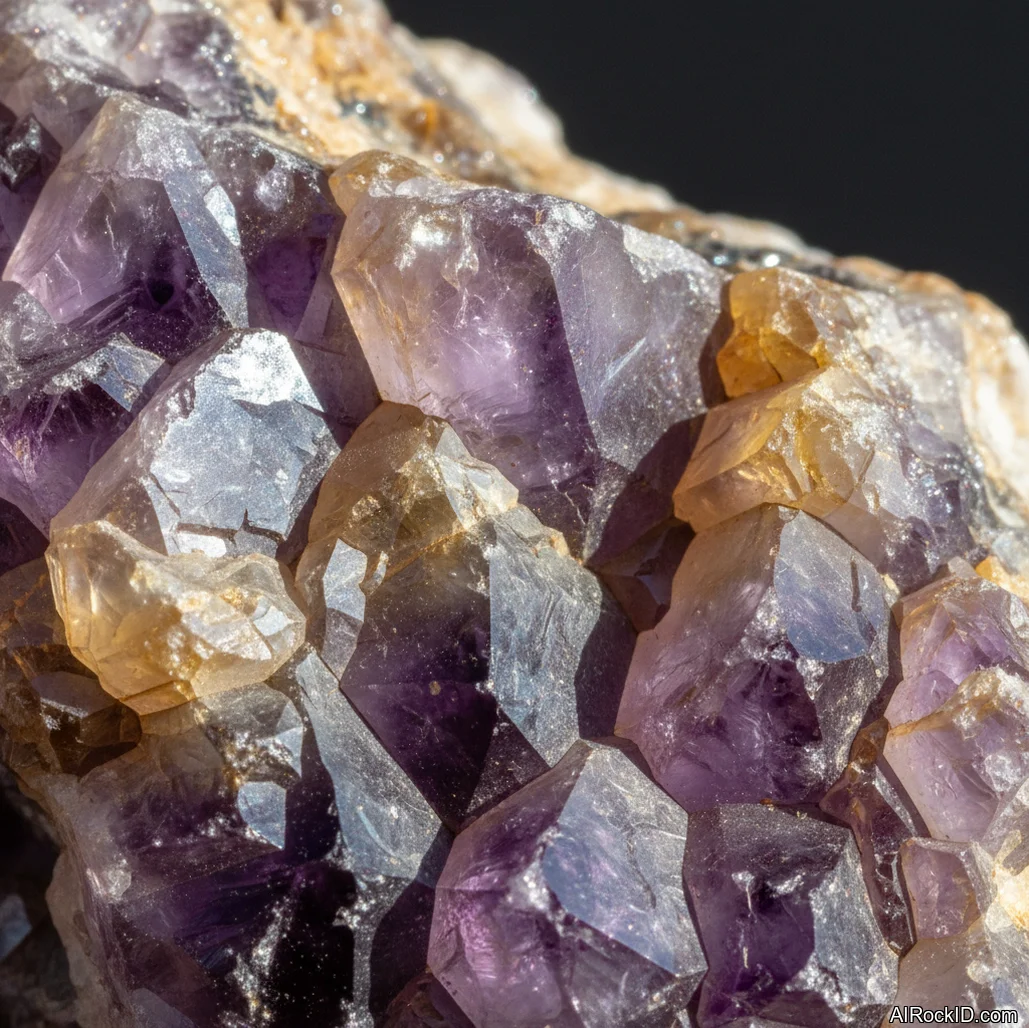
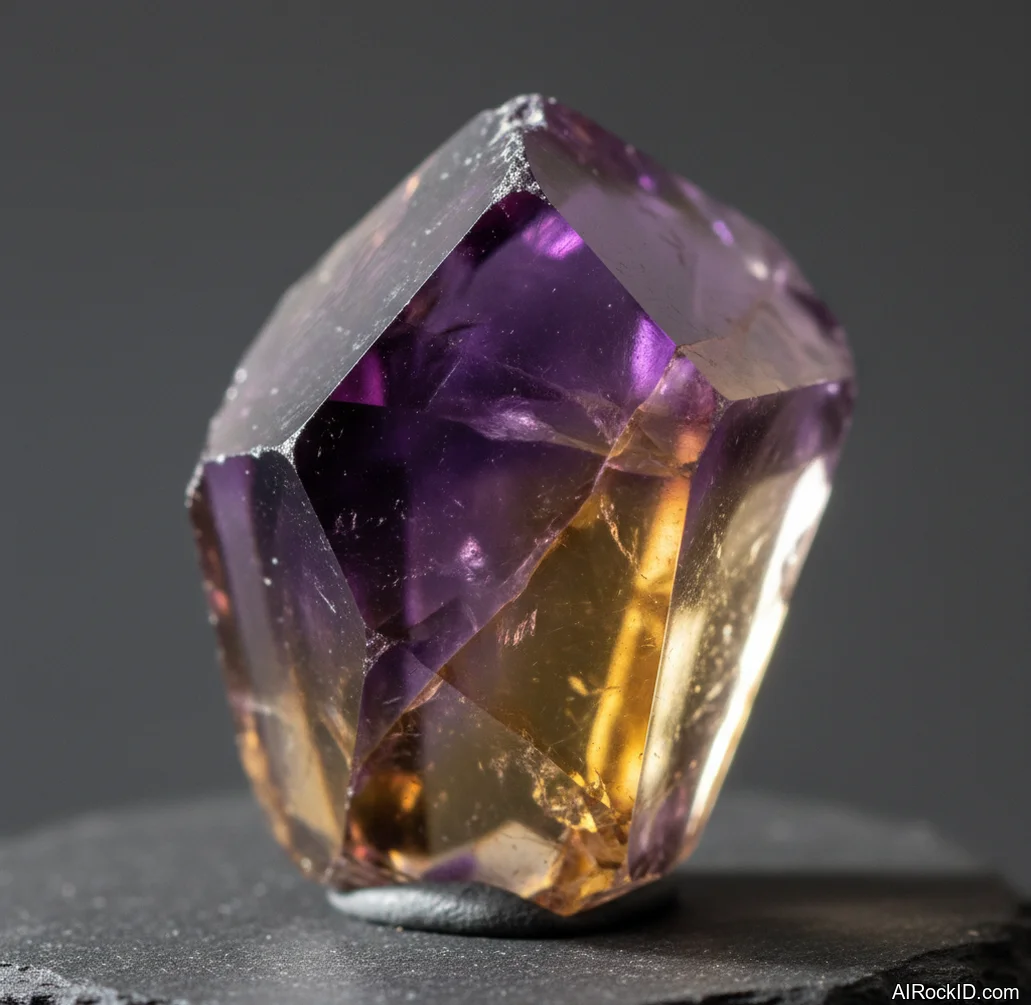
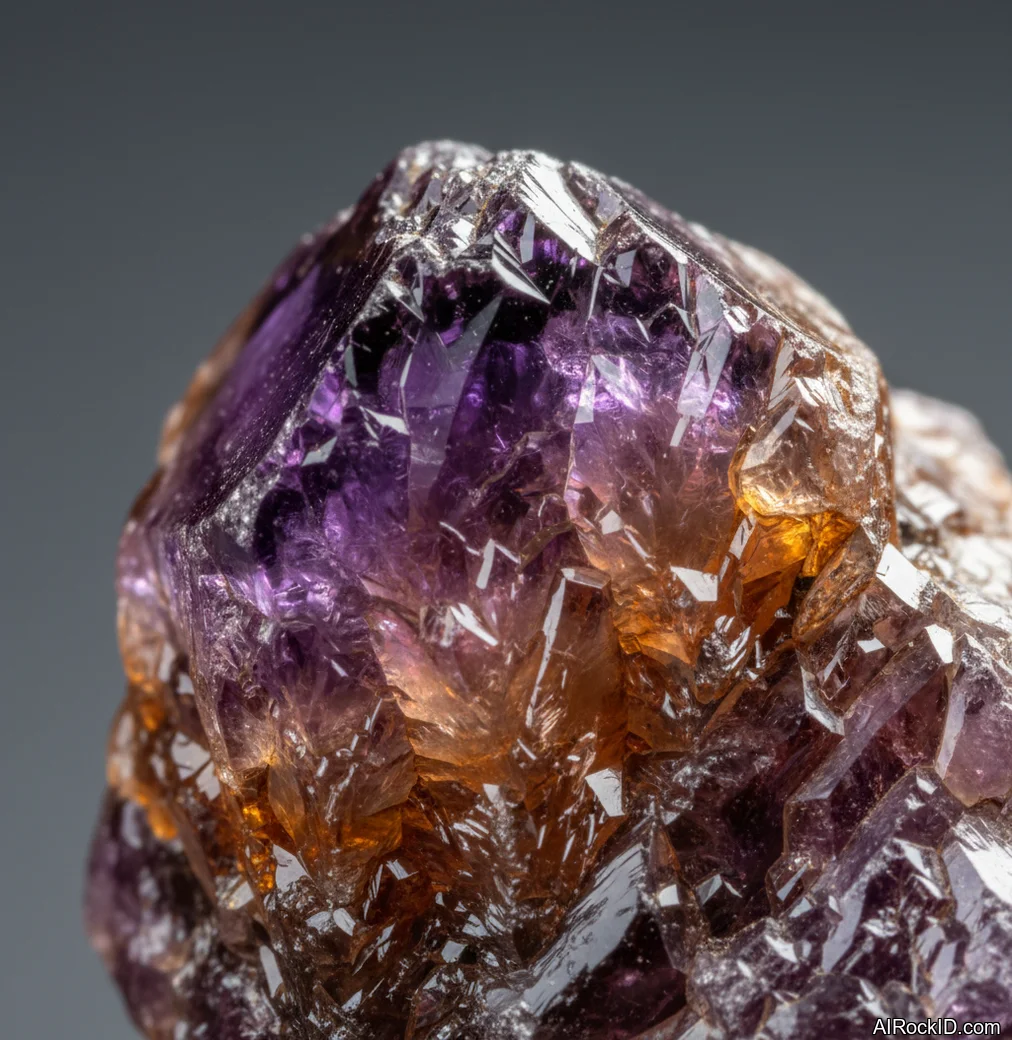
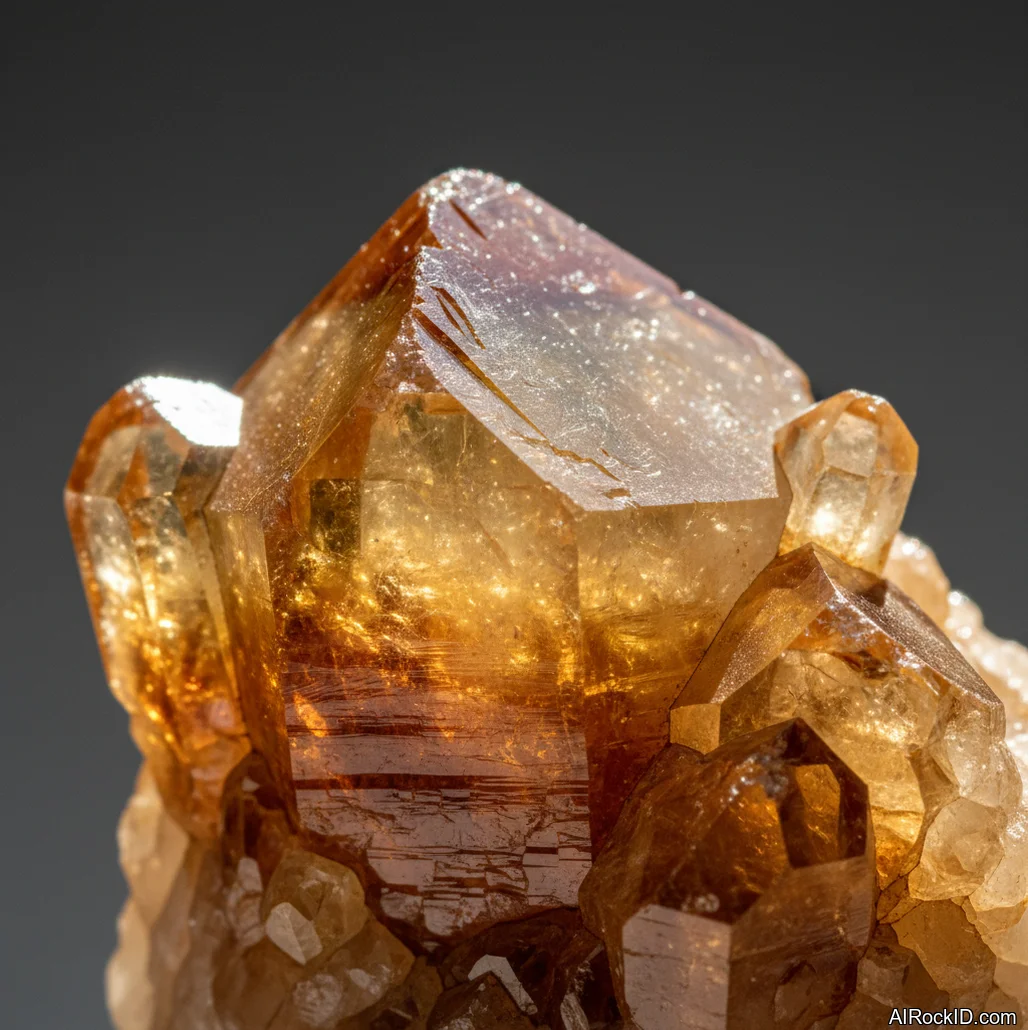
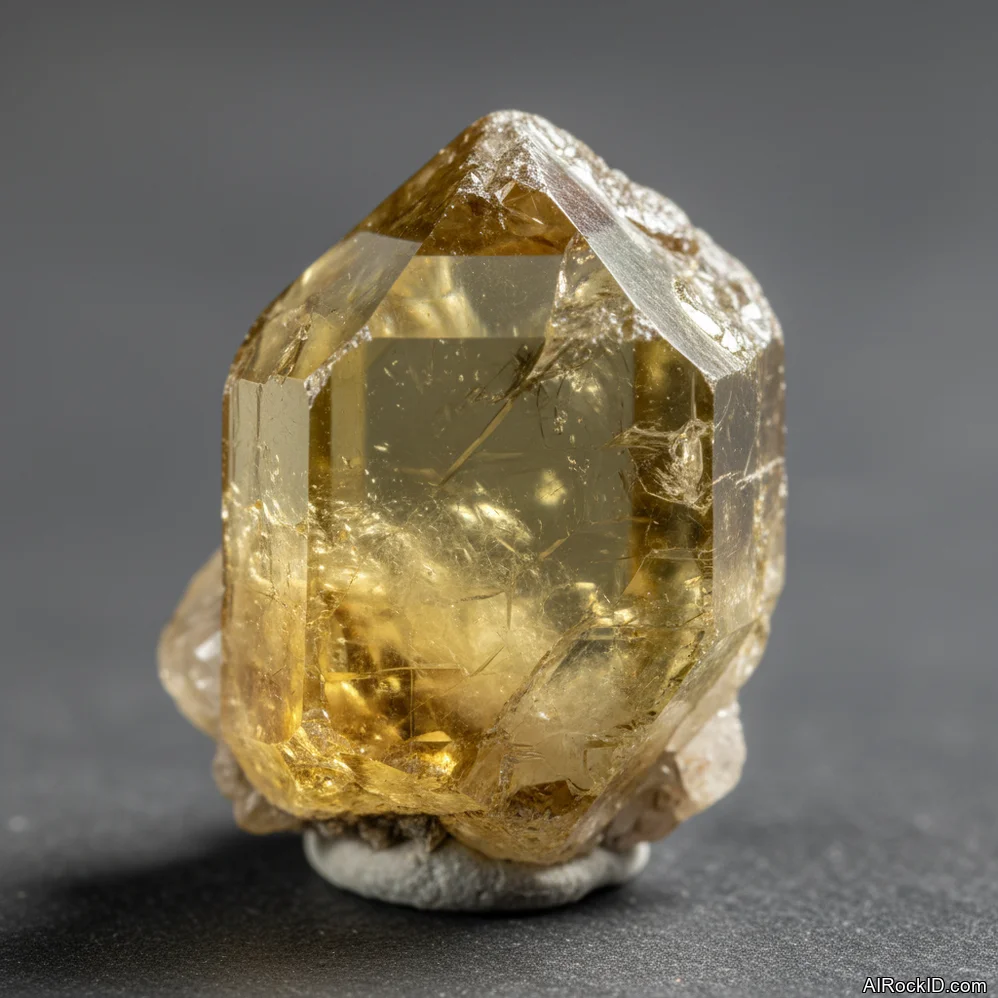
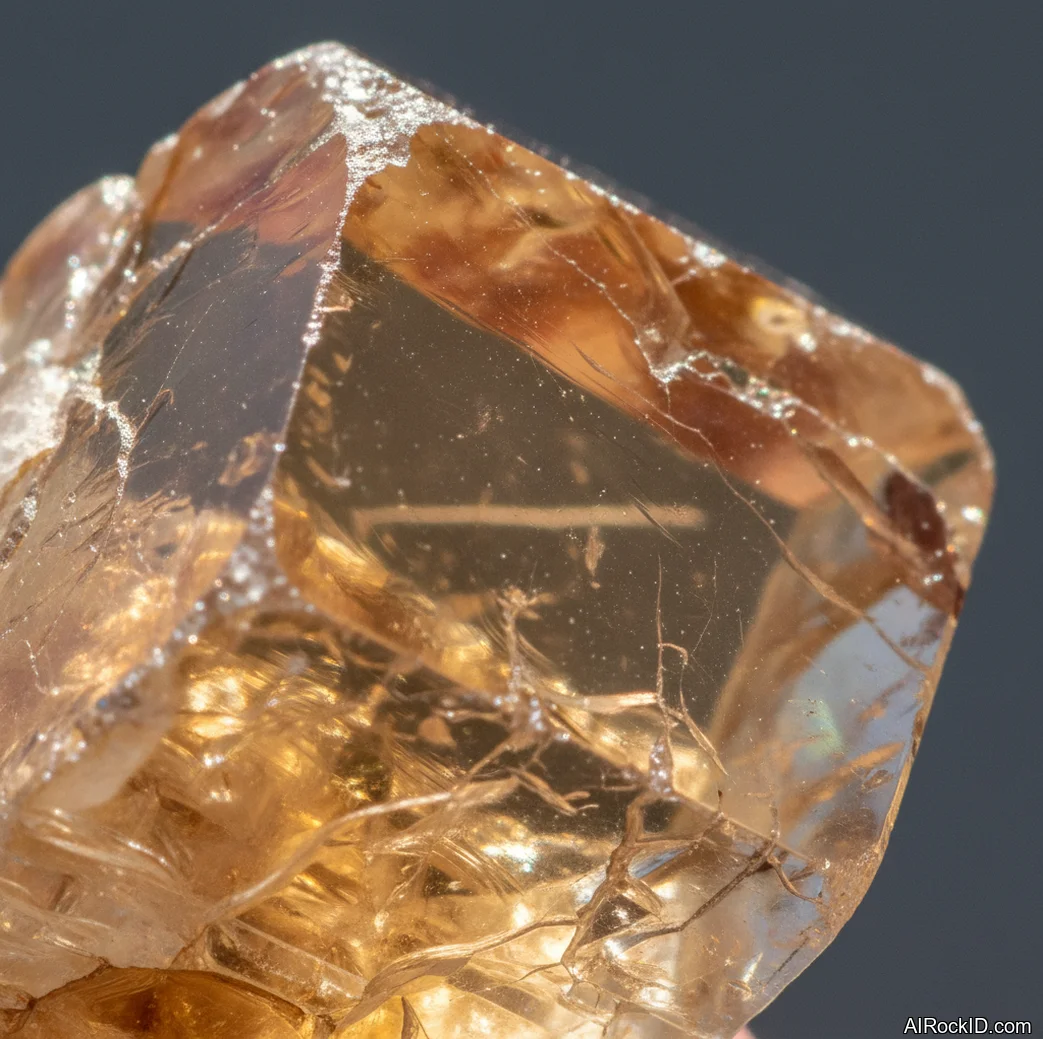
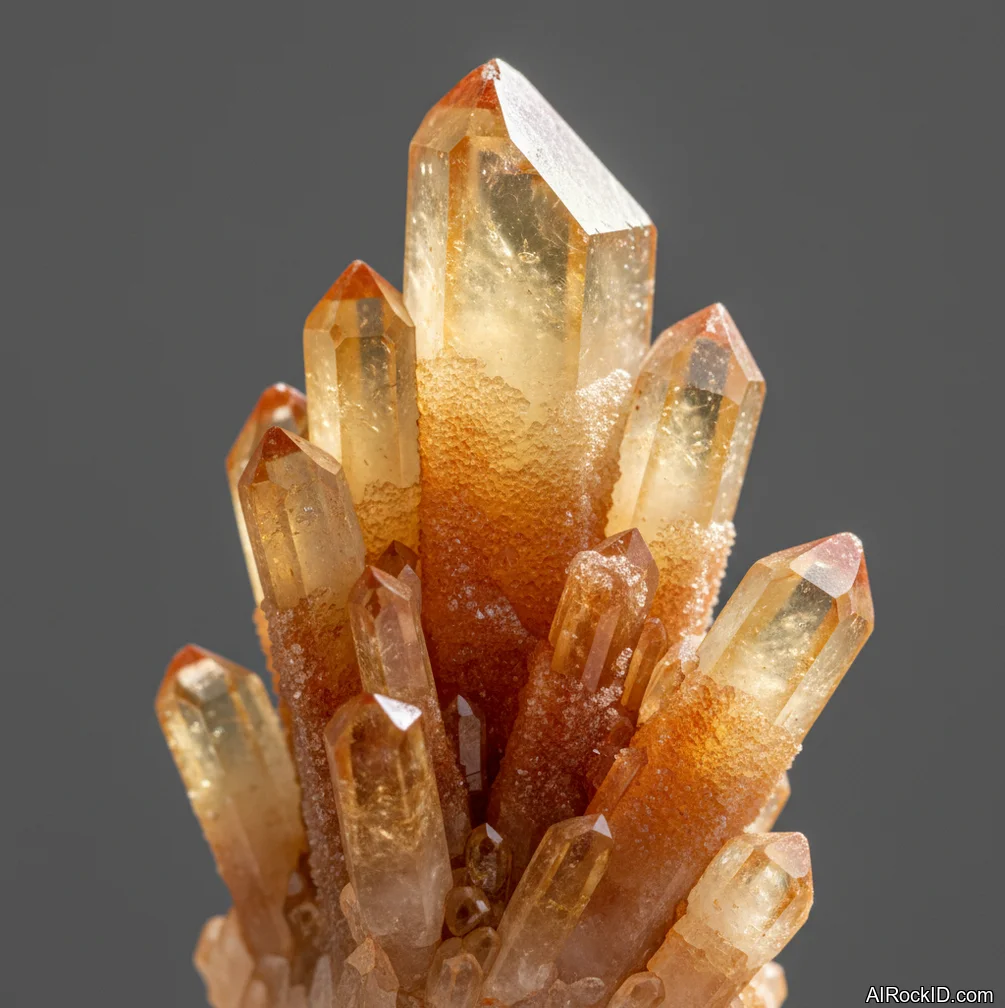
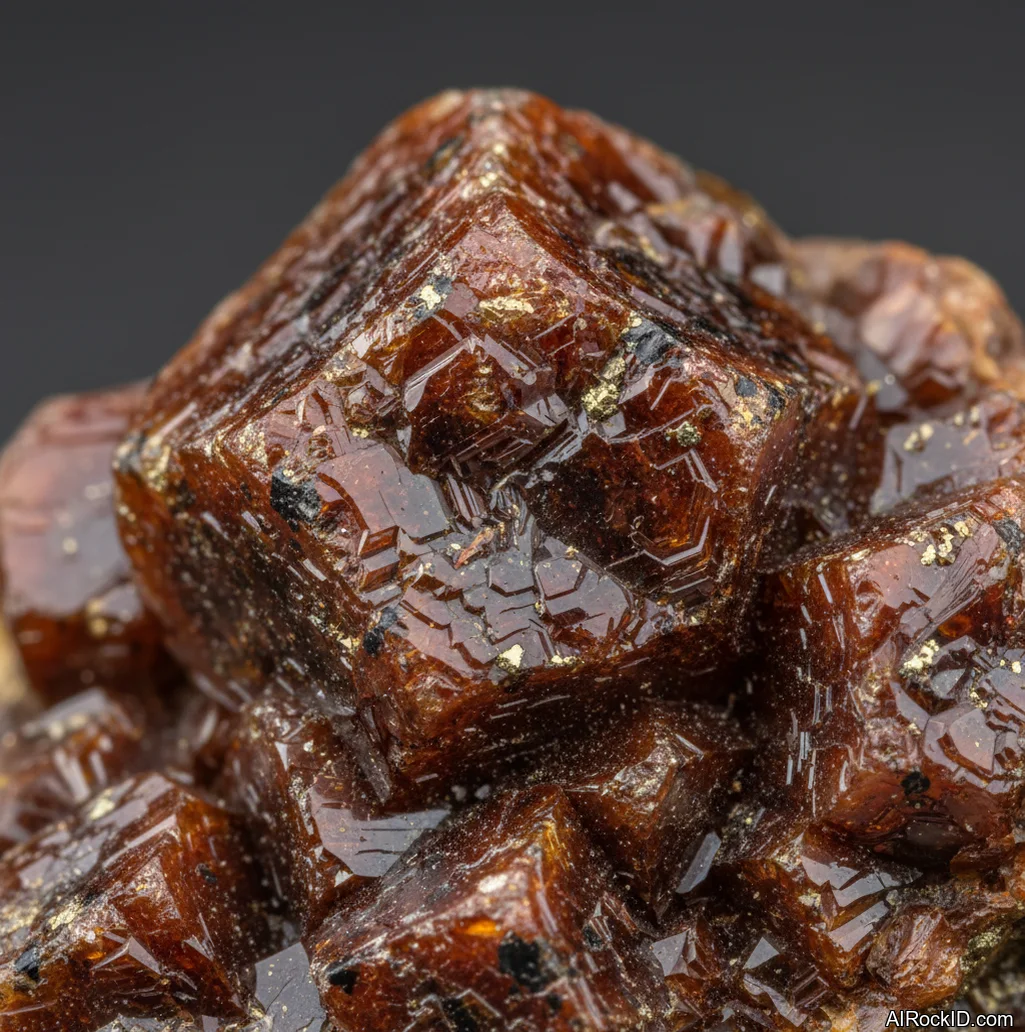
For the “quick mind” side of Gemini, Citrine gets brought up a lot, but the market’s messy. Thing is, a huge chunk of what you’ll see is heat-treated amethyst sold as natural citrine. You can spot the worst offenders by the burnt orange tips and that too-even color that looks painted on. Real natural citrine, especially from places like the Congo, tends to be paler, smokier, and less dramatic. In practice, folks pick it for motivation and follow-through, the part of Gemini energy that can slip once novelty wears off.
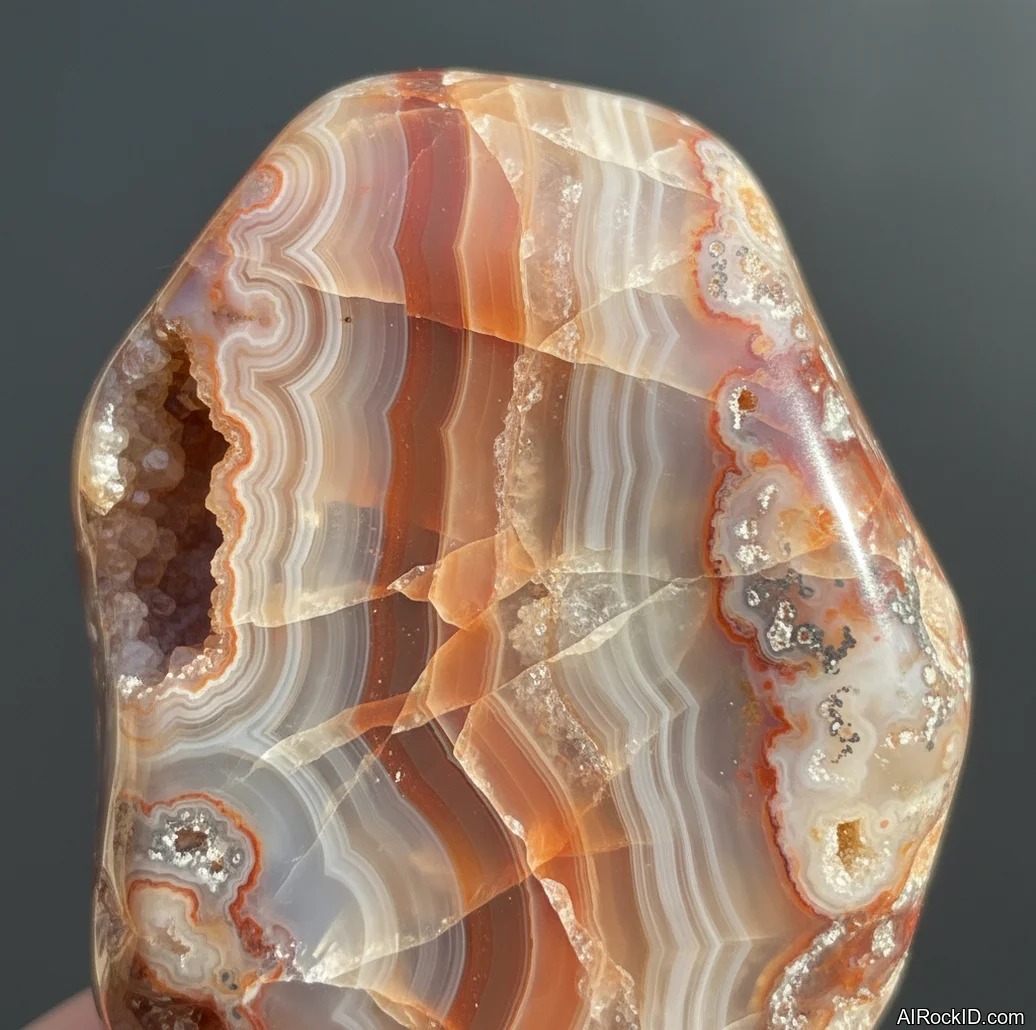
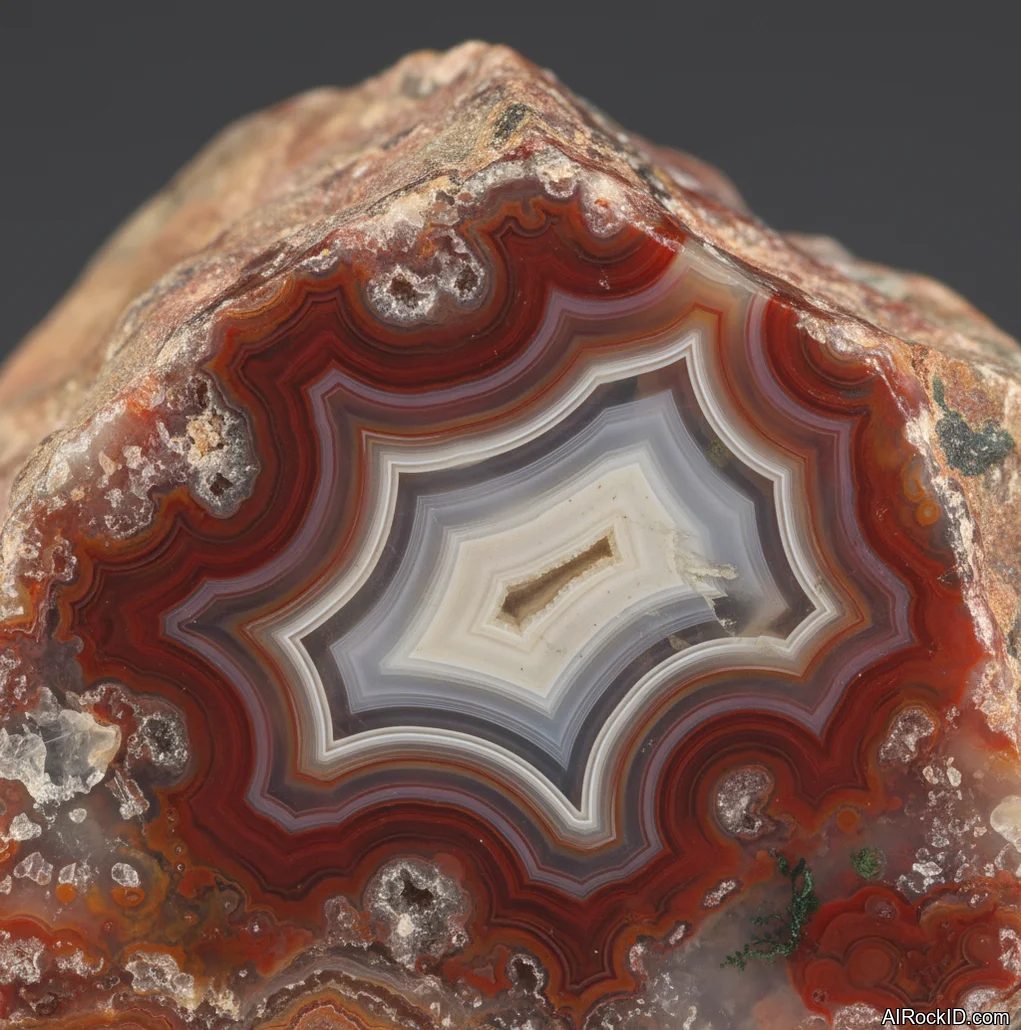
Agate and quartz family stones pop up again and again for Gemini because they’re steady materials. They take a polish well. They’re durable enough for pockets. And they don’t demand babying. Moss Agate is a good example. Look closely and you’ll see the “moss” isn’t plant matter at all. It’s dendritic inclusions, often green chlorite or hornblende-like patterns, suspended inside chalcedony. Every piece is different, and that variety scratches the Gemini itch for something interesting without turning chaotic.
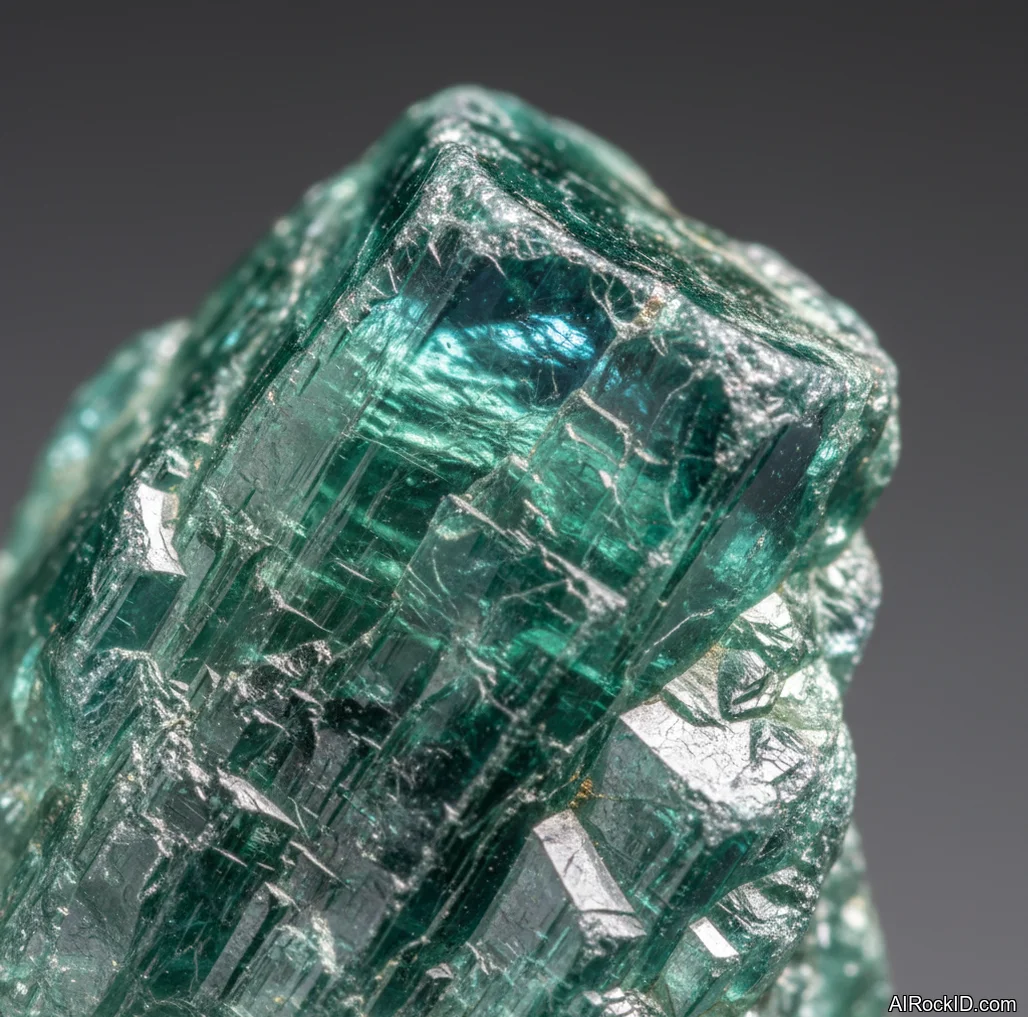
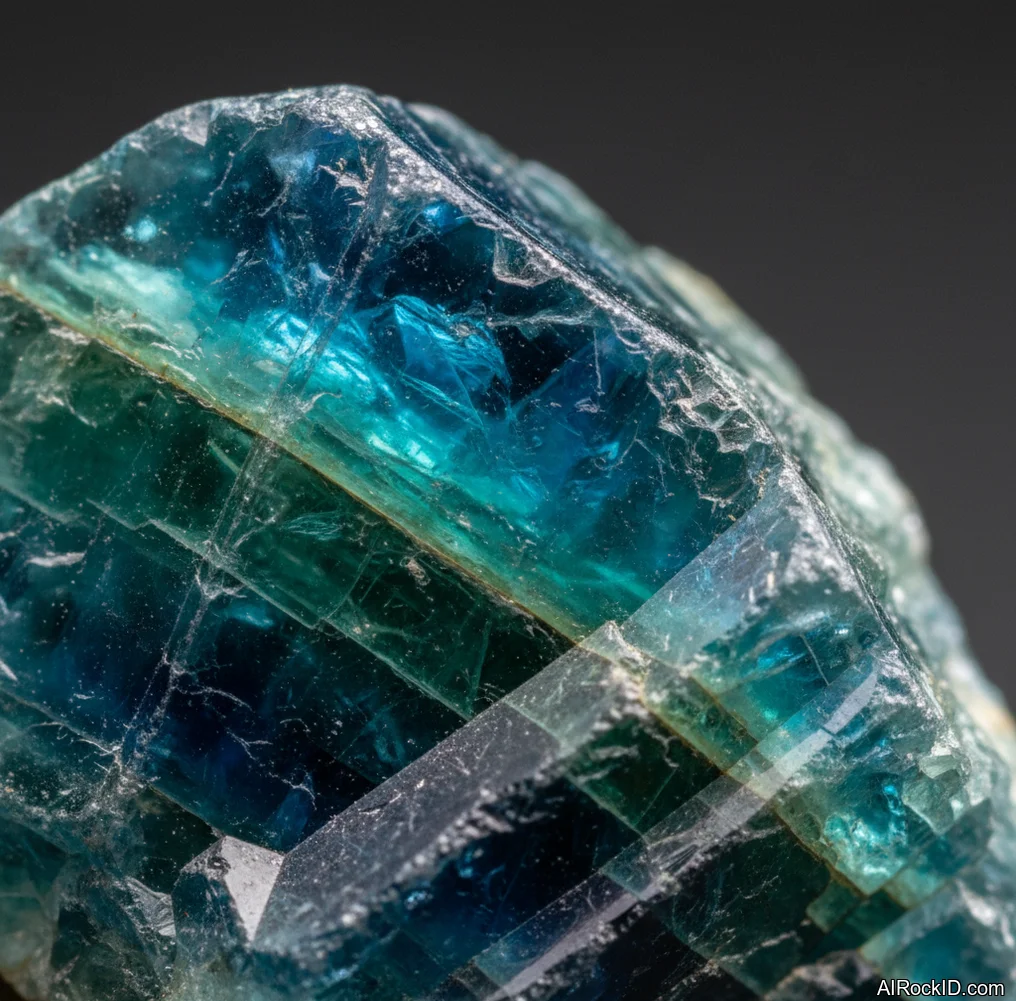
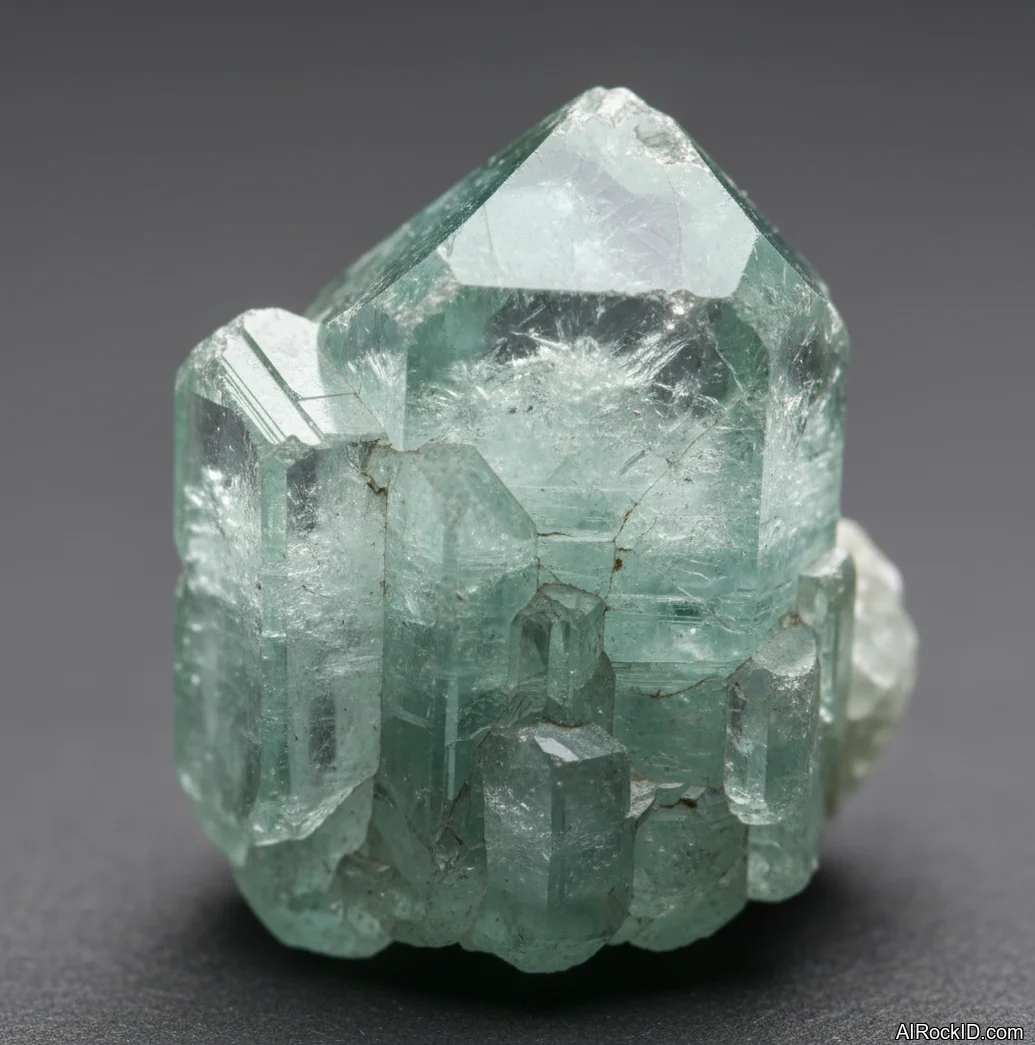
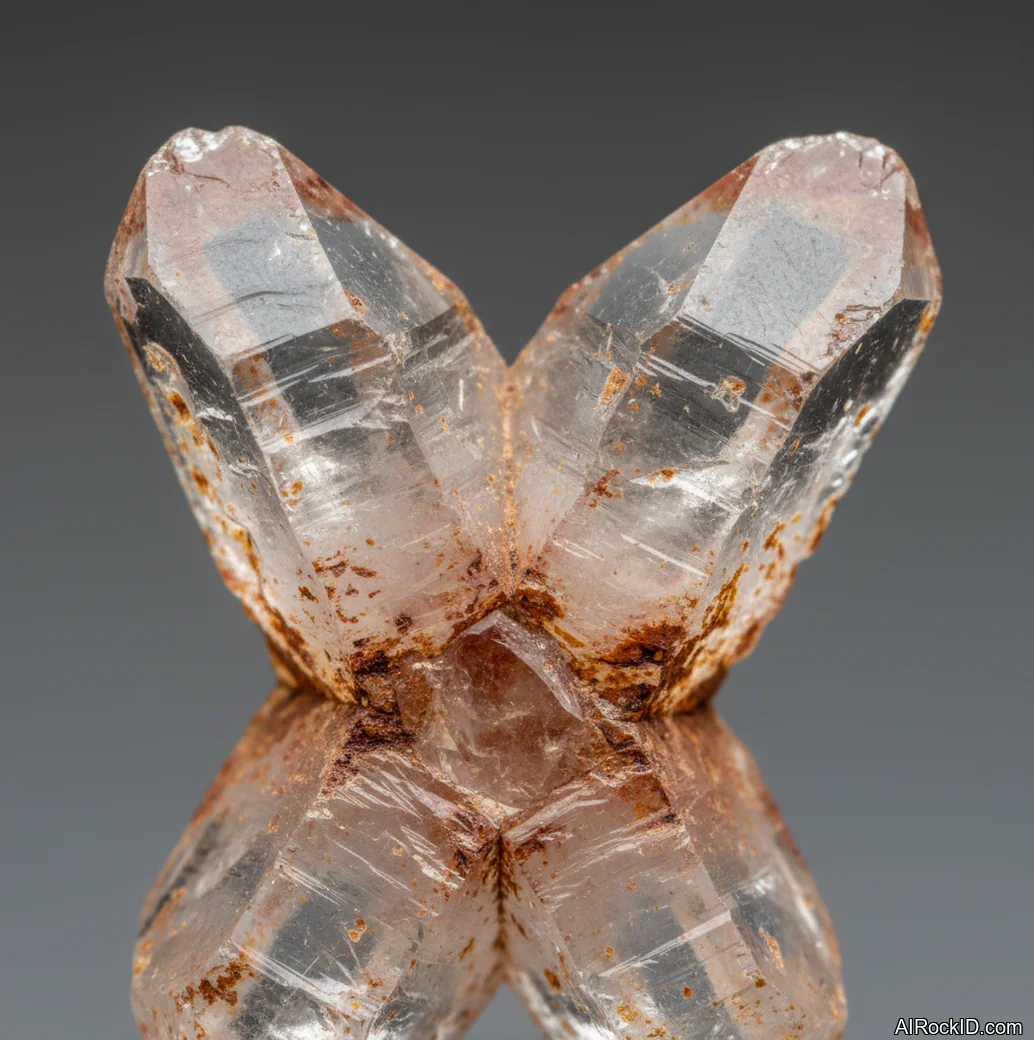
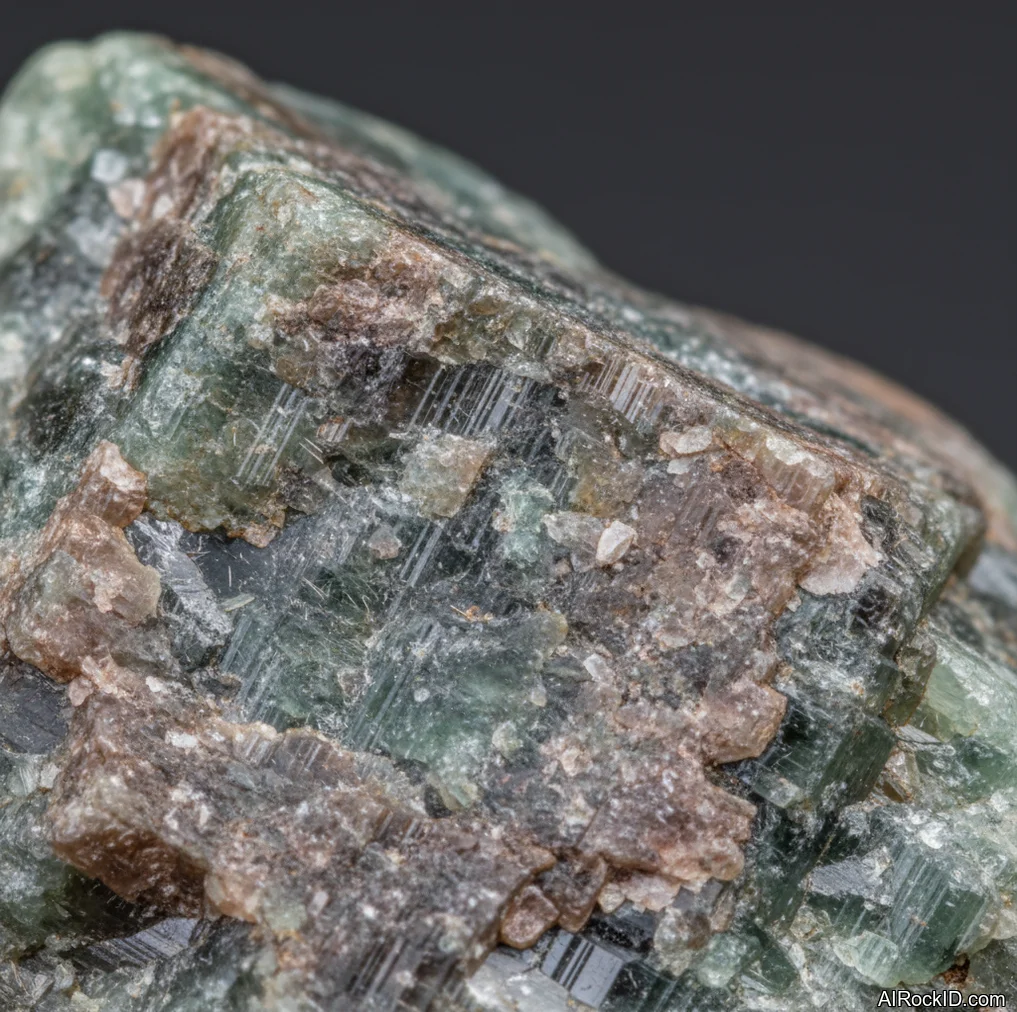
Then you’ve got stones people pick for communication. Aquamarine is the classic, and you can feel the difference between a glassy tumbled pebble and a crisp beryl crystal. A real aquamarine crystal has that hexagonal habit, with striations you can catch with a fingernail if the faces are clean. Color matters too. The deep blue stuff costs real money; a lot of affordable pieces are pale green-blue and look best in daylight. But it still ends up in Gemini kits because it pairs “say it clearly” with “say it kindly.”
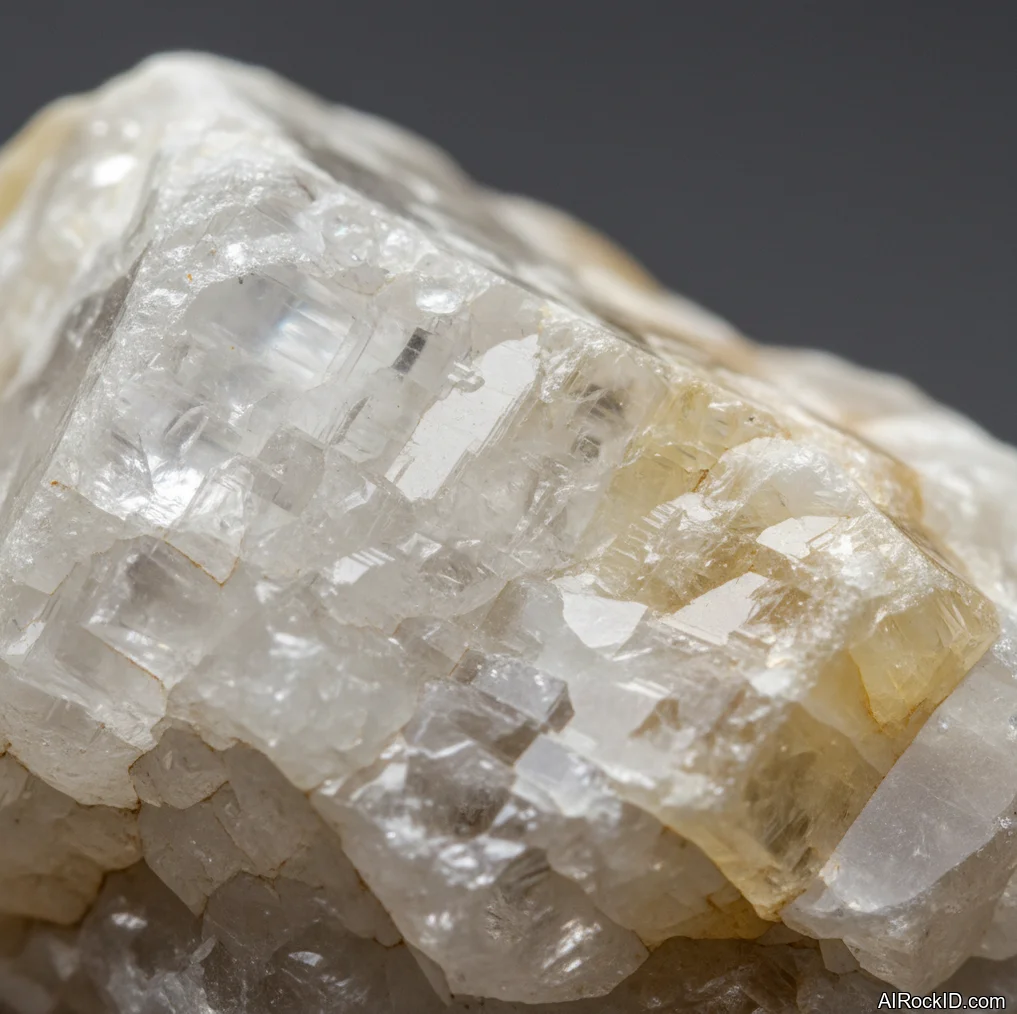
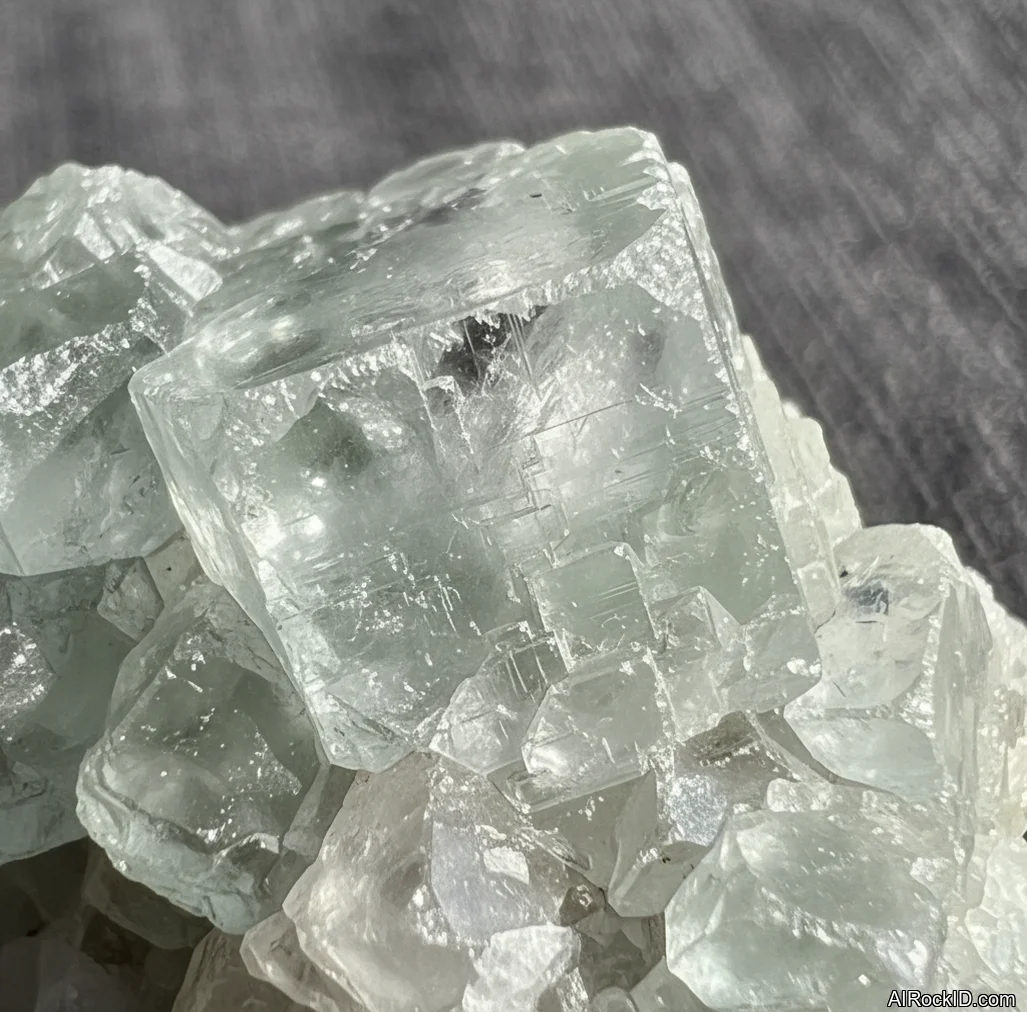
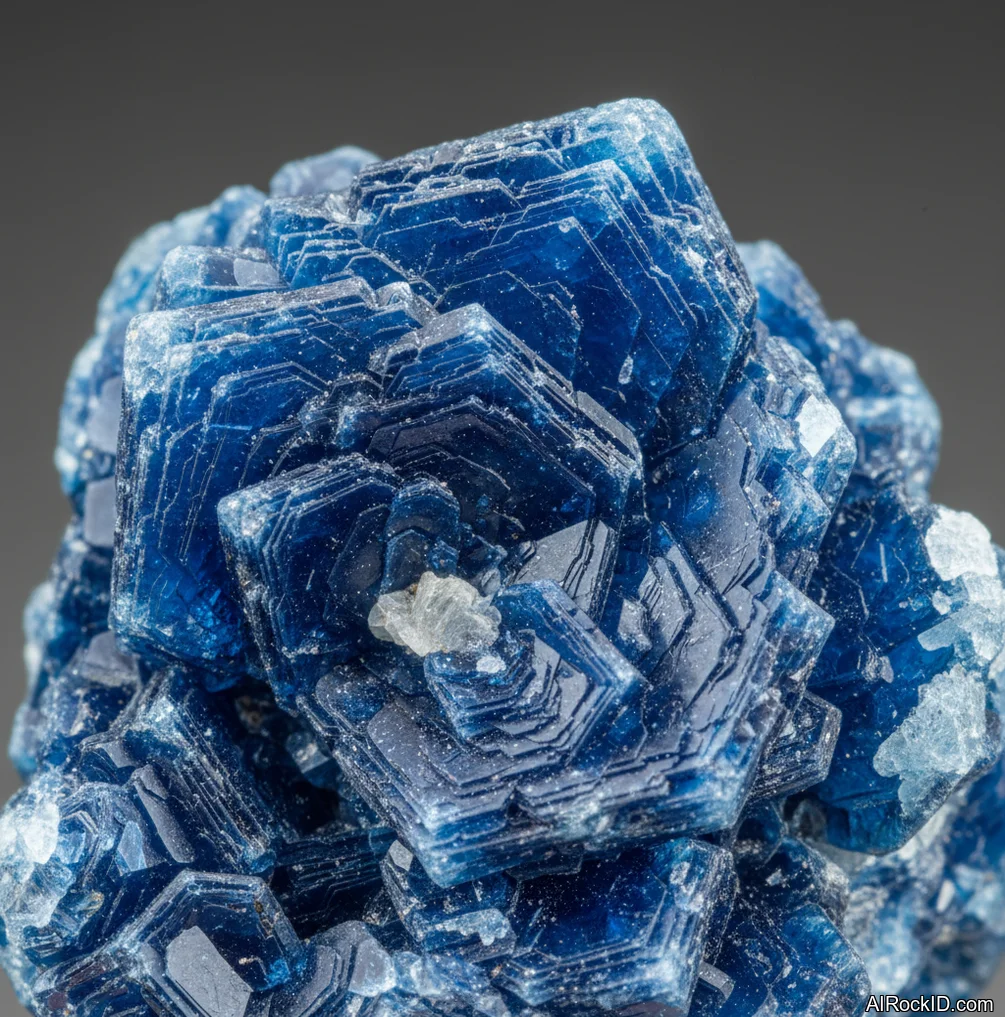
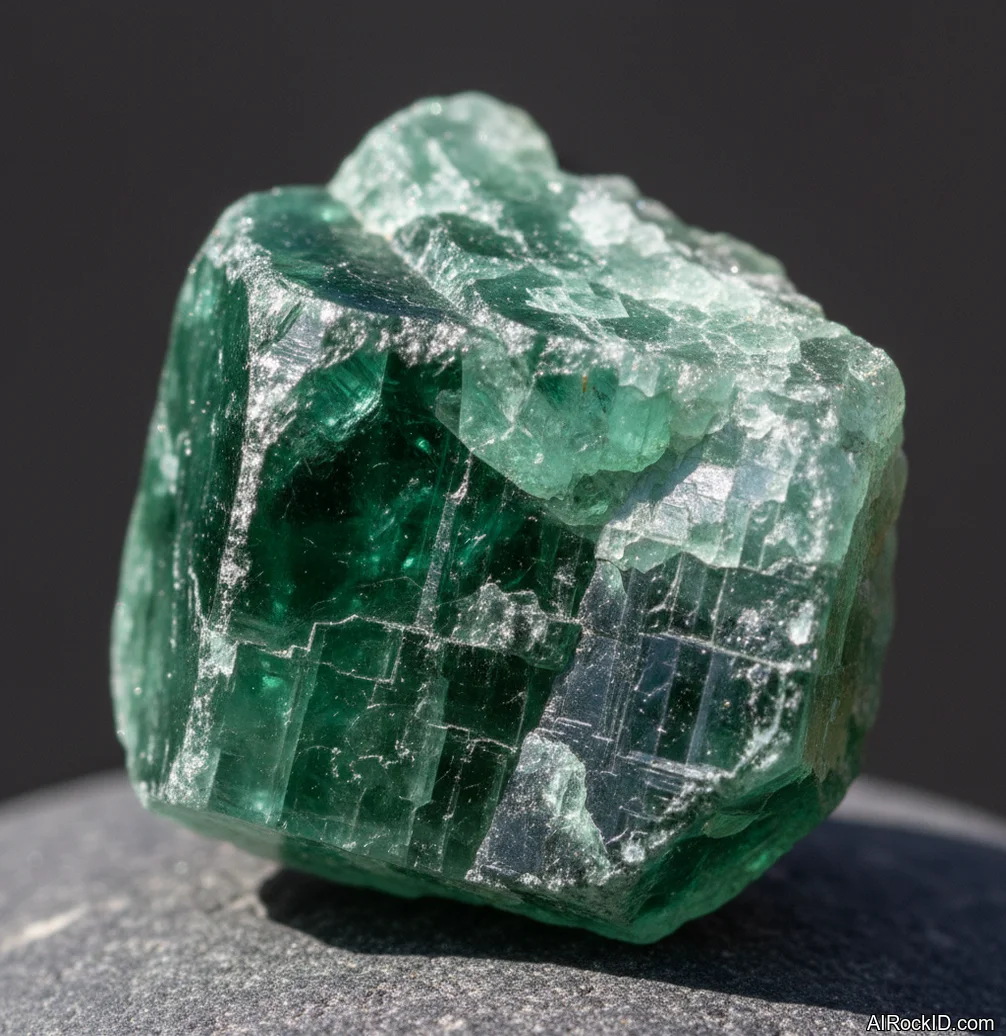
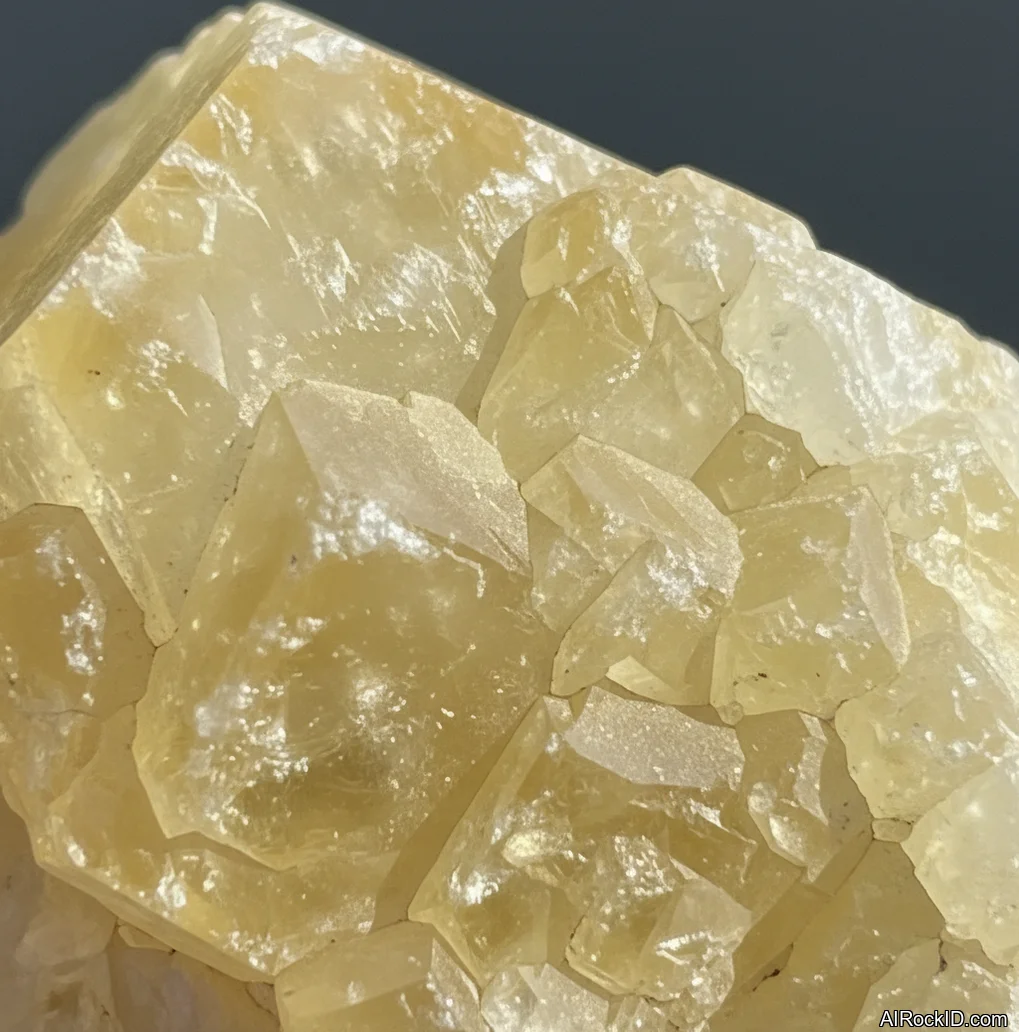
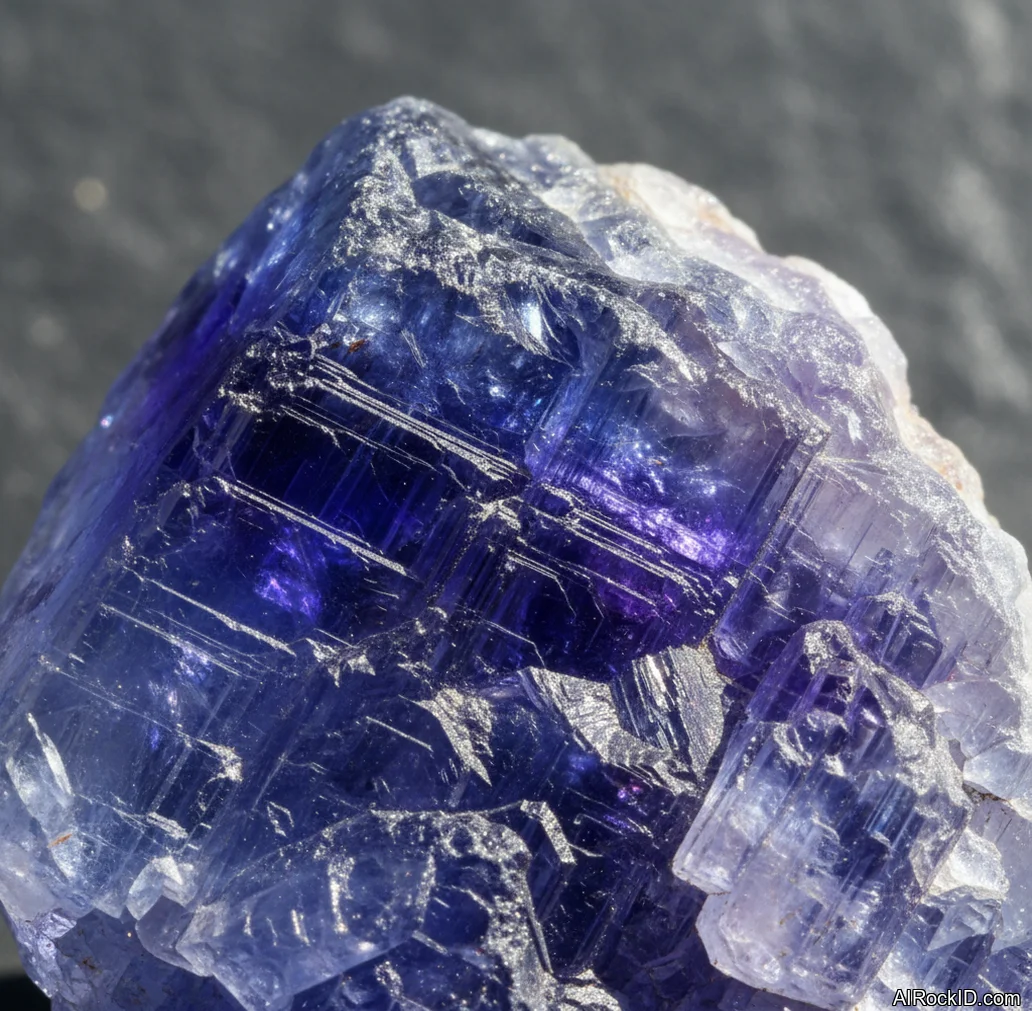
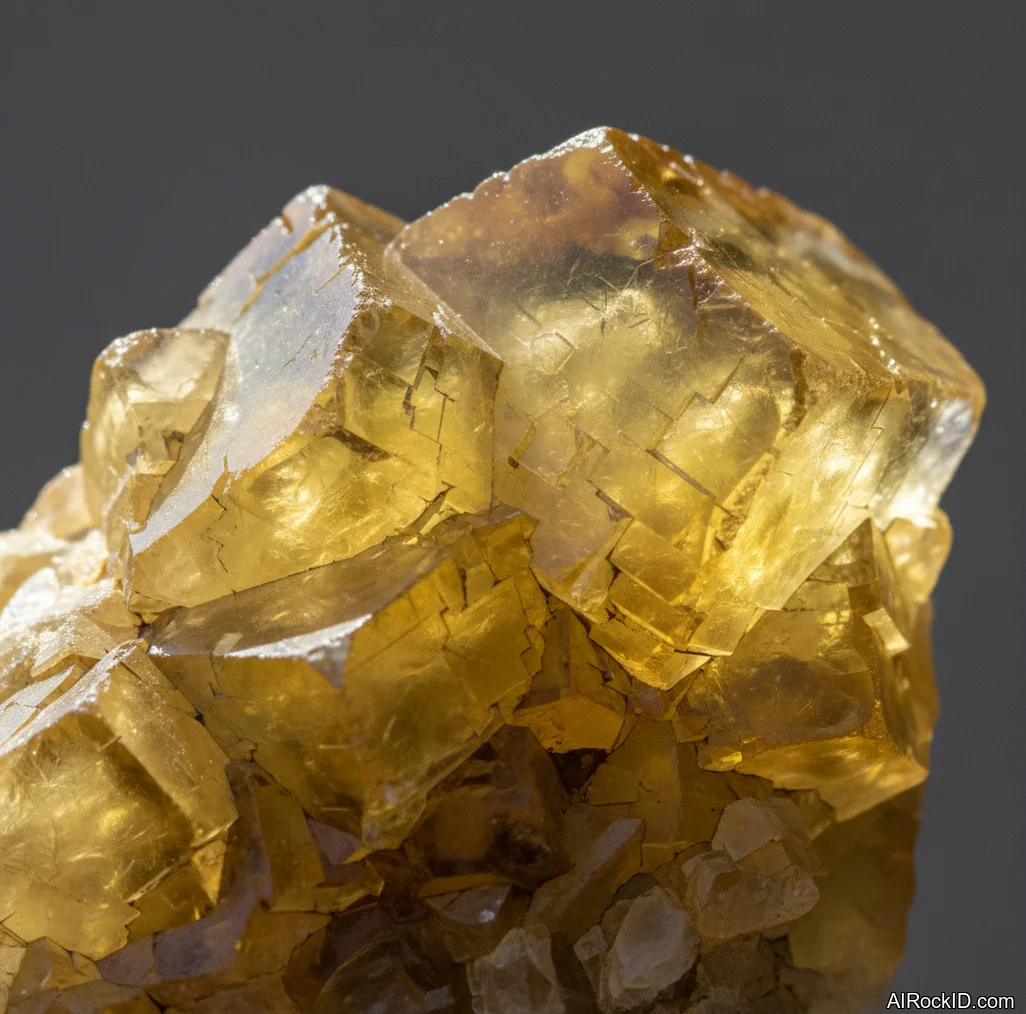
If you want something that feels more mentally sharp, Fluorite earns its spot, but it’s a finicky daily-carry stone. It’s soft. It bruises. It’ll chip if you toss it in a pocket with keys (ask me how I know). Still, the zoning in a good green-purple fluorite cube is hard to ignore. Rotate it and you’ll see color bands snap into view like someone flipped a switch. People who connect Gemini with learning and pattern recognition tend to keep fluorite on a desk instead of in a pocket, especially if they’re studying or writing.
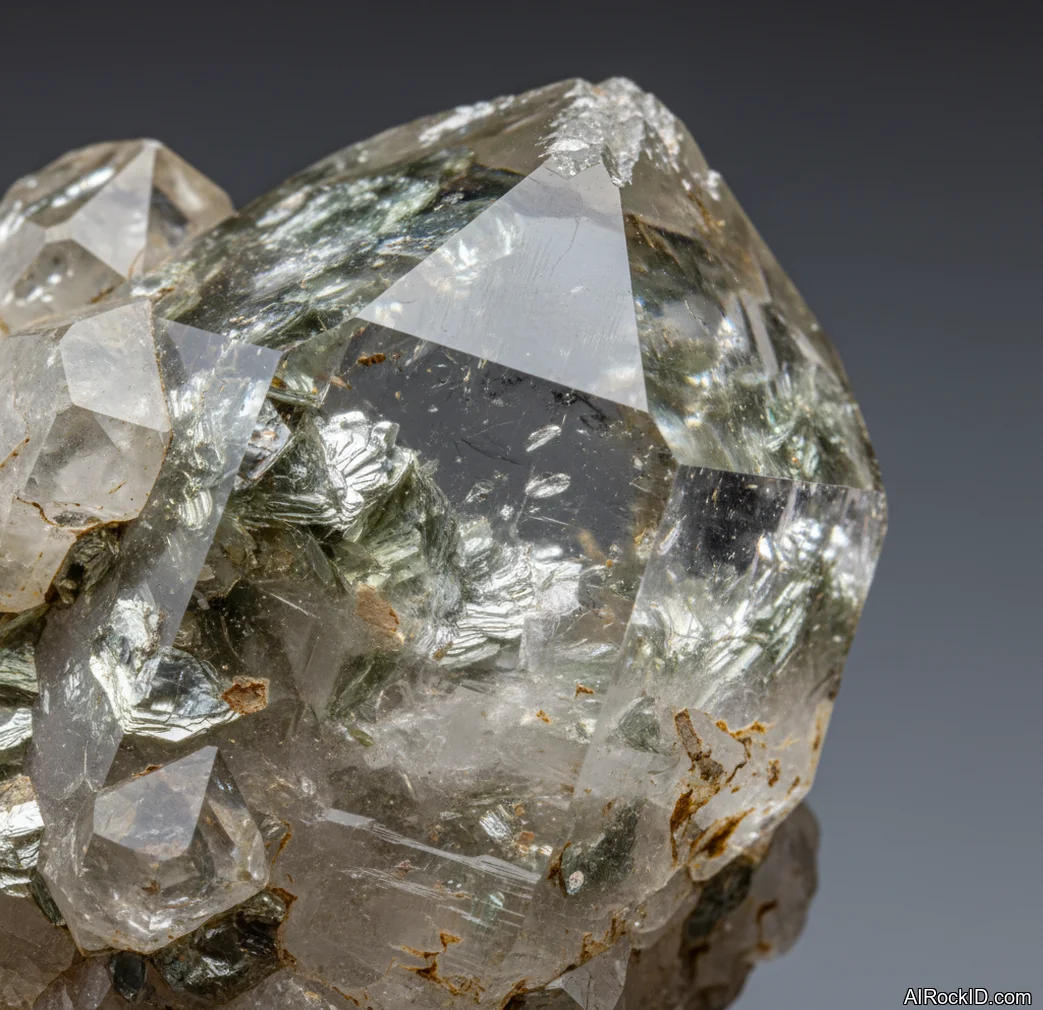
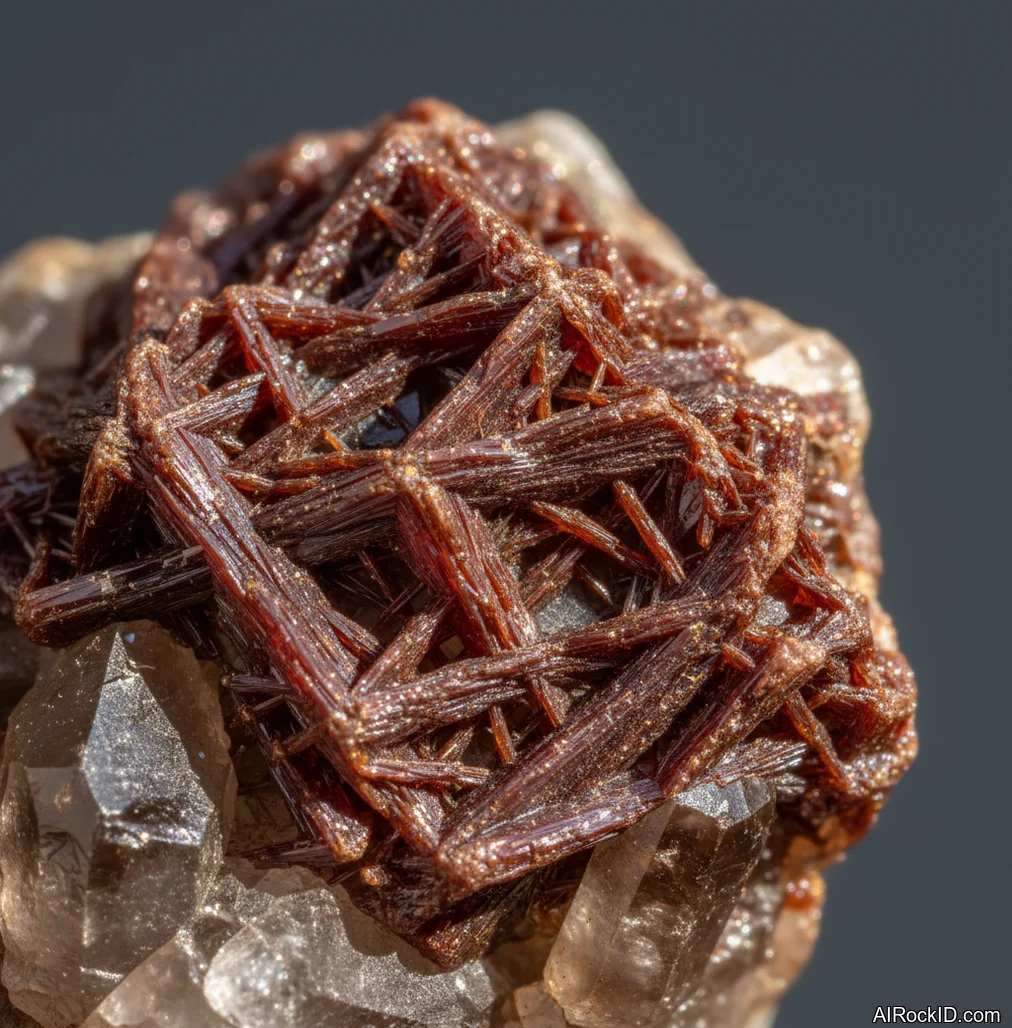
Most dealers will also steer Gemini buyers toward stones that help with grounding, because “air sign” shopping usually means balancing speed with stability. Smoky Quartz is a workhorse here. The real test is how it looks at the edges: good smoky quartz has depth, like tea in a glass, not flat brown. And it’s tough enough for everyday use. Hematite comes up in the same conversation, and you can tell a real hematite tumble by the weight. It sits heavy in the palm, colder than you expect, and it’ll leave a faint reddish-brown streak if you test it on unglazed porcelain.
Working with Gemini crystals doesn’t have to be mystical or complicated. Put one stone where the habit already happens. Blue Lace Agate by your keyboard if you send too many messages too fast. Fluorite on the left side of your desk if you’re right-handed and you keep knocking things over. A small Citrine point near the spot where you dump your to-do list. So yeah, the trick is consistency, not ceremony.
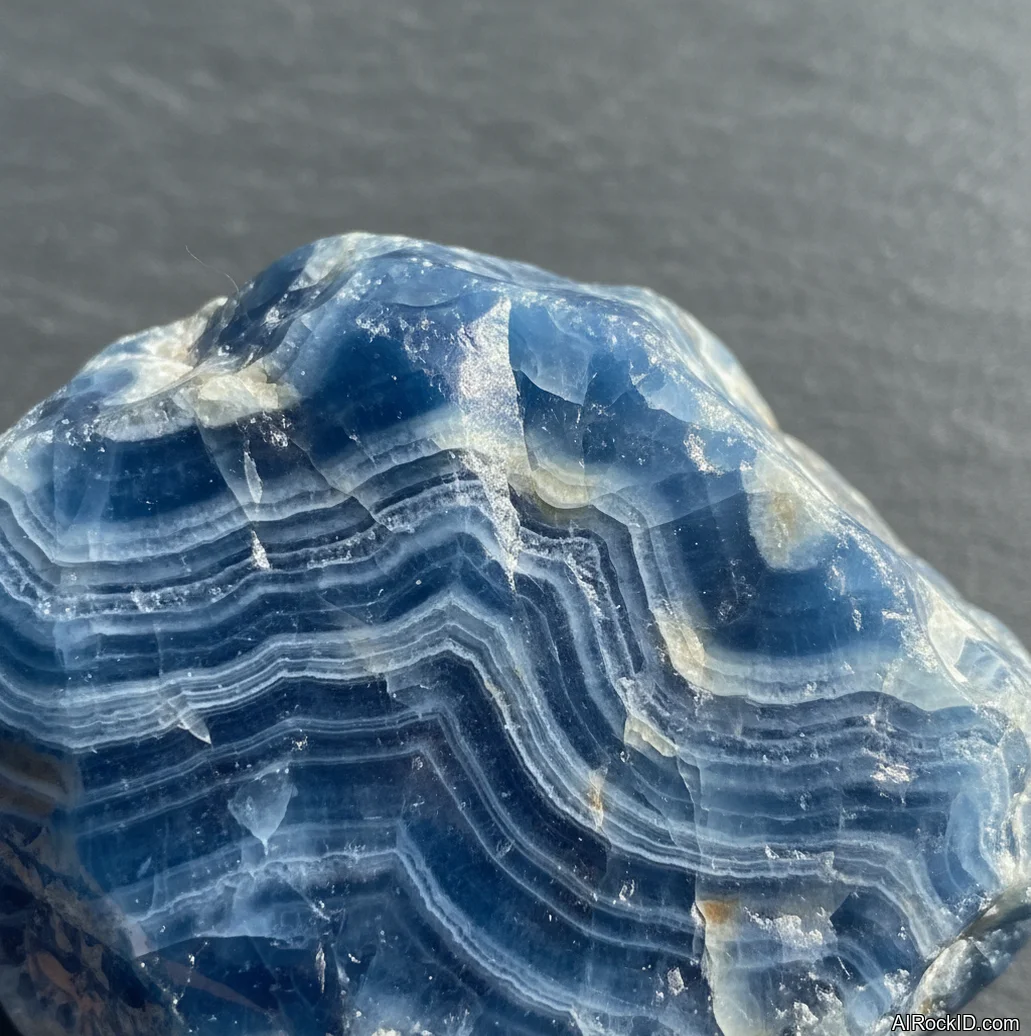
Buying tips matter, because Gemini-associated stones get faked and mislabeled more than people realize. Citrine is the big one, but “aqua” glass sold as aquamarine is everywhere, and dyed agate can look cartoonish once you know what to look for. At first glance, dyed blue agate has color that pools in cracks and along drill holes. Flip it over and the dye often looks darker on the back side. For aquamarine, check for bubbles (a glass tell) and ask about hardness. Real beryl will scratch common window glass cleanly, while many glassy fakes just scuff.
Size and finish are practical choices too. Tumbled stones are great for pockets, but raw crystals are better if you want to keep the “feel” of the mineral. I like a small aquamarine crystal or a fluorite cube for a desk, and a tougher tumble like smoky quartz or moss agate for daily carry. If you’re sensitive to chips and scratches, skip fluorite in a pocket. It’ll look rough in a month.
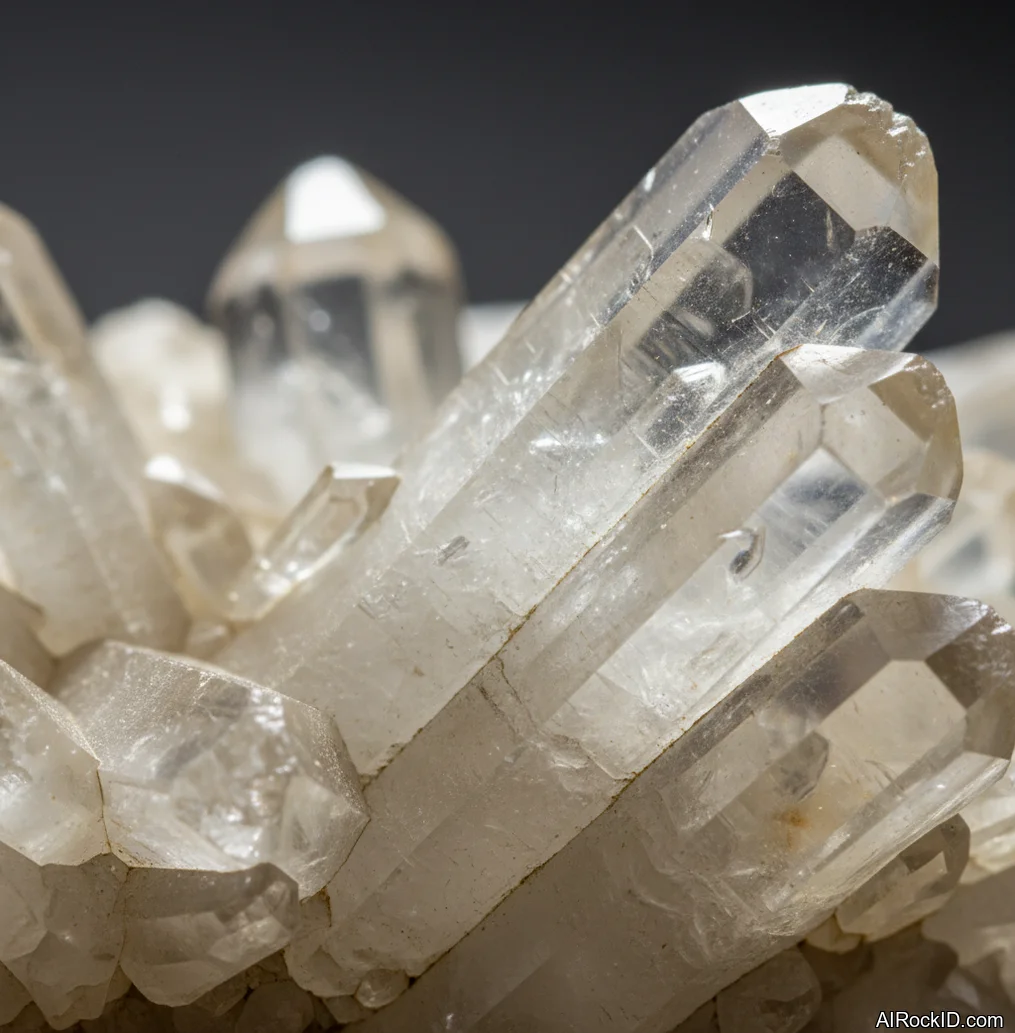
If you’re building a Gemini set from scratch, think in threes: one for communication (Aquamarine or Blue Lace Agate), one for focus (Fluorite or clear Quartz), and one for grounding (Smoky Quartz or Hematite). That combo covers the usual reasons people go looking for Gemini crystals: clearer speech, cleaner thinking, and a way to stay present when the day starts moving too fast.
All Gemini Crystals (49)