Galaxyite
What Is Galaxyite?
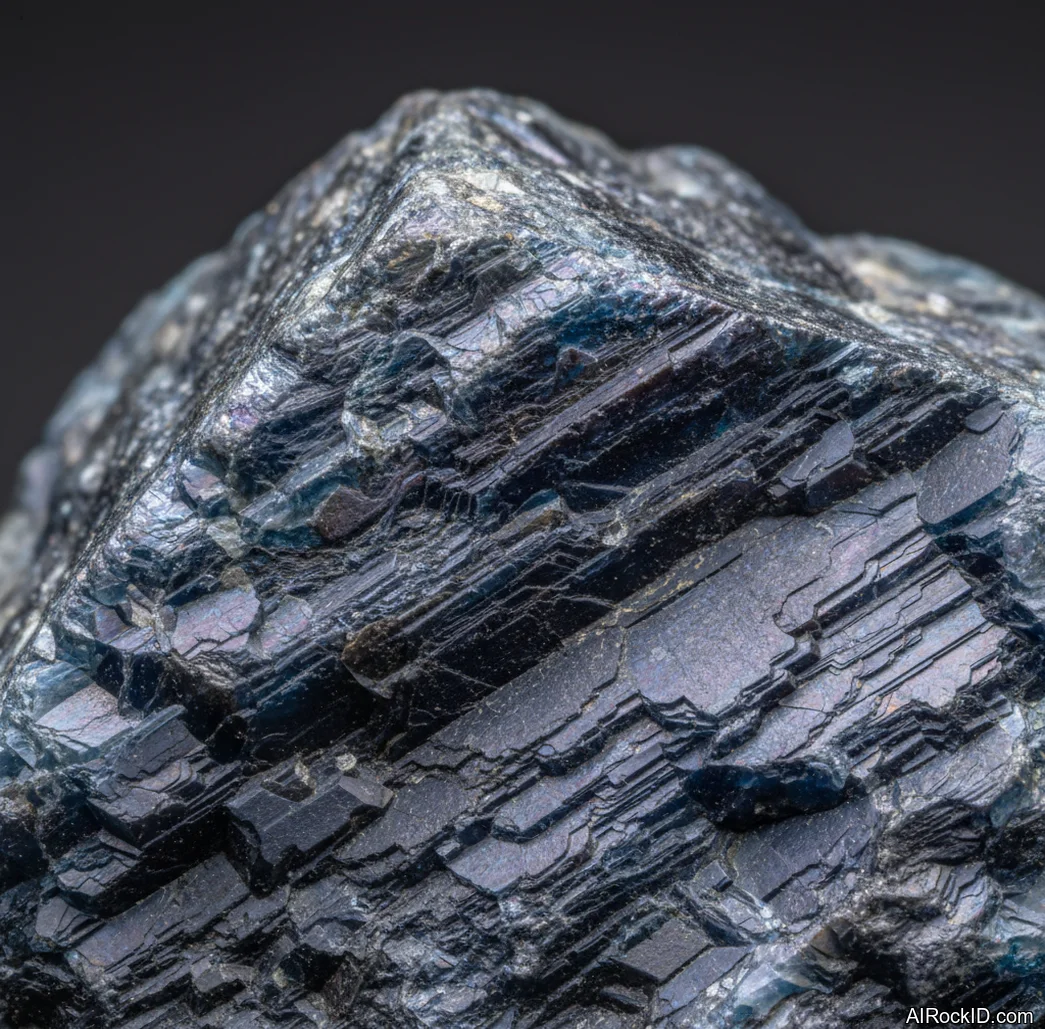
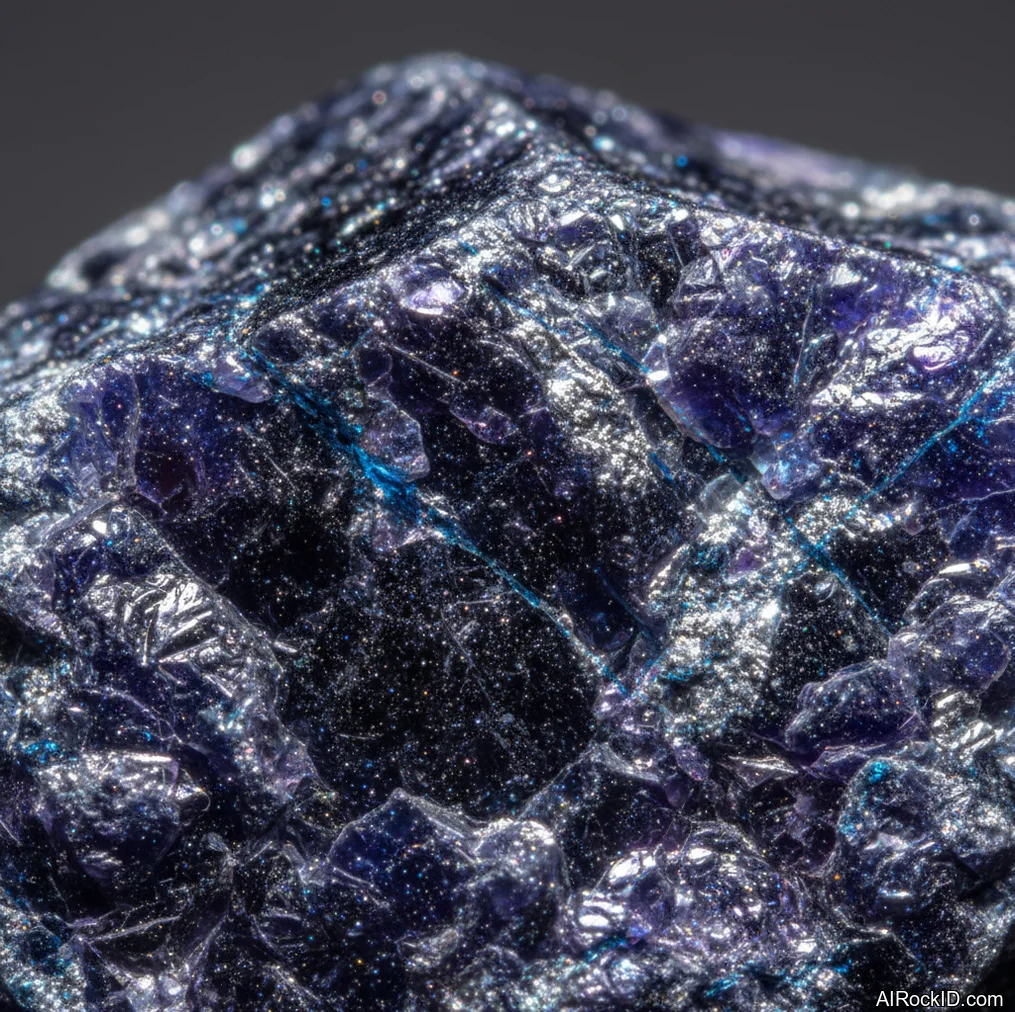
Galaxyite is a trade name for a dark, fine- to medium-grained gabbro with scattered silvery sparkles that show up once it’s polished.
Grab a palm stone and two things hit you fast. One, it’s heavier than you’d guess from something that just looks flat-out black. Two, the “stars” aren’t sitting on top like craft glitter. Tip it under a shop light and those flashes wink on and off as different grains catch the angle.
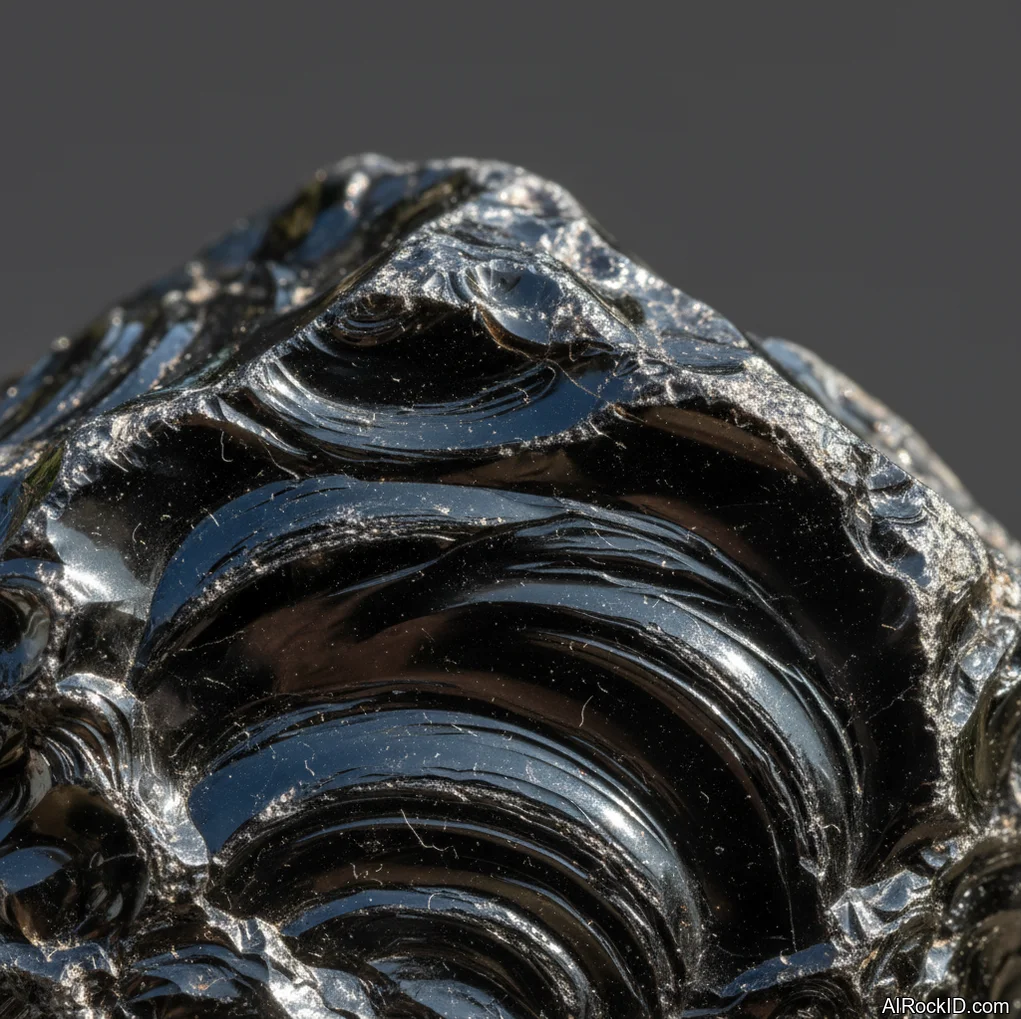
People glance at it and toss it in the same bucket as obsidian or that “galaxy stone” glass, but it doesn’t feel like glass in your hand. The shine reads a bit softer, less razor-slick. And if you’ve handled enough gabbro, you know the feel: tight, dark rock, with that salt-and-pepper thing tucked underneath the black (you can almost sense it before you really see it).
Origin & History
“Galaxyite” isn’t a real, official mineral species name. It’s a sales name that popped up because, once you polish it, it really does look like a night sky. People selling carvings and palm stones leaned into the term when they noticed that silvery flash shows up crazy well under LED lights and in phone photos (the kind of glare you see the second you tilt it in your hand).
Geologically, you’re still looking at gabbro. That’s the actual rock type, described and named back in the 1700s, and the name comes from the village of Gabbro in Tuscany, Italy. The “galaxy” part is just branding. And that’s basically where the confusion starts.
Where Is Galaxyite Found?
Most Galaxyite in the lapidary market is sold as imported rough and finished goods, especially from Madagascar and India, with similar dark gabbro turning up in several countries.
Formation
Gabbro shows up when mafic magma cools way down underground, and it does it slowly. That slow cooling is the whole trick. Give the minerals enough time and they grow into grains you can actually see, even though the rock can still read as pretty “black” at first glance until you cut it and polish it.
Snap a piece and check the broken edge. That’s where the ingredients are obvious. You’ll spot dark pyroxenes, sometimes a little olivine, and lighter feldspar tucked in there too. And that sparkly “galaxy” look? It’s just light catching on tiny cleavage faces in those mineral grains, not a coating and not some manmade shimmer.
How to Identify Galaxyite
Color: Usually charcoal to black with scattered silver or steel-gray flashes. Some pieces lean more gray overall and show a salt-and-pepper look on unpolished sides.
Luster: Polished surfaces have a vitreous-to-waxy shine, while rough surfaces look dull and granular.
Pick up a piece and roll it under a single point light. Real Galaxyite has flashes that come from within the stone, and they change as you tilt it, not a flat sparkle that stays evenly “glittery.” If you scratch it with a steel nail, it generally won’t gouge easily, but the nail may leave a faint gray mark you can rub off. The problem with mislabels is that sellers call a lot of black stuff “galaxy,” so check the broken edge: rock grains and a peppery texture are a good sign you’re not holding glass.
Properties of Galaxyite
Physical Properties
| Crystal System | Amorphous |
| Hardness (Mohs) | 5.5-6.5 (Medium (4-6)) |
| Density | 2.9-3.1 |
| Luster | Vitreous |
| Diaphaneity | Opaque |
| Fracture | Uneven |
| Streak | gray to white |
| Magnetism | Weakly Magnetic |
| Colors | black, charcoal gray, silver flecked |
Chemical Properties
| Classification | Silicates (rock composed mainly of silicate minerals) |
| Formula | No single formula (rock; commonly plagioclase feldspar + clinopyroxene, sometimes olivine) |
| Elements | Si, O, Al, Ca, Na, Mg, Fe |
| Common Impurities | Ti, Mn |
Optical Properties
| Refractive Index | None |
| Birefringence | None |
| Pleochroism | None |
| Optical Character | Isotropic |
Galaxyite Health & Safety
As long as you’re just handling it as a finished stone, the risk is pretty low. But once you start cutting or sanding it, you can kick up this super fine silicate dust (the kind that hangs in the air and clings to your hands), and you really don’t want that stuff in your lungs.
Safety Tips
If you’re going to shape it, keep it wet while you grind and wear a real respirator that’s rated for fine particulate. Then hose the slurry off your tools and the bench right away, before it dries into that gritty film that’s a pain to scrub off.
Galaxyite Value & Price
Price Range
Rough/Tumbled: $8 - $40 per piece
Cut/Polished: $2 - $10 per carat
Price swings usually come down to the polish, how “starry” that flash looks when you tilt it under a light, and whether it’s a clean cab with no little pits or pinholes. Big carvings can look amazing in the hand, but if the rough has dull zones, the finished face can just go flat and dead.
Durability
Moderate — Scratch resistance: Good, Toughness: Good
It’s stable in normal conditions, but like most polished dark stones it shows scratches and oily fingerprints faster than you’d think.
How to Care for Galaxyite
Use & Storage
Keep it in a pouch or a divided box if it rides around with quartz or corundum. Those harder stones will haze the polish over time.
Cleaning
1) Rinse with lukewarm water. 2) Use a drop of mild soap and your fingers or a soft cloth to lift skin oils. 3) Rinse again and dry fully so water spots don’t dull the shine.
Cleanse & Charge
If you do energy-style care, a quick rinse and a night on a windowsill out of harsh sun is plenty. I avoid salt bowls for polished gabbro because it can leave a crust in tiny surface pits.
Placement
It looks best under a single directional light like a desk lamp, where the silver flecks can blink as you move past. On a bright windowsill it can read flat and just look black.
Caution
Skip ultrasonic cleaners if the piece has natural pits or little fractures, because grit can get wedged in there and rattle around, scratching up the surface. And if you end up cutting or drilling it, don’t breathe in the dust. Why risk it?
Works Well With
Galaxyite Meaning & Healing Properties
Most people grab Galaxyite when they want something grounding but still kinda “spacey.” In my own little pile, it acts like a calm, heavy pocket stone. The kind that just sits there, solid, like a smooth river pebble. You end up rolling it between your fingers without even noticing, and those little flashes give your eyes something to stick to when you’re trying to settle down.
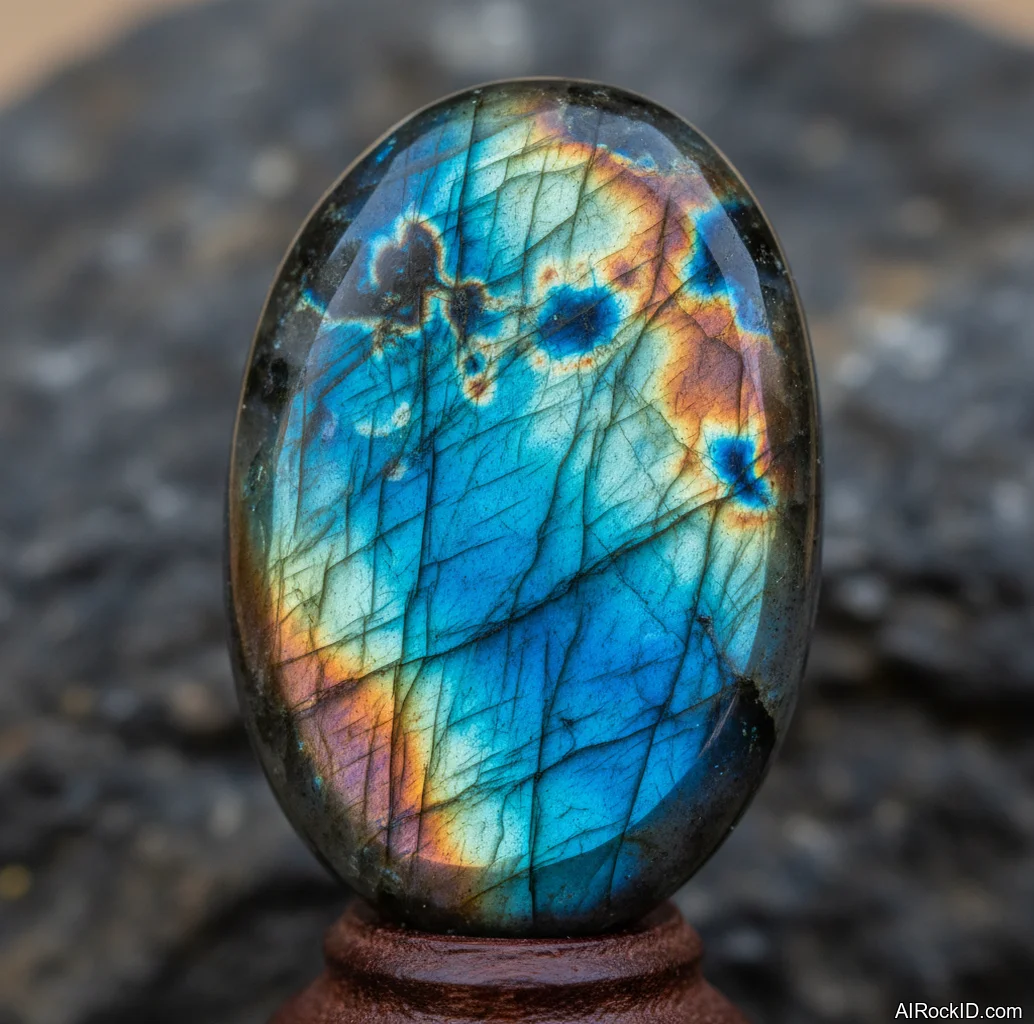
Pick up a polished chunk and you’ll notice the weight right away. It sits low in your palm, almost like it wants to stay put. That matters if you’re the type who gets a little jittery with lighter stones. But look, if you’re hoping for big metaphysical fireworks, this one can come off quiet. It doesn’t throw that bold, obvious shimmer like labradorite does, and some pieces just read as plain dark until you tilt them and catch the light at the right angle.
And yeah, people pair it with “protective” black stones a lot, mostly because from across the room it just looks black. I treat that as a personal-practice thing, not a medical thing (obviously). If you like the ritual, cool. But if you’re dealing with anxiety, sleep issues, or anything medical, that’s still a doctor-and-therapist lane, not a rock lane.
Identify Any Crystal Instantly
Snap a photo and get properties, value, care instructions, and healing meanings in seconds.