Storm Crystals
Explore Storm crystals: meanings, properties, and how to choose authentic stones like labradorite, hematite, and black tourmaline.
Storm, as an element, isn’t just “bad weather” energy. It’s pressure shifts. Static in the air. That moment right before thunder hits, then the sudden clean snap after the rain. In crystal terms, Storm is movement and charge. Fast changes. Breakthroughs that don’t ask nicely. People reach for Storm crystals when they want momentum, a hard reset, or a way to stay steady while everything around them is loud.
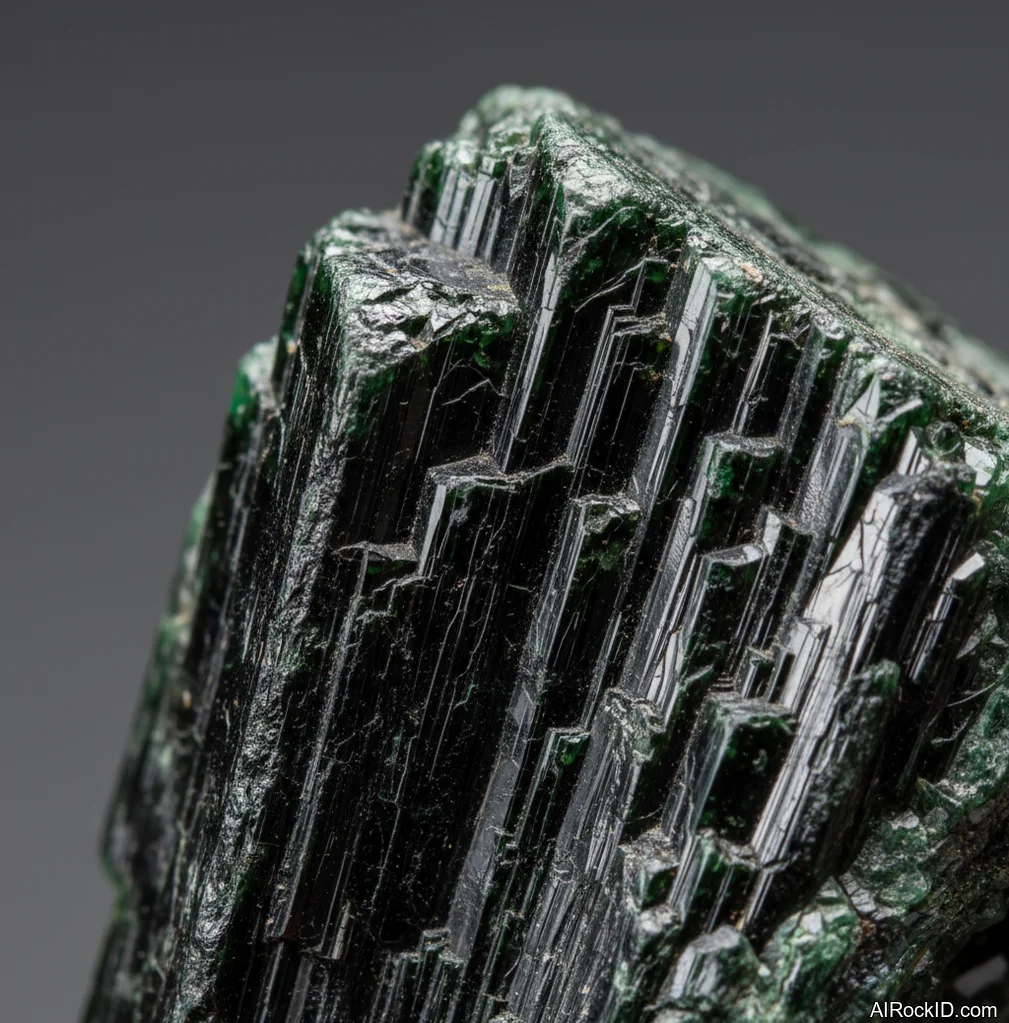
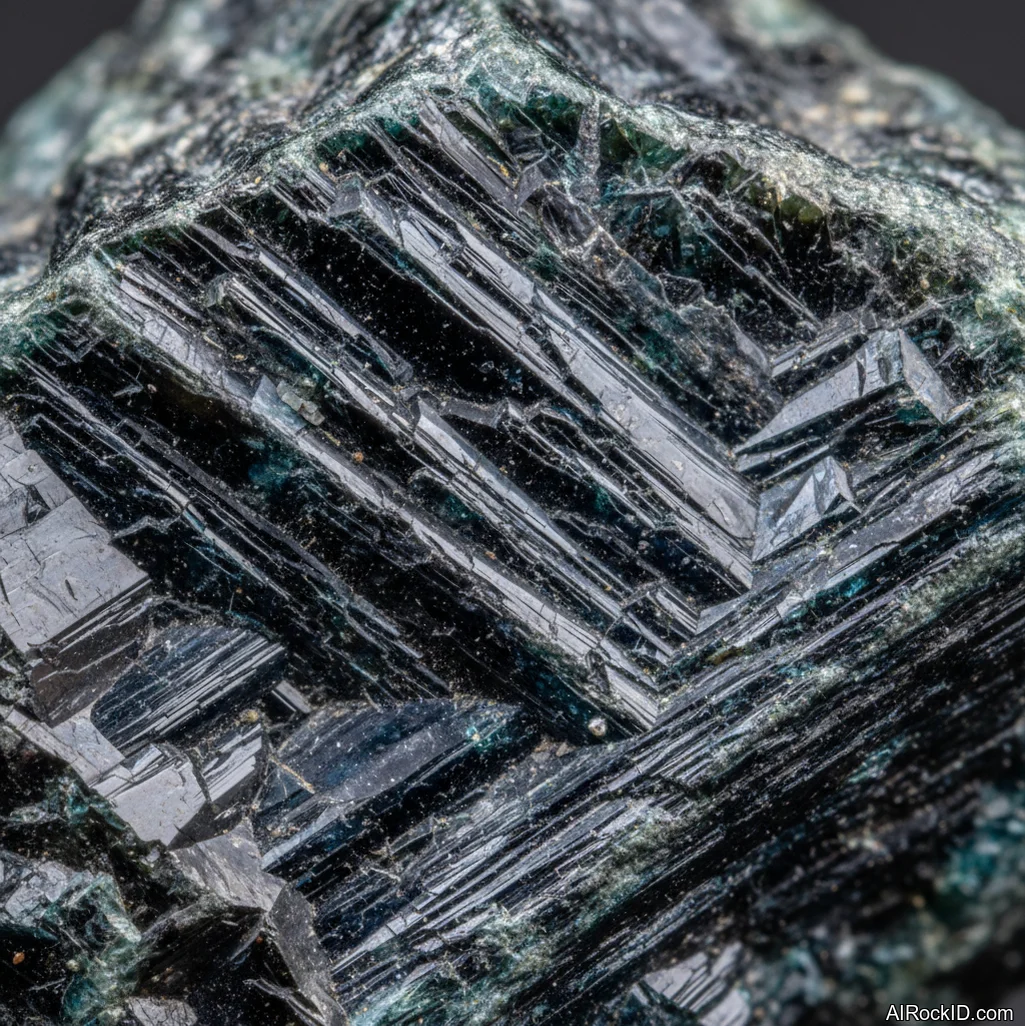
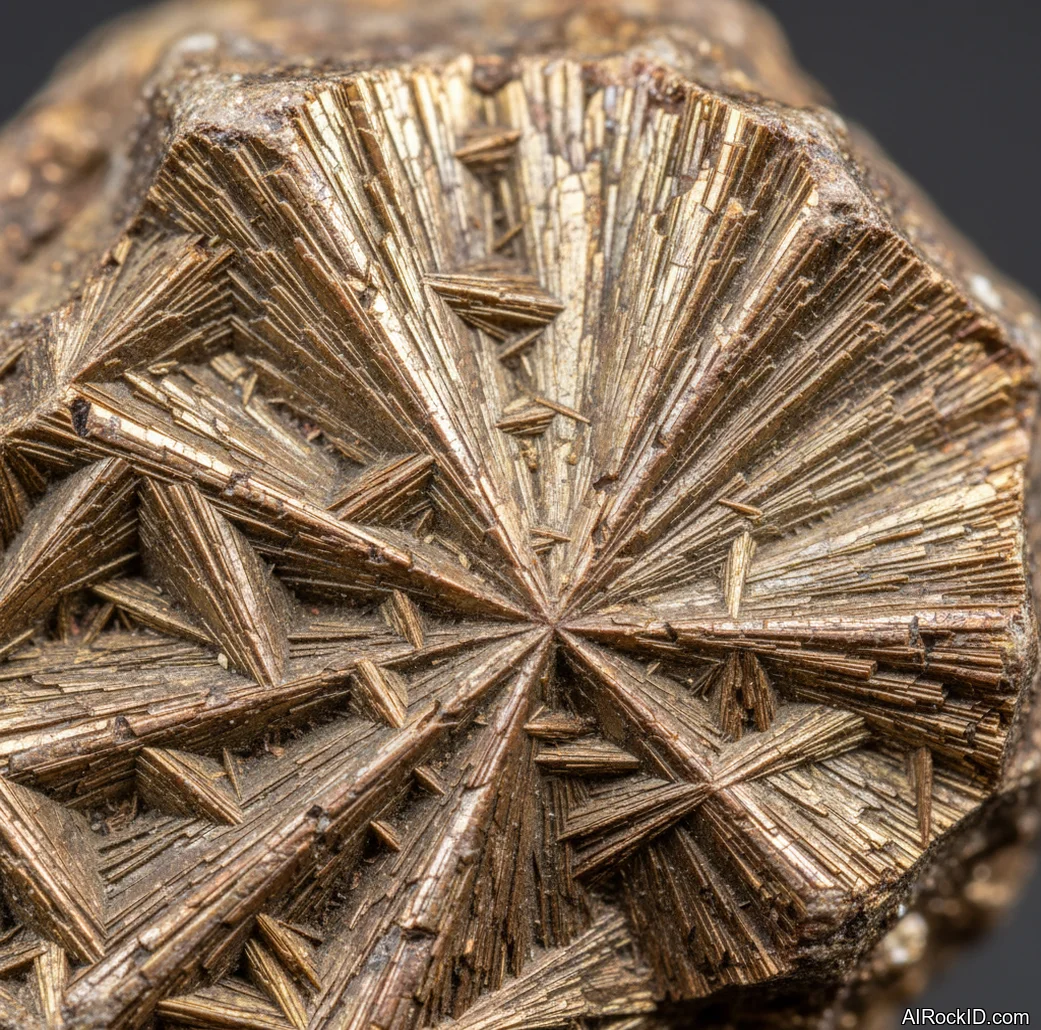
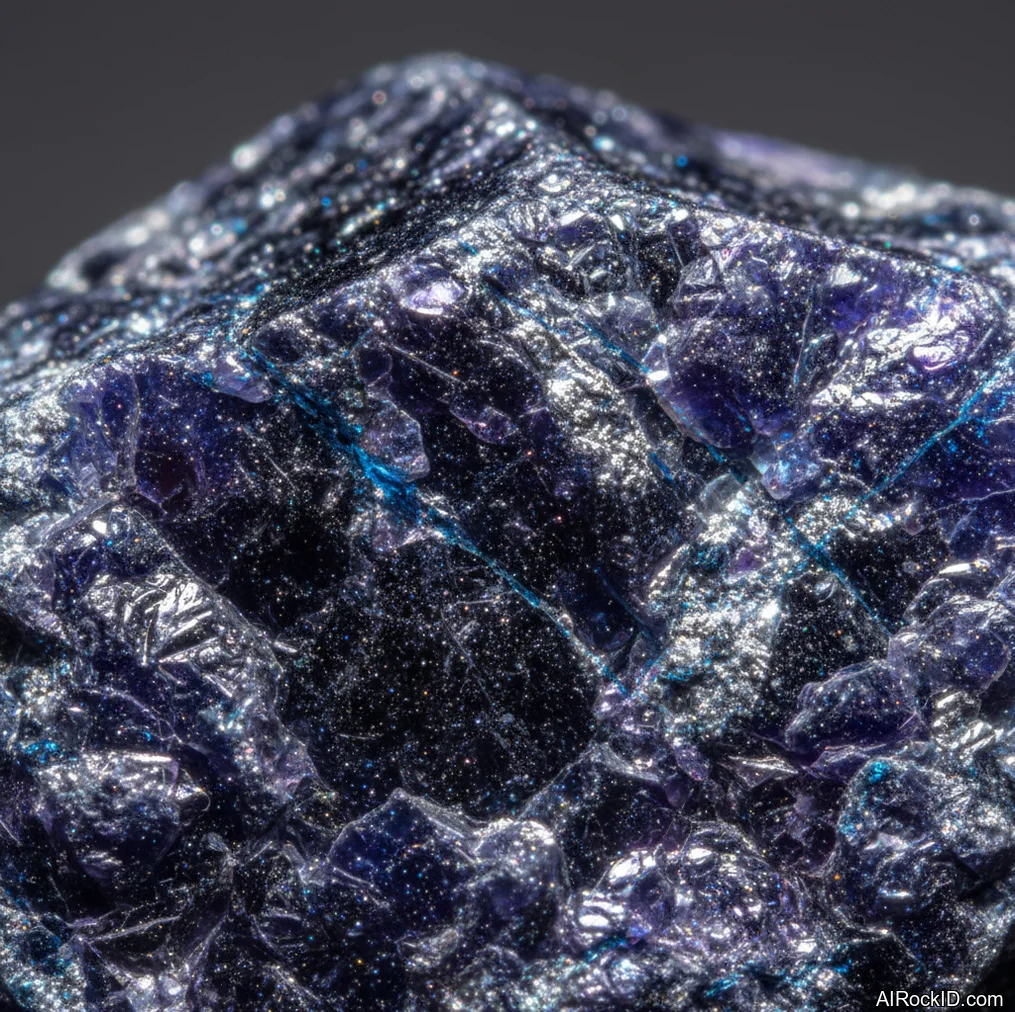
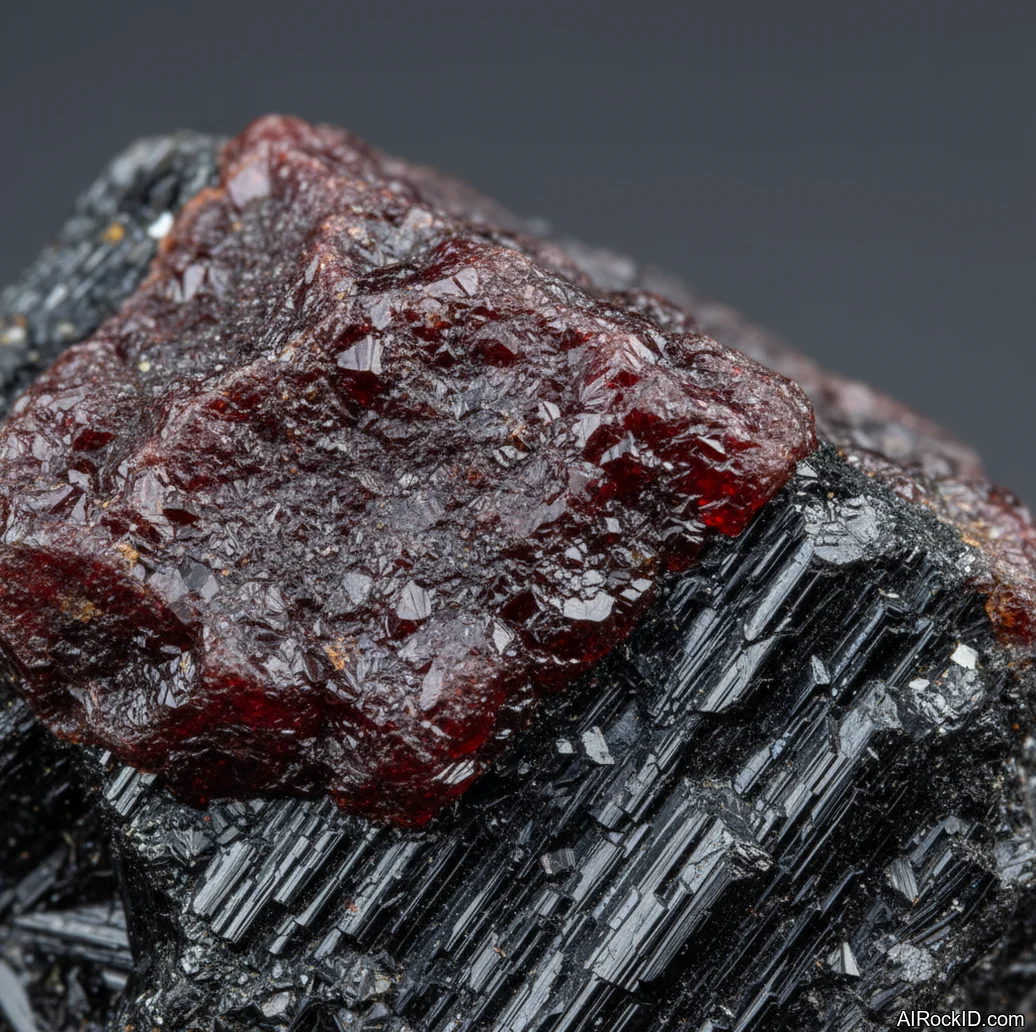
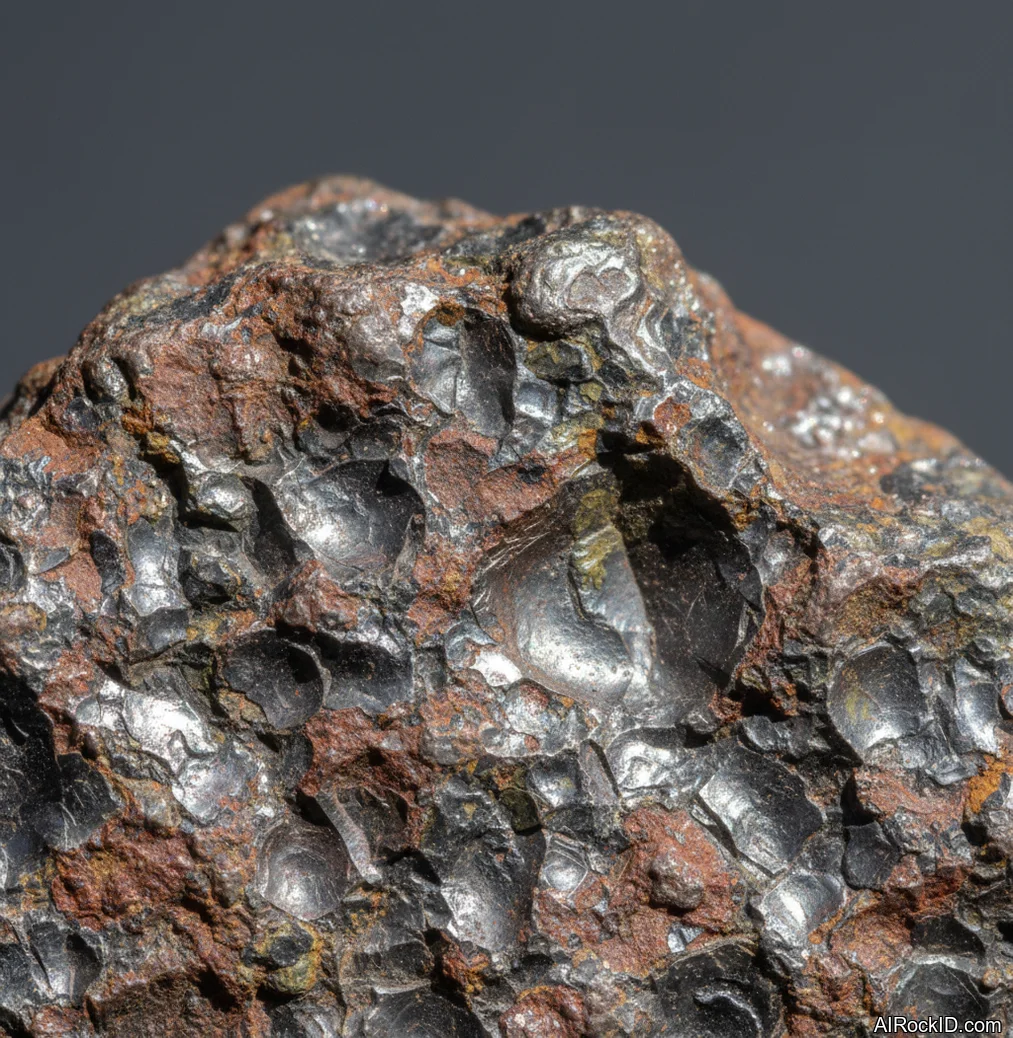
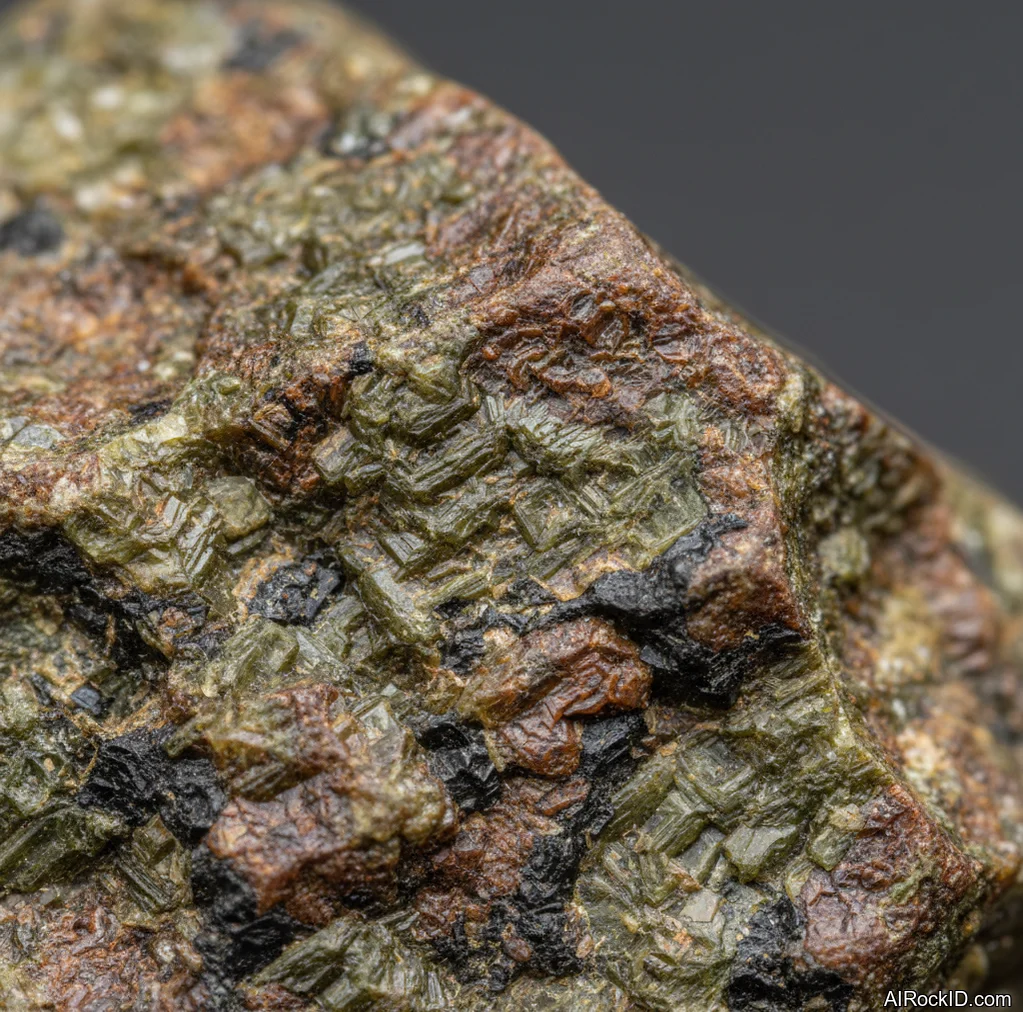
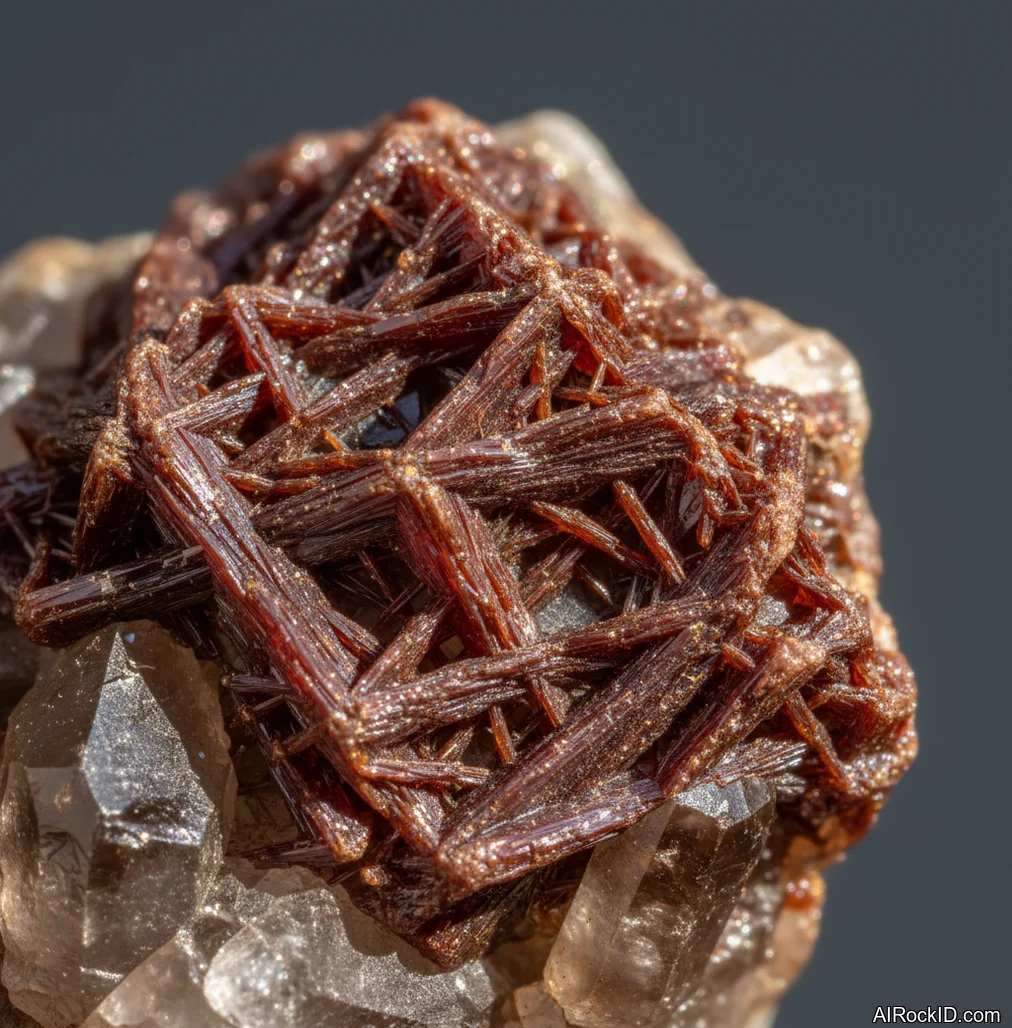
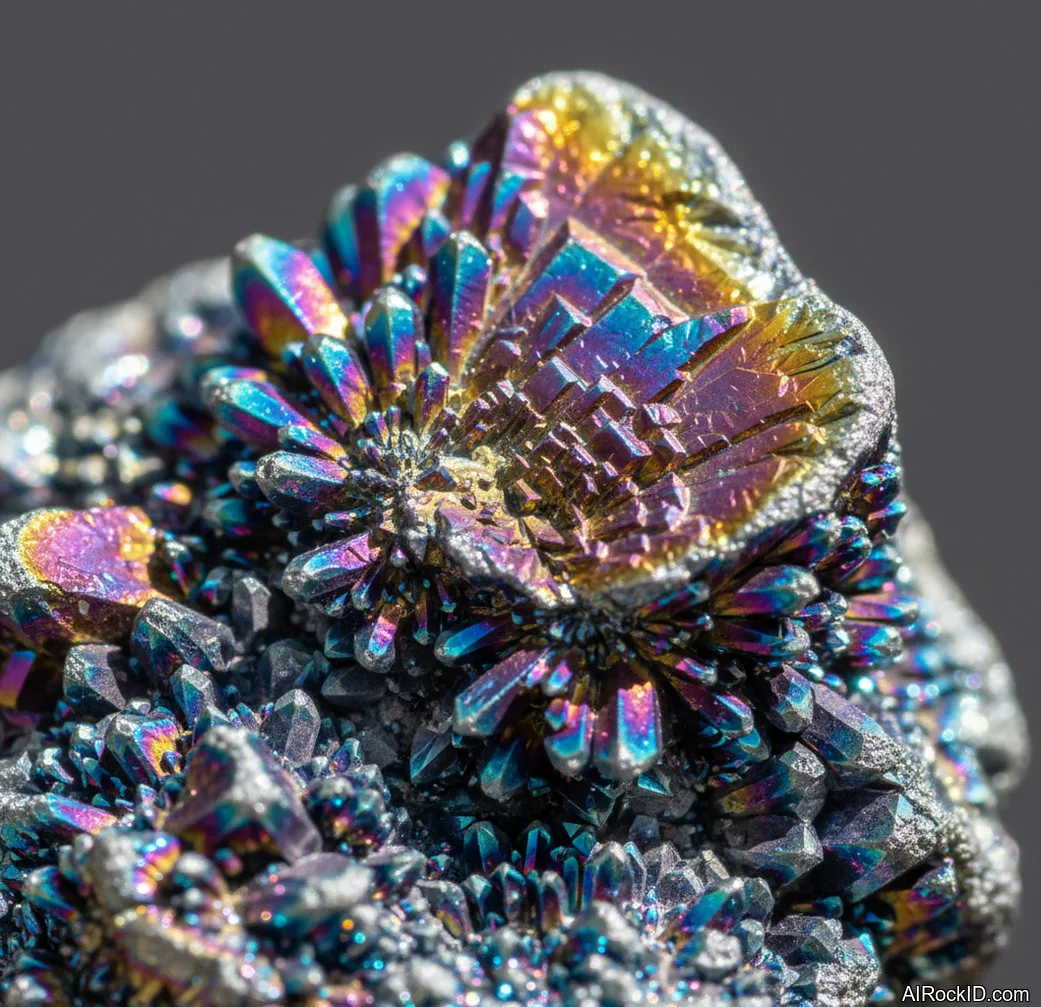
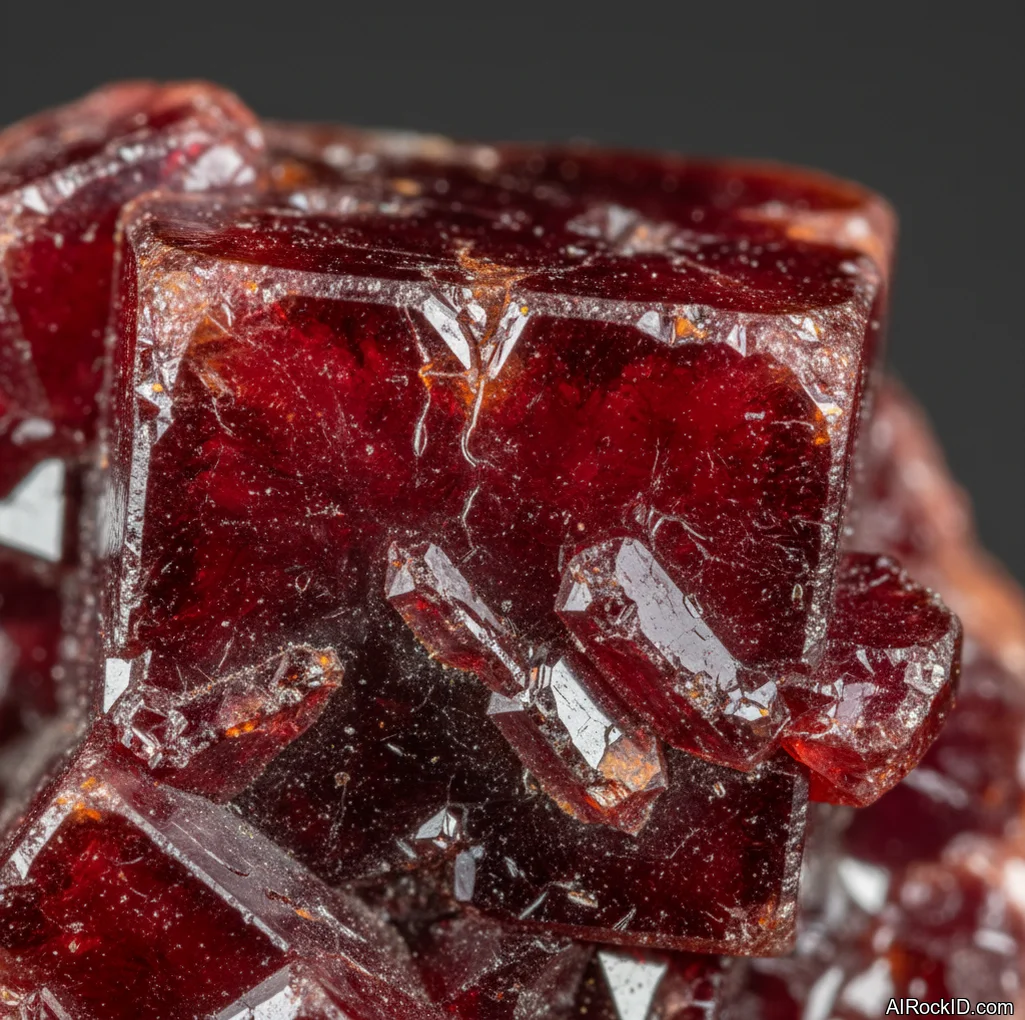
Pick up a good Storm stone and you’ll get why it gets filed under this vibe. A dense chunk of hematite sits heavy in the palm, almost like it’s pulling your hand down toward the ground. Black tourmaline is different. It’s lighter than you’d expect, usually with long striations you can catch with a thumbnail, and the ends can be a little jagged where it snapped off the host rock. That mix, weighty anchors plus sparky, striated rods, is Storm in a nutshell: grounded, but charged.
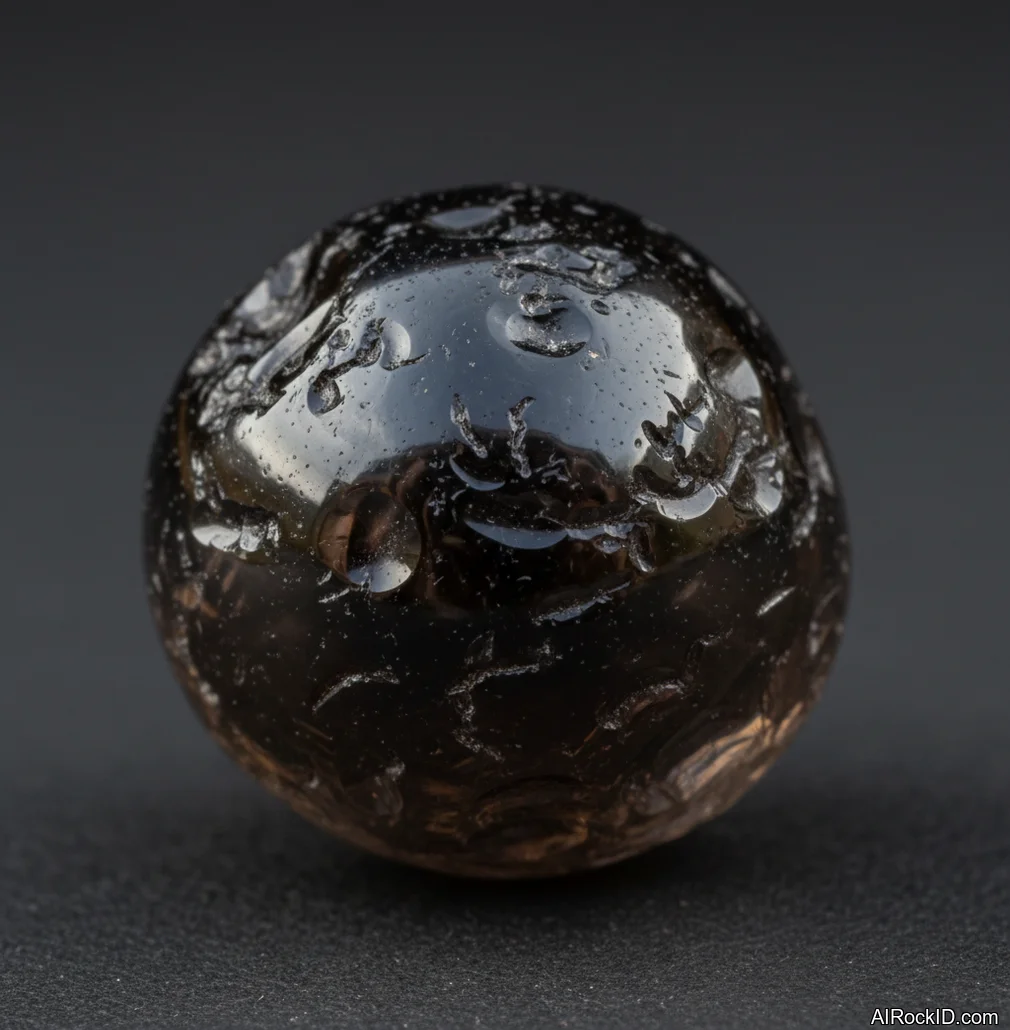
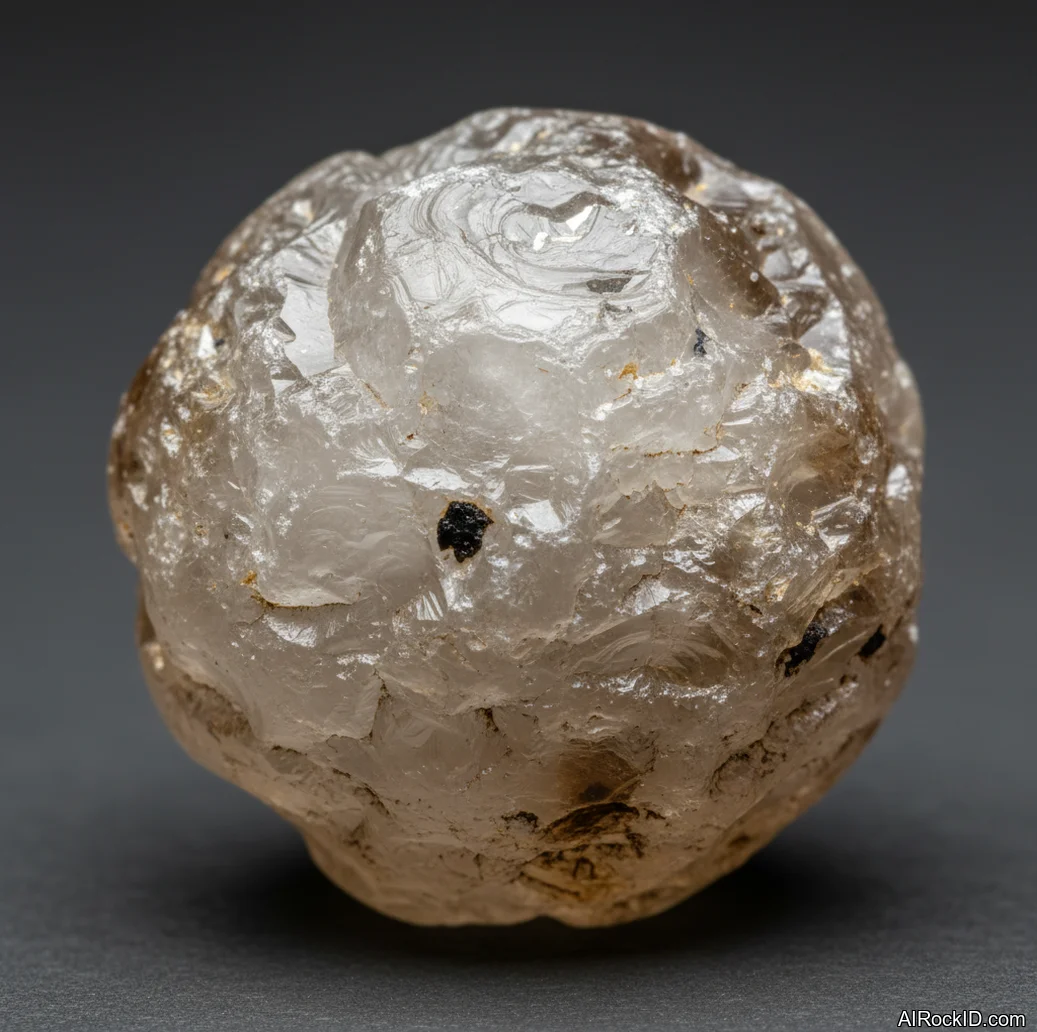
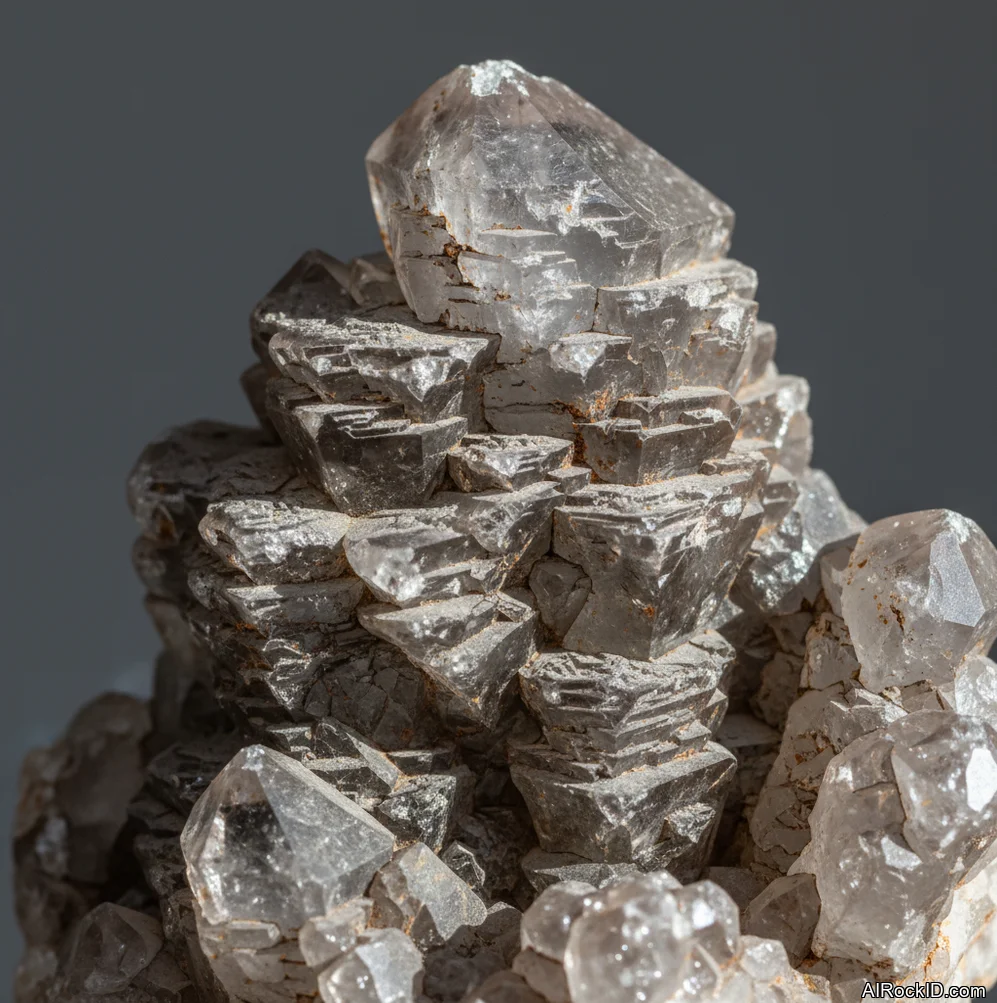
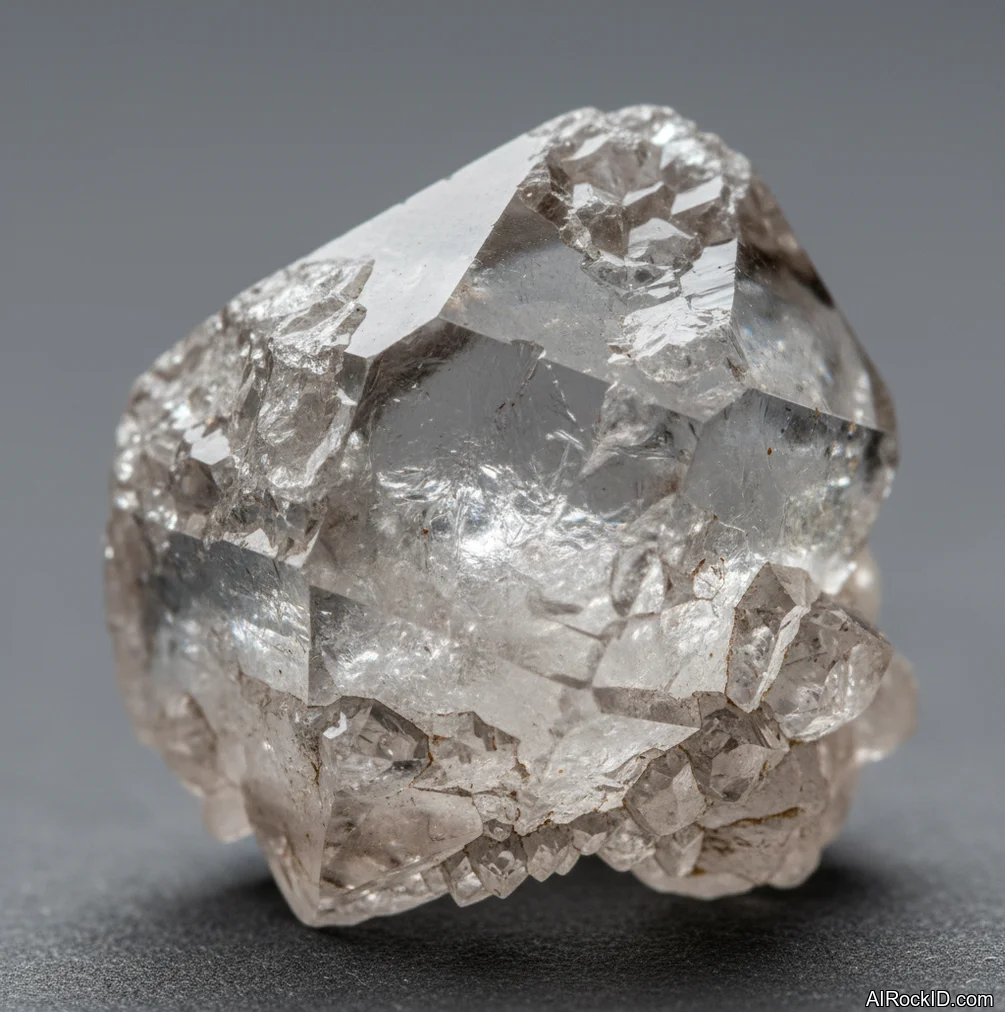
A lot of people go after Storm crystals for protection and “clearing,” but the better reason is control. Storm energy is great when you’re stuck in the mud and need traction. It also helps when your head’s spinning and you need something physical to hold onto, like a palm stone of smoky quartz with that brown-gray transparency that looks like fog in a jar. Compared to softer, sleepier stones, Storm crystals tend to feel crisp and direct.
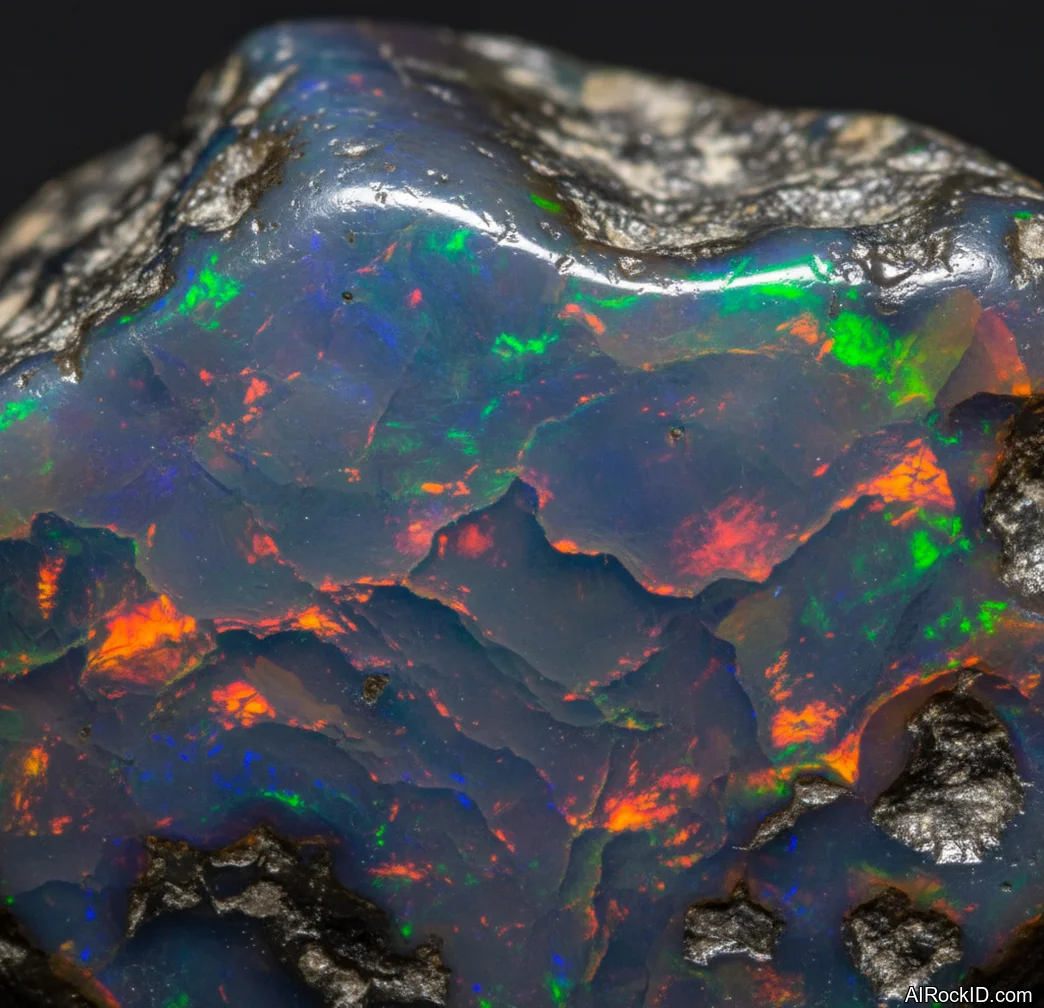
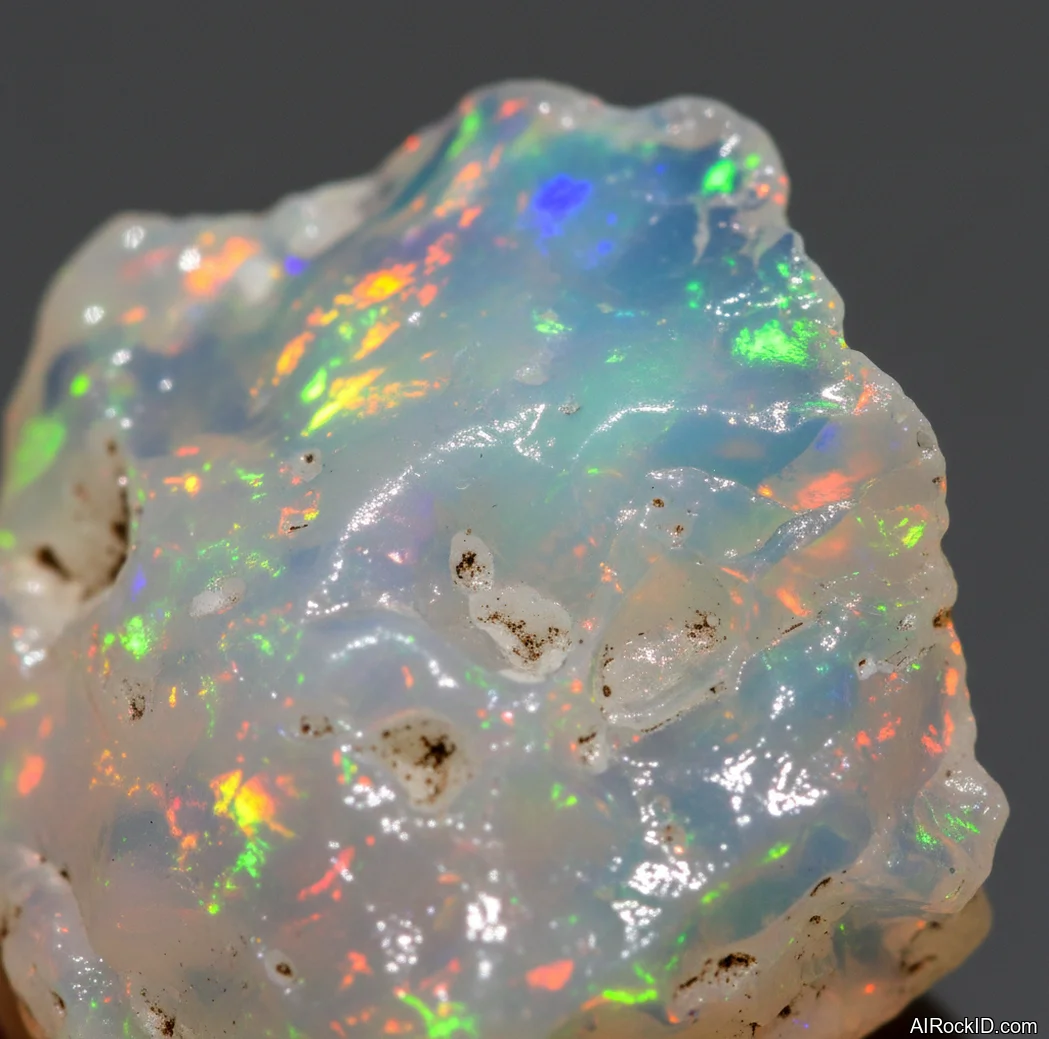
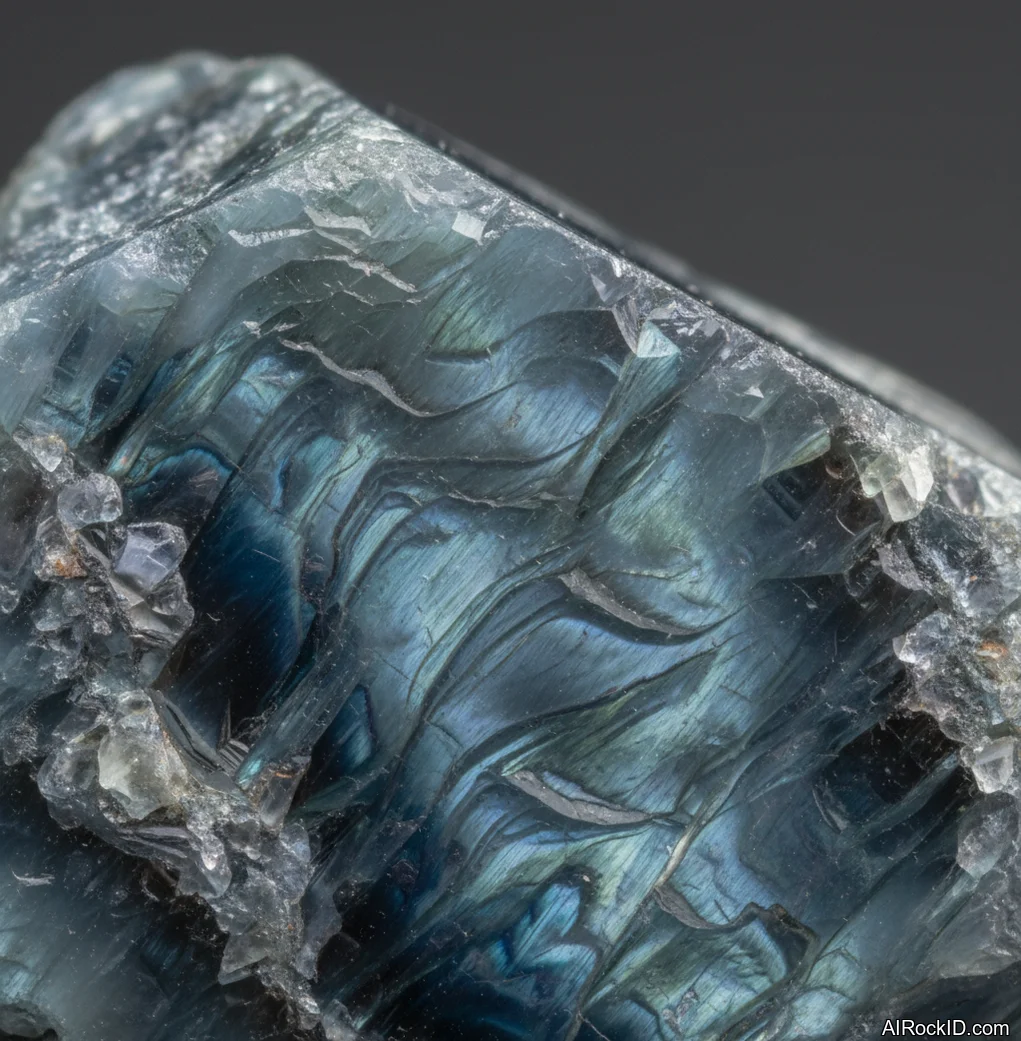
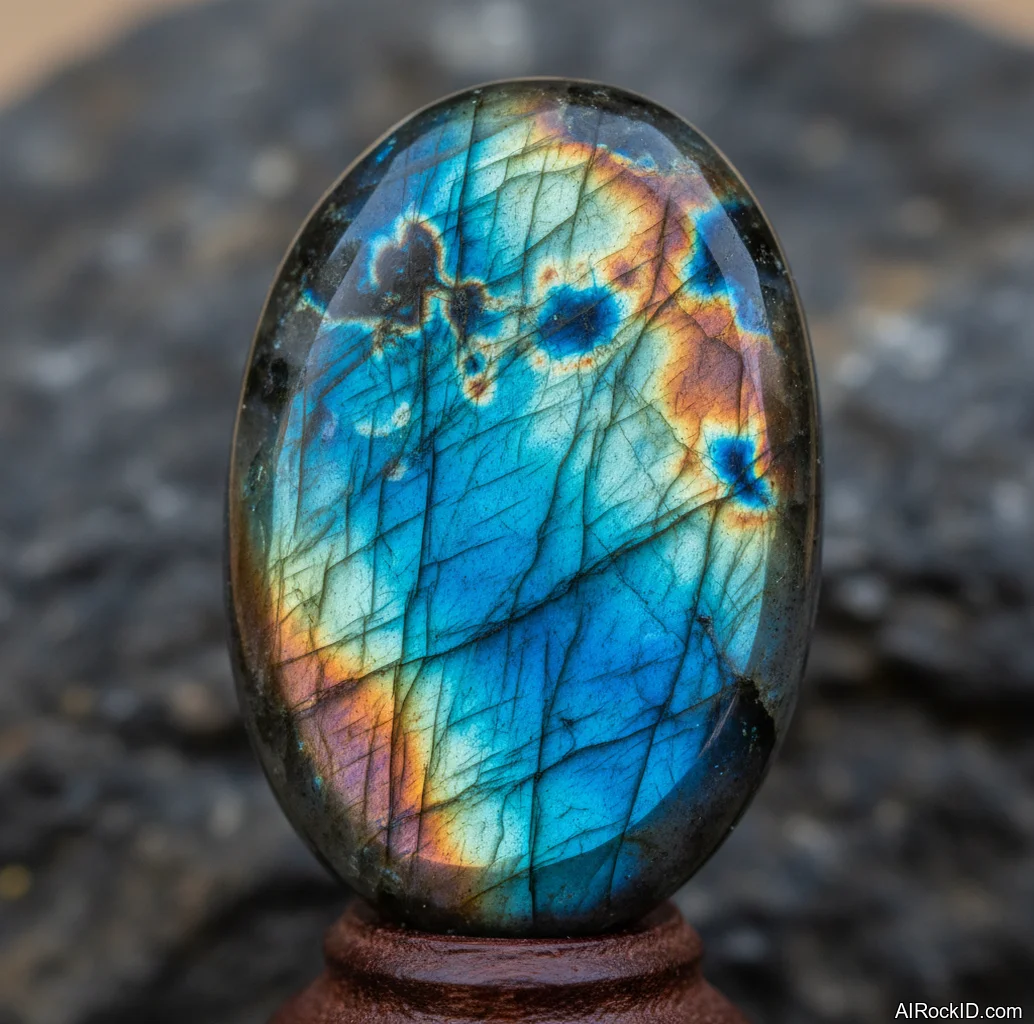
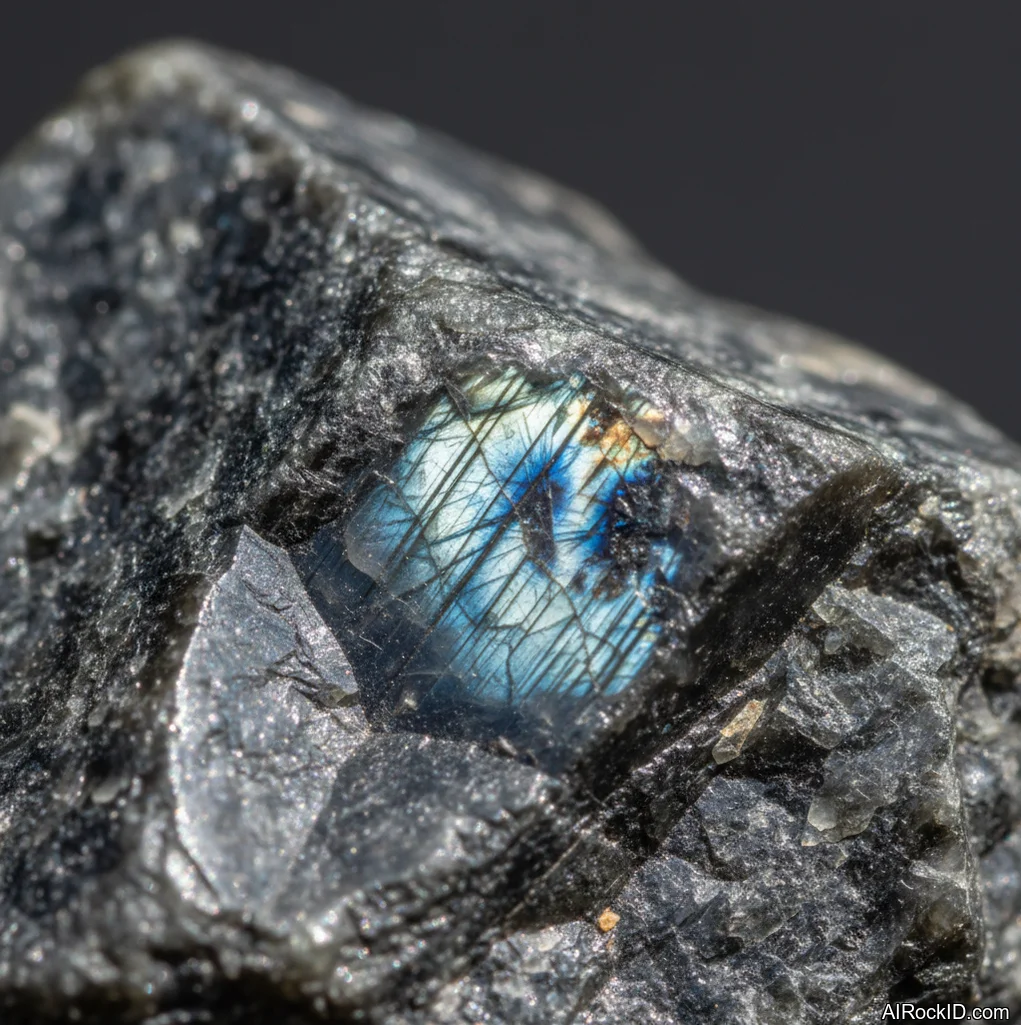
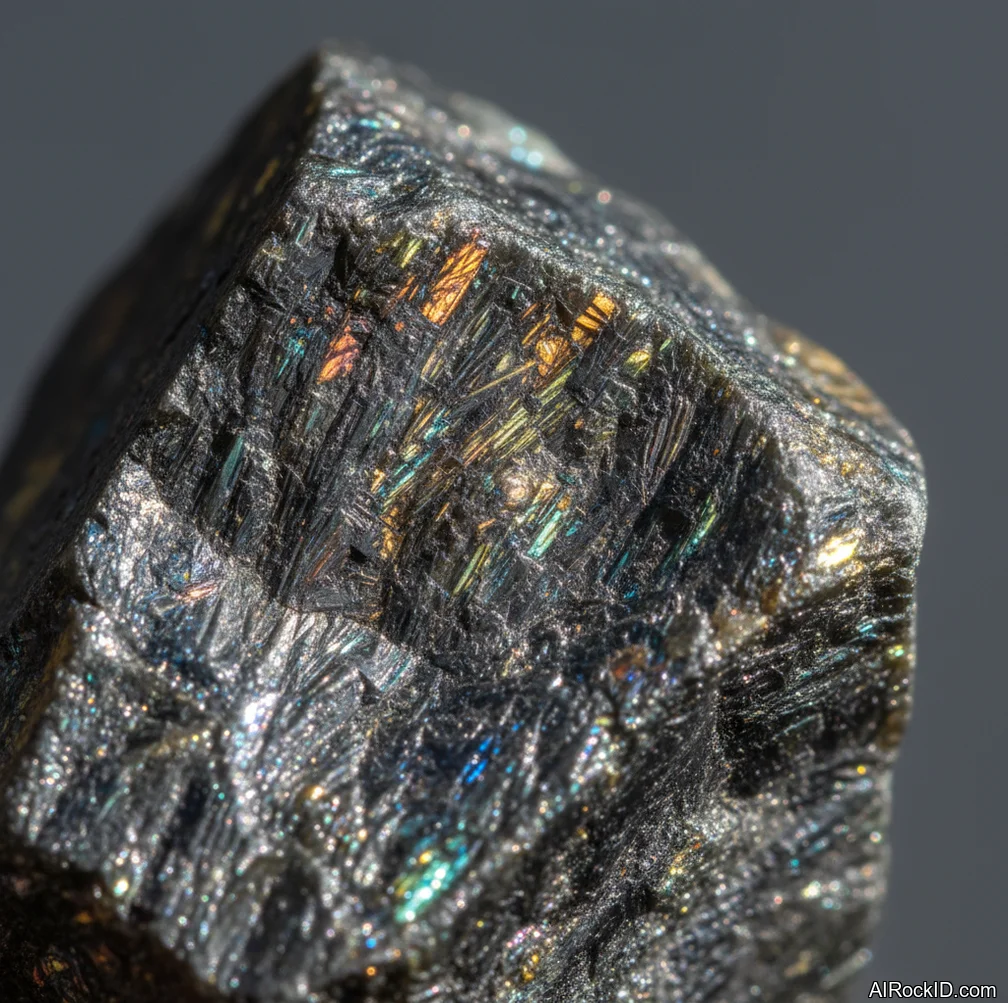
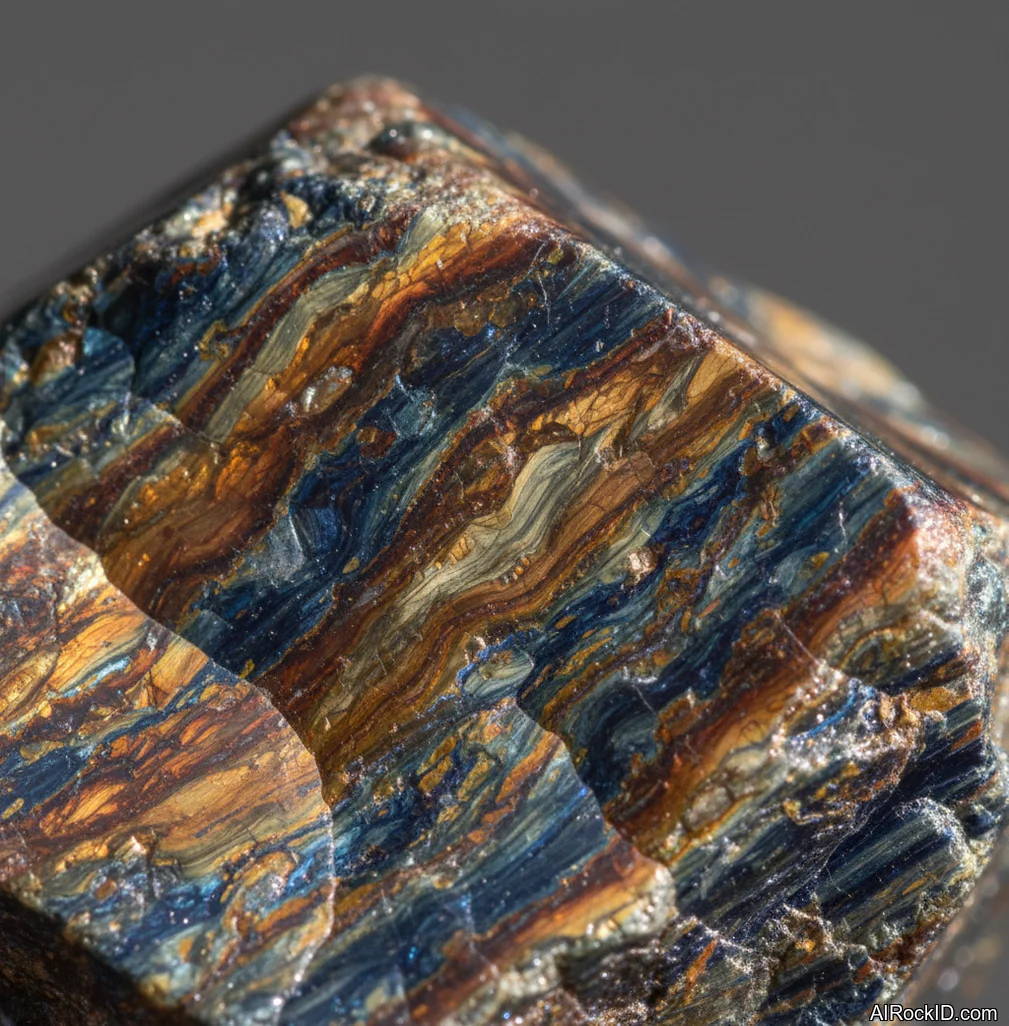
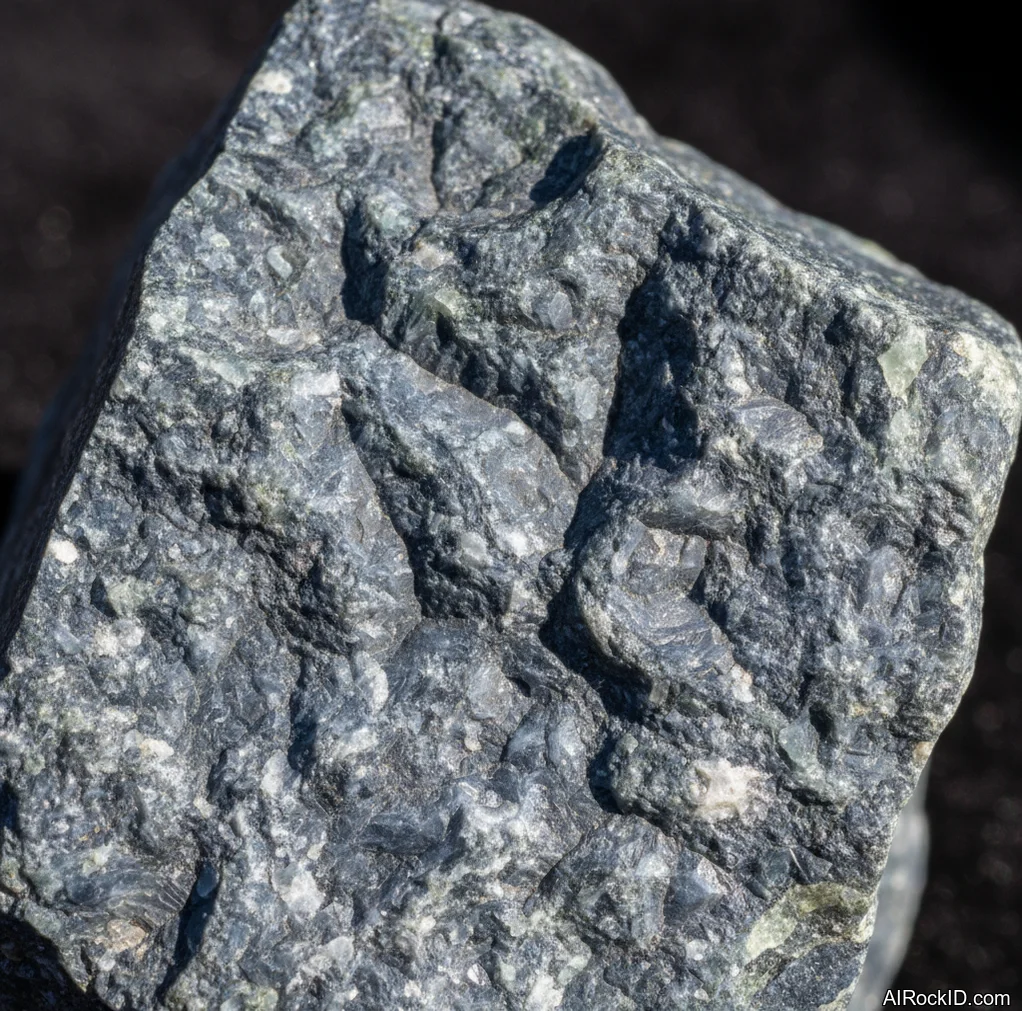
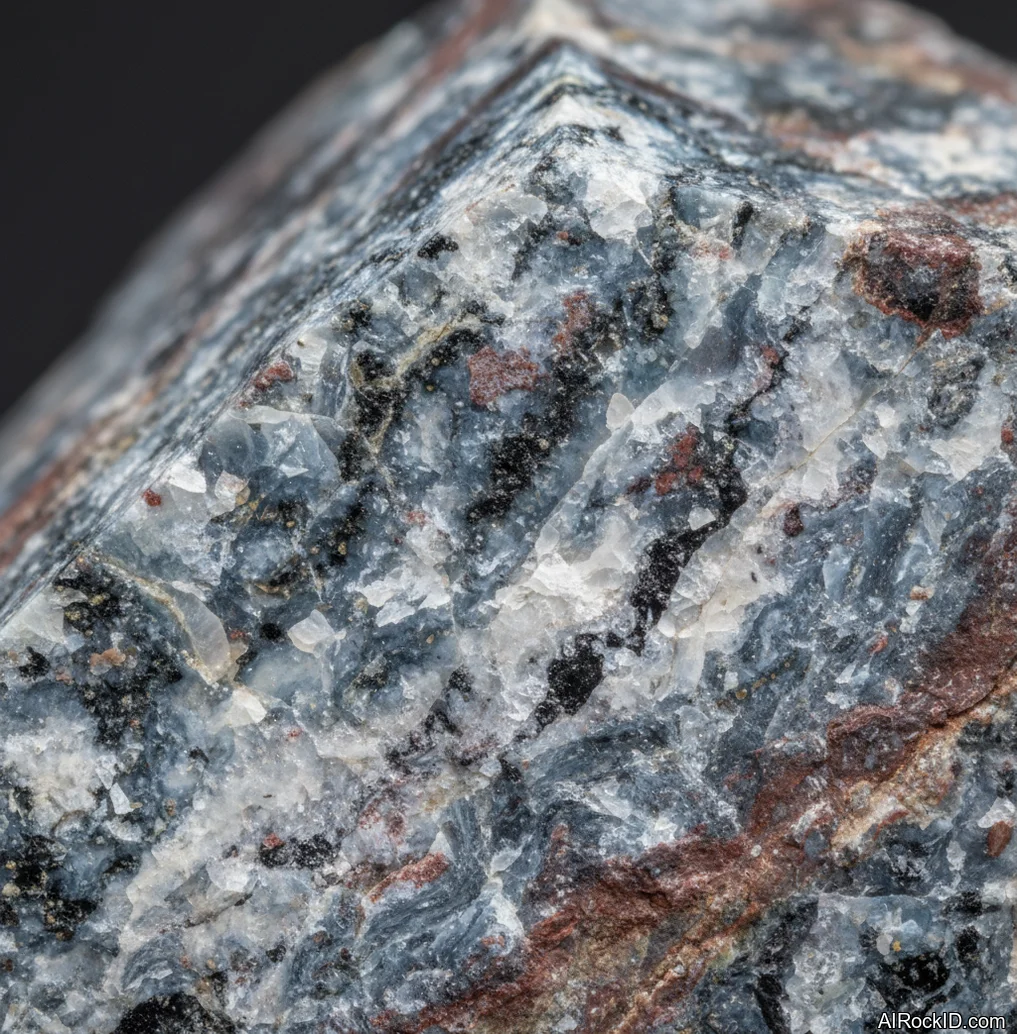
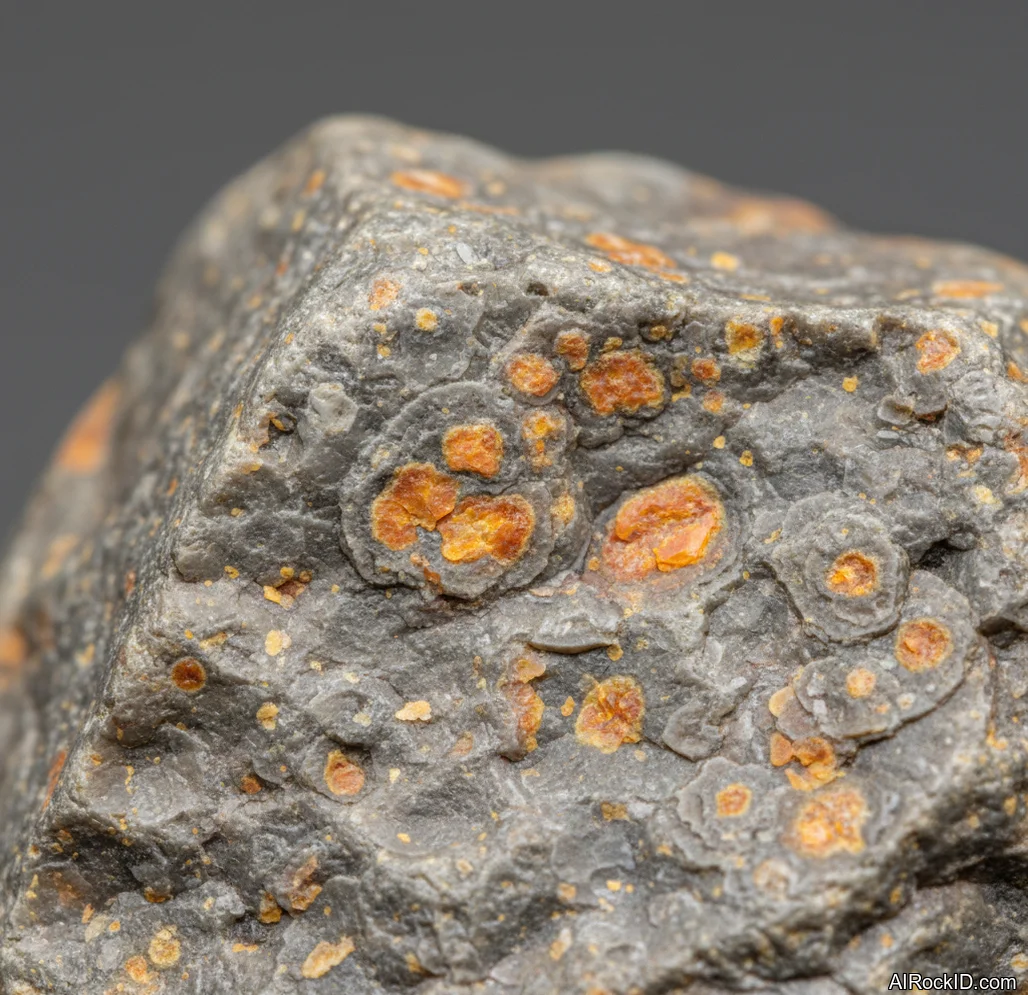
Labradorite is the classic example. At first glance it can look like plain gray feldspar. Then you tilt it and a blue-green flash runs across the surface like a sheet of lightning. And when the flash disappears? The stone goes right back to storm-cloud dull. That on-off effect is exactly why collectors keep circling back to it.
Working with Storm crystals doesn’t need ritual theater. Keep it practical.
If you’re using black tourmaline, put a raw piece near your entryway or right next to your power strip or router, because that’s where you actually notice the “buzz” of modern life. If you’re carrying labradorite, pick a piece with a broad flash plane, not just a tiny pinstripe of color, because you’ll handle it more and it’ll feel like it’s doing something when it catches light. For smoky quartz, I like points or rough chunks that still show natural faces, since you can aim it on a desk like a paperweight and it won’t roll around.
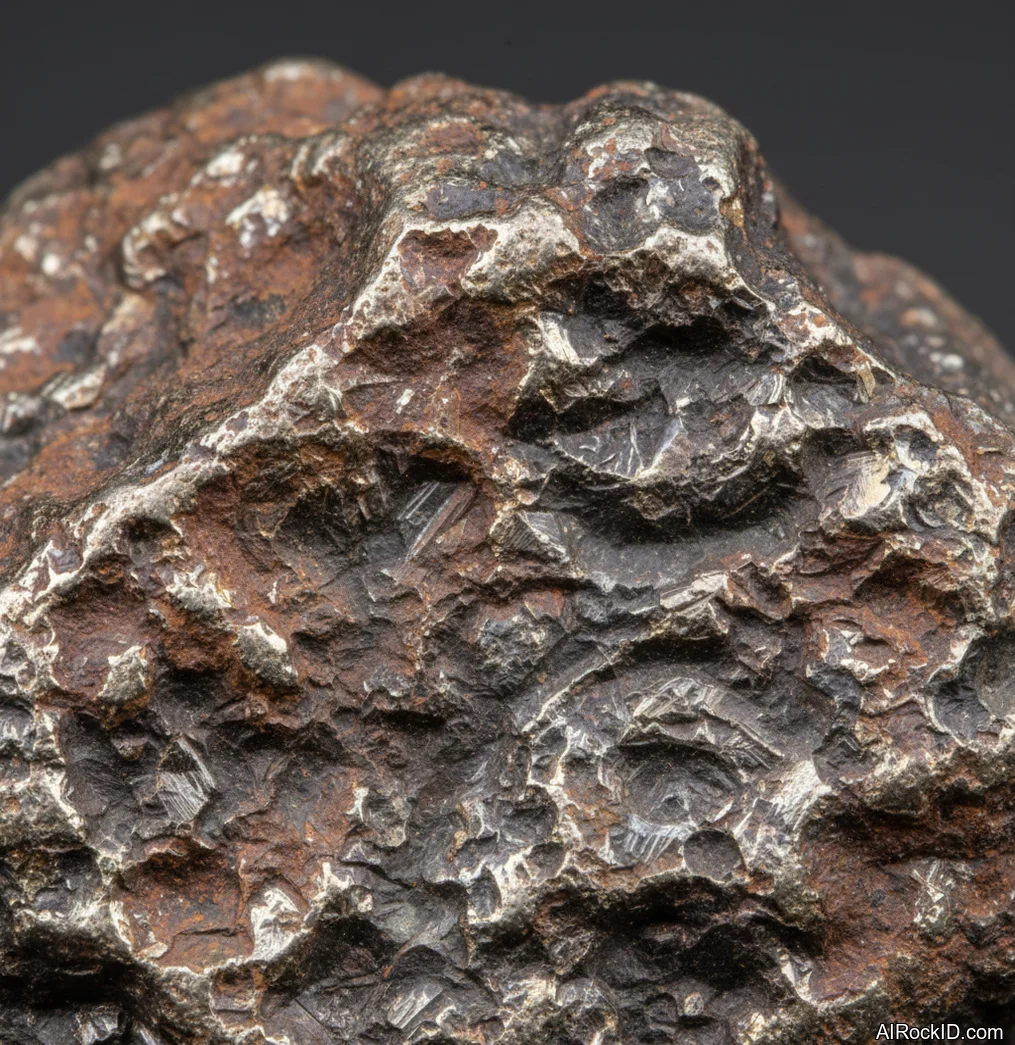
Thing is, you can learn a lot just by paying attention to how these stones act in your hand. The real test with hematite is temperature and heft. Real hematite stays cool and has that iron-heavy feel; cheap “hematite” jewelry is often magnetic hematine (man-made), and it warms fast against skin and sticks to a magnet like it’s trying to prove something. With black tourmaline, expect natural pits, little surface chips, and uneven terminations. If it’s glossy jet-black and perfectly smooth like plastic, be suspicious. Labradorite gets faked less often, but sellers do push low-grade gray pieces as “high flash” using edited photos. Ask for a video tilt in neutral light. Or buy in person and move it under a single overhead bulb.
Most dealers sell Storm stones tumbled because they’re easy to ship and they look friendly, but raw material tells you more. Tourmaline’s vertical grooves are easier to read when it isn’t polished flat. Smoky quartz looks deeper when you can see growth lines and little internal veils. Labradorite slabs are fine, but edges can be sharp, and the flash can fade if the surface gets scratched up in a pocket with keys. So keep it in a cloth pouch if you carry it.
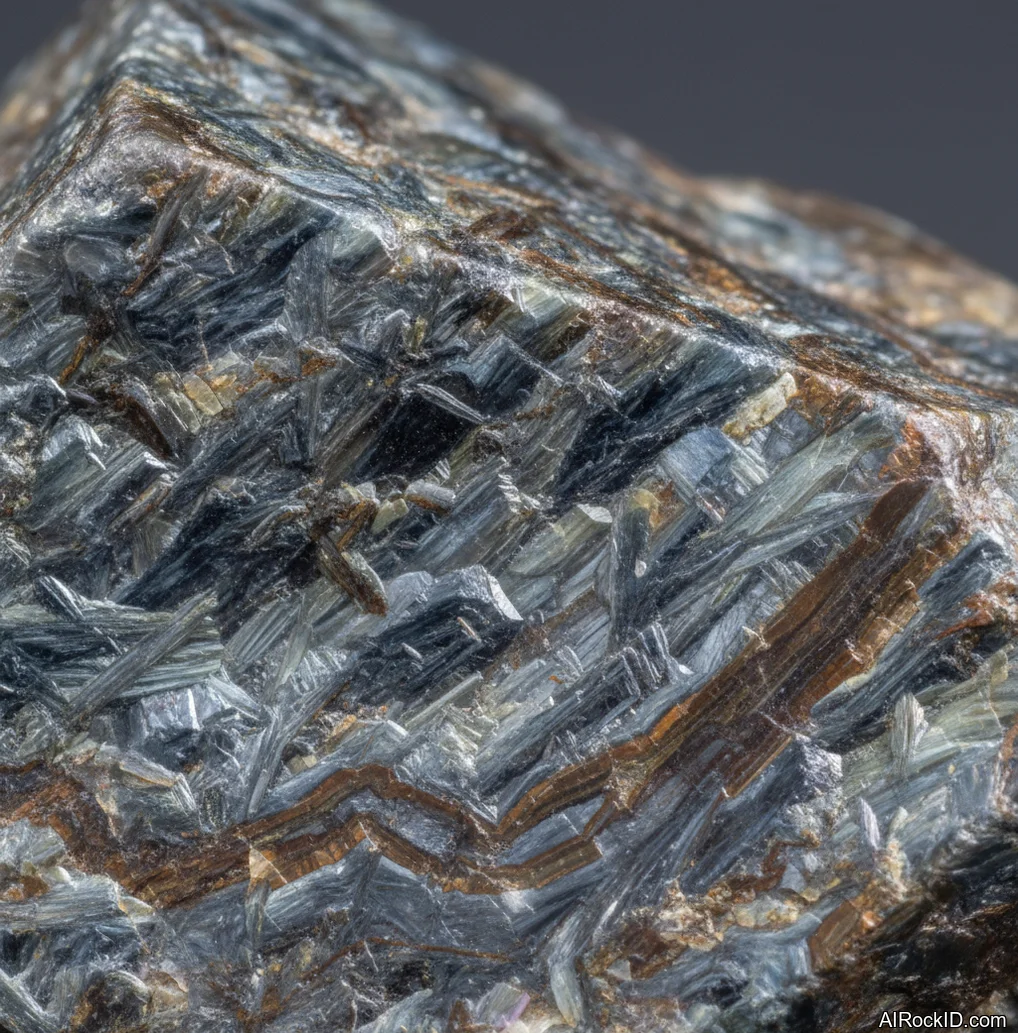
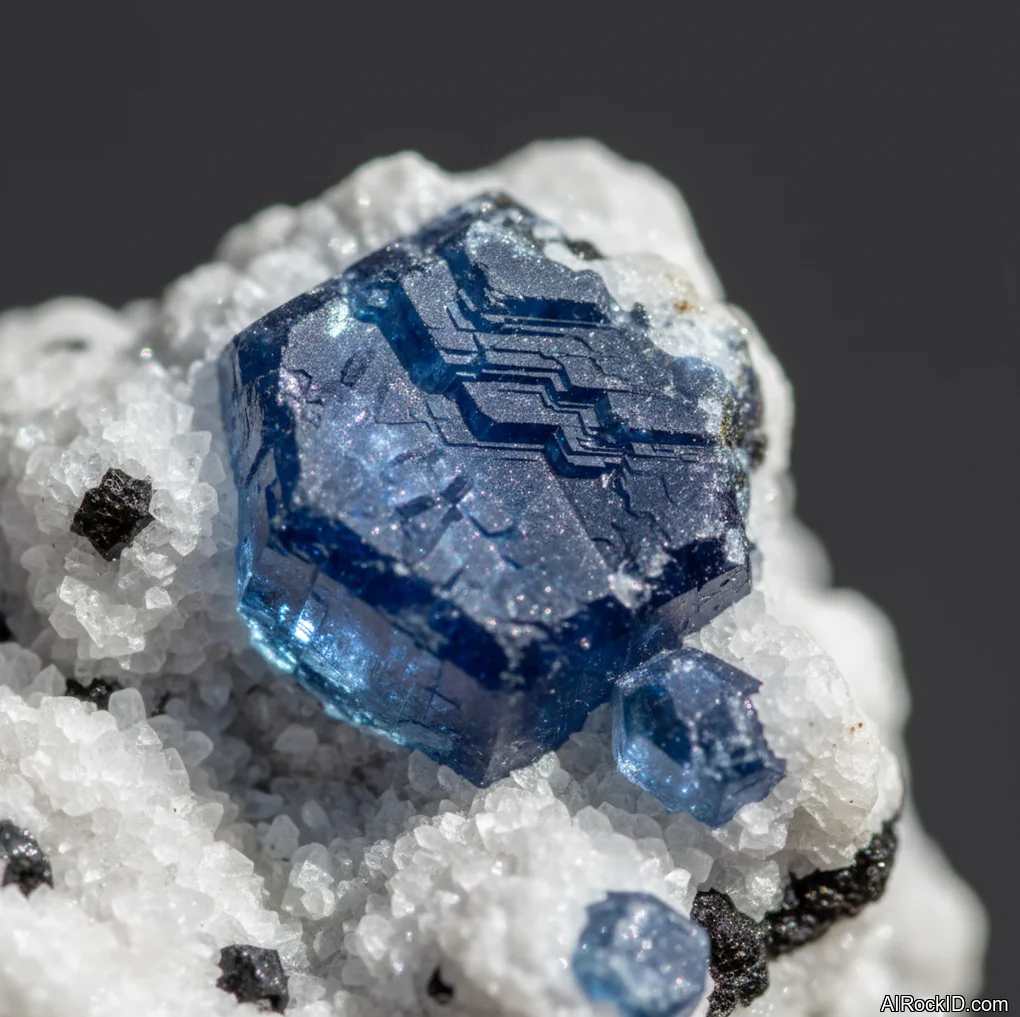
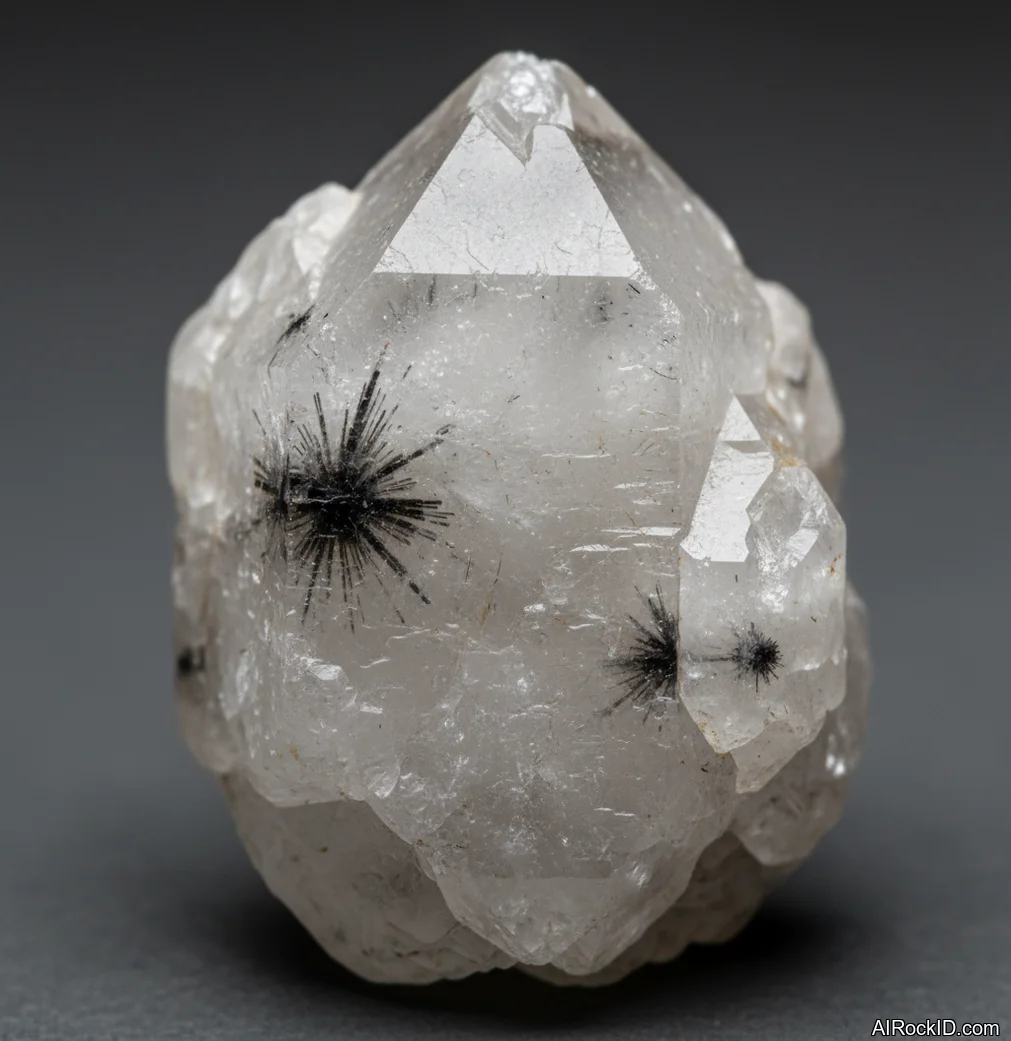
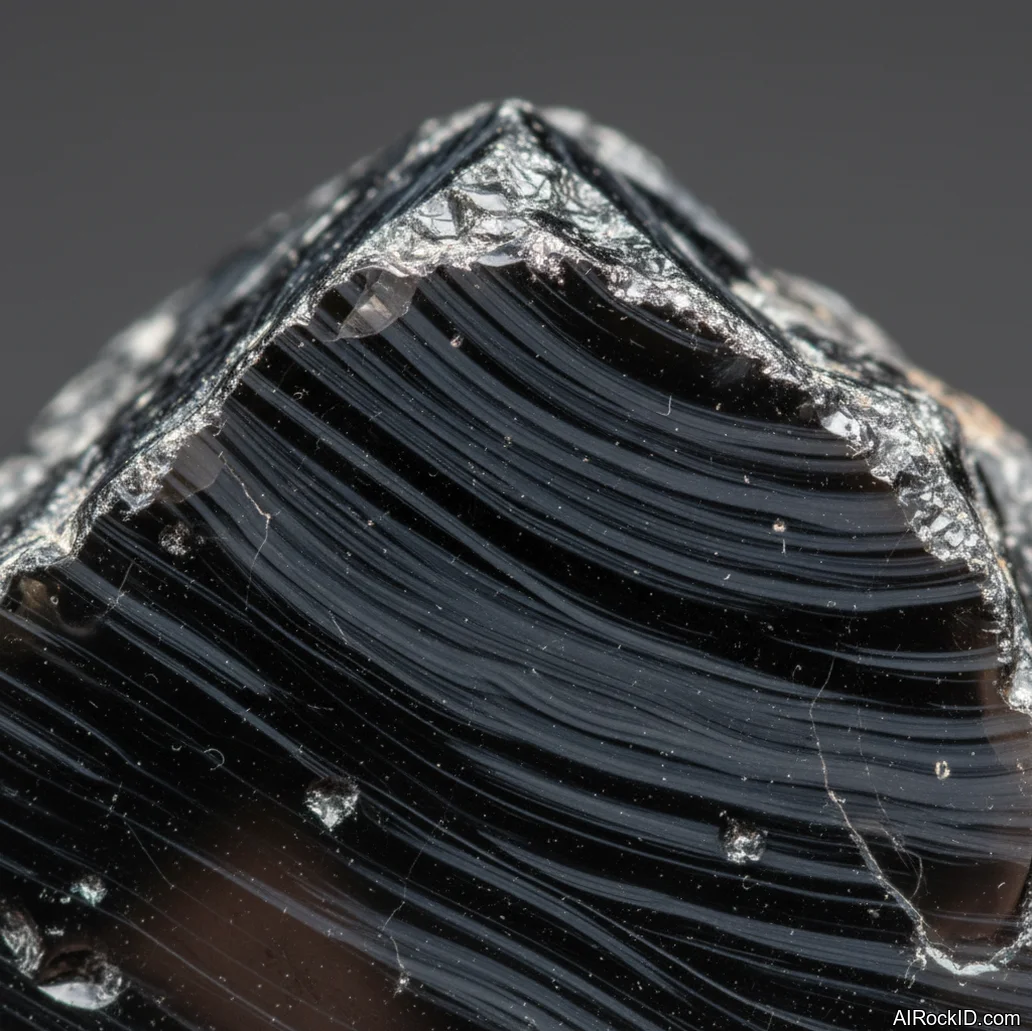
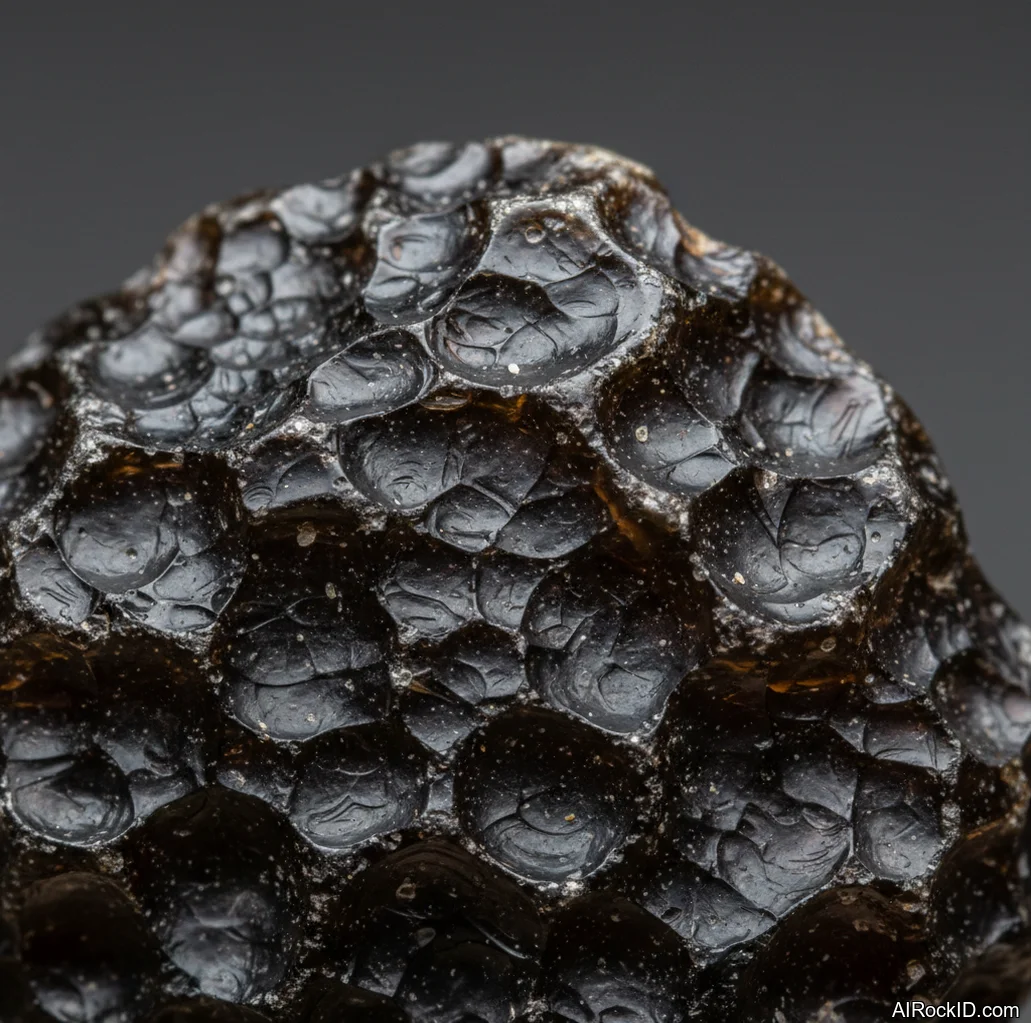
There are Storm-adjacent picks that help fill in the gaps, too. Obsidian, especially with that inky depth, brings the sudden, clean cut. Clear quartz can act like a lightning rod in a grid, but it also magnifies whatever you’re doing, so don’t toss it into a messy setup and expect it to “fix” the mess. If you like the feel of a charged stone but want something steadier, try blue kyanite. It’s blade-like, sometimes splintery, and it doesn’t like getting knocked around, but it has that airy, electric calm that fits Storm without the harsh edge.
Buying tips mostly come down to texture, weight, and honesty in photos (huge, honestly). For hematite, check for a red-brown streak on unglazed porcelain if you can. For tourmaline, look for natural striations and small imperfections, and don’t pay premium prices for glassy, uniform rods unless the seller can prove the locality and the piece has real crystal habit. For labradorite, prioritize polish quality. A good polish makes the flash pop like a wet road at night; a bad polish makes everything look dull, even if the material is decent. And watch for dyed “black agate” being sold as Storm protection. Dye pools in cracks and around drill holes, and the color looks too flat.
Storm crystals do best with simple routines. Rinse tourmaline and smoky quartz quickly under running water, then dry them well. Skip water for stones that don’t love it. And don’t leave anything in direct sun for days just because someone online said sunlight “charges” it; some pieces fade, or they just get heat-stressed and crack. If you want a low-effort reset, put your Storm stones on a shelf overnight with a chunk of selenite nearby. Or just clean them like minerals: soft brush, mild soap for sturdy pieces, and a little respect for cleavage, fractures, and polish.
Storm isn’t about being calm all the time. It’s about not getting knocked over when the air changes. The best Storm crystals feel like that in your hand: cool, heavy, striated, flashing, smoky. Real, physical reminders that motion can be useful, as long as you’re the one steering it.
All Storm Crystals (38)