Gibbsite
What Is Gibbsite?
Gibbsite is an aluminum hydroxide mineral with the formula Al(OH)3.
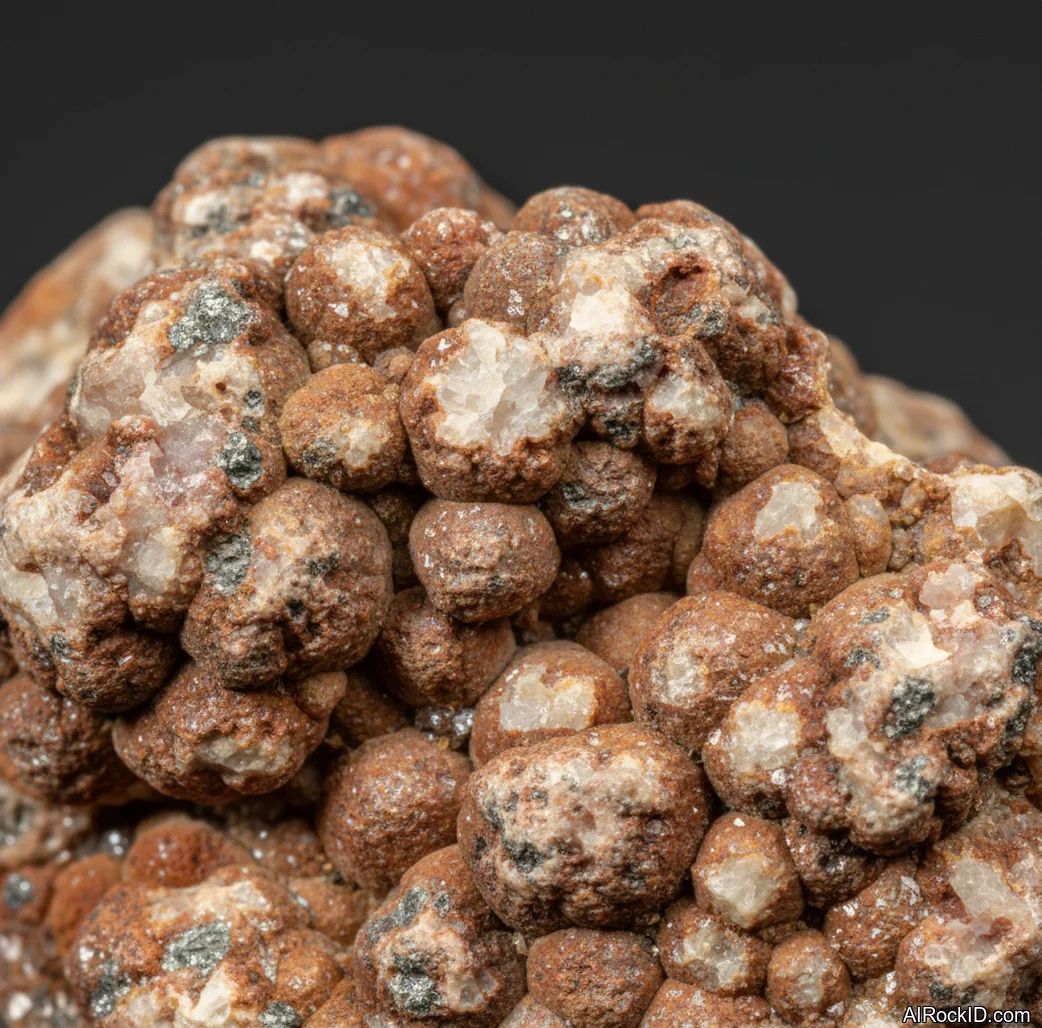
First time you see it, it could pass for a bunch of other white minerals. But then you actually pick it up. It feels a little too light in the hand for what your eyes expect, and the faces often have this soft, slightly greasy, pearly sheen that flashes under overhead shop lights, then disappears the second you tilt it.
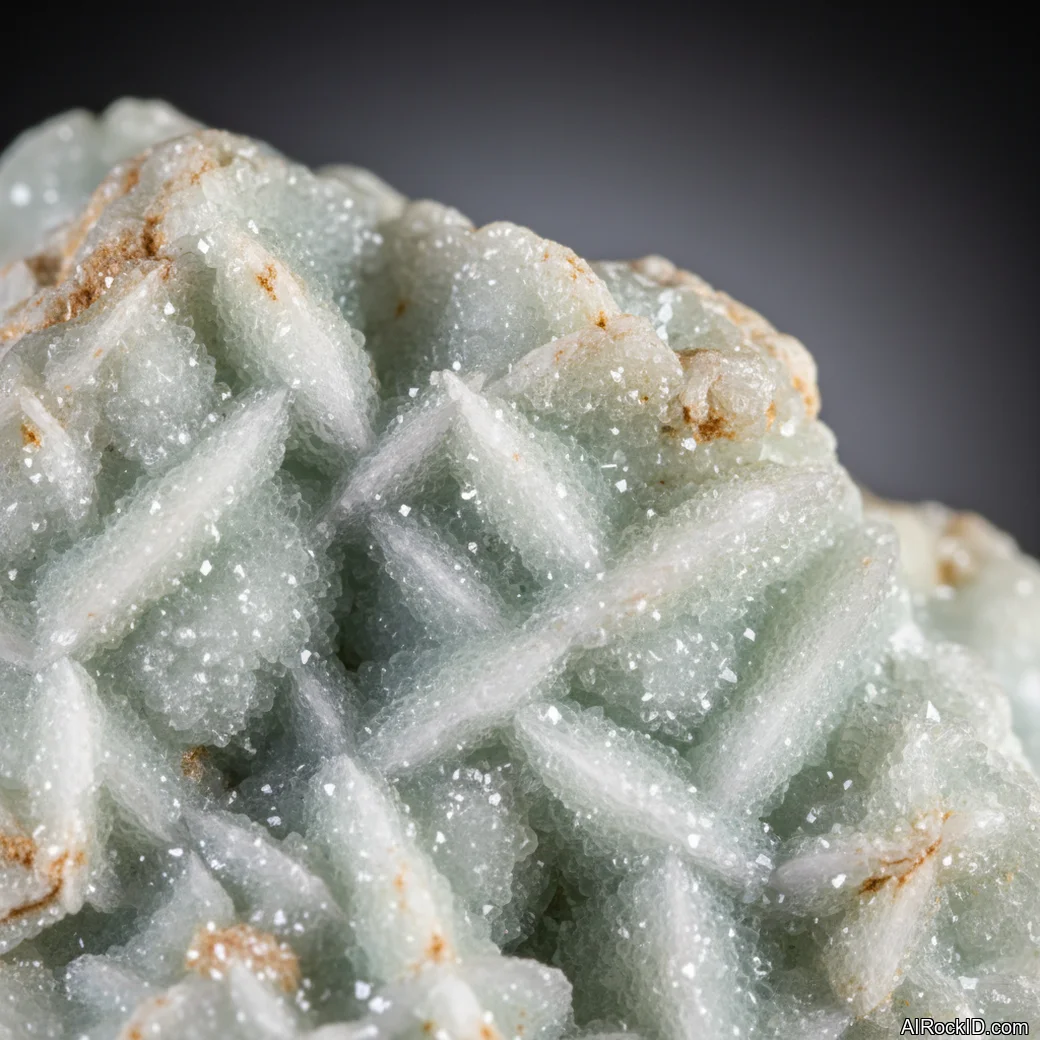
Some pieces are just dead chalky. Nothing to write home about. But some of it, especially that pale green material from Brazil, is honestly pretty, with those little tabby crystals that look like somebody stacked them on purpose (which they didn’t, obviously).
Thing is, it’s soft. Really soft. I’ve seen people at shows tap it with a fingernail, leave a faint mark, then freeze up because they were sure it was quartz. If you’re keeping it as a display piece and you don’t handle it like a worry stone, it’ll be fine. Just don’t throw it in a pocket with harder specimens. Why invite scratches?
Origin & History
Most collectors first bump into the name while they’re reading about bauxite, but the mineral itself was formally described way back in the early 1800s. It got that official description in 1822, when Pierre Berthier, a French mineralogist, wrote it up while he was deep in the weeds on aluminum-bearing minerals.
The name’s a nod to George Gibbs, an American mineral collector whose collection ended up supplying specimens to European scientists at a time when getting a box of rocks across the ocean was a real production (crates, paperwork, the whole headache). And yeah, you’ll still spot the older name “hydrargillite” on old labels, especially on pieces tied to the classic European localities.
Where Is Gibbsite Found?
Gibbsite turns up in bauxite deposits and in some hydrothermal and weathering environments, with attractive crystals most often coming out of a few well-known pockets.
Formation
Look close and you can tell gibbsite is basically a weathering and alteration mineral. Most of it shows up after heavy chemical weathering in tropical to subtropical climates, when aluminum sticks around but other elements get washed out. That’s the whole bauxite story. And if you’ve ever picked up a crumbly, earthy chunk of bauxite and ended up with that pale dust on your fingertips, gibbsite is one of the main aluminum phases sitting right there in plain sight.
But it’s not all dull, massive stuff. You can also get crystal groups from hydrothermal settings and from cavities where aluminum-rich fluids had enough time to drop out clean, sharp faces. Those are the pieces that make collectors freeze for a second. The crystals can be tabular, sometimes rosette-like, and they’ll perch on matrix with this sugary sparkle that looks almost frosted when you tilt it. Compared to the dead-looking massive material, the pocket-grown stuff can feel like a totally different mineral when you roll it under a lamp. How is it the same thing?
How to Identify Gibbsite
Color: Most gibbsite is white, gray-white, or colorless, but collector material can be pale green, tan, or brown from staining and inclusions.
Luster: Luster ranges from vitreous on clean crystal faces to pearly or dull on cleavages and massive material.
If you scratch it with a copper penny, it’ll usually mark, and a fingernail can sometimes leave a trace on softer-looking pieces. Pick up a crystal plate and rotate it slowly under light: the cleavage flash can look pearly instead of glassy. The real test is comparing weight and feel next to calcite or gypsum at a show table, because gibbsite often sits in that same soft, light, “don’t drop it” zone.
Properties of Gibbsite
Physical Properties
| Crystal System | Monoclinic |
| Hardness (Mohs) | 2.5-3.5 (Soft (2-4)) |
| Density | 2.30-2.40 g/cm3 |
| Luster | Pearly |
| Diaphaneity | Transparent to translucent |
| Fracture | Uneven |
| Streak | white |
| Magnetism | Non-magnetic |
| Colors | colorless, white, gray, pale green, tan, brown |
Chemical Properties
| Classification | Hydroxides |
| Formula | Al(OH)3 |
| Elements | Al, O, H |
| Common Impurities | Fe, Si, Ti |
Optical Properties
| Refractive Index | 1.565-1.590 |
| Birefringence | 0.025 |
| Pleochroism | None |
| Optical Character | Biaxial |
Gibbsite Health & Safety
Gibbsite’s usually safe to handle and isn’t considered toxic. Just use normal mineral-handling hygiene, like you would after picking up any dusty rock (wash your hands, don’t rub your eyes).
Safety Tips
If you’re trimming or grinding aluminum hydroxide, put on eye protection and a dust mask. The dust gets everywhere (you’ll see that fine white powder settle on the bench and cling to your sleeves), so clean it up instead of blasting it around with air.
Gibbsite Value & Price
Price Range
Rough/Tumbled: $5 - $150 per specimen
Most dealers don’t price this stuff by size alone. It’s mostly looks plus where it came from. Those clean, pale green crystal clusters out of Minas Gerais? They shoot up in price in a hurry, especially next to the chalky, massive chunks that just sit there looking dull.
Durability
Nondurable — Scratch resistance: Poor, Toughness: Fair
Gibbsite is stable on a shelf, but it bruises and scratches easily and can lose crisp edges if it’s handled a lot.
How to Care for Gibbsite
Use & Storage
Store it like you’d store gypsum or calcite: separate compartments, soft padding, and no rattling around. I keep my nicer gibbsite in small perky boxes because crystal plates chip at the corners.
Cleaning
1) Rinse briefly with lukewarm water to remove loose dust. 2) Use a very soft brush (makeup brush works) and gentle soap if needed. 3) Pat dry and air-dry fully before putting it back in a box.
Cleanse & Charge
If you do energetic cleansing, stick to smoke, sound, or moonlight since the surface scratches easily. Avoid salt rubs or gritty methods.
Placement
A stable shelf spot is best, away from high-traffic areas where it’ll get bumped. Side lighting makes the pearly cleavage flashes show up.
Caution
Don’t run it through an ultrasonic cleaner or hit it with steam, and definitely don’t toss it in a tumbler. Keep it separated from harder specimens, too, because even a quick bump in a tray can leave a scratch on contact.
Works Well With
Gibbsite Meaning & Healing Properties
Next to the loud, flashy stuff, gibbsite is pretty quiet. When I’ve got one of those platey crystal clusters in my hand, it feels almost calming on contact, like it’s telling you to stop hunting for sparkle and actually look at what you’re holding. That’s the whole appeal for a lot of folks: keeping it simple, clearing out mental clutter, getting back to basics.
Thing is, most dealers don’t really hype gibbsite in the metaphysical corner, so it doesn’t come with the usual pile of copy-pasted claims. The way I use it is more practical. I’ll keep it on a desk or in a study corner as a little “reset” stone, especially when I’m sorting labels or cataloging. It’s not some high-energy, buzzy piece. It’s more like a small nudge toward order and patience. Slow and steady. That’s it.
And yeah, the standard reminder still stands: none of this is medical. If you’re stressed, sick, or struggling, crystals don’t replace real help. But as a physical object you can hold, gibbsite does one simple thing that lands for a lot of people. It makes you slow your hands down because it’s soft (you notice it right away), and that tiny pause can shift your headspace for a minute. Why not.
Identify Any Crystal Instantly
Snap a photo and get properties, value, care instructions, and healing meanings in seconds.