Bauxite
What Is Bauxite?
Bauxite is an aluminum-ore rock made up mostly of hydrated aluminum oxides and hydroxides, usually gibbsite, boehmite, or diaspore, with iron oxides, clay minerals, plus silica mixed in.
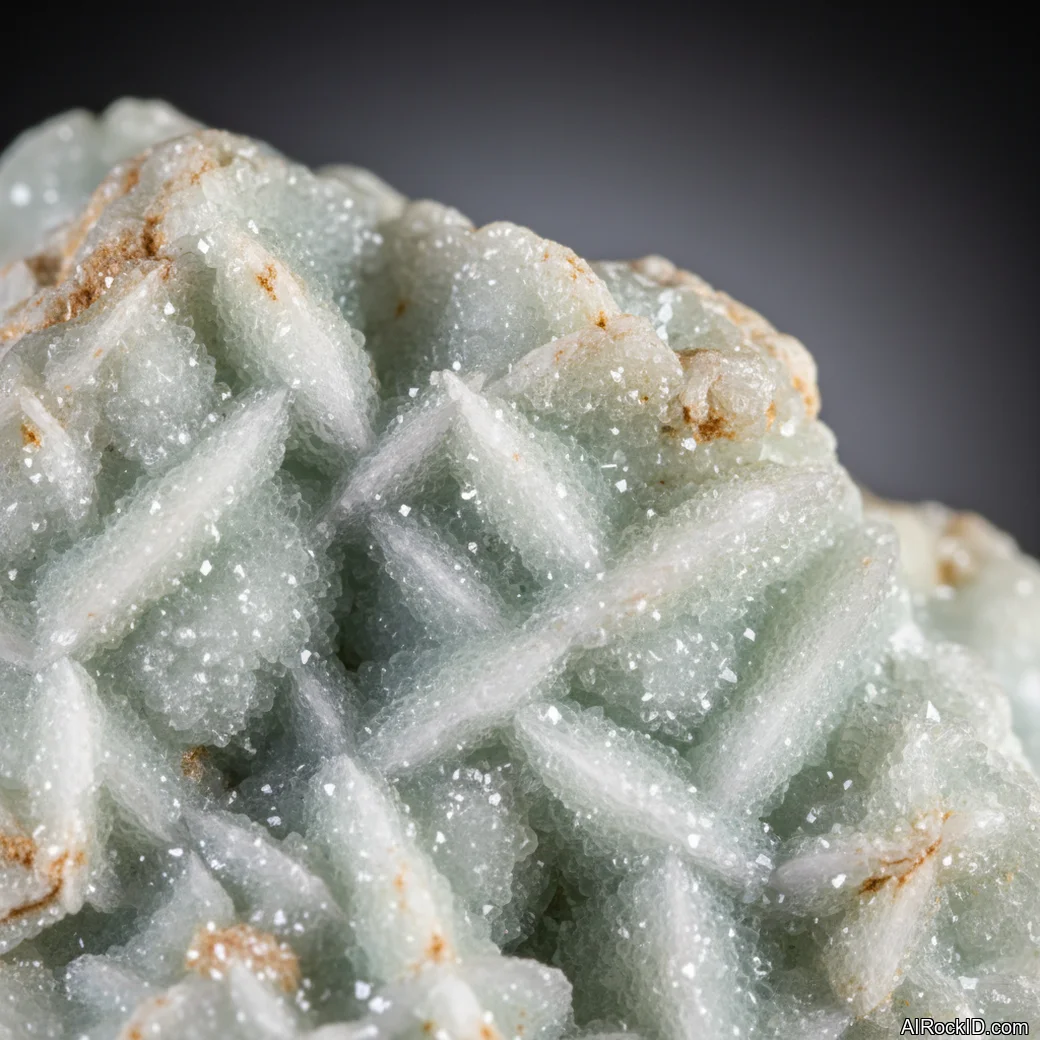
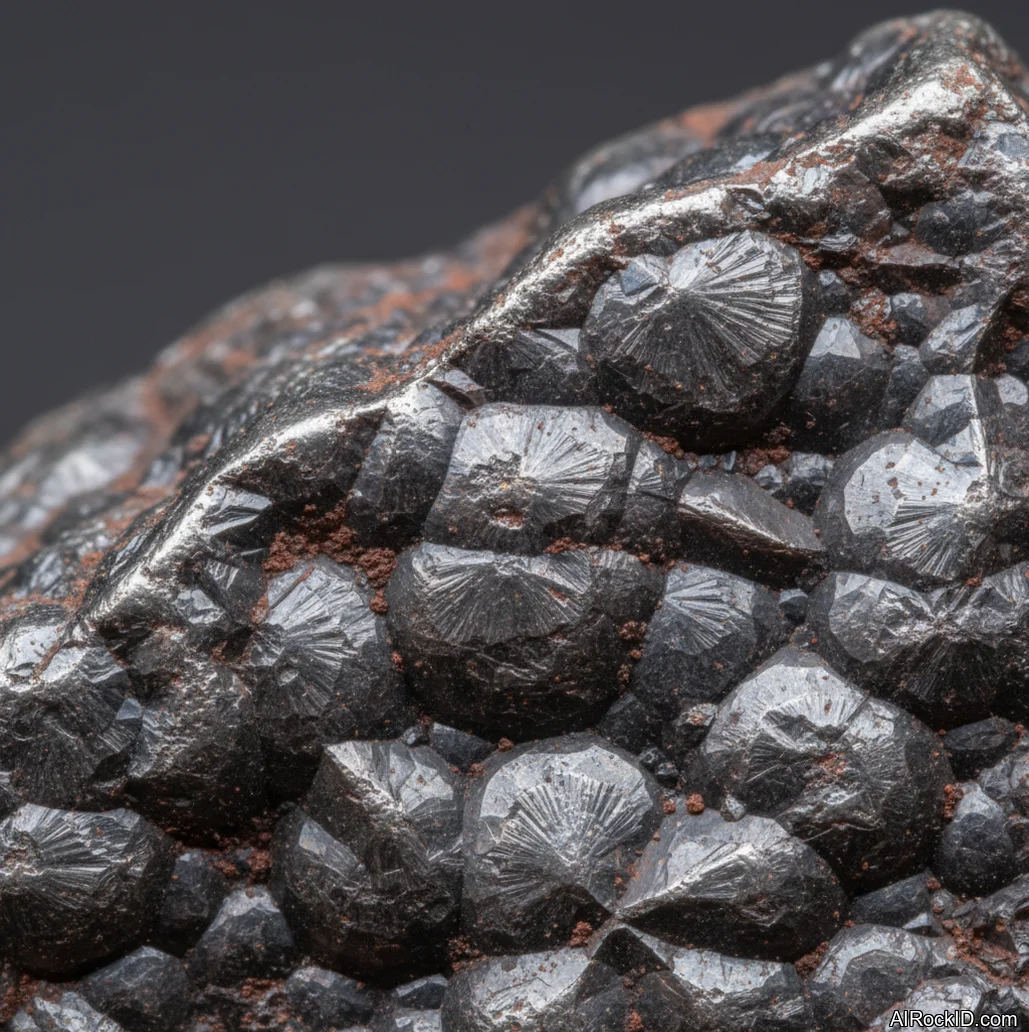
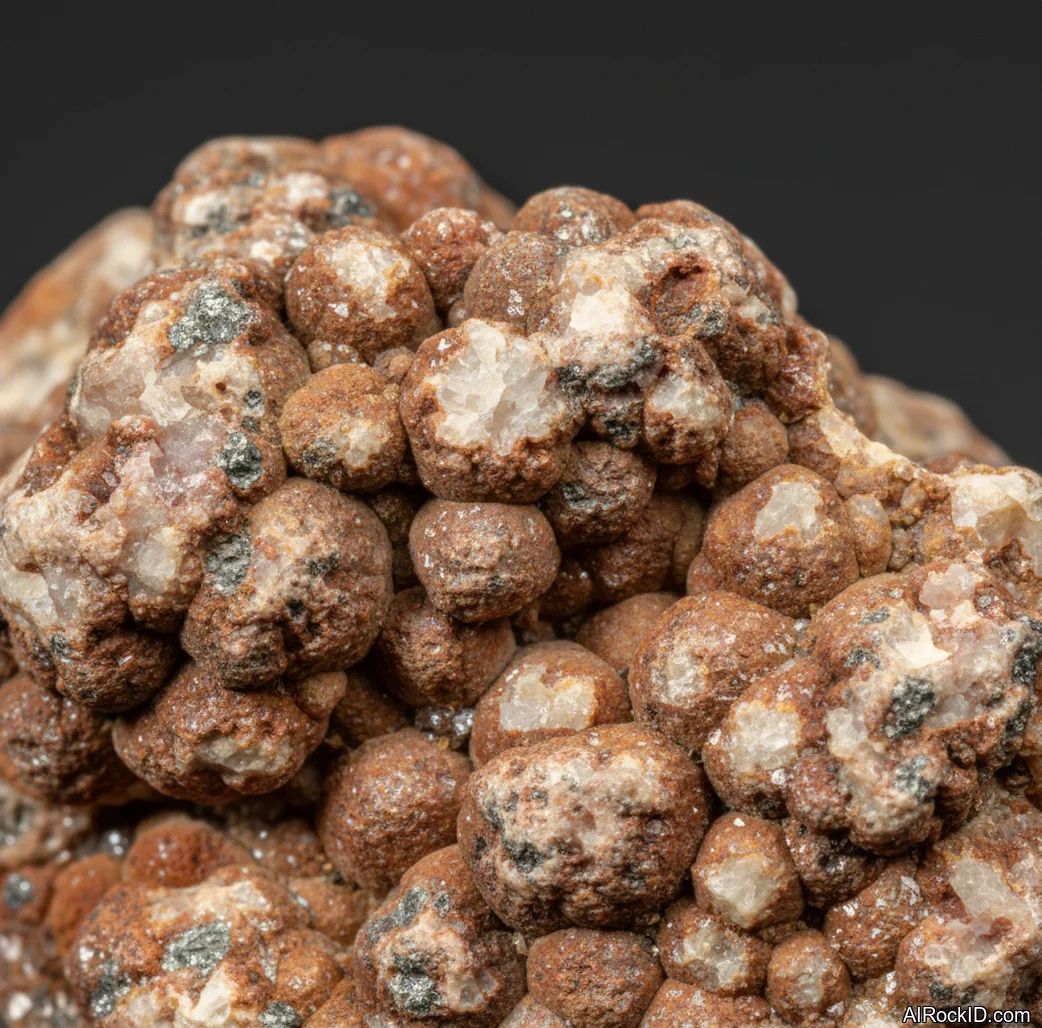
Pick up a chunk and, yeah, the first thing that hits you is the dead-matte surface, like dried clay that never saw a kiln. A lot of pieces have that pea-ish texture, little round pellets (pisolites) jammed together, and you can literally feel the bumps under your thumb before your eyes catch up. The color’s all over the place depending on the iron content. I’ve handled tan and cream chunks that look like crumbly sandstone, and I’ve also had brick-red material that left a faint rusty smear on my fingers after a long day sorting flats at a show (it gets into the creases, too).
Don’t go looking for pretty crystal faces. Bauxite is mostly about texture and the backstory, not sparkle. And honestly, plenty of dealers pass it by because it reads as “just a rock” to most people. But if you’re into ore minerals, industrial geology, or you just like strange natural surfaces, a solid pisolitic specimen has real character. Why not give it a second look?
Origin & History
France is where the naming story kicks off. Back in 1821, French geologist Pierre Berthier described the material after looking over samples from near Les Baux-de-Provence, and “bauxite” is literally pulled from that place name.
Thing is, it matters because it became the world’s main feedstock for aluminum. Not exactly poetry, but it’s true. And once that clicks, you can pick up a dull red chunk off the table, feel that dry, gritty surface on your fingertips (it leaves a little dust), and think, “So this is where airplanes, power lines, and soda cans basically start.”
Where Is Bauxite Found?
Major deposits form in tropical to subtropical regions with intense weathering, and big producers include Australia and Guinea. In the US you’ll see it in places like Arkansas, usually as earthy, iron-stained material.
Formation
A lot of bauxite forms the slow way, right up at Earth’s surface, where rain and heat grind away for years. Thing is, the whole setup is lateritic weathering. Water works through the rock, leaches out the mobile stuff (sodium, potassium, calcium), and the leftovers start piling up in place. Aluminum doesn’t move much. So, given enough time, you end up with layers packed with aluminum hydroxides, and the iron oxides are what give it that red-brown color.
Look closely at a pisolitic chunk and you can practically see the steps. Those tiny pellets can build up from repeated wetting and drying, with new material coating and recoating grains like nature rolling a snowball. Kind of wild, right?
But not all bauxite is pisolitic. Some of it is more massive and clay-like. And it can feel weirdly light and chalky when it’s dry, then a little heavier and colder after it’s been sitting around in humid air.
How to Identify Bauxite
Color: Most bauxite runs red-brown, rusty orange, tan, or cream, depending on how much iron oxide is mixed in. Fresh broken surfaces can look lighter and more chalky than the weathered outside.
Luster: Dull to earthy luster, almost always matte.
Pick up a piece and rub it lightly with your thumb. Real bauxite often feels gritty to slightly chalky, and pisolitic material has that bumpy, pea-packed texture you can feel with your eyes closed. If you scratch it with a copper coin, a lot of bauxite will mark or powder because many specimens are effectively around Mohs 1 to 3 depending on the dominant hydroxide and clay content. The problem with “bauxite” labels at shows is that ironstone and laterite get lumped in, so check for the aluminum-hydroxide look: earthy, pale interiors with red-brown staining rather than solid heavy hematite vibes.
Properties of Bauxite
Physical Properties
| Crystal System | Amorphous |
| Hardness (Mohs) | 1-3 (Soft (2-4)) |
| Density | 2.3-2.7 g/cm3 |
| Luster | Earthy |
| Diaphaneity | Opaque |
| Fracture | Earthy |
| Streak | white to brownish |
| Magnetism | Non-magnetic |
| Colors | red-brown, rusty orange, tan, cream, brown, gray |
Chemical Properties
| Classification | Oxides and hydroxides (rock mixture) |
| Formula | Mixture; commonly Al(OH)3 (gibbsite) and AlO(OH) (boehmite, diaspore) with Fe2O3, SiO2, and clay minerals |
| Elements | Al, O, H |
| Common Impurities | Fe, Si, Ti |
Optical Properties
| Refractive Index | 1.57-1.66 |
| Birefringence | None |
| Pleochroism | None |
| Optical Character | Isotropic |
Bauxite Health & Safety
Handling is usually safe. But don’t inhale any dust if a piece is dry and crumbly. Some specimens drop a sandy grit fast when you rub them between your fingers, or when one snaps and you see that little sprinkle of grains.
Safety Tips
If you’re cutting it up or snapping it, do it outside or somewhere with real airflow, and put on a dust mask so you’re not breathing that gritty stuff. Then wash your hands when you’re done, especially if there’s dust clinging to your fingers (it likes to hang around under your nails).
Bauxite Value & Price
Price Range
Rough/Tumbled: $2 - $25 per specimen
Price mostly tracks size and texture, especially when the pisolites are nice and clear. And if it’s from a labeled locality, that bumps it too. Most of the stuff is cheap. But the clean, display-worthy chunks (the kind you can actually set on a shelf without grit flaking off in your hand) sell quicker than the crumbly little fragments, especially when they’ve got a solid story tag to go with them.
Durability
Fragile — Scratch resistance: Poor, Toughness: Poor
It can chip, crumble, and shed grit, especially along porous or clay-rich zones.
How to Care for Bauxite
Use & Storage
Keep it in a tray or a box with padding so it doesn’t bang around and shed grit onto other specimens. I don’t store it loose with glassy stuff because the dust gets everywhere.
Cleaning
1) Start with a soft, dry paintbrush to lift loose dirt and powder. 2) If it’s stable, rinse quickly in cool water and pat dry, don’t soak. 3) Let it air-dry fully before putting it back in a closed container.
Cleanse & Charge
If you do energy-style cleansing, stick to gentle options like smoke, sound, or setting it on a dry bed of salt nearby rather than burying it. Water is fine for most pieces, but long soaks can turn some clay-rich bauxite into mush.
Placement
A shelf is fine, but I like it in a shallow display dish so any crumbs stay contained. Keep it away from high-traffic spots where it’ll get knocked.
Caution
Skip ultrasonic cleaners, harsh chemicals, or going at it with a hard scrub brush like you’re trying to take paint off. Don’t grind or sand it indoors unless you’ve actually got dust control in place, because that fine powder gets everywhere (and you’ll be finding it later).
Works Well With
Bauxite Meaning & Healing Properties
Look, here’s what bauxite actually feels like in your hand. It’s earthy, plain, kind of stubborn. When I’m holding a chunk of it, it puts me in the same headspace as sorting field bags after a dig: slow down, deal with what’s right in front of you, don’t make it complicated. That’s where bauxite sits for a lot of people.
And if you’re into metaphysical practice, bauxite usually gets treated in a very grounded, practical way. I’ve watched people pair it with heavier iron minerals and park it by a desk or a toolbox as a “work rock,” less about big feelings and more about focus and follow-through. But it’s not medical care. It won’t fix anxiety or anything like that. It’s more like a physical cue. You run your thumb over that rough, almost gritty surface and it nudges you back to the present. Simple as that.
But here’s the catch: bauxite can be messy. Some pieces are stable, and some are so crumbly you’ll leave a faint trail of red dust if you keep fidgeting with it (check your fingertips after a minute, seriously). So if you want a worry stone you can carry every day, you’ve got to choose carefully, or just go with something tougher like jasper. For a shelf piece, though, bauxite has this quiet, grounded vibe that clicks once you’ve handled a few specimens from different localities.
Identify Any Crystal Instantly
Snap a photo and get properties, value, care instructions, and healing meanings in seconds.