Guinea Fowl Quartz
What Is Guinea Fowl Quartz?
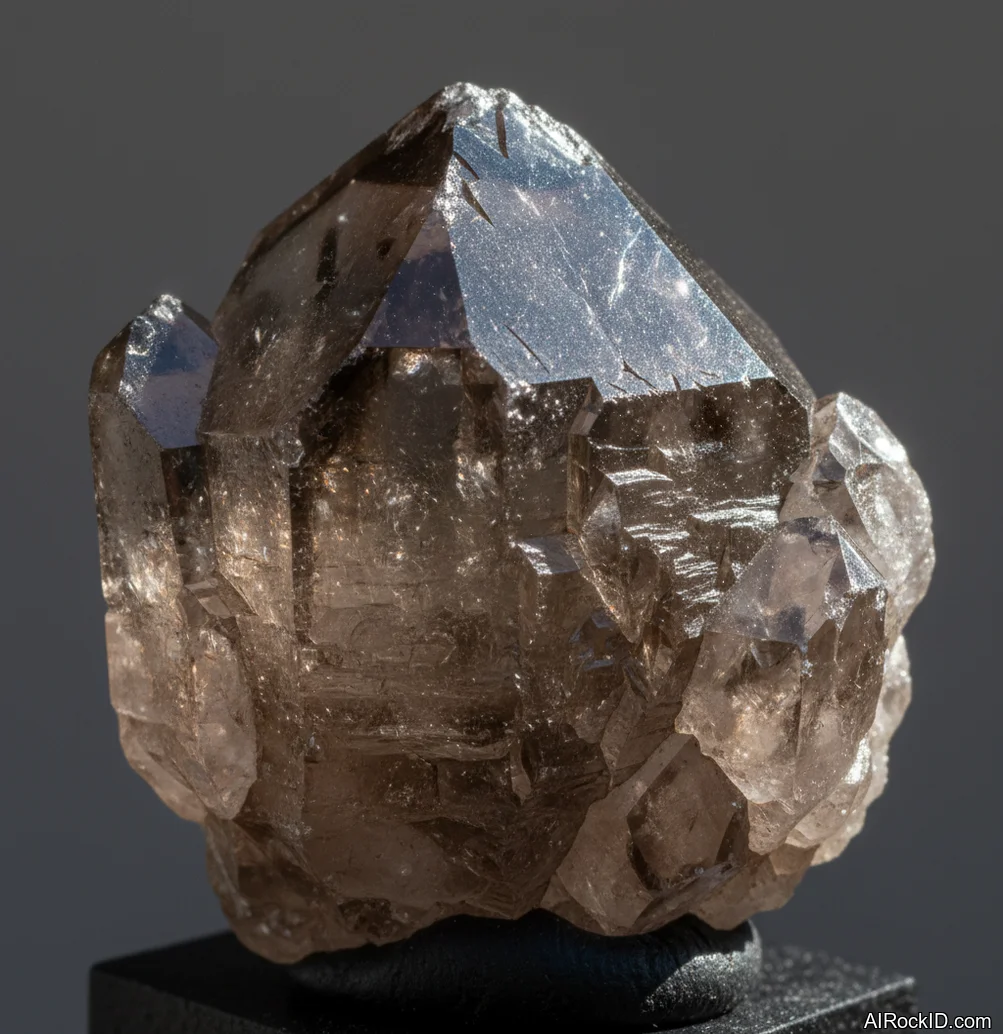
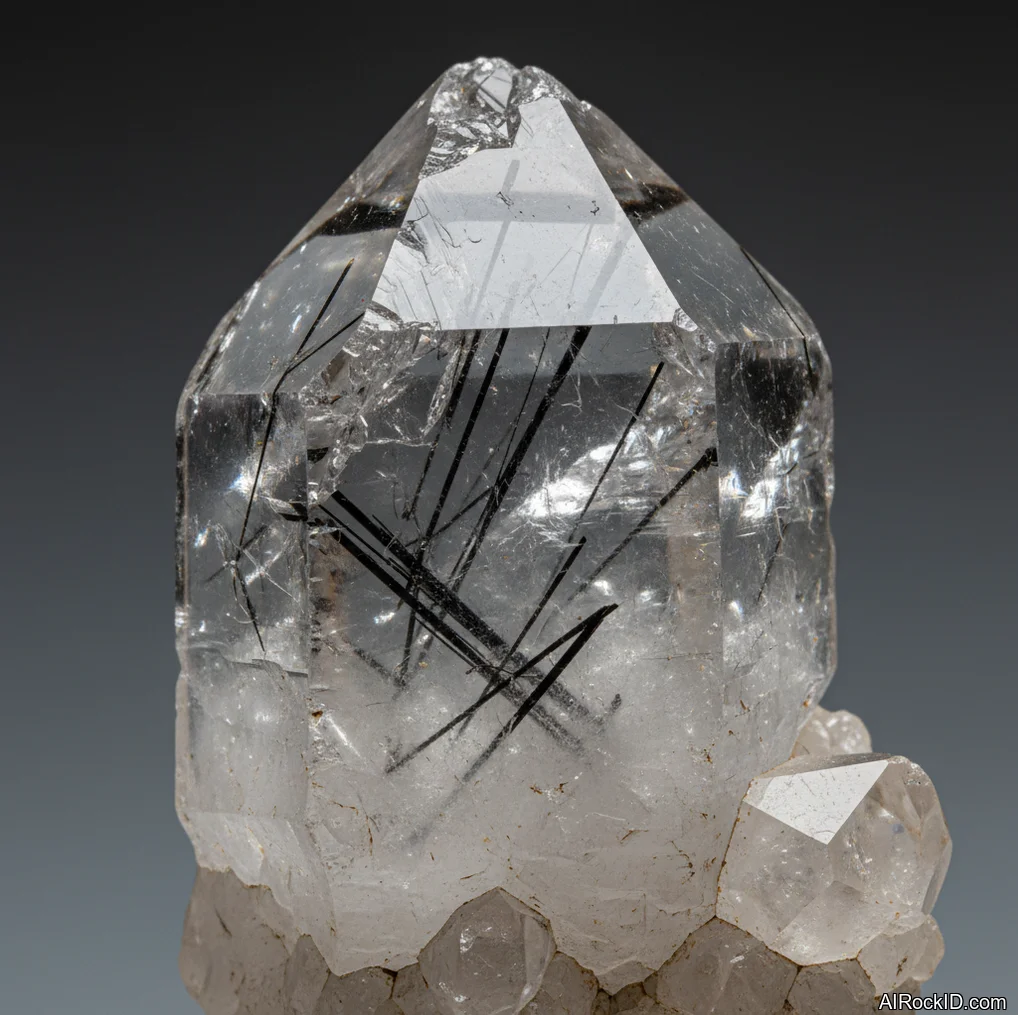
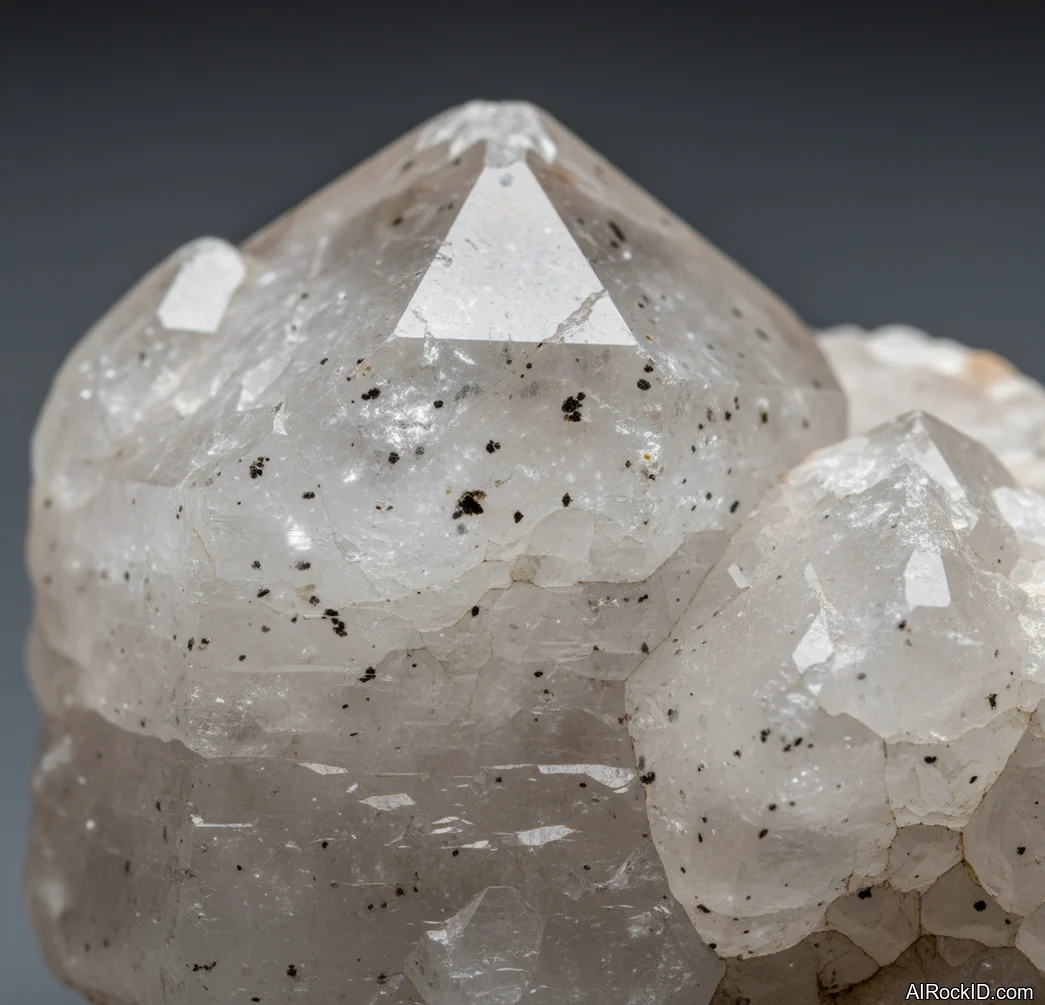
Guinea Fowl Quartz is a trade name for quartz (SiO2) with a guinea-fowl-style speckled look, caused by dark mineral inclusions scattered through lighter quartz.
Grab a palm stone and you notice it immediately: that quartz weight in your hand, and that cool, almost fridge-cold feel on your skin. And the pattern is the whole point. Peppery dots, tiny blotches, sometimes those faint wispy smears that honestly look like somebody flicked ink onto milky quartz and just let it land where it wanted. Most pieces I’ve handled have been tumbled smooth or cut into small freeforms (the kind that sit flat on a table), and the nicer ones have strong contrast without looking dyed or weirdly uniform.
People glance at it and call it “jasper” because of the spotting. But it doesn’t feel like jasper once you’re holding it. Quartz polish has that glassy shine, and on a cut piece the edges can feel a little sharper under your fingertip. So if you’ve ever chipped a quartz tumble, you’ve probably seen that curved, shell-like fracture. Guinea Fowl material does the same thing.
Origin & History
You won’t find “Guinea Fowl Quartz” listed as some old-school mineral species name in the classic books. It’s a newer marketplace label, the kind that shows up the same way “kiwi jasper” or “leopard skin jasper” did. A stone has a pattern that reminds someone of an animal, people start saying it out loud at shows, and then it just… sticks.
The “guinea fowl” bit comes straight from the bird’s feathers, with those tight black-and-white speckles that look almost like someone flicked ink across a pale surface. Dealers use the name for included quartz that matches that vibe, even when the exact inclusion mix changes from parcel to parcel (and it really does). So yeah, two pieces can both be sold under the same label and still only look like cousins, not twins. Why? Different inclusions, same general look.
Where Is Guinea Fowl Quartz Found?
Most material I see comes through Brazil and Madagascar supply chains, with occasional similar speckled included quartz sold from India and the western USA.
Formation
Quartz forms from silica-rich fluids that seep through cracks and little open pockets in rock. If the chemistry stays pretty steady, there’s room to grow, and nobody rushes it, the quartz will crystallize out.
But if, while that’s happening, the fluid is carrying fine-grained dark material, think tiny needles, little grains, even small clots of other minerals, you end up with that peppered look people sell as Guinea Fowl.
Look, if you’ve got a polished face and you hold it under a lamp, you can sometimes pick out what kind of black you’re seeing. Some of it looks “grainy,” like someone shook pepper into the stone, and that’s usually small mineral grains that got trapped as the quartz grew. And some of it looks “hairy” (almost like faint, dark threads), which can be needle inclusions or fibrous clumps. Either way, that pattern is basically a frozen snapshot of whatever was drifting around in the growth environment at the time.
How to Identify Guinea Fowl Quartz
Color: Base color runs milky white to pale gray quartz with scattered black to very dark gray specks, dots, or small patches. Some pieces show a faint smoky tint in the lighter areas.
Luster: Vitreous to slightly waxy on tumbled surfaces, with a glassy shine on clean polished faces.
Pick up the piece and tilt it under overhead light. Quartz gives a clean, glassy flash, while many true jaspers look more muted and waxy. If you scratch it with a steel nail, it won’t bite, but it will scratch common window glass without much effort. The problem with some “guinea fowl” material is dye jobs on porous rock; real quartz stays cool to the touch and doesn’t show color bleeding around pits or fractures.
Properties of Guinea Fowl Quartz
Physical Properties
| Crystal System | Trigonal |
| Hardness (Mohs) | 7 (Hard (6-7.5)) |
| Density | 2.65 g/cm3 |
| Luster | Vitreous |
| Diaphaneity | Transparent to translucent |
| Fracture | Conchoidal |
| Streak | White |
| Magnetism | Non-magnetic |
| Colors | white, milky white, light gray, smoky gray, black, dark gray |
Chemical Properties
| Classification | Silicates |
| Formula | SiO2 |
| Elements | Si, O |
| Common Impurities | Fe, Mn, Ti, Al, C |
Optical Properties
| Refractive Index | 1.544-1.553 |
| Birefringence | 0.009 |
| Pleochroism | None |
| Optical Character | Uniaxial |
Guinea Fowl Quartz Health & Safety
Handling it is pretty low risk, and a quick splash of water won’t hurt anything. Thing is, the real worry is breathing in super-fine silica dust if you cut it or grind it. That’s the part you don’t want in your lungs.
Safety Tips
If you’re cutting, shaping, or polishing, keep it wet and wear the right respirator, because you really don’t want to be breathing in silica dust (it hangs in the air longer than you’d think).
Guinea Fowl Quartz Value & Price
Price Range
Rough/Tumbled: $5 - $40 per tumbled stone or palm stone
Cut/Polished: $1 - $8 per carat
Thing is, price tracks contrast and pattern more than anything else. So if the color’s even, the speckling is tight, and the polish is that mirror-like high gloss you can practically see the shop lights in, the cost climbs fast. But the muddy gray stuff ends up in the bargain bins.
Durability
Very Durable — Scratch resistance: Excellent, Toughness: Good
Quartz is stable in normal home conditions, but sharp impacts can still chip edges and bruises will show as white marks on polished pieces.
How to Care for Guinea Fowl Quartz
Use & Storage
Store it where harder stones won’t bang into softer ones, even though quartz holds up well. I still keep polished pieces in a small cloth bag because chips happen when boxes get tossed around.
Cleaning
1) Rinse with lukewarm water and a drop of mild soap. 2) Use a soft toothbrush to get into pits and around inclusions. 3) Pat dry with a towel and let it air dry before putting it back in a bag or display.
Cleanse & Charge
If you do energy-style cleansing, a quick rinse and a wipe-down works fine, or set it on a windowsill for indirect light. Don’t bake it in full sun for days just to be safe with any included material.
Placement
On a desk it reads like a calm, speckled neutral, kind of like stone countertop vibes. Under a warm lamp the black specks pop more than under cold LEDs.
Caution
Skip harsh acids, and don’t toss it in an ultrasonic cleaner if it’s already got fractures or a bunch of included seams you can see running through it when you tilt it under a lamp. Those seams love to grab stress, and the vibration can finish the job. And if you’re shopping for one, keep an eye out for dyed “speckled” stones being sold under the same name (you’ll sometimes spot the color concentrated in tiny pits or along those little crack lines).
Works Well With
Guinea Fowl Quartz Meaning & Healing Properties
Most people who pick up Guinea Fowl Quartz fall for the texture first, and yeah, I get why. That speckling just settles you down in a very basic, practical way, like staring at a chunk of granite or smooth river stones when your brain won’t quit. In my own stash, it’s the piece I reach for when I want something neutral that doesn’t yell from across the room.
Folks usually file it under “grounding plus clarity” because, at the end of the day, it’s still quartz. But it doesn’t have that clean, icy look you get from clear quartz points. This one reads more like organized mess. Pale body, little dark flecks caught inside. If you meditate with stones, it’s handy for staying present, mostly because your eyes keep landing on new tiny details, so your thoughts don’t drift off as easily. (And you end up turning it in your fingers without even thinking about it.)
But look, let’s be honest: none of that is medical. If you like how it looks, that’s plenty. And from a collector’s angle, the best “benefit” is how easy it is to live with on a shelf. It sits next to louder minerals without starting a fight, even if your display is a chaotic pile of tourmaline, calcite, and whatever you dragged home from the last show. How many stones can do that?
Identify Any Crystal Instantly
Snap a photo and get properties, value, care instructions, and healing meanings in seconds.