Lava Rock
What Is Lava Rock?
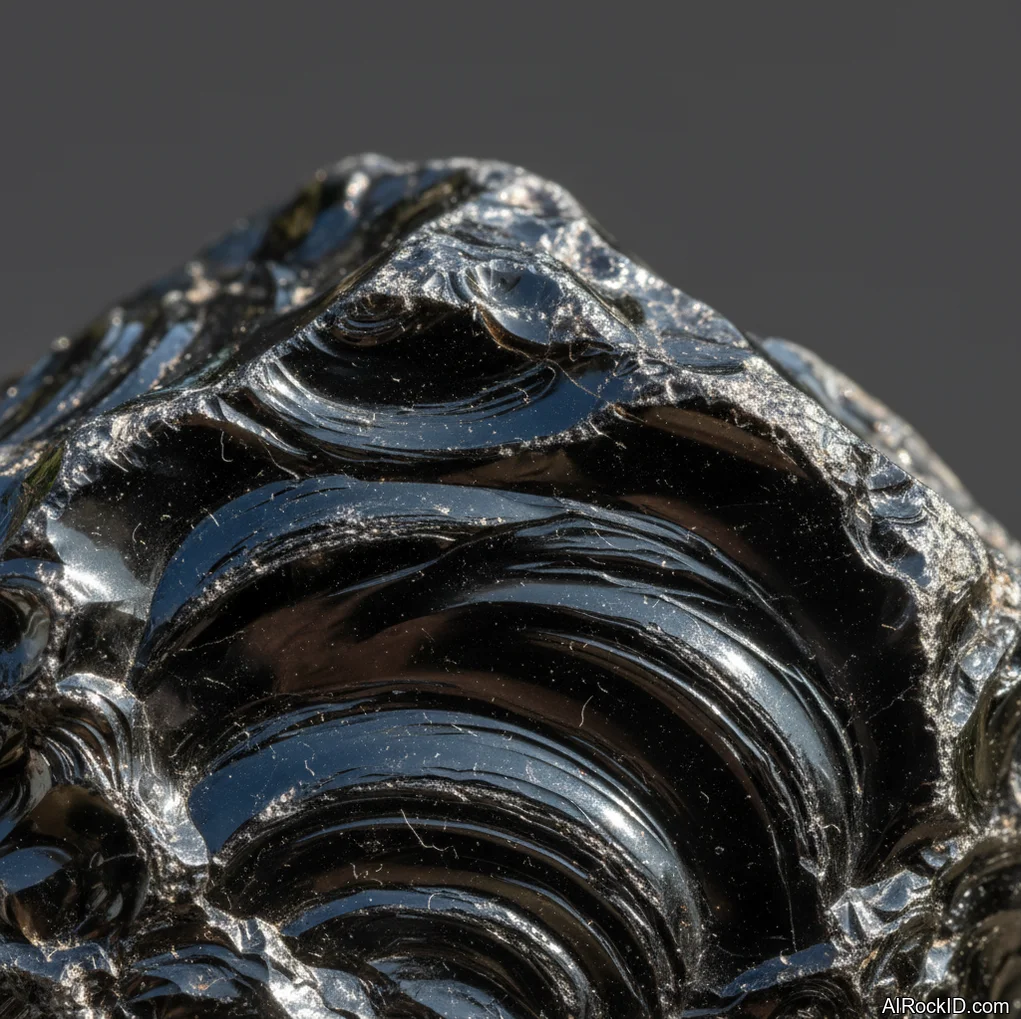
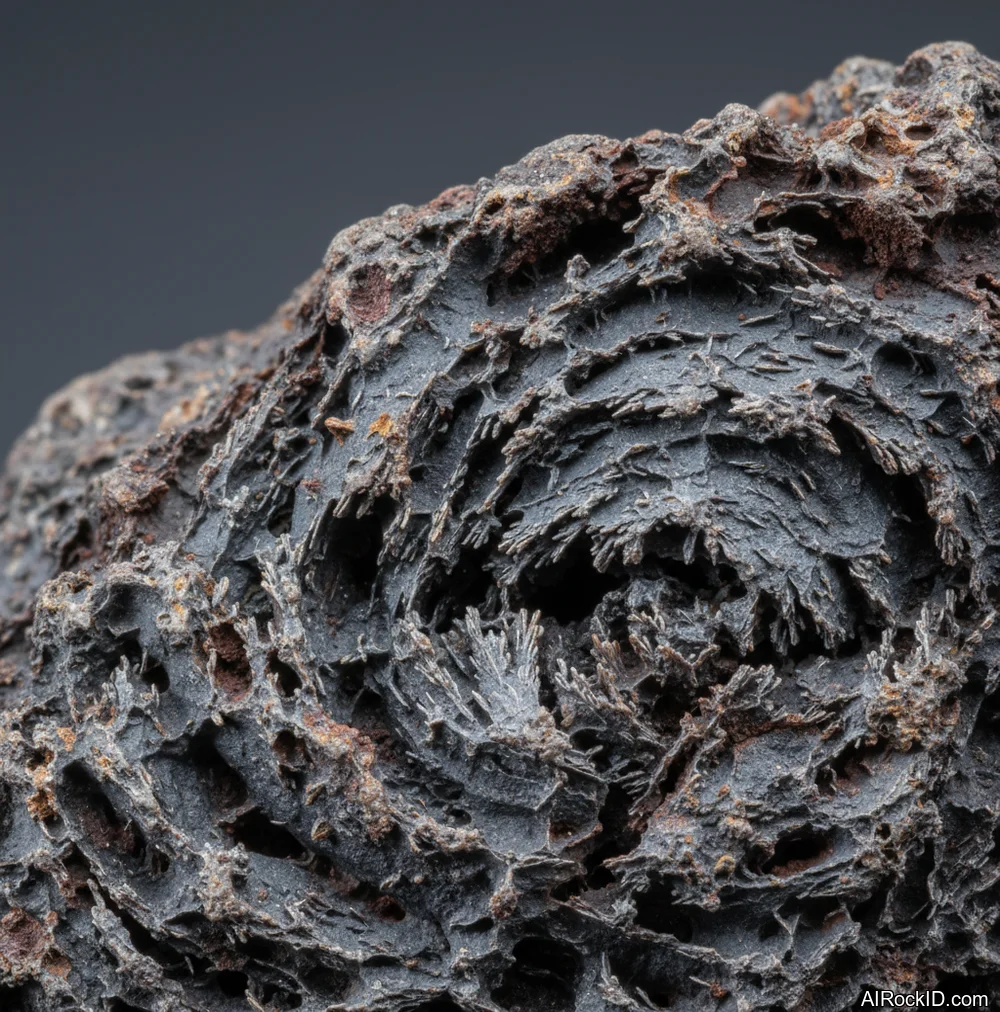
Lava rock is a porous volcanic rock that forms when erupted lava cools and hardens, usually as basalt or scoria.
Grab a piece and you feel it right away. Rough. Pitted. Those tiny holes catch on your fingertips, kind of like a pumice stone that didn’t get the memo about floating. Some pieces are weirdly light for how big they look because they’re packed with old gas bubbles. But then you’ll find a chunk that feels denser and tighter in your palm when the bubbles are smaller and it’s more basalt-like.
Most folks take one look and go, “black rock.” But it’s not that simple. There’s charcoal, brown-black, rusty red scoria, and every so often a greenish tint when it’s olivine-rich. Sure, you can get tumbled lava rock, but raw is really the whole point. Why sand off the evidence? The natural surface pretty much tells the entire story.
Origin & History
“Lava” slid into English from Italian, where people used it for those rivers of molten rock pouring out of volcanoes. You start seeing it in scientific writing in the 1700s, right around when volcanology was getting itself sorted out as an actual field. “Basalt” got pinned down as a formal rock name in the late 1700s, and Abraham Gottlob Werner is usually the one credited with really pushing it in geology. And “scoria” comes from the Latin word for “slag,” which fits, because it’s been the go-to term for that frothy, cindery stuff piled up around vents for a long time.
But collectors didn’t need a lab label to get why this material matters. People have used lava as building stone and grinding stone, and in some places even as early cutting tools, mostly because it’s easy to find near volcanic fields and it’s easy to shape when it snaps along those rough surfaces (the kind that chew up your fingertips if you handle it too fast). Why reinvent the wheel when the ground is basically handing you sharp, workable rock?
Where Is Lava Rock Found?
Lava rock occurs in volcanic regions worldwide, especially around basaltic lava flows, cinder cones, and recent or historic volcanic fields.
Formation
Look at the holes for a second and you’re basically staring at the cooling history in plain sight. Lava starts out carrying dissolved gases. Then it erupts, the pressure drops fast, and that gas pops out of solution, forming bubbles. The rock freezes before the bubbles can wiggle their way out. So you end up with vesicles, anywhere from tiny pinpricks to pea-sized cavities.
Basaltic lava is usually runnier than sticky rhyolite, so it tends to spread out in flows and cool into dense basalt or vesicular basalt. Scoria sits on the frothier, cindery end of that range, and it’s commonly tied to fire fountains and cinder cones. And here’s a little collector tip from handling a bunch of pieces at shows (and getting rock dust all over my fingertips): scoria almost always feels lighter and kind of scratchy, while dense basalt feels smoother and more “stone-like,” even when the surface is still rough. Who’d guess a texture check could tell you so much?
How to Identify Lava Rock
Color: Most lava rock sold in shops is black to dark gray, with scoria often trending reddish-brown from iron oxidation. Fresh breaks can look darker than weathered surfaces.
Luster: Luster is dull to earthy, sometimes slightly waxy on smoother basalt surfaces.
If you rub your thumb across it, real lava rock has that dry, abrasive drag and the pores don’t look drilled or uniform. The real test is weight and structure: vesicular pieces feel lighter than a same-sized chunk of granite, but not as light as plastic. If you see perfectly round holes in a very uniform bead, that’s often manufactured material or heavily processed aggregate, not a natural chunk.
Properties of Lava Rock
Physical Properties
| Crystal System | Amorphous |
| Hardness (Mohs) | 5.5-6.5 (Medium (4-6)) |
| Density | 2.6-3.0 |
| Luster | Dull |
| Diaphaneity | Opaque |
| Fracture | Uneven |
| Streak | gray |
| Magnetism | Weakly Magnetic |
| Colors | black, dark gray, brown-black, reddish brown |
Chemical Properties
| Classification | Silicates |
| Formula | No single formula (rock mixture; commonly plagioclase + pyroxene ± olivine + volcanic glass) |
| Elements | Si, O, Al, Fe, Mg, Ca, Na, K, Ti |
| Common Impurities | Mn, P, H2O |
Optical Properties
| Refractive Index | 1.50-1.60 |
| Birefringence | None |
| Pleochroism | None |
| Optical Character | Isotropic |
Lava Rock Health & Safety
For most people, just handling it is pretty low risk. But if it’s broken up or you’ve drilled into it, it can kick off a gritty dust that gets in your lungs and stings your eyes. And if your fingers come away with that black residue (you’ll see it right away), go wash your hands.
Safety Tips
If you’re going to cut it, drill it, or grind it, do it wet and put on a respirator plus eye protection. That dust’s gritty and abrasive, and it’ll get everywhere fast.
Lava Rock Value & Price
Price Range
Rough/Tumbled: $2 - $20 per piece
Price mostly comes down to size, how uniform the piece is, and whether it’s been cleaned up and shaped neatly enough for décor or jewelry. And yeah, red scoria or anything with weird, eye-catching texture usually goes for more than plain black vesicular basalt.
Durability
Moderate — Scratch resistance: Fair, Toughness: Fair
It’s generally stable, but the porous structure chips and crumbles easier than dense igneous rocks when it takes a hard knock.
How to Care for Lava Rock
Use & Storage
Store it in a box or tray where it won’t scrape softer stones; those pores act like sandpaper. If it’s a bead bracelet, keep it away from delicate metal chains that can get scuffed.
Cleaning
1) Rinse under lukewarm water to flush grit out of the pores. 2) Scrub gently with a soft brush and a drop of mild soap. 3) Rinse well and air-dry fully so moisture doesn’t sit in the cavities.
Cleanse & Charge
Smoke cleansing and sound work well since the surface holds onto dust and oils. If you use water, dry it completely because pores stay damp longer than you think.
Placement
It does well on an entry table or near plants since it looks natural and doesn’t mind normal humidity. Just don’t put it where it’ll shed grit onto polished wood or acrylic shelves.
Caution
Don’t go at it with an aggressive ultrasonic cleaner. And don’t grind it indoors unless you’ve got real dust control, because that fine grit ends up on the floor, in your hair, in the vents, everywhere. Thing is, porous pieces can catch on fabric (you’ll feel it snag on a sleeve) and they can scratch softer gemstones.
Works Well With
Lava Rock Meaning & Healing Properties
Next to shiny things like quartz points, lava rock feels blunt. Practical, too. It looks warm, but when you pick it up it’s usually just room-cool, and that little mismatch is exactly why people grab it when they want something that feels steady and real.
I’ve watched this happen a bunch of times at the counter. Someone’s been hovering over sparkly towers for ten minutes, eyes darting around, hands kind of tense. Then I put a chunk of lava rock in their palm. You can see it. Their shoulders drop. They notice the weight right away, and that gritty, almost sandpapery surface (the kind that catches slightly on dry fingertips) pulls them out of their head.
In crystal tradition, lava rock gets linked with grounding, stability, and getting back into your body. I’m not calling it medicine, and I don’t think a rock fixes your life by itself. But as a routine tool? It’s solid. Those little pores will hold essential oils (if you’re into that), and the texture makes it easy to use as a tactile cue during breathwork or meditation. You can literally feel where your fingers are. No guessing.
But there’s a catch people don’t mention much. That same porosity that makes it handy also means it hangs onto skin oils, lotion, and perfume. After a few weeks in a pocket, it can start to smell weird or get shiny in spots like it’s been lightly polished. A quick wash helps, and if you’re using oils, keep it to a tiny amount or it’ll go rancid in the pores. (Yeah, it happens.)
Identify Any Crystal Instantly
Snap a photo and get properties, value, care instructions, and healing meanings in seconds.