Sacral Chakra Crystals
Learn Sacral Chakra crystals, meanings, and how to use Carnelian, Orange Calcite, Sunstone, and more for balance and creativity.
Think orange. Fastest shortcut into Sacral Chakra crystal work.
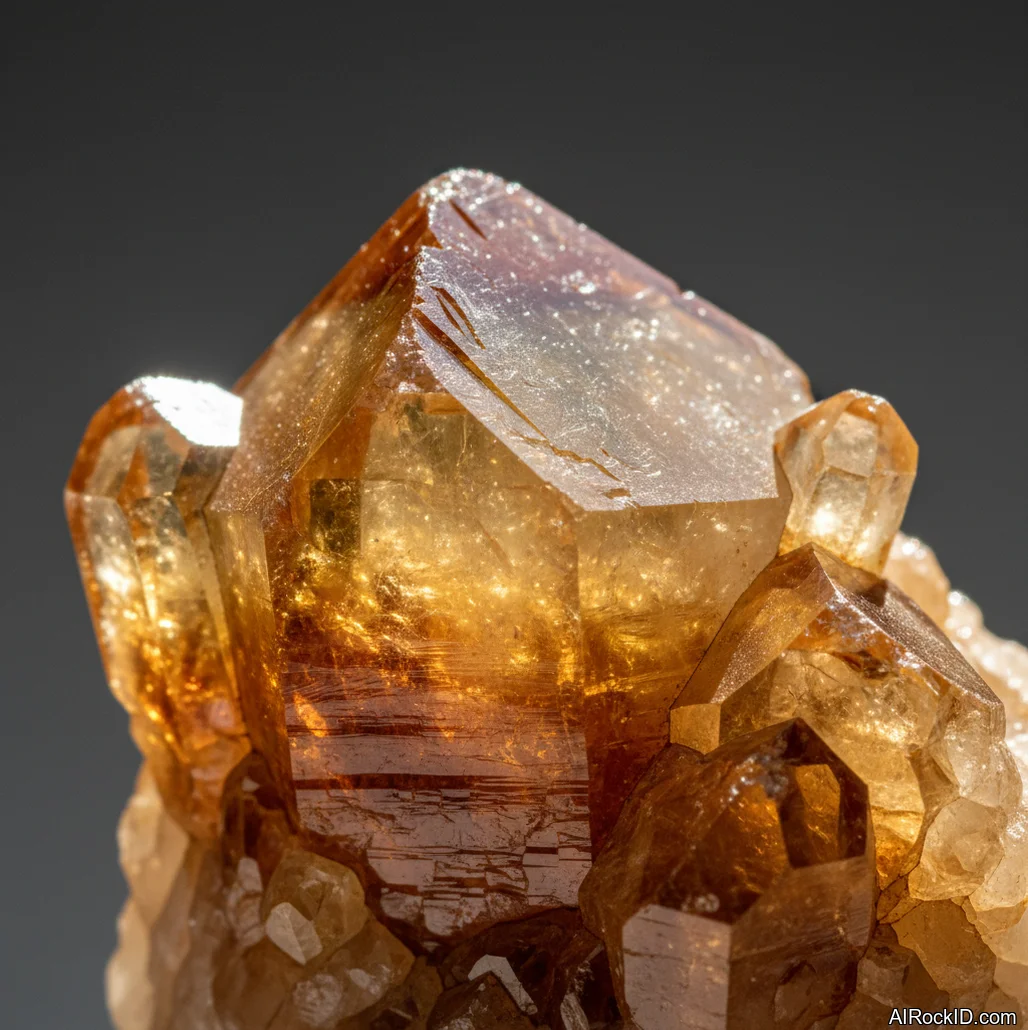
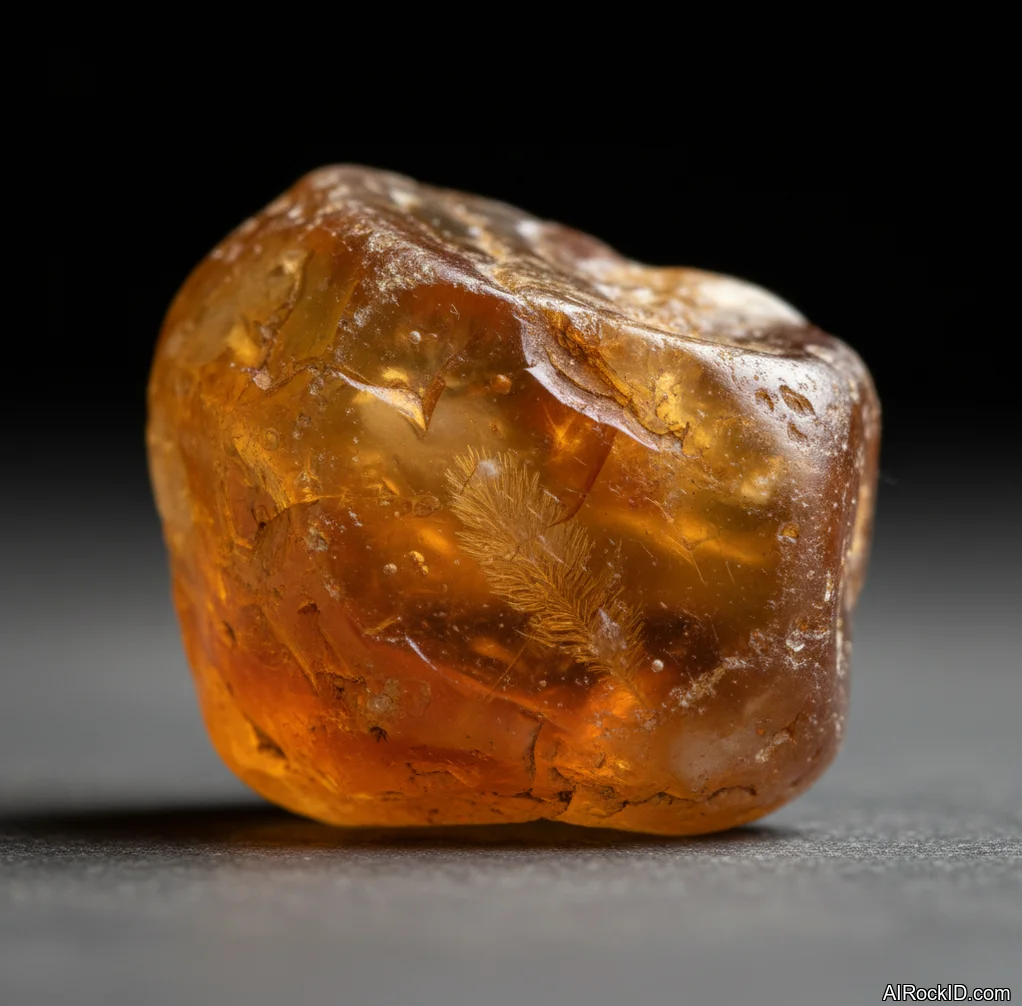
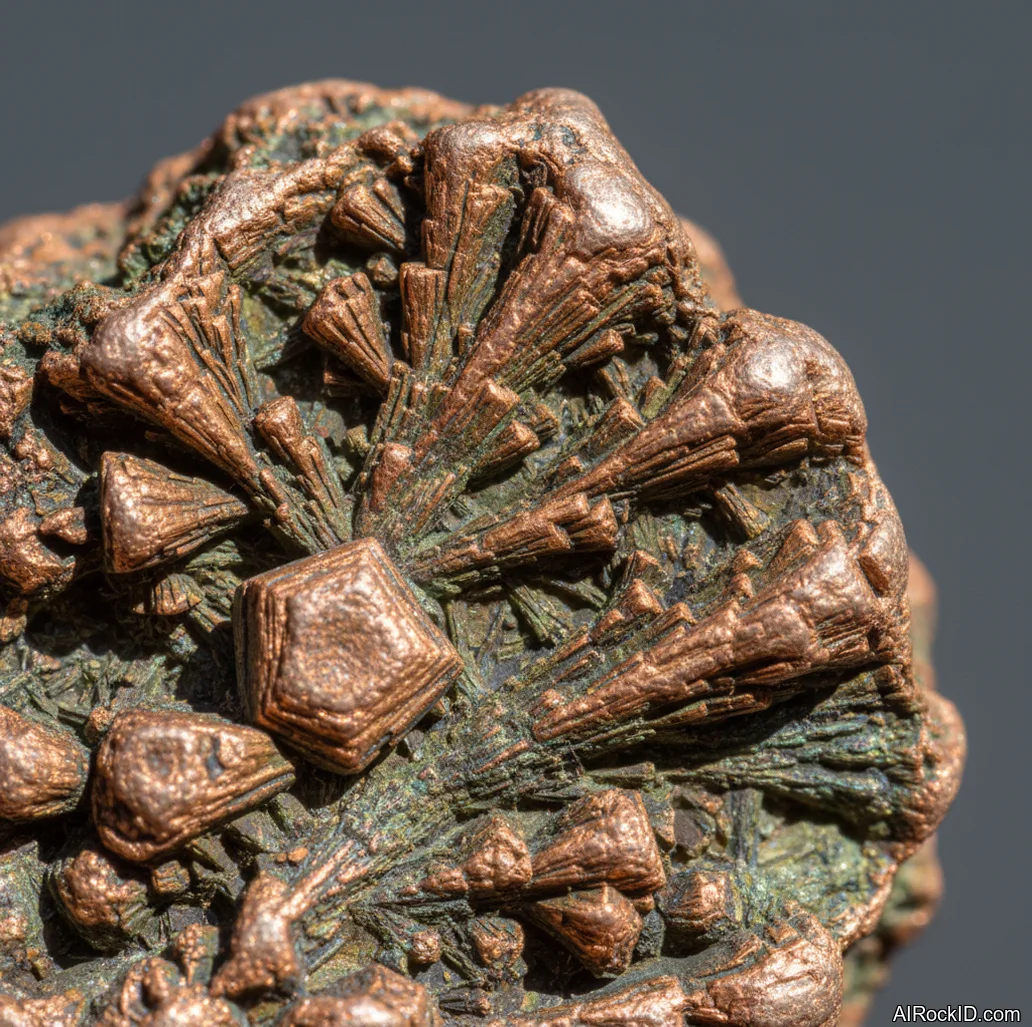
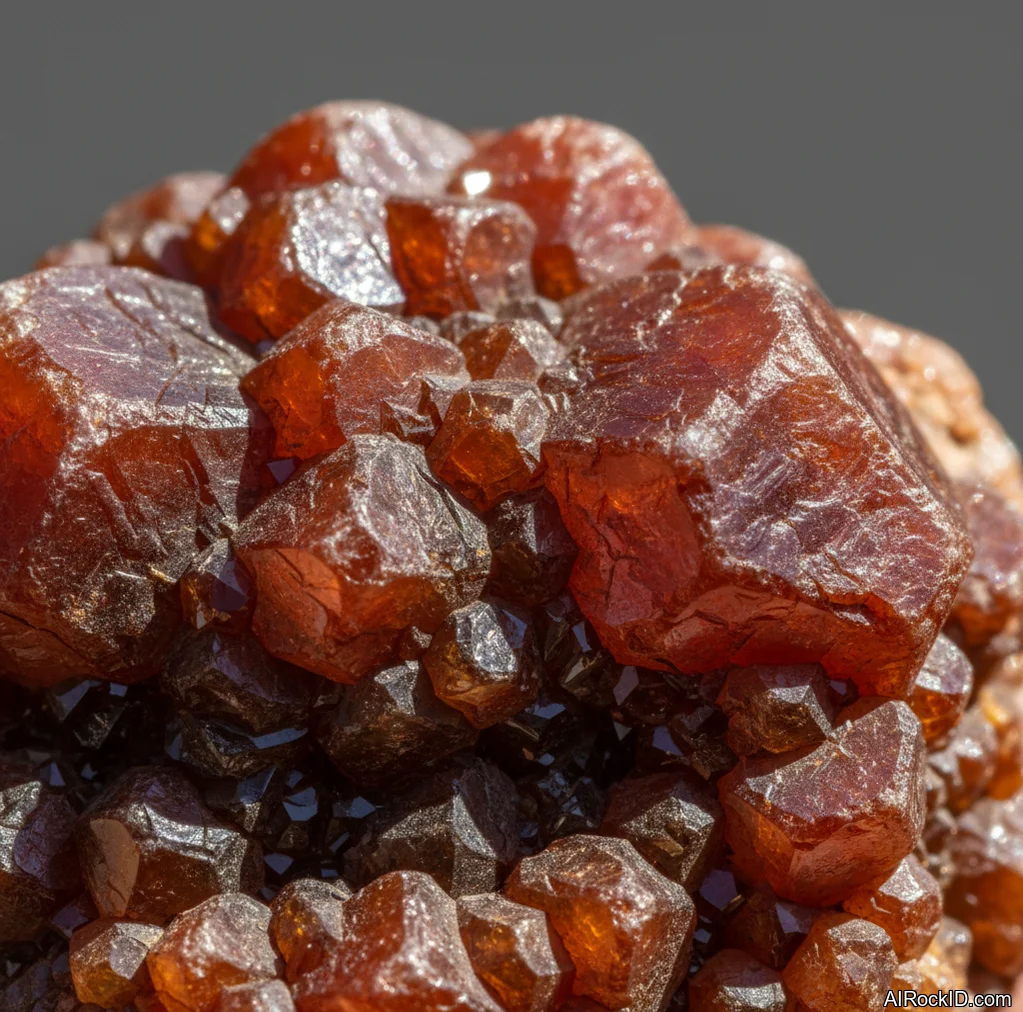
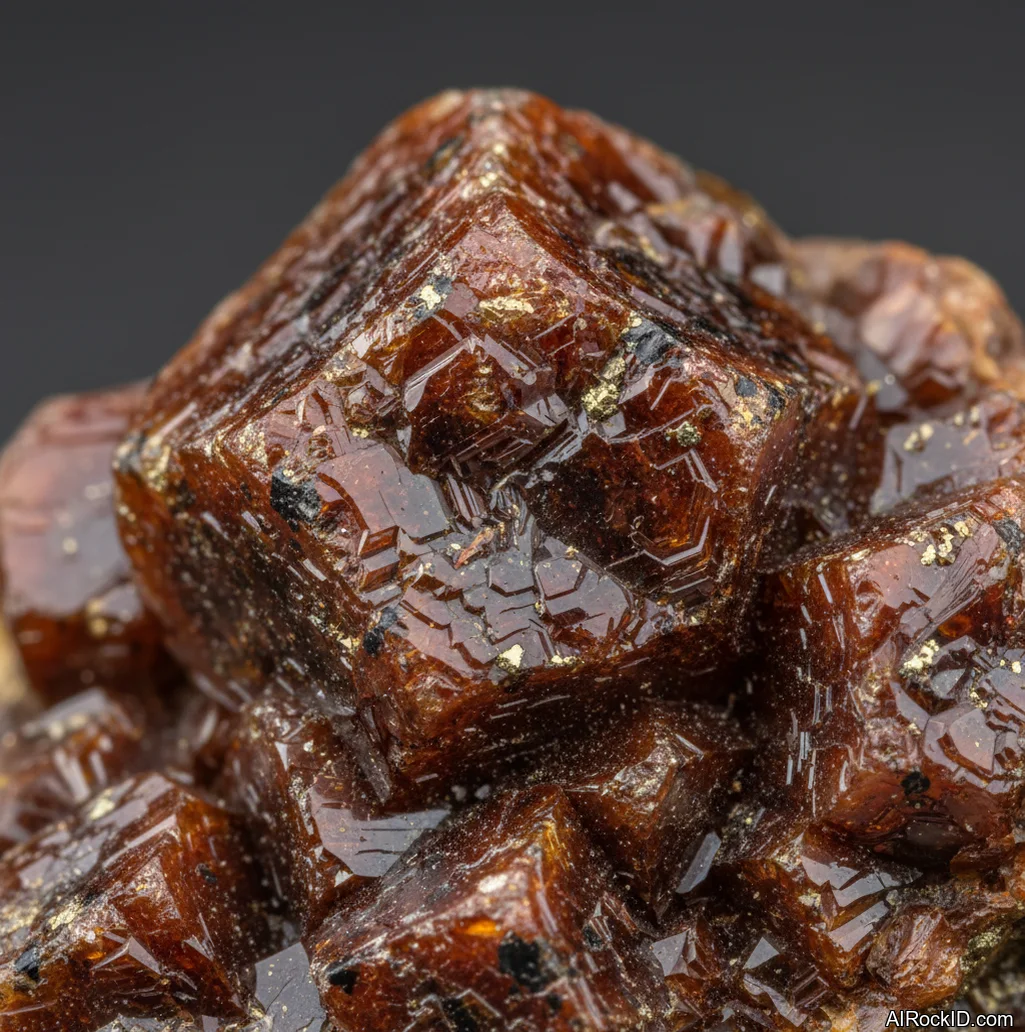
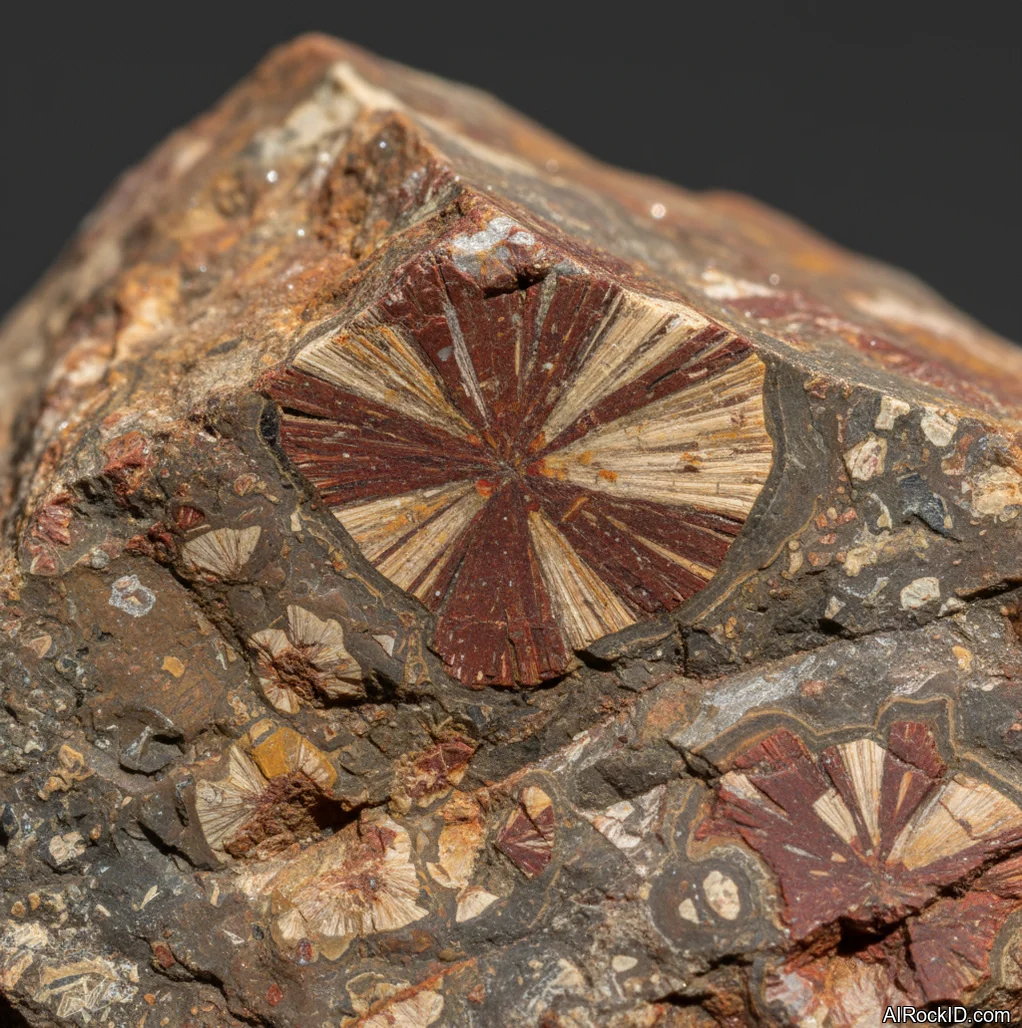
In most crystal-healing shops, the Sacral Chakra gets mapped to the lower belly area, a couple fingers below the navel. And it’s tied to creativity, pleasure, emotional flow, plus the push-pull of relationships. In crystal terms, that usually means stones that look warm, feel smooth in the hand, and are easy to carry without turning your pocket into a rock tumbler.
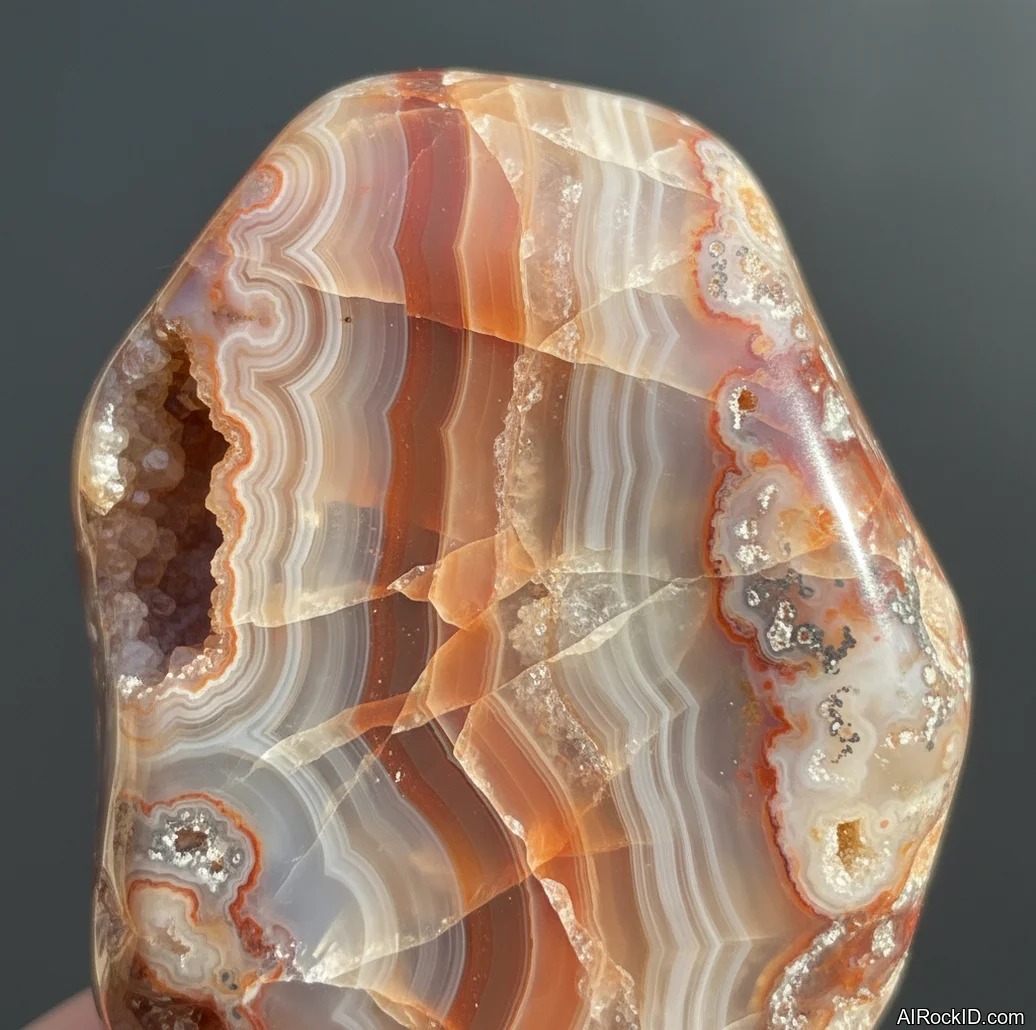
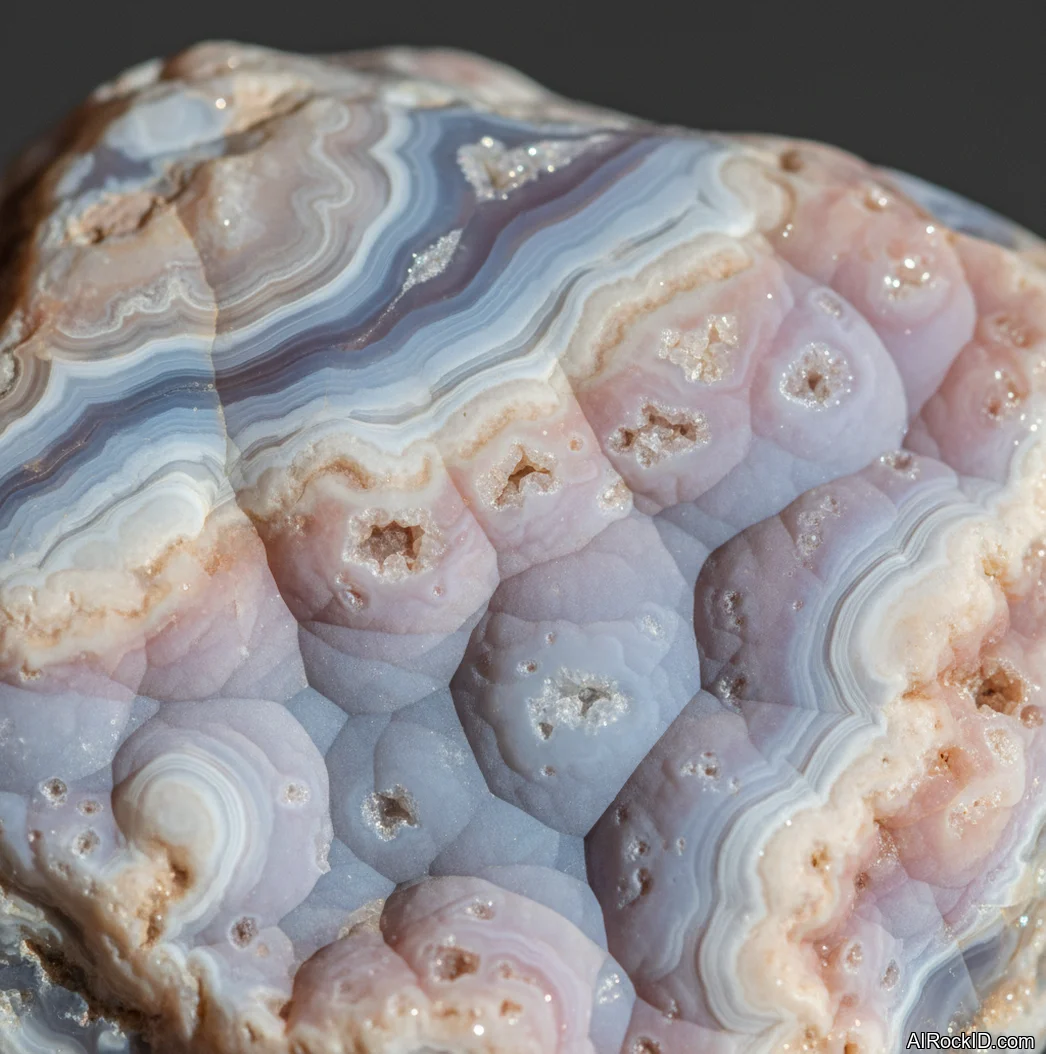
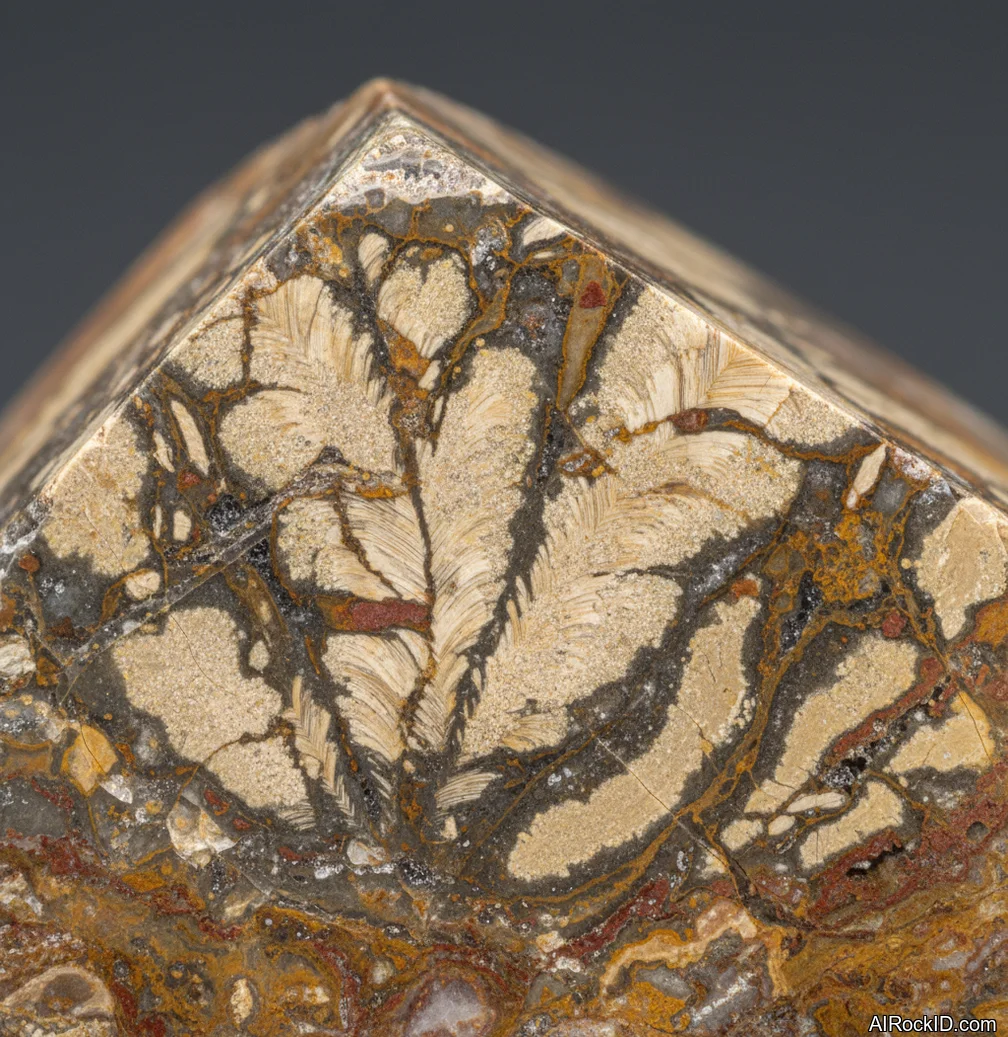
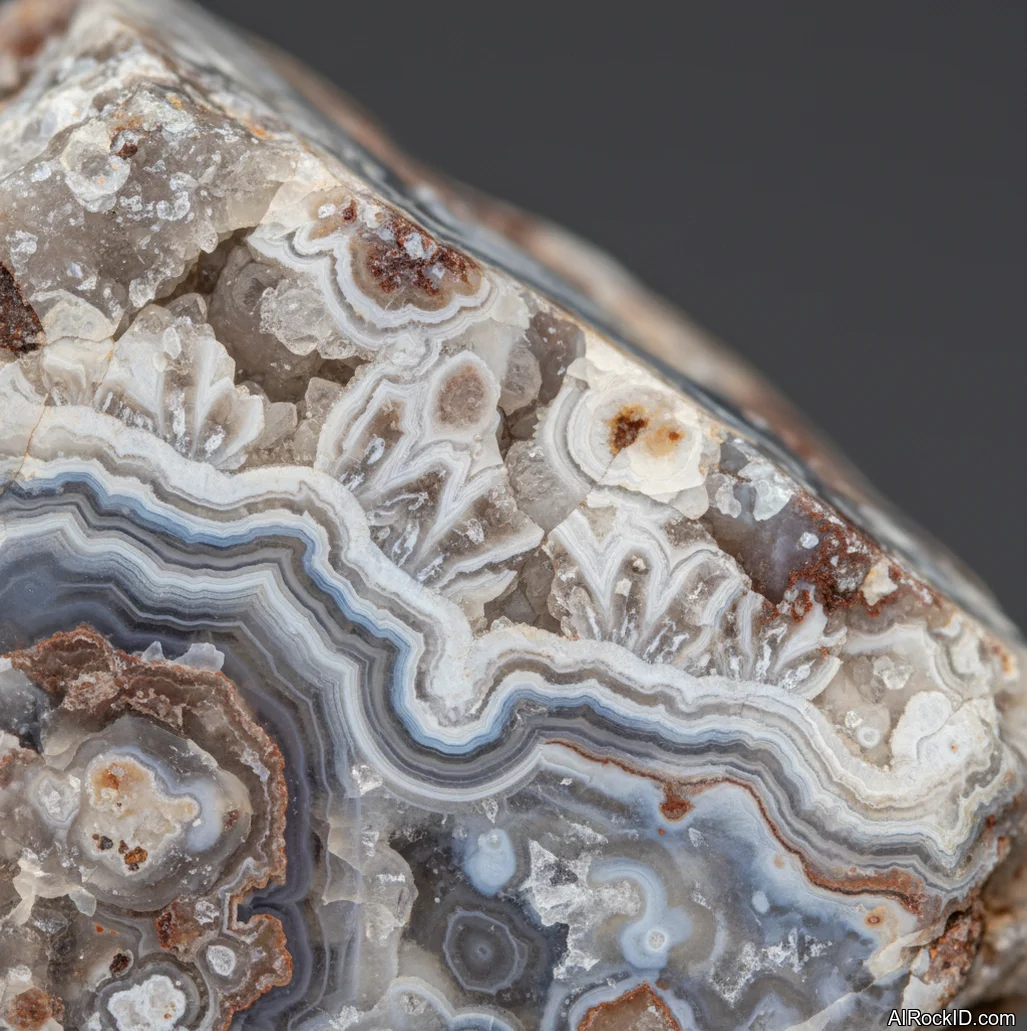
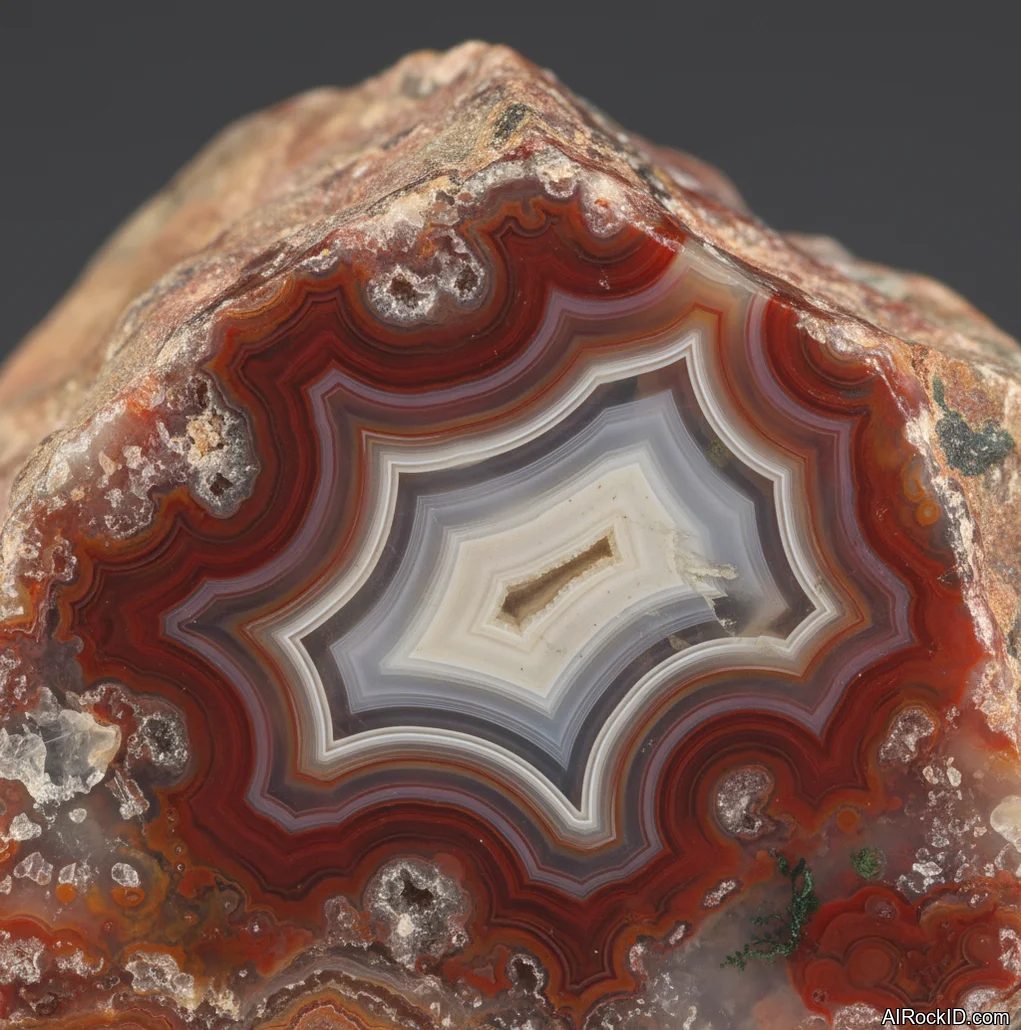
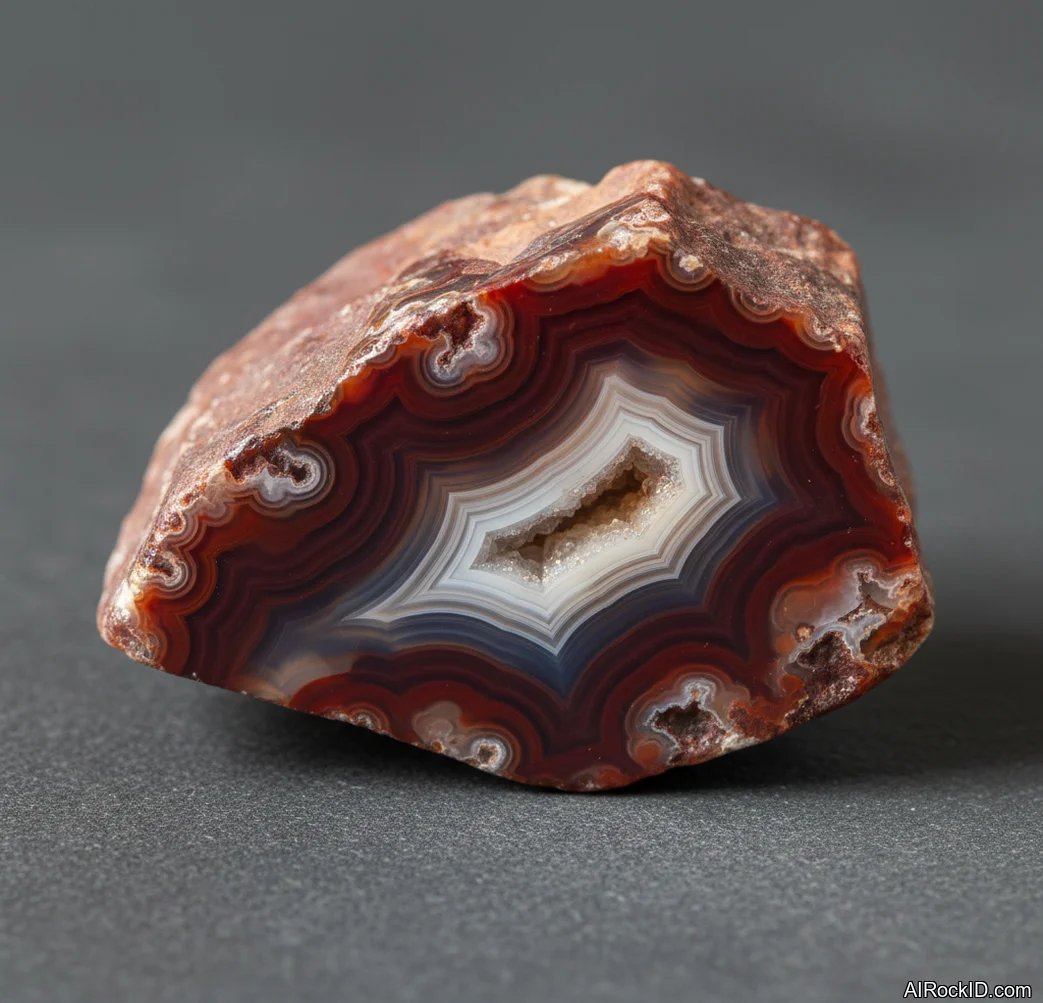
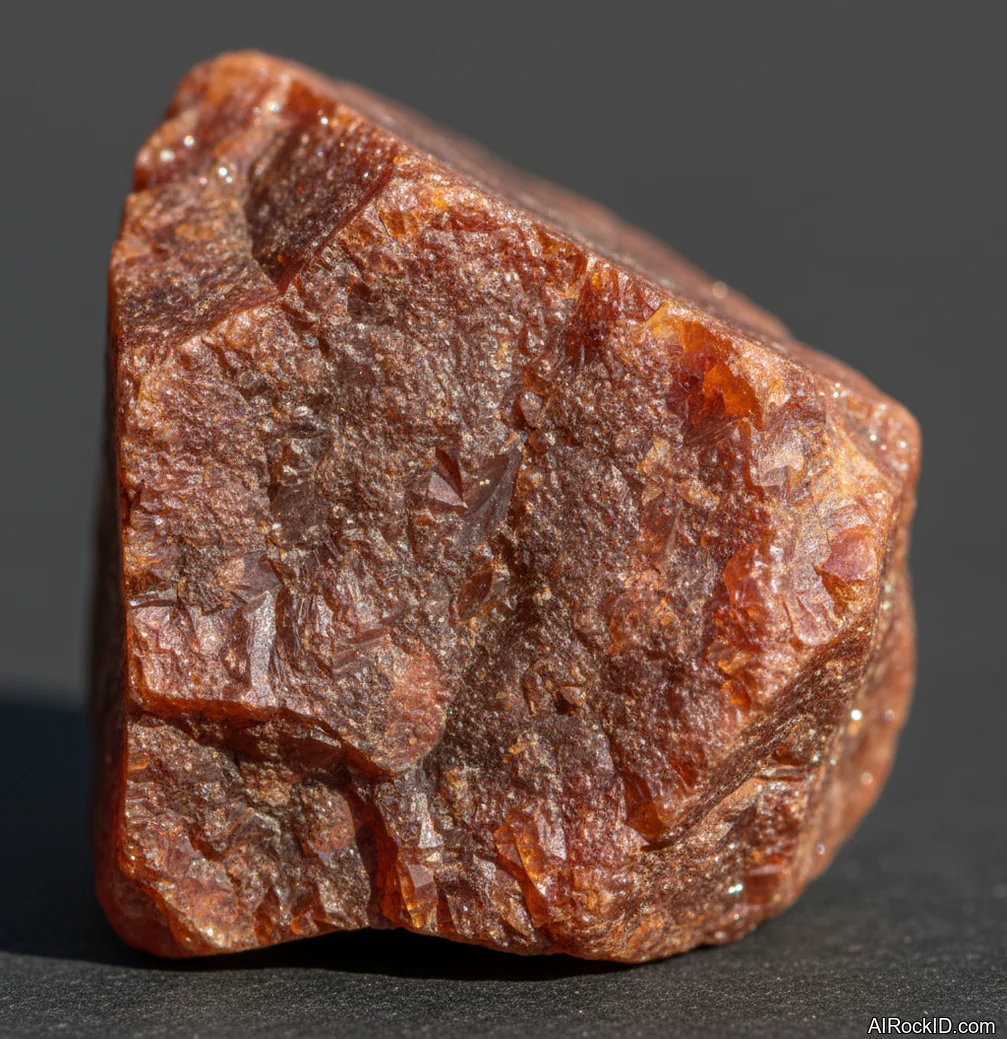
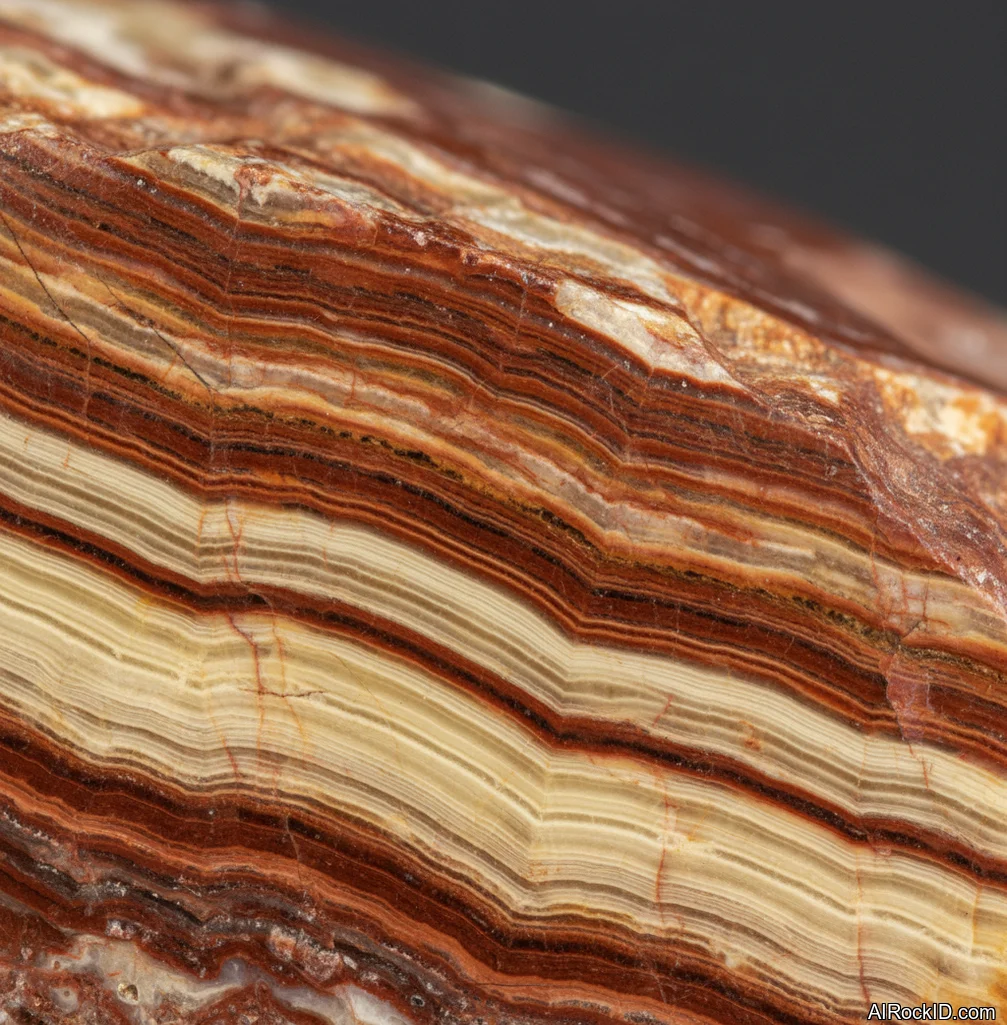
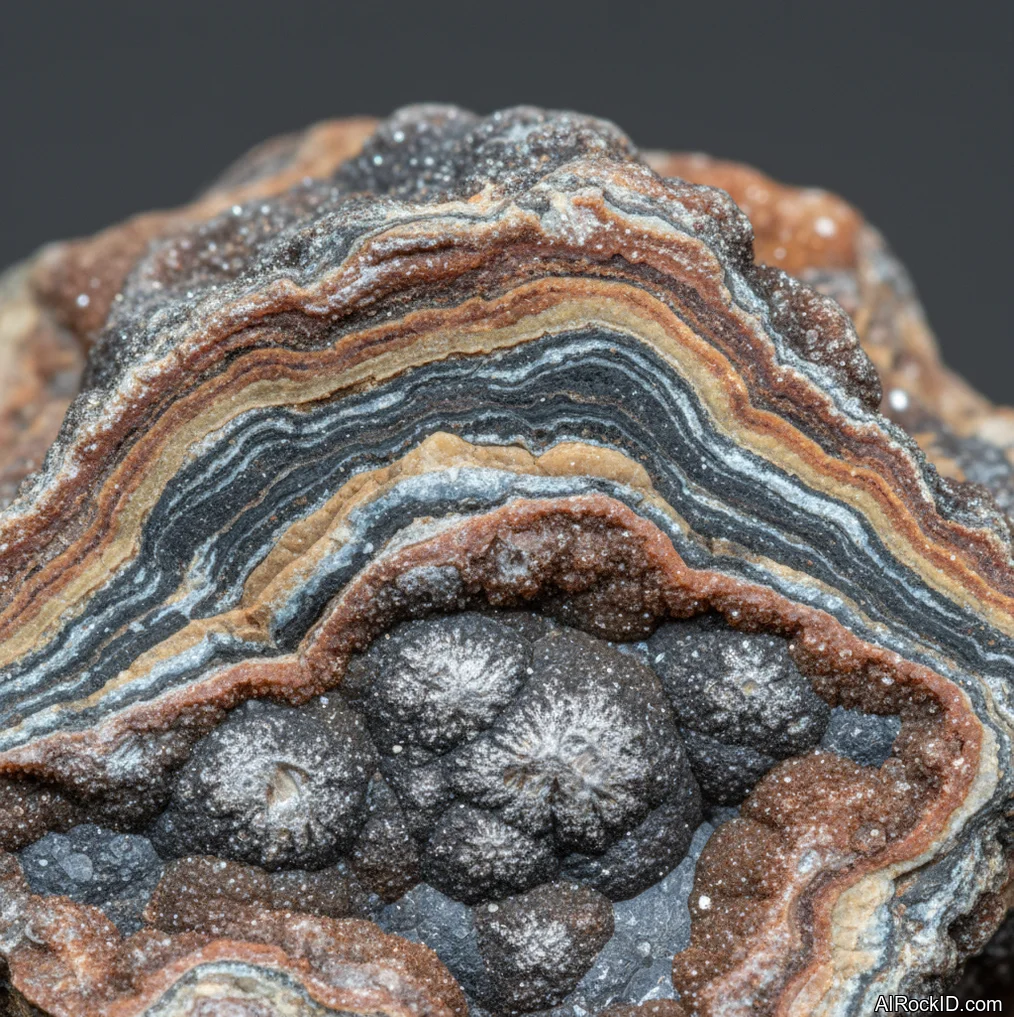
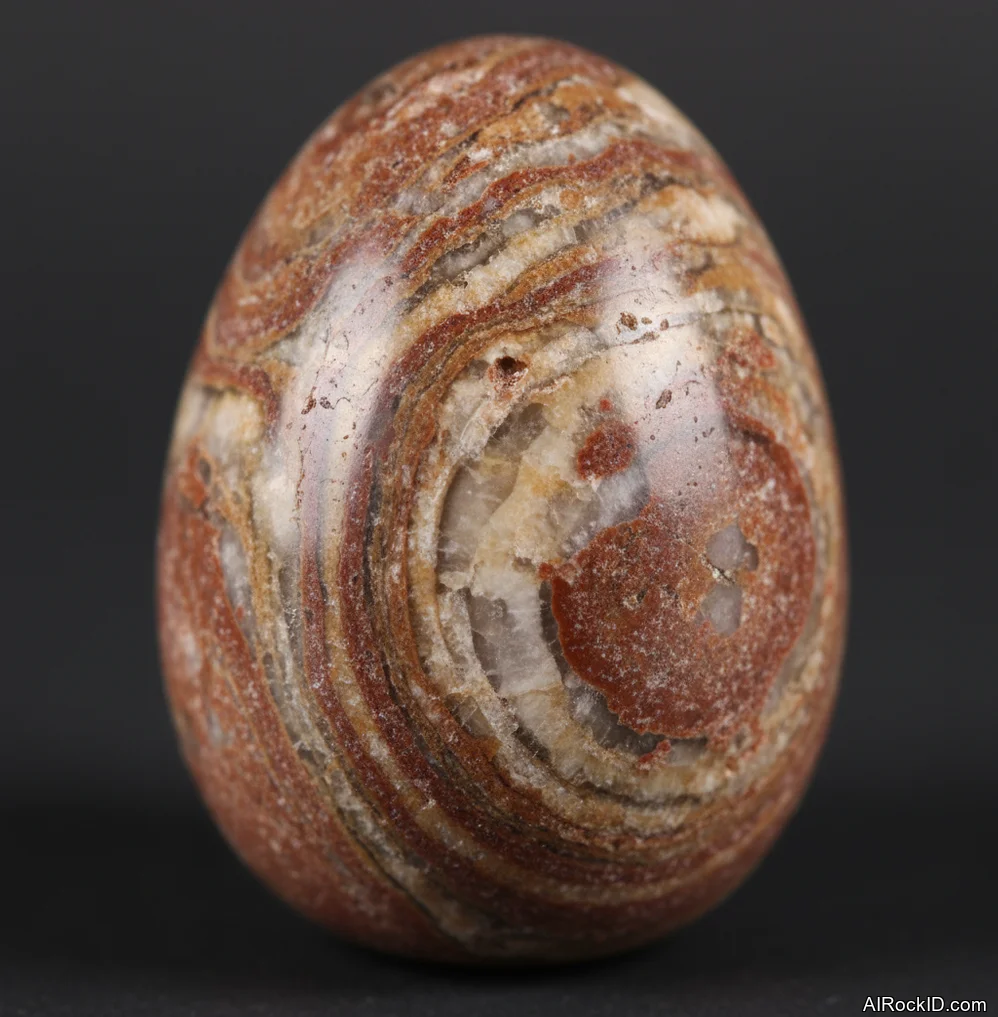
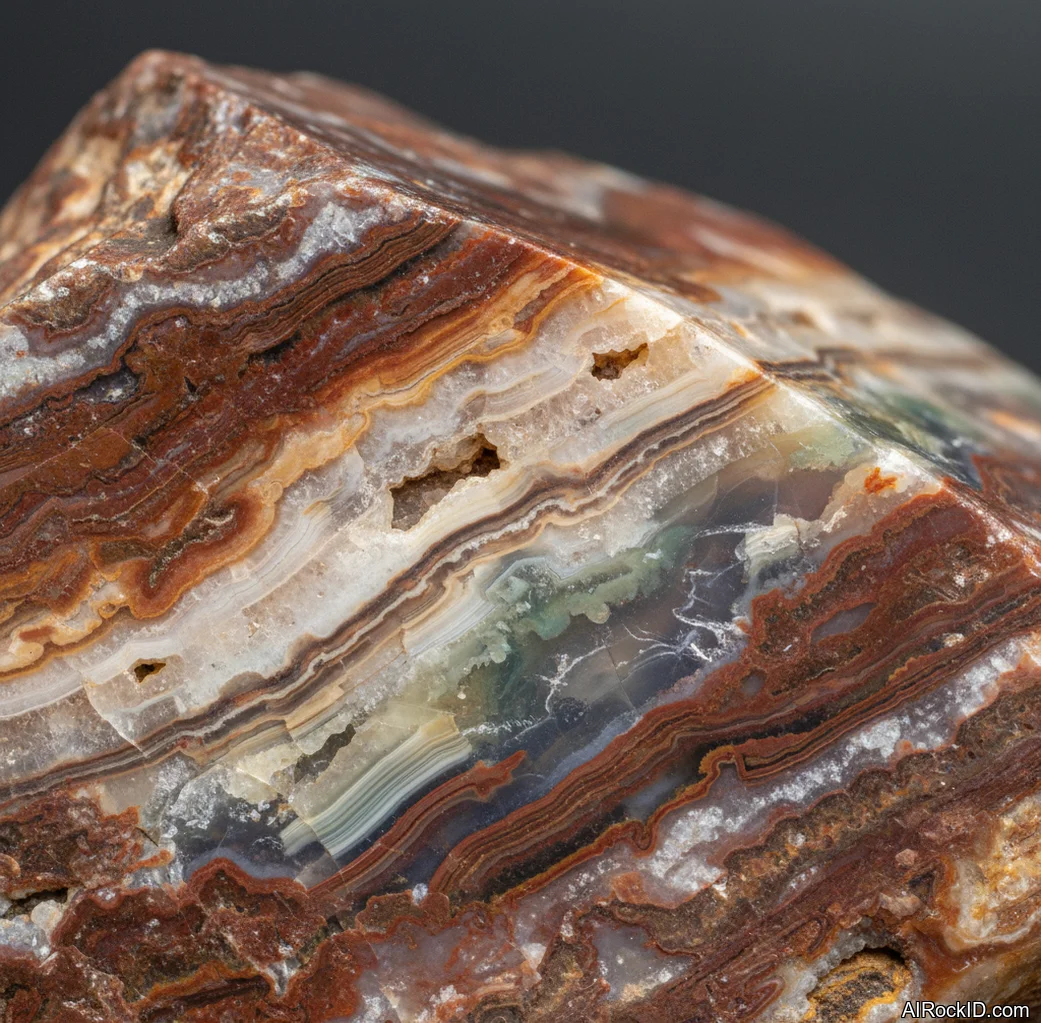
Pick up a good Carnelian and you’ll see why it’s the poster child. Real carnelian has a waxy luster, not a glassy one, and the color often shows cloudy layers if you hold it up to a bright phone light. A palm stone feels dense for its size. It stays cool at first touch, then warms up fast once you’ve been holding it.
But yeah, I’ve handled plenty of dyed agate sold as “carnelian” too. The giveaway? Color that’s too loud and too even, with bright orange bleeding into tiny cracks or drill holes.
People reach for Sacral Chakra crystals when they feel stuck. Not in some lofty, mystical way. More like no spark, no appetite for making things, a flat mood, or that tight little knot in the gut when you’re trying to talk about feelings and nothing comes out right. A stone doesn’t replace therapy or sleep or food (obviously). But it can be a physical anchor, something you can touch that reminds you to unclench your jaw, breathe lower, and stop living in your head for five minutes.
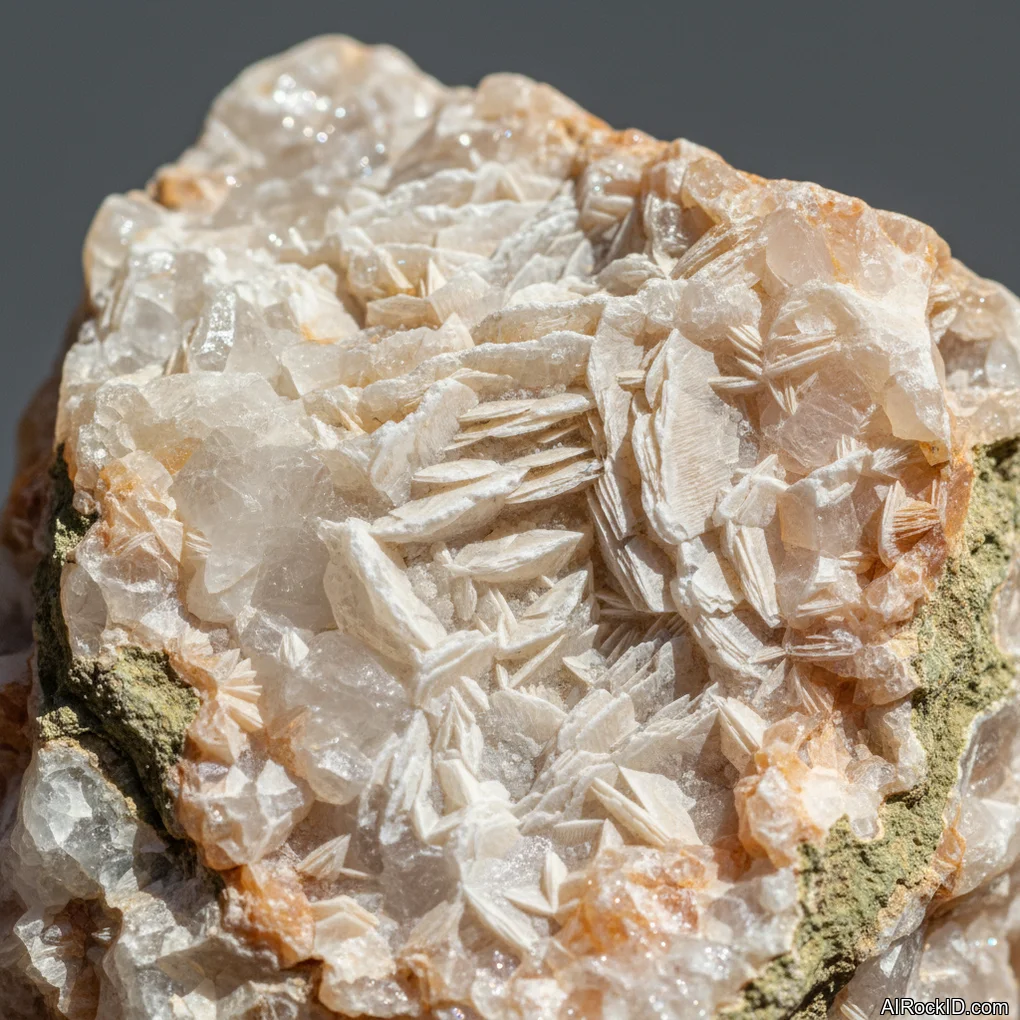
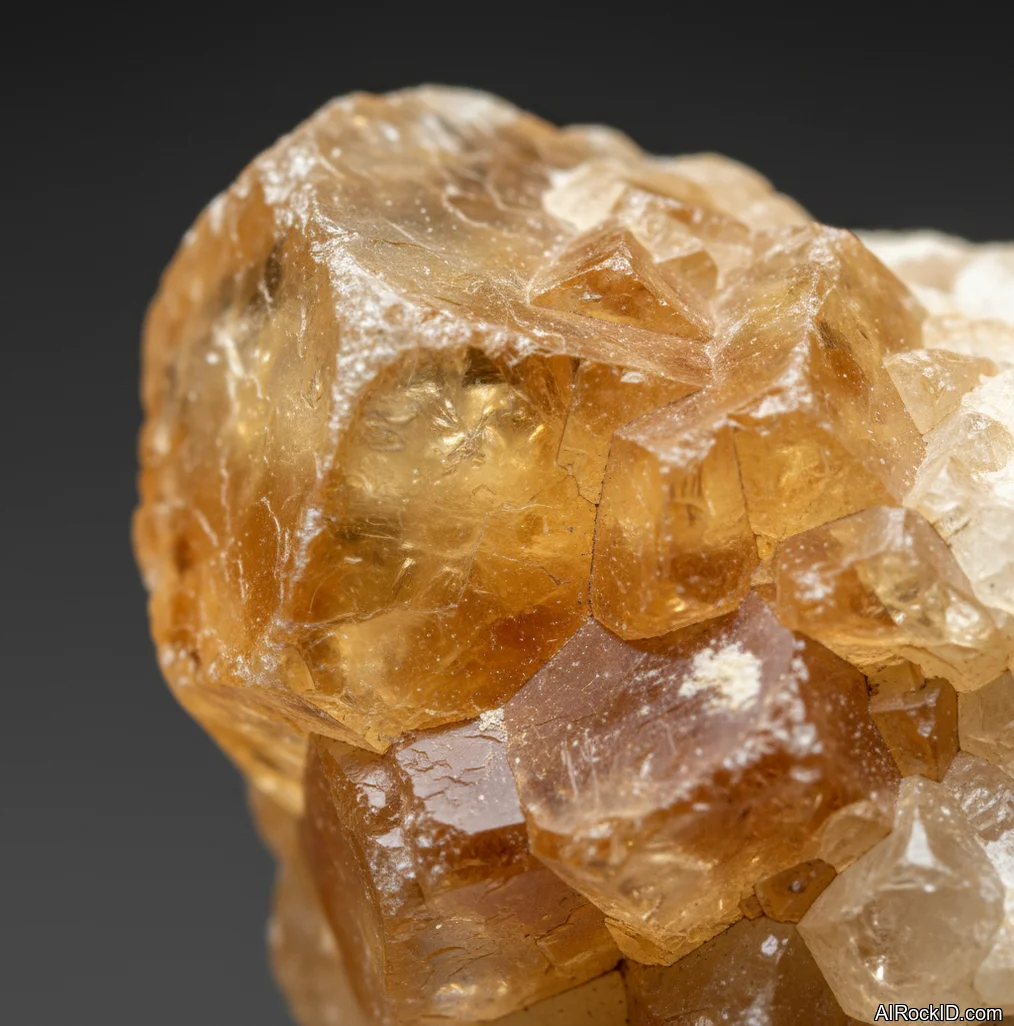
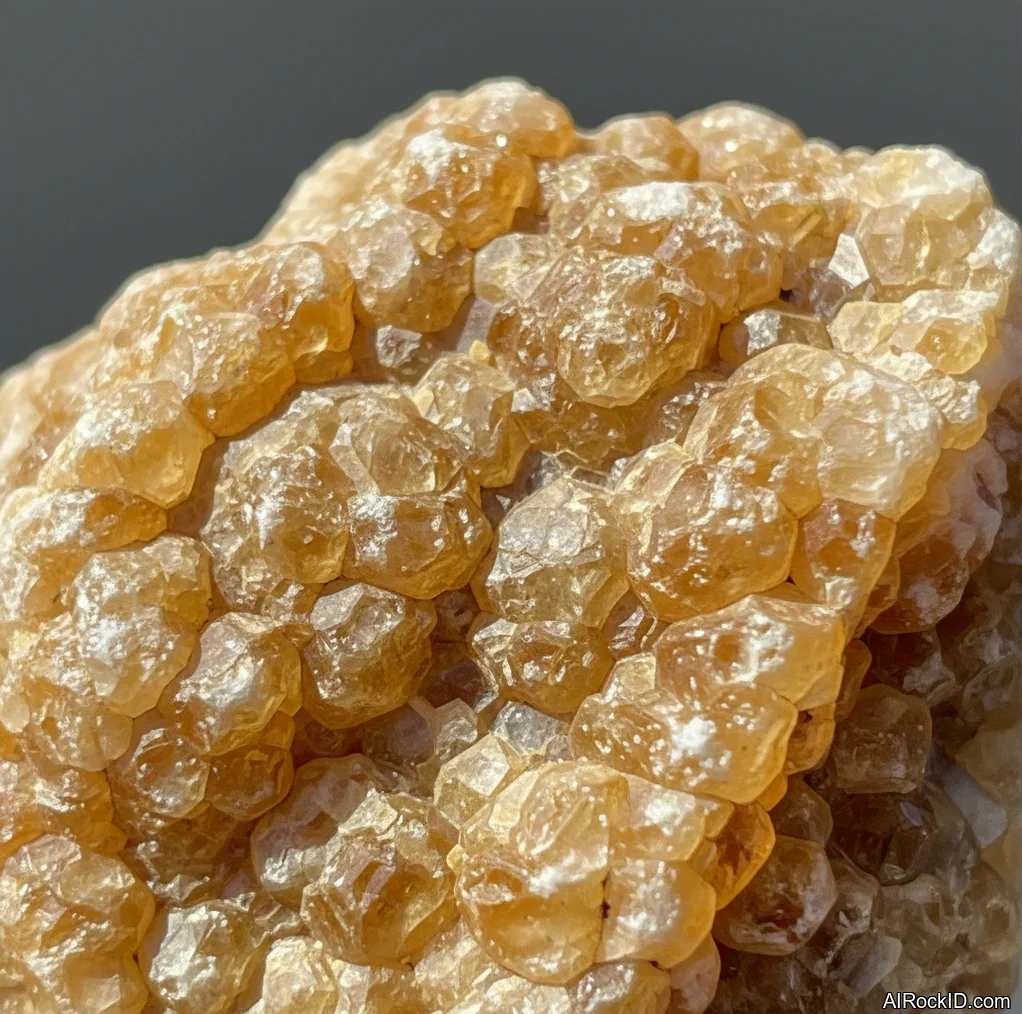
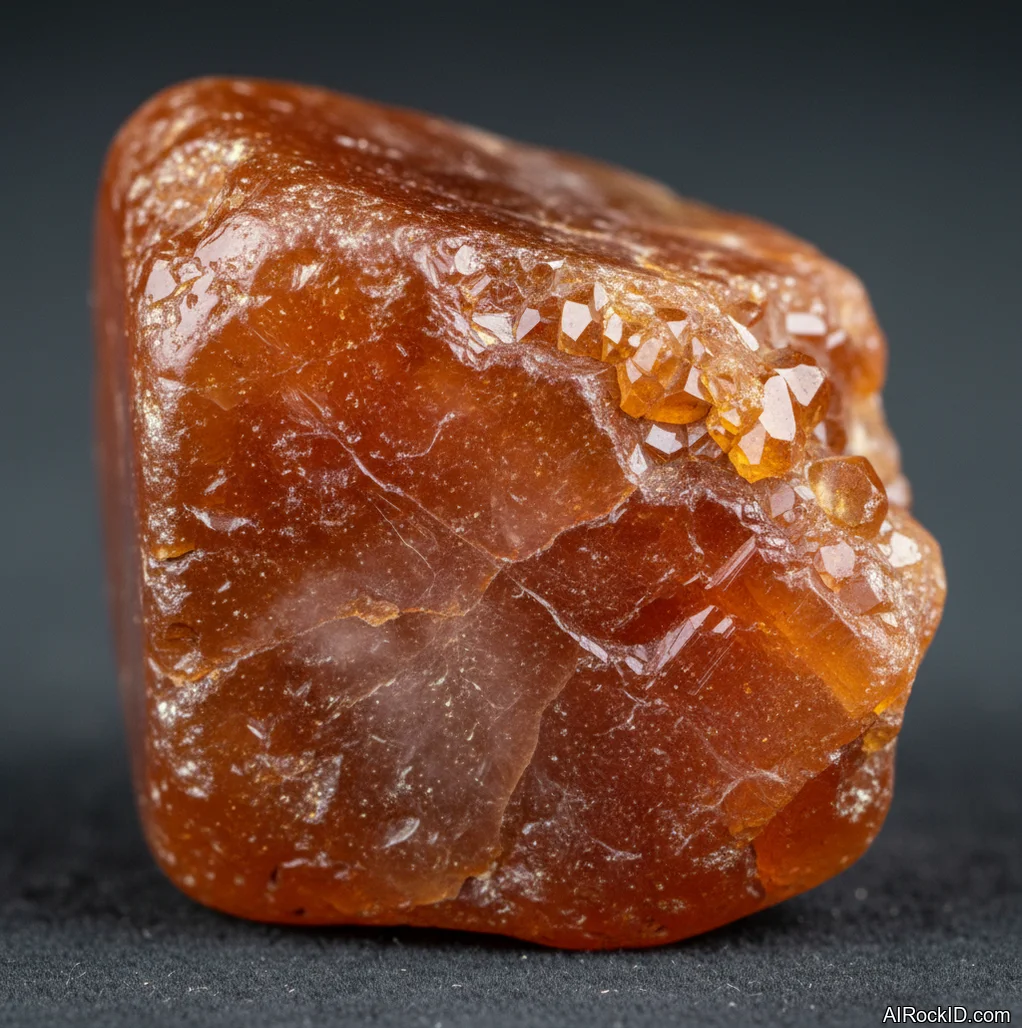
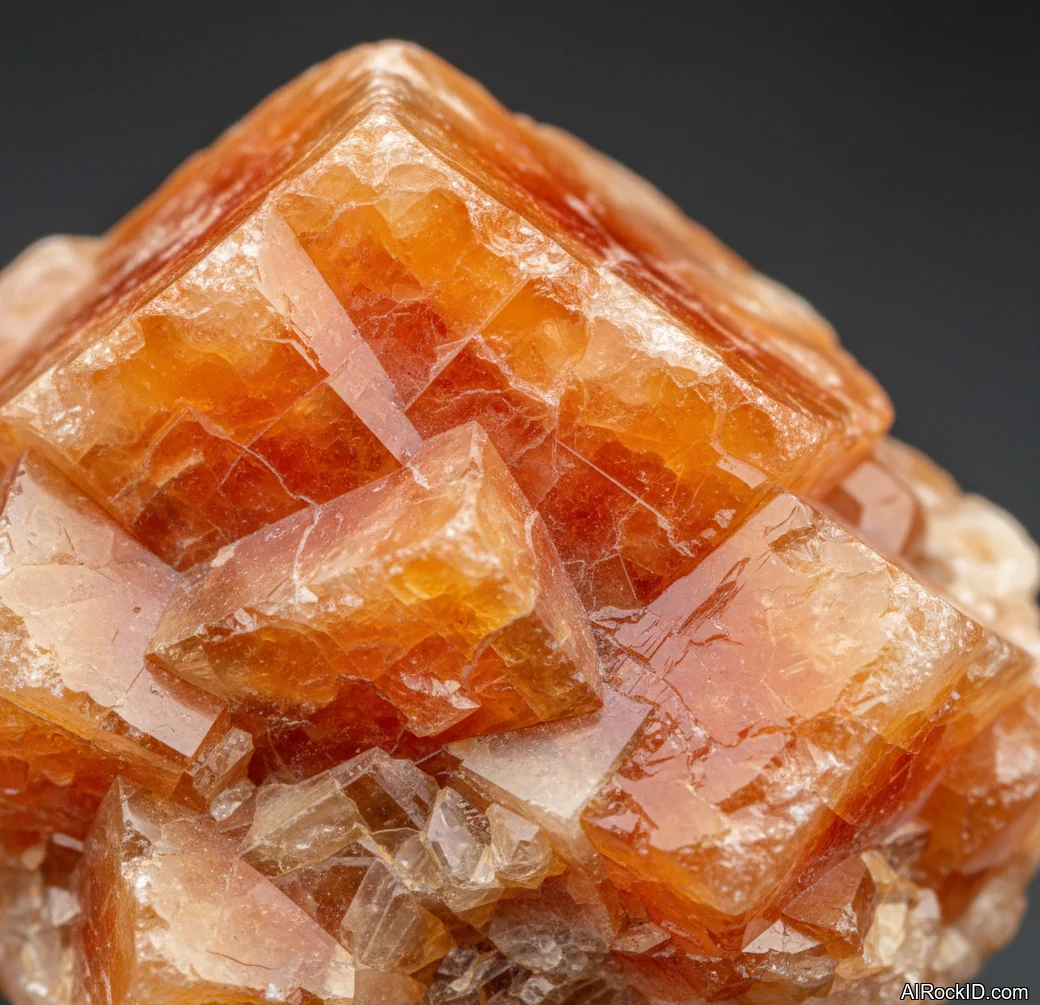
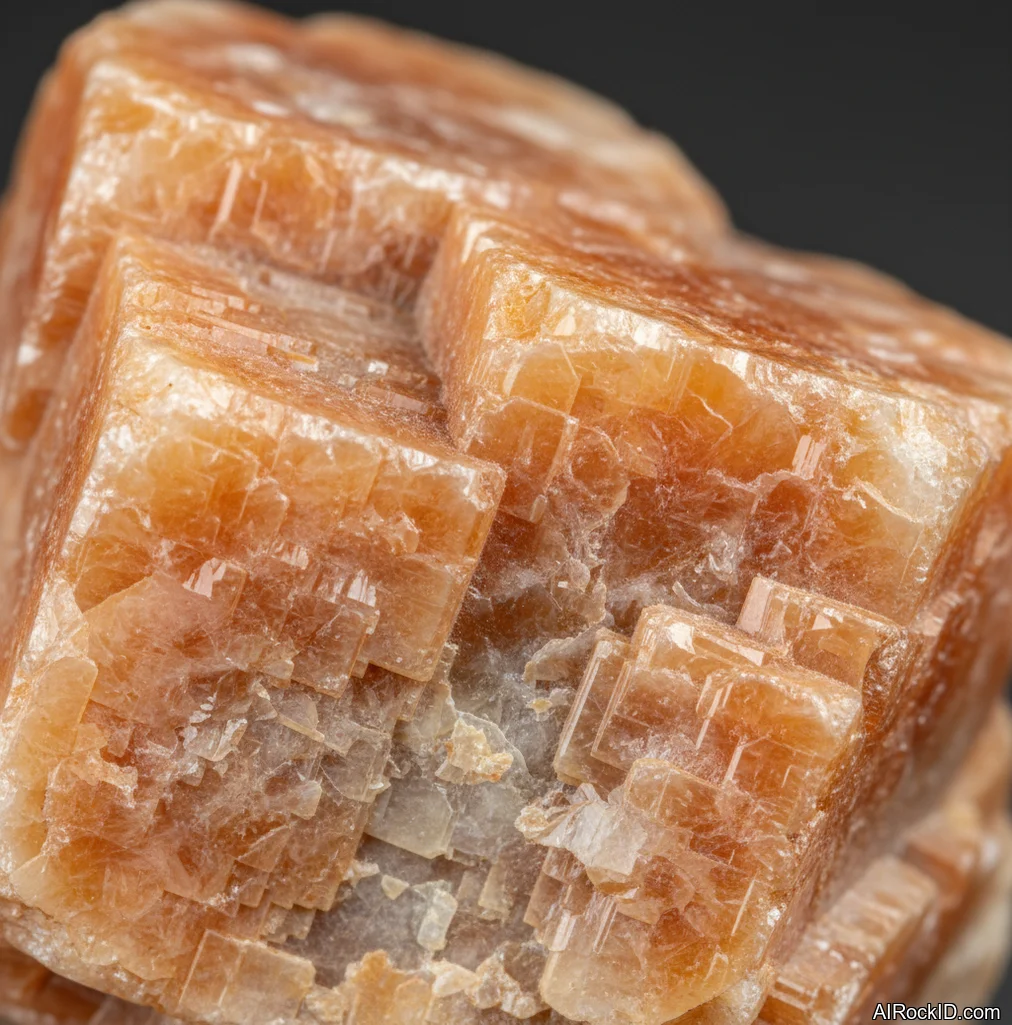
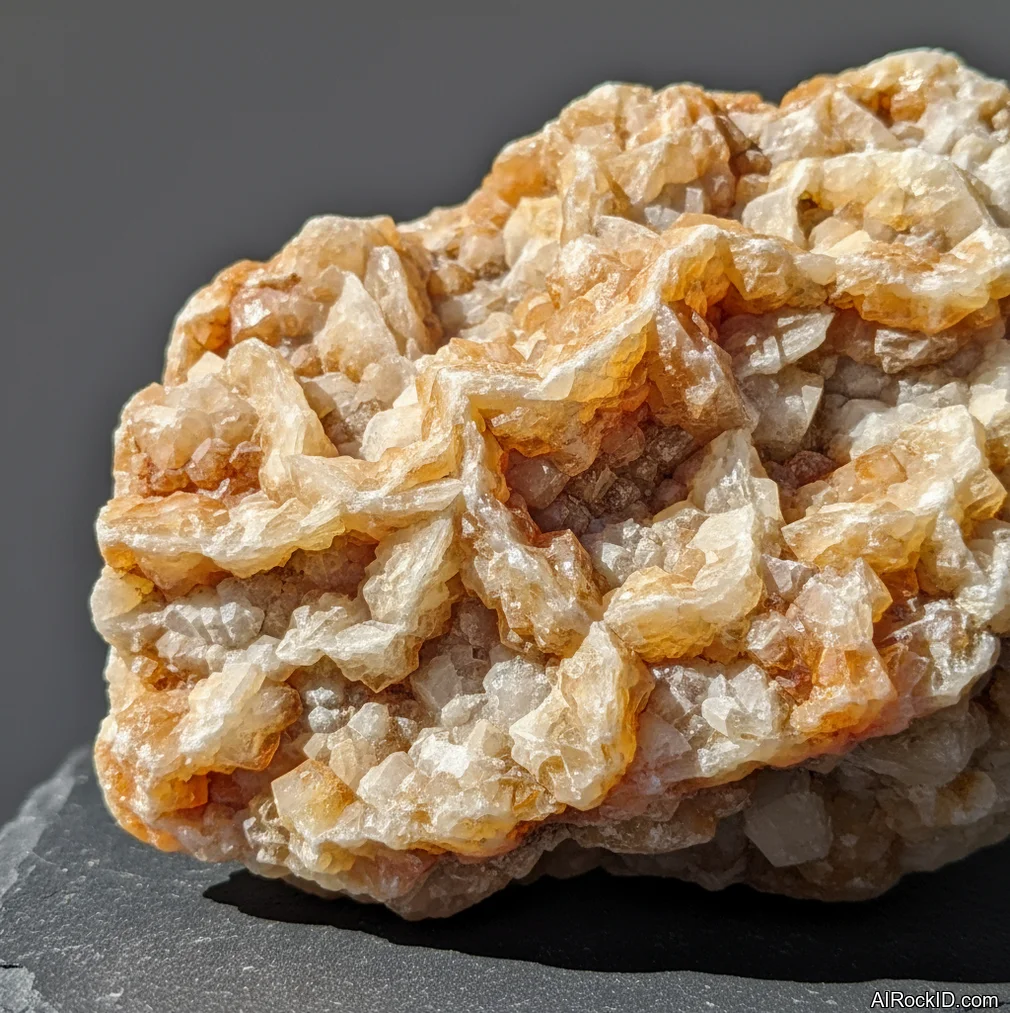
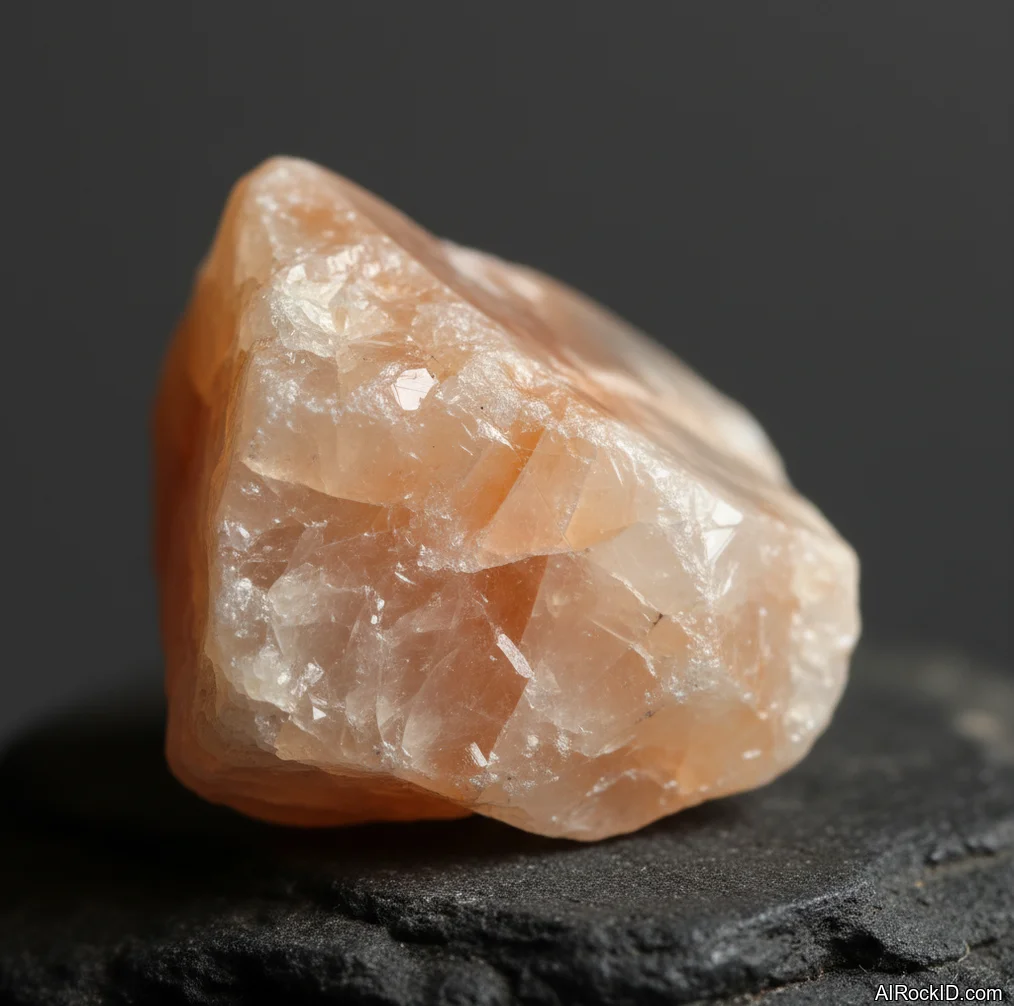
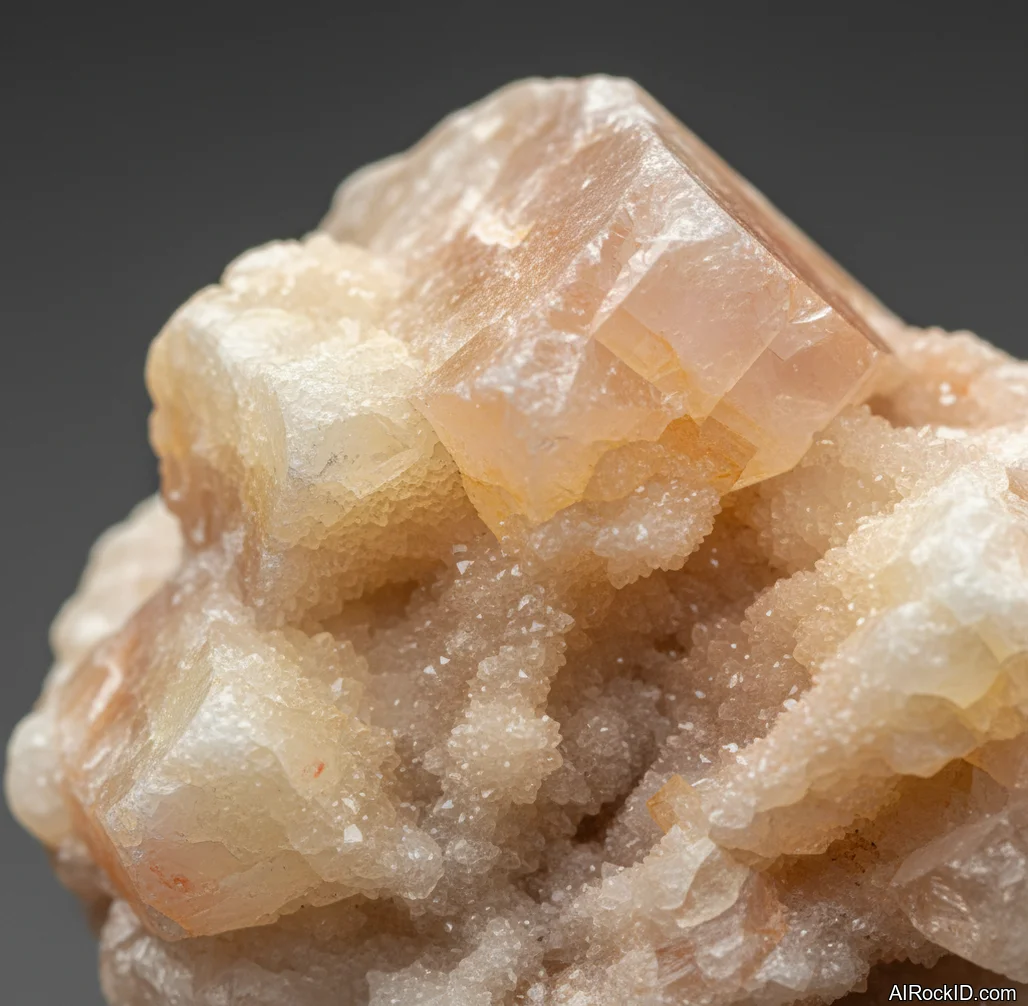
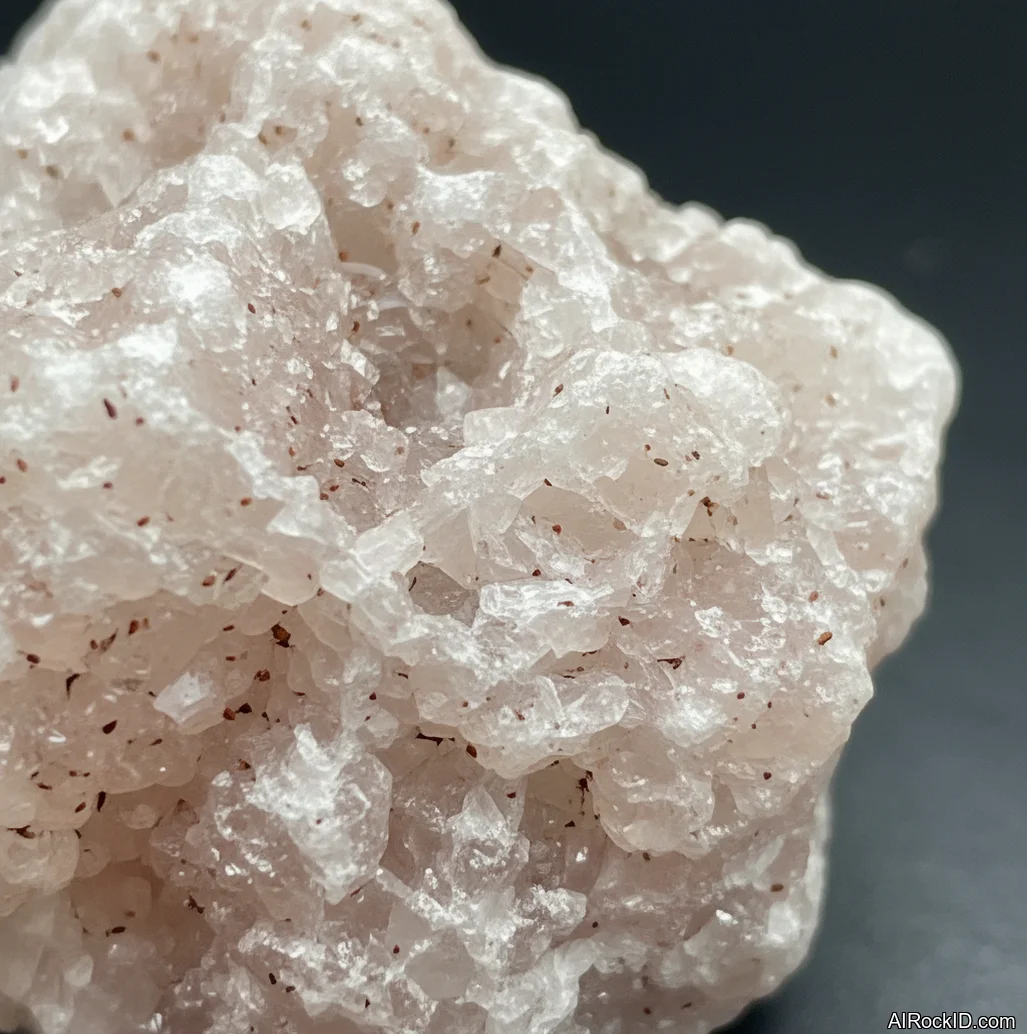
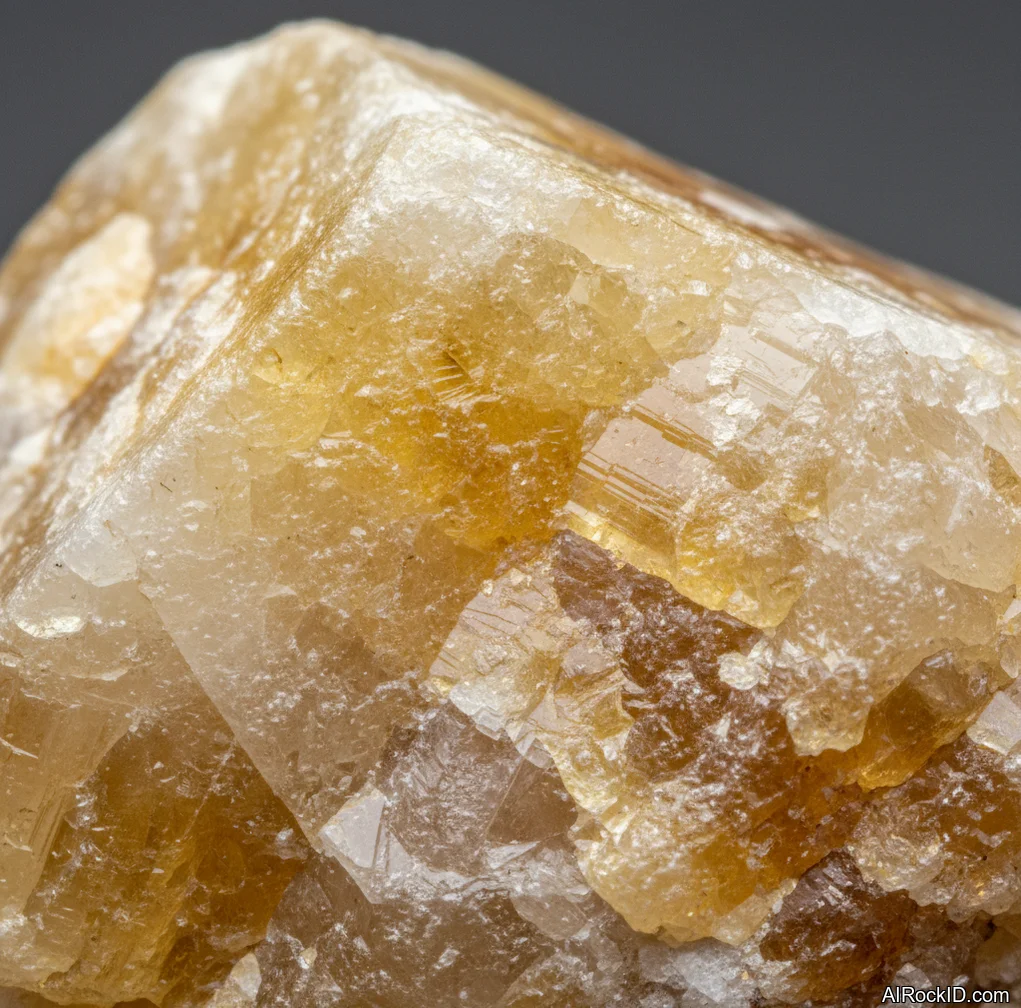
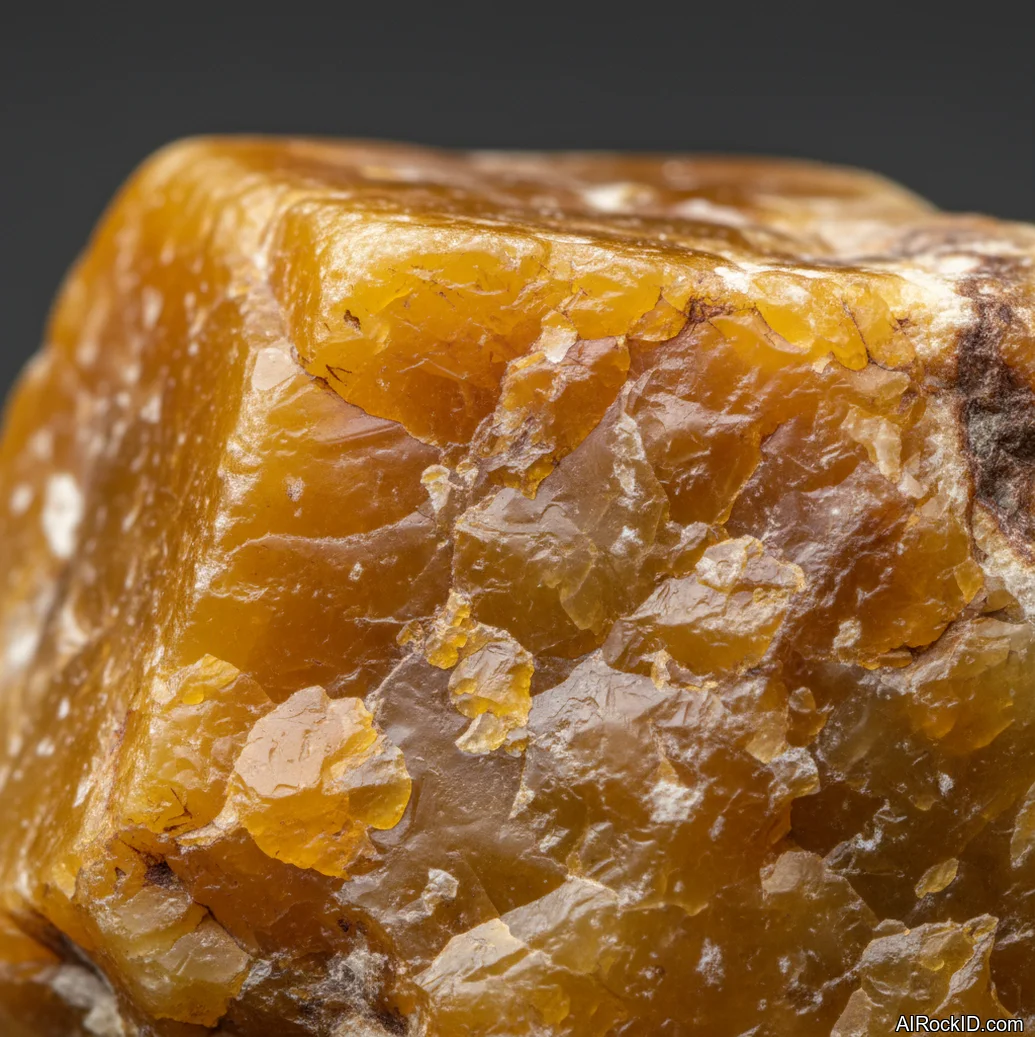
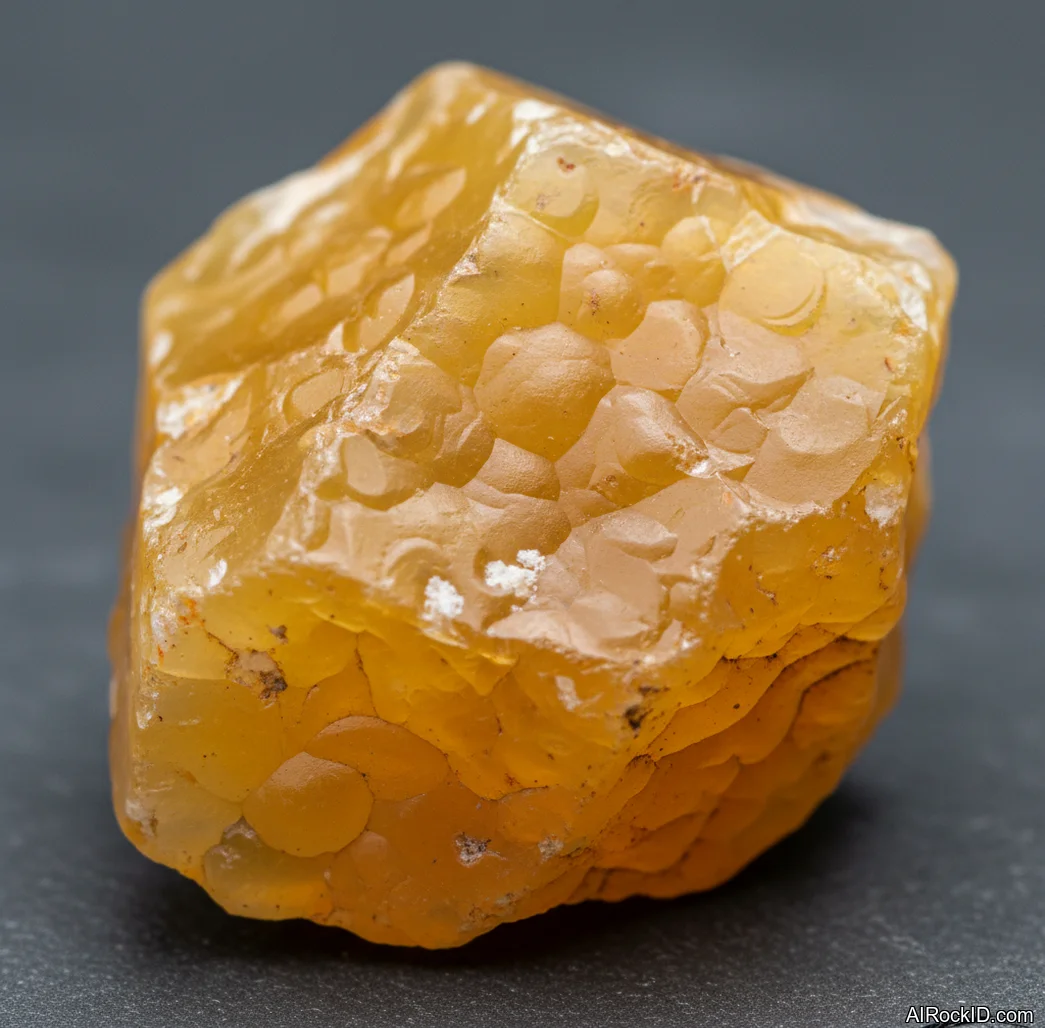
Orange Calcite is another common pick, but it acts totally different from carnelian. Calcite is soft. A lot of people don’t realize that until they toss it in a pocket with keys and it comes back looking like it’s been dragged behind a bike. It’s around Mohs 3, so it scratches easily. Look closely and you’ll often see internal cleavage planes and a kind of sugary glow, especially in pieces cut into chunky freeforms. If you want it to stay pretty, keep it on a desk or bedside table. Not in a pocket.
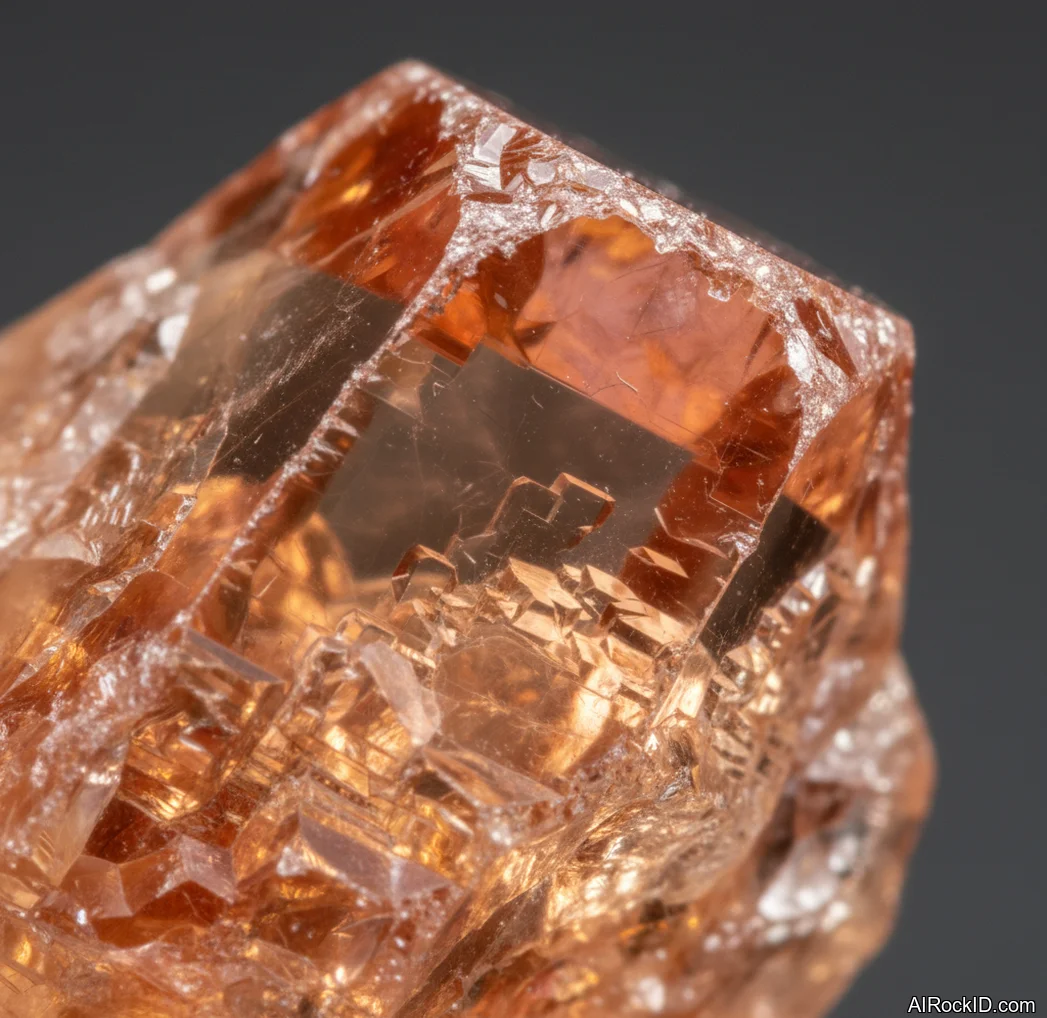
Sunstone shows up on Sacral Chakra lists a lot, and when it’s good, it’s really good. The schiller is the whole point: tiny reflective platelets (usually coppery hematite or goethite) that flash when you tilt it under a lamp. Thing is, the real test is movement. A flat, painted-looking glitter that doesn’t shift is a red flag for manmade “goldstone,” which is pretty, but it’s glass with copper flecks. Natural sunstone can have fractures and soft spots, and a cabochon might show a dead zone where the flash disappears. That’s normal.
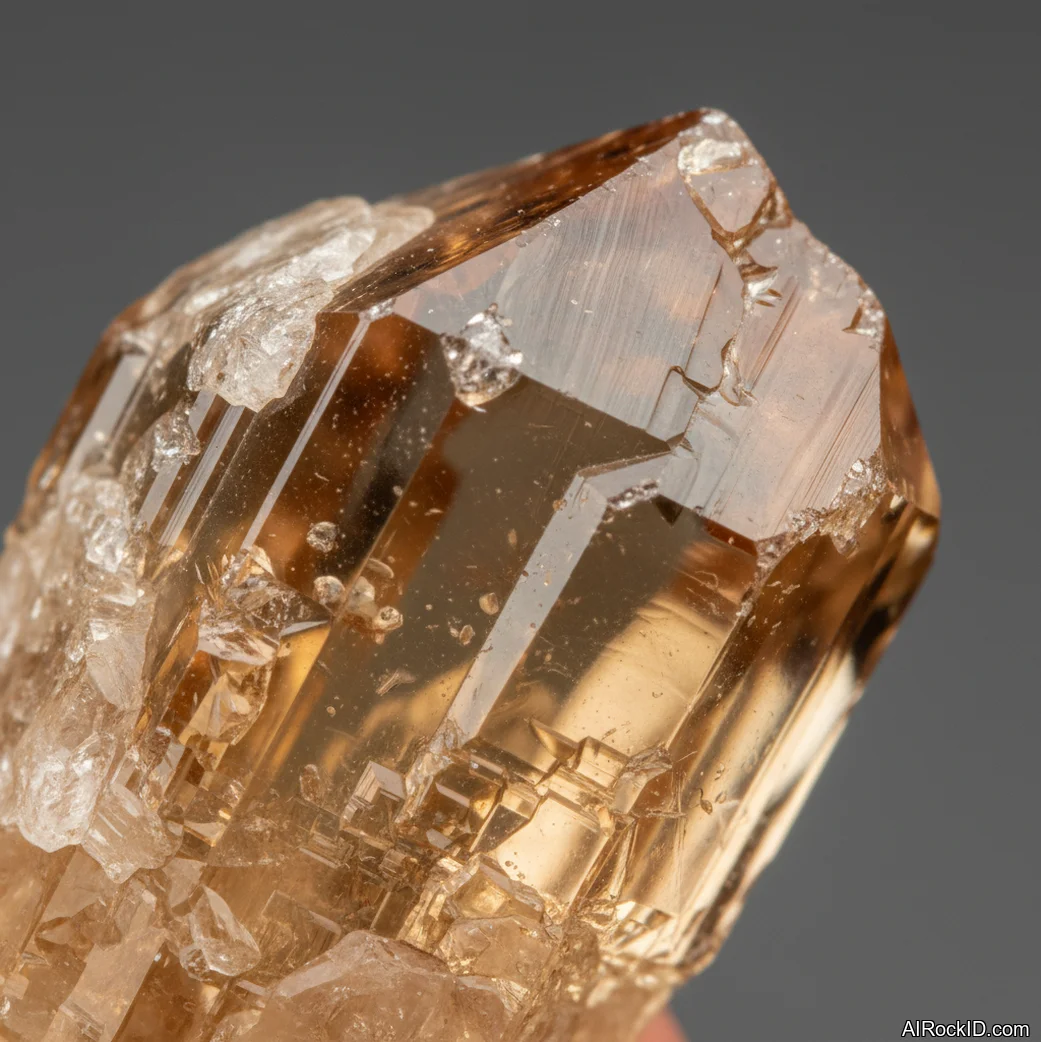
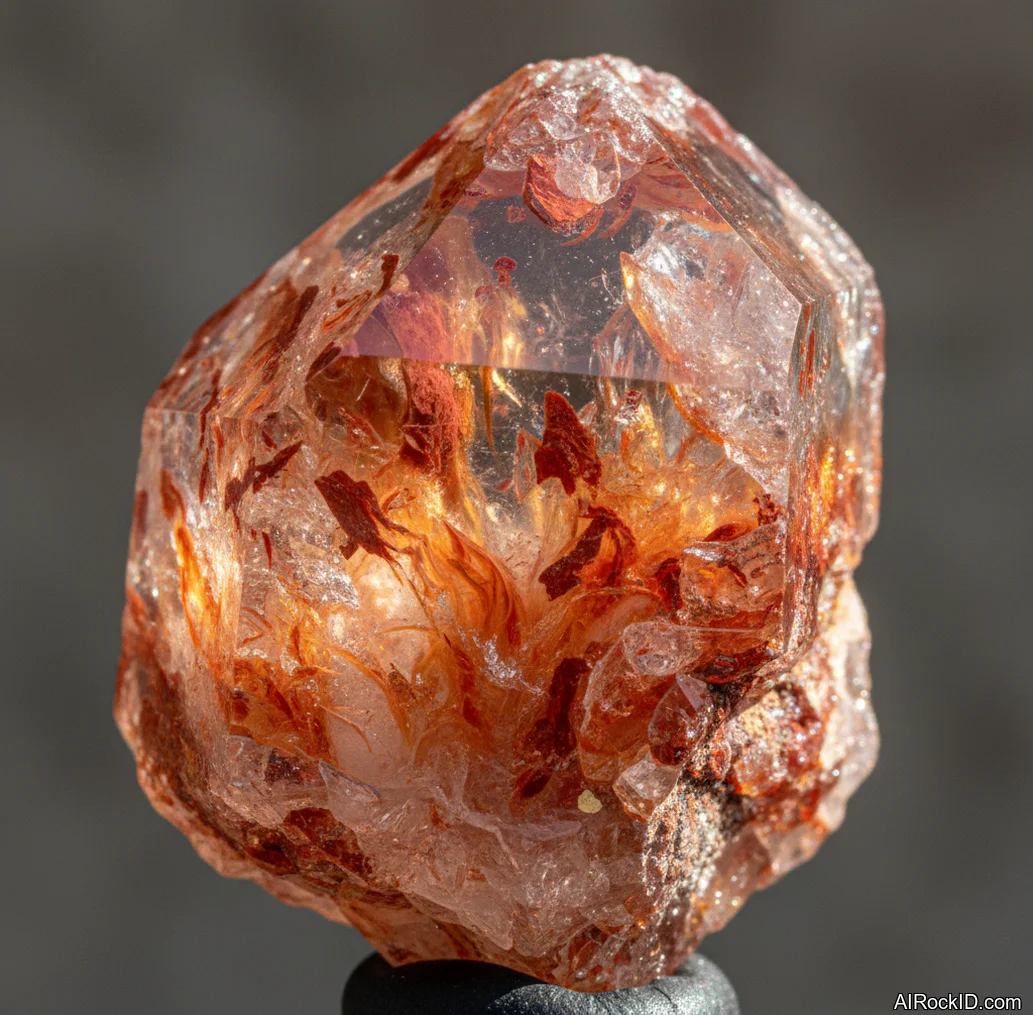
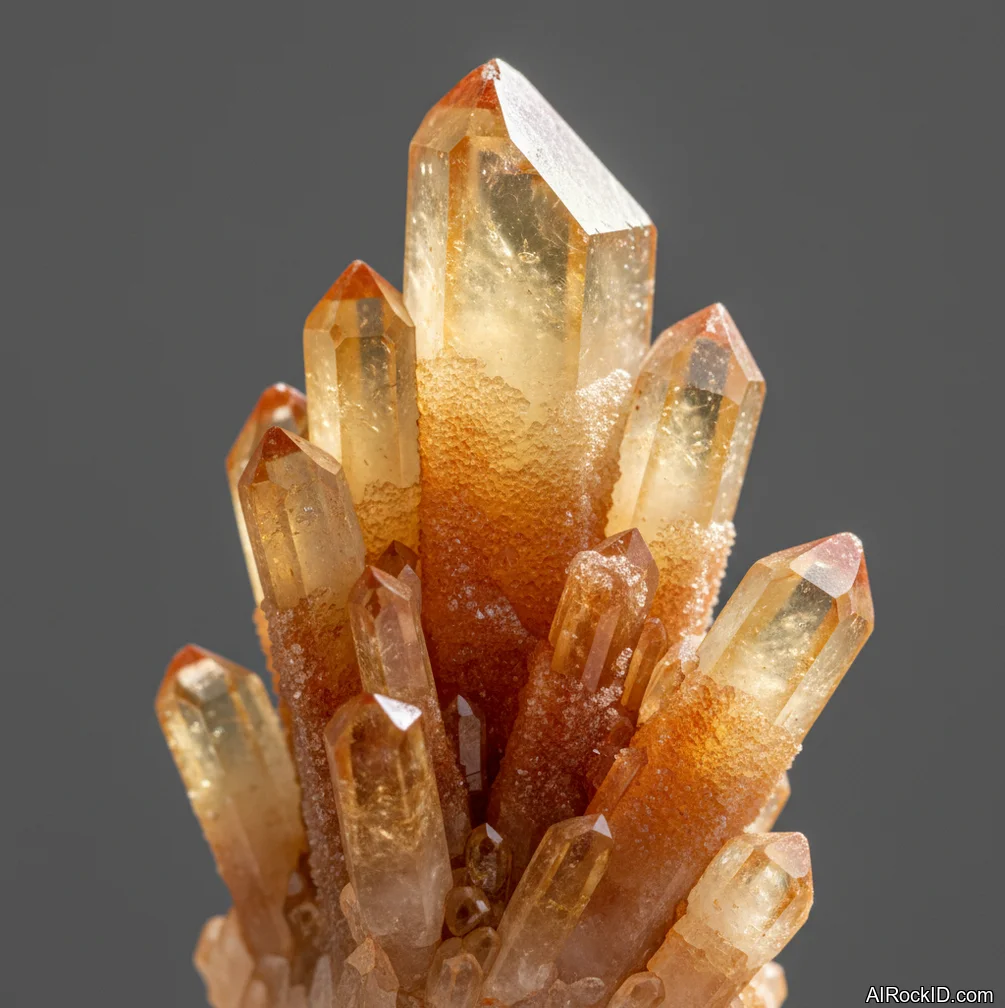
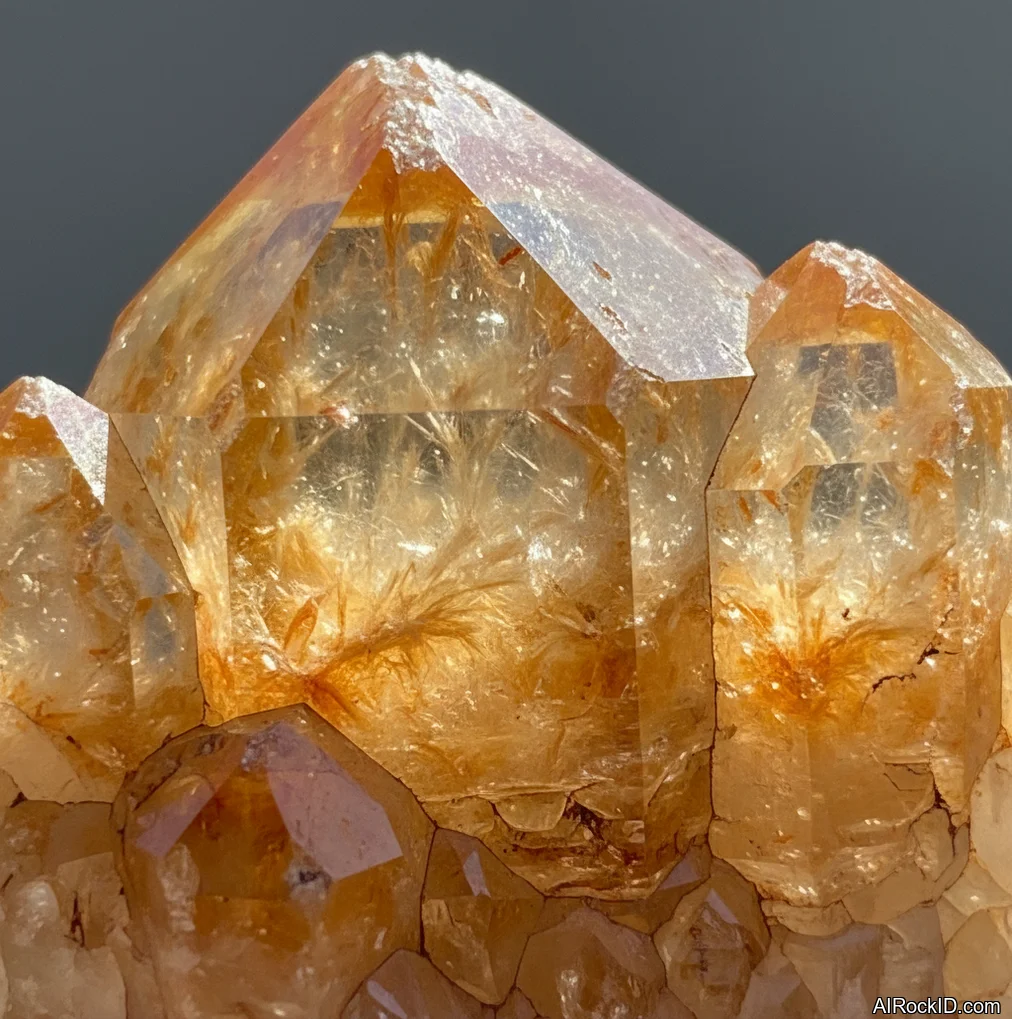
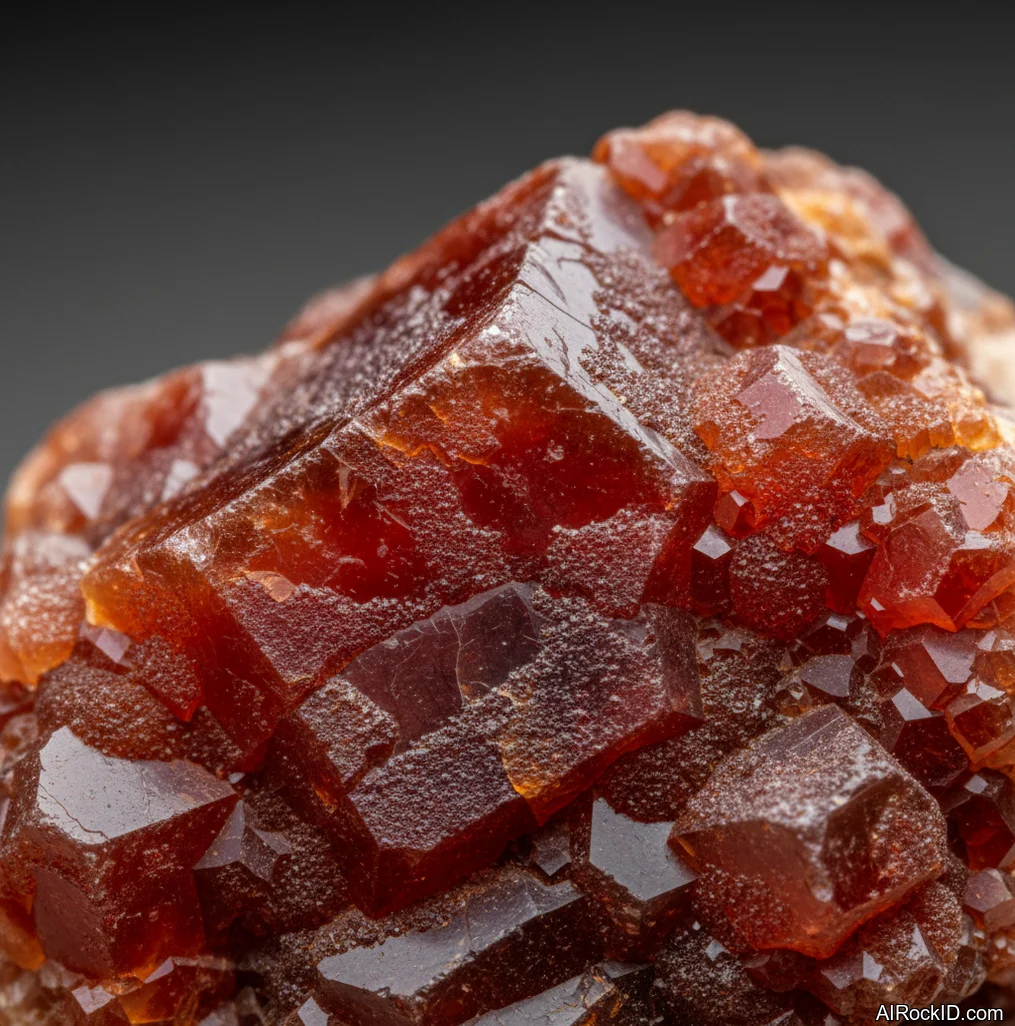
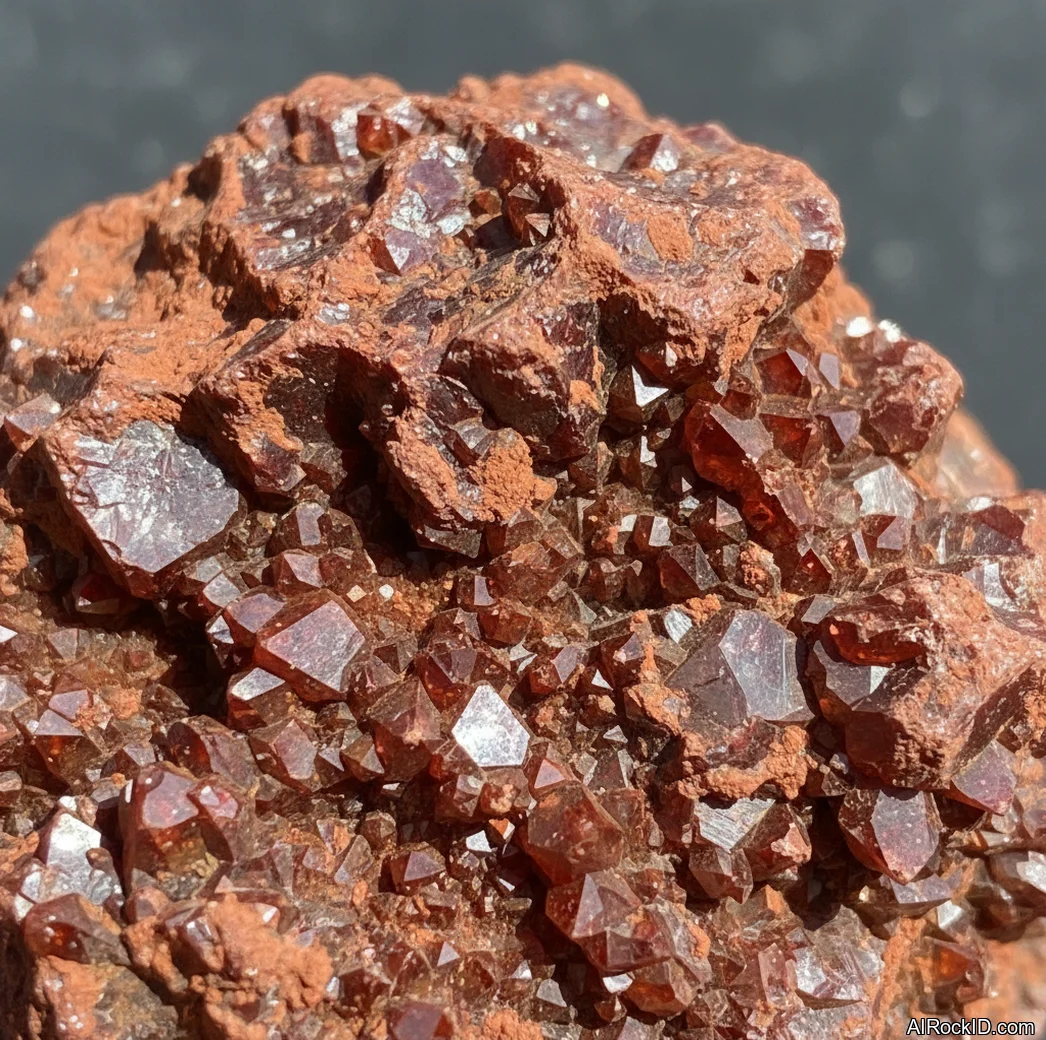
Then there’s Tangerine Quartz. Most of what you’ll see is clear quartz with an iron-oxide coating, so the orange sits on the surface and in little seams. Rub it with a damp cloth and you’ll learn fast if you bought something dyed, because dye can smear or concentrate around pits. Raw pieces from Brazil often have that dusty, rusty skin that looks like it came straight out of red clay. Not everyone’s taste. But it has that grounded, earthy feel polished stones can’t fake.
Working with Sacral Chakra crystals doesn’t need some ritual script. Keep it simple. Keep it physical. Set a carnelian palm stone on your lower belly while you lie down and do ten slow breaths, letting the breath push your hand up and down. If that feels weird, sit in a chair and hold Sunstone or Carnelian in your left hand while you journal for five minutes. The point is repetition. Your body learns the cue.
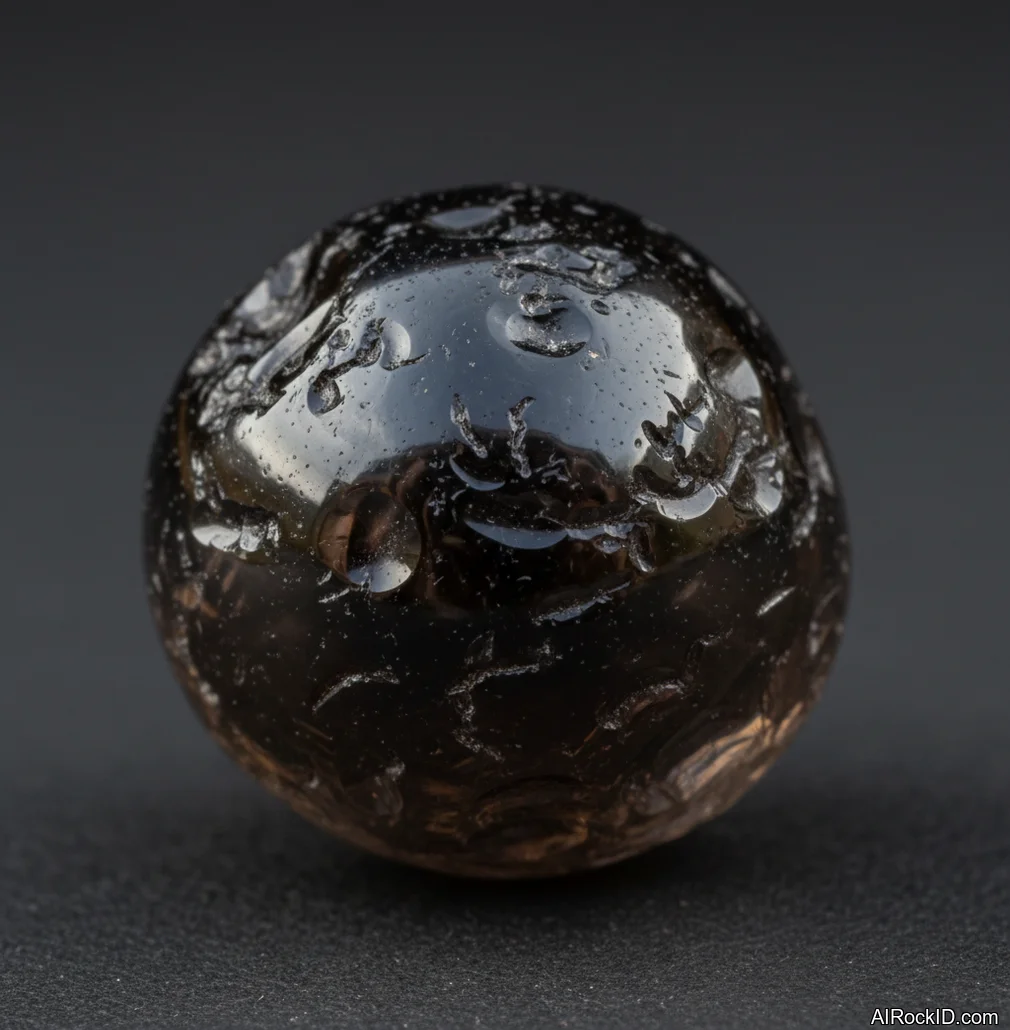
If you like layouts, try three stones: Carnelian at the lower belly, Orange Calcite just above it, and a grounding stone like Smoky Quartz at the hips or between the feet. So yes, it sounds counterintuitive to bring in a brown stone for an “orange” chakra. But it helps keep the session from feeling floaty. And that’s the problem with Sacral work sometimes, people chase intensity instead of stability and end up overstimulated, cranky, or scattered.
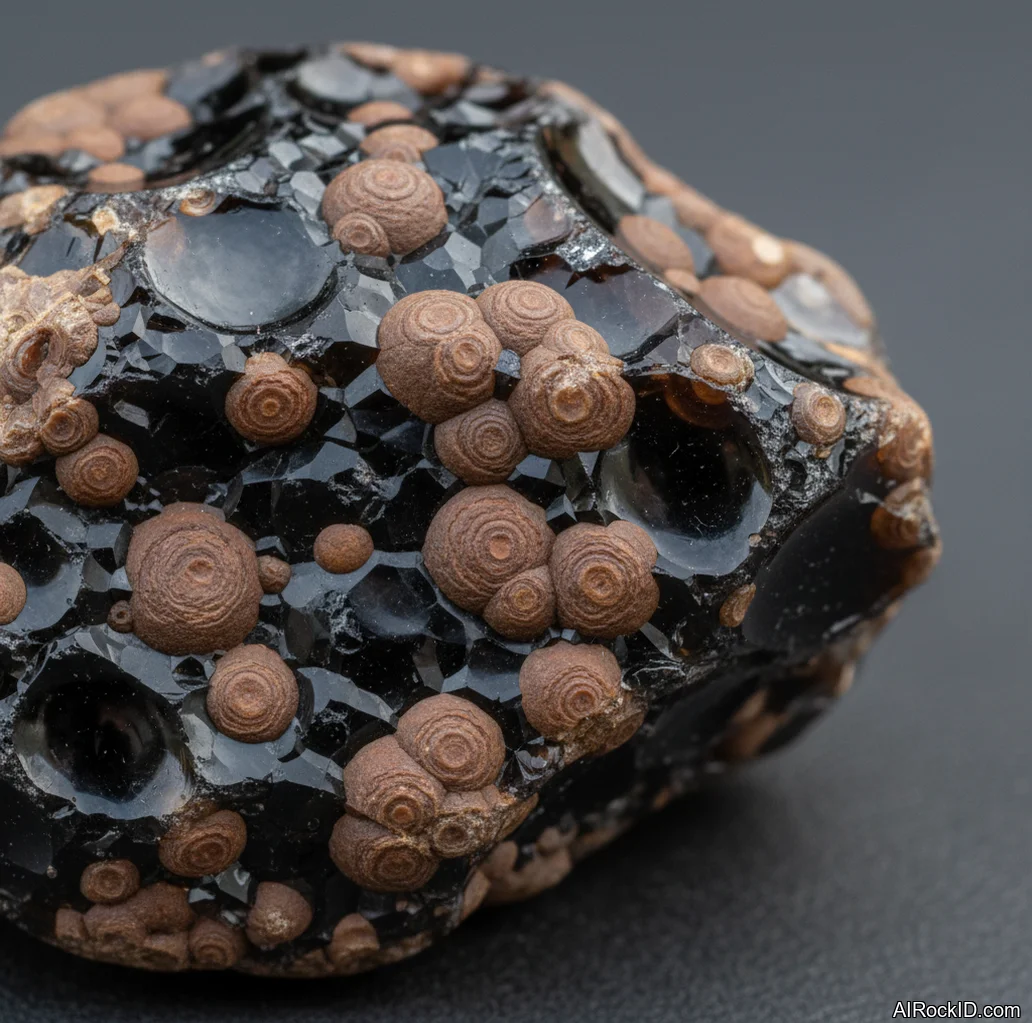
Buying tips matter here because orange stones get treated and mislabeled all the time. Most dealers are honest. But the market is the market. Heat-treated amethyst gets sold as citrine, and while citrine can be used in Sacral work, that bright burnt-orange “citrine” with a white base is the classic heat-treated look. With Carnelian, watch for dye. With Orange Calcite, check for surface bruises and chalky spots, especially on edges. With Sunstone, ask for a video in moving light so you can see the flash instead of one perfect photo.
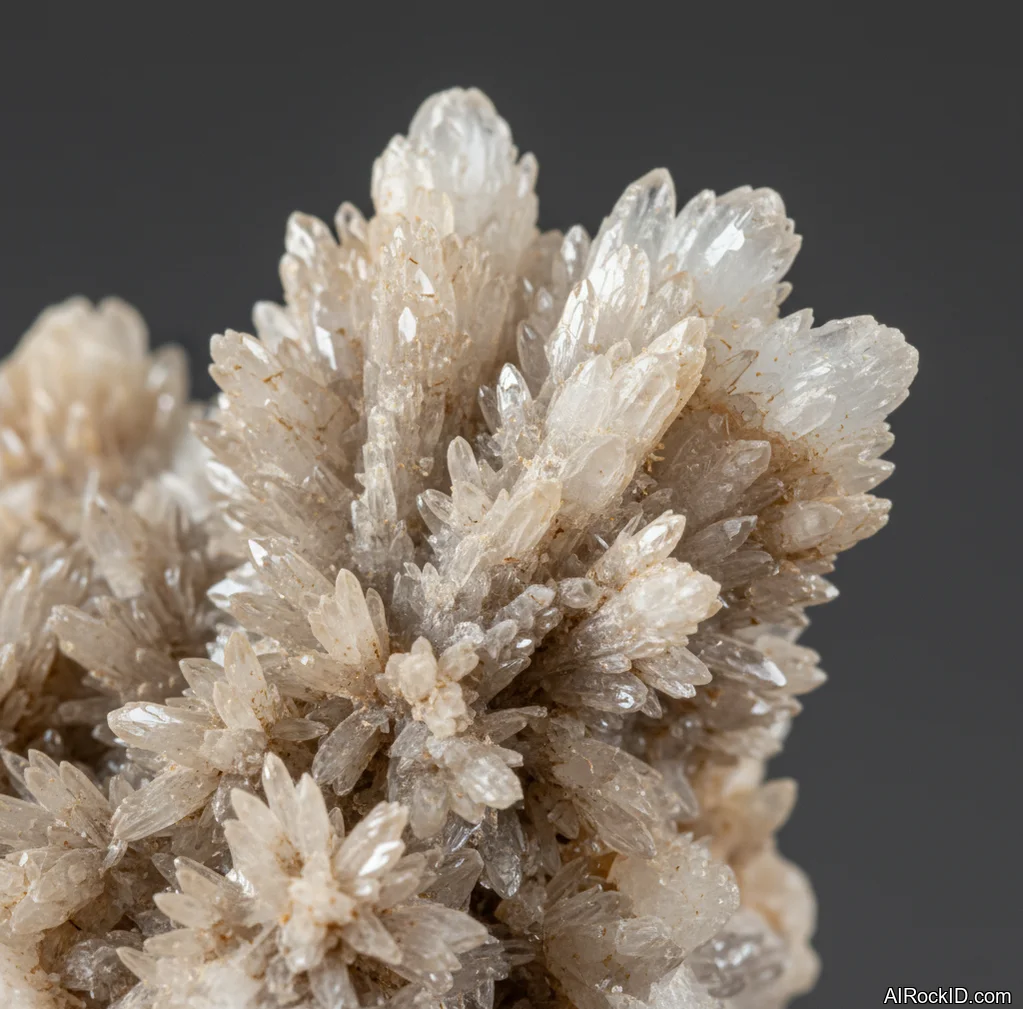
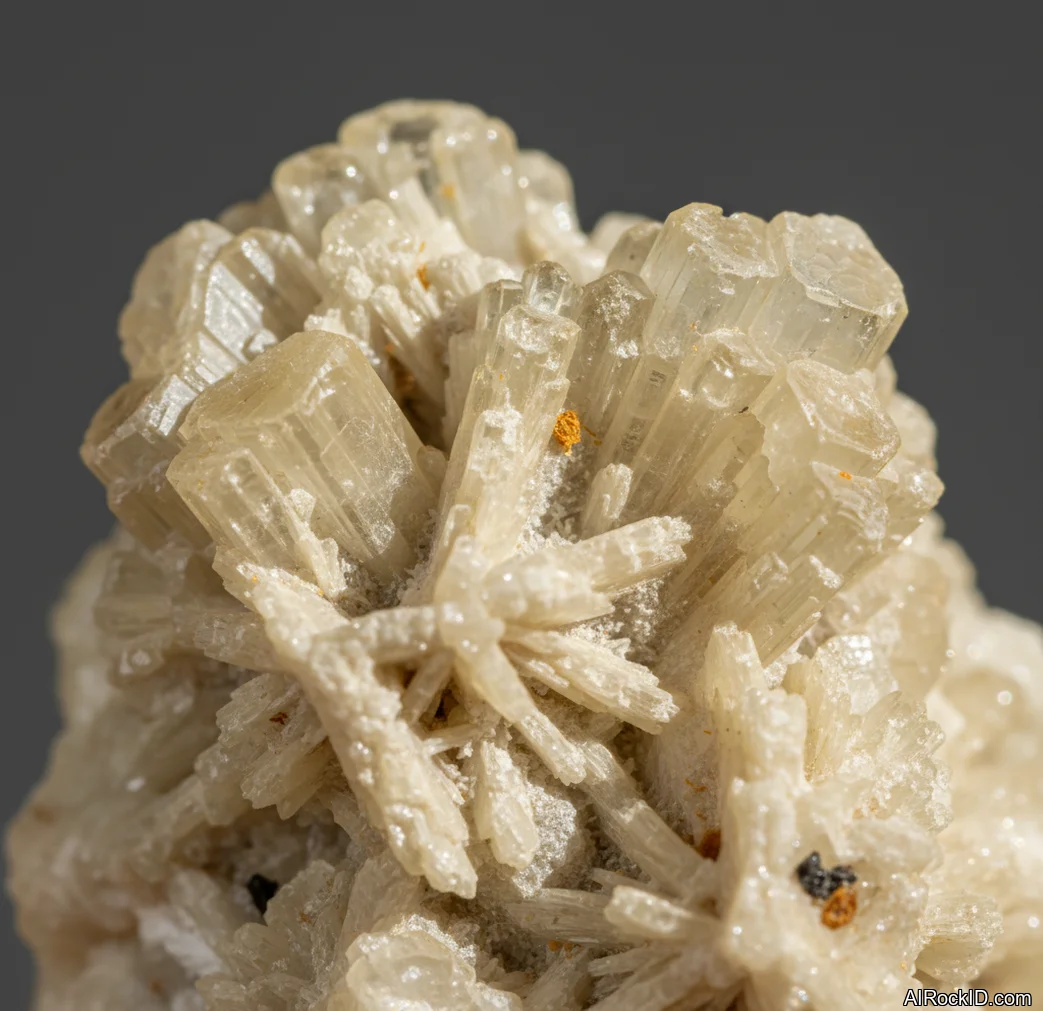
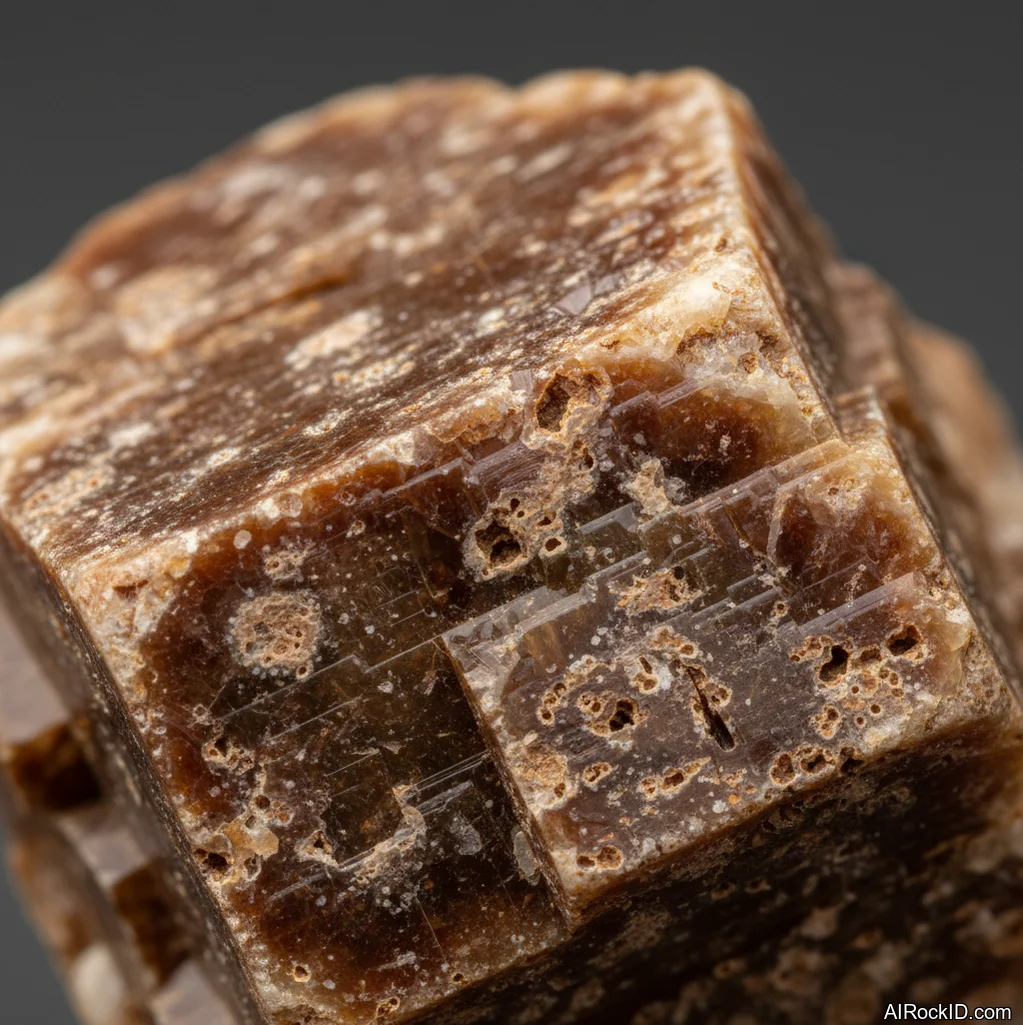
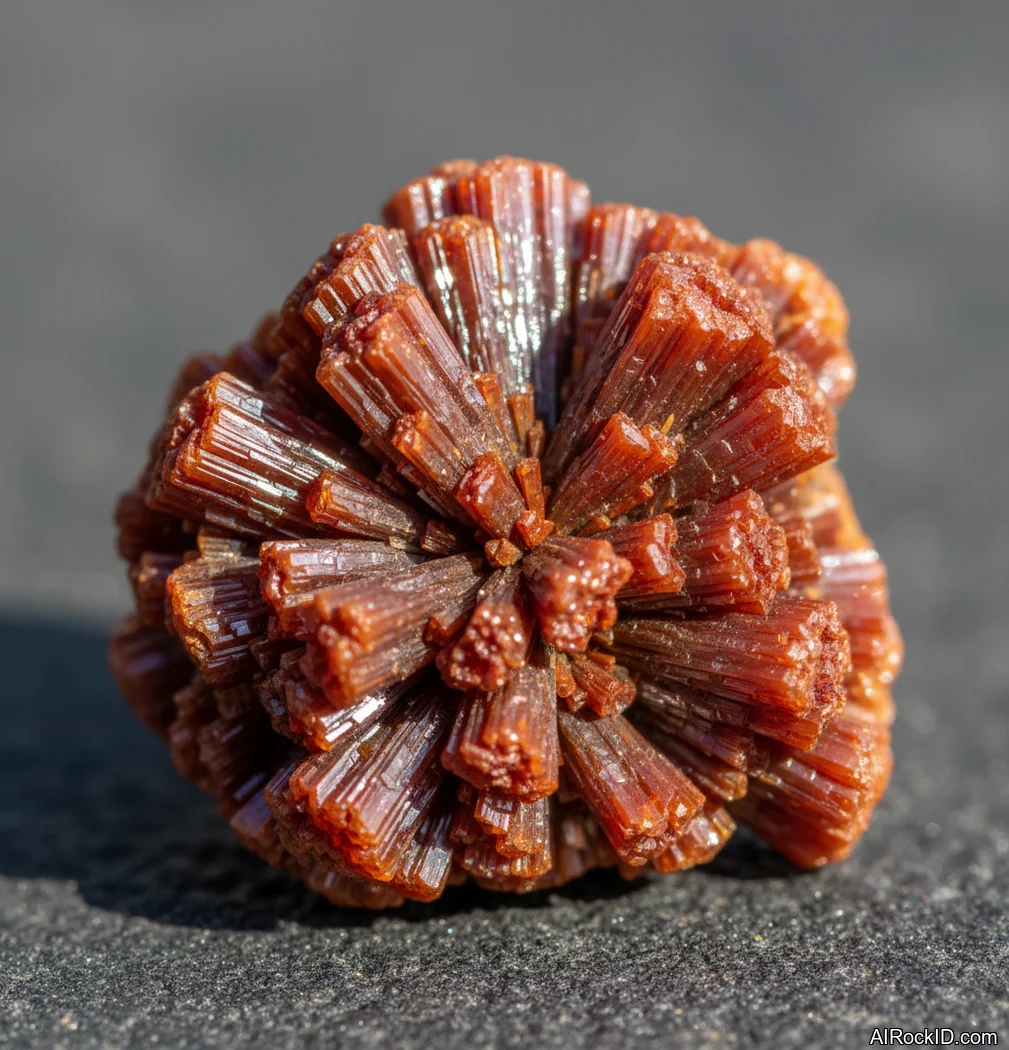
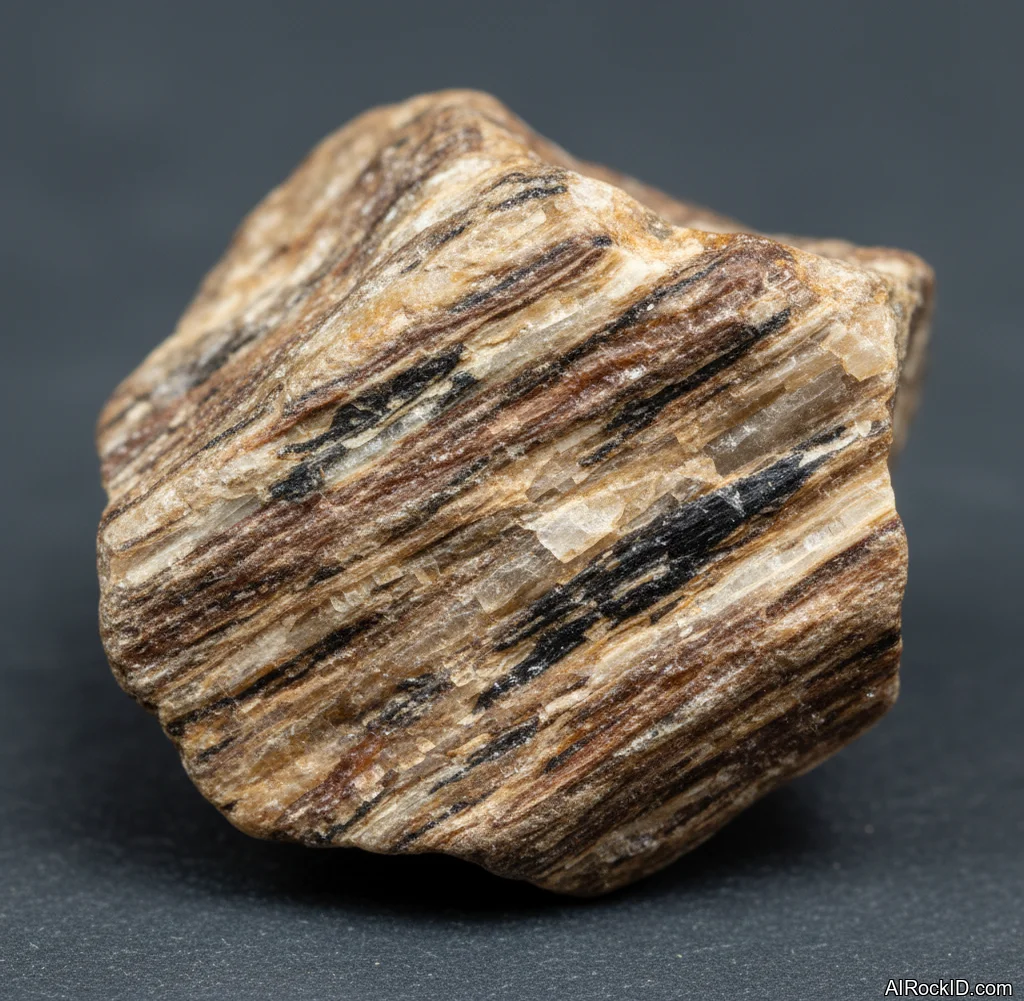
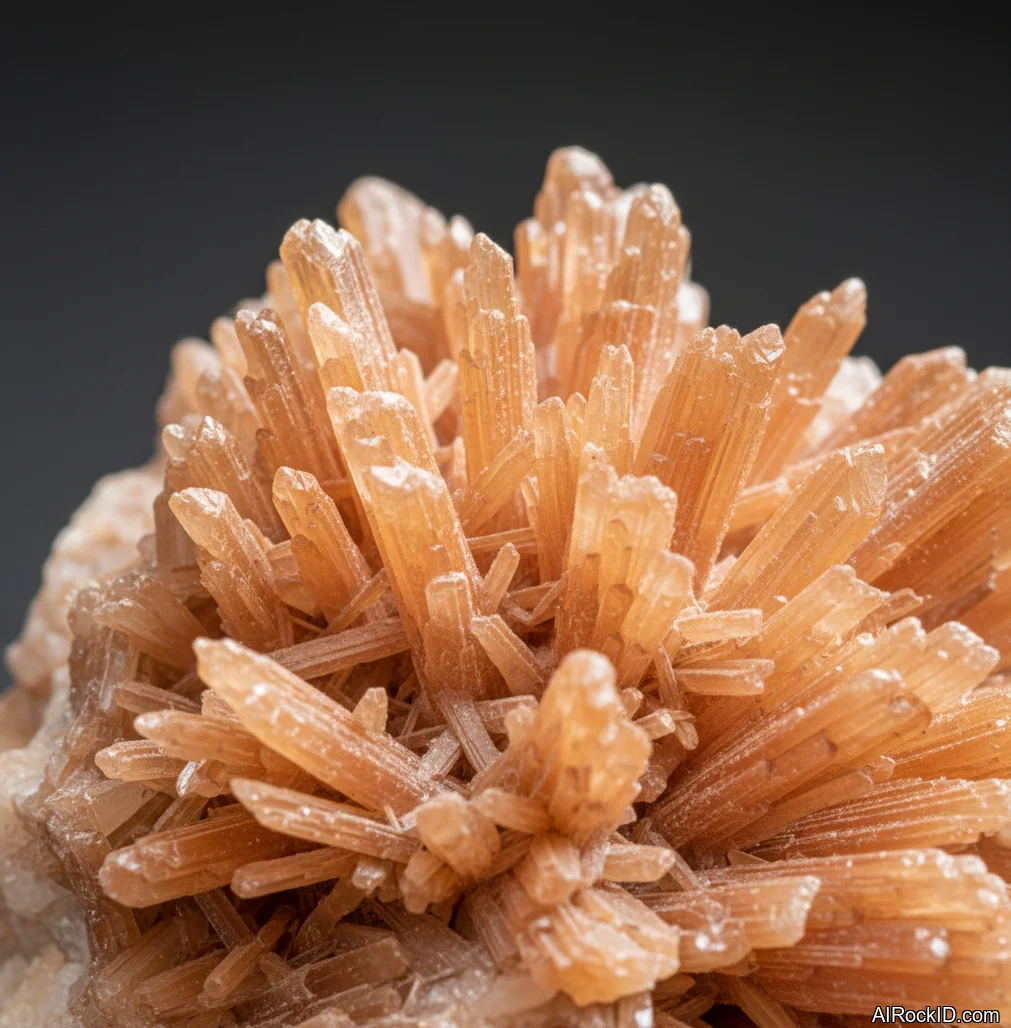
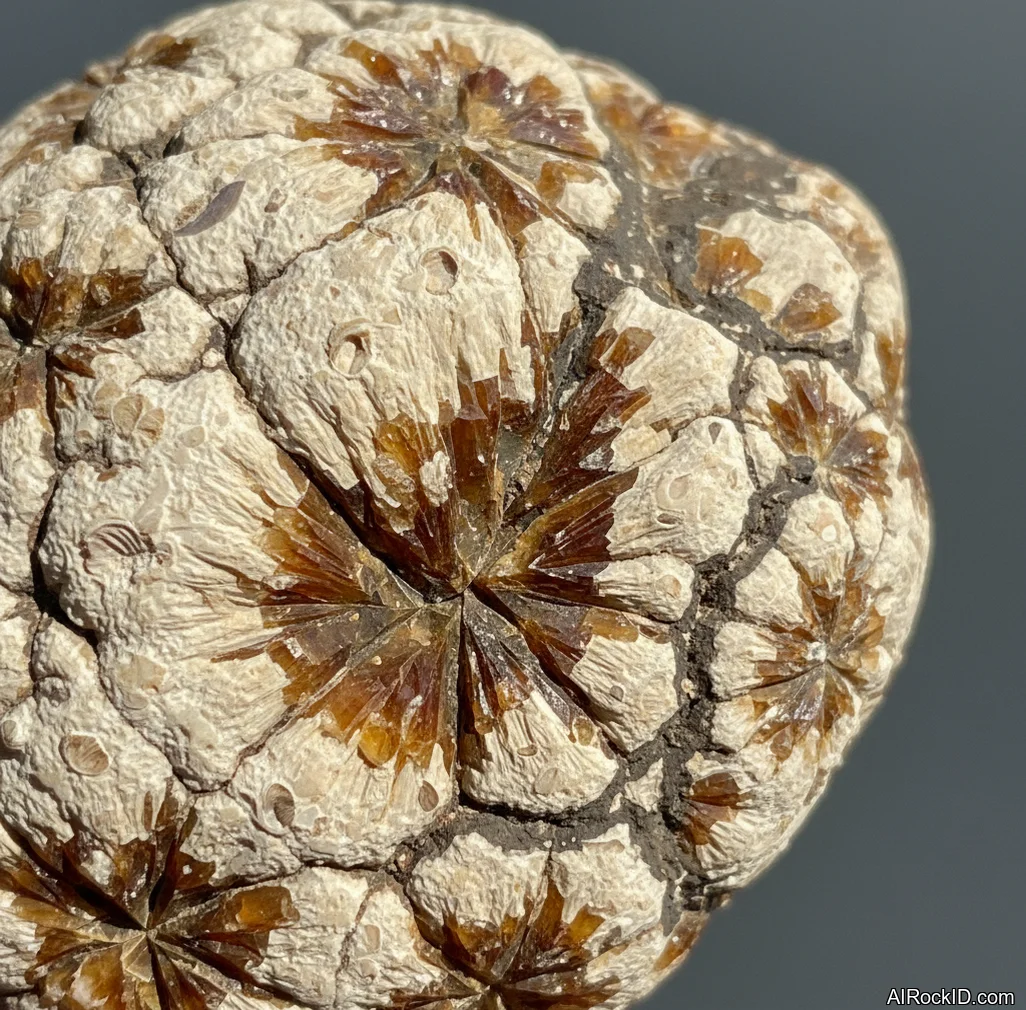
Texture matters too. A lot. Tumbled stones feel comforting, but they’re not the only option. A polished Carnelian sphere has a steady, even feel in the hand, while a rough chunk has bite and grip, like it wants to wake you up. If you’re sensitive to sharp points, skip raw Aragonite clusters for body work. Beautiful, sure, but those little prismatic spikes can poke and snag fabric.
Care is where people mess up. Calcite and Aragonite don’t love water, salt, or being tossed in a bowl to “cleanse” overnight. You’ll see dull spots and tiny scratches show up fast. Carnelian and quartz are tougher, but even they can fade if you park them in direct sun for months. Look, if you’re setting up a Sacral Chakra stone spot, choose a shelf that doesn’t get blasted by a south-facing window.
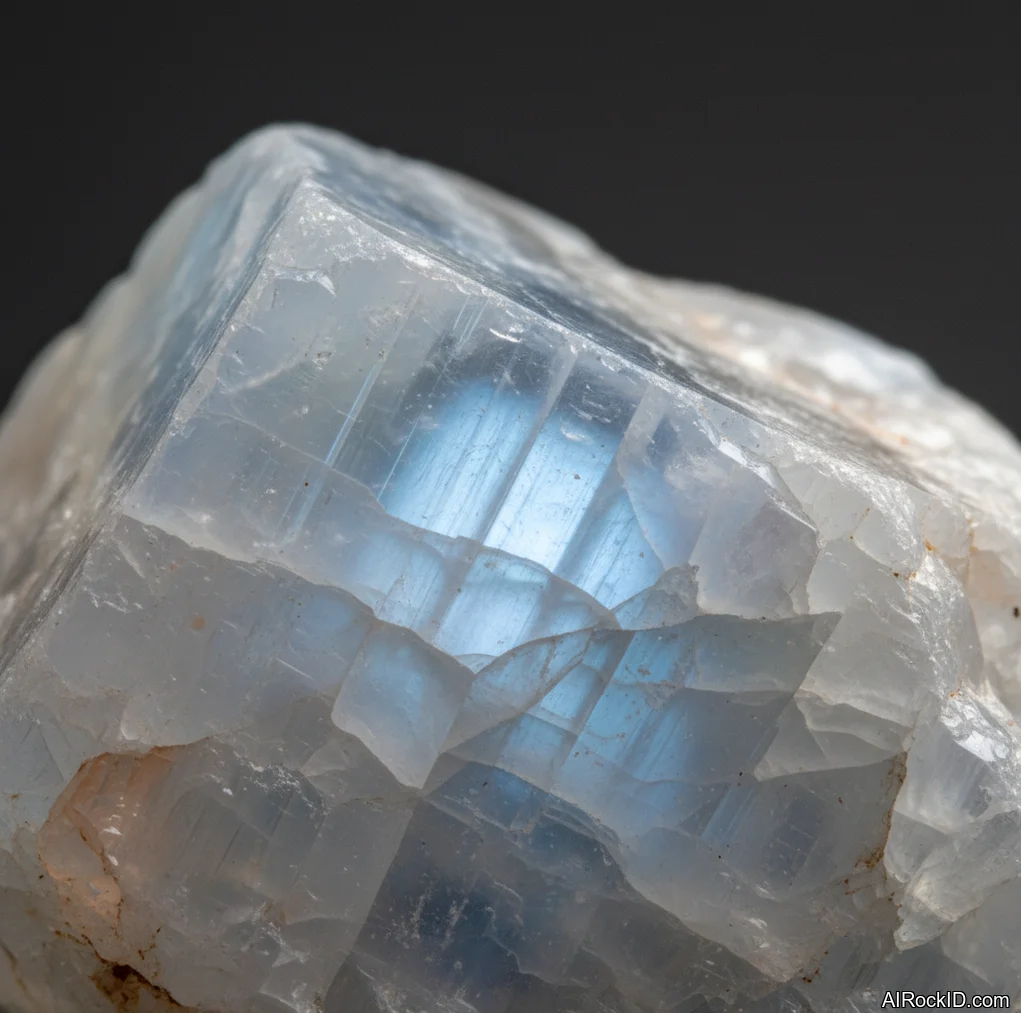
Sacral Chakra crystals are basically tools for attention. Orange stones like Carnelian, Orange Calcite, Sunstone, Fire Agate, and even Peach Moonstone give you a visual cue and a tactile cue to come back into your body. Keep one where you’ll actually touch it. By the bed. On the desk. In the pocket you use every day. Consistency beats a perfect crystal every time.
All Sacral Chakra Crystals (100)