Lion S Gate Quartz
What Is Lion S Gate Quartz?
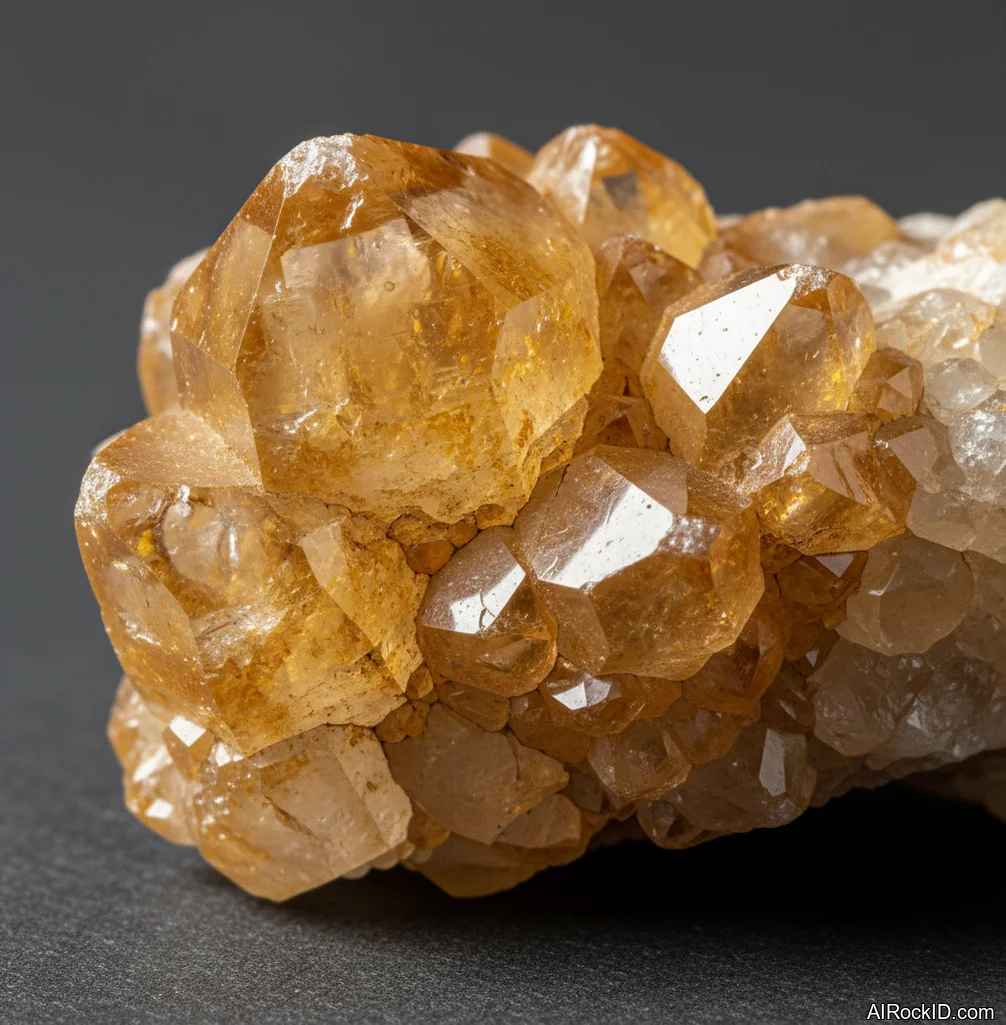
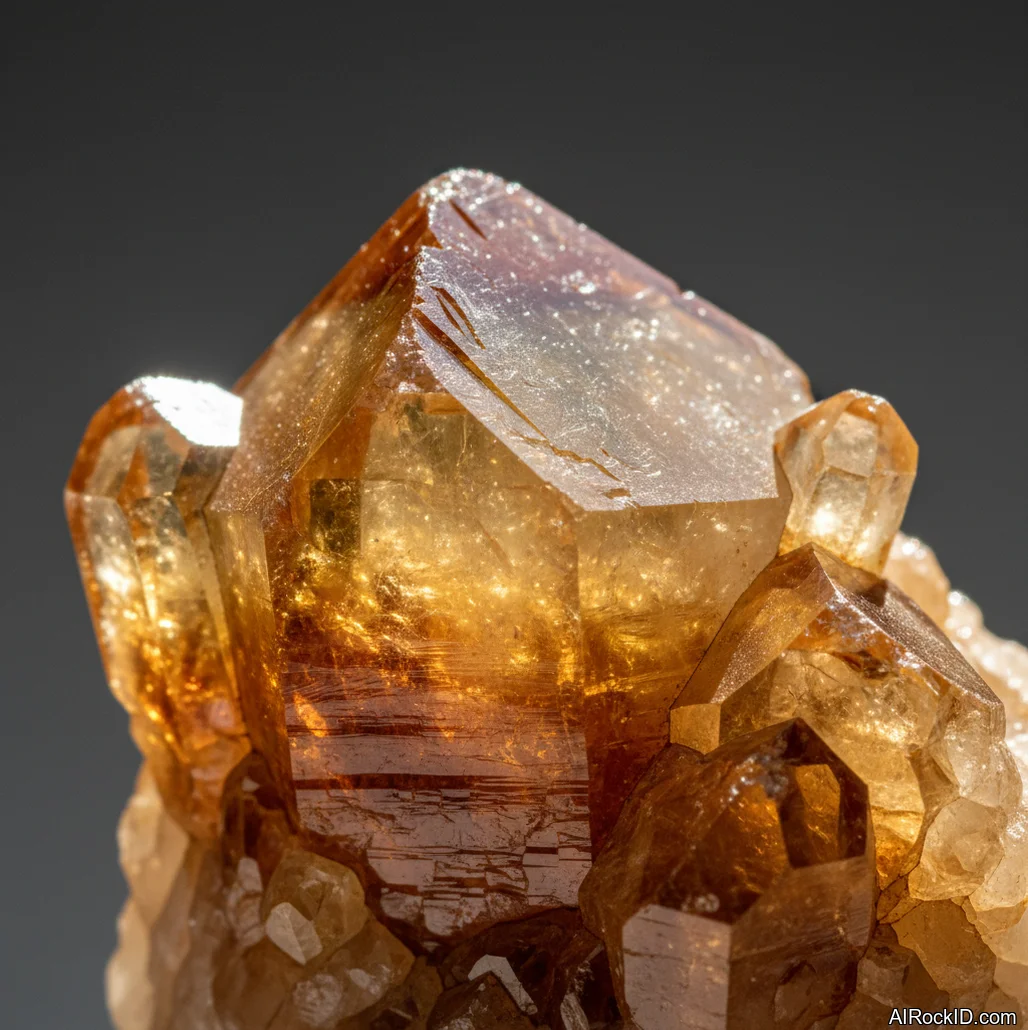
Lion S Gate Quartz is just a trade name for quartz crystals that have that warm golden-to-honey staining from iron oxides and similar inclusions. Most pieces I’ve actually handled are clear or milky quartz with a sunlit wash trapped inside, sometimes in bands, sometimes like fog that froze mid-swirl.
Grab a point and the first thing you notice is the temperature. Quartz stays cool in your palm longer than glass does, and the polished faces have that slick, hard feel that’s hard to fake. Turn it under a shop light and the color can jump fast, from a soft tea tone to sharp yellow flashes, especially when there are those thin internal veils.
But here’s the deal: “Lion’s Gate” isn’t a geologic variety like amethyst or smoky quartz. It’s a dealer label tied to the August Lion’s Gate astrology window, and you’ll see it slapped on everything from iron-stained quartz to heat-treated material that’s trying to pass as “golden.”
Origin & History
You won’t see “Lion S Gate Quartz” in old mineralogy books, because it isn’t an officially defined mineral name. It’s just quartz, the same basic stuff that’s been described and studied forever, and the “Lion’s Gate” label is something you mostly run into in newer crystal shop tags and online listings.
Thing is, most dealers I know started using that name as a seasonal hook, tied to the Lion’s Gate portal trend that floats around metaphysical circles. The “gate” part is cultural, not geological. If you want the science label, you’re talking about quartz with iron-oxide staining or inclusions, usually in the same general family of material that gets sold as golden healer quartz.
Where Is Lion S Gate Quartz Found?
It’s sold from the same places quartz comes from in volume, especially Brazil. Similar-looking iron-stained quartz also turns up in alpine pockets and a bunch of U.S. localities.
Formation
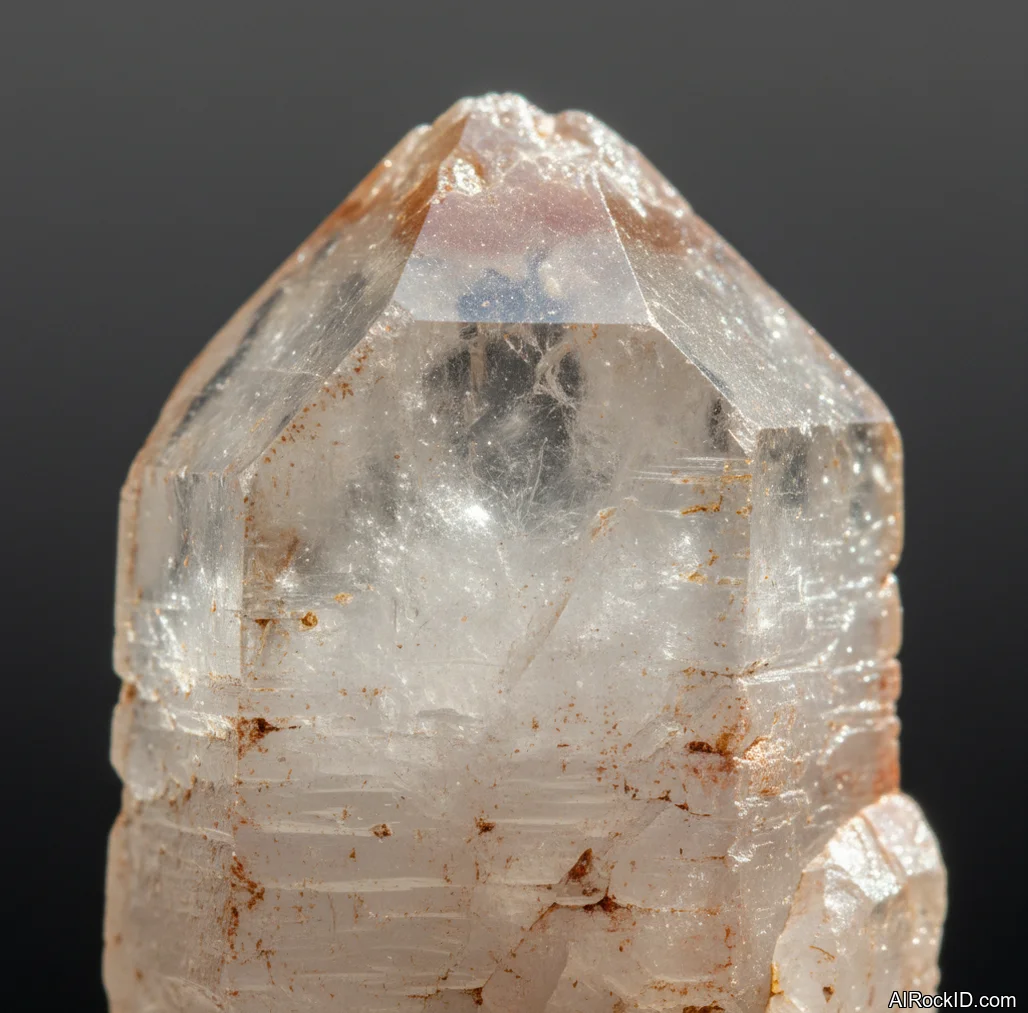
Quartz forms when silica-rich fluids push through open space and the chemistry and temperature line up just right for SiO2 to crystallize. In little pockets you’ll get those classic points: clean prism faces with a proper termination. Growth can stop, then kick back in later, which is why you sometimes see internal lines and that phantom-style zoning inside the crystal.
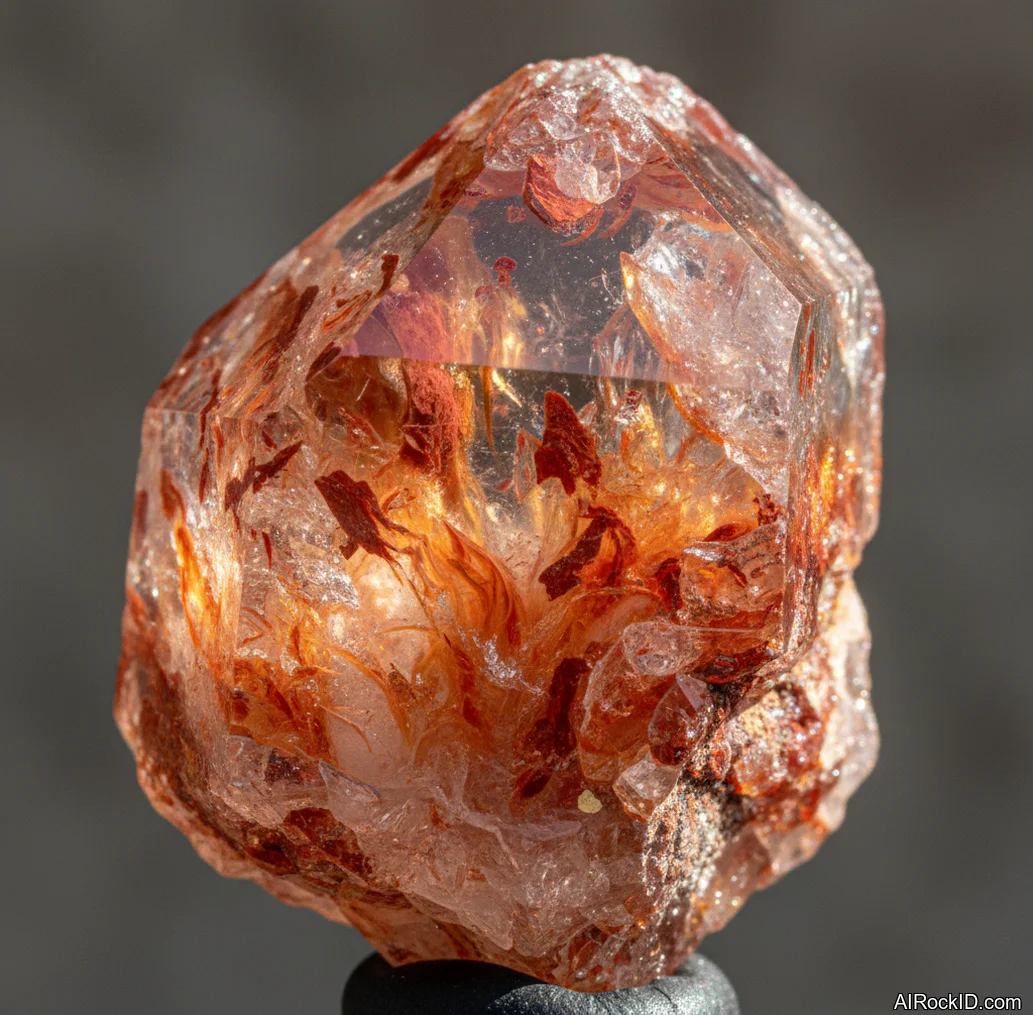
For the “Lion S Gate” look, the gold color usually traces back to iron. Sometimes it’s iron oxides staining fractures and the surface. Other times it’s tiny included material, like goethite or hematite dusting, that warms the tone through the body of the quartz. Check it with a loupe and you can literally see where the color is sitting. On some pieces it looks like a thin film running along healed cracks, and on others it’s more dispersed, like someone stirred honey into clear water and didn’t mix it all the way.
Compared to citrine (which gets its color from different mechanisms), this material often stays quartz-clear, just with that golden cast. And if you’ve ever dug quartz, you’ll spot the habit fast. Same sharp edges. Same conchoidal chips when it breaks. Same little “ring” when you tap two points together. Funny how consistent it is, right?
How to Identify Lion S Gate Quartz
Color: Clear to milky quartz with golden, honey, or tea-colored staining, usually from iron oxides along fractures, veils, or surface films. Color is often patchy or zoned rather than perfectly uniform.
Luster: Vitreous, glassy luster on clean faces and polished surfaces.
Look closely at where the gold sits. If it’s concentrated along cracks or in wispy internal veils, that’s a common iron-stain look in quartz. The real test is a quick feel check: quartz stays cool and feels harder and “sharper” than glass when you run a fingernail along an edge. And if the color is screaming neon-yellow and perfectly even through the whole piece, be skeptical, because that’s the vibe you see with dyed or heavily treated material.
Properties of Lion S Gate Quartz
Physical Properties
| Crystal System | Trigonal |
| Hardness (Mohs) | 7 (Hard (6-7.5)) |
| Density | 2.65 g/cm3 |
| Luster | Vitreous |
| Diaphaneity | Transparent to translucent |
| Fracture | Conchoidal |
| Streak | White |
| Magnetism | Non-magnetic |
| Colors | colorless, white, golden yellow, honey, tea brown |
Chemical Properties
| Classification | Silicates |
| Formula | SiO2 |
| Elements | Si, O |
| Common Impurities | Fe, Al, Ti, Mn |
Optical Properties
| Refractive Index | 1.544-1.553 |
| Birefringence | 0.009 |
| Pleochroism | None |
| Optical Character | Uniaxial |
Lion S Gate Quartz Health & Safety
Handling it and rinsing it off are pretty low risk. But if you’re shaping it or sanding it, don’t breathe the dust. Chips can be razor-sharp (you’ll feel it fast), so keep an eye on your fingers and your eyes if a point snaps off.
Safety Tips
If you’re cutting or grinding the stuff, don’t do it dry. Go wet, get some real ventilation going (a fan that actually moves air, not just noise), and wear a proper respirator that’s rated for silica. For something that’s just sitting on a shelf, you can keep it simple: a quick rinse, then wipe it down with a soft cloth.
Lion S Gate Quartz Value & Price
Price Range
Rough/Tumbled: $10 - $120 per piece
Cut/Polished: $2 - $25 per carat
Price mostly comes down to clarity, how clean the termination is, and if the gold shows up as attractive zoning instead of that muddy, smeared-looking staining you see in some pieces. Raw, clean, well-formed points (the kind with sharp edges you can feel catch slightly on your fingertip) go for more than tumbles or little chips.
Durability
Very Durable — Scratch resistance: Excellent, Toughness: Good
Quartz is stable in normal household conditions, but it can chip on sharp edges if it’s knocked off a shelf.
How to Care for Lion S Gate Quartz
Use & Storage
Store points so the tips don’t bang into other stones. I keep mine in a tray with a little padding because quartz edges love to chip each other over time.
Cleaning
1) Rinse with lukewarm water and a drop of mild soap. 2) Use a soft toothbrush to get dirt out of crevices and around the base. 3) Rinse again and dry with a microfiber cloth to avoid water spots.
Cleanse & Charge
If you do energetic cleansing, running water, smoke, or a night on a selenite slab are common options. Avoid harsh salt baths if the piece has iron staining you don’t want to risk dulling.
Placement
A windowsill looks great for sparkle, but strong sun can heat a piece enough to stress tiny fractures in included quartz. A shelf with angled light is safer and shows off the internal gold better.
Caution
Don’t run included quartz or fracture-healed quartz through an ultrasonic cleaner, and don’t boil it either. Those vibrations and that kind of heat can pry open existing cracks (sometimes you’ll even see a tiny white line spread afterward). If the stone’s set in jewelry, be careful with fast temperature changes too, like going from a cold room straight under hot tap water.
Works Well With
Lion S Gate Quartz Meaning & Healing Properties
Lion’s Gate sounds like it’s some separate stone with a fixed “meaning.” In real life, people are mostly responding to two things: quartz’s clean, bright feel and that warm iron-gold look.
When I hand someone a good golden-stained point at a show, they almost always do the same thing. They turn it slowly under the lights, rotating it a few degrees at a time, trying to catch that glow that seems to sit down in the middle. That’s the hook.
On the metaphysical side, quartz gets treated like an all-purpose amplifier and clarifier. And the golden tone tends to get linked with confidence, motivation, and a sunny mood. I’m fine with that framing, as long as it stays in the realm of personal practice (and doesn’t get sold as anything else). It’s not medical care.
Thing is, what I’ve personally noticed is pretty simple. Pieces with strong internal veils and that “honey” zoning are easier to focus on during meditation, because your eyes have something to land on, then drift. It’s almost like the inclusions give your attention a place to rest. Sounds small, but you can feel it.
But the market side gets messy. The name alone can inflate expectations. Some sellers talk like every piece is rare or “activated,” when most of it is just decent quartz with iron staining. If you want one that actually feels special in-hand, hunt for a point with crisp faces, good transparency, and gold that has structure, like bands or clouds, not just a brown wash. Those are the ones I end up keeping, instead of tossing them back into the sale box.
Identify Any Crystal Instantly
Snap a photo and get properties, value, care instructions, and healing meanings in seconds.