Noble Serpentine
What Is Noble Serpentine?
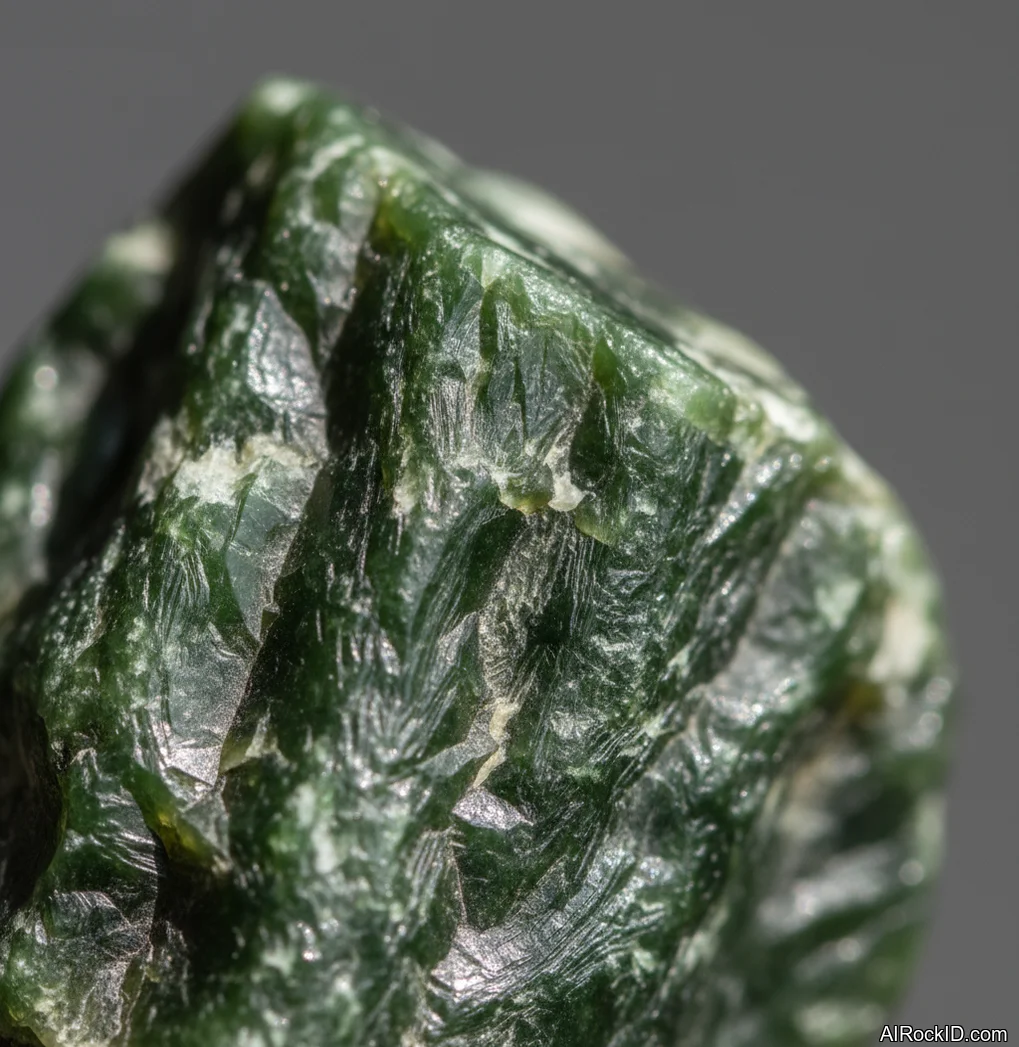
Noble Serpentine is gem-quality serpentine. Most of the time it shows up as a dense, fine-grained green stone, the kind dealers call bowenite or “new jade,” and it’ll take a smooth, waxy polish that looks great in your hand.
Pick up a palm stone and you notice it immediately. That soft, almost soapy feel. It’s not glass-slick at all. It’s closer to a bar of soap that’s been used once or twice, with that tiny bit of drag when you rub your thumb across it (especially along a rounded edge).
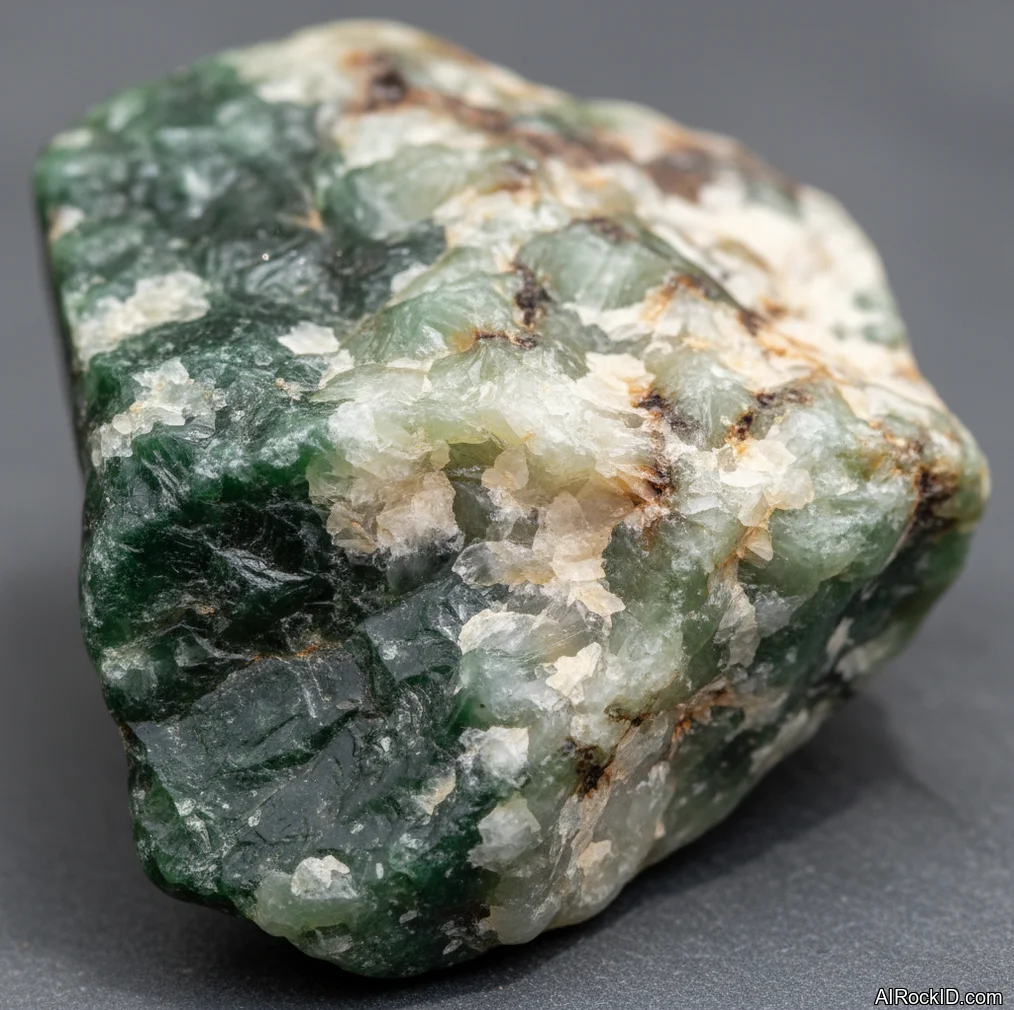
Color runs all over the green range, from pale celery to deep olive. A lot of pieces have milky clouding, thin white veins, or that mottled “skin” look. It’s the kind of patterning that makes it stand out fast when you’re digging through a bowl of tumbles.
And here’s the straight truth: people call it “jade” all the time, but it isn’t jadeite or nephrite. You can still like it. I do. But if someone’s pricing it like actual jade, don’t. Just walk away. The nicer material has a tight texture, decent translucency around the edges, and under a flashlight it gives off a glow that reads more buttery than glassy.
Origin & History
“Serpentine” was being used in Europe by at least the 1500s. The word comes from the Latin *serpentinus*, basically meaning “snake-like,” since the green color and those mottled, scaly-looking patterns (the kind you see when you turn a polished piece under a lamp) reminded people of snake skin. The formal name for the mineral group got nailed down in the early days of modern mineralogy in the 1700s and 1800s, when scientists were realizing these green rocks were related, but not always the same exact species.
“Noble serpentine” is really more of a lapidary and dealer phrase than a strict species name. You’ll see it on show labels when the seller’s trying to say, “Look, this is the good stuff, dense carving grade, not the crumbly, chalky construction serpentine that flakes at the edges when you nick it.” I first ran into the term on little tags next to Chinese-style carvings and small animal fetishes (the kind that feel cool and slightly waxy in your hand), and it stuck because collectors know what it’s getting at.
Where Is Noble Serpentine Found?
Gemmy serpentine shows up in ultramafic belts worldwide, especially where serpentinite is abundant and has zones dense enough for carving and polish.
Formation
Most of the really nice serpentine starts out as ultramafic rock, usually peridotite. Then water shows up. When hot fluids push their way through, the original olivine and pyroxene get altered into serpentine minerals, along with magnetite and, in some cases, brucite or talc.
If you’ve got a freshly cut face in your hand, you can basically see that whole process frozen in place. Some pieces have this webby look, like little seams and tiny fractures that healed, then cracked again, then healed again (over and over). But it isn’t a “crystal” in the way quartz is. It’s typically massive and fine-grained. And that’s exactly why it carves so nicely, as long as the stone’s dense and not too fractured.
How to Identify Noble Serpentine
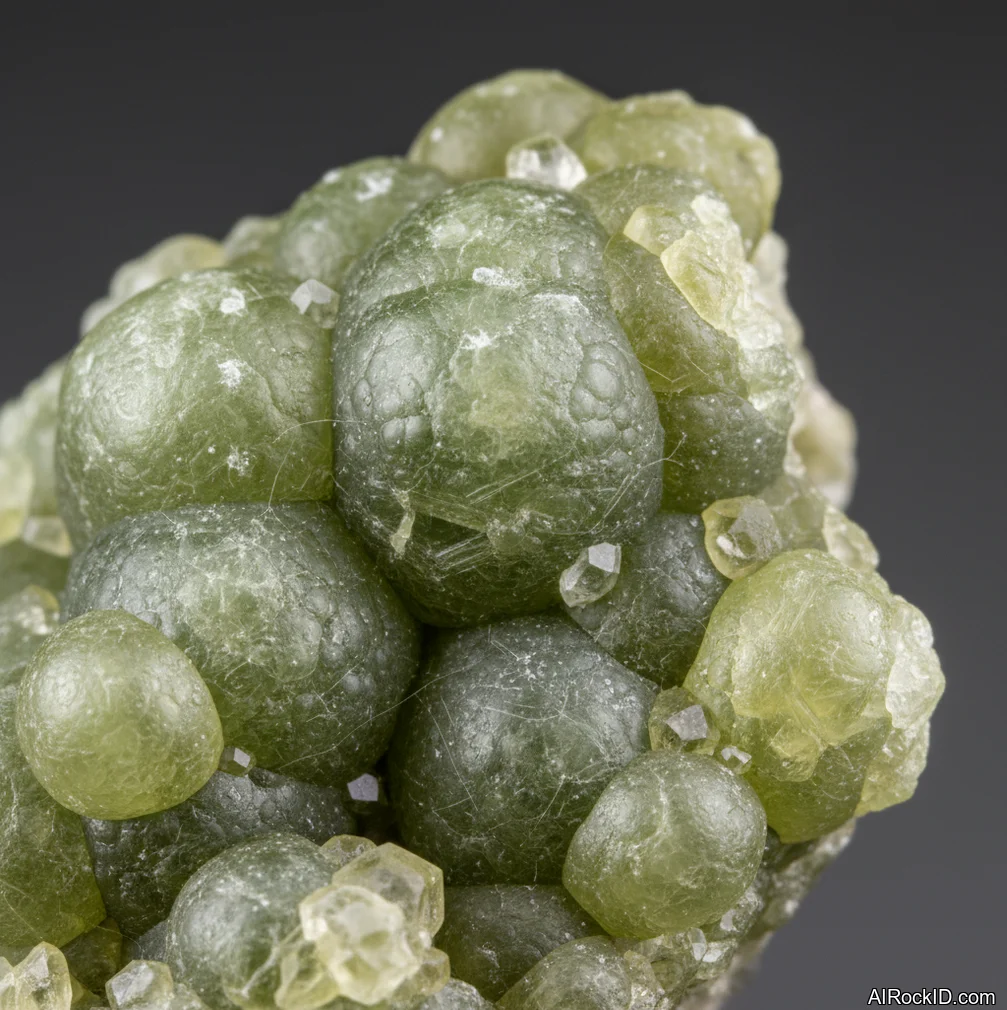
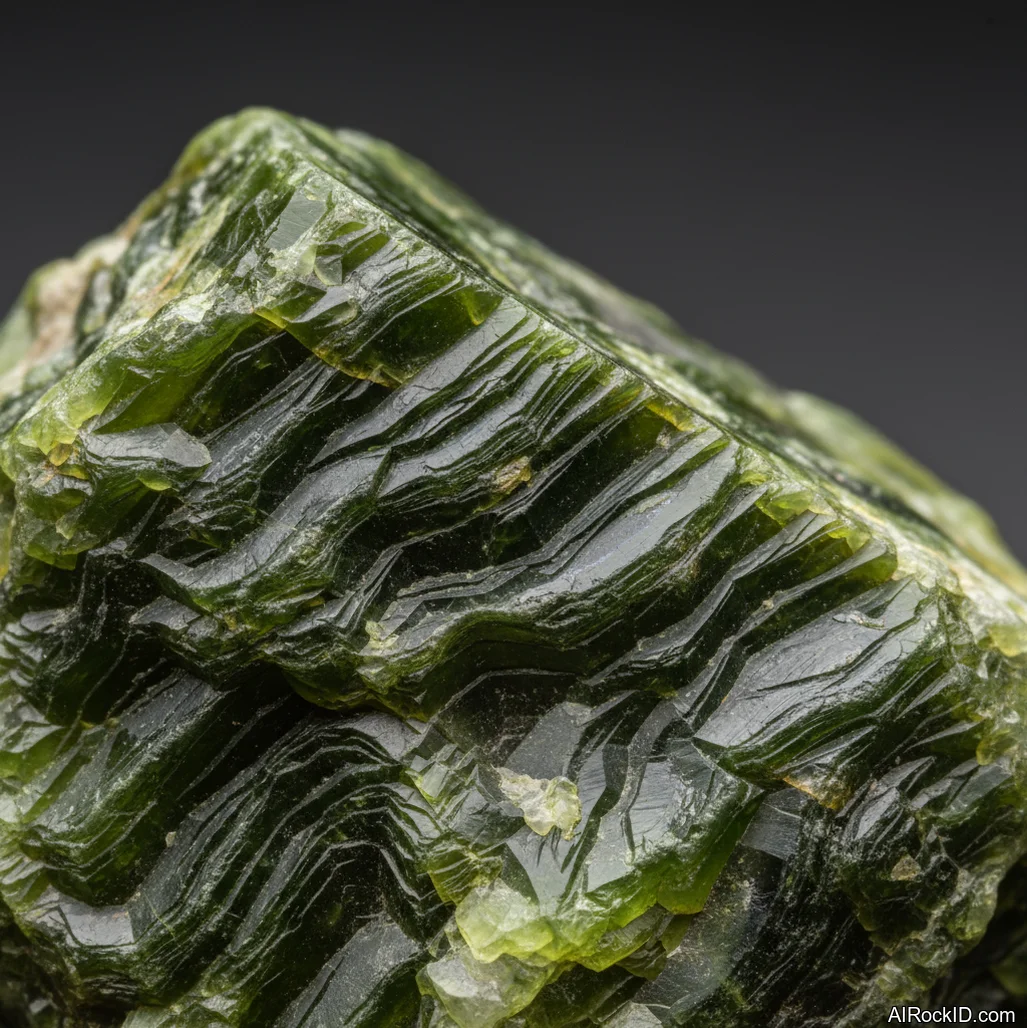
Color: Most noble serpentine is green in the celery to olive range, often with whitish clouds, pale veins, or darker mottling. The best carving grade can look more even and slightly translucent at thin edges.
Luster: Waxy to greasy luster, especially when polished.
Pick up a polished piece and rub it with your thumb. Real serpentine often has that “soapy” drag that glassy minerals don’t. If you scratch it with a steel nail, many pieces will mark, but the harder bowenite-like material may resist more than you expect. The problem with quick ID is the jade confusion, so shine a bright light through a thin edge: serpentine usually glows softly but doesn’t have the tougher, more fibrous look you see in nephrite.
Properties of Noble Serpentine
Physical Properties
| Crystal System | Monoclinic |
| Hardness (Mohs) | 2.5-4 (Soft (2-4)) |
| Density | 2.50-2.65 g/cm3 |
| Luster | Waxy |
| Diaphaneity | Translucent to opaque |
| Fracture | Uneven |
| Streak | white |
| Magnetism | Non-magnetic |
| Colors | light green, yellow-green, apple green, olive green, dark green, green with white veining, mottled green |
Chemical Properties
| Classification | Silicates |
| Formula | Mg3Si2O5(OH)4 |
| Elements | Mg, Si, O, H |
| Common Impurities | Fe, Ni, Cr, Al, Ca |
Optical Properties
| Refractive Index | 1.560-1.571 |
| Birefringence | 0.003-0.010 |
| Pleochroism | Weak |
| Optical Character | Biaxial |
Noble Serpentine Health & Safety
Handling polished noble serpentine is generally safe. But if you cut it or grind it, you can kick up a super fine dust, and you really don’t want to breathe that stuff in (it hangs in the air longer than you’d expect). Water exposure is usually fine for finished stones. I’ve rinsed pieces off and they don’t seem to mind, as long as they’re already polished and sealed up.
Safety Tips
If you’re cutting, shaping, or sanding it, keep it wet, make sure there’s real airflow (open window plus a fan actually moving air out), and wear a proper respirator that’s rated for fine particulates. And don’t dry-sand unknown serpentinite.
Noble Serpentine Value & Price
Price Range
Rough/Tumbled: $5 - $60 per palm stone/tumbled piece; $30 - $300+ per carving/specimen
Cut/Polished: $1 - $8 per carat (cabochons), depending on color and translucency
Price mostly comes down to what it looks and feels like in your hand. Tight, even material with decent translucency costs more, while chalky, fractured green serpentine stays cheap. And yeah, people slap the word “jade” on it and the price suddenly jumps, so don’t get hung up on the tag. Look at the quality of the material instead.
Durability
Moderate — Scratch resistance: Fair, Toughness: Good
It’s generally stable, but its lower hardness means it picks up scratches and dull spots from keys, grit, and rough handling.
How to Care for Noble Serpentine
Use & Storage
Keep it in a soft pouch or a separate box slot so harder stones don’t scuff it. I don’t toss serpentine into a mixed tumble bowl unless I’m okay with it getting hazy.
Cleaning
1) Rinse with lukewarm water and a drop of mild soap. 2) Wipe with a soft cloth or a soft toothbrush for crevices. 3) Rinse again and pat dry; skip heat and harsh cleaners.
Cleanse & Charge
If you do energetic cleansing, stick to gentle options like smoke, sound, or a quick rinse and dry. Avoid salt scrubs since they can leave micro-scratches on softer pieces.
Placement
On a desk or nightstand it does great, especially as a touch stone. For jewelry, I like it in pendants or earrings more than rings because rings take a beating.
Caution
Skip ultrasonic and steam cleaners. Seriously, just don’t use them. And don’t assume every piece of “serpentine” rough is fine to dry-cut either. If you don’t know exactly what you’ve got, handle it like it might have fibrous zones hiding in there. Why risk it?
Works Well With
Noble Serpentine Meaning & Healing Properties
A lot of people grab noble serpentine when they want something calming that still feels like it came straight out of the ground. In your hand, it’s soothing in a really physical way. The surface has that soft, waxy feel, like worn river stone or a bar of soap that’s been handled a thousand times, and it kind of makes you slow down without even meaning to. I’ve seen folks at my table pick one up, find one little spot with their thumb, and just keep rubbing it while they’re talking.
In crystal-meaning circles, it usually gets linked to grounding, letting go of old stress patterns, and feeling safer in your body. I file it under “steadying,” not “high voltage.” And yeah, here’s the plain but necessary part: none of this is medical care. If you’re dealing with anxiety, sleep issues, or pain, get real support and let stones be a comfort tool, not the whole plan. That’s just reality, right?
But the practical side of all the vibe talk is real, too. Serpentine’s a solid reminder to pick the gentle option. It’s soft enough that you’ve got to treat it with a little respect (it’ll show scratches if you’re rough with it), and that lines up with how people tend to use it: slow, consistent, not some dramatic one-time fix.
Identify Any Crystal Instantly
Snap a photo and get properties, value, care instructions, and healing meanings in seconds.