Purple Aragonite


Quick answer: Purple Aragonite is a lavender, lilac, or violet variety of aragonite, a calcium carbonate mineral with relatively low hardness. It is usually identified by its color, crystal habit, softness, reaction to acid, and comparison with dyed or mislabeled carbonate minerals.
AI Rock ID can help screen a Purple Aragonite specimen by comparing visible color, crystal habit, luster, and surface texture against known mineral patterns. RockIdentifier.io supports visual identification, but physical checks such as hardness, streak, and seller documentation are still important for confident confirmation.
Good fit
- Collectors who want a soft pastel carbonate mineral with lavender to violet color
- Buyers comparing nodules, clusters, or small cabinet specimens
- People who prefer minerals with visible crystal structure rather than polished-only material
- Collectors comfortable handling a softer mineral that needs gentle storage
Not a good fit
- Rings, bracelets, or daily-wear jewelry exposed to knocks and abrasion
- Outdoor display areas, damp locations, or acidic cleaning methods
- Buyers who need a highly durable mineral for frequent handling
Most commonly confused with
- Calcite: Calcite is also calcium carbonate but has trigonal cleavage and is often easier to split into rhombohedral fragments.
- Amethyst: Amethyst is quartz, much harder at Mohs 7, and does not fizz in dilute acid like carbonate minerals.
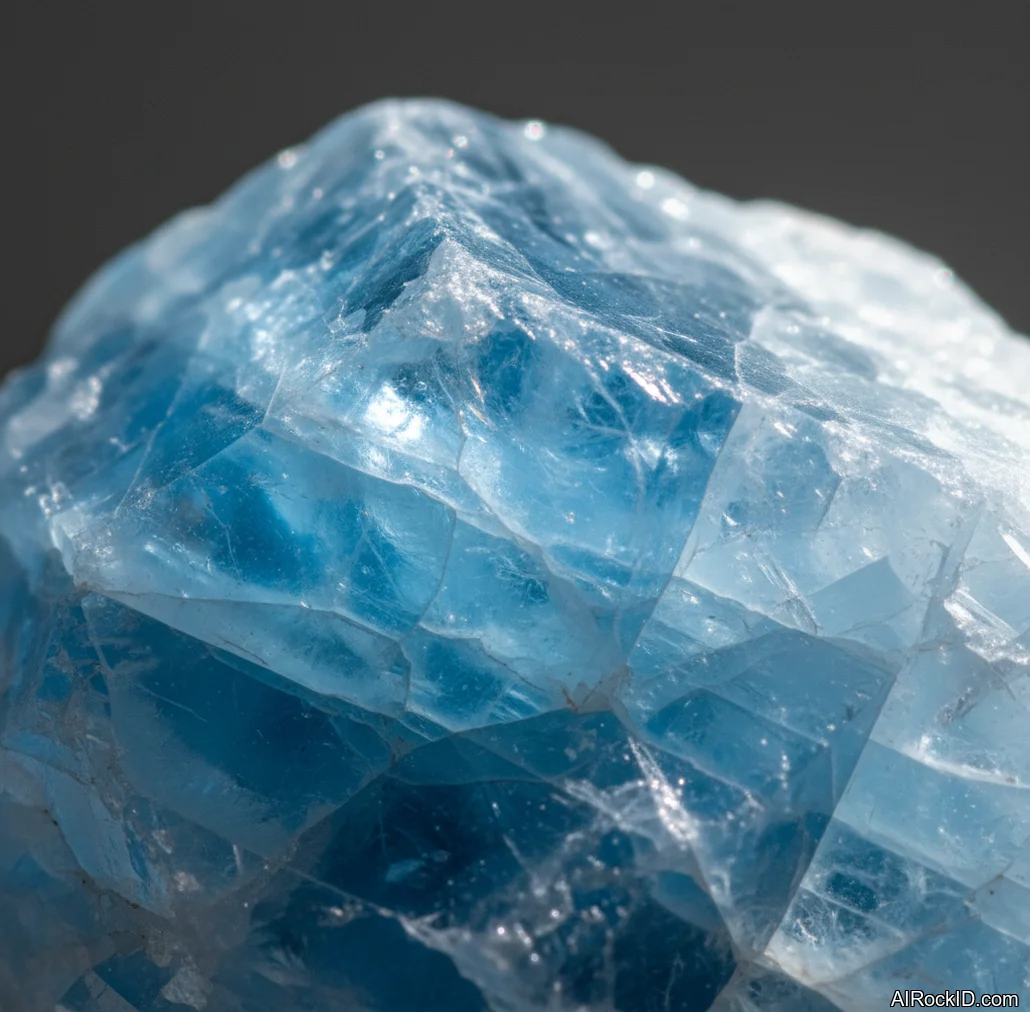
- Fluorite: Fluorite is typically softer than quartz but harder than aragonite, often shows cubic cleavage, and may display stronger transparency or zoning.
- Dyed Aragonite: Dyed material may show color concentrated in cracks, pores, or surface recesses rather than natural-looking distribution.
Purple Aragonite Lookalike Comparison
| Specimen | Key Difference | Simple Check |
|---|---|---|
| Purple Aragonite | Orthorhombic carbonate; Mohs 3.5–4 | Can be scratched by harder common materials and may react with dilute acid |
| Amethyst | Quartz; Mohs 7 and usually glassier | Will not scratch easily with a knife and does not fizz with dilute acid |
| Calcite | Trigonal carbonate with strong rhombohedral cleavage | Cleavage fragments often show rhomb shapes rather than aragonite clusters |
| Fluorite | Often cubic or octahedral cleavage; Mohs 4 | Look for cubic forms, color zoning, and possible fluorescence |
| Dyed Carbonate | Artificial color may sit in cracks or pores | Check for uneven dye concentration and color transfer on a damp white cloth |
AI identification confidence
AI visual identification for Purple Aragonite is usually moderate because color alone is not diagnostic and several purple minerals can look similar in photos. Confidence improves when images show crystal habit, broken edges, scale, luster, and any matrix or locality information.
When AI gets it wrong
- Photos are oversaturated, heavily filtered, or taken under purple-tinted lighting
- The specimen is polished, tumbled, or coated, hiding natural crystal habit
- The material is dyed carbonate or resin-stabilized and color distribution is not visible
- Only one close-up image is provided without scale or multiple angles
Final recommendation
Choose Purple Aragonite when you want a lavender to violet carbonate specimen and are comfortable verifying softness, habit, and authenticity. For jewelry or frequent handling, harder purple minerals such as amethyst are usually more practical.
How to Check Purple Aragonite Authenticity
A practical authenticity check starts with color distribution, crystal habit, and hardness. Natural Purple Aragonite should not show obvious dye pooling in cracks, unusually bright surface-only color, or plastic-like coatings. Because aragonite is a carbonate, a trained tester may use a tiny amount of dilute acid on an inconspicuous spot, but this can damage the specimen and is not recommended for display pieces.
Buying Tips for Purple Aragonite
Ask sellers for clear photos in natural light, including close-ups of crystals, broken edges, and the underside of the specimen. Listings should state whether the piece is natural, dyed, stabilized, polished, or repaired. Locality information, specimen size, and weight can help compare prices between similar nodules and clusters.
Photo Tips for Identifying Purple Aragonite
Use daylight or neutral white lighting and avoid filters that intensify purple tones. Photograph the specimen from several angles with a ruler or coin for scale, and include close-ups of terminations, surface texture, and any matrix. A white or gray background helps separate true lavender color from lighting reflections.
What Is Purple Aragonite?
Purple Aragonite is just aragonite (calcium carbonate, CaCO3), only it shows up in that purple to lavender range.
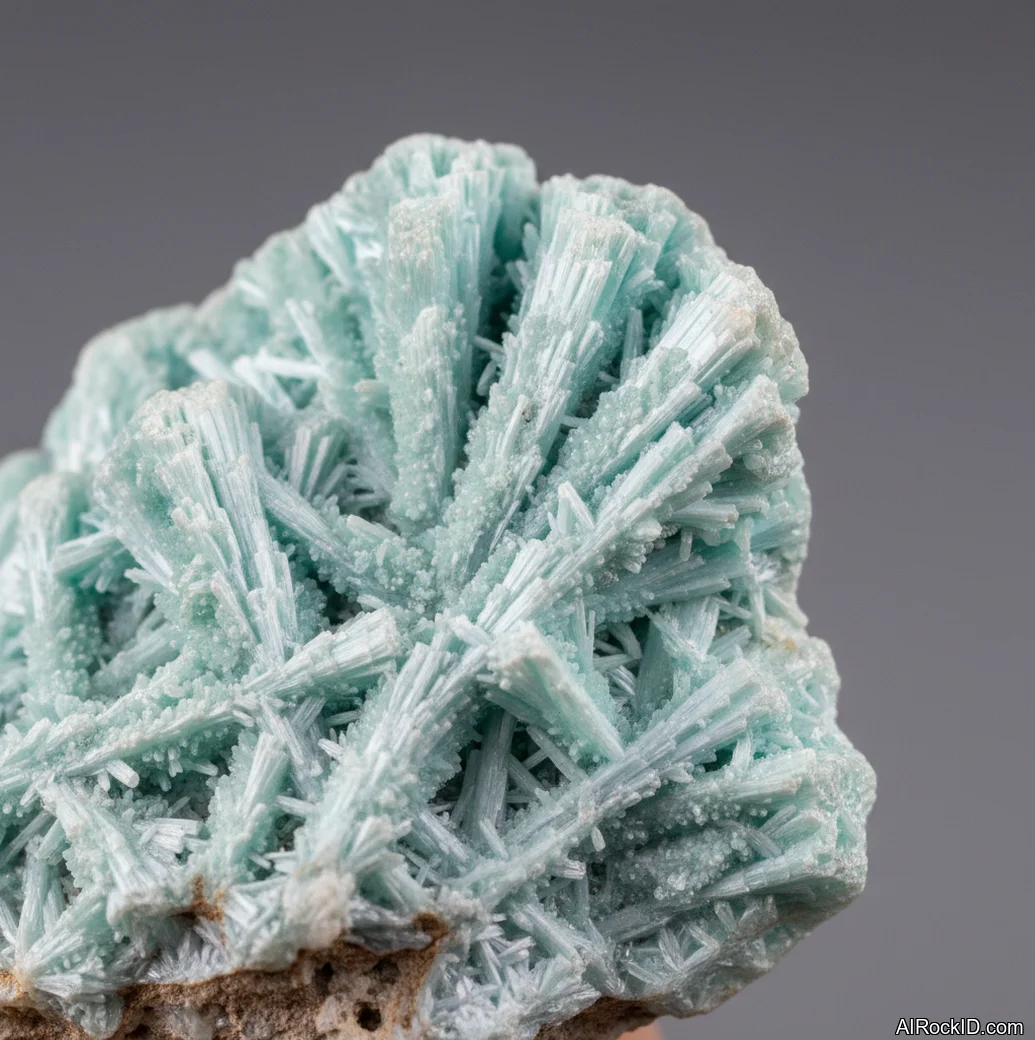
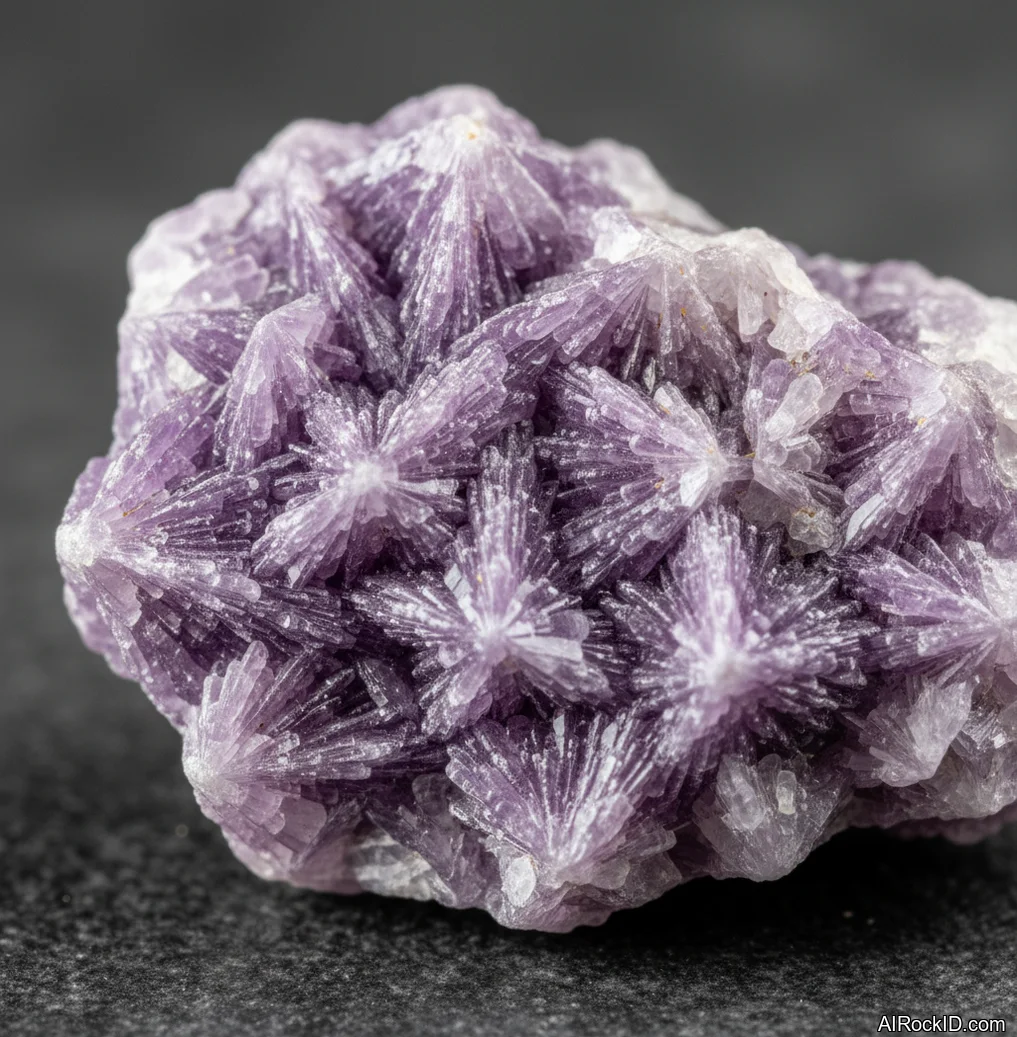
Grab a chunk and you notice it instantly. It has that carbonate weight for its size, and it stays weirdly cool in your palm, like a bit of limestone that decided to dress up. And most of what you’ll see for sale isn’t some perfect, textbook single crystal. It’s usually rounded nodules, bumpy botryoidal skins, or those radiating sprays that honestly look like frozen fireworks when you turn them.
People often mistake it for purple calcite at first because the color sits in the same zone. But the look isn’t quite the same. Aragonite usually comes off more fibrous or radiating, and if you tilt it under a shop light the surface can throw a pearly flash. Still, it’s aragonite, so don’t count on it to shrug off hits. Drop it on concrete once and, yeah, you’ll get the message fast.
Origin & History
Aragonite got its first proper description in 1797, when Abraham Gottlob Werner wrote it up from material collected at Molina de Aragón in Spain. That’s where the name comes from, plain and simple, and it’s the one everyone kept using.
Purple Aragonite, though? It isn’t some separate species. It’s just aragonite being sold under a color name in the trade. The “purple” tag usually comes down to trace impurities or included material that nudges the color toward lilac, and you see it most in those fibrous, radiating sprays collectors like to prop up where the light catches the needles.
Where Is Purple Aragonite Found?
Purple material turns up in carbonate-rich settings worldwide, with a lot of dealer stock coming from Morocco and Peru, plus smaller finds from the USA and Mexico.
Formation
Most aragonite grows out of calcium-rich water, usually in caves, hot springs, or in near-surface veins where fluid threads through limestone and dolostone. It’ll also crystallize in marine settings and even inside shells, but the pieces collectors chase are typically open-space growth in fractures or little pockets.
Look, if you stare at those radiating sprays long enough, you can kind of “read” how it formed. The needle-ish crystals blast outward from a single point, and that’s what you see when the chemistry suddenly flips into a grow-fast gear (you can almost picture the water chemistry changing mid-flow). But aragonite’s a polymorph, so timing and conditions call the shots. Give it enough geologic patience and aragonite can alter into calcite, and now and then you’ll run into a specimen where the spiky texture is still there even though the mineral itself has started to change. How weird is that?
How to Identify Purple Aragonite
Color: Ranges from pale lavender and lilac to deeper violet, often with white, tan, or gray banding and occasional iron-stained spots. Color is commonly uneven, with stronger purple in the fibrous or radiating zones.
Luster: Vitreous to pearly, and sometimes silky on fibrous surfaces.
If you scratch it with a copper coin, you’ll usually leave a mark, but it won’t feel as buttery-soft as gypsum. The real test is the habit: radiating sprays, fibrous crusts, and pseudo-hexagonal-looking crystals point you toward aragonite, not quartz or fluorite. And if you’ve got a known calcite chunk, compare cleavage and feel: aragonite tends to break more splintery or uneven, while calcite’s cleavage is the classic rhomb look.
Common Look-Alikes
Purple Aragonite is sometimes confused with these materials:
- Purple fluorite (especially massive or botryoidal pieces sold as “purple aragonite”)
- Amethyst quartz (tumbled or pale lavender pieces marketed under aragonite names)
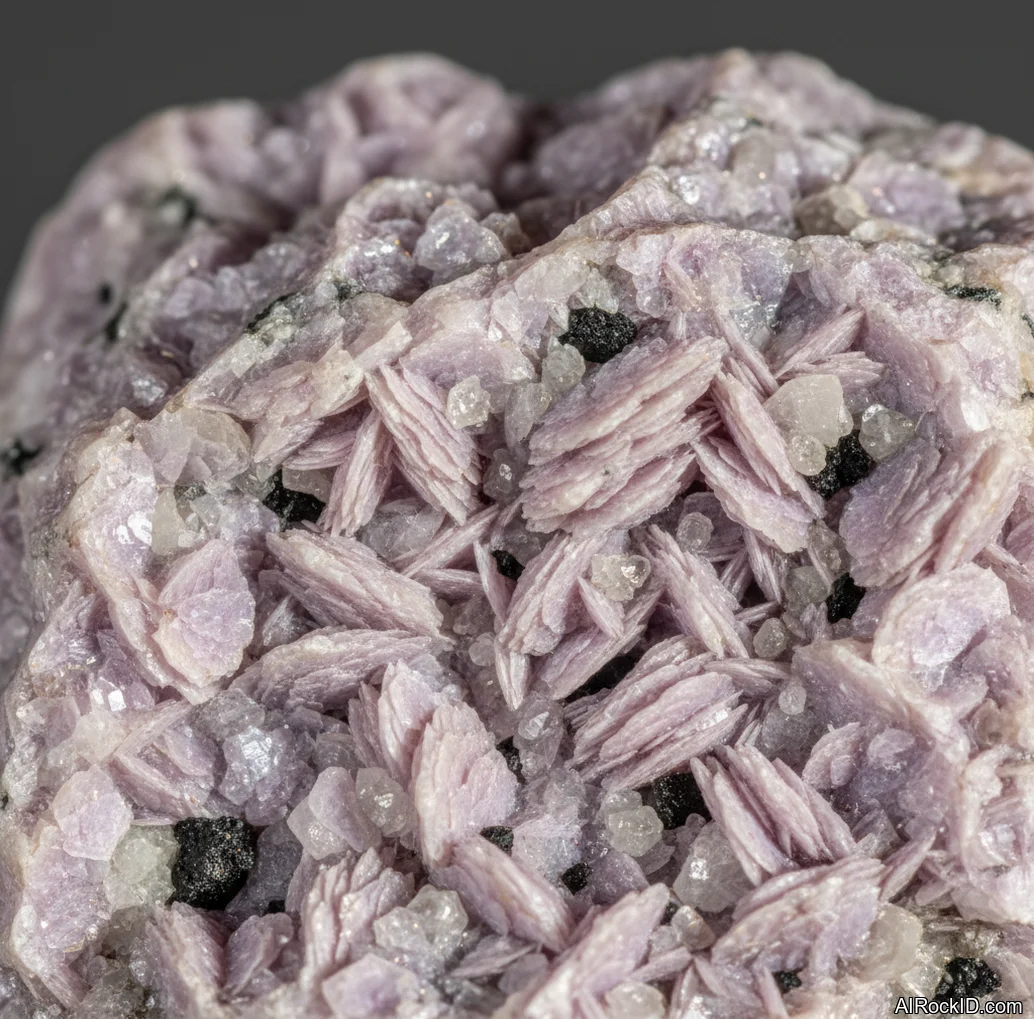
- Lepidolite (lavender mica masses and “lepidolite in quartz” that read similarly in photos)
- Dyed calcite/aragonite (white carbonate nodules dyed purple, often with color concentrated in pits and cracks)
- Purple glass or resin “crystal” (fake botryoidal lumps or polished chunks with too-even color and a warmer feel)
Market Cautions & Treatments
When AI Can Get This Wrong
At first glance, phone ID apps mix Purple Aragonite up with purple fluorite, amethyst, and lepidolite because all three photograph as the same lavender blob, especially when the aragonite is botryoidal. The real test is physical: Purple Aragonite is soft (knife will bite), feels carbonate-heavy for its size, and a tiny drop of vinegar on a fresh scratch will usually give at least a weak fizz. Photos also miss the subtle chalky rind and the radiating “frozen fireworks” texture that you can feel with a fingernail on real aragonite sprays.
Properties of Purple Aragonite
Physical Properties
| Crystal System | Orthorhombic |
| Hardness (Mohs) | 3.5-4 (Soft (2-4)) |
| Density | 2.93-2.95 g/cm3 |
| Luster | Vitreous |
| Diaphaneity | Translucent to opaque |
| Fracture | Uneven |
| Streak | White |
| Magnetism | Non-magnetic |
| Colors | Lavender, Purple, Violet, Lilac, White, Tan, Gray |
Chemical Properties
| Classification | Carbonates |
| Formula | CaCO3 |
| Elements | Ca, C, O |
| Common Impurities | Sr, Pb, Fe, Mn |
Optical Properties
| Refractive Index | 1.530-1.685 |
| Birefringence | 0.155 |
| Pleochroism | None |
| Optical Character | Biaxial |
Purple Aragonite Health & Safety
Handling is usually safe. But if a fibrous cluster snaps, you can end up with sharp little chips, the kind that catch on your fingertip if you rub the broken edge. Normal use isn’t considered a toxicity issue.
Safety Tips
If you’re going to trim or drill, put on eye protection and a dust mask. And when you’re done, skip the sweeping, it just kicks stuff back up. Grab a wet wipe and clean it that way instead.
Purple Aragonite Value & Price
Price Range
Rough/Tumbled: $8 - $120 per piece
Prices jump around depending on how saturated the color is, how crisp that radiating structure looks up close (the kind you can actually see when you tilt it under a light), and whether you’re buying a big display cluster or just a small tumbled stone. And sellers usually ask more when the purple looks naturally deep instead of washed out or chalky.
Durability
Nondurable — Scratch resistance: Fair, Toughness: Poor
Aragonite can chip easily and may slowly alter to calcite over long timeframes, so treat it like a delicate carbonate specimen.
How to Care for Purple Aragonite
Use & Storage
Store it wrapped or in a compartment so it doesn’t rattle against quartz or metal. I keep my aragonites in little cardboard flats because one careless clink can leave a white nick.
Cleaning
1) Use lukewarm water and a tiny drop of mild soap if needed. 2) Gently brush with a very soft toothbrush, working along the crystal growth instead of against it. 3) Rinse quickly and pat dry; don’t soak for long periods.
Cleanse & Charge
For metaphysical-style cleansing, stick to smoke, sound, or a quick pass over a selenite plate. Skip salt bowls since they can scratch surfaces and leave crust in tiny crevices.
Placement
Put it on a stable shelf where it won’t get bumped, especially if it’s a spiky radiating cluster. Soft lighting looks great on the pearly flashes without heating it up.
Caution
Skip acids and harsh cleaners, and don’t run it through an ultrasonic or steam cleaner. And go easy on it when you’re handling it, because at Mohs 3.5–4 with those brittle crystal habits, it’ll chip before you know it.
Works Well With
Purple Aragonite Meaning & Healing Properties
Most dealers, and plenty of crystal people too, file Purple Aragonite under “please calm the whole room down.” And yeah, I see it. When I’m sorting trays at a show, I’ll sometimes park a purple aragonite nodule right on the table because it’s visually quiet. It doesn’t yell at you like hot pink cobalt calcite or neon fluorite. It just sits there. Still. Almost like it’s waiting.
If you’re the kind of person who works with crystals in a personal, reflective way, purple aragonite usually ends up as a grounding stone that also gives you a bit of headspace. Like a little bridge between steady and dreamy. But look, I’m going to say the obvious part out loud: that’s personal practice, not a medical claim. If you’re dealing with anxiety, sleep issues, or anything heavy, crystals can be a comfort object and a nudge to slow down, but they don’t replace actual care. At all.
One practical thing, from handling a lot of the stuff: the softer, more porous-looking pieces feel gentler in your hand, but they also grab skin oils and dust way faster. You can literally see it happen on the high spots where your thumb keeps landing (especially if you’re absentmindedly rubbing it while you talk). I’ve watched pale lavender pieces go kind of dull after a year on an open shelf. A quick rinse and a soft brush brings the glow back, and honestly, that tiny cleanup ritual is part of why some people like working with it. Why not make that part of it?
Common mistakes
- Identifying any purple crystal as Purple Aragonite based only on color
- Assuming a polished purple stone is aragonite without hardness or habit clues
- Overlooking dye concentrated in cracks, pits, or porous areas
- Cleaning Purple Aragonite with vinegar, lemon juice, or acidic mineral cleaners
- Using Purple Aragonite in high-impact jewelry settings despite its low hardness
Identify Purple Aragonite from a photo
Compare Purple Aragonite traits, care tips, value clues, and common lookalikes with a clear photo.