Raquirite
What Is Raquirite?
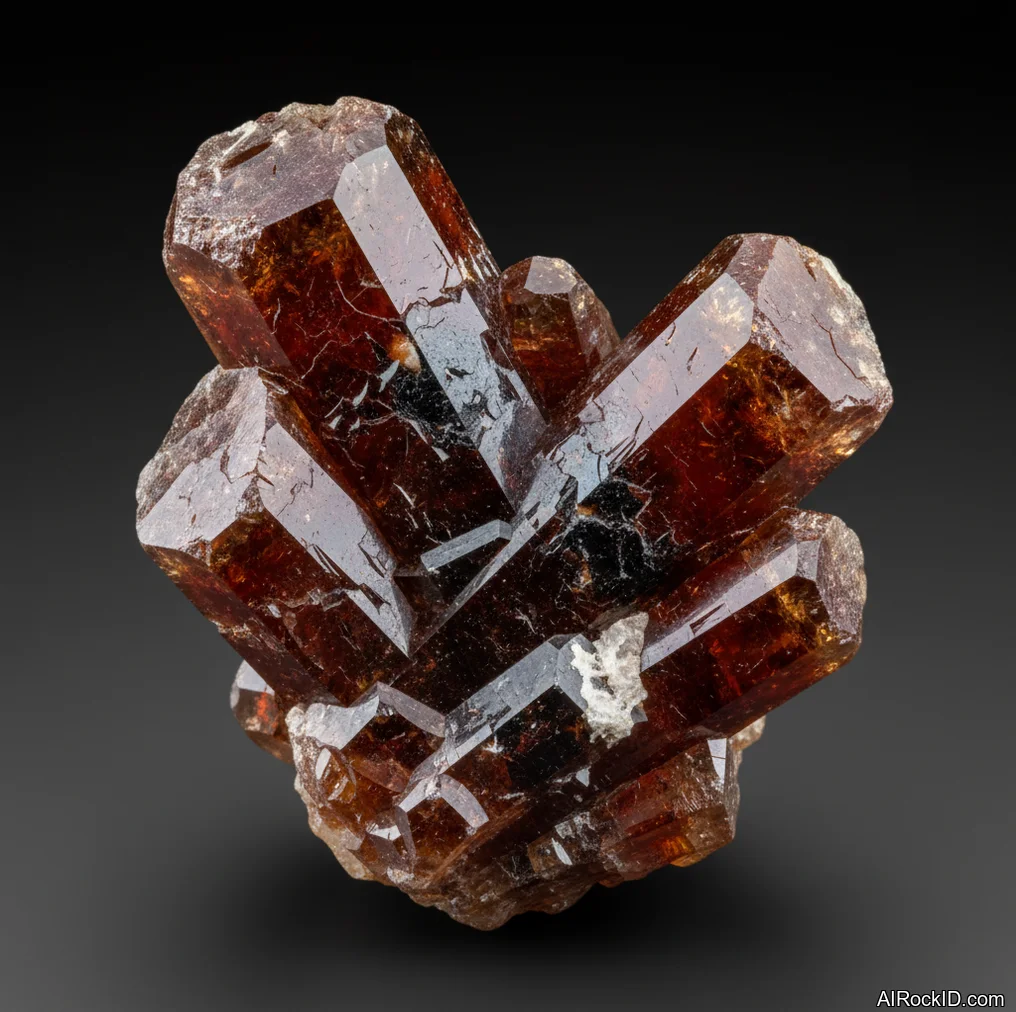
Raquirite isn’t an officially recognized mineral species. Most of the time, it’s just a trade name someone slaps on pretty normal material that’s been misidentified (or never identified in the first place).
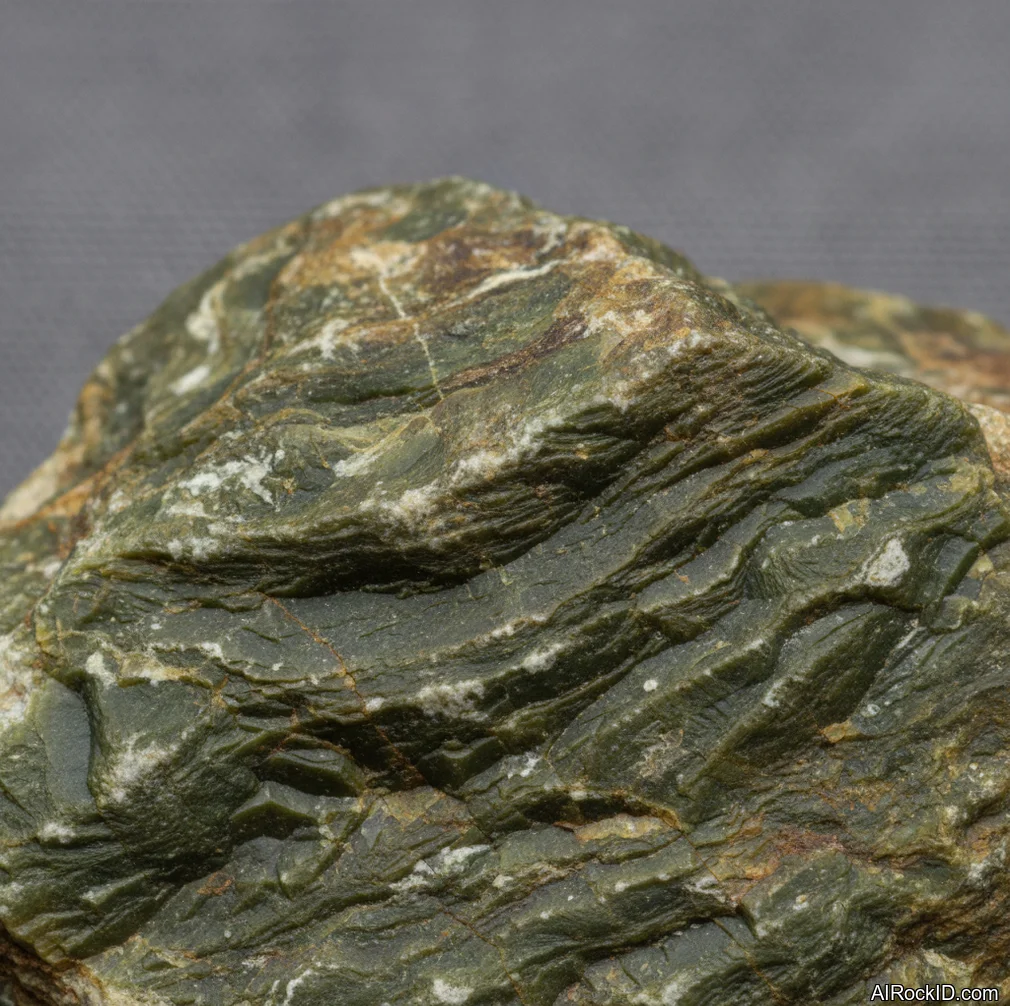
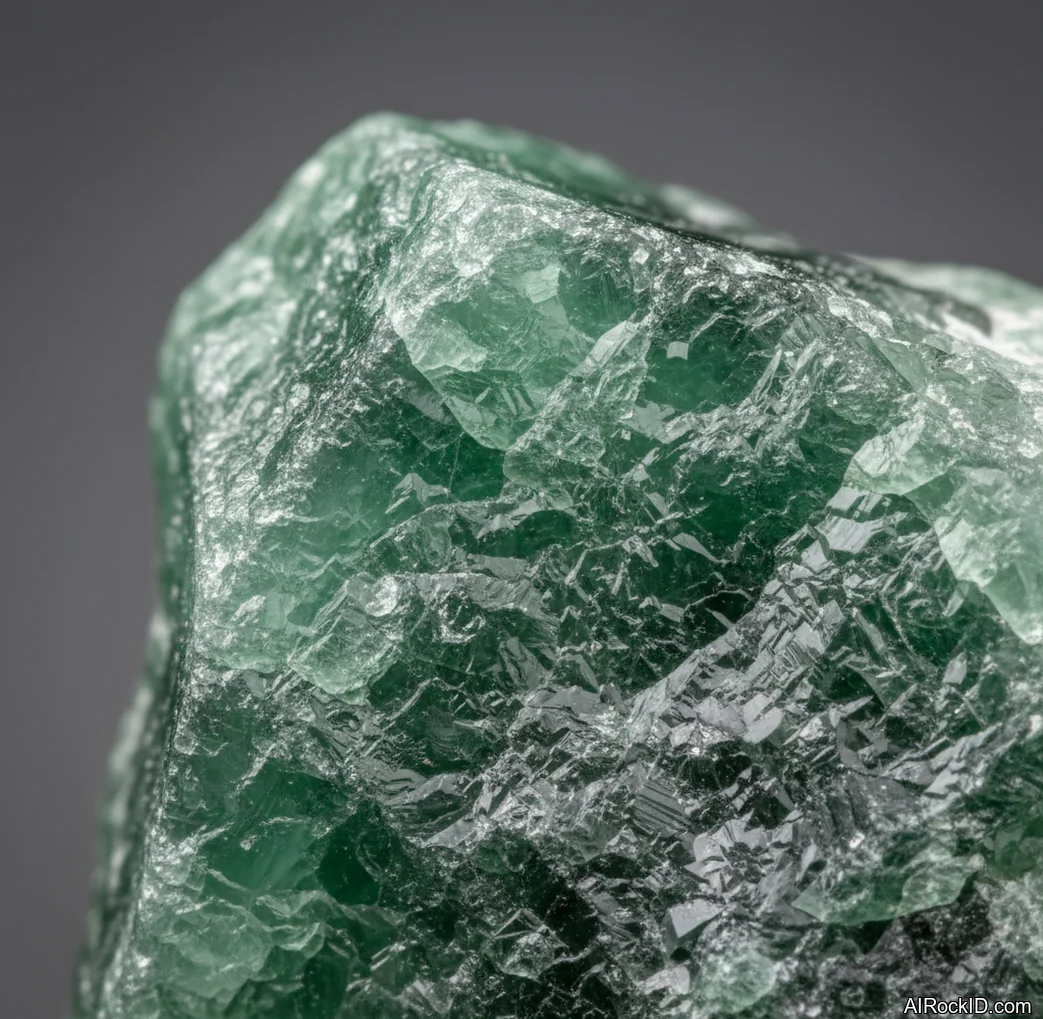
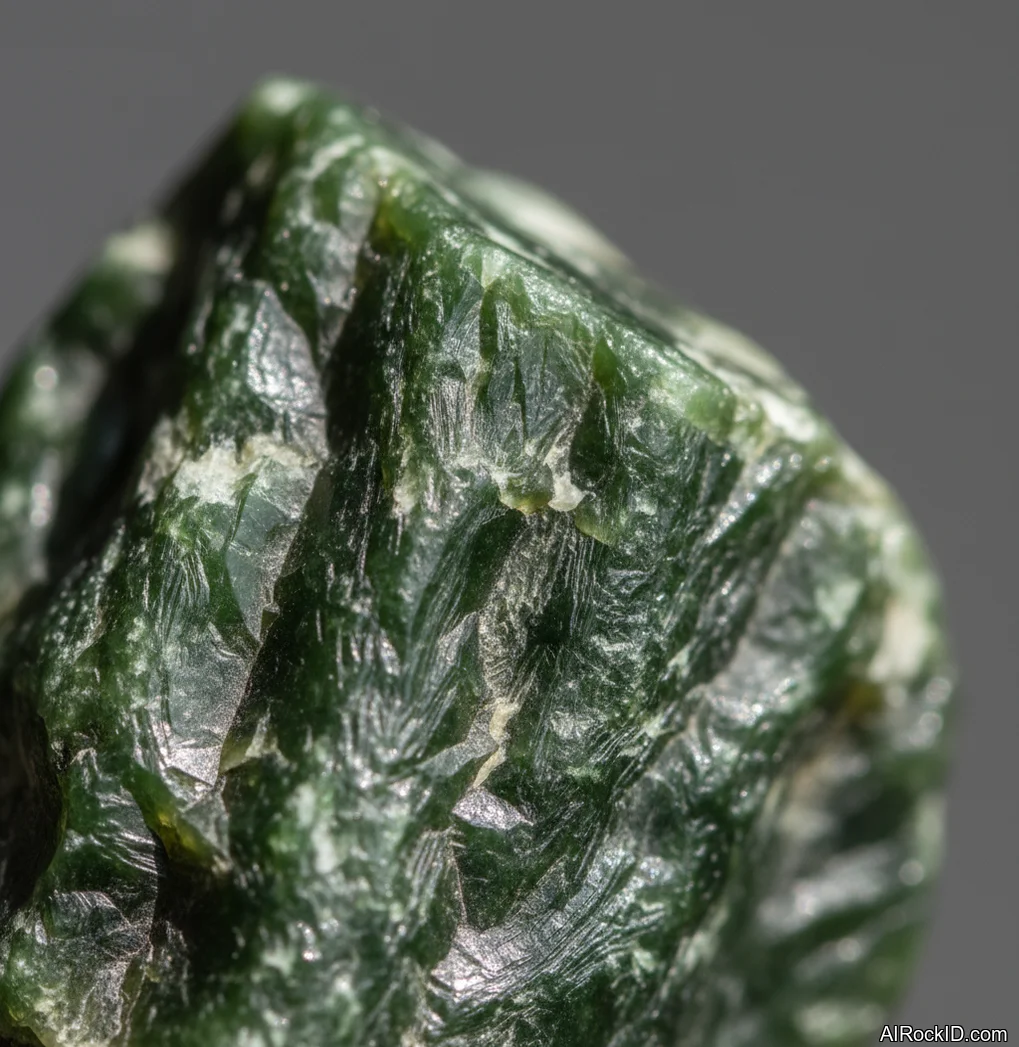
Look, the “raquirite” you see for sale usually shows up as gray-green tumbled stones. Sometimes it’s got those peppery black specks, sometimes it’s more blotchy, like the color got stirred in and never fully mixed. When you actually pick one up, it doesn’t have that crisp, glassy snap you get from quartz or feldspar. It feels a bit waxy from the polish, and on freeform carvings the edges stay kind of soft and rounded even when the listing swears it’s “raw.” (Yeah, sure.)
Thing is, two sellers can ship two totally different rocks and call both of them Raquirite. I’ve held “Raquirite” that behaved like serpentine, and I’ve also seen lots that looked more like low-grade jasper or even dyed material. So if you’re collecting for the mineral itself, treat the name like a warning flag. But if you’re just buying it because you like how it looks, judge the piece you’re actually getting and ask what it’s supposed to be. What are you really paying for?
Origin & History
Most dealers can’t point you to some official “first description,” because there isn’t one. You won’t find “Raquirite” listed as a valid species name in the standard mineral references, and it doesn’t have an approved type locality either.
Thing is, after years of walking show aisles, leaning over glass cases, and scrolling through endless online listings at midnight, it looks like modern trade slang to me. It shows up the same way a lot of shop labels do: somebody coins a catchy name, it gets copied into wholesale lists, and then it just takes off. And once it’s out there, the “story” starts sliding around depending on who’s trying to move it that week.
Where Is Raquirite Found?
Because Raquirite isn’t a formally defined mineral, there’s no verified locality list; reported origins depend on what the material actually is.
Formation
Thing is, people slap that label on a bunch of different stuff, so how it formed depends on what the rock actually is in hand. If it’s serpentine, or a rock loaded with serpentine, then you’re in hydration and alteration territory for ultramafic rocks. That’s what you get when peridotite gets chemically changed by water, usually along faults or in old ocean crust zones where fluids had an easy path in.
But if what you’ve really got is a jaspery chalcedony mix, it’s a silica story instead. Fluids move through fractures, and over time they drop microcrystalline quartz into those cracks, little by little.
So I’d get picky about the texture. If it feels waxy, looks a bit fibrous when you tilt it under a light, and it takes a softer polish, I start thinking serpentine. If it’s harder, rings under a steel point, and has that tight, microcrystalline look, then I lean silica.
How to Identify Raquirite
Color: Most pieces sold as Raquirite are gray-green to olive, sometimes with darker specks or cloudy patches. The color often looks “soft,” not sharply banded.
Luster: Usually waxy to dull on tumbled surfaces, rarely truly vitreous.
Pick up a piece and do the simple feel test first: serpentine-type material feels a touch slick and warm faster than quartz. If you scratch it with a steel nail and it leaves a clear line, that’s a big hint it’s in the Mohs 3 to 5 range, not quartz at 7. And if the seller claims it’s rare, ask for the actual mineral name and any test results, because “Raquirite” by itself doesn’t tell you what you’re buying.
Properties of Raquirite
Physical Properties
| Crystal System | Amorphous |
| Hardness (Mohs) | Varies (commonly ~3.0-5.5 depending on what is sold under the name) (Soft (2-4)) |
| Density | Varies (commonly ~2.5-2.7 g/cm3 depending on material) |
| Luster | Waxy |
| Diaphaneity | Opaque |
| Fracture | Uneven |
| Streak | White |
| Magnetism | Non-magnetic |
| Colors | gray-green, olive, dark green, gray, black-speckled |
Chemical Properties
| Classification | Not applicable (trade name; composition varies) |
| Formula | None (not an approved species) |
| Elements | |
| Common Impurities |
Optical Properties
| Refractive Index | Varies (commonly ~1.53-1.57 depending on material) |
| Birefringence | None |
| Pleochroism | None |
| Optical Character | Isotropic |
Raquirite Health & Safety
Hand handling is usually pretty low risk for the common rocks that get sold under this name. Thing is, the bigger problem is you can’t always be sure what you’re actually holding.
Safety Tips
If you’re going to cut or sand it, put on a dust mask and keep it wet with water. Thing is, the trade name doesn’t tell you the exact composition, so you’re better off not breathing whatever dust comes off it.
Raquirite Value & Price
Price Range
Rough/Tumbled: $5 - $40 per palm stone or small specimen
Price mostly comes down to how clean the polish is, how big the piece is in your hand, and whether the seller can actually back up what mineral it really is. You’ll see “Rare Raquirite” slapped on listings with a fat markup all the time. But, honestly, that’s usually sales copy, not geology.
Durability
Moderate — Scratch resistance: Fair, Toughness: Fair
Most material sold as Raquirite is stable in normal indoor conditions, but softer varieties can pick up scratches and dull spots from pocket carry.
How to Care for Raquirite
Use & Storage
Keep it in a small bag or a separate compartment if you’ve got harder stones around it. Softer Raquirite-labeled material will get scuffed up by quartz points and agates.
Cleaning
1) Rinse with lukewarm water and a drop of mild soap. 2) Use a soft toothbrush for creases, then rinse again. 3) Pat dry and let it fully air-dry before storing.
Cleanse & Charge
For a simple reset, I stick it on a shelf overnight away from direct sun and let it sit. If you like pairing, a chunk of clear quartz nearby is a clean, no-drama option.
Placement
On a desk or nightstand works fine, especially if you like smooth palm stones you can fidget with. If it’s a softer piece, skip putting it where keys and coins will bang into it.
Caution
Skip harsh acids, salt soaks, or anything gritty, because you still don’t know the exact species. And some of the look-alike materials will etch fast or go cloudy and dull with the slightest bit of that stuff.
Works Well With
Raquirite Meaning & Healing Properties
Look at how people toss this name around and you’ll see why I keep the metaphysical stuff on a short leash. When the identity’s blurry, the “properties” usually come down to how the stone feels in your hand, not some lab-verified mineral with a neat label.
In my own stash, the stones tagged as Raquirite that feel more serpentine-like carry this slow, steady kind of energy. They’re the palm stones I grab when my head’s overheating and I need something cool and slick to hang onto while I’m stuck on a phone call. Not medicine. Just a physical cue, like worry beads, and yeah, it works because it’s literally sitting in your palm.
But here’s the catch. If your piece is actually jasper, serpentine, or something dyed, you’re going to have a different experience, and it’ll wear differently over time too. I’ve watched polished stones sold as Raquirite fade a little after they sat in a sunny shop window for a month (you could see the color look slightly washed out on the side facing the glass). So I treat it as a personal object first. If you want consistency, buy it under a real mineral name, then decide what it means to you from there.
Identify Any Crystal Instantly
Snap a photo and get properties, value, care instructions, and healing meanings in seconds.