Spider Web Jasper
What Is Spider Web Jasper?
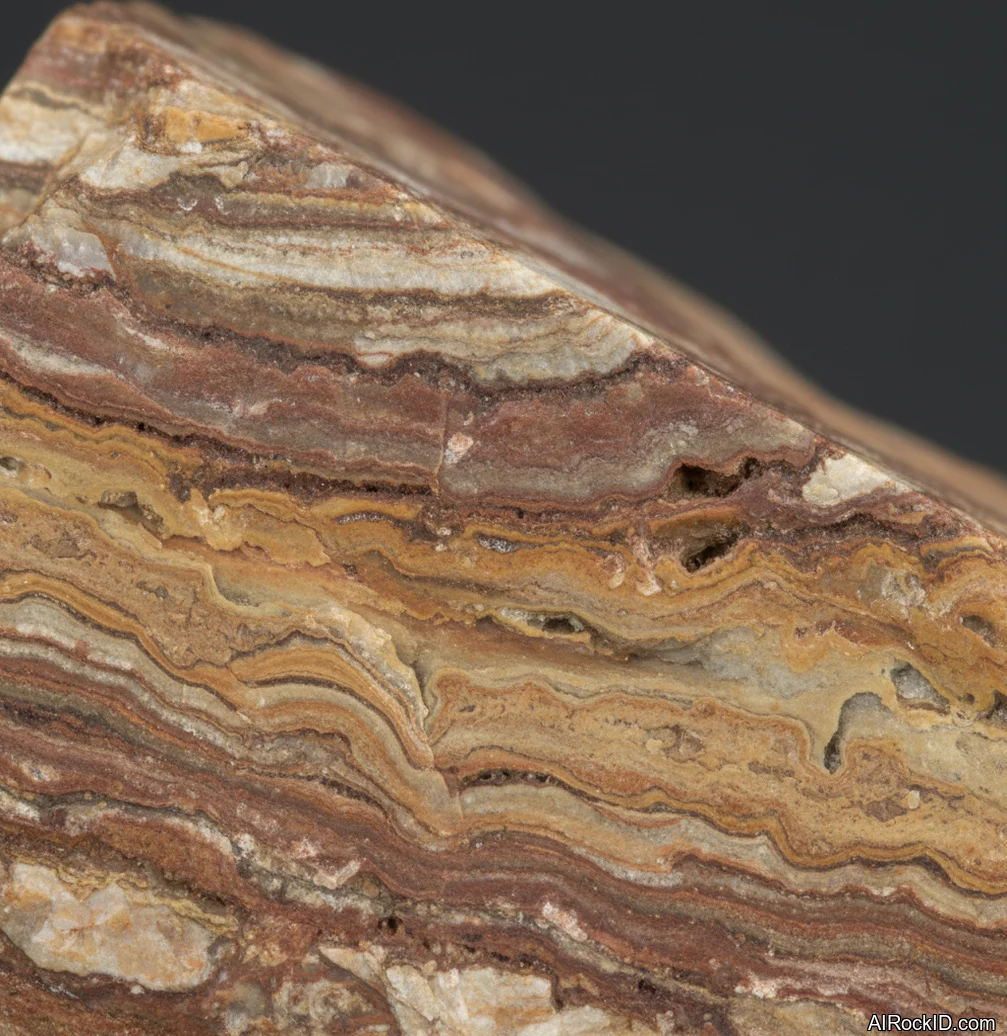
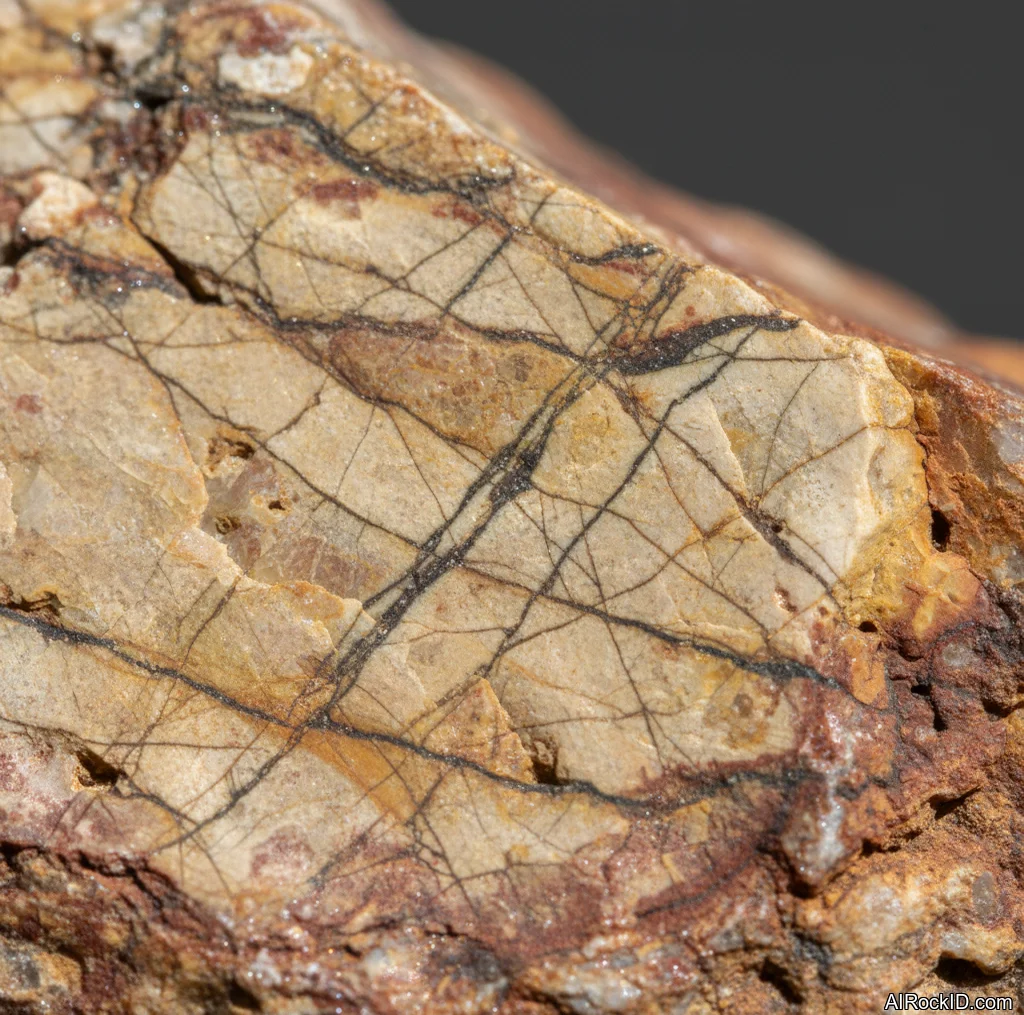
Spider Web Jasper is an opaque jasper, basically microcrystalline quartz, with skinny branching veins that sprawl like a web over a base color that stands in sharp contrast.
Grab a decent tumbled stone and you notice the weight immediately, that solid quartz heft. It feels cool in your palm, not that weird plasticky warmth you get from resin or dyed howlite. And the finish? Usually more of a gentle glow than a sharp, mirror-like shine. First look, it’s like a tiny road map: a cream or gray field, then ink-black lines that split, wander, and hook back up again, kind of like cracks in dried mud.
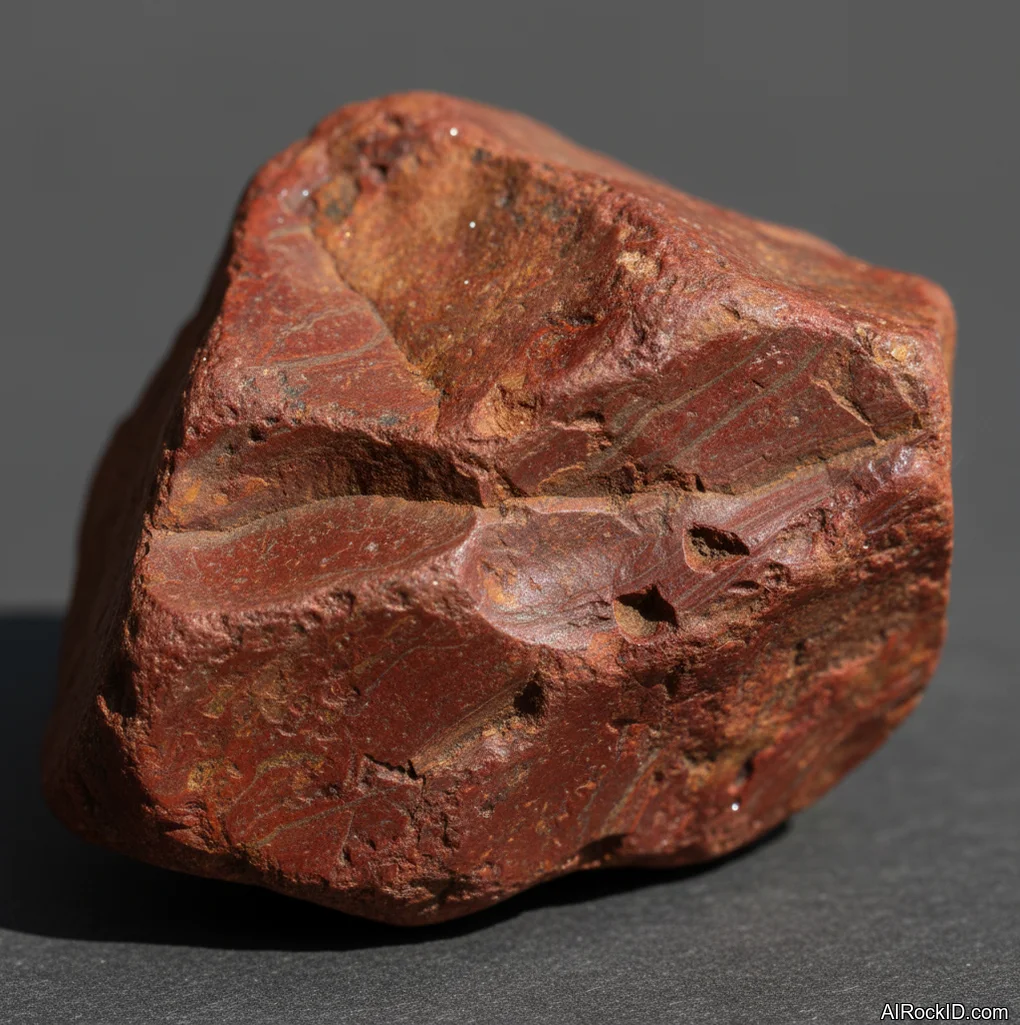
Most pieces you’ll run into are polished. Rough chunks are out there, sure, but they can look pretty bland until someone slices them open. That’s the whole trick with this stuff. The “web” is usually fracture-fill or manganese and iron staining running along tiny seams, so once it’s slabbed, it can look way busier than the outside of the nodule ever let on.
Origin & History
You won’t see “Spider Web Jasper” listed as an official mineral species. It’s a dealer trade name, and it gets slapped on webby-looking jaspers and chalcedonies pretty freely, mostly depending on how the pattern hits your eye.
The “jasper” part goes back to an old term for spotted or speckled stones. And in lapidary circles, “jasper” has basically been used forever as a catch-all for opaque, pattern-heavy quartz rocks that take a solid polish (you can feel that glassy slickness when you run a thumb over a finished cab). In shop talk, “spiderweb” is just shorthand for that cracked-ink network look. But here’s the thing: people use that label on all kinds of material, from true jaspers to magnesite or howlite that’s been dyed black, and you’ll usually spot the dye in the darker lines where it pools a bit.
Where Is Spider Web Jasper Found?
Spiderweb-pattern jasper is sold from a bunch of sources, especially the western USA and Mexico, with similar-looking material also marketed from Brazil, China, and elsewhere.
Formation
Look close at the pattern and, most of the time, it’ll tell you how it was made. Jasper starts out as a silica-rich gel or microcrystalline quartz that hardens in cracks, cavities, or by replacing material in volcanic and sedimentary rocks. Then, later on, fluids work their way through tiny micro-fractures and drop darker oxides or other minerals right along those hairline seams (the same little lines you can trace with your fingernail when a piece is polished smooth).
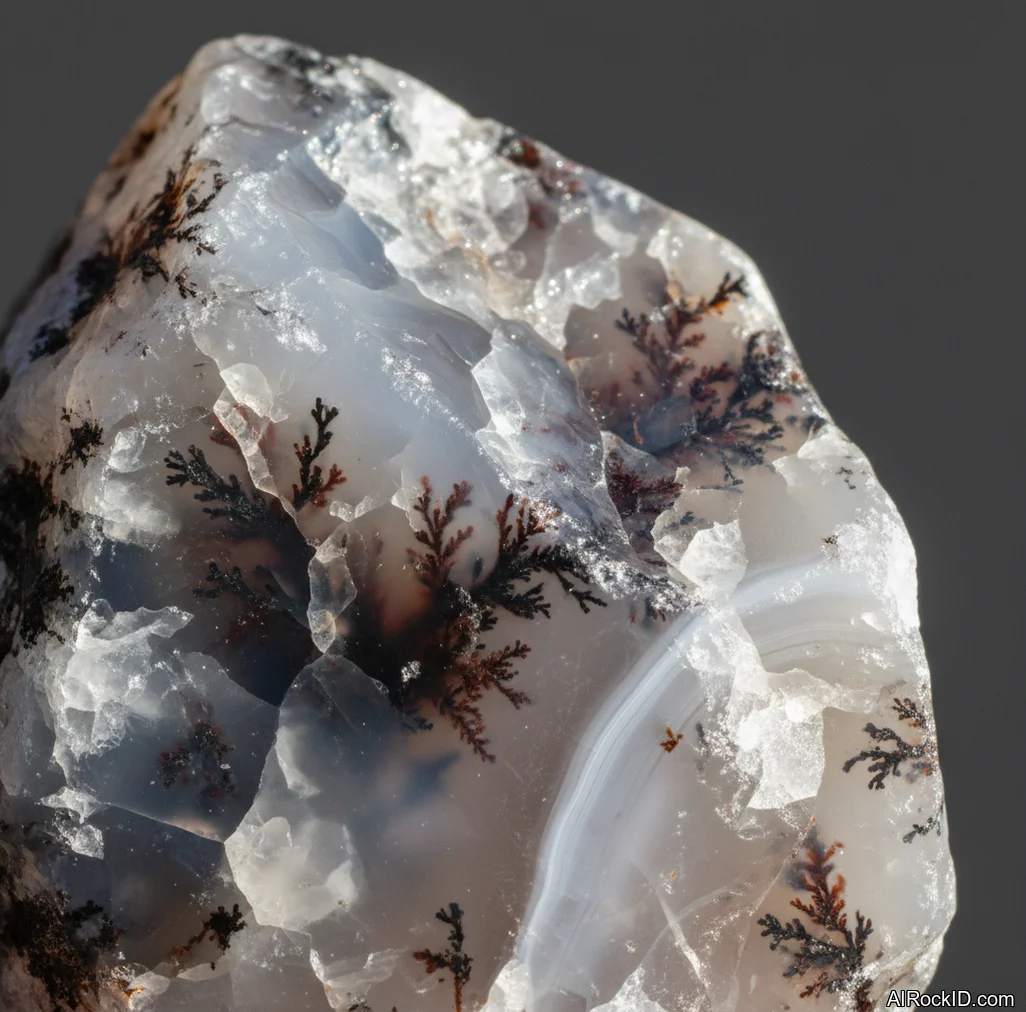
Banded agate looks organized, like neat layers stacked on purpose. Spiderweb jasper doesn’t. It reads more like chaos than a tidy layer cake. The webbing tends to track stress lines, so you end up with sharp angles and branching junctions that honestly look like a cracked windshield. But it’s still quartz at heart, and that’s why it holds up so well in jewelry and pocket wear.
How to Identify Spider Web Jasper
Color: Base colors are usually cream, white, gray, tan, or reddish-brown, crossed by black, dark brown, or deep gray web-like lines. Some pieces lean more “ink on paper,” others look smoky and subtle.
Luster: Polished pieces show a waxy to vitreous luster.
If you scratch it with a steel nail, it shouldn’t bite easily, because quartz-based jasper is around Mohs 6.5 to 7. The real test is temperature and feel: jasper stays cool in your palm and has that slick, dense “river stone” weight. Cheap versions are often dyed howlite or magnesite, and those scratch easier and sometimes show dye pooling in pits or drilled holes.
Properties of Spider Web Jasper
Physical Properties
| Crystal System | Trigonal |
| Hardness (Mohs) | 6.5-7 (Hard (6-7.5)) |
| Density | 2.58-2.65 |
| Luster | Waxy |
| Diaphaneity | Opaque |
| Fracture | Conchoidal |
| Streak | White |
| Magnetism | Non-magnetic |
| Colors | Cream, White, Gray, Tan, Brown, Black, Red |
Chemical Properties
| Classification | Silicates |
| Formula | SiO2 |
| Elements | Si, O |
| Common Impurities | Fe, Mn, Al, Ca |
Optical Properties
| Refractive Index | 1.53-1.54 |
| Birefringence | None |
| Pleochroism | None |
| Optical Character | Uniaxial |
Spider Web Jasper Health & Safety
It’s safe to handle, and it won’t mind getting wet in normal use. But it’s still a silica rock, so if you’re cutting or grinding it, don’t breathe in the dust (that fine, gritty powder that sticks to your fingers and hangs in the air).
Safety Tips
If you’re going to do any lapidary work on it, run water, keep the area well ventilated, and wear a proper respirator rated for fine particulate. Don’t dry-sand it on your bench, seriously.
Spider Web Jasper Value & Price
Price Range
Rough/Tumbled: $2 - $20 per tumbled stone or palm stone
Cut/Polished: $1 - $8 per carat
Prices bounce around depending on the contrast and how tight the pattern is. The clean, high-contrast “ink web” slabs and matched cabs cost more, but the muddier gray stuff with broken, patchy lines (the kind that looks washed out up close) goes for less.
Durability
Durable — Scratch resistance: Good, Toughness: Good
It’s quartz-based and generally stable, but the polish can dull if it’s bounced around with harder stones like corundum or diamond.
How to Care for Spider Web Jasper
Use & Storage
Store it in a soft pouch if it’s polished, especially if it rides in a pocket with keys or other stones. Raw chunks are tougher cosmetically, but they still chip at sharp edges.
Cleaning
1) Rinse with lukewarm water. 2) Use mild soap and a soft brush to get skin oils out of little pits. 3) Rinse again and dry with a microfiber cloth.
Cleanse & Charge
If you’re doing the metaphysical routine, a quick rinse and a wipe-down is usually enough. I’ll also leave mine on a windowsill for a short morning, but I don’t bake it in harsh sun all day.
Placement
On a desk it reads like a little grounding stone, and the pattern is fun to stare at between tasks. In a display tray, put it next to solid-color jaspers so the webbing actually pops.
Caution
Don’t mix up dyed howlite or magnesite with jasper if you actually need quartz-level hardness. I’ve seen “jasper” beads that feel a little chalky in the hand and scratch easier than they should, so test it first. And skip the ultrasonic cleaner if your piece has a bunch of natural pits or fracture lines, because all that gunk just parks in those tiny holes and won’t rinse out.
Works Well With
Spider Web Jasper Meaning & Healing Properties
Most dealers bring up Spider Web Jasper and grounding in the same breath, plus that whole “keeping it together” thing, and yeah, I get it. The pattern looks like someone drew a map across the surface. And when you pick up a palm stone on a rough day, your thumb kind of falls into those little grooves and starts tracing the lines without you thinking about it. It’s calming in a very physical way. Not woo. Just hands doing hand stuff.
In my own collection, I don’t treat it like some big, dramatic “wow” stone. It’s more like the steady one. The one I toss into a jacket pocket when I’m traveling because I don’t feel like babying anything, and it won’t get me precious about every scuff. But here’s the thing: people sometimes expect it to feel heavy and protective in an intense way, like obsidian. And it’s not that. It’s quieter. More like background support than a wall.
If you use crystals as a personal focus tool, Spider Web Jasper fits best with routines. Journaling. Planning. Cleaning your space (the kind where you end up making a list on a scrap of paper and actually crossing things off). So yeah, use it that way if it helps. Just keep the line clear: none of this replaces medical care, therapy, or real-world problem solving. It’s a rock. A useful one for some folks, but still a rock.
Identify Any Crystal Instantly
Snap a photo and get properties, value, care instructions, and healing meanings in seconds.