Spinel
What Is Spinel?
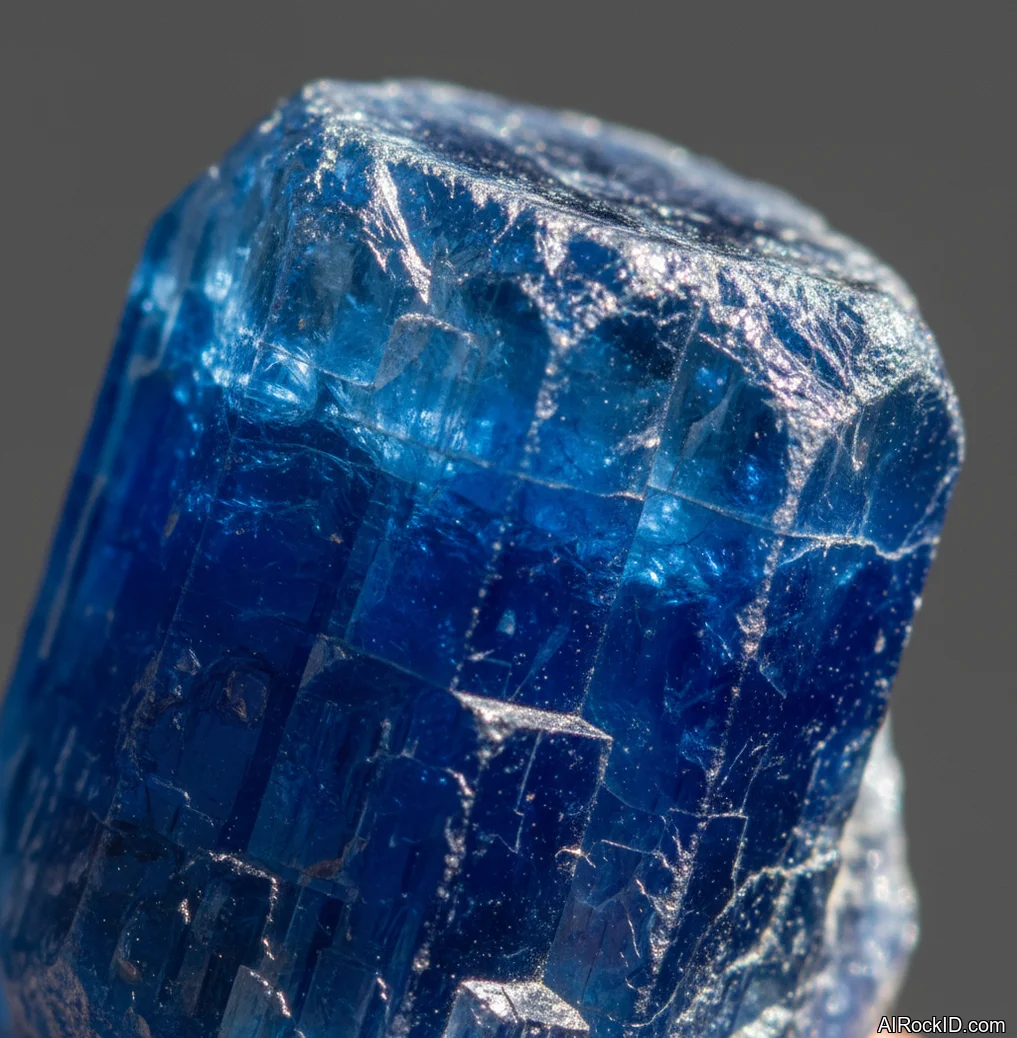
Spinel is a magnesium aluminum oxide mineral with the formula MgAl2O4. Most people know it as a tough gemstone, and in the rough it often shows up as those sharp octahedral crystals that look like they were cut on purpose.
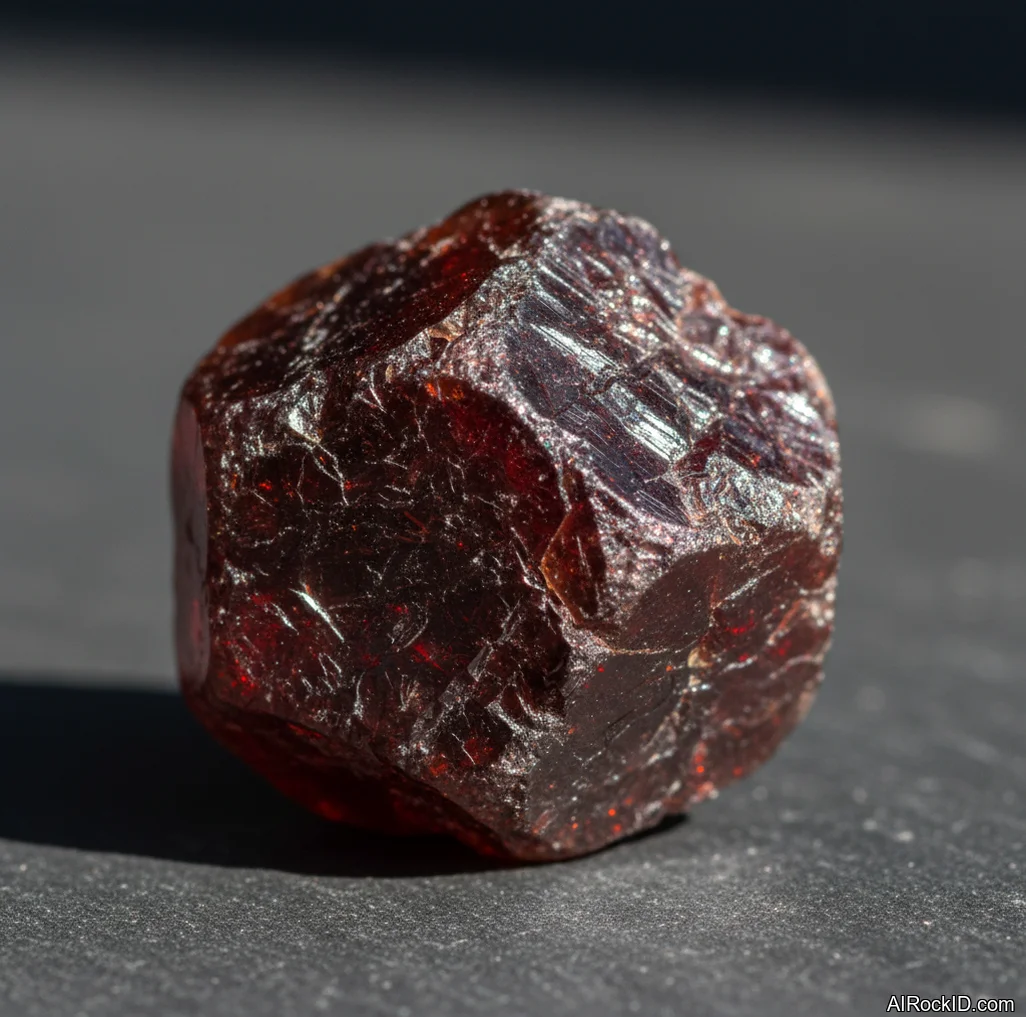
Hold a clean crystal and you notice the feel right away. It’s not hematite-heavy, but it’s got that dense, compact little chunk of a weight in your hand. The faces can be weirdly crisp, and when you tip it under a lamp you get these bright, glassy flashes off the flat planes, not that watery look some quartz gives you.
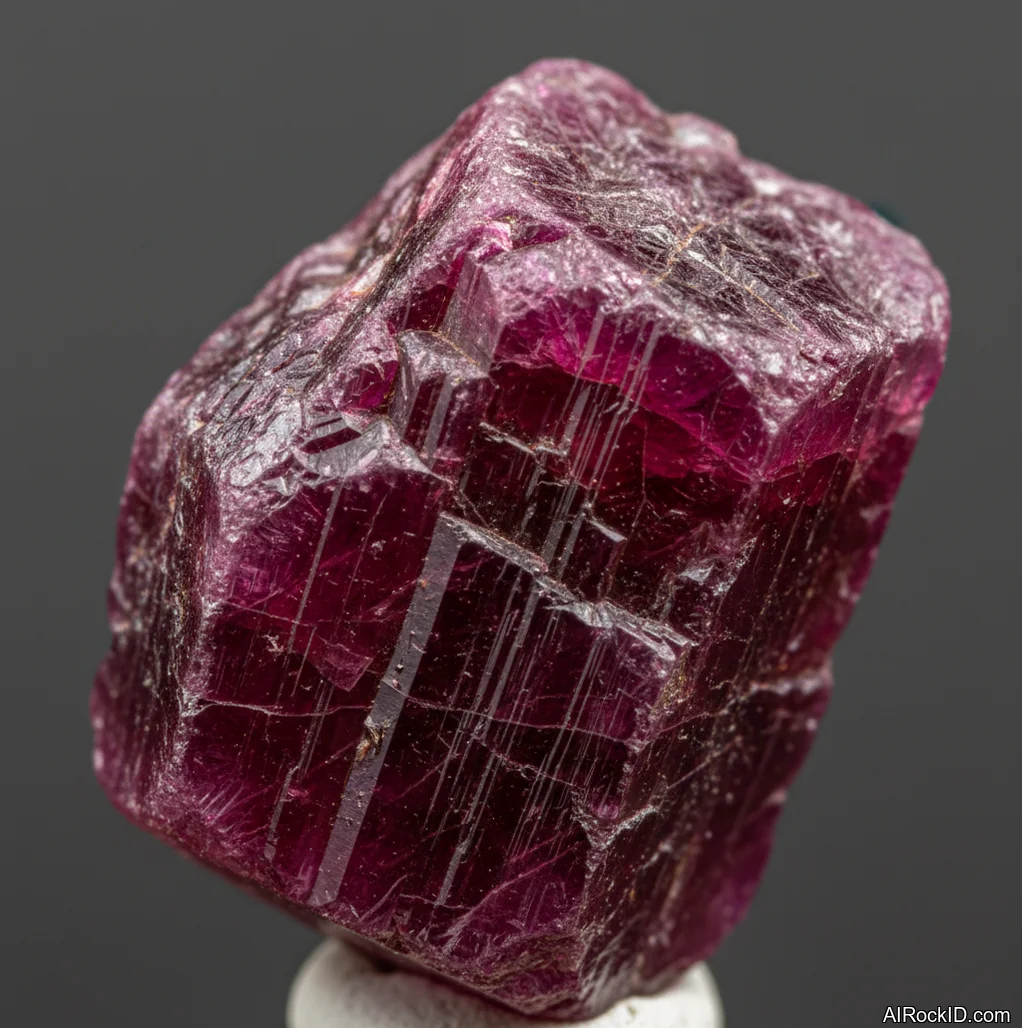
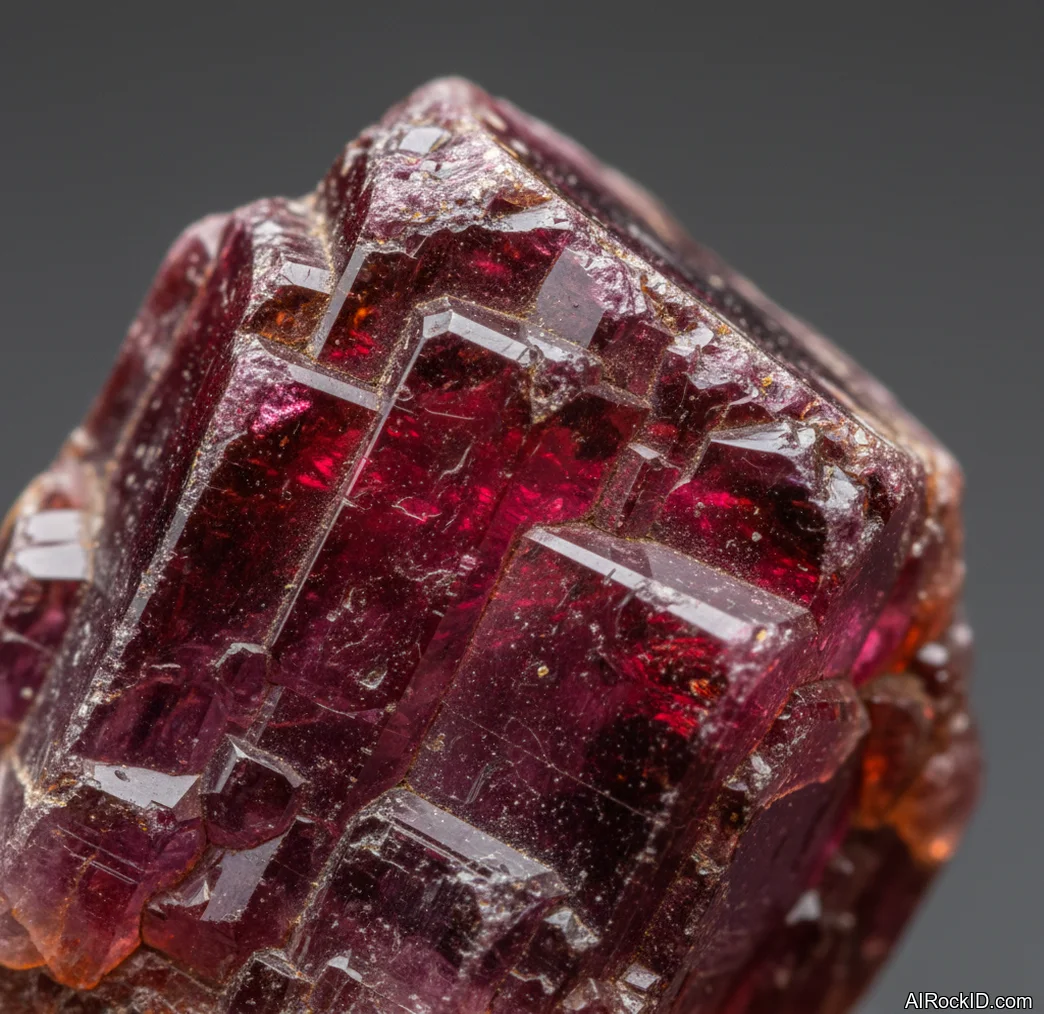
A lot of folks see a red spinel and go, “ruby.” And, yeah, I get it, especially in old jewelry where nobody had a refractometer sitting around. But spinel usually reads cleaner to the eye and the color tends to look more even, and if you’re lucky enough to see it uncut, the crystal habit can give it away.
Origin & History
The name “spinel” usually gets traced back to the Latin *spina* (thorn), or maybe the Greek *spinther* (spark). Either one makes sense the second you’ve held an octahedron in your fingers and noticed those razor-sharp edges grabbing the light when you tilt it.
As a mineral species, spinel only really got pinned down once mineralogy started getting its act together in the 1700s. And in the modern, formal sense, it was described as its own distinct species in 1779 by Jean-Étienne Guettard.
Historically, though, spinel’s biggest claim to fame is getting mistaken for something else. A bunch of the famous “rubies” sitting in European and Asian royal collections turned out to be spinel once gem testing finally caught up. Dealers still end up explaining this at shows (all the time), because people hear “not ruby” and jump straight to “lesser.” But have you actually seen a good spinel in person? Some of them are drop-dead gorgeous.
Where Is Spinel Found?
Gem spinel comes out of classic marble-hosted deposits and also shows up in placer gravels where weathering concentrates the hard crystals. Myanmar’s Mogok is the old-school name, but Tanzania and Vietnam have put out some unreal colors in the last couple decades.
Formation
Most of the spinel I’ve actually had in my hands that’s worth a mention has come out of metamorphosed limestones, basically marble that’s been cooked hard and squeezed tight. When the chemistry lines up, magnesium and aluminum snap into the spinel structure, and you’ll see crystals growing right alongside calcite, dolomite, forsterite, plus corundum.
And yeah, spinel shows up as an accessory mineral in some igneous rocks and in high-grade metamorphic terrains, too, but those samples usually feel more “mineral cabinet” than “jewelry box.” Thing is, the part that’s a blast for collectors is how well spinel survives the trip downstream. Rivers and soils grind up softer minerals fast, but spinel just kind of shrugs it off, so placer deposits can end up packed with rounded little gems that still take a mirror polish. (You can feel it when you rub one between your fingers: smooth, dense, not chalky.)
How to Identify Spinel
Color: Spinel runs red, pink, orange, purple, blue, and black, with some gray and brown in the mix too. The color is often clean and even, not banded like tourmaline can be.
Luster: Vitreous luster, especially obvious on fresh crystal faces and well-cut stones.
Look closely at the shape first: octahedrons and chunky, sharp crystals are a spinel green flag. The real test is with a refractometer or a good jeweler’s loupe, because red spinel and ruby can look identical in a photo. In hand, I’ve noticed spinel rough often has fewer obvious “silk” inclusions than ruby, but don’t bet your wallet on that without a proper ID.
Properties of Spinel
Physical Properties
| Crystal System | Cubic |
| Hardness (Mohs) | 7.5-8 (Very Hard (7.5-10)) |
| Density | 3.58-3.61 g/cm3 |
| Luster | Vitreous |
| Diaphaneity | Transparent to translucent |
| Fracture | Conchoidal |
| Streak | White |
| Magnetism | Non-magnetic |
| Colors | Red, Pink, Orange, Purple, Blue, Green, Brown, Gray, Black, Colorless |
Chemical Properties
| Classification | Oxides |
| Formula | MgAl2O4 |
| Elements | Mg, Al, O |
| Common Impurities | Fe, Cr, Mn, Zn, V, Co |
Optical Properties
| Refractive Index | 1.712-1.736 |
| Birefringence | None |
| Pleochroism | None |
| Optical Character | Isotropic |
Spinel Health & Safety
Spinel’s usually fine to handle, and it doesn’t freak out around water in everyday use. But if you’re cutting or grinding it, treat it like any other lapidary job: keep your dust under control, use the right eye protection, and don’t skip the basic safety stuff.
Safety Tips
If you’re working spinel on the wheel or saw, keep it wet and throw on a real respirator, not just a paper mask. That fine mineral dust gets airborne fast, and you really don’t want it in your lungs.
Spinel Value & Price
Price Range
Rough/Tumbled: $20 - $1,500 per piece
Cut/Polished: $50 - $10,000+ per carat
Color and clarity can spike the price in a hurry, and some shades, like a clean cobalt-blue or that hot neon pink, can shoot up into real money fast. But look, a ton of the rough sitting out on the tables is tiny or included, so you’ll see bargain trays sitting right next to dealer safes (the ones with the scuffed corners and the sticky latches). Kind of a weird contrast, right?
Durability
Very Durable — Scratch resistance: Excellent, Toughness: Good
Spinel is stable in normal wear, resists scratching well, and holds up better than many gems to everyday knocks.
How to Care for Spinel
Use & Storage
Store spinel jewelry so it’s not rubbing against softer stones, and keep rough crystals wrapped if you care about sharp edges. I’ve seen octahedrons get tiny corner dings just from riding loose in a pocket at a show.
Cleaning
1) Rinse with lukewarm water and a drop of mild soap. 2) Gently scrub with a soft toothbrush, especially around settings. 3) Rinse well and dry with a microfiber cloth.
Cleanse & Charge
For a simple reset, rinse it in water and let it dry in the shade. If you’re into non-water methods, a few minutes on a selenite plate works fine and keeps things low-drama.
Placement
On a desk, spinel looks best where you get a single strong light source, since the flashes off the faces are half the fun. In a cabinet, put it against white calcite or marble and it pops.
Caution
Skip harsh chemicals and ultrasonic cleaners on set jewelry. Thing is, the setting is usually what gets hurt, not the spinel itself. And if there’s any heat involved, or repair work, take it to a jeweler who actually knows the stone and the mounting (the kind who’s handled that exact setup before). Why gamble with it?
Works Well With
Spinel Meaning & Healing Properties
In the metaphysical corner of things, people talk about spinel like it’s a “get back up” stone. Honestly, I buy that. I kept a small tumbled piece in my pocket for a week, and the feeling wasn’t airy or spaced-out at all. It was more like that steady, satisfied weight you get after a real meal, when you can finally stare down your inbox without wanting to crawl under the desk.
Color-wise, spinel comes with a lot of different stories, and I sort of get it just from the vibe and from how people react when you hand them one. Red and pink spinels usually land as more motivating and heart-forward. The darker ones, like black spinel, come off quieter and a little guarded, like turning the volume down in a room that’s been too loud for too long. But look, I’m going to say the obvious part out loud: none of this is medical. If you’re burnt out or anxious, a stone can help as a reminder or a tool to ground yourself, not as a treatment.
One super practical reason I like spinel for everyday carry is that it’s tough. You don’t have to baby it like you would with something softer. I’ve tossed it in a pouch, taken it on a trip, and fidgeted with it during a long call, thumb rubbing over that smooth, slightly waxy polish you get from a good tumble (you know the feel). It still looks good afterward, and that matters because it means you actually keep using it day to day.
Identify Any Crystal Instantly
Snap a photo and get properties, value, care instructions, and healing meanings in seconds.