Sapphire
What Is Sapphire?
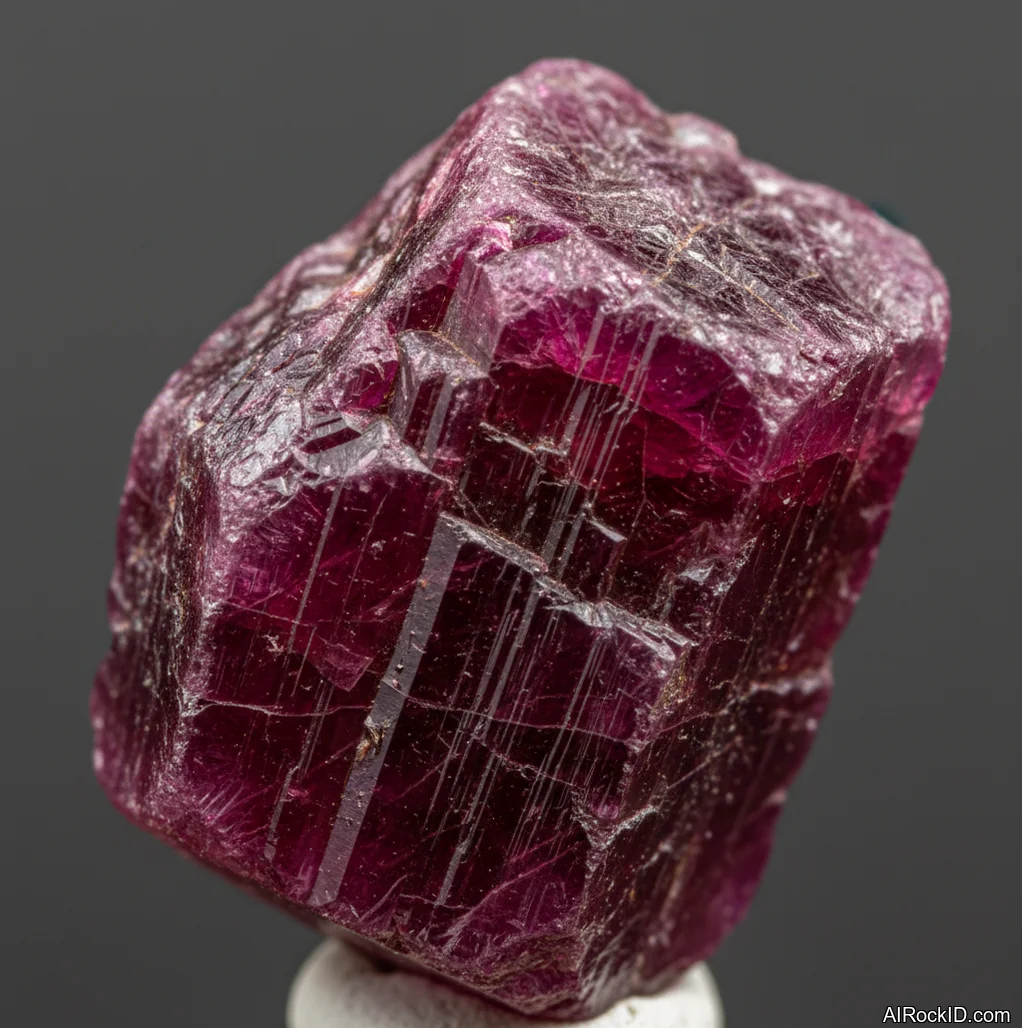
Sapphire is gem-quality corundum, which is aluminum oxide (Al2O3), and it can be basically any color except red. Grab a loose one between your fingers and you notice it right away: it doesn’t feel sharp, it just feels stubborn. Like, go ahead, toss it in a pocket with keys, it acts like it’s not even worried about getting scratched.
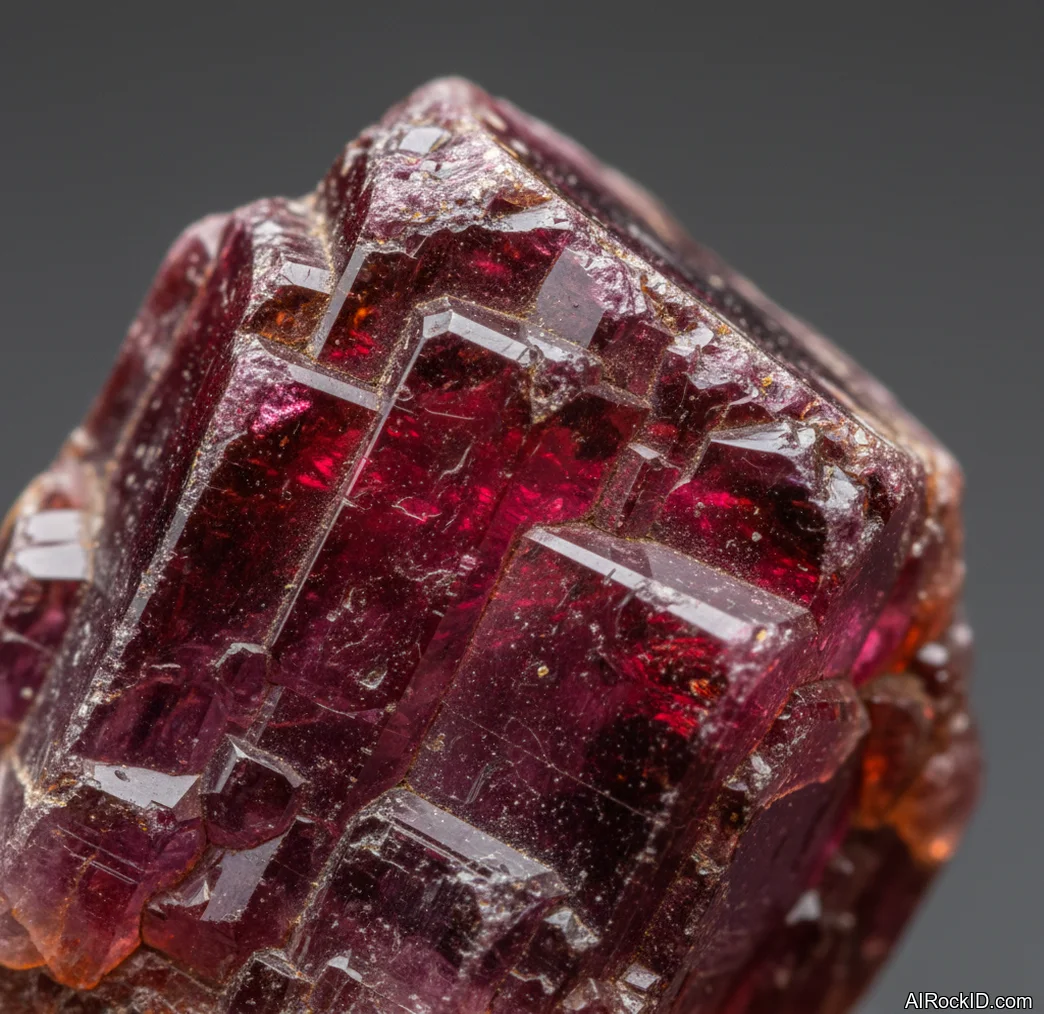
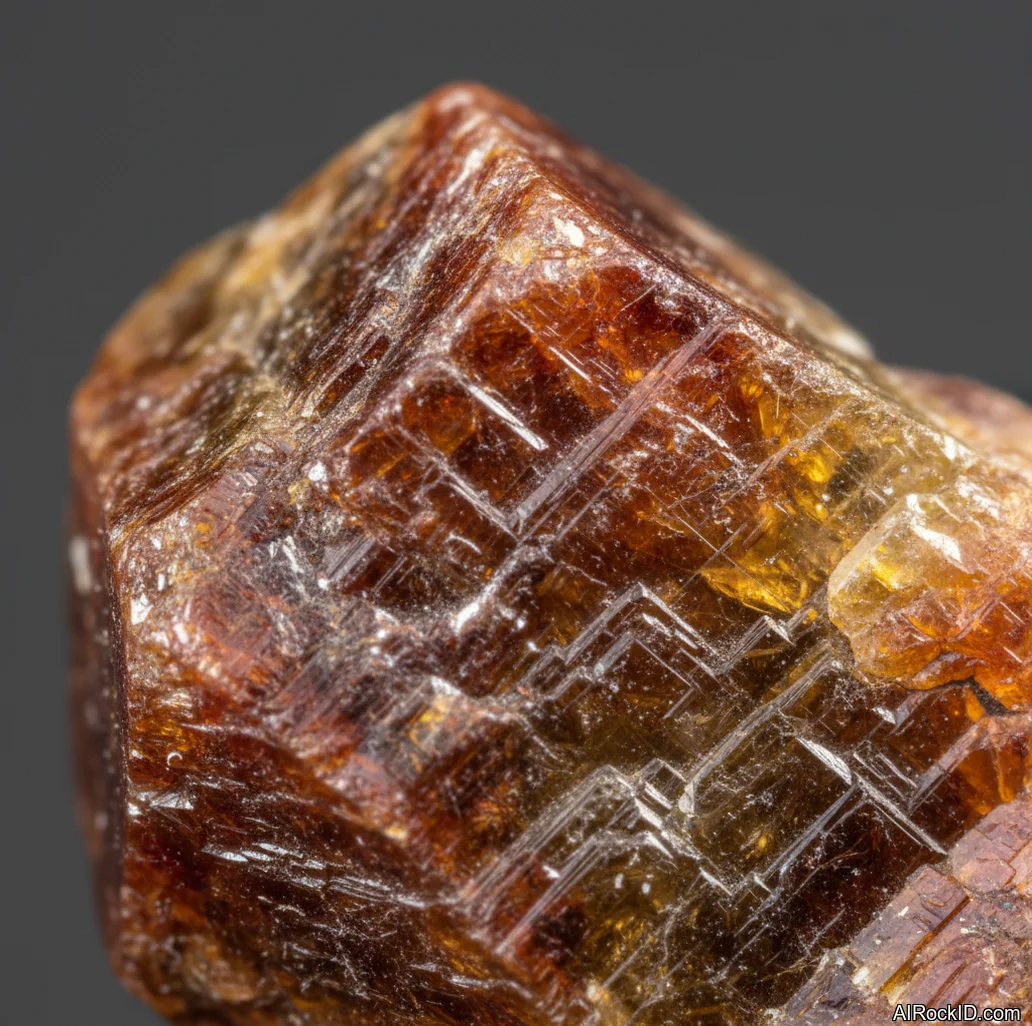
Thing is, most people hear “sapphire” and picture blue. Collectors don’t. To them it covers a whole spread of colors: yellow, green, purple, orange, colorless, plus that weird color-change material that flips depending on what kind of bulb you’re under. And then you’ve got star sapphires. Put one under a single point of light and tilt it a little, and the asterism pops in like a tiny white X. Turn the stone, the X turns with it. Simple, and kind of hypnotic.
But the market’s the market. A lot of sapphire out there is heat-treated, and plenty is diffusion-treated or even synthetic. That doesn’t mean it can’t look great. It just changes what you should pay, and how you ought to describe it on a label (because details matter, right?).
Origin & History
Corundum’s been known since antiquity. But the modern, scientific description of corundum as a mineral species really traces back to the early days of mineralogy in the late 1700s, when people started pinning things down in a more formal way.
The word “corundum” itself comes from the Tamil kurundam. It didn’t jump straight into English, either. It moved through Sanskrit forms, then into European use as traders and scholars compared notes on hard gem rough, the kind of stuff that’ll scuff up a metal pan or leave a scratch on glass if you’re not careful.
“Sapphire” is a different trail. It comes from the Latin sapphirus and the Greek sappheiros, and those words were used for blue stones in general. In a lot of older texts they were often talking about lapis lazuli, not what we’d call sapphire now (confusing, right?).
Thing is, in today’s gem world, “sapphire” is locked to corundum. And “ruby” is just the red end of that same mineral. Same base material, different color.
Where Is Sapphire Found?
Sapphire turns up in metamorphic terrains and in placer gravels where weathering concentrates the tough crystals. If you’ve ever sifted a sapphire gravel, you learn fast that corundum survives while softer minerals just disappear.
Formation
Look closely at where sapphire turns up and there’s a pretty clear pattern. It needs aluminum. It needs low-silica conditions. And it needs serious heat and pressure, or the right kind of magma, to get going.
Corundum forms in metamorphic rocks like gneiss and schist when aluminum-rich sediments get cooked down there. But it can also form in igneous settings like syenites and related rocks that don’t have much free silica floating around.
Most of the rough that ends up in parcels doesn’t come straight out of the host rock anyway. It comes from secondary deposits. Rivers and old stream beds do the sorting for you. Corundum is hard, chemically tough, and dense enough to drop out with the other heavy minerals.
I’ve washed buckets of gravel where it all looks like plain tan sand until you tip the pan and that darker, heavier layer sticks to the bottom like wet concrete (you can feel the weight shift in your wrists). That’s the spot. That’s where the little rounded sapphires like to hide. Who’d guess it from a pile of “nothing” gravel?
How to Identify Sapphire
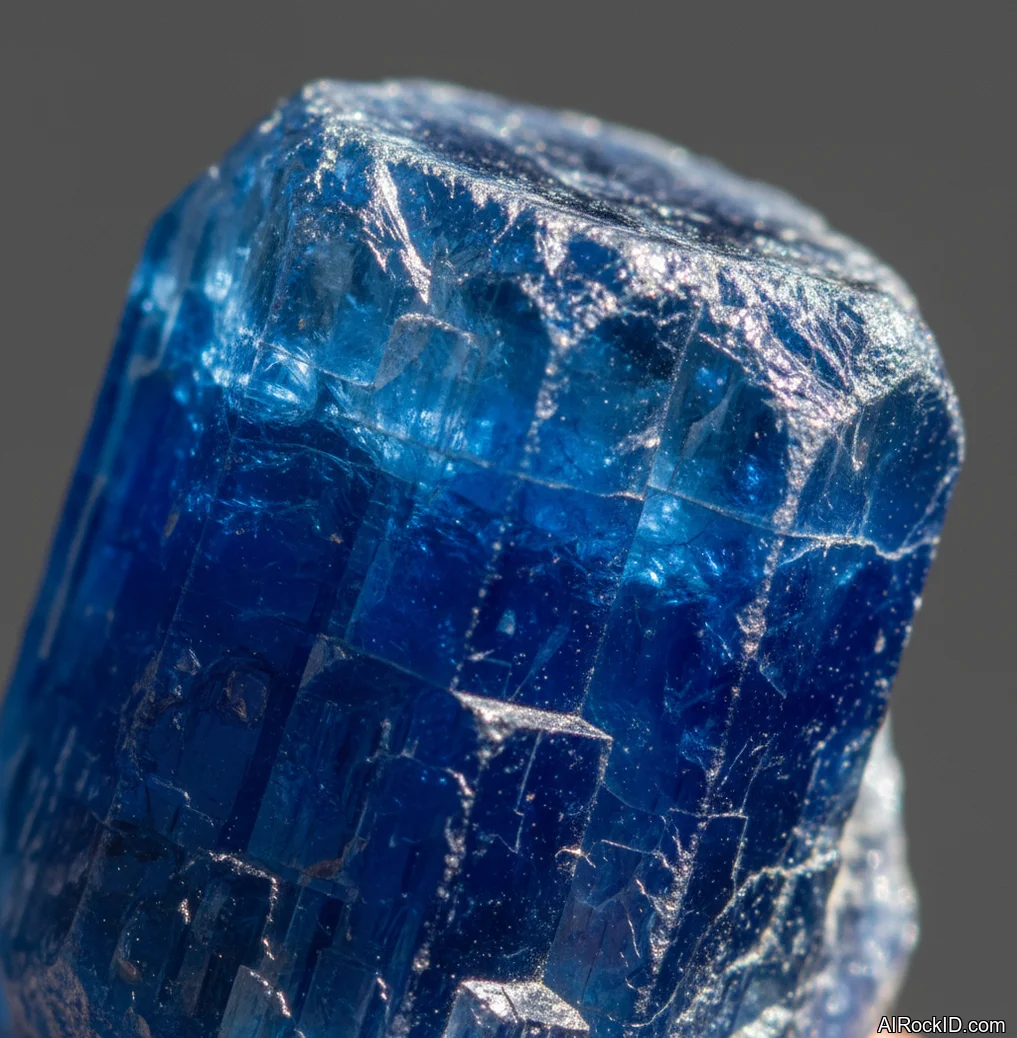
Color: Blue sapphire ranges from pale to inky navy, often with a slight violet or green cast depending on iron and titanium. Fancy sapphire covers yellow, orange, green, purple, pink, and color-change material.
Luster: Polished sapphire has a vitreous, glassy luster that can look almost “wet” on a clean facet junction.
If you scratch it with a steel knife, nothing happens, and that’s one of the easiest reality checks in the field. The real test is weight and feel too: sapphire stays cool in the hand, and a cut stone has very crisp facet edges because it holds a sharp polish. Cheap versions can be glass-filled or outright glass. Those tend to feel warmer, the facet edges look a little rounded, and under a loupe you may see bubbles or a smeary, swirly look instead of clean internal crystal features.
Properties of Sapphire
Physical Properties
| Crystal System | Trigonal |
| Hardness (Mohs) | 9 (Very Hard (7.5-10)) |
| Density | 3.98-4.10 g/cm3 |
| Luster | Vitreous |
| Diaphaneity | Transparent to translucent |
| Fracture | Conchoidal |
| Streak | White |
| Magnetism | Non-magnetic |
| Colors | Blue, Pink, Yellow, Green, Purple, Orange, Colorless, Gray, Brown, Black, Bi-color |
Chemical Properties
| Classification | Oxides |
| Formula | Al2O3 |
| Elements | Al, O |
| Common Impurities | Fe, Ti, Cr, V, Mg, Ga |
Optical Properties
| Refractive Index | 1.762-1.770 |
| Birefringence | 0.008 |
| Pleochroism | Strong |
| Optical Character | Uniaxial |
Sapphire Health & Safety
Solid sapphire is fine to handle, and it’s totally safe around water. The real issue is physical stuff, like if a rough chunk or a faceted stone breaks and you end up with a sharp little chip (those edges can be nasty, honestly).
Safety Tips
If you’re cutting or grinding sapphire, handle the dust the same way you’d handle any other stone dust. Use wet methods so it doesn’t go airborne, and wear proper respiratory protection (don’t just rely on a flimsy paper mask).
Sapphire Value & Price
Price Range
Rough/Tumbled: $10 - $2,000 per piece
Cut/Polished: $50 - $10,000+ per carat
Most of the price comes down to color, clarity, and whether the stone’s been treated, and then origin can tack on an extra premium if it’s the right place. Fine unheated stones climb in price fast. But if it’s heavily included or the color’s so dark it looks inky once you tilt it under a lamp, it stays way cheaper.
Durability
Very Durable — Scratch resistance: Excellent, Toughness: Good
Sapphire is stable in normal wear and light, but it can chip at facet edges if it takes a hard knock.
How to Care for Sapphire
Use & Storage
Store sapphire so it can’t rub softer gems, because it’ll win that fight every time. I keep faceted stones in paper packets or gem jars, and rough in small boxes with padding.
Cleaning
1) Rinse with lukewarm water to remove grit. 2) Use mild soap and a soft brush to clean behind settings or around pits in rough. 3) Rinse well and dry with a soft cloth.
Cleanse & Charge
If you do energetic cleansing, a simple rinse and a few minutes of quiet time in a safe spot is plenty. Avoid saltwater if the sapphire is in jewelry with vulnerable metals or glued parts.
Placement
On a desk, sapphire is one of those stones that looks best under a single lamp so you can see zoning and silk when you tilt it. In a pocket it holds up well, but it’ll scratch phone screens and softer stones.
Caution
Don’t just assume every “sapphire” is untreated, and don’t go blasting the setting with harsh chemicals. Ultrasonic and steam are usually fine on the sapphire itself, but fracture-filled stones can react badly, and tiny, delicate settings (the kind with little prongs you can bend with a fingernail) are where things get dicey. Why risk it?
Works Well With
Sapphire Meaning & Healing Properties
Grab a sapphire when you’re wiped out and you’ll see why folks tie it to mental discipline. It’s got that clean, chilly feel in your fingers, like it’s holding onto the cold from a glass counter, and even a dark blue stone can come off calm instead of drowsy. When I’m sorting through a mixed tray at a show, sapphire’s the one that makes me slow down and really squint, because the good pieces hide in plain sight.
In crystal practice, sapphire gets linked with focus, telling the truth, and keeping your head steady when stress hits. I file that under “personal toolkit,” not medical (big difference). If someone’s dealing with anxiety or sleep stuff, sure, a stone can be a cue to breathe and stick to routines, but it’s not a treatment.
But look, expectations matter. A lot of people buy a sapphire thinking it’s going to be that deep royal blue, then they end up with inky material that looks great under booth LEDs and goes basically black indoors. So if you’re picking one for meditation or daily wear, check it under the light you actually live in, not just the bright show lighting. Why set yourself up for disappointment?
Identify Any Crystal Instantly
Snap a photo and get properties, value, care instructions, and healing meanings in seconds.