Sulfur Quartz
What Is Sulfur Quartz?
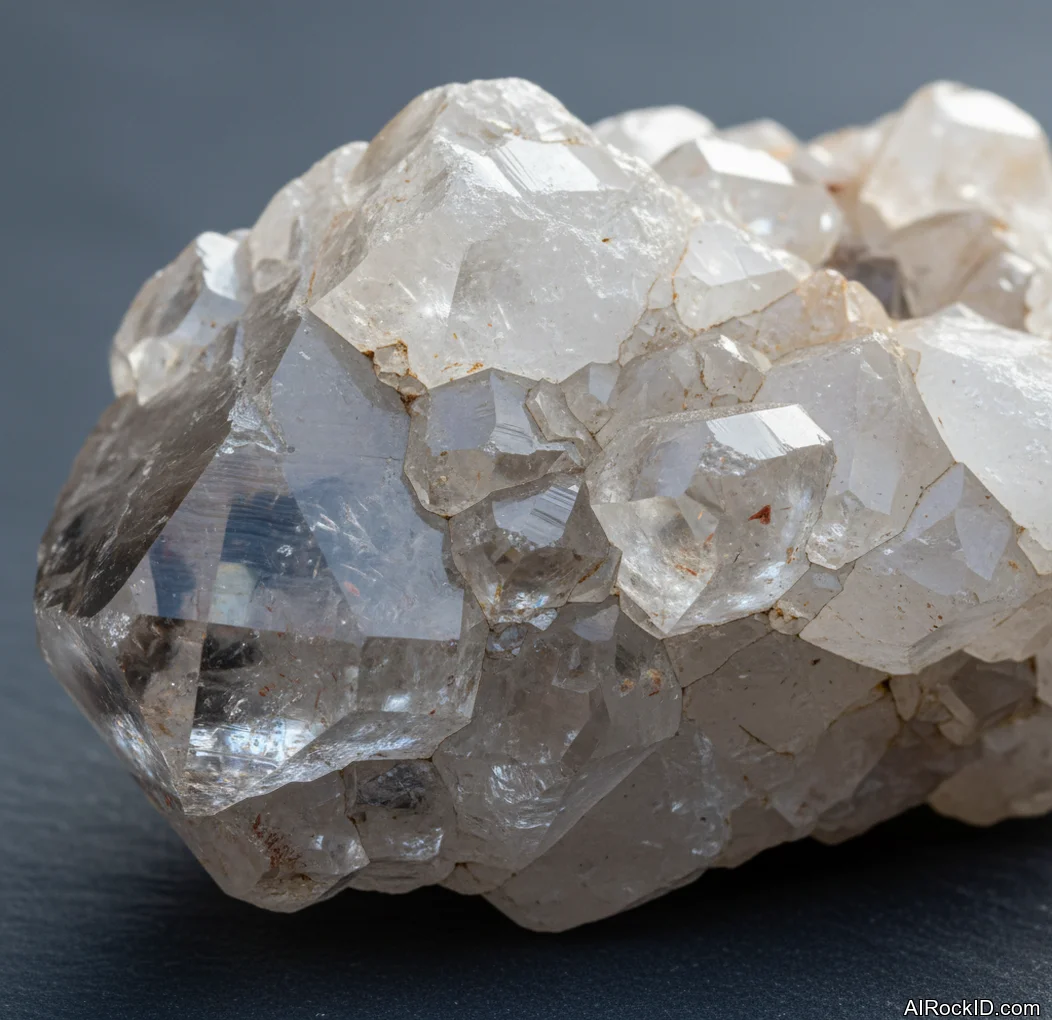
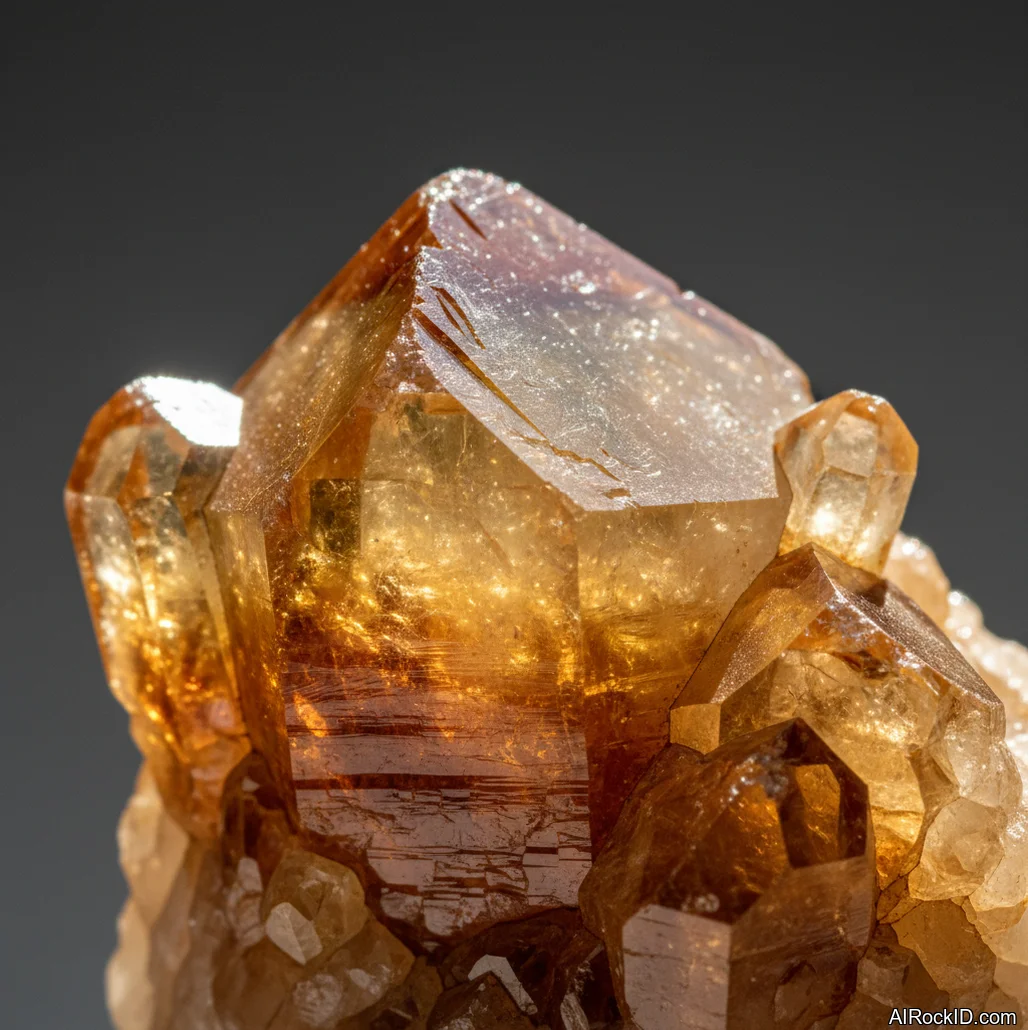
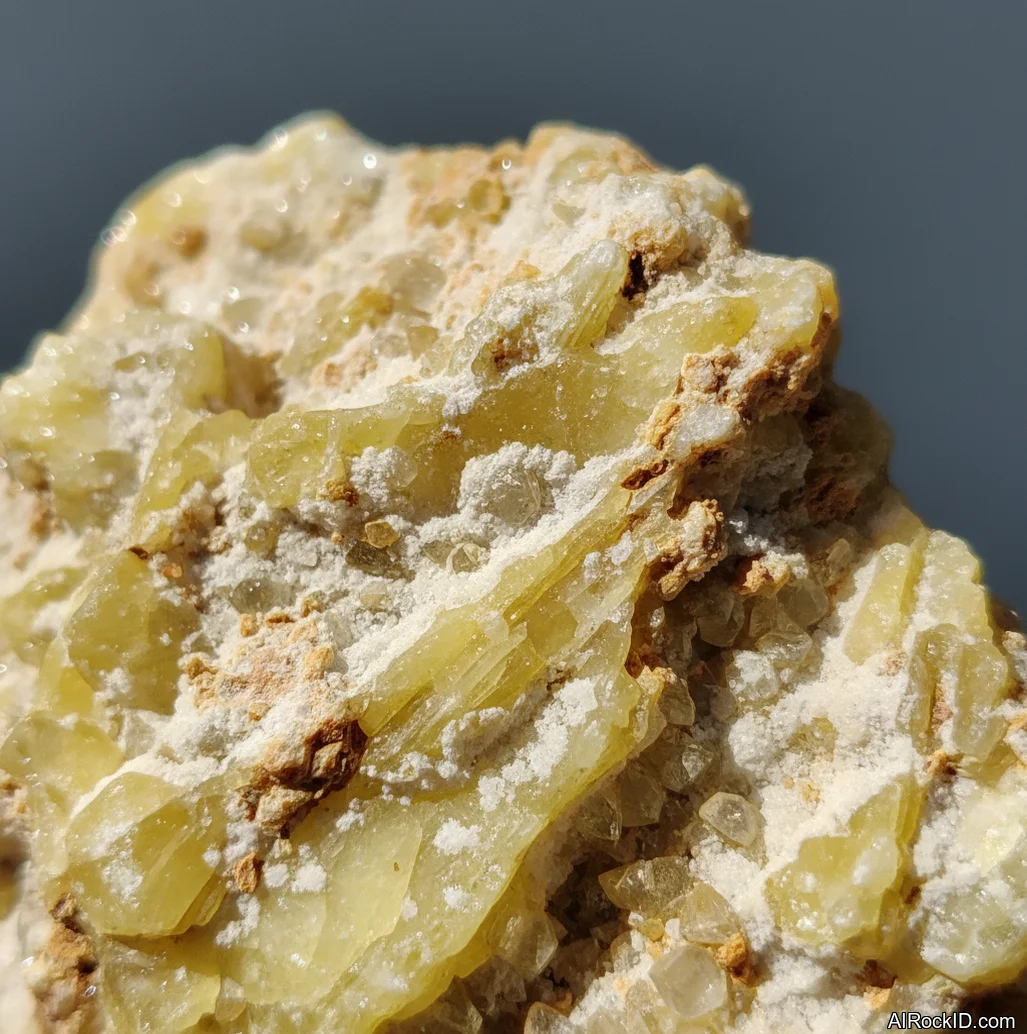
Sulfur Quartz is just quartz (SiO2) with natural inclusions of native sulfur inside it. You’ll usually see that sulfur as yellow clouds, tiny specks, or those wispy little patches that look like they’re floating in the crystal.
Pick up a piece and, honestly, it still feels like regular quartz. Cool on your palm. Same glassy heft. Then you shift it a hair and there it is, that yellow caught inside like someone shook pollen into a clear drink and it never settled. Some pieces have this lemony haze that looks frozen mid-swirl. Others? Barely anything. Just a couple pinpoints that only show up when you roll the crystal under a lamp and catch the light at the right angle.
But don’t go in expecting every specimen to be loud neon yellow. A lot of what’s sold as “sulfur quartz” is actually iron staining on the outside, or quartz with yellow clay smeared into fractures. The good stuff is when the yellow is inside the crystal, not sitting on the surface, and you can watch it slip in and out of view as you tilt it. Kind of the whole point, right?
Origin & History
Nobody ever “discovered” Sulfur Quartz as its own mineral, because it isn’t one. It’s just quartz with sulfur inside. Quartz has been described and named for centuries, and native sulfur has its own long history too, but this combo is basically a collector and dealer tag for a certain inclusion look.
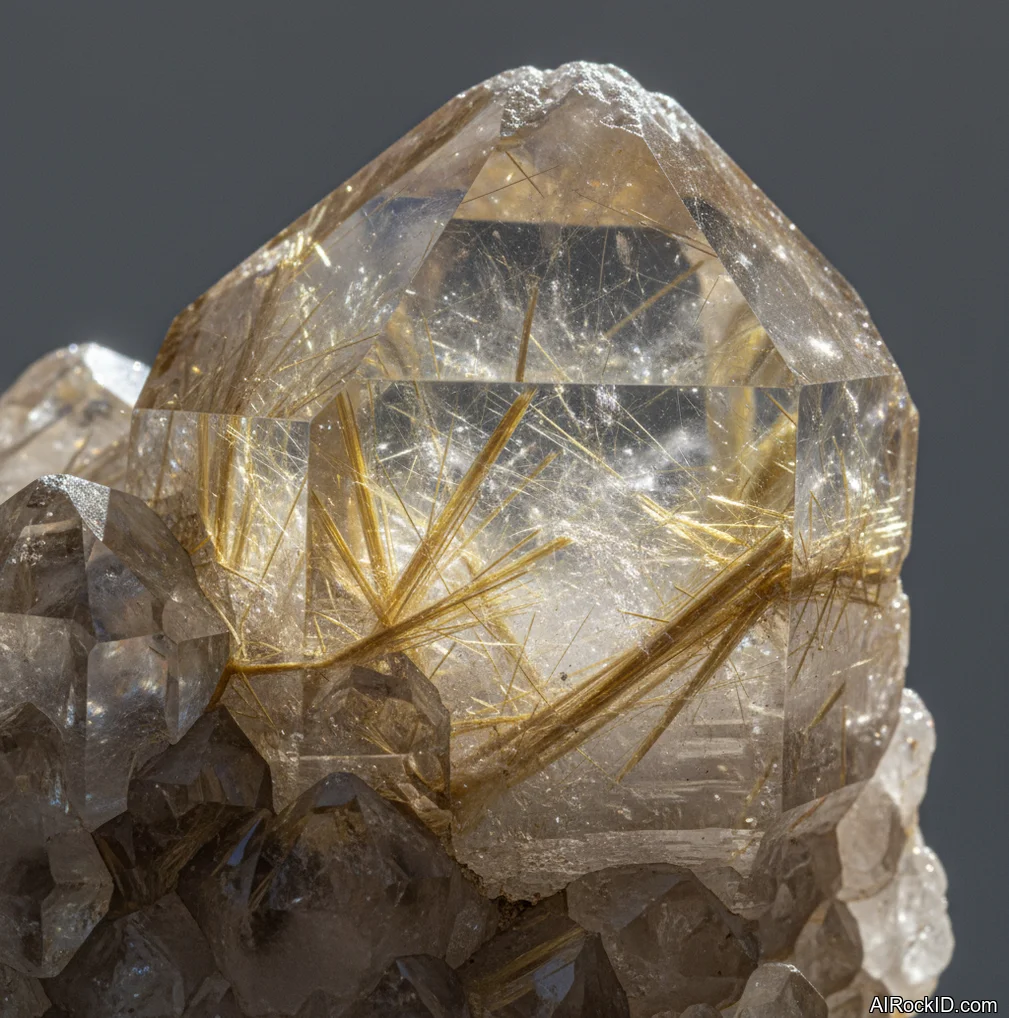
The word quartz comes from the old German “Quarz,” and sulfur traces back to Latin “sulfur.” In the trade, that name started popping up a lot more once inclusion quartz got trendy, and sellers began sorting pieces by what you can see trapped inside (the little flecks and cloudy streaks you notice when you tilt one under a lamp): chlorite, rutile, petroleum, hematite, and yes, sulfur when it’s actually present.
Where Is Sulfur Quartz Found?
You see it from the same kinds of places that produce good inclusion quartz, especially alpine-type veins and hydrothermal quartz pockets. Brazil is the usual source in the retail market, with occasional material reported from alpine regions and volcanic or geothermal settings.
Formation
Most of the specimens I’ve had in my hands just look like regular hydrothermal quartz that formed in open space, then picked up “contamination” from whatever the pocket chemistry was doing at the time. Quartz is growing out of silica-rich fluids, and you get inclusions when tiny grains, droplets, or thin films get caught while the crystal faces keep stacking on (you can almost picture it sealing shut layer by layer).
For sulfur to show up as sulfur, the conditions have to let elemental sulfur form, then stick around long enough for the quartz to trap it. That tends to happen around volcanic and geothermal systems where sulfur-bearing gases and fluids are moving through, or in little pockets where the chemistry flips back and forth between oxidizing and reducing. And once the quartz grows closed around it, that bit of sulfur is basically a tiny time capsule.
How to Identify Sulfur Quartz
Color: Color ranges from pale buttery yellow to deeper mustard tones, usually appearing as internal clouds, specks, or streaky patches rather than a uniform body color. The host quartz is clear to milky and may show internal veils and healed fractures.
Luster: Vitreous luster on the quartz faces, with the inclusions looking matte or slightly waxy inside.
Look closely with a penlight from the side and make sure the yellow is inside the crystal, not just surface stain sitting in scratches. The real test is rotation: true inclusions will shift in parallax and seem to sit at different depths. If you can wipe the yellow off with a damp cloth or it’s only in surface pits, it’s not sulfur-included quartz, it’s just dirt or iron gunk.
Properties of Sulfur Quartz
Physical Properties
| Crystal System | Trigonal |
| Hardness (Mohs) | 7 (Hard (6-7.5)) |
| Density | 2.65 g/cm3 |
| Luster | Vitreous |
| Diaphaneity | Transparent to translucent |
| Fracture | Conchoidal |
| Streak | white |
| Magnetism | Non-magnetic |
| Colors | colorless, white, yellow, golden yellow, pale yellow |
Chemical Properties
| Classification | Silicates |
| Formula | SiO2 (quartz) with S inclusions |
| Elements | Si, O, S |
| Common Impurities | Fe, Al, Ti |
Optical Properties
| Refractive Index | 1.544–1.553 |
| Birefringence | 0.009 |
| Pleochroism | None |
| Optical Character | Uniaxial |
Sulfur Quartz Health & Safety
It’s pretty safe to handle, and it’s fine with a quick splash of water, same as most quartz. But if you start cutting it or sanding it, that’s when the real issue shows up: silica dust in the air (and you can feel that gritty film it leaves on your hands).
Safety Tips
If you’re cutting or shaping it, keep the blade wet and wear a proper respirator that’s actually rated for silica. And when you’re done, mop up the slurry while it’s still wet, because once that gray film dries out it turns into dust that gets everywhere.
Sulfur Quartz Value & Price
Price Range
Rough/Tumbled: $15 - $250 per specimen
Cut/Polished: $3 - $25 per carat
Prices jump when the quartz is clean and you can tell the sulfur inclusion is actually inside the stone, spread out in a way that looks intentional instead of accidental. But if it’s full of ugly fractures, has that muddy yellow stain smeared through it, or it’s the kind of piece where you’re squinting like, “is that even sulfur?”, that’s the cheap stuff.
Durability
Durable — Scratch resistance: Excellent, Toughness: Fair
Quartz holds up well day to day, but sharp knocks can chip edges and bruises show as white marks under the surface.
How to Care for Sulfur Quartz
Use & Storage
Store it like any pointy quartz: wrapped or separated so terminations don’t ping each other. I keep mine in little perky boxes because one clack in a drawer can leave a chip you’ll stare at forever.
Cleaning
1) Rinse with lukewarm water and a drop of mild soap. 2) Use a soft toothbrush to get into creases and around the base. 3) Rinse well and pat dry, then air dry fully before putting it back in a box.
Cleanse & Charge
If you do energy work, smoke cleansing or sound is the low-drama route for included quartz. Skip harsh salt soaks if the piece has open fractures where residue can crust up.
Placement
A windowsill looks great, but I don’t leave included quartz in strong sun for long. Some yellow inclusion looks a little duller over time if it’s baked in bright light day after day.
Caution
Don’t use acidic cleaners, and don’t try blasting it with heat to “brighten” that yellow. That stuff can bite you. And if a seller says the yellow is sulfur but can’t actually prove it’s internal (not just sitting on the surface), treat it like staining until they can show otherwise.
Works Well With
Sulfur Quartz Meaning & Healing Properties
In metaphysical circles, Sulfur Quartz gets treated like clear quartz clarity with a sharp, sunny “sulfur” kick on top. And honestly, in real life I mostly see people grab it when they want something energizing that isn’t all sugary-sweet. It feels less like a hug and more like: move.
On a long day, if you pick up a piece, it can feel kind of mentally loud in a way plain clear quartz sometimes doesn’t. Especially when that yellow inclusion is obvious and sits right in the middle, like a little yolk frozen inside the stone. I’ve had customers tell me it’s motivating, like it slices through procrastination. But if you’re already wired or anxious? Thing is, it can be too much. That’s the part nobody says out loud at the booth.
This isn’t medical advice, and it doesn’t replace sleep, therapy, or actual treatment. So think of it more like a physical reminder sitting on your desk. You catch the yellow in the quartz, and it clicks, what was I supposed to do next?
Identify Any Crystal Instantly
Snap a photo and get properties, value, care instructions, and healing meanings in seconds.