White Calcite
What Is White Calcite?
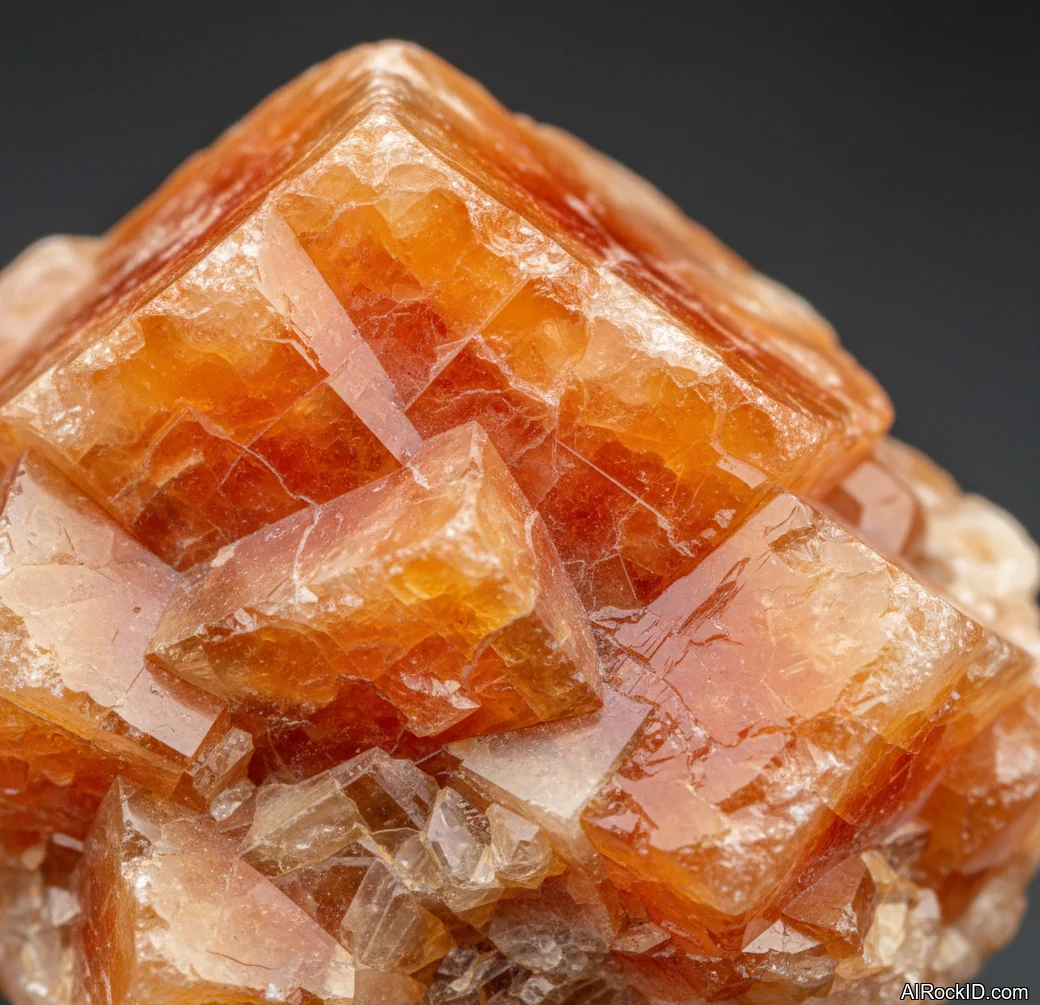
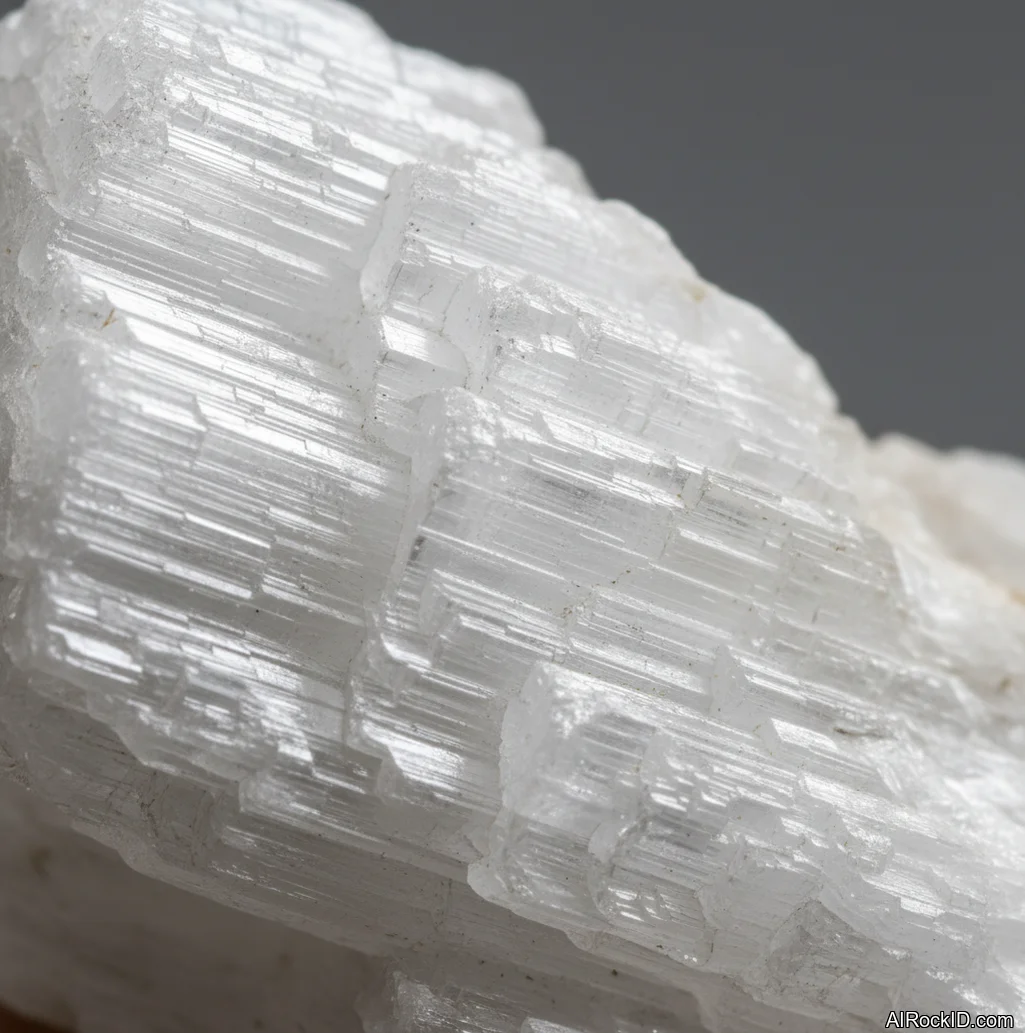
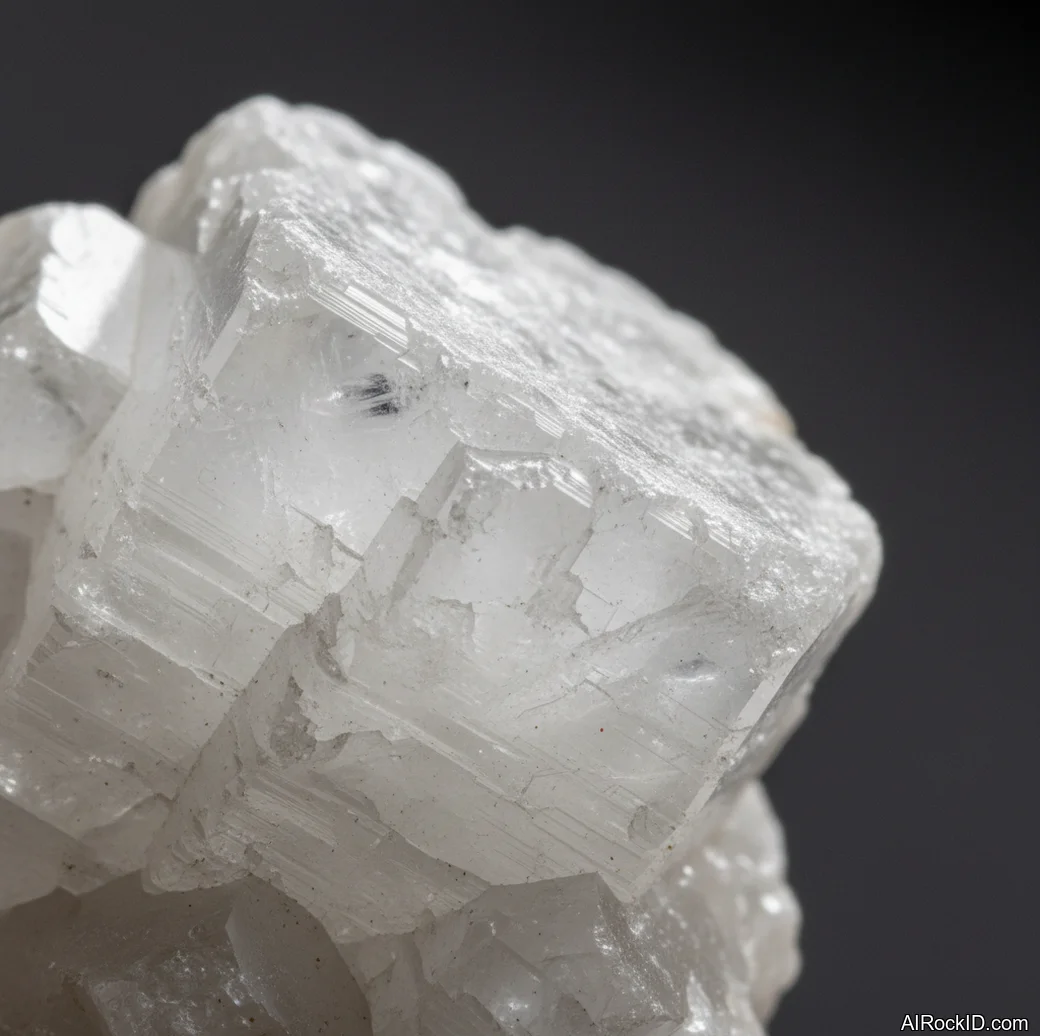
White Calcite is just calcite in that white-to-milky look. It’s calcium carbonate (CaCO3), and it has perfect rhombohedral cleavage. Most of what people end up buying is big, blocky, kind of cloudy stuff, but if you happen to catch a clean cleavage face, it can flash back at you like a tiny mirror under shop lights.
Pick up a piece and you’ll feel it immediately. Smooth where it’s split along those cleavage planes, but kind of chalky on the rougher patches, and it stays cool in your hand longer than glass. Tilt it a bit and, through the clearer edges, you’ll often catch that “double image” effect, the same little trick calcite does in those classic optics demos. Wild the first time you notice it, right?
Compared to quartz, it’s a softie. If you really go for it, you can scratch it with a copper penny, and it’ll scuff up in a pocket with keys. But it still works great as a teaching mineral, or just a “desk stone” if you’re the kind of person who likes to fidget with a chunk of something natural (guilty).
Origin & History
Calcite got nailed down as a mineral species in the modern sense back in the early days of mineralogy, and the actual name “calcite” was coined by Abraham Gottlob Werner in 1792. It traces to the Latin “calx,” meaning lime, which tracks because calcite is the main ingredient in limestone and marble, and people have been mixing it into plaster and mortar for ages.
White calcite isn’t its own species or anything. It’s just a color habit you run into all over the place. Some older field guides and dealers call it “white spar,” and I still hear that at smaller shows, usually from the folks who’ve been hauling in flats of minerals since the 80s (the ones with the scuffed price tags and dusty cardboard lids).
Where Is White Calcite Found?
White calcite turns up in limestones, marbles, caves, and hydrothermal veins worldwide. Big display chunks often come from Mexico, the US Midwest, China, and Brazil.
Formation
Most of the white calcite you’ll come across shows up in sedimentary settings. It’ll be limestone cement, layers in travertine, or veins that filled cracks. A lot of the chunky white stuff you see in shops is basically vein calcite. Carbonate rich fluids pushed through fractures, then dropped calcite as they cooled or reacted with the host rock.
Look, if you stare at the cave-type pieces for a minute, the texture kind of gives it away. Some feel sugary and fine grained, almost like you snapped a bit of marble and you’re seeing that sparkly “grain” on the fresh break. Others come as bigger cleavage blocks, the kind with those flat faces that catch light and make you think it had room to grow in open space.
And when it comes out of a hydrothermal pocket, that’s when you can see sharper rhombs. Sometimes they’ve got this frosty skin on the outside (like a powdery film you can feel with a fingernail), and it makes the whole thing look snowy even though it’s not actually opaque.
How to Identify White Calcite
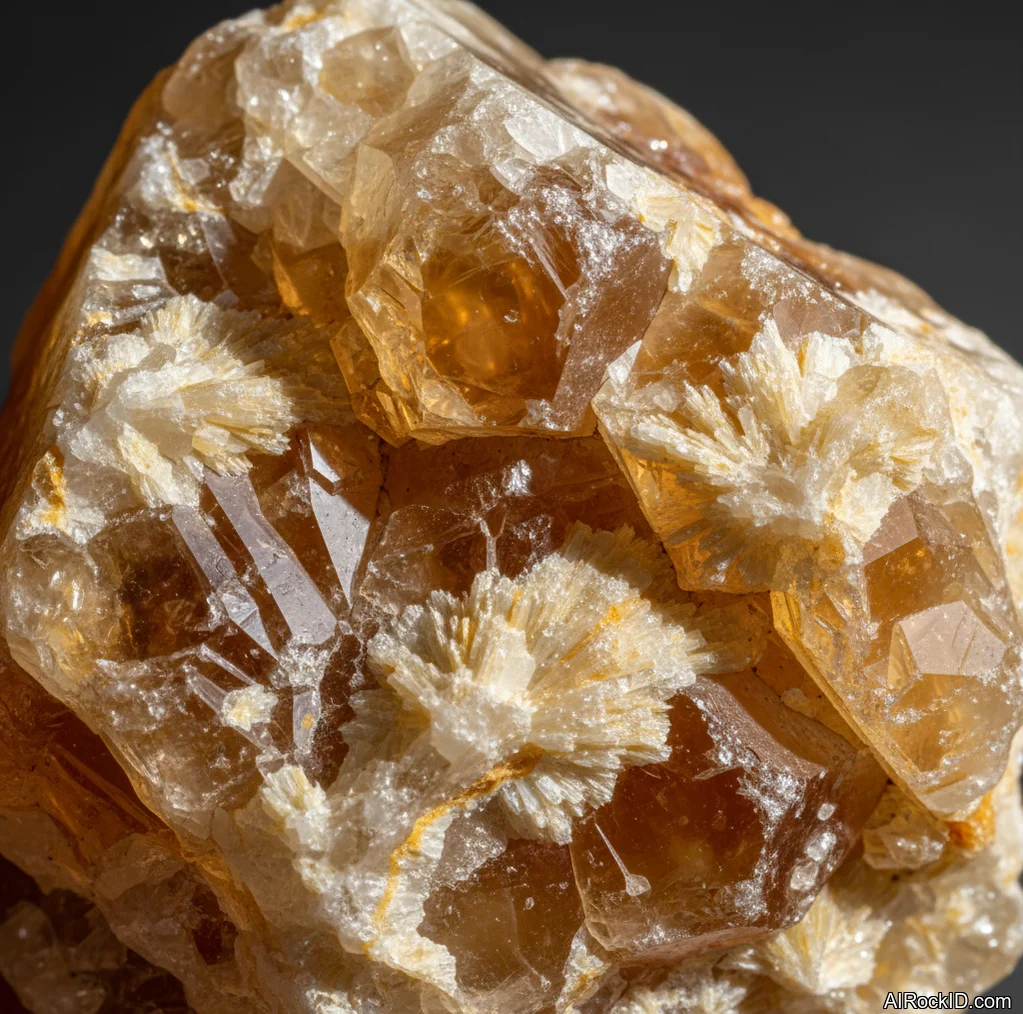
Color: White calcite ranges from bright white to milky translucent, sometimes with gray, cream, or faint honey tinting from impurities. Edges and thin chips can glow a little when you hold them up to a lamp.
Luster: Fresh cleavage faces are vitreous to pearly, while rough surfaces can look dull and chalky.
If you scratch it with a steel nail, it’ll mark pretty easily, and the scratch will look like white powder. The real test is cleavage: break a corner and you’ll usually get flat planes that meet at slanted angles instead of right angles. And if you put a drop of weak acid like vinegar on a fresh surface, you may see gentle fizzing, but stronger acid (like dilute HCl) is the classic field test.
Properties of White Calcite
Physical Properties
| Crystal System | Trigonal |
| Hardness (Mohs) | 3 (Soft (2-4)) |
| Density | 2.71 g/cm3 |
| Luster | Vitreous |
| Diaphaneity | Transparent to translucent |
| Fracture | Uneven |
| Streak | white |
| Magnetism | Non-magnetic |
| Colors | white, milky white, cream, grayish white |
Chemical Properties
| Classification | Carbonates |
| Formula | CaCO3 |
| Elements | Ca, C, O |
| Common Impurities | Fe, Mn, Mg, Sr |
Optical Properties
| Refractive Index | 1.486-1.658 |
| Birefringence | 0.172 |
| Pleochroism | None |
| Optical Character | Uniaxial |
White Calcite Health & Safety
White calcite is safe to handle and it isn’t toxic. But if you’re cutting it or sanding it, don’t breathe in the dust, because that super-fine mineral powder (the kind that hangs in the air and makes you want to cough) can irritate your lungs.
Safety Tips
If you’re going to shape it, put on a respirator and use wet methods so you’re not kicking up dust. And if the piece is crumbly or it leaves that chalky powder on your fingers, go wash your hands after you handle it.
White Calcite Value & Price
Price Range
Rough/Tumbled: $3 - $60 per piece
Cut/Polished: $1 - $10 per carat
Price mostly comes down to size, how clean the cleavage faces are (you can tell when they look fresh and glassy instead of scuffed), and whether you’ve got a sharp rhomb cluster or just a plain massive chunk. Clear, transparent “optical calcite” is its own category, and it can run way higher than the usual white stuff.
Durability
Nondurable — Scratch resistance: Poor, Toughness: Fair
It scratches and chips easily, and acids can etch the surface, so it’s better as a display or handling specimen than daily-wear jewelry.
How to Care for White Calcite
Use & Storage
Store it by itself or in a soft pouch, because it’ll pick up scratches from harder stones fast. If you stack specimens, put tissue or foam between them so the cleavage edges don’t chip.
Cleaning
1) Rinse quickly with lukewarm water and a drop of mild soap. 2) Use a soft brush or microfiber cloth to lift dirt from grooves. 3) Pat dry and let it air-dry fully; skip acids, vinegar soaks, and ultrasonic cleaners.
Cleanse & Charge
For a non-water method, I usually do smoke, sound, or just a quiet rinse and a dry rest on a shelf. Keep it out of harsh sun if you’re trying to avoid surface drying and chalkiness on softer pieces.
Placement
On a desk or nightstand works well, but keep it away from kitchen splashes and bathroom cleaners. A small stand helps if the piece has cleavage corners that like to snap off when it tips.
Caution
Don’t clean it with salt water, vinegar, or anything acidic. Calcite will etch fast and that shiny surface goes dull. And don’t just chuck it in your pocket with quartz, keys, coins, or loose change unless you don’t mind a few scuffs showing up.
Works Well With
White Calcite Meaning & Healing Properties
White calcite looks kind of plain the first time you see it. That’s the appeal. For a lot of people using it while meditating, it feels quiet.
When I’m sorting flats at a show, I’ll leave a chunk sitting on the table, and I swear my hands slow down a notch when I grab it. It’s a soft mineral, so it doesn’t feel cold and snappy like quartz. It warms up slowly in your palm, almost like it’s taking its time. And that gentle, chalky-smooth feel lines up with how people describe it: clearing, settling, simplifying.
But look, I’m going to be straight with you. A lot of “white calcite” gets marketed with moon-ish language even when the piece is just chunky vein calcite that’s been acid-washed to make it look brighter. If you like it because it’s clean and calm-looking, cool. Just don’t expect it to hold up like a tough everyday talisman. It’ll scratch. It’ll bruise. And if you leave it near a sunny window, you can end up with this dusty-looking surface that definitely wasn’t there when you bought it (ask me how I know).
In the usual crystal shop talk, white calcite gets tied to mental clarity, a gentle emotional reset, and that “blank page” feeling when you’re trying to start new routines. That’s personal practice, not medical care. So if you’re using it as a cue to slow down, put it somewhere your hand naturally lands, and let the habit do the heavy lifting. Why fight it?
Identify Any Crystal Instantly
Snap a photo and get properties, value, care instructions, and healing meanings in seconds.