Antlerite
What Is Antlerite?
Antlerite is a green basic copper sulfate mineral with the formula Cu3(SO4)(OH)4, and it forms in the oxidized zones of copper deposits.
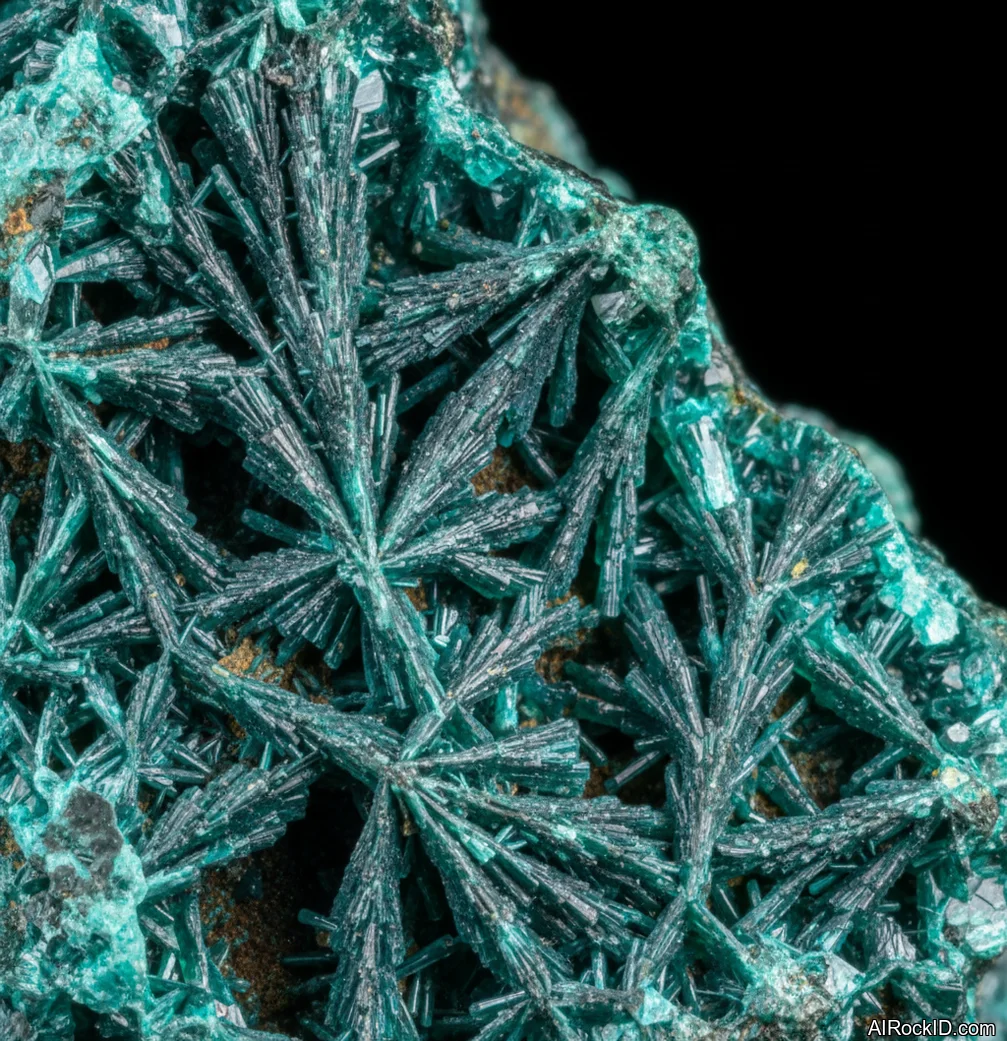
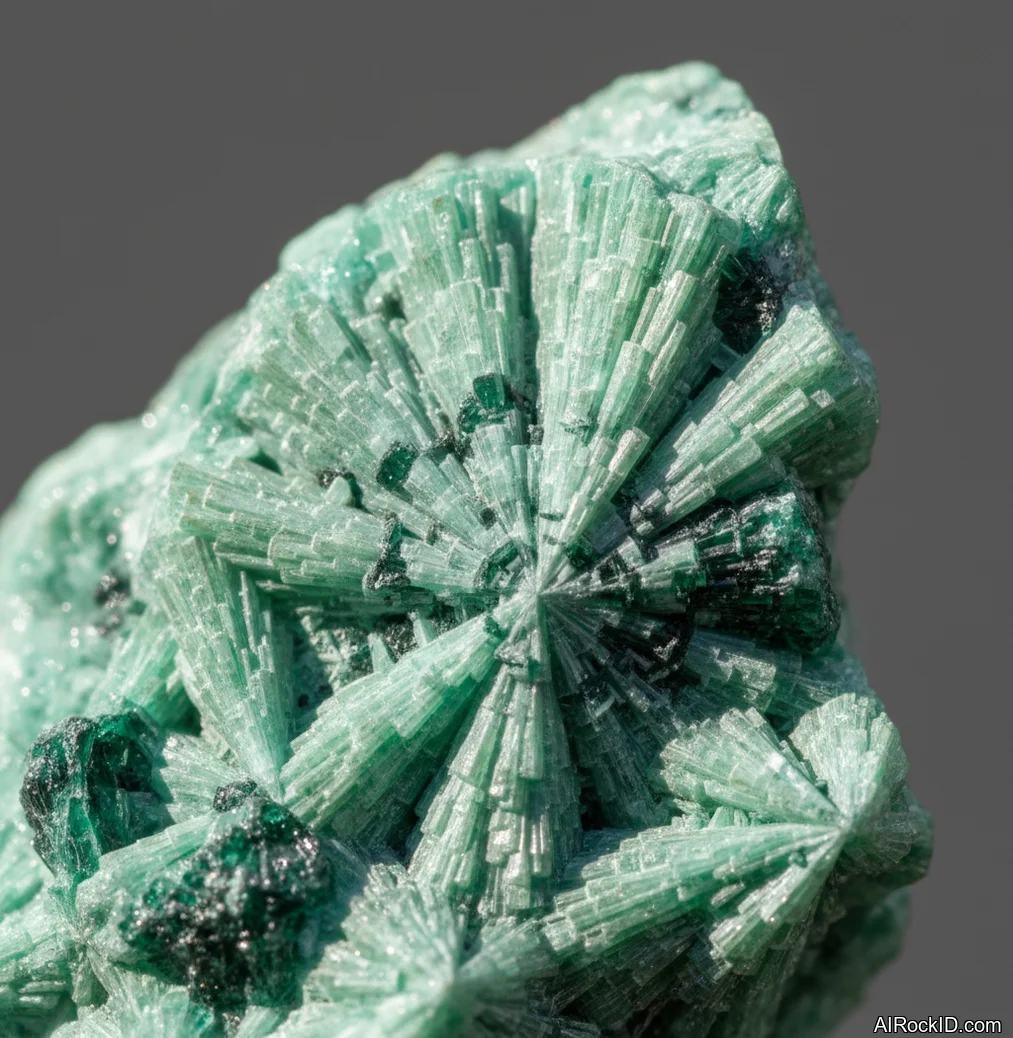
Pick up a piece and you’ll notice right away it isn’t hefty the way malachite can be. It sits lighter in your palm. Almost kind of “dry,” too. The clusters are usually thin and bladed, like a little green thicket that got frozen mid-growth. I’ve handled a lot of secondary copper minerals at shows, and antlerite has this telltale habit of stacking those blades and crisscrossing them, with a shine that can look glassy on one face and a bit silky on another (depending on how beat up the surface is).
People mix it up with brochantite at first because, sure, they’re both green and they both turn up around copper mines. But antlerite usually reads as a deeper, cooler green, and the crystals look more wedgey and sharp. Also, it’s softer than most folks expect. So if you let it rattle around in a box with harder pieces, it can scuff up fast. Just from rubbing. Seriously.
Origin & History
“Antlerite” gets its name from the Antler mine area in Arizona, USA, which is where the mineral was first recognized. It was described in the 19th century, back in that classic stretch when people were busy sorting out and naming a ton of copper-mine minerals from the American Southwest.
And yeah, collectors still say the name with a bit of a nod to those early localities (it’s a thing). Most specimens you’ll see for sale now aren’t actually from the original spot, but the name really stuck. Same deal with plenty of other species named after mines.
Where Is Antlerite Found?
Antlerite shows up in oxidized copper deposits, especially in arid or well-drained mine environments where acidic sulfate waters can react with copper minerals.
Formation
Look at where antlerite is actually sitting on a specimen and you can usually tell it showed up late, as a weathering mineral. It forms when copper sulfides and other copper minerals start breaking down, and you’ve got sulfate-rich, acidic water creeping through fractures, mine dumps, or the upper parts of an ore body.
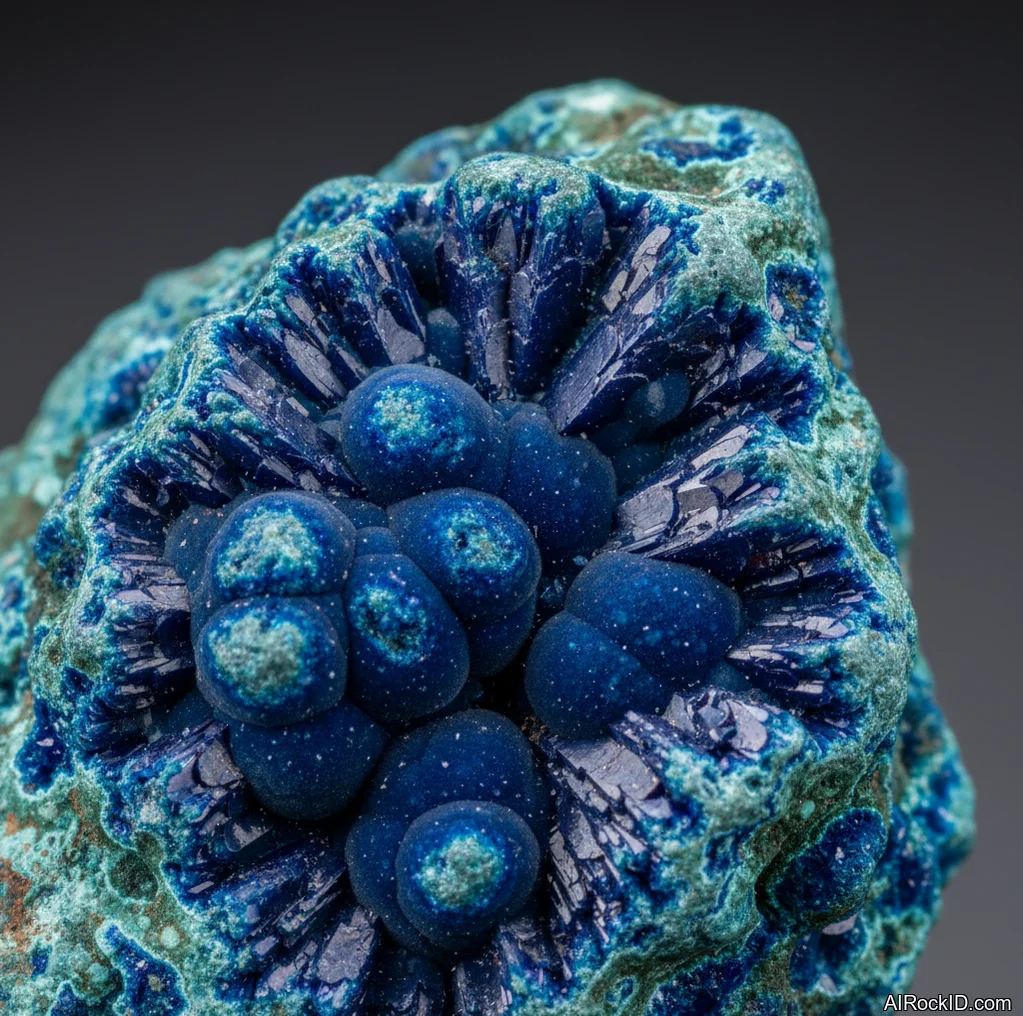
Malachite and azurite tend to point to carbonate conditions. Antlerite doesn’t. It’s a sulfate situation, plain and simple. You’ll often find it hanging out with other copper sulfates like brochantite or chalcanthite, and if things get really acidic you might see iron sulfates in the neighborhood too. Mine-dump material is where it gets messy: it’s a mixed bag, and labels can get sloppy fast. But in a solid oxidized zone, antlerite can grow into tight sprays and bladed clusters that look way better in person than in flat photos (the kind where the texture just disappears).
How to Identify Antlerite
Color: Usually deep green to blue-green, sometimes with a slightly darker, cooler tone than malachite. Some pieces look almost black-green in thick clusters until you hit them with strong light.
Luster: Vitreous to silky on crystal faces and fibrous clusters.
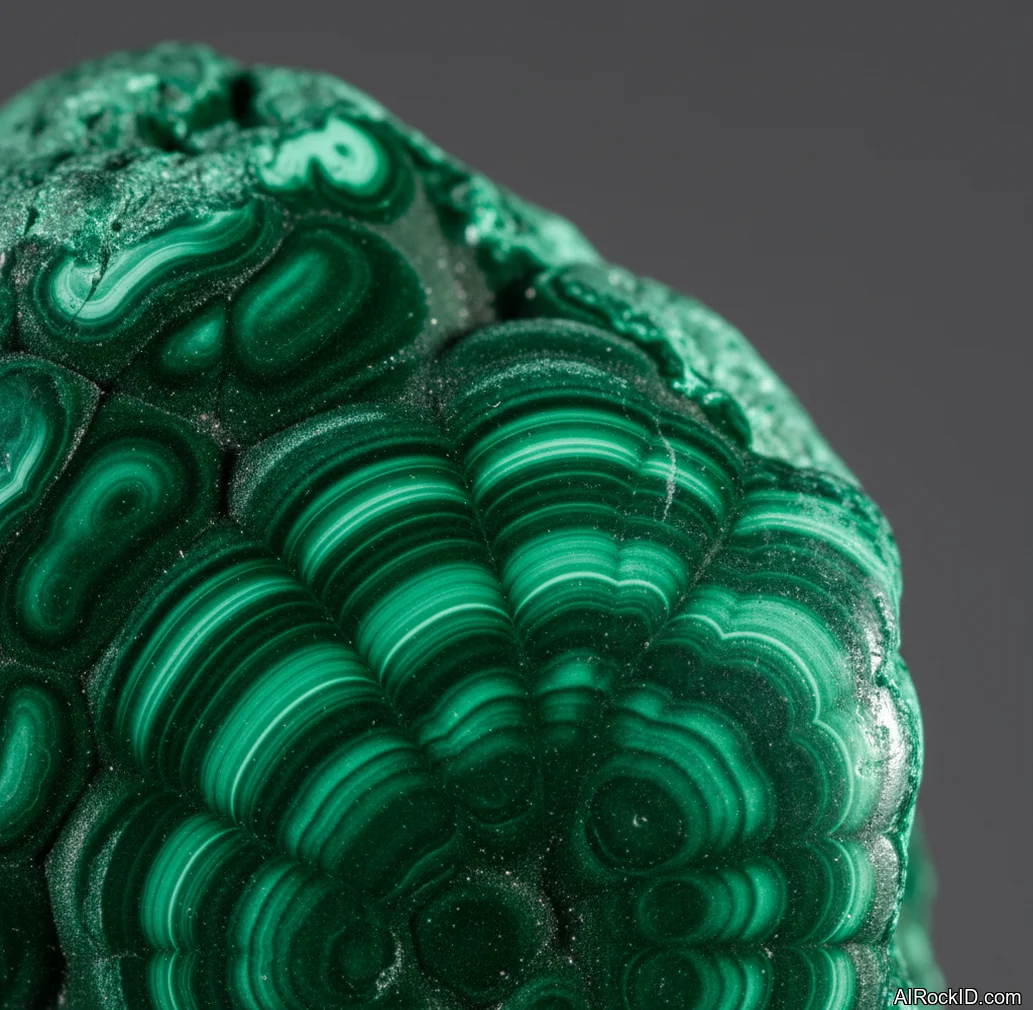
If you scratch it with a copper coin, you can sometimes mark softer areas, but don’t go testing your best piece. The real test is the habit: thin bladed crystals in radiating sprays, often with a sharp, wedgey look rather than botryoidal bands. And if you’ve handled brochantite, compare the shade and the feel, antlerite clusters often seem a bit more brittle and a touch less robust.
Properties of Antlerite
Physical Properties
| Crystal System | Orthorhombic |
| Hardness (Mohs) | 3-3.5 (Soft (2-4)) |
| Density | 3.90-3.95 g/cm3 |
| Luster | Vitreous |
| Diaphaneity | Translucent to opaque |
| Fracture | Uneven |
| Streak | pale green |
| Magnetism | Non-magnetic |
| Colors | green, blue-green, dark green |
Chemical Properties
| Classification | Sulfates |
| Formula | Cu3(SO4)(OH)4 |
| Elements | Cu, S, O, H |
| Common Impurities | Fe, Zn |
Optical Properties
| Refractive Index | 1.728-1.777 |
| Birefringence | 0.049 |
| Pleochroism | Moderate |
| Optical Character | Biaxial |
Antlerite Health & Safety
Normal handling’s fine. Just treat it like any copper mineral, and keep it away from food and away from kids’ mouths. If you’re cutting, grinding, or doing anything that kicks up that fine blue-green dust that clings to your fingertips and hangs in the air for a second, use basic lapidary precautions.
Safety Tips
Wash your hands after you’ve handled it, and don’t dry-scrub it or hit it with sandpaper. If it needs cleaning, use a little water, keep it gentle, then pat it dry with a soft towel (the kind that won’t leave lint stuck on the surface).
Antlerite Value & Price
Price Range
Rough/Tumbled: $20 - $200 per specimen
Prices jump fast when the bladed clusters are sharp, clean, and don’t have any dings, especially if there’s solid provenance from the classic copper mines. Most specimens are on the small side. But the ones with crisp edges and no wear along the blades, those cost way more than you’d expect (even before you notice every little nick people usually miss).
Durability
Fragile — Scratch resistance: Poor, Toughness: Poor
It can chip and scuff easily, and prolonged damp storage can encourage surface changes on delicate crystal sprays.
How to Care for Antlerite
Use & Storage
Store it in a perky box or a lined flat so the blades don’t rub. I keep mine in little gem jars with foam because one bumpy car ride can turn crisp edges into green crumbs.
Cleaning
1) Rinse quickly in cool distilled water. 2) Use a very soft brush only if the piece is sturdy, then rinse again. 3) Pat dry and let it air dry completely before boxing it up.
Cleanse & Charge
If you do energy-style cleansing, stick to smoke, sound, or a quick pass on a dry selenite plate. Avoid salt bowls and long soaks.
Placement
A stable shelf away from direct sun and humidity works best. Keep it out of the kitchen and bathroom, not because it’s scary, but because damp air is rough on delicate copper sulfates.
Caution
Don’t put it in an ultrasonic cleaner. Don’t steam clean it either. And definitely don’t throw it into a tumbler with grit, because it’ll get knocked around and chewed up fast. If the piece is crumbly, or you’re trimming the matrix, watch the dust. Seriously, don’t breathe that stuff in.
Works Well With
Antlerite Meaning & Healing Properties
Next to the friendlier, rounder feel people get from malachite, antlerite reads sharper and more “mental” in a lot of collections. After a long show day, when I’m sorting flats and my fingers are dusty from moving labels around, it’s the piece I’ll put on the desk for a minute, stare at, then tuck back away because it keeps my attention nailed down. And that’s pretty much the same vibe I hear from other collectors.
If you’re into crystal work, antlerite usually gets lumped in with insight, clearing out mental clutter, and doing an honest self-check. I file all of that under “personal practice,” not medicine. Still, there’s something about how those bladed crystals grow that nudges people into thinking in straight lines. But it can get intense, fast. If you’re already wired, do you really want that sitting next to your bed?
One practical thing from handling it a lot: it’s a boundary stone in the physical sense. You learn quick to slow down, pick it up carefully (especially around the thin edges), and quit fidgeting with it. So even that simple habit, hands-on, can turn into a little mindfulness drill. Probably why people link it with focus and clarity.
Identify Any Crystal Instantly
Snap a photo and get properties, value, care instructions, and healing meanings in seconds.