Blue Topaz
What Is Blue Topaz?
Blue topaz is just topaz that shows up blue, an aluminum fluoro-silicate mineral with the formula Al2SiO4(F,OH)2.
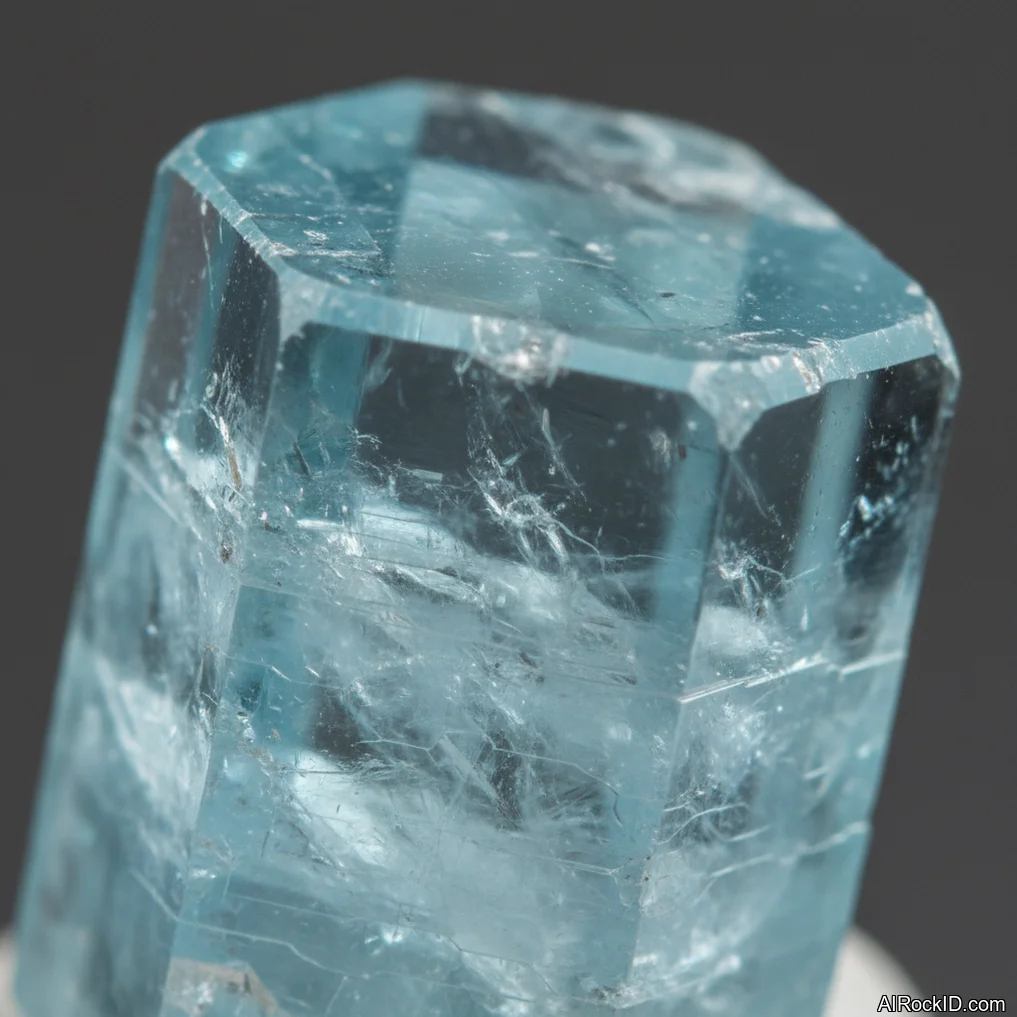
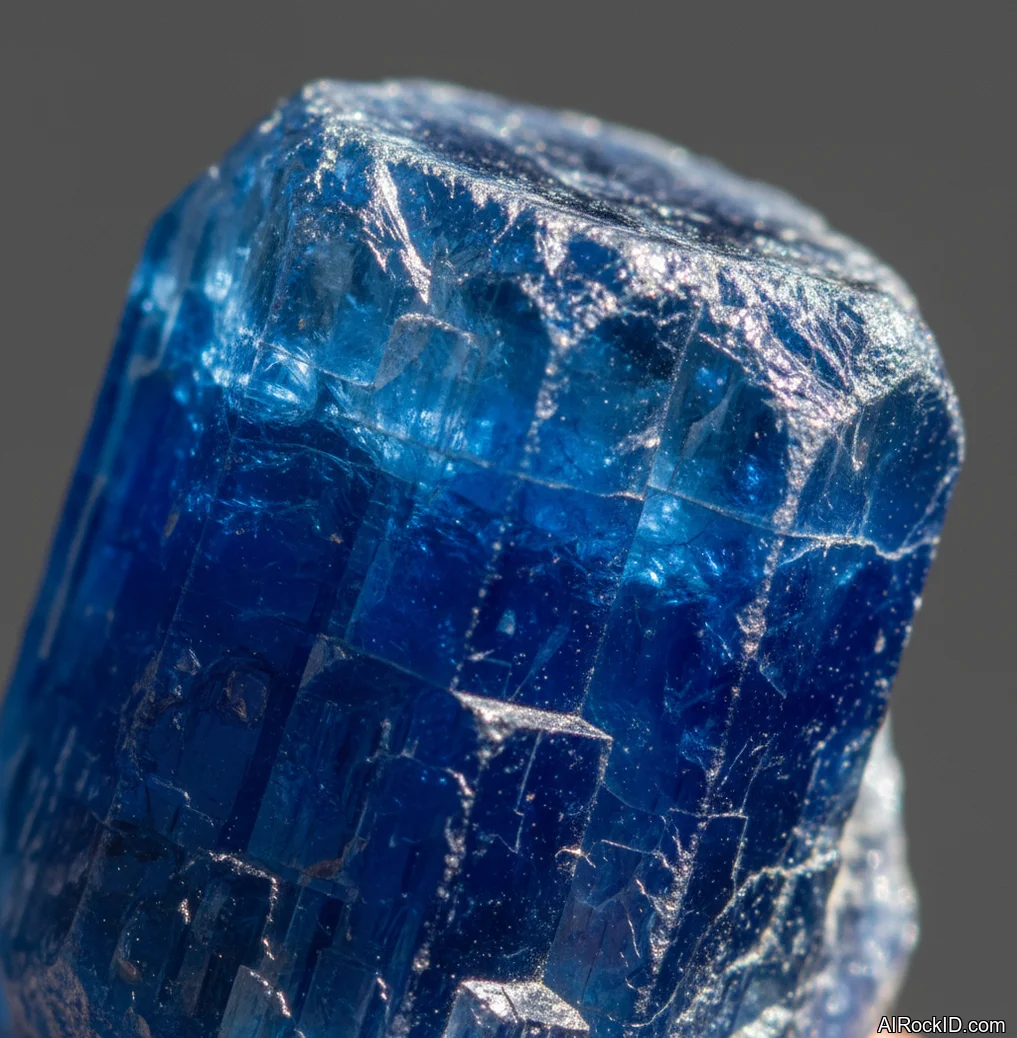
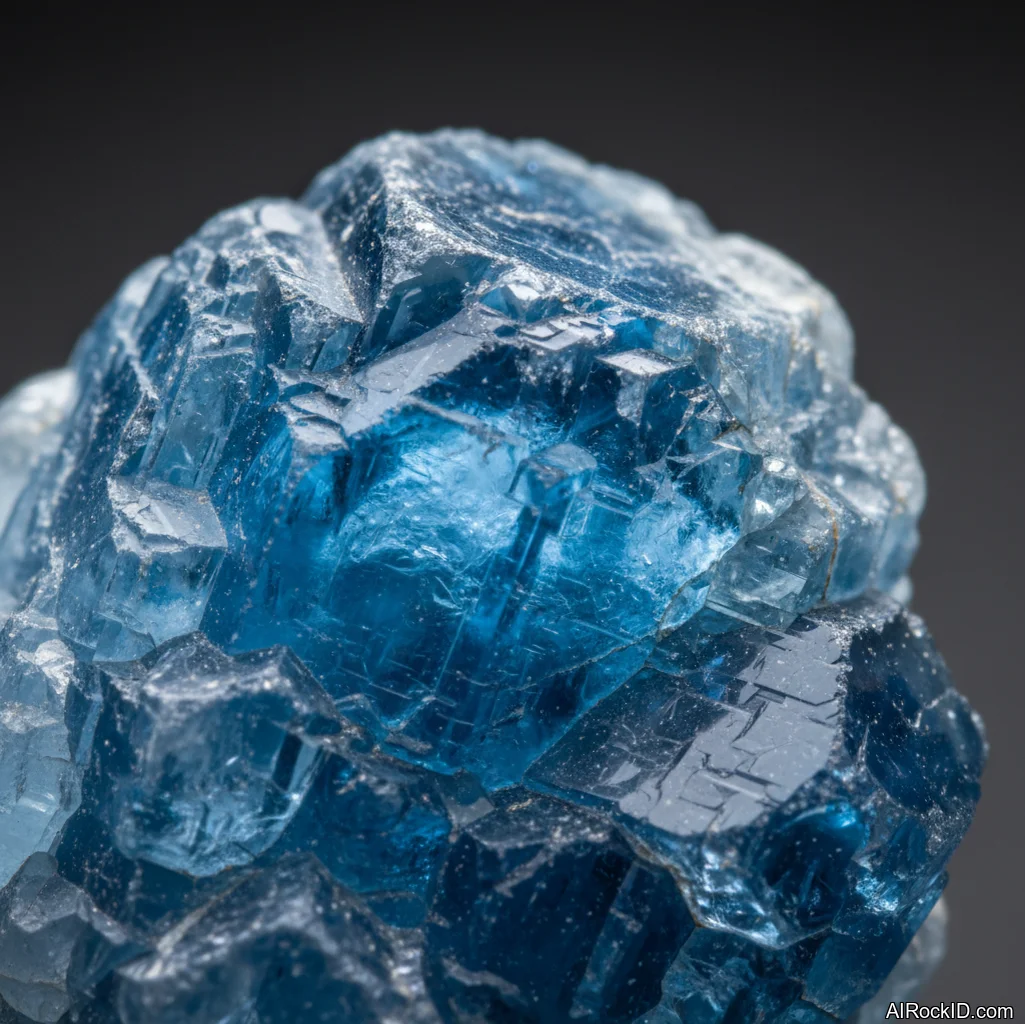
Pick up a cut stone and, honestly, the first thing that jumps out is that icy look, even sitting under warm shop lights. A lot of the blue you’re seeing in jewelry cases is treated material, and that’s not some dirty secret. It’s simply how the market works. Sky Blue reads like pale pool water, Swiss Blue is that clean, electric cyan that almost looks backlit, and London Blue goes darker and inkier, like stormy bottle glass.
In your hand, polished topaz feels slick and glassy, the kind of surface your fingertip sort of skates over. But it isn’t “soft” at all. It scratches glass easily. Thing is, it has a cleavage direction that can absolutely ruin your day if it takes a sharp hit, especially in rings that get whacked on door frames, faucet handles, countertop edges (you know the spots).
Origin & History
Most dealers will tell you “topaz” goes back to old Greek and Latin terms linked to Topazios, an island in the Red Sea that people in antiquity talked up for its yellowish gems. Thing is, the punchline is those stones were probably peridot, not topaz. Gem names get sloppy fast, don’t they?
Topaz as a mineral species didn’t get officially pinned down until the 18th century, and that’s when the modern mineral name really stuck. But the blue version? That’s mostly a modern jewelry-era thing. Natural blue topaz does exist, sure, but it usually shows up as a very pale wash of color, like something you’d miss unless you tilt it under a bright lamp. The deeper blues you see all over the place only really took off after irradiation and heat treatment became standard and safe for commercial stones.
Where Is Blue Topaz Found?
Topaz forms in granites and rhyolites and shows up in pegmatites and gas cavities; Brazil and Utah are classic sources collectors talk about.
Formation
Thing is, once you pay attention to where topaz actually shows up, a pretty clear pattern jumps out: it likes silica-rich melts, and it really likes having fluorine around.
In granitic pegmatites, the late-stage fluids get stuffed with volatile elements, and topaz will crystallize in little pockets with quartz and feldspar (and, sometimes, tourmaline). And those pockets are the fun ones. That’s where you pull out crystals with clean, sharp faces that still catch on your fingertips when you turn them in the light.
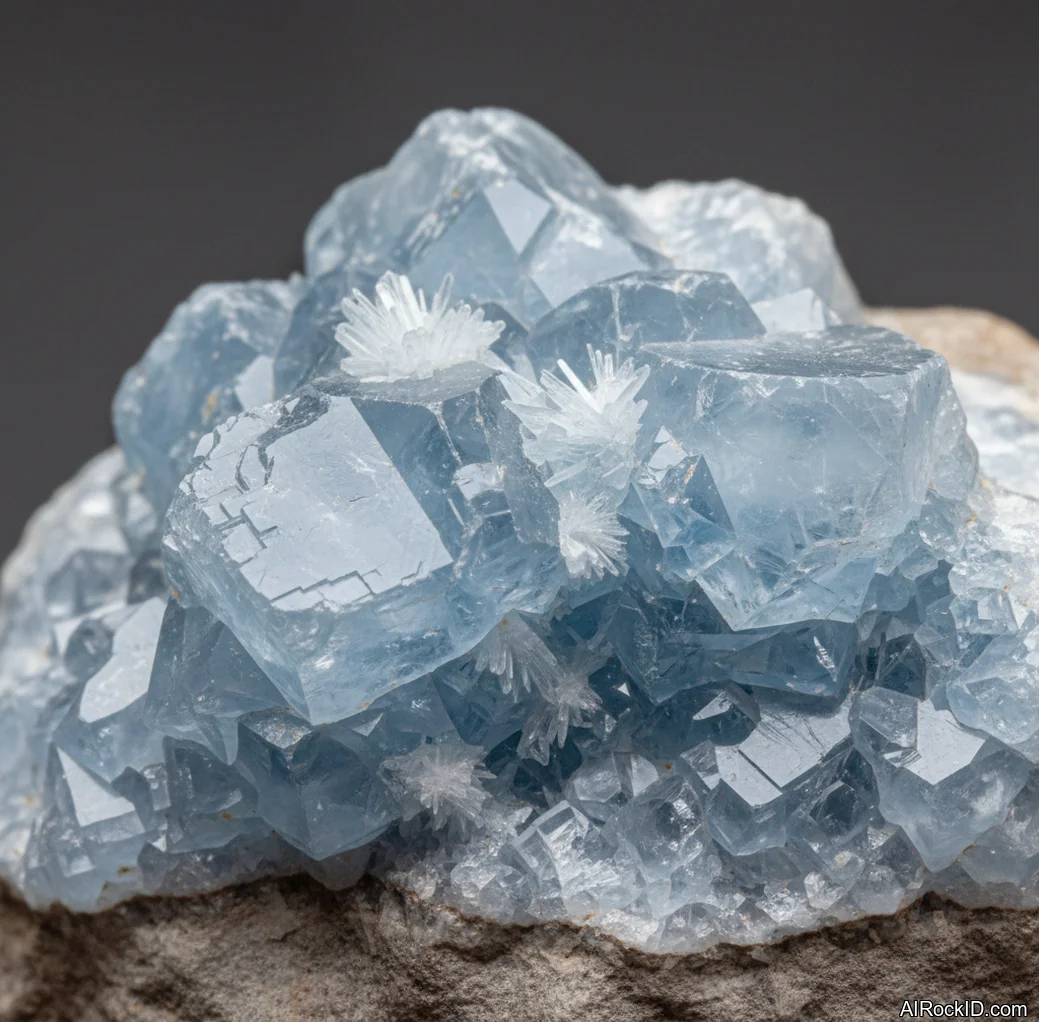
But rhyolite is another major home, especially for U.S. material. In places like the Thomas Range, topaz can grow inside lithophysae, basically gas cavities in volcanic rock. Crack the host open and, yeah, the crystals can just be sitting there like small prizes tucked into a hollow. So don’t be surprised if they’re etched, kind of frosty-looking, or chipped from natural movement. That’s normal.
How to Identify Blue Topaz
Color: Blue topaz ranges from very pale “Sky” blue to deep grayish-blue “London” tones, with most bright blues on the market produced by treatment.
Luster: Vitreous, like clean window glass.
Pick up the stone and tilt it under a single overhead light. Faceted blue topaz flashes crisp, hard scintillation, but it won’t look oily like some glass imitations. If you scratch it with a steel blade, you won’t get far, but don’t do that on a finished gem. The real test is cleavage risk: topaz chips with a sharp, flat break if it takes a bad hit, and I’ve seen perfectly good stones lose a corner just from a ring getting smacked once.
Properties of Blue Topaz
Physical Properties
| Crystal System | Orthorhombic |
| Hardness (Mohs) | 8 (Very Hard (7.5-10)) |
| Density | 3.49-3.57 g/cm3 |
| Luster | Vitreous |
| Diaphaneity | Transparent to translucent |
| Fracture | Conchoidal |
| Streak | White |
| Magnetism | Non-magnetic |
| Colors | Pale blue, Light blue, Medium blue, Deep blue, Grayish blue |
Chemical Properties
| Classification | Silicates |
| Formula | Al2SiO4(F,OH)2 |
| Elements | Al, Si, O, F, H |
| Common Impurities | Fe, Cr, Ti |
Optical Properties
| Refractive Index | 1.609-1.643 |
| Birefringence | 0.008-0.010 |
| Pleochroism | Weak |
| Optical Character | Biaxial |
Blue Topaz Health & Safety
Blue topaz is pretty safe to handle and wear. Really, the only “risk” is that you’ll chip or scratch it if it takes a hard knock, not that it’s toxic.
Safety Tips
If you’re cutting or grinding, put on eye protection, and keep the dust down with wet methods any time mineral dust is in the air. And when you store your gems, don’t just toss them together in a jar. Keep them separated so they aren’t clacking into harder stones like corundum.
Blue Topaz Value & Price
Price Range
Rough/Tumbled: $5 - $80 per piece (tumbled or small rough), $50 - $400 for larger clean display rough
Cut/Polished: $5 - $40 per carat (Sky/Swiss), $15 - $80 per carat (London) depending on cut and size
Color names matter, sure, but in real life the cut is what you notice first. A clean, well-proportioned stone stays bright when you tilt it under a lamp or near a window. But a windowed cut? It goes flat and watery, like you’re looking through a thin patch in the middle, and it can feel cheap even if the color looks great on paper.
Durability
Durable — Scratch resistance: Excellent, Toughness: Fair
It holds polish well and resists scratches, but perfect cleavage means sharp impacts can chip it.
How to Care for Blue Topaz
Use & Storage
Keep it in a separate pouch or a divided box slot because it can scratch softer gems and get chipped by harder ones. I don’t toss topaz loose in a pocket with keys. Learned that once.
Cleaning
1) Rinse with lukewarm water and a drop of mild soap. 2) Use a soft toothbrush to clean behind settings and along facet junctions. 3) Rinse well and dry with a microfiber cloth; skip ultrasonic cleaners if the stone has chips or you don’t trust the setting.
Cleanse & Charge
If you do energy-style cleansing, plain water rinse and a quick dry works fine, or leave it in a bowl next to selenite overnight. Don’t bake it in sun all day just because someone online said to.
Placement
On a desk, it reads best under a single lamp where you can see the bright flashes. In jewelry, pendants and earrings take fewer hits than rings.
Caution
Go easy on it. Don’t smack it around, and watch how much pressure you put on the prongs while setting, because cleavage will take a tiny slip and turn it into a snap you can hear. And keep it well away from any high-heat torch work unless you’ve pulled the stone first.
Works Well With
Blue Topaz Meaning & Healing Properties
In the metaphysical world, blue topaz gets tied to clear speech, calmer thoughts, and keeping a cool head when you’re fried. And yeah, I see the appeal. Hold a clean, faceted stone in your hand and that light, airy blue can make your brain loosen up a notch. It’s a vibe. Not a medical claim.
So grab a bigger crystal or one of those chunky tumbled pieces. You’ll notice it hangs onto that cool-to-the-touch feeling longer than cheap blue glass does, especially if you’ve had it sitting on a table instead of in your pocket. That coolness is just physical, but it plugs right into how people use it: they’ll sit with it while journaling, park it next to a laptop when they’re writing, or wear it when they’re trying to stop nervous rambling. But look, here’s the honest part. If you’re waiting for some huge “energy hit” like the moldavite stories, blue topaz usually comes off quieter.
Thing is, buying blue topaz for spiritual stuff gets tricky because most of it is treated, and some people get weird about that. In my experience, treated stones still “work” for folks who connect with them. But if that idea bothers you, ask for pale natural material and just accept it’ll look almost colorless sitting next to Swiss Blue.
Identify Any Crystal Instantly
Snap a photo and get properties, value, care instructions, and healing meanings in seconds.