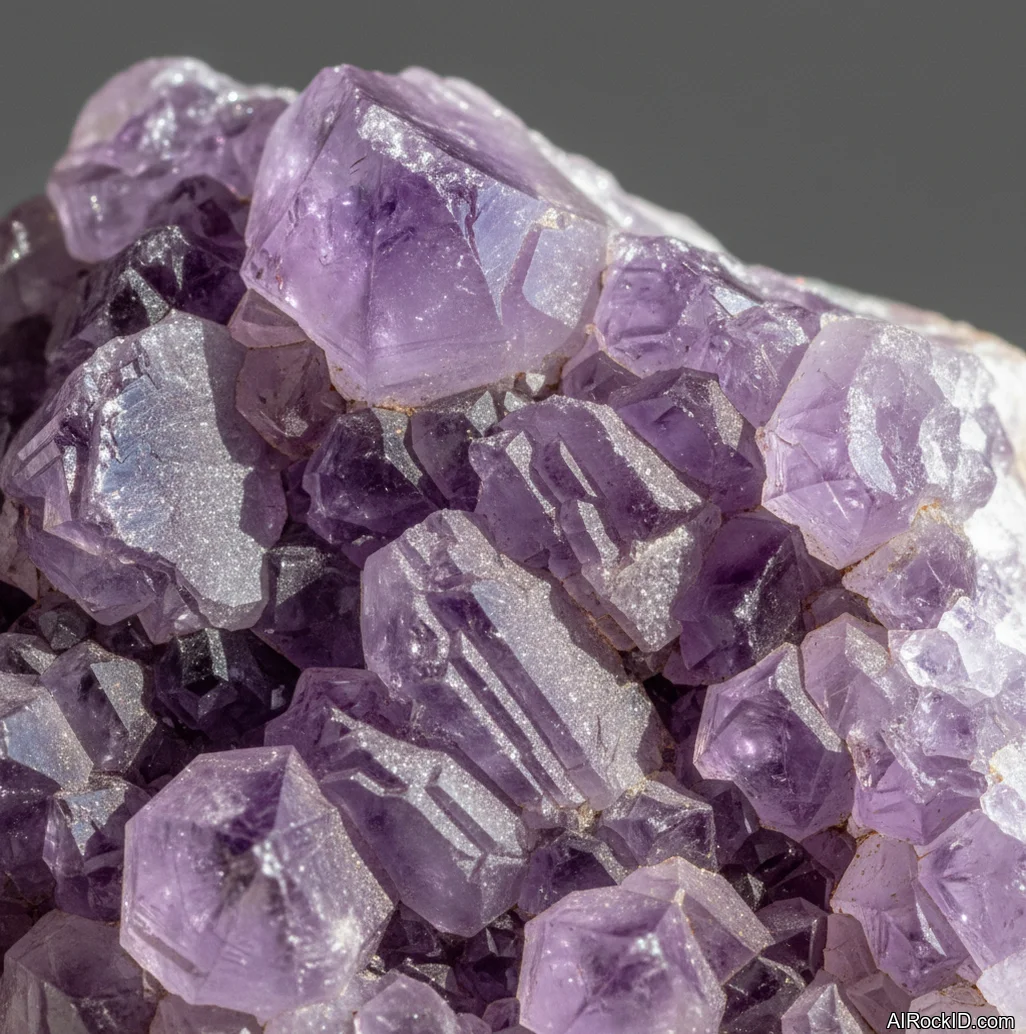
Jupiter Crystals
Explore Jupiter and crystals linked to its energy, including classic stones, how to use them, and what to look for when buying Jupiter crystals.
Jupiter, in crystal talk, is the “big weather” planet. Growth. Luck. Expansion. The stuff that feels like doors opening, for better or worse. When people say they want Jupiter energy, they’re usually not asking for calm. They want momentum, confidence, opportunity, money flow, a wider social circle, bigger goals, a louder yes.
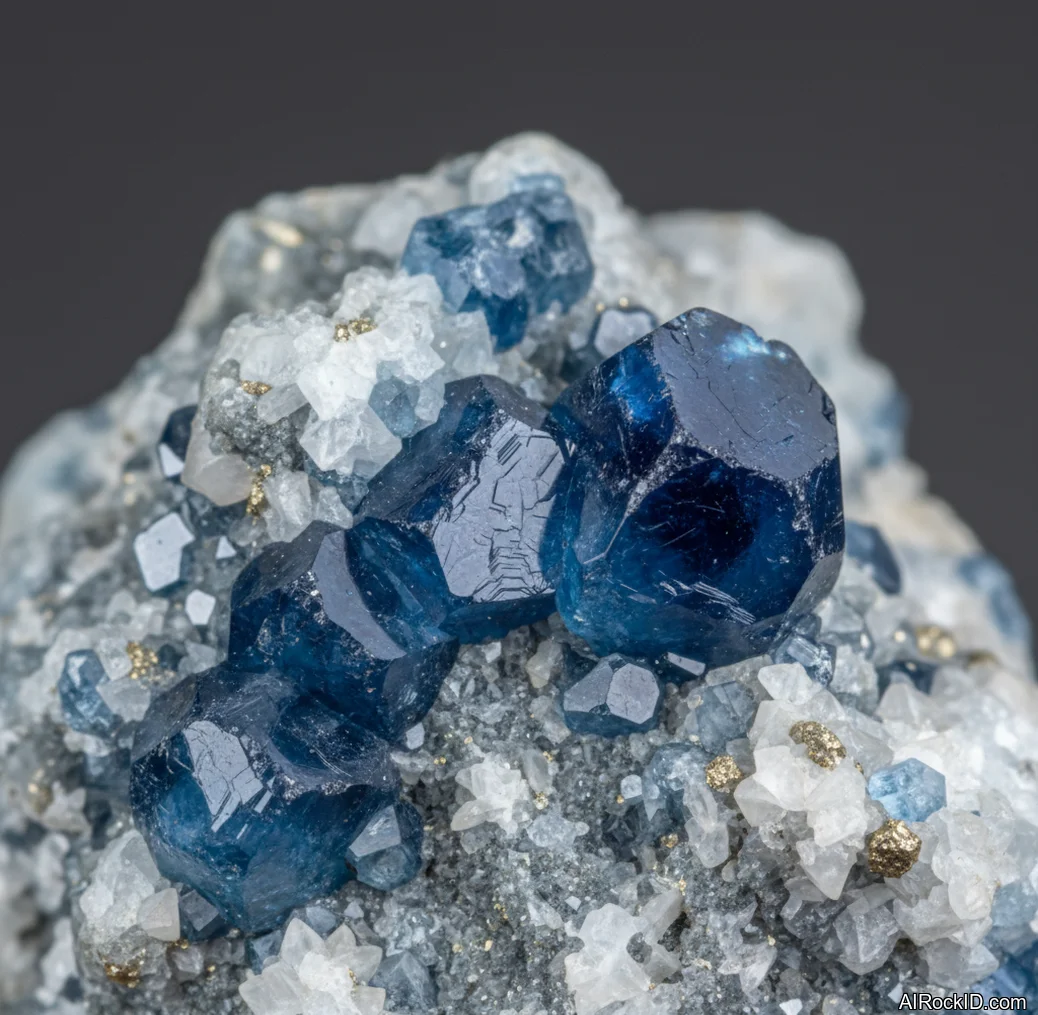
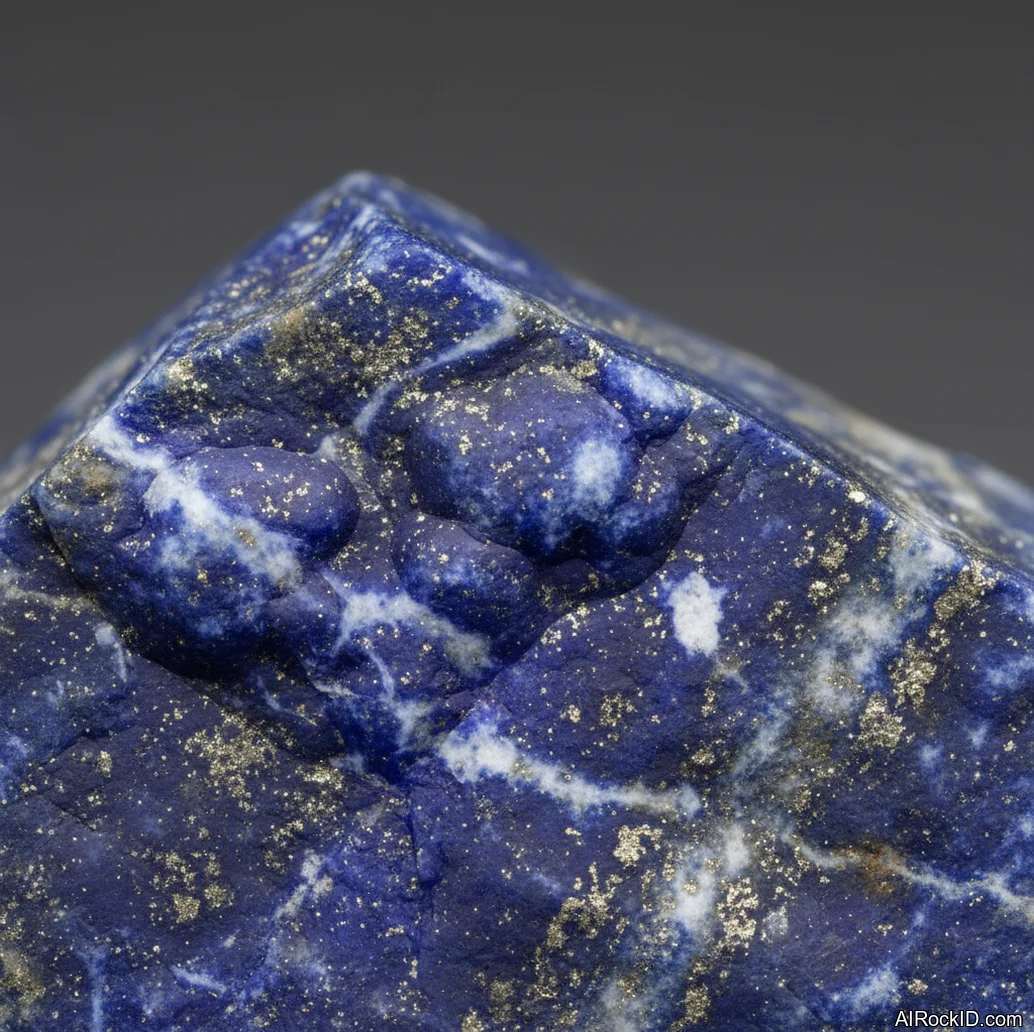
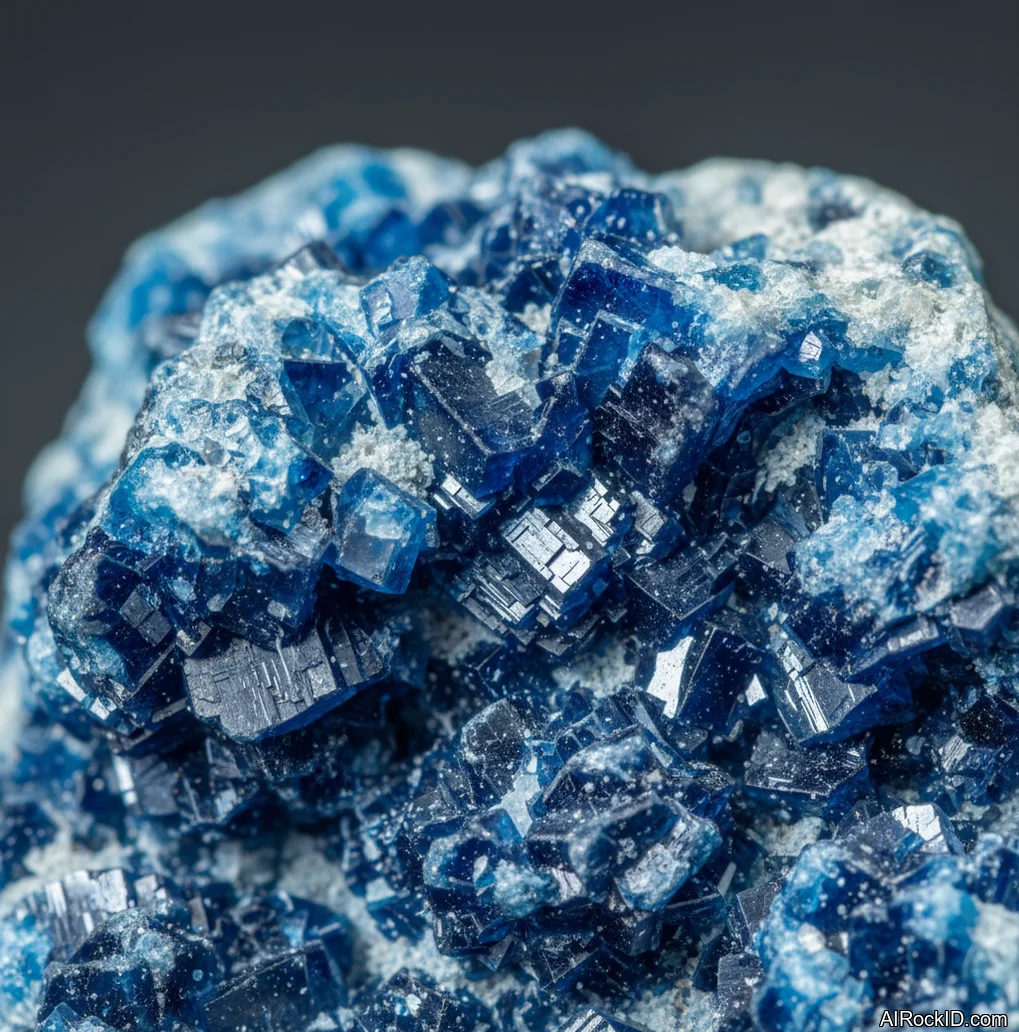
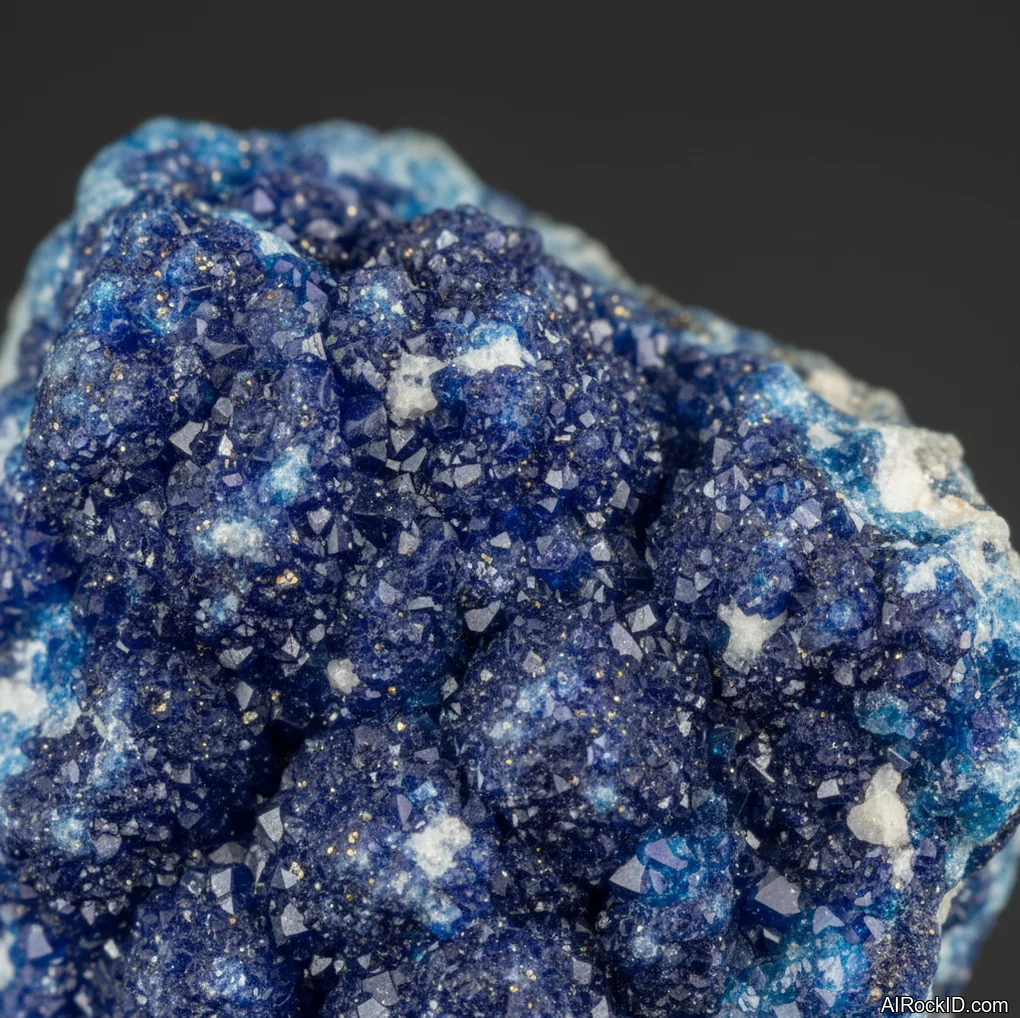
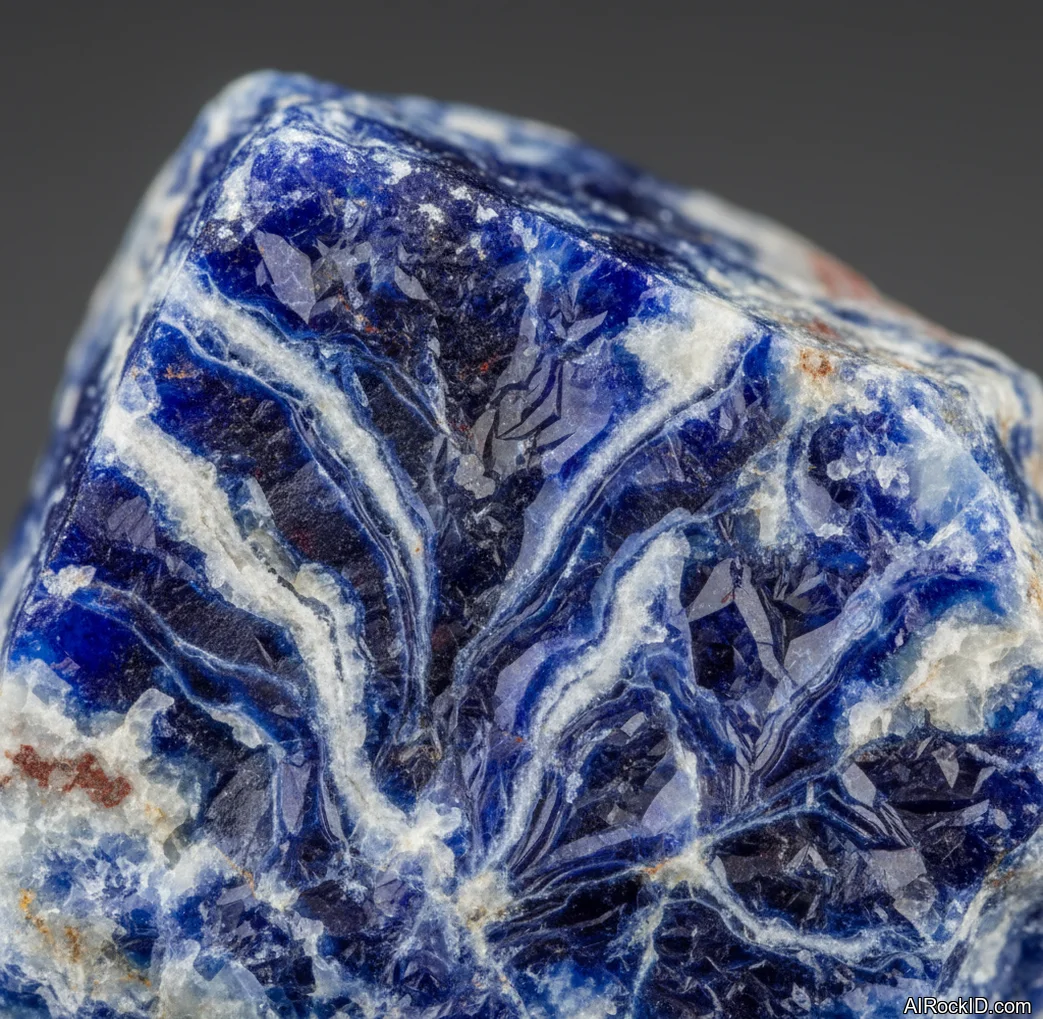
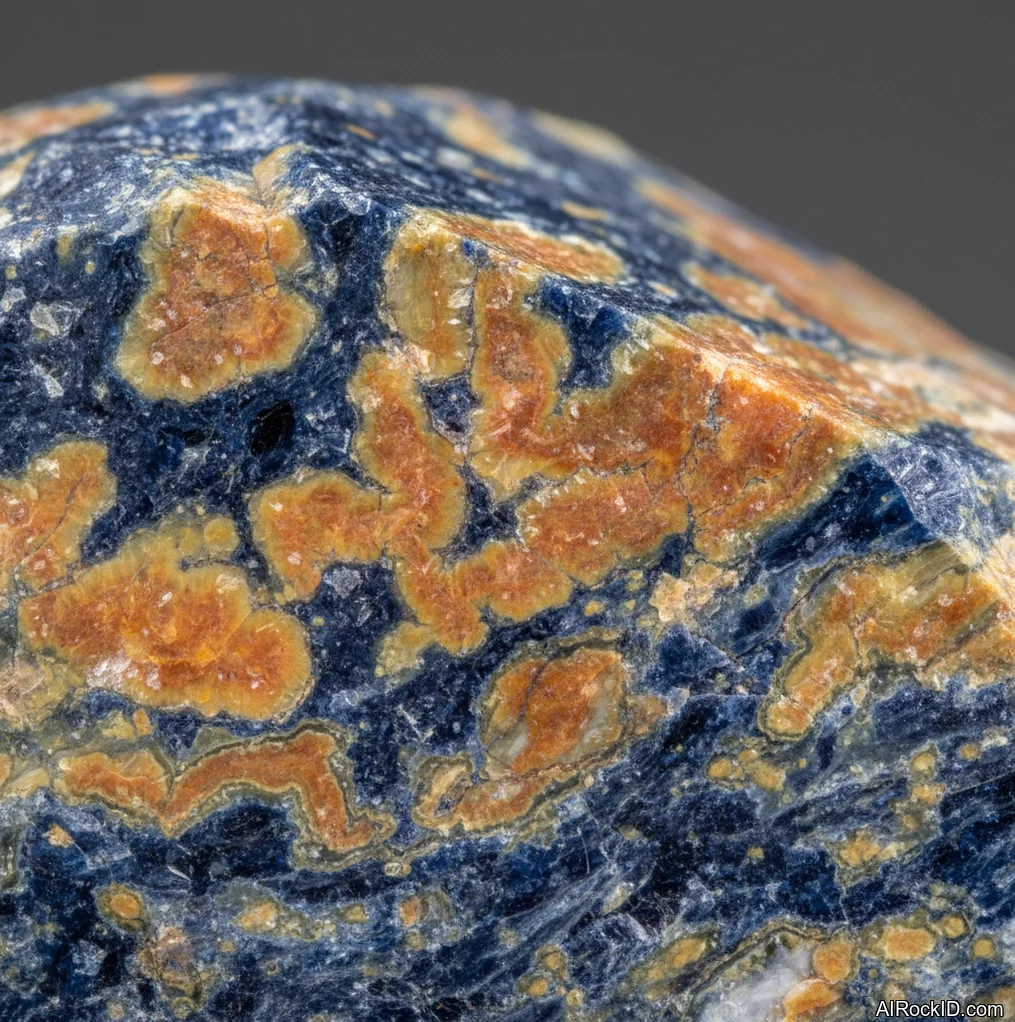
Pick up a chunk of lapis lazuli and you immediately get why it ends up in the Jupiter pile so often. It’s heavy for its size. It stays cool in your palm. And when the pyrite flecks catch a ceiling light, they flash like tiny brass chips. That mix of deep blue with metallic sparks just reads “big sky, big plan.” But I’ve handled plenty of lapis that’s more gray than blue, too. The good stuff has that saturated ultramarine base and just enough calcite veining to look natural, not chalky.
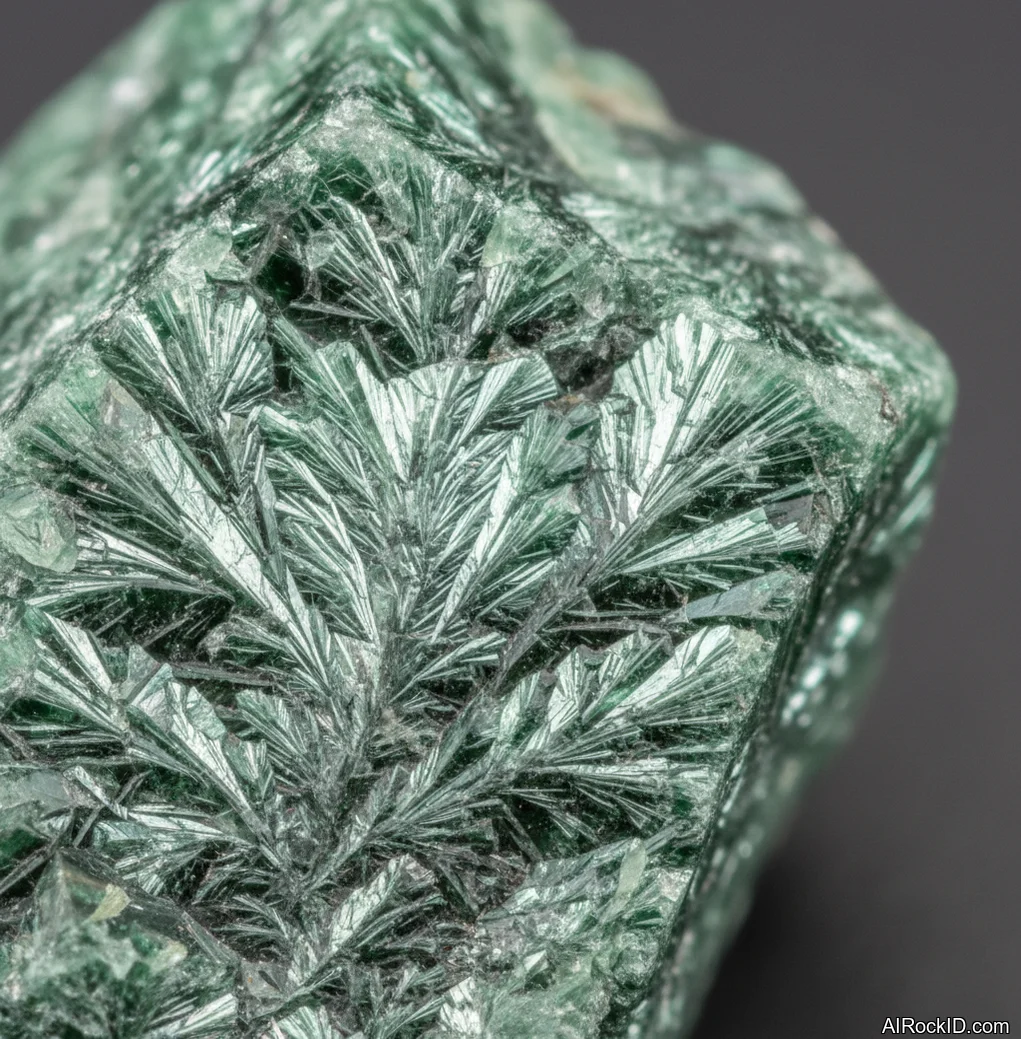
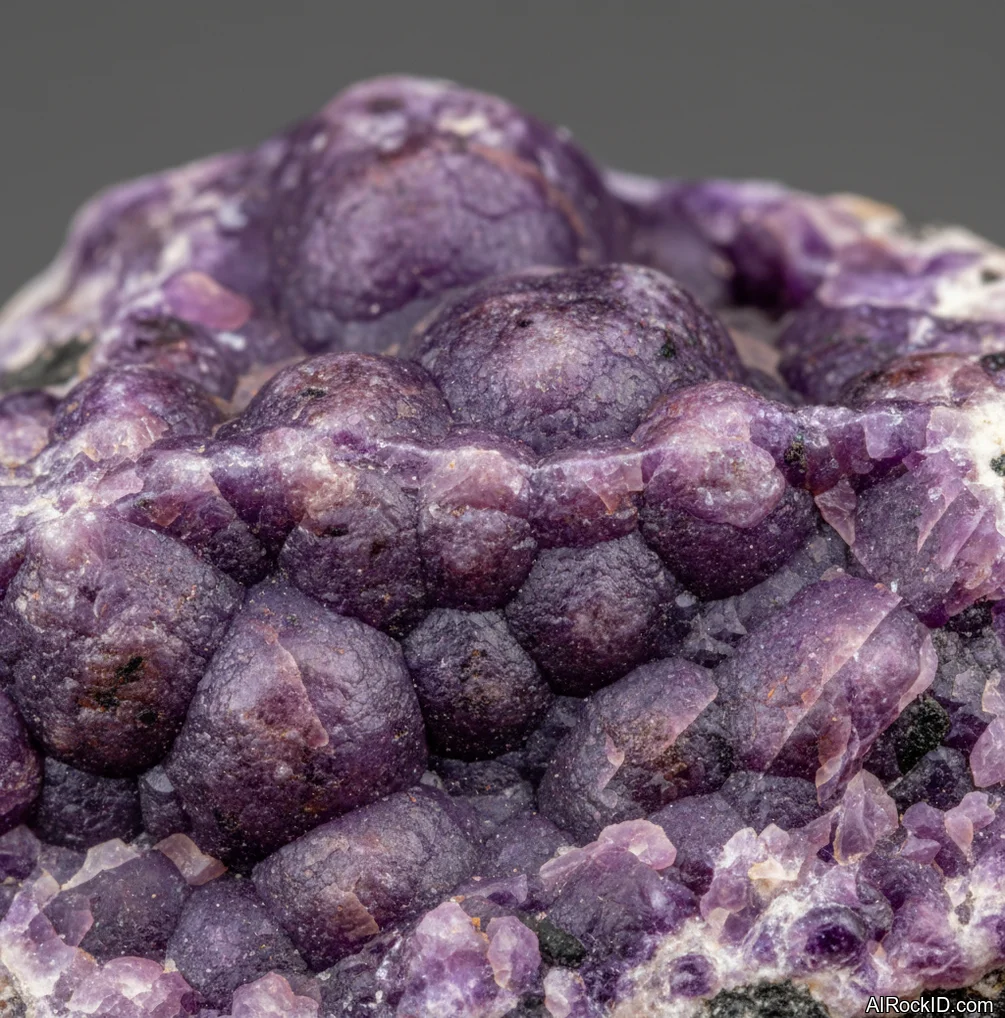
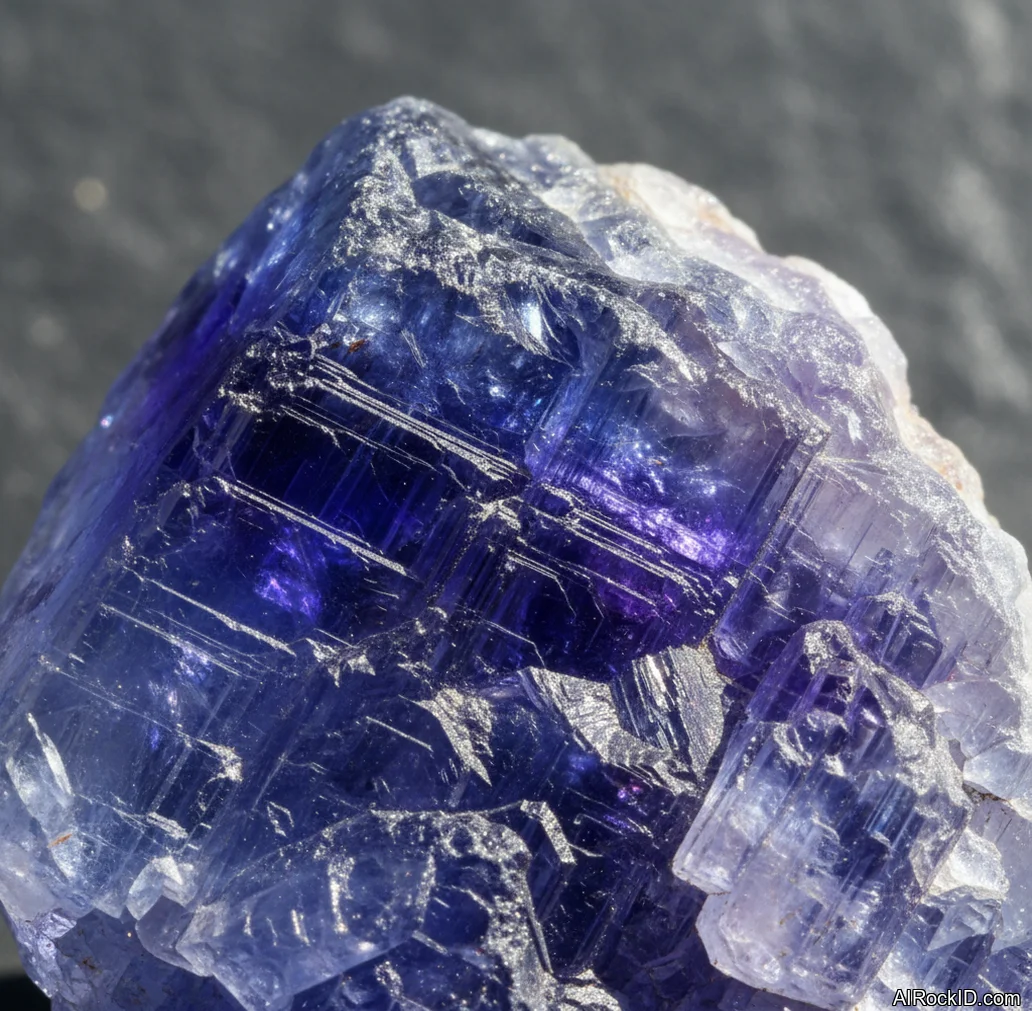
In practice, Jupiter crystals tend to bunch up around a few themes: wealth and work (citrine, pyrite), leadership and visibility (sunstone, tiger’s eye), learning and strategy (sodalite, fluorite), and long-haul optimism (amber, aventurine). Some folks also reach for stones that literally look expansive, like banded agate with wide fortification lines, or big platey pieces of mica that seem to hold light on the surface.
Compared to “Mars stones” that feel sharp and pointy in the way people pick them, Jupiter stones usually get chosen for volume and presence. A fat palm stone of green aventurine. A thick citrine point. A wide slab of lapis you can set on a desk. You see it in shops all the time: people reach past the tiny tumbled pieces and grab the one that fills the hand, because Jupiter is about going bigger.
So why do people seek them out? Usually it’s timing. New job. A promotion interview. Starting a business. Going back to school. Moving to a new city where you don’t know anyone yet. And I’ve seen folks pick Jupiter stones when they’ve been playing small for too long and they’re tired of it. They want something on the shelf that nudges them toward taking the meeting, sending the email, asking for the rate.
How to work with Jupiter crystals without turning it into a vague ritual that doesn’t change anything: put them where growth has to happen. Citrine and pyrite do best where money decisions actually get made, like next to your budget notebook, cash box, or the corner of your desk where invoices pile up. Lapis and sodalite are good for speaking and thinking, so keep them near your monitor, on a lectern, or in a pocket on days you’re presenting. Fluorite is a practical one for study sessions, but it’s softer than people think. If you toss it in a bag with keys, it’ll come back with little crescent bruises and edge chips. (Ask me how I know.)
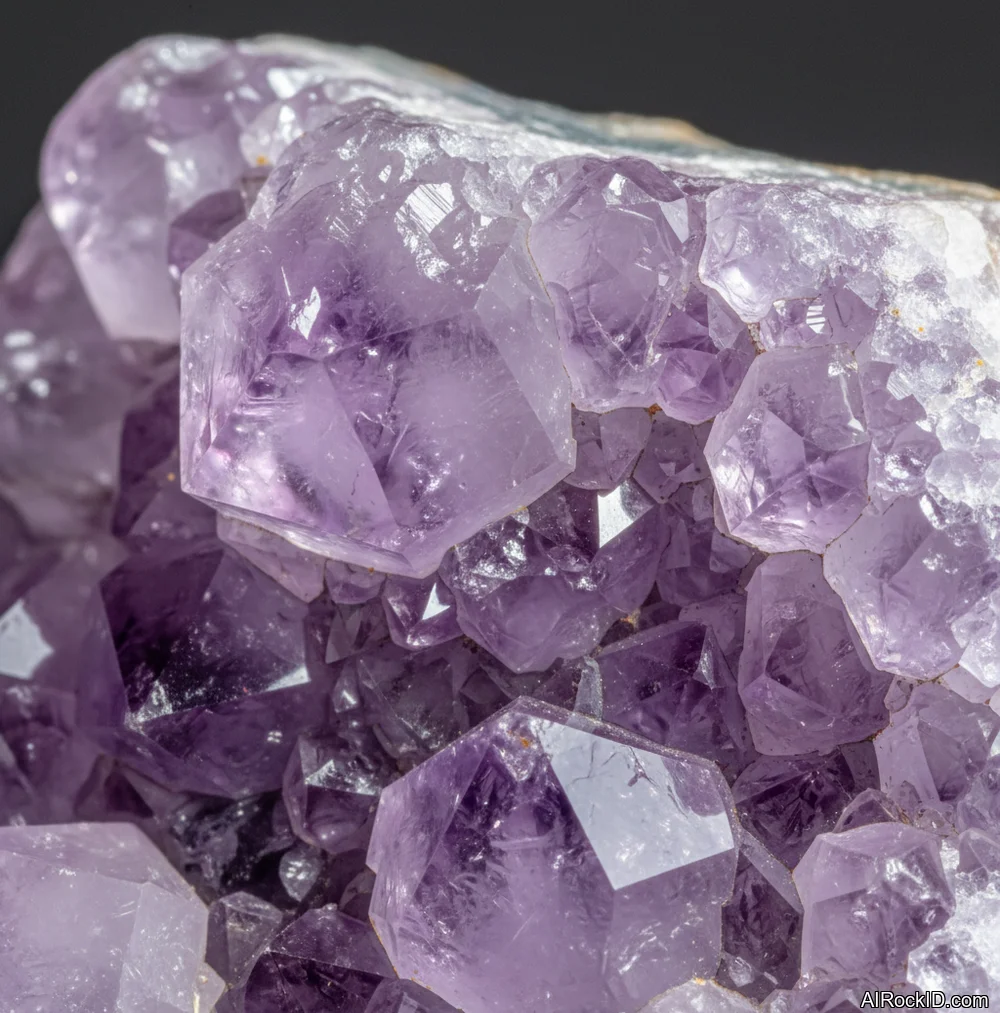
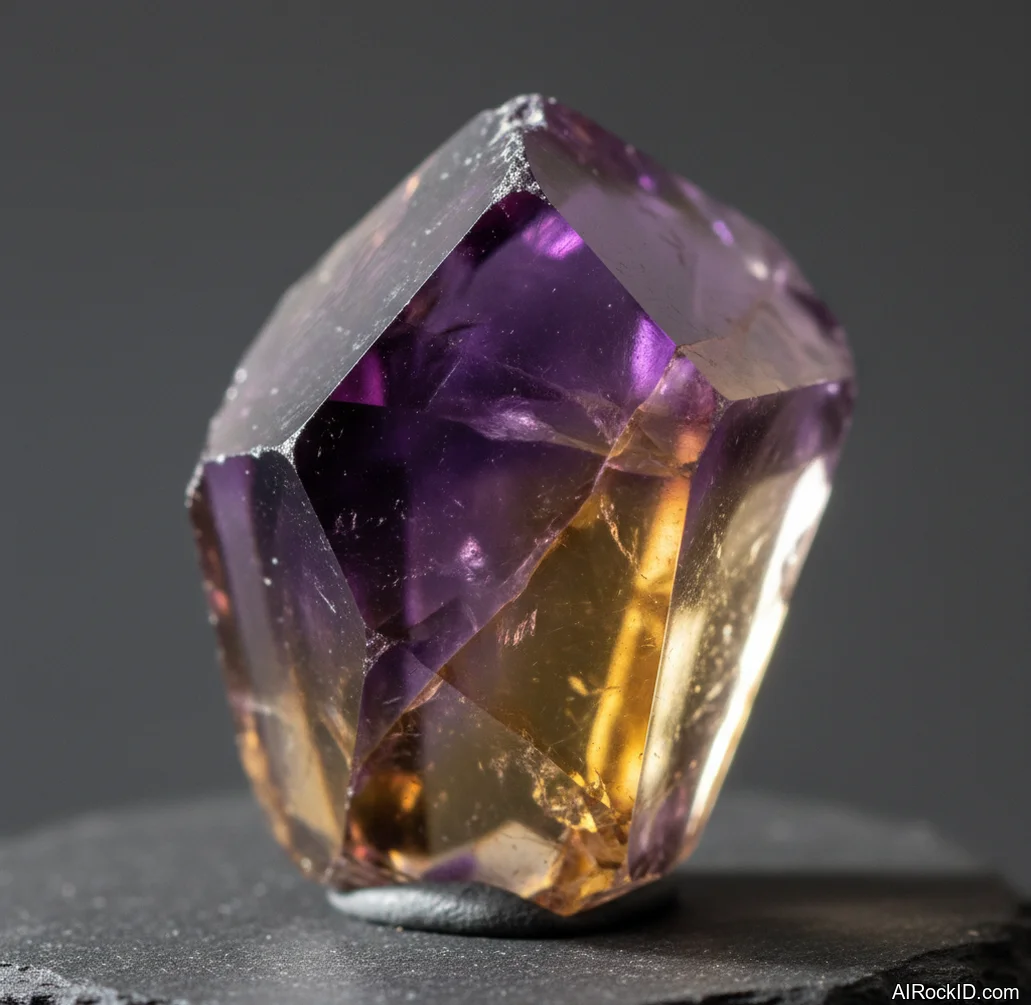
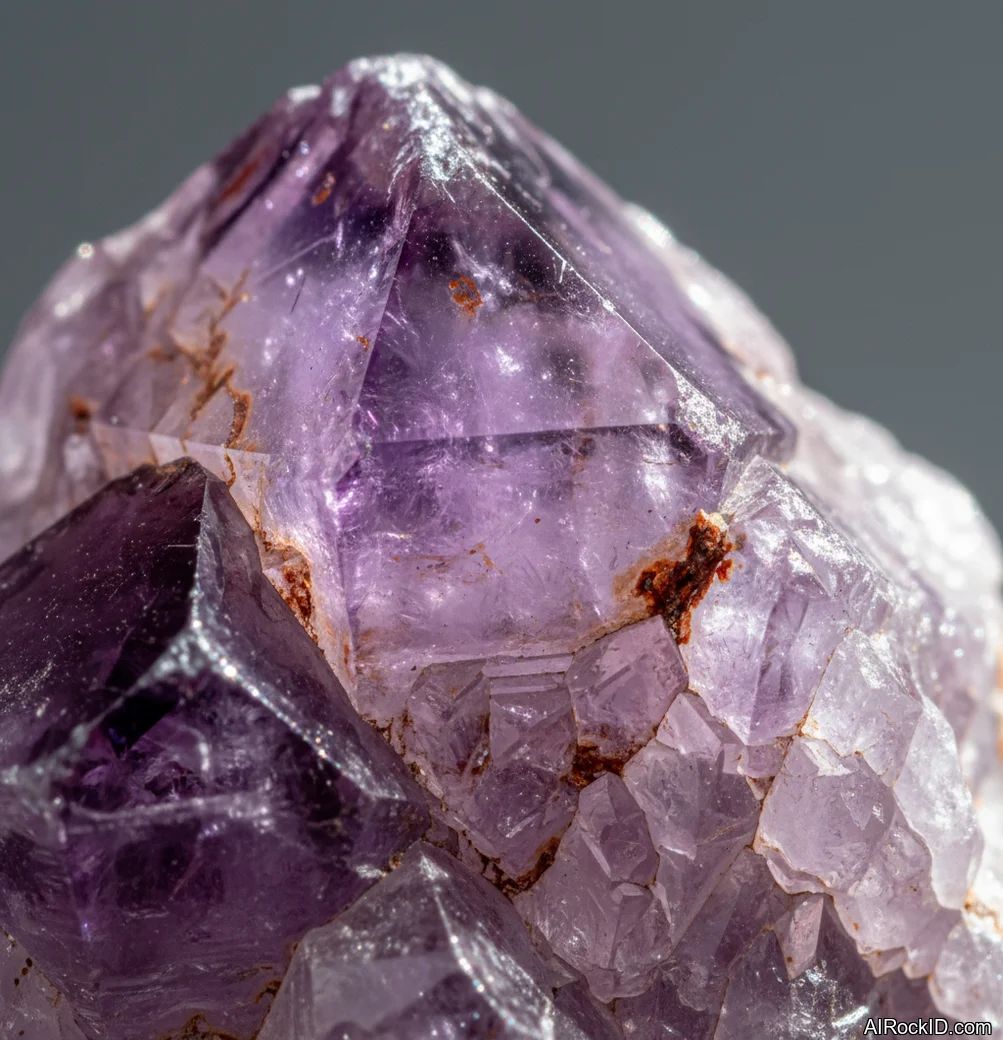
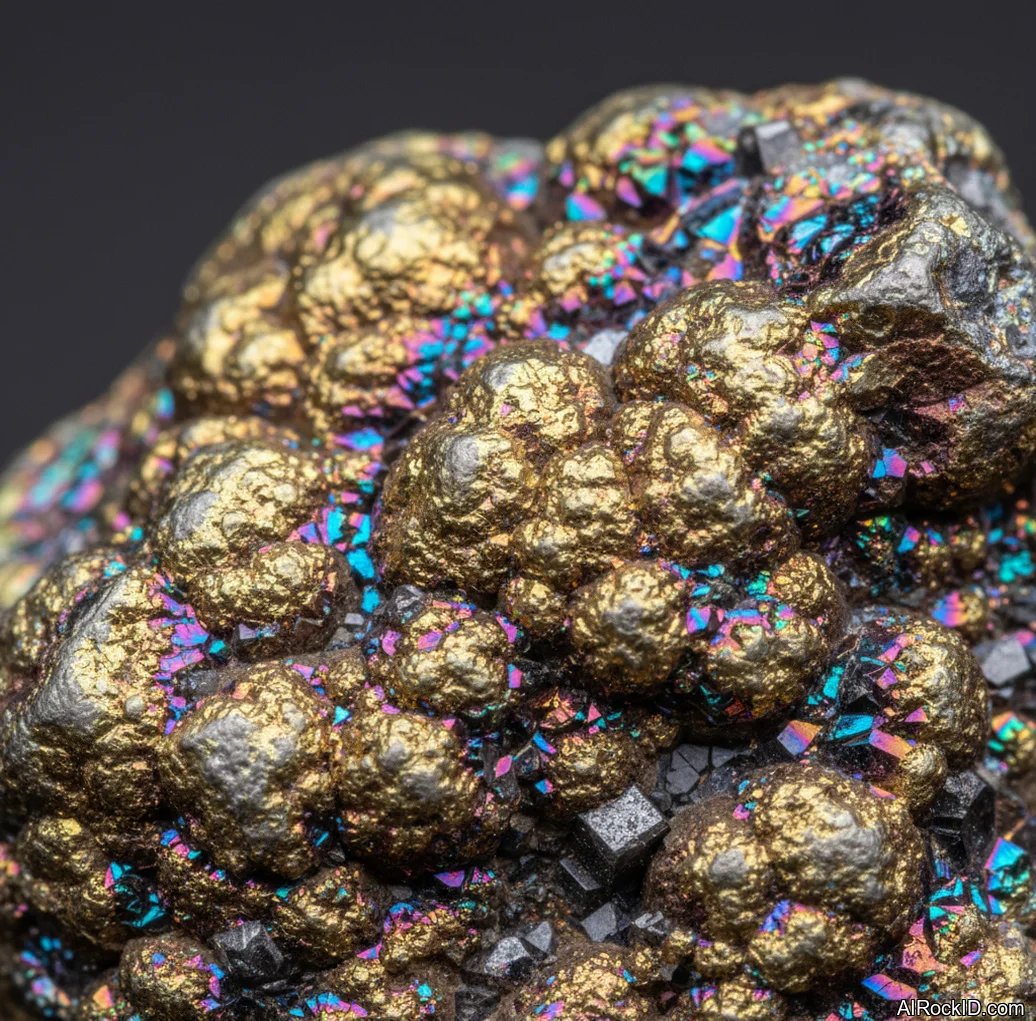
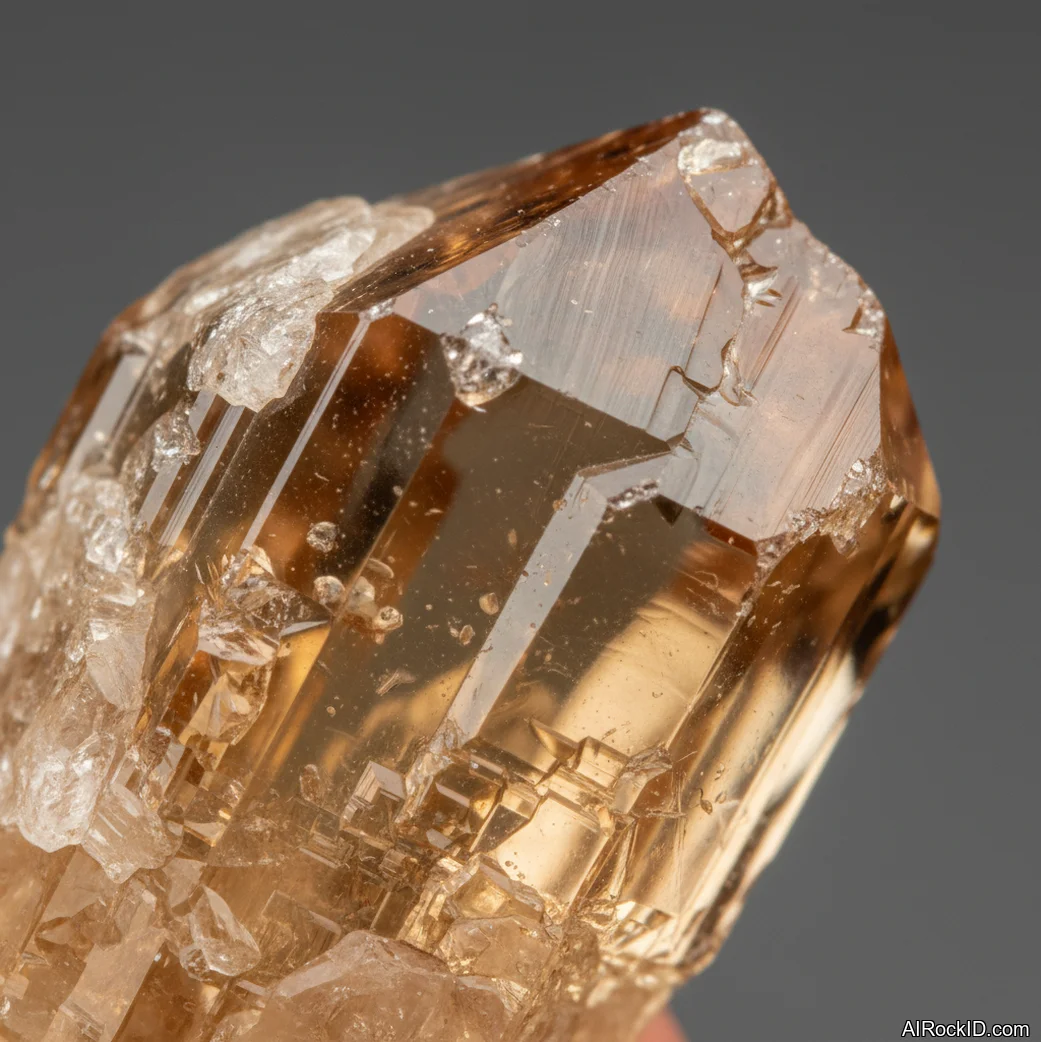
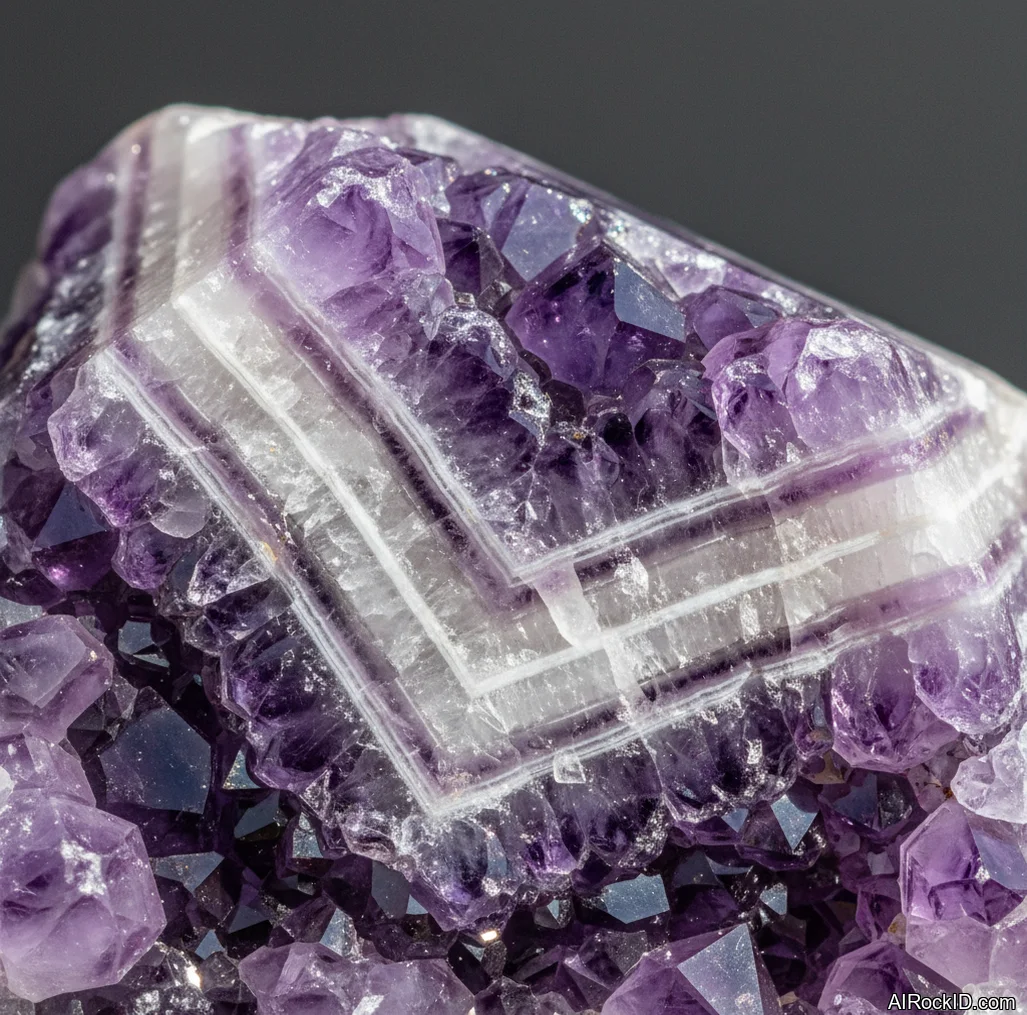
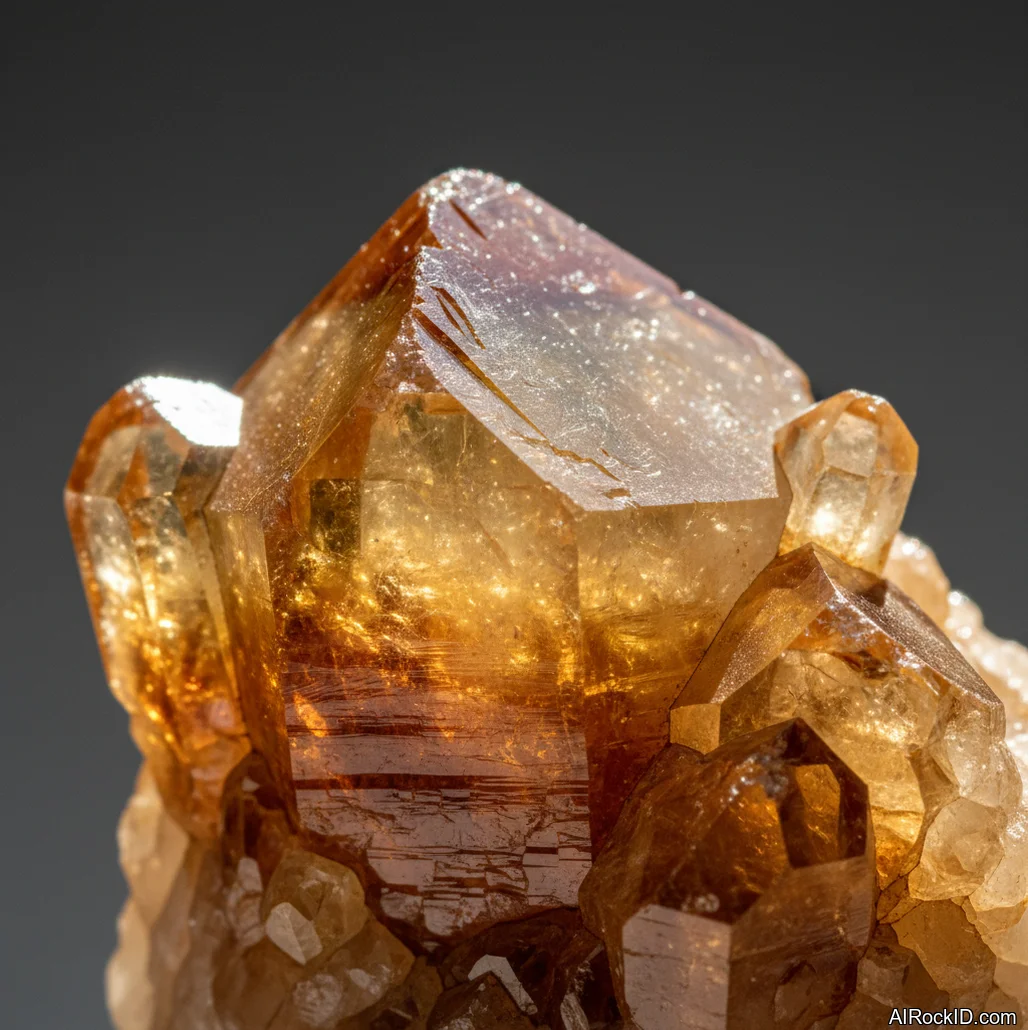
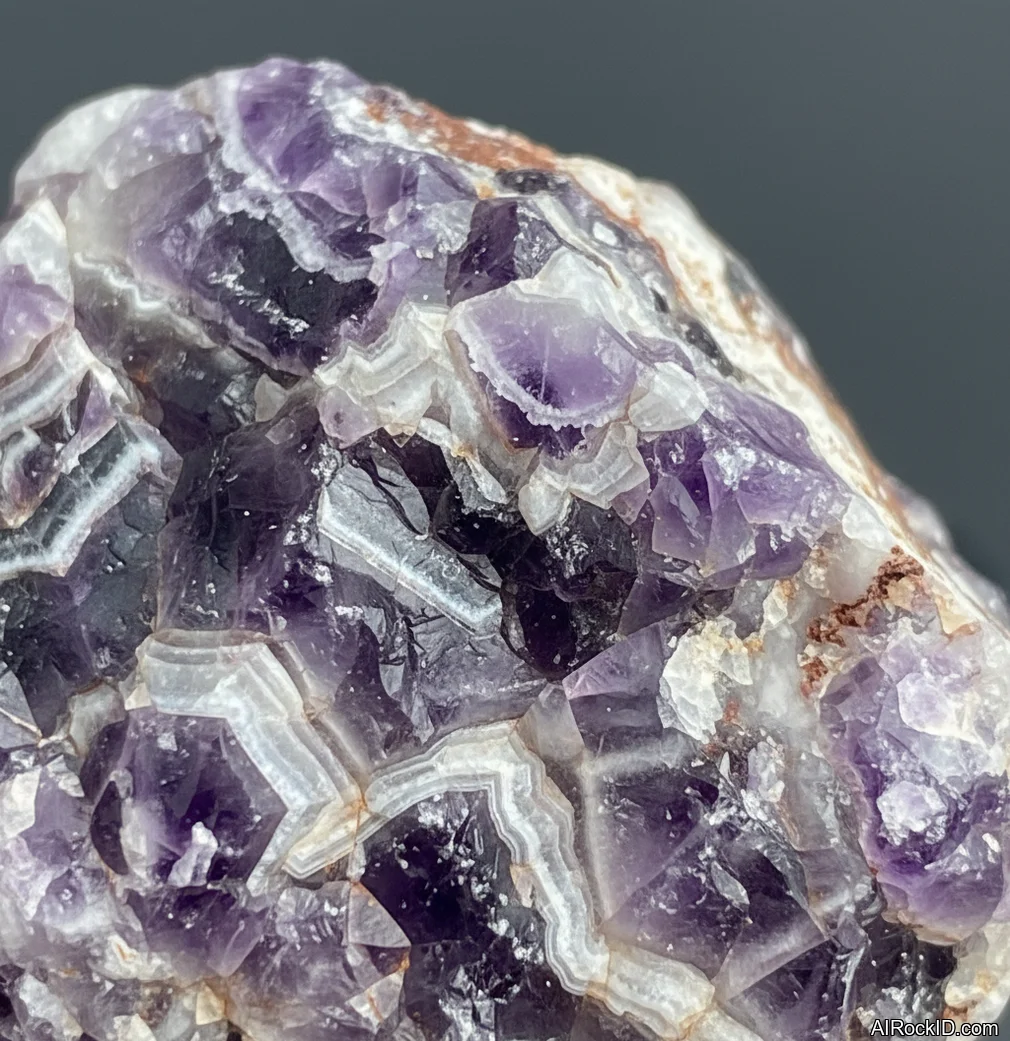
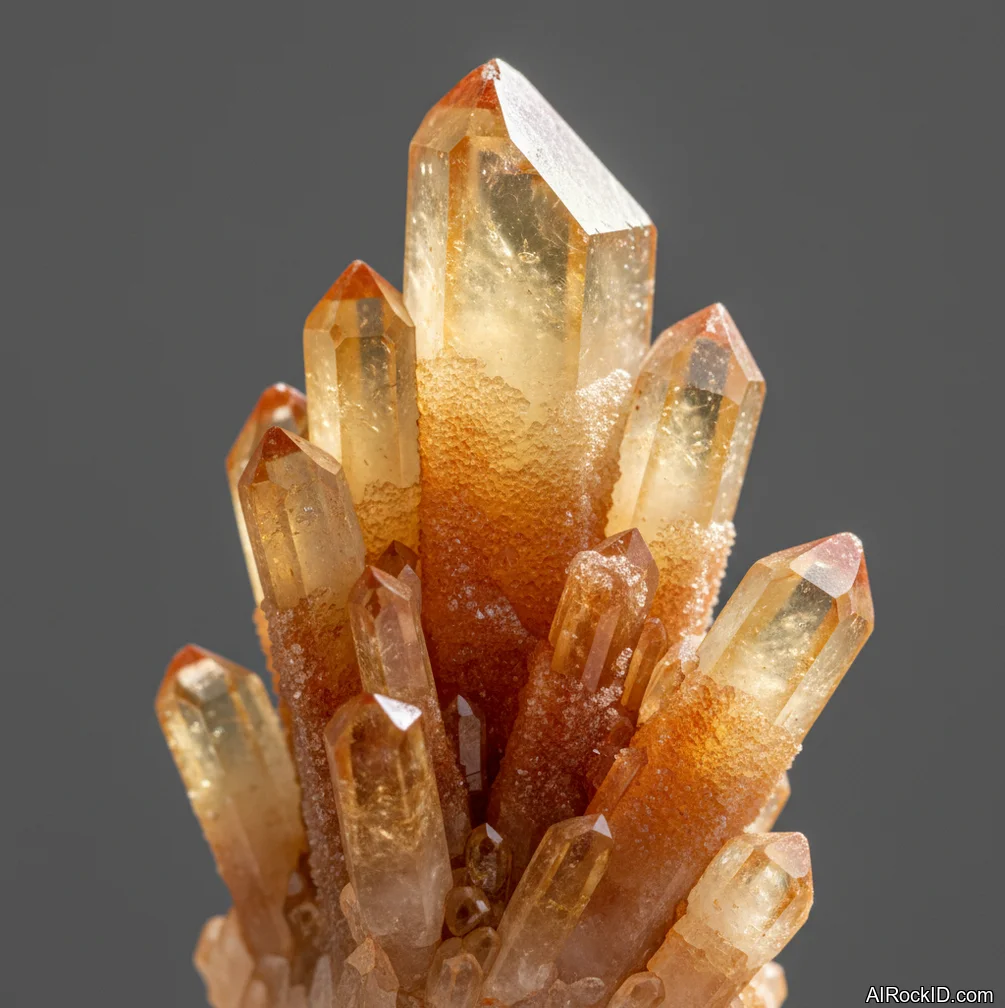
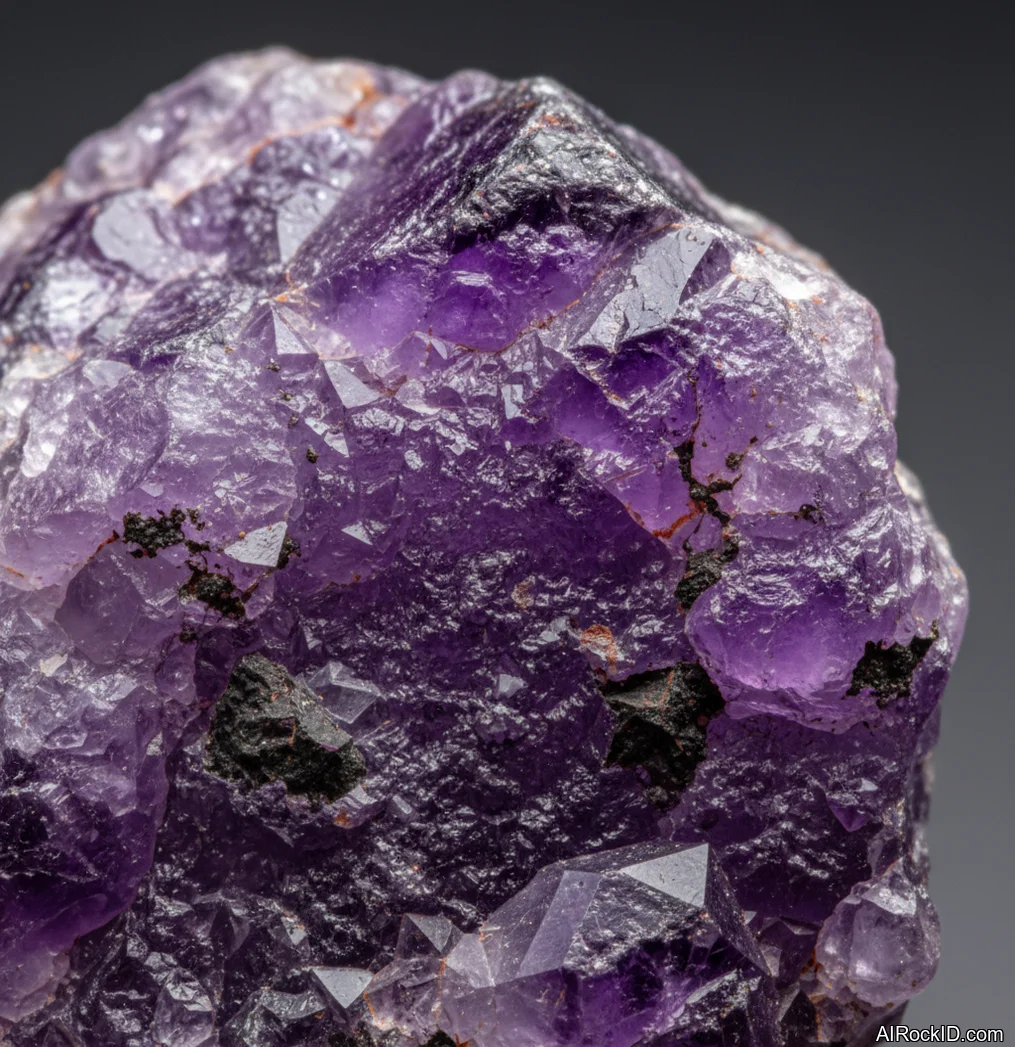
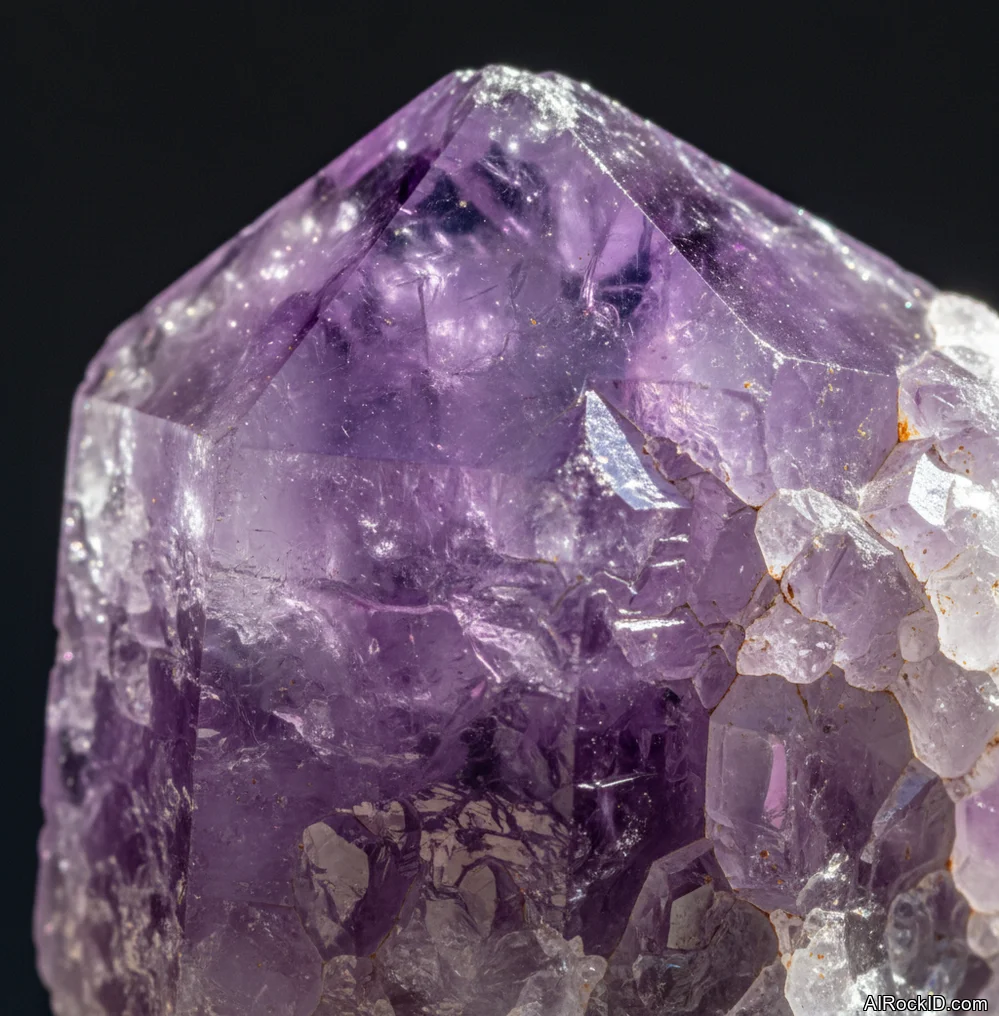
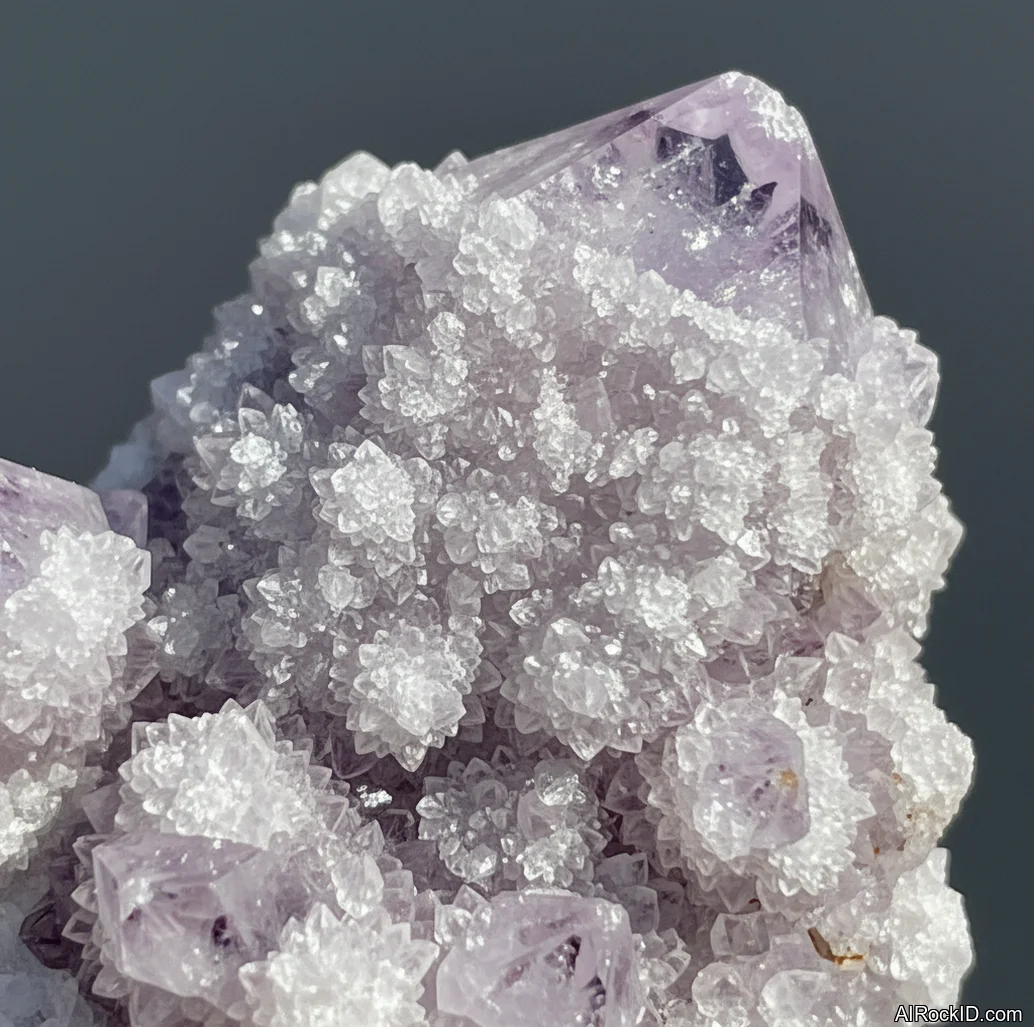
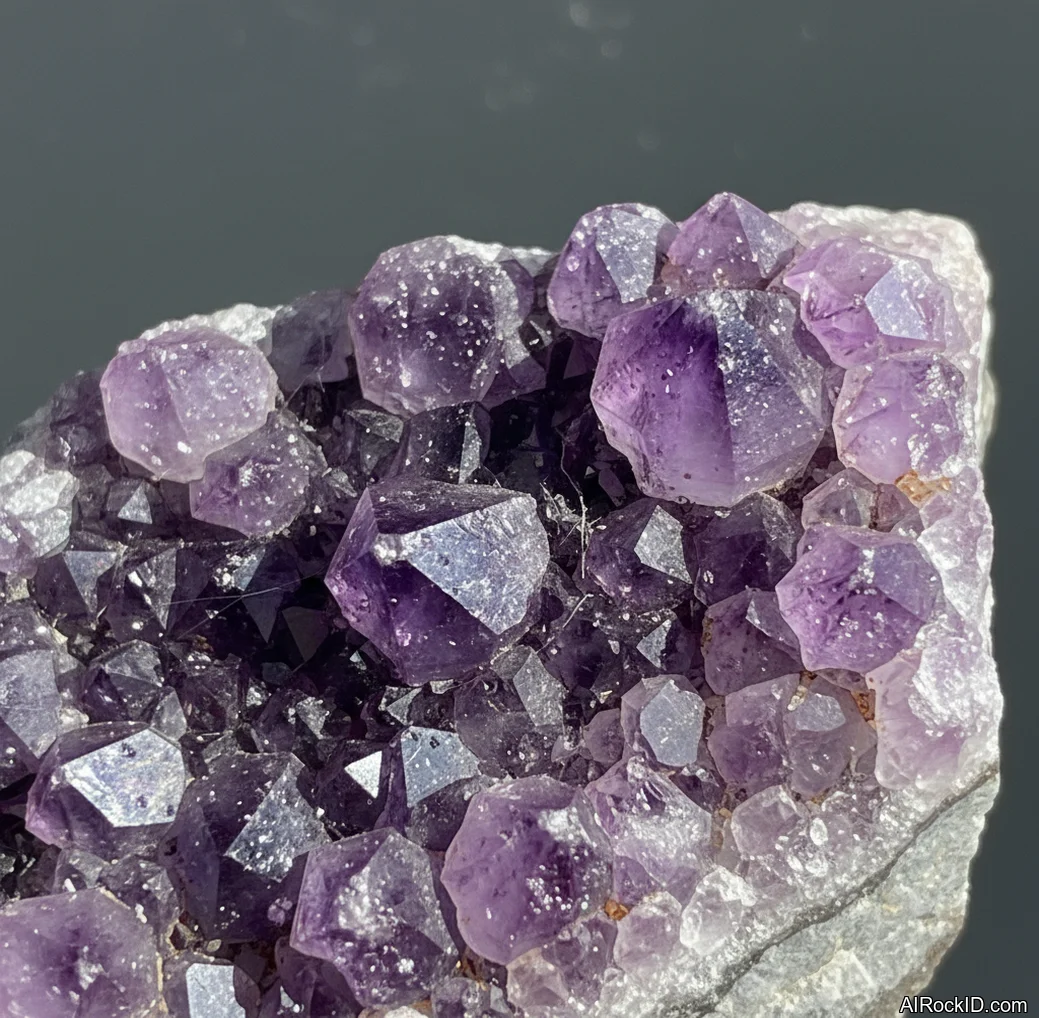
Look, if you actually look at the material, you’ll dodge the usual Jupiter-stone market traps. Most “citrine” sold cheaply is heat-treated amethyst. The giveaway is color that sits in the tips like burnt orange, or looks too uniform, like it was painted on. Natural citrine tends to be paler, often smoky-yellow, and you’ll see zoning that looks more like a wash than a hard boundary. Pyrite is another one. Real pyrite feels dense and cold, and good cubes have crisp edges, but it can crumble if it’s from a damp-prone deposit or stored badly. If you see powdery spots or a sulfur smell, pass.
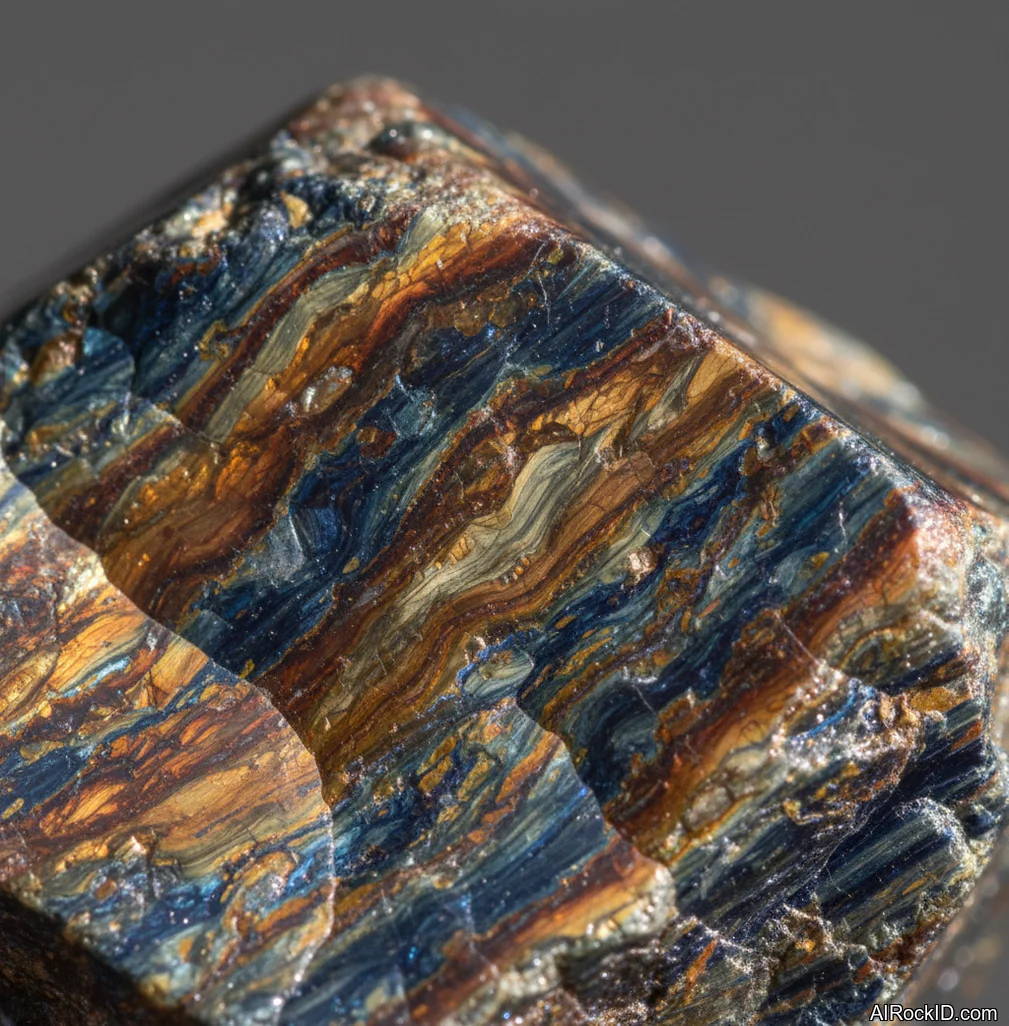
Tiger’s eye gets lumped into Jupiter for confidence and steady growth, and the real test is the chatoyancy. Rotate it under one light source and the “eye” should glide like a band of satin. Flat, dead-looking pieces exist, and they’re not always fake, just cut against the grain or polished poorly. Sunstone is a different vibe. The best pieces show aventurescence, tiny coppery platelets that blink when you tilt it. Cheap versions can look glittery in a way that’s too uniform, almost like craft sparkle trapped in resin. (You know the look.)
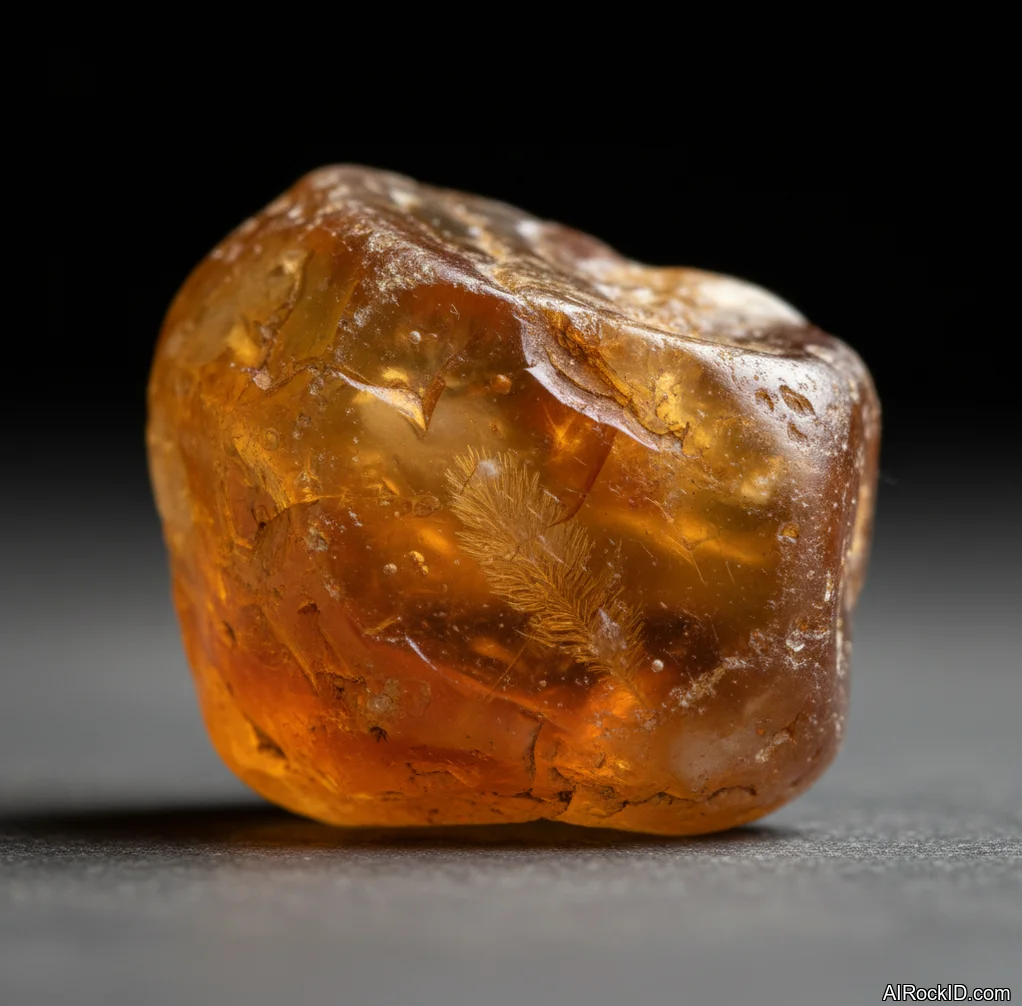
Buying tips that actually matter: ask for origin when it’s relevant, check for dye, and don’t overpay for a story. Lapis is often stabilized or dyed, and dyed material can bleed blue if you rub it with a damp cloth. Sodalite gets sold as lapis all the time, but sodalite usually lacks pyrite and has a more denim-blue base with white streaking. Amber is light as a feather and warms up fast in your hand, which is part of the point, but pressed amber and plastic are everywhere. If it feels warm right away and smells like chemicals when gently warmed, be skeptical.
Thing is, Jupiter energy can tip into “too much.” Too much spending, too many commitments, too many half-started projects. If you’re using citrine or pyrite to push growth, pair it with a grounding piece like smoky quartz or hematite on the same desk so the expansion has a brake pedal. Keep your Jupiter stones clean too, not in a mystical way, just practical. Skin oils dull polish. Dusty tumbled stones stop looking like anything you’d reach for. A quick rinse for quartz types, a dry cloth for pyrite, and keep fluorite and selenite away from water.
If you want a simple setup: one Jupiter stone you can see every day, and one you can carry. A desk chunk of lapis or citrine, plus a pocket-sized tiger’s eye or green aventurine. Keep them where your choices happen. That’s where Jupiter actually shows up.
All Jupiter Crystals (37)