Brucite
What Is Brucite?
Brucite is a magnesium hydroxide mineral with the formula Mg(OH)2.
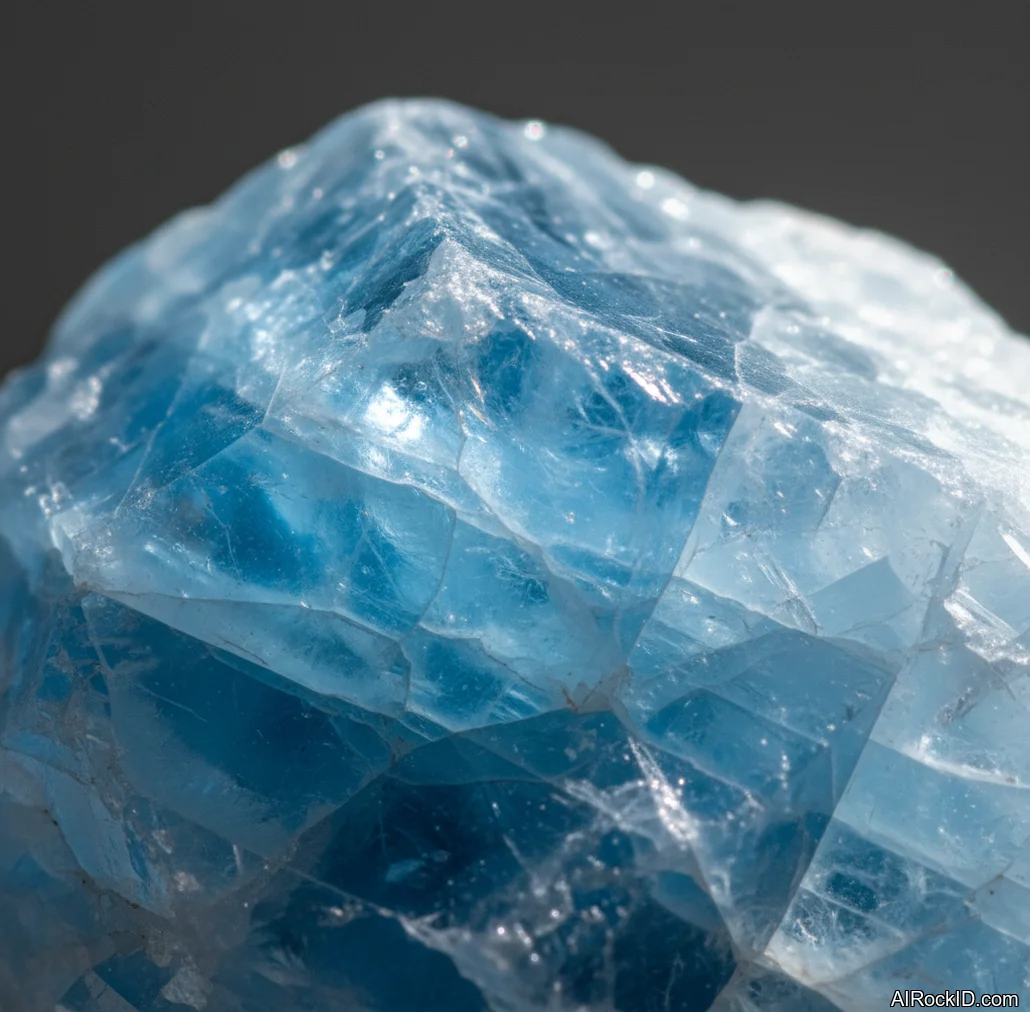
Thing is, the first time you pick up a decent brucite piece, you can almost feel the split lines before you even try. It just wants to cleave. Perfect cleavage, too, so you get those sharp, flat faces that go dead smooth, and if you tilt it under a lamp they’ll kick back a quick mirror flash.
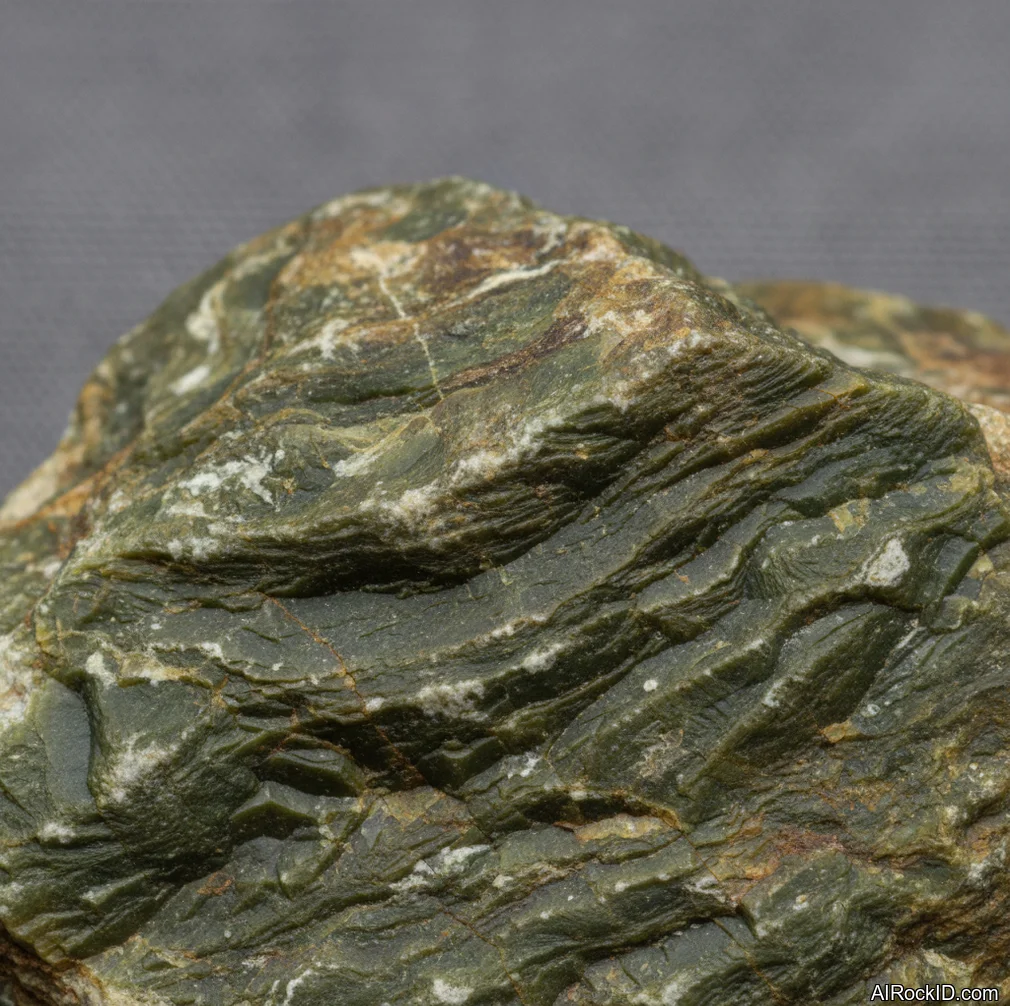
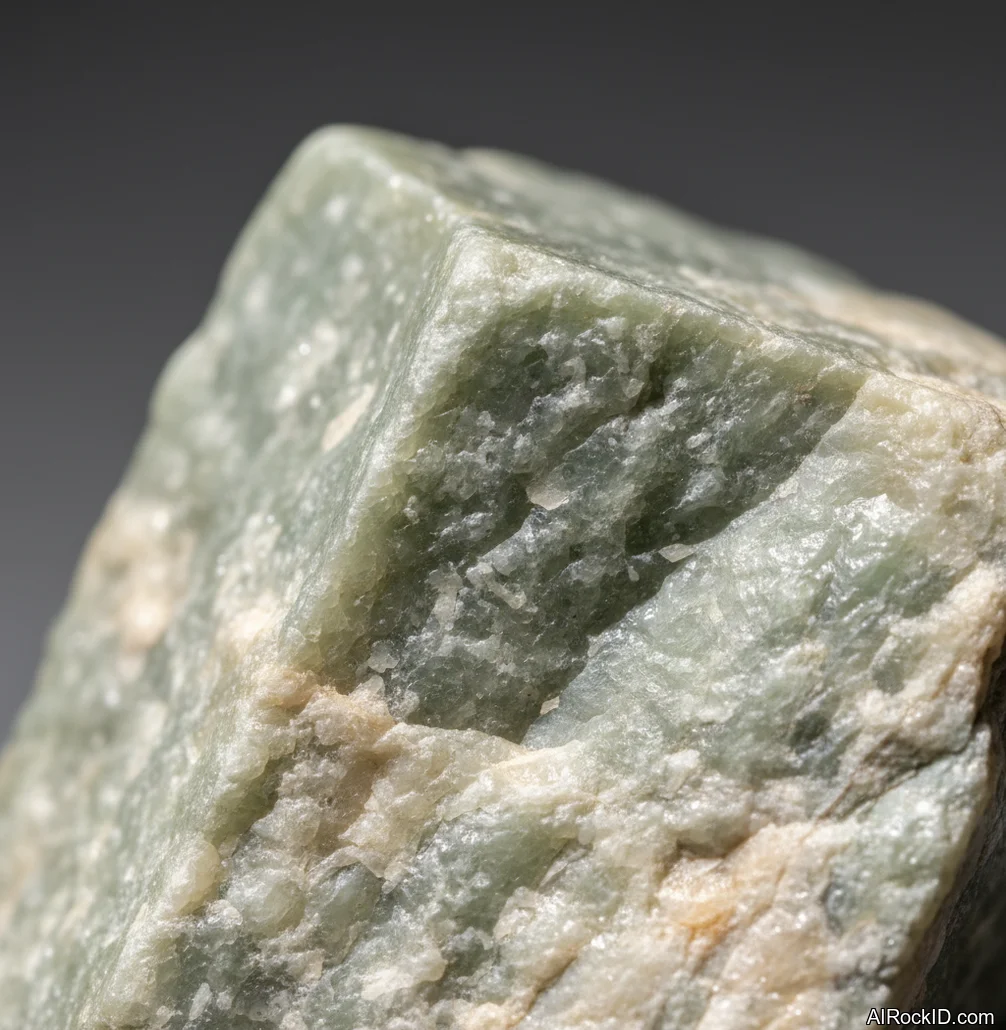
The nicest ones I’ve had in my hands (the kind you end up turning over and over) have this pearly, slightly greasy shine, especially right on the cleavage planes. And when the color runs mint green or that yellow-green shade, it can look way more gemmy than you’d guess from something this soft.
At a glance, people mix it up with calcite or talc. I’ve even seen it mistaken for pale fluorite when it’s clean and green. But brucite feels different in your hand. Softer. A little soapy. And if you press a steel pin into an edge, it’ll take a mark way faster than you’d ever want for jewelry. Display mineral, not a daily-wear stone.
I learned that the dumb way. Tossed a small brucite chunk into a pocket with some quartz chips. Later, it came out looking like it got rubbed down with sandpaper. Whoops.
Origin & History
1824 is when brucite got its name, and you can thank François Sulpice Beudant for that. He was a French mineralogist who was busy sorting mineral species with way more rigor than the earlier “looks kinda like” era, where a lot of stuff got lumped together because it sort of matched at a glance.
Beudant named it after Archibald Bruce. Bruce was an American physician and mineral collector who helped kick off early American mineralogy, and he published one of the first mineralogical journals in the US (pretty wild when you think about how little infrastructure there was for that kind of thing back then).
Collectors still run into the old habit: dealers calling any pale green, cleavable chunk “brucite,” especially at smaller shows where the labels are sometimes just a strip of tape and a ballpoint scribble. But the name’s got real history behind it. And when you see a labeled old cabinet specimen, brucite is one of those species that shows up in the “serpentine, marbles, oddball contact zones” part of the drawer.
Where Is Brucite Found?
You’ll see brucite turn up in metamorphosed magnesium-rich rocks and in serpentinite environments, with classic collector material coming from places like Pakistan, Russia, Italy, and the Alps.
Formation
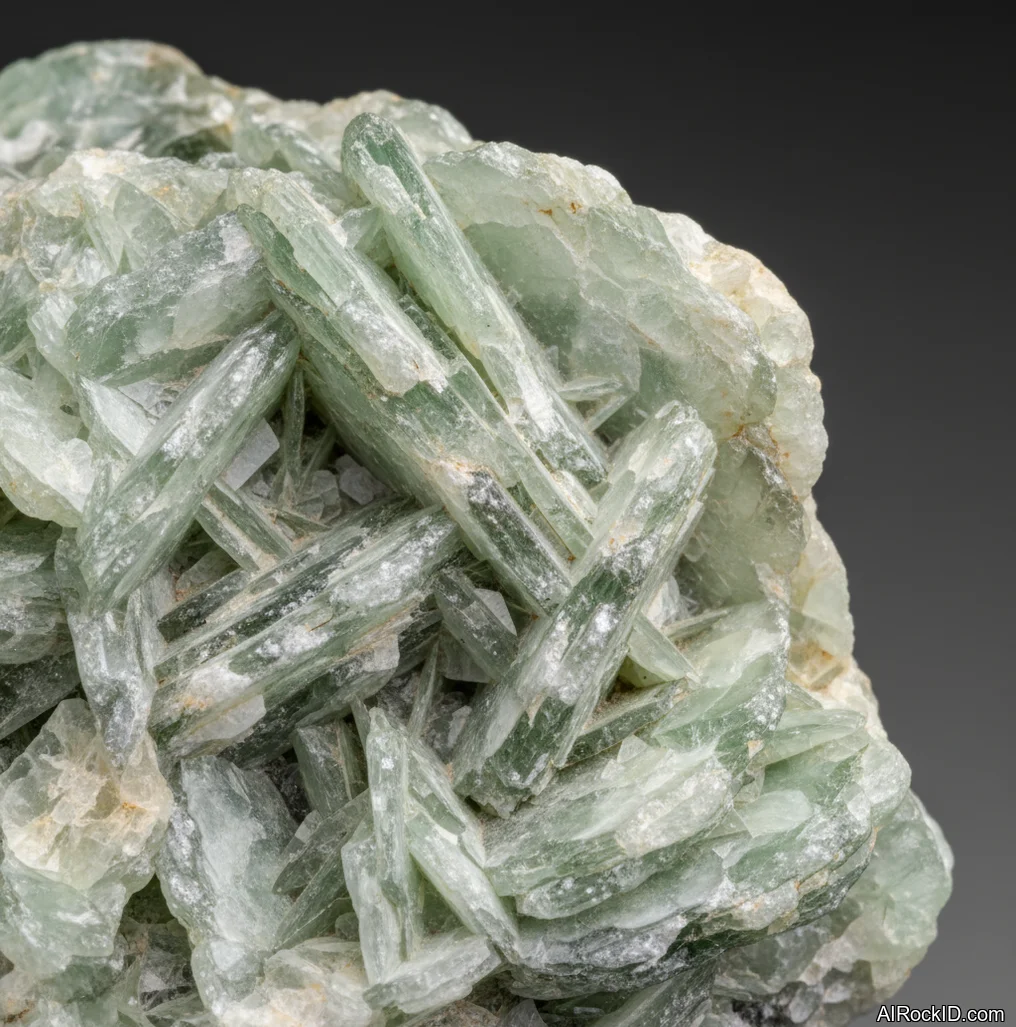
Most brucite shows up where magnesium-rich rocks get cooked and soaked at the same time. I’m talking serpentinites, dolomitic marbles, and those odd zones around ultramafic bodies where fluids have clearly been working things over for ages. You’ll see it as platy masses, sometimes in fibrous habits, and if you’re lucky (like, actually lucky), you might find sharp crystals tucked into little pockets.
Quartz will crystallize just about anywhere. Brucite won’t. It wants chemistry that’s loaded with Mg and OH, with not much silica hanging around, because silica usually nudges the system toward serpentine and other silicates instead. And when brucite does bother to form real crystals, it’s often sharing the space with serpentine, magnetite, dolomite, calcite, and now and then some genuinely nice companion minerals, like chromite-related stuff in ultramafic terrains. Who wouldn’t take that find?
How to Identify Brucite
Color: Brucite ranges from colorless to white, gray, pale blue, yellow, and the collector-favorite yellow-green to apple-green. Green material can look almost neon in good light, but it’s usually softer-looking than fluorite.
Luster: Pearly to vitreous, strongest on cleavage faces.
Look closely at the cleavage first: brucite loves to break into smooth, flat sheets and plates, and those faces throw a pearly flash when you rotate it. If you scratch it with a copper coin or a steel pin, it’ll mark pretty easily, which separates it from a lot of “green crystal” guesses. The real test at a show is handling: brucite often feels slightly slick on the fingers and edges crumble easier than you expect, so ask the dealer before you start poking at a fragile piece.
Properties of Brucite
Physical Properties
| Crystal System | Trigonal |
| Hardness (Mohs) | 2.5 (Soft (2-4)) |
| Density | 2.36-2.40 g/cm3 |
| Luster | Pearly |
| Diaphaneity | Transparent to translucent |
| Fracture | Uneven |
| Streak | white |
| Magnetism | Non-magnetic |
| Colors | colorless, white, gray, pale blue, yellow, yellow-green, apple-green |
Chemical Properties
| Classification | Hydroxides |
| Formula | Mg(OH)2 |
| Elements | Mg, O, H |
| Common Impurities | Fe, Mn, Ni, Cr |
Optical Properties
| Refractive Index | 1.559-1.581 |
| Birefringence | 0.022 |
| Pleochroism | None |
| Optical Character | Uniaxial |
Brucite Health & Safety
You can handle it normally, but don’t get rough with it. It’s pretty soft, and if you rub it with your thumb or knock it against something hard, it can shed these tiny little flakes. So, think of it like one of those display minerals you move carefully, not something you toss in a pocket and forget about.
Safety Tips
If you’re cutting down matrix or kicking up dust, put on safety glasses and a dust mask. And when you’re done, don’t dry sweep it around. Grab a damp wipe and pick it up that way (you’ll see it clump instead of floating back into the air).
Brucite Value & Price
Price Range
Rough/Tumbled: $10 - $250 per specimen
Cut/Polished: $15 - $80 per carat
Price can swing a lot depending on how sharp the crystal edges are, the color, and how chewed-up the cleavage faces look. Big, clean green crystals sitting on matrix go for real money, mostly because brucite usually gets dinged up during extraction and shipping (you see it right away in those scuffed, chalky-looking faces).
Durability
Fragile — Scratch resistance: Poor, Toughness: Poor
Brucite is very soft with perfect cleavage, so edges chip and surfaces scuff easily even with careful handling.
How to Care for Brucite
Use & Storage
Store brucite by itself in a padded box or a perky box with foam. If it rides in a tray touching quartz or feldspar, it’ll pick up scratches fast.
Cleaning
1) Rinse briefly in lukewarm water to float off grit. 2) Use a very soft brush or a microfiber cloth on matrix only, not on fragile crystal edges. 3) Pat dry and let it finish air-drying before you close it in a container.
Cleanse & Charge
If you do energy-style care, keep it simple: a quick smoke cleanse or a short sit on a selenite plate works without knocking it around. Skip salt bowls, since the abrasion risk is real.
Placement
Put it somewhere stable where it won’t get bumped, like a shelf with a lip or a cabinet. Bright side lighting is your friend because the cleavage flash is half the fun.
Caution
Don’t ultrasonic clean it. Don’t steam it. And don’t throw it in a mixed tumbler or stick it in your pocket next to harder stones where it’ll get knocked around. Be gentle with the edges, too. Thing is, it’s got perfect cleavage, so if you bang it or catch an edge just wrong, it can snap off in clean, flat plates. Why risk it?
Works Well With
Brucite Meaning & Healing Properties
Next to the loud, sparkly stones everyone grabs first, brucite is the quiet one. When I’ve kept it on my desk, it reads like a “clear the mental clutter” stone. Not in some mystical fireworks way. More like that weirdly satisfying moment after you clean out a junk drawer and, suddenly, your brain can actually find things again.
Pick up a chunk on a stressful day and you’ll feel it right away. It’s smooth, but it doesn’t have that hard, glassy slickness. And the cleaved faces don’t shoot sharp little flashes at you, they catch light in this calm, steady sheen (the kind you notice when you tilt it a few degrees and it just… stays mellow).
For meditation, I’ve found it works better in short sits. Ten minutes holding a palm-size piece is plenty. The softness makes you instinctively hold it gently, and that soft grip changes your whole posture without you even trying. Shoulders drop. Jaw unclenches. Funny how that happens, right?
But I’m going to say the practical part out loud: none of this is medical care. If you’re dealing with anxiety, sleep issues, or anything physical, brucite is a tool for ritual and focus, not a substitute for a doctor or therapist.
Also, brucite gets marketed as “super rare” sometimes. It isn’t. Great crystals are uncommon, sure, but the species itself shows up in plenty of magnesium-rich environments, and the price should match the quality you’re actually holding in your hand.
Identify Any Crystal Instantly
Snap a photo and get properties, value, care instructions, and healing meanings in seconds.