Cobra Jasper
What Is Cobra Jasper?
Cobra Jasper is a trade-name variety of jasper, so you’re still talking about an opaque, microcrystalline quartz rock, just one that tends to show those swirly, snake-skin style patterns.
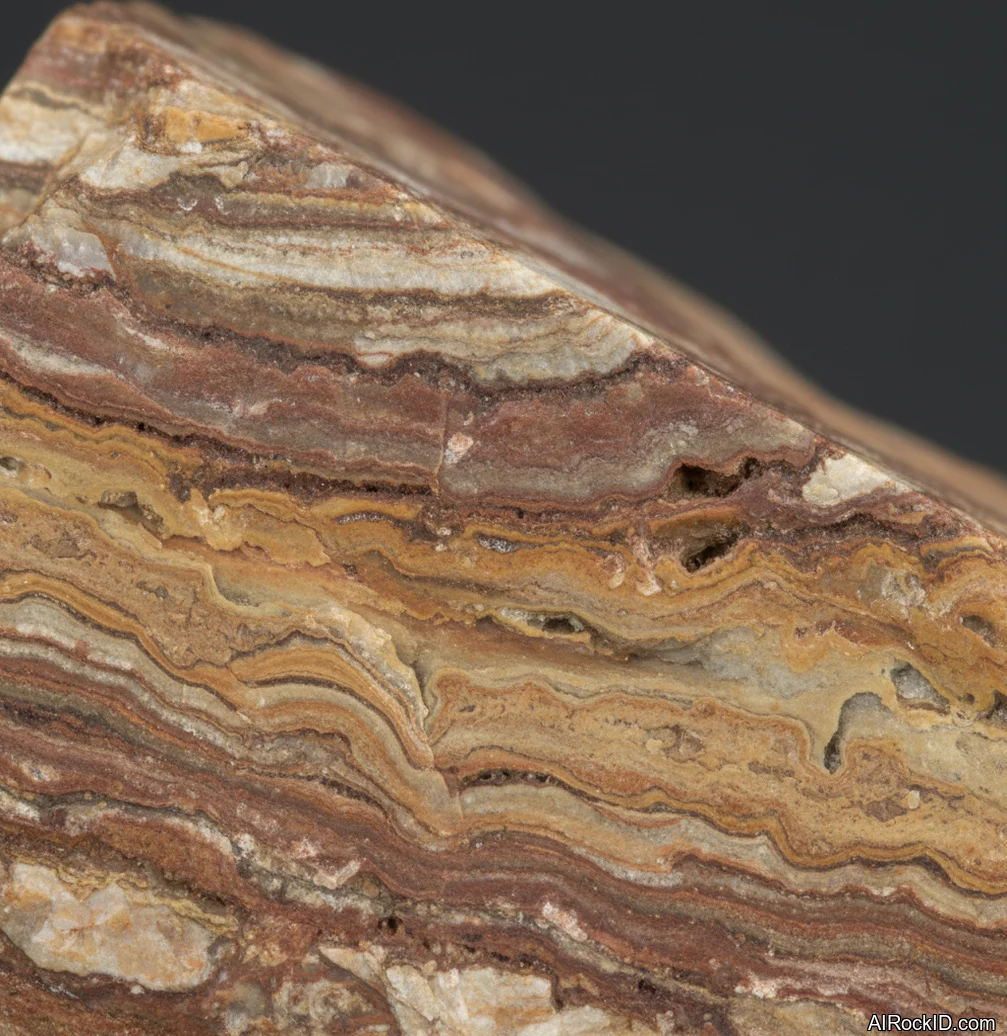
First time you see it, it honestly looks like sand, caramel, and espresso got poured together and then stopped halfway through the swirl. Most of what I come across is in tumbled stones or palm stones. They’ve got that regular jasper vibe: a slick polish, edges that feel softened over, and that cool, steady chill you notice the second it hits your skin. Grab a chunky palm stone and the weight is obvious. It’s not hematite-heavy, but it sits solid in your hand the way quartz-based material usually does.
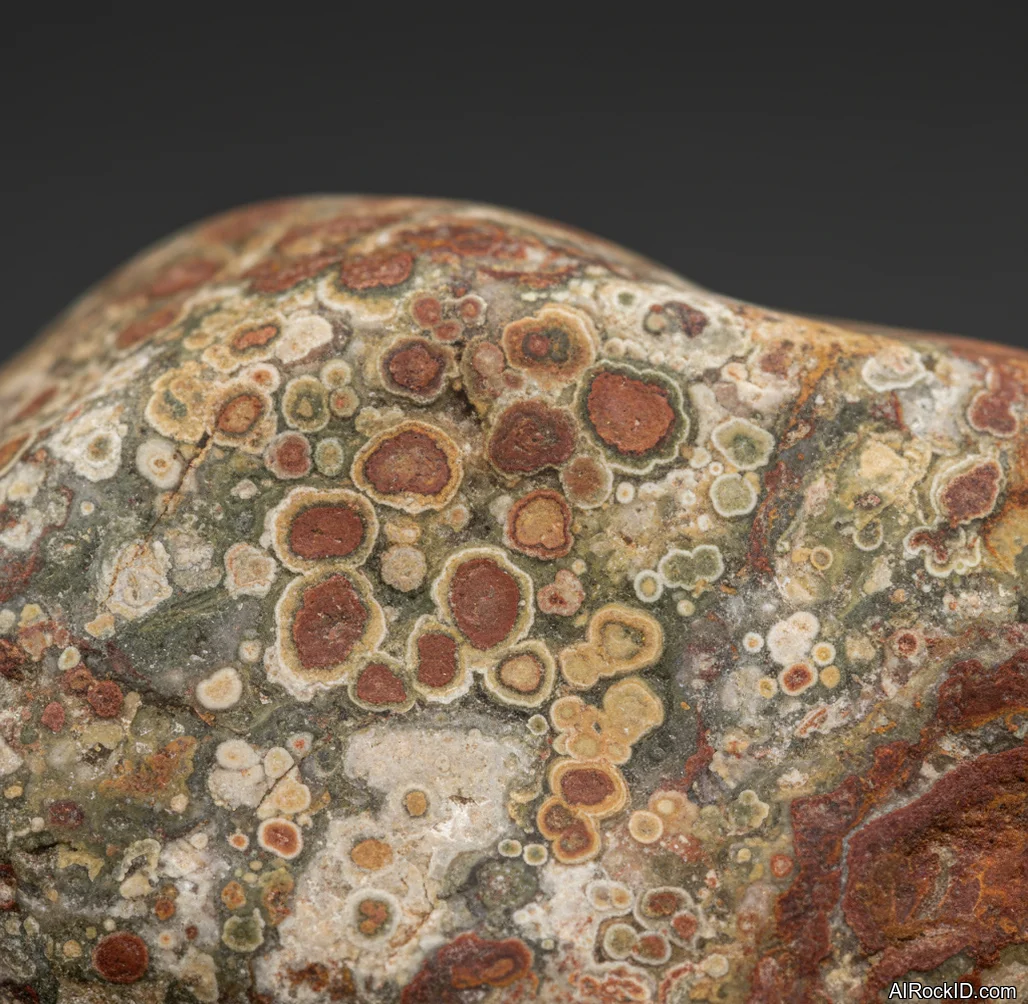
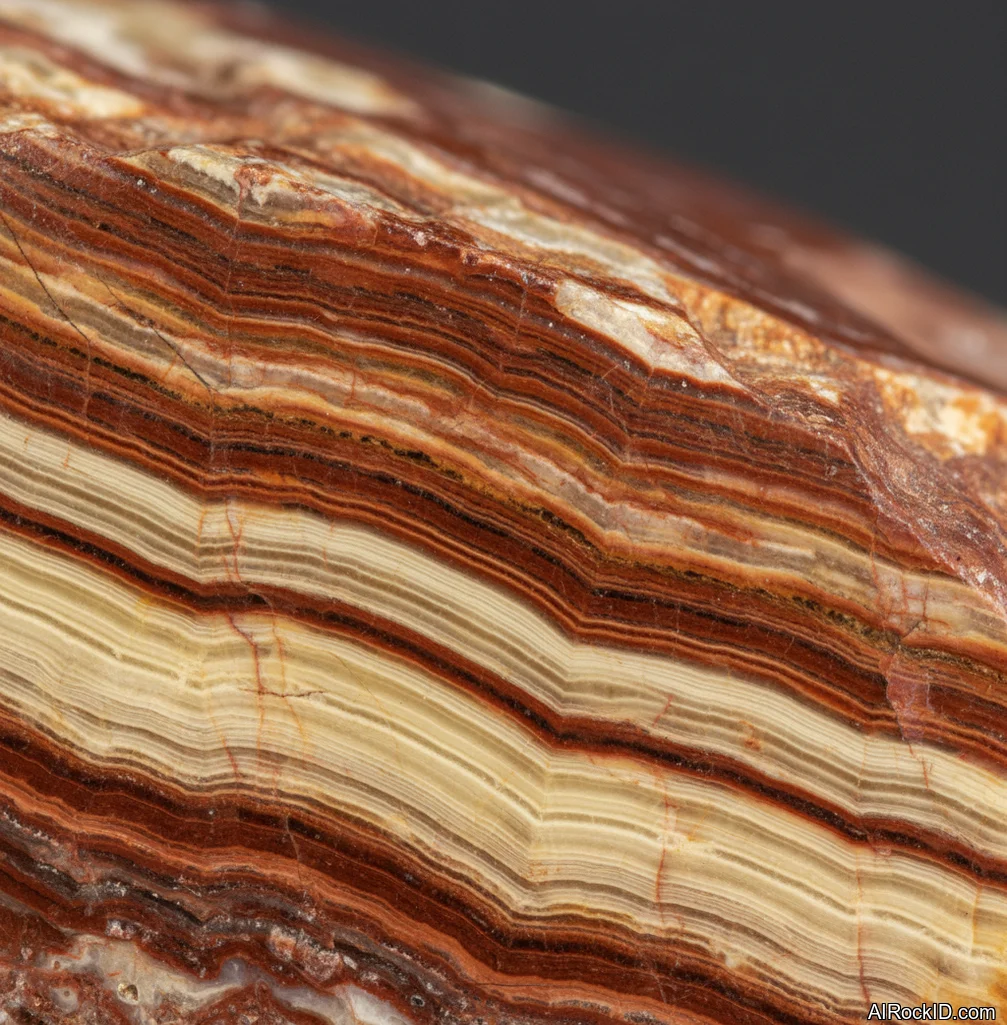
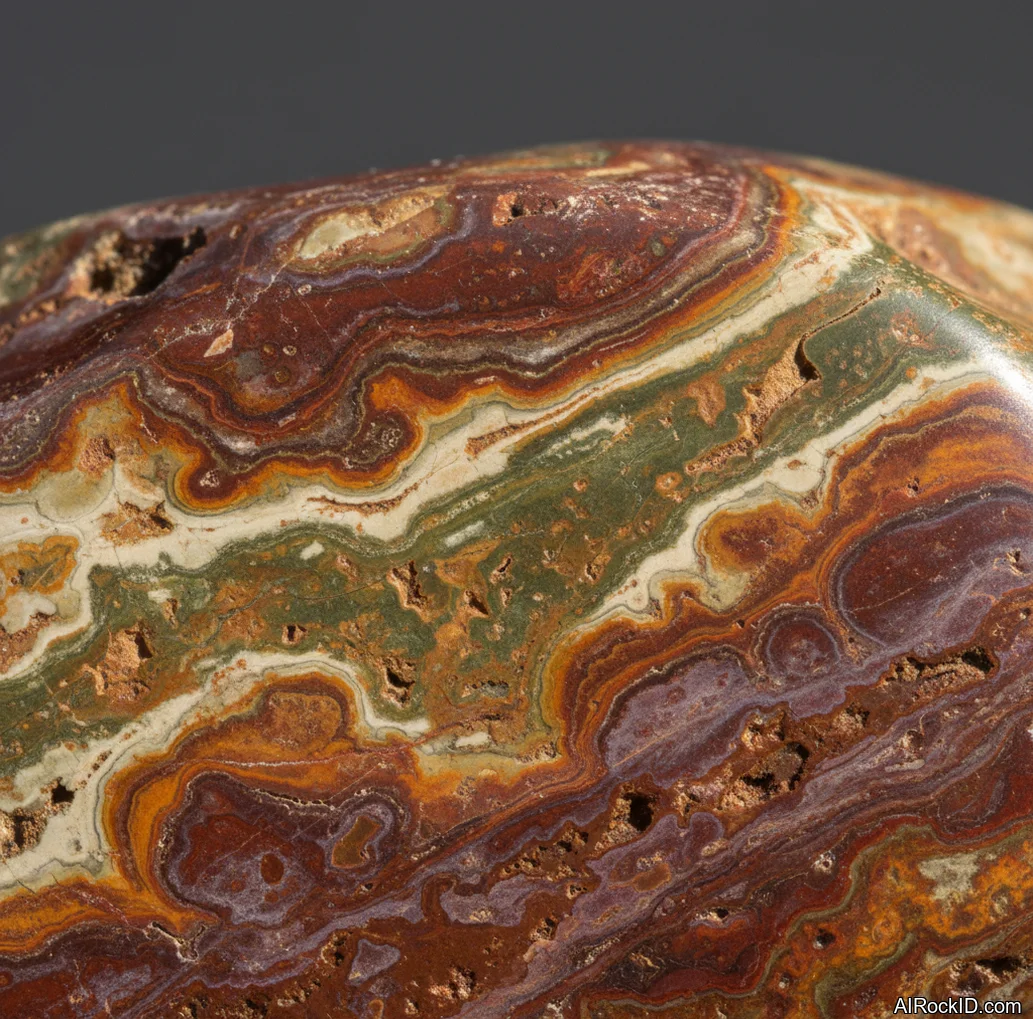
Look, the “cobra” effect is usually tight, curving bands with these little eye-shaped loops that repeat across the face. Some pieces run more tan and cream with gentle contrast. Others go darker, with striping that gets close to black-brown. And sellers do stretch the name sometimes, don’t they? If it’s just plain brown jasper without real banding, sure, it’s still jasper, but it’s not really what most people mean when they say Cobra Jasper.
Origin & History
“Cobra Jasper” isn’t some official geology term you’ll find in a textbook. It’s a dealer name, plain and simple, kind of like how “picture jasper,” “leopard skin jasper,” or “bumblebee jasper” get used on tags when someone’s trying to sum up a look fast.
And because it’s a trade label, there’s no neat “first described by” origin story the way there is with an actual mineral species. Thing is, at shows (walking table to table, squinting at slabs under those harsh booth lights), I’ve seen “Cobra Jasper” stuck on brown-and-cream patterned jasper that really does read like snake markings. Some pieces have those tight, coiled bands, and others have little eye-spot circles that jump out when you tilt the polished face. But you’ll also see the same material sitting two aisles over with a different card that says banded jasper, or maybe patterned chalcedony. So the name comes straight from the visuals: cobra skin, coils, and eye spots.
Where Is Cobra Jasper Found?
Most Cobra Jasper on the market is sold by pattern rather than by a single famous mine, and a lot of it is imported as mixed jasper/chalcedony material from India and Madagascar.
Formation
Compared to crystal quartz, jasper feels more like nature’s cement. It’s silica, microcrystalline quartz, that oozed into open spaces, swapped out older rock, or settled down in layers, and then got stained and patterned when iron and other trace stuff pushed through.
Those bands and swirls usually mean the chemistry kept changing over time. You get little pulses of silica-rich fluids, tiny upticks and drop-offs in iron, and scraps of the host rock getting caught up in the mix. If you’ve ever sliced a jasper nodule, you know the outside can look plain as a driveway pebble, then you crack it open and it’s a whole different world (sometimes with that waxy, almost greasy-looking polish on a fresh cut). And Cobra Jasper is exactly that kind of material where the “good stuff” is what’s going on inside, not any crystal faces.
But here’s the catch: “Cobra Jasper” is just a label. So depending on where it came from, it might form in different settings, and you’ll see everything from sedimentary-looking bands to brecciated, patchy pieces that look like they had a rougher geologic life.
How to Identify Cobra Jasper
Color: Usually tan, beige, cream, brown, and dark brown to near-black in curved bands, loops, or swirls. Patterns can look like snakeskin or little eye shapes.
Luster: Waxy to vitreous when polished; dull to waxy on rough surfaces.
Pick up a piece and run a fingernail across it. Real jasper feels like glassy stone, not plastic, and it stays cool in your hand instead of warming fast. If you scratch it with a steel nail, it shouldn’t gouge easily, and it should scratch glass if you try a hidden spot. The problem with a lot of “cobra” material is naming drift, so focus on the jasper basics: opacity, microcrystalline texture, and that quartz-like hardness.
Properties of Cobra Jasper
Physical Properties
| Crystal System | Trigonal |
| Hardness (Mohs) | 6.5-7 (Hard (6-7.5)) |
| Density | 2.58-2.64 |
| Luster | Waxy |
| Diaphaneity | Opaque |
| Fracture | Conchoidal |
| Streak | White |
| Magnetism | Non-magnetic |
| Colors | Tan, Beige, Cream, Brown, Dark brown, Black |
Chemical Properties
| Classification | Silicates |
| Formula | SiO2 |
| Elements | Si, O |
| Common Impurities | Fe, Mn, Al |
Optical Properties
| Refractive Index | 1.530-1.539 |
| Birefringence | 0.009 |
| Pleochroism | None |
| Optical Character | Uniaxial |
Cobra Jasper Health & Safety
Cobra Jasper is quartz-based, so it’s usually fine to hold and even rinse under the tap. Just treat it like any other silica stone if you ever cut or grind it, because that’s when the dust becomes the issue.
Safety Tips
If you’re doing lapidary work, don’t do it dry. Run water on the cut, make sure you’ve got decent ventilation, and wear a proper respirator that’s actually rated for silica dust (not just one of those flimsy paper masks).
Cobra Jasper Value & Price
Price Range
Rough/Tumbled: $3 - $25 per tumbled stone/palm stone; $20 - $120 per display piece
Cut/Polished: $1 - $8 per carat
Price mostly comes down to pattern contrast, how clean the polish is, and size. Tight banding with crisp little “eye” shapes (the kind you can actually feel with your fingernail when the polish is done right) moves way faster than that muddy, low-contrast brown jasper.
Durability
Durable — Scratch resistance: Good, Toughness: Good
It holds up well to daily handling, but polished surfaces can dull if it bangs around with harder stones in a pocket or bowl.
How to Care for Cobra Jasper
Use & Storage
Keep it in a soft pouch or separate compartment if you care about the polish. Jaspers are tough, but they’ll still pick up scuffs from harder grit or other stones.
Cleaning
1) Rinse with lukewarm water. 2) Use mild soap and a soft brush for skin oils in grooves. 3) Rinse again and dry with a cotton cloth.
Cleanse & Charge
If you do energy-style cleaning, rinse and then let it sit somewhere dry overnight. Avoid long sunbathing on a windowsill if you want the color to stay even over time.
Placement
Looks good where you can actually see the pattern, like a desk or shelf at eye level. I like it in a tray because the swirls read better under angled light than flat overhead lighting.
Caution
Skip harsh cleaners and salt soaks. They don’t help, and they can leave crusty residue down in those tiny little pits (the kind you only notice when the light hits it just right). And if it’s a glued or stabilized lapidary piece, don’t use hot water.
Works Well With
Cobra Jasper Meaning & Healing Properties
Most people grab Cobra Jasper when they want grounded, steady energy. Not the “blast off into visions” stuff. More like, keep your feet under you and handle what’s in front of you.
In a shop, I’ve watched people pick one up, flip it over once or twice, and then just go quiet. The pattern does that. Your eyes kind of track the loops and bands on their own, and your breathing slows down before you even realize it’s happening.
If you’re into meditation, it’s great for simple, body-based practices. Counting breaths. Scanning for that tight knot in your shoulders. Or just holding the stone and paying attention to the temperature and the weight, which sounds basic, but it works (why fight it?). If you’ve got a palm stone, you’ll feel how it settles into your hand and anchors your grip. It’s smooth, no sharp edges. And it doesn’t have that slick “glass marble” slide to it either. It feels more controlled, like you can actually keep hold of it.
But look, I’m going to be straight about the limitations. Any healing claims live in the tradition and personal-experience lane, not the clinic lane. Jasper won’t replace therapy, sleep hygiene, or real medical care. What it can do, for a lot of people, is act like a physical cue. You touch it and it’s a reminder to come back to the present, especially when your brain’s doing that fast, spiraling thing.
Identify Any Crystal Instantly
Snap a photo and get properties, value, care instructions, and healing meanings in seconds.