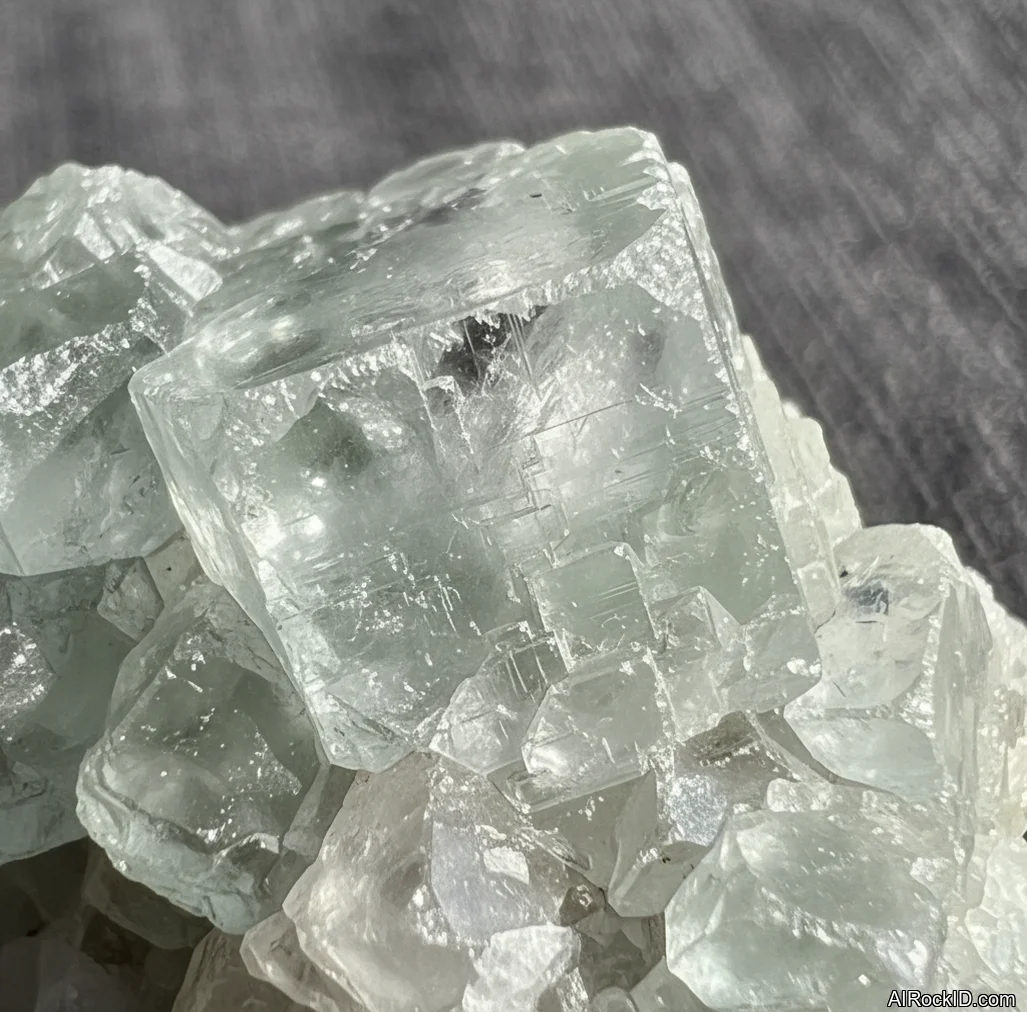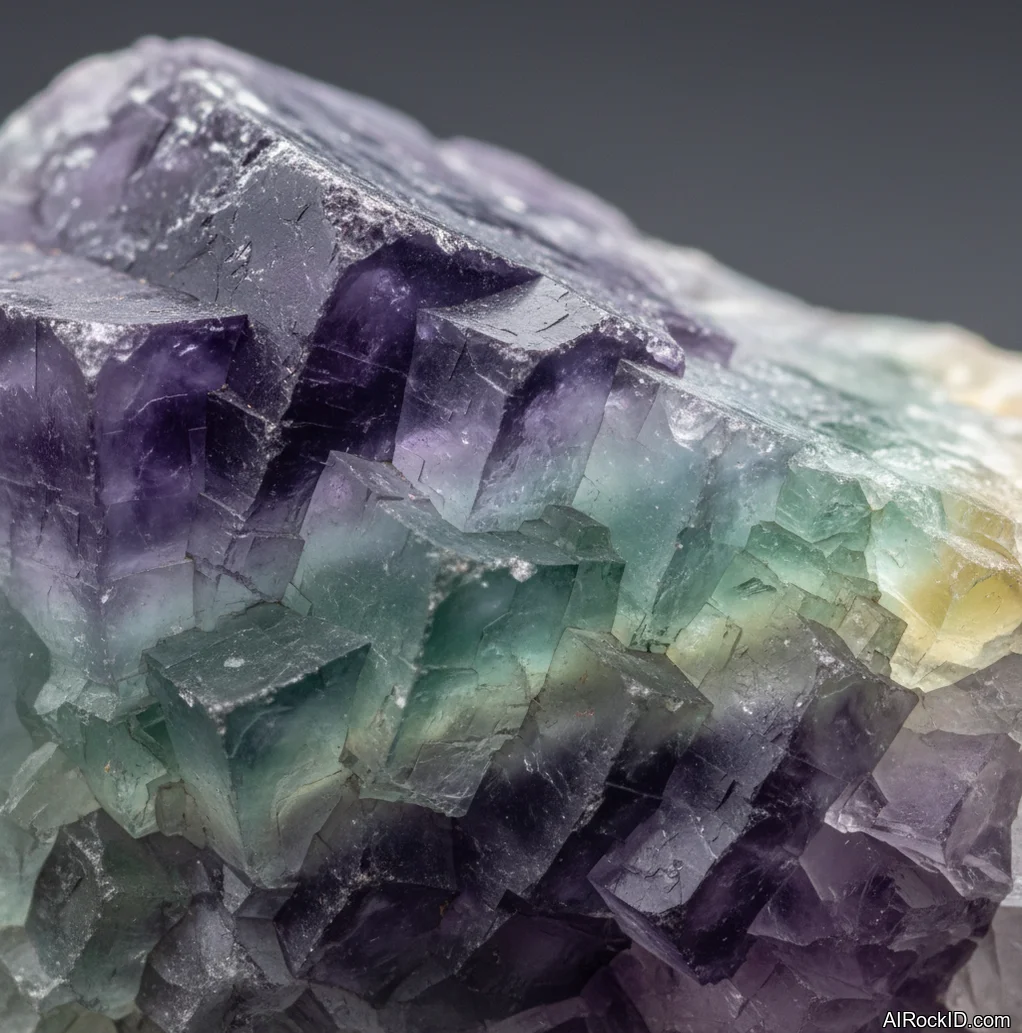
Creedite
What Is Creedite?
Creedite is a rare, hydrated calcium aluminum fluoride sulfate mineral with the formula Ca3Al2(SO4)F8·2H2O.
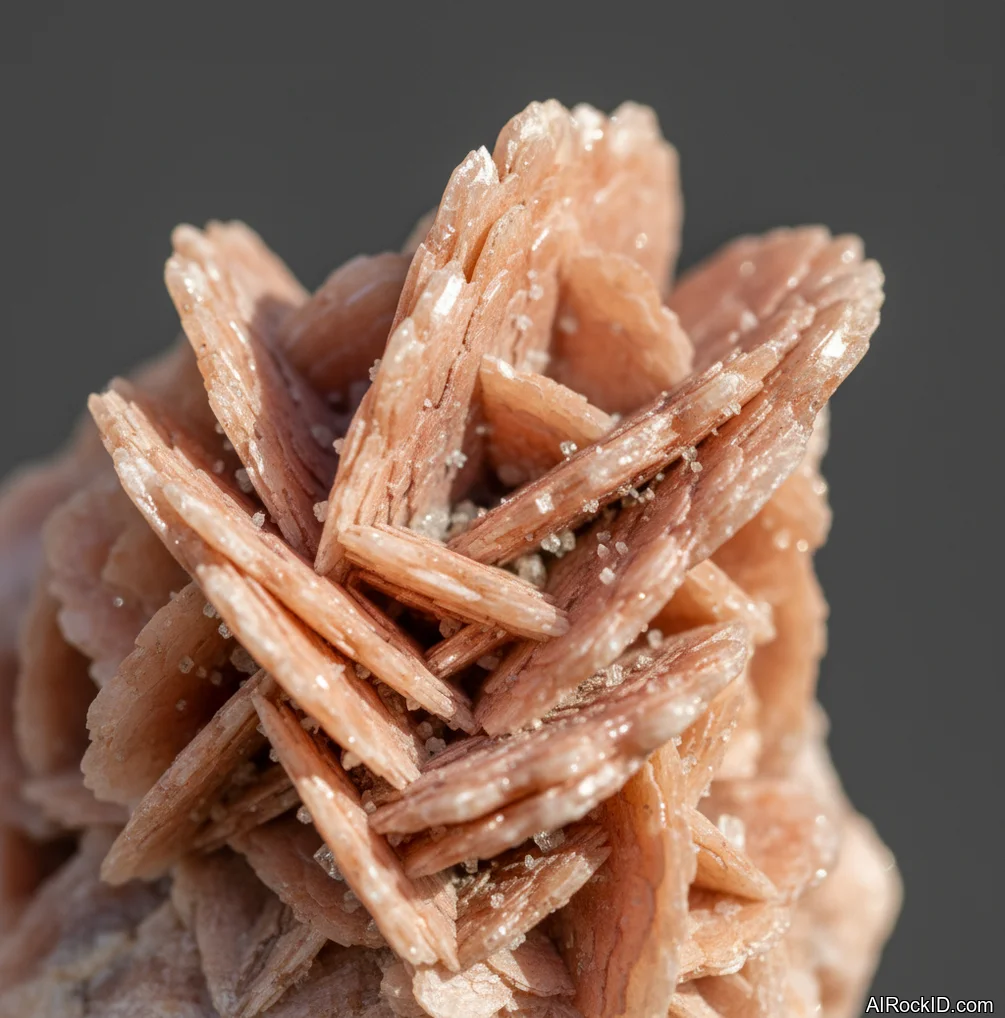
Hold a creedite specimen and you’ll probably do a double take. It looks almost weightless, like it ought to be hollow, but it sits in your hand with that solid little “yep, this is real rock” heft. Those radiating sprays seem like they’d turn to dust if you even exhale near them, yet a good piece has a sturdy cluster feel. And the individual blades still grab the light, flashing like tiny window glass when you tilt it.
People sometimes lump it in with zeolites at first glance because the habit is similar, but it doesn’t feel the same. Creedite crystals are usually sharper, more lance-like. The color can land in that soft sherbet zone: peach, apricot, lilac, and sometimes this odd pale greenish tint that’s hard to describe (is it minty? kind of). Under bright shop LEDs the luster goes properly glassy, but under warmer light at home the exact same specimen calms down and reads more pastel.
Origin & History
Creedite got its first write-up in 1916, based on material from the Creed deposit near Wagon Wheel Gap in Mineral County, Colorado, USA. E. S. Larsen and W. T. Schaller are the ones credited with the description, back when U.S. Geological Survey mineral work was turning up a steady stream of secondary minerals that were “new to science.”
The name’s as literal as it gets. It comes straight from that first locality. But here’s the funny part, if you’ve ever tried to track down Colorado creedite: most of the really flashy cabinet specimens people picture now are Mexican, not from the type area.
Where Is Creedite Found?
Most collector-grade creedite on the market comes from Durango, Mexico, especially the Navidad Mine. The species also occurs at the type area in Colorado and a handful of other oxidized deposits worldwide.
Formation
Durango material usually comes out of the oxidized zone, where fluorine-rich fluids actually had some breathing room to work. Creedite’s a secondary mineral, so what you’re seeing is chemistry that happened after the main ore body formed: circulating groundwater, sulfates, fluorides, aluminum, calcium, and time. Lots of time.
Look at the matrix on a lot of these pieces and it’s less “pretty rock” and more a grimy alteration logbook. You’ll notice limonite staining, that chalky pale clay stuff, and sometimes a few other secondary minerals stuck in there too (like they never got the memo to leave). That setting matters, right?
Creedite doesn’t pop up in fresh, unweathered granite. It shows up in those late-stage, open-space pockets in altered rock, where the crystals have room to grow out as sprays and fans instead of getting choked off.
How to Identify Creedite
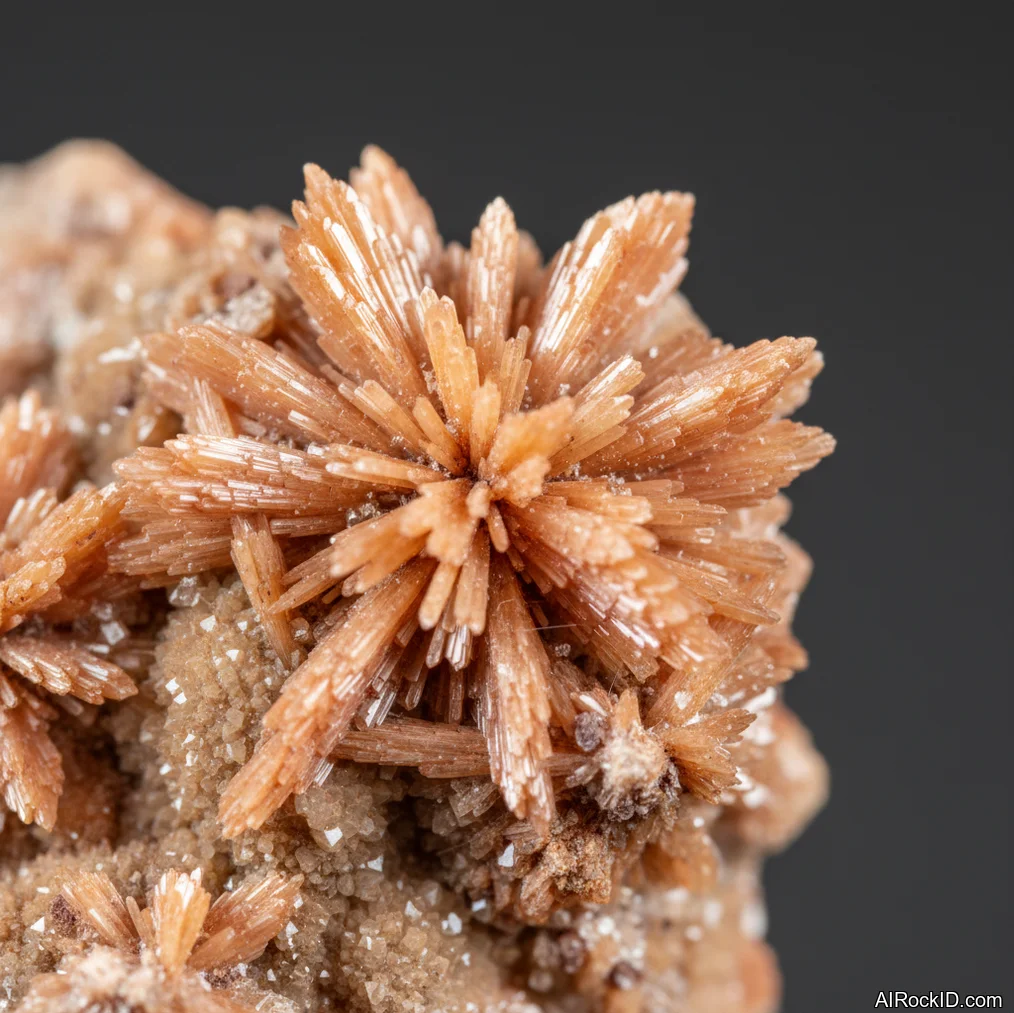
Color: Creedite most often shows peach to orange sprays, but it can also be colorless to white, purple-lilac, or pale green. Color zoning can happen, especially where sprays overlap.
Luster: Luster is vitreous on clean crystal faces.
Pick up the piece and tilt it under a single light. Creedite flashes glassy on the blade faces, but the overall look stays “feathery” because of the radiating habit. If you scratch it with a steel nail, it’ll mark, so don’t do that on a good specimen. The problem with ID photos online is scale, so check for those tight, spiky sprays that look like little fireworks, often on a pale, oxidized matrix.
Properties of Creedite
Physical Properties
| Crystal System | Orthorhombic |
| Hardness (Mohs) | 3.5-4 (Soft (2-4)) |
| Density | 2.70-2.78 g/cm3 |
| Luster | Vitreous |
| Diaphaneity | Transparent to translucent |
| Fracture | Uneven |
| Streak | White |
| Magnetism | Non-magnetic |
| Colors | Colorless, White, Peach, Orange, Lilac, Purple, Pale green |
Chemical Properties
| Classification | Halides (fluoride minerals) |
| Formula | Ca3Al2(SO4)F8·2H2O |
| Elements | Ca, Al, S, O, F, H |
| Common Impurities | Fe, Mn |
Optical Properties
| Refractive Index | 1.461-1.475 |
| Birefringence | 0.014 |
| Pleochroism | None |
| Optical Character | Biaxial |
Creedite Health & Safety
Totally fine to handle with the usual mineral-collecting routine. Just don’t grind it up or do anything that kicks up dust, and if the matrix is crumbly and leaves that gritty residue on your fingertips (you know the stuff that ends up under your nails), wash your hands after.
Safety Tips
If you need to trim matrix, put on a dust mask and eye protection first. That dust gets everywhere (you can feel it stick to your eyelashes), so skip sweeping it up dry. Wipe it up with a damp cloth instead.
Creedite Value & Price
Price Range
Rough/Tumbled: $30 - $800 per specimen
Prices climb fast depending on color, crystal sharpness, and how intact the sprays are. Those big, damage-free fan pieces from Durango with clean terminations go for real money, mostly because the habit is so fragile it’ll chip if you so much as breathe on it (seriously).
Durability
Fragile — Scratch resistance: Fair, Toughness: Poor
Creedite is stable in a cabinet, but the slender crystals are easy to chip and the piece doesn’t like rough handling.
How to Care for Creedite
Use & Storage
Store creedite in a perky box or a closed display where it won’t rattle against other minerals. And keep it away from the edge of a shelf because one bump can snap spray tips.
Cleaning
1) Use a soft makeup brush or air blower to remove loose dust. 2) If needed, rinse quickly with room-temperature water and a drop of mild soap, then rinse again. 3) Pat dry and let it finish drying completely before putting it back in a box.
Cleanse & Charge
If you do energetic cleansing, stick to gentle options like smoke, sound, or moonlight. I wouldn’t bury a creedite spray in salt or soil because the crystals love to snag and break.
Placement
Put it somewhere you can see the sparkle without touching it all the time, like a high shelf with side lighting. Compared to chunkier cabinet minerals, creedite looks best when light skims across the sprays.
Caution
Don’t use an ultrasonic cleaner or a steamer on this. Skip harsh acids too, and whatever you do, don’t throw it in a tumbler, not even “just for a minute.”
Works Well With
Creedite Meaning & Healing Properties
A lot of dealers who sell metaphysical pieces talk about creedite as a “clear your head” stone, and honestly, I see it. Those sharp little sprays look weirdly tidy, like the mineral version of straightening up your desk. When I’m sorting flats after a show, I’ll leave a creedite out sometimes, just because the geometry is soothing to stare at between customers.
But look, here’s the real deal. Creedite is fragile. It’s not something you toss in your pocket and rub all day without it getting dinged up (or worse). It’s more of a sit-and-look piece for meditation or quiet focus, the same way you might use a small sculpture or a candle. And if you’re using crystals for mood work, treat it like a visual anchor, not medical care.
And one practical thing people don’t always mention: the color can read totally different depending on the room. I’ve had an orange spray look almost pink at home under warm bulbs, then swing back to “apricot” in daylight. So if you’re tying it to a specific intention, use the lighting you’ll actually be in, because your brain reacts to the color you’re seeing right then.
Identify Any Crystal Instantly
Snap a photo and get properties, value, care instructions, and healing meanings in seconds.