Aquarius Crystals
Explore Aquarius crystals and how to use them: top stones, meanings, buying tips, and care for popular Aquarius crystal picks.
Aquarius season has a specific vibe in crystal circles: curious, future-facing, a little contrarian. And people shopping for “Aquarius crystals” usually aren’t hunting one magic rock. They’re building a small lineup that matches how Aquarius gets described: mental clarity, independence, big-picture thinking, and staying calm when emotions run hot.
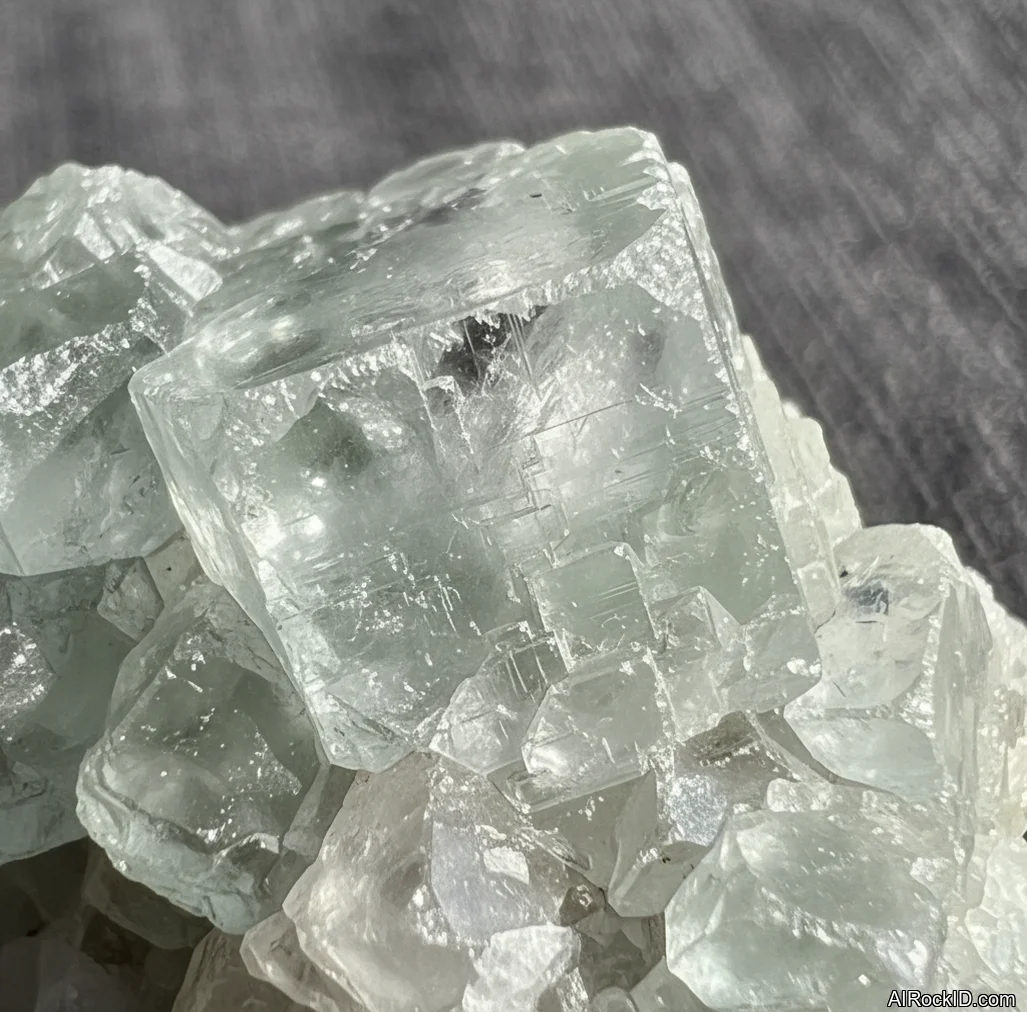
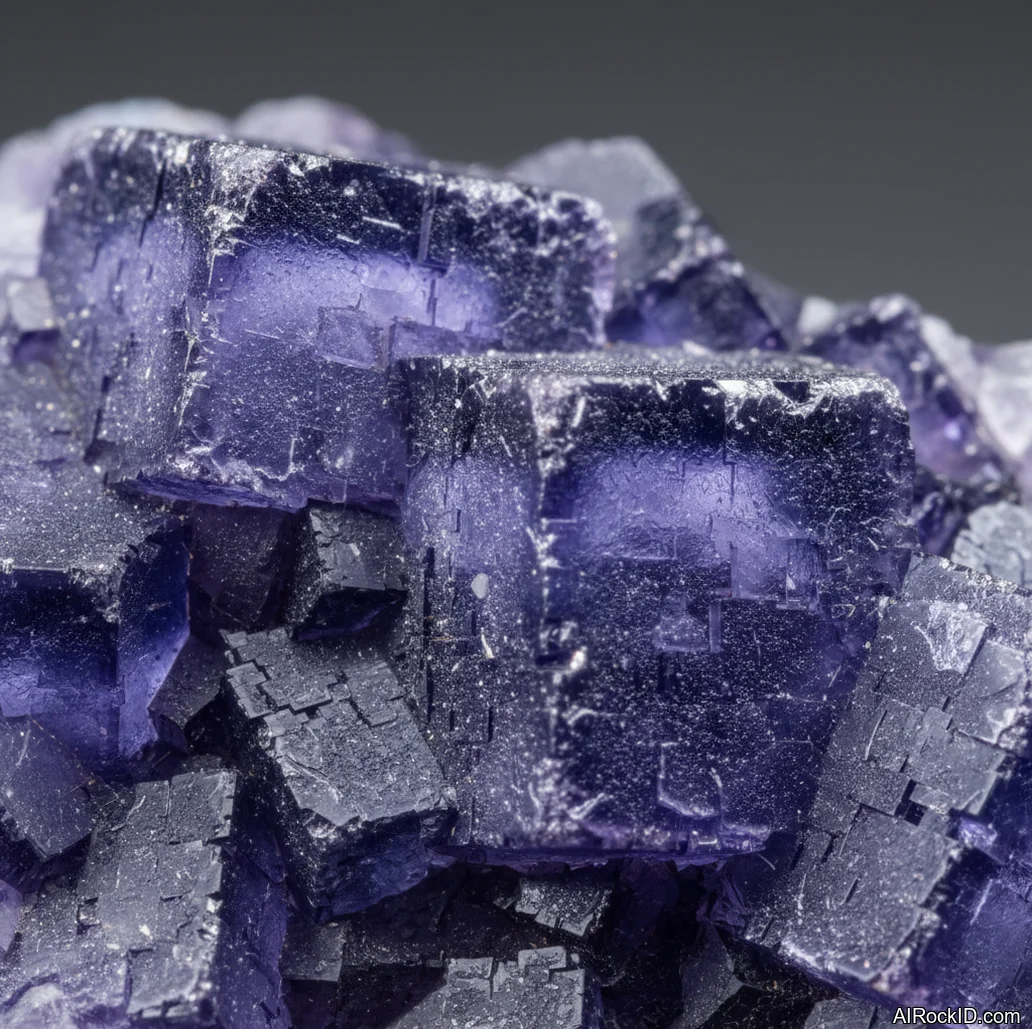
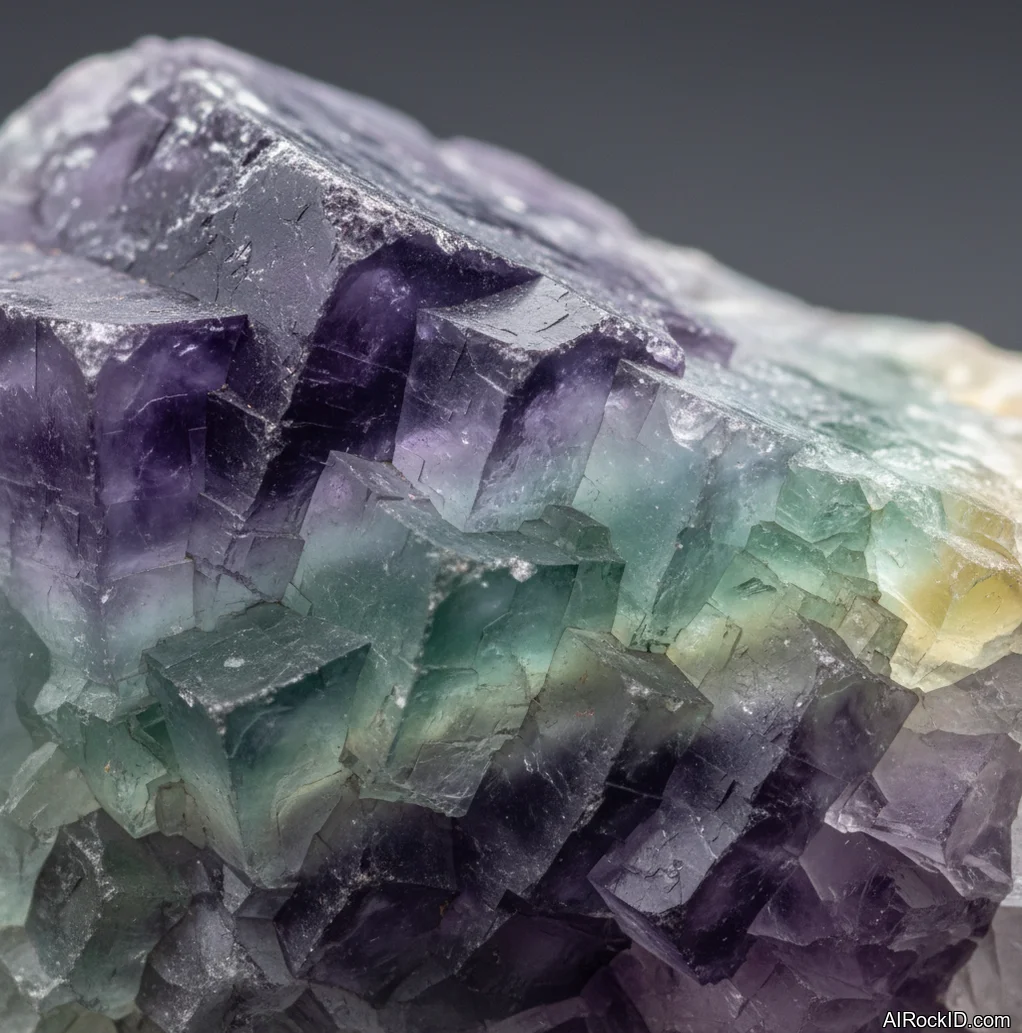
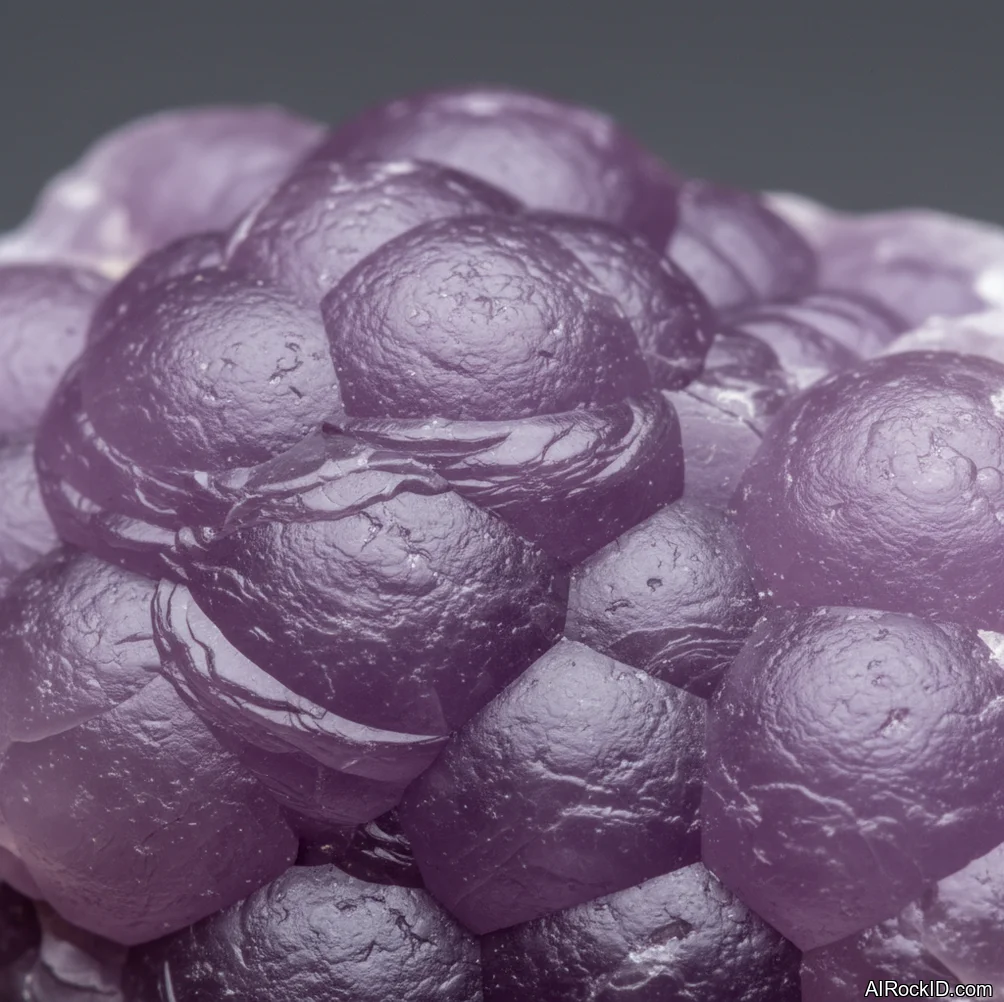
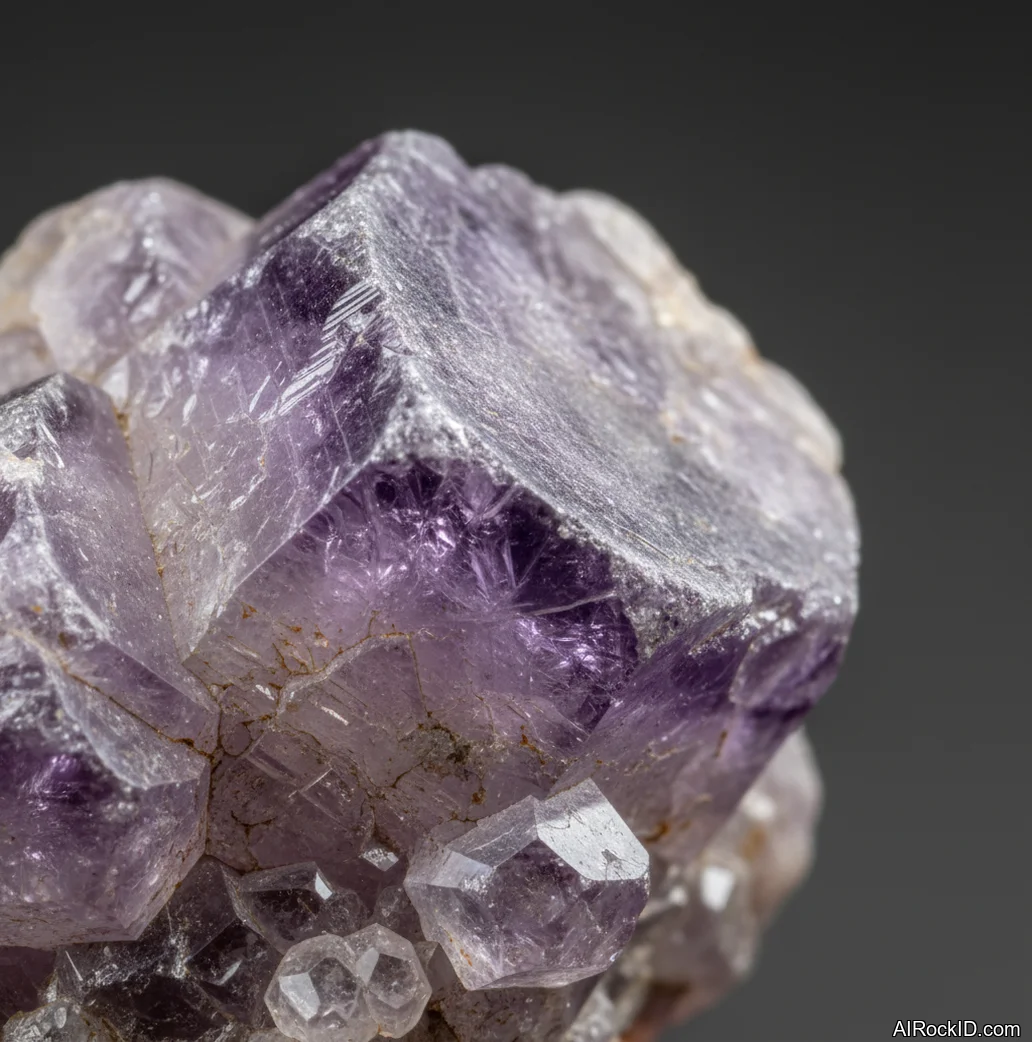
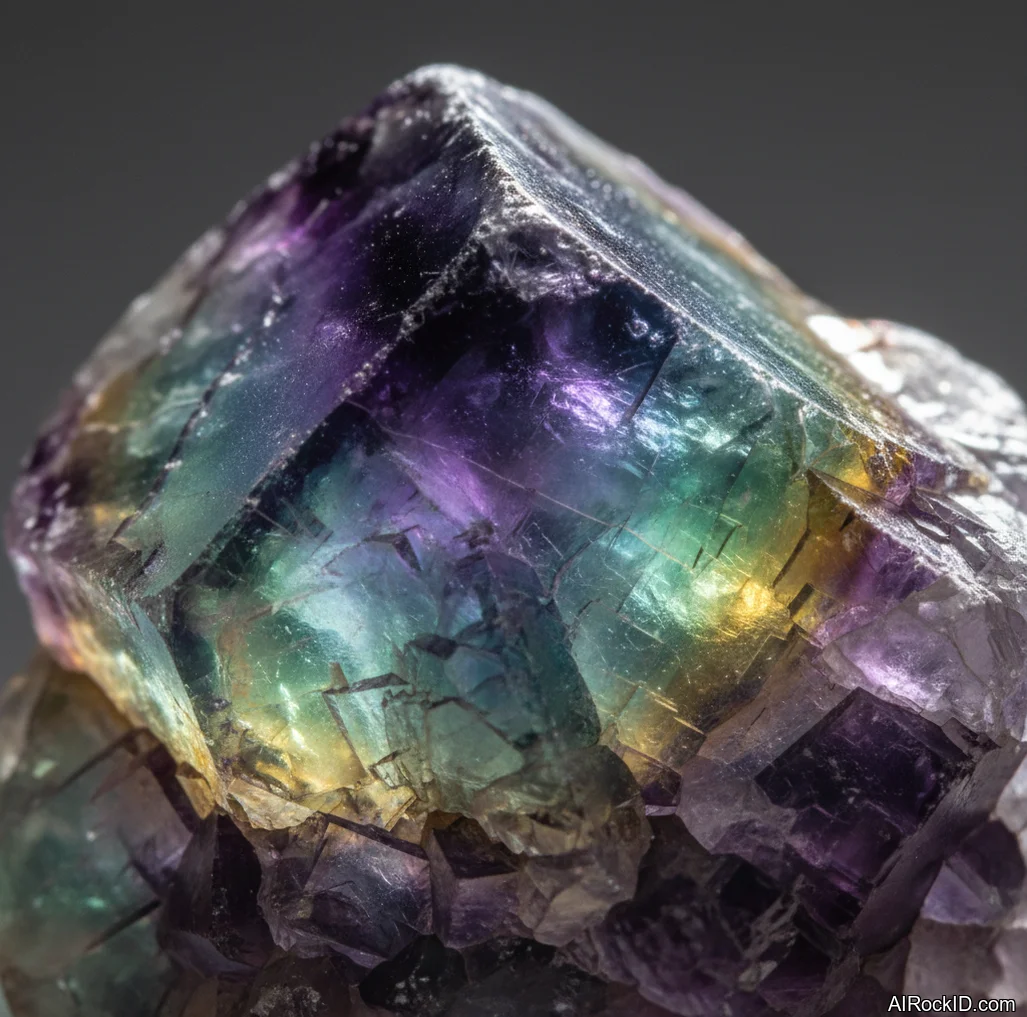
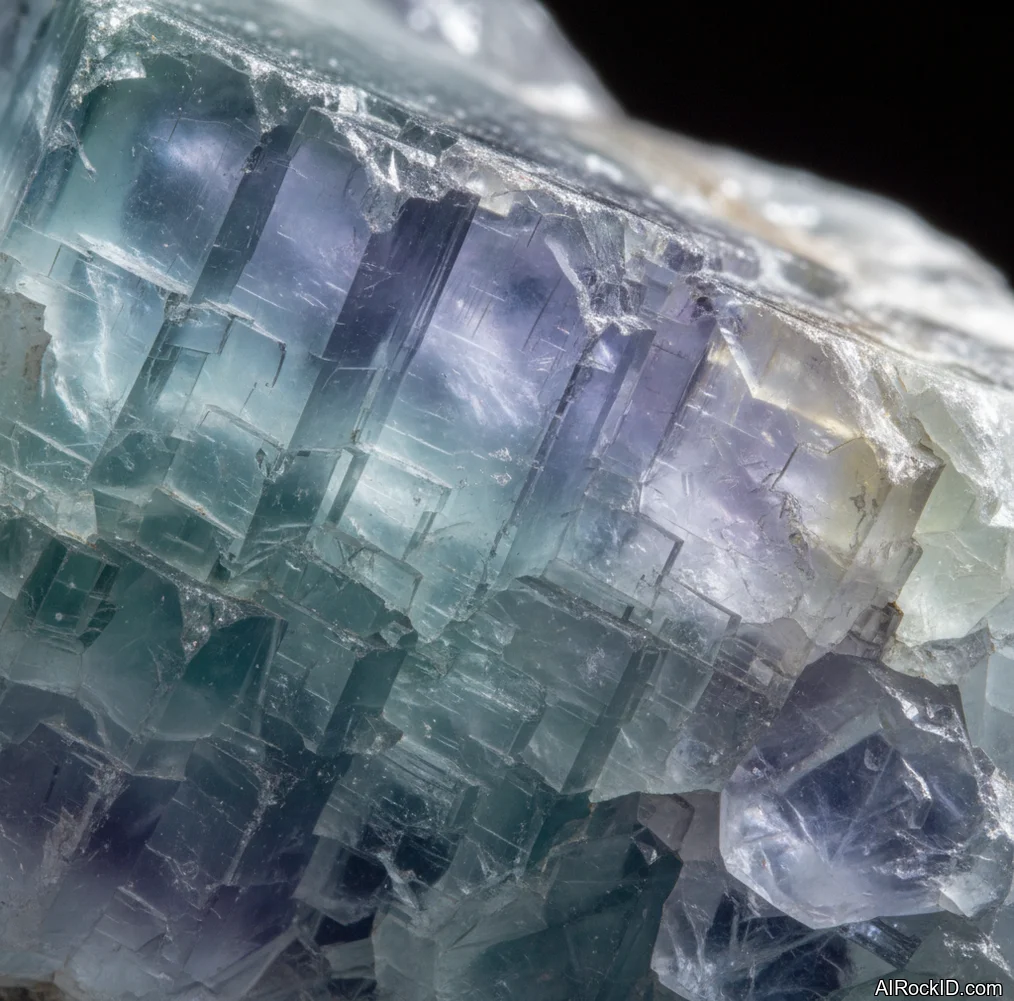
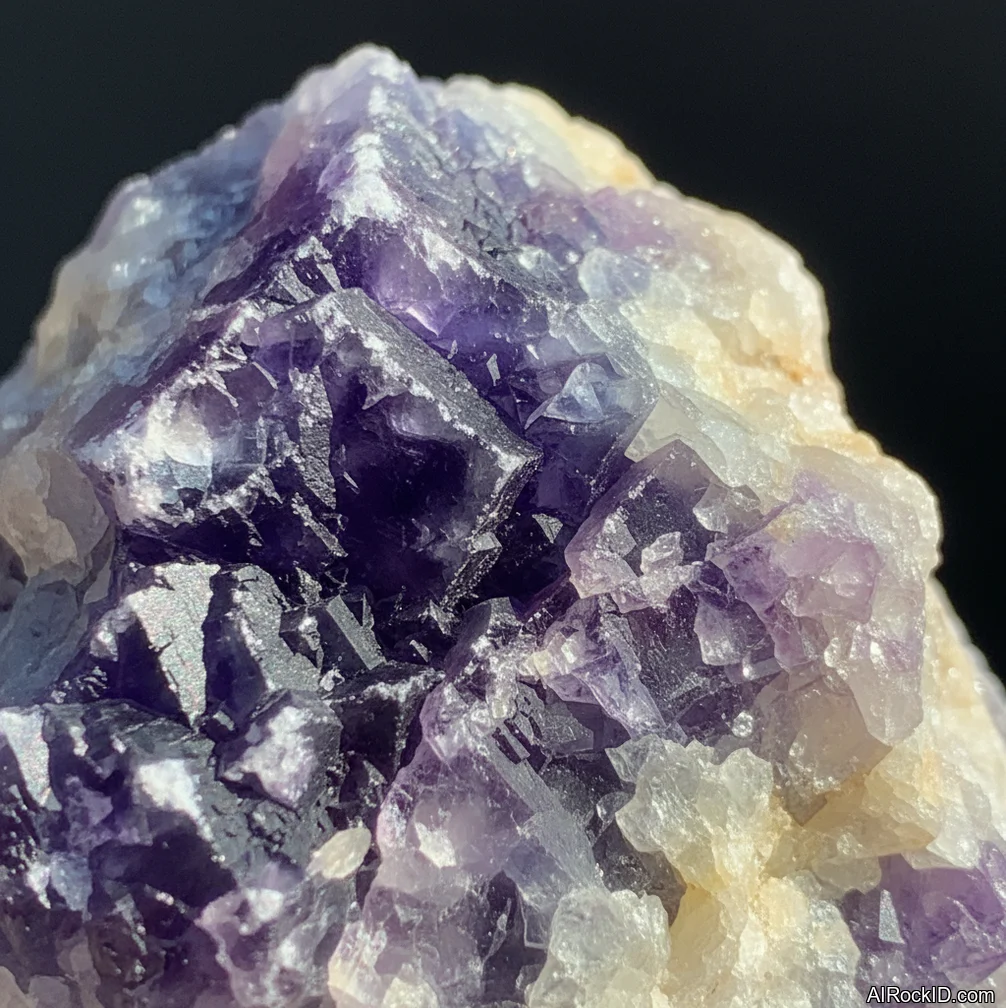
Pick up a good piece of fluorite and you’ll see why it shows up on Aquarius lists so often. It feels cool right away. Heavier than you’d expect for something that looks like candy glass. And the color zoning can be razor sharp. I’ve handled green-purple fluorite that looked almost printed, then you turn it and the internal banding shifts like stacked sheets. If you’re working with Aquarius intentions like focus and pattern-spotting, fluorite is the kind of stone people park on a desk because it looks “organized” even when life isn’t.
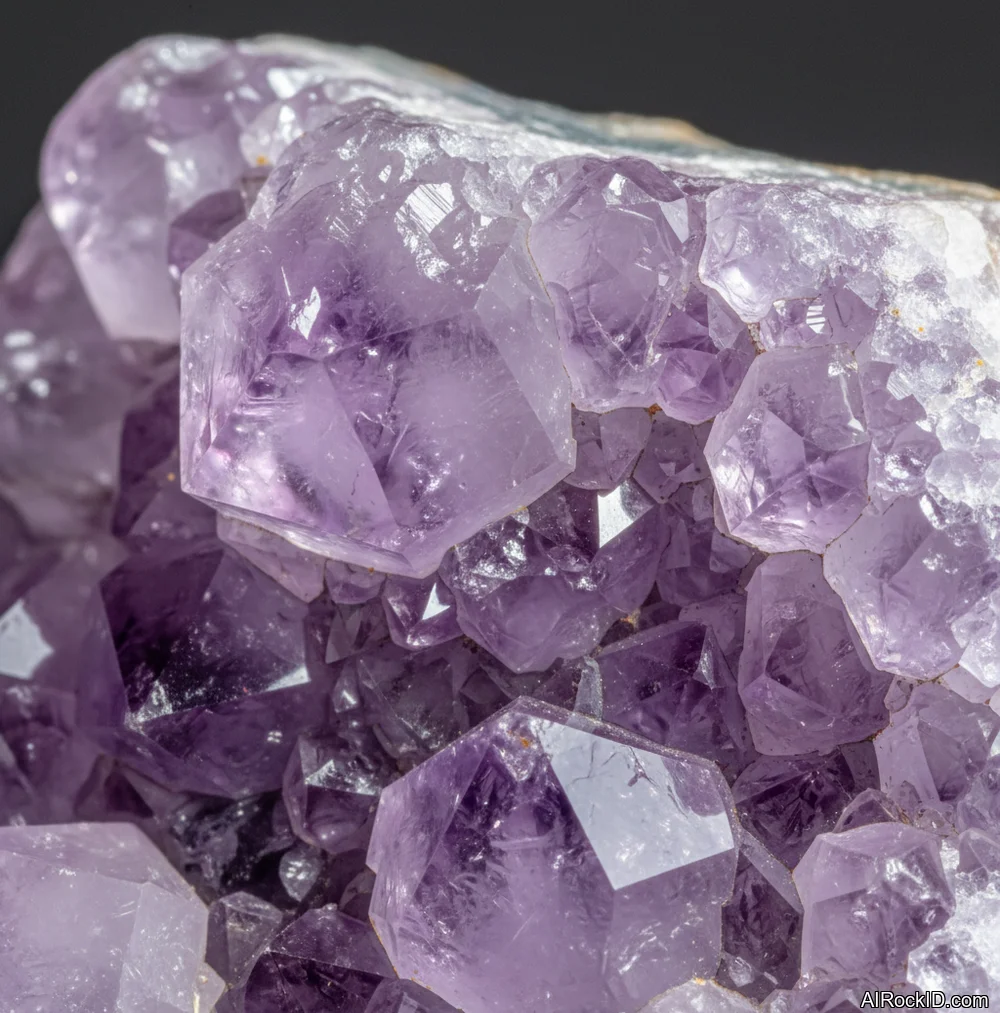
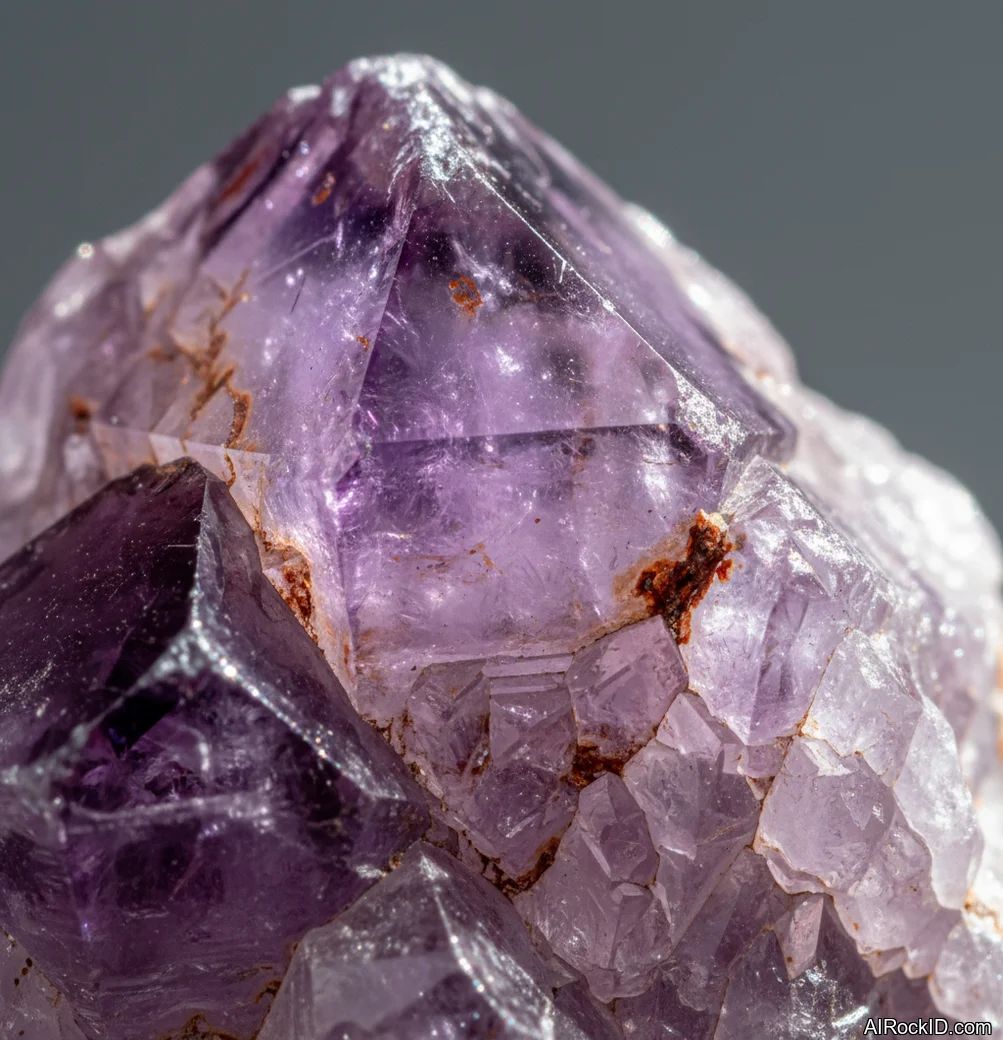
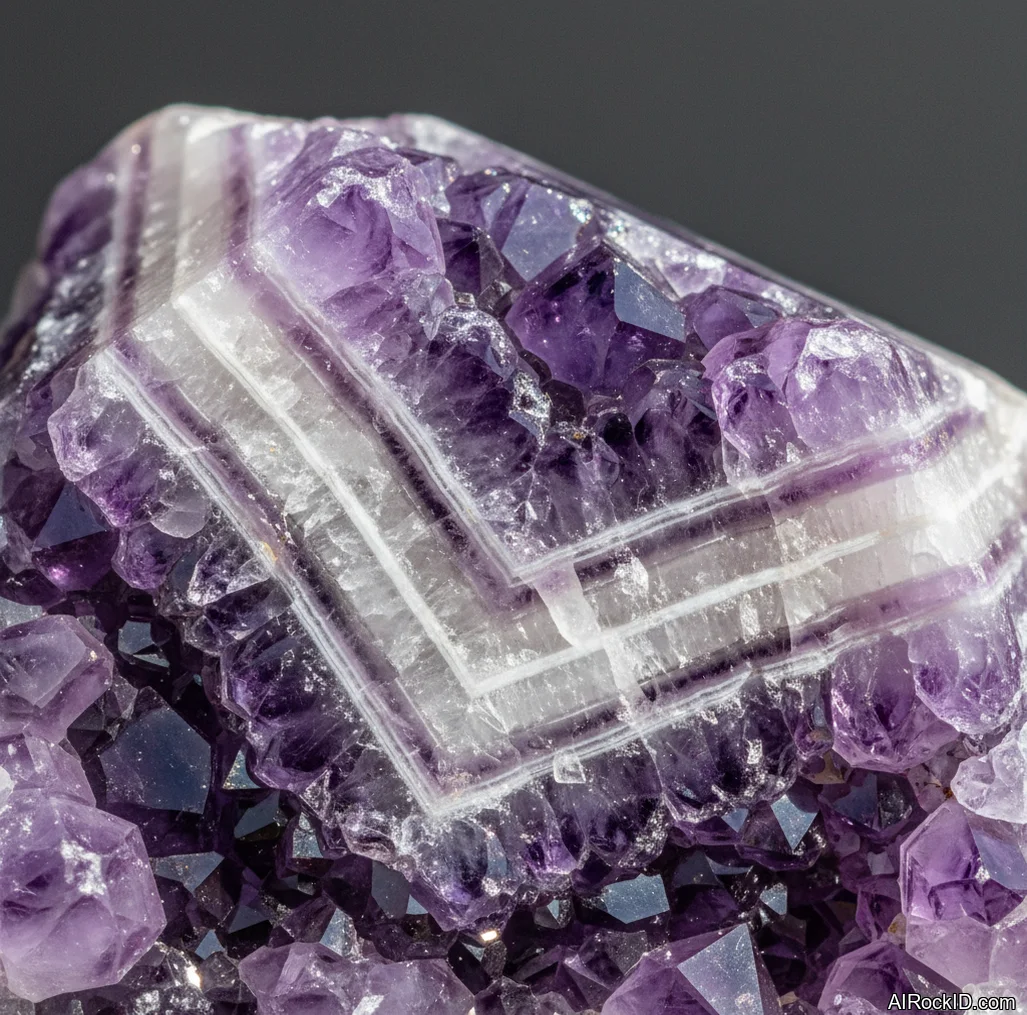
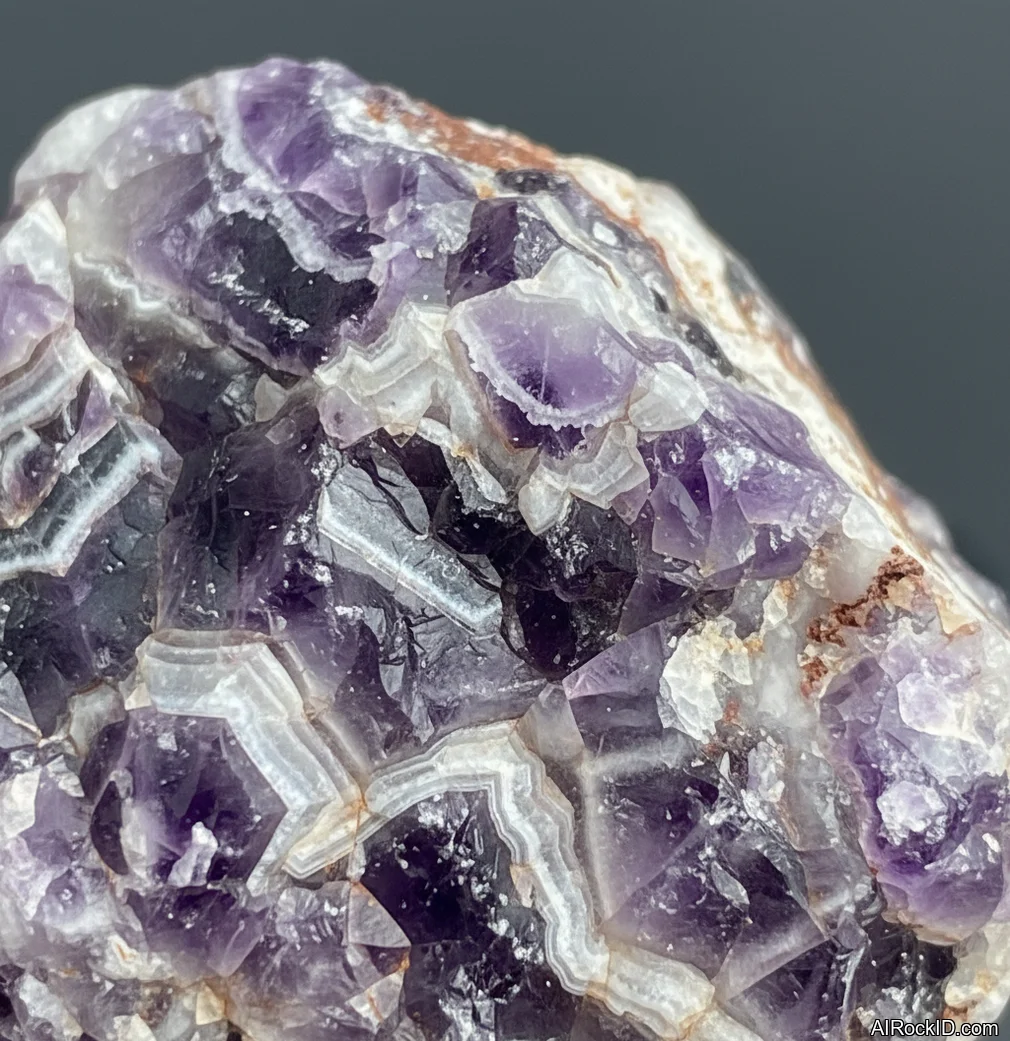
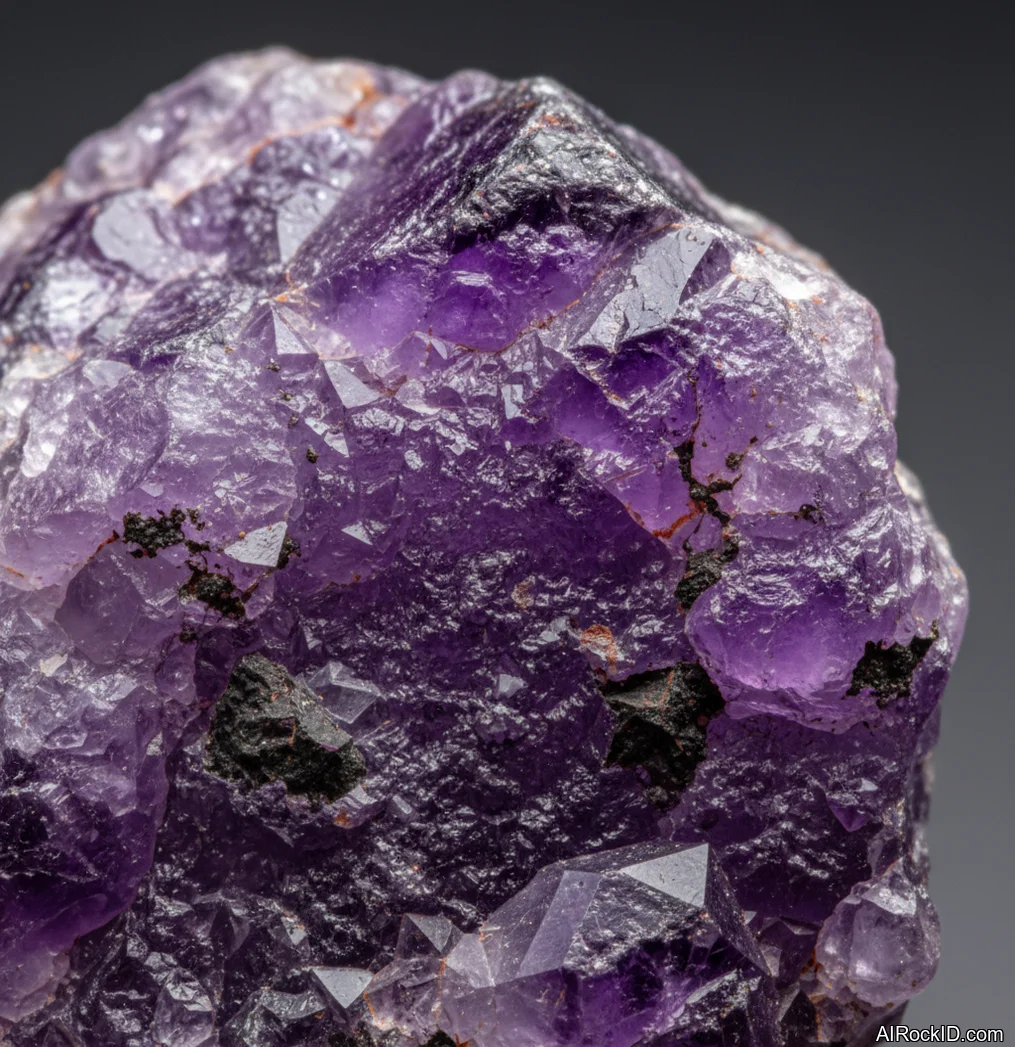
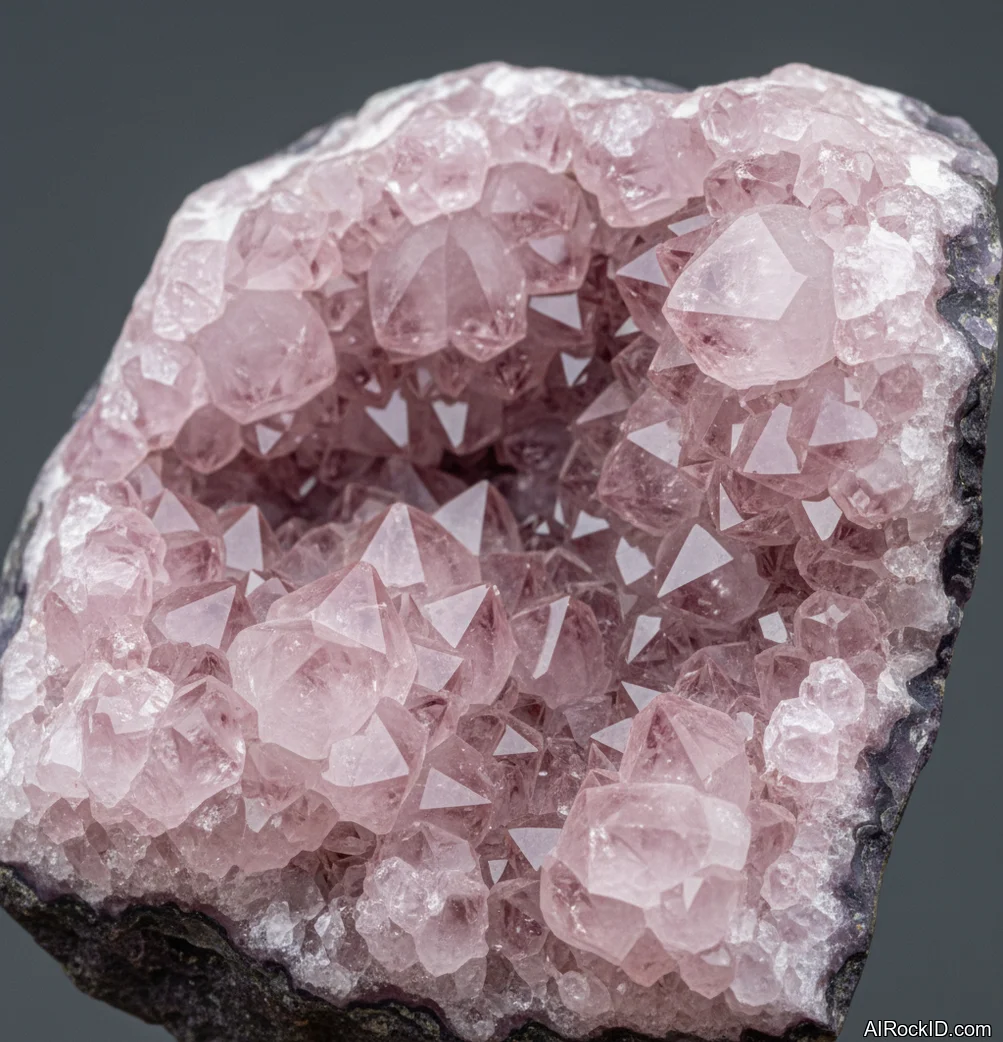
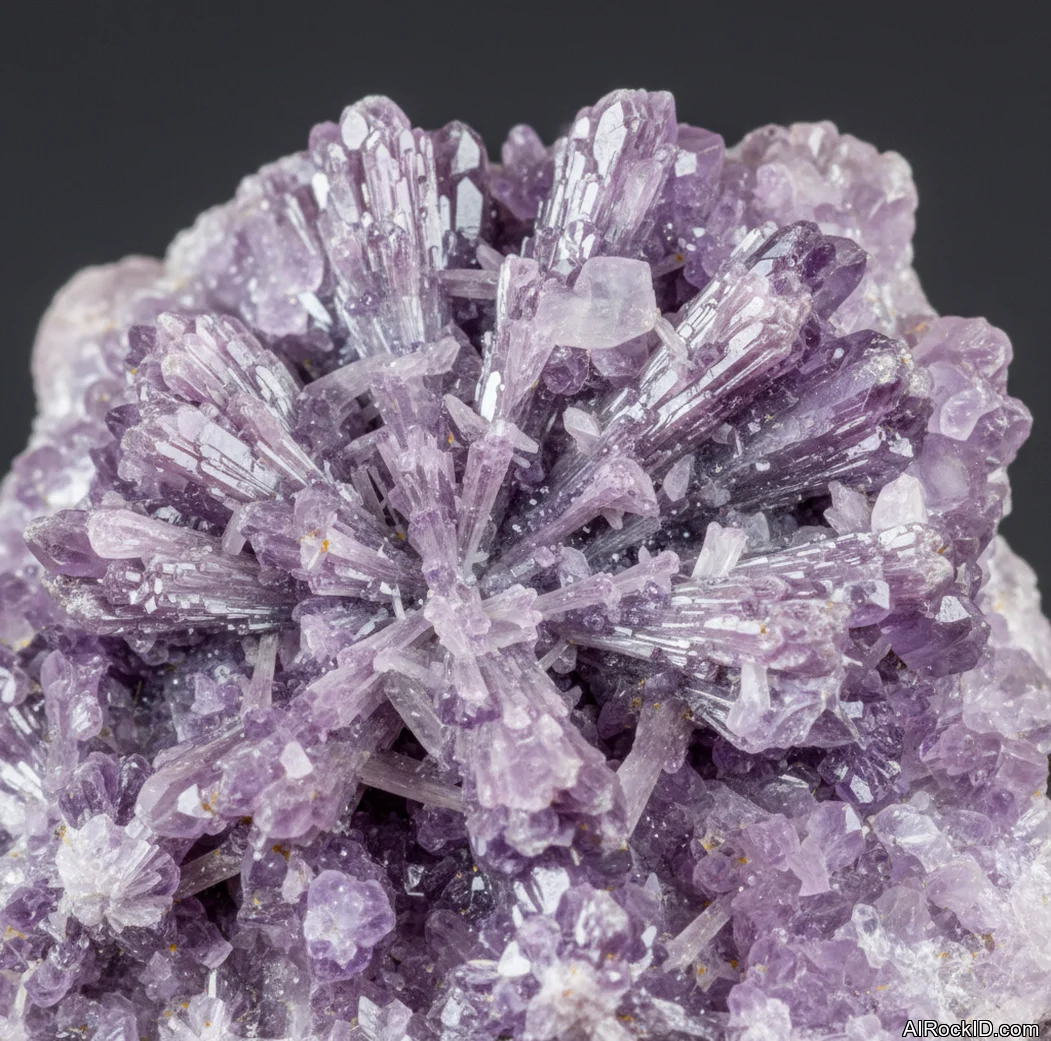
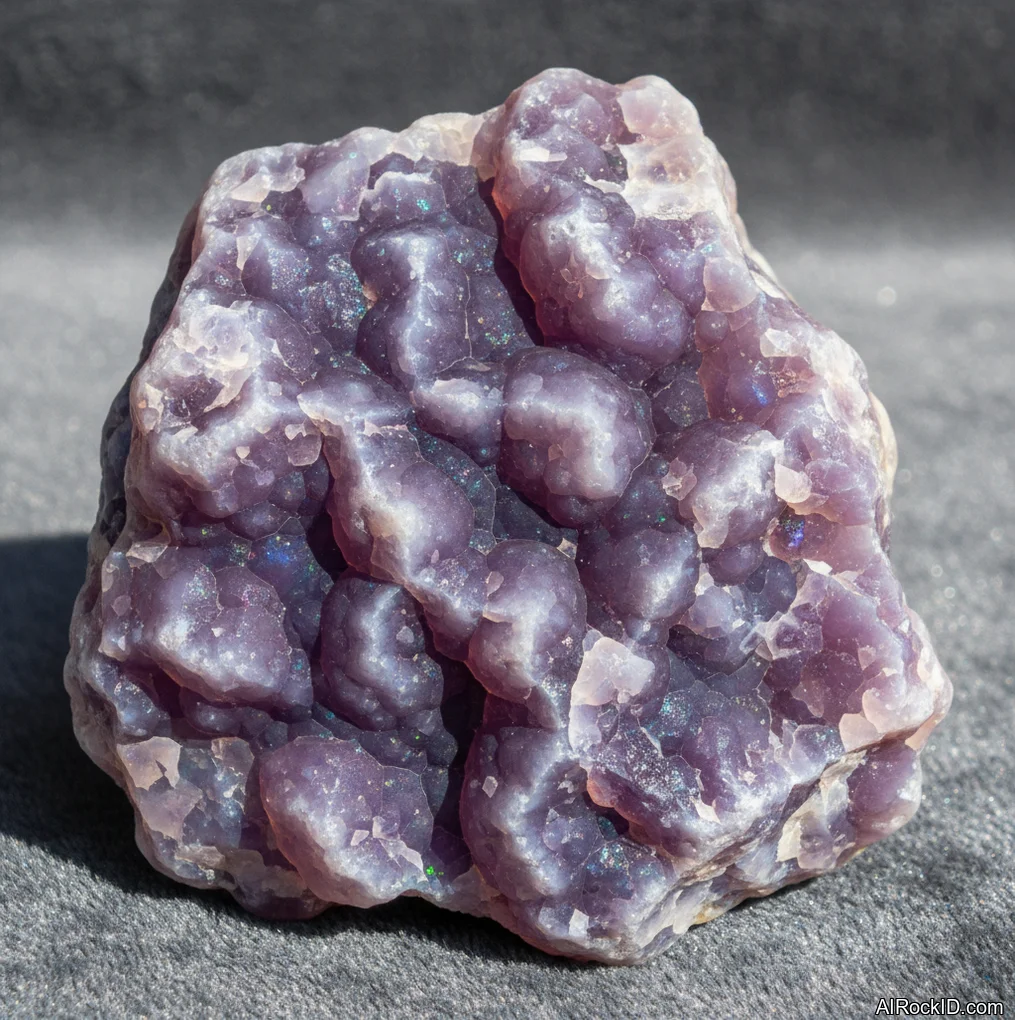
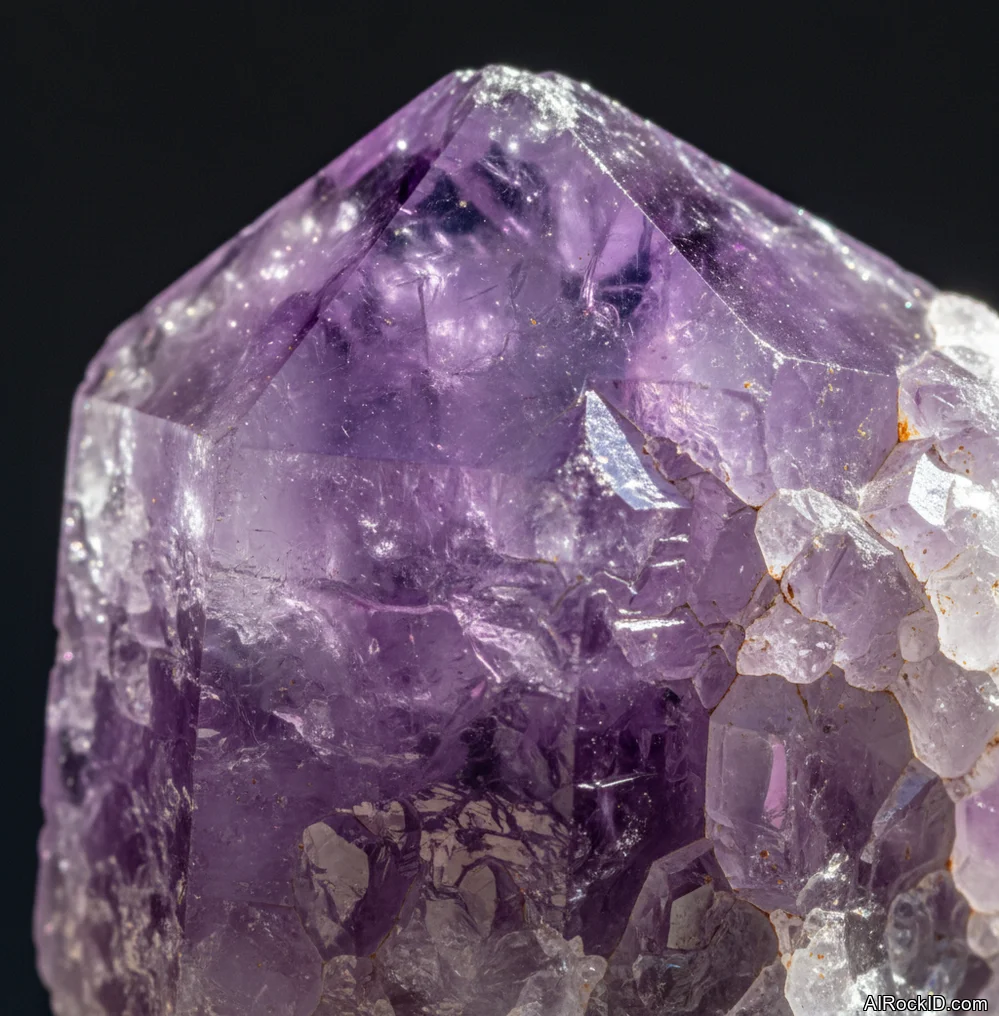
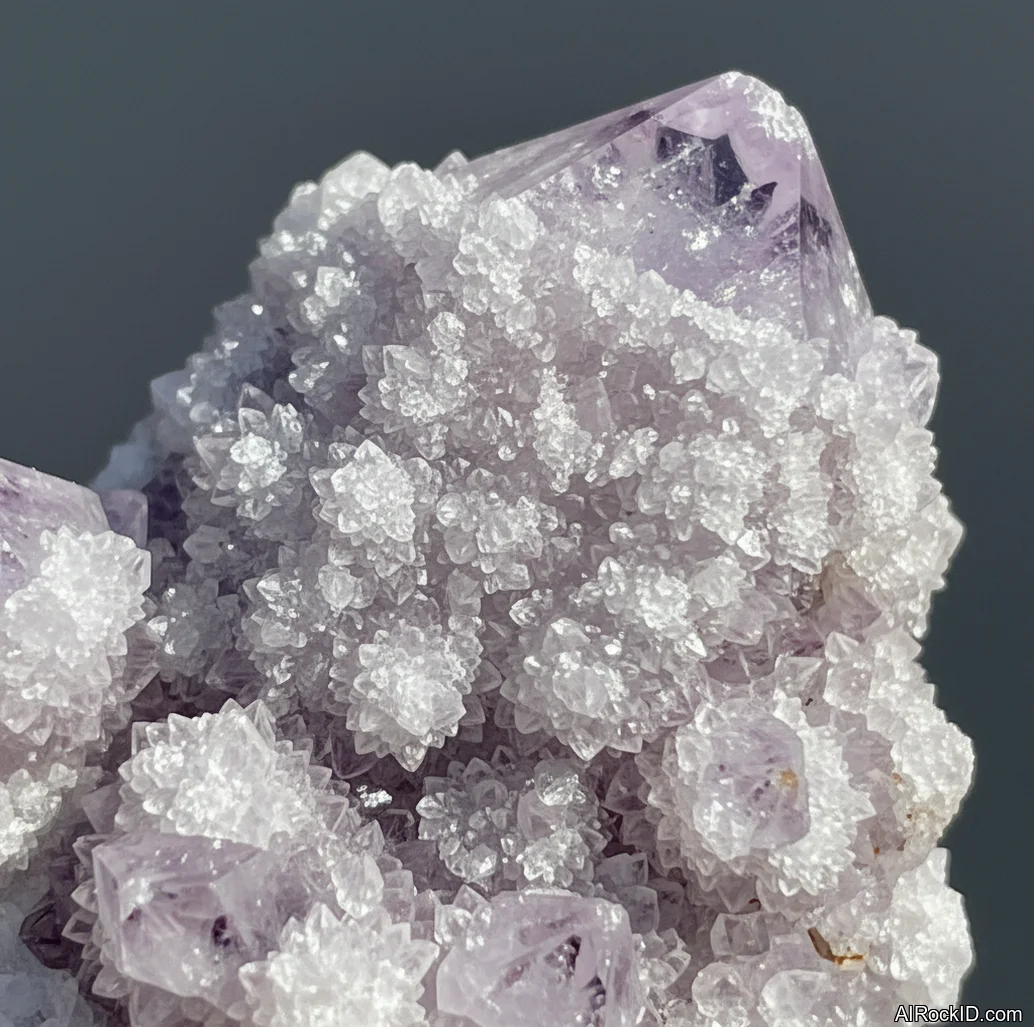
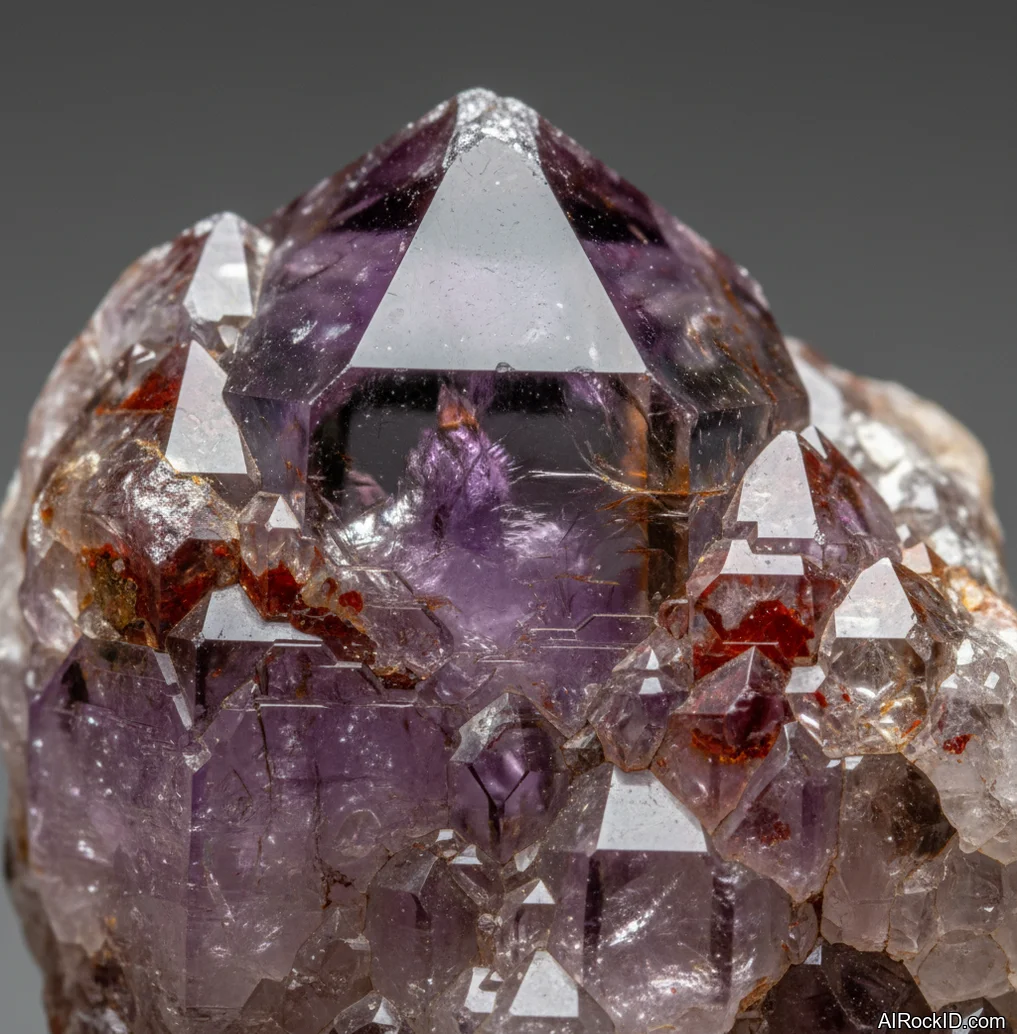
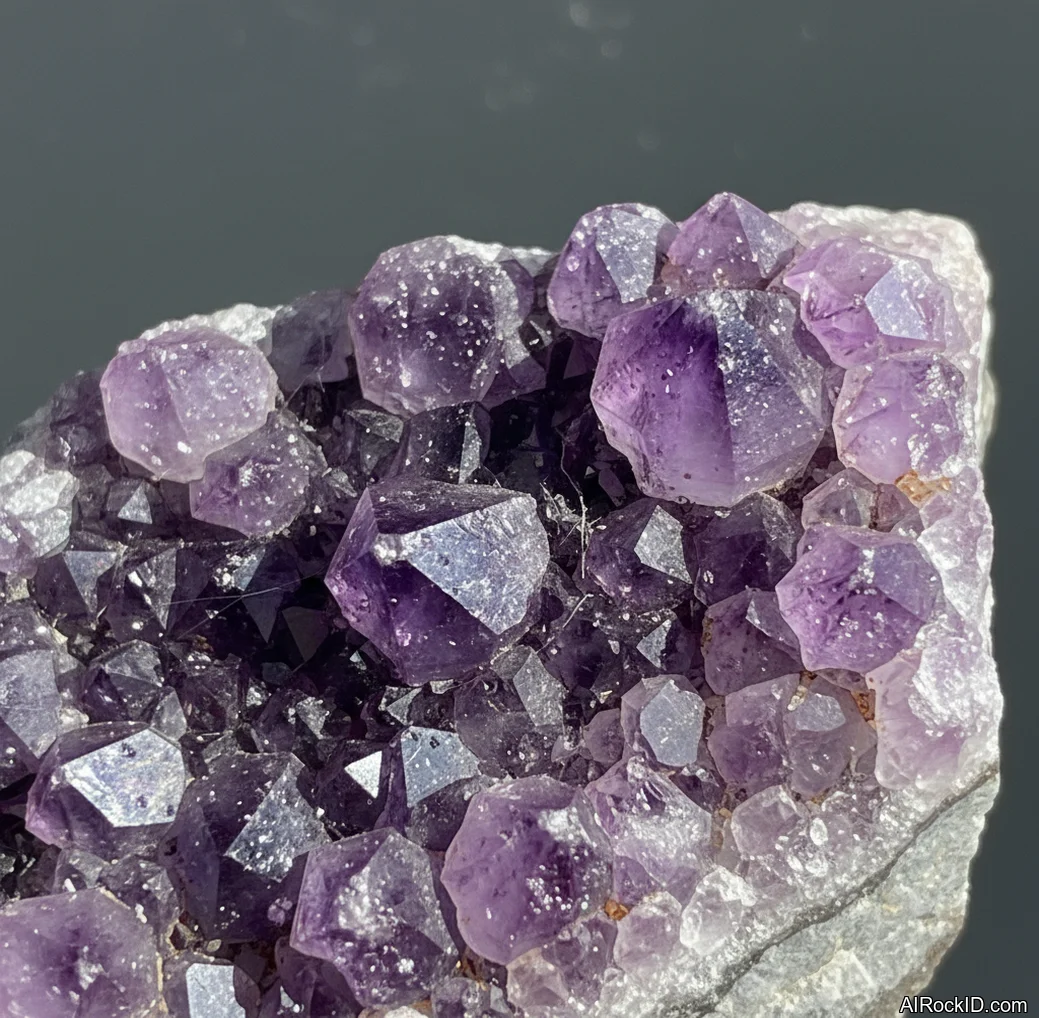
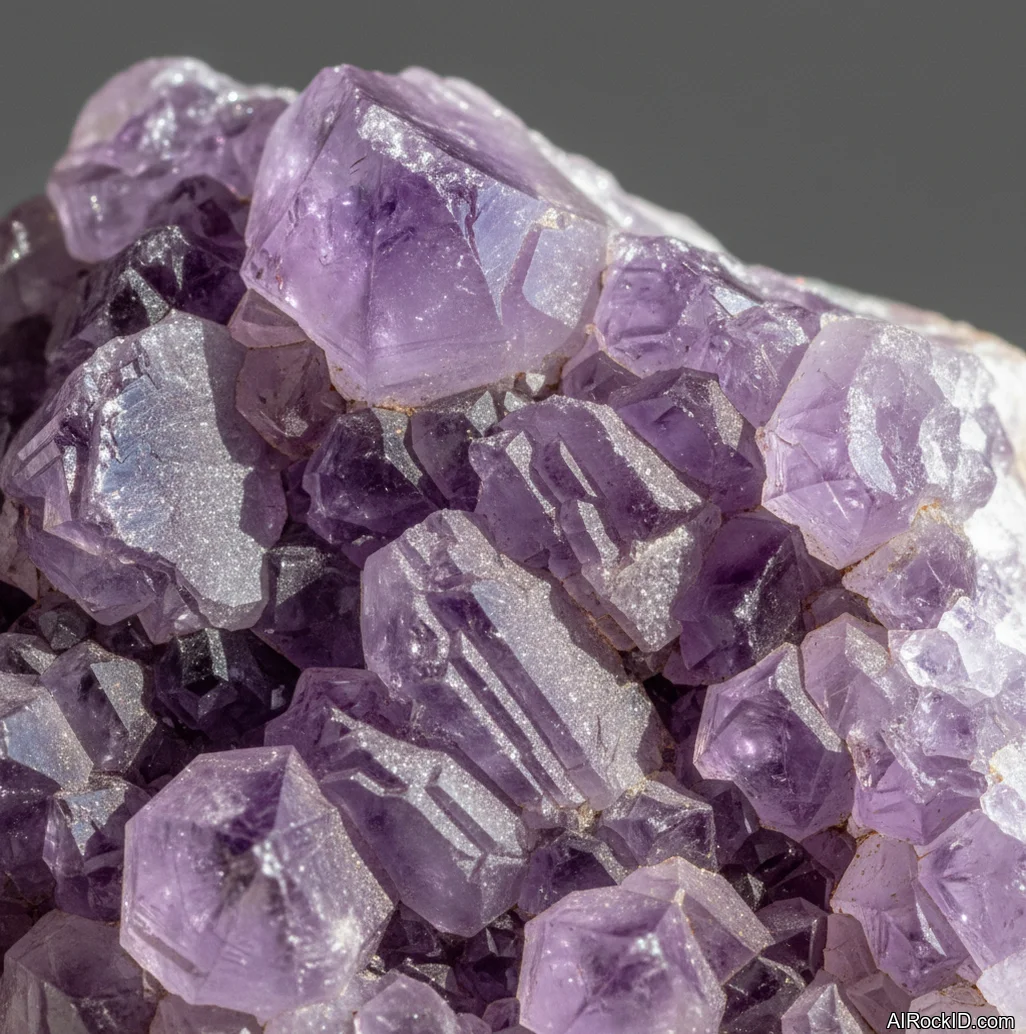
Amethyst ends up in Aquarius kits for the headspace side of things, but not all amethyst behaves the same in the real world. Deep Uruguayan pieces tend to be inky purple with tight crystals and that almost wet shine on the points. Brazilian material is often lighter, more lavender, and can look washed out under cold LED light. So if you’re buying for Aquarius, don’t just buy by name. Buy the piece that actually pulls you into a calmer, steadier mood when you look at it.
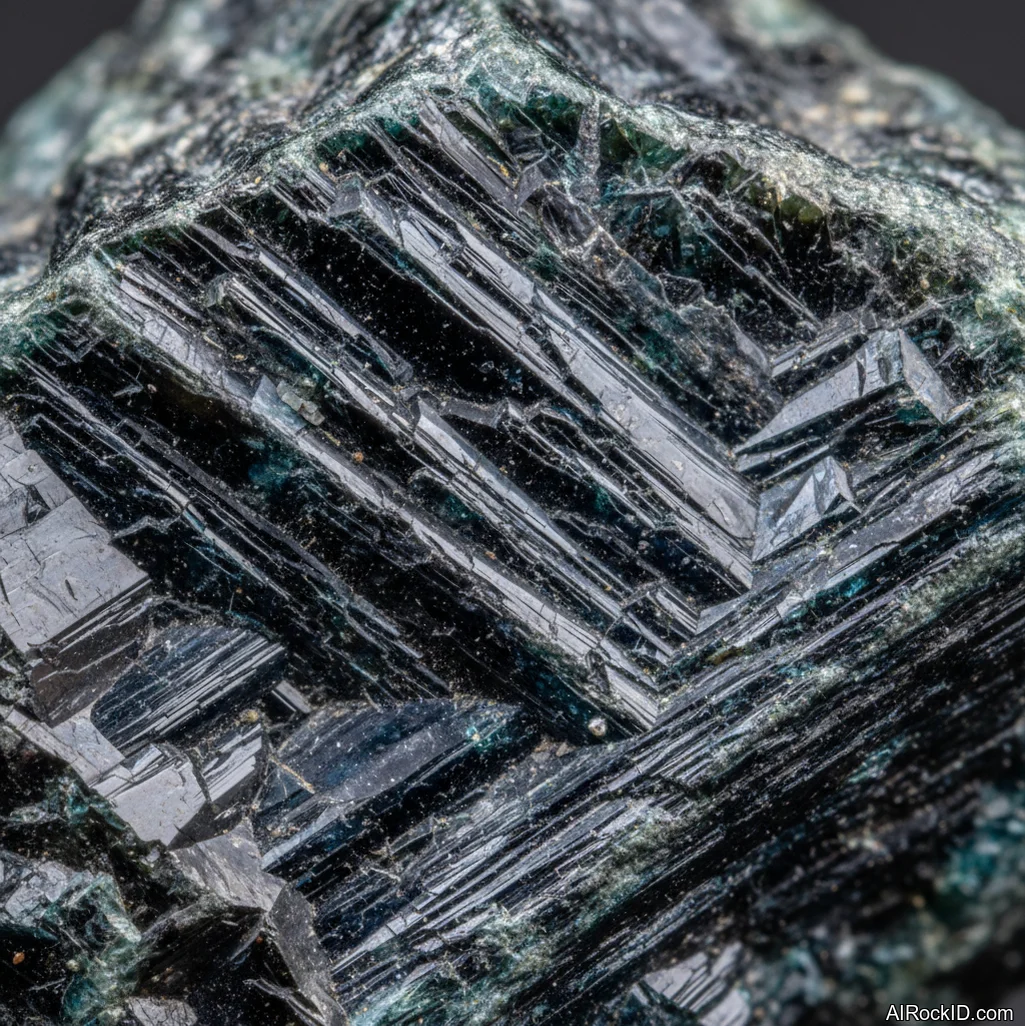
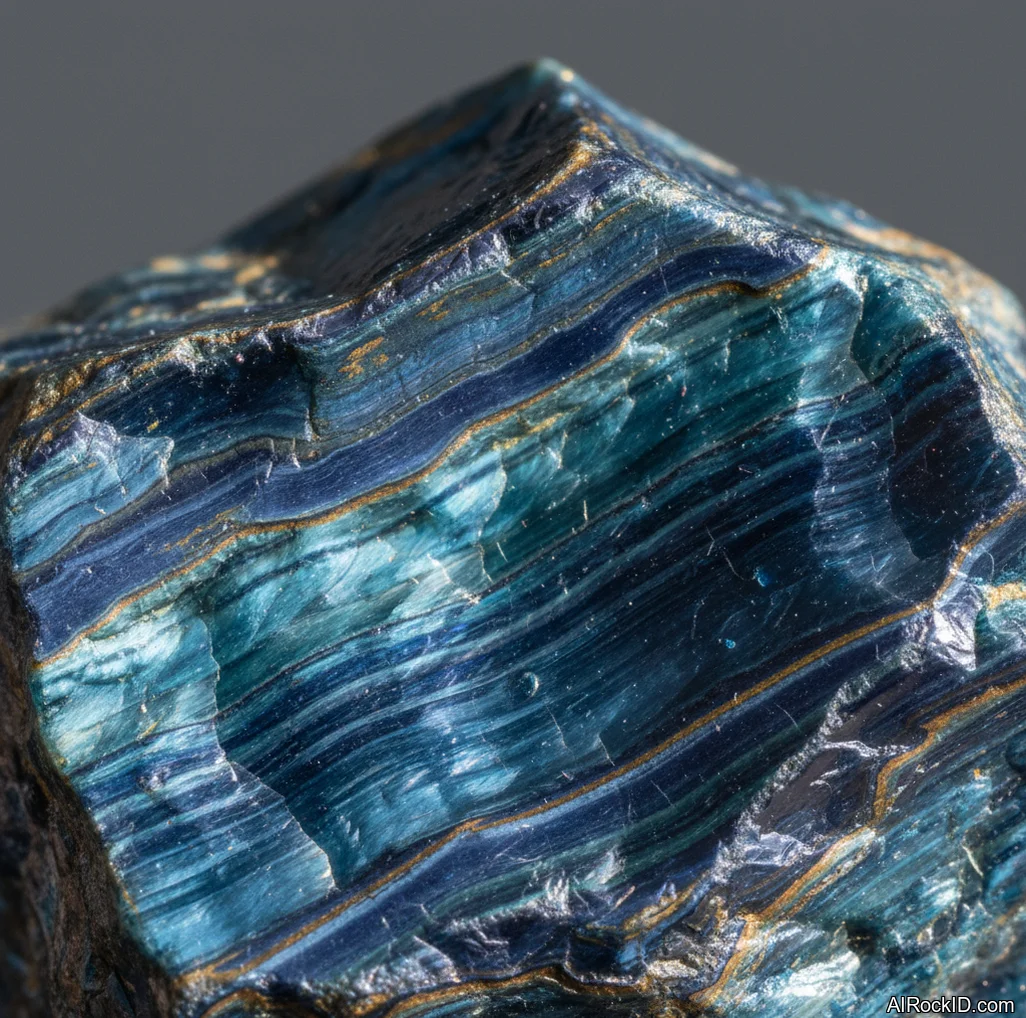
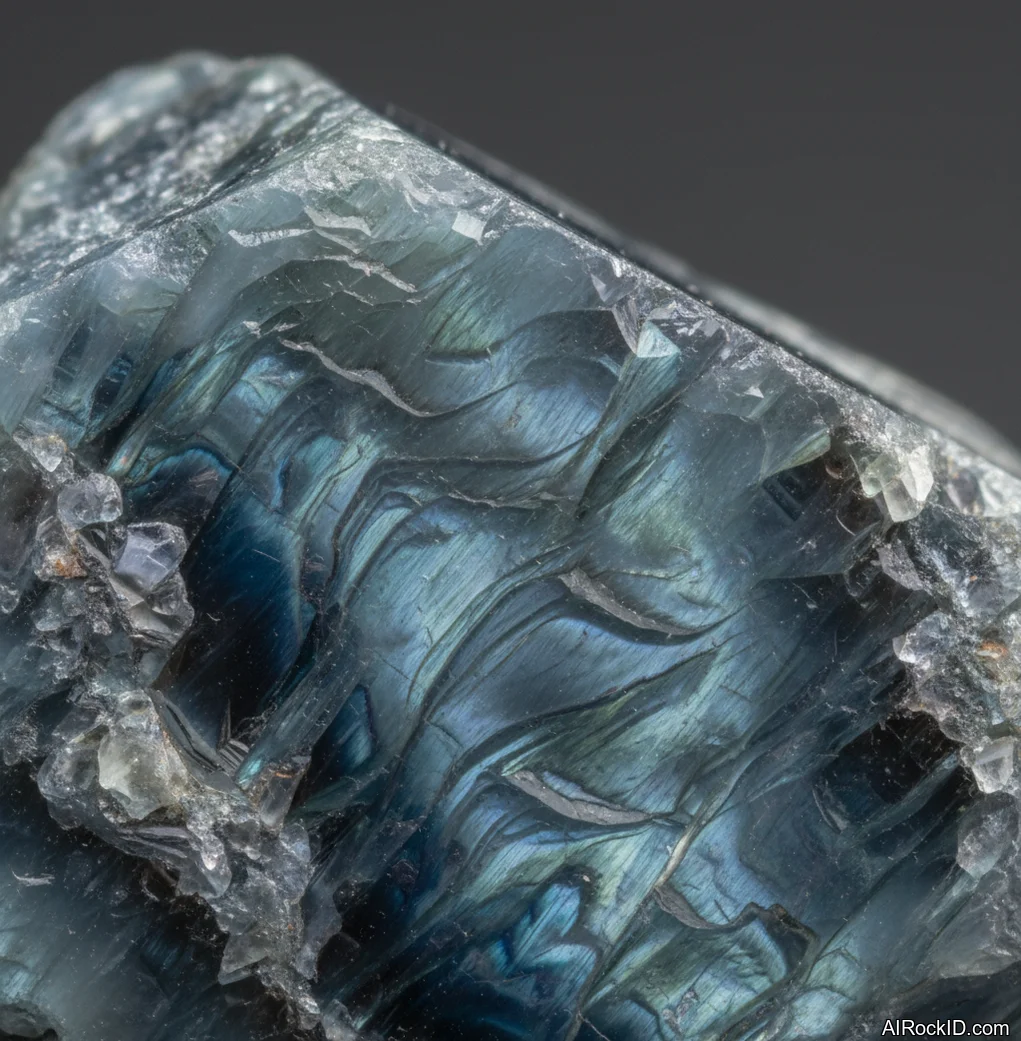
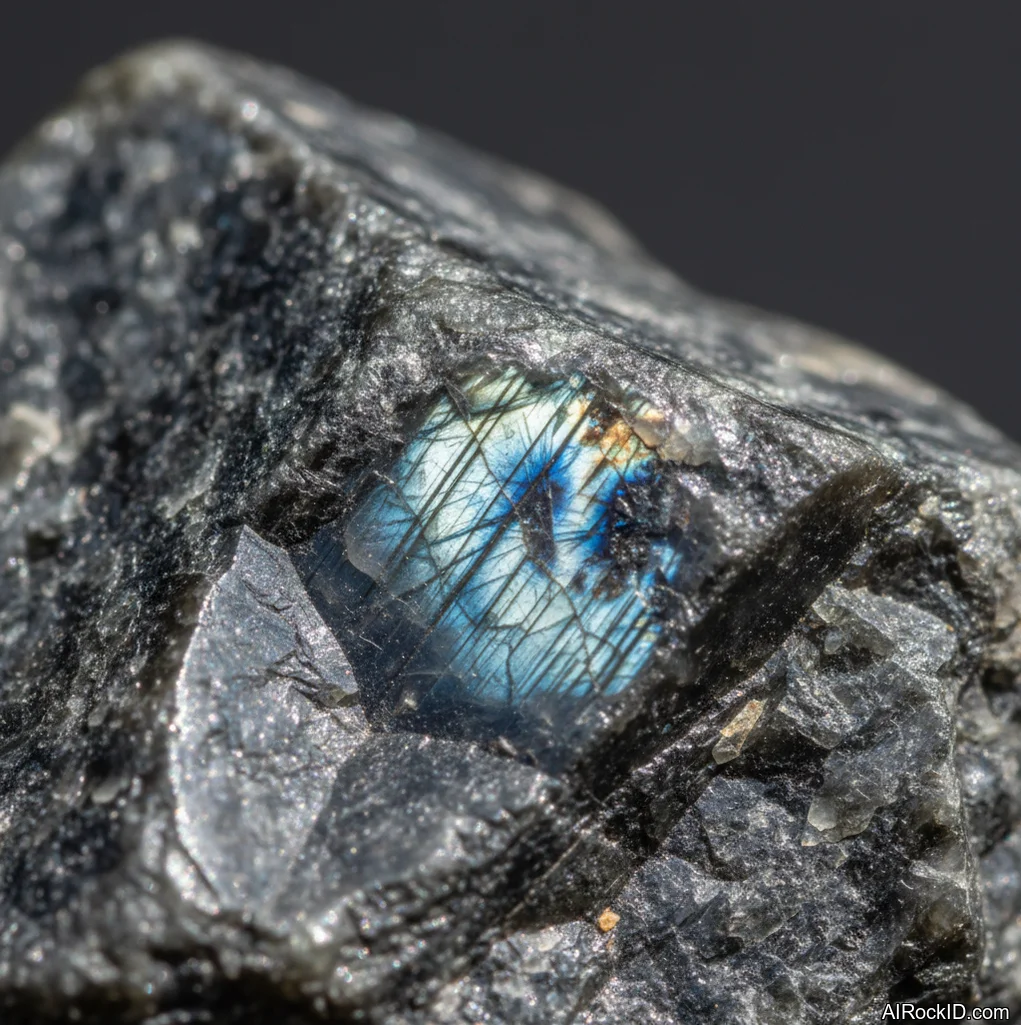
Labradorite is another classic Aquarius pick, mostly because it hits that “electric” feeling without needing to be loud. The real test is the flash. Tilt it under a single overhead bulb and see what happens: does the color snap on and off, or does it just sit there dull and gray? Good labradorite has that sheet-like shimmer that pops at certain angles, and it’s easy to spot on palm stones because the polish is glassy but the color still looks like it’s floating under the surface. But if a seller’s photos show nonstop blue at every angle, it’s usually a lighting trick.
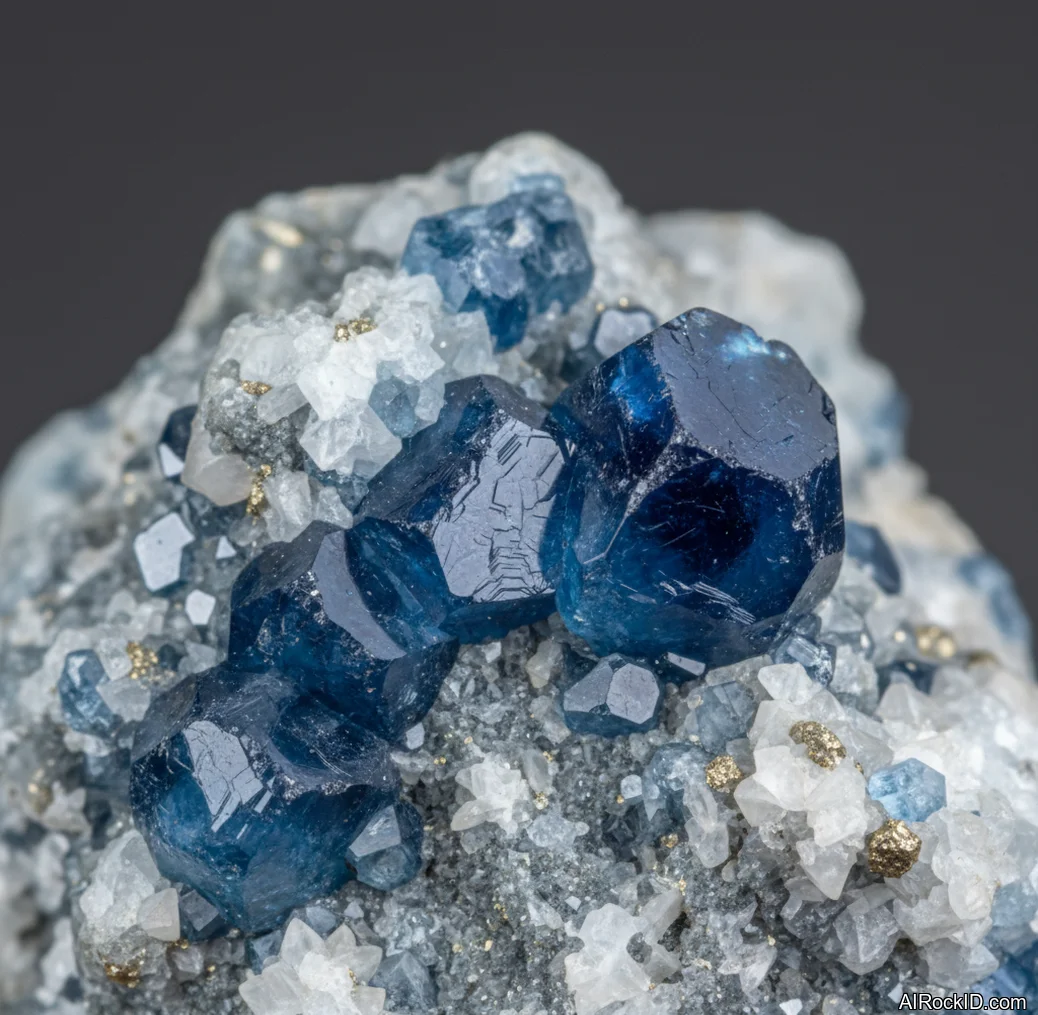
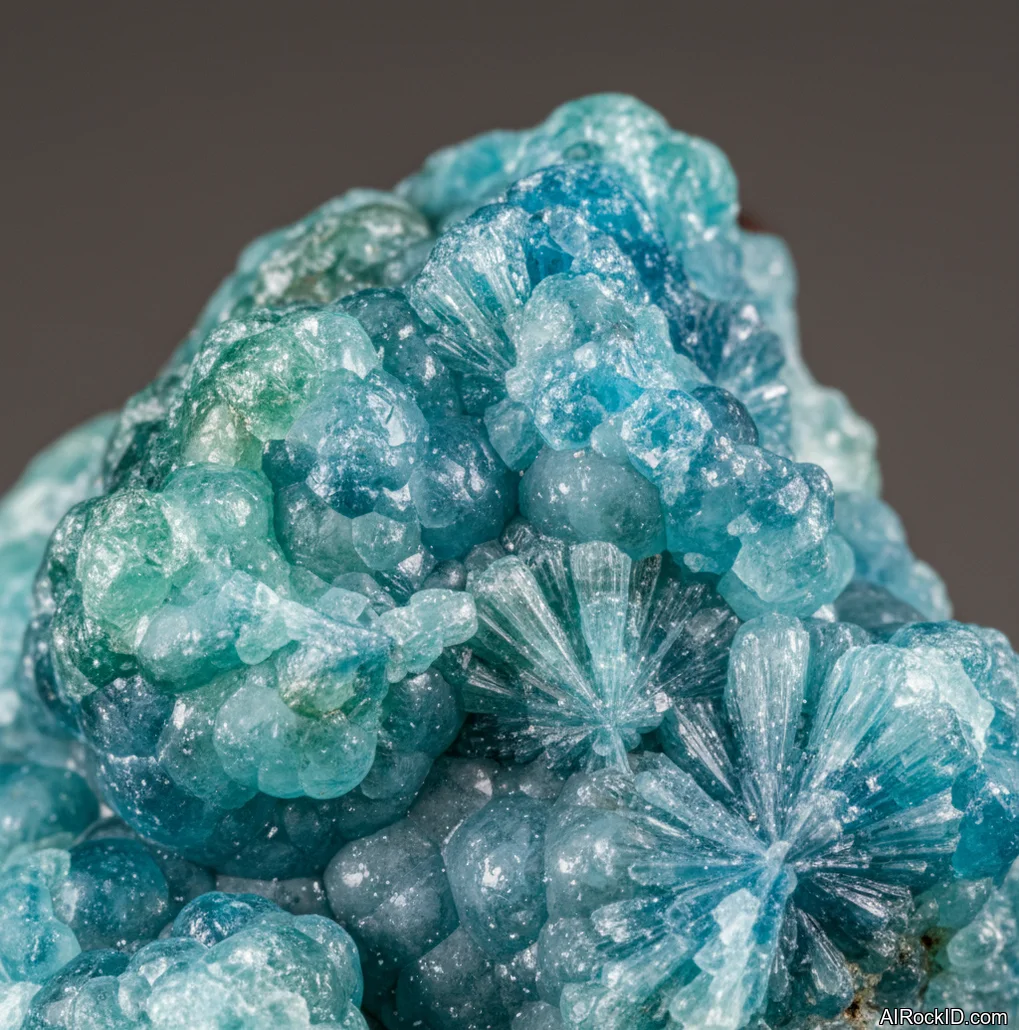
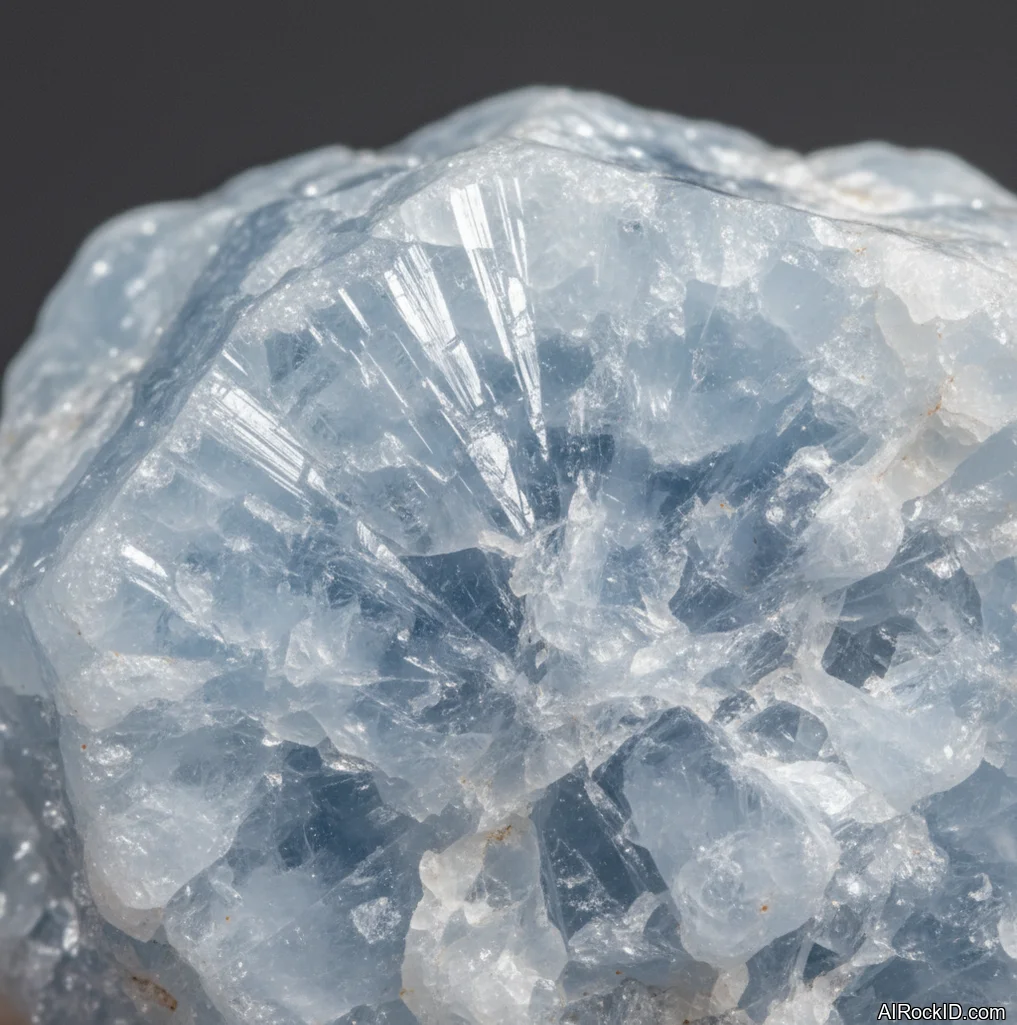
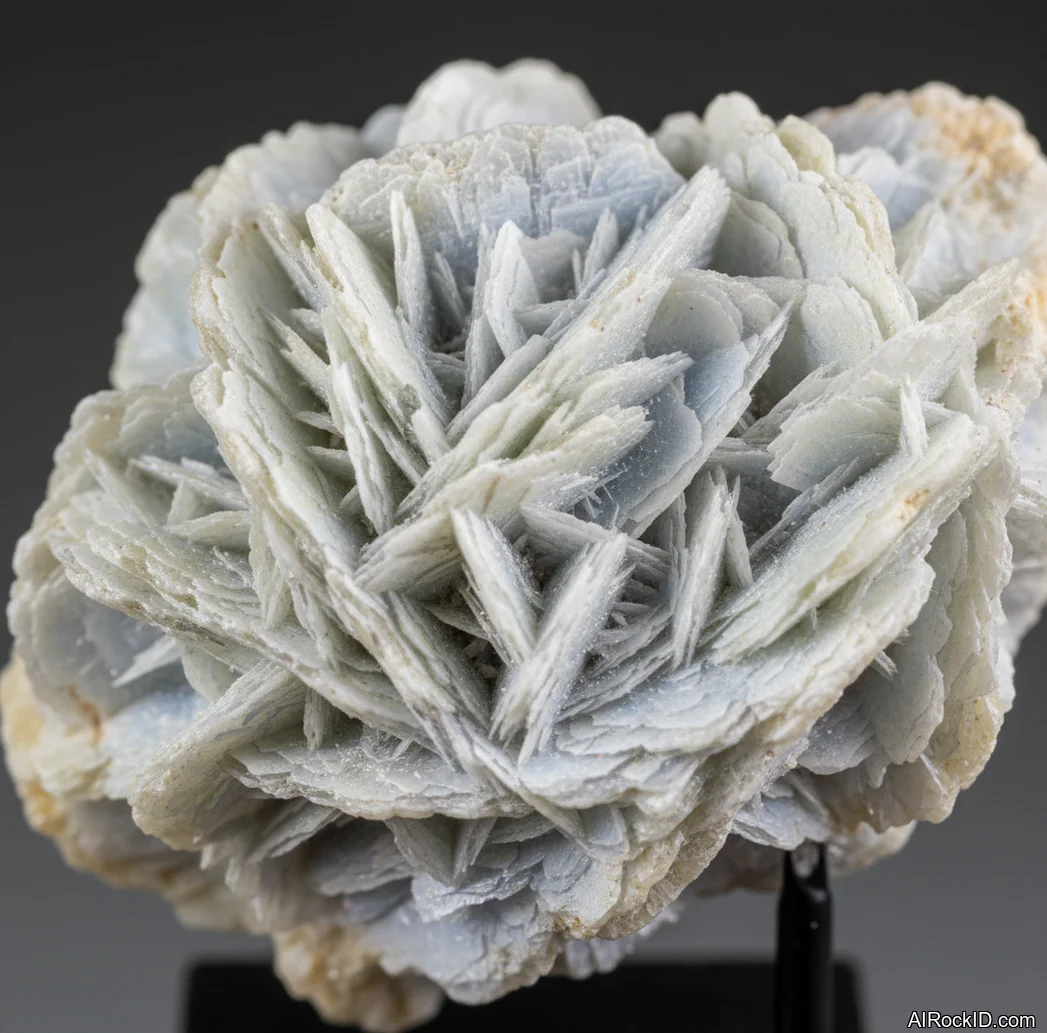
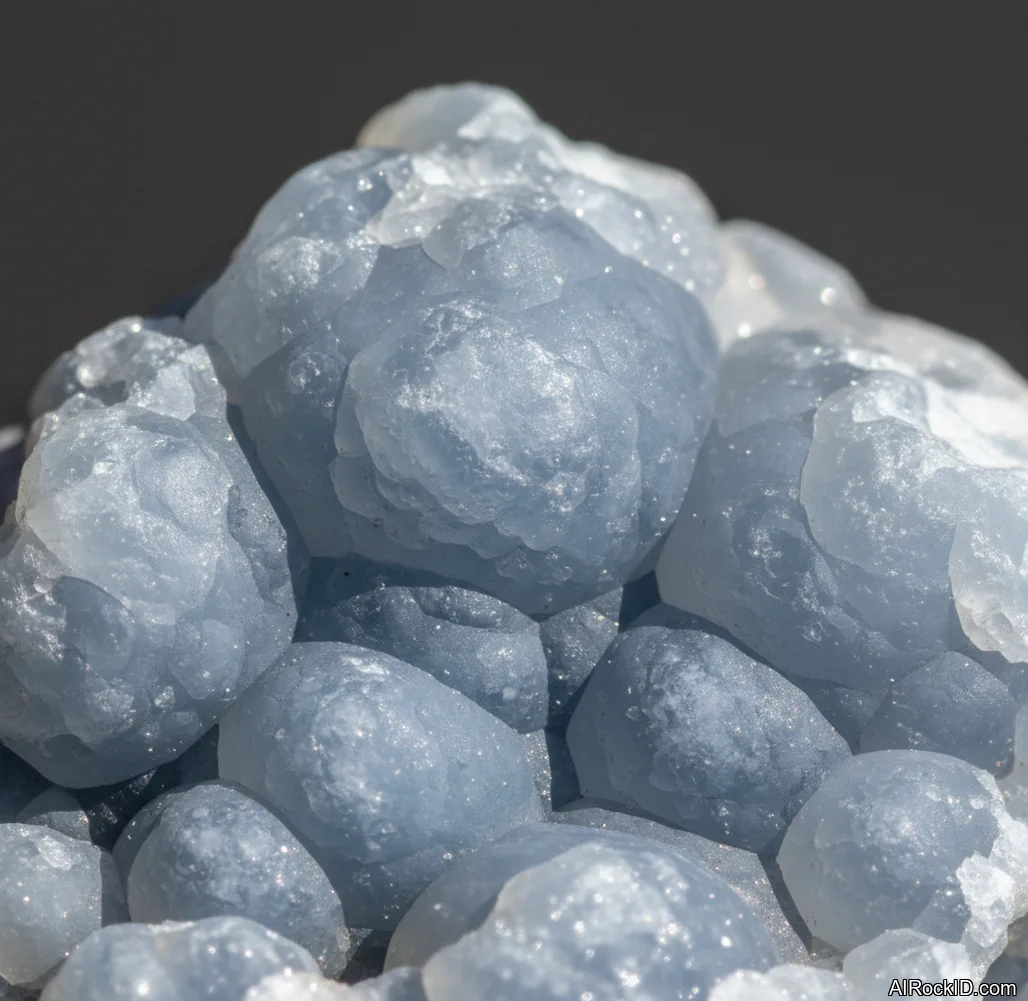
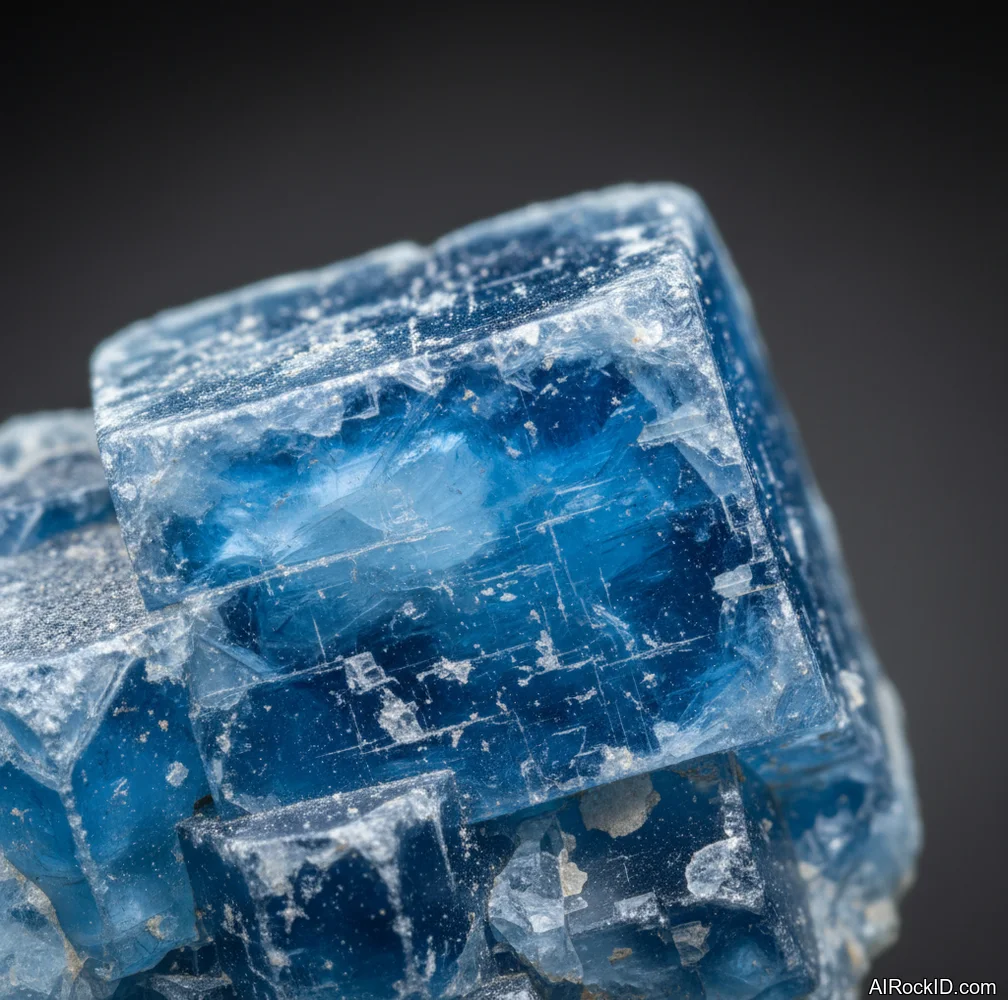
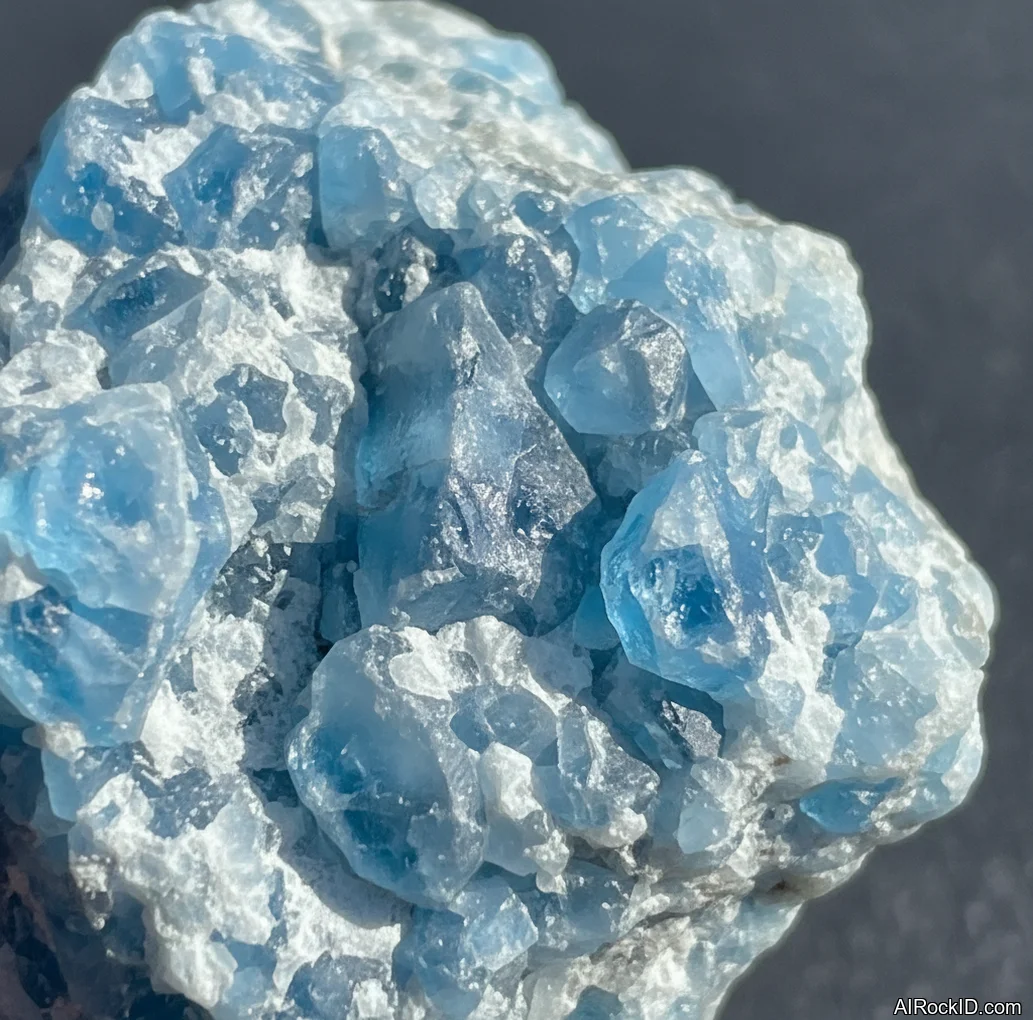
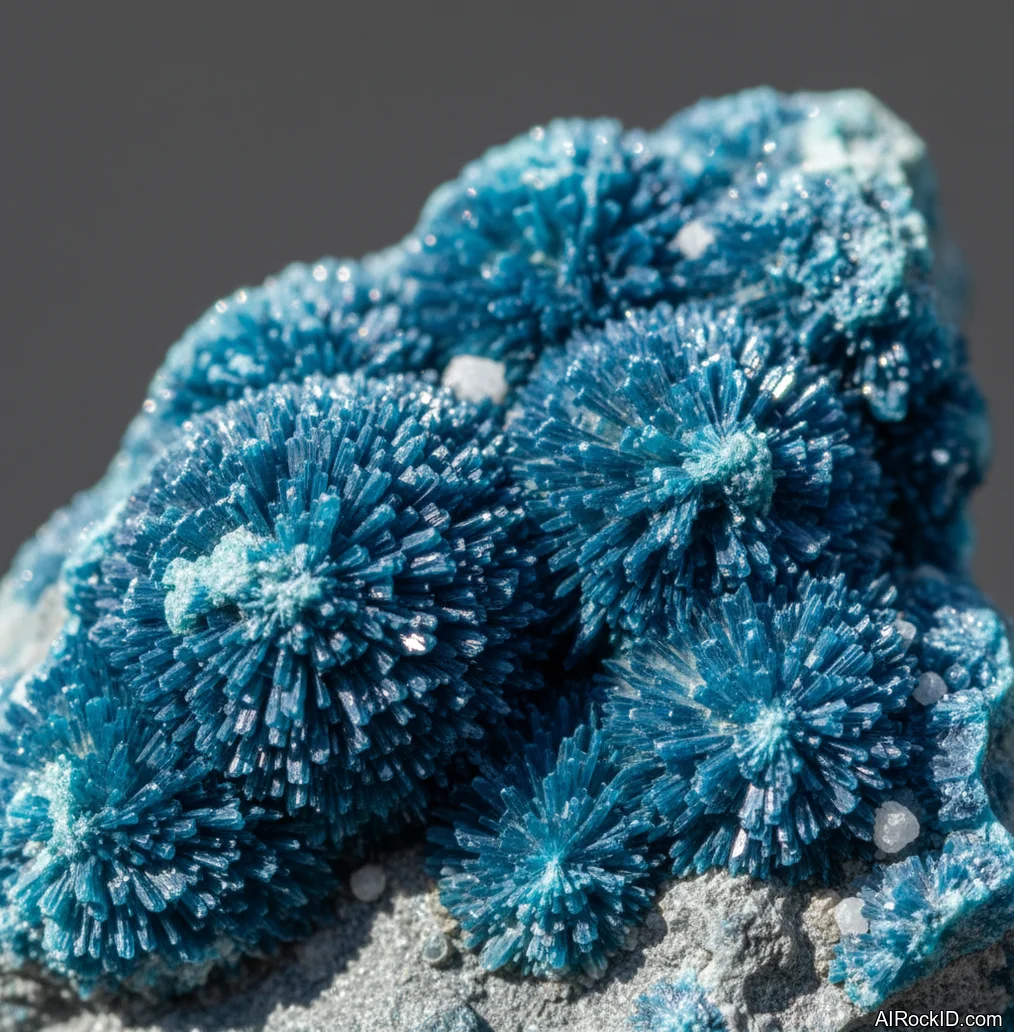
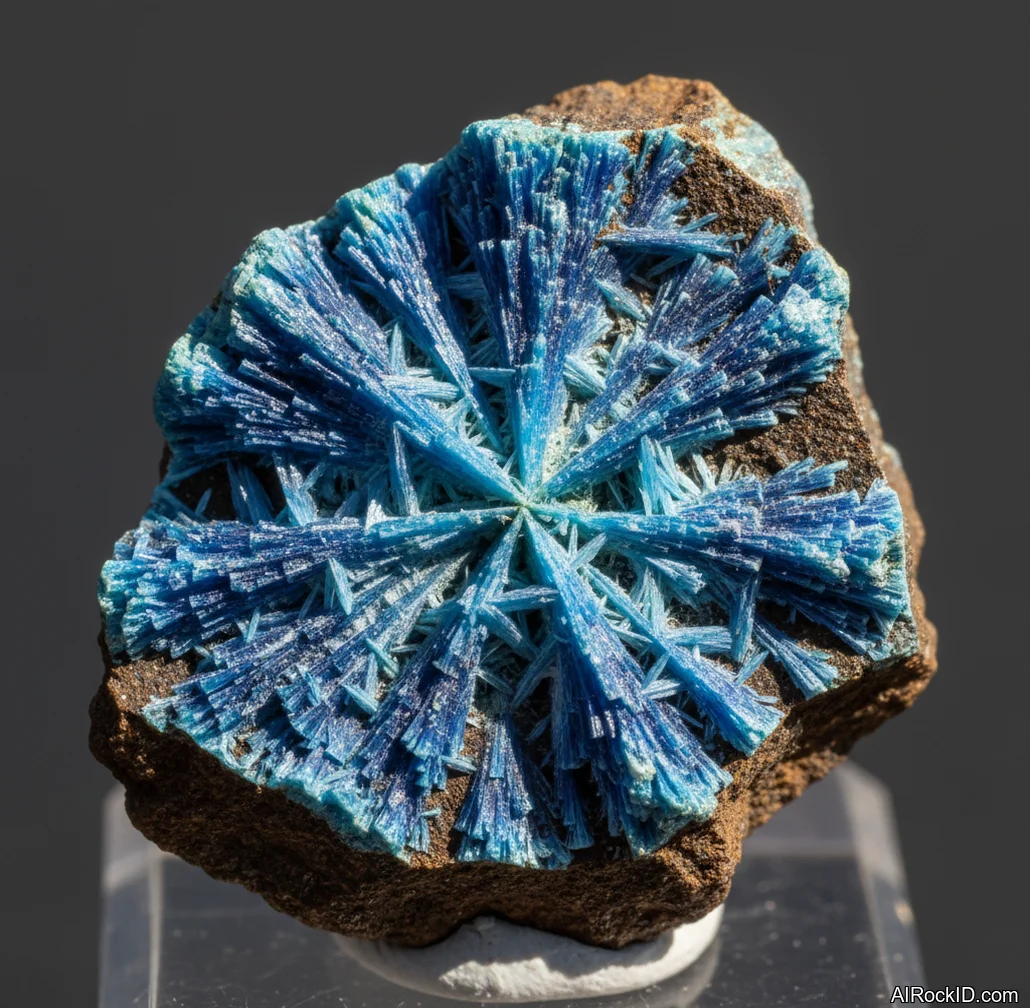
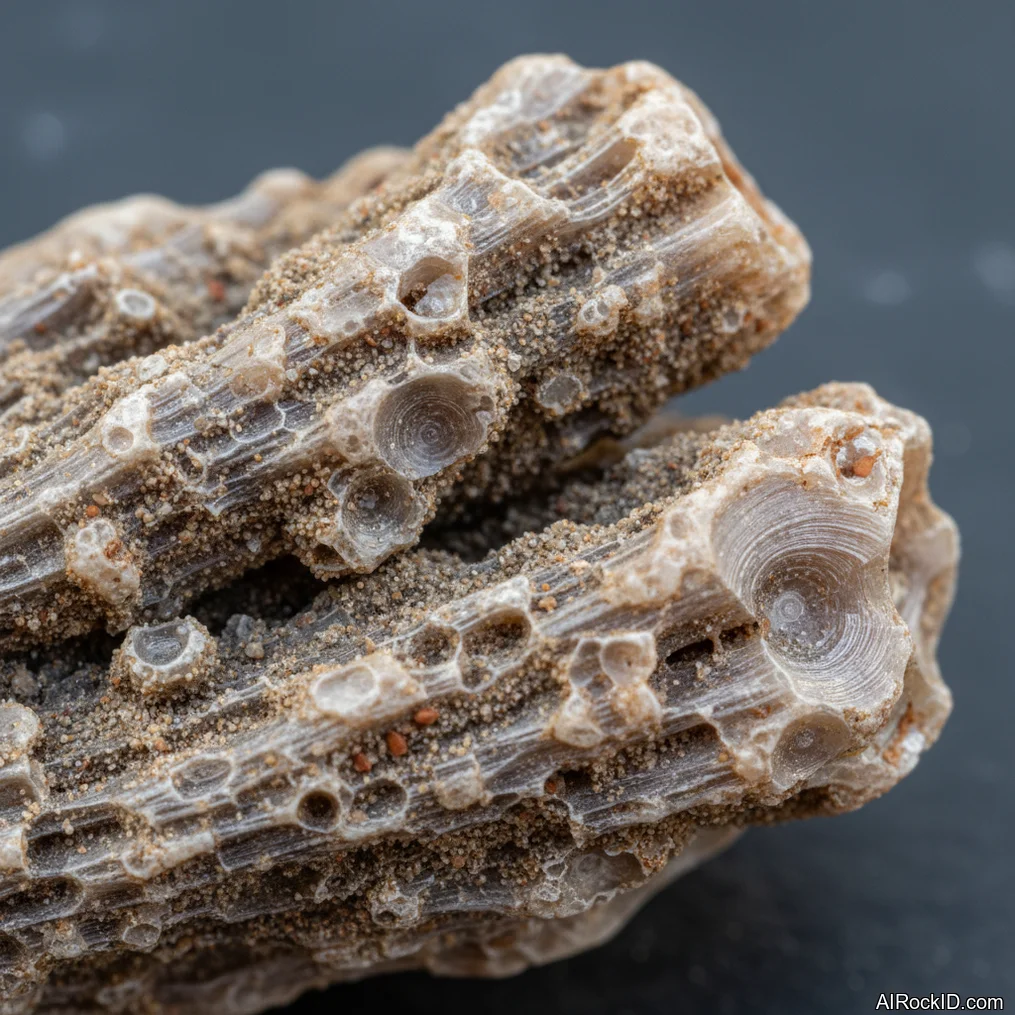
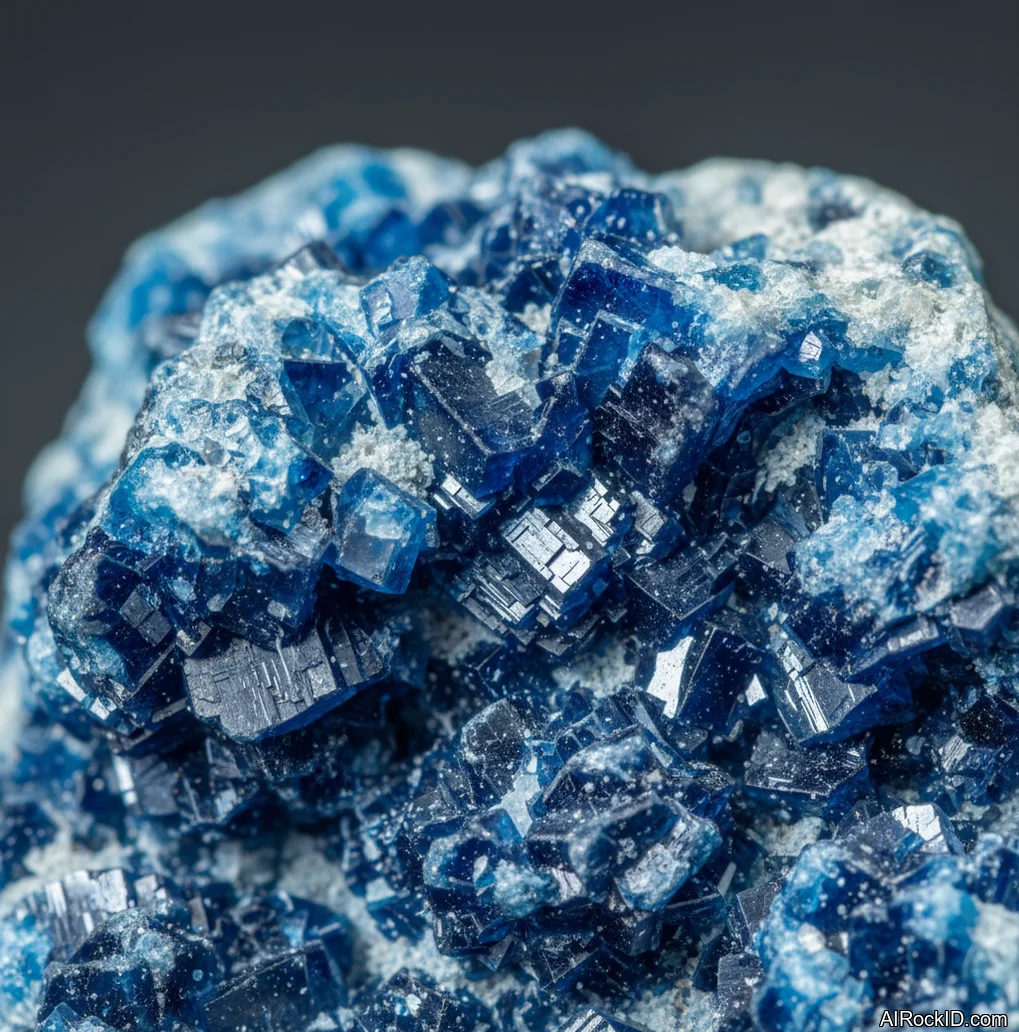
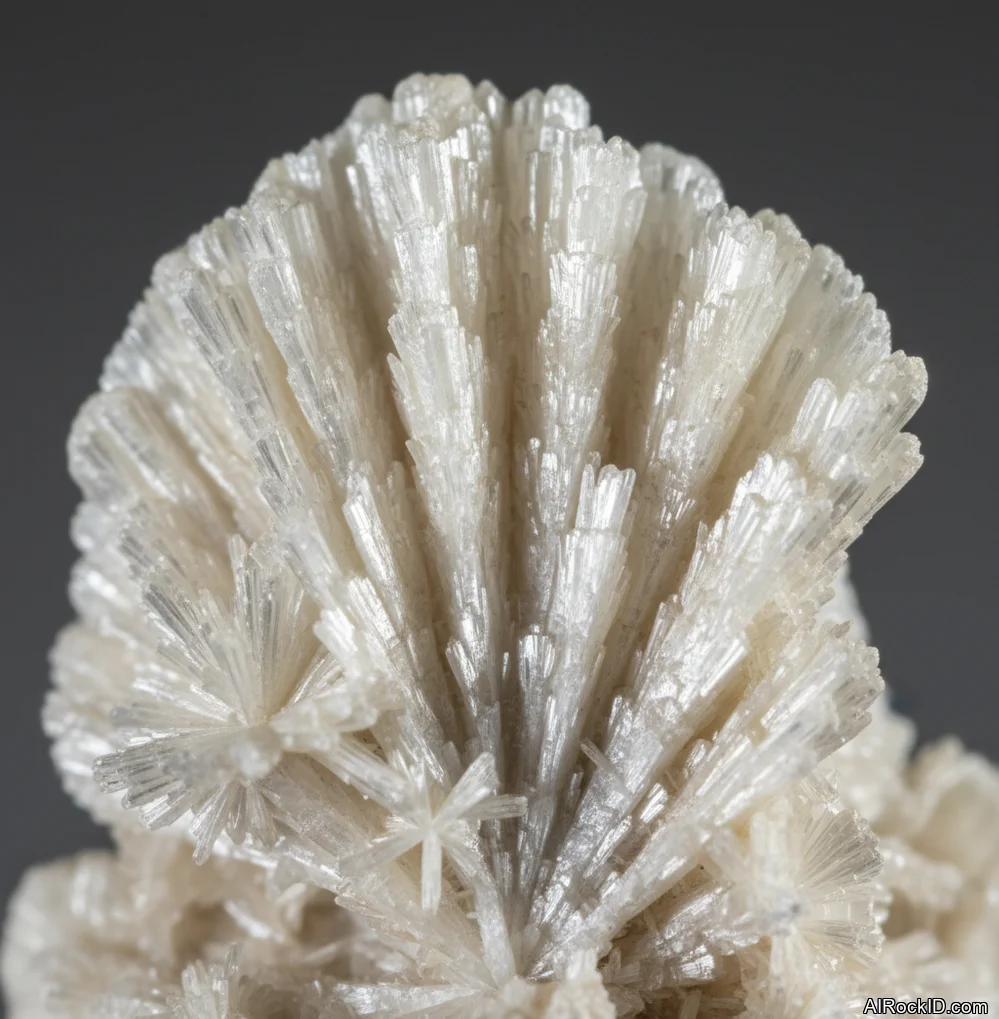
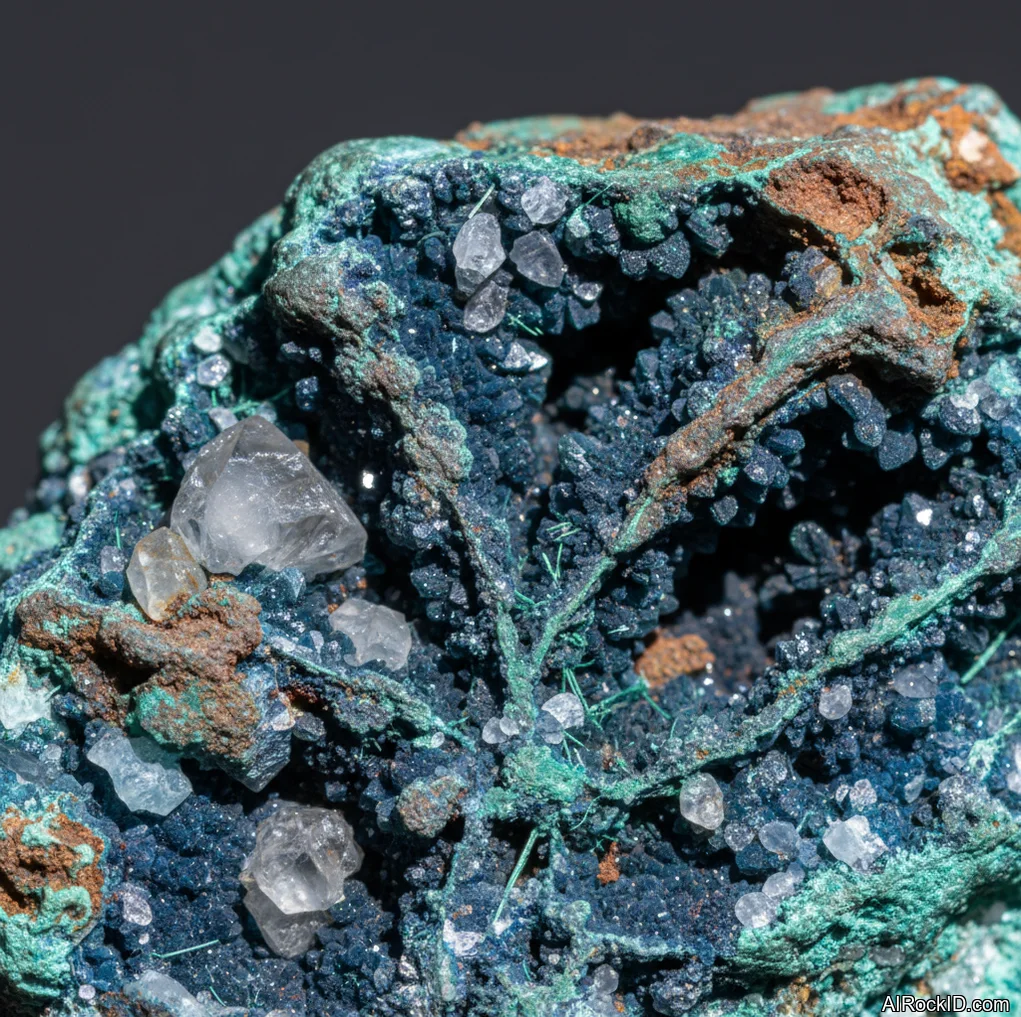
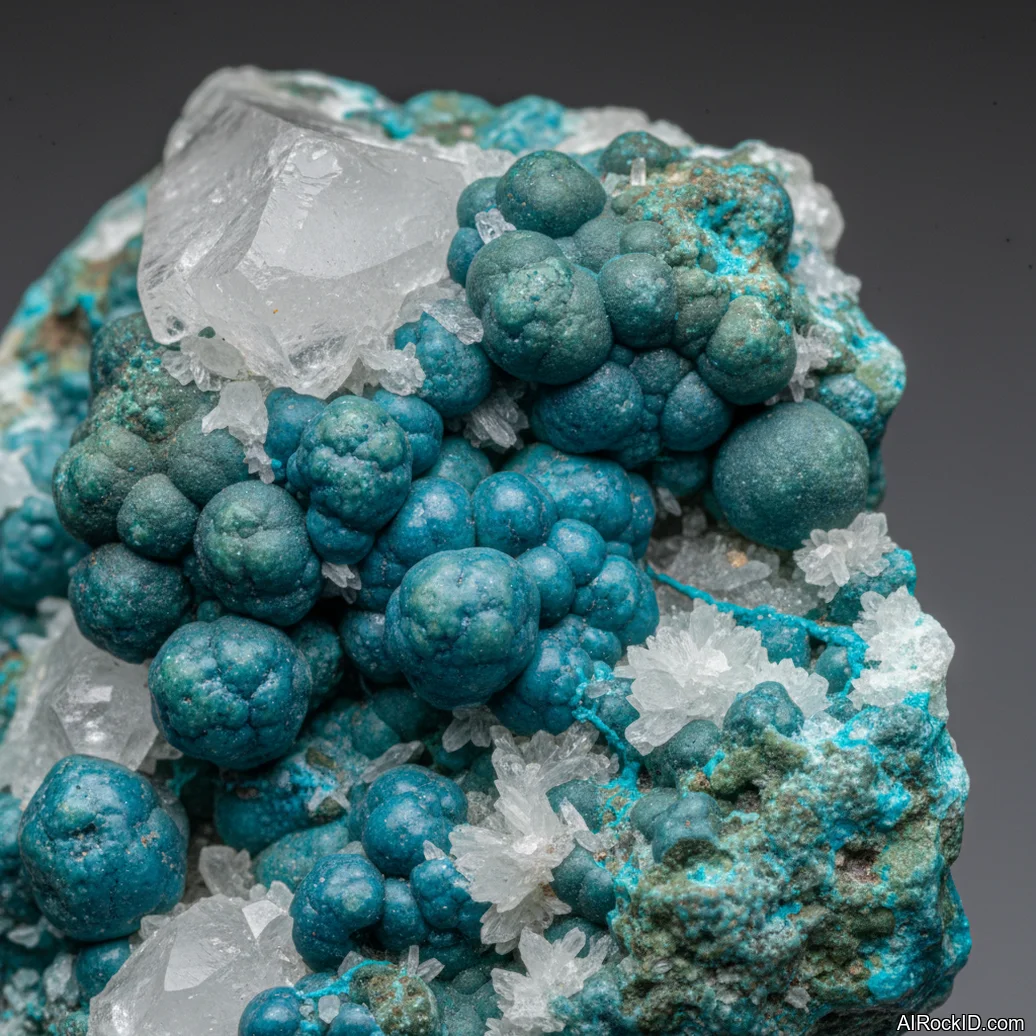
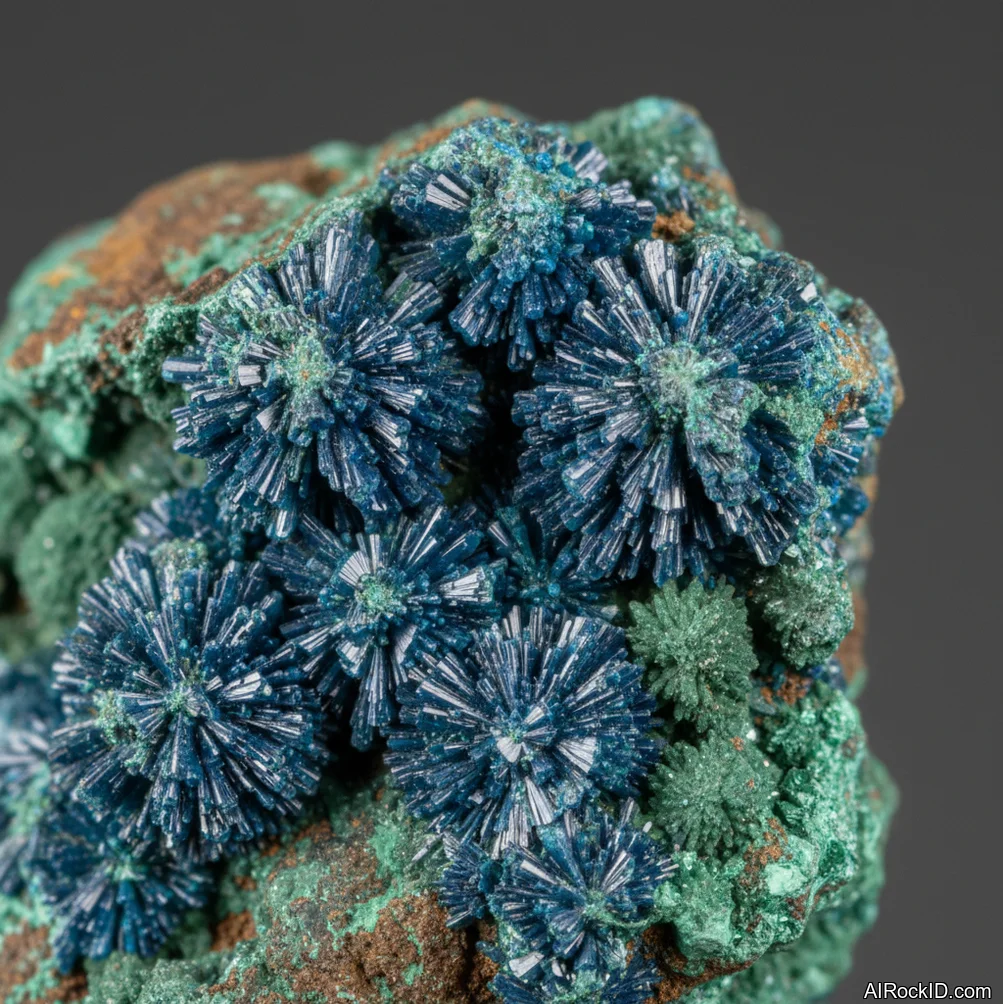
Aquarius is an air sign, so a lot of people lean into crystals that feel clean, bright, or mentally “clearing.” Clear quartz, selenite, and celestite get used this way. Celestite, in particular, is a real mood stone, but it’s also soft. You can flake it with a fingernail if you catch an edge, and those pale blue crystals love to shed grit if you toss the cluster in a bag. I keep celestite on a shelf, not in a pocket. And I don’t rinse it in water because the matrix can crumble.
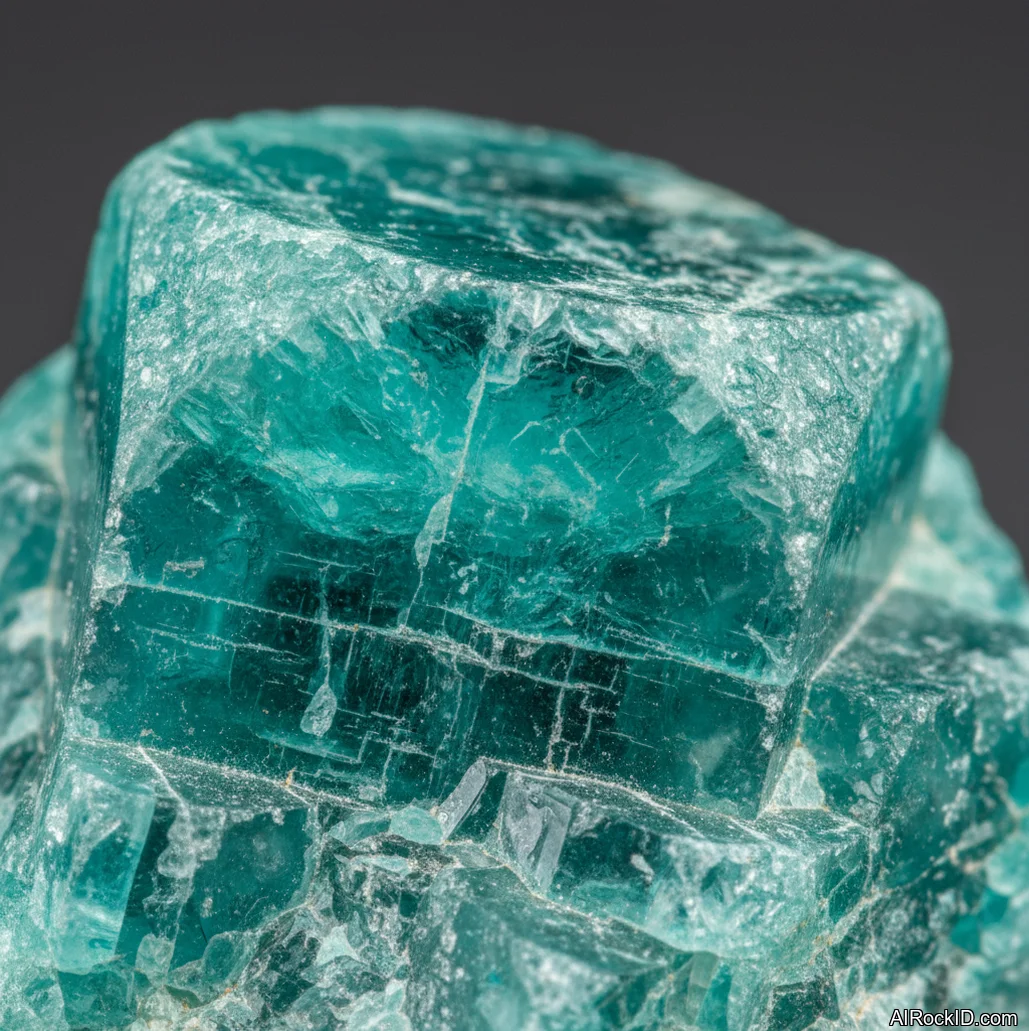
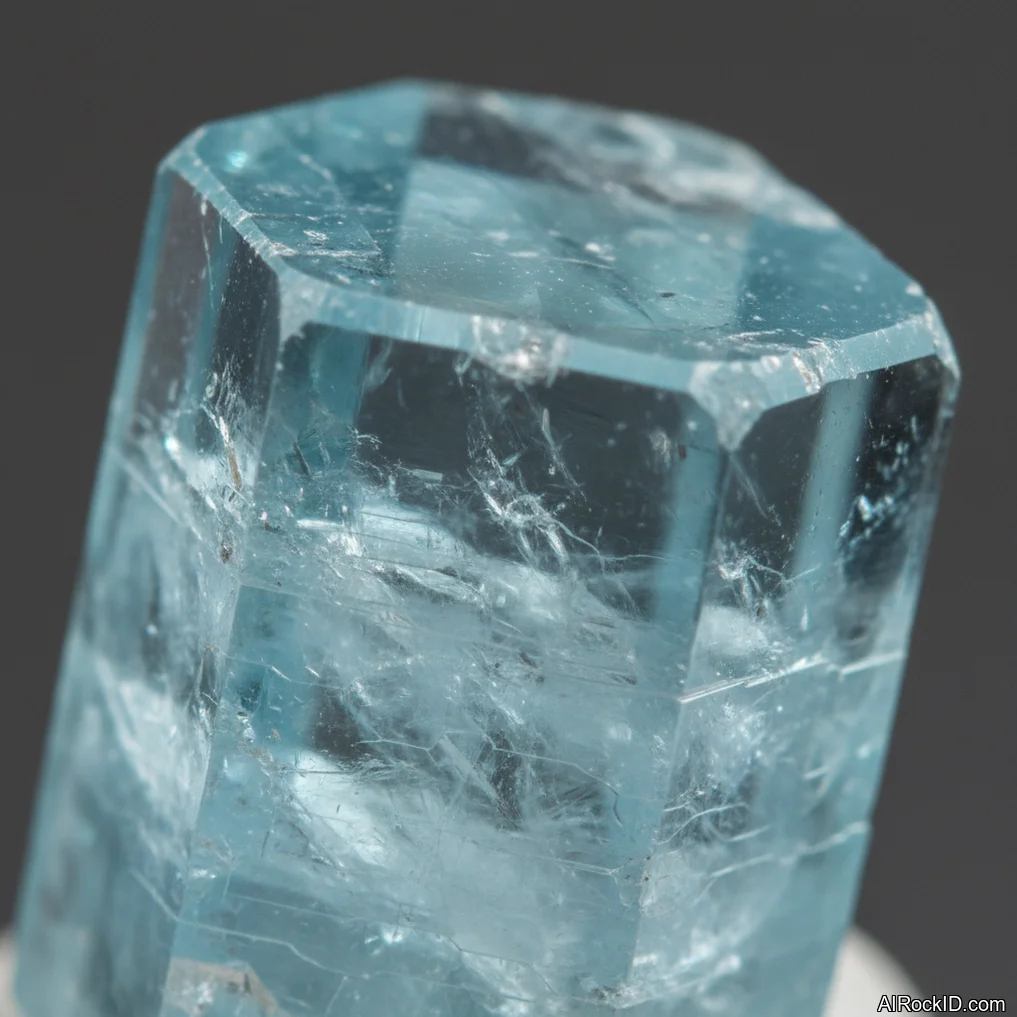
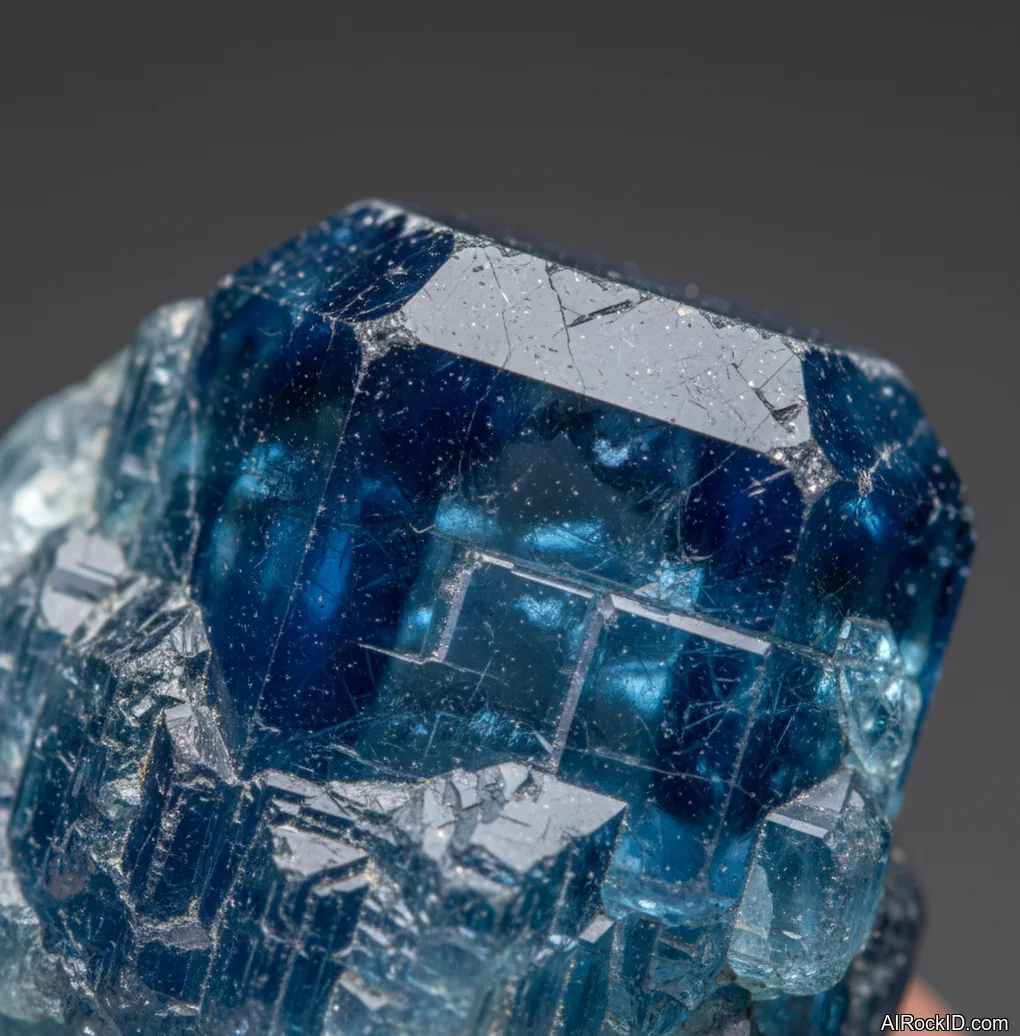
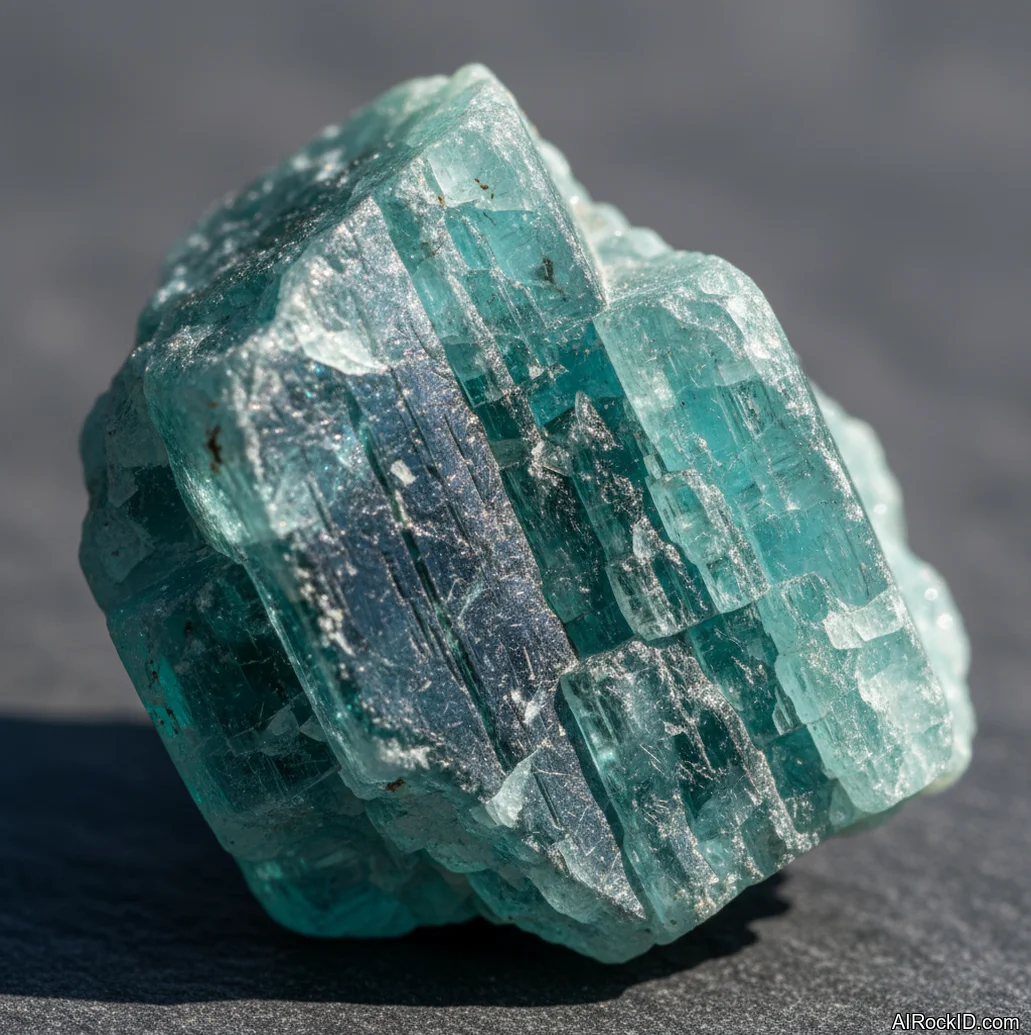
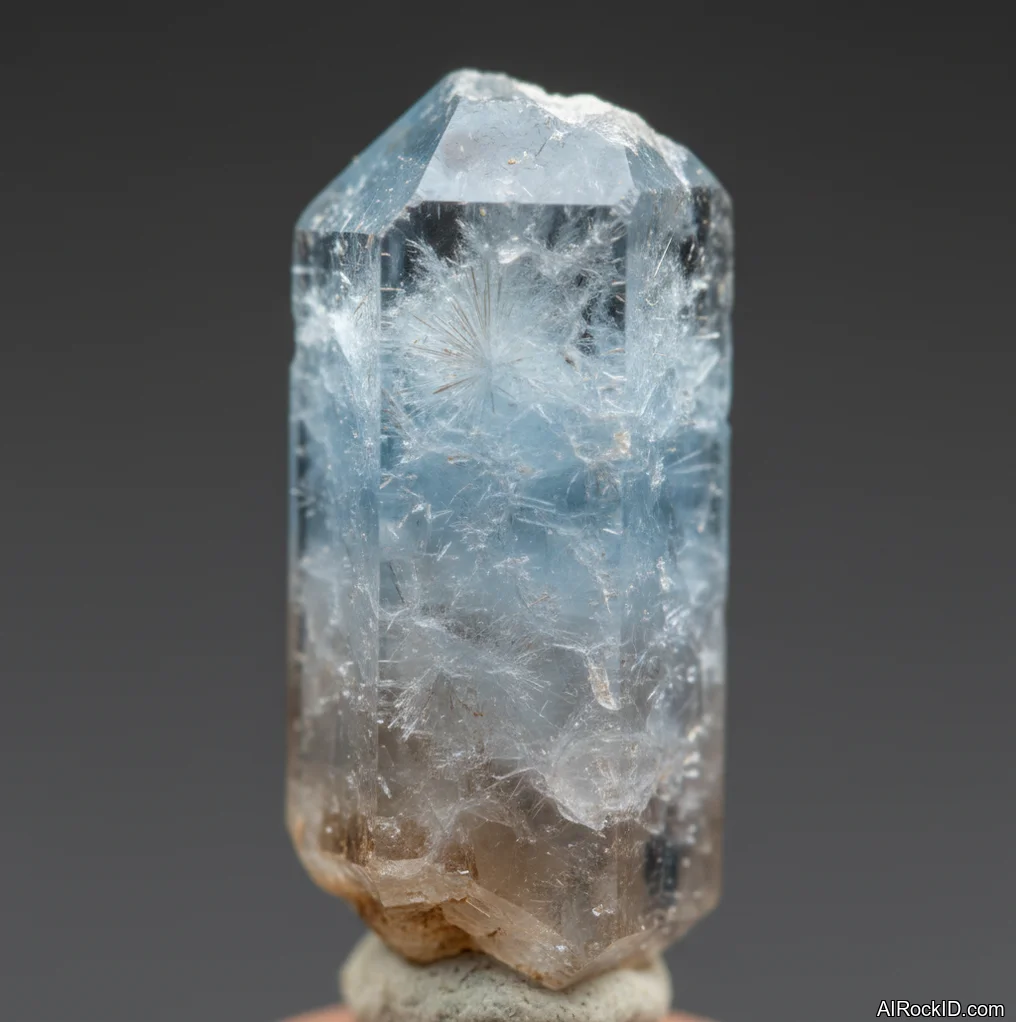
If you want something that feels Aquarian but still grounded, look at aquamarine and amazonite. Aquamarine is beryl, so it’s tougher than most “calm” stones and it takes a good polish without looking plastic. The color range is wide, from pale icy blue to sea-green, and the nicer pieces usually have that clean, watery transparency that makes you want to hold it up to a window (you know the feeling). Amazonite is a totally different look: blocky, feldspar-based, often with white streaks and a slightly chalky texture in raw chunks. Some of the prettiest amazonite has a blue-green tone with a soft, cloudy pattern instead of a flat, painted color.
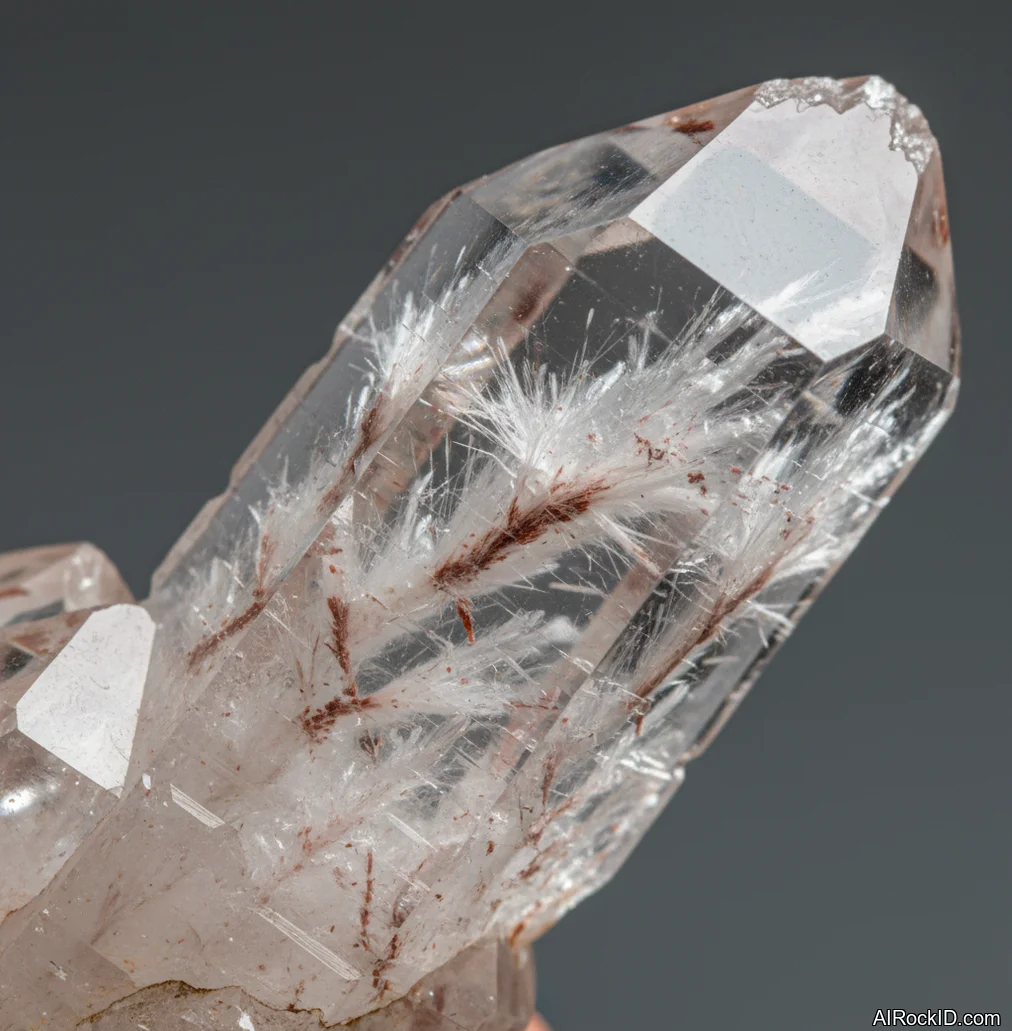
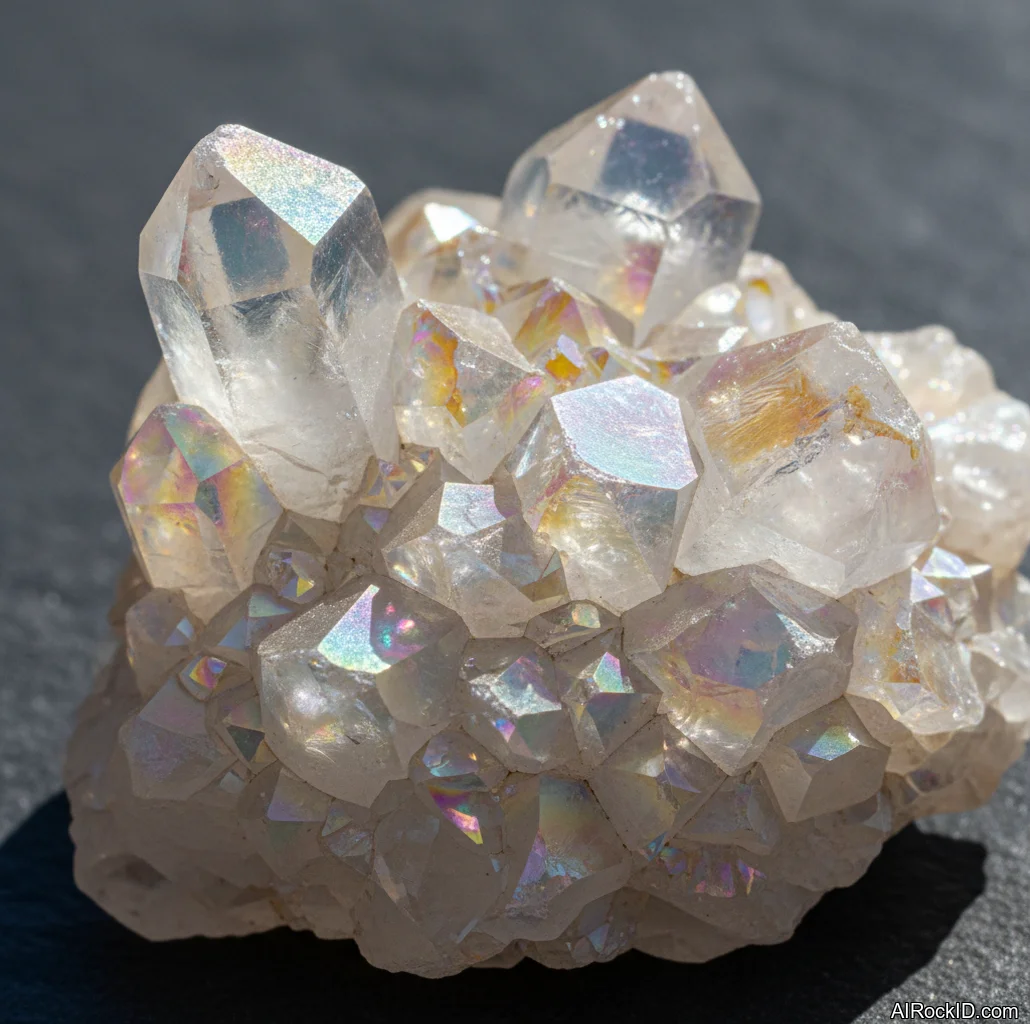
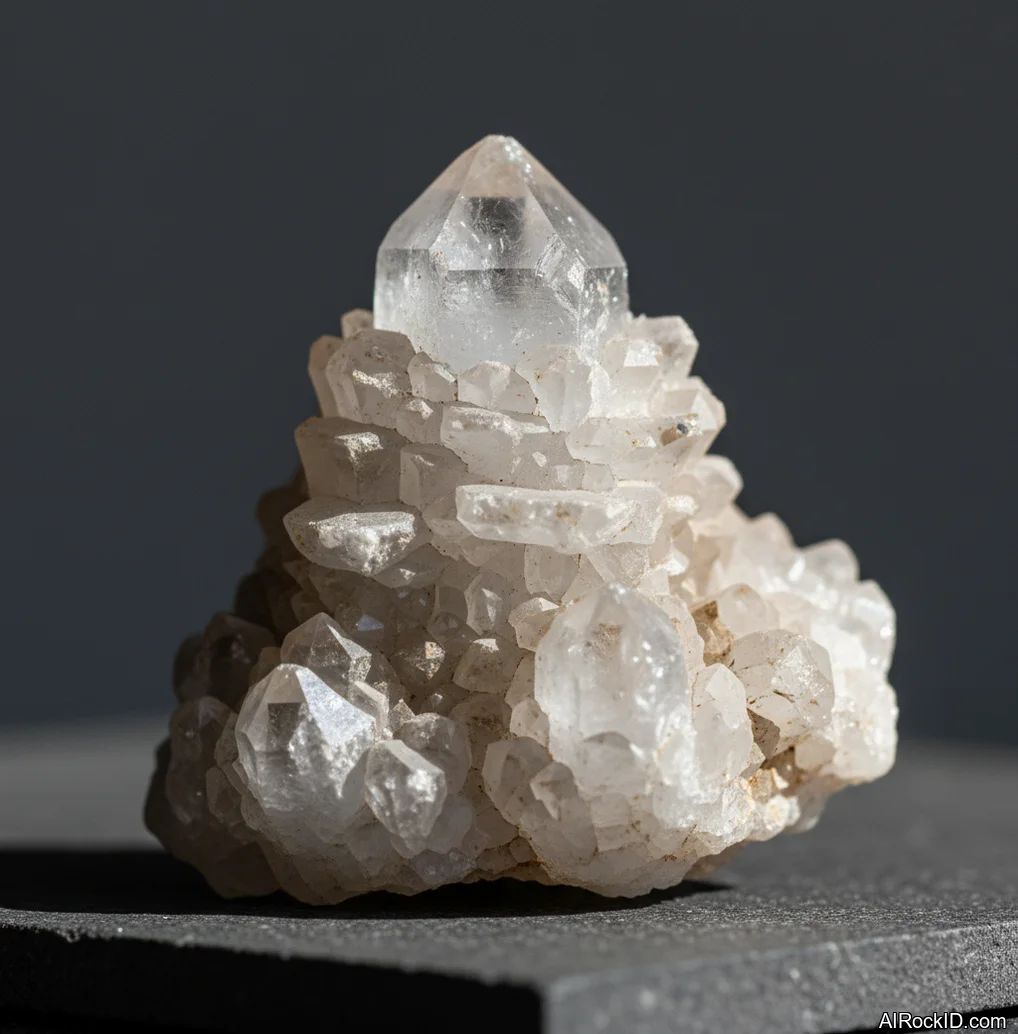
How people work with Aquarius crystals is usually pretty practical. Desk stones are big. A fluorite cube, a quartz point, a labradorite palm stone, something you can grab while you’re thinking, writing, or problem-solving. I’ve also seen folks build small “air sign” sets: a clear quartz point for direction, amethyst for mental quiet, then something like blue lace agate for softer communication days. Carry stones happen too, but be picky. A lot of Aquarius-associated crystals are either soft (celestite, selenite) or prone to chips (fluorite cleaves easily), so they don’t all belong in a pocket with keys.
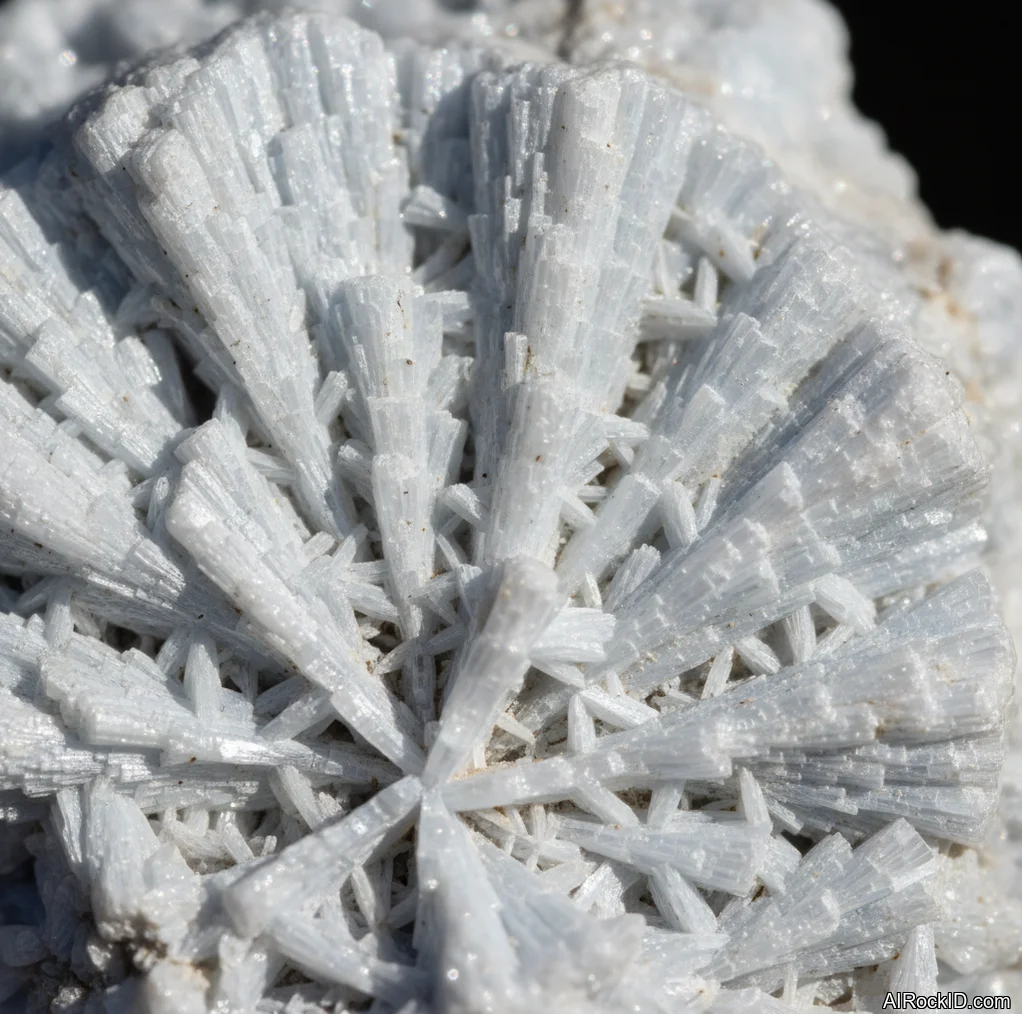
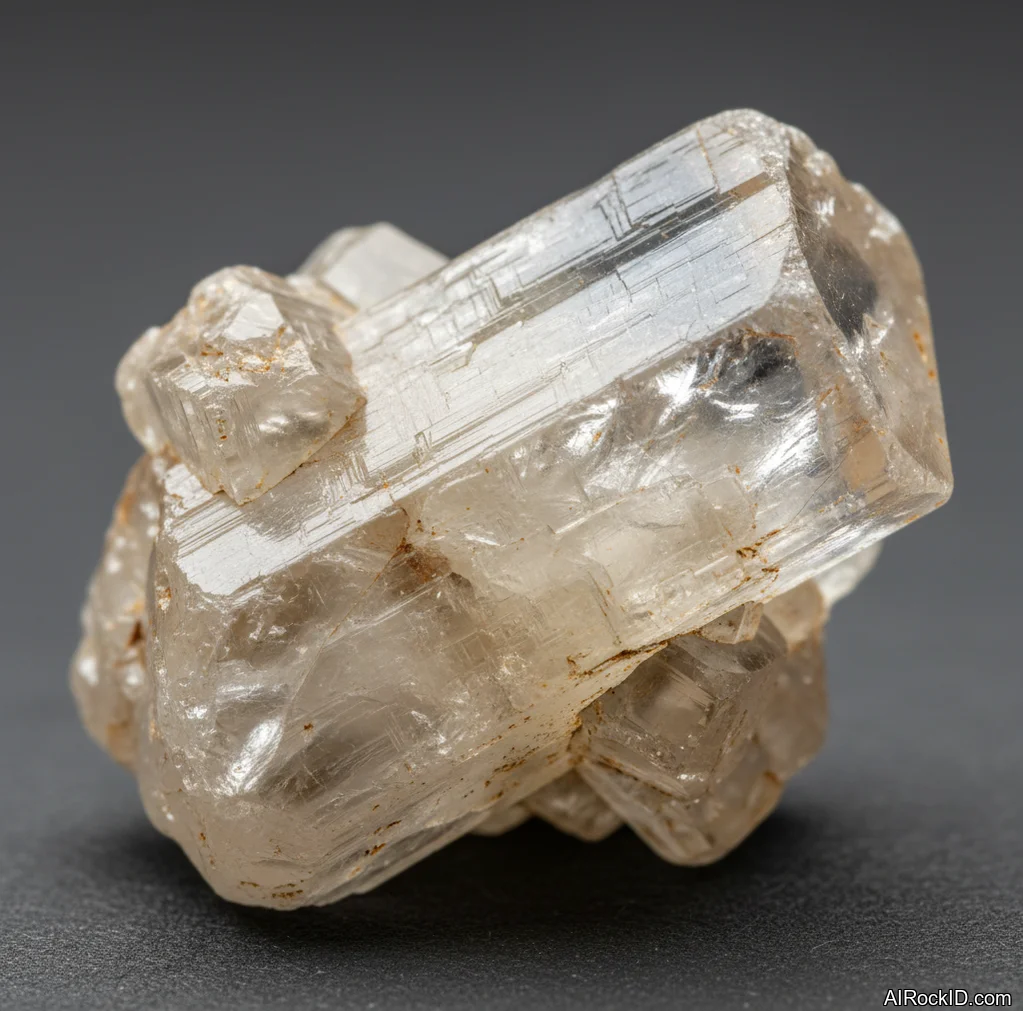
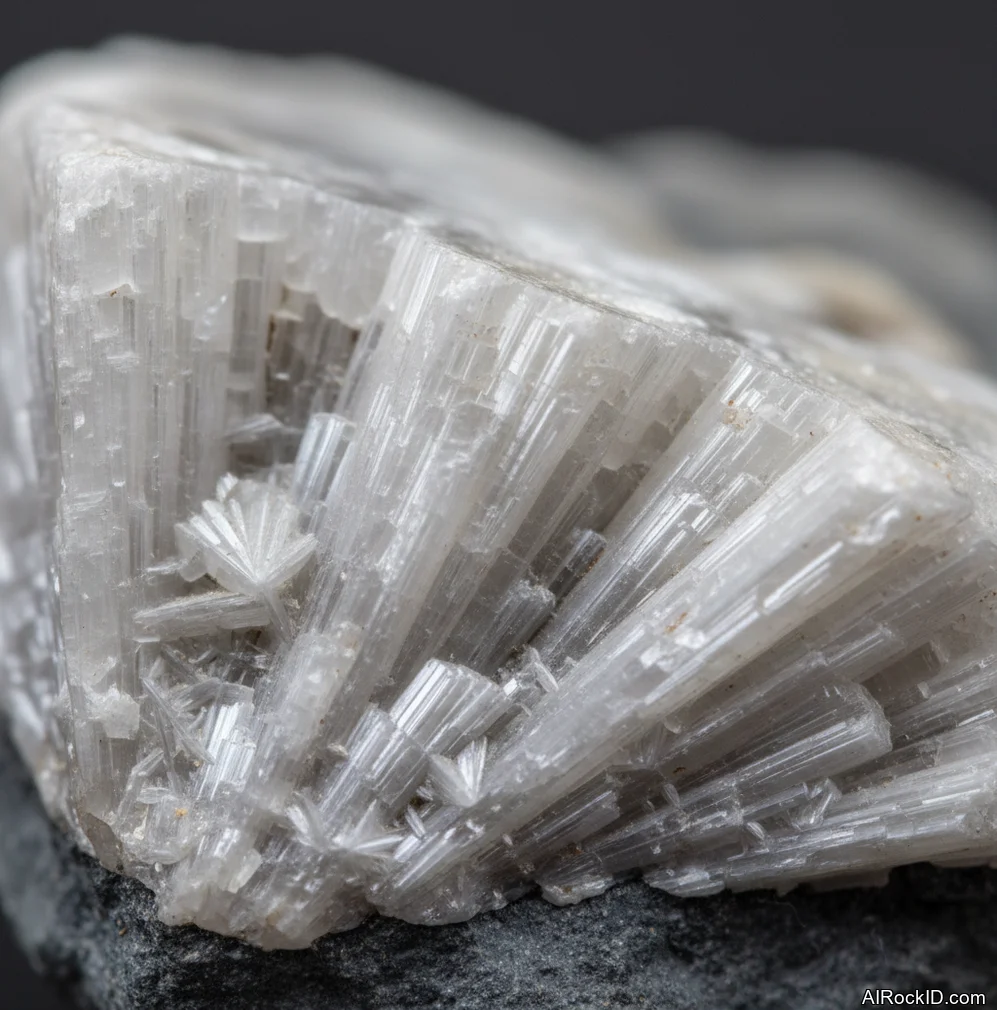
Buying tips matter because the Aquarius category gets a lot of mislabeled material. “Satin spar” is routinely sold as selenite, and while it’s still gypsum, it’s fibrous and behaves differently than true selenite blades. Heat-treated amethyst gets sold as citrine, and the color often looks too uniform, too orange, with burned-looking white patches at the base of the crystal. For labradorite, dye isn’t the common issue, but heavy resin coatings and over-polishing are. If the surface feels tacky-warm instead of cool and glassy, walk away.
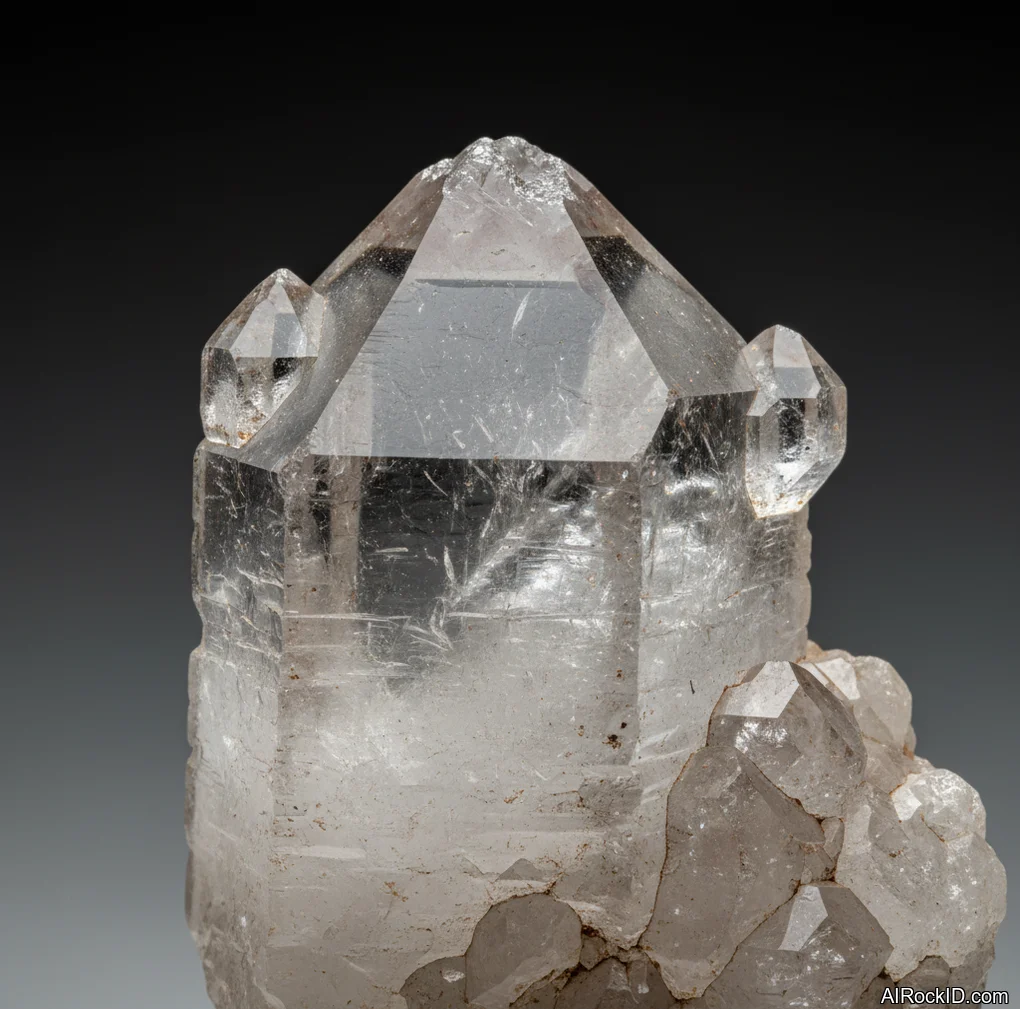
Thing is, finishing tells you a lot. Tumbled fluorite with crisp edges is rare because it bruises and cleaves, so if you see super sharp fluorite tumbles at bargain prices, expect chips and cloudy fractures. Quartz points that are perfectly flawless and identical in shape are often cut and re-polished from larger chunks, which is fine if you like the look, but it’s not the same as a naturally terminated point with growth lines and little dings on the faces.
Practical care is simple once you know the weak links. Don’t water-clean selenite, celestite, or anything gypsum-based. Keep amethyst and fluorite out of long, direct sun if you care about color, because some pieces will fade on a windowsill. Store labradorite so it doesn’t rub against harder stones like quartz, since the polish can get hazy with micro-scratches. And if you’re building an Aquarius set, aim for variety in texture and hardness: one tough daily carry (aquamarine, quartz), one “thinker” stone for the desk (fluorite, amethyst), and one softer shelf piece you treat gently (celestite). That mix stays usable. Not just pretty.
All Aquarius Crystals (88)