Uranus Crystals
Explore Uranus and crystals linked to its energy, with meanings, buying tips, and how to work with stones like labradorite and aquamarine.
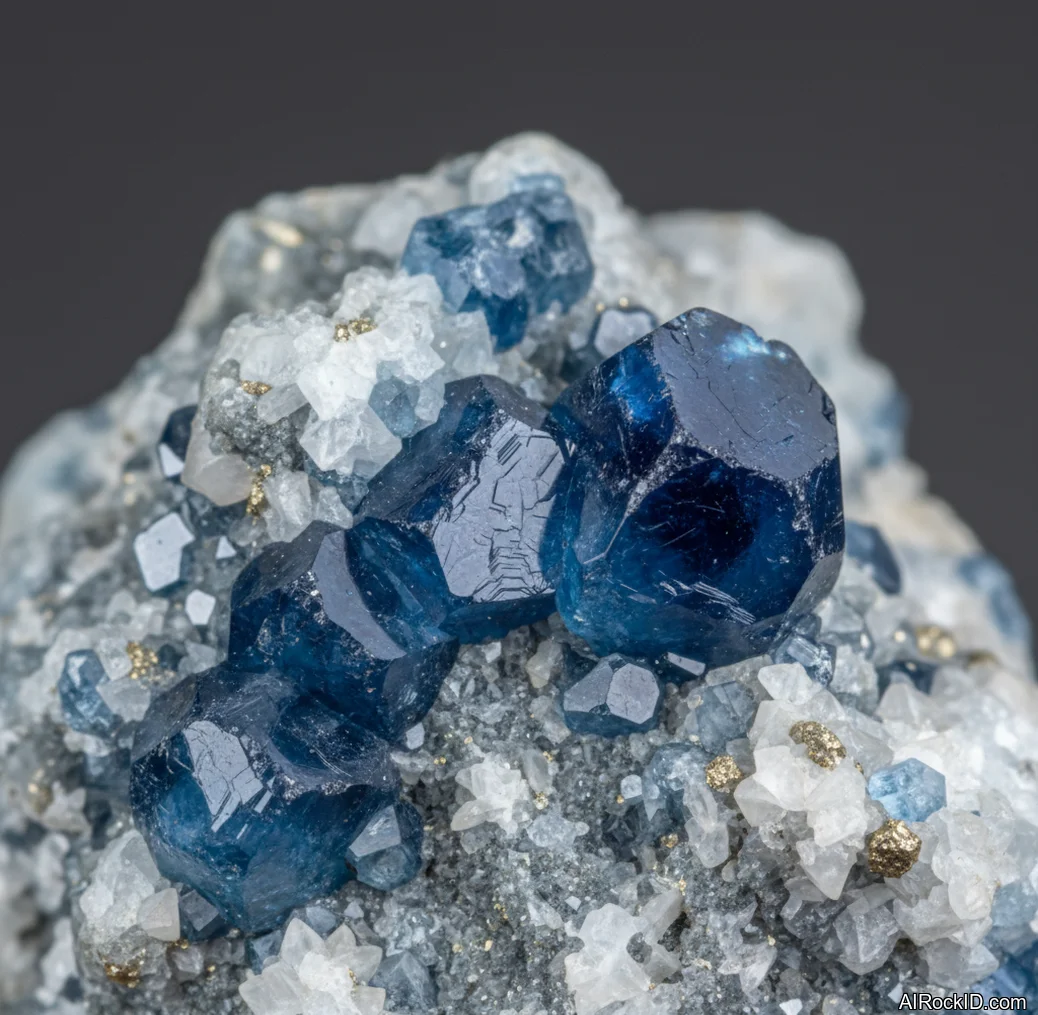
Uranus is the planet people bring up when they’re done doing things the old way. In crystal terms, it’s pure “break the pattern” energy. Sudden changes. New ideas. Weird little breakthroughs at 2 a.m. And that itch to rearrange your whole life because the current setup feels stale. If you’ve ever bought a stone because it looked slightly alien, you already understand the Uranus angle.
I see Uranus-linked stones get picked for two main reasons. First, people want momentum when they’re stuck, especially in habits that feel glued on. Second, they’re trying to stay steady while everything around them shifts. That’s the funny part. Uranus gets talked about as electric and disruptive, but most people shopping for it aren’t chasing chaos. They’re trying to ride it without wiping out.
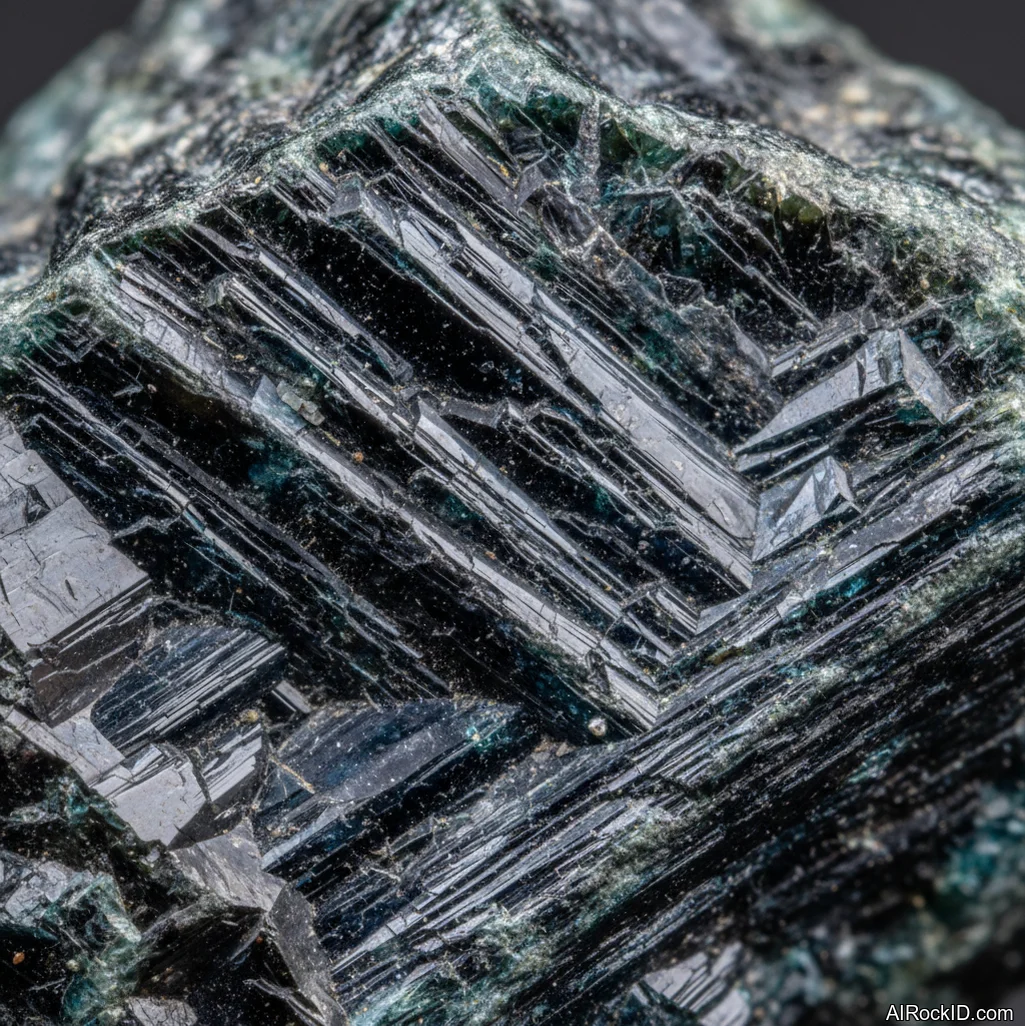
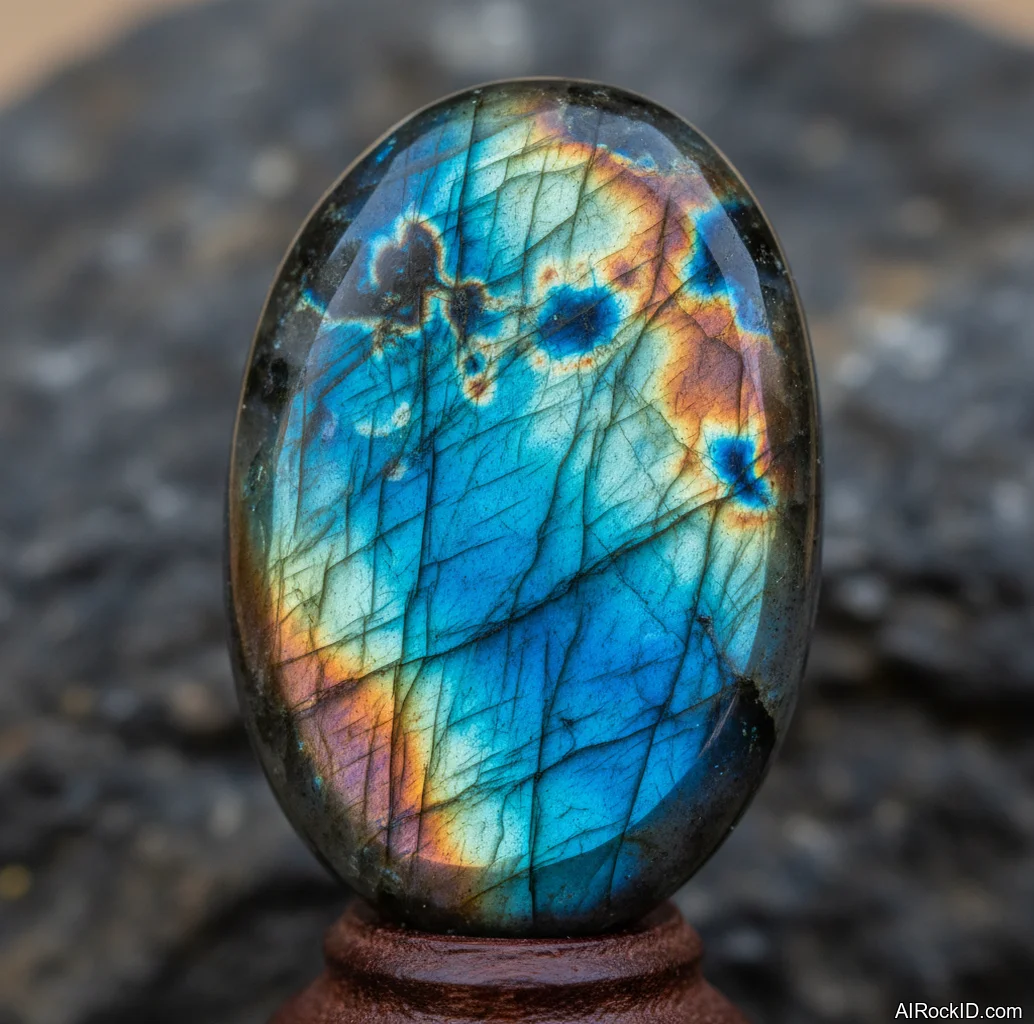
Pick up a good piece of labradorite and you’ll immediately see why it gets tagged as Uranus so often. It’s quiet until you tilt it, then the flash jumps out like somebody flipped a switch. I’ve handled labradorite slabs where the blue only shows at one narrow angle, and the rest just looks like plain gray feldspar. That “hidden until the moment is right” feeling? Very Uranus. Look closely for clean flash that moves across the surface, not a dull, painted-looking sheen. A lot of cheap labradorite is dyed or backed to exaggerate color, and the giveaway is a flat, uniform glow that doesn’t shift as you rotate the stone.
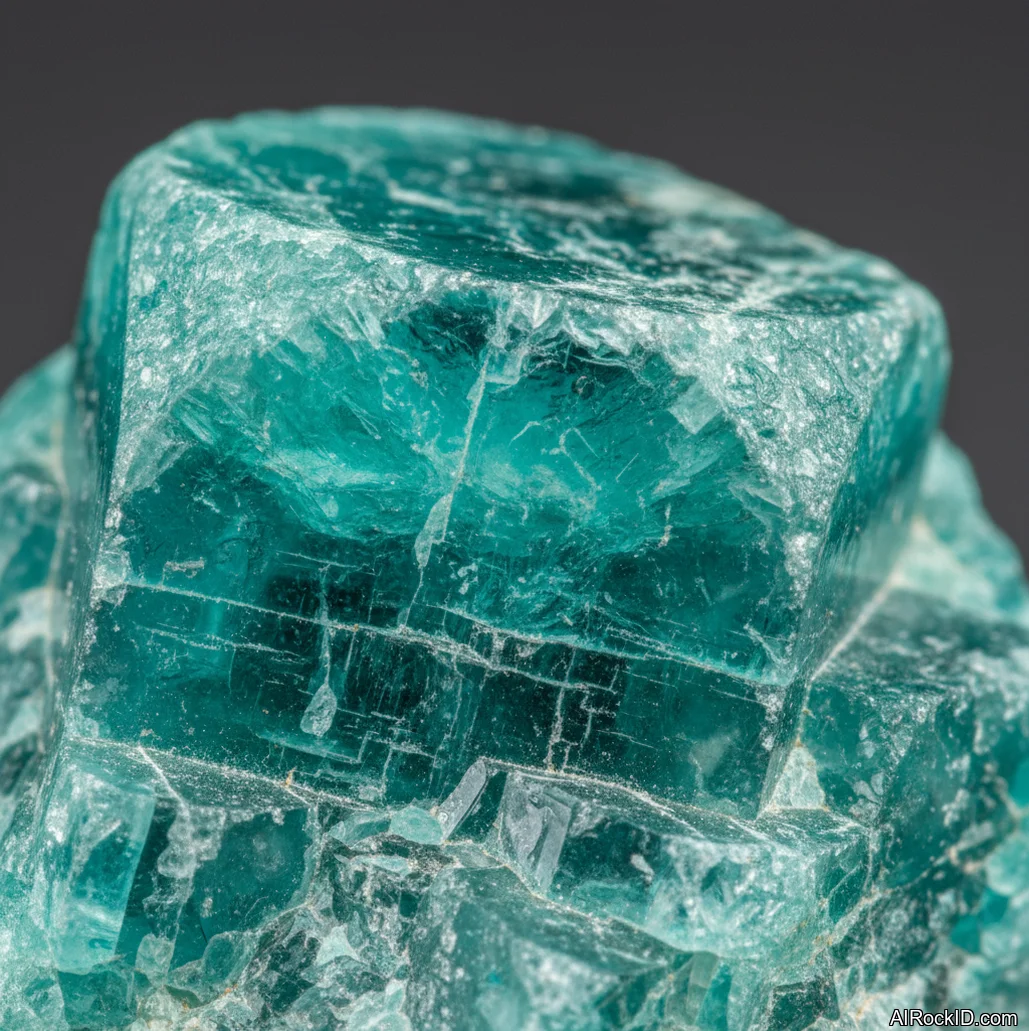
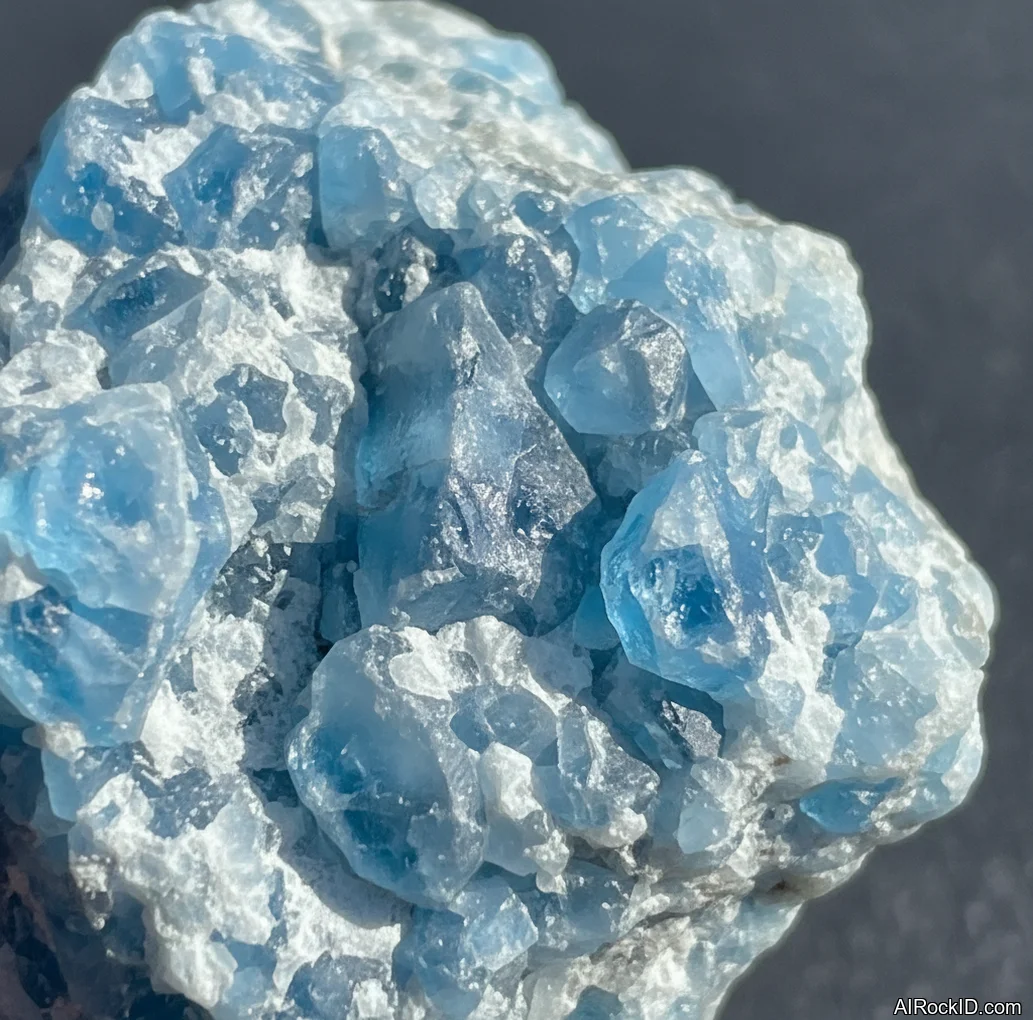
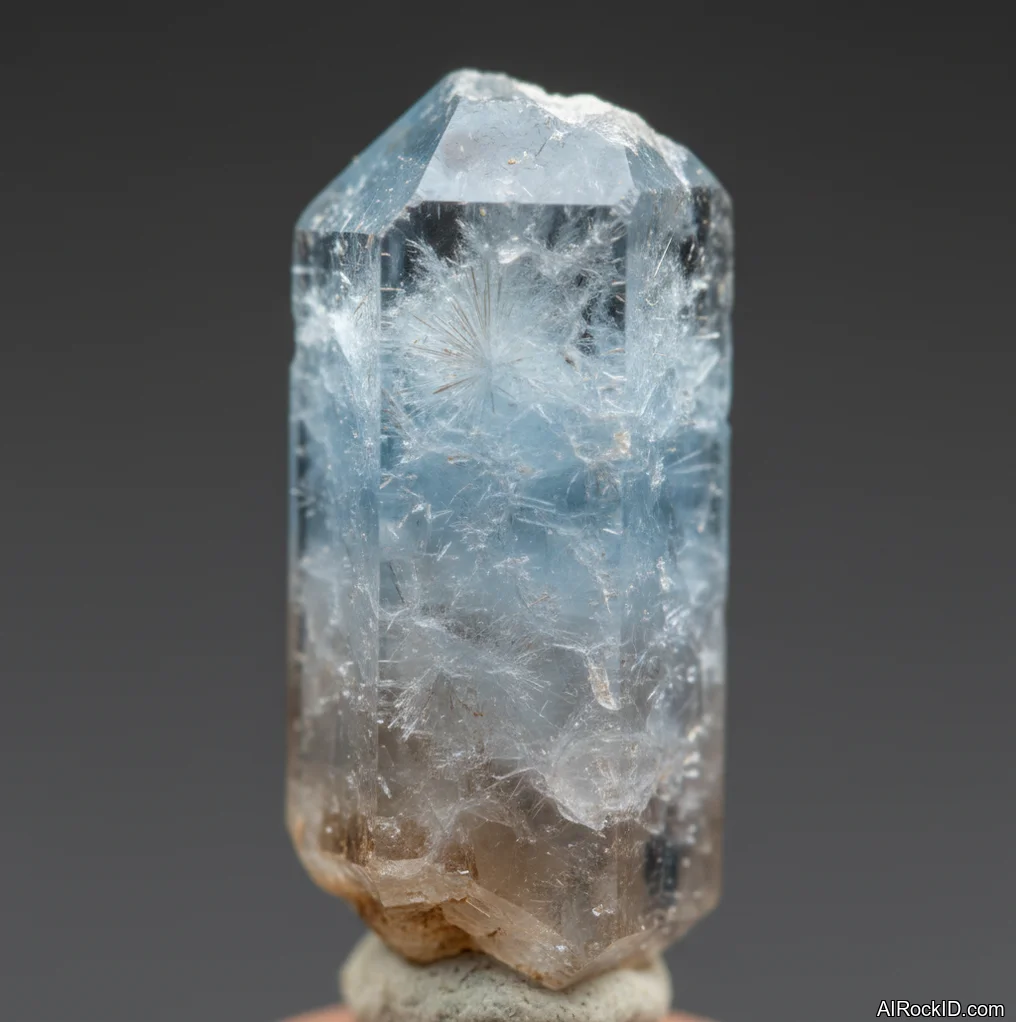
Aquamarine shows up in the Uranus orbit too, but in a different way. It’s not the lightning bolt. It’s the clear head after the lightning bolt. Real aqua in the hand feels glassy-cool and a bit slick when polished, and the better crystals have that watery blue-green that stays soft instead of neon. Raw pieces often have vertical striations along the prism, and you’ll sometimes see little internal “threads” or tubes that make it look like it’s holding light inside. If you want Uranus energy without feeling spun out, aquamarine is one of the steadier picks.
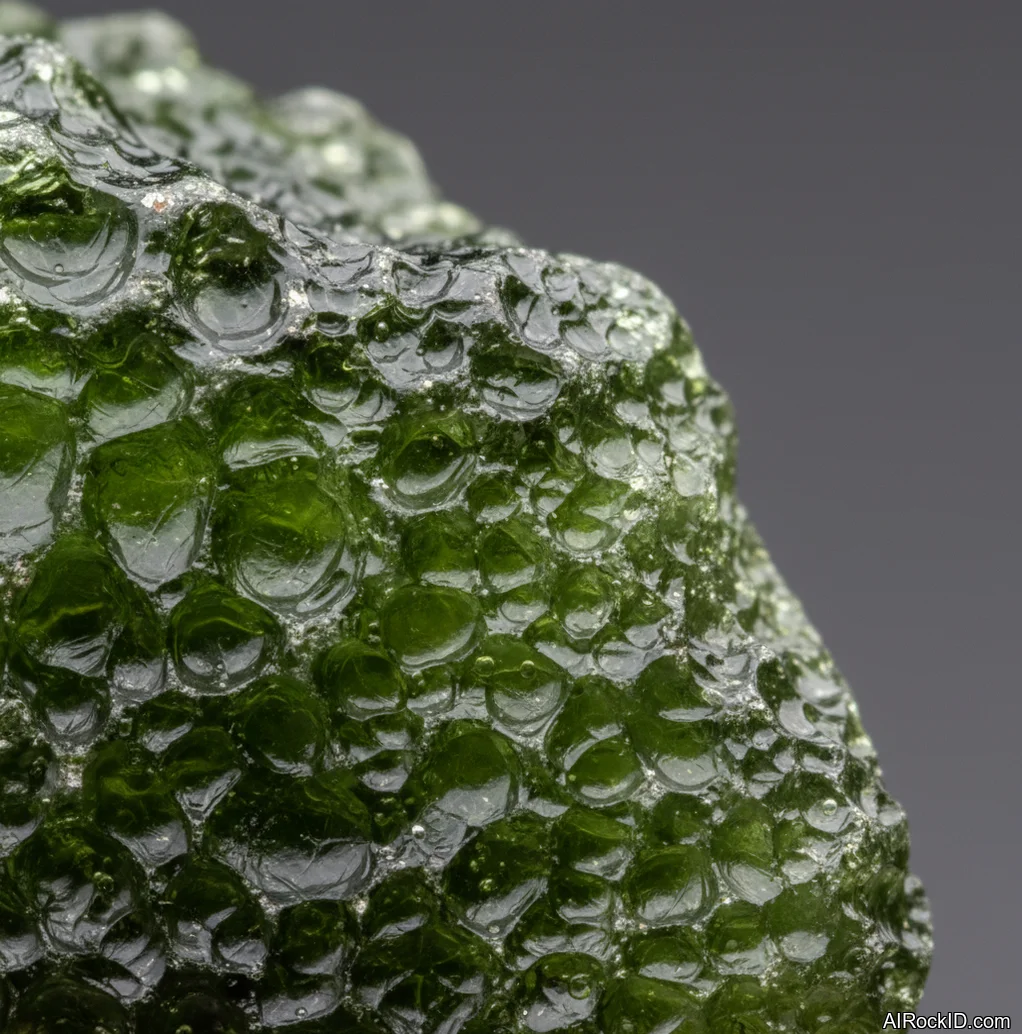
Then there’s moldavite, the stone everybody argues about. It’s a tektite, not a mineral, and the market is flooded with fakes. Real moldavite stays cool to the touch and has a surface that looks etched and wrinkled, like it was chewed by acid, not melted smooth like bottle glass. Hold it under a bright light and you should see swirly internal flow lines or bubbles that look stretched, not perfectly round “soda bubbles.” Moldavite gets paired with Uranus because it’s tied to fast shifts and the kind of perspective change you can’t unsee.
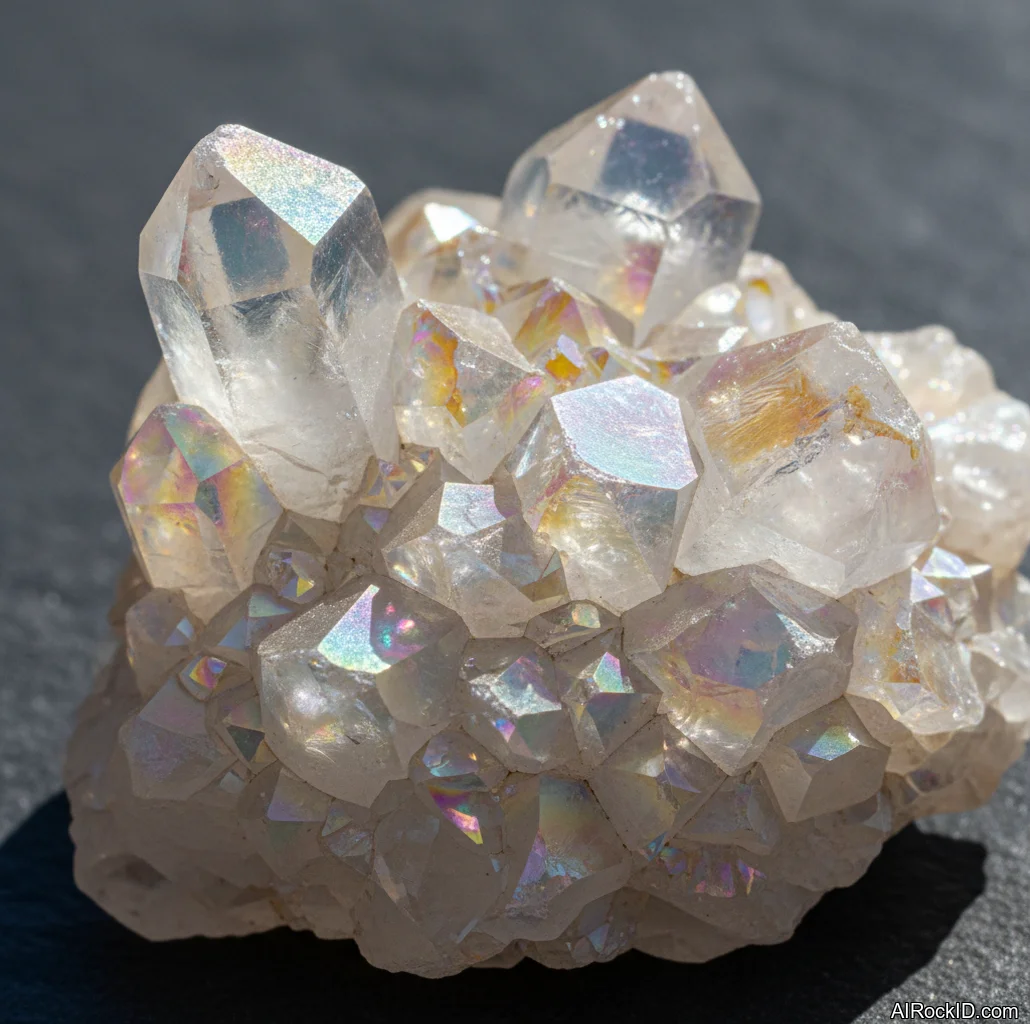
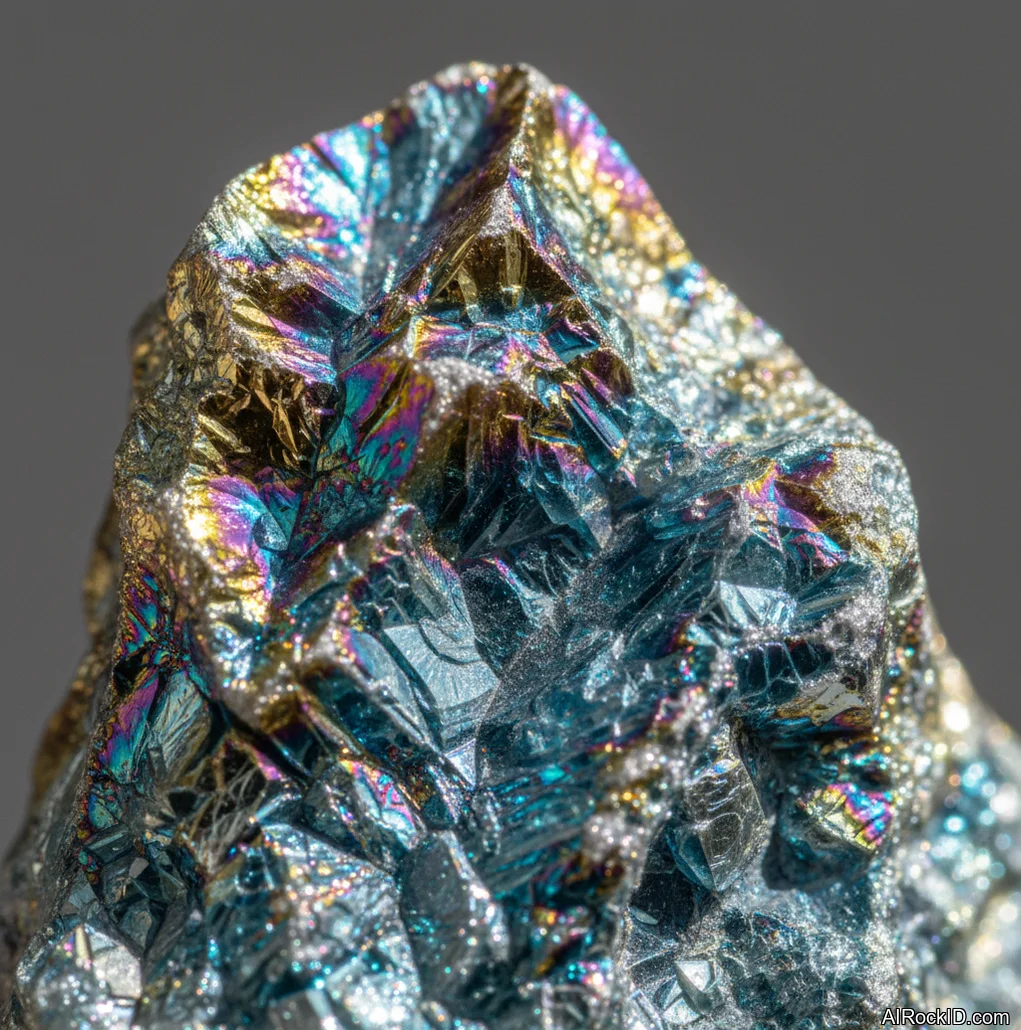
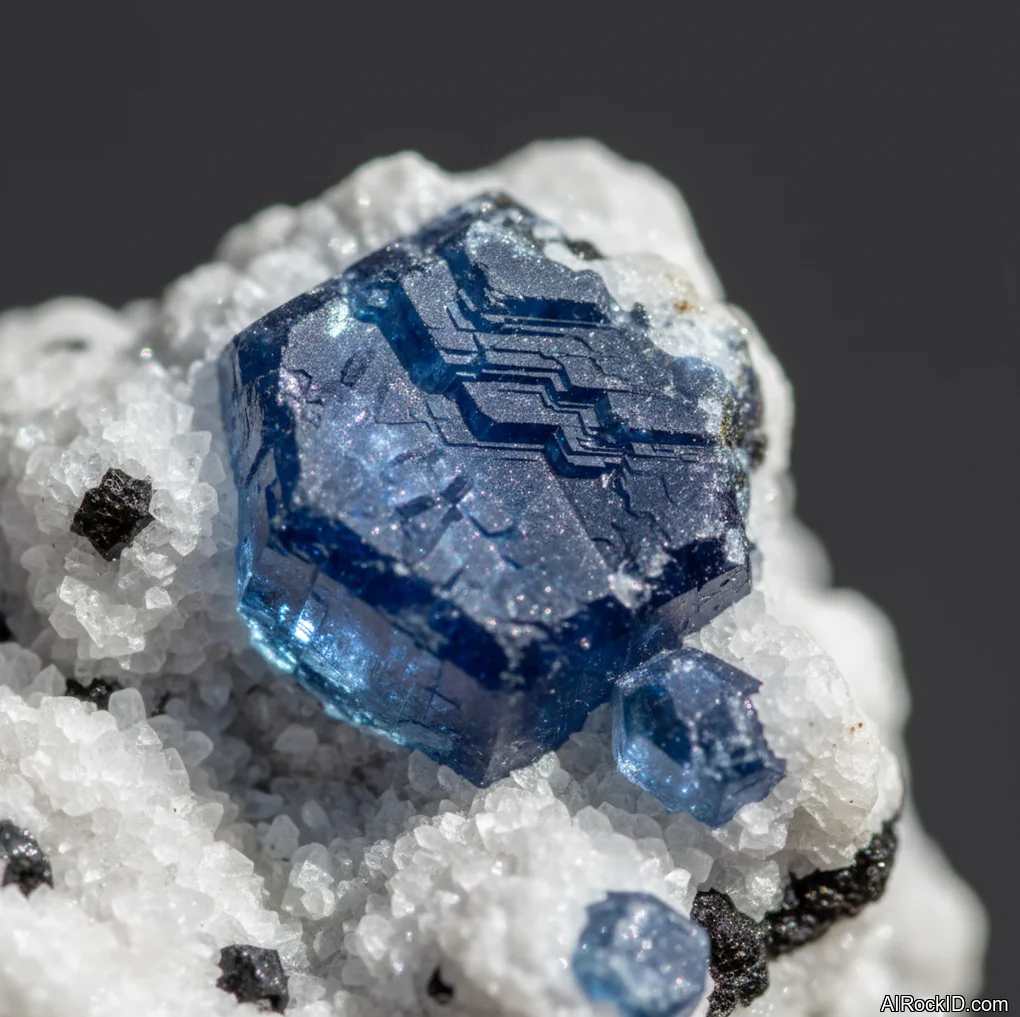
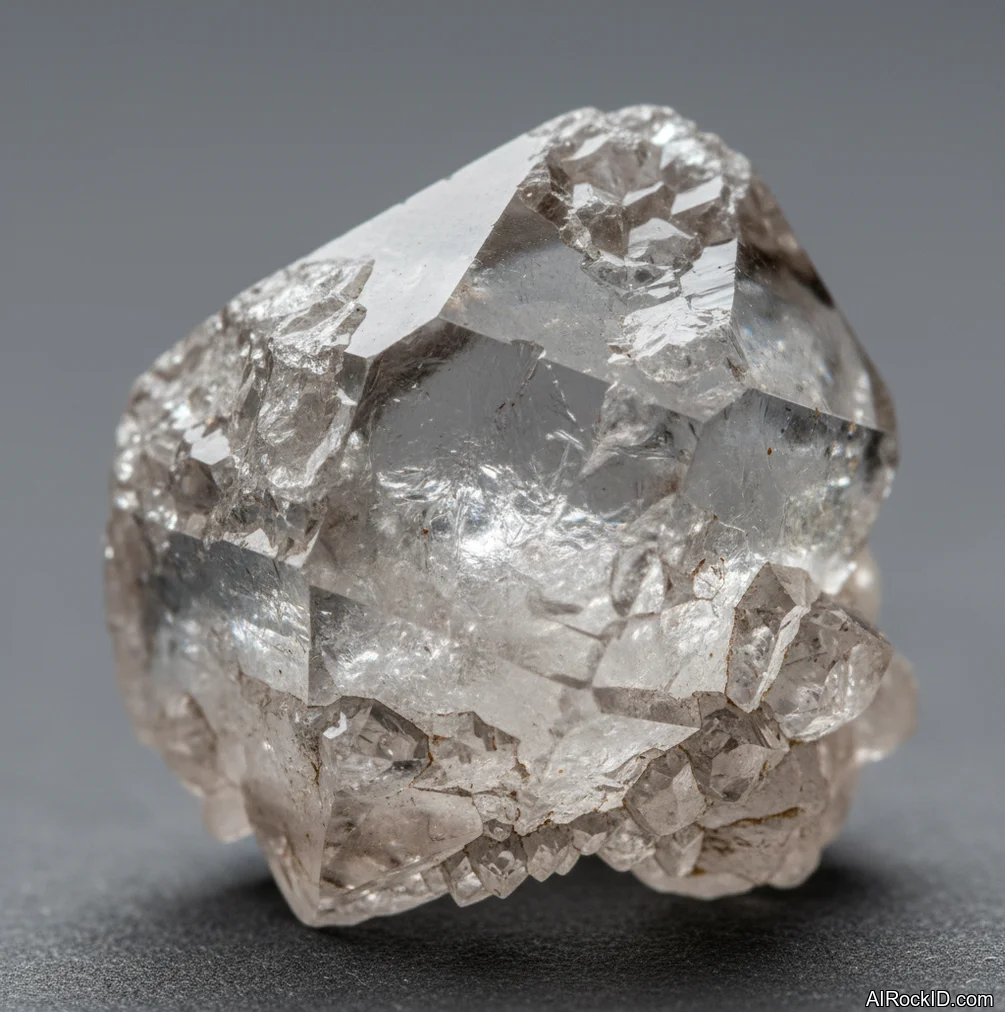
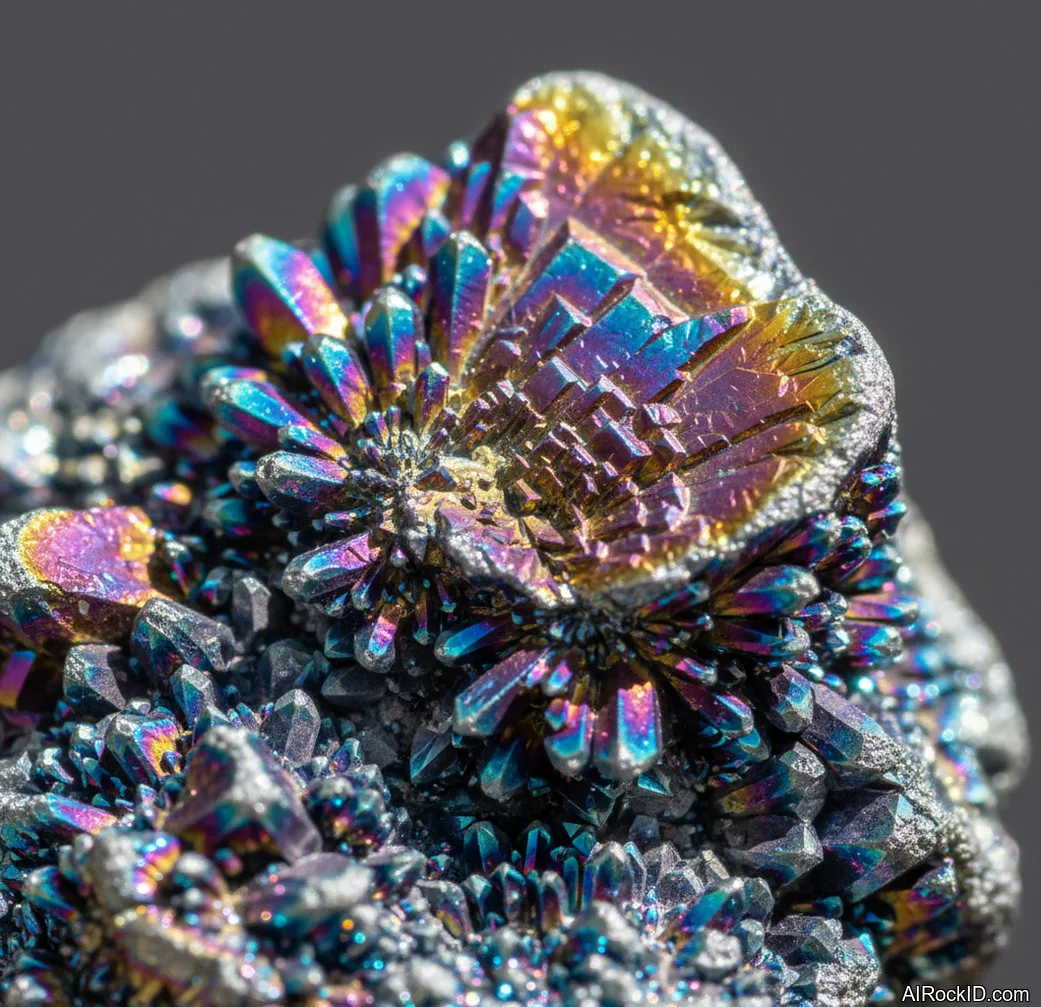
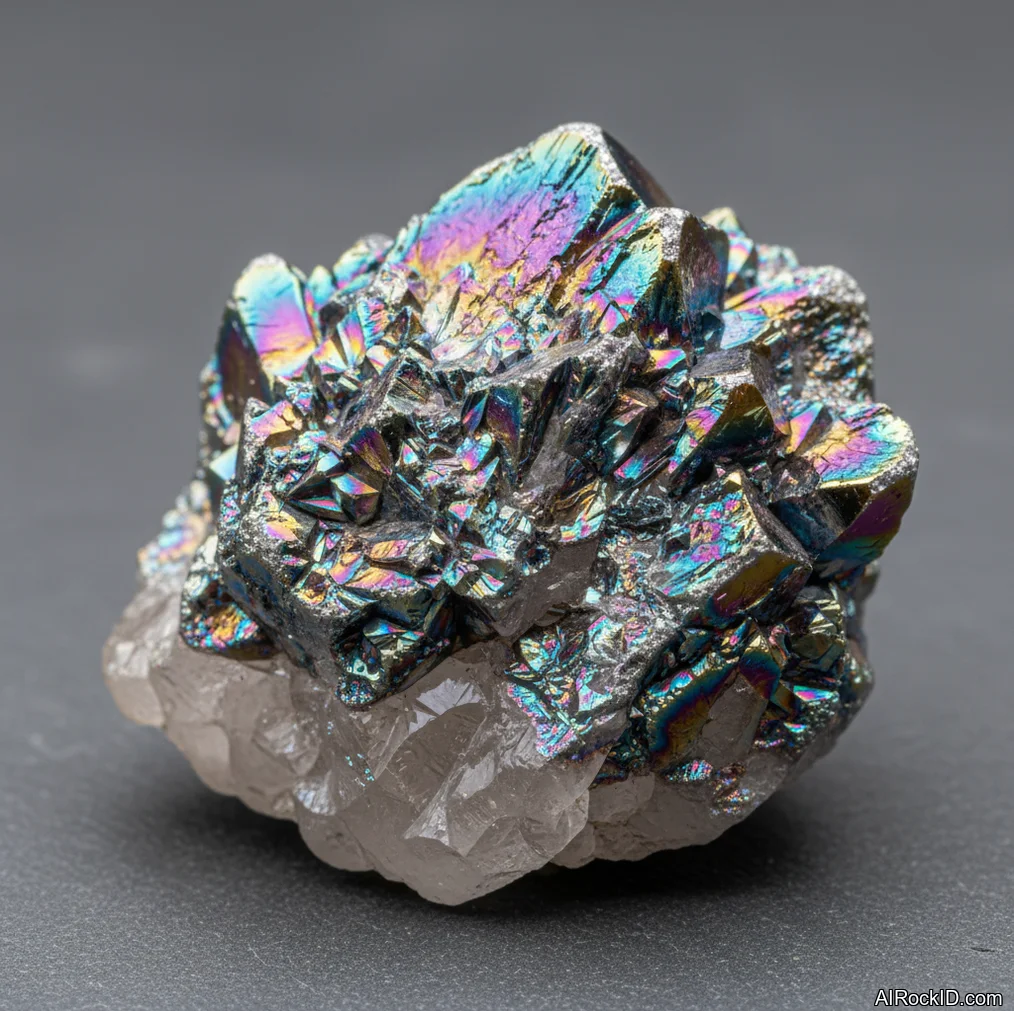
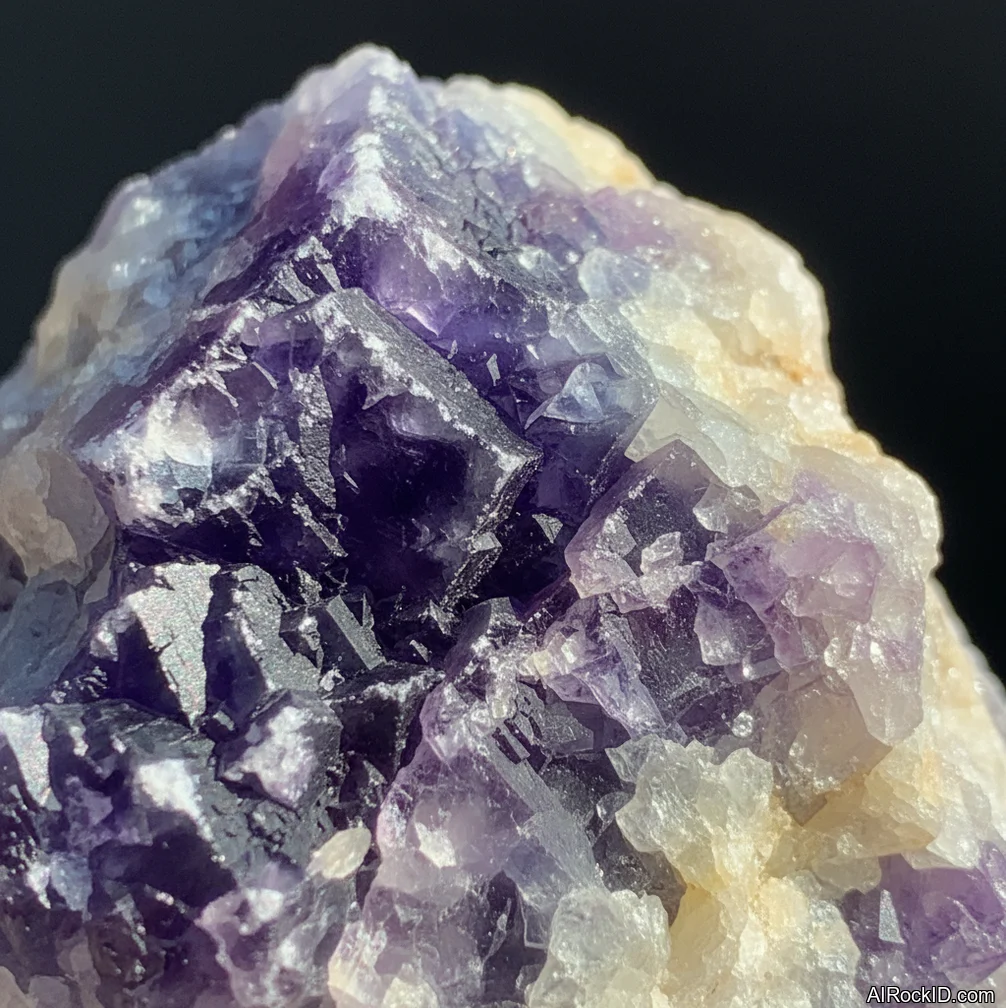
If you want that Uranus “future-tech” feel without the moldavite price tag, try rainbow fluorite or clear quartz with a sharp, clean termination. Fluorite is softer than people expect. It’ll scratch and chip if you toss it in a pocket with keys, and it hates heat and sunlight for long stretches. But the banding in good fluorite is unreal, and the way it cleaves into neat planes makes it feel orderly even when the color looks wild. Quartz is the opposite: tough enough for daily handling, easy to cleanse, and it works well with other stones when you’re building a small set.
Working with Uranus crystals is mostly about how you use them, not some complicated ritual. Keep one stone as a “reset button.” Put labradorite or fluorite on your desk where you’ll see it right before you open your laptop or start doom-scrolling. Touch it for ten seconds, then do one concrete action that matches the change you want: send the email, delete the app, write the first sentence. If you’re using aquamarine, try it during conversations that usually go sideways. A thumbstone in the pocket is enough. You don’t need a crystal shrine to test whether a stone helps you stay calm and clear (seriously, you’ll know pretty fast).
If you’re buying, don’t get hypnotized by names. Sellers slap “Uranus stone” labels on anything blue and shiny. Ask what it actually is. For labradorite, check that the flash comes from within the feldspar and moves with the angle, not a surface coating. For aquamarine, watch for glass-filled fractures in faceted pieces; they can look too perfect and overly bright. For moldavite, demand provenance, weight, and close-up photos of the texture. The problem with online listings is that lighting can fake almost everything, so look for videos where the stone is rotated in one continuous shot. No jump cuts. No tricks.
Compared to softer stones, a Uranus set usually includes a few that can take a beating. Quartz, labradorite, and even some jaspers or agates hold up fine for daily use. Fluorite, selenite, and delicate beryls don’t. I’ve seen fluorite corners turn to chalky chips after one fall onto tile. If you want to carry something every day, pick hardness and toughness first, then chase the vibe. The vibe can wait.
One last practical tip: Uranus-style change gets messy when your tools are messy. Keep your stones clean, but don’t overdo it. A quick rinse and a dry cloth is enough for most quartz and labradorite. Avoid soaking fluorite, and don’t leave aquamarine sitting in direct sun on a windowsill. If you’re treating Uranus as a symbol for change, your collection should support that, not become another thing you have to fix. (Because who needs that?)
All Uranus Crystals (34)