Fulgurite
What Is Fulgurite?
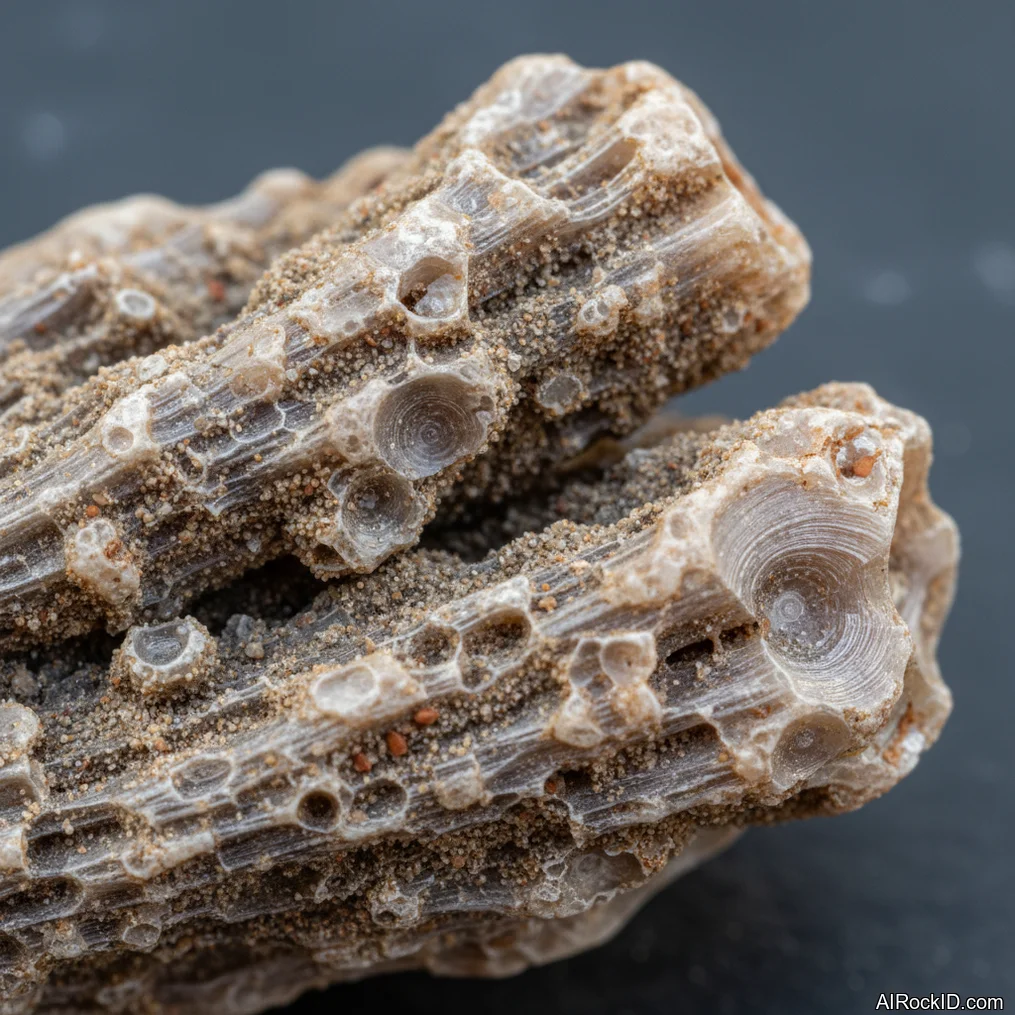
Fulgurite is natural glass that happens when lightning hits sand, soil, or rock and melts it hard enough to fuse into a tube or a branching lump. Most of the time it’s basically a cast of the lightning itself, with this crusty, sandpapery outside and a smoother, glassy inner wall where the melt actually ran.
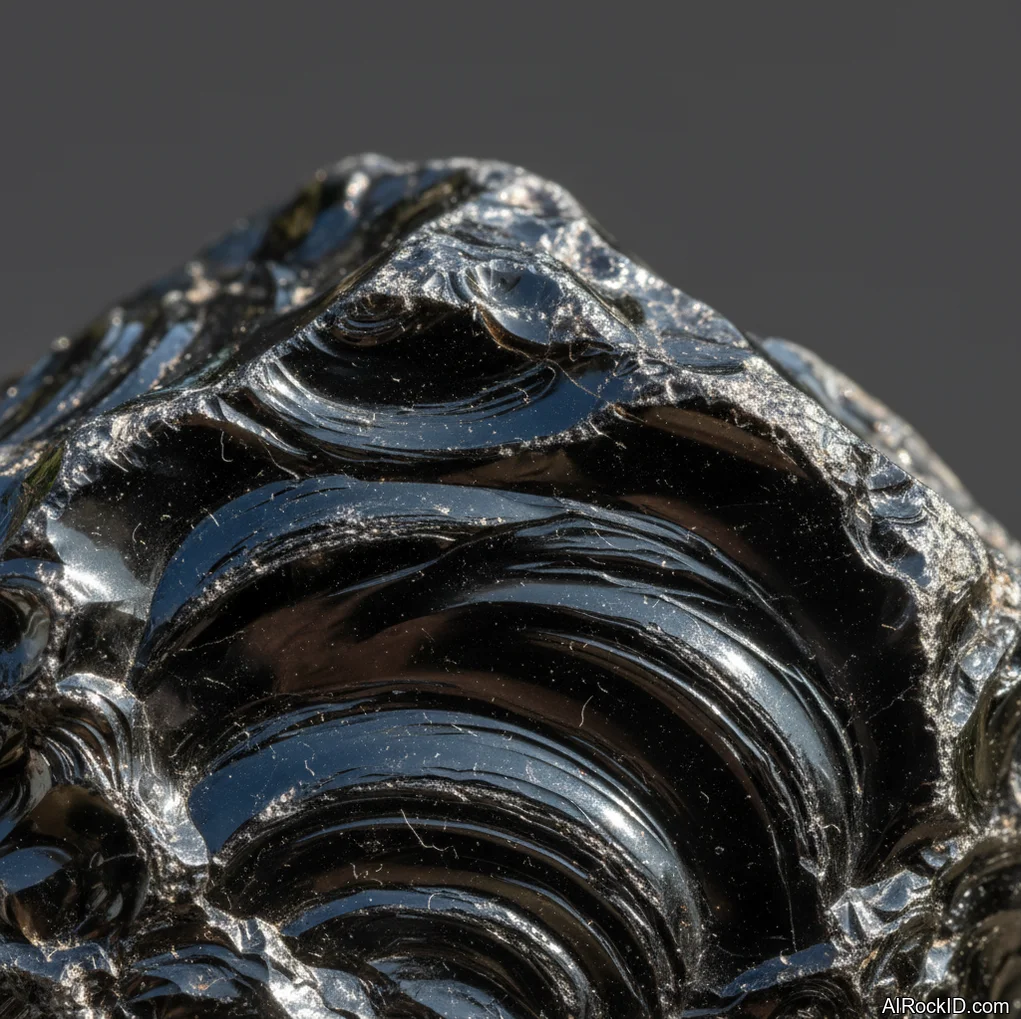
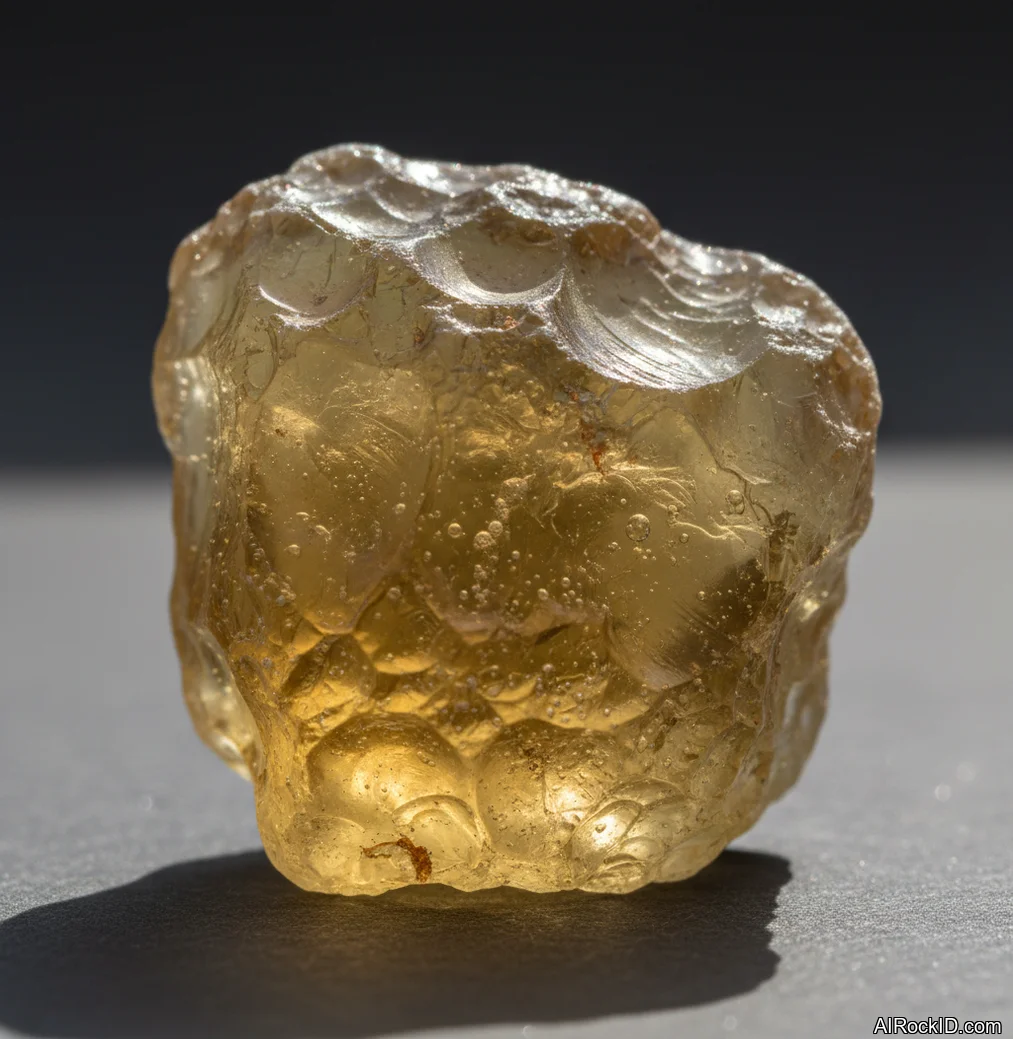
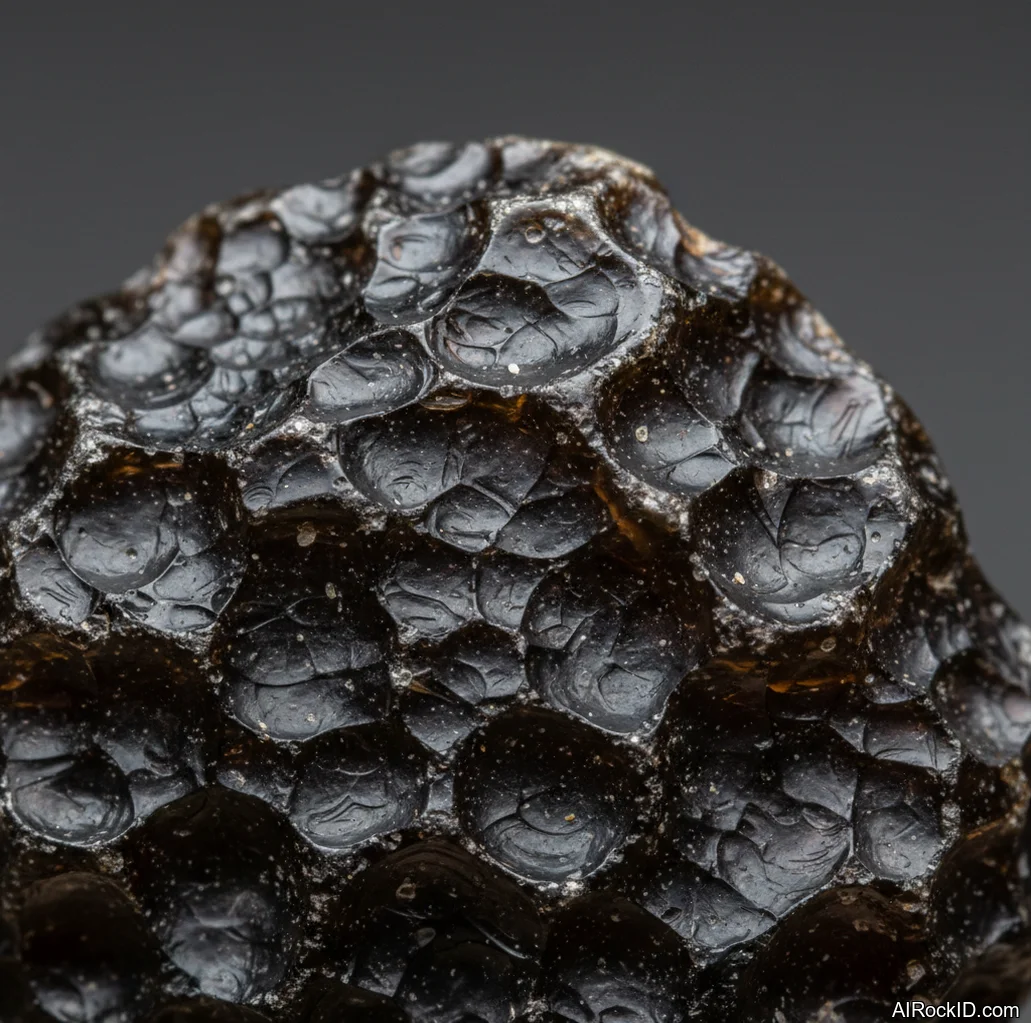
Hold a decent-sized piece and the first thing you notice is how oddly light it feels for something that looks so “rocky.” The outside is usually tan to brown and gritty, like it still thinks it belongs in a sand dune. But crack a look at the inside and it can be glossy, gray to smoky, sometimes even a little greenish if there’s a lot of iron or other stuff mixed into the ground (you can usually tell right away when the light catches it). And the shapes? Not polite. They snake around, fork off, pinch down, then suddenly flare out, exactly like a lightning path making up its mind mid-strike.
People see the word “glass” and expect obsidian. It usually isn’t. Most fulgurites are fragile tubes that’ll crumble if you squeeze too hard, and the really good ones are the pieces that still have a continuous hollow core you can peer through, like a tiny glass cave. Kind of wild, right?
Origin & History
“Fulgurite” comes from the Latin *fulgur*, which means lightning. Scientists were already writing about them in the 1700s as these strange natural curiosities, and by the 1800s they start popping up in museum catalogs as “lightning tubes” dug out of sandy plains and dunes.
If you’ve ever wandered through an older natural history collection, fulgurites are the kind of thing you find tucked in a shallow drawer with a slightly curled, hand-written label. Half geology, half weather. And they mattered, too. They helped settle the argument about whether lightning can get hot enough to melt silica. It can.
Where Is Fulgurite Found?
Fulgurites show up anywhere lightning hits silica-rich sand or soil, especially dunes, beaches, and dry sandy plains with frequent storms.
Formation
Look at the walls up close and you can basically see the whole story frozen in there. A lightning strike shoves a ridiculous amount of energy through a skinny little channel, and the temperature jumps high enough to melt quartz sand in a blink. That melt turns to glass so fast it doesn’t have time to crystallize, so what you get is amorphous silica glass, usually peppered with bubbles and tiny unmelted sand grains that are kind of welded in place.
The “classic” shape is a hollow tube. Why? Because the strike superheats a narrow path, and the sand around it acts like a mold (same way wet sand holds a shape in your hand). The inside cools into a smoother glass lining you can feel with a fingernail, while the outside stays rough since it’s partly fused sand and partly loose grains baked onto the hot surface. But thing is, it’s not one-size-fits-all. Soil moisture, clay content, grain size, and whatever the strike hits first will change what you end up with. In rocky ground you can wind up with chunky, irregular “fulgurite glass” blobs instead of tubes, and those look nothing like the dune versions.
How to Identify Fulgurite
Color: Most fulgurites are tan, brown, or gray on the outside from fused sand and soil. The interior glass is usually gray to smoky, sometimes with greenish or blackened patches from impurities or carbon.
Luster: The outside is dull to earthy, while the inner surface can be vitreous where it’s actually glass.
Pick up the piece and run a fingertip along the outside. Real fulgurite feels gritty and uneven, not uniformly polished like a souvenir “lightning glass” rod. The real test is the interior: a genuine tube often has a smooth, glossy lining and a natural tapering hole, not a drilled bore. And don’t be surprised if it sheds a little sand when you handle it, especially at broken edges.
Properties of Fulgurite
Physical Properties
| Crystal System | Amorphous |
| Hardness (Mohs) | 5.5-6.5 (Hard (6-7.5)) |
| Density | 2.1-2.4 g/cm3 |
| Luster | Vitreous |
| Diaphaneity | Translucent to opaque |
| Fracture | Conchoidal |
| Streak | white |
| Magnetism | Non-magnetic |
| Colors | tan, brown, gray, smoky, black, greenish |
Chemical Properties
| Classification | Oxides |
| Formula | SiO2 (amorphous, silica glass; commonly lechatelierite-rich) |
| Elements | Si, O |
| Common Impurities | Al, Fe, Ca, Mg, Na, K, Ti, C |
Optical Properties
| Refractive Index | 1.46-1.47 |
| Birefringence | None |
| Pleochroism | None |
| Optical Character | Isotropic |
Fulgurite Health & Safety
Fulgurite is basically silica glass, so under normal use it’s safe to handle. But if you’ve got a snapped piece, watch the edges, they can feel like a tiny knife when you run a finger along them. And that dusty, sandy grit on the outside? It can flake off and end up on your fingertips (or the table), so if it’s cracked, just handle it gently.
Safety Tips
If the specimen’s crumbly, wrap it up or stash it in a small box so the gritty bits and sharp little flakes don’t wind up on your hands or, worse, in your eyes.
Fulgurite Value & Price
Price Range
Rough/Tumbled: $10 - $250 per piece
Prices jump when the hollow tubes are still intact, the branching shapes are actually there, and the length hasn’t been repaired. And if it’s crumbly, most dealers knock it down hard, even when the story behind it is cool.
Durability
Fragile — Scratch resistance: Good, Toughness: Poor
The glass itself is fairly stable, but the thin tube walls and sandy outer crust chip and crush easily in pockets or crowded display trays.
How to Care for Fulgurite
Use & Storage
Store it like you’d store a delicate hollow fossil. A small box with padding beats a shelf where it can roll and chip.
Cleaning
1) Blow off loose sand with a bulb blower or a gentle puff of air. 2) Use a soft, dry paintbrush to lift grit out of grooves. 3) If it really needs it, do a quick rinse in clean water and pat dry right away, then let it air dry fully before storing.
Cleanse & Charge
If you do energetic cleansing, stick to smoke, sound, or moonlight. Salt and rough tumbling methods are a fast way to wreck thin tubes.
Placement
Give it its own space where it won’t get bumped. I like a little acrylic stand so you can see the hollow channel without stressing the piece.
Caution
Don’t drop it. And don’t shove it in your pocket, either, or stack heavier minerals on top of it. If you’re cleaning the outside, skip anything stiff. The crust has that gritty, sandy feel, and it’ll flake off if you scrub at it.
Works Well With
Fulgurite Meaning & Healing Properties
Compared to most stones, fulgurite feels… specific. Pick one up and the first thing you notice is how light it is, almost like your hand expects heft and doesn’t get it. And it’s weird in a good way. Like a single instant got trapped and cooled into glass.
When I’ve got one on a table, people usually don’t jump straight to chakras. They squint at it, turn it, run a thumb along the rough outer skin, and ask the obvious question: what happened to make this? That story is half the draw.
If you’re coming at it from the metaphysical side, fulgurite usually gets treated as a transformation and direction stone, tied to sudden change, breakthroughs, and that clean kind of clarity that shows up after a storm. I’ve used it as a focus object while journaling through a decision, mostly because the shape itself keeps my brain from wandering. You literally follow the tube with your eyes. Straight line, then a fork, then a choice. Hard to ignore.
But it’s not a set-it-and-forget-it piece. It’s fragile, and you can’t pretend that doesn’t matter. I’ve had a thin tube crack just from being wedged too tight in foam (that tiny, sharp little snap sound? yeah), and it was a solid reminder that intensity without care turns into a mess. None of this is medical advice, obviously. It’s more like using an object with a strong origin story as a cue to steer your own attention and intention.
Identify Any Crystal Instantly
Snap a photo and get properties, value, care instructions, and healing meanings in seconds.