Healer S Gold
What Is Healer S Gold?
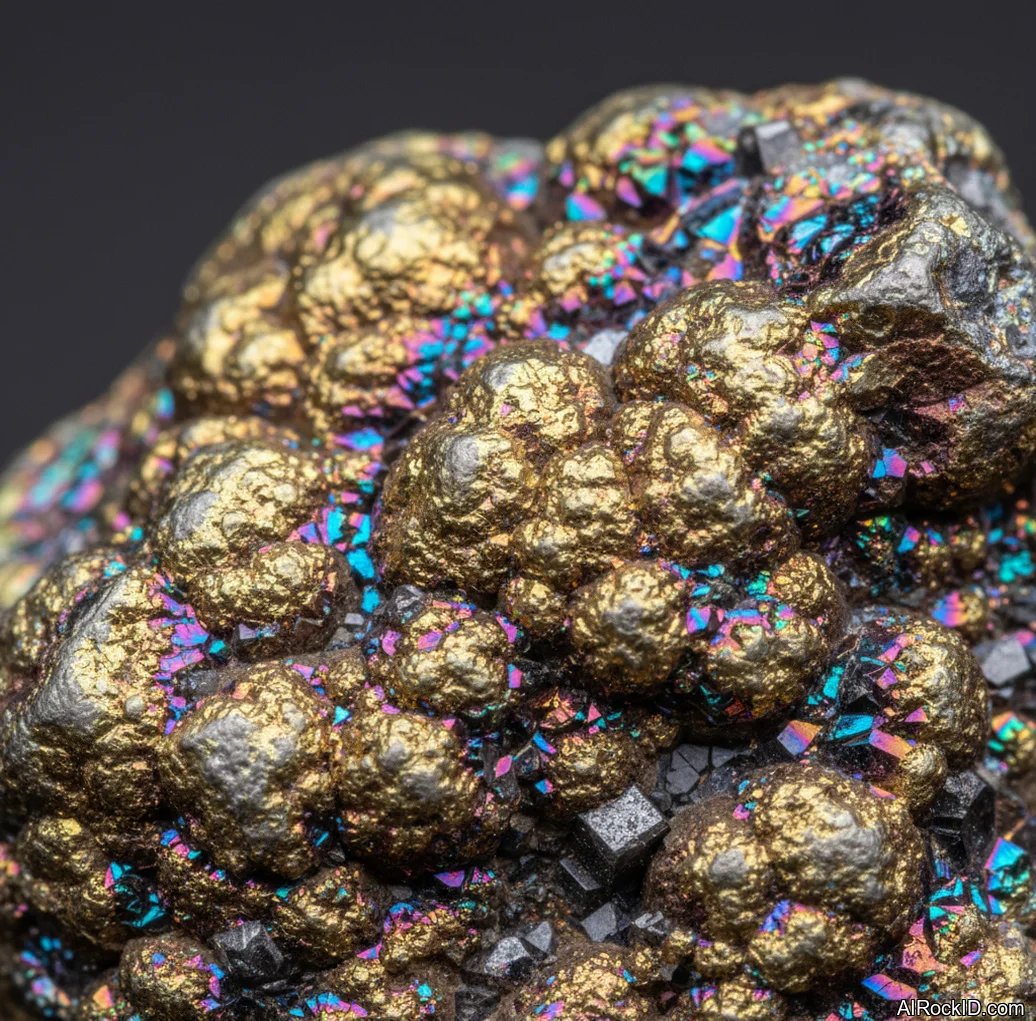
Healer S Gold is a trade name for brassy chalcopyrite scattered through a black magnetite matrix, and you’ll usually see it sold as tumbled stones or palm pieces.
Pick up a solid chunk and the contrast hits you fast. The magnetite feels heavier than it looks, almost like it’s got a little extra weight hiding in it, and those yellow-metal flashes sit in the black like someone sprinkled confetti and then pressed it in. I’ve picked through trays of it at rock shops where half the pieces look kind of dead at first, until you tilt them under a bright light and the chalcopyrite finally jumps out.
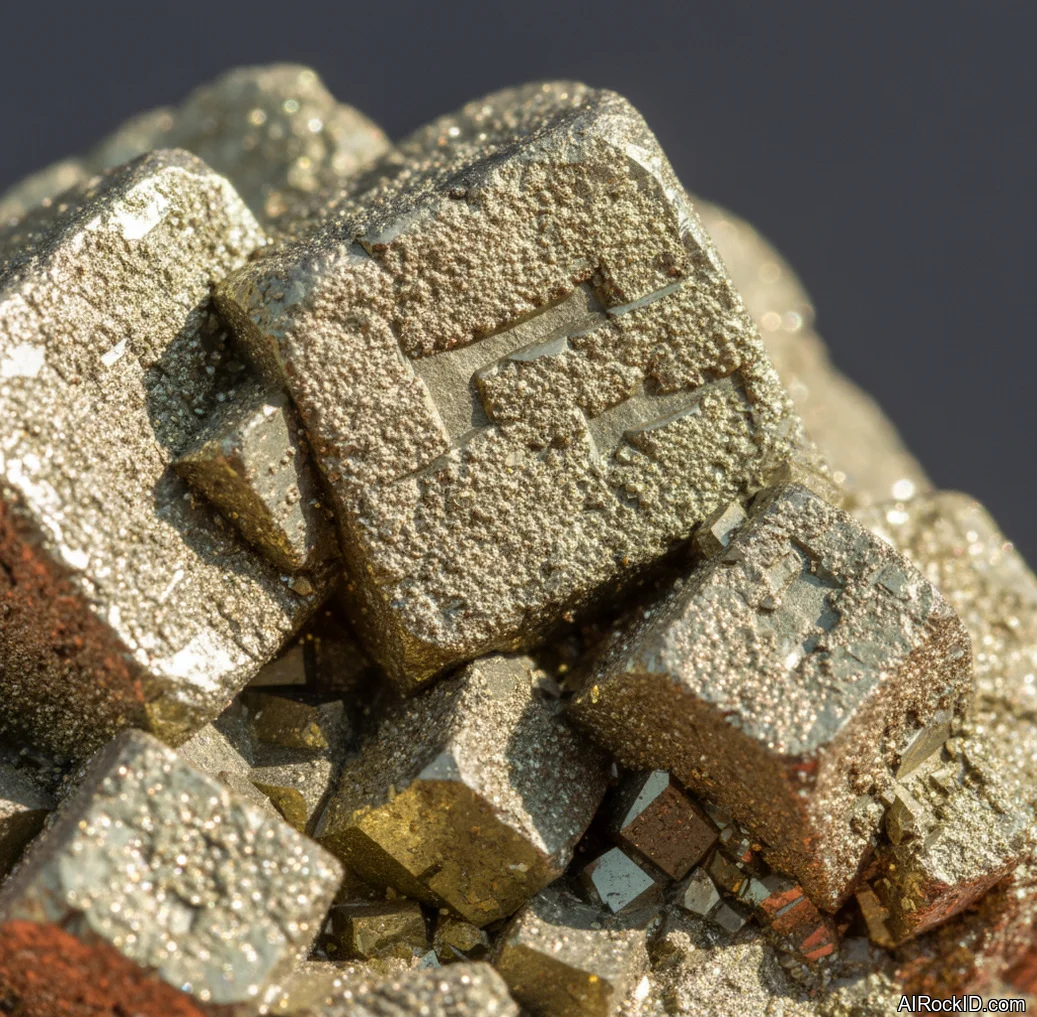
Thing is, most of what’s on the market gets rounded and polished, so people go in expecting that constant “gold ore” glitter. But the chalcopyrite is often fine-grained, so it doesn’t always read as flashy. On a cloudy day it can look almost plain, and then you lean under a counter light and suddenly it kicks back these little brassy sparks. Like, where’d that come from?
Origin & History
You won’t see “Healer S Gold” listed as an official mineral name in the older references. It’s a newer shop and gem-show label, built around the idea of pairing two minerals, and it lines up pretty closely with the older trade name “Apache Gold,” which is magnetite with bright, metallic inclusions (the kind that catch hard light when you tilt the stone).
Chalcopyrite, though, has been described for ages, and its name comes from Greek roots meaning “copper” and “strike,” basically a wink at how often it got mixed up with other shiny metallic ores. Magnetite is one of those minerals people figured out long before anyone was writing textbooks about mineralogy, thanks to lodestone compasses and all that. So, yeah, the marketing name is new. But the ingredients are old-school.
Where Is Healer S Gold Found?
Material sold as Healer S Gold is most often sourced in the USA, especially Arizona, with similar chalcopyrite-magnetite mixes also coming from big mining regions worldwide.
Formation
Most of this stuff starts out in an ore body where iron and copper sulfides are coming in right alongside iron oxides. Chalcopyrite is a copper-iron sulfide, magnetite is an iron oxide, so what you’re really seeing is a combo that shows up when the chemistry and oxygen levels change during mineralization, or after it’s already happened.
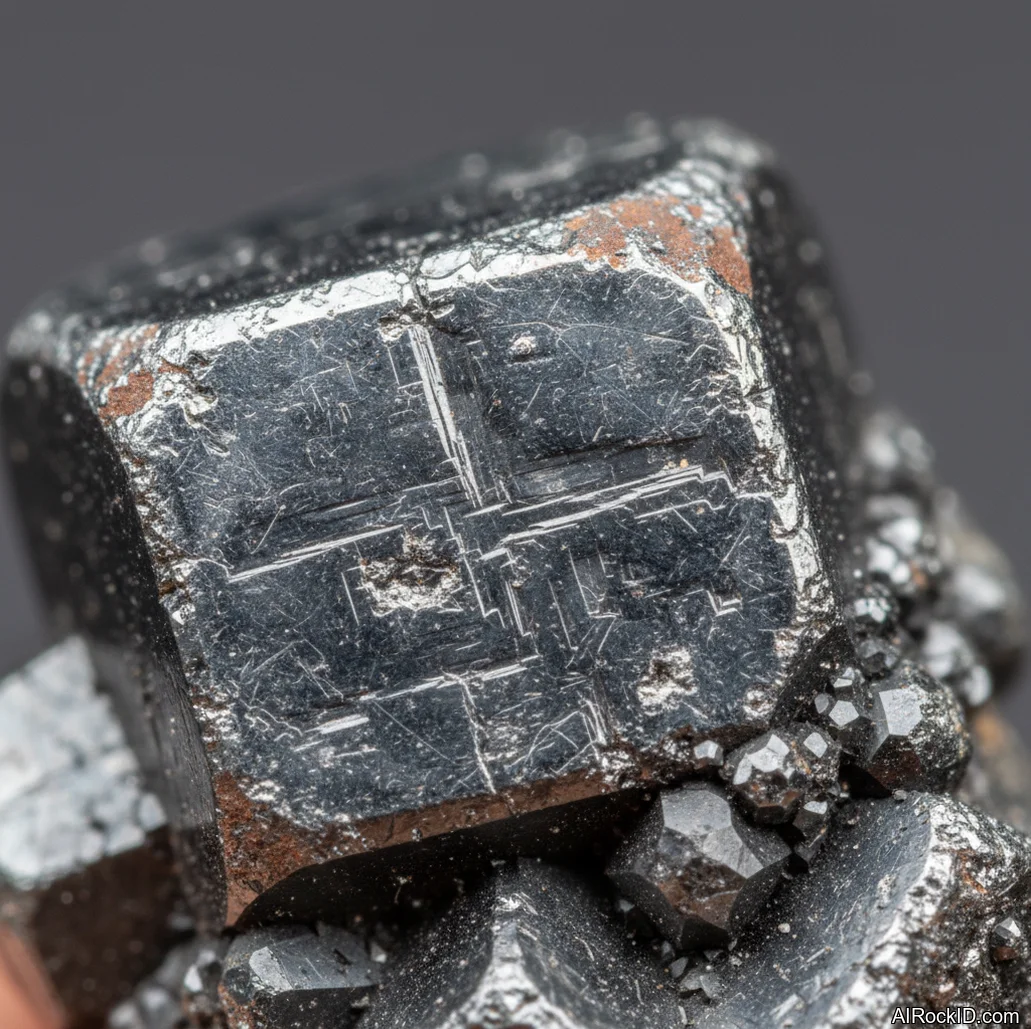
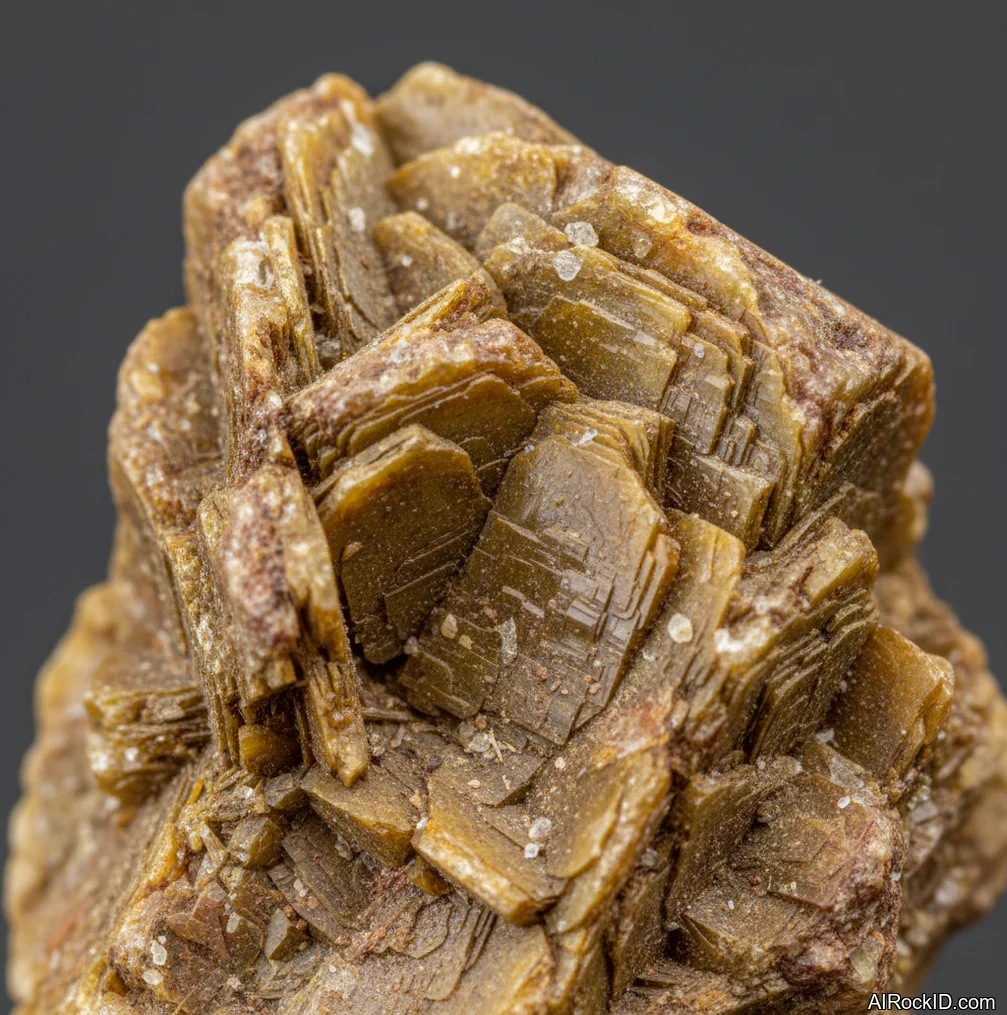
Look, if you’ve got rough in your hand and you tilt it under a light, you can sometimes read what went on. The magnetite is usually dead black, heavy for its size, and kind of stubborn when you try to scratch it. Then the chalcopyrite shows up as that brassy gold color, smeared in skinny seams or sitting there as little grains that catch the light. But it won’t always look that clean. A lot of the tumbled material is basically “whatever gave a nice black-and-gold contrast” pulled out of a bigger ore zone, then chopped up and polished (and yeah, the polishing can make the gold pop more than the rough ever did).
How to Identify Healer S Gold
Color: Black to steel-black matrix with brassy yellow metallic flecks; some chalcopyrite shows greenish or iridescent tarnish on broken spots. The gold color is metallic, not transparent or honey-colored like quartz.
Luster: Metallic overall, with high shine on polished faces and a more matte metallic look on raw surfaces.
Pick up two similar pieces and compare the weight. Magnetite-rich pieces feel surprisingly hefty for their size, and that’s a dead giveaway in the hand. The real test is a magnet: magnetite will grab hard, while chalcopyrite by itself won’t. And if you scratch an inconspicuous spot with a steel nail, chalcopyrite can mark and smear a bit, but the magnetite matrix usually holds up better.
Properties of Healer S Gold
Physical Properties
| Crystal System | Tetragonal |
| Hardness (Mohs) | 3.5-4 (Soft (2-4)) |
| Density | 4.1-4.3 g/cm3 |
| Luster | Metallic |
| Diaphaneity | Opaque |
| Fracture | Uneven |
| Streak | greenish-black |
| Magnetism | Magnetic |
| Colors | black, steel-black, brassy yellow, golden yellow |
Chemical Properties
| Classification | Sulfides |
| Formula | CuFeS2 |
| Elements | Cu, Fe, S |
| Common Impurities | Zn, Ag, Au |
Optical Properties
| Refractive Index | None |
| Birefringence | None |
| Pleochroism | None |
| Optical Character | Isotropic |
Healer S Gold Health & Safety
Normal handling’s fine. But don’t grind, sand, or drill it unless you’ve got proper dust control in place, because that fine powder gets everywhere (and it hangs in the air longer than you’d think). And if you’ve been rubbing on raw surfaces, wash your hands afterward.
Safety Tips
If you need to cut or shape it, do it wet and wear a respirator that’s rated for fine particulates. Keep the slurry out of drains (it sets up like gritty cement) and make sure it’s nowhere near kids or pets.
Healer S Gold Value & Price
Price Range
Rough/Tumbled: $5 - $40 per piece
Price mostly comes down to the polish, how bright and plentiful those brassy flecks look when you tilt it under a lamp, and whether the shape is clean or peppered with little pits you can feel with a fingernail. Big palm stones with crisp contrast usually cost more than small tumbles that have those muddy gray patches (the kind that stay dull even after you wipe off fingerprints).
Durability
Moderate — Scratch resistance: Fair, Toughness: Fair
It’s generally stable on a shelf, but the chalcopyrite can tarnish and dull if it’s handled a lot or stored in humid conditions.
How to Care for Healer S Gold
Use & Storage
Keep it in a soft pouch or a compartmented box so the metallic surfaces don’t get scuffed by harder stones. If you live somewhere humid, a little silica gel packet in the drawer helps.
Cleaning
1) Rinse quickly in lukewarm water with a drop of mild soap. 2) Use a soft toothbrush to lift skin oils from the polish. 3) Pat dry right away and let it air-dry fully before storing.
Cleanse & Charge
For non-water methods, smoke, sound, or a quick pass over selenite are common choices in crystal shops. If you do use water, keep it brief and dry it well so the metallic bits don’t dull as fast.
Placement
On a desk or near a workbench it looks best under a directional lamp so the brassy flecks flash when you move it. A dark shelf works too, but it can disappear unless the lighting is good.
Caution
Skip saltwater, harsh cleaners, or letting it sit in a bowl forever. That stuff can kick tarnish into high gear and you’ll end up with a surface that just looks kind of tired and dulled out. And don’t let a little “gold” sparkle fool you. Not every shiny gold-looking finish is real gold, so don’t pay gold prices for it.
Works Well With
Healer S Gold Meaning & Healing Properties
Most dealers talk about Healer’s Gold like it’s a “teamwork” stone: magnetite for that grounded, heavy pull, and chalcopyrite for a brighter, more get-up-and-go kind of buzz. That’s the whole vibe people chase. It’s not medicine, and nobody should treat it like it is, but I get why people grab it when they want something that feels steady the second it hits their palm.
Pick up a polished palm stone and you notice the weight right away. Seriously. It’s like a worry stone, except it’s got extra gravity and you can feel it tug a little when you set it down on a metal shelf (that faint little clink is hard to miss). When I’m sorting inventory at a shop, the magnetite-heavy pieces are the ones that make you slow down and actually look. But here’s the catch: a lot of stuff gets sold under this name even when the “gold” is barely there, or it’s mostly pyrite-looking flecks that don’t match the listing photos. So, shop with your eyes. And your patience.
If you’re using it in a personal practice, it tends to work best alongside practical routines. Set it by your keys. Hold it while you write out the boring steps. Keep it on the desk where you’ll actually touch it instead of tucking it in a drawer and forgetting it exists, right? And if you want the most visual payoff, keep a small flashlight nearby. One quick tilt and the metallic bits light up, and honestly, that’s half the fun.
Identify Any Crystal Instantly
Snap a photo and get properties, value, care instructions, and healing meanings in seconds.